説明
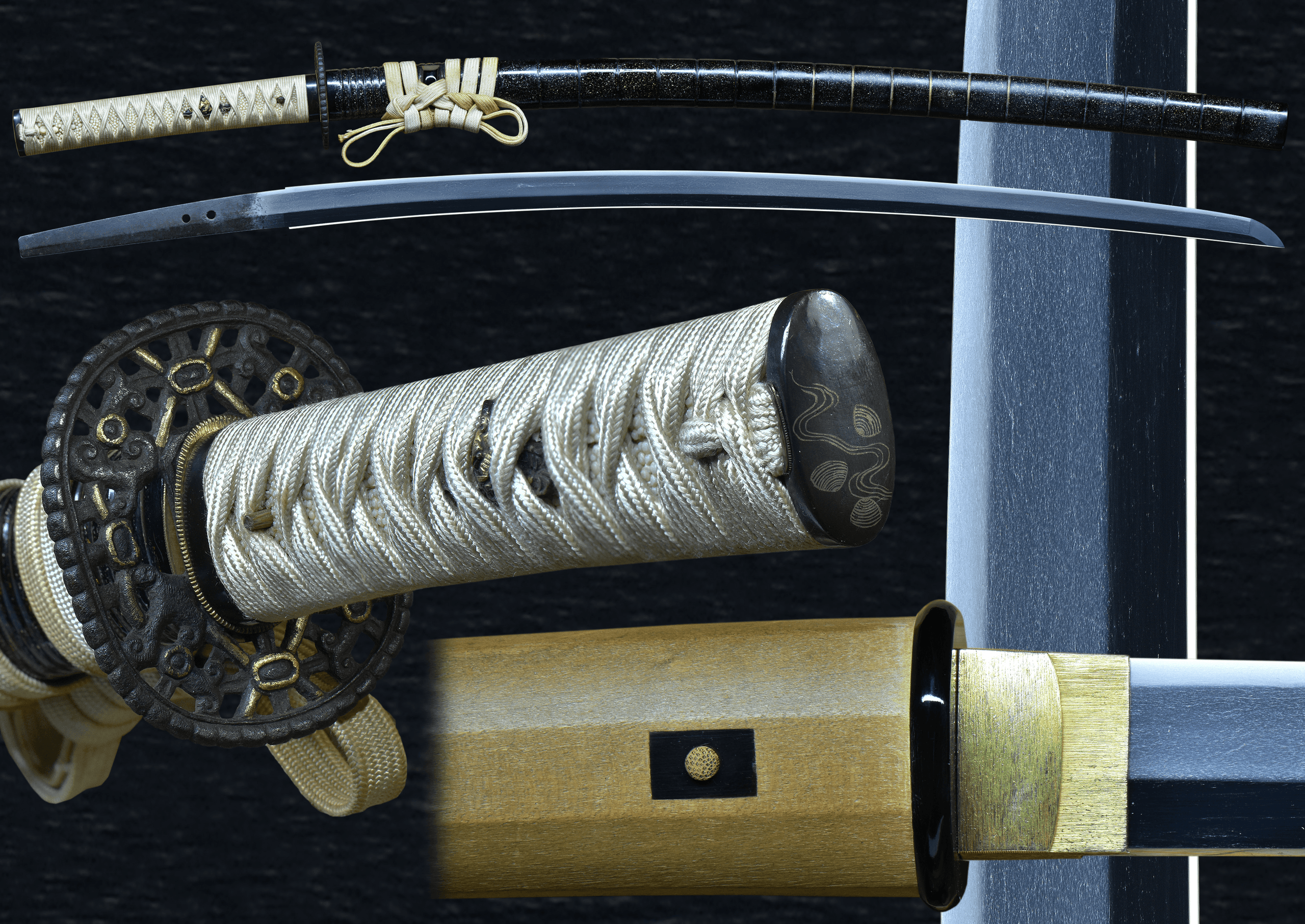
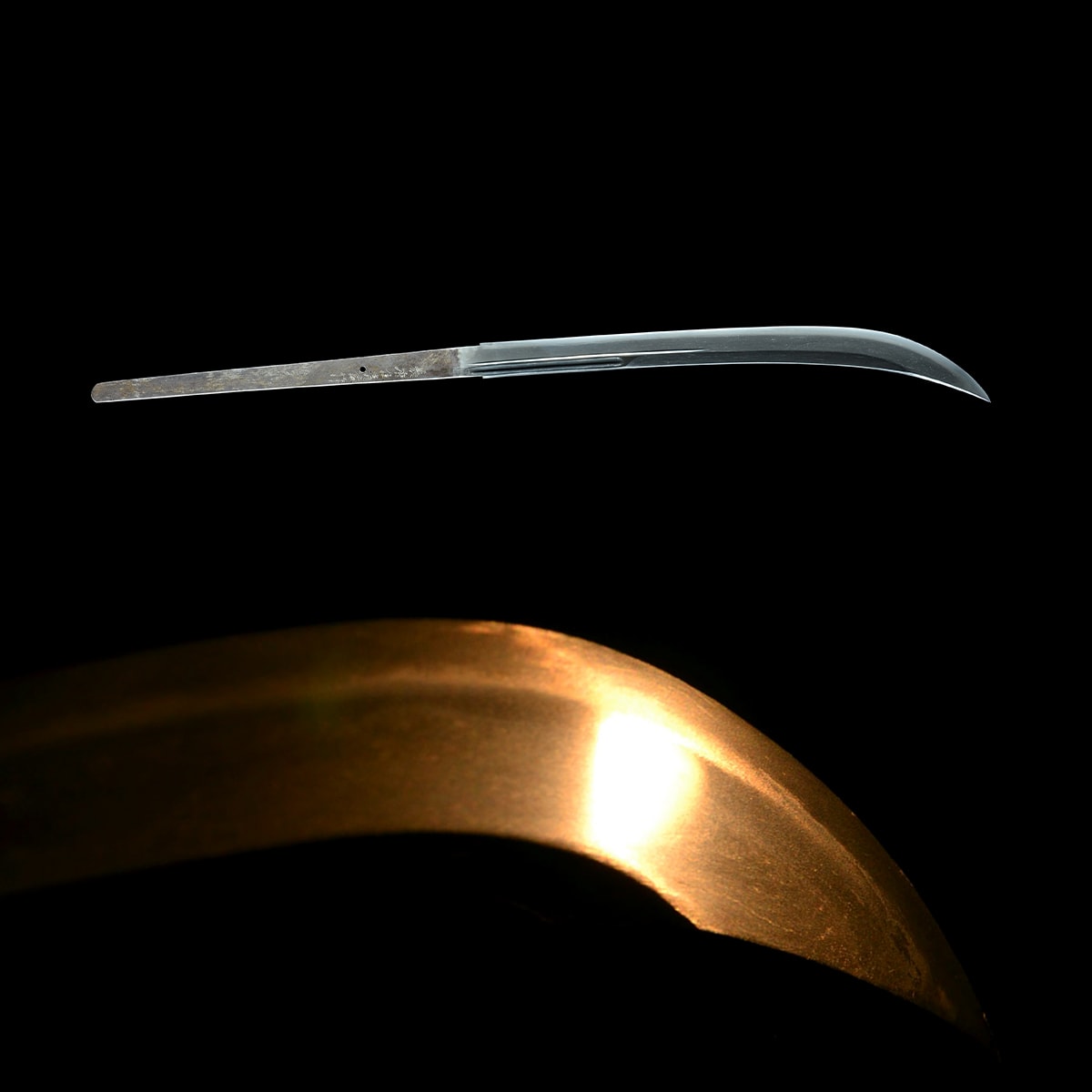
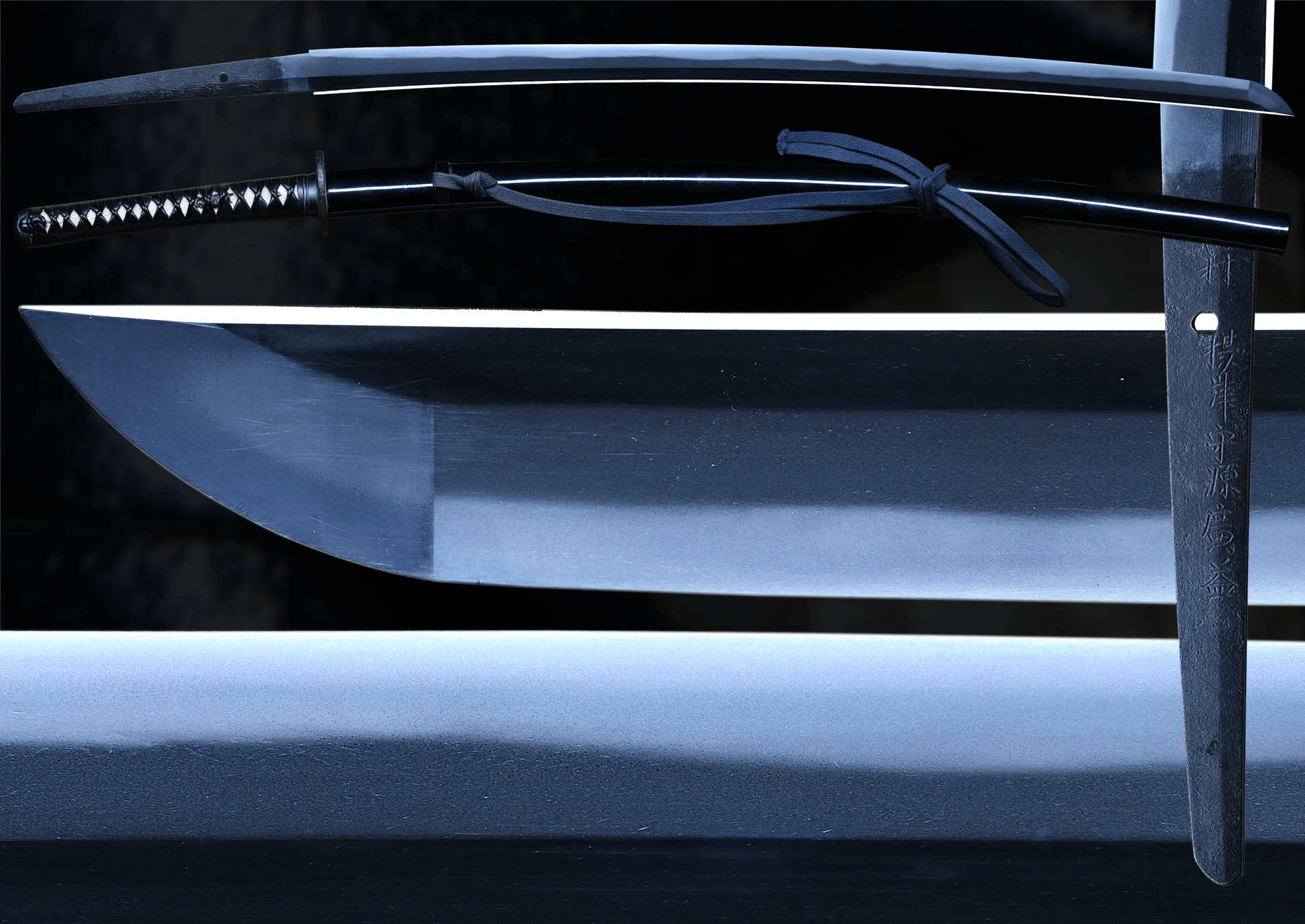
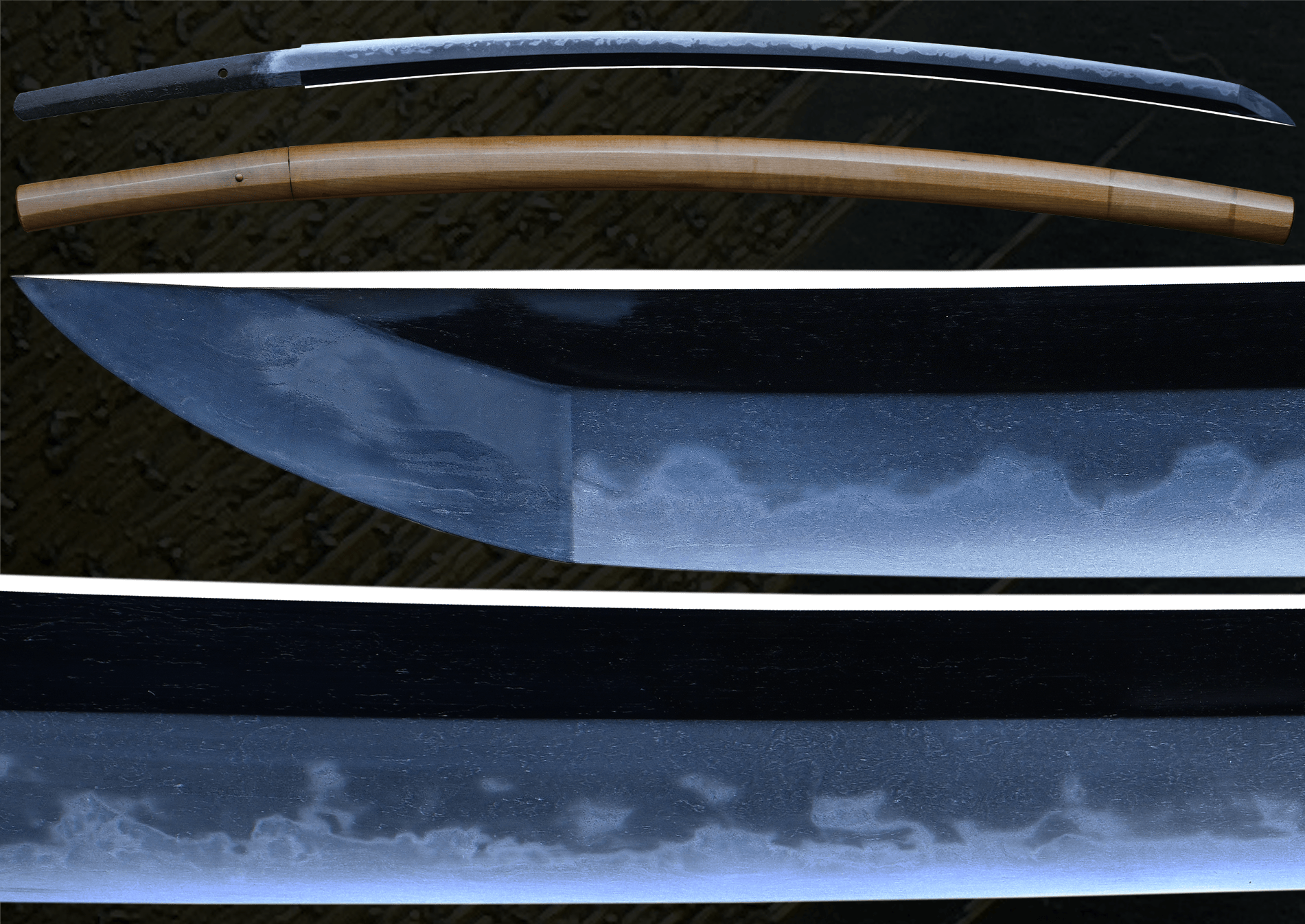
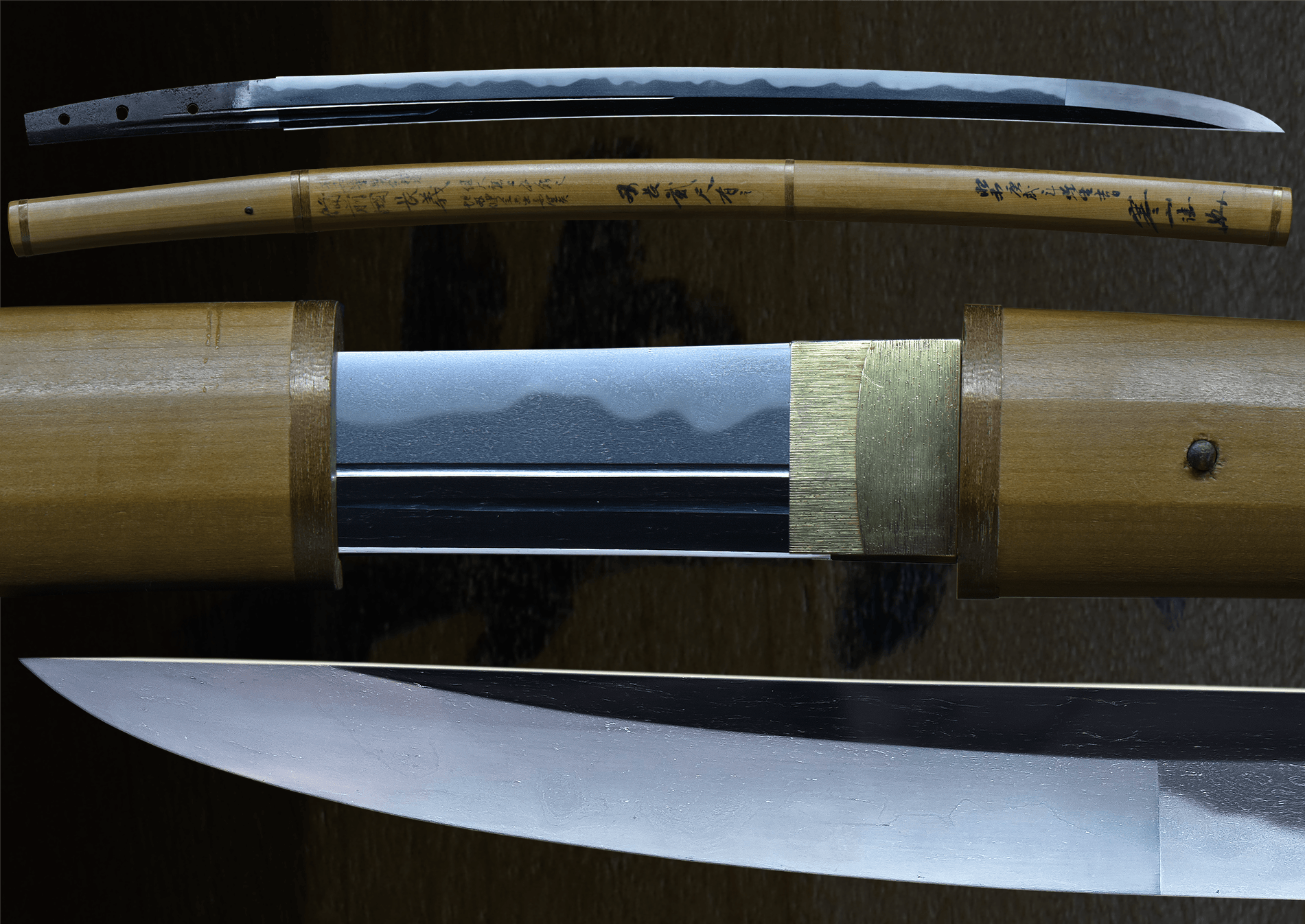
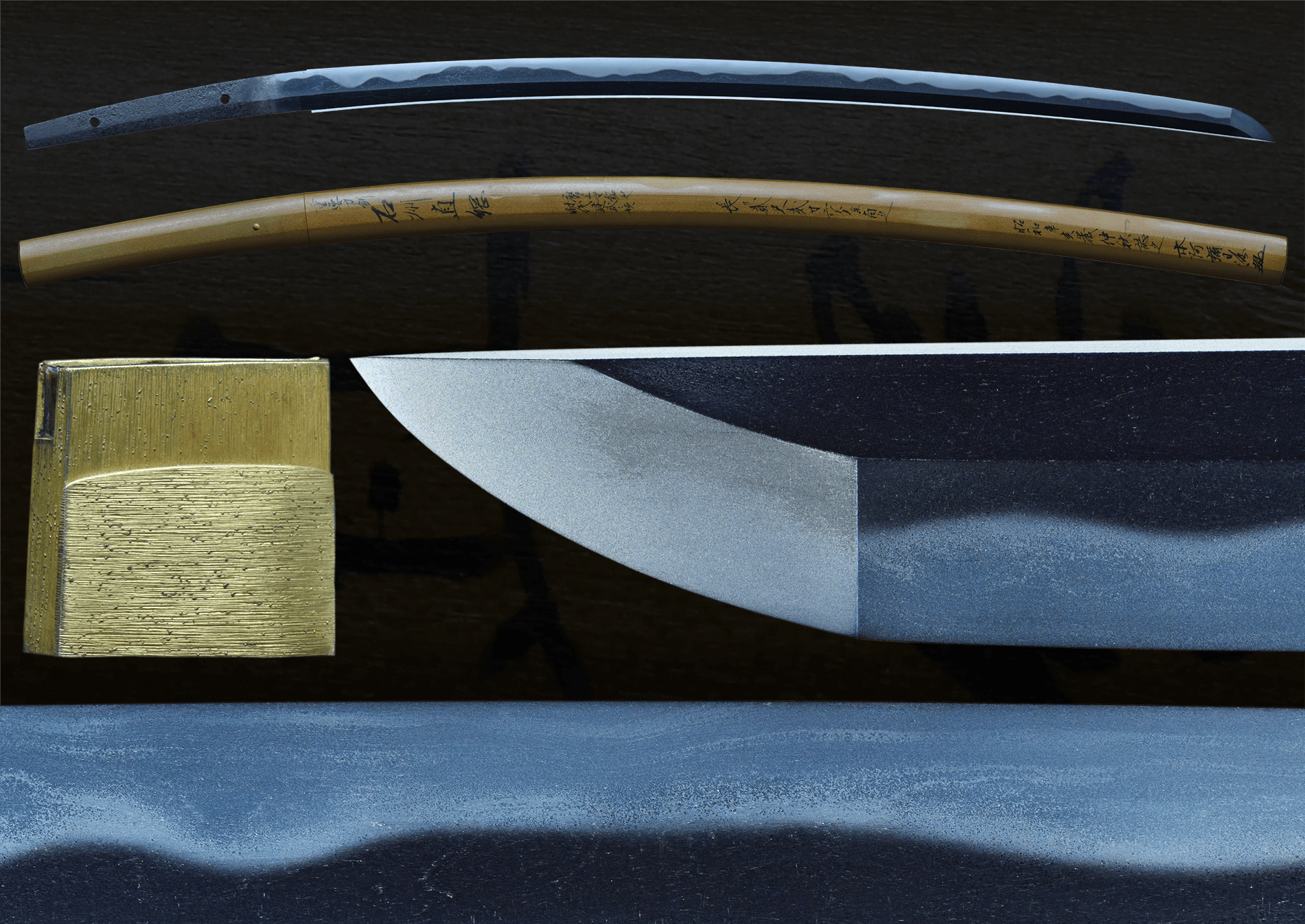
This fine sword dates back to the 14th century (1300’s). It comes from a unique and important school known as Nio. The blade exhibits Beautiful Yamato qualities. Yamato is from one are the five main line schools of sword making (Yamato, Yamashiro, Bizen, Mino and Soshu). This type of sword is highly collectible. Classic collectors are always looking for swords of this style that go back to the early times of sword making in Japan. This particular blade is in very good condition and in polish. It is rather long-ish at almost 28 inches. The Hamon is very elegant and subdued. It comes in a lovely Shirasaya with horn inlay and a Sayagaki from Mr. Tanobe. The certificate is from the NBTHK and are of High quality stating that this sword received a Tokubetsu Hozon paper. The sword has a 2-piece gold foiled habaki.The koshirae is very elegant and not meant to be flashy. The saya is lacquered and has crushed abalone Shell inlaid in the lacquer and completed with carved ribs. The tsuka-maki is white with a white sageo to match. The same is white and the tsuba is of iron with Gold inlay design. Thye fuchi/kashira are of streams and rocks and the menuki are of people and have gold inlay.NIO DEN:The NIO school of which the smiths lived in Kaga of Suo province and had been active from Kamakura to the Muromachi periodsis very well on display in this sword. It was said that Kiyohira was the founder and was active in the Hoen Era (1135-1141) The school’s name Nio comes from a fire of a temple called Nio-do and it is said that a tachi by the 1st Kiyotsuna cut a chain that locked the door to the temple and helped rescue NIO-SON ( a statue of Deva ) from the fire.The Nio school is known to show a conspicuous influence from Yamato, many Yamato traits can be found in their workmanship. This is due to the fact that Suo was a manor of the Yamato Nara Todai-ji which was patronized by the Tegai. Yamato influence can be clearly seen in this blade. There is the high-wide shinogi-ji, some masame jigane and the abundance of parallel hataraki in the sugu-ha hamon. There is a finely worked dense chikei as well in the hada which is also a well worked dense itame/mokume with finely woven masame throughout. There is Herakage utsuri which defines this as an early Nio work.
Mei:Mumei (Nio Den)Date:Nambokucho era (1300’s)Nagasa:27.99 inchesSori:2.0 cmWidth at the ha-machi:2.99 cmWidth at the yokote:2.01 cmThickness at the mune-machi:0.66 cmConstruction:Shinogi zukuriMune:IoriNakago:OsuriageKitae:ItameHamon:Suguha in Nie-deki with ko-ashi and nezumi-ashiBoshi:MaruCondition:Good polish
Sayagaki: Suou Koku Nio, Osuriage Mumei. ItameHâdă îs conspicuous and fluent. Suguha is calm, typical Yamato school, according to the mellifluous Nioikuchi, the blade attributed as Nio School. This find work was made around the Nanbokucho period.
Subscribe for the Latest Updates!Join our mailing list to receive the latest News & Updates fromNihonto Antiques.SUBSCRIBEYou have Successfully Subscribed!Your email address will be kept private & will only be used to send updates from this site!