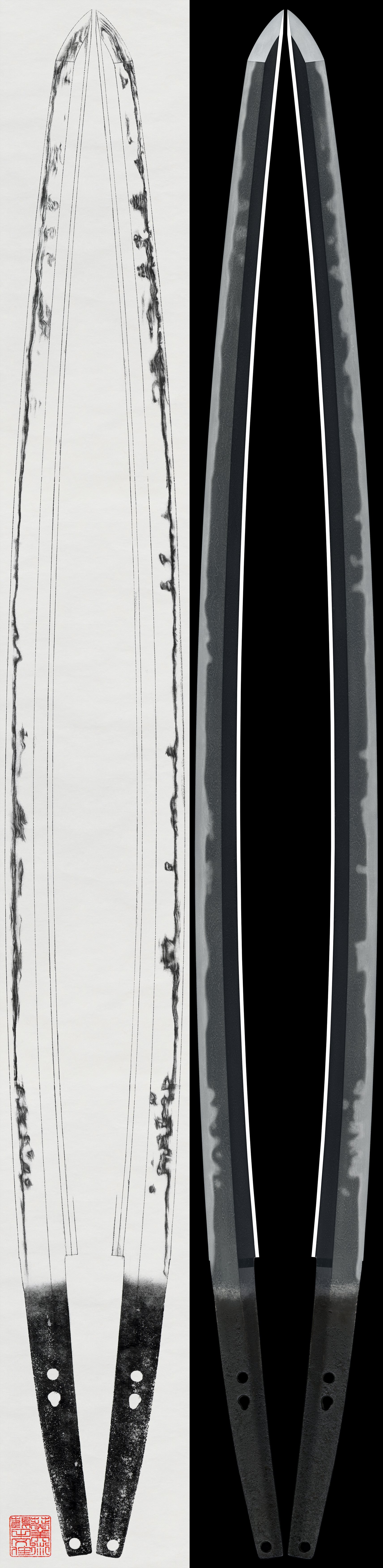
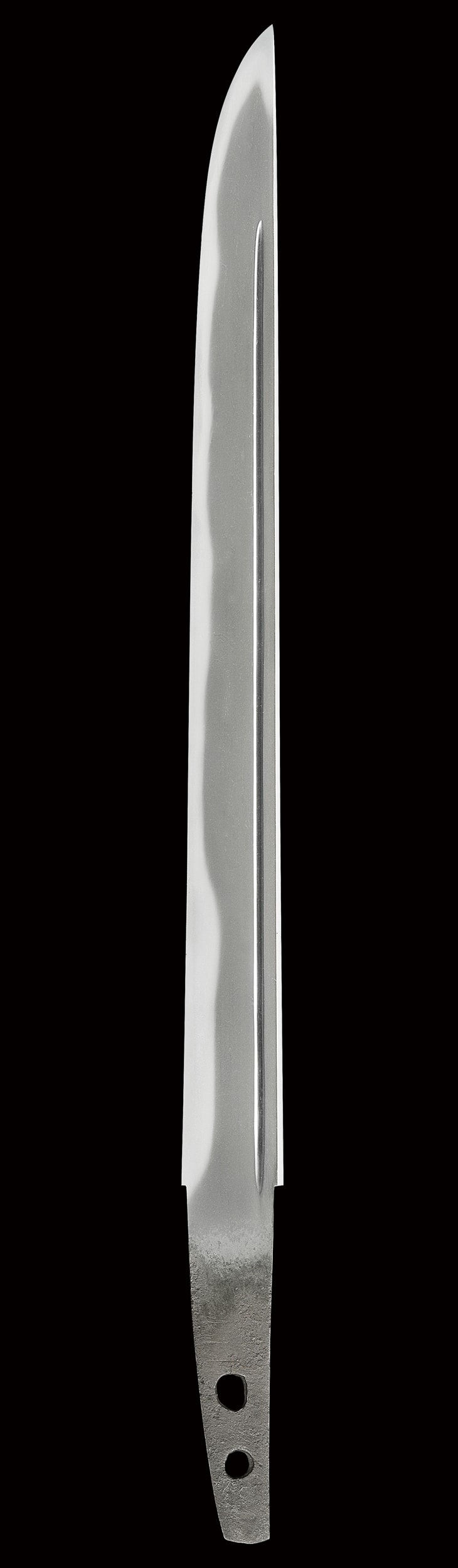
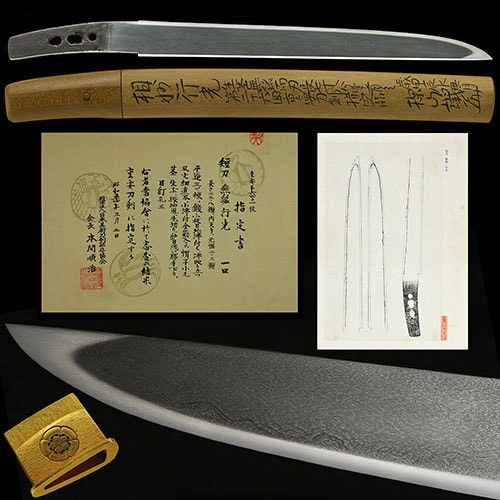
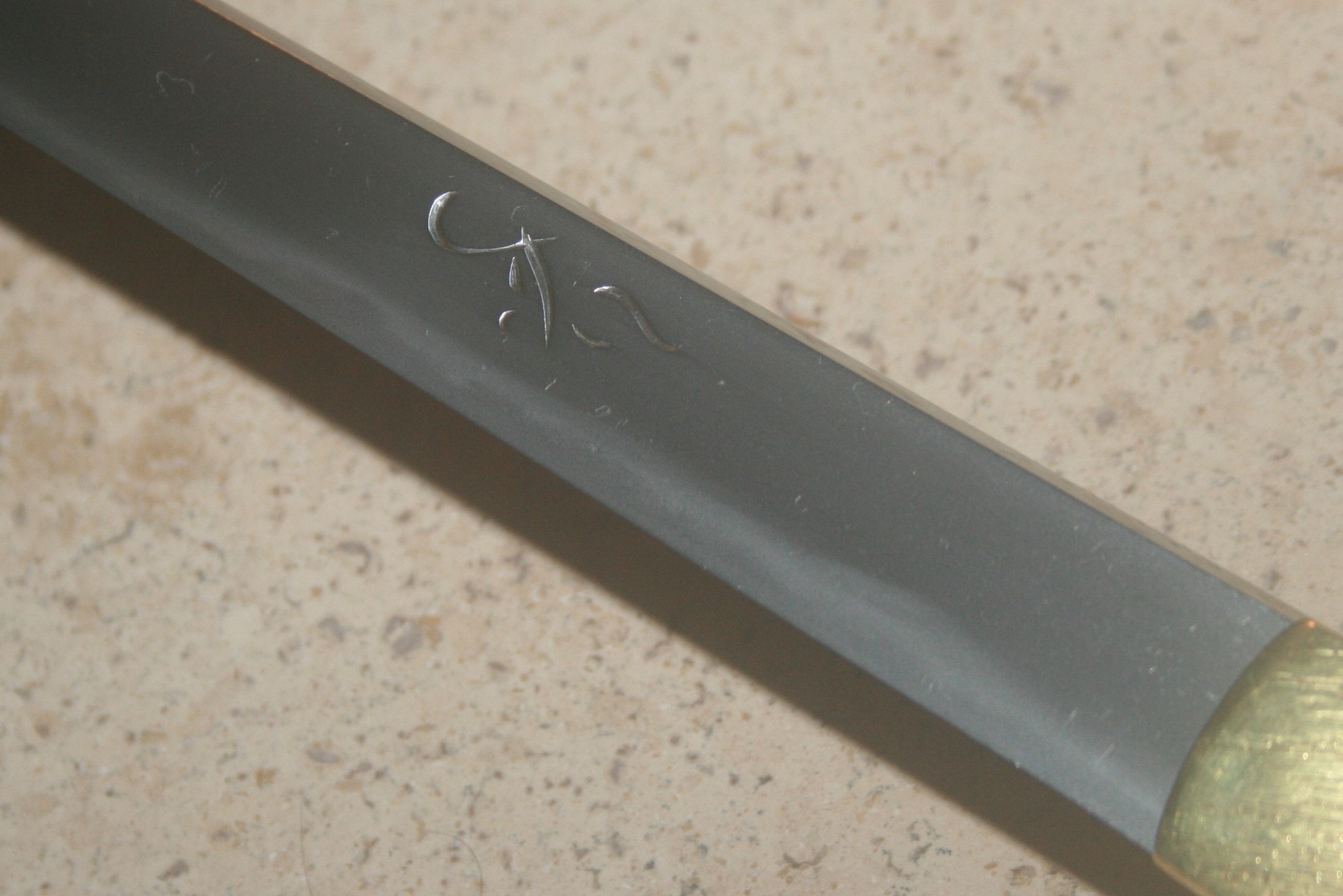
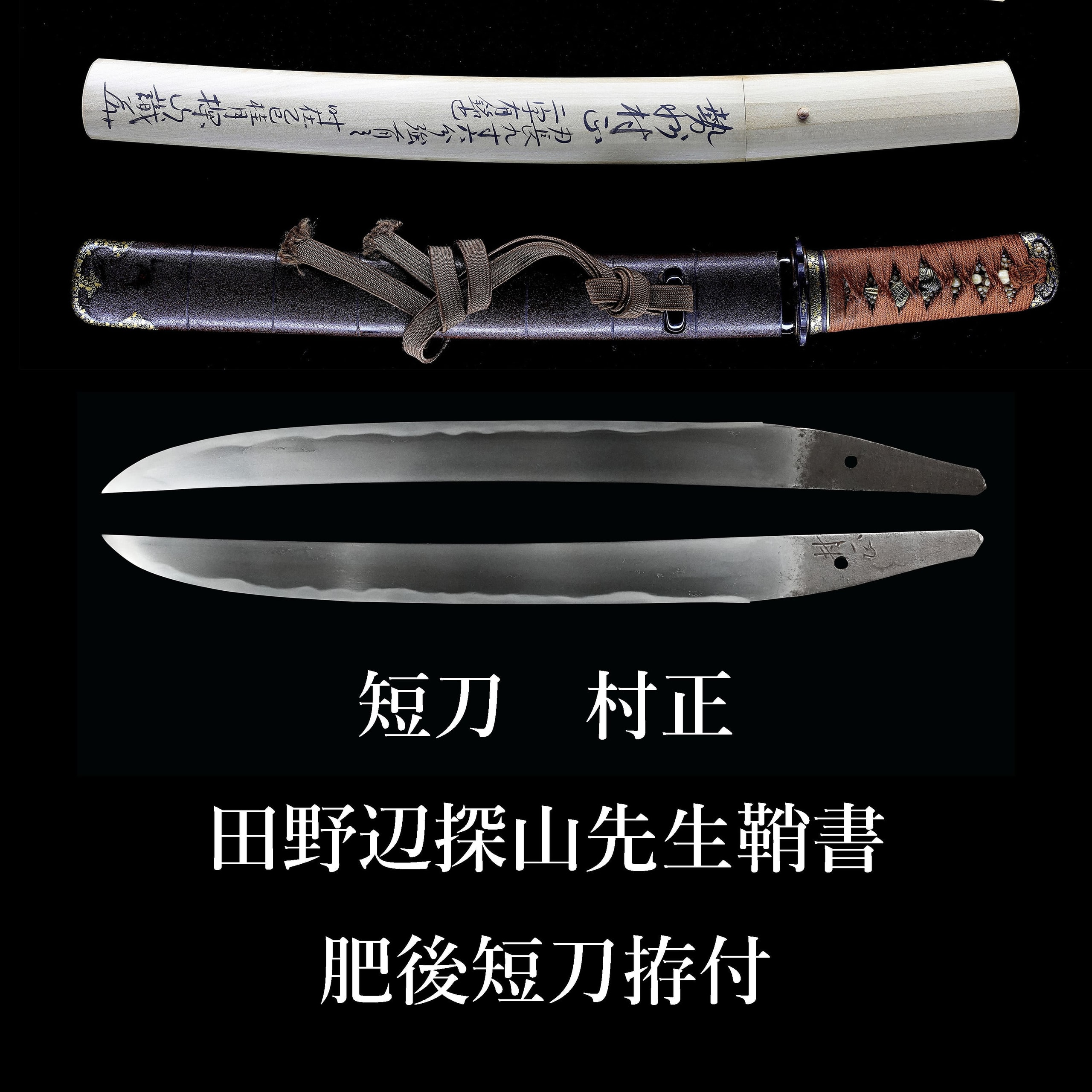
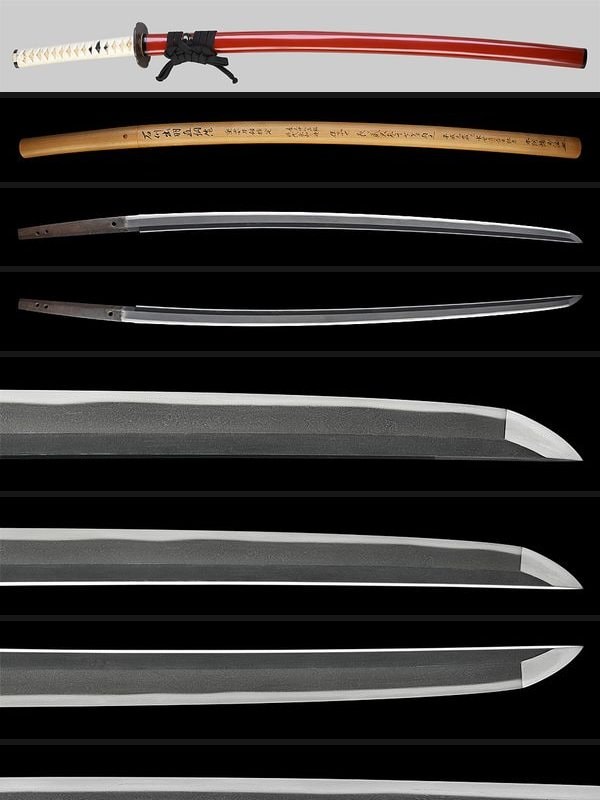
Hirotsugu was a swordsmith who resided in Kamakura in Sagami Province, working within the Soshu-den tradition. Sword reference works place the first generation in the Kenmu era; however, among extant works none can be traced back earlier than the mid-Muromachi period, and he is accordingly regarded as a representative Soshu smith of the late Muromachi period. Smiths of particularly high technical ability are known from around the Meio era, and there are also examples bearing Tenbun-era date inscriptions signed "Sunshu Shimada-ju," establishing a connection to Suruga Province. A wakizashi in the Imperial Collection dated Meio 9 (1500) represents the oldest firmly dated example.
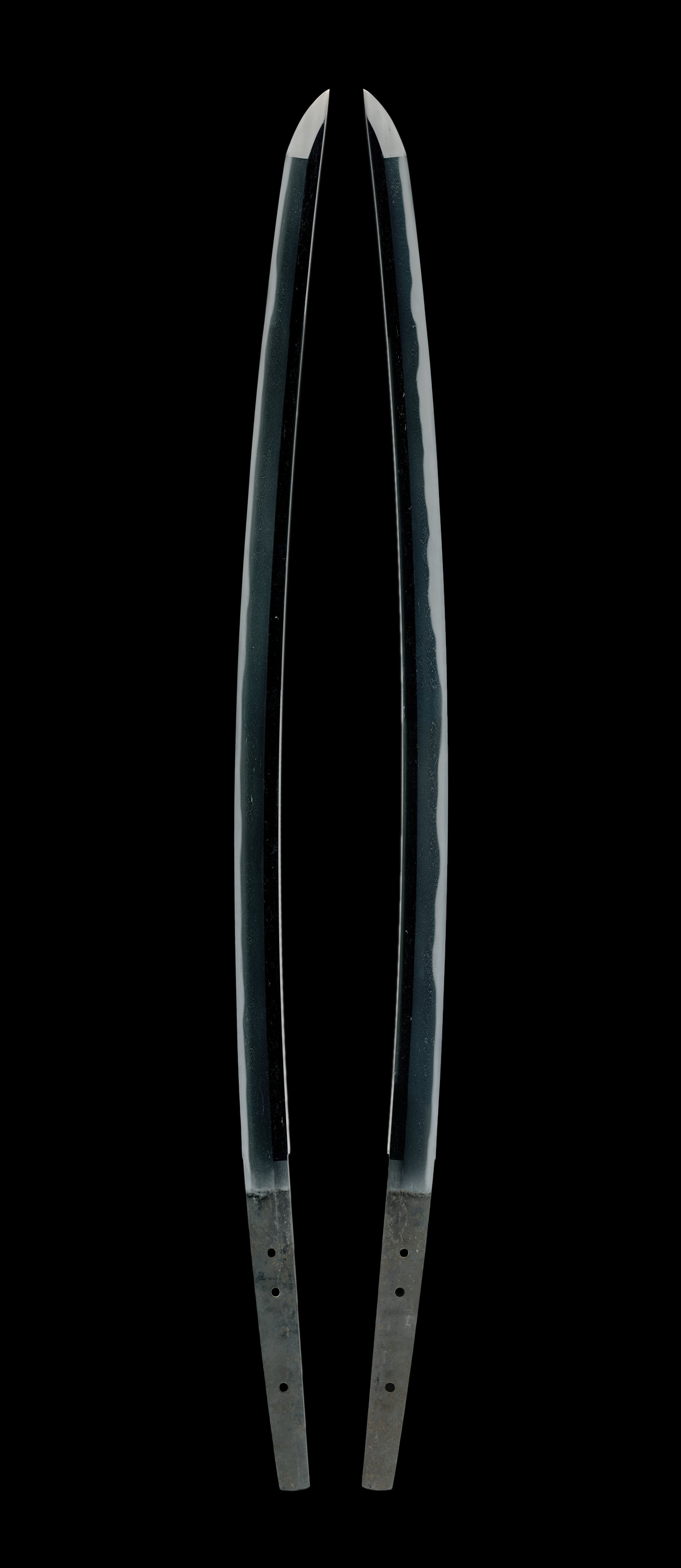
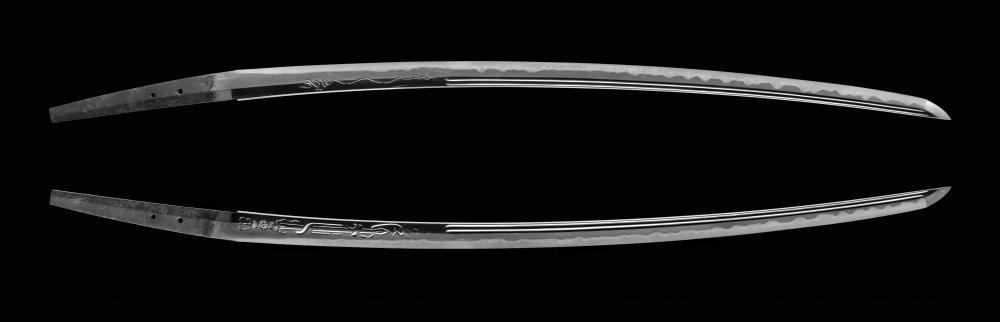
Hirotsugu's workmanship is characterized by bold, vigorous construction with wide mihaba and extended kissaki. The kitae is itame-hada mixed with mokume, frequently showing a tendency toward standing grain, with thickly adhering ji-nie and abundant chikei. The hamon is generally yakidaka, mixing gunome with choji, togariba, and yahazu-gata elements within a notare ground. With tobiyaki and muneyaki intermingled, the tempering develops into hitatsura of striking force, accompanied by frequent kinsuji and sunagashi and a bright nioiguchi. The NBTHK observes that at first glance such work "produces a strongly nie-laden, powerful hitatsura that calls to mind the Hasebe school of the Nanbokucho period." Several blades also display faint utsuri, and the boshi is characteristically deep, often finished ichimai with hakikake.
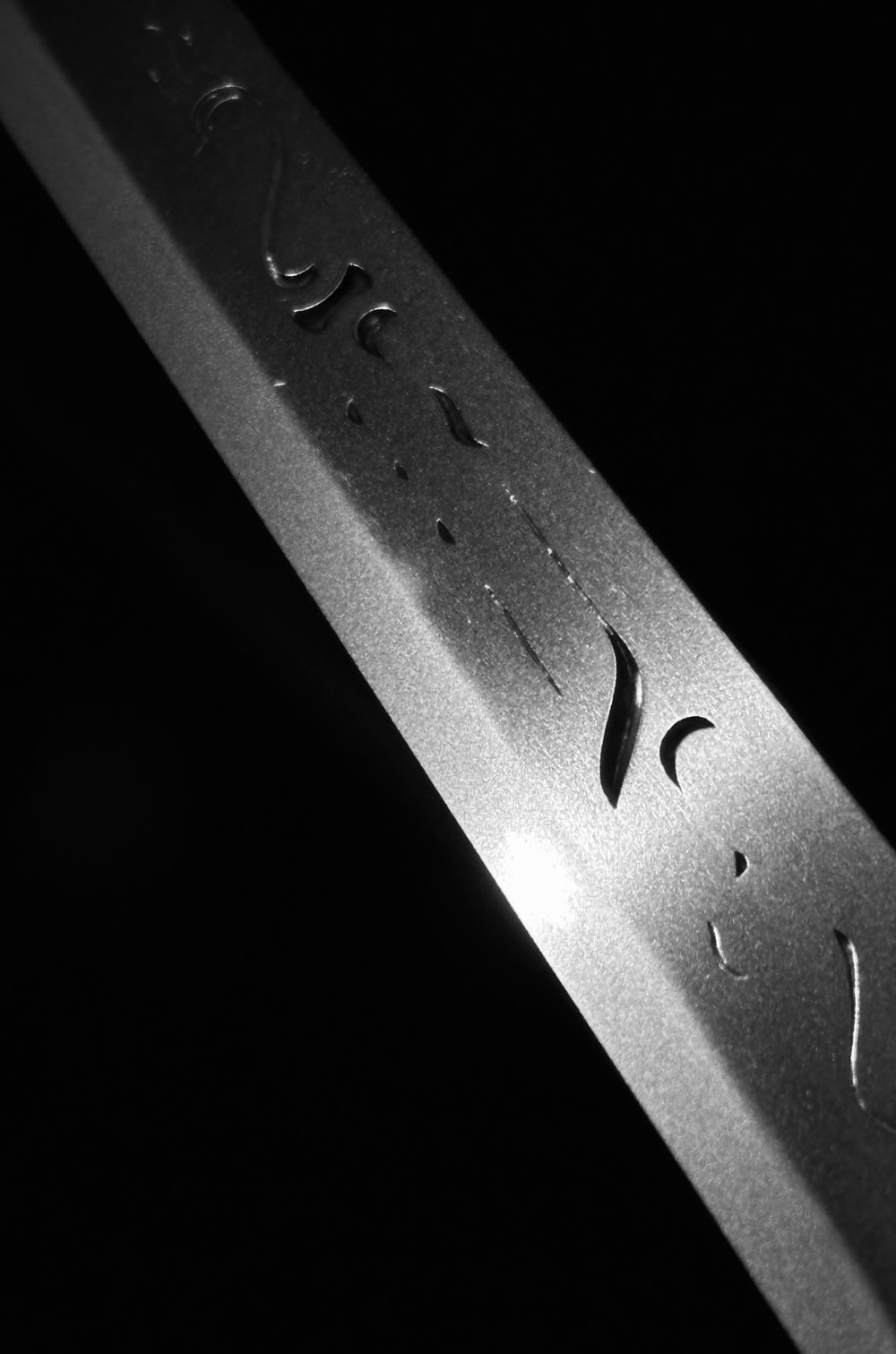
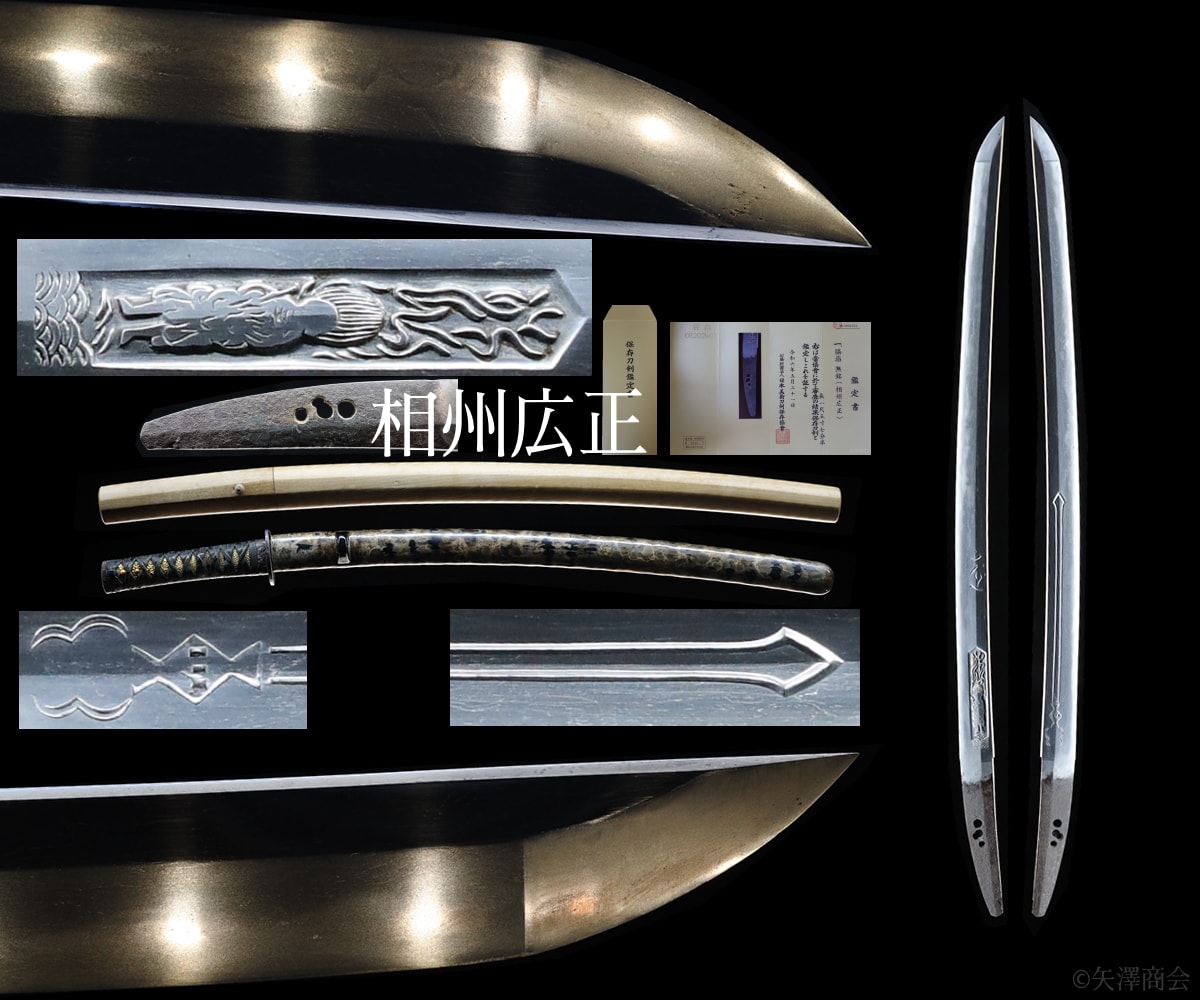
Hirotsugu's finest pieces are consistently praised for the vigor and completeness of their hitatsura, with both ji and ha richly covered in nie. The execution is described as forceful even into the boshi, and the horimono on certain examples -- including kurikara and bonji carvings -- are called "splendid." The NBTHK notes that from these qualities "Hirotsugu's high level of technique is readily discerned," and the best works rank among the finest achievements of late Soshu craftsmanship.
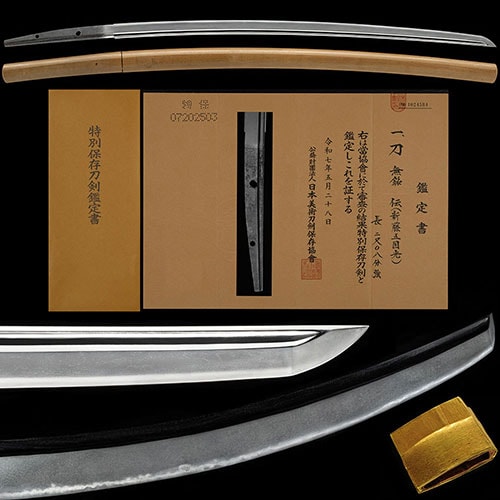
![Wakizashi - Tokuho - 作 正廣 - 脇差[無銘 相州正広]日本美術刀剣保存協会 特別保存刀剣・特別保存刀装具](/_next/image?url=https%3A%2F%2Fitbhfhyptogxcjbjfzwx.supabase.co%2Fstorage%2Fv1%2Fobject%2Fpublic%2Flisting-images%2Fworld-seiyudo%2FL710046%2F01.jpg&w=2560&q=90)

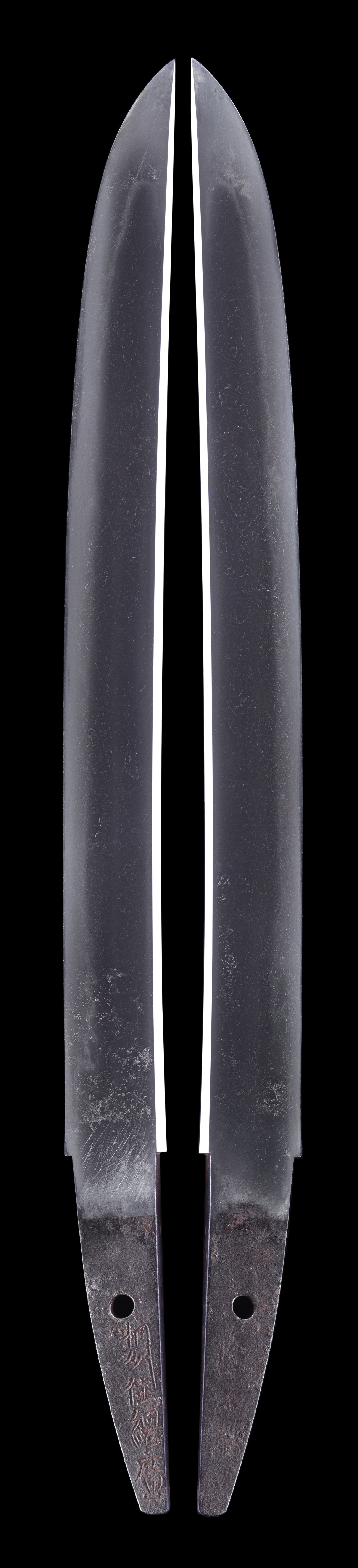
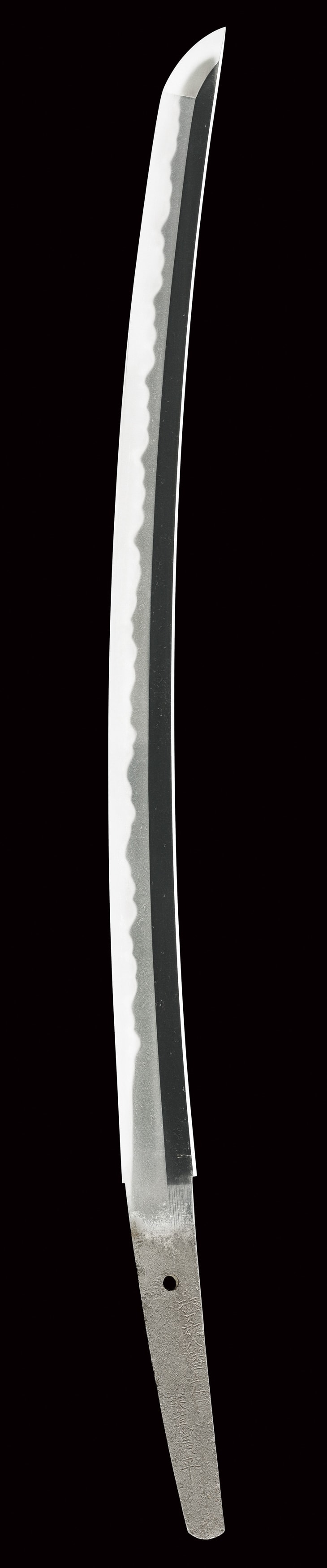
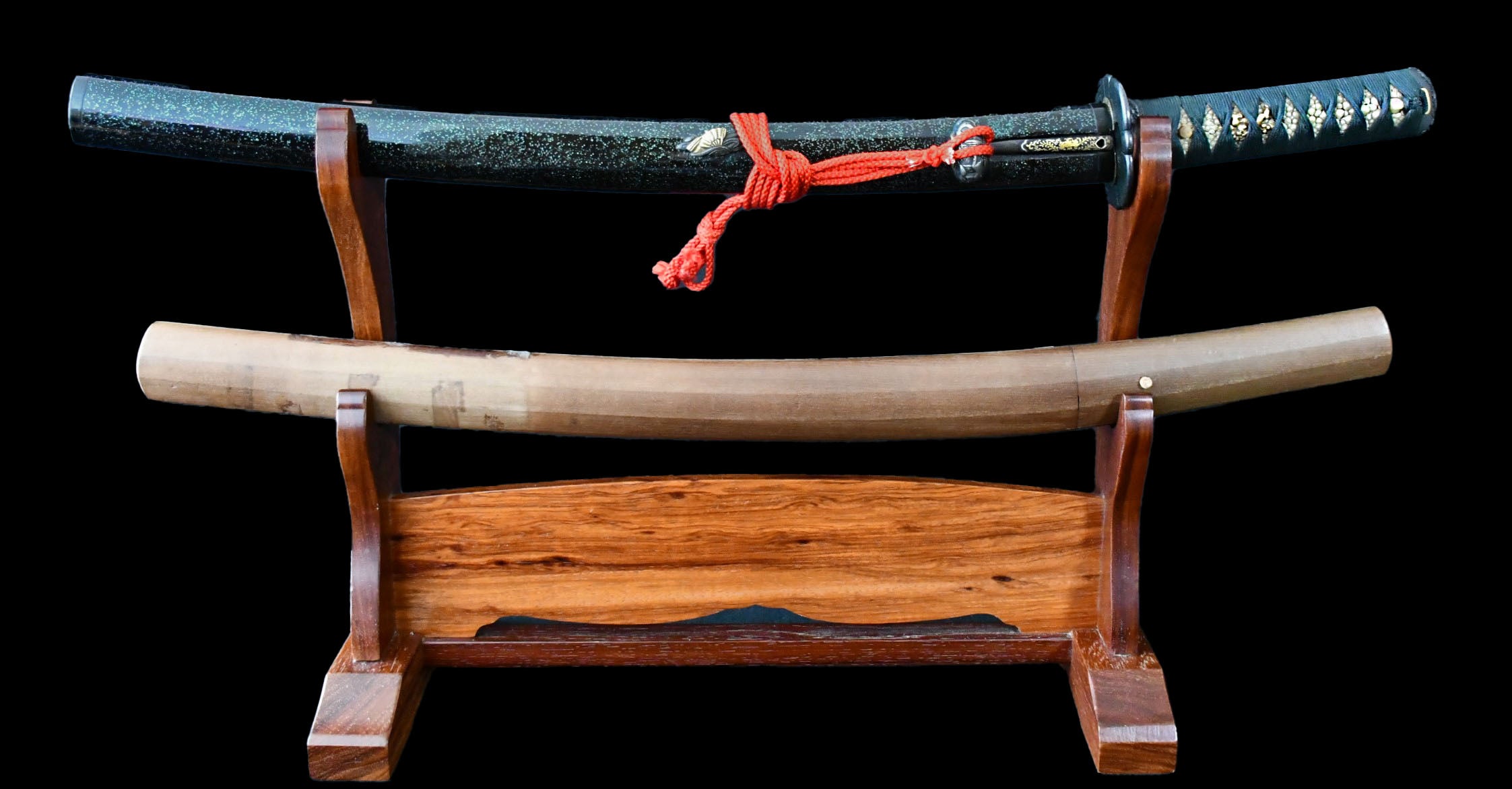
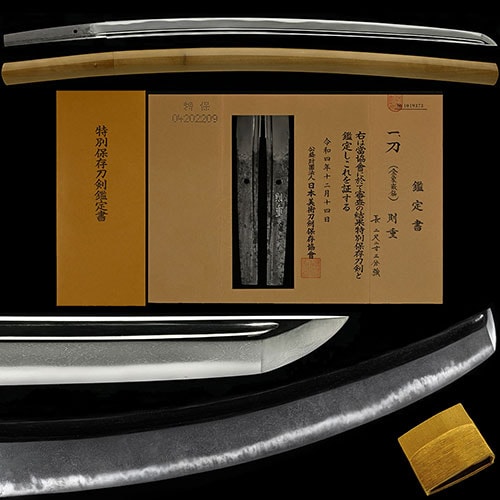
![Tanto - Hozon - 作 廣正 - 短刀 □□[住]広正(相州・時代室町末期)](/_next/image?url=https%3A%2F%2Fitbhfhyptogxcjbjfzwx.supabase.co%2Fstorage%2Fv1%2Fobject%2Fpublic%2Flisting-images%2Fe-sword%2FL00277%2F01.jpg&w=2560&q=90)