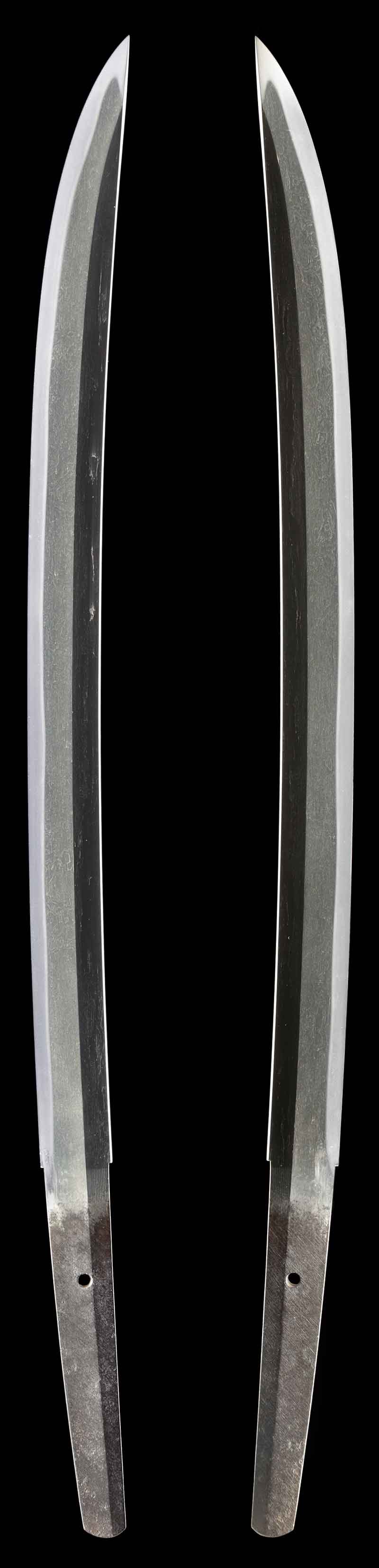
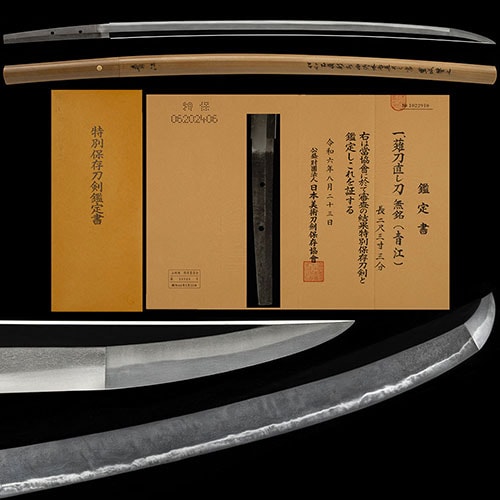
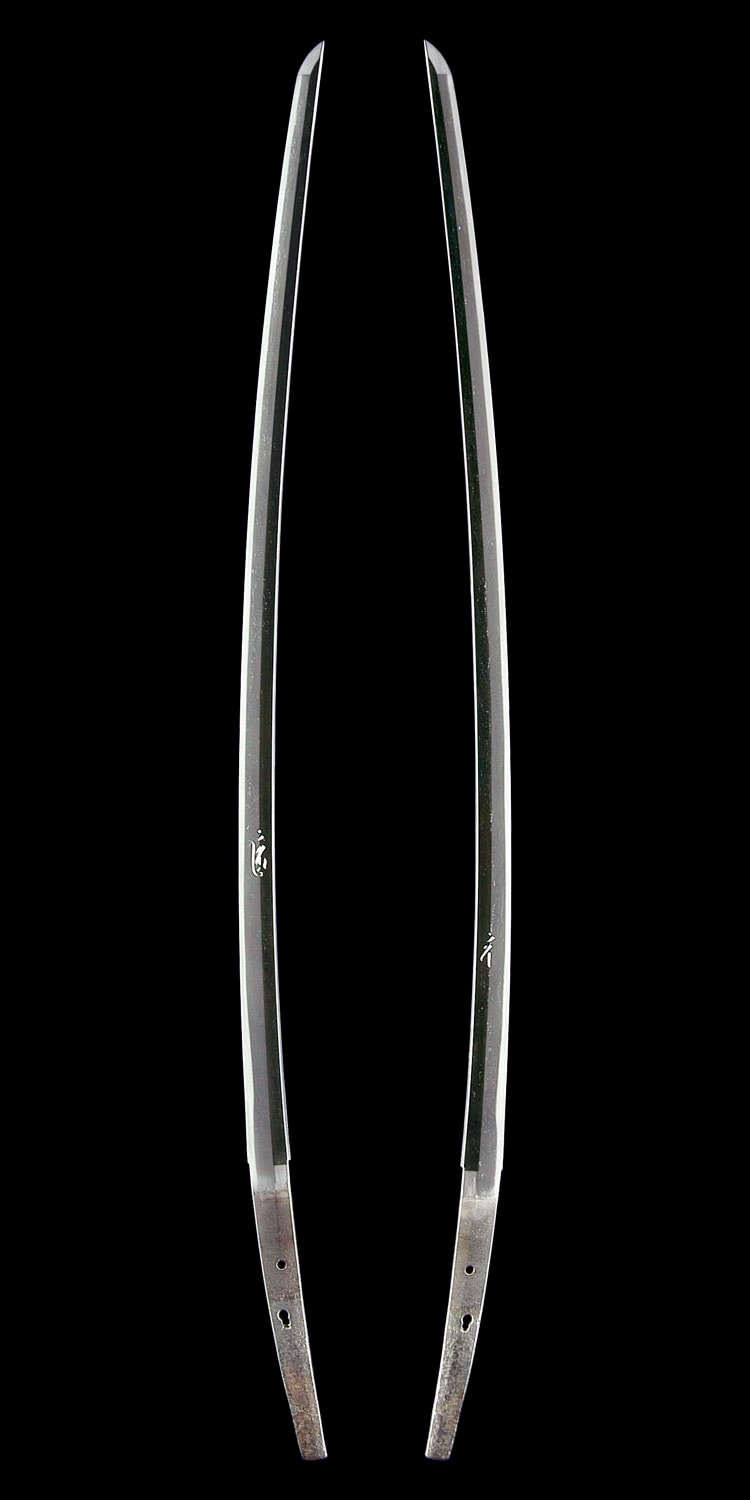
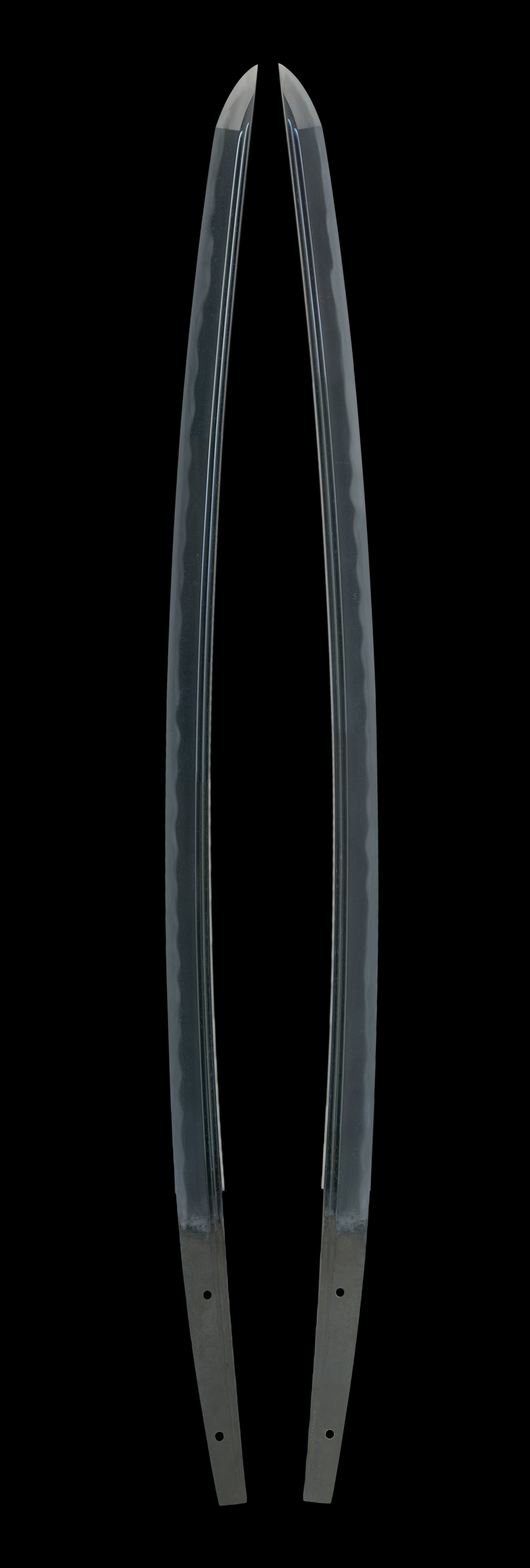
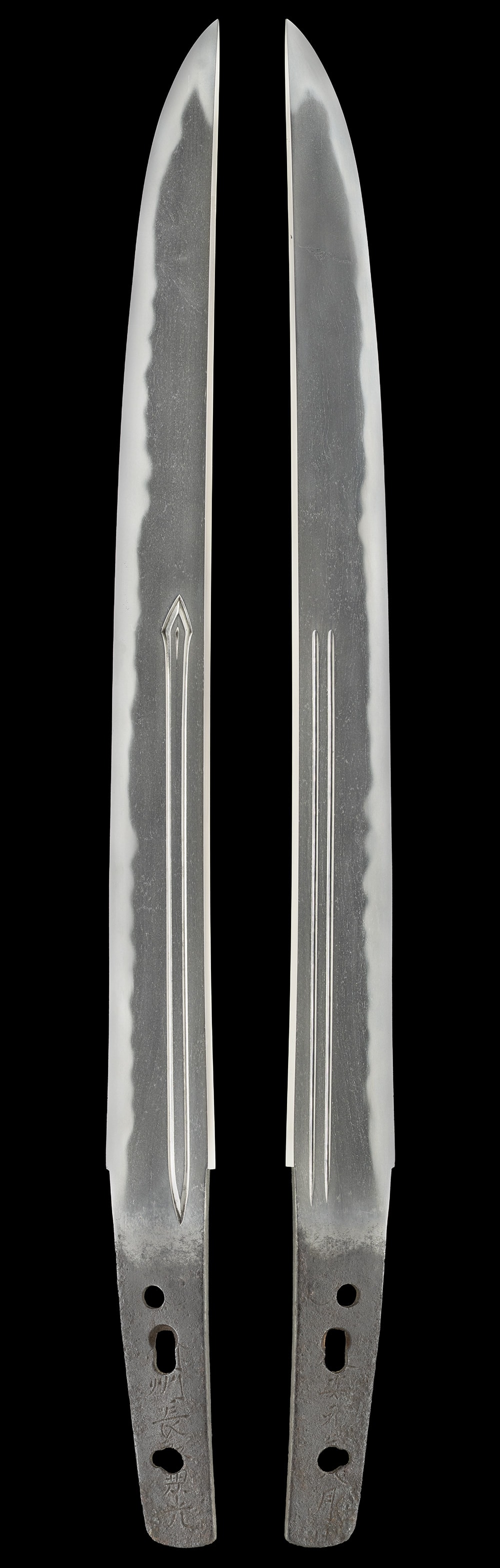
Yoshitsugu was a smith of the school working in Province, a region long renowned as a source of iron. Sword compendia record him as active around the Jowa era (1345--1350) of the period, placing him within the mature phase of the school's development. The group is conventionally divided into two periods: works up to around the mid- period are distinguished as , while those thereafter through the period are broadly termed . The notes, however, that appraisals assigning specific individual names to works "are subject to both approval and dissent," underscoring the difficulty of firm personal attribution within this prolific school.
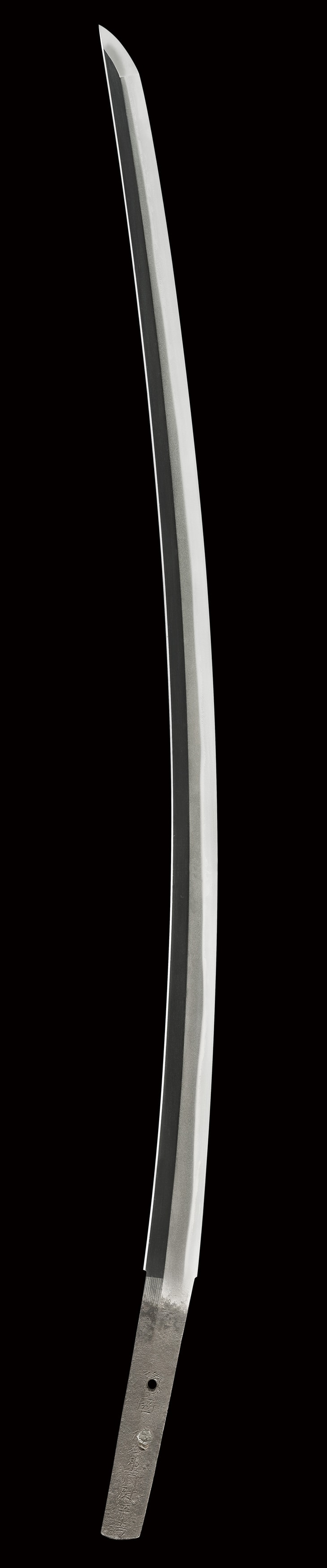
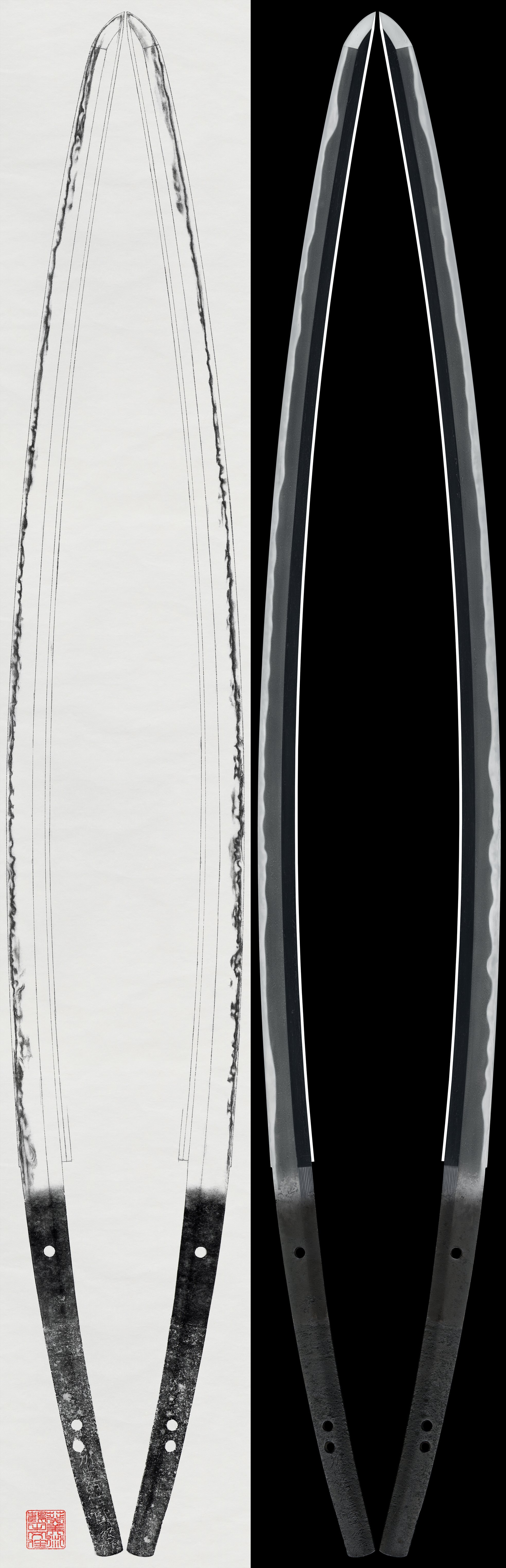
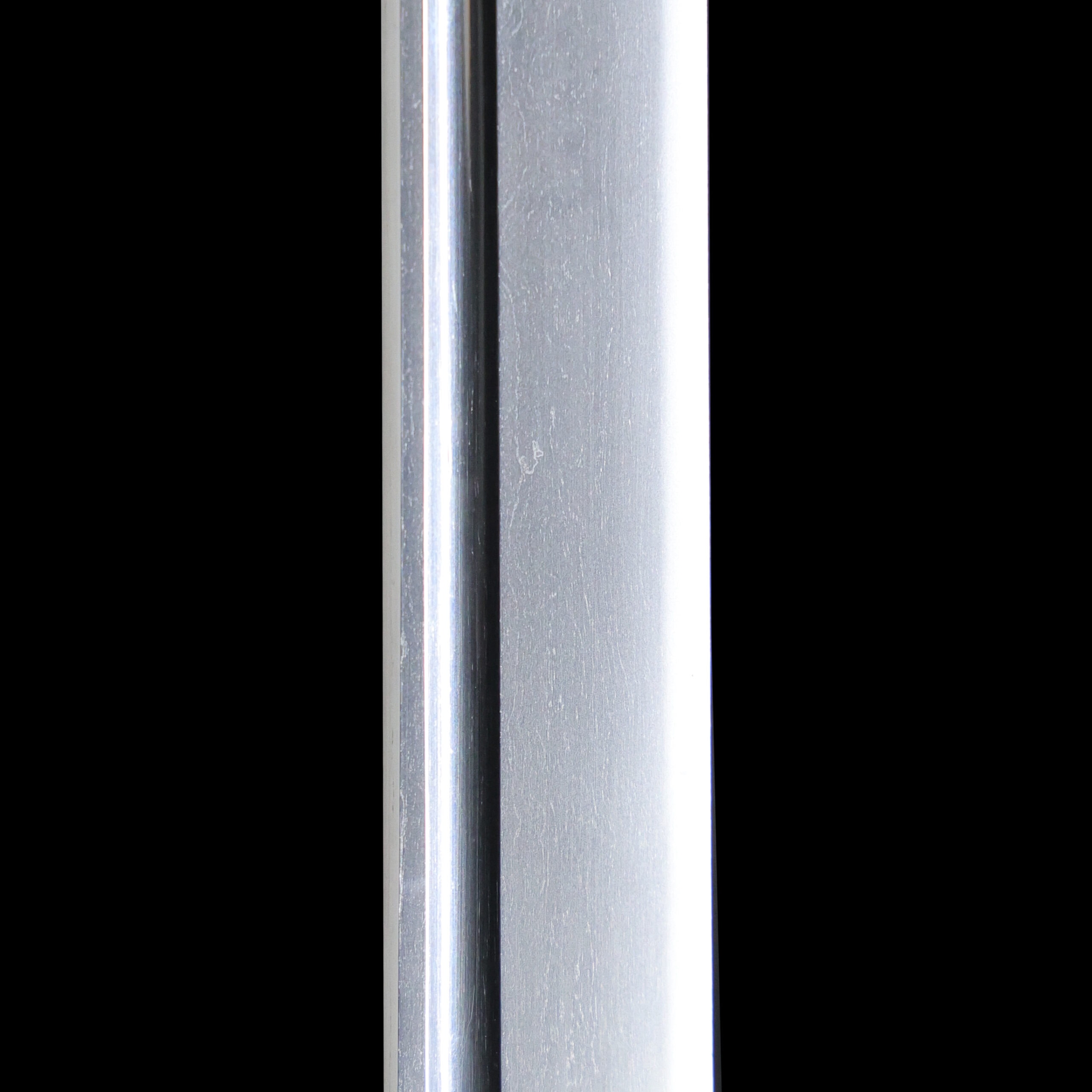
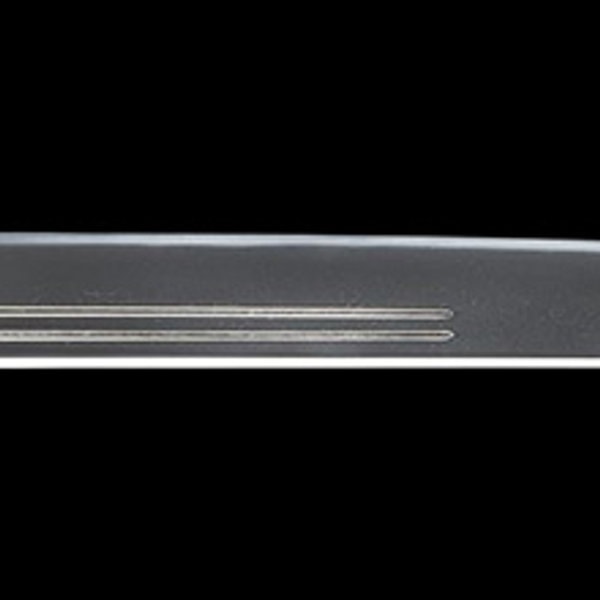
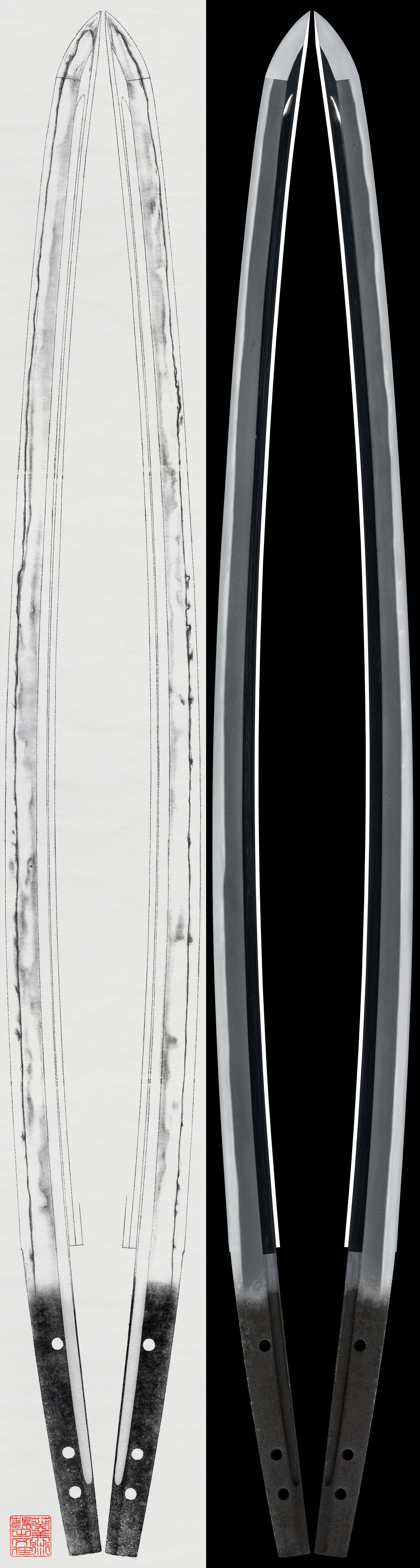
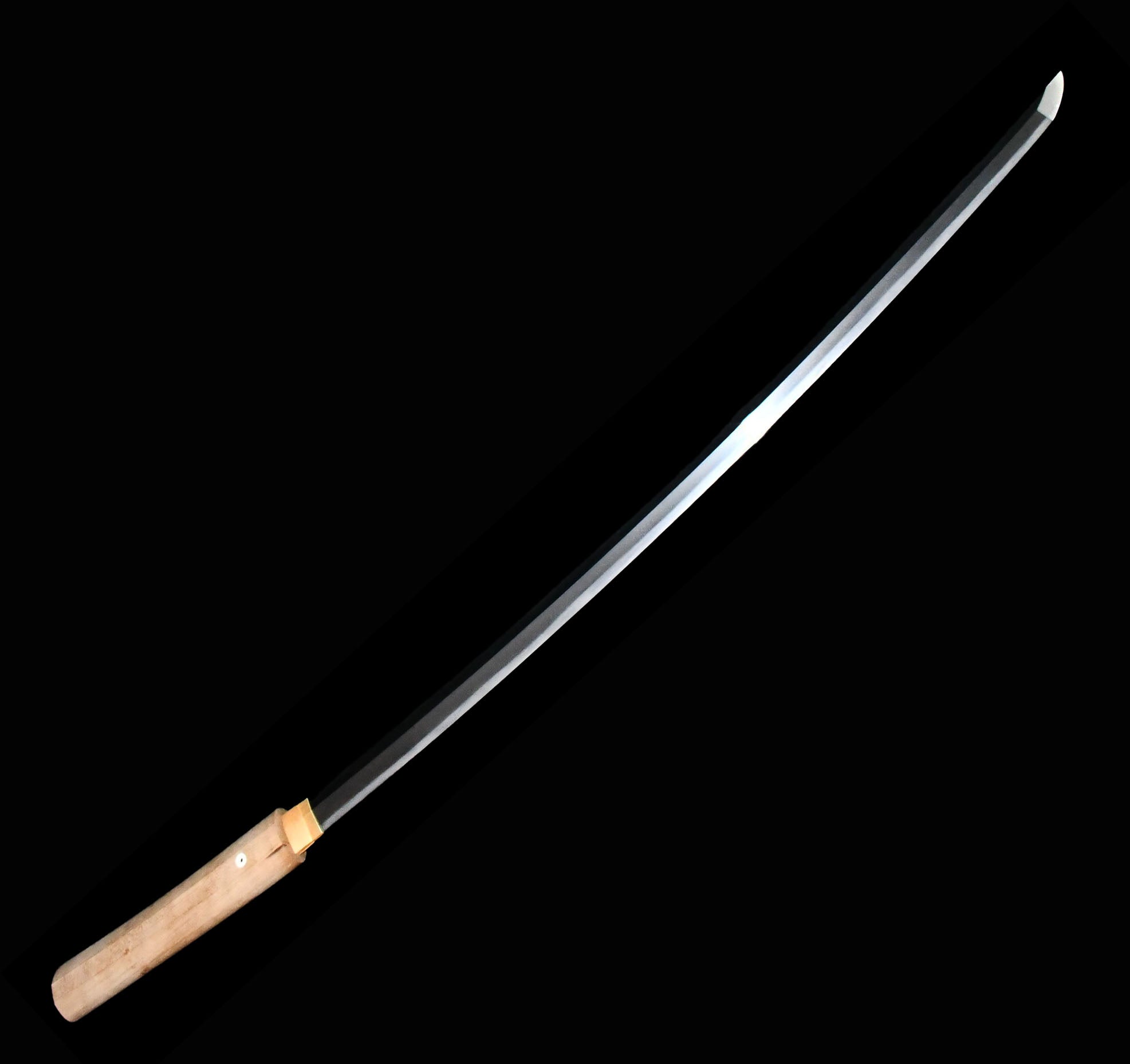
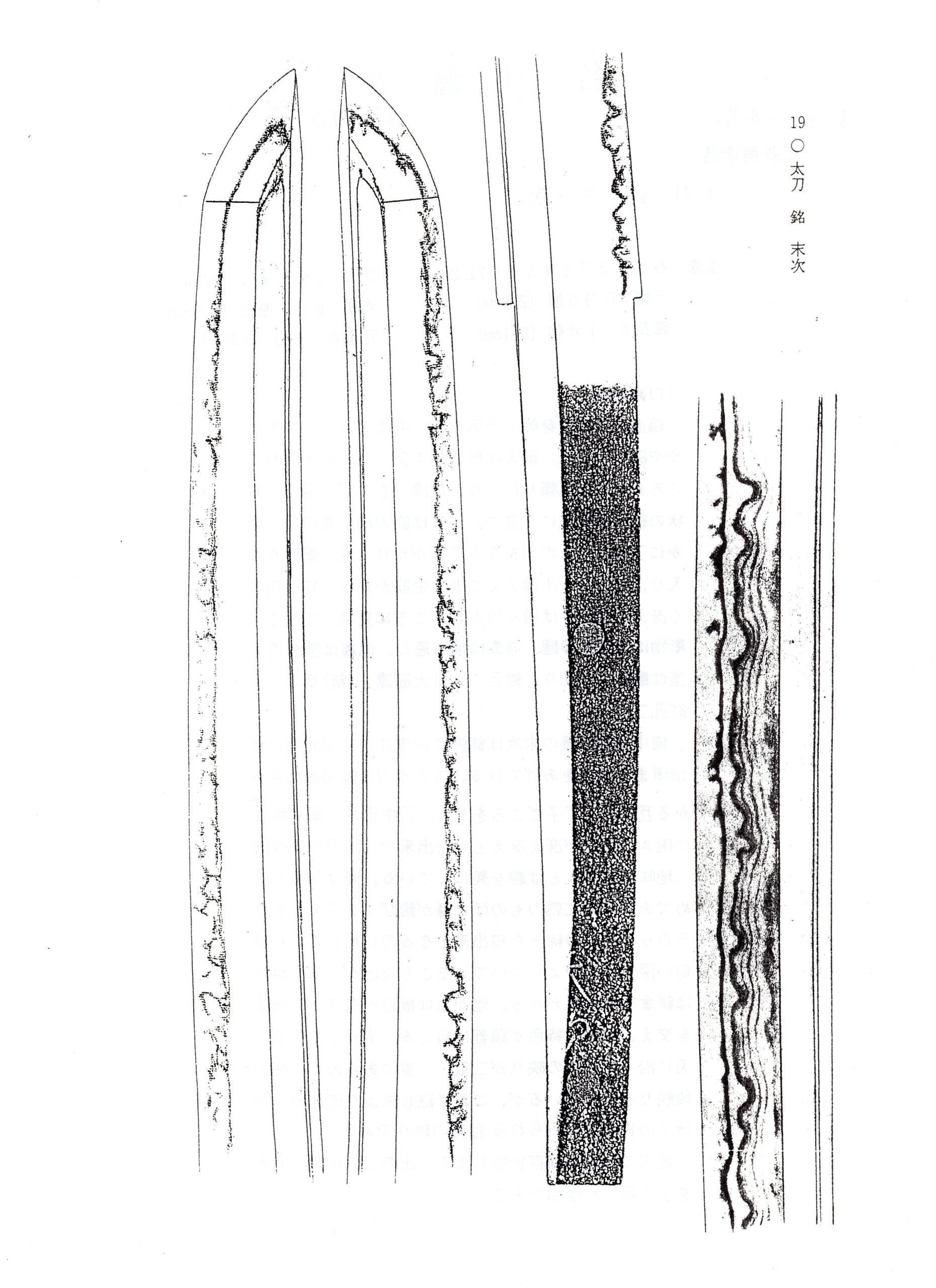
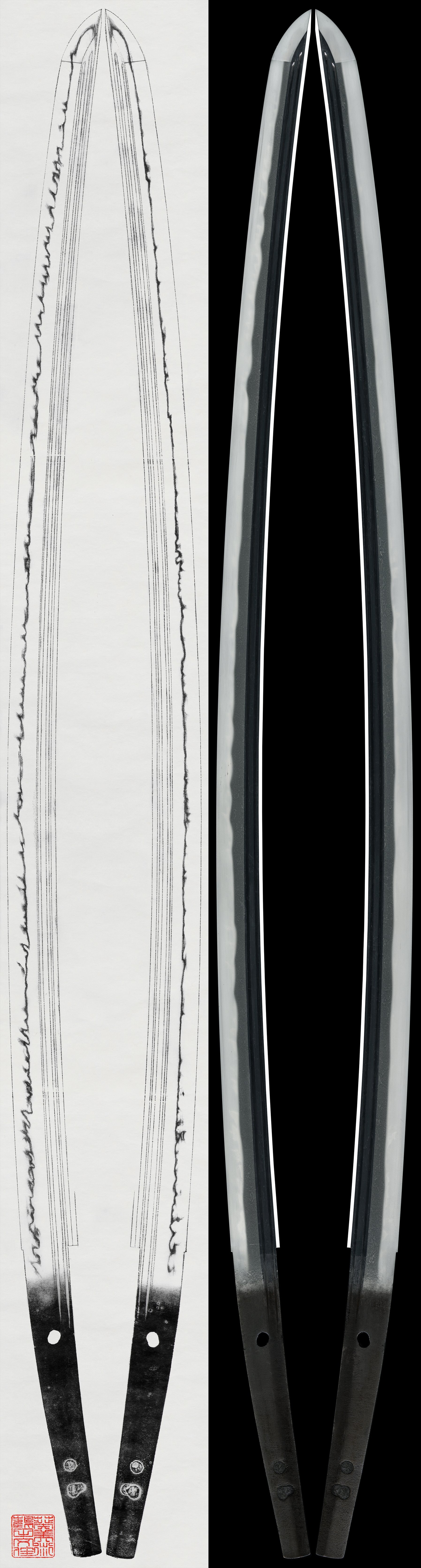
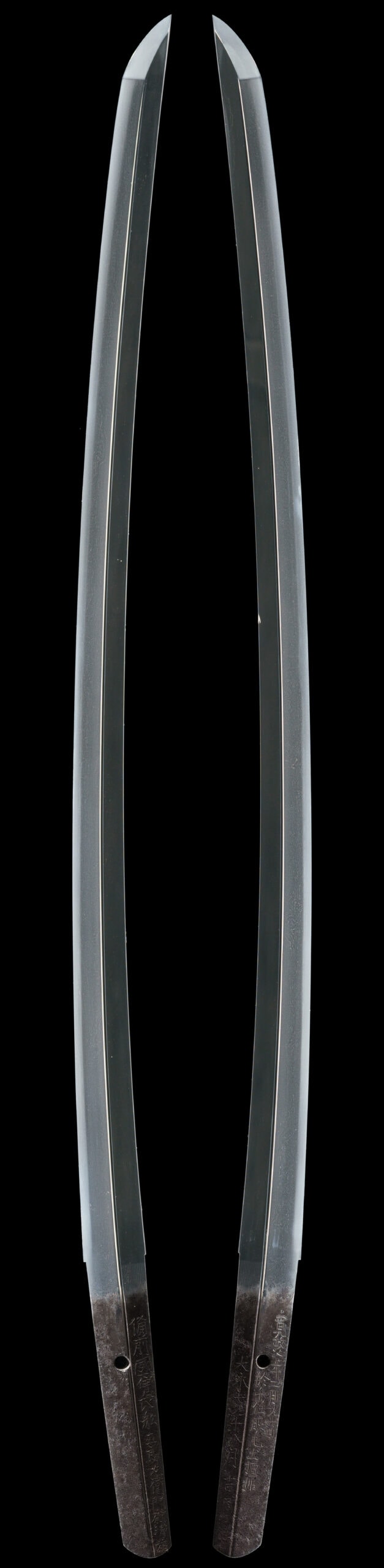
The style exhibits two principal modes: one consists of tempered with a tightly formed ; the other is the distinctive -, "whose characteristic form was brought to completion by around Enbun, during the high point of swordmaking." Yoshitsugu's work reflects the first mode. His forging is a densely compacted with minute and fine . The is fundamentally , mixed with , angular elements (-gakari), and , at times showing a reverse tendency with and . The is tight, with , and "bright and clear." A hallmark of his is the vivid that, near the edge, forms double and triple band-like layers known as , accompanied by the dark mottled texture called -- features identified as "major highlights of this school." His blades present a wide with little taper, shallow , and an imposing ; the tends toward with a pointed inclination.
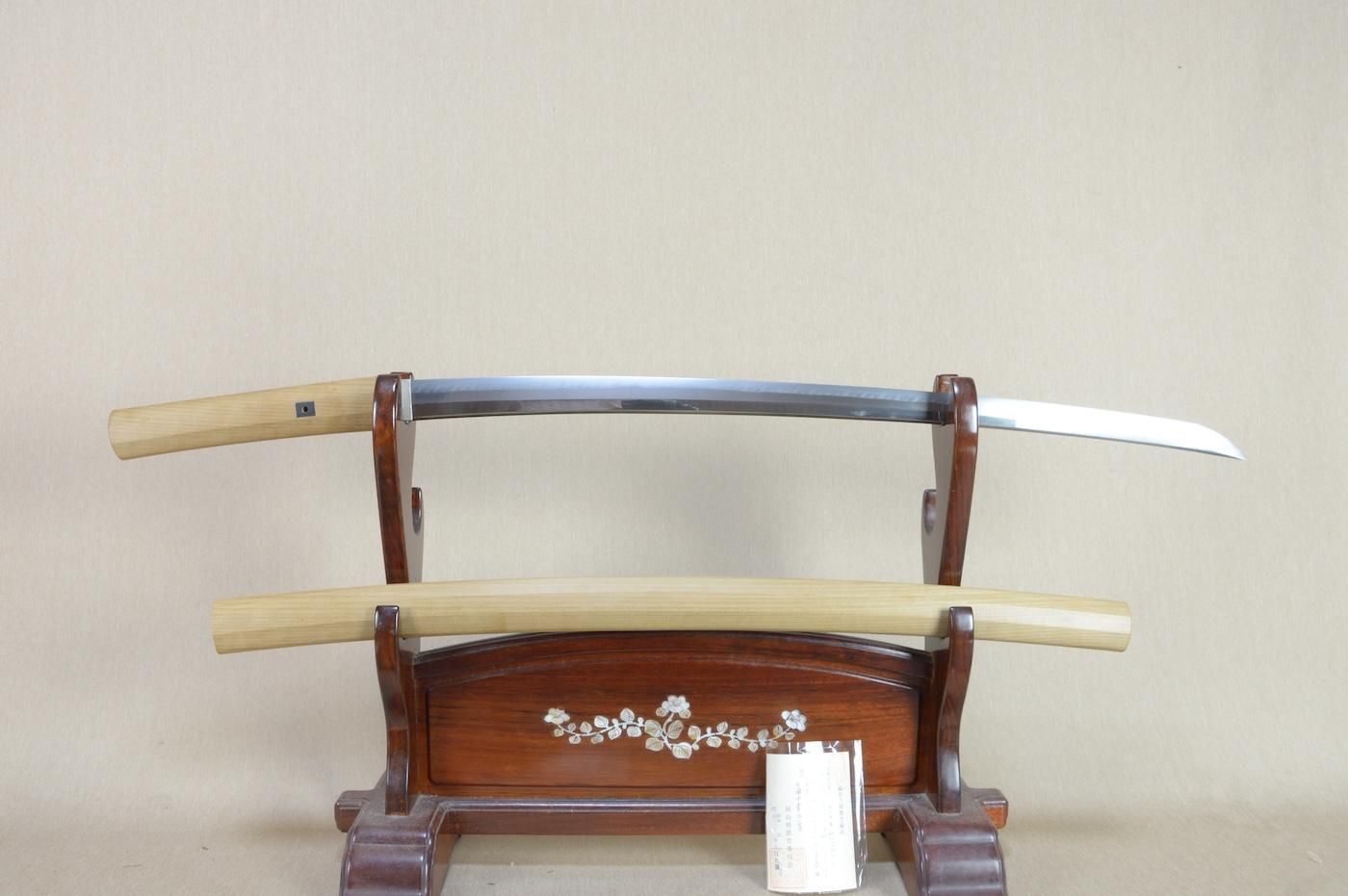
Designated examples have been praised as "superlative" and "outstanding" among works, with the further commending their -- sound and well-preserved -- condition. His output exemplifies the commanding, robust associated with at its -period zenith, and his blades remain touchstones for the school's tradition of tight forging and luminous temper.