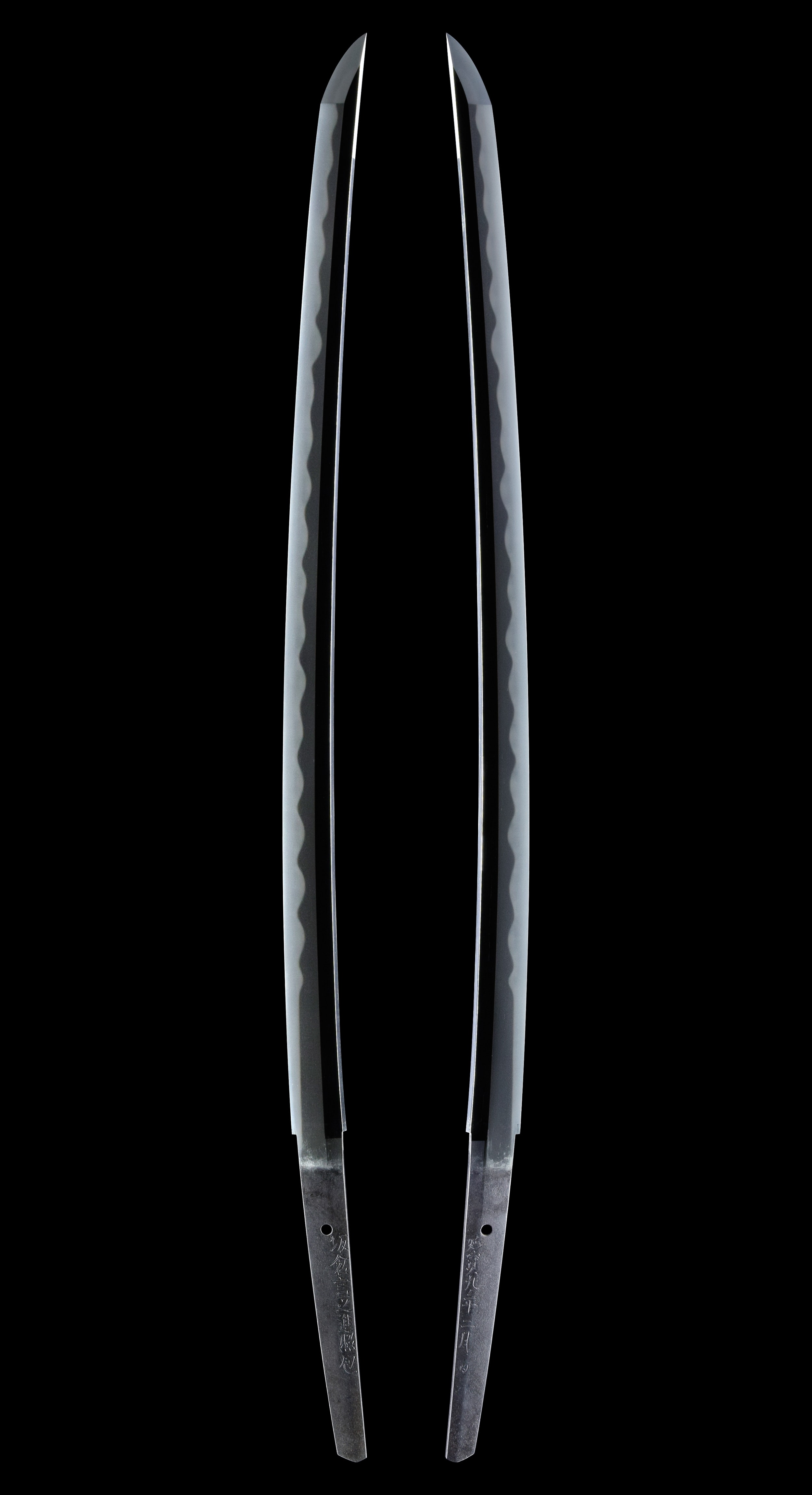
After the Ōnin War broke the Ashikaga order, a century of Sengoku warfare armed nearly every province in Japan. The era rewards a discriminating eye: routine work exists in quantity, and beside it stand custom blades of the first rank.
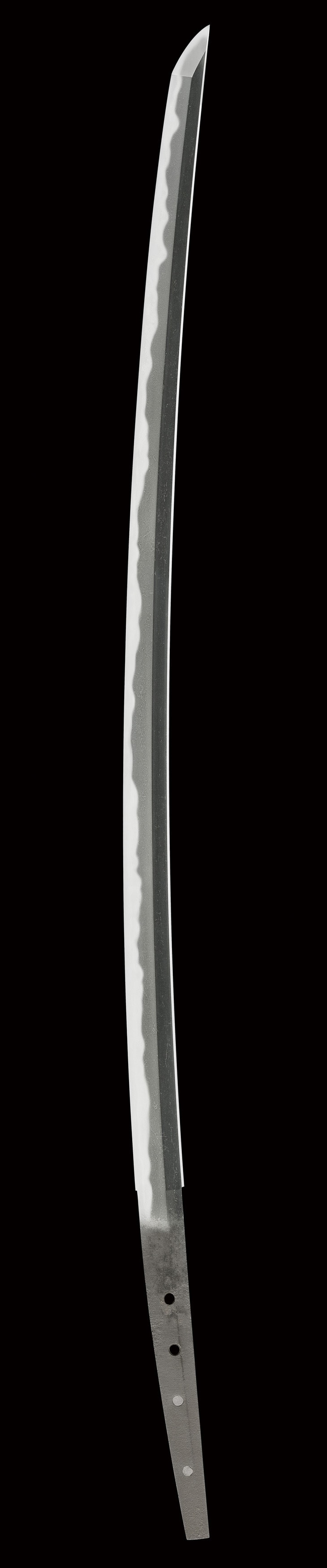
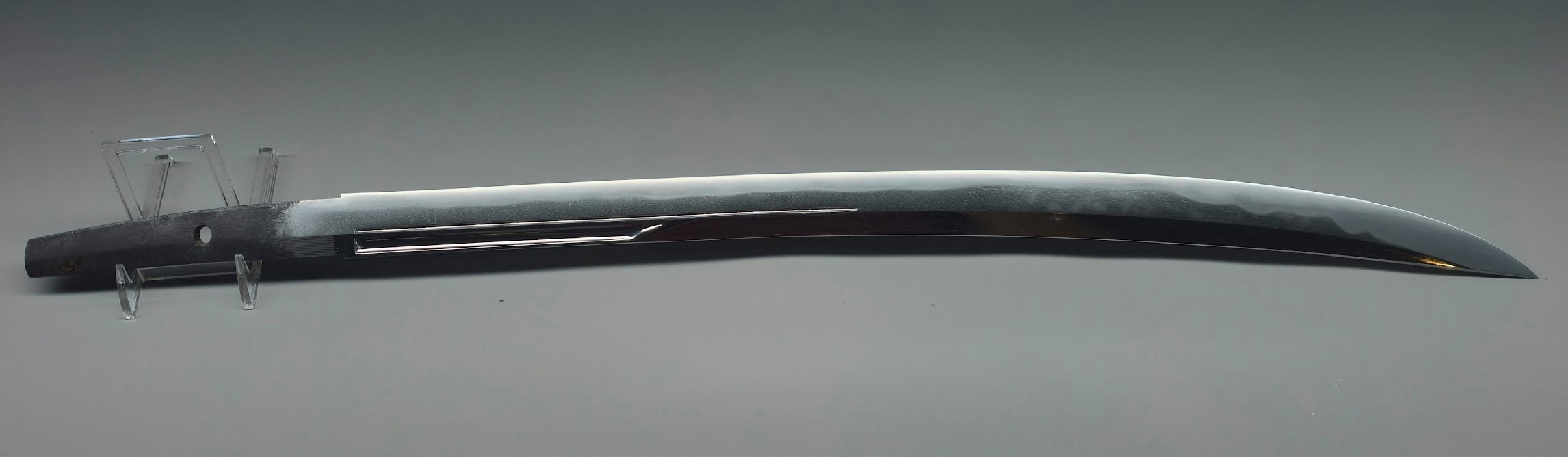
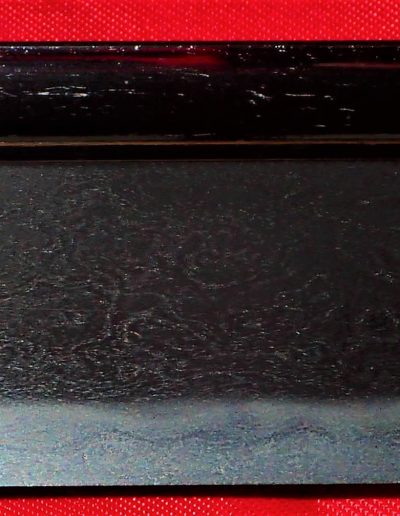
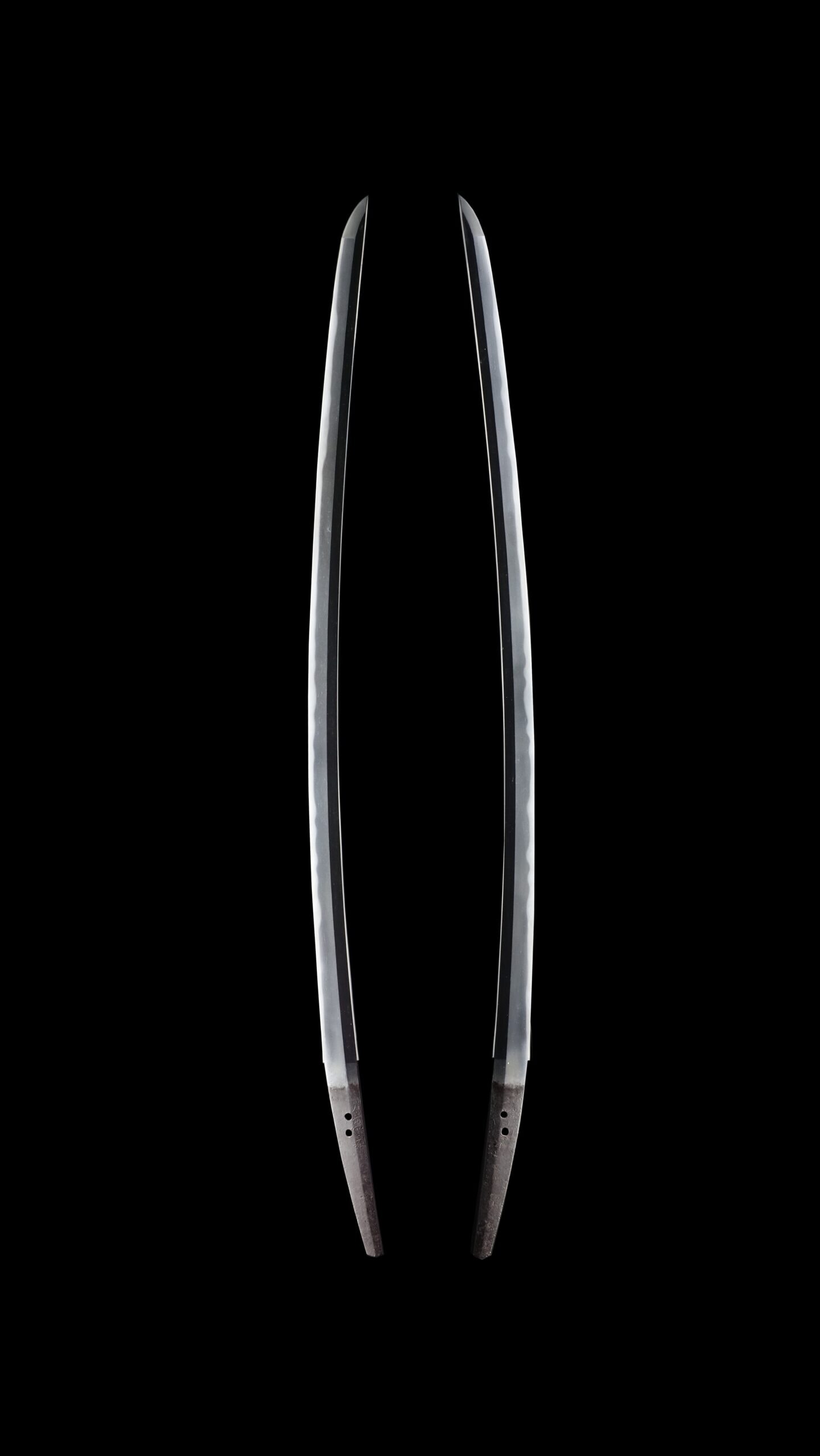
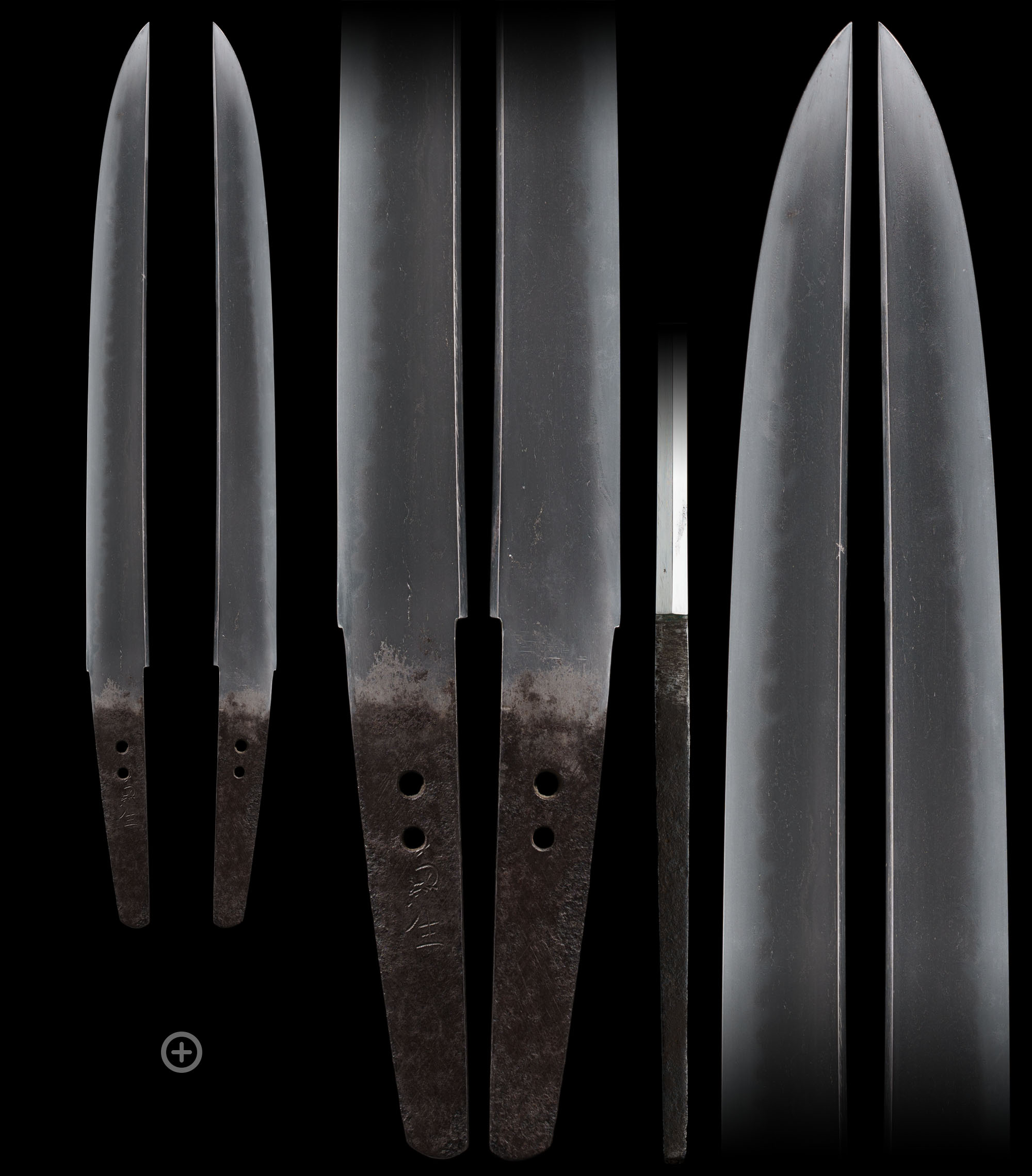
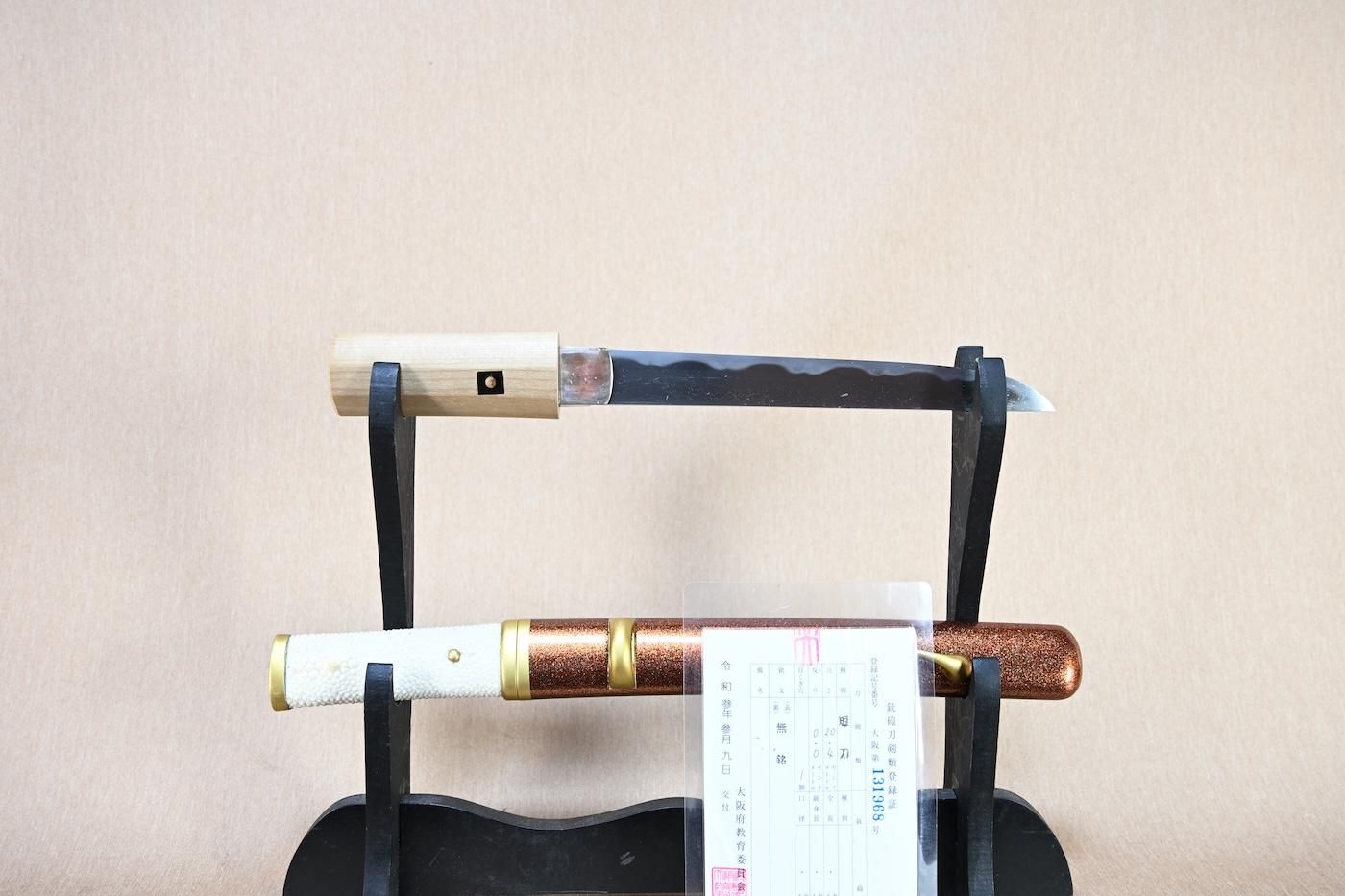
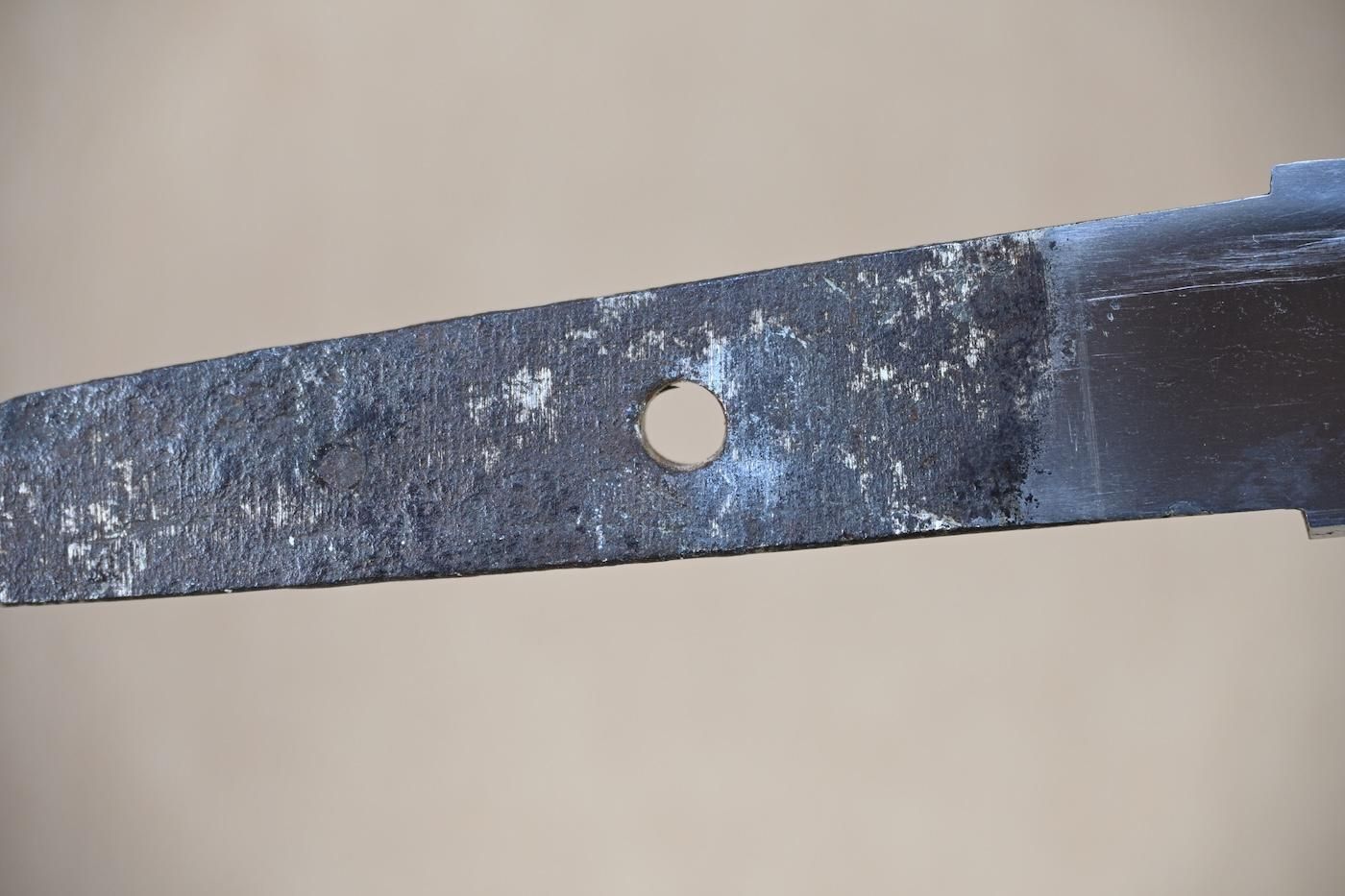
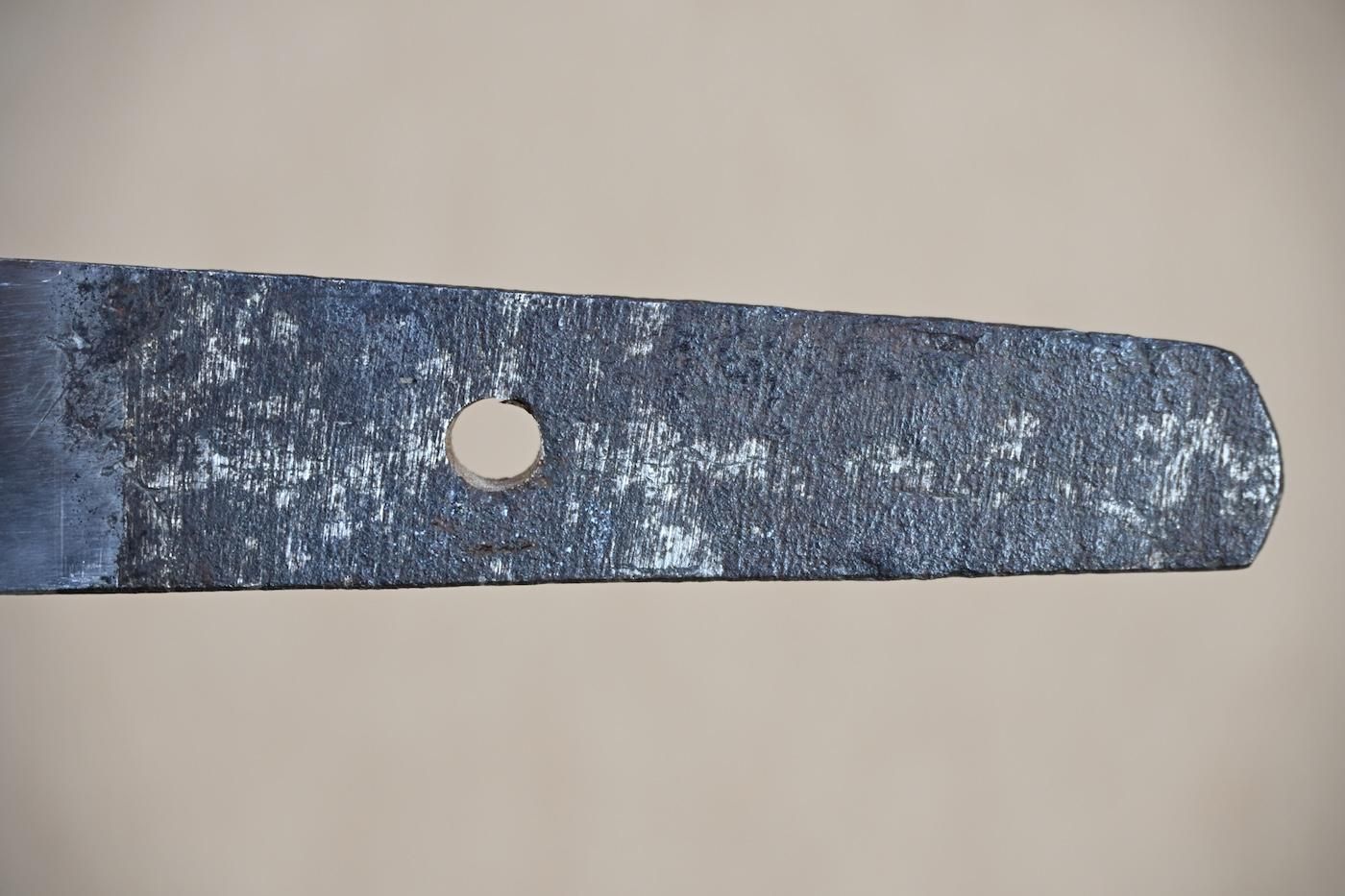
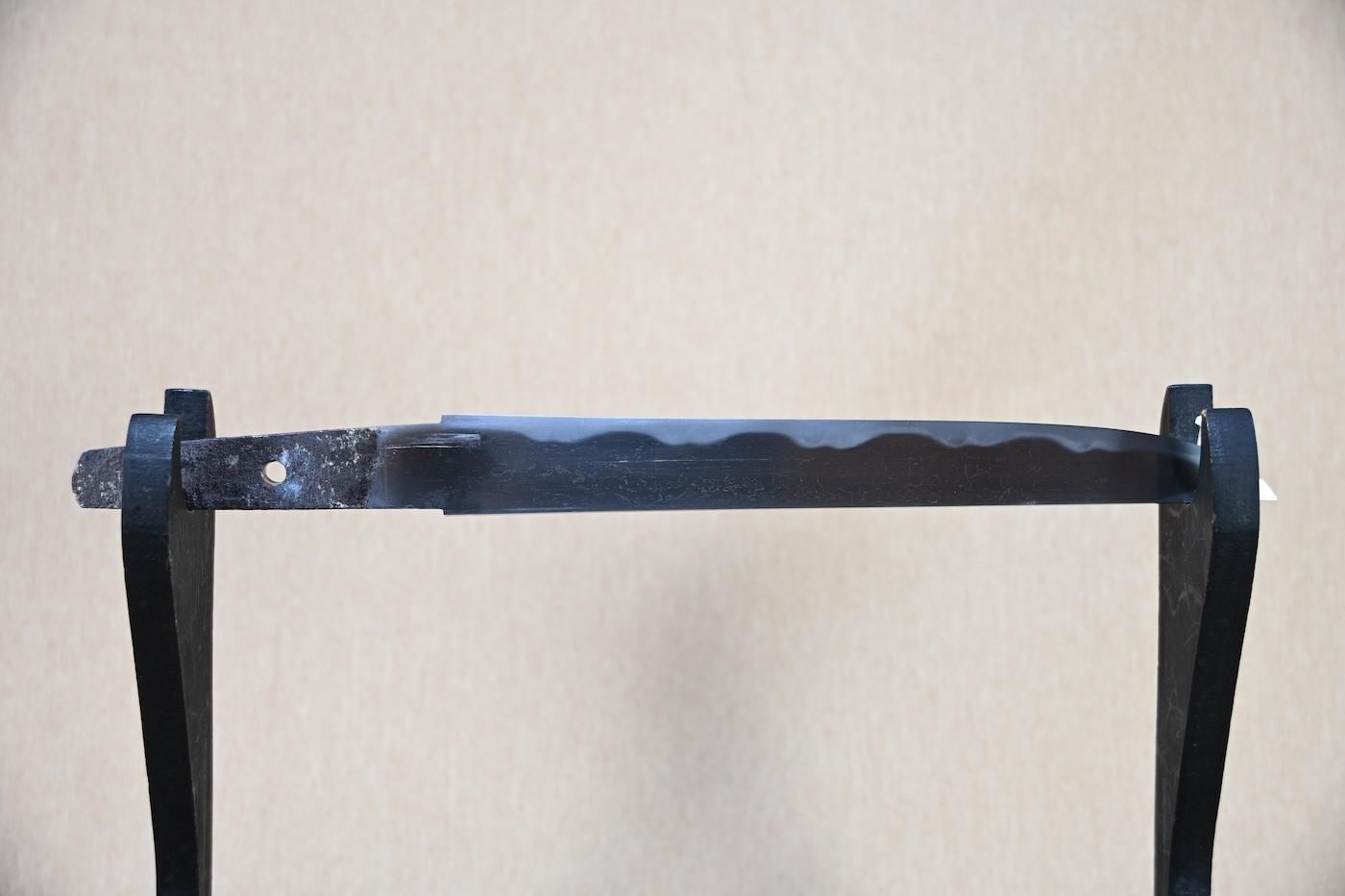
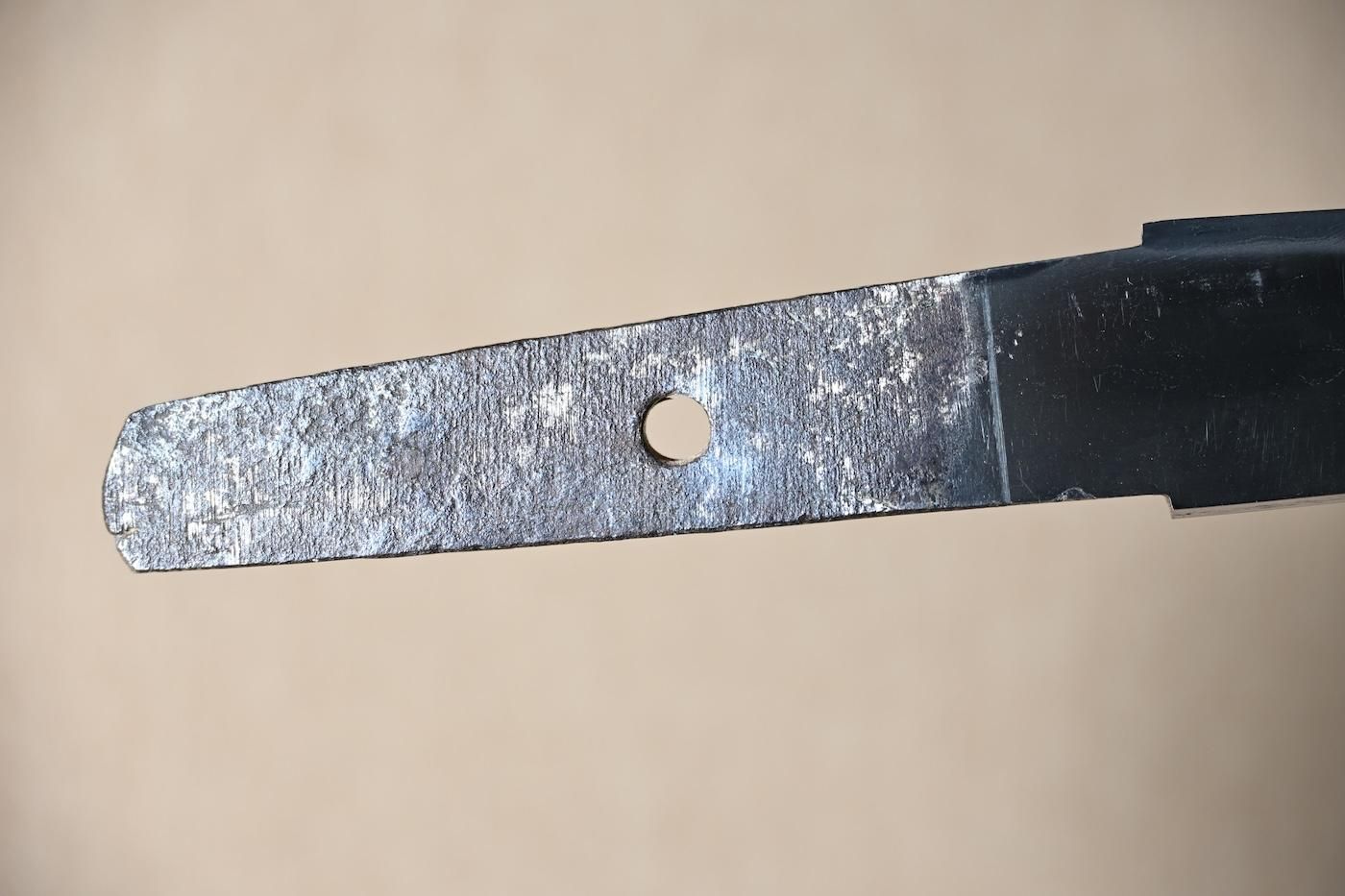
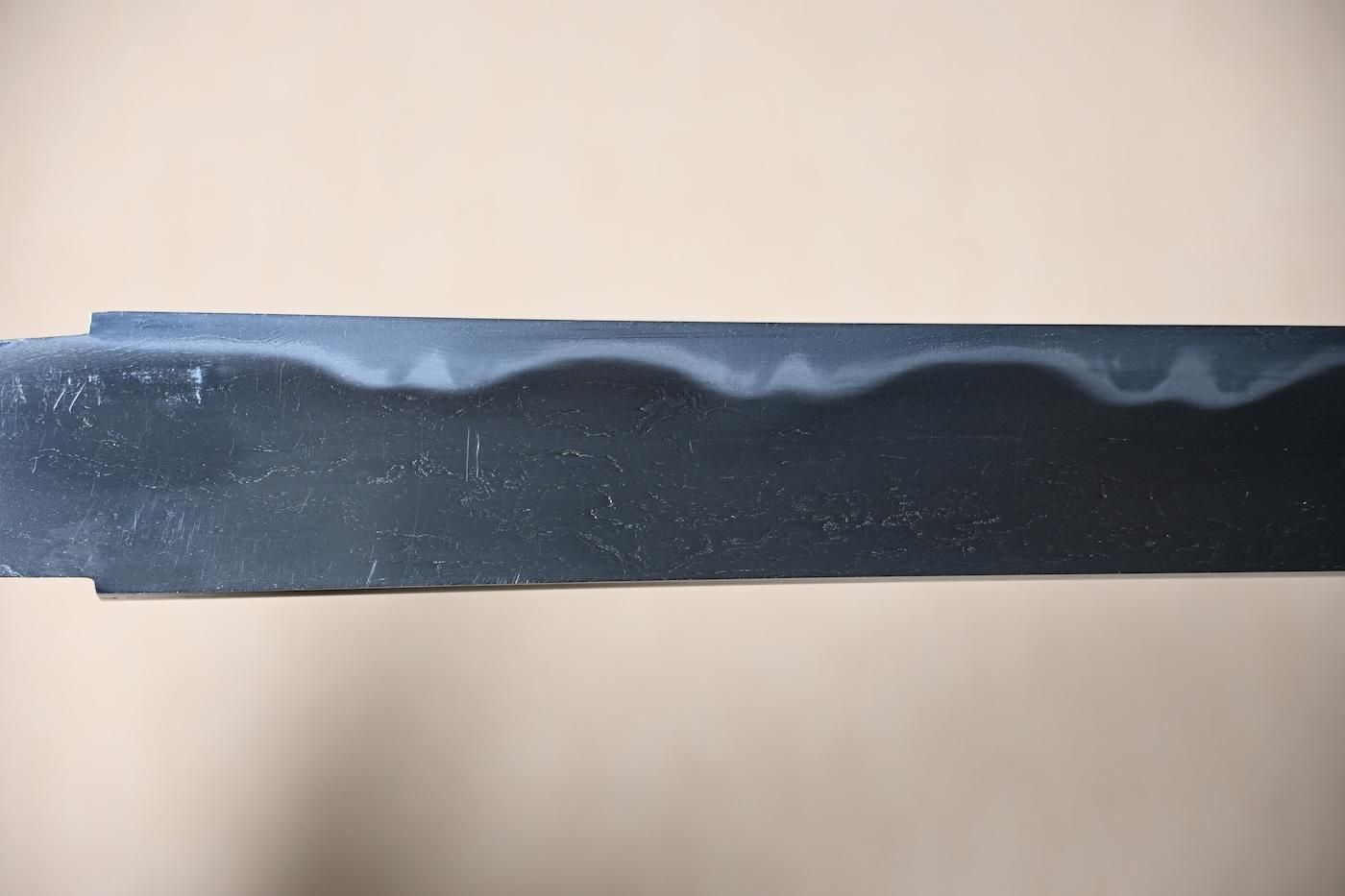
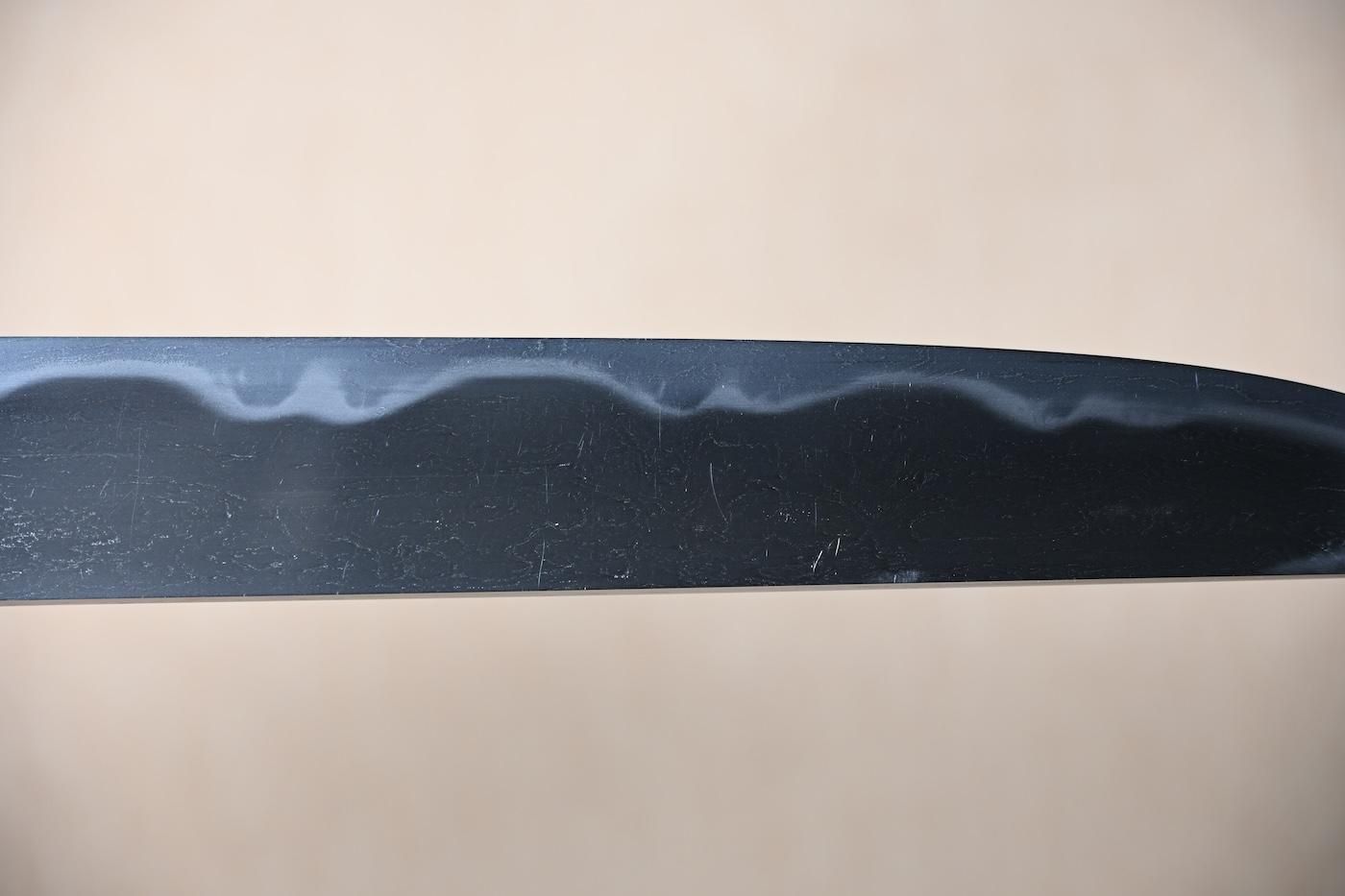
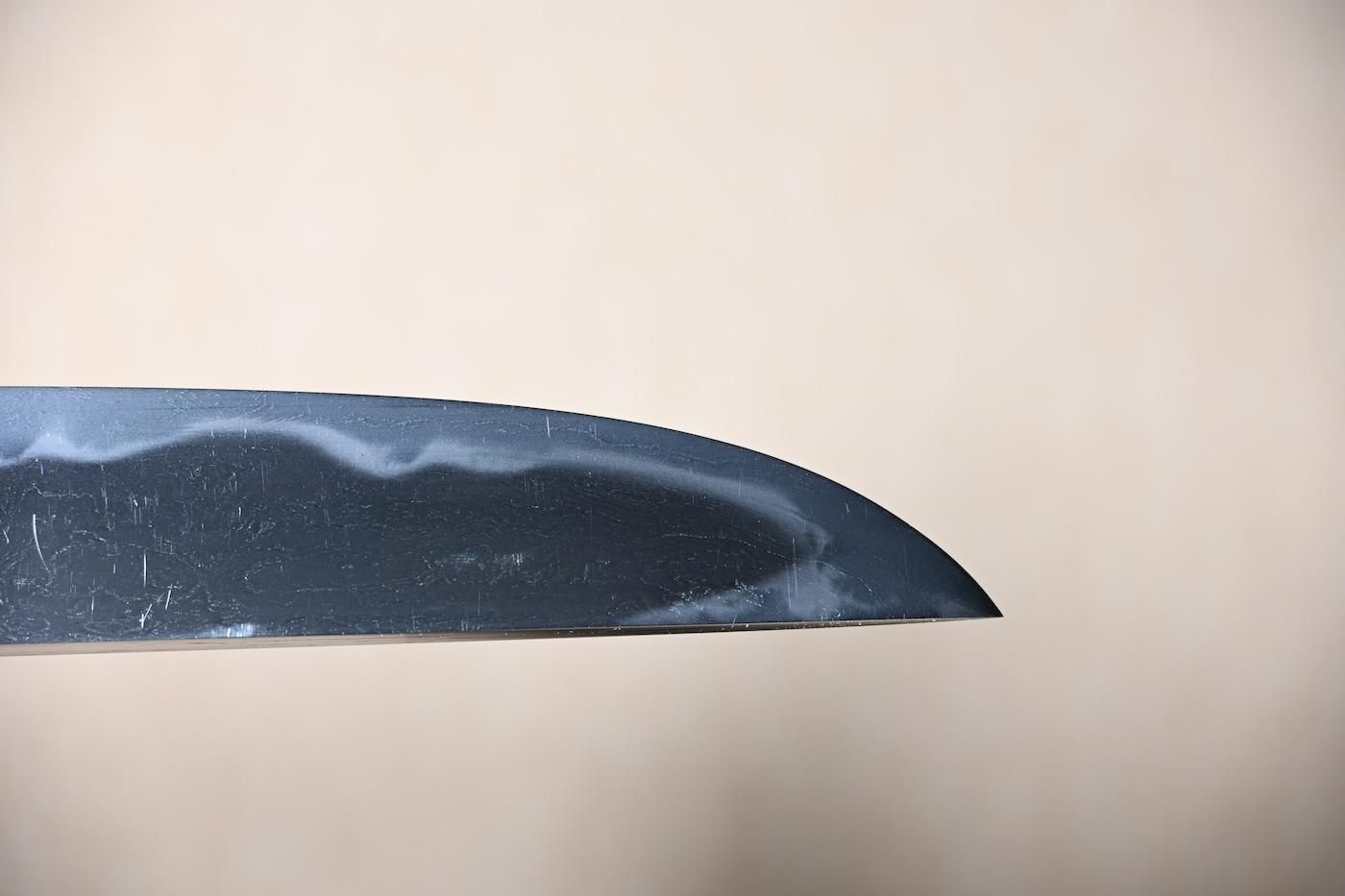
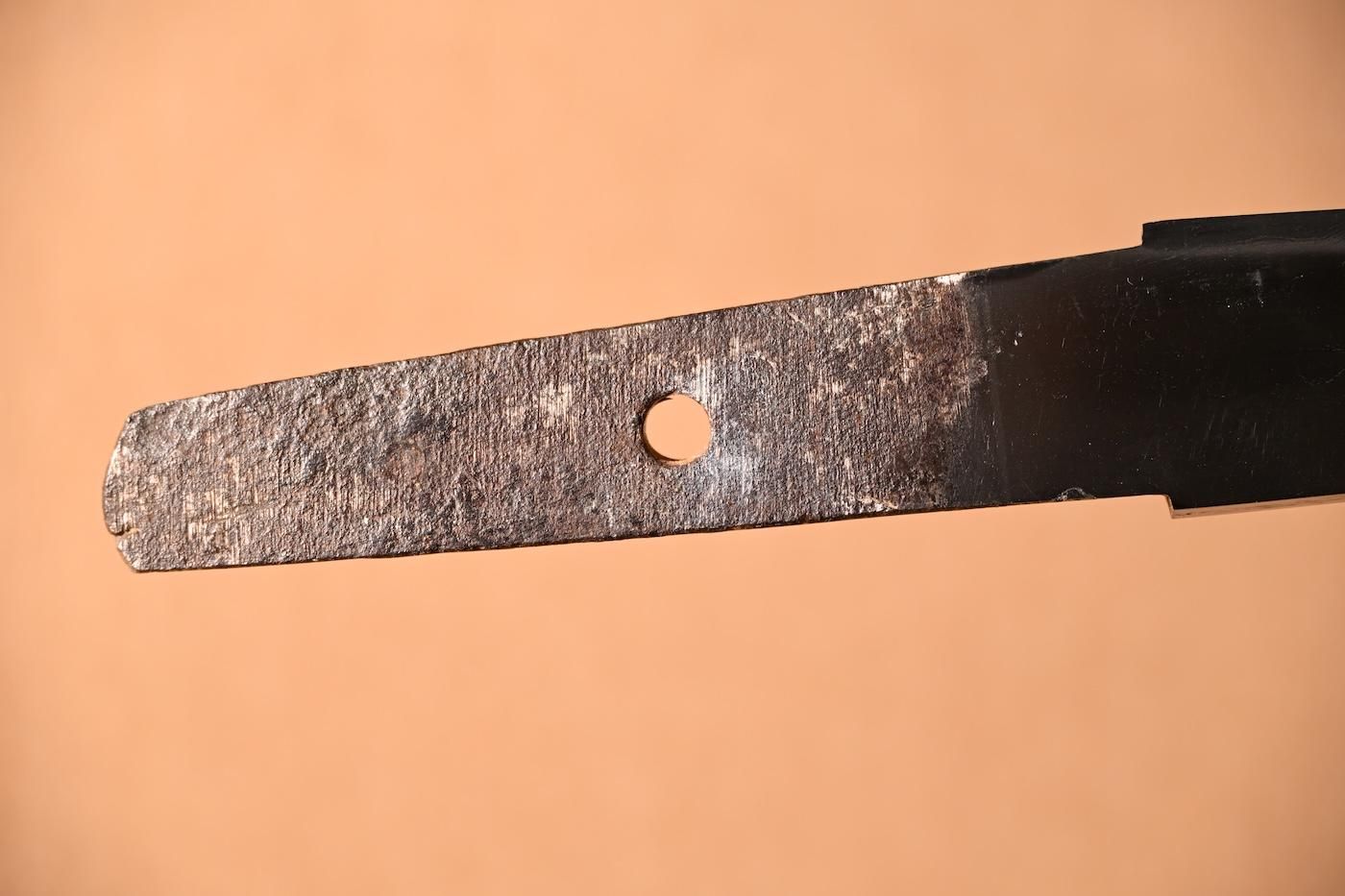
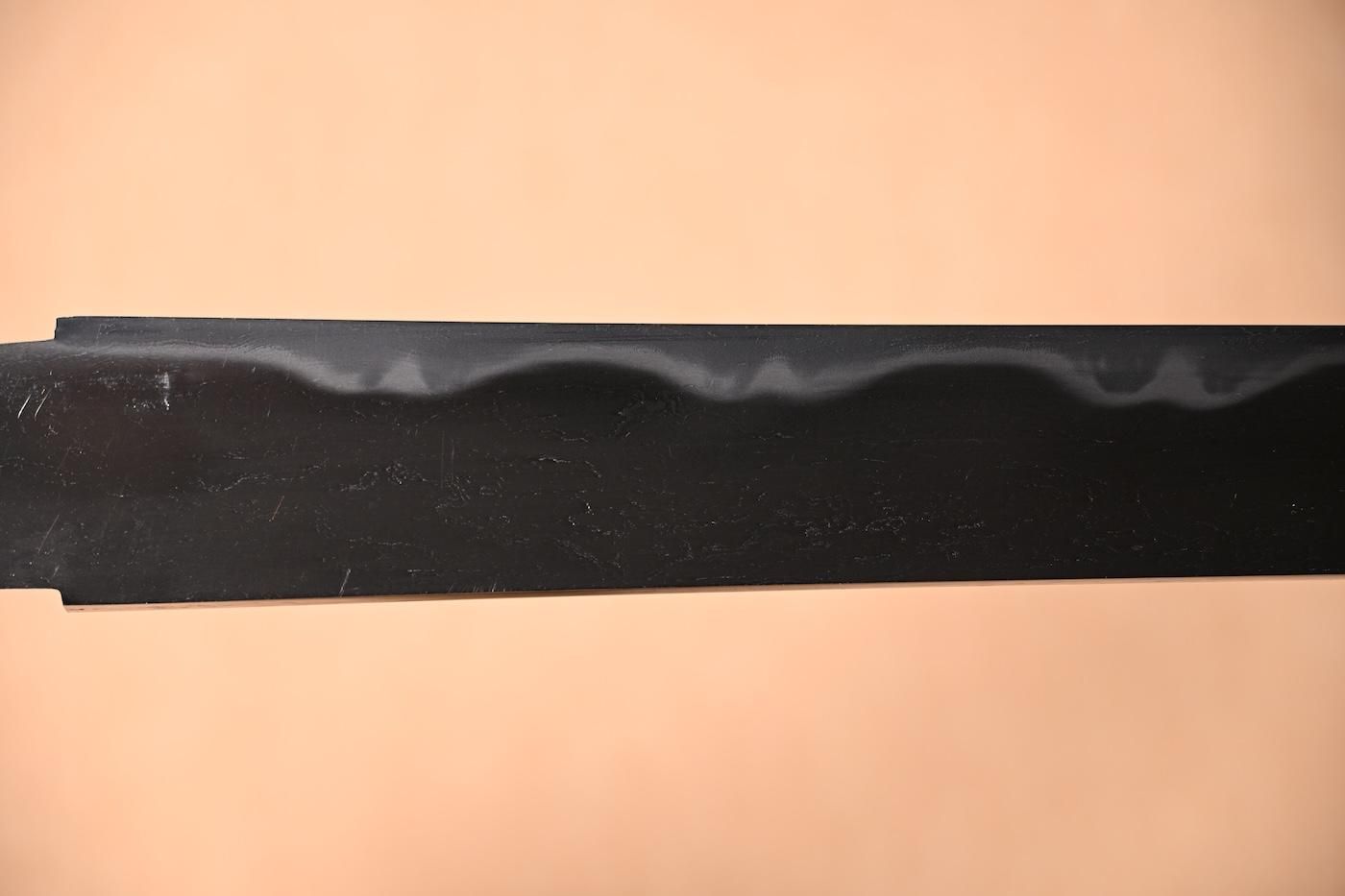
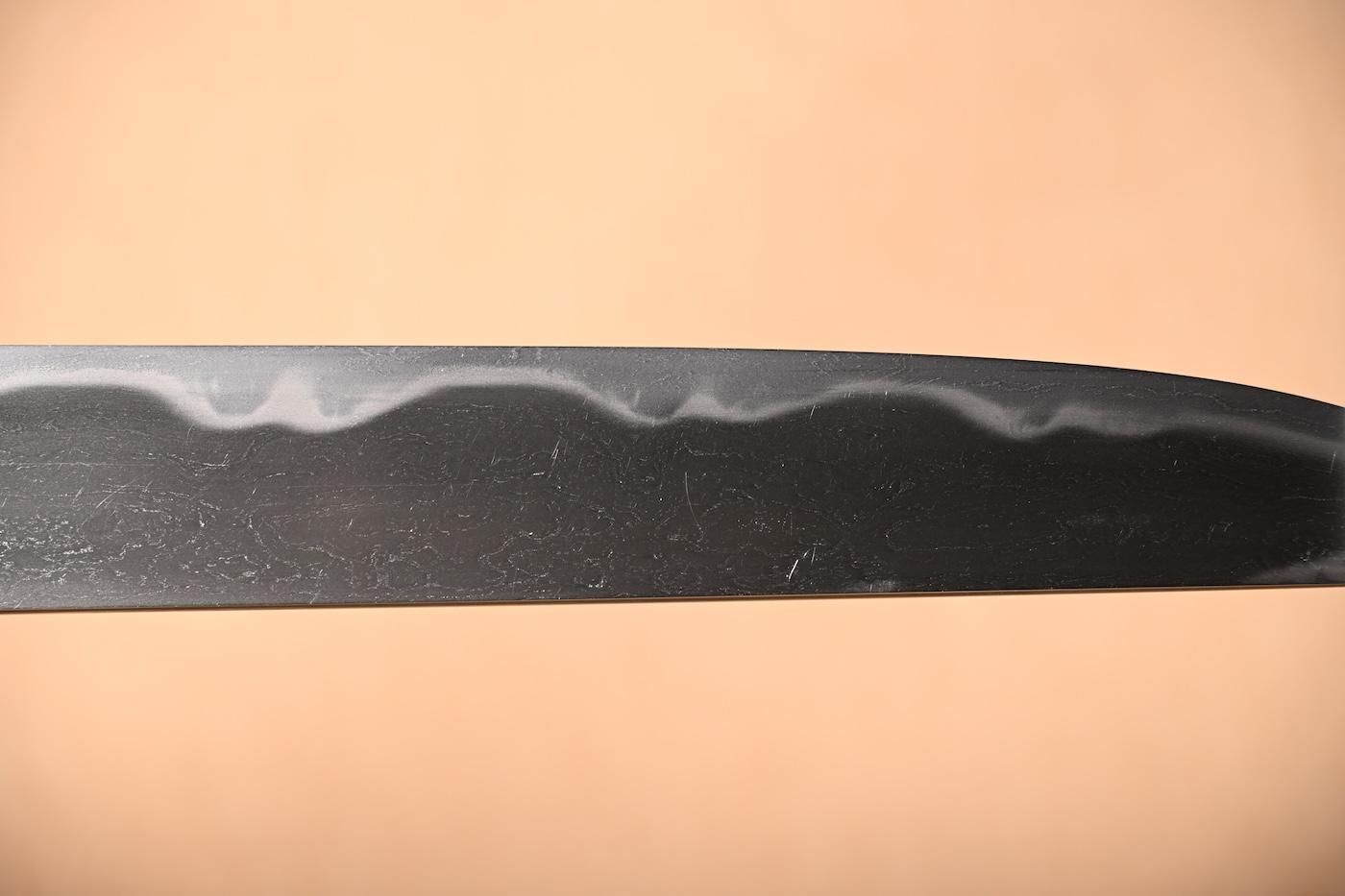
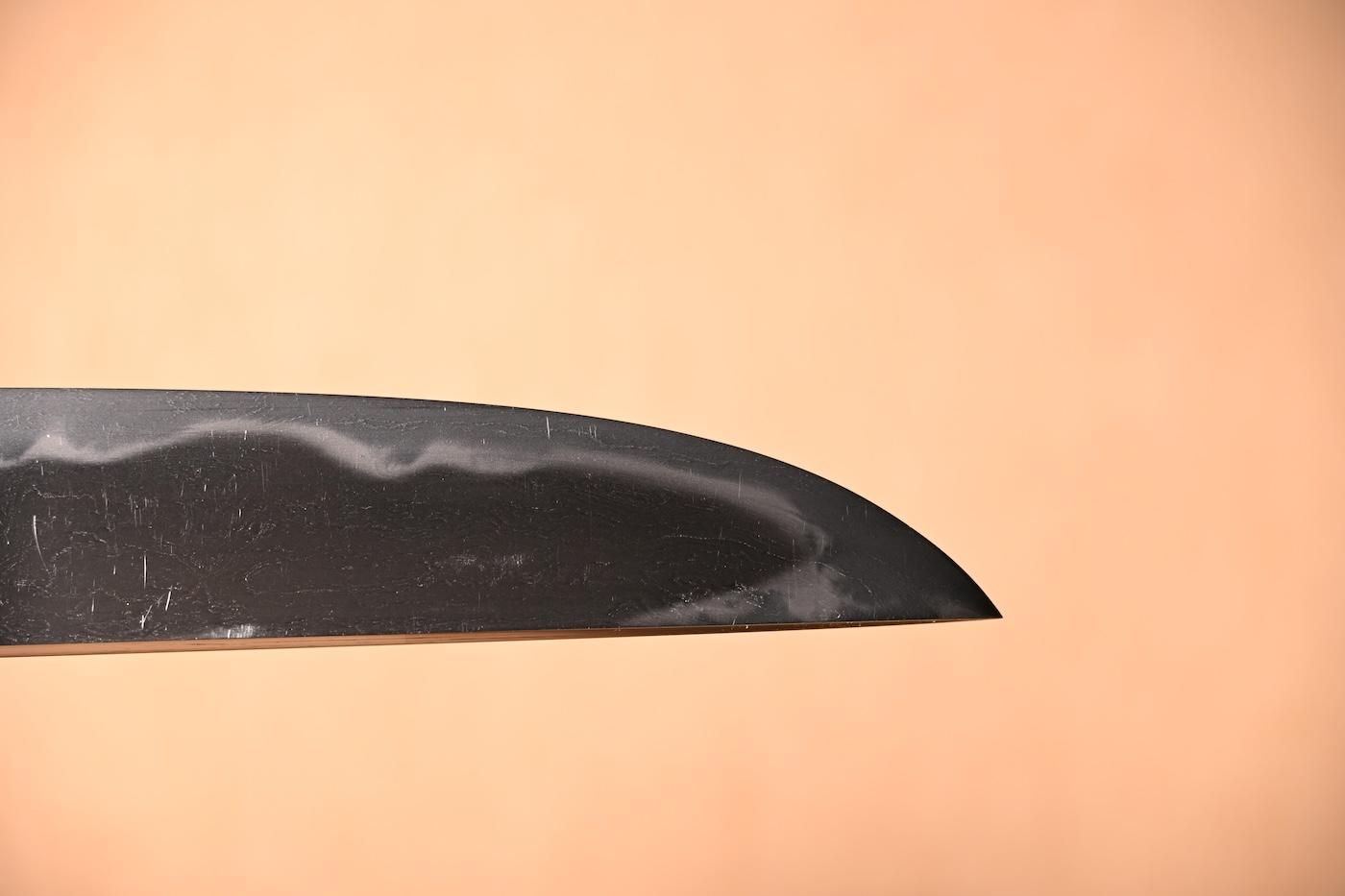
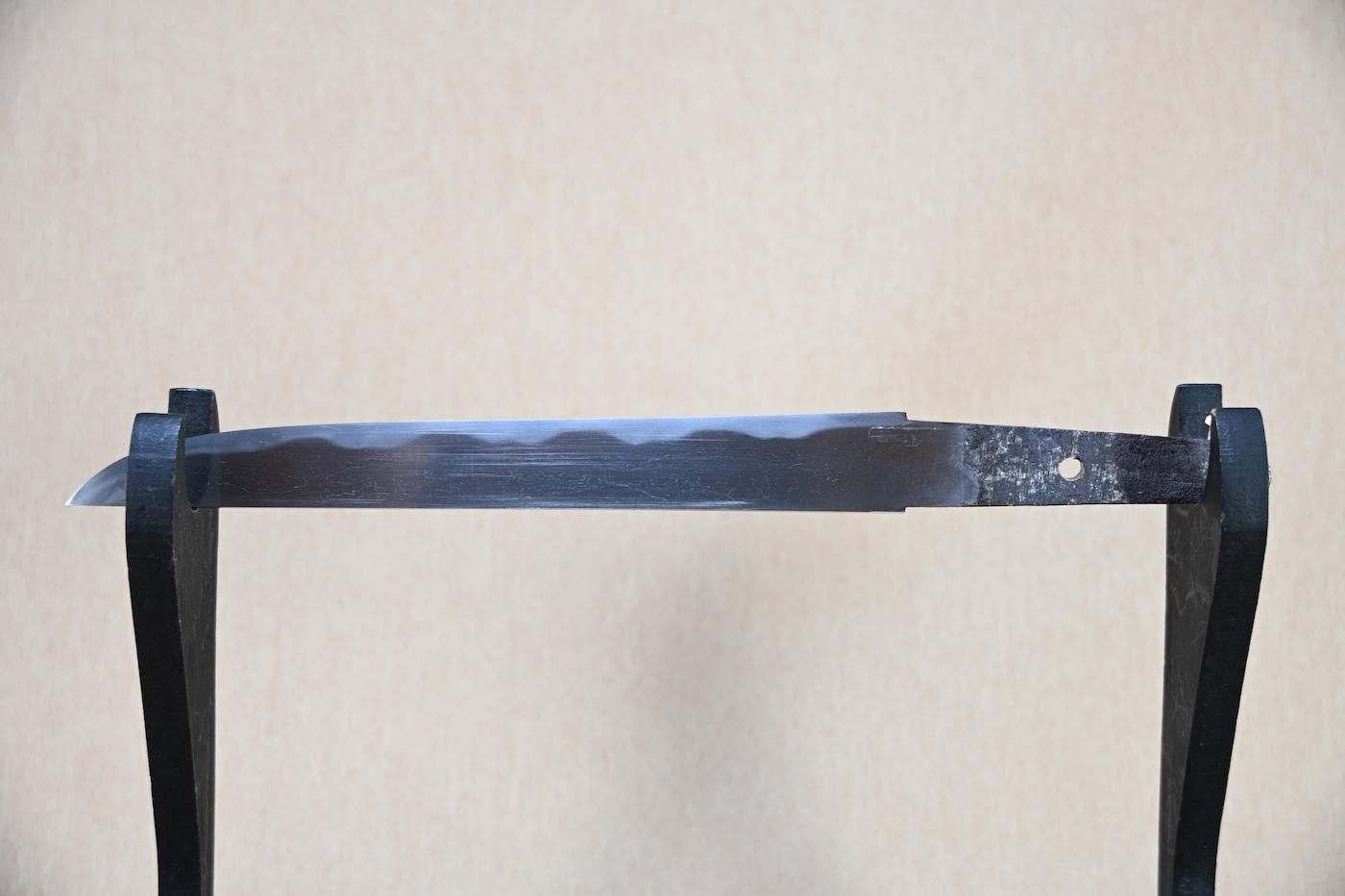
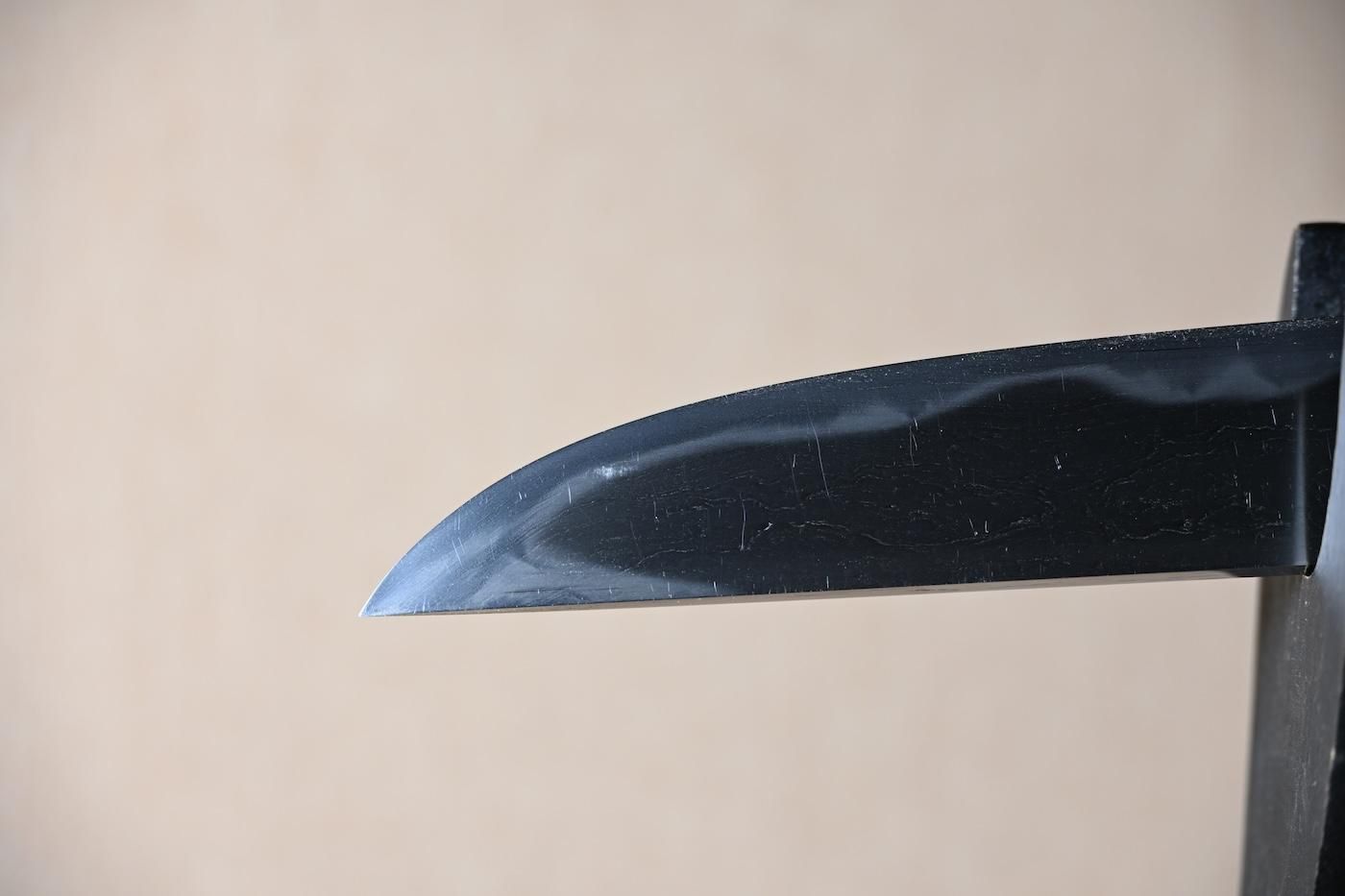
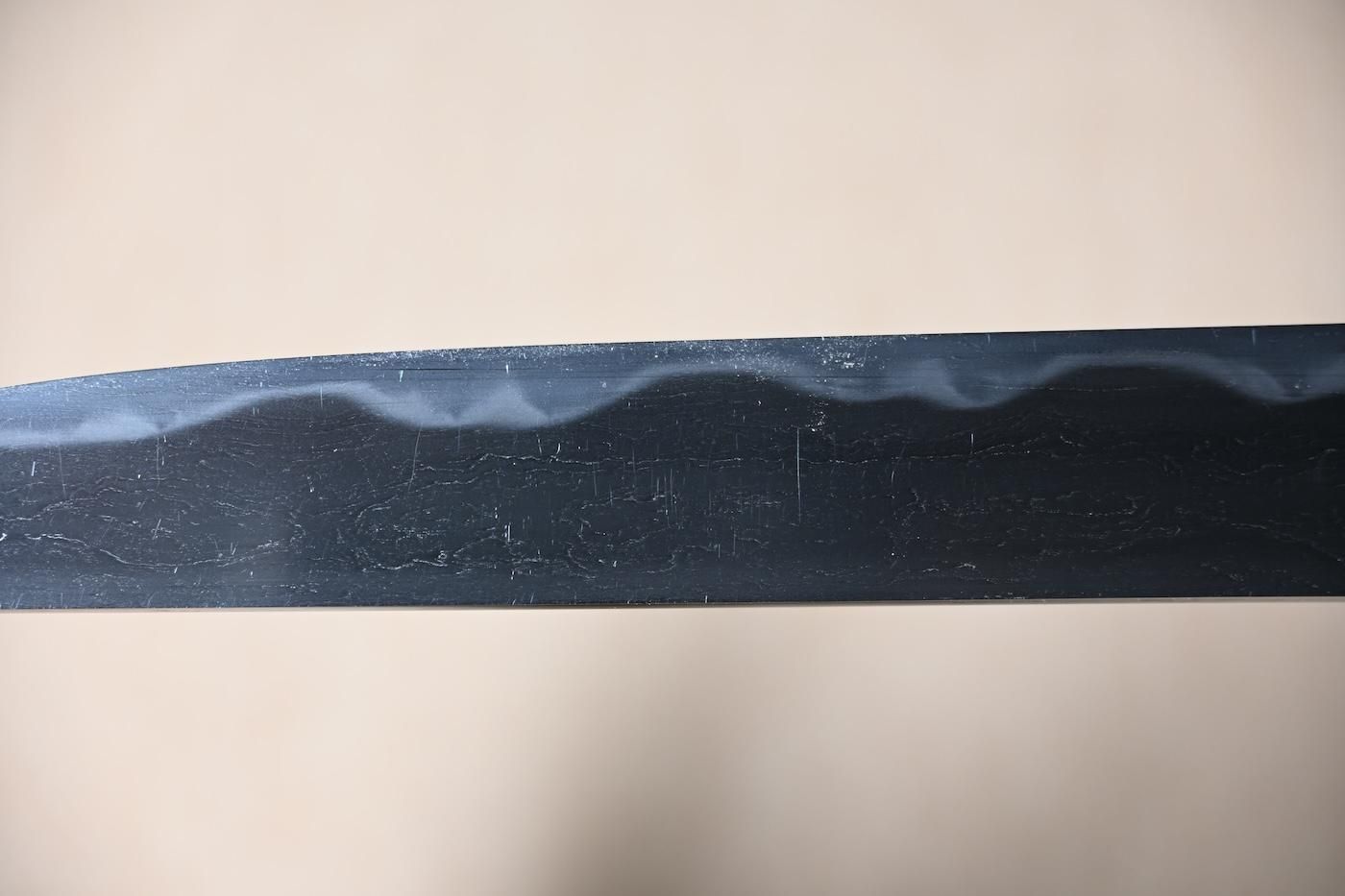
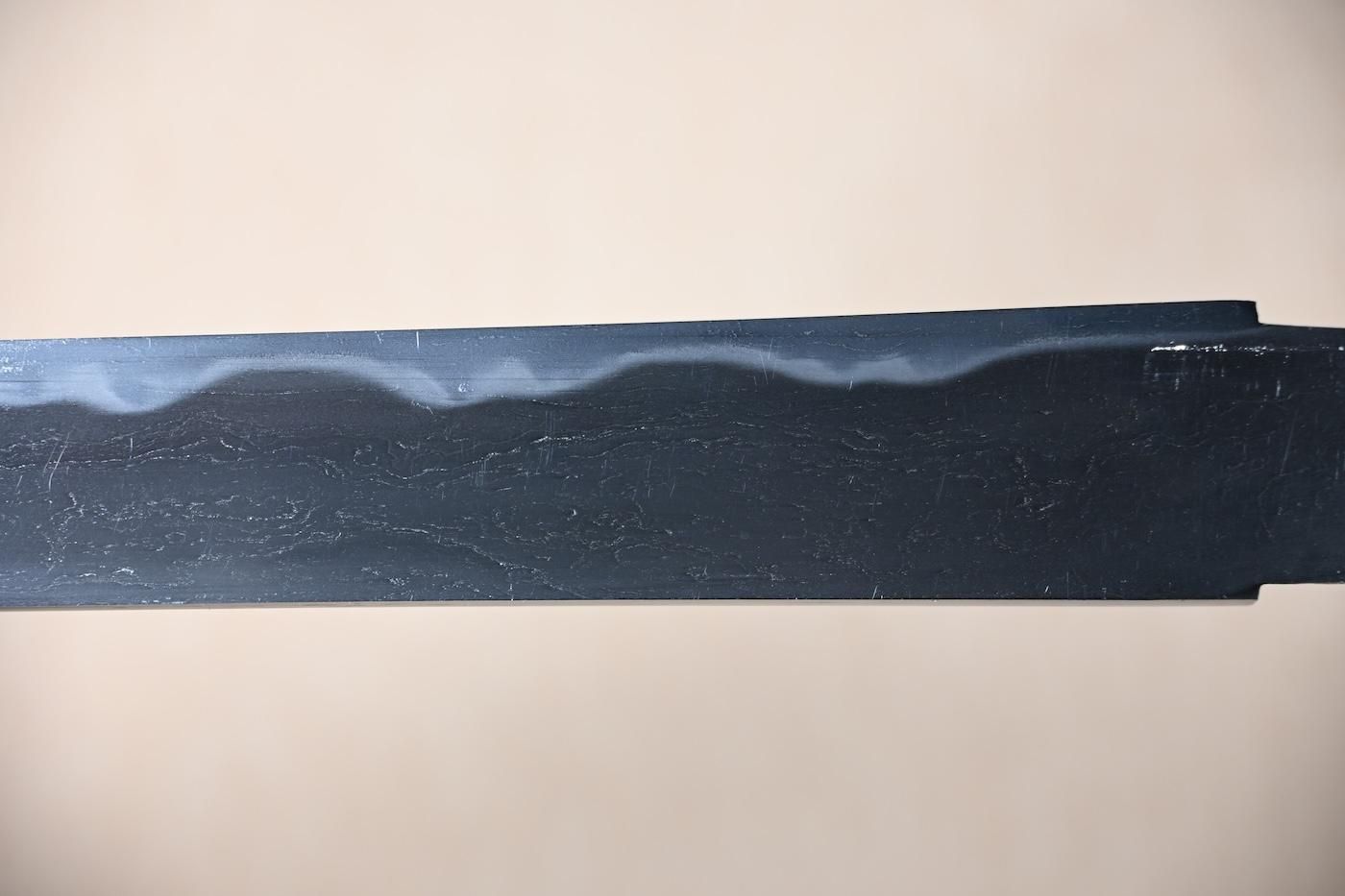
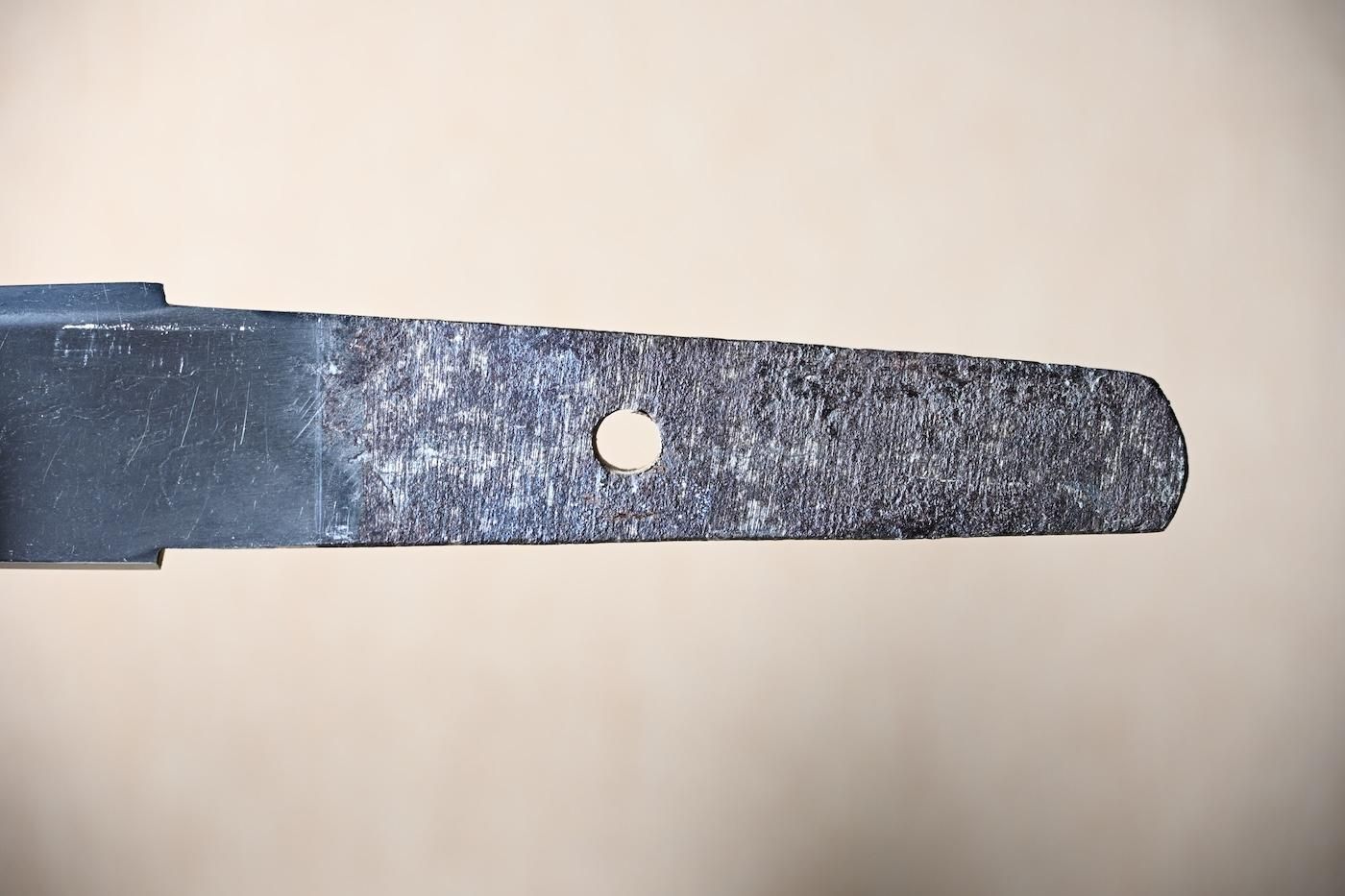
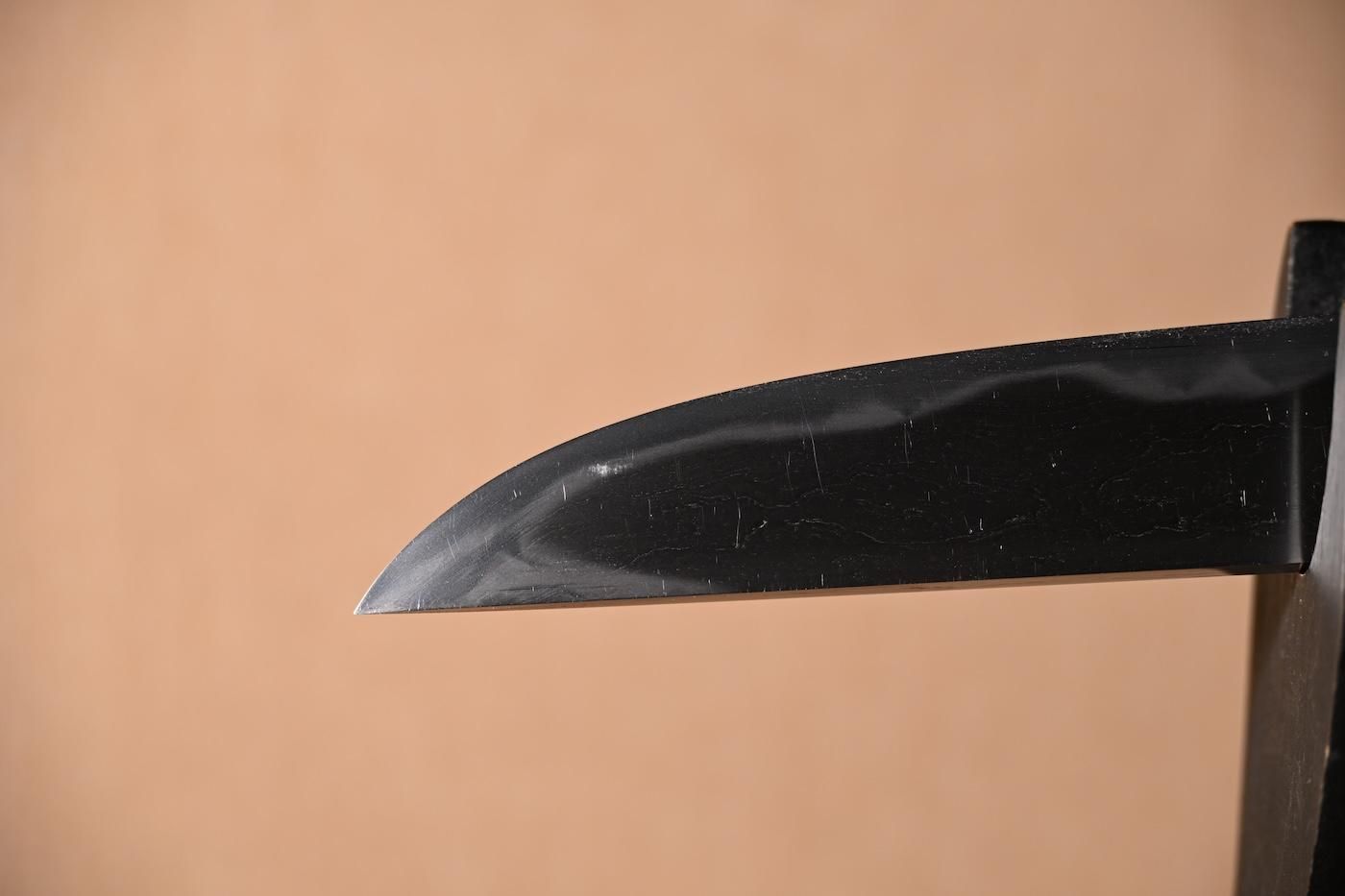
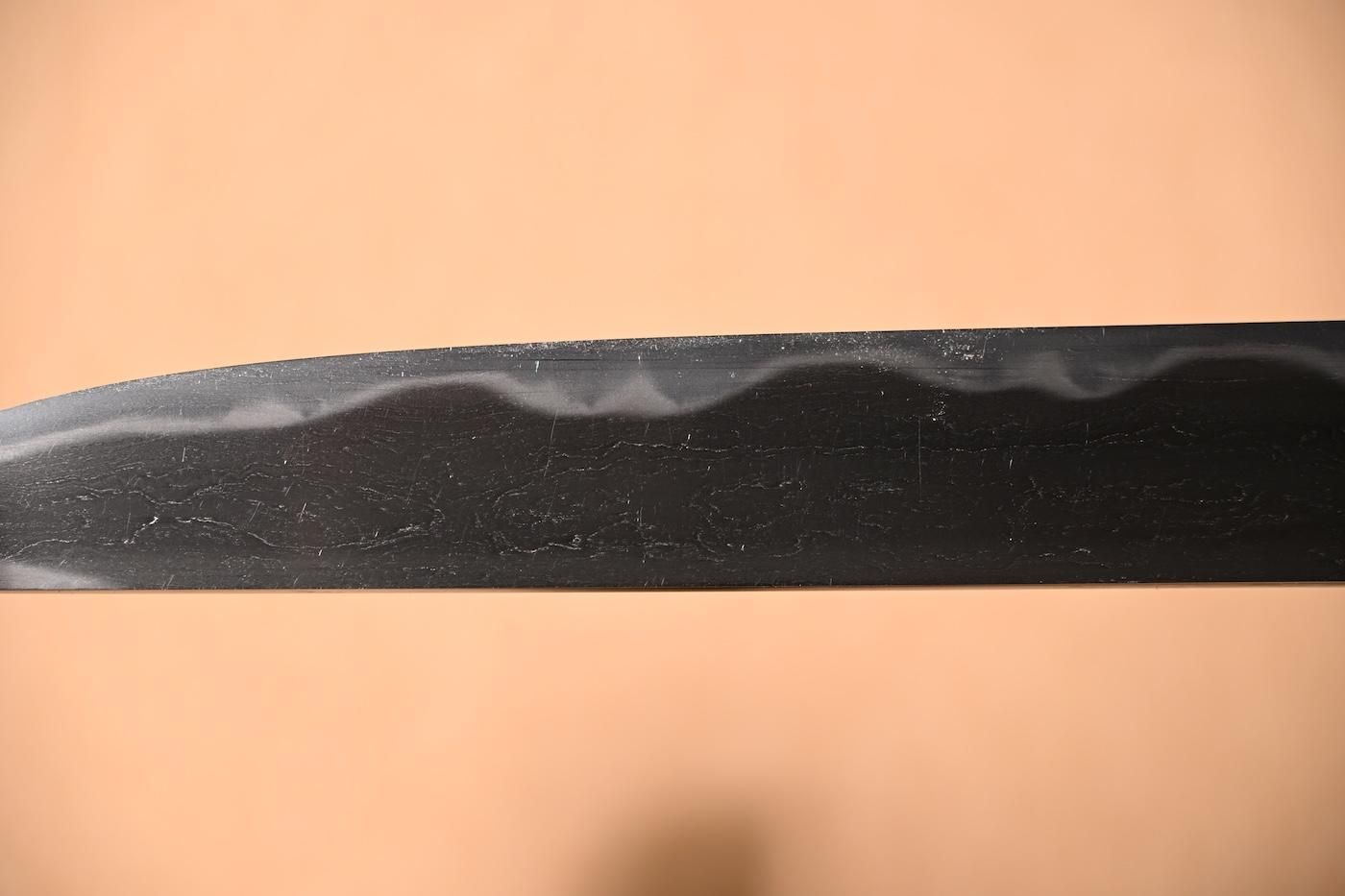
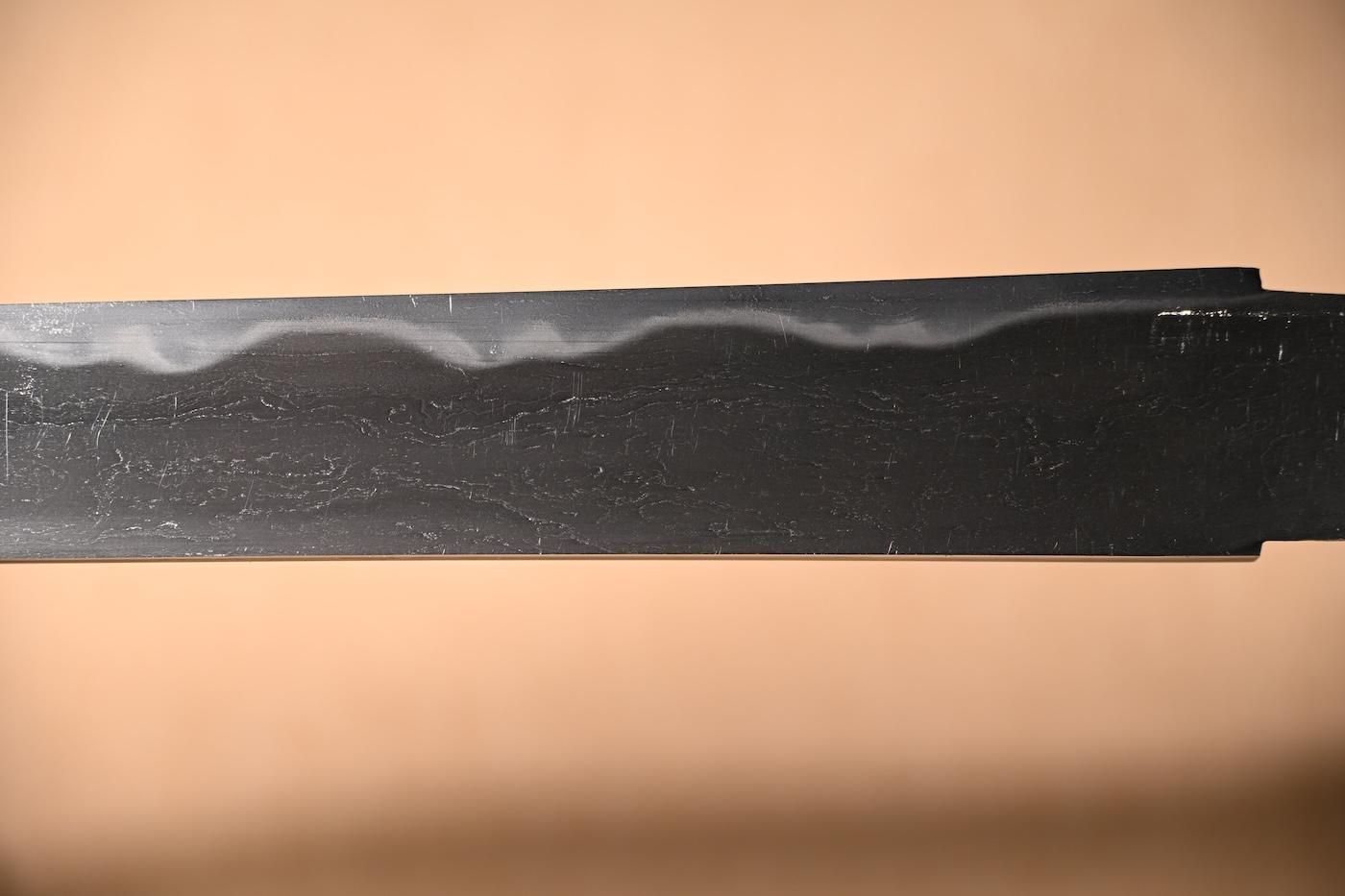
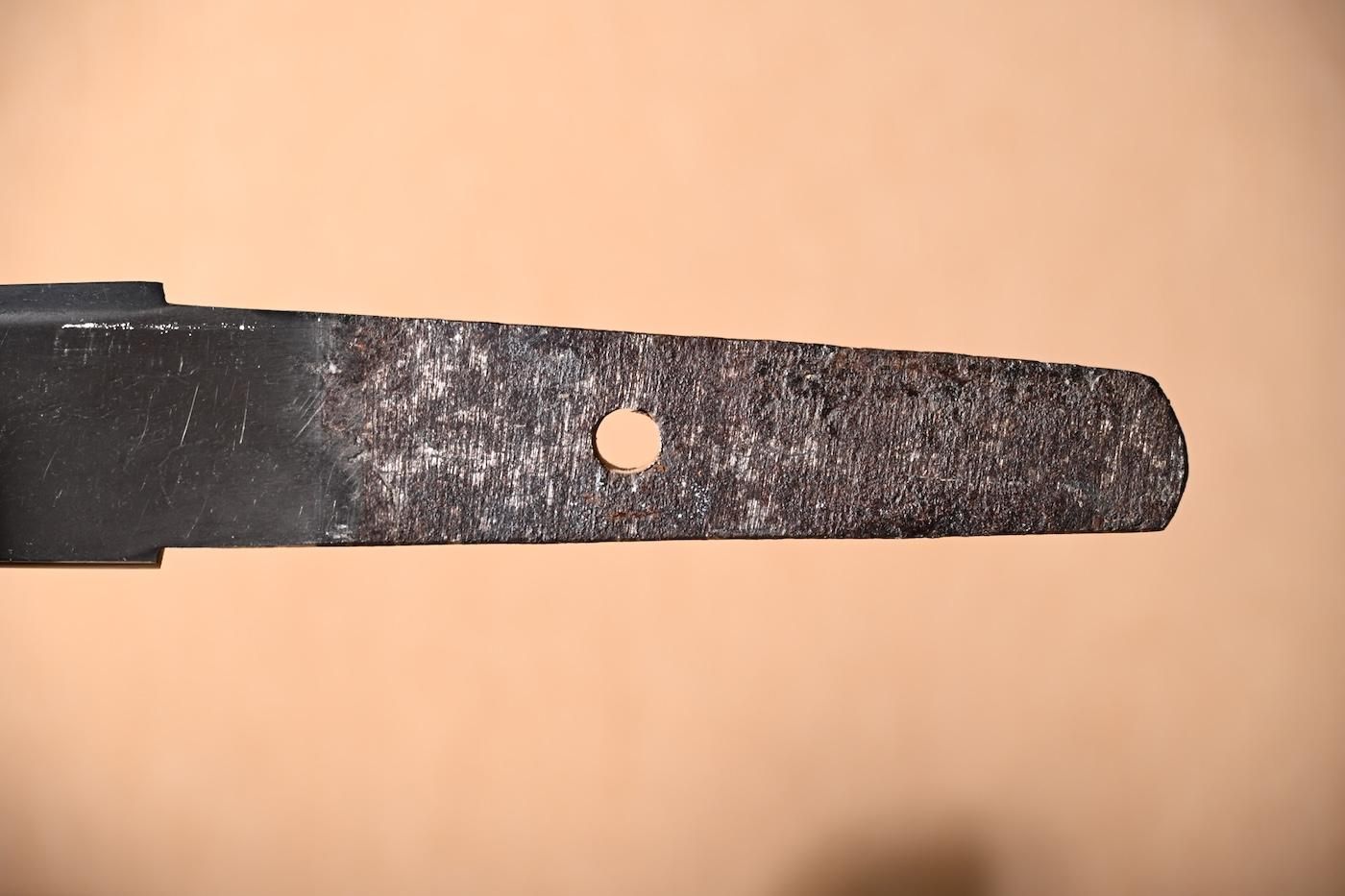
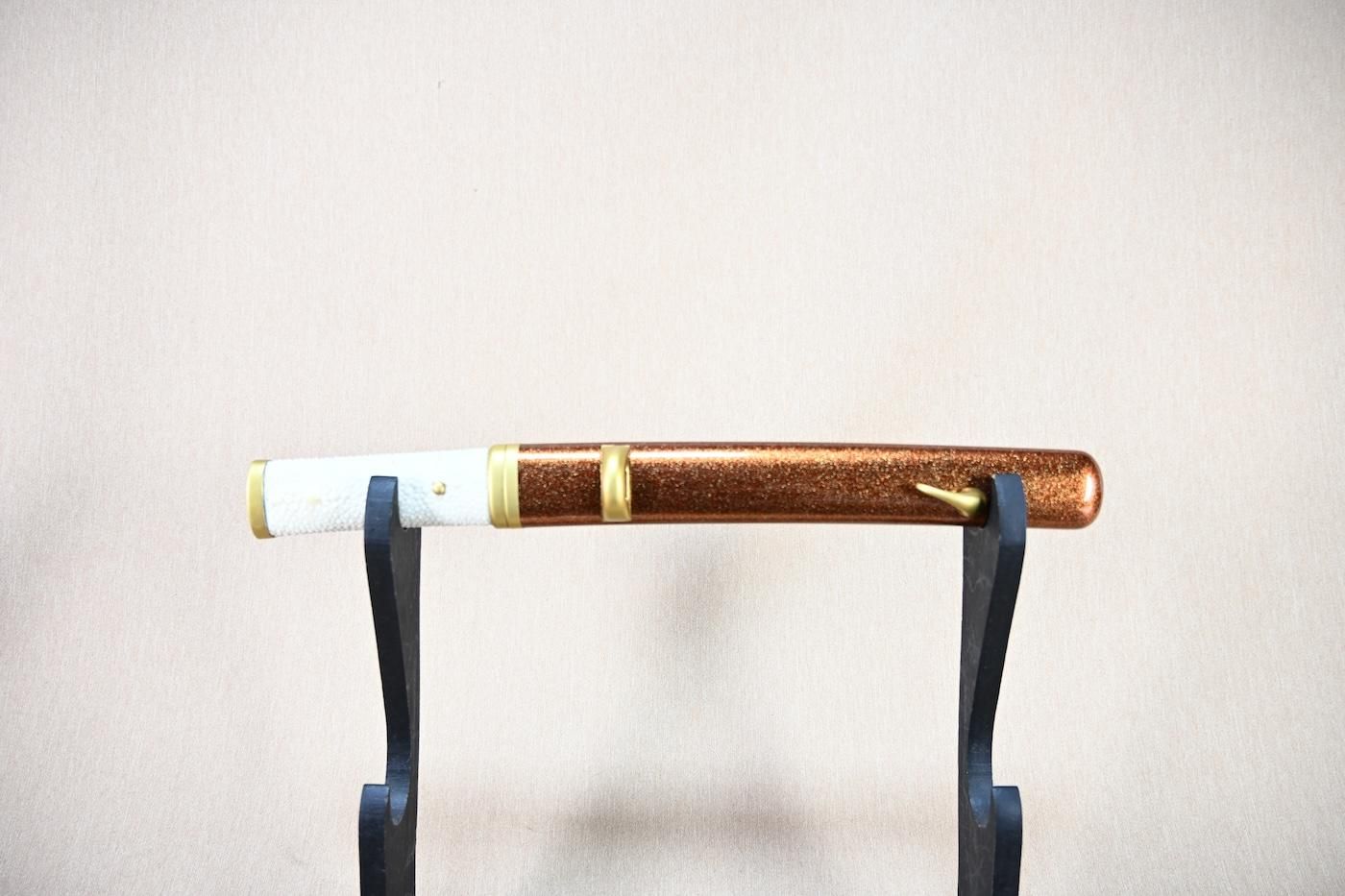
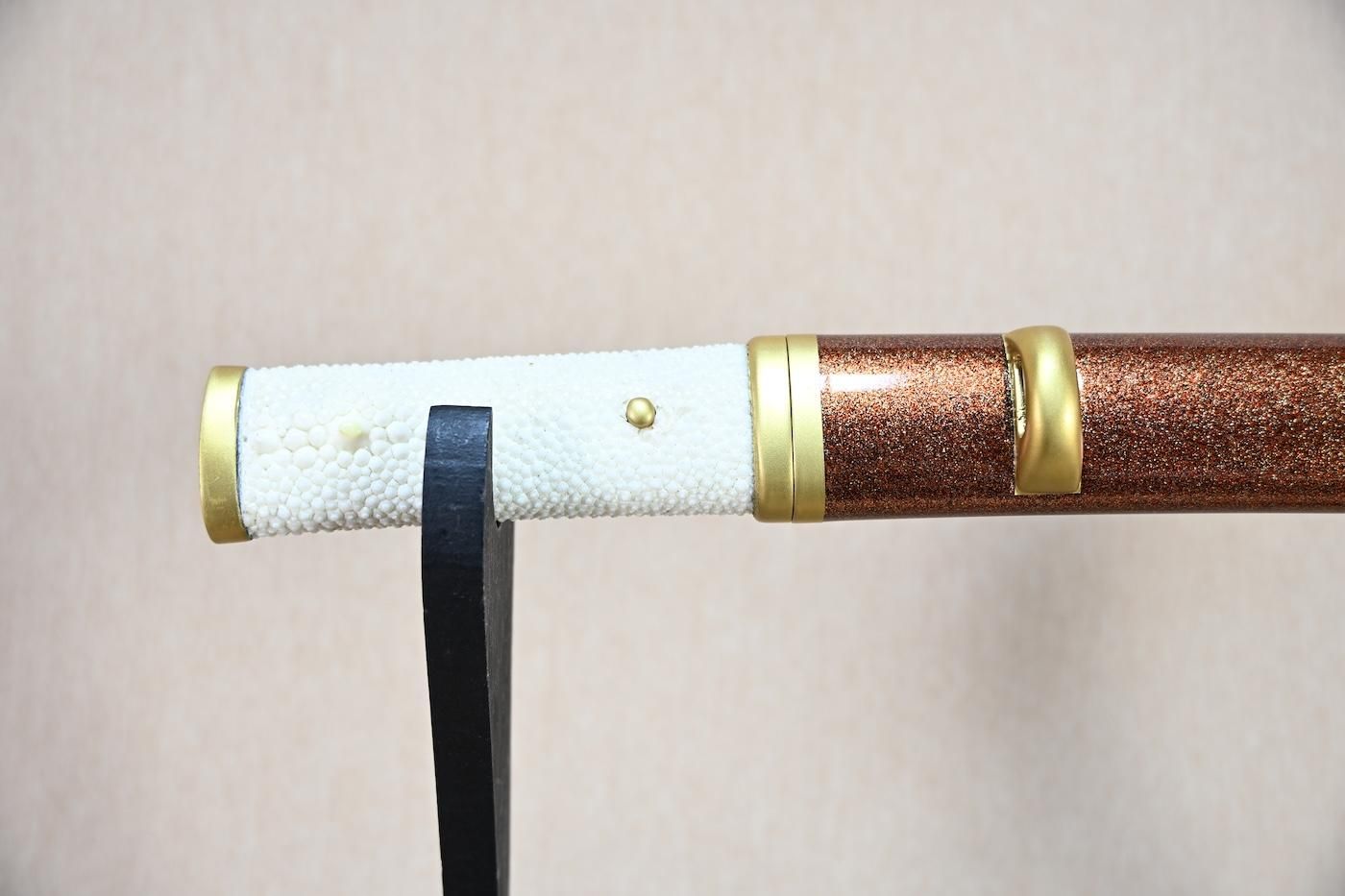
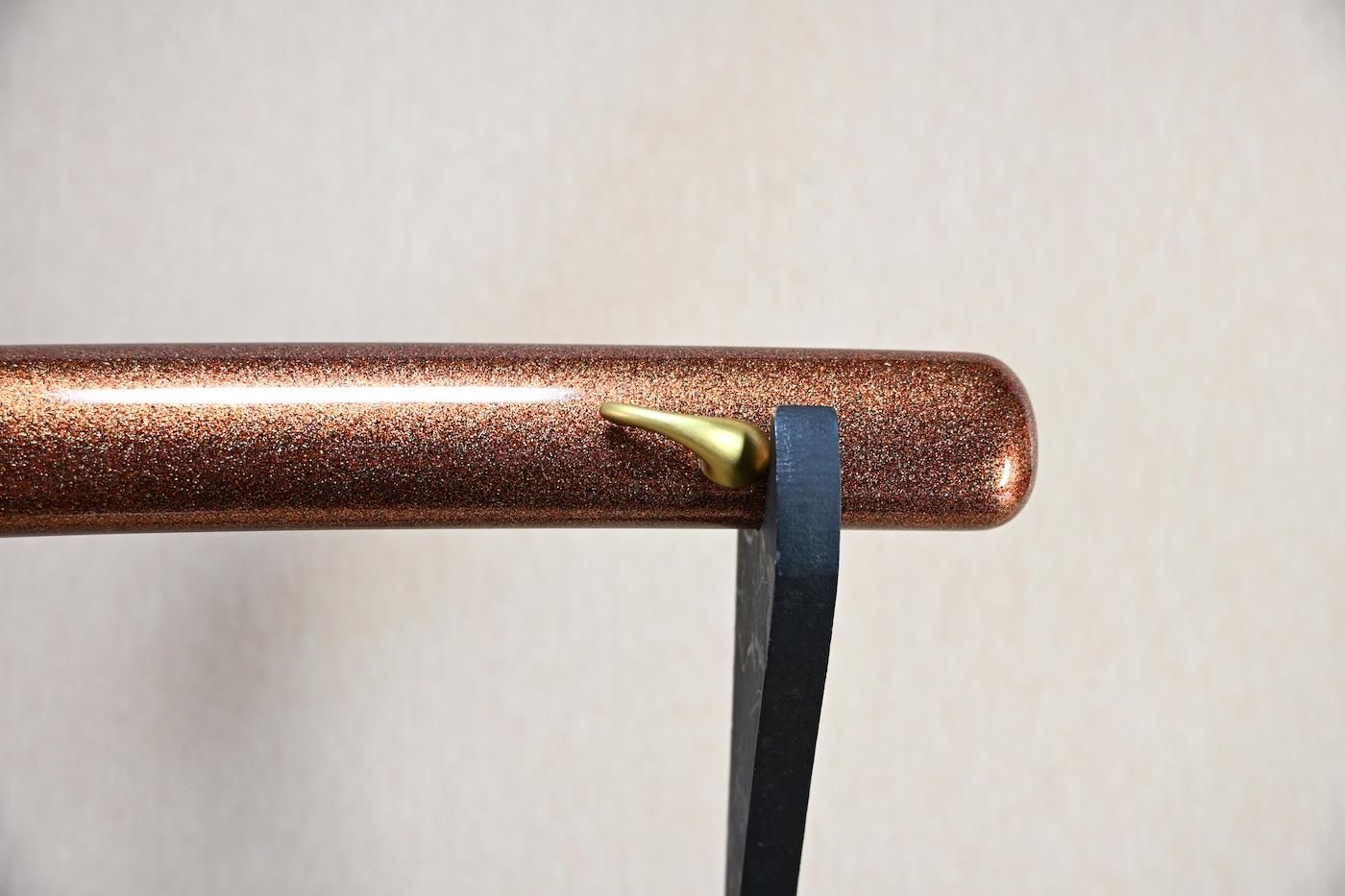
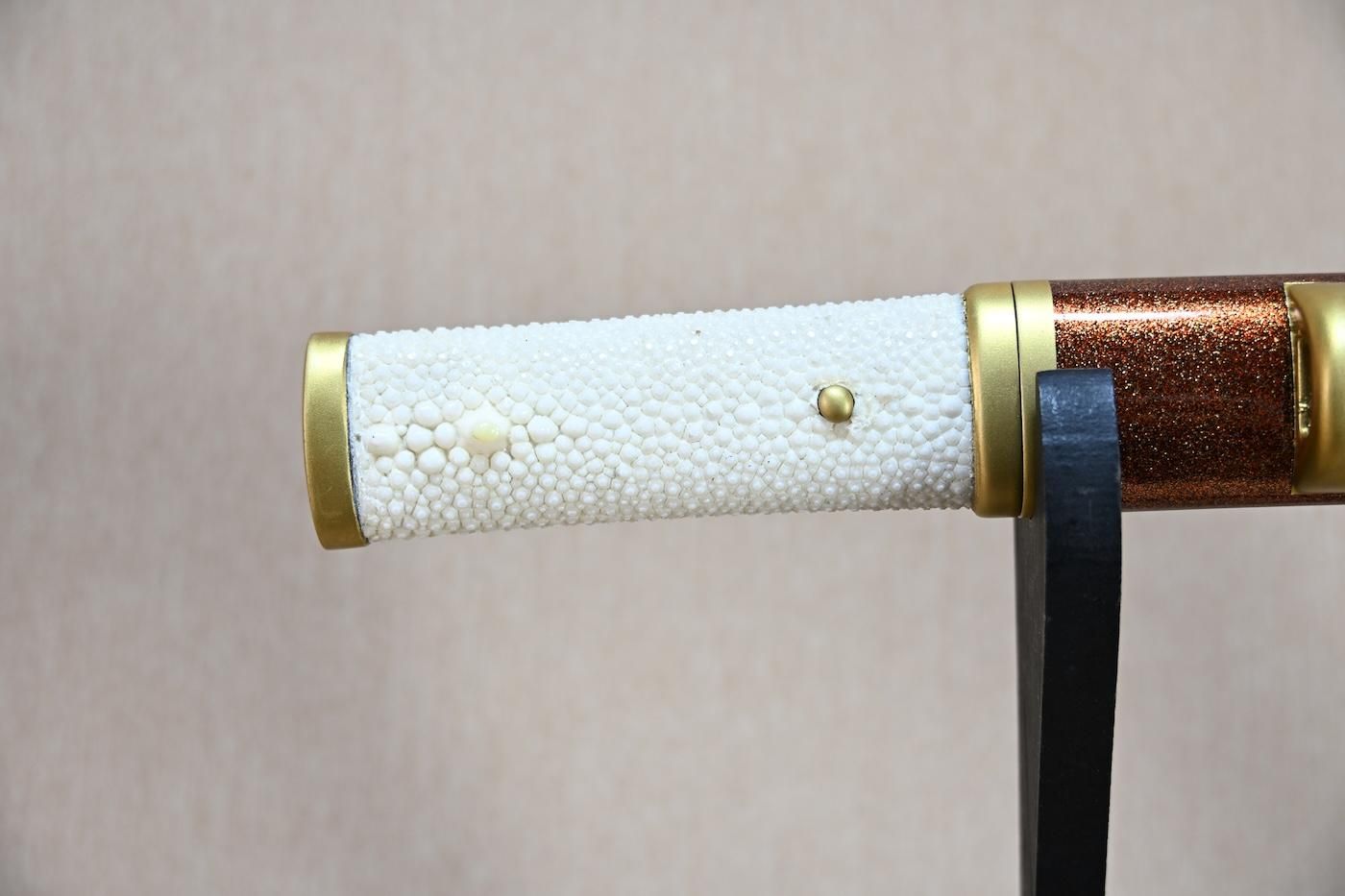
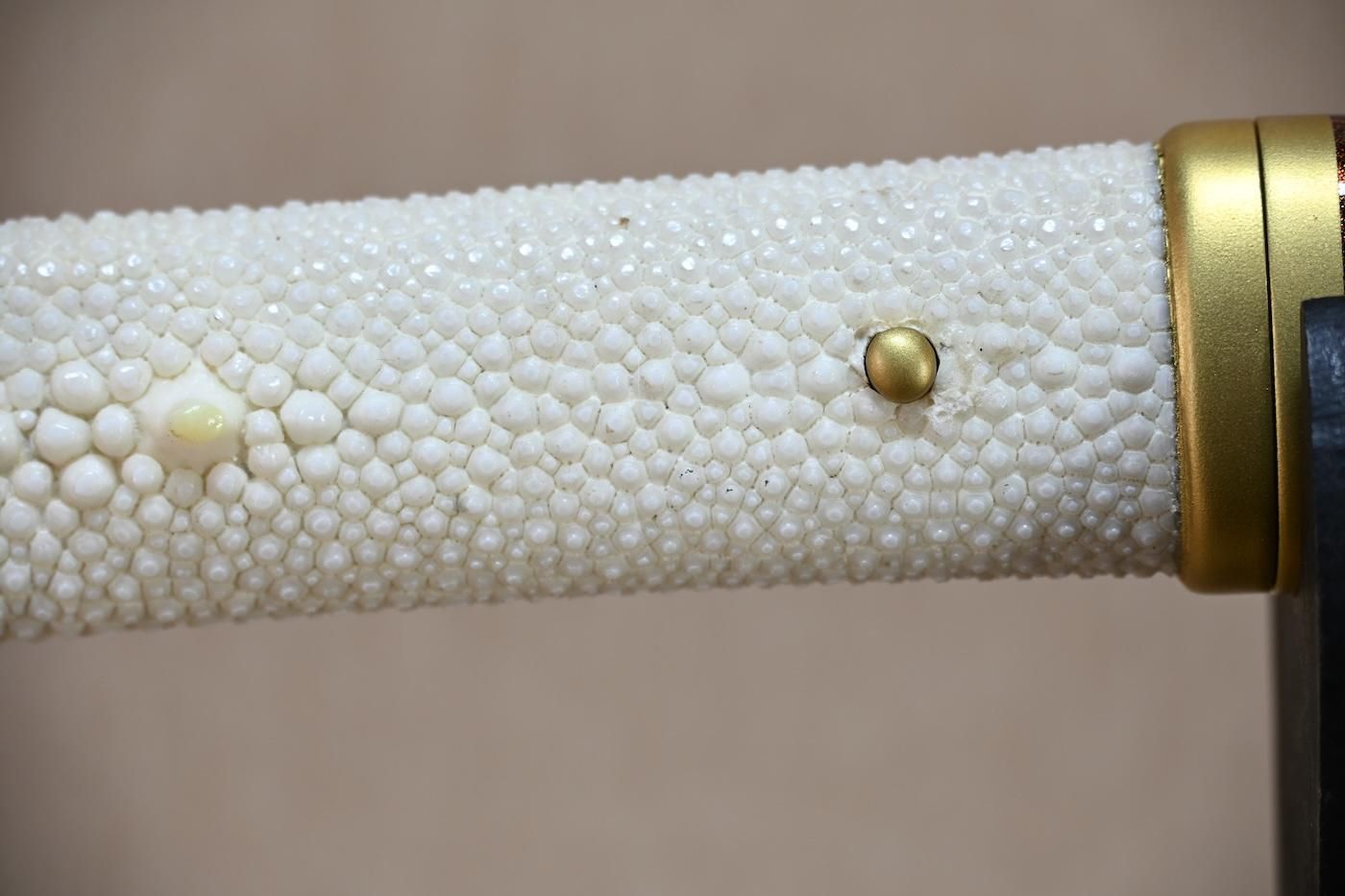
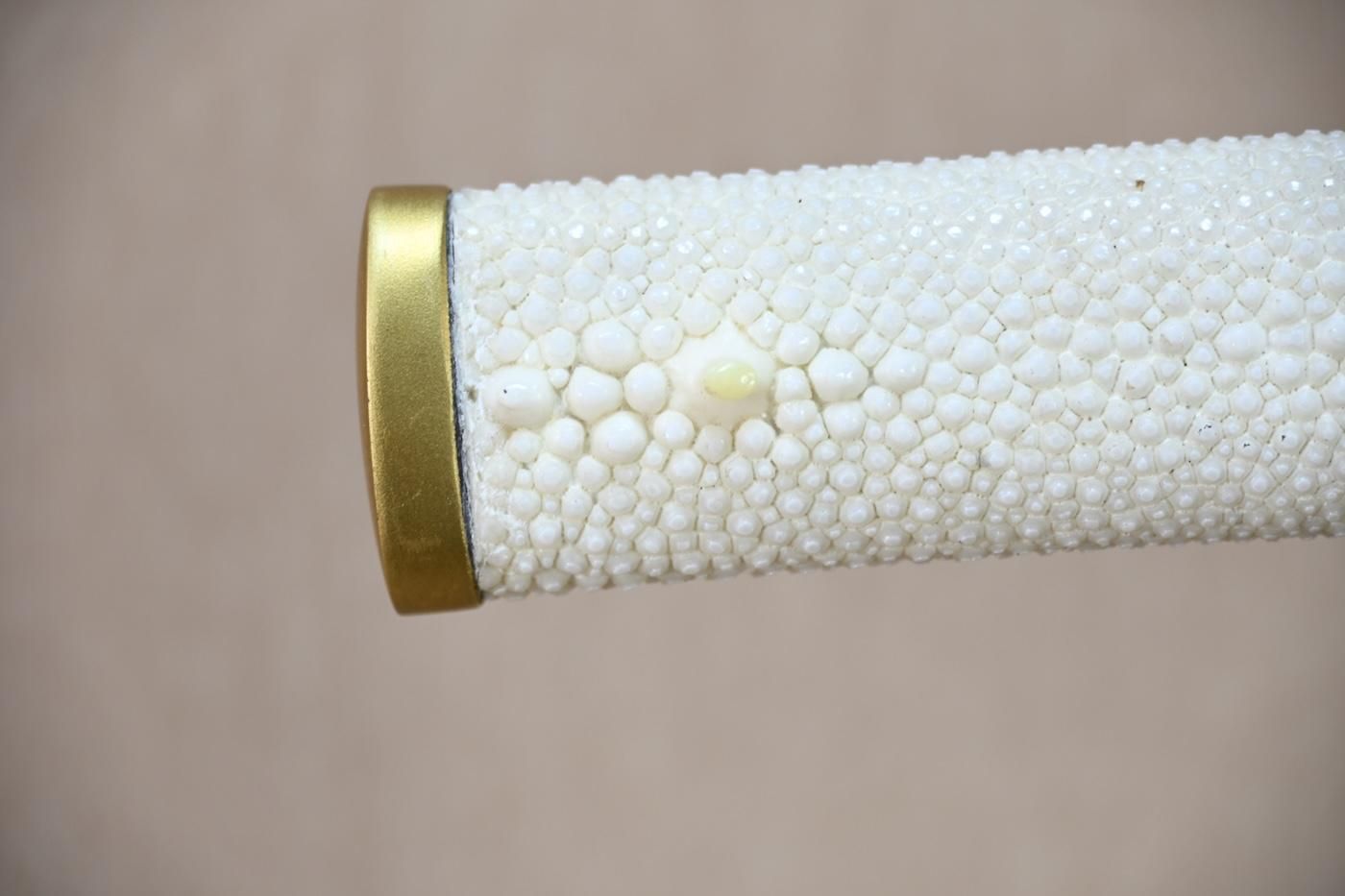
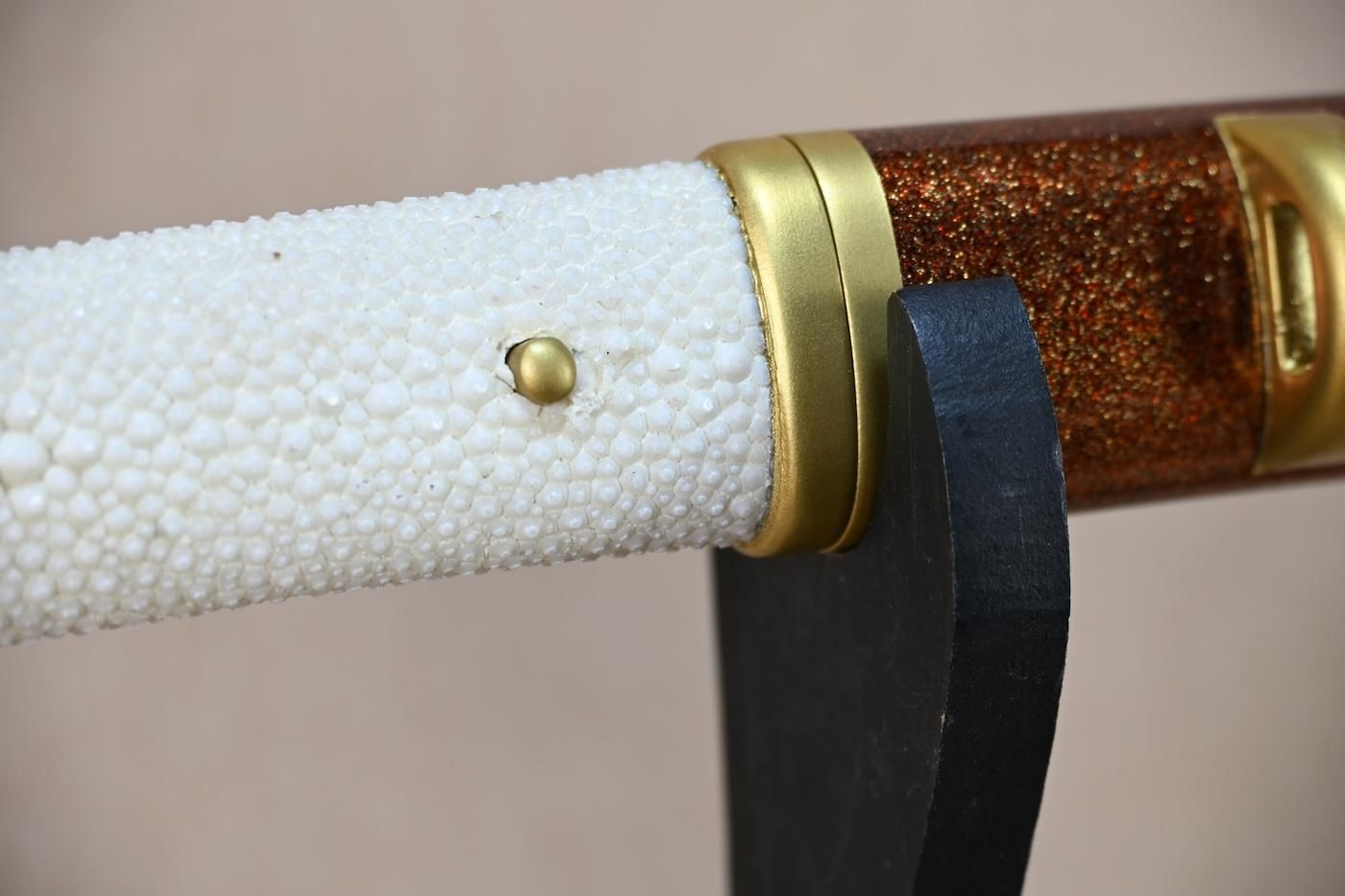
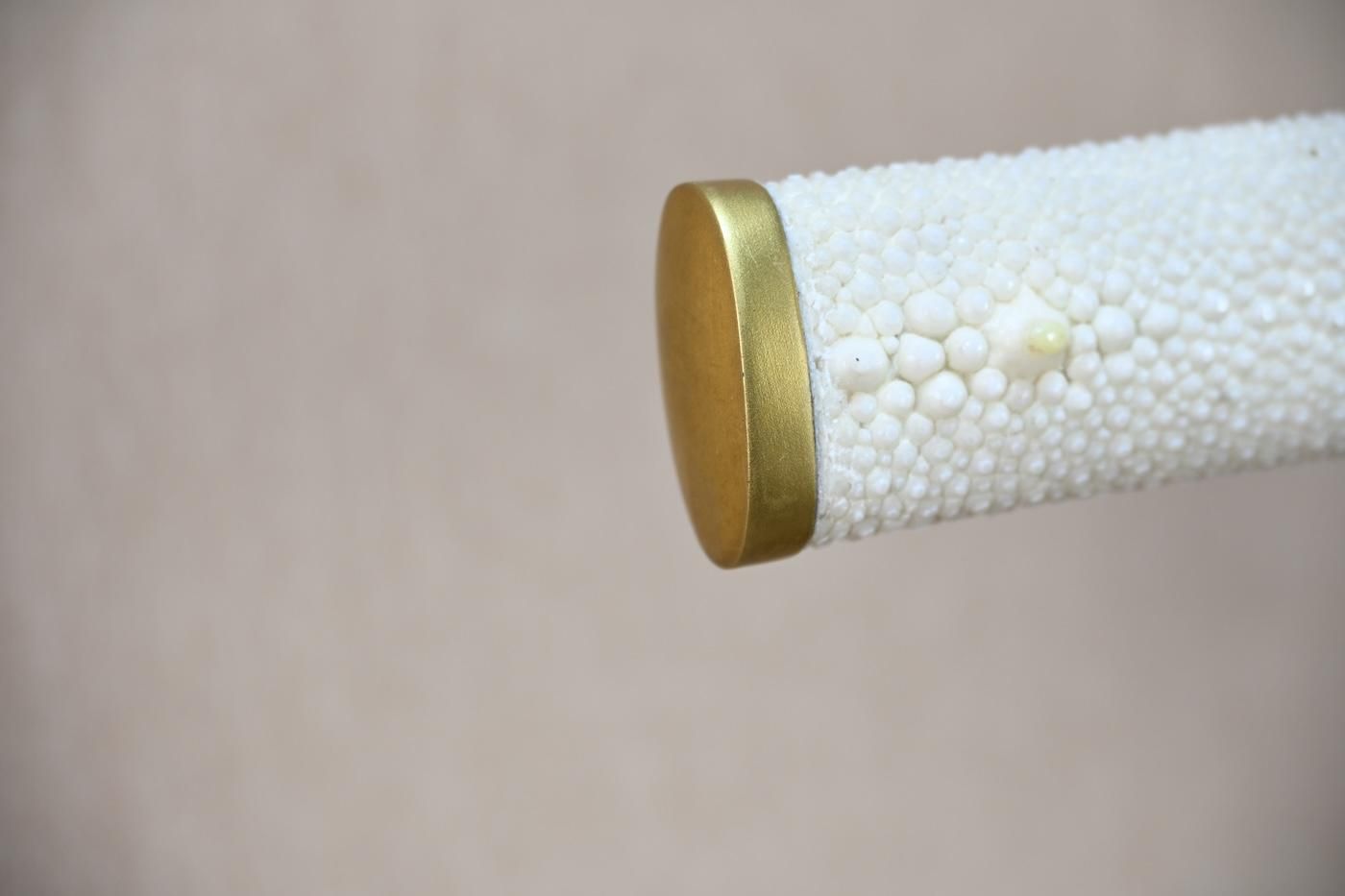
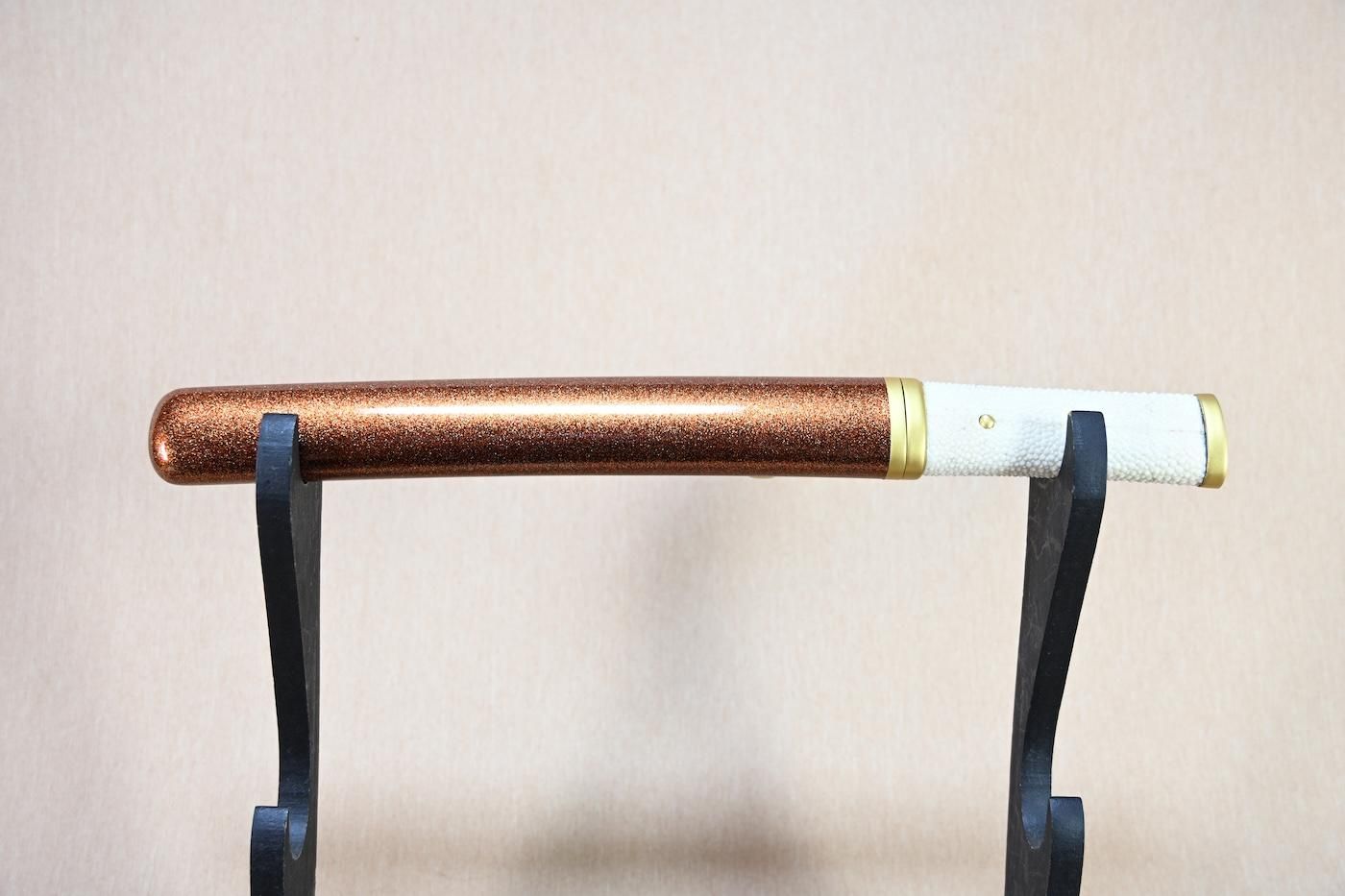
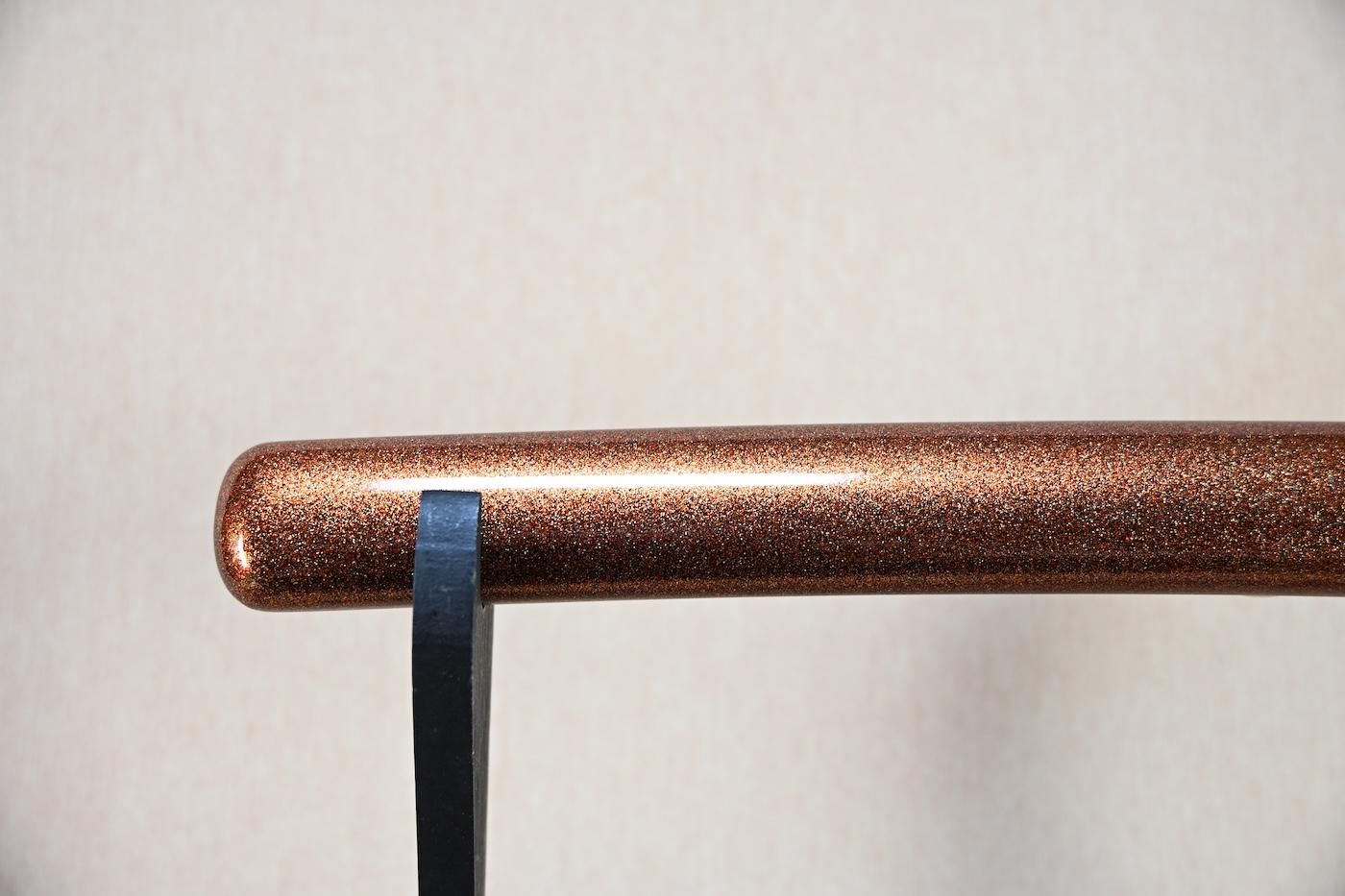
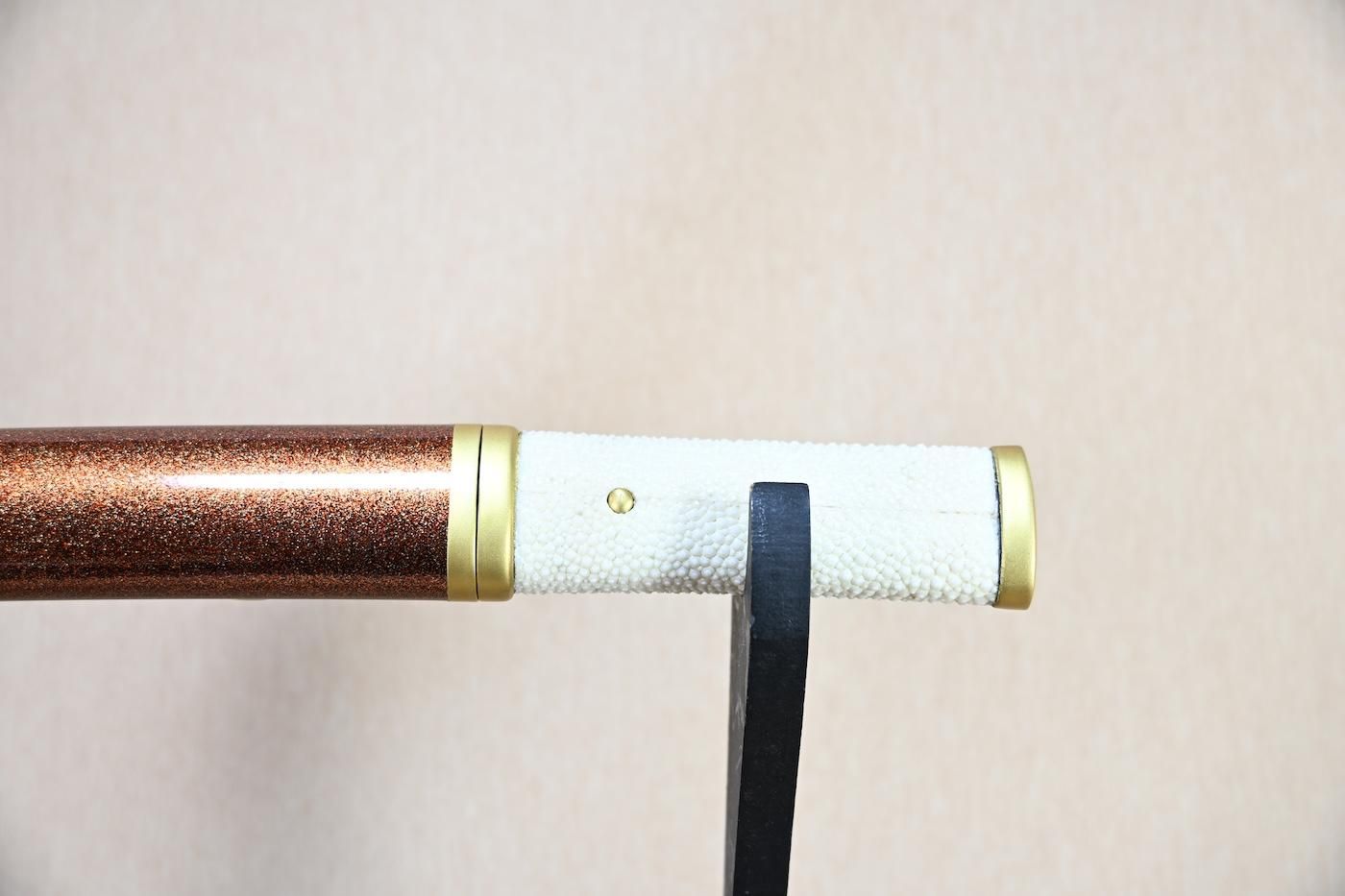
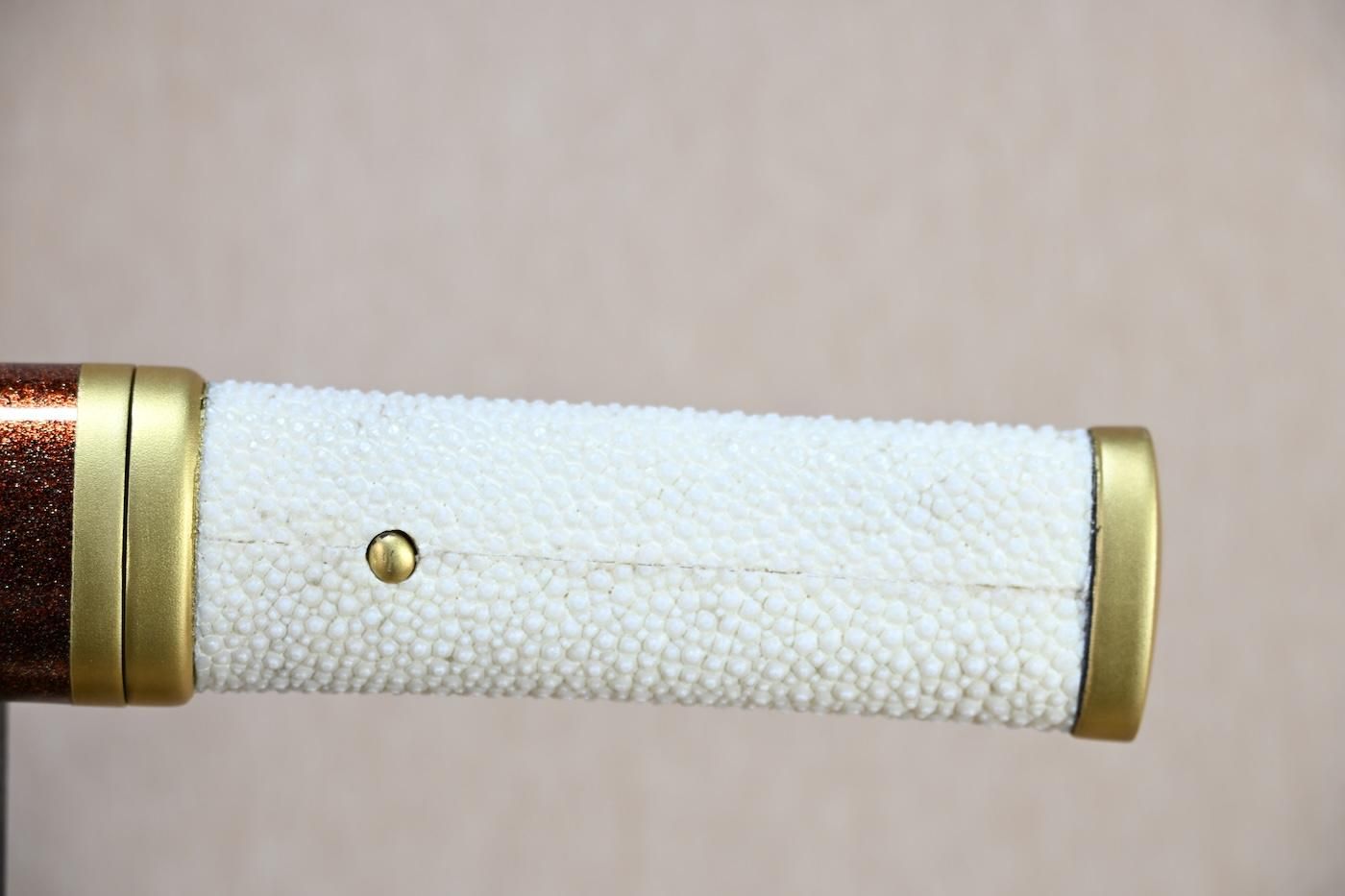
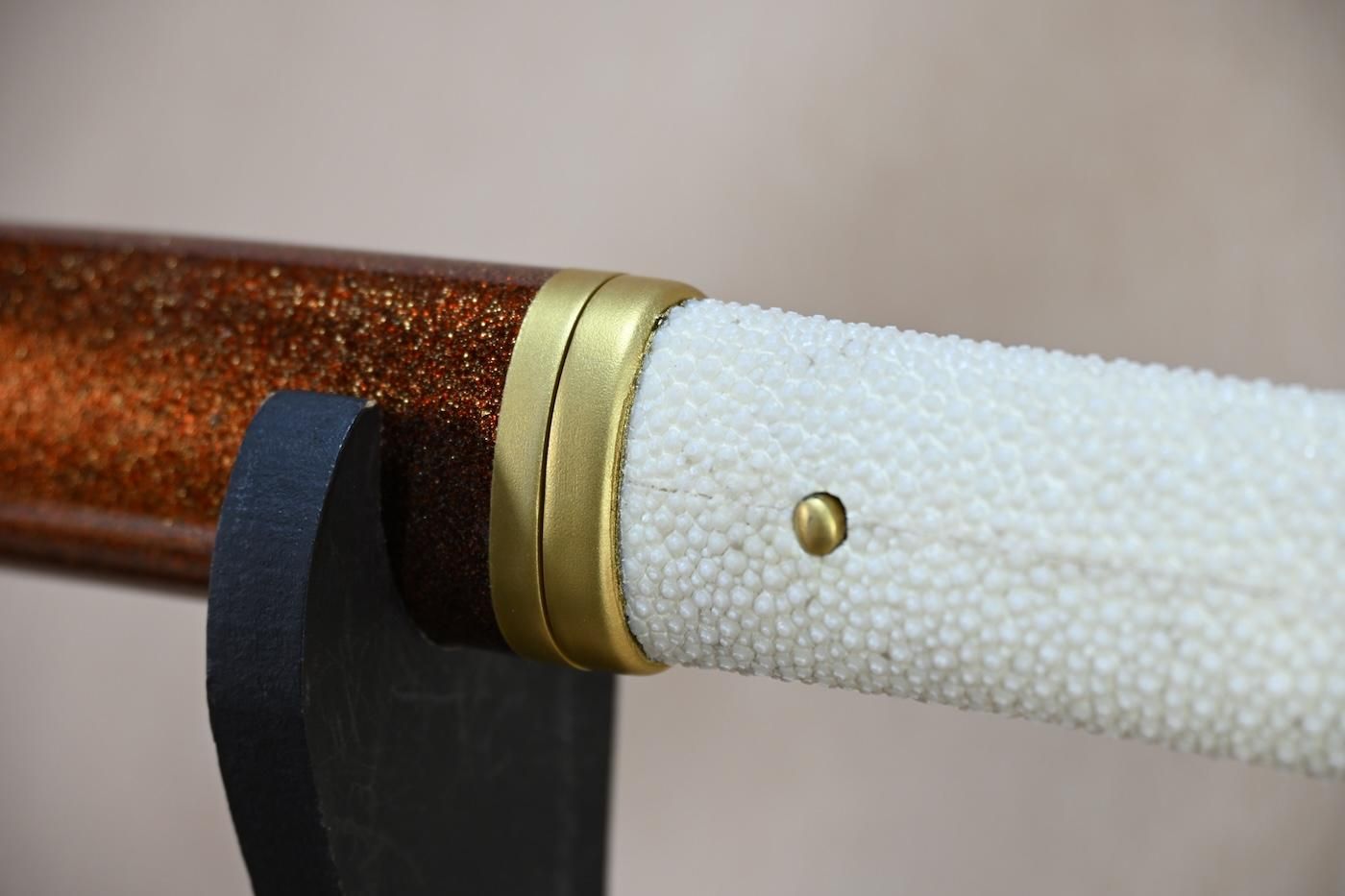
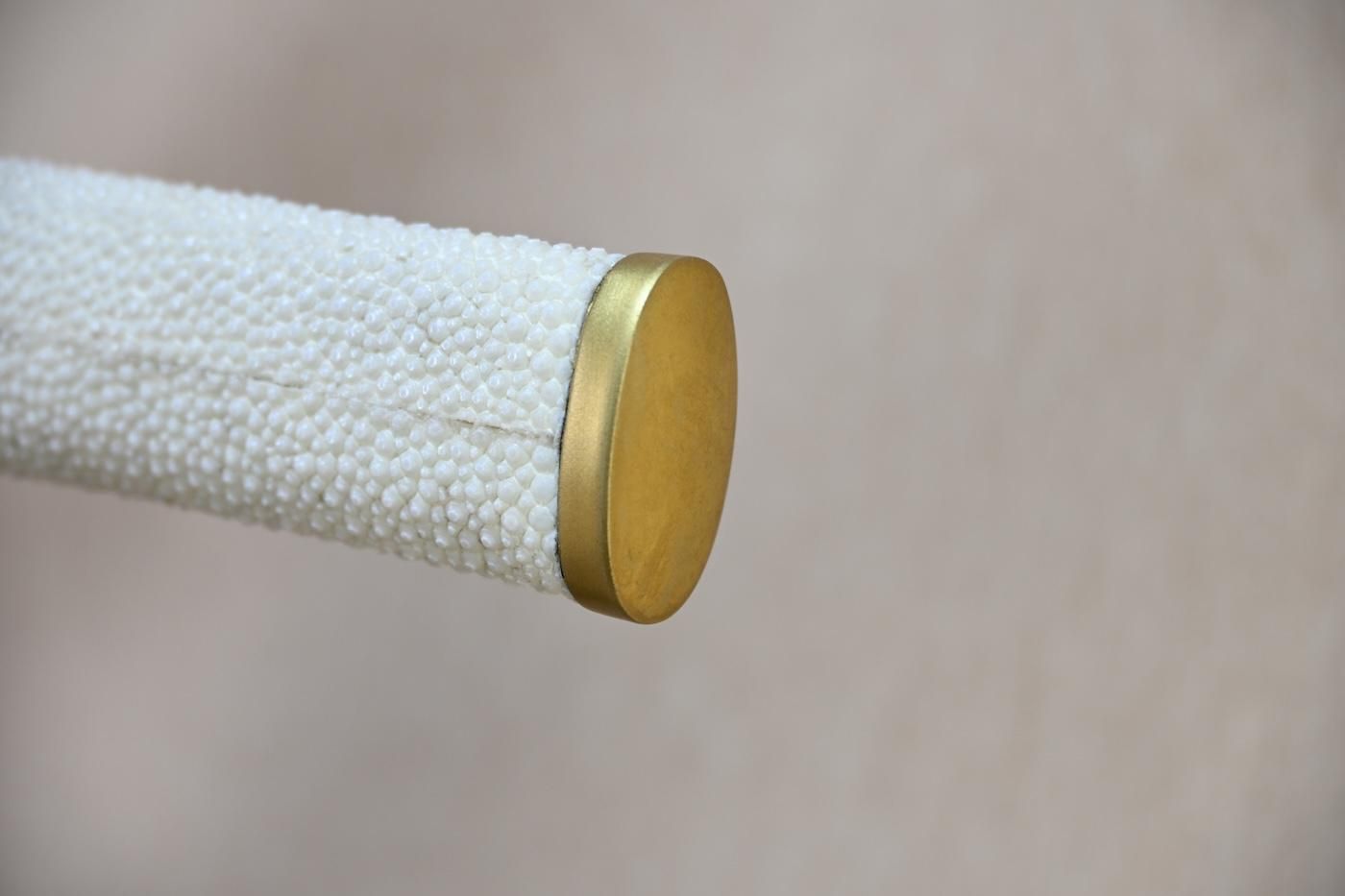
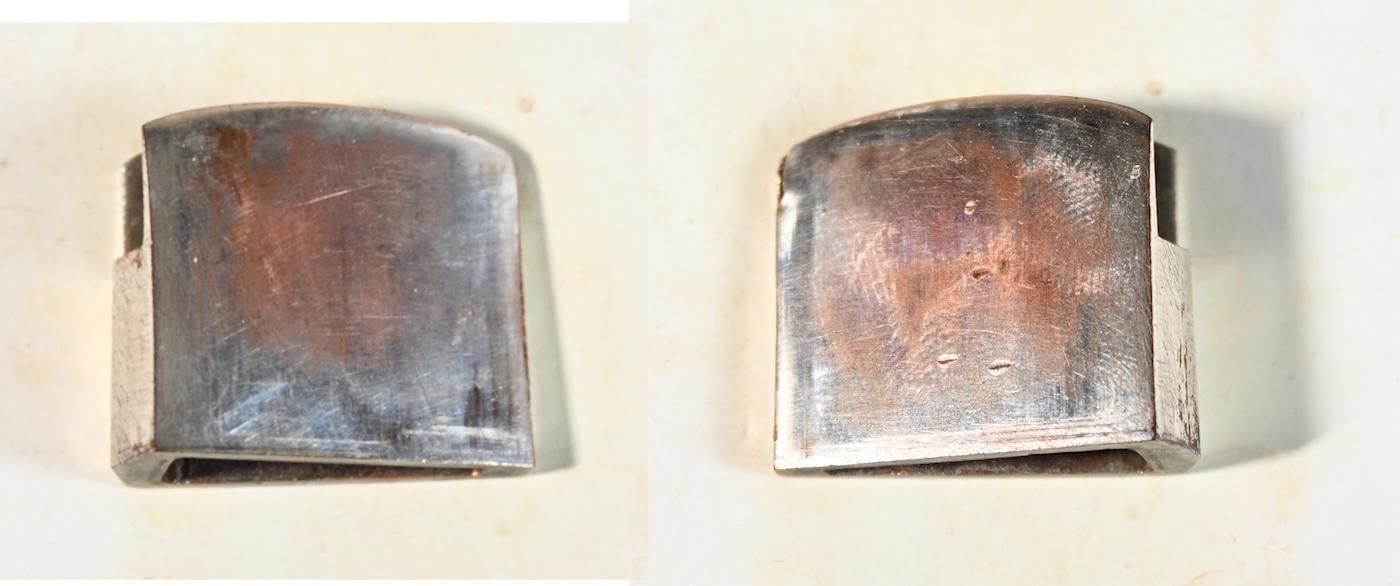
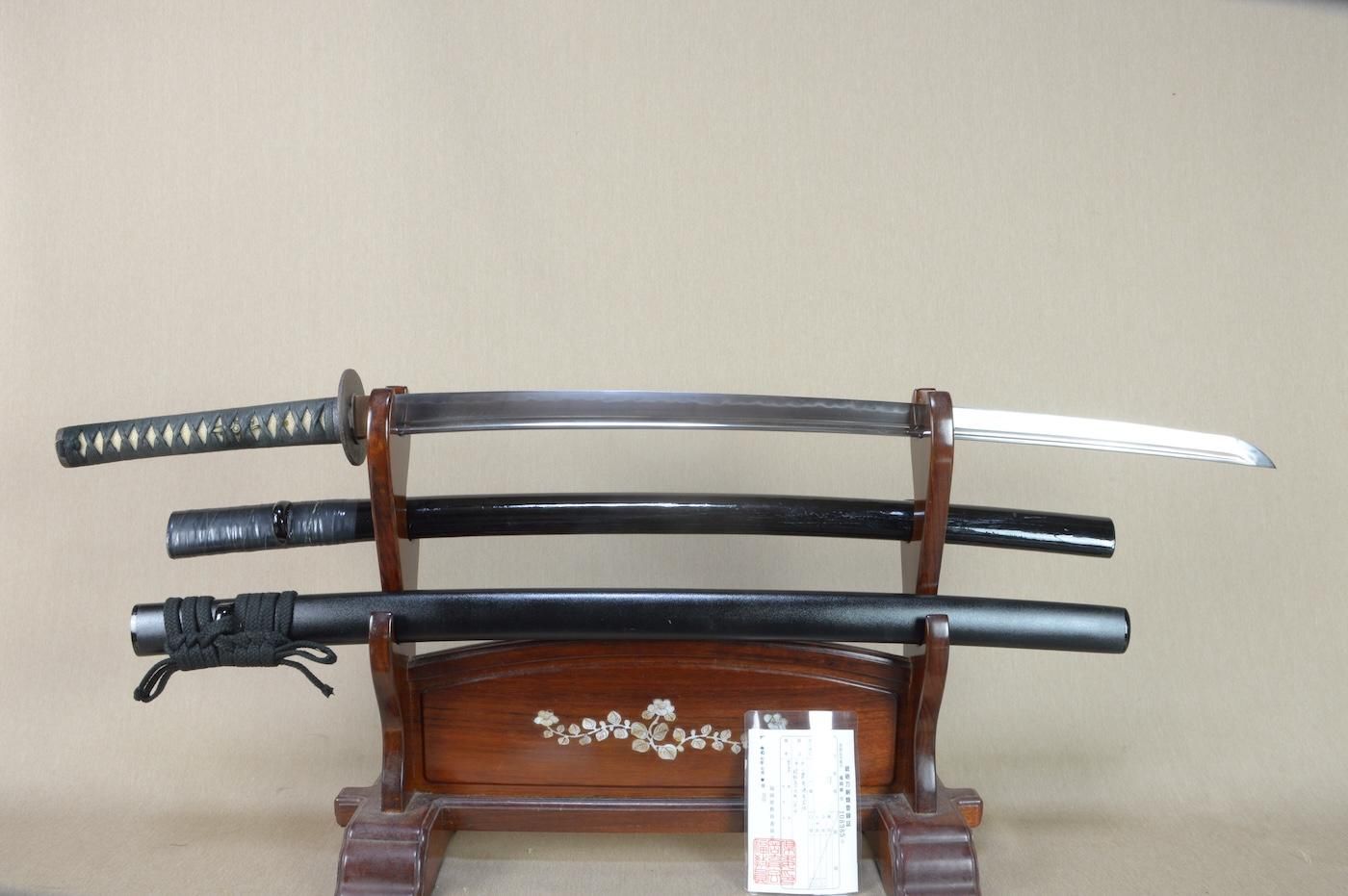
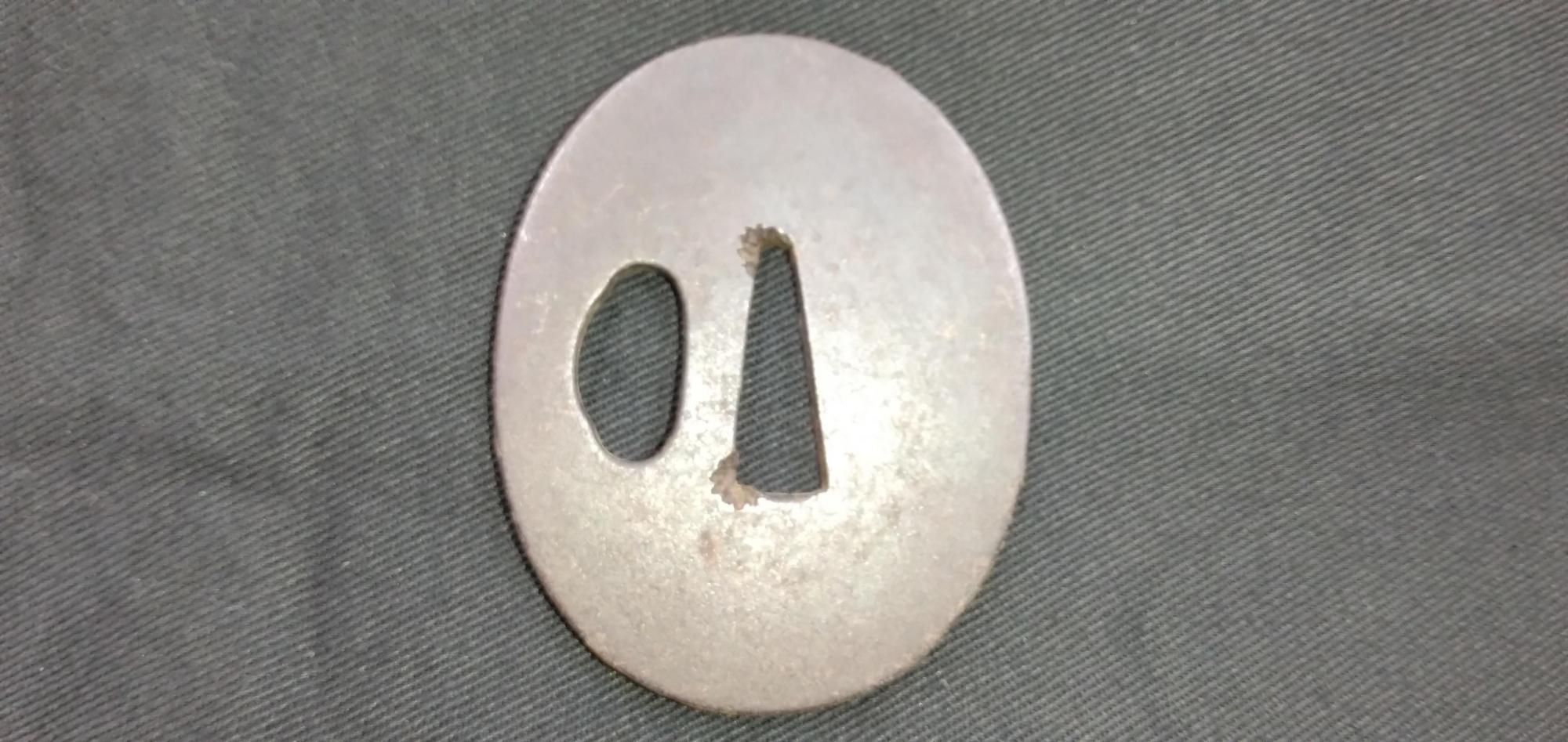
This is a tanto attributed to the Mino school from the late Koto period (Muromachi era), measuring 20.4cm. It features a thick kasane and a yoroi-doshi-like form, with a tight itame jigane and a well-defined midare-ba hamon. The blade is unsigned and comes with a koshirae featuring a same-wrapped tsuka and a gold nashiji saya, along with a shirasaya.
 NihontoWatch
mumei · Mino · Muromachi · nagasa 20.4cm
The Muromachi period (1392 to 1573)
After the Ōnin War broke the Ashikaga order, a century of Sengoku warfare armed nearly every province in Japan. The era rewards a discriminating eye: routine work exists in quantity, and beside it stand custom blades of the first rank.
We could not find an authenticity certificate on the seller’s listing. Japanese swords and fittings are normally papered by the NBTHK (or the NTHK). Without one, the attribution is the seller’s own assessment and has not been independently verified — treat it with caution and ask the dealer about certification before buying.
Please contact us promptly after the item's arrival. Except where the item is defective, we cannot accept returns. For returns due to customer circumstances, the cost is the customer's responsibility. In the case of a defective item, we bear the cost.
¥187,000
This is a tanto attributed to the Mino school from the late Koto period (Muromachi era), measuring 20.4cm. It features a thick kasane and a yoroi-doshi-like form, with a tight itame jigane and a well-defined midare-ba hamon. The blade is unsigned and comes with a koshirae featuring a same-wrapped tsuka and a gold nashiji saya, along with a shirasaya.
NihontoWatchmumei · Mino · Muromachi · nagasa 20.4cm
The Muromachi period (1392 to 1573)
After the Ōnin War broke the Ashikaga order, a century of Sengoku warfare armed nearly every province in Japan. The era rewards a discriminating eye: routine work exists in quantity, and beside it stand custom blades of the first rank.
We could not find an authenticity certificate on the seller’s listing. Japanese swords and fittings are normally papered by the NBTHK (or the NTHK). Without one, the attribution is the seller’s own assessment and has not been independently verified — treat it with caution and ask the dealer about certification before buying.
Please contact us promptly after the item's arrival. Except where the item is defective, we cannot accept returns. For returns due to customer circumstances, the cost is the customer's responsibility. In the case of a defective item, we bear the cost.
¥187,000