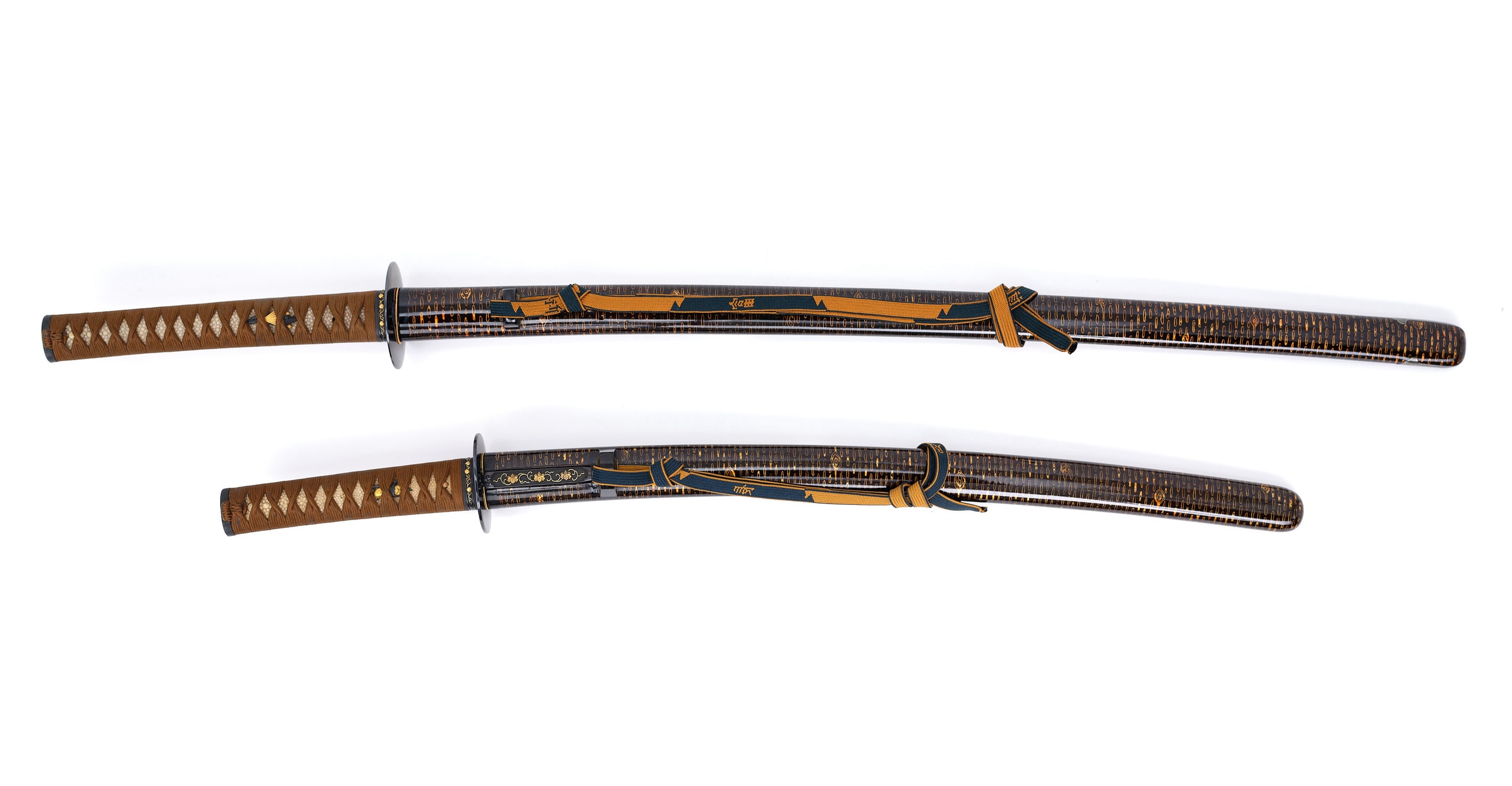
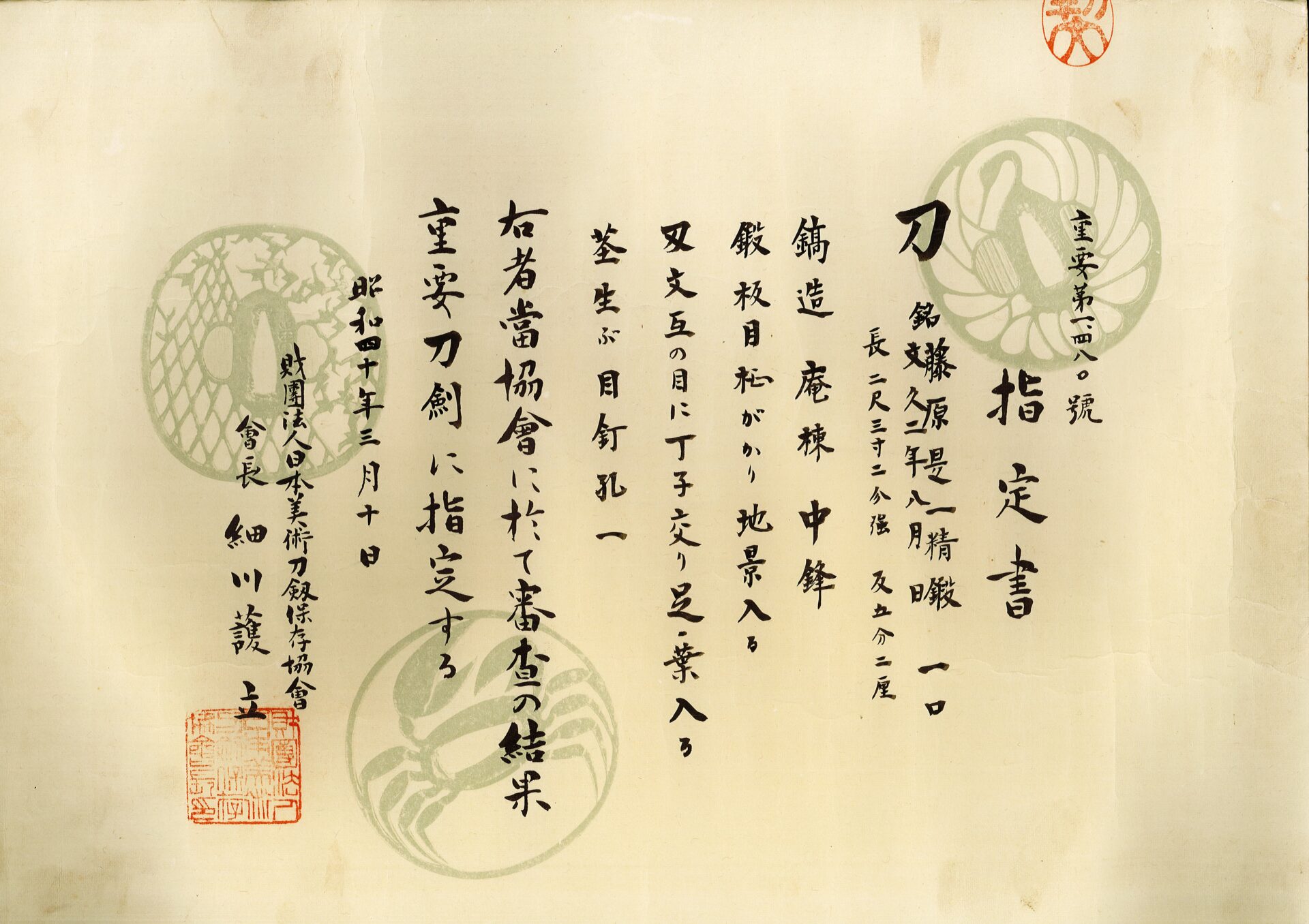
Edo was the sword’s age of connoisseurship: the Hon’ami appraisers, the shogunal register of famous blades of 1719, and a thriving literature turned the sword into an object of study even as it ceased to be drawn in war.
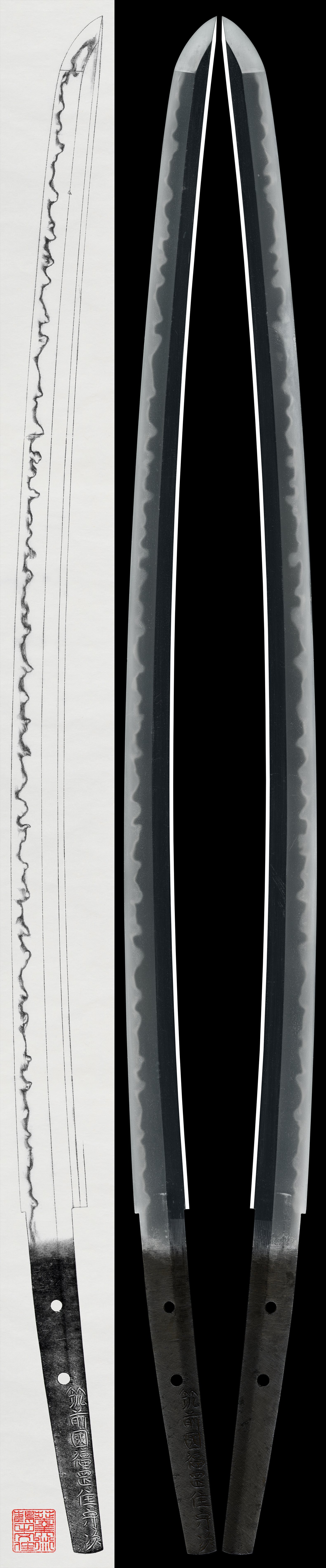
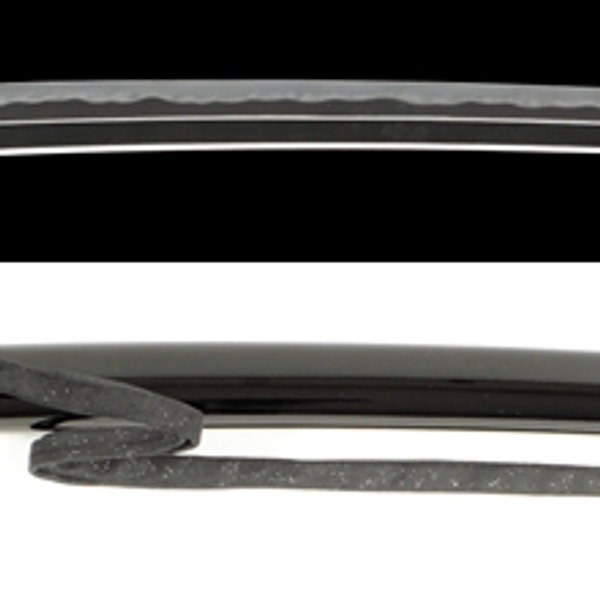
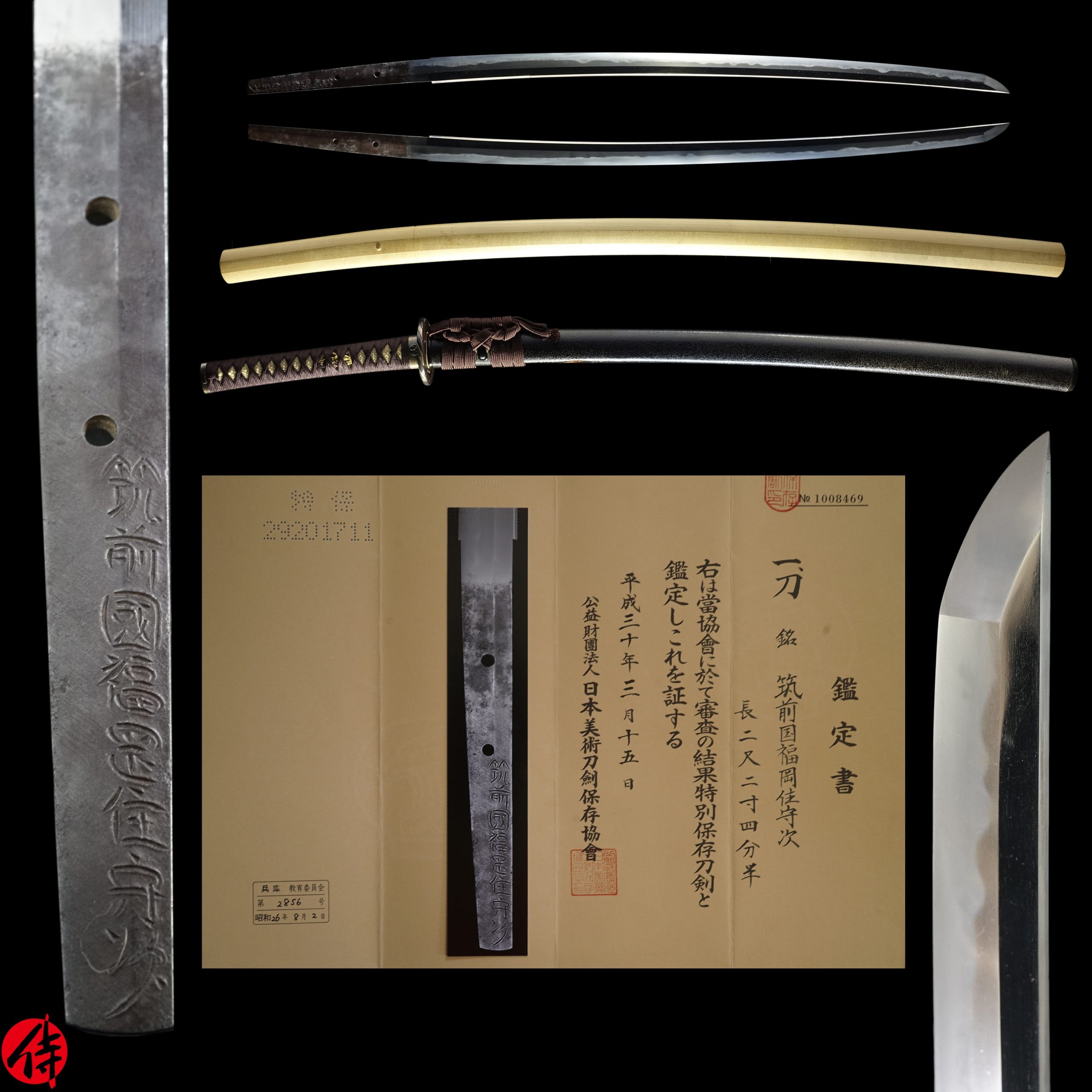
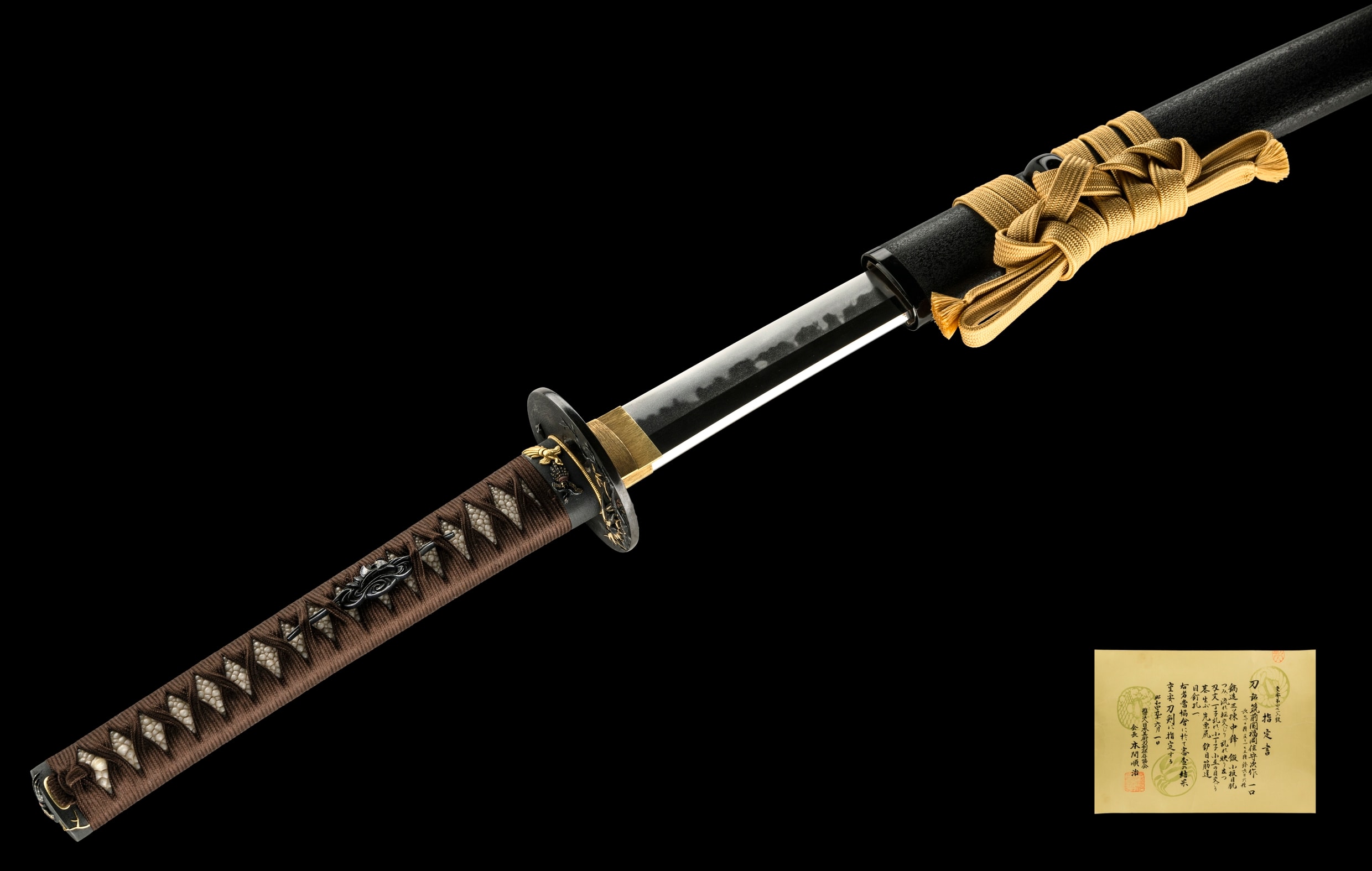
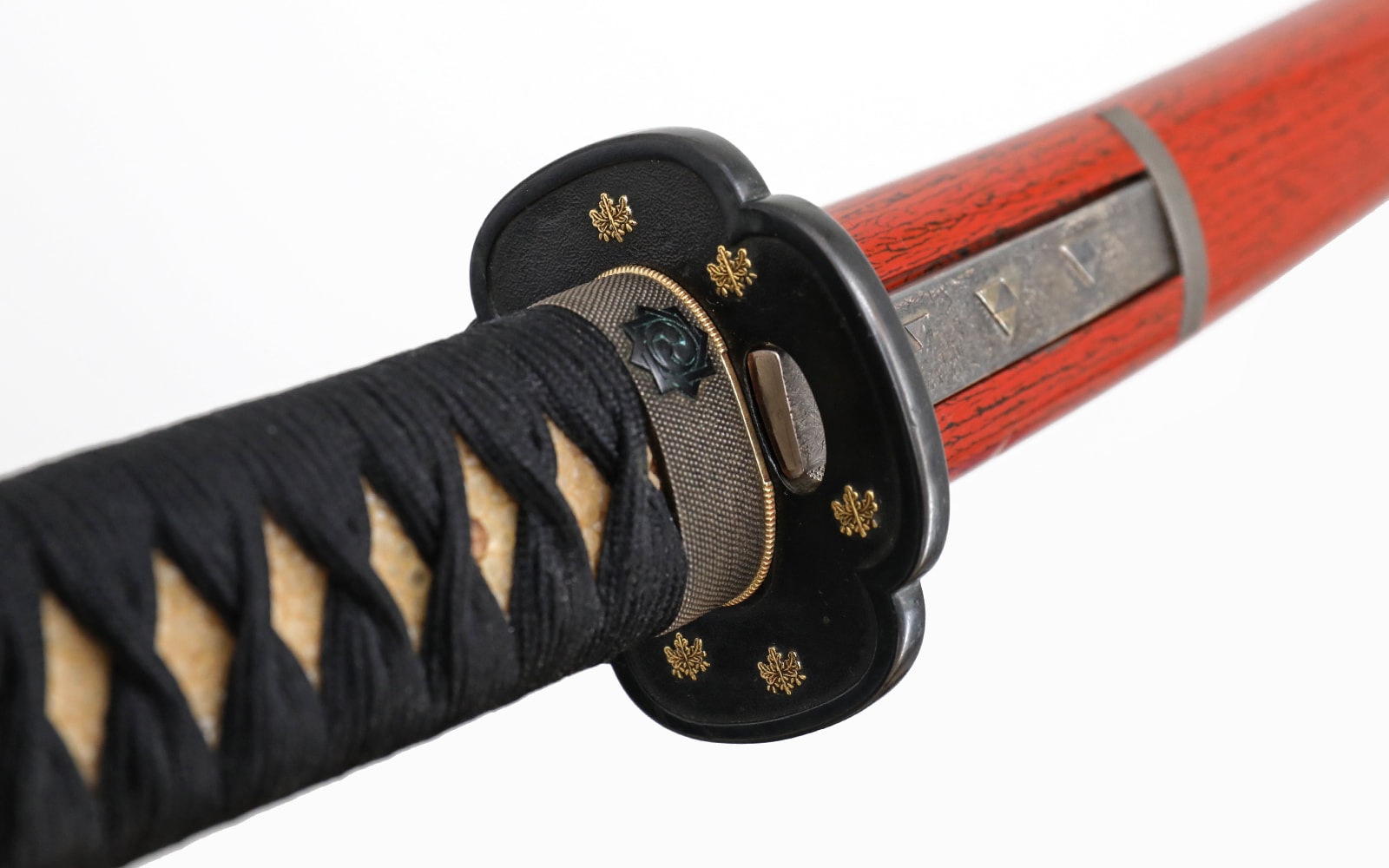
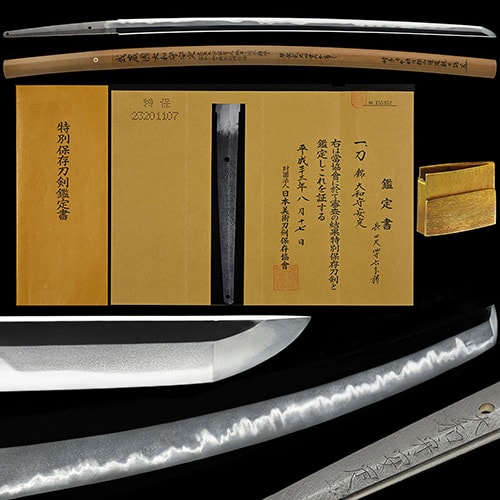
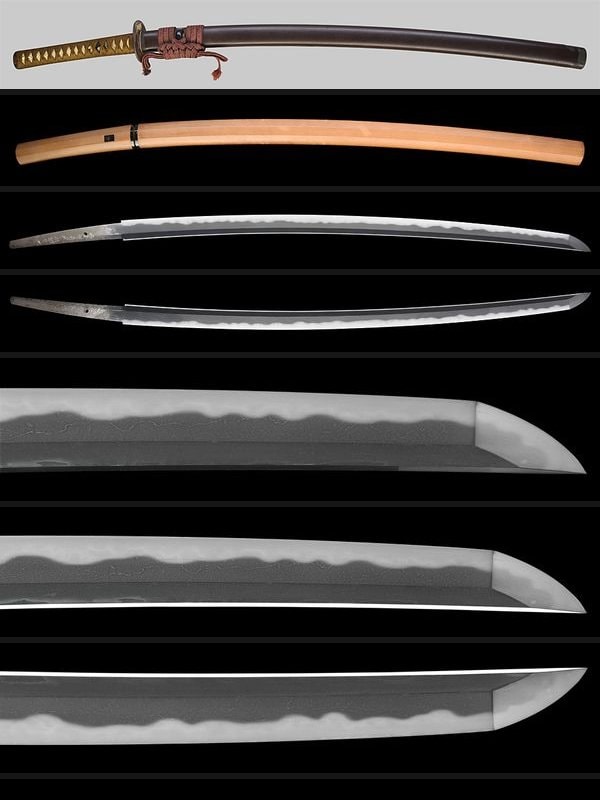
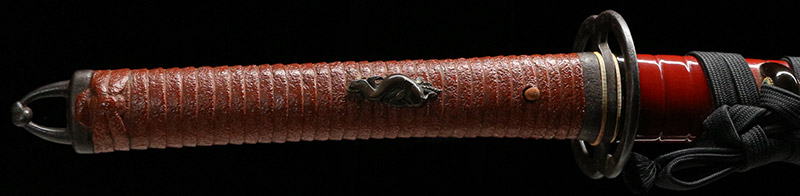
This is a katana made by Moritsugu of the Ishido school in Chikuzen province during the early Edo period (1673). The blade has a suguha hamon and ko-itame jigane. It comes with a Musashi koshirae and shirasaya and has a Tokubetsu Hozon certificate from the NBTHK.
 NihontoWatch
mei · Ishido · Enpo (1673-1681) · nagasa 72.1cm · sori 1.8cm


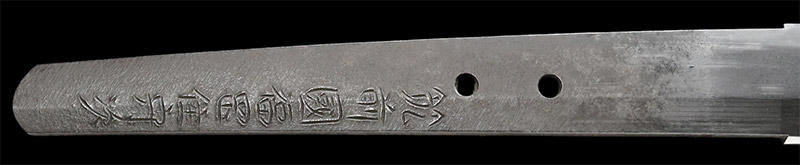
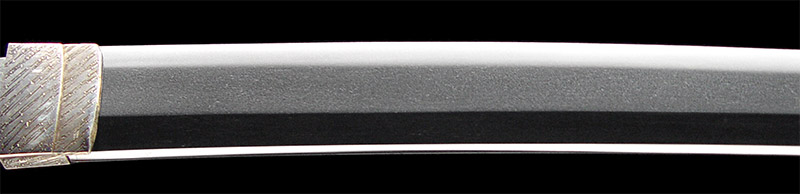
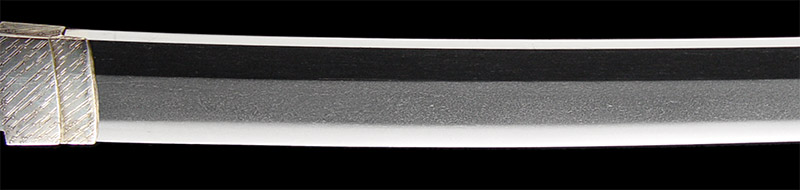
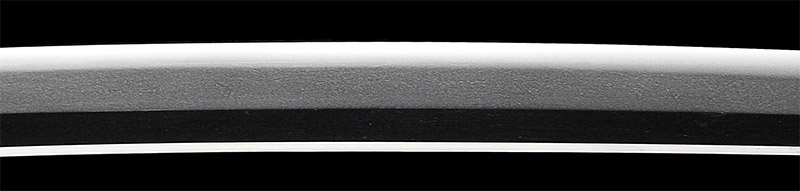
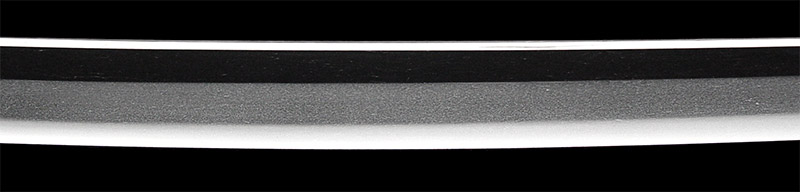
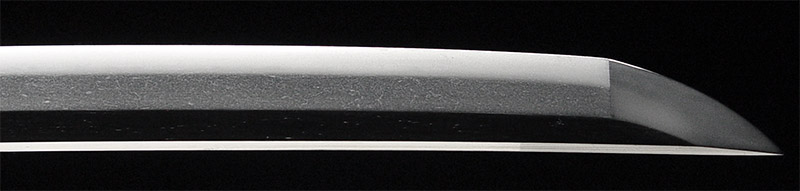
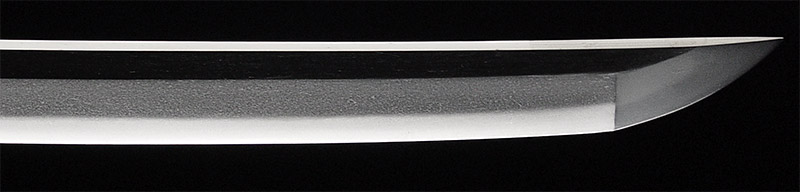
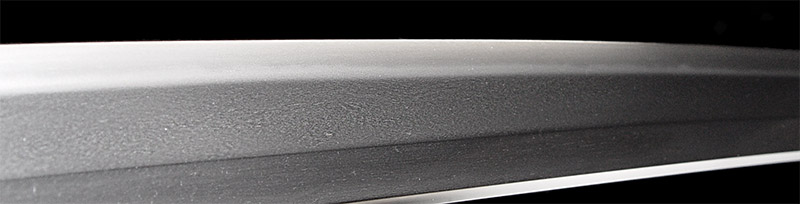
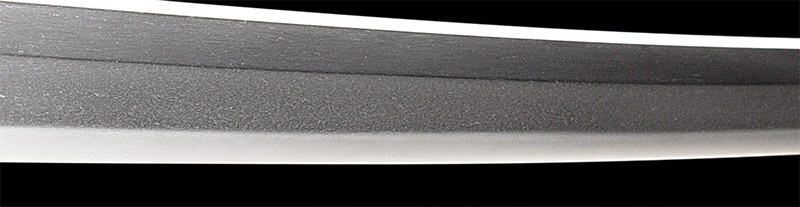
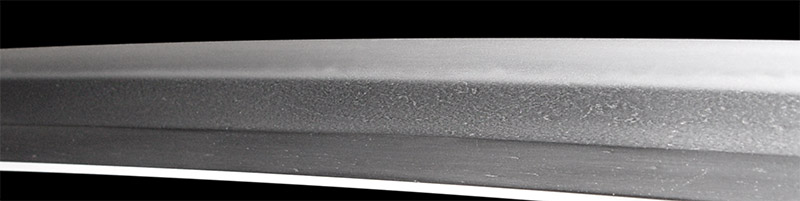
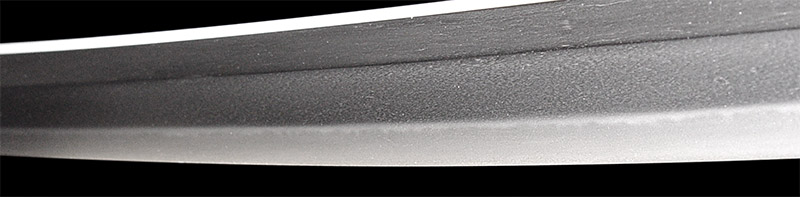

Fukuoka Ishido (Chikuzen, Shinto) · Chikuzen · around 1673-1684
Fujishiro Jo saku · Tōken Taikan top 49%
1 piece on the market now
Moritsugu of Fukuoka in Chikuzen was the son of the smith Ishido Rihei, and when his father died he went to study under his cousin Koretsugu; when Koretsugu's heir Toshitsugu predeceased his father, Moritsugu is said to have succeeded to the headship of the main line. He signed himself first Gonsabe and later Hansabe, and died in Genroku 14 (1701), aged sixty-nine. The published sources name him, with Koretsugu, the representative smith of the Fukuoka Ishido, the Chikuzen branch of the wider Ishido enterprise that set out in the new-sword era to recover the clove-flower temper of the old Bizen Fukuoka Ichimonji. They rank his school beside the Chikuzen branch of the Nobukuni line as one of the two pillars of the province's new-sword work, and on his fullest blade they write that Moritsugu's strengths are amasu tokoro naku happatsu sareta, displayed without reserve.
His recognized hand is a single manner, held with unusual consistency across the signed katana by which he is known. The temper is a choji-midare mixed with gunome, taken broad in yakihaba, and its governing peculiarity is that the pattern overall leans the wrong way, a saka-gakari slant that runs counter to the upright cloves of the Kamakura Ichimonji he otherwise looks back to. The published sources trace this reverse cant, and the masame nuance that goes with it in the jigane, to Koretsugu's training under Sakon Korekazu of the Edo Ishido, writing that kitae ni masame-gokoro ga ari, the forging carries a masame flavor[[c:2]]. Within the midare enter ashi and yo, the nioiguchi nioi-dominant with ko-nie along it, and sunagashi and kinsuji pass through. The single feature the published sources mark as Moritsugu's own is an edge in which the crest of a clove climbs so far that it reaches the shinogi, a broad swelling form they record as popularly called the ika no atama, the squid head; on one early blade the same idea is put as cloves like a squid's bag[[c:3]].
The jigane beneath this temper is an itame that flows strongly and, in its lower half especially, draws over toward masame, so that the steel reads as a coursing grain rather than a still one. Fine ji-nie settles across it and, on the closely worked pieces, chikei thread through where the grain opens. Standing in that jigane is the trait by which the whole school is known and by which it justified its archaism: a midare-utsuri, a cloudy reflected shadow of the temper, deliberately raised at a date when reflection had otherwise vanished from new-sword steel. It is the visible proof of the revival, the Fukuoka Ichimonji utsuri fetched back two and a half centuries; on his broadest blade the reflection even divides by face, a midare-utsuri on one side and a straighter, sugu-toned reflection on the other. The boshi answers quietly, turning in a ko-maru often brushed with hakikake, sometimes entering as a small midare before it rounds, now and again pointing or taking a short jizo-like turn.
The consistency of the hand means his manner is better read in two grades than as a sequence of periods. The ordinary grade is the typical Fukuoka Ishido katana: a shinogi-zukuri blade, ubu, with a chu-kissaki and, against the stiff shallow curve of its Kanbun-era contemporaries, a comparatively deep sori, which the published sources offer as itself a mark of the group's shape. The fuller grade widens everything. The yakihaba opens until the squid-head crests climb to the shinogi; within the choji-midare gather gunome, ko-gunome, angular and pointed elements; tobiyaki are set here and there and the back is freely tempered in muneyaki, and the whole turns brilliant. His finest recorded blade, broad in mihaba and thick in kasane, belongs to this grade, and it is of it that the published record speaks of his strengths displayed without reserve. A second line runs through the signatures themselves: the long inscriptions are cut in large characters with a thick chisel in a hand the published sources single out as kai, gyo, reisho majiri[[c:4]], blending the formal, running and clerical scripts, and several blades carry the added declaration that they were forged i nanban-tetsu, with imported steel, two of them dated to Tenna 4 (1684).
What sets Moritsugu apart is best drawn from his own steel rather than by contrast. The Fukuoka Ichimonji of Kamakura tempered its cloves upright over a quiet itame; Moritsugu keeps the clove and the revived utsuri but lays them over a coursing, masame-leaning jigane and cants the whole pattern in reverse, so that an upright old-Bizen brilliance is recast in a flowing new-sword grammar. That recasting is the Edo Ishido inheritance carried home to Chikuzen through Koretsugu, and the squid-head crest is the local accent added on top. The published sources value him at the head of the school for exactly this: a maker who could specialize in the clove temper, raise the school's reflection, and still stamp the result with a form of his own. They write of his earliest designated blade that he was skilled in the choji temper[[c:5]] and showed a reflective tendency, and judge it a quintessential and representative example[[c:6]]; of his broadest, that in it Moritsugu's true province is displayed without reserve, the squid-head edge, the deep boshi and the wide reflective jigane all in full relief.
Moritsugu's record stands entirely at the Juyo Token level, ten blades across a long span of shinsa sessions reaching from the 1960s to 2001, all signed and all katana, with no National Treasures or Important Cultural Properties among them and no recorded provenance attaching to any. The Nihonto Koza places him a solid step into the upper craftsman ranks rather than at the summit, and that is the honest measure of him: a representative master of a respected provincial school, not one of the great names whose blades pass between famous houses. One of the ten is a rarity, a collaboration signed jointly by Moritsugu and his son Morimasa with the supplementary line kirimono dosaku, the carving by the same hand; the published sources note that, since works of the Chikuzen smith Nobukuni Yoshimasa survive bearing carvings by Moritsugu, he was adept at horimono as well. For a collector the school is reachable in a way the Kamakura Ichimonji it imitates is not. His signed blades come to dealers from time to time, more often than those of the first rank and recognizable at a glance by the broad reverse-canted cloves, the raised utsuri and the bold multi-script signature, so that a sound example is a realistic, if patient, acquisition rather than a thing one may only read about.
Where Moritsugu stands among comparable artisans: across all of nihontō, and within tradition, era, and period. The tiers (Foremost · Leading · Major · Notable) weigh official designations from the NBTHK and Japan's Agency for Cultural Affairs, together with historical honors of lasting repute such as the Sansaku and Meibutsu-chō.
Select a lens to see how it's measured.
Years he was demonstrably active, proven by signed-and-dated blades
Shinto · Chikuzen
3 pieces on the market now
Within the shintō of Chikuzen, the setsumei place the Fukuoka Ishidō group beside the Chikuzen Nobukuni line as one of the two pillars of the province. The school took root at Fukuoka under the patronage of the Kuroda house, whom its smiths served as domain craftsmen. The lineage's character was set by Koretsugu (是次), born in Kan'ei 5 (1628), commonly called Hansanbyōe and also Ippei. In Meireki 1 (1655), by order of Lord Kuroda Mitsuyuki, he went up to Edo and studied Bizen-den under Musashi Daijō Sakon Korekazu (Koreichi, 是一) of the Edo Ishidō; three years later he returned to his province and entered Kuroda service. One blade records his aim plainly: the setsumei note that he worked chōji-ba strongly in the manner of the Ichimonji school, a deliberate revival of the old Bizen idiom in the new era. Moritsugu (守次), son of Ishidō Rihei, apprenticed to his cousin Koretsugu after his father's death; because Koretsugu's heir Toshitsugu predeceased him, Moritsugu is said to have succeeded to the main line. He called himself Gonsabē, later Hansabē, and died in Genroku 14 (1701) at sixty-nine. The hand is recognized first in the jihada: a dense ko-itame or itame that flows overall and, in the lower half, runs strongly to masame, carrying fine ji-nie and delicate chikei. Across nearly every blade an utsuri stands out, sometimes a midare-utsuri, sometimes a straight, suguha-like reflection running along the shinogi-suji. The temper is the school's signature: a broad-width chōji-midare mixed with gunome, ko-gunome, angular and pointed (togari) forms, often opening from a suguha or straight yakidashi into a flamboyant, varied midare. It is nioi-dominant with ko-nie, frequently with ashi and yō, sunagashi, kinsuji, tobiyaki, and muneyaki.
The setsumei name two diagnostic traits inherited from Korekazu: a masame tendency in the forging, and chōji-midare that inclines in reverse, the saka-gakari slant. A further idiom recurs throughout the corpus: where the yakigashira climbs so broadly that the crest reaches the shinogi, distinctive forms appear that the records call ika no atama (squid heads), with related pouch-shaped fukuro-chōji and jūka forms also cited. Koretsugu and Moritsugu are named in the setsumei as the masters who represent the group; the cooperative signature "Moritsugu · Morimasa," naming Moritsugu and his son Morimasa, is recorded on a gassaku katana, and Morimasa appears there as a working hand of the line. For kantei, the setsumei set out the school's separable points. The masame-tinged ji with standing utsuri distinguishes these blades from true old Bizen, since genuine kosaku do not show this fine masame; the tightened nioiguchi with ko-nie and sunagashi likewise marks them as shintō rather than koto. The saka-gakari slant, the squid-head crests reaching the shinogi, the deep bōshi, and a signature cut in a distinctive long, thick-chiseled hand blending kaisho, gyōsho, and reisho are read together as the lineage's fingerprint. Sugata is also diagnostic within the group: Koretsugu favored the shallow sori of the Kanbun-shintō form, while Moritsugu's blades are noted as comparatively deeper in curvature. The corpus carries several documentary anchors. Koretsugu's dated works run from Kanbun 6 (1666), including a large hōnōtō votive katana, through Kanbun 9 and Kanbun 11, the last bearing a gold-inlaid futatsu-dō cutting-test inscription naming Shibasaki Denzaemon Masatsugu; one katana commissioned by Buhei-no-jō Fuji Okisuke is tied to the Kōzai line that served the Hosokawa. Moritsugu's Tenna 4 (1684) blades bear the Nanban-tetsu supplemental inscription recording imported iron, and he is recorded executing horimono on works of the same province's Nobukuni Yoshimasa. In the NBTHK register the two cousins stand as the representative makers of the Fukuoka Ishidō, the Chikuzen branch that carried the Ko-Ichimonji chōji into the shinto age. Learn more →
| Smith | Era | Designated |
|---|---|---|
| Moritsugu守次 | 1673-1684 | 10 |
| Koretsugu是次 | 1628-1681 | 7 |
The Edo period (1615 to 1868)
Edo was the sword’s age of connoisseurship: the Hon’ami appraisers, the shogunal register of famous blades of 1719, and a thriving literature turned the sword into an object of study even as it ceased to be drawn in war.
A Hozon-certified blade judged to show notably superior workmanship and a better state of preservation. The bar is higher: re-tempered blades and most unsigned Muromachi/Edo works are excluded.
The NBTHK (Nihon Bijutsu Tōken Hozon Kyōkai, the Society for the Preservation of Japanese Art Swords) is a public-interest incorporated foundation founded in 1948 and supervised by Japan’s Agency for Cultural Affairs (Bunkachō); it is based at the Japanese Sword Museum in Tokyo. Its expert panels physically examine each submitted work (shinsa) and issue a certificate (kanteishō) ranking it by artistic and historical merit. NBTHK papers are the most widely recognized standard of authentication for Japanese swords and fittings.
NBTHK official siteIf the item is not to your liking, please feel free to return it for any reason. Return shipping is the customer's responsibility. After the item arrives and we confirm it is in the same condition as at the time of sale, we transfer the refund to your designated account the same day. Purchases made at the store are outside the scope of cooling-off.