Edo was the sword’s age of connoisseurship: the Hon’ami appraisers, the shogunal register of famous blades of 1719, and a thriving literature turned the sword into an object of study even as it ceased to be drawn in war.
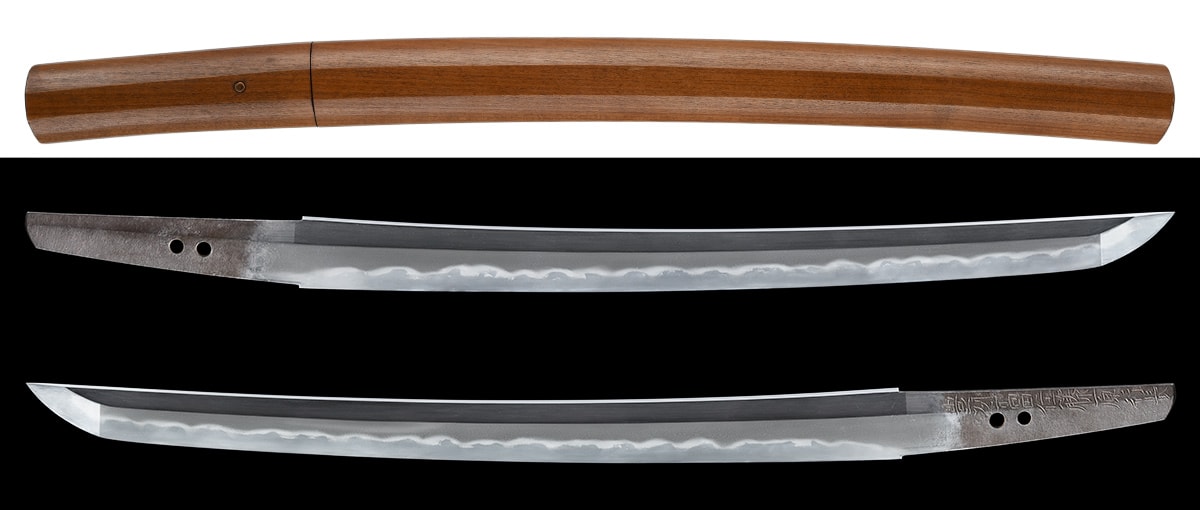
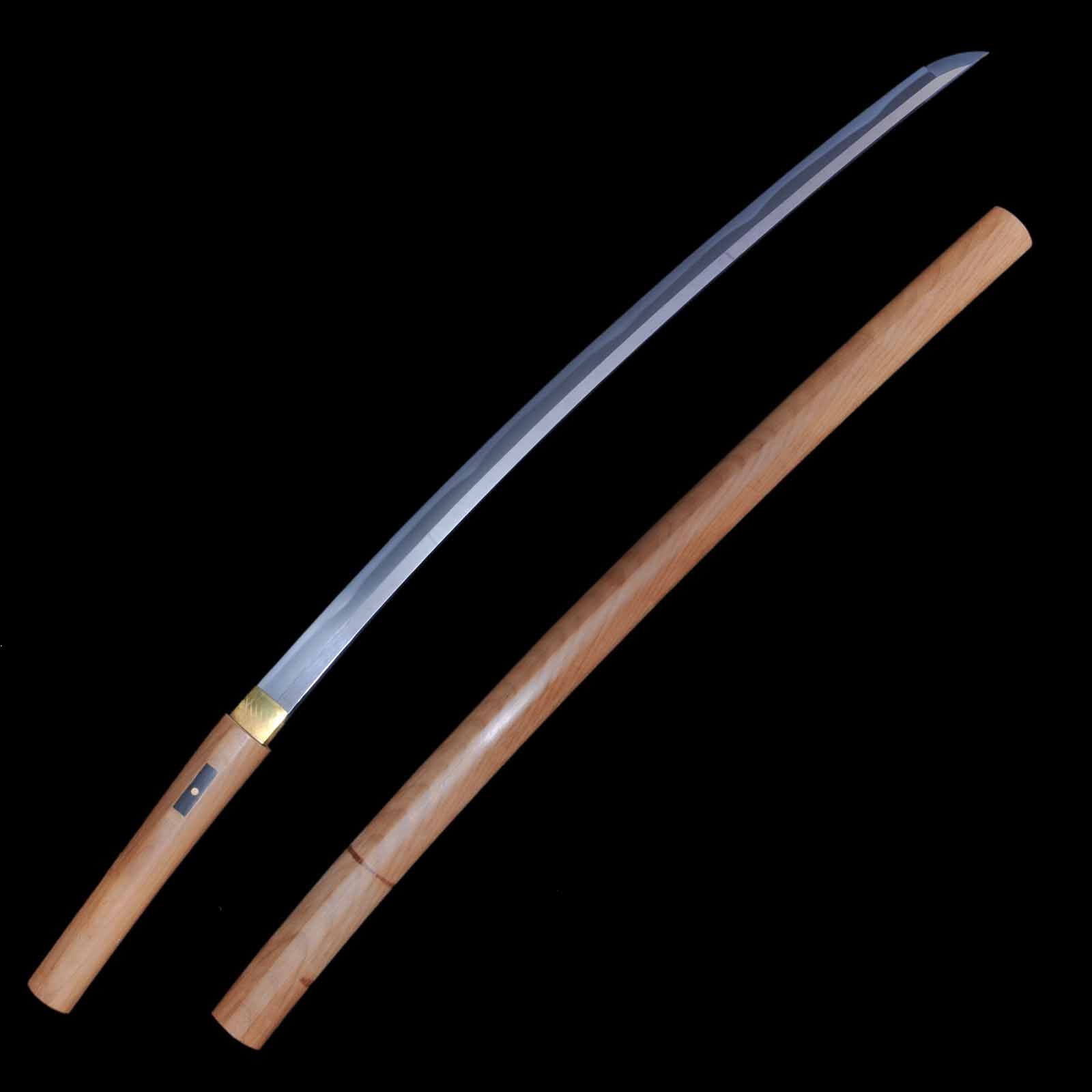
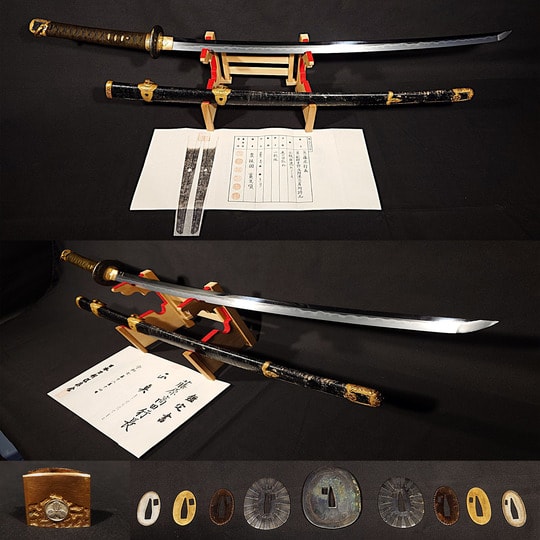
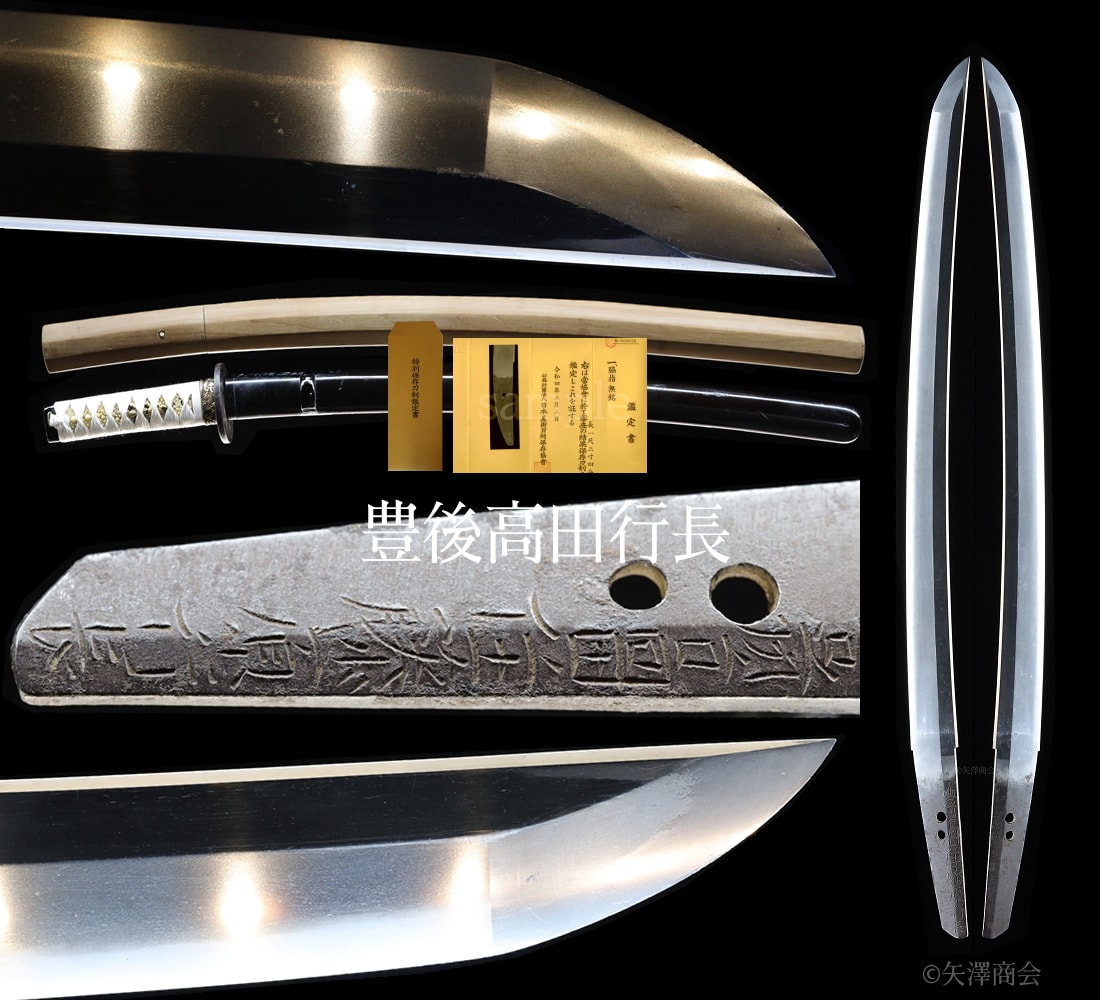
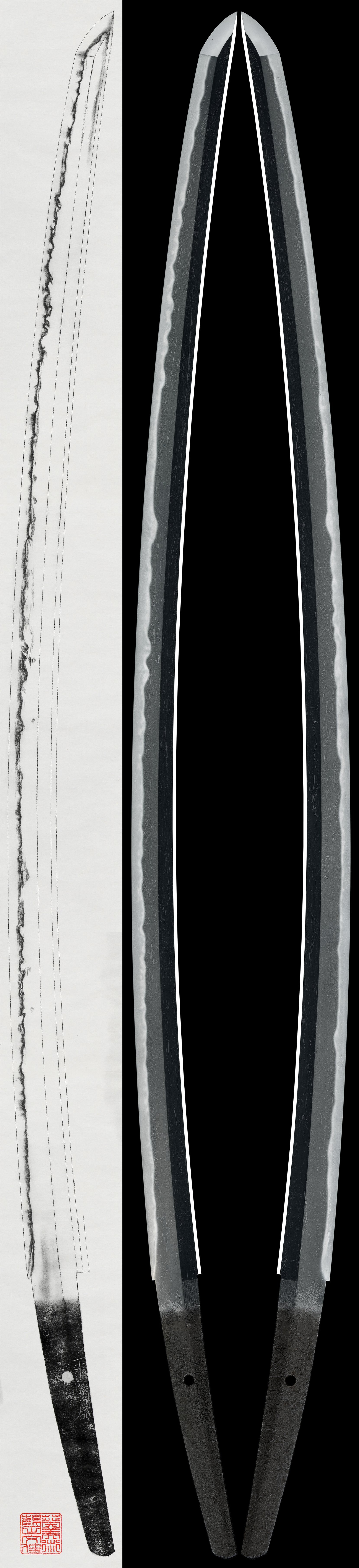
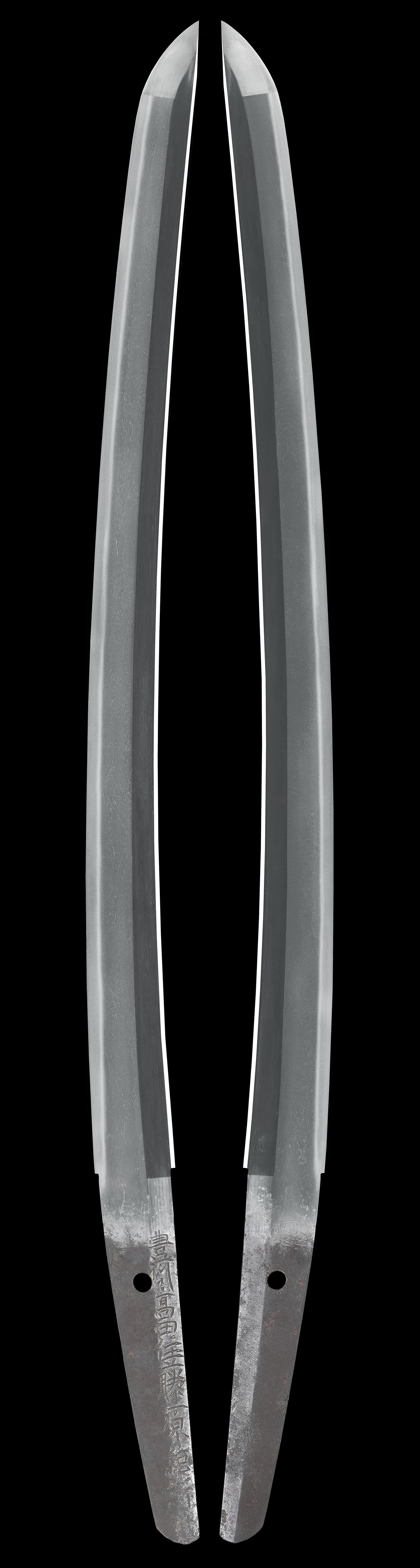
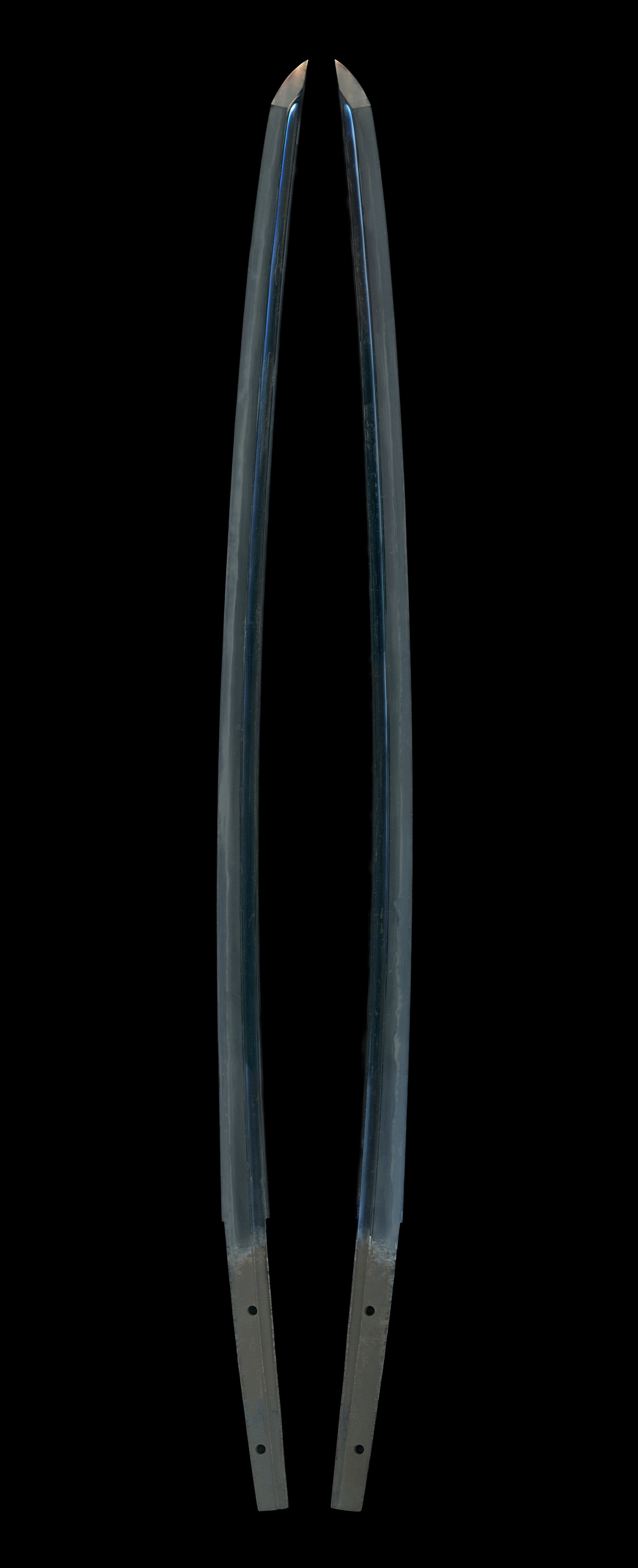
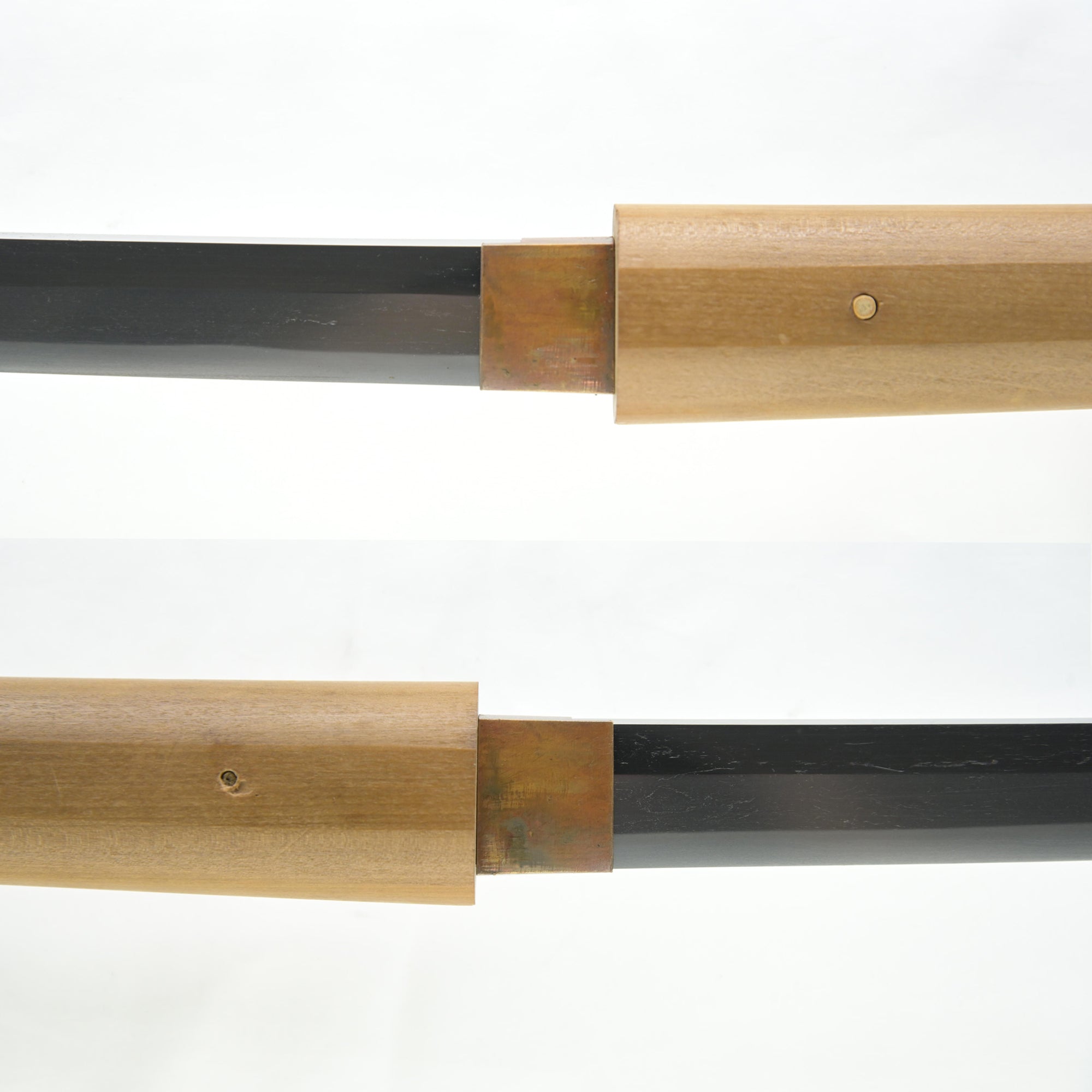
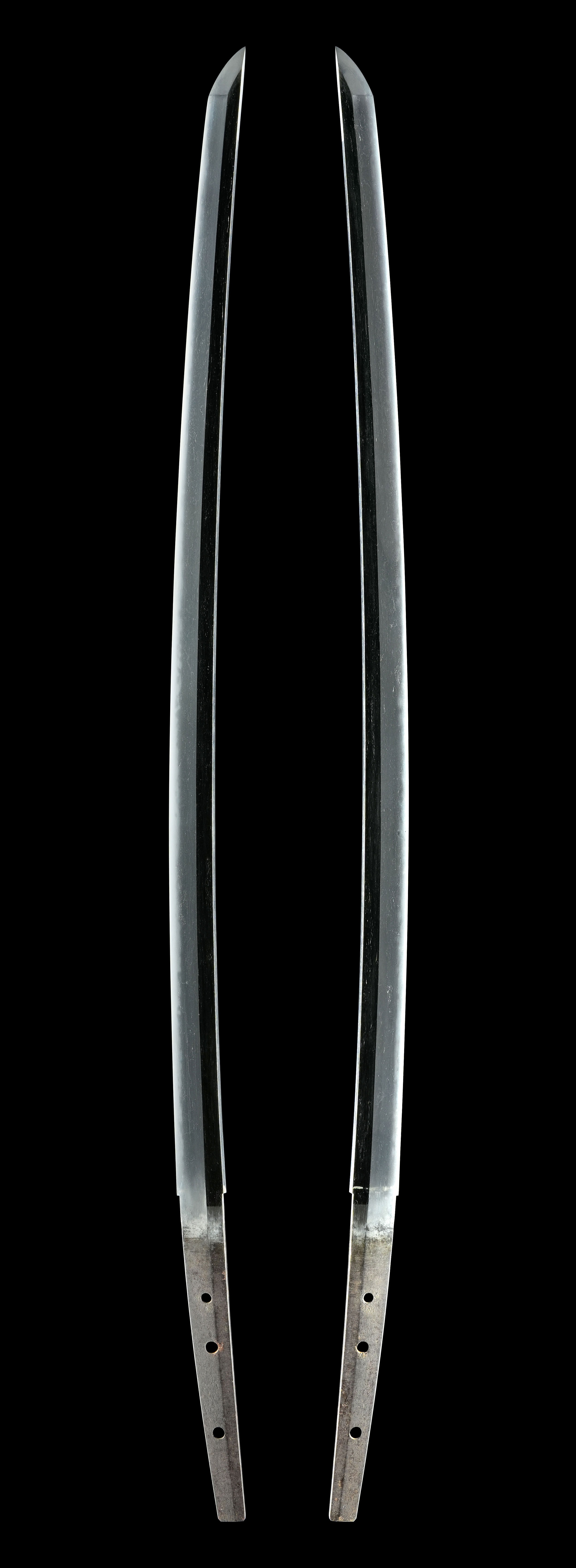
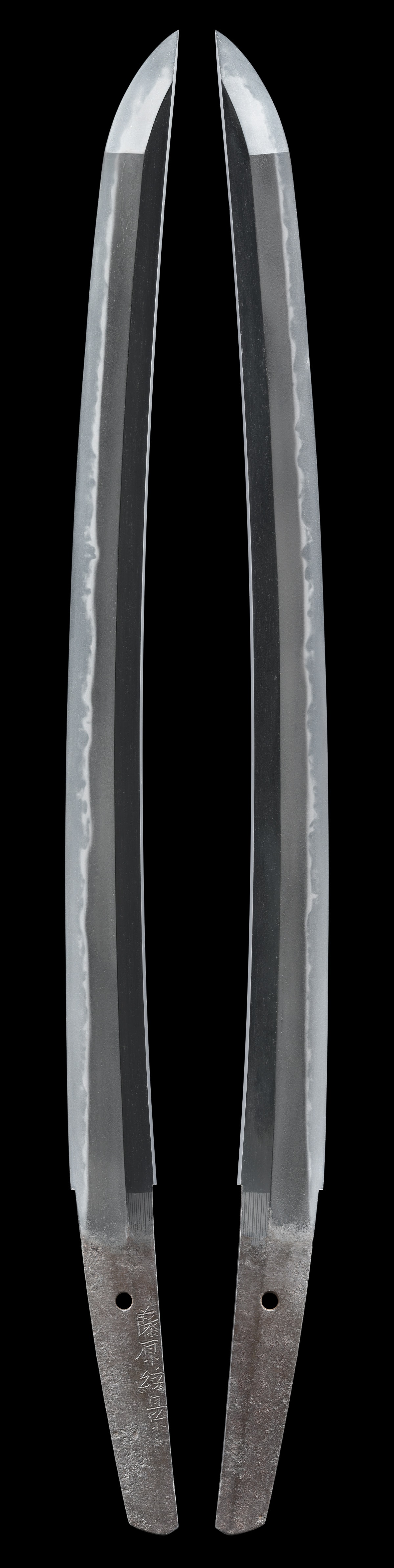
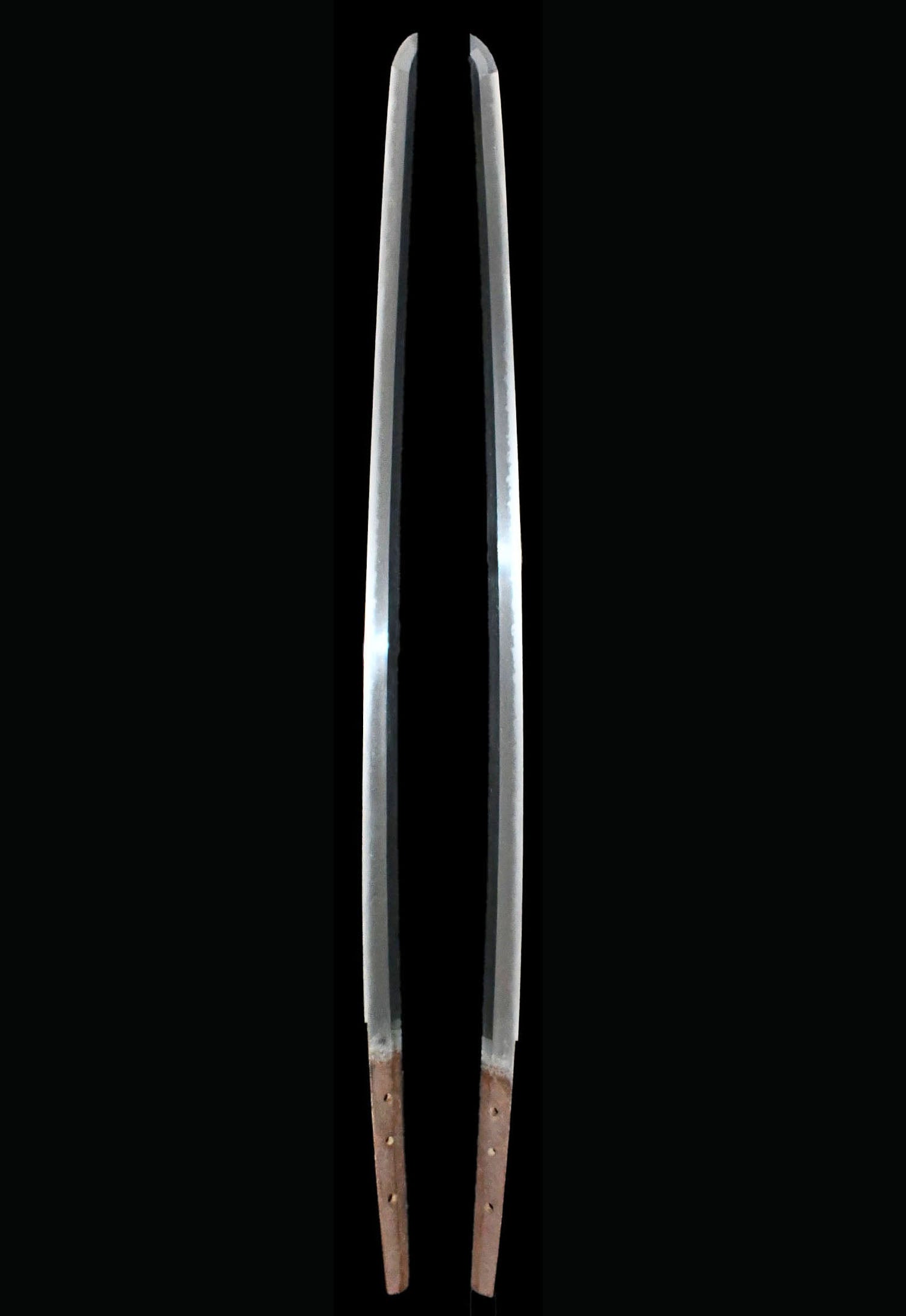
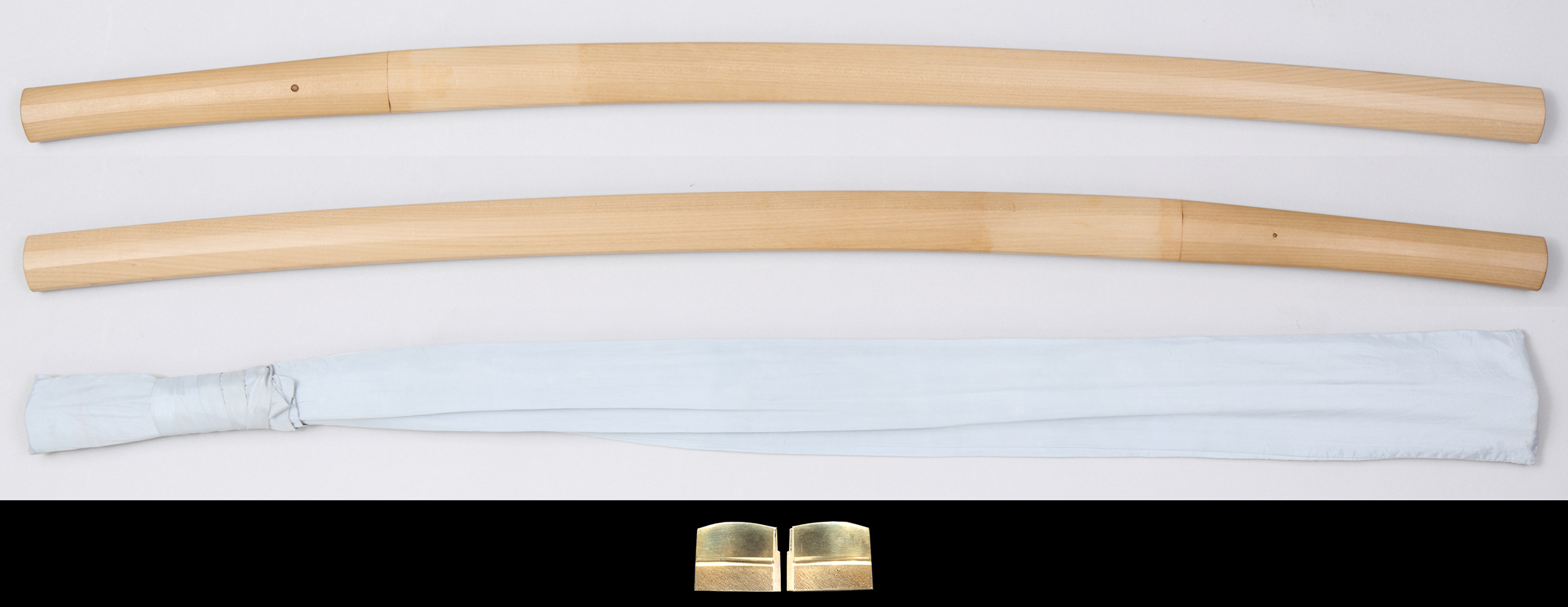
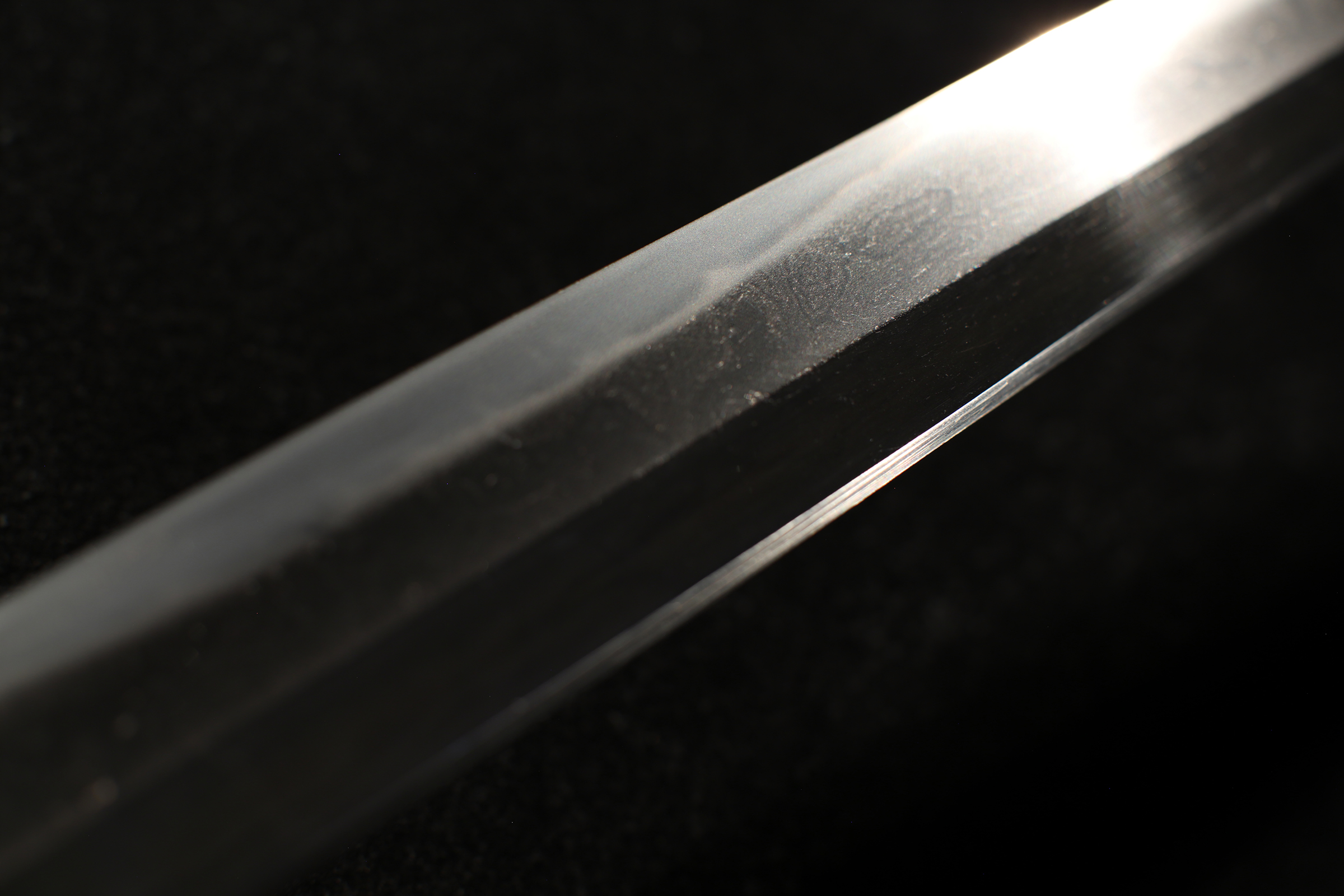
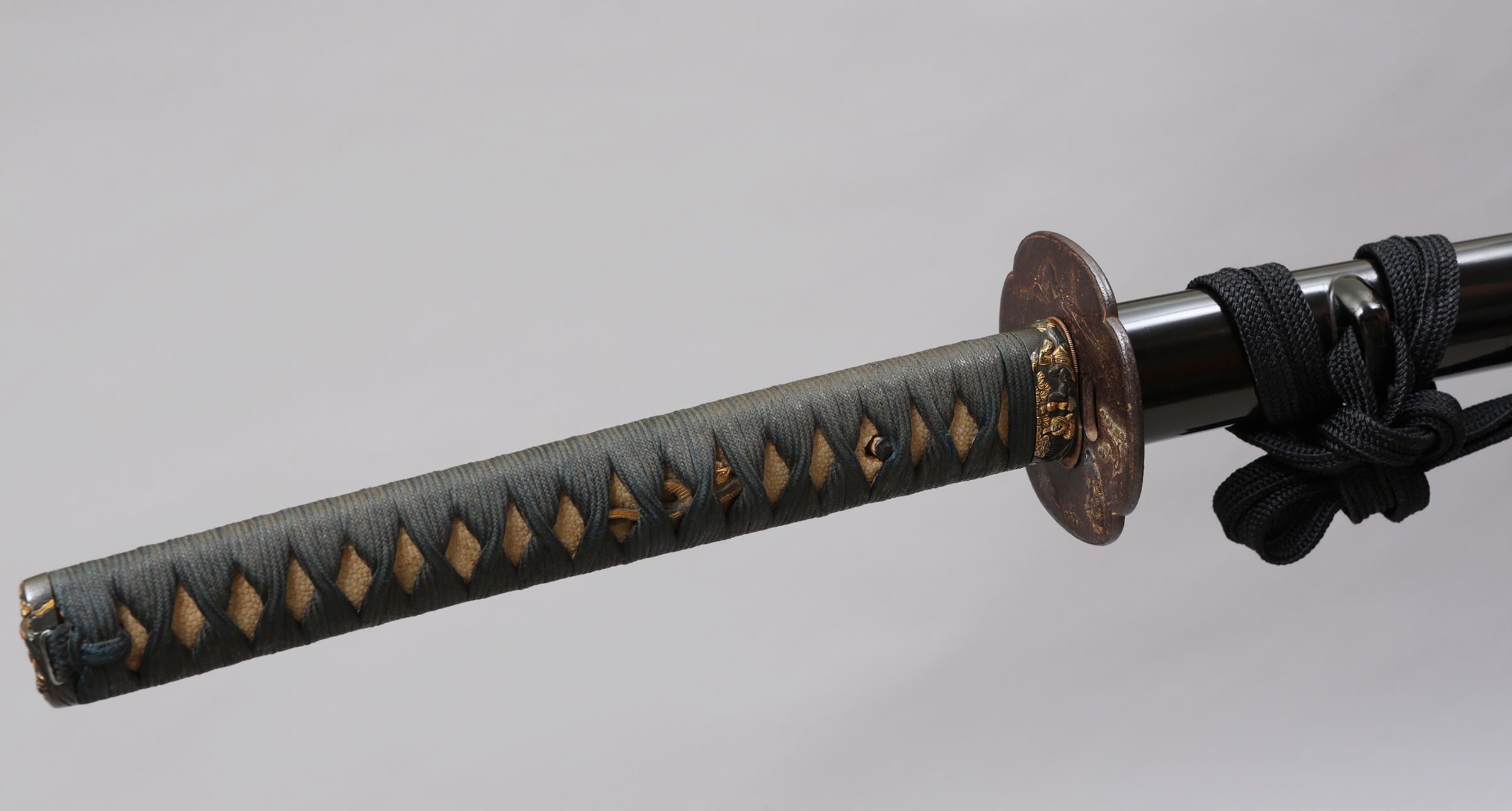
This is a katana by Fujiwara Yukinaga from Hoshu Takada, active around the Kanbun era of the early Edo period. It features a slightly wide body, shallow sori, and a flowing itame-hada with some standing grain. The hamon is a large gunome with small gunome and pointed sections, showing varied activity within the blade.
 NihontoWatch
mei · Takada · Edo · nagasa 75.5cm · sori 1cm


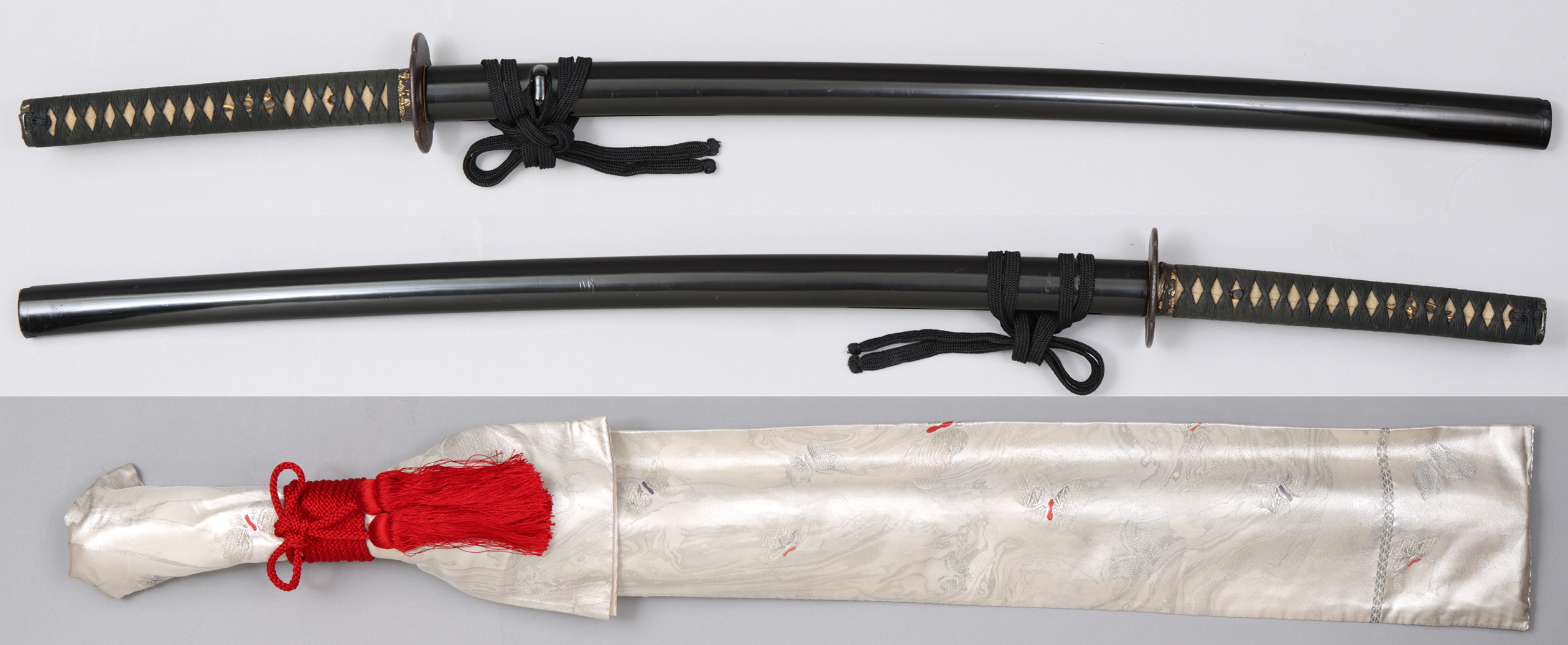
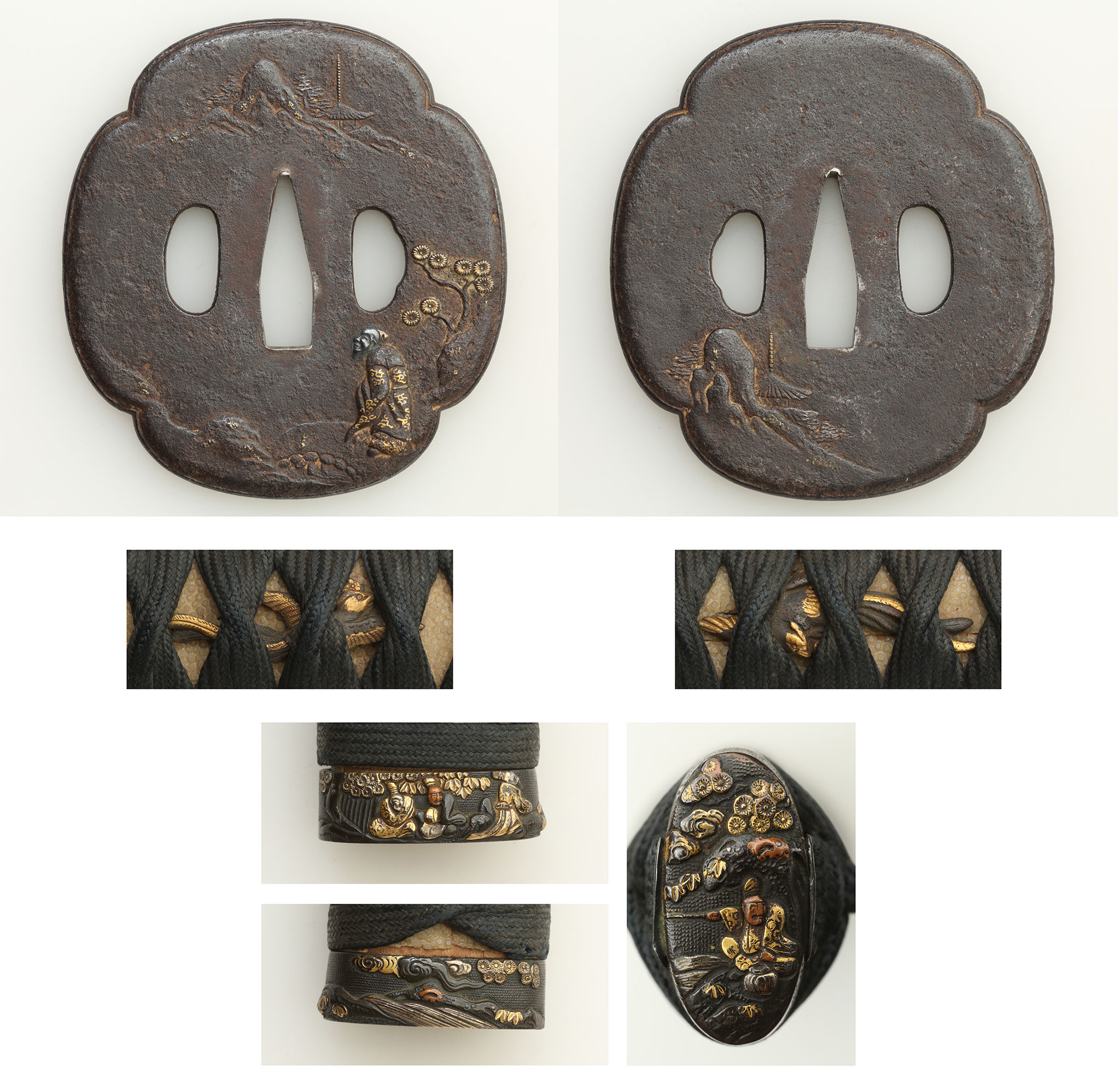
Bungo · around 1658-1661
Fujishiro Jo saku · Tōken Taikan top 60%
1 piece on the market now
The Edo period (1615 to 1868)
Edo was the sword’s age of connoisseurship: the Hon’ami appraisers, the shogunal register of famous blades of 1719, and a thriving literature turned the sword into an object of study even as it ceased to be drawn in war.
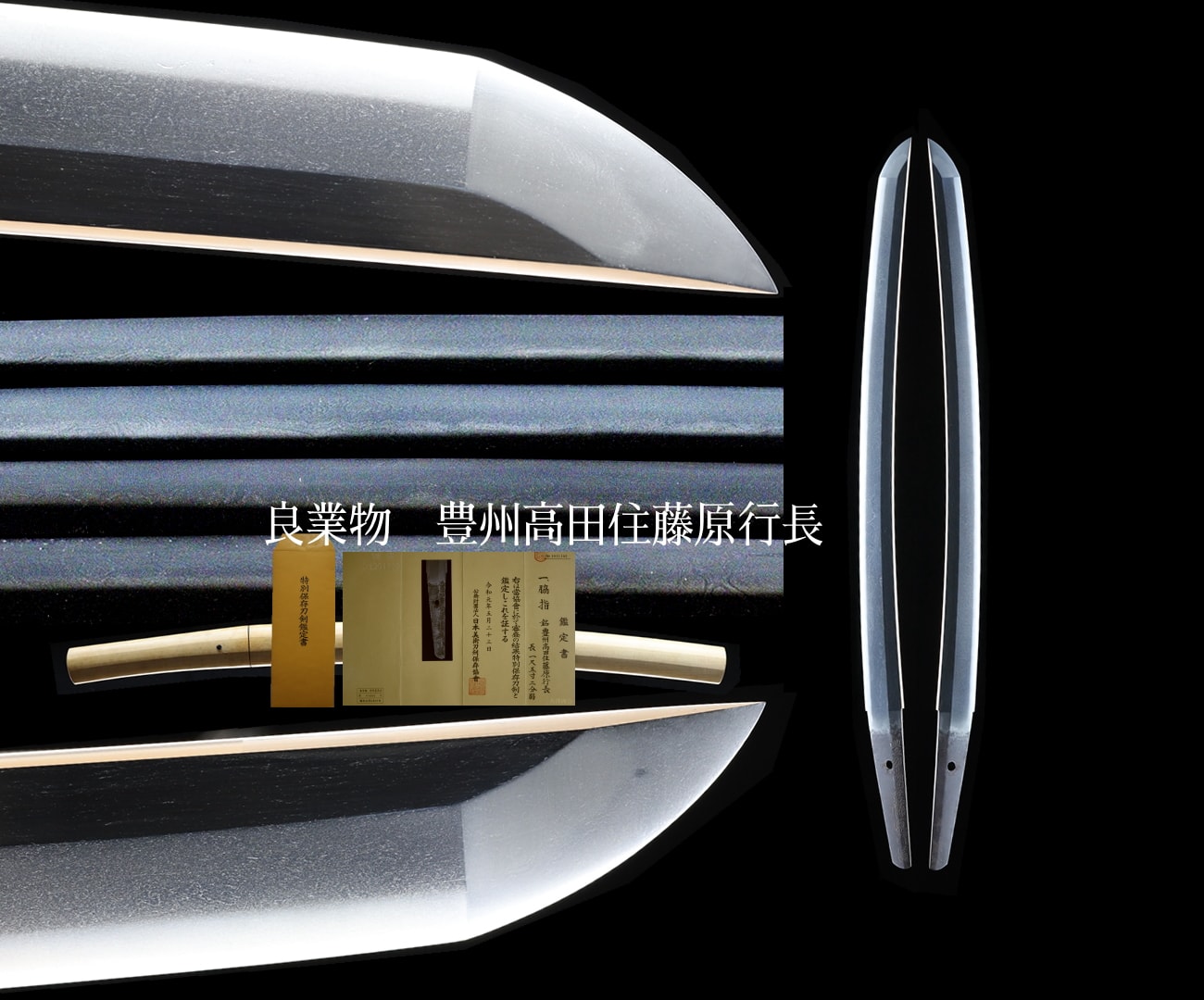
We could not find an authenticity certificate on the seller’s listing. Japanese swords and fittings are normally papered by the NBTHK (or the NTHK). Without one, the attribution is the seller’s own assessment and has not been independently verified — treat it with caution and ask the dealer about certification before buying.
If you judge that the condition of the delivered item differs significantly from the photos or description on our site, a return is possible. However, the return shipping cost is the customer's responsibility. To use cooling-off, please apply in writing by postal mail within one week of the item's arrival. The return shipping cost is the customer's responsibility.
¥550,000