Edo was the sword’s age of connoisseurship: the Hon’ami appraisers, the shogunal register of famous blades of 1719, and a thriving literature turned the sword into an object of study even as it ceased to be drawn in war.
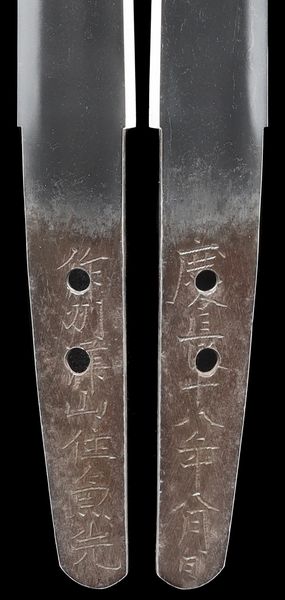
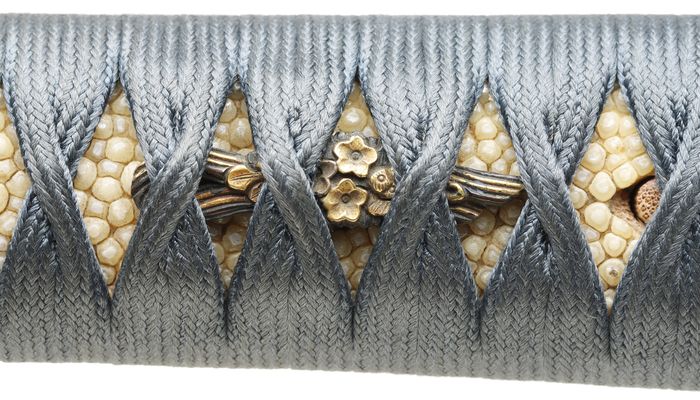
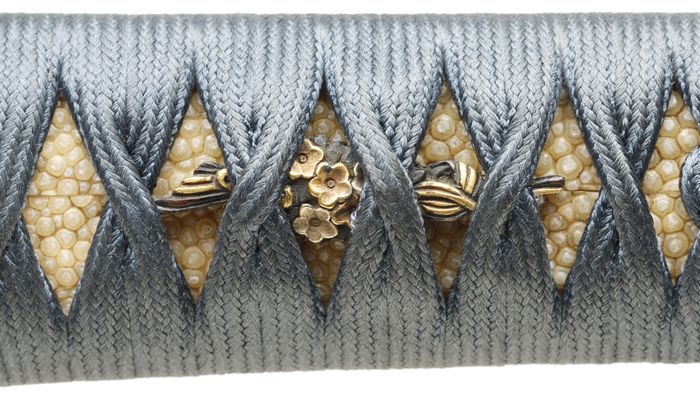
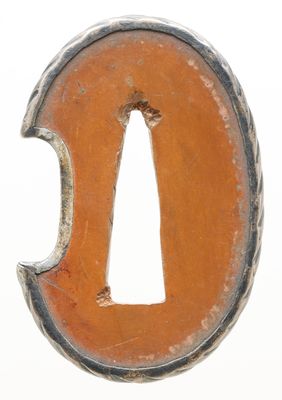
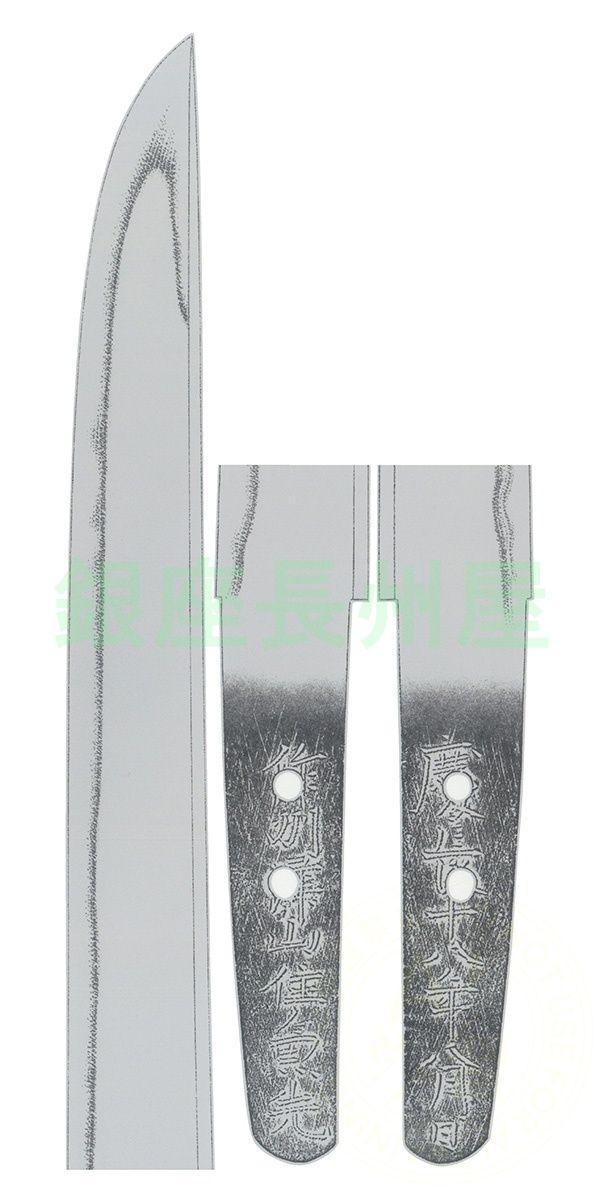
This is a tanto signed by Kanesaki, dated August of Keicho 18 (1613), making it an early work by the smith. It features a robust form with a slightly curved blade and a full fukura. The jigane displays a flowing itame hada with thick chikei and granular nie, creating a striking texture with Seki utsuri. The hamon is suguha with thick, bright nie and yubashiri along the habuchi.
 NihontoWatch
mei · Meireki (1655-1658) · nagasa 29.88cm








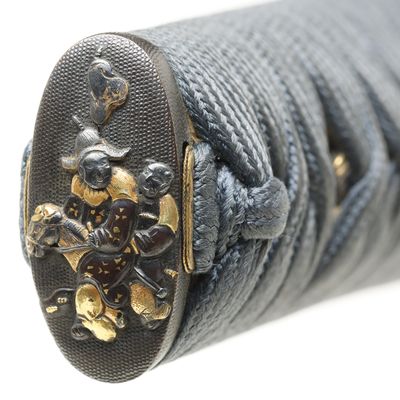
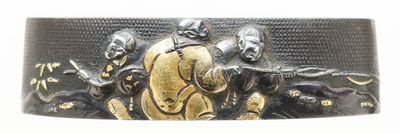
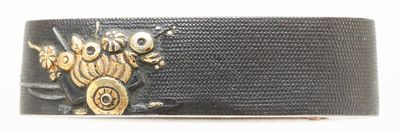

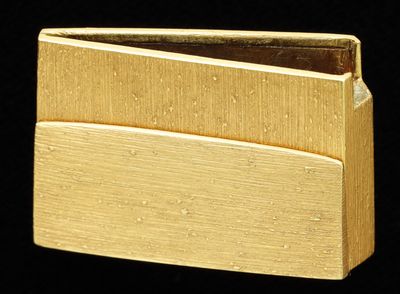
Mimasaka · around 1655-1658
Tōken Taikan top 76%
1 piece on the market now
Edo was the sword’s age of connoisseurship: the Hon’ami appraisers, the shogunal register of famous blades of 1719, and a thriving literature turned the sword into an object of study even as it ceased to be drawn in war.
A Hozon-certified blade judged to show notably superior workmanship and a better state of preservation. The bar is higher: re-tempered blades and most unsigned Muromachi/Edo works are excluded.
The NBTHK (Nihon Bijutsu Tōken Hozon Kyōkai, the Society for the Preservation of Japanese Art Swords) is a public-interest incorporated foundation founded in 1948 and supervised by Japan’s Agency for Cultural Affairs (Bunkachō); it is based at the Japanese Sword Museum in Tokyo. Its expert panels physically examine each submitted work (shinsa) and issue a certificate (kanteishō) ranking it by artistic and historical merit. NBTHK papers are the most widely recognized standard of authentication for Japanese swords and fittings.
NBTHK official siteIf, due to our fault, the item differs significantly from its proper condition, the item may be returned. Cooling-off is within one week of the item's arrival.
This is a tanto signed by Kanesaki, dated August of Keicho 18 (1613), making it an early work by the smith. It features a robust form with a slightly curved blade and a full fukura. The jigane displays a flowing itame hada with thick chikei and granular nie, creating a striking texture with Seki utsuri. The hamon is suguha with thick, bright nie and yubashiri along the habuchi.
NihontoWatchmei · Meireki (1655-1658) · nagasa 29.88cm
Mimasaka · around 1655-1658
Tōken Taikan top 76%
1 piece on the market now
Edo was the sword’s age of connoisseurship: the Hon’ami appraisers, the shogunal register of famous blades of 1719, and a thriving literature turned the sword into an object of study even as it ceased to be drawn in war.
A Hozon-certified blade judged to show notably superior workmanship and a better state of preservation. The bar is higher: re-tempered blades and most unsigned Muromachi/Edo works are excluded.
The NBTHK (Nihon Bijutsu Tōken Hozon Kyōkai, the Society for the Preservation of Japanese Art Swords) is a public-interest incorporated foundation founded in 1948 and supervised by Japan’s Agency for Cultural Affairs (Bunkachō); it is based at the Japanese Sword Museum in Tokyo. Its expert panels physically examine each submitted work (shinsa) and issue a certificate (kanteishō) ranking it by artistic and historical merit. NBTHK papers are the most widely recognized standard of authentication for Japanese swords and fittings.
NBTHK official siteIf, due to our fault, the item differs significantly from its proper condition, the item may be returned. Cooling-off is within one week of the item's arrival.
