Muromachi turned sword making into an industry: the uchigatana rose with massed infantry warfare, Osafune and Seki produced bundle swords beside custom orders, and the Ming trade carried Japanese blades abroad by the tens of thousands.
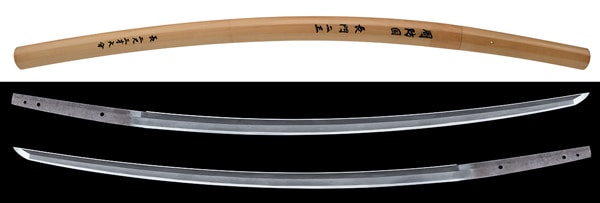
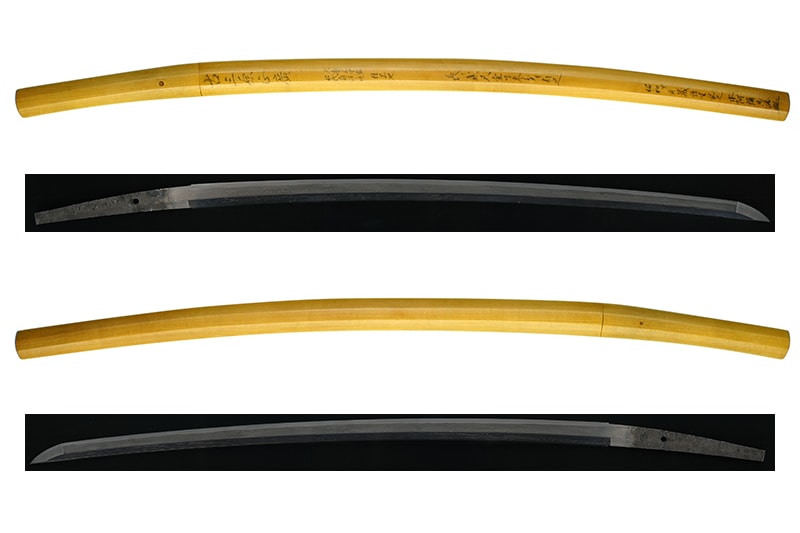
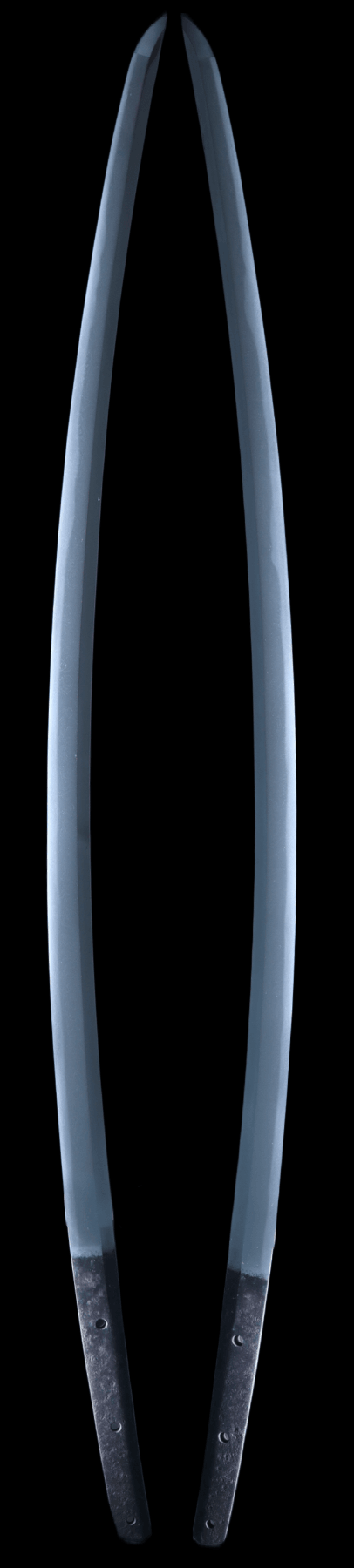
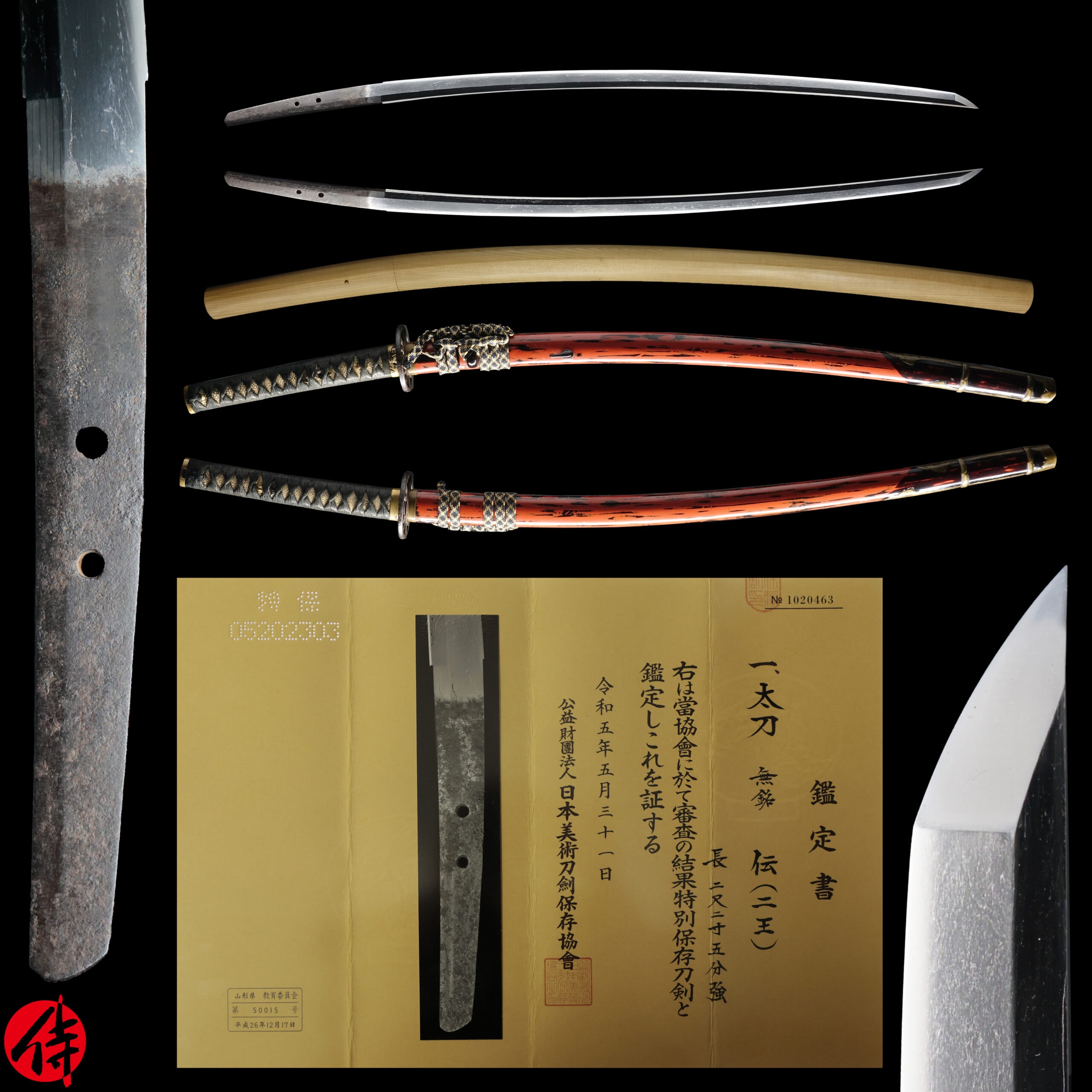
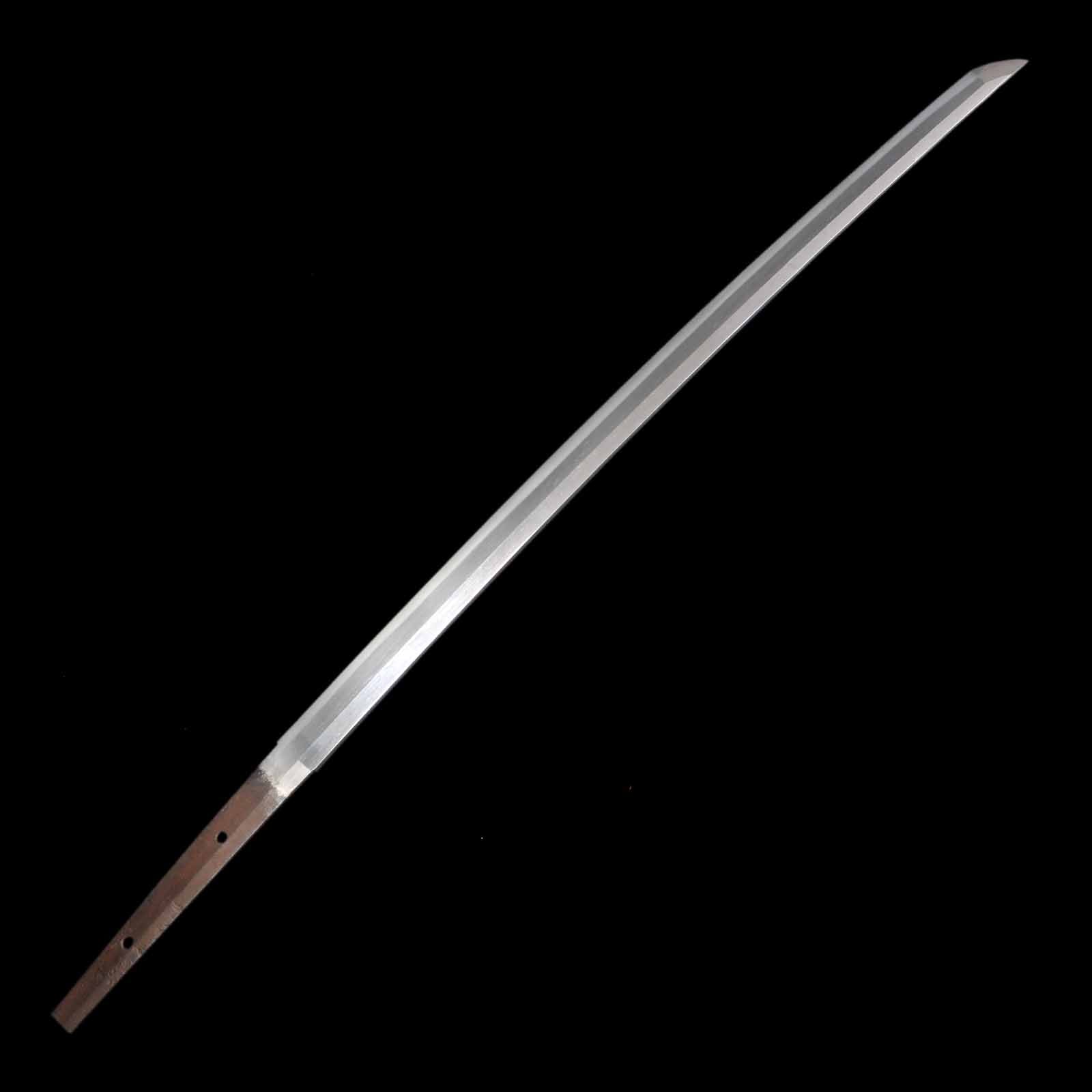
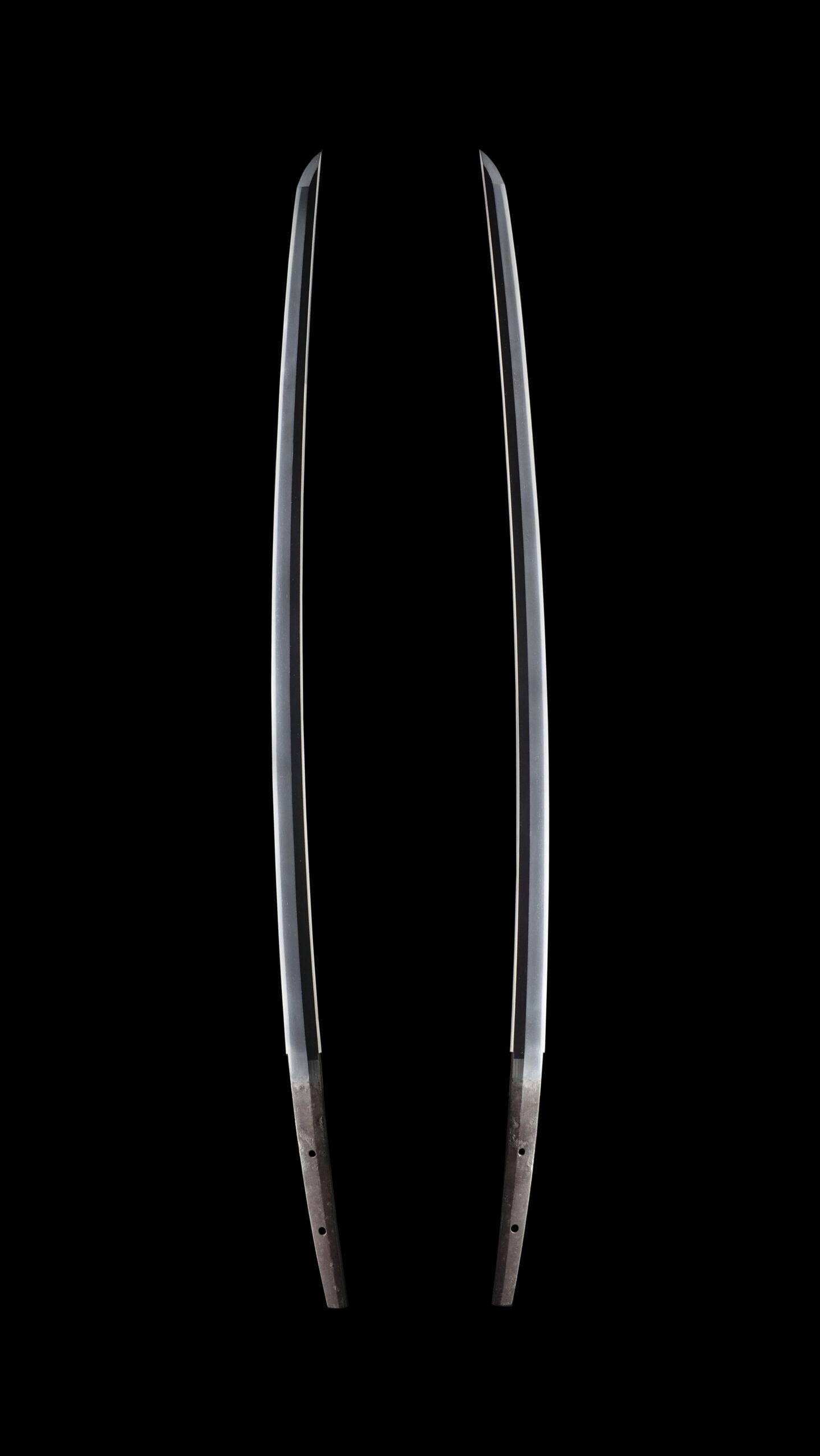
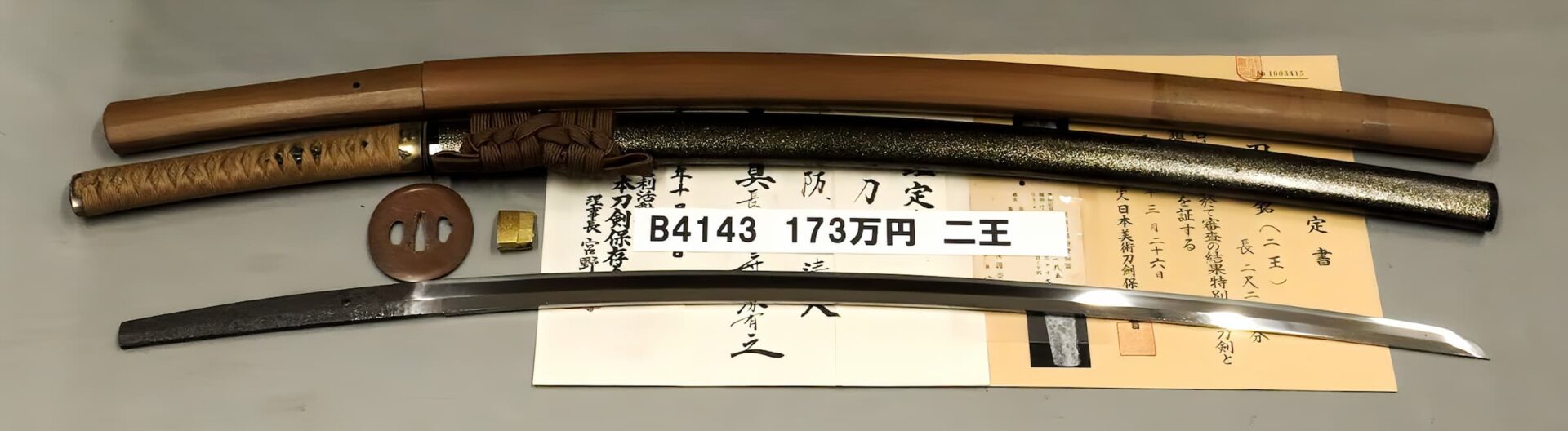
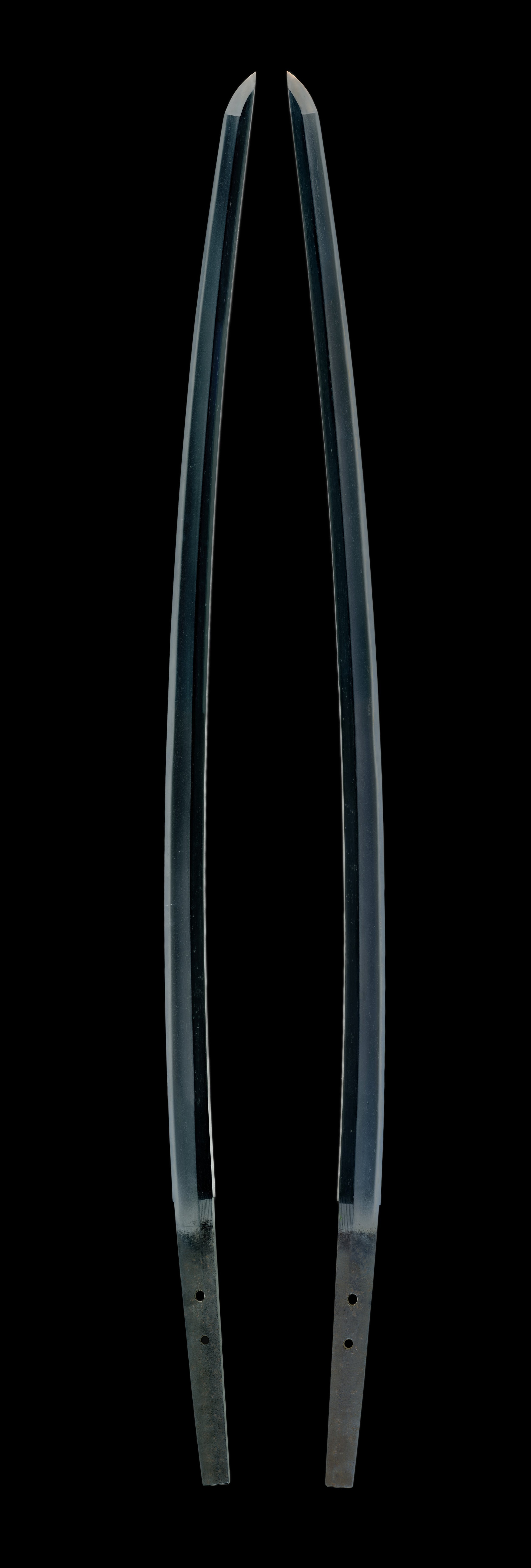
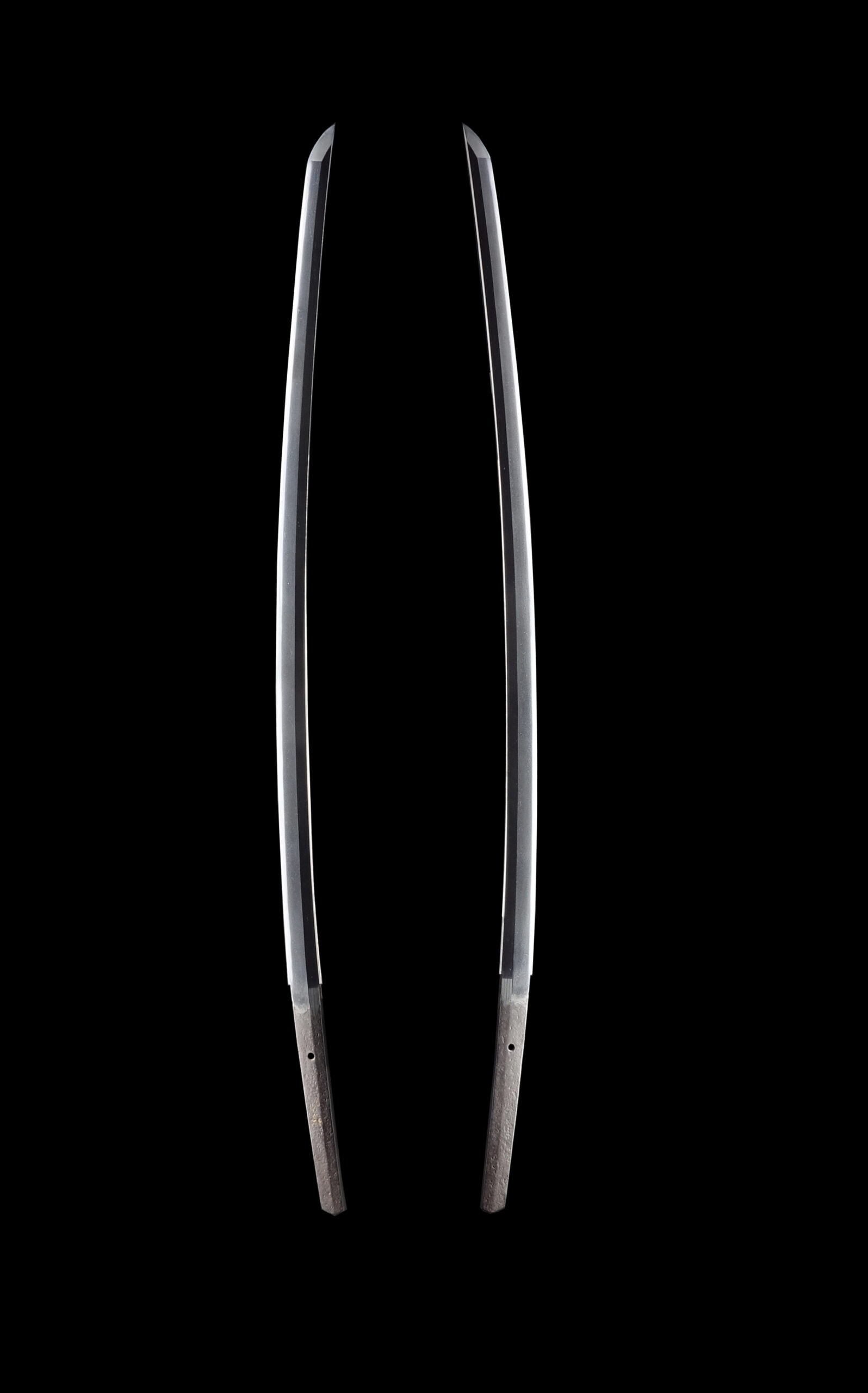
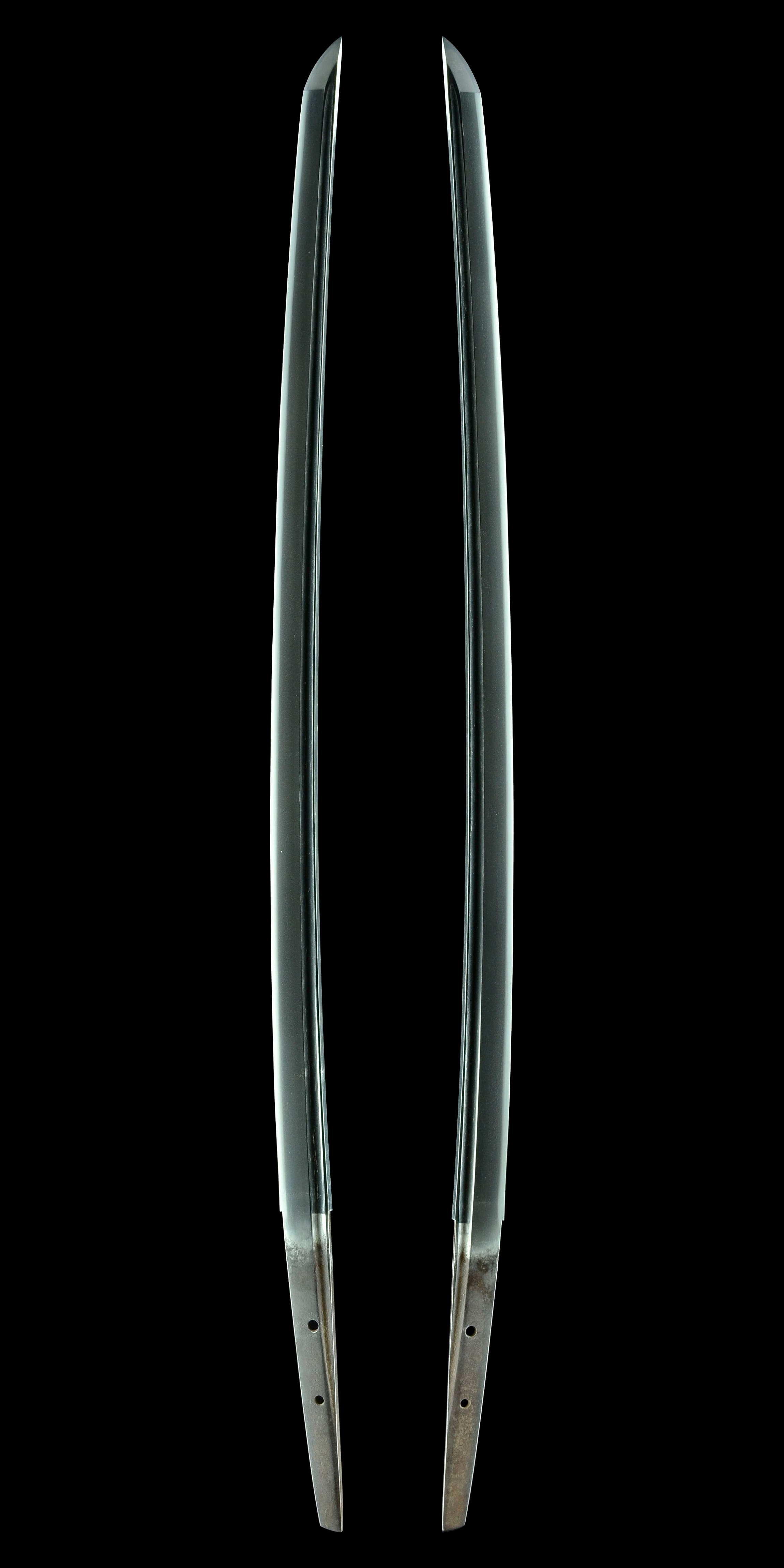
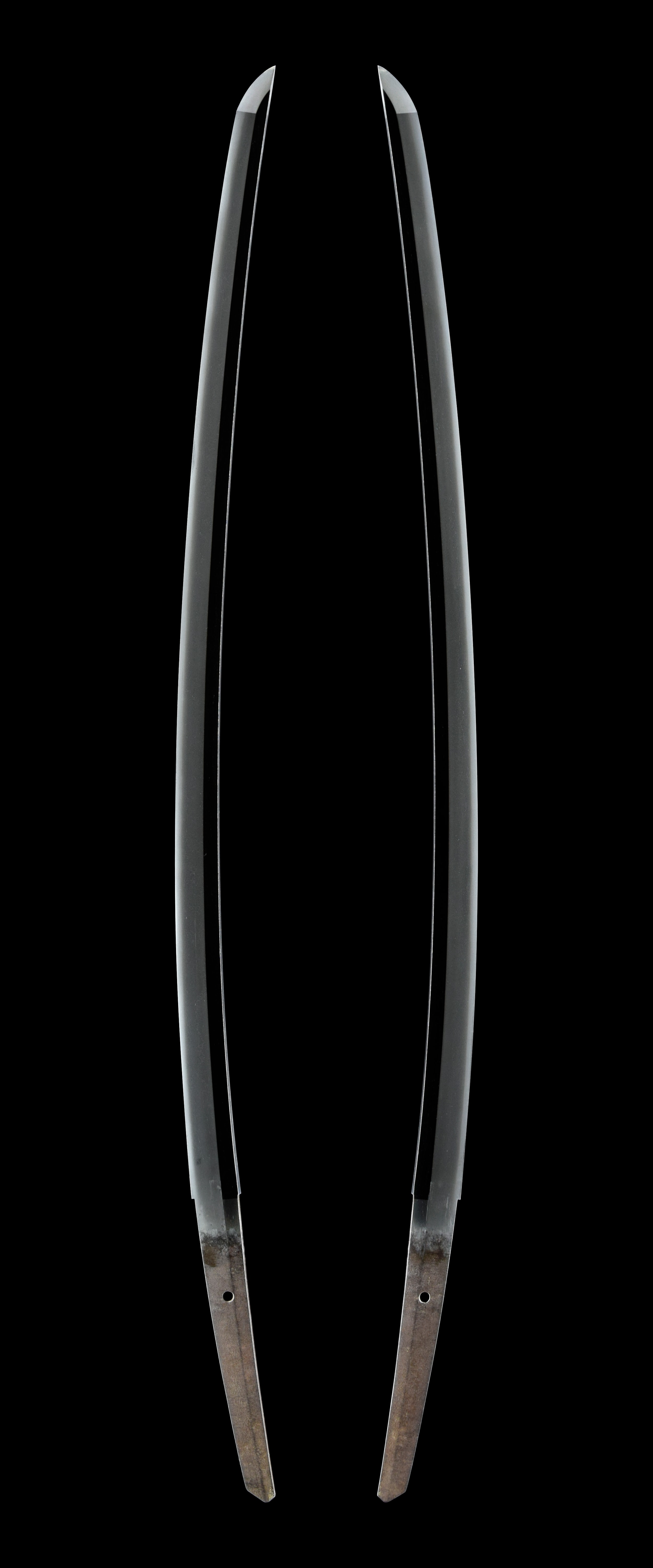
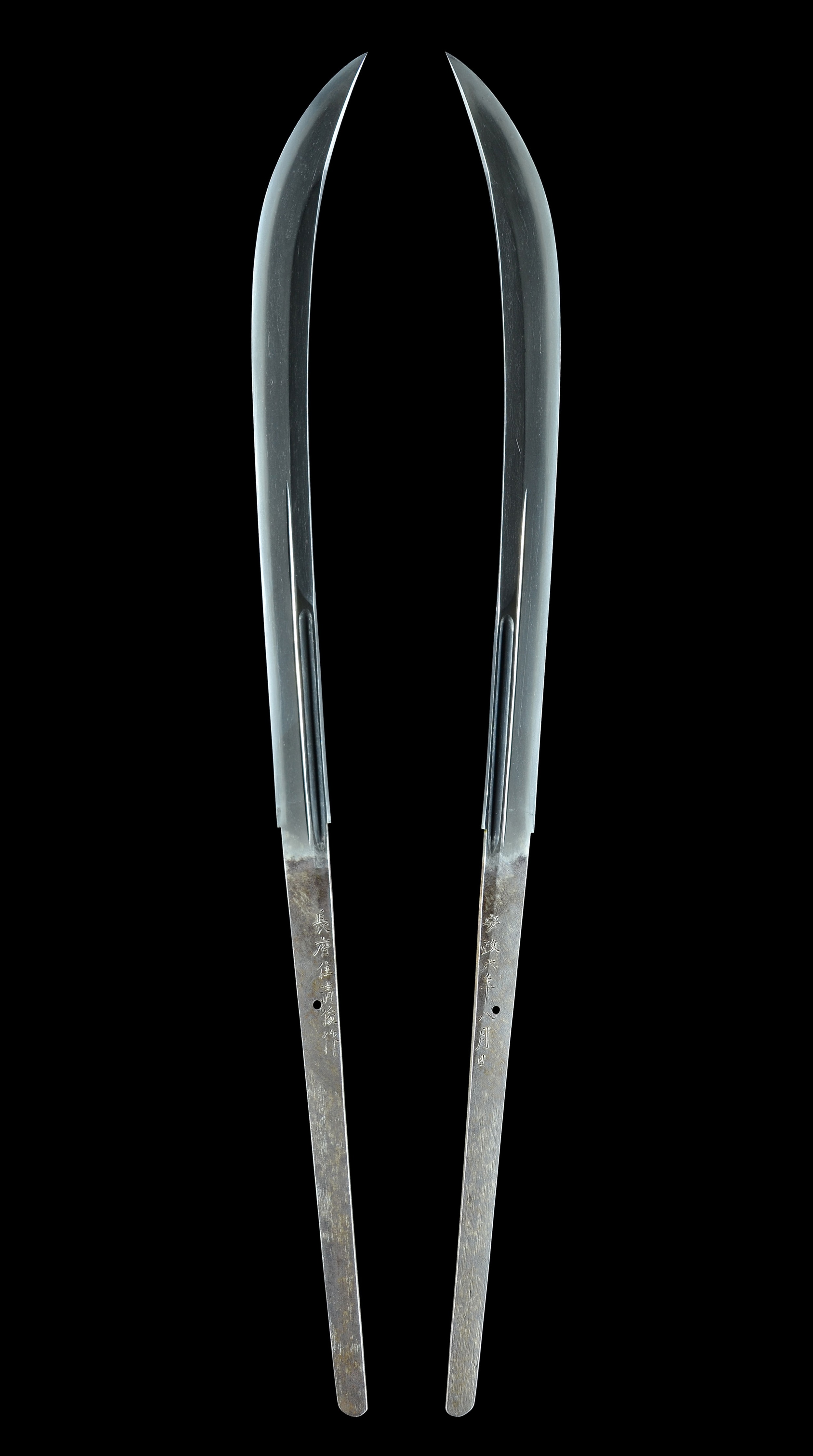
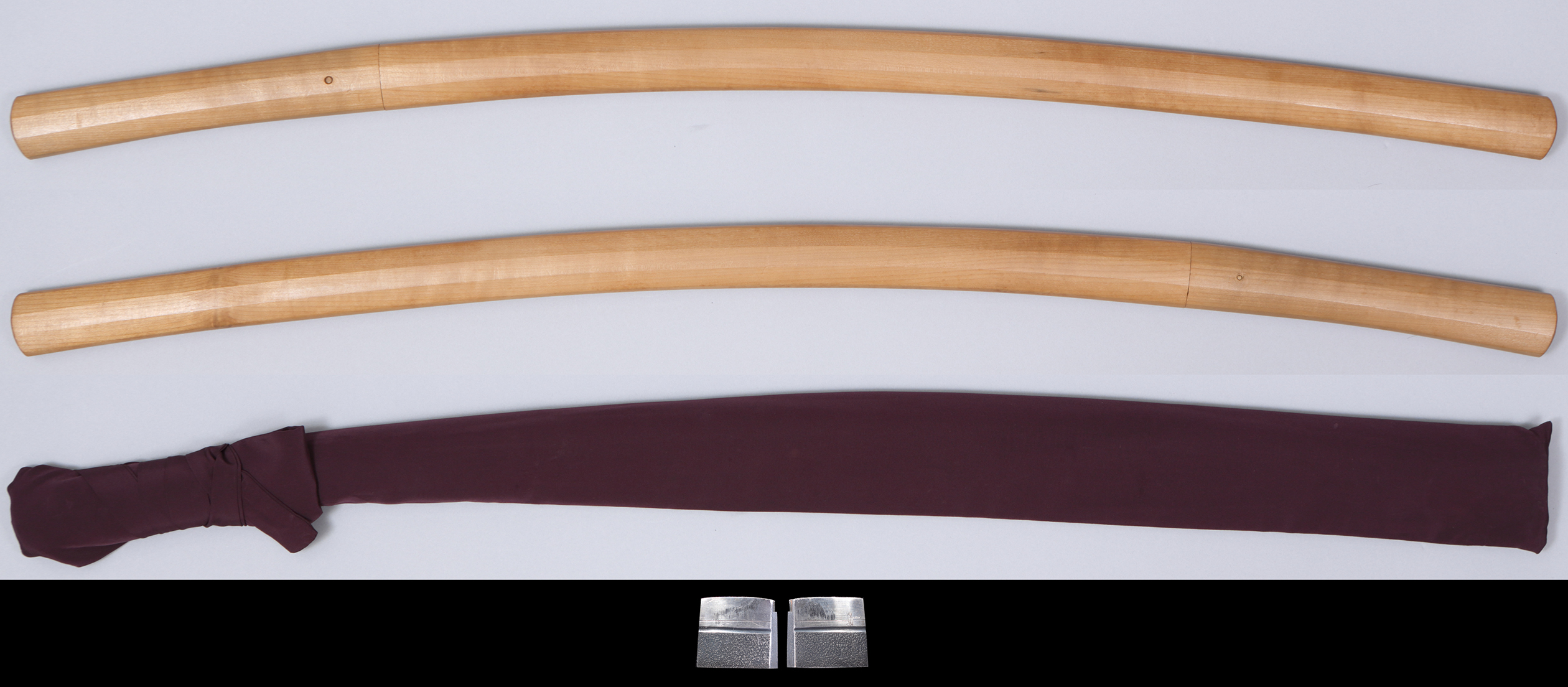
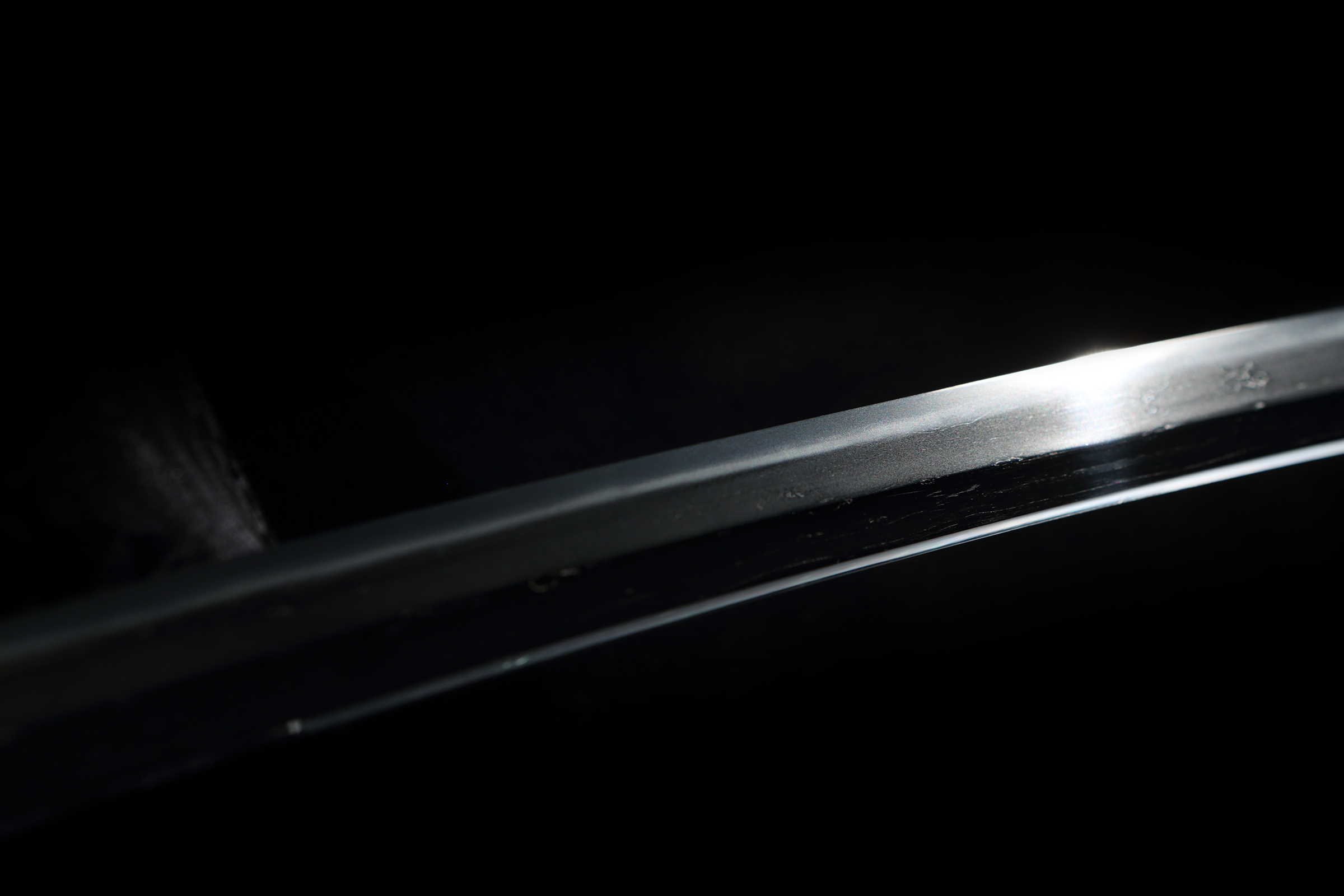
This katana, attributed to Nio Masakiyo, features a high sori and sakizori, characteristic of the Nio school from the late Muromachi period. The jitetsu is well-forged itame with masame near the hamon, showing ji-nie and fine chikei. The hamon is a narrow chu-suguha with gunome, ko-nie, ho-tsure, and sunagashi. Although unsigned, faint characters for "Ni" and "saku" are visible, suggesting an original five-character mei. It comes with a shirasaya and a Kanteisho from the Kurashiki Token Museum.
 NihontoWatch
mumei · Nio · Muromachi · nagasa 69.3cm · sori 2.4cm


Wakimono · Suo
14 pieces on the market now
The Niō school (二王) worked in Suō Province along the San'yōdō, the western reach of the country where heavy concentrations of temple estates, including lands of Tōdai-ji, drew the province into exchange with the Yamato heartland. The members describe the line as beginning in tradition around the Hōen era (1135 to 1141) with a Kiyozane or Kiyohira, but they agree that no securely attributable work by either survives, so Kiyotsuna is regarded in effect as the school's founder. His oldest dated piece, a tachi signed in a written-out inscription, "Bun'ei 2, third month, Kiyotsuna" (1265)[[c:1]], is preserved at Itsukushima Shrine and serves as the touchstone against which the first generation is read; after it the same signature continues without interruption through the Muromachi period and into the shintō era, the name borne by generation after generation, with a tantō signed "Bōshū Kuga-shō Kiyotsuna" of Kenmu 2 (1335) marking the line's passage into the Nanbokuchō. The members tie the appellation most persuasively to residence in Niho-shō within the province, one tradition deriving it instead from a first Kiyotsuna who cut a chain to free the Niō Guardian Kings from a temple fire, a pun the name carries. Later hands continue the manner, the Ōei-era Kiyonaga representative of the sue-Niō generations and a Kiyosada recorded through Kakitsu, Daiei, and Tenbun. Across the generations the members converge on one coherent manner. The kitae is itame mixed with mokume and nagare, the grain flowing overall and in places strongly toward masame so that the hada stands finely; minute ji-nie adheres and fine chikei enter, the steel sometimes carrying a slightly whitish tone. The temper rests on a narrow suguha, often slender, mixed with ko-gunome, ko-midare, and a shallow ko-notare, with ko-ashi and ko-nie attached and kinsuji and sunagashi moving along it; along the habuchi the members note hotsure, uchi-noke, and kuichigai-ba, and the bōshi runs straight and turns back in a small ko-maru, the tip at times showing hakikake.
What the members single out as the school's own individuality, the features that separate Niō from the Yamashiro and Yamato suguha it otherwise resembles, are two paired effects: a shirake-utsuri, a whitish hazy reflection standing in the ji toward the mune, and an urumi, a moist softly clouded quality in the nioiguchi where the bright line of Rai and Tegai gives way to something more subdued. Divergences across the line are matters of degree rather than kind: the early signed work reads quiet and controlled with a brightened nioiguchi, the later sue-Niō hands lean toward gentle notare with active yo, and the late generations add kurikara and Niō-guardian carvings in ranma-sukashi and relief within hitsu recesses. To read Niō work the members return to the same tells. The tachi sugata is the elegant late-Kamakura form, slender and high in the shinogi, the kasane somewhat thick, with pronounced koshizori, a small or medium kissaki, and taka-no-ha file marks that confirm the Yamato connection; the tantō is hira-zukuri with slight uchizori. At a glance the workmanship is suggestive of Yamato proper, yet the members observe that the flowing grain is not as conspicuous as in Yamato blades and the nie is comparatively restrained, while the shirake-utsuri in the ji and the urumi in the ha, taken together and not either alone, are the pairing that fixes the attribution against both the Yamato heartland and the brighter Yamashiro suguha of Rai; this same moist, whitish register, paired with the masame-leaning standing hada, also sets the school apart from the clearer steel and jifu of Aoe. The best of the signed first-generation pieces are judged to express not only Kiyotsuna's own hand but the characteristic traits of the school, signed examples with ubu-nakago prized as documentary material given how few survive. Provenance, where recorded, is distinguished: an Important Art Object tachi now in the Sano Art Museum was held at its prewar recognition by Tokugawa Iesato, another signed tachi descends to the Seikadō from the Ōsaka collection of Kajima Isao, and the dated touchstone remains at Itsukushima. Most of what survives is held in shrine and institutional hands rather than traded, so a signed Kiyotsuna with its file marks and old two-character mei intact is among the rarer things a collector of provincial Kamakura work might encounter. Learn more →
| Smith | Era | Designated |
|---|---|---|
| Kiyotsuna清綱 | 1293-1299 | 10 |
| Naokuni直國 | 1848-1854 | 0 |
| Masakiyo方清 | 1688-1704 | 0 |
| Nagamasa長正 | 1528-1532 | 0 |
| Masakiyo方清 | 1661-1673 | 0 |
The Muromachi period (1392 to 1573)
Muromachi turned sword making into an industry: the uchigatana rose with massed infantry warfare, Osafune and Seki produced bundle swords beside custom orders, and the Ming trade carried Japanese blades abroad by the tens of thousands.
We could not find an authenticity certificate on the seller’s listing. Japanese swords and fittings are normally papered by the NBTHK (or the NTHK). Without one, the attribution is the seller’s own assessment and has not been independently verified — treat it with caution and ask the dealer about certification before buying.
If you judge that the condition of the delivered item differs significantly from the photos or description on our site, a return is possible. However, the return shipping cost is the customer's responsibility. To use cooling-off, please apply in writing by postal mail within one week of the item's arrival. The return shipping cost is the customer's responsibility.
¥360,000