(Famous through Touken Ranbu)
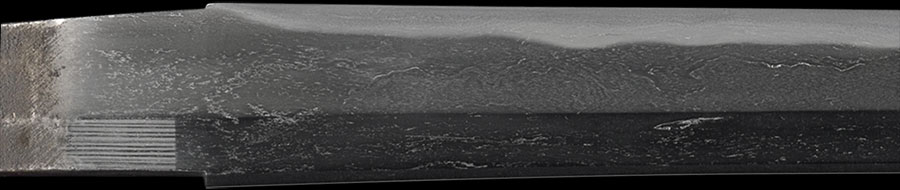
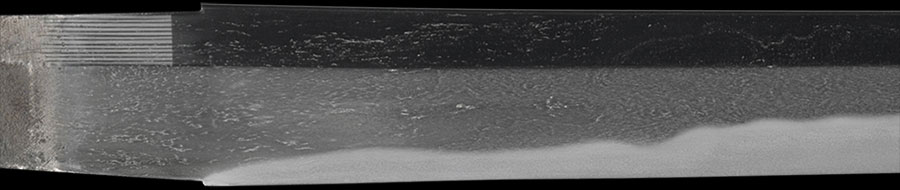
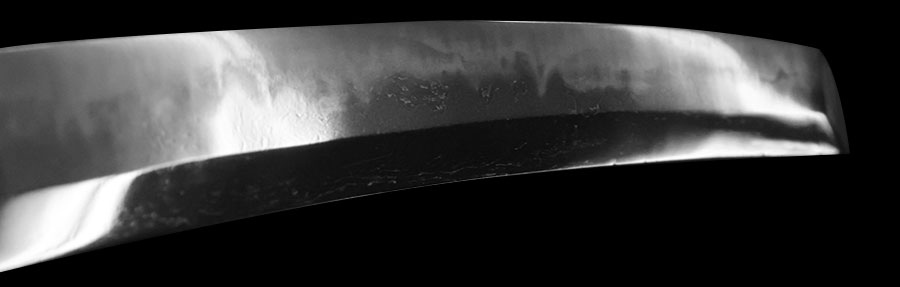
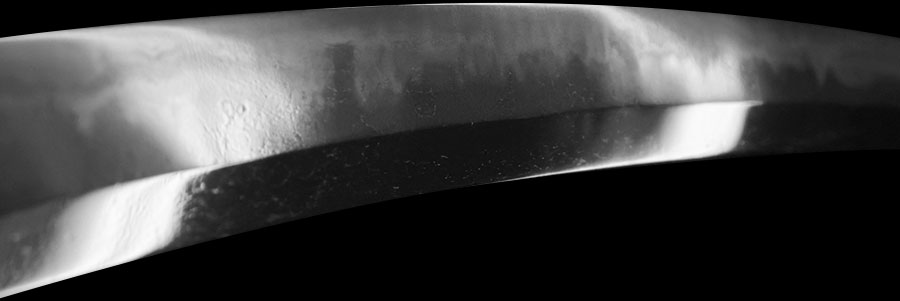
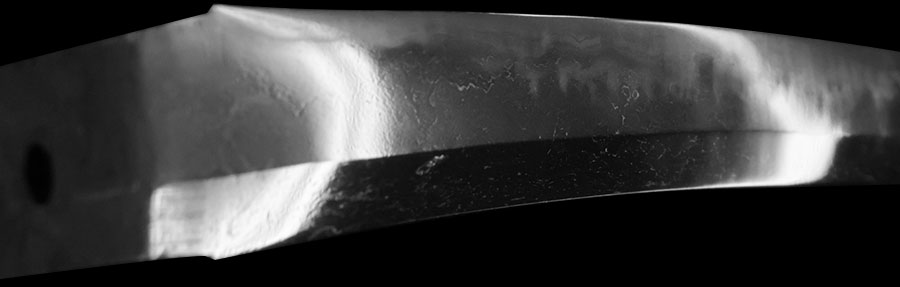
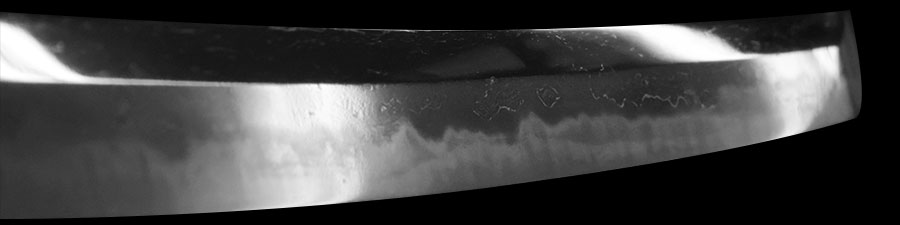
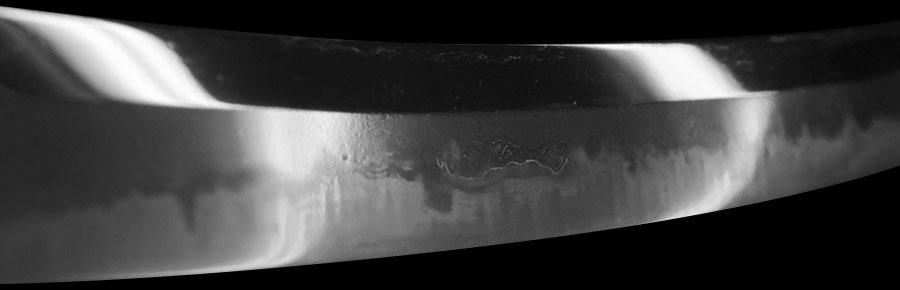
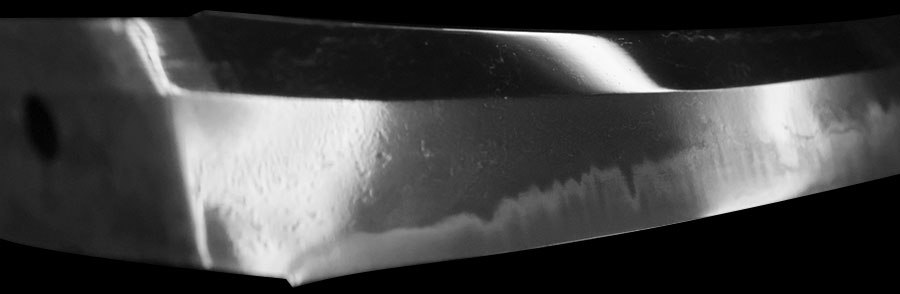
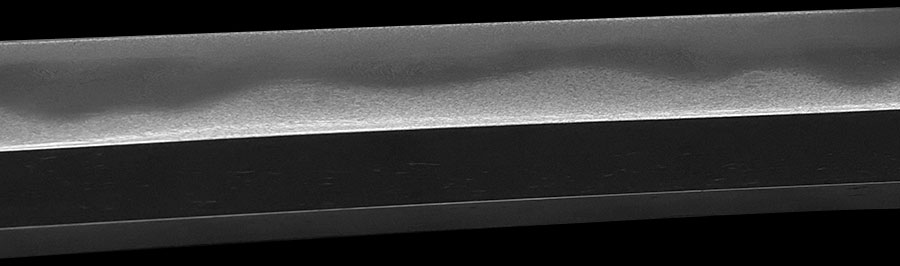
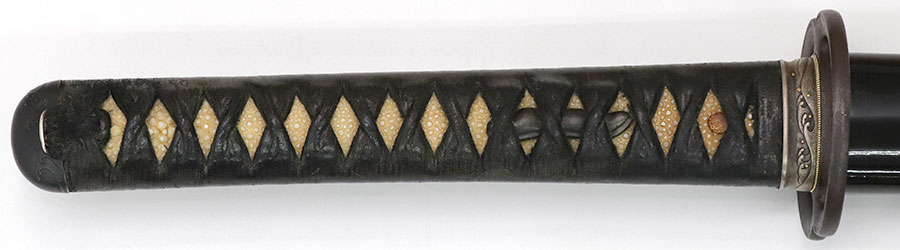
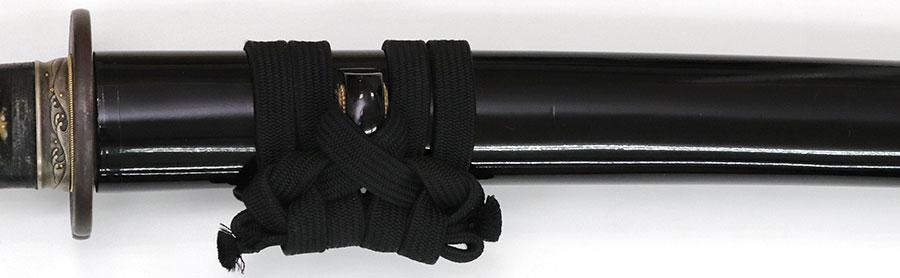
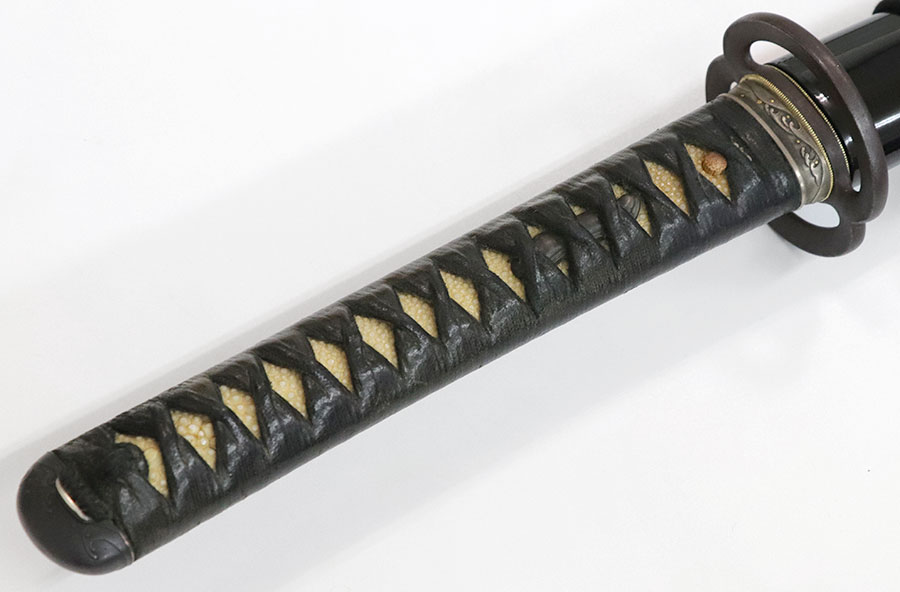
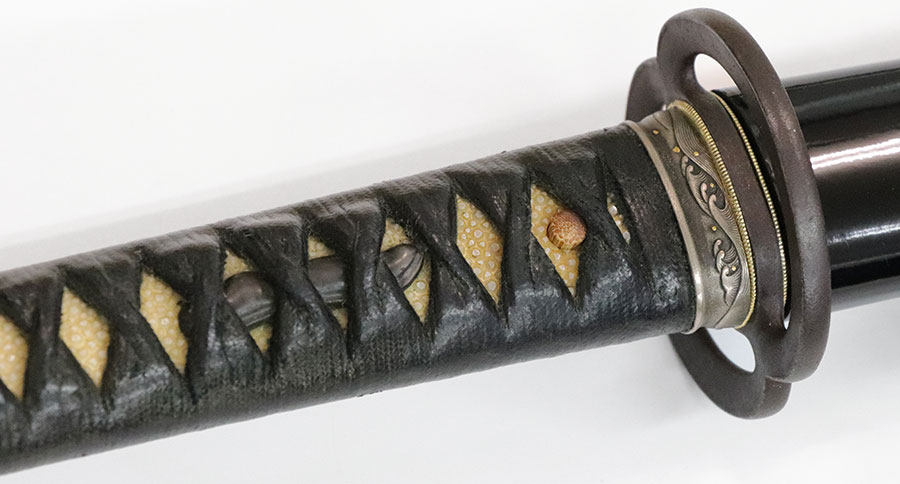
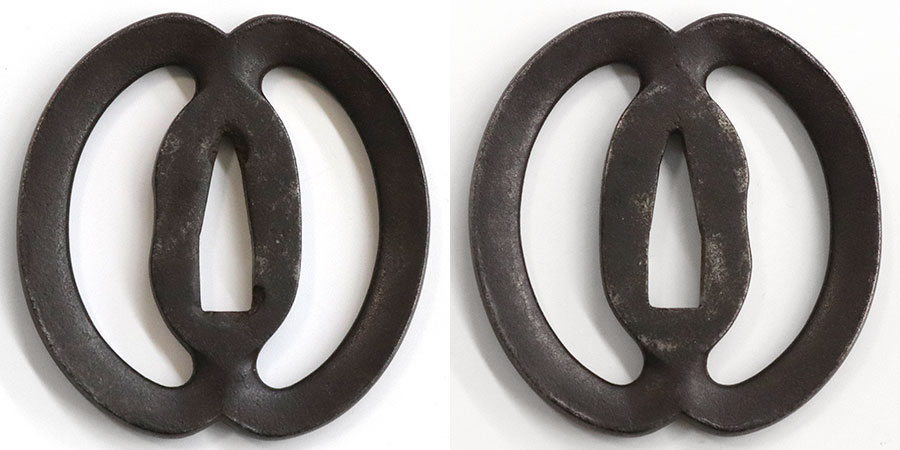
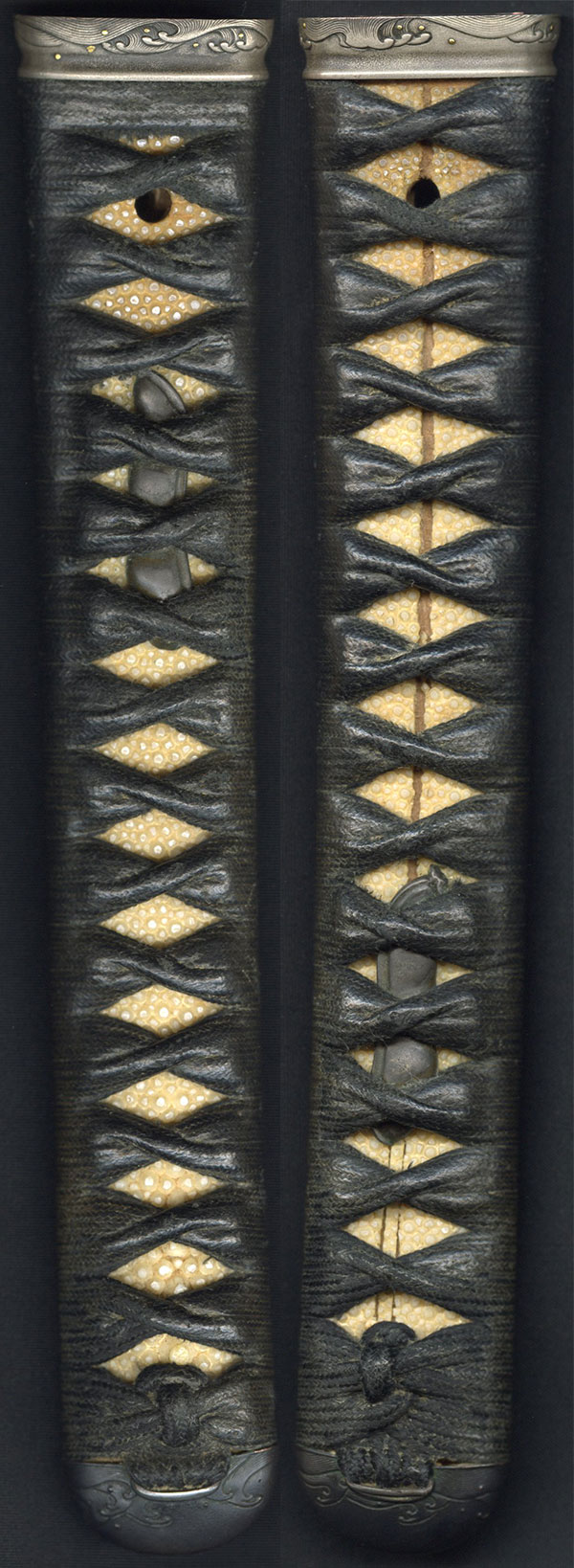
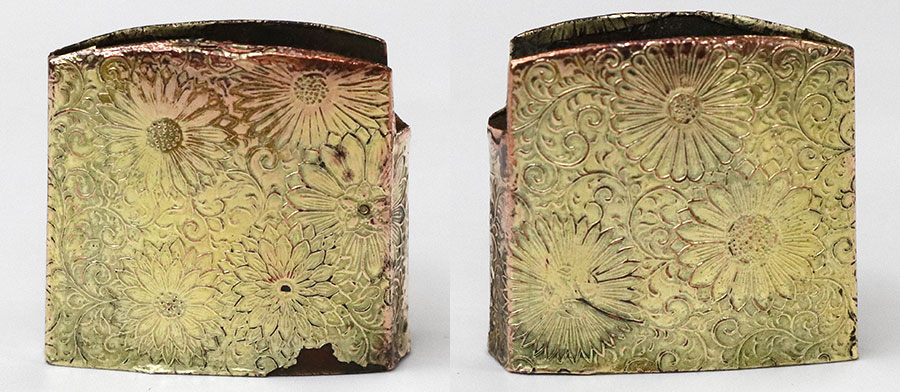
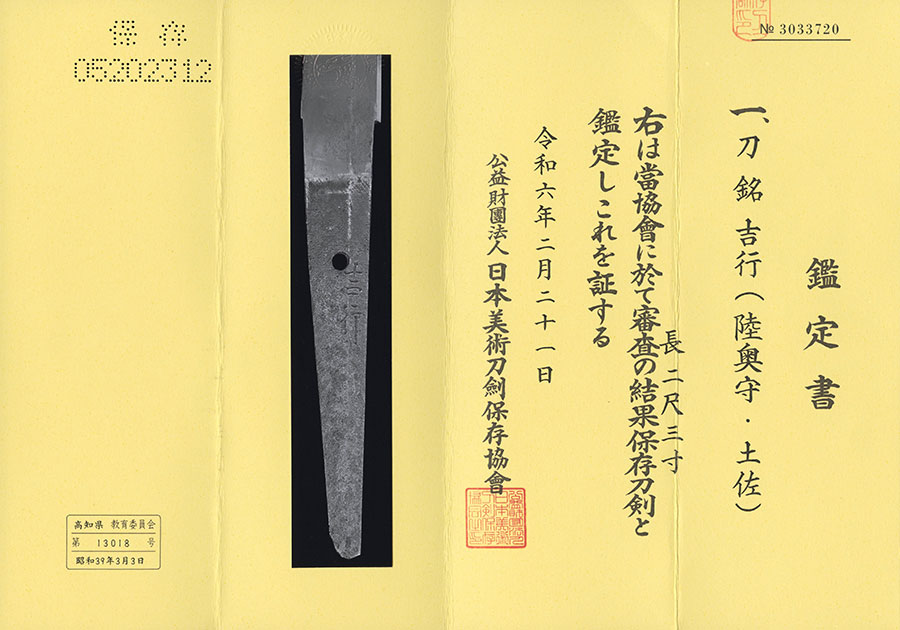
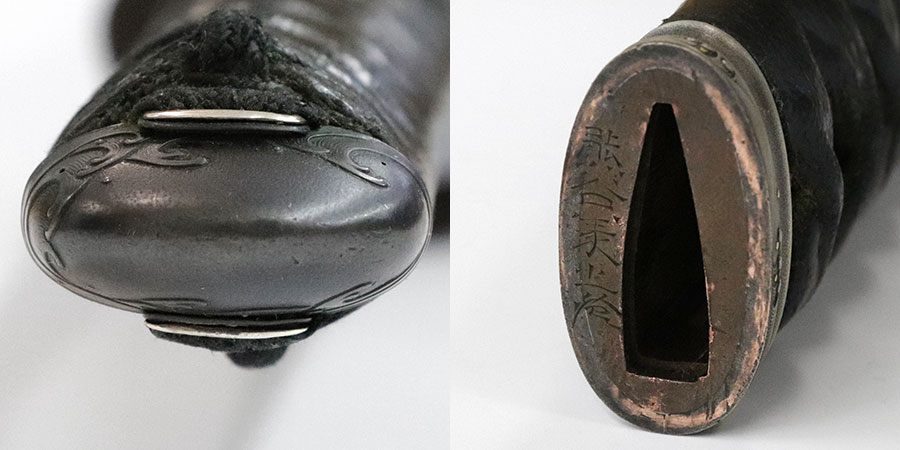
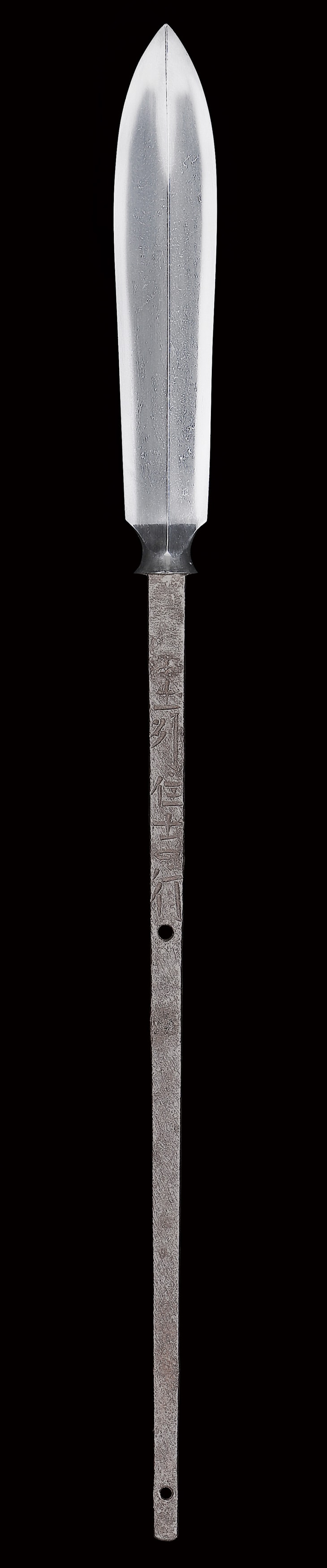
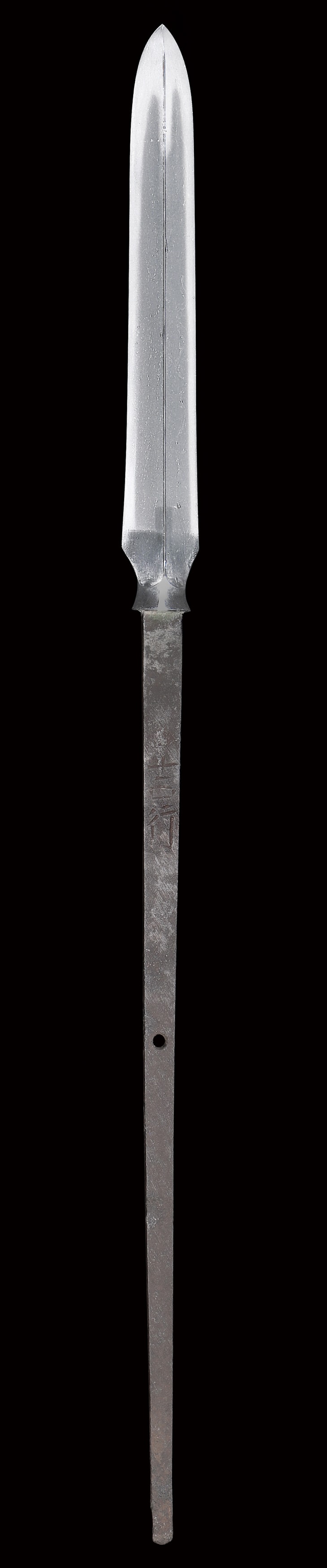
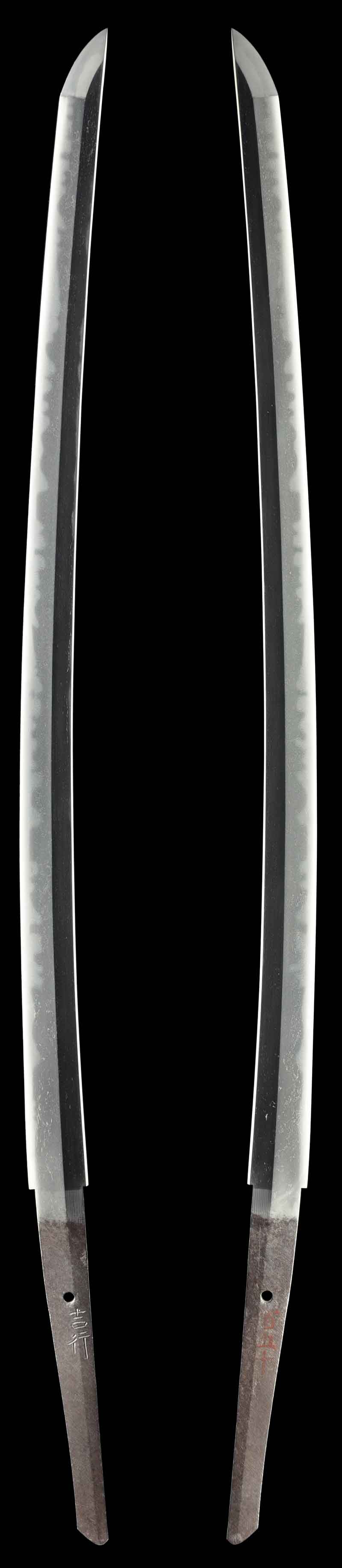
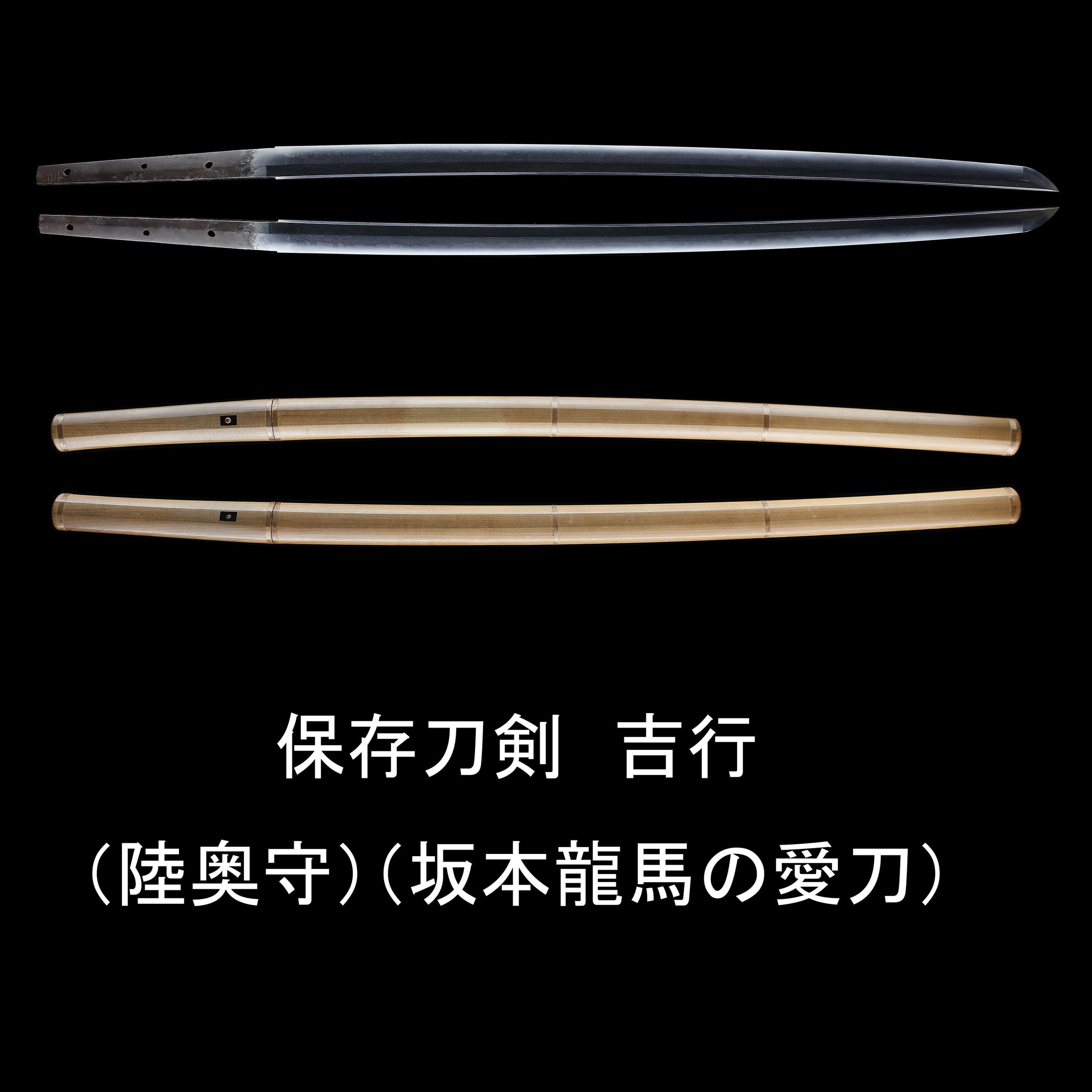
It has appeared, it has appeared! A miracle, the phantom beloved sword of Sakamoto Ryoma, a Yoshiyuki (Mutsu no Kami) has appeared. Having successfully brokered the Satcho Alliance and proposed the Taiseihokan, the Bakumatsu shishi Sakamoto Ryoma has been the number one most popular hero of the Bakumatsu period since ancient times. Unfortunately, in the 3rd year of Keio (1867) (158 years ago), he was assassinated by the Kyoto Mimawarigumi along with Nakaoka Shintaro at the Omiya in Kyoto. The sword Ryoma held as his beloved blade until the very end was the famous authentic Mutsu no Kami Yoshiyuki. In a letter addressed to his older brother Sakamoto Gonpei in December of the 2nd year of Keio (1866), Ryoma stated, "When a samurai faces a national crisis, he must always carry a sword inherited from his ancestors," and requested, "Please grant me a piece of the Sakamoto family heirloom." That Sakamoto family heirloom was indeed the ancestral Yoshiyuki sword. When Saigo Takamori of the Satsuma Clan visited Tosa, the brother Sakamoto Gonpei entrusted the Yoshiyuki sword to Saigo Takamori to be delivered to Sakamoto Ryoma, and it was handed over to Ryoma in Nagasaki. The real name of the maker of this sword, Yoshiyuki, was Morishita Heisuke, the younger brother of Kozuke no Kami Yoshikuni. His home province was Oshu Nakamura. He went to Osaka with his father and brother and apprenticed under Yamato no Kami Yoshimichi; later, during the Genroku era, he was invited to Tosa to become the Tosa Clan's okakae-kaji (retained smith) and served as the kaji-bugyo (commissioner of smiths). The sugata of this sword shows a slightly shallow sori, and the jigane is forged in itame-hada, showing some ohada due to age, but that is a charming point of an important period piece. The hamon is an Osaka yakidashi with well-defined nioi and nie, followed by a very spirited gunome-midare with abundant nie. Despite being famous since ancient times as the beloved sword of Sakamoto Ryoma, extant works are extremely rare, making it difficult to see Yoshiyuki's work; thus, this sword is highly precious. The koshirae is a Higo-koshirae from the Edo period with a Musashi-tsuba, adding further splendor to this Yoshiyuki sword. In the Meiji era, Sakamoto Ryoma's Yoshiyuki sword passed into the hands of his nephew, who emigrated to Kushiro, Hokkaido. Unfortunately, during the great Kushiro fire in recent years, the blade of Sakamoto Ryoma's Yoshiyuki was burned (yake-toshin). It was rediscovered in recent years, entrusted to a swordsmith by the Kyoto National Museum for yaki-naoshi (re-tempering), and is currently kept under strict guard at the Kyoto National Museum. Because this Yoshiyuki sword, which had been cherished by a family of Tosa Clan samurai, has now emerged, we are offering it at a special bargain price. If placed in the Sakamoto Ryoma Memorial Museum in Kochi, this Yoshiyuki sword alone is so precious that tens of thousands of visitors, including fans of Sakamoto Ryoma and Saigo Takamori, would come to see it. Please enjoy this phantom beloved sword of Sakamoto Ryoma, the Mutsu no Kami Yoshiyuki.
(Famous through Touken Ranbu)
It has appeared, it has appeared! A miracle, the phantom beloved sword of Sakamoto Ryoma, a Yoshiyuki (Mutsu no Kami) has appeared. Having successfully brokered the Satcho Alliance and proposed the Taiseihokan, the Bakumatsu shishi Sakamoto Ryoma has been the number one most popular hero of the Bakumatsu period since ancient times. Unfortunately, in the 3rd year of Keio (1867) (158 years ago), he was assassinated by the Kyoto Mimawarigumi along with Nakaoka Shintaro at the Omiya in Kyoto. The sword Ryoma held as his beloved blade until the very end was the famous authentic Mutsu no Kami Yoshiyuki. In a letter addressed to his older brother Sakamoto Gonpei in December of the 2nd year of Keio (1866), Ryoma stated, "When a samurai faces a national crisis, he must always carry a sword inherited from his ancestors," and requested, "Please grant me a piece of the Sakamoto family heirloom." That Sakamoto family heirloom was indeed the ancestral Yoshiyuki sword. When Saigo Takamori of the Satsuma Clan visited Tosa, the brother Sakamoto Gonpei entrusted the Yoshiyuki sword to Saigo Takamori to be delivered to Sakamoto Ryoma, and it was handed over to Ryoma in Nagasaki. The real name of the maker of this sword, Yoshiyuki, was Morishita Heisuke, the younger brother of Kozuke no Kami Yoshikuni. His home province was Oshu Nakamura. He went to Osaka with his father and brother and apprenticed under Yamato no Kami Yoshimichi; later, during the Genroku era, he was invited to Tosa to become the Tosa Clan's okakae-kaji (retained smith) and served as the kaji-bugyo (commissioner of smiths). The sugata of this sword shows a slightly shallow sori, and the jigane is forged in itame-hada, showing some ohada due to age, but that is a charming point of an important period piece. The hamon is an Osaka yakidashi with well-defined nioi and nie, followed by a very spirited gunome-midare with abundant nie. Despite being famous since ancient times as the beloved sword of Sakamoto Ryoma, extant works are extremely rare, making it difficult to see Yoshiyuki's work; thus, this sword is highly precious. The koshirae is a Higo-koshirae from the Edo period with a Musashi-tsuba, adding further splendor to this Yoshiyuki sword. In the Meiji era, Sakamoto Ryoma's Yoshiyuki sword passed into the hands of his nephew, who emigrated to Kushiro, Hokkaido. Unfortunately, during the great Kushiro fire in recent years, the blade of Sakamoto Ryoma's Yoshiyuki was burned (yake-toshin). It was rediscovered in recent years, entrusted to a swordsmith by the Kyoto National Museum for yaki-naoshi (re-tempering), and is currently kept under strict guard at the Kyoto National Museum. Because this Yoshiyuki sword, which had been cherished by a family of Tosa Clan samurai, has now emerged, we are offering it at a special bargain price. If placed in the Sakamoto Ryoma Memorial Museum in Kochi, this Yoshiyuki sword alone is so precious that tens of thousands of visitors, including fans of Sakamoto Ryoma and Saigo Takamori, would come to see it. Please enjoy this phantom beloved sword of Sakamoto Ryoma, the Mutsu no Kami Yoshiyuki.
About the maker
Yoshiyuki
吉行
Tosa · around 1661-1673
Tōken Taikan top 60%
3 pieces on the market now
›
Historical importance
Where Yoshiyuki stands among comparable artisans: across all of nihontō, and within tradition, era, and period. The tiers (Foremost · Leading · Major · Notable) weigh official designations from the NBTHK and Japan's Agency for Cultural Affairs, together with historical honors of lasting repute such as the Sansaku and Meibutsu-chō.
Under the Tokugawa peace the daishō became a regulated uniform, and demand gathered in the castle towns, above all Edo itself. The craft split two ways: brilliant display work for connoisseurs, and tested blades whose cutting results were sometimes inlaid in gold.
Certifies a genuine blade worth preserving: a signature confirmed correct, or, if unsigned, an era, province, and school that the NBTHK can reliably identify.
About the NBTHK›
The NBTHK (Nihon Bijutsu Tōken Hozon Kyōkai, the Society for the Preservation of Japanese Art Swords) is a public-interest incorporated foundation founded in 1948 and supervised by Japan’s Agency for Cultural Affairs (Bunkachō); it is based at the Japanese Sword Museum in Tokyo. Its expert panels physically examine each submitted work (shinsa) and issue a certificate (kanteishō) ranking it by artistic and historical merit. NBTHK papers are the most widely recognized standard of authentication for Japanese swords and fittings.
For returns due to customer circumstances, the cost is the customer's responsibility. For returns due to our mis-shipment or a defective item, we bear the cost.
(Famous through Touken Ranbu)
It has appeared, it has appeared! A miracle, the phantom beloved sword of Sakamoto Ryoma, a Yoshiyuki (Mutsu no Kami) has appeared. Having successfully brokered the Satcho Alliance and proposed the Taiseihokan, the Bakumatsu shishi Sakamoto Ryoma has been the number one most popular hero of the Bakumatsu period since ancient times. Unfortunately, in the 3rd year of Keio (1867) (158 years ago), he was assassinated by the Kyoto Mimawarigumi along with Nakaoka Shintaro at the Omiya in Kyoto. The sword Ryoma held as his beloved blade until the very end was the famous authentic Mutsu no Kami Yoshiyuki. In a letter addressed to his older brother Sakamoto Gonpei in December of the 2nd year of Keio (1866), Ryoma stated, "When a samurai faces a national crisis, he must always carry a sword inherited from his ancestors," and requested, "Please grant me a piece of the Sakamoto family heirloom." That Sakamoto family heirloom was indeed the ancestral Yoshiyuki sword. When Saigo Takamori of the Satsuma Clan visited Tosa, the brother Sakamoto Gonpei entrusted the Yoshiyuki sword to Saigo Takamori to be delivered to Sakamoto Ryoma, and it was handed over to Ryoma in Nagasaki. The real name of the maker of this sword, Yoshiyuki, was Morishita Heisuke, the younger brother of Kozuke no Kami Yoshikuni. His home province was Oshu Nakamura. He went to Osaka with his father and brother and apprenticed under Yamato no Kami Yoshimichi; later, during the Genroku era, he was invited to Tosa to become the Tosa Clan's okakae-kaji (retained smith) and served as the kaji-bugyo (commissioner of smiths). The sugata of this sword shows a slightly shallow sori, and the jigane is forged in itame-hada, showing some ohada due to age, but that is a charming point of an important period piece. The hamon is an Osaka yakidashi with well-defined nioi and nie, followed by a very spirited gunome-midare with abundant nie. Despite being famous since ancient times as the beloved sword of Sakamoto Ryoma, extant works are extremely rare, making it difficult to see Yoshiyuki's work; thus, this sword is highly precious. The koshirae is a Higo-koshirae from the Edo period with a Musashi-tsuba, adding further splendor to this Yoshiyuki sword. In the Meiji era, Sakamoto Ryoma's Yoshiyuki sword passed into the hands of his nephew, who emigrated to Kushiro, Hokkaido. Unfortunately, during the great Kushiro fire in recent years, the blade of Sakamoto Ryoma's Yoshiyuki was burned (yake-toshin). It was rediscovered in recent years, entrusted to a swordsmith by the Kyoto National Museum for yaki-naoshi (re-tempering), and is currently kept under strict guard at the Kyoto National Museum. Because this Yoshiyuki sword, which had been cherished by a family of Tosa Clan samurai, has now emerged, we are offering it at a special bargain price. If placed in the Sakamoto Ryoma Memorial Museum in Kochi, this Yoshiyuki sword alone is so precious that tens of thousands of visitors, including fans of Sakamoto Ryoma and Saigo Takamori, would come to see it. Please enjoy this phantom beloved sword of Sakamoto Ryoma, the Mutsu no Kami Yoshiyuki.
(Famous through Touken Ranbu)
It has appeared, it has appeared! A miracle, the phantom beloved sword of Sakamoto Ryoma, a Yoshiyuki (Mutsu no Kami) has appeared. Having successfully brokered the Satcho Alliance and proposed the Taiseihokan, the Bakumatsu shishi Sakamoto Ryoma has been the number one most popular hero of the Bakumatsu period since ancient times. Unfortunately, in the 3rd year of Keio (1867) (158 years ago), he was assassinated by the Kyoto Mimawarigumi along with Nakaoka Shintaro at the Omiya in Kyoto. The sword Ryoma held as his beloved blade until the very end was the famous authentic Mutsu no Kami Yoshiyuki. In a letter addressed to his older brother Sakamoto Gonpei in December of the 2nd year of Keio (1866), Ryoma stated, "When a samurai faces a national crisis, he must always carry a sword inherited from his ancestors," and requested, "Please grant me a piece of the Sakamoto family heirloom." That Sakamoto family heirloom was indeed the ancestral Yoshiyuki sword. When Saigo Takamori of the Satsuma Clan visited Tosa, the brother Sakamoto Gonpei entrusted the Yoshiyuki sword to Saigo Takamori to be delivered to Sakamoto Ryoma, and it was handed over to Ryoma in Nagasaki. The real name of the maker of this sword, Yoshiyuki, was Morishita Heisuke, the younger brother of Kozuke no Kami Yoshikuni. His home province was Oshu Nakamura. He went to Osaka with his father and brother and apprenticed under Yamato no Kami Yoshimichi; later, during the Genroku era, he was invited to Tosa to become the Tosa Clan's okakae-kaji (retained smith) and served as the kaji-bugyo (commissioner of smiths). The sugata of this sword shows a slightly shallow sori, and the jigane is forged in itame-hada, showing some ohada due to age, but that is a charming point of an important period piece. The hamon is an Osaka yakidashi with well-defined nioi and nie, followed by a very spirited gunome-midare with abundant nie. Despite being famous since ancient times as the beloved sword of Sakamoto Ryoma, extant works are extremely rare, making it difficult to see Yoshiyuki's work; thus, this sword is highly precious. The koshirae is a Higo-koshirae from the Edo period with a Musashi-tsuba, adding further splendor to this Yoshiyuki sword. In the Meiji era, Sakamoto Ryoma's Yoshiyuki sword passed into the hands of his nephew, who emigrated to Kushiro, Hokkaido. Unfortunately, during the great Kushiro fire in recent years, the blade of Sakamoto Ryoma's Yoshiyuki was burned (yake-toshin). It was rediscovered in recent years, entrusted to a swordsmith by the Kyoto National Museum for yaki-naoshi (re-tempering), and is currently kept under strict guard at the Kyoto National Museum. Because this Yoshiyuki sword, which had been cherished by a family of Tosa Clan samurai, has now emerged, we are offering it at a special bargain price. If placed in the Sakamoto Ryoma Memorial Museum in Kochi, this Yoshiyuki sword alone is so precious that tens of thousands of visitors, including fans of Sakamoto Ryoma and Saigo Takamori, would come to see it. Please enjoy this phantom beloved sword of Sakamoto Ryoma, the Mutsu no Kami Yoshiyuki.
About the maker
Yoshiyuki
吉行
Tosa · around 1661-1673
Tōken Taikan top 60%
3 pieces on the market now
›
Historical importance
Where Yoshiyuki stands among comparable artisans: across all of nihontō, and within tradition, era, and period. The tiers (Foremost · Leading · Major · Notable) weigh official designations from the NBTHK and Japan's Agency for Cultural Affairs, together with historical honors of lasting repute such as the Sansaku and Meibutsu-chō.
Under the Tokugawa peace the daishō became a regulated uniform, and demand gathered in the castle towns, above all Edo itself. The craft split two ways: brilliant display work for connoisseurs, and tested blades whose cutting results were sometimes inlaid in gold.
Certifies a genuine blade worth preserving: a signature confirmed correct, or, if unsigned, an era, province, and school that the NBTHK can reliably identify.
About the NBTHK›
The NBTHK (Nihon Bijutsu Tōken Hozon Kyōkai, the Society for the Preservation of Japanese Art Swords) is a public-interest incorporated foundation founded in 1948 and supervised by Japan’s Agency for Cultural Affairs (Bunkachō); it is based at the Japanese Sword Museum in Tokyo. Its expert panels physically examine each submitted work (shinsa) and issue a certificate (kanteishō) ranking it by artistic and historical merit. NBTHK papers are the most widely recognized standard of authentication for Japanese swords and fittings.
For returns due to customer circumstances, the cost is the customer's responsibility. For returns due to our mis-shipment or a defective item, we bear the cost.