The twentieth century nearly killed the craft twice: wartime distortion, then the occupation ban. The NBTHK’s founding in 1948 and licensed forging from 1953 rebuilt the sword as an art, crowned by Living National Treasures and the mukansa rank.
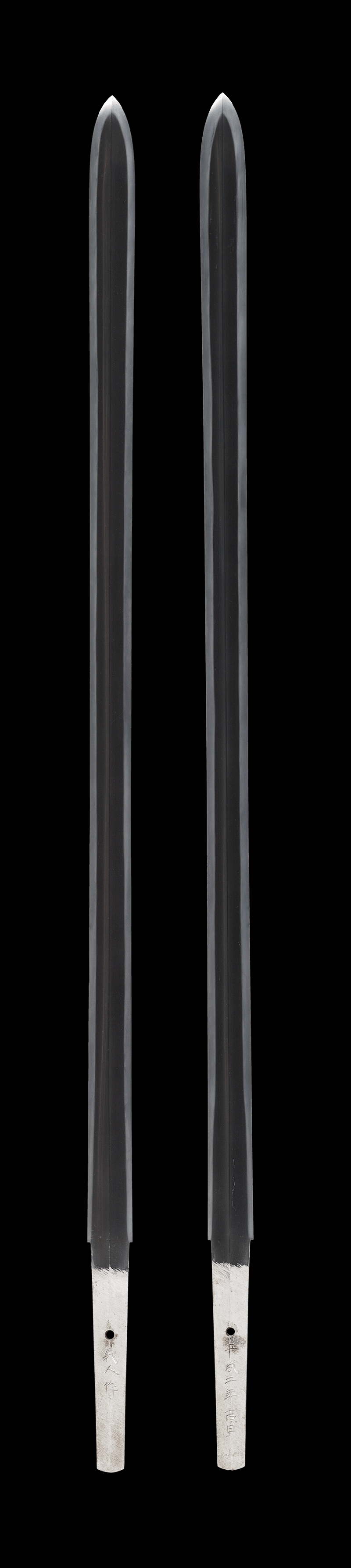
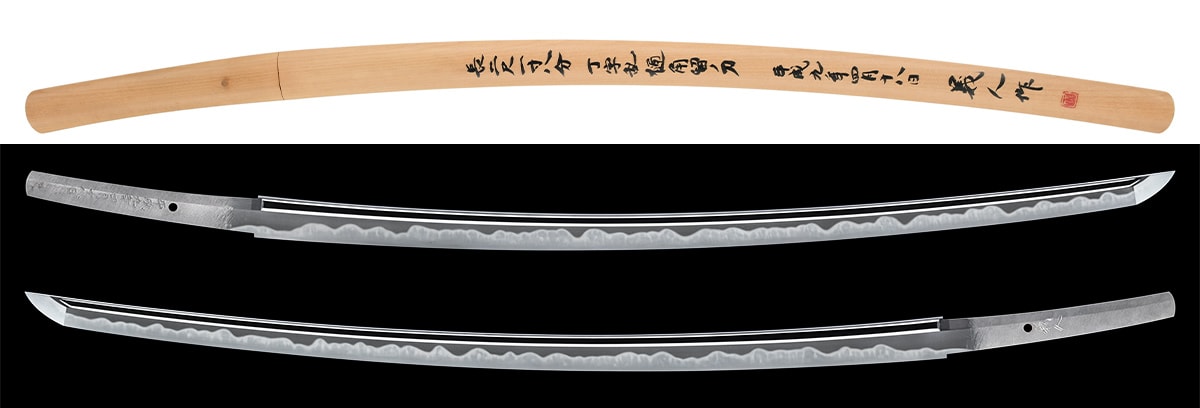
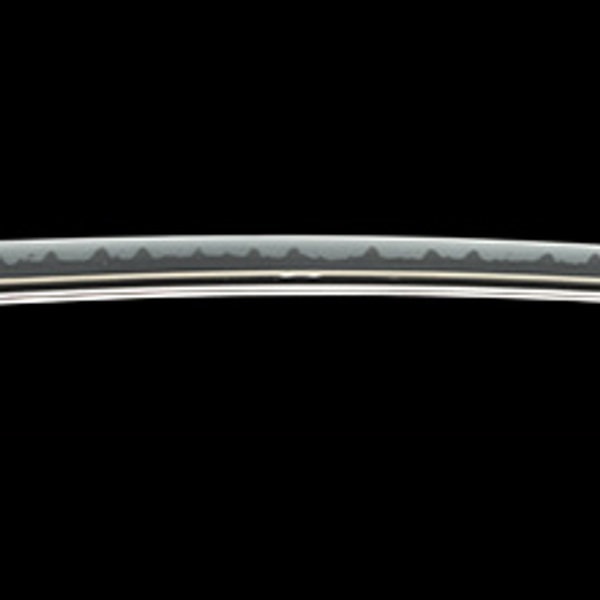
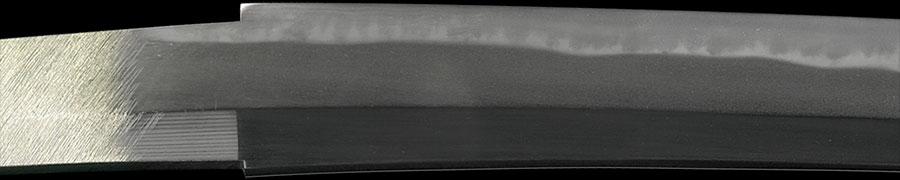
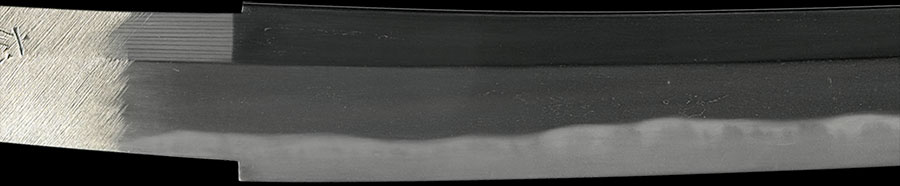
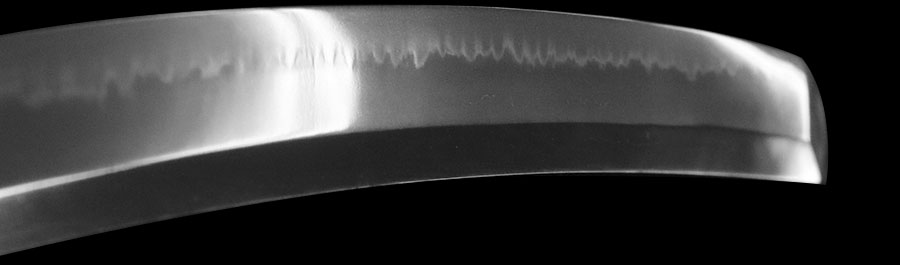
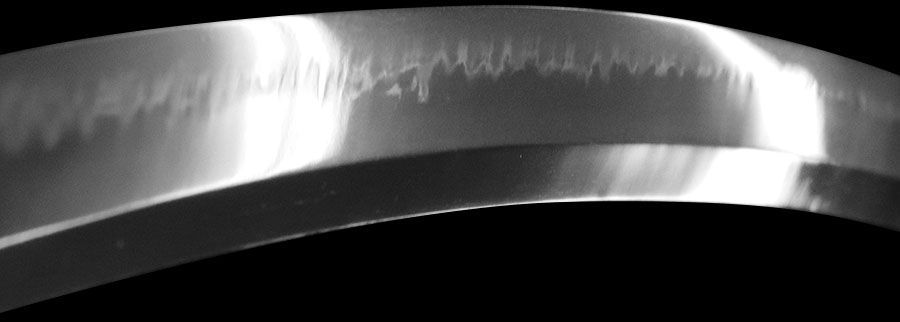
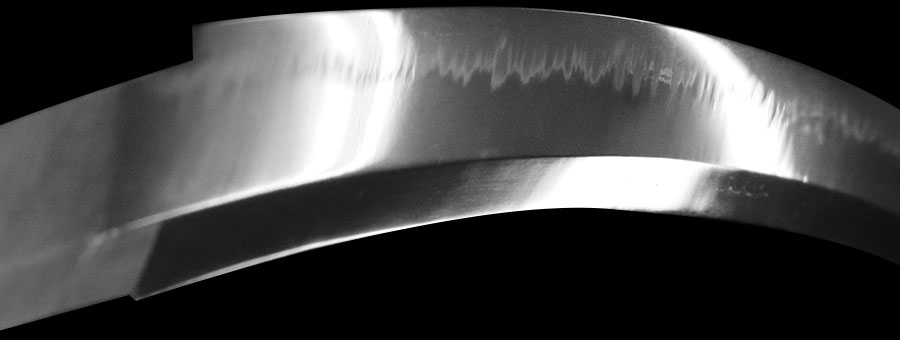
Swordsmith Yoshihara Yoshindo of Tokyo was born in Showa 18 (1943) and is world-renowned as the pinnacle of gendaito. He is considered the leading candidate to be the next Ningen Kokuho (Living National Treasure). In Showa 57 (1982), he was designated as a Mukansa swordsmith. He maintains friendships with Director Miyazaki Hayao of Ghibli and the famous American Director Spielberg; episodes have been passed down of them visiting Yoshihara Yoshindo daily to request the forging of a sword. This sword has a goso (grand) sugata with a difference between the moto and saki widths, presenting a majestic Kamakura period tachi sugata with an ikubi-kissaki. The jigane is an itame-hada, forged wonderfully strong and well. The hamon is a nioi-deki with nie, featuring the so-called "Yoshihara Choji"—a large-patterned obusa-choji aiming for the Bizen Fukuoka Ichimonji style, mixed with saka-choji and juka-choji. Within the ha, kinsuji and sunagashi are interspersed, creating a wonderfully bright and spirited blade. As a Mukansa swordsmith in the Shinsaku Meito Ten (New Masterpiece Sword Exhibition), he is a master craftsman whose history of awards includes sweeping numerous special prizes: the Takamatsunomiya Prize three times, the Agency for Cultural Affairs Commissioner’s Prize twice, the Honorary Chairman’s Prize, and the Kanzan Prize. On this occasion, having received two pieces from a connoisseur, we are offering them at a special low price. Please enjoy this masterpiece by Yoshihara Yoshindo, the most popular and difficult-to-acquire swordsmith today.
 NihontoWatch
Showa (1926-1989) · nagasa 74.2cm · sori 3cm












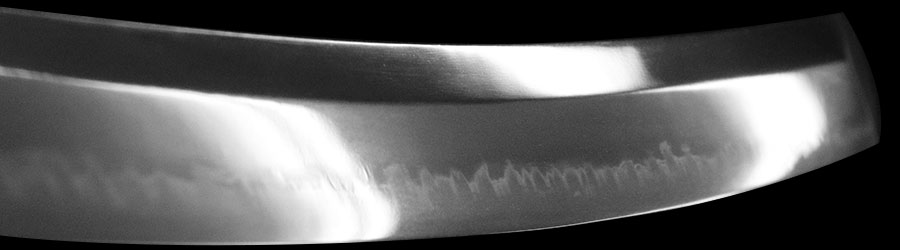
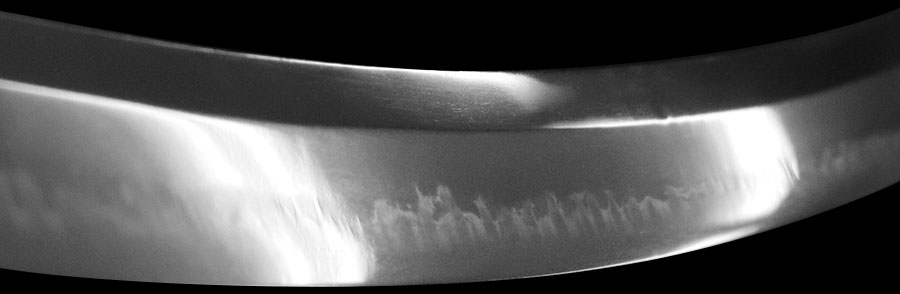
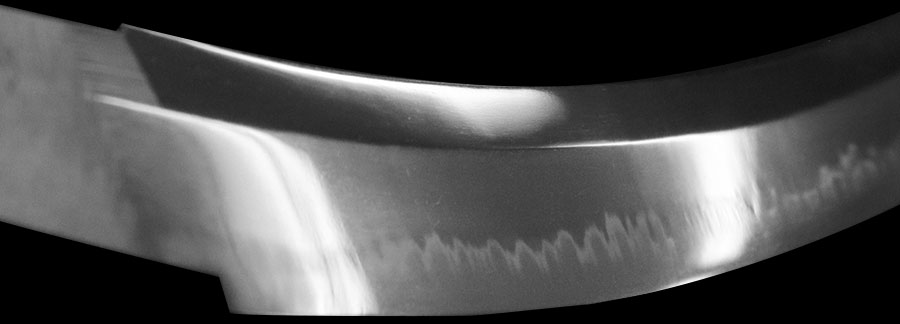
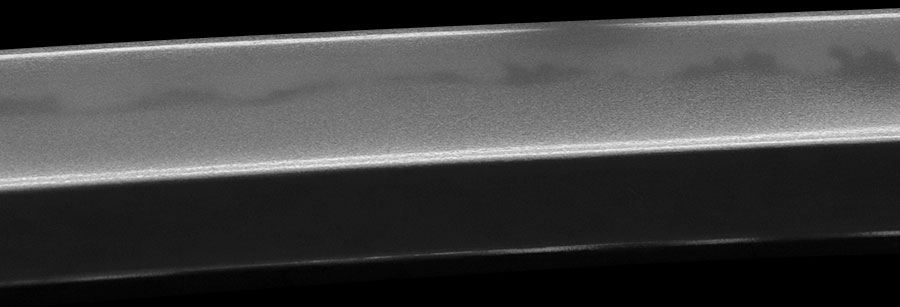
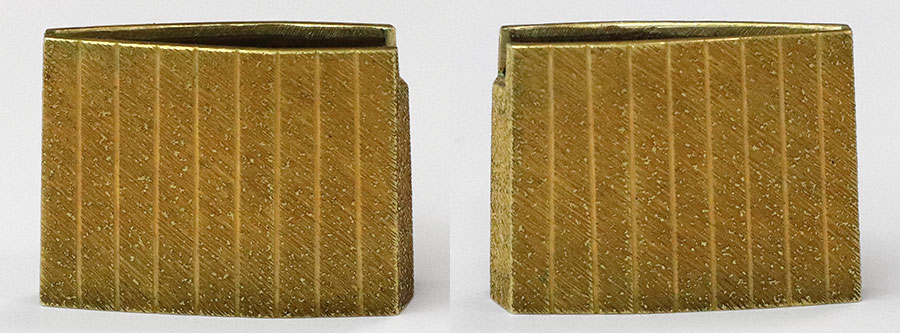
Tokyo · around 1926-1989
5 pieces on the market now
Shōwa to the present: destruction and revival
The twentieth century nearly killed the craft twice: wartime distortion, then the occupation ban. The NBTHK’s founding in 1948 and licensed forging from 1953 rebuilt the sword as an art, crowned by Living National Treasures and the mukansa rank.
We could not find an authenticity certificate on the seller’s listing. Japanese swords and fittings are normally papered by the NBTHK (or the NTHK). Without one, the attribution is the seller’s own assessment and has not been independently verified — treat it with caution and ask the dealer about certification before buying.
For returns due to customer circumstances, the cost is the customer's responsibility. For returns due to our mis-shipment or a defective item, we bear the cost.
Price on request