The twentieth century nearly killed the craft twice: wartime distortion, then the occupation ban. The NBTHK’s founding in 1948 and licensed forging from 1953 rebuilt the sword as an art, crowned by Living National Treasures and the mukansa rank.
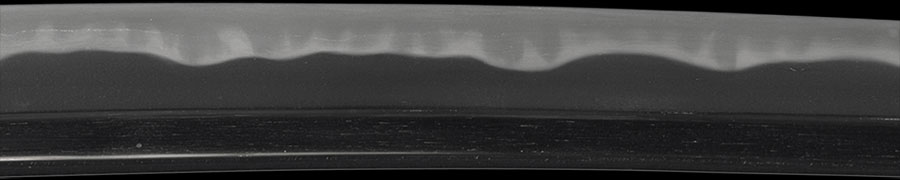
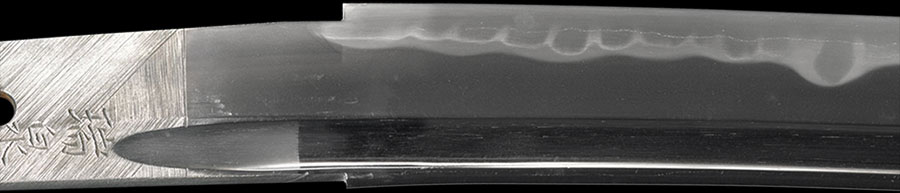
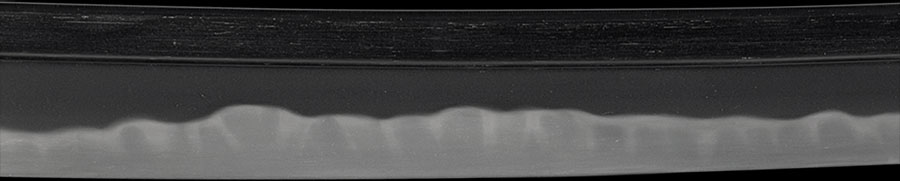
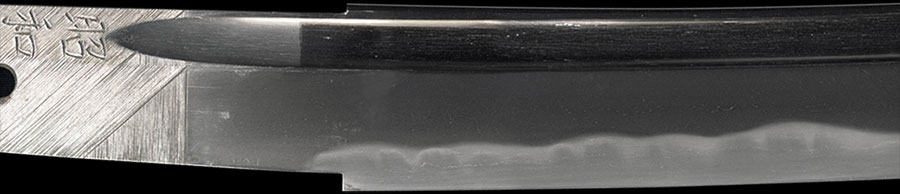
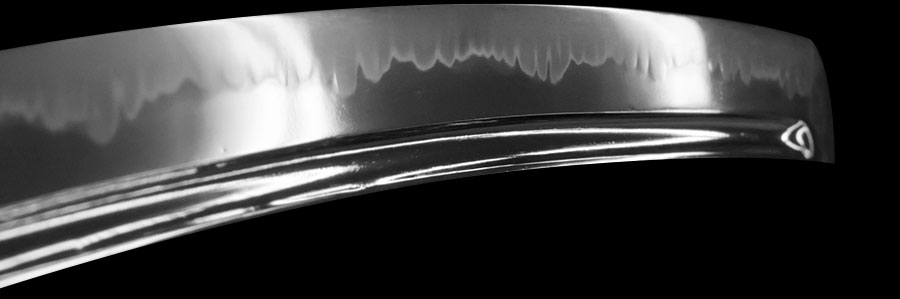
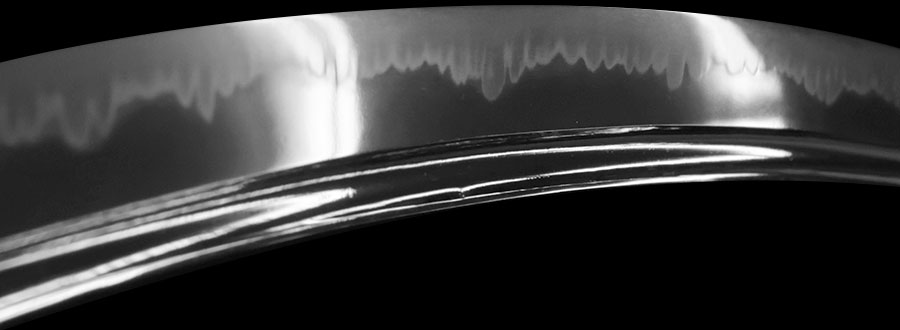
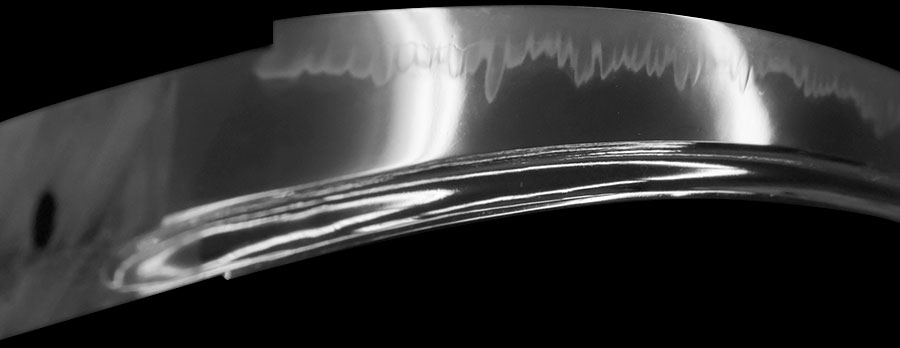
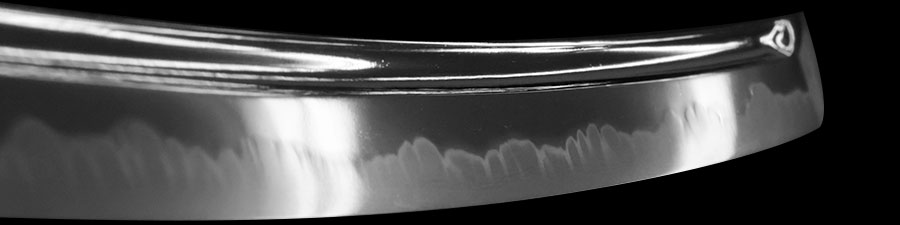
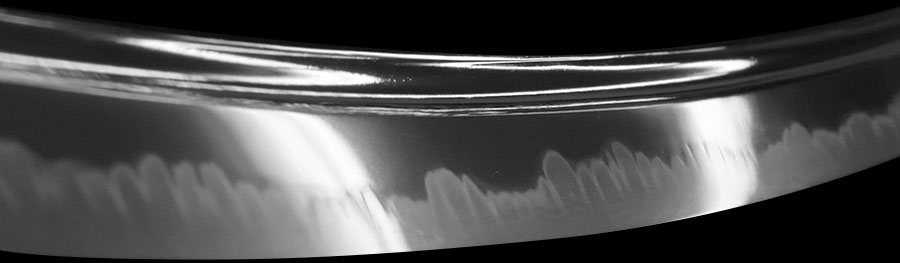
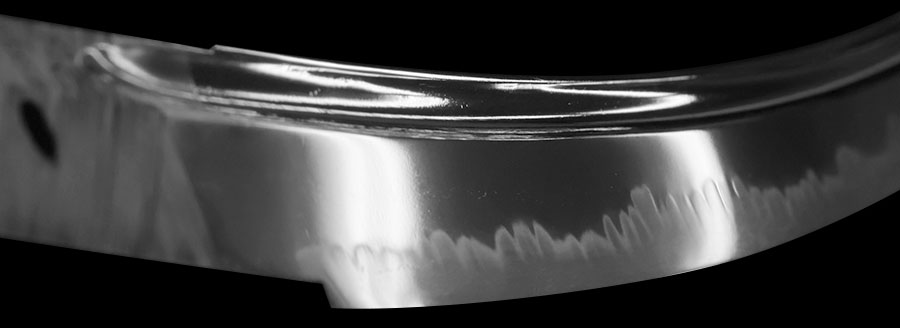
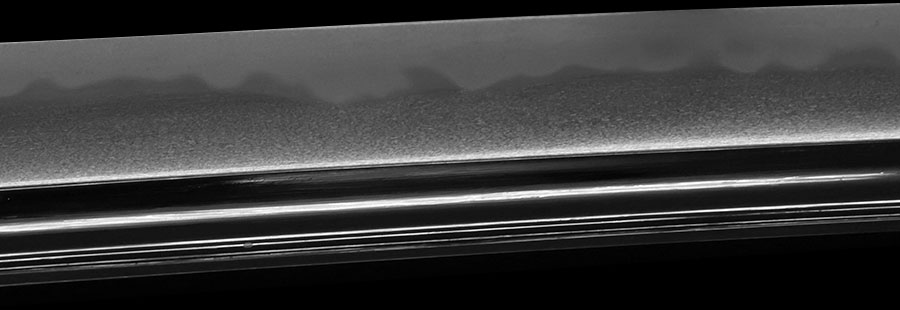
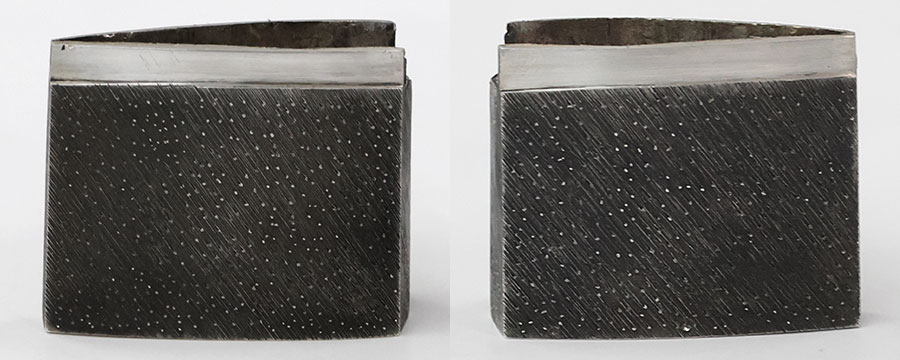
Weight (toshin only): 937g It has arrived, it has arrived—a masterpiece by the famous swordsmith Horii Tanetsugu, a reproduction of Fukuoka Ichimonji. Tanetsugu’s great-grandfather, Horii Taneyoshi, is highly renowned as a disciple of the famous Gassan Sadayoshi and Taikei Naotane. Later, after being treated with the utmost respect (sanko-no-rei) by Japan Steel Works, he moved to Muroran, Hokkaido. Tanetsugu was born in Taisho 12; his grandfather was Taneaki, and his father was the famous Horii Toshihide (Hideaki), who forged swords from the steel of the battleship Mikasa. During his father's era, Japan Steel Works Muroran treated them with great reverence, and he served as the head of the Japan Steel Works Muroran Zuisen Tanrenjo. Tanetsugu was also an employee of Japan Steel Works, and because he forged swords exclusively for domestic and overseas guests of honor of Japan Steel Works, his works rarely entered the open market, making this sword extremely precious. This sword is a masterpiece modeled after the Bizen-no-Kuni Fukuoka Ichimonji of the Kamakura period. The sugata features koshi-zori with a wide motohaba and a wide sakihaba, with the kissaki becoming an ikubi-kissaki, manifesting the imposing tachi form of the mid-Kamakura period. The jigane is a finely packed ko-itame hada. The horimono consists of skillfully carved bo-hi. The hamon is in nioi-deki with ko-nie, a consistent and magnificent gunome-choji midare in the style of Fukuoka Ichimonji. It is a wonderful masterpiece that successfully captures the essence of Bizen Fukuoka Ichimonji. Because Tanetsugu’s swords were presented by Japan Steel Works to overseas and domestic VIPs, they did not circulate among the general public, making this blade exceptionally rare. The motome-mei (ordered name) "Mr. Endo" refers to a Japanese government official. Having received this sword from an old connoisseur with the request to "pass it on to the next generation at a low price," we are offering it at a special bargain price. Please enjoy this opportunity.
 NihontoWatch
Showa (1926-1989) · nagasa 74cm · sori 2.2cm










Hokkaido · around 1926-1989
3 pieces on the market now
Shōwa to the present: destruction and revival
The twentieth century nearly killed the craft twice: wartime distortion, then the occupation ban. The NBTHK’s founding in 1948 and licensed forging from 1953 rebuilt the sword as an art, crowned by Living National Treasures and the mukansa rank.
We could not find an authenticity certificate on the seller’s listing. Japanese swords and fittings are normally papered by the NBTHK (or the NTHK). Without one, the attribution is the seller’s own assessment and has not been independently verified — treat it with caution and ask the dealer about certification before buying.
For returns due to customer circumstances, the cost is the customer's responsibility. For returns due to our mis-shipment or a defective item, we bear the cost.
Weight (toshin only): 937g It has arrived, it has arrived—a masterpiece by the famous swordsmith Horii Tanetsugu, a reproduction of Fukuoka Ichimonji. Tanetsugu’s great-grandfather, Horii Taneyoshi, is highly renowned as a disciple of the famous Gassan Sadayoshi and Taikei Naotane. Later, after being treated with the utmost respect (sanko-no-rei) by Japan Steel Works, he moved to Muroran, Hokkaido. Tanetsugu was born in Taisho 12; his grandfather was Taneaki, and his father was the famous Horii Toshihide (Hideaki), who forged swords from the steel of the battleship Mikasa. During his father's era, Japan Steel Works Muroran treated them with great reverence, and he served as the head of the Japan Steel Works Muroran Zuisen Tanrenjo. Tanetsugu was also an employee of Japan Steel Works, and because he forged swords exclusively for domestic and overseas guests of honor of Japan Steel Works, his works rarely entered the open market, making this sword extremely precious. This sword is a masterpiece modeled after the Bizen-no-Kuni Fukuoka Ichimonji of the Kamakura period. The sugata features koshi-zori with a wide motohaba and a wide sakihaba, with the kissaki becoming an ikubi-kissaki, manifesting the imposing tachi form of the mid-Kamakura period. The jigane is a finely packed ko-itame hada. The horimono consists of skillfully carved bo-hi. The hamon is in nioi-deki with ko-nie, a consistent and magnificent gunome-choji midare in the style of Fukuoka Ichimonji. It is a wonderful masterpiece that successfully captures the essence of Bizen Fukuoka Ichimonji. Because Tanetsugu’s swords were presented by Japan Steel Works to overseas and domestic VIPs, they did not circulate among the general public, making this blade exceptionally rare. The motome-mei (ordered name) "Mr. Endo" refers to a Japanese government official. Having received this sword from an old connoisseur with the request to "pass it on to the next generation at a low price," we are offering it at a special bargain price. Please enjoy this opportunity.
NihontoWatchShowa (1926-1989) · nagasa 74cm · sori 2.2cm
Hokkaido · around 1926-1989
3 pieces on the market now
Shōwa to the present: destruction and revival
The twentieth century nearly killed the craft twice: wartime distortion, then the occupation ban. The NBTHK’s founding in 1948 and licensed forging from 1953 rebuilt the sword as an art, crowned by Living National Treasures and the mukansa rank.
We could not find an authenticity certificate on the seller’s listing. Japanese swords and fittings are normally papered by the NBTHK (or the NTHK). Without one, the attribution is the seller’s own assessment and has not been independently verified — treat it with caution and ask the dealer about certification before buying.
For returns due to customer circumstances, the cost is the customer's responsibility. For returns due to our mis-shipment or a defective item, we bear the cost.



