Edo was the sword’s age of connoisseurship: the Hon’ami appraisers, the shogunal register of famous blades of 1719, and a thriving literature turned the sword into an object of study even as it ceased to be drawn in war.
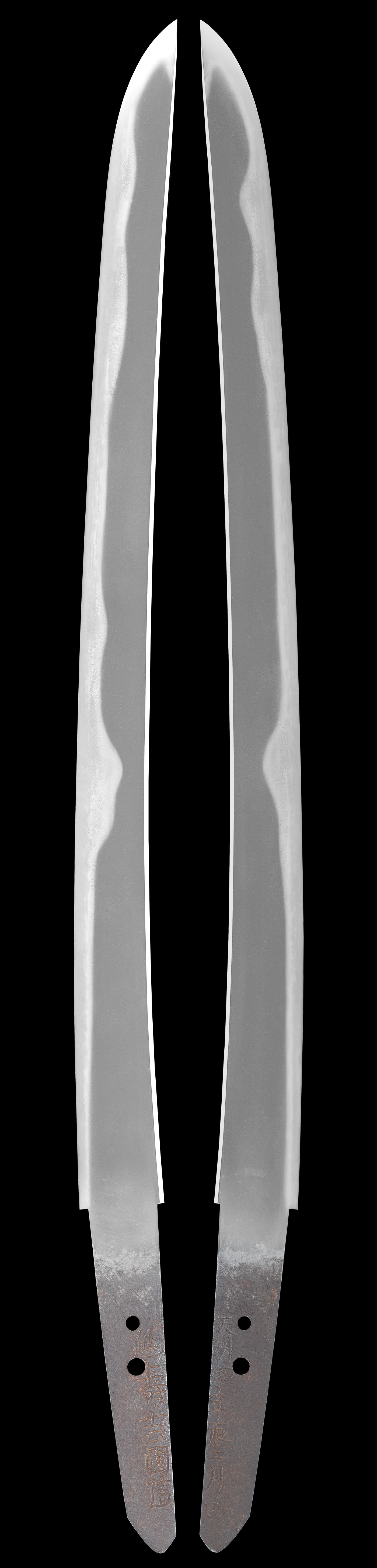
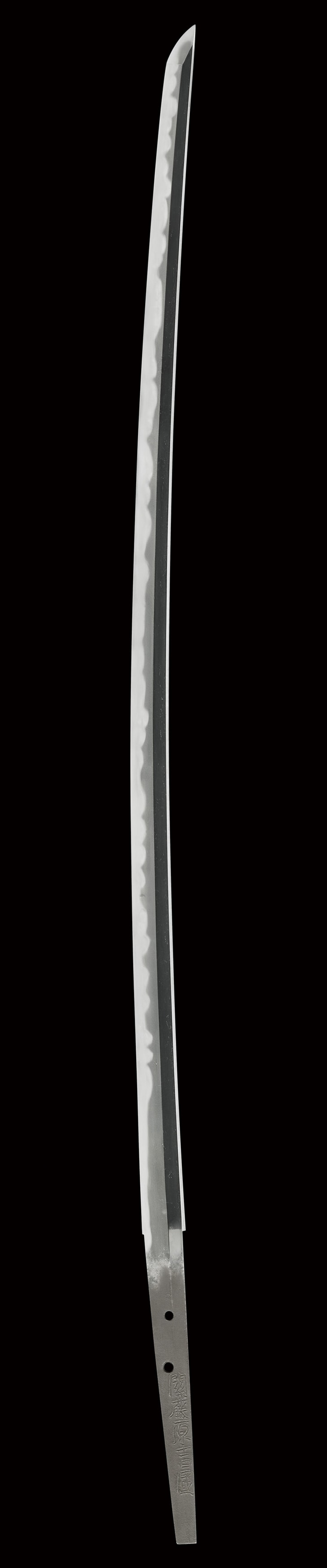
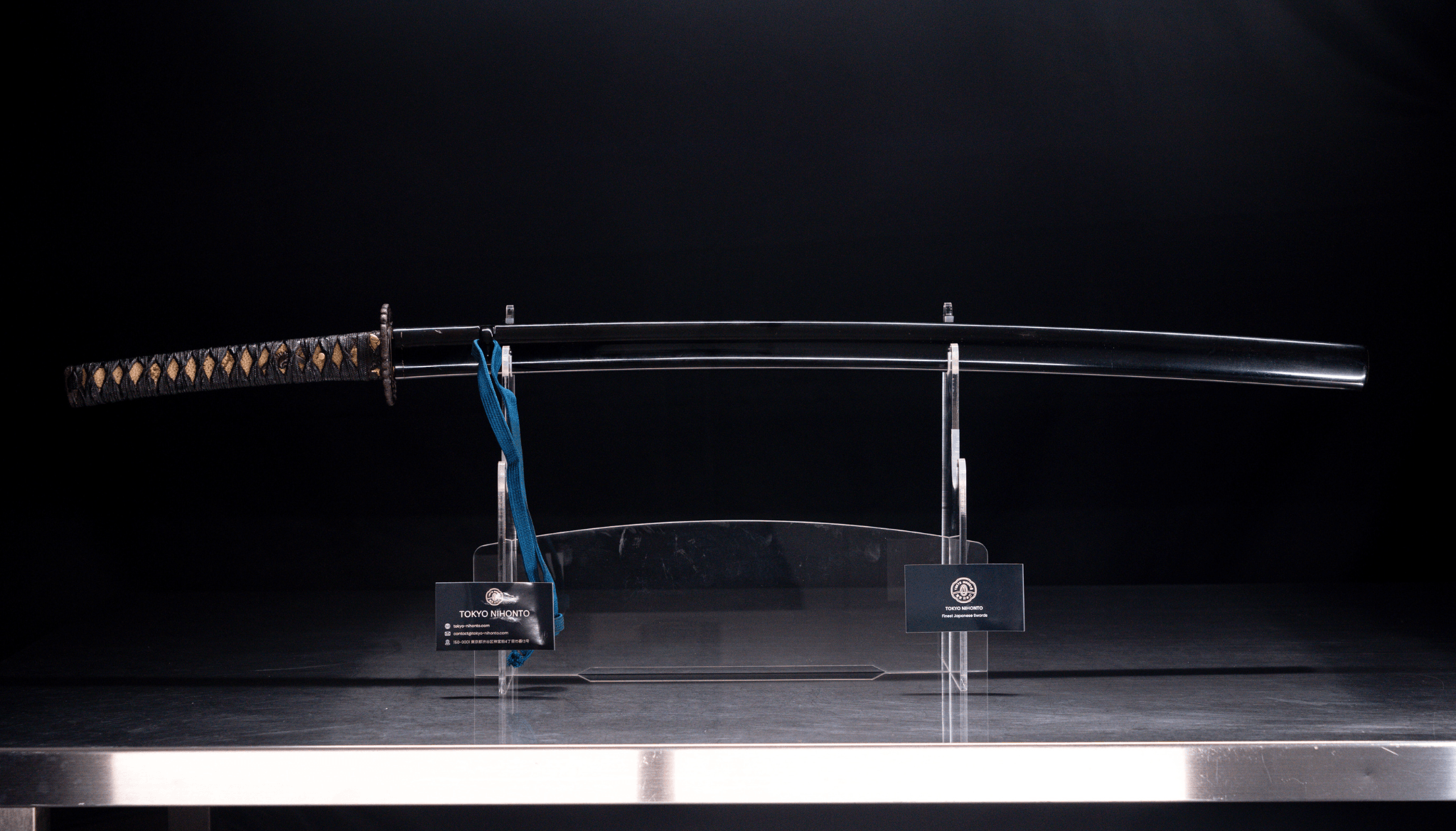
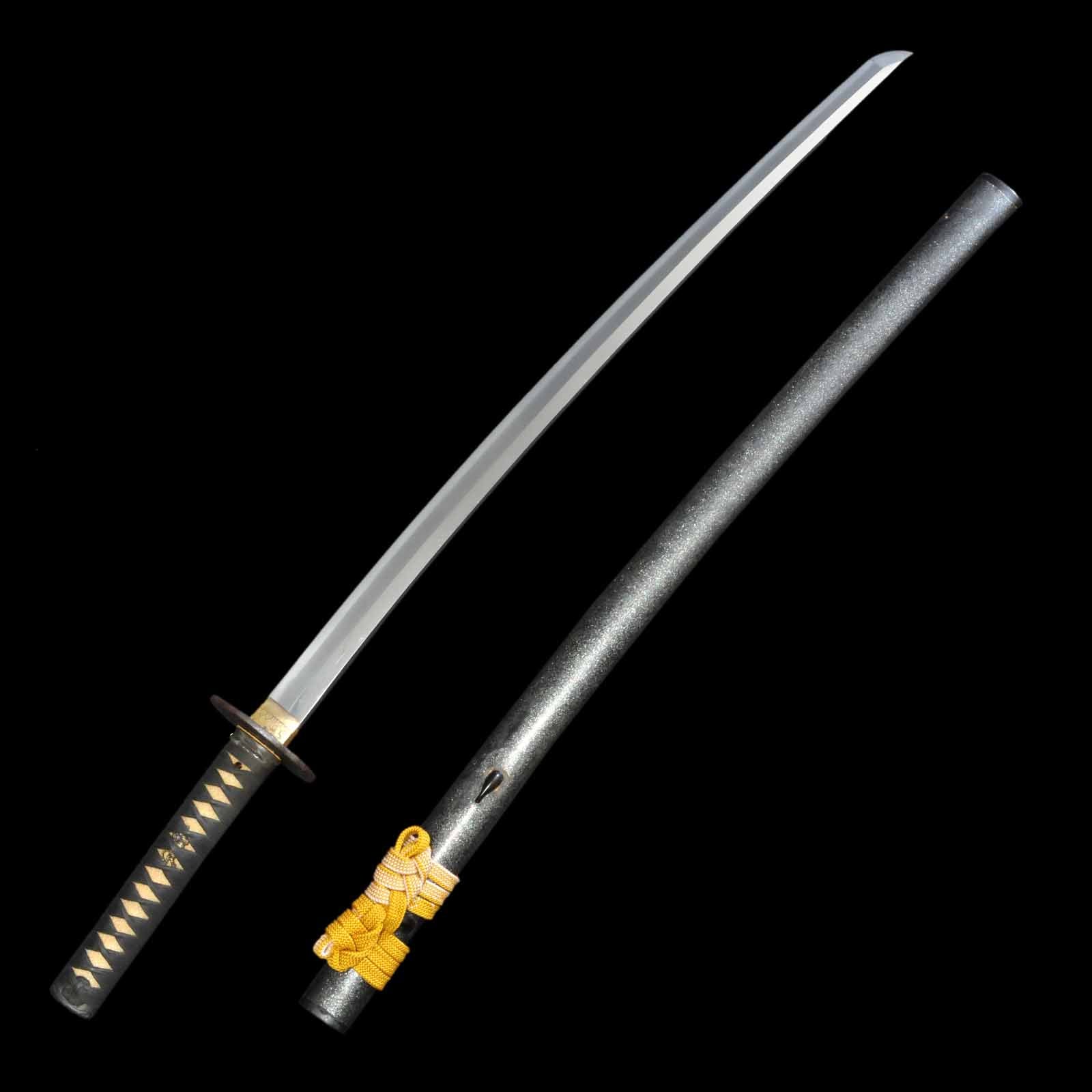
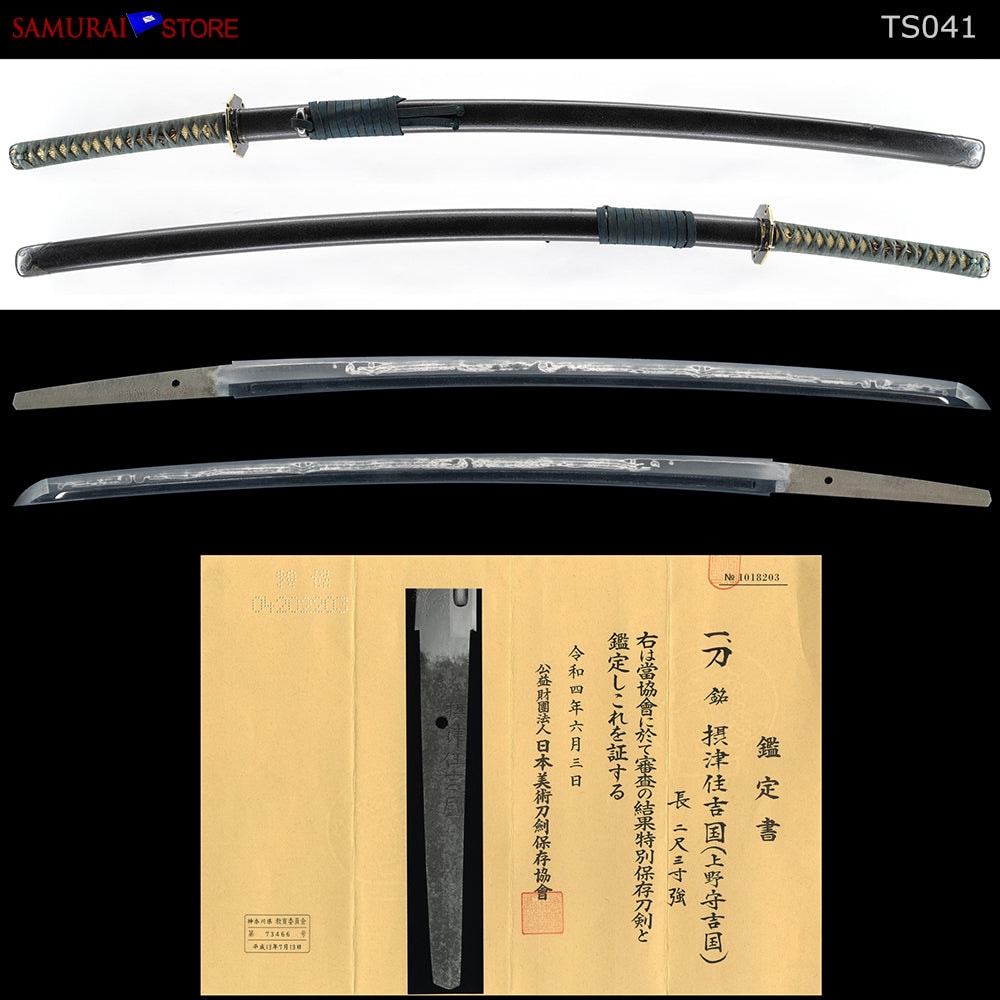
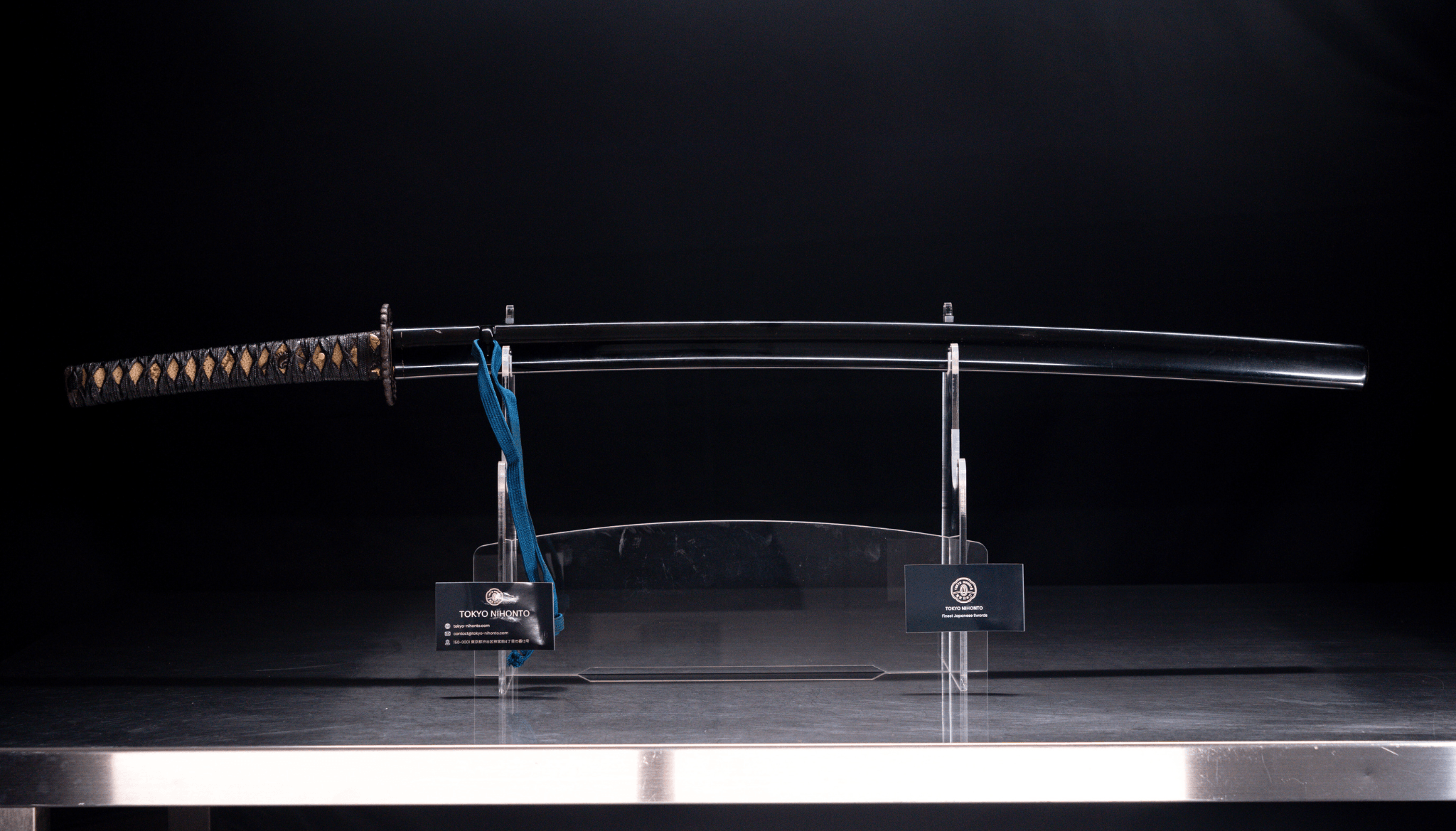
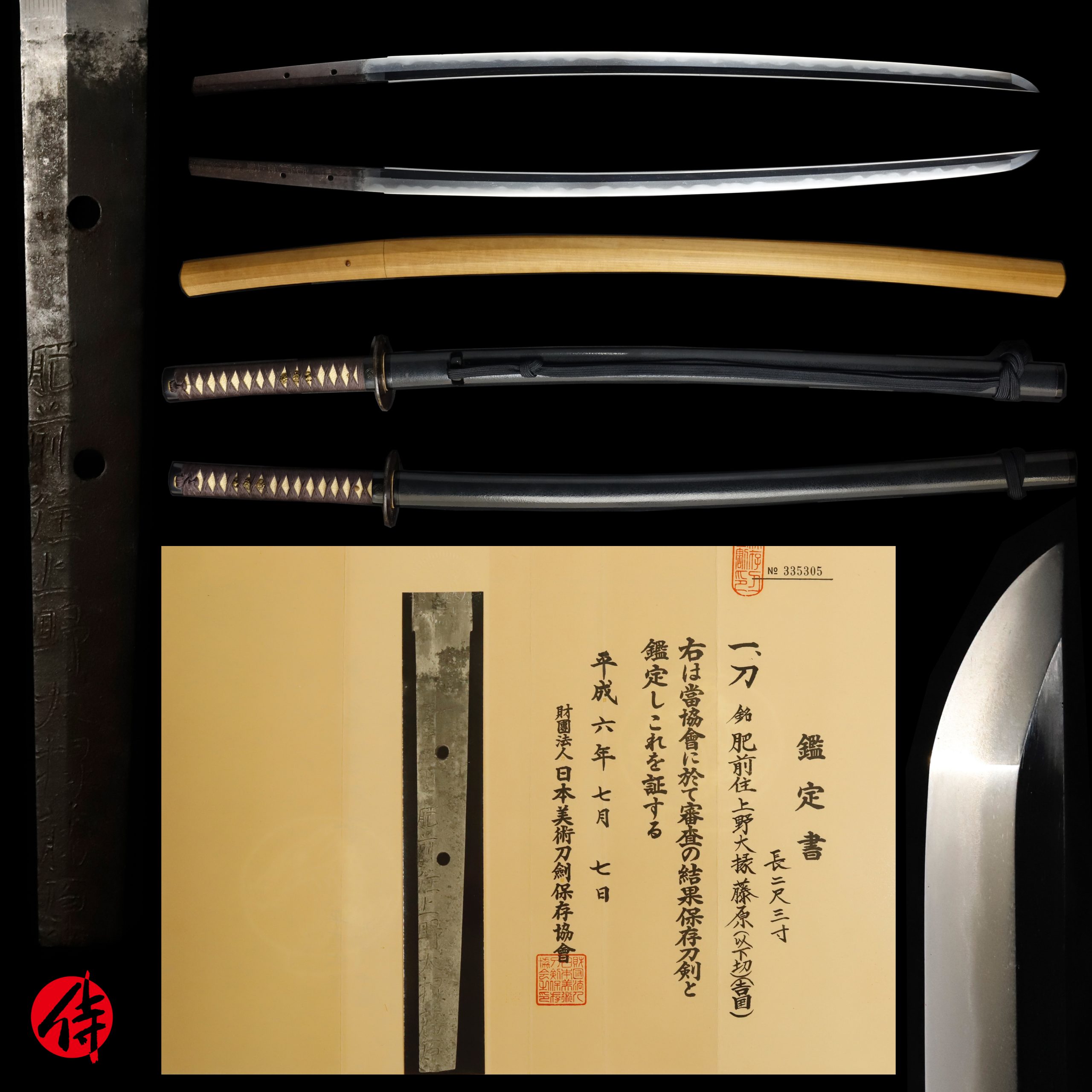
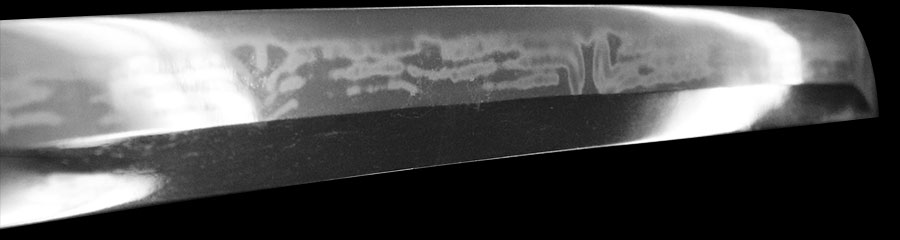
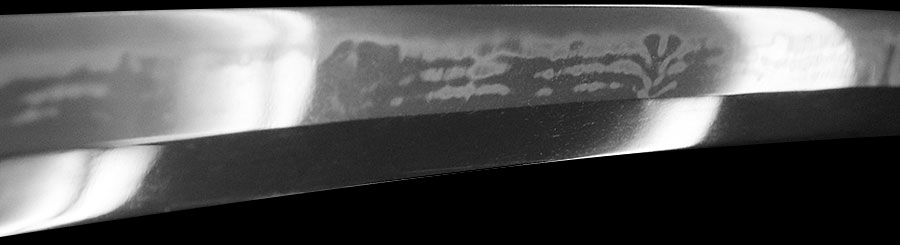
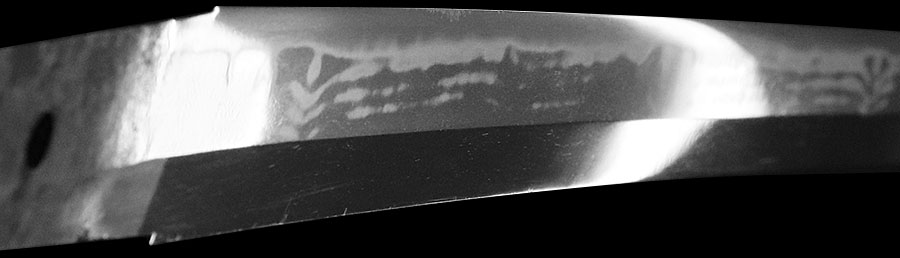
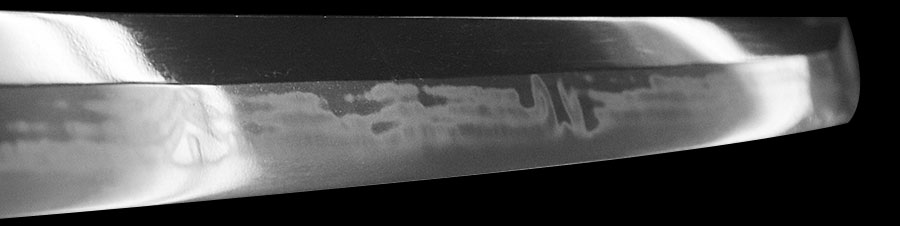
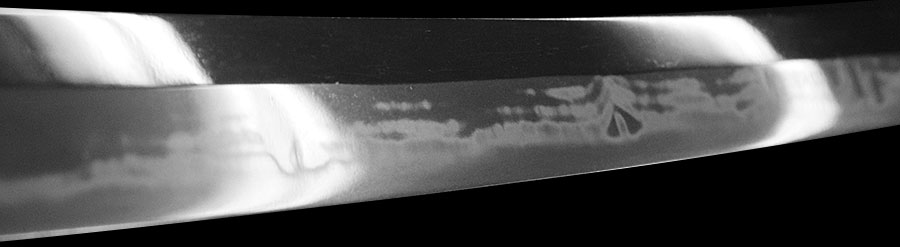
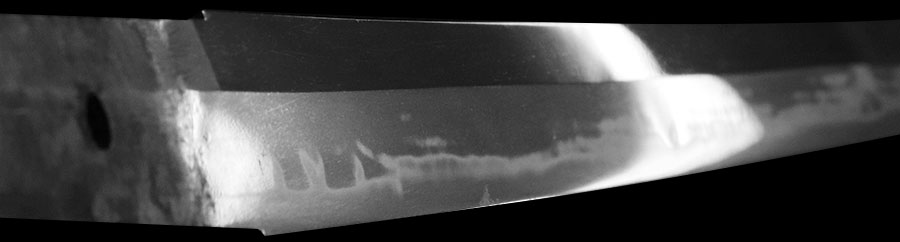
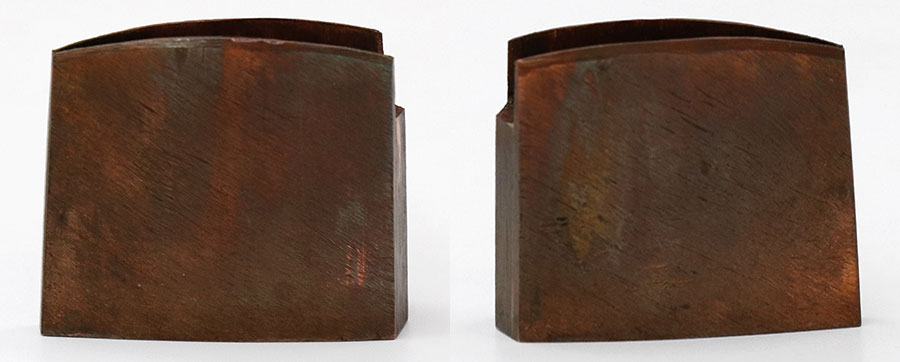
It’s here, it’s here! A masterpiece by Kozuke no Kami Yoshikuni has appeared, the elder brother of Mutsu no Kami Yoshiyuki, who is famous for being the beloved sword of Sakamoto Ryoma. Yoshikuni’s real name was Morishita Magobe. It is said that Ryoma was carrying his famous sword when he was assassinated; that sword, a Mutsu no Kami Yoshiyuki, was taken to Hokkaido by relatives who moved to Kushiro, where it was caught in the Great Kushiro Fire years ago and subsequently went missing. Recently, however, it was rediscovered, underwent *saiha* (re-tempering) and *yakinoshi*, was newly polished, and is now housed in the Kyoto National Museum, causing a massive sensation. This work is by the elder brother of that very smith, Mutsu no Kami Yoshiyuki, who is currently the talk of the town. The brothers Yoshikuni and Yoshiyuki were born in Nakamura, Oshū; they went to Osaka together, became disciples of the first generation Yamato no Kami Yoshimichi, and lived in Fushimi Ryogae-cho in Osaka. Later, both brothers were selected to become smiths for the Tosa Clan and lived in Kusaka Village in Tosa. This sword was made around the Kanbun era (1661) (363 years ago). As for the *sugata* of this sword, it was originally a long blade of about 2 *shaku* 4 *sun* 5 *bu*, but a later samurai shortened it to match his own swordsmanship style to use as his *sashiryo*. It displays a *Kanbun Shinto sugata* with a difference between the *motohaba* and *sakihaba* and a shallow *sori*, similar to Kotetsu; this style was suitable for the thrusting techniques (*tsuki*) that were popular in *dojo* at the time. The *jigane* is *itame-hada* mixed with *masame*. Regarding the *hamon*, as you can see, it is a magnificent and famous *sudare-ba*, executed even more skillfully than his master Yamato no Kami Yoshimichi. Because this sword has just appeared on the market for the first time in "raw" condition, there are some light spots of rust, but that is part of its charm. Accordingly, we are offering it at a special bargain price. Please enjoy this precious sword by the elder brother of Mutsu no Kami Yoshiyuki, the smith of Sakamoto Ryoma’s beloved blade who is so popular today.
 NihontoWatch
Edo · nagasa 67.9cm · sori 0.3cm














Settsu · around 1661-1673
3 pieces on the market now
Edo was the sword’s age of connoisseurship: the Hon’ami appraisers, the shogunal register of famous blades of 1719, and a thriving literature turned the sword into an object of study even as it ceased to be drawn in war.
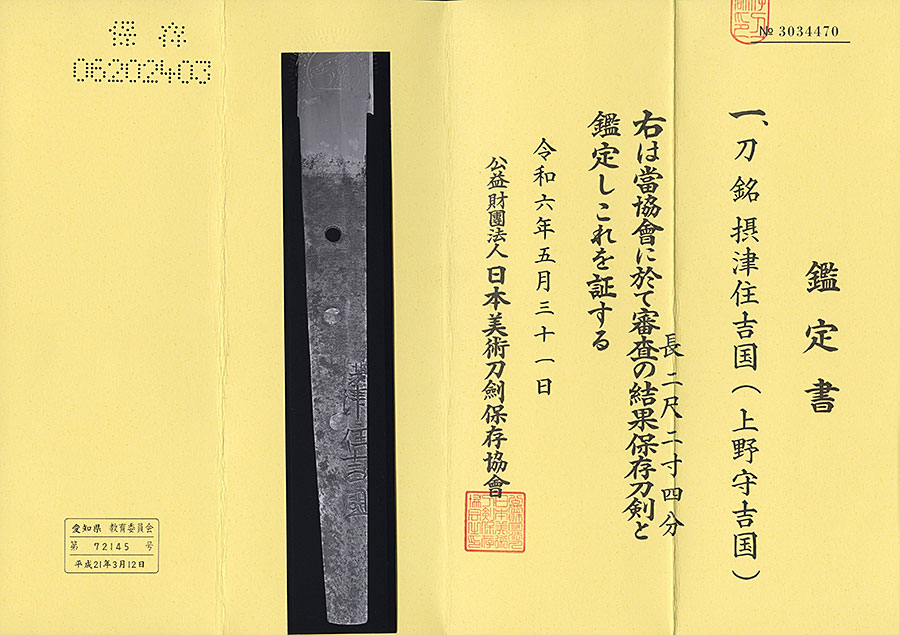
Certifies a genuine blade worth preserving: a signature confirmed correct, or, if unsigned, an era, province, and school that the NBTHK can reliably identify.
The NBTHK (Nihon Bijutsu Tōken Hozon Kyōkai, the Society for the Preservation of Japanese Art Swords) is a public-interest incorporated foundation founded in 1948 and supervised by Japan’s Agency for Cultural Affairs (Bunkachō); it is based at the Japanese Sword Museum in Tokyo. Its expert panels physically examine each submitted work (shinsa) and issue a certificate (kanteishō) ranking it by artistic and historical merit. NBTHK papers are the most widely recognized standard of authentication for Japanese swords and fittings.
NBTHK official siteFor returns due to customer circumstances, the cost is the customer's responsibility. For returns due to our mis-shipment or a defective item, we bear the cost.
It’s here, it’s here! A masterpiece by Kozuke no Kami Yoshikuni has appeared, the elder brother of Mutsu no Kami Yoshiyuki, who is famous for being the beloved sword of Sakamoto Ryoma. Yoshikuni’s real name was Morishita Magobe. It is said that Ryoma was carrying his famous sword when he was assassinated; that sword, a Mutsu no Kami Yoshiyuki, was taken to Hokkaido by relatives who moved to Kushiro, where it was caught in the Great Kushiro Fire years ago and subsequently went missing. Recently, however, it was rediscovered, underwent *saiha* (re-tempering) and *yakinoshi*, was newly polished, and is now housed in the Kyoto National Museum, causing a massive sensation. This work is by the elder brother of that very smith, Mutsu no Kami Yoshiyuki, who is currently the talk of the town. The brothers Yoshikuni and Yoshiyuki were born in Nakamura, Oshū; they went to Osaka together, became disciples of the first generation Yamato no Kami Yoshimichi, and lived in Fushimi Ryogae-cho in Osaka. Later, both brothers were selected to become smiths for the Tosa Clan and lived in Kusaka Village in Tosa. This sword was made around the Kanbun era (1661) (363 years ago). As for the *sugata* of this sword, it was originally a long blade of about 2 *shaku* 4 *sun* 5 *bu*, but a later samurai shortened it to match his own swordsmanship style to use as his *sashiryo*. It displays a *Kanbun Shinto sugata* with a difference between the *motohaba* and *sakihaba* and a shallow *sori*, similar to Kotetsu; this style was suitable for the thrusting techniques (*tsuki*) that were popular in *dojo* at the time. The *jigane* is *itame-hada* mixed with *masame*. Regarding the *hamon*, as you can see, it is a magnificent and famous *sudare-ba*, executed even more skillfully than his master Yamato no Kami Yoshimichi. Because this sword has just appeared on the market for the first time in "raw" condition, there are some light spots of rust, but that is part of its charm. Accordingly, we are offering it at a special bargain price. Please enjoy this precious sword by the elder brother of Mutsu no Kami Yoshiyuki, the smith of Sakamoto Ryoma’s beloved blade who is so popular today.
NihontoWatchEdo · nagasa 67.9cm · sori 0.3cm
Settsu · around 1661-1673
3 pieces on the market now
Edo was the sword’s age of connoisseurship: the Hon’ami appraisers, the shogunal register of famous blades of 1719, and a thriving literature turned the sword into an object of study even as it ceased to be drawn in war.
Certifies a genuine blade worth preserving: a signature confirmed correct, or, if unsigned, an era, province, and school that the NBTHK can reliably identify.
The NBTHK (Nihon Bijutsu Tōken Hozon Kyōkai, the Society for the Preservation of Japanese Art Swords) is a public-interest incorporated foundation founded in 1948 and supervised by Japan’s Agency for Cultural Affairs (Bunkachō); it is based at the Japanese Sword Museum in Tokyo. Its expert panels physically examine each submitted work (shinsa) and issue a certificate (kanteishō) ranking it by artistic and historical merit. NBTHK papers are the most widely recognized standard of authentication for Japanese swords and fittings.
NBTHK official siteFor returns due to customer circumstances, the cost is the customer's responsibility. For returns due to our mis-shipment or a defective item, we bear the cost.