The twentieth century nearly killed the craft twice: wartime distortion, then the occupation ban. The NBTHK’s founding in 1948 and licensed forging from 1953 rebuilt the sword as an art, crowned by Living National Treasures and the mukansa rank.
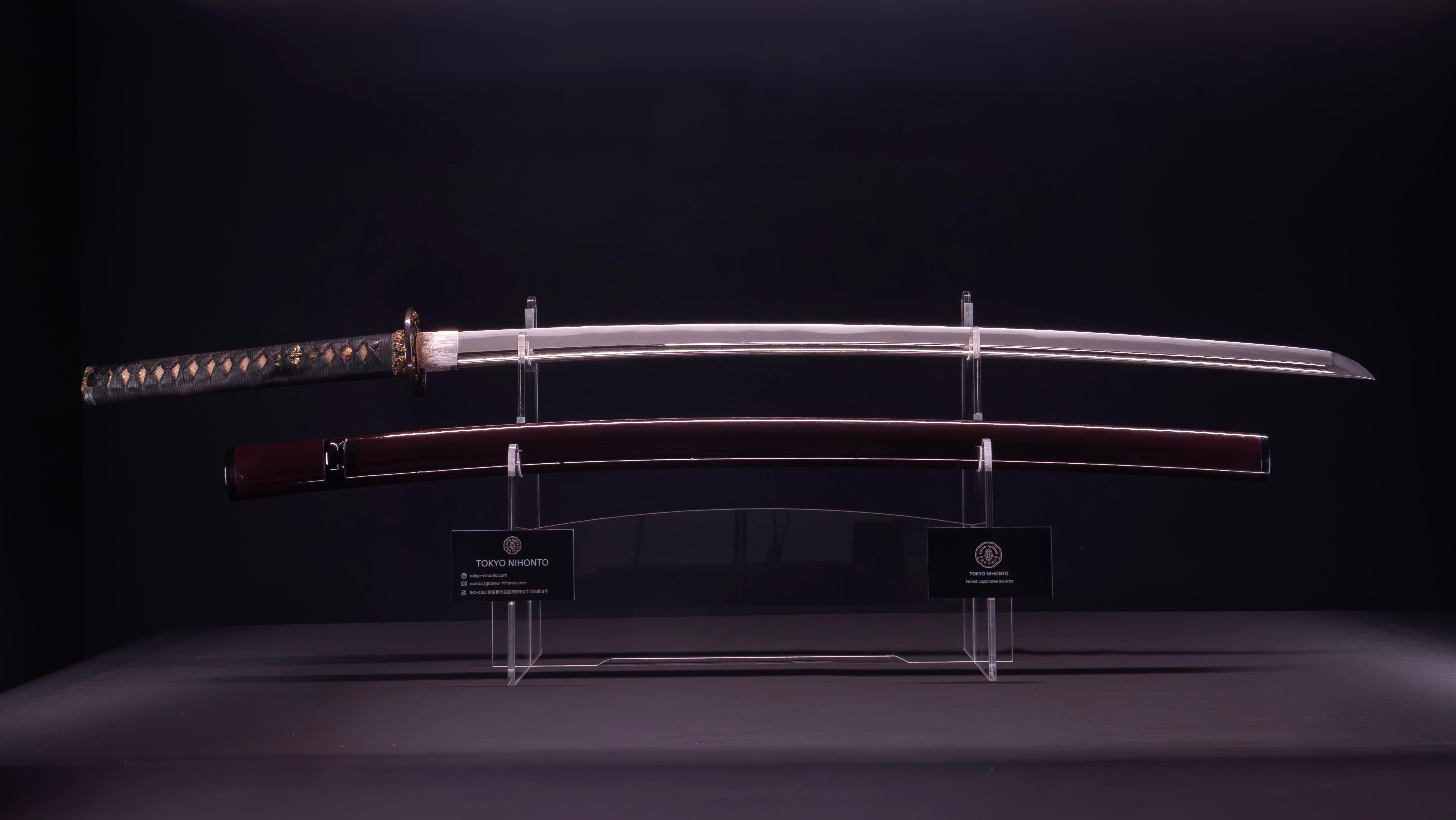
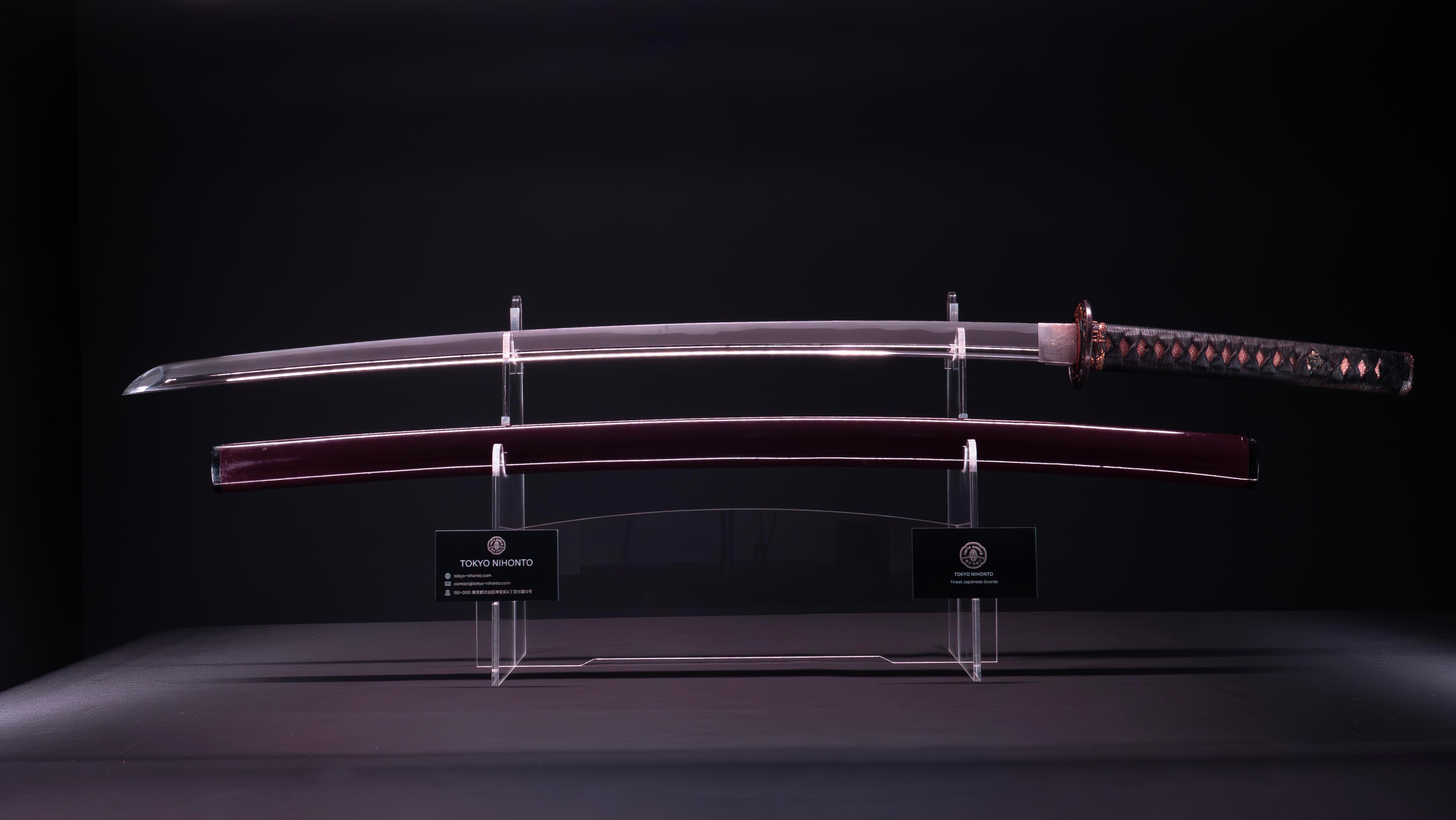
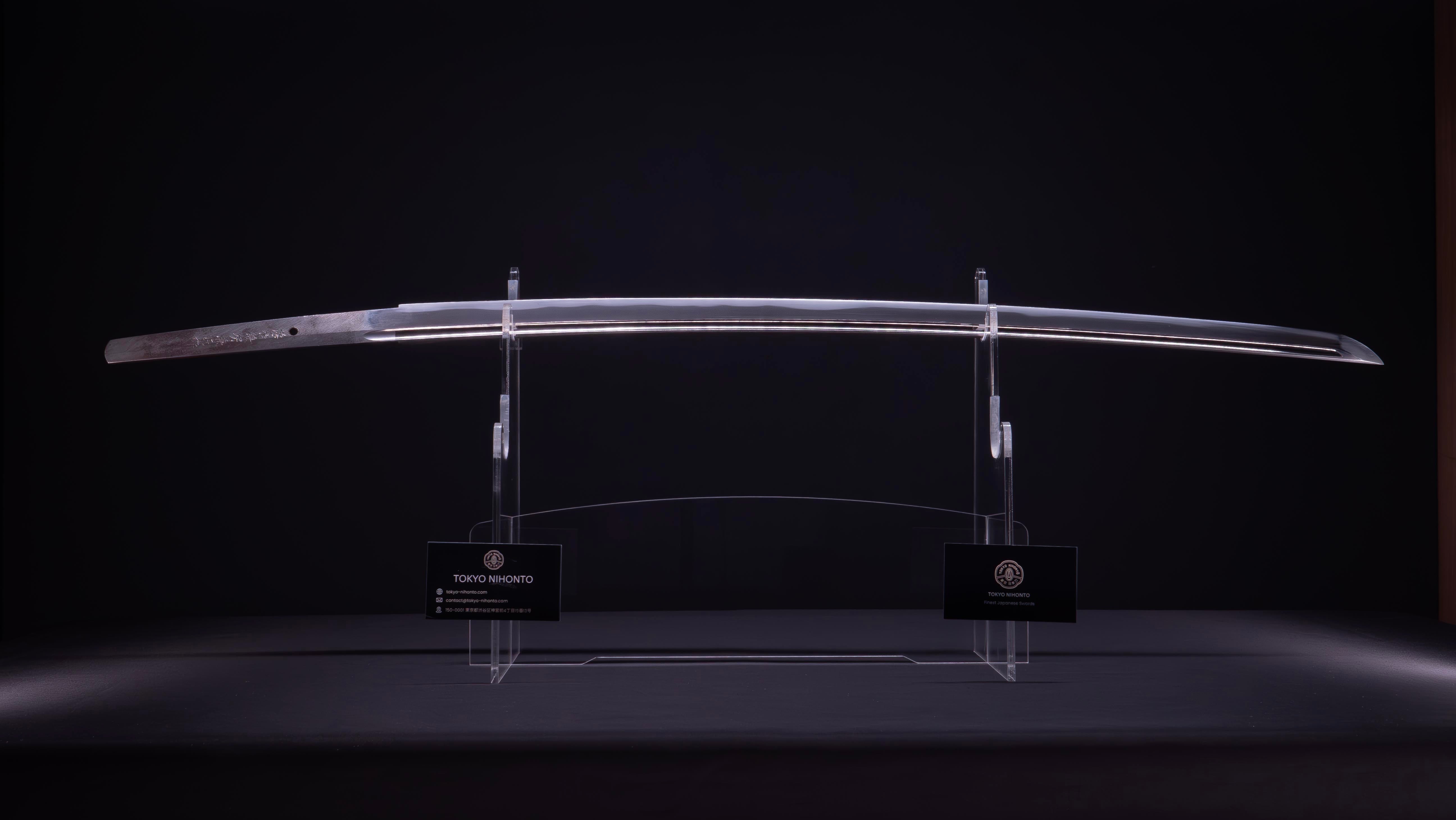
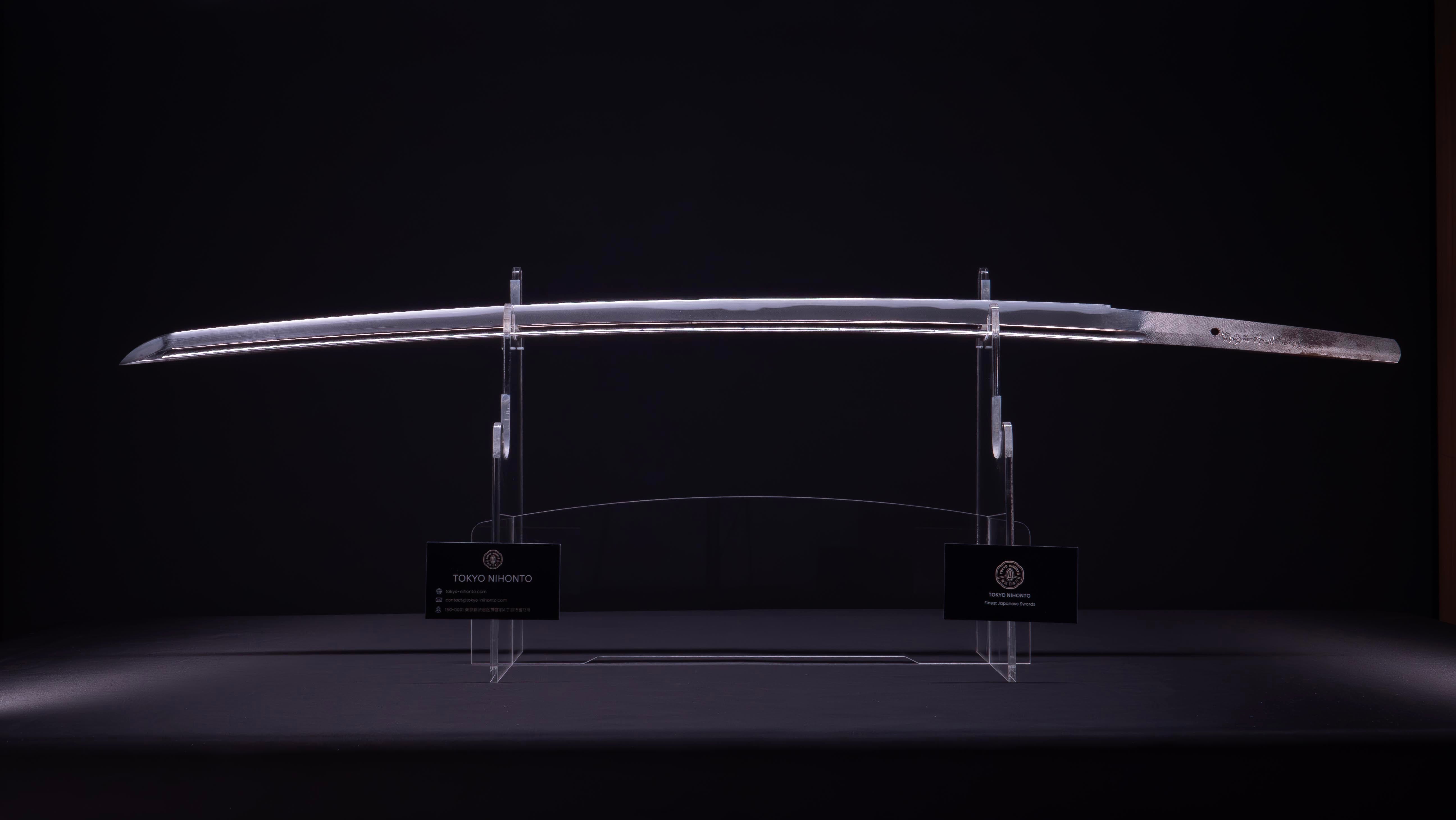
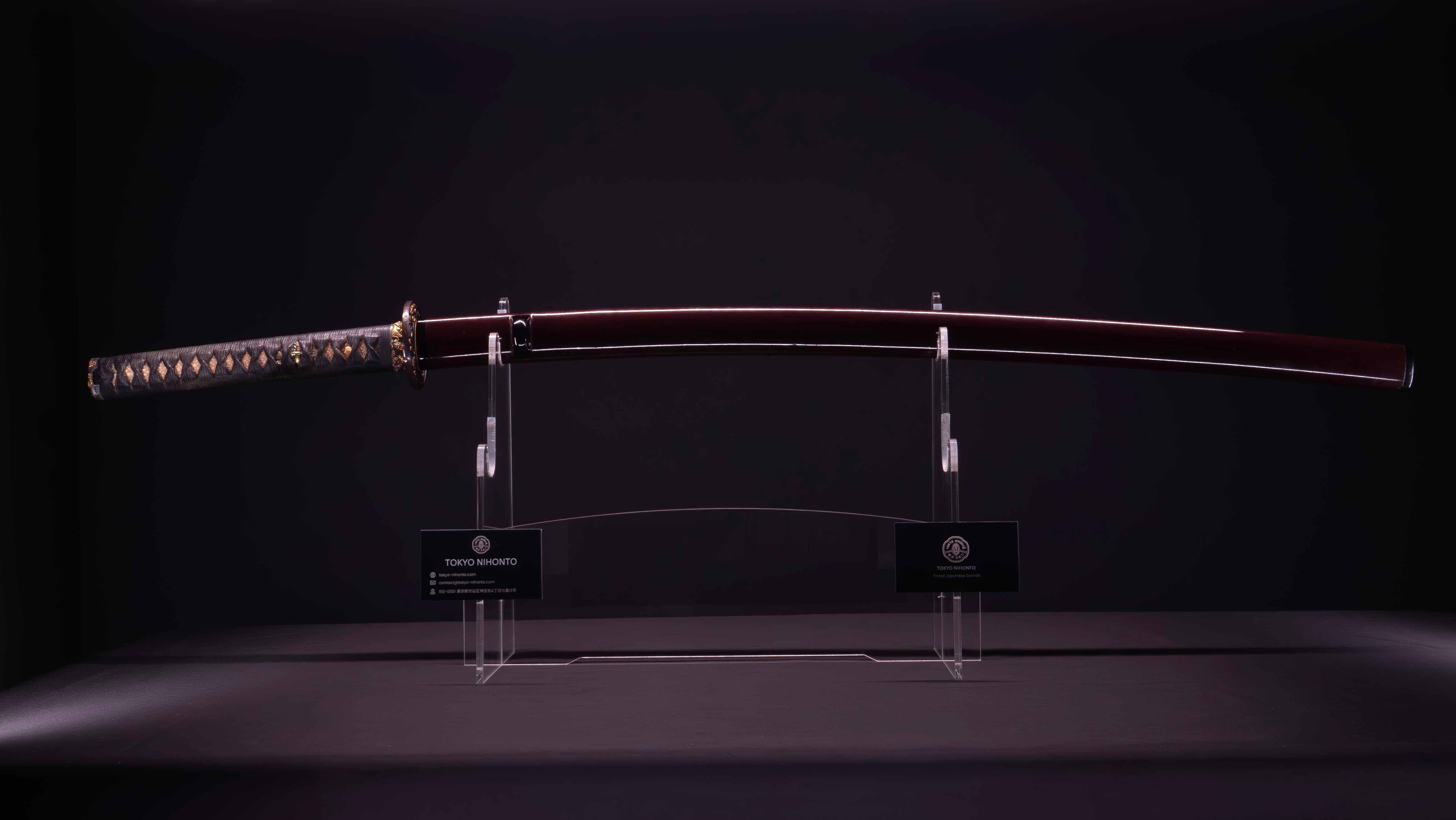
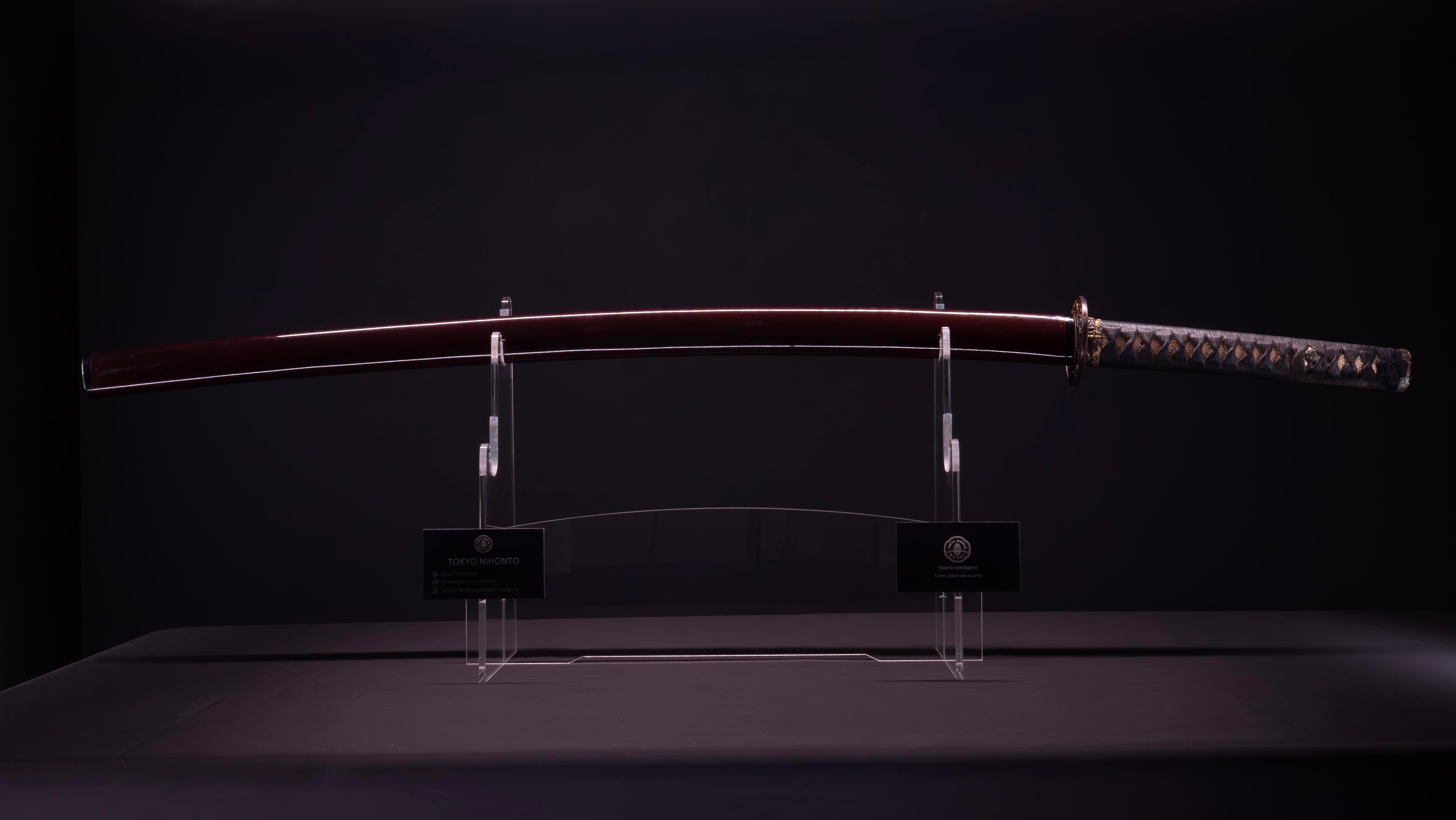
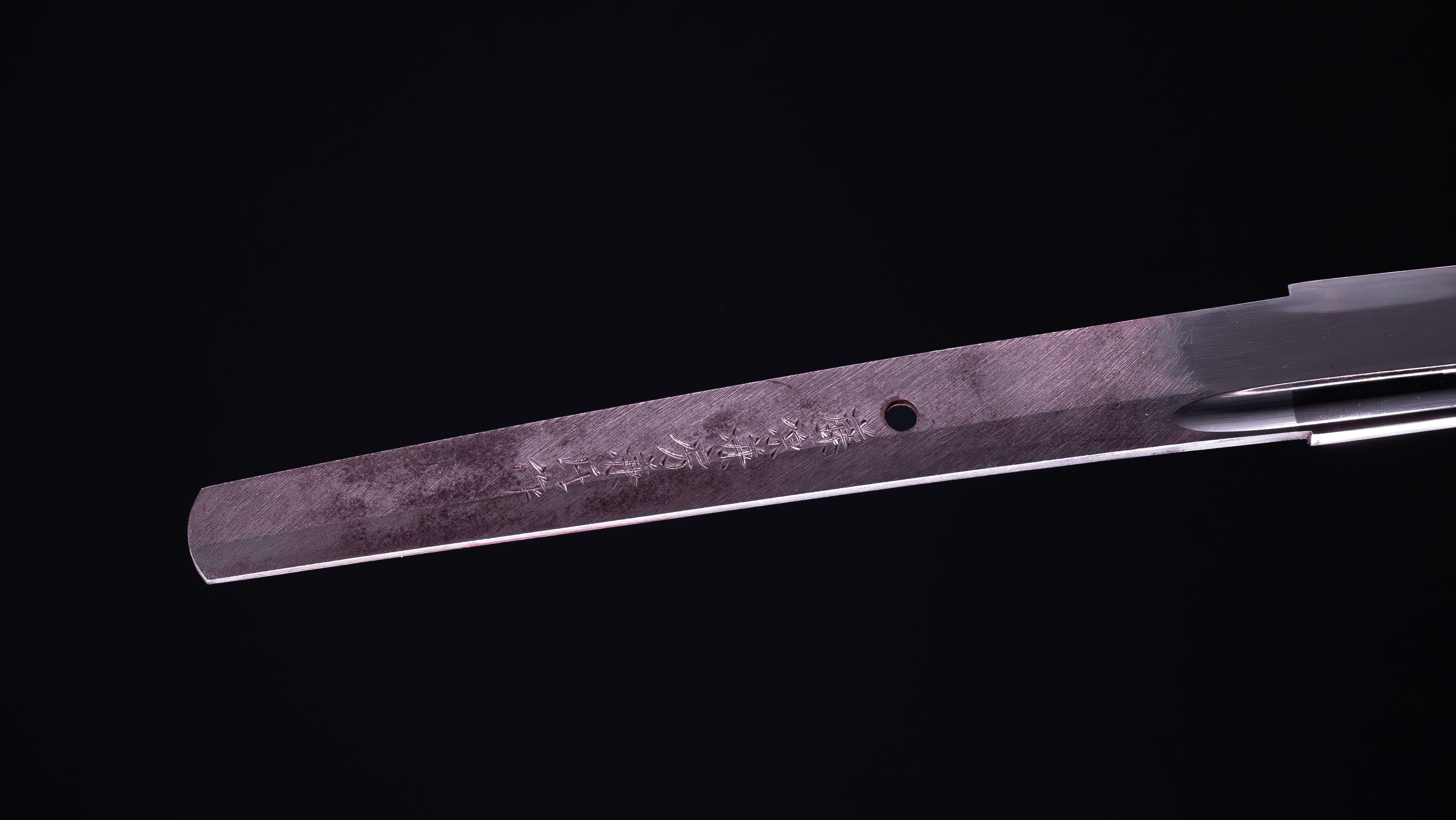
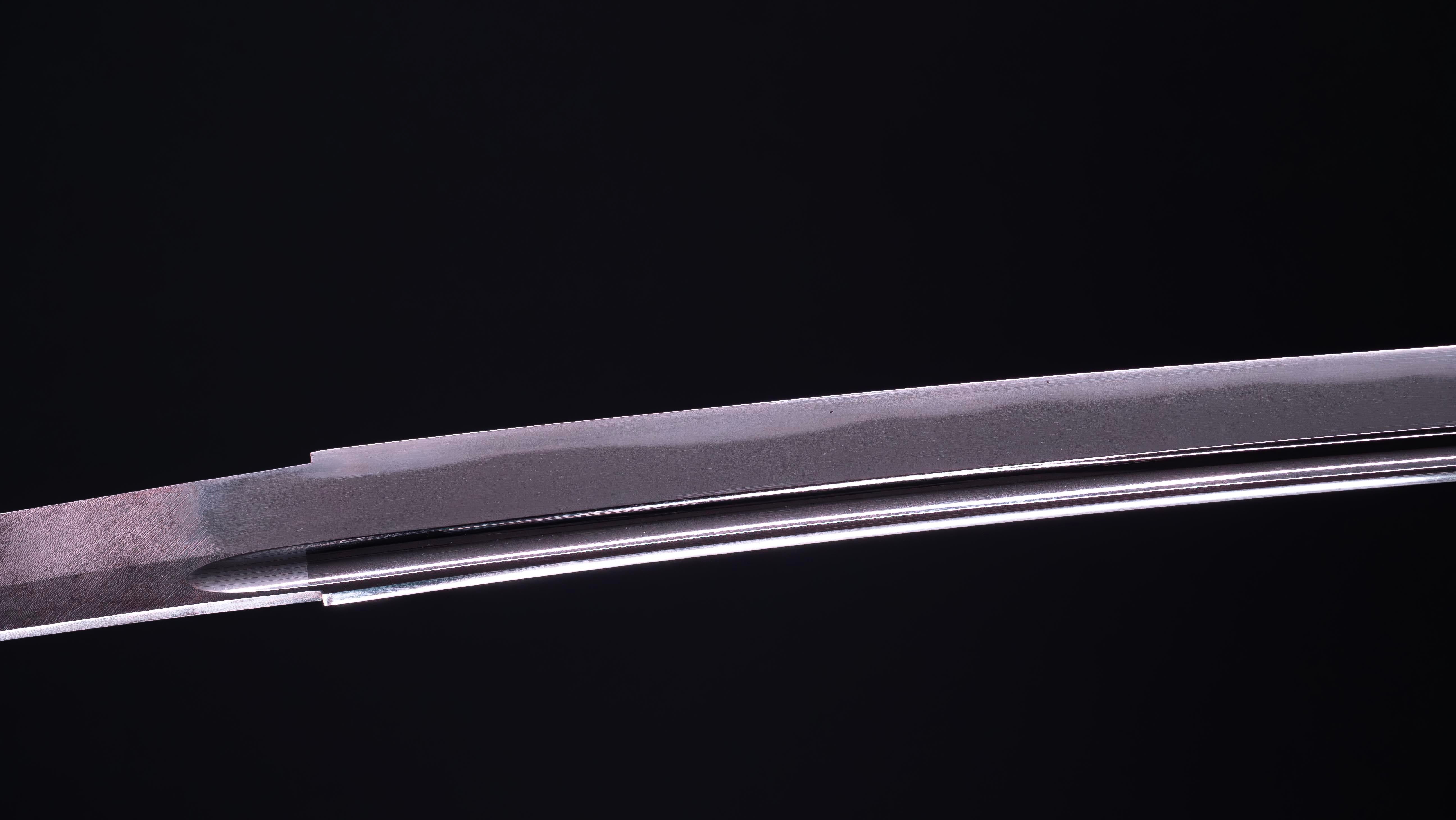
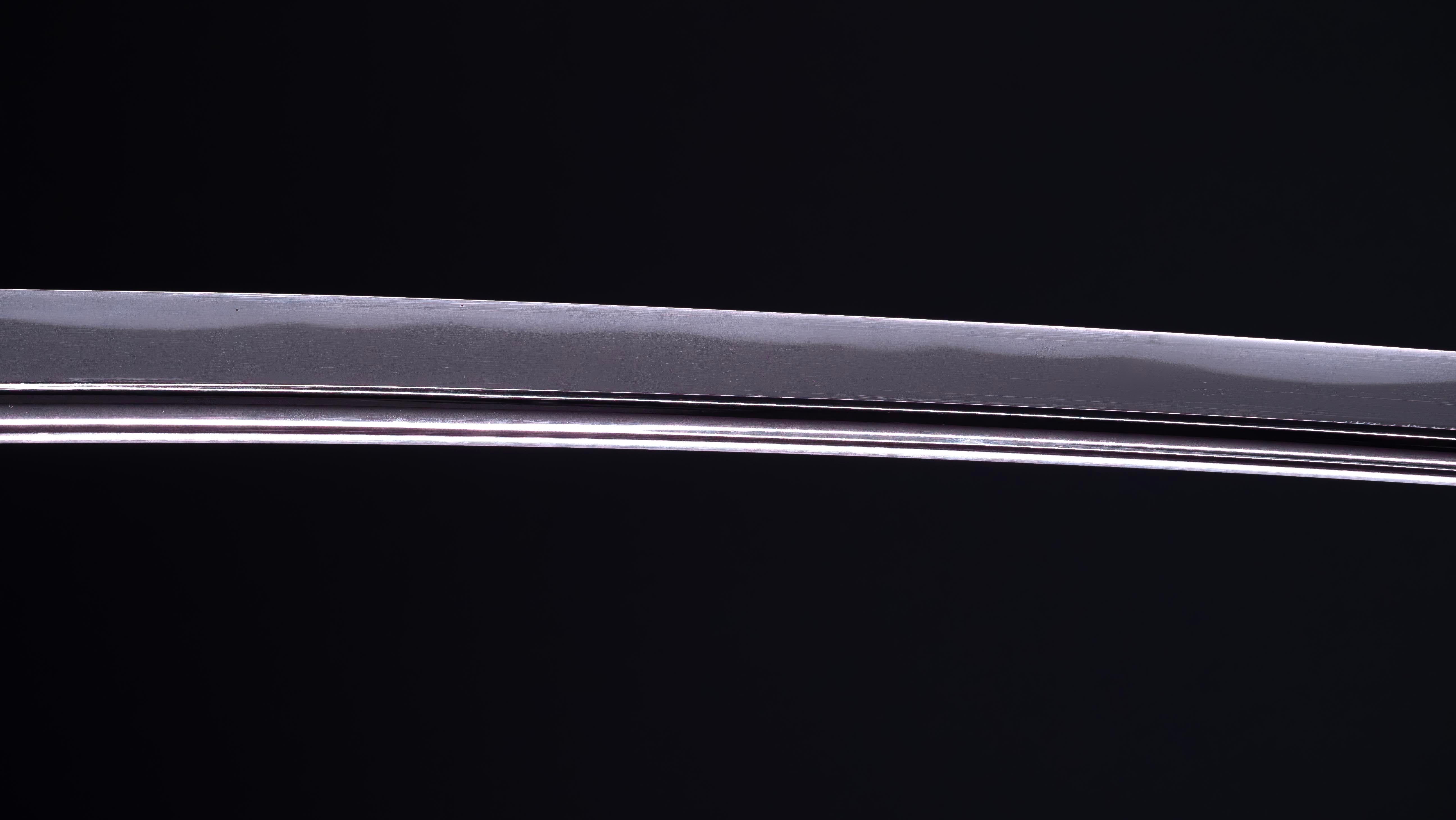
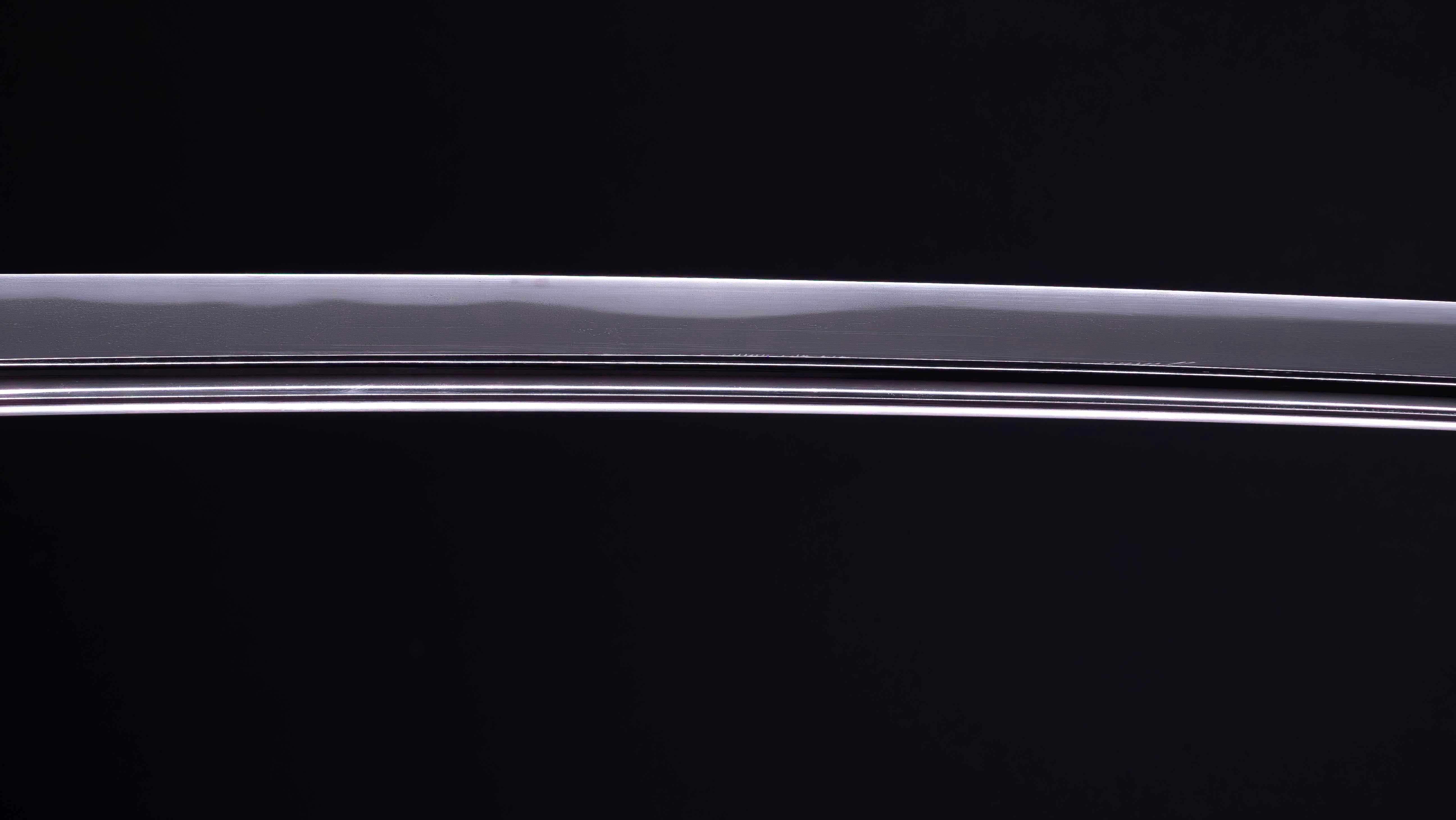
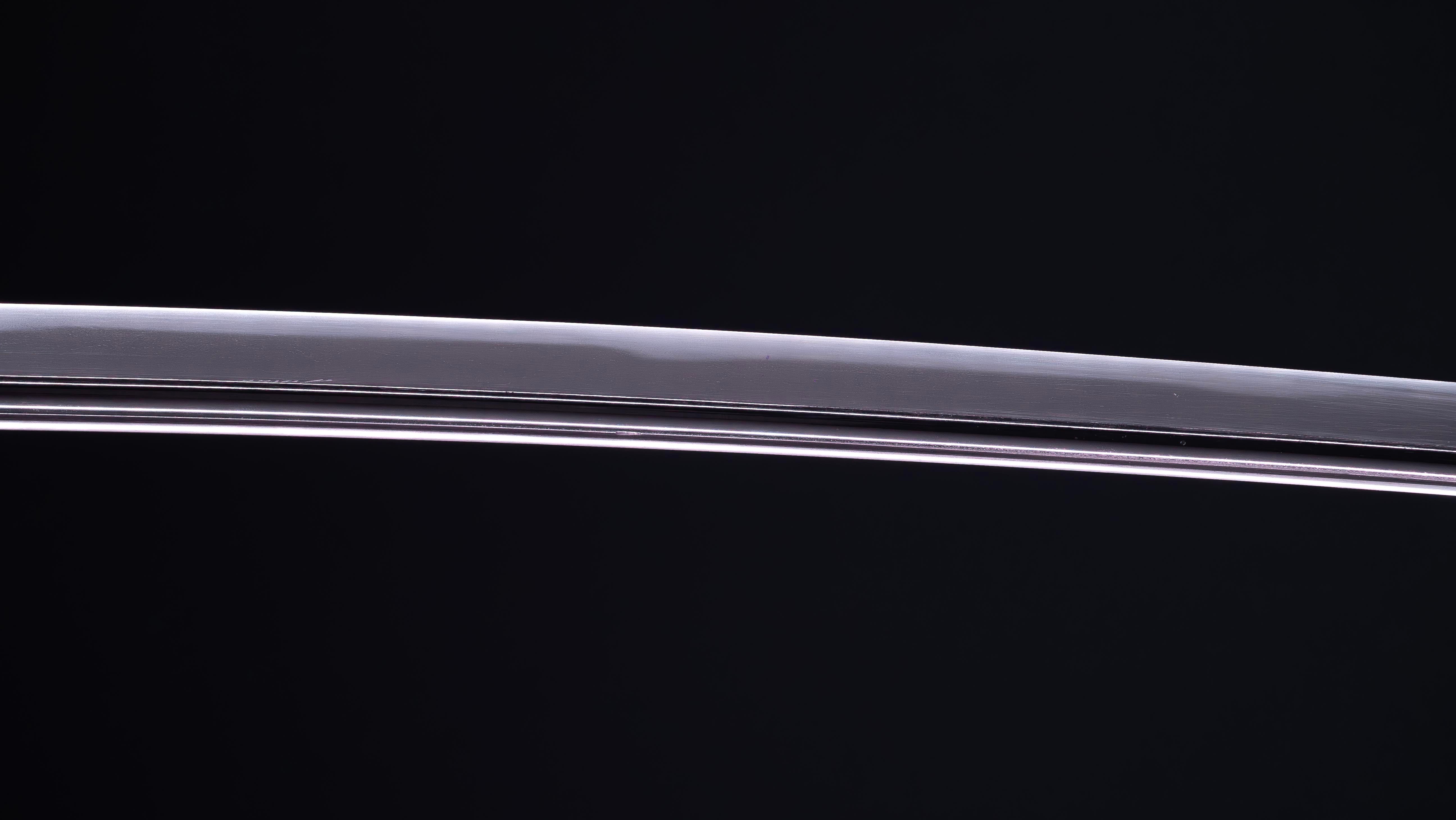
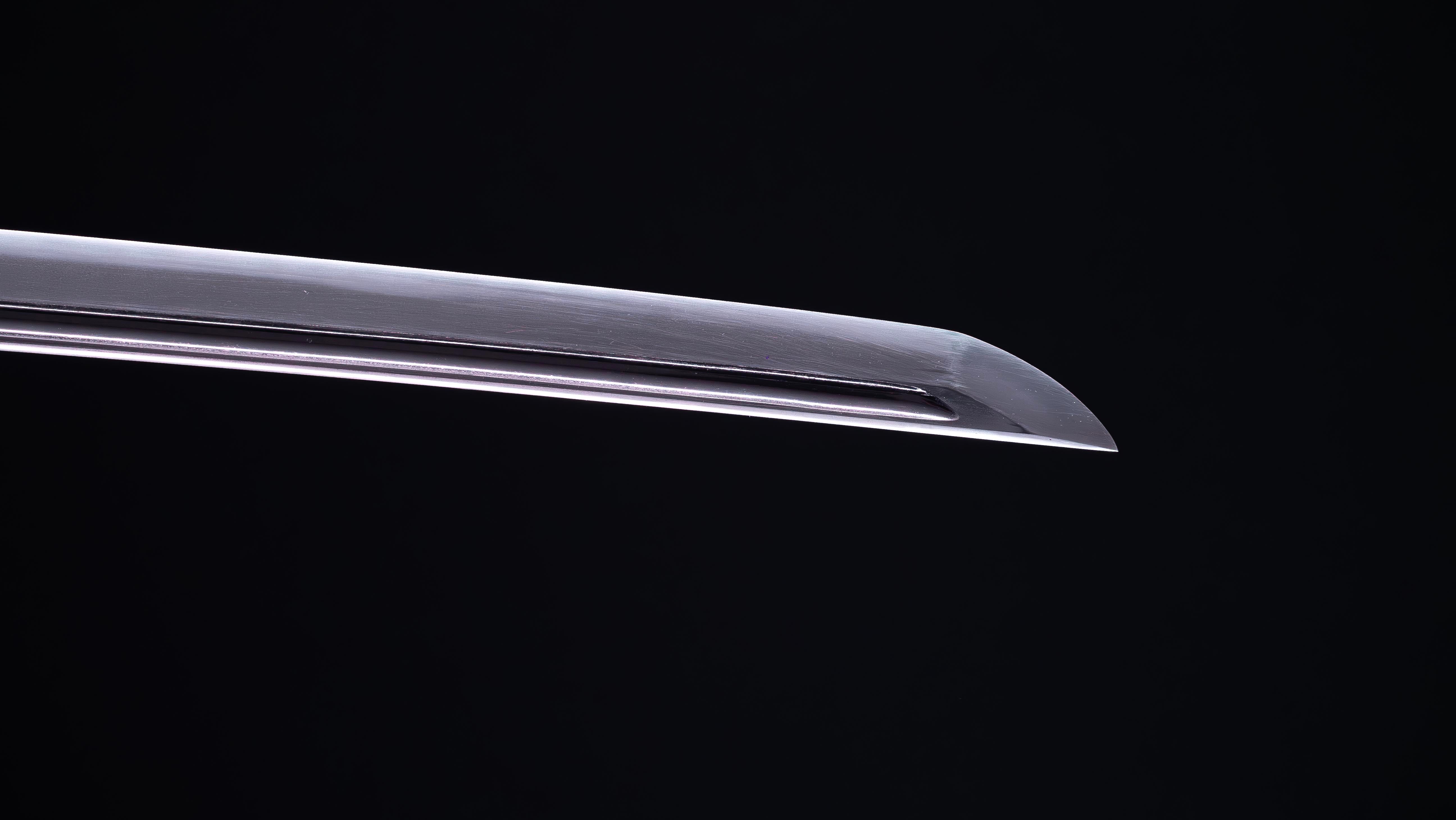
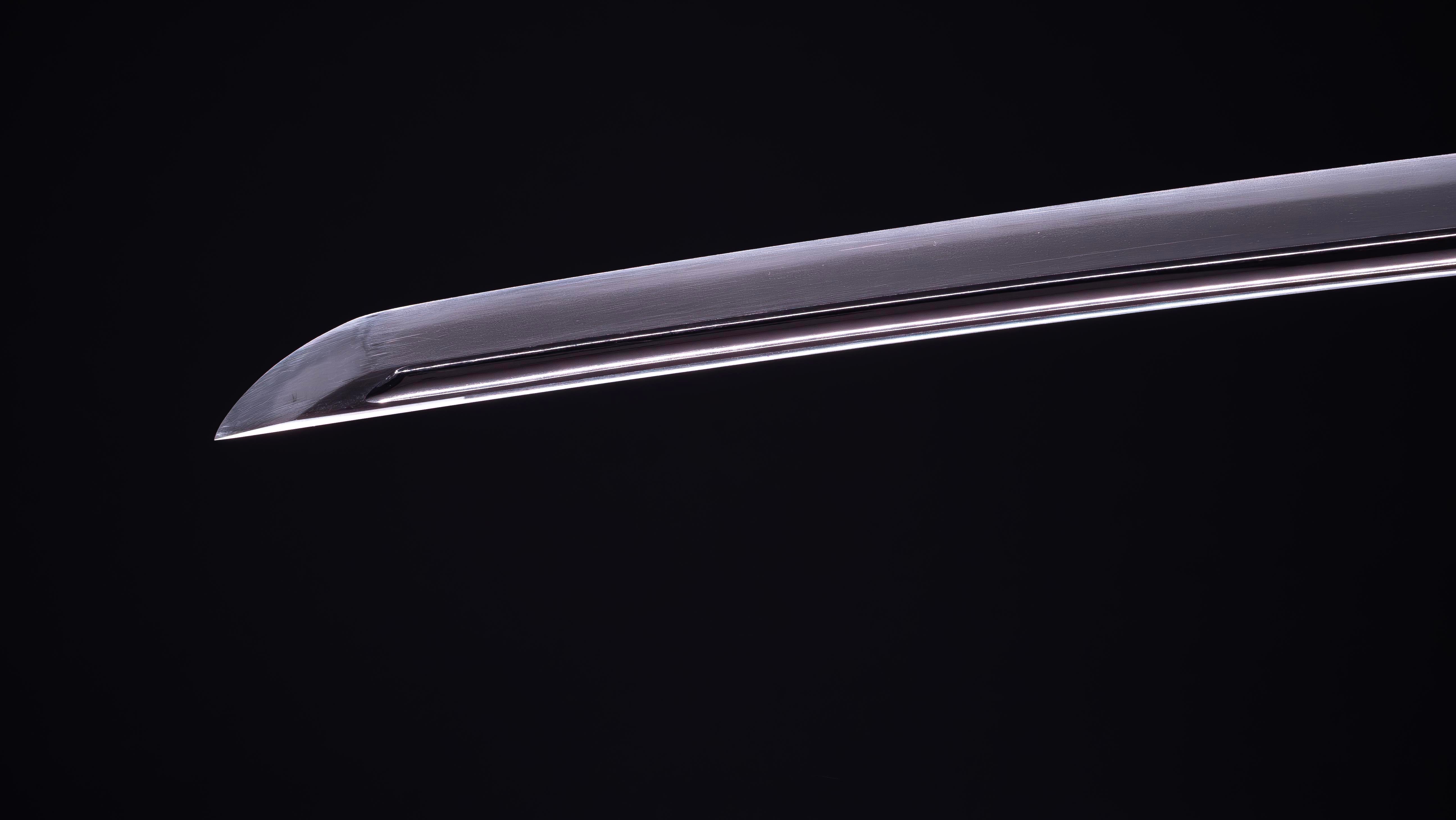
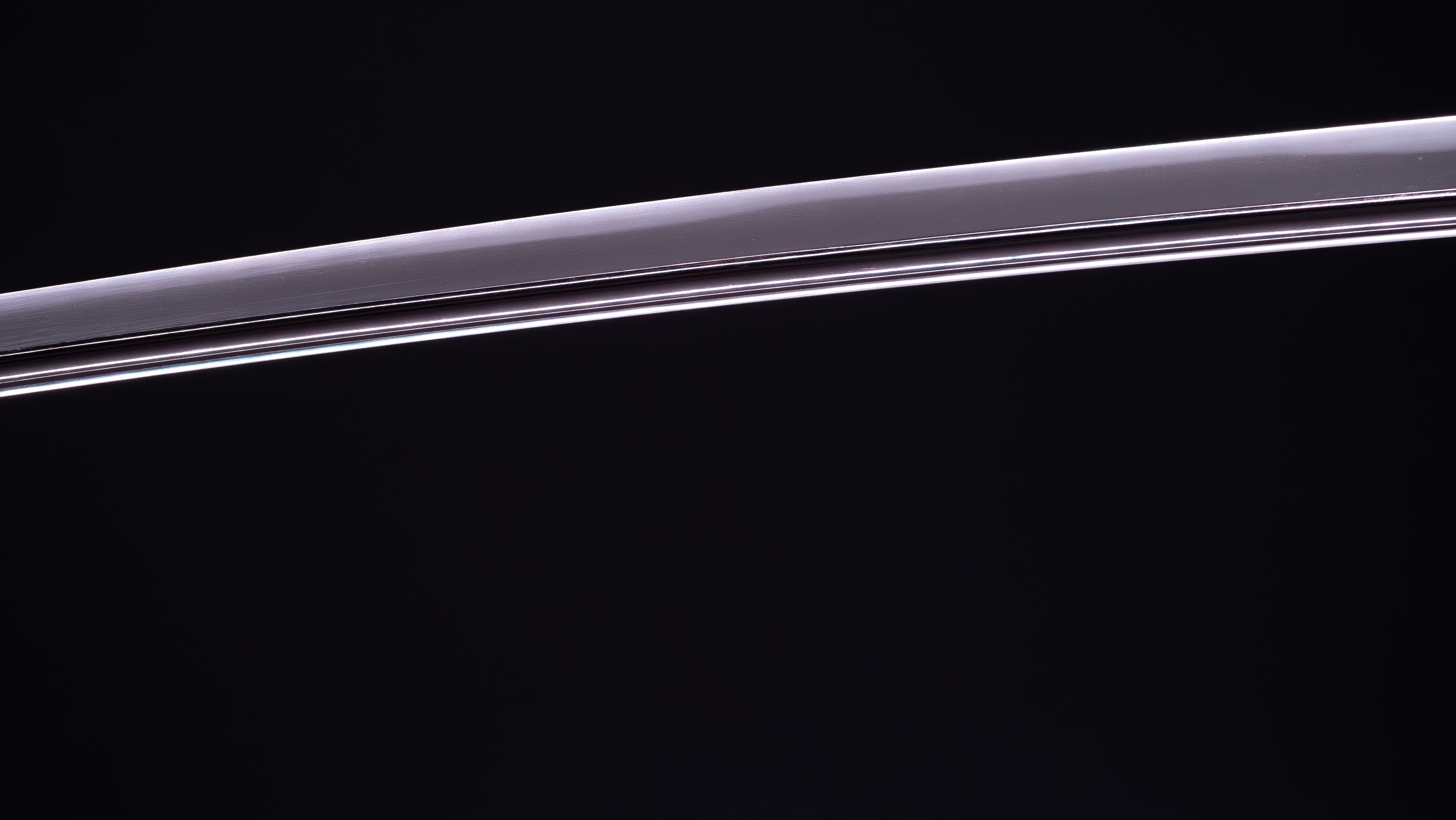
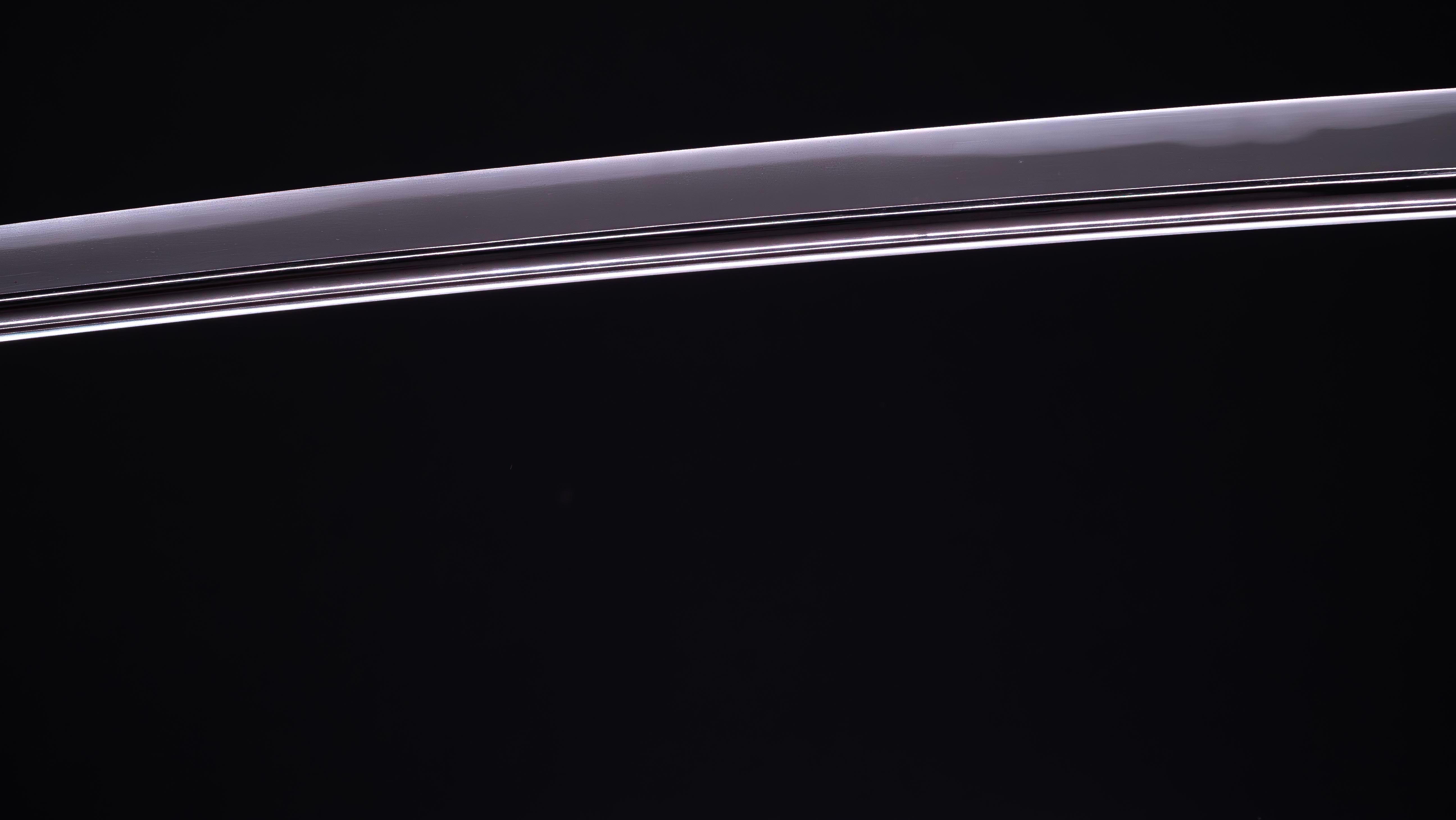
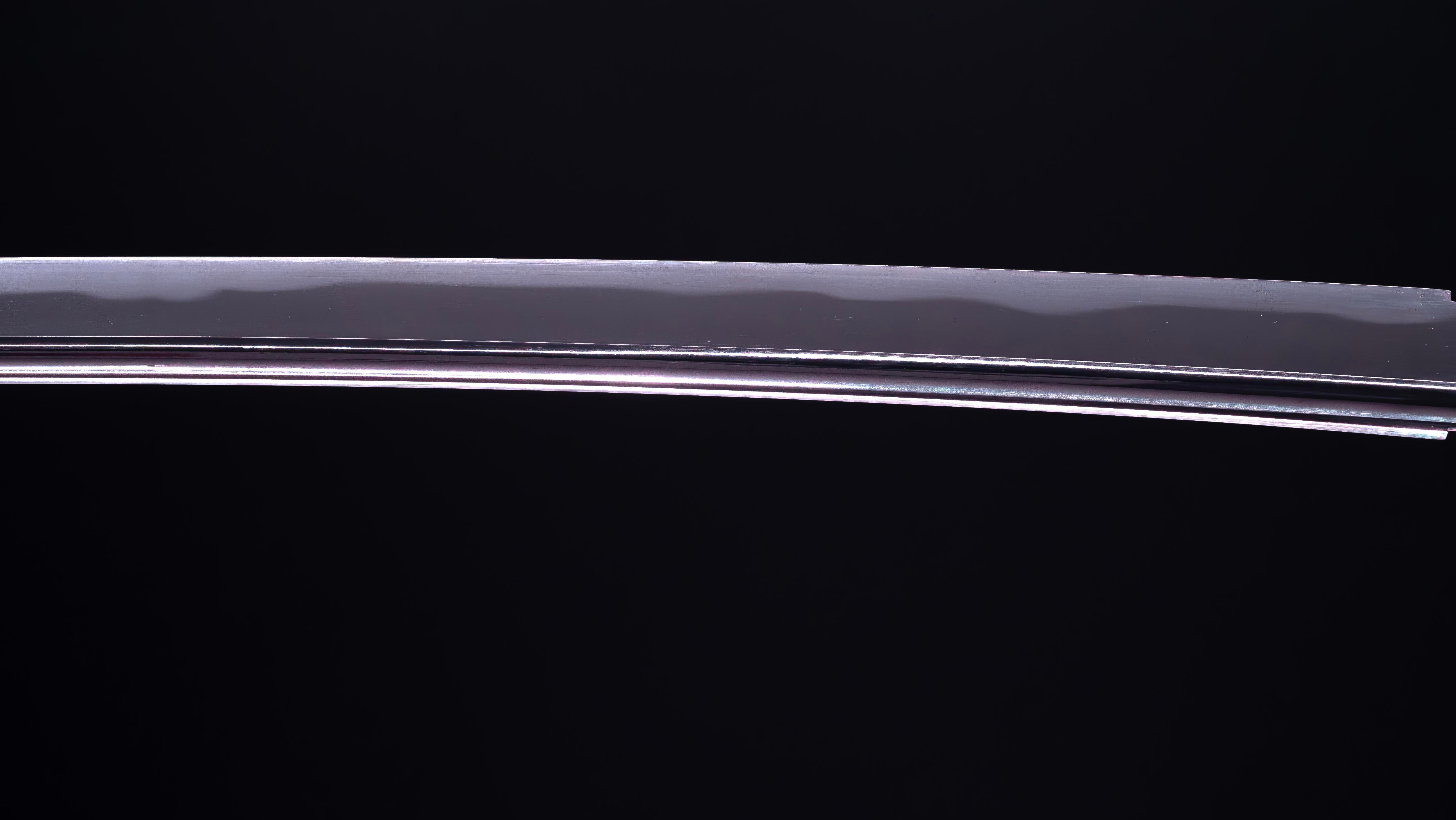
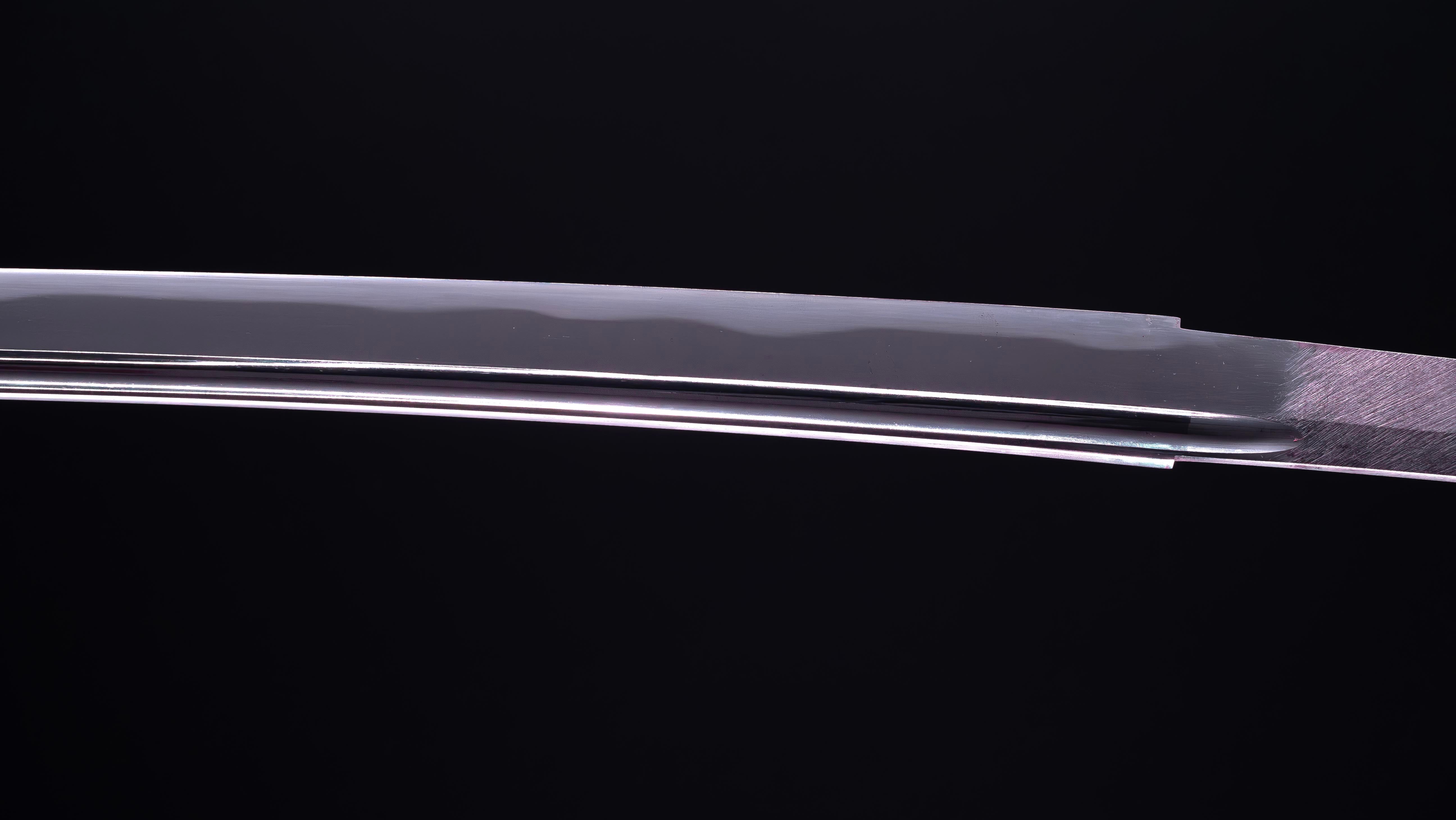
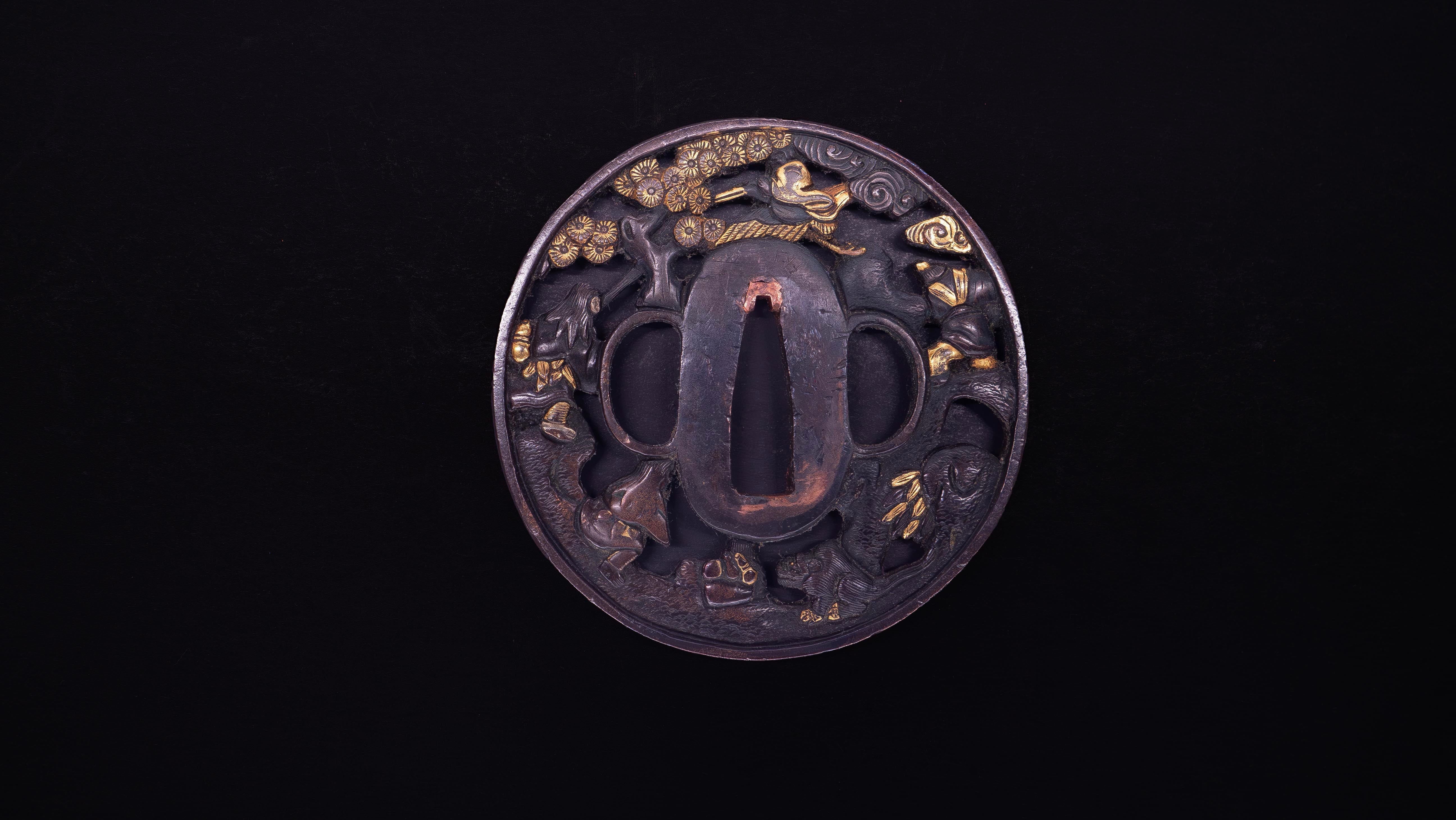
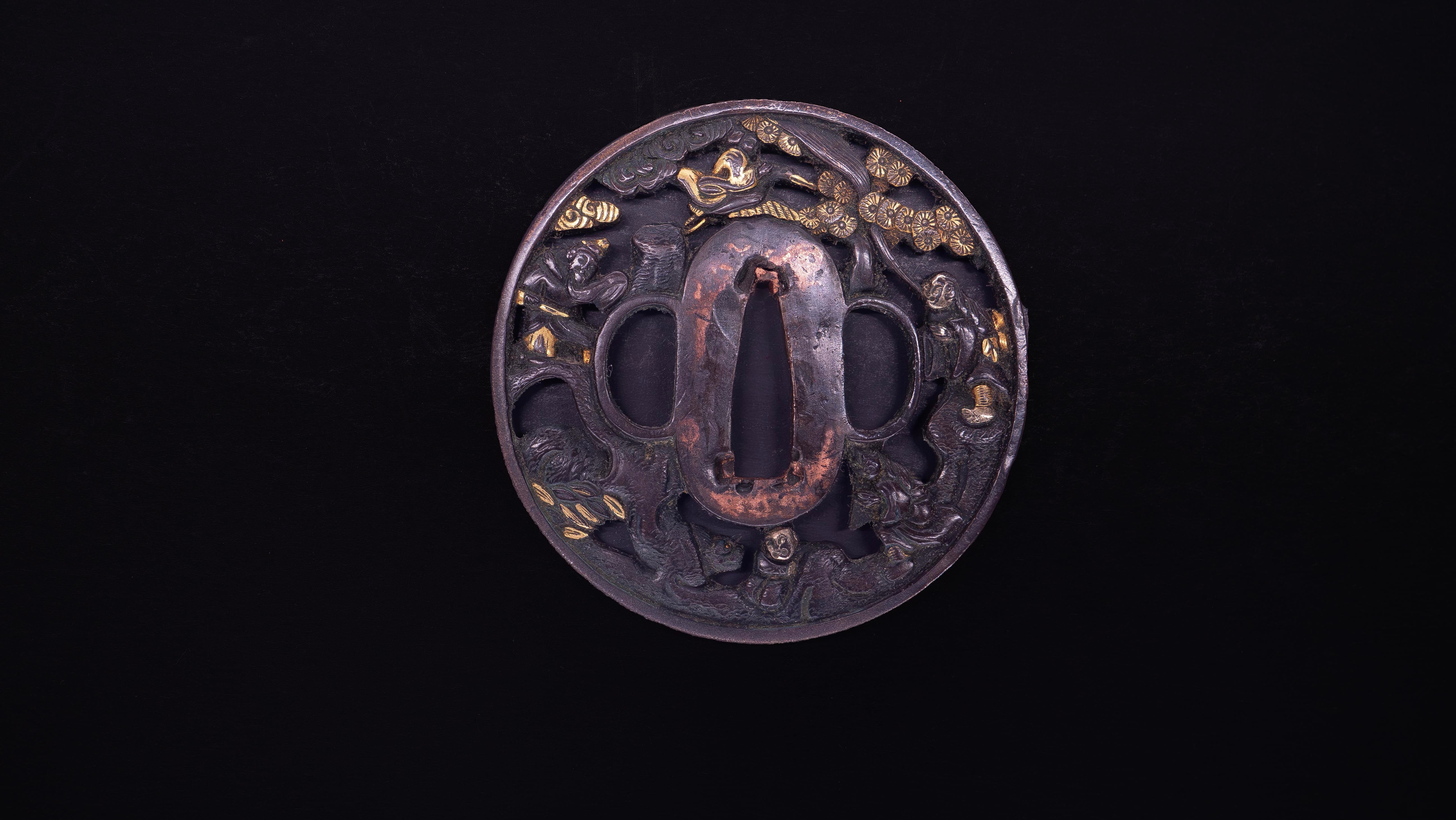
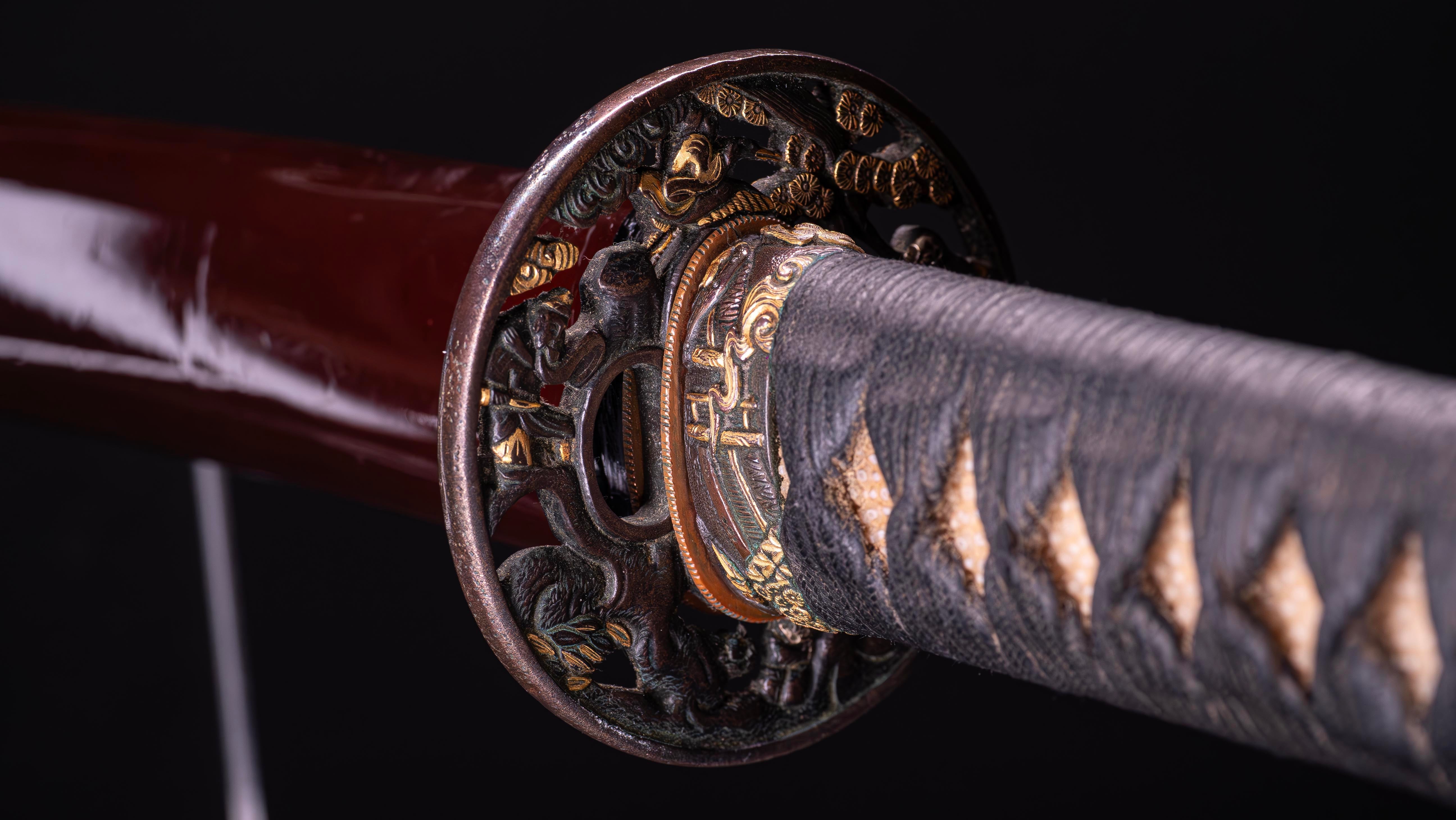
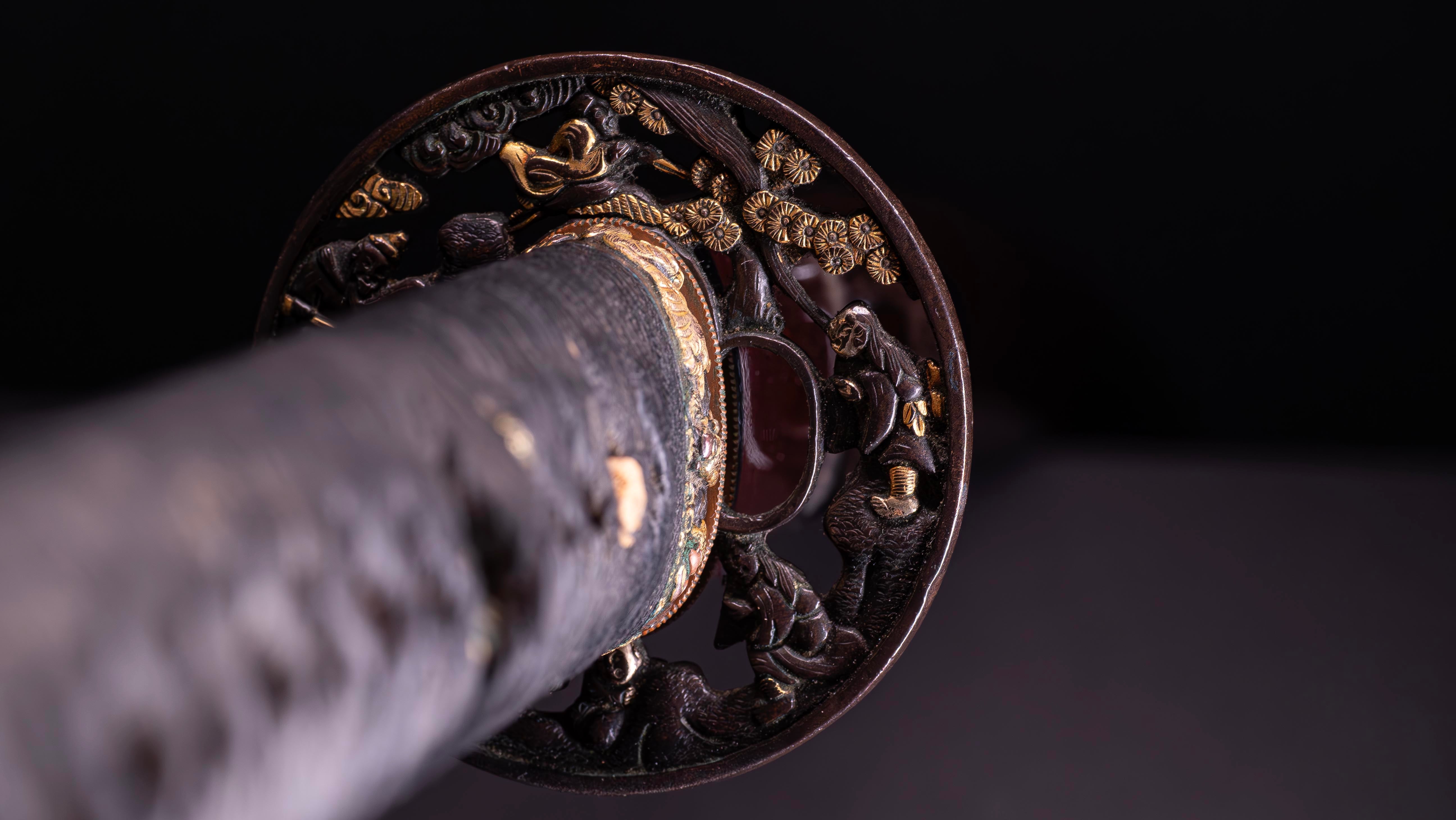
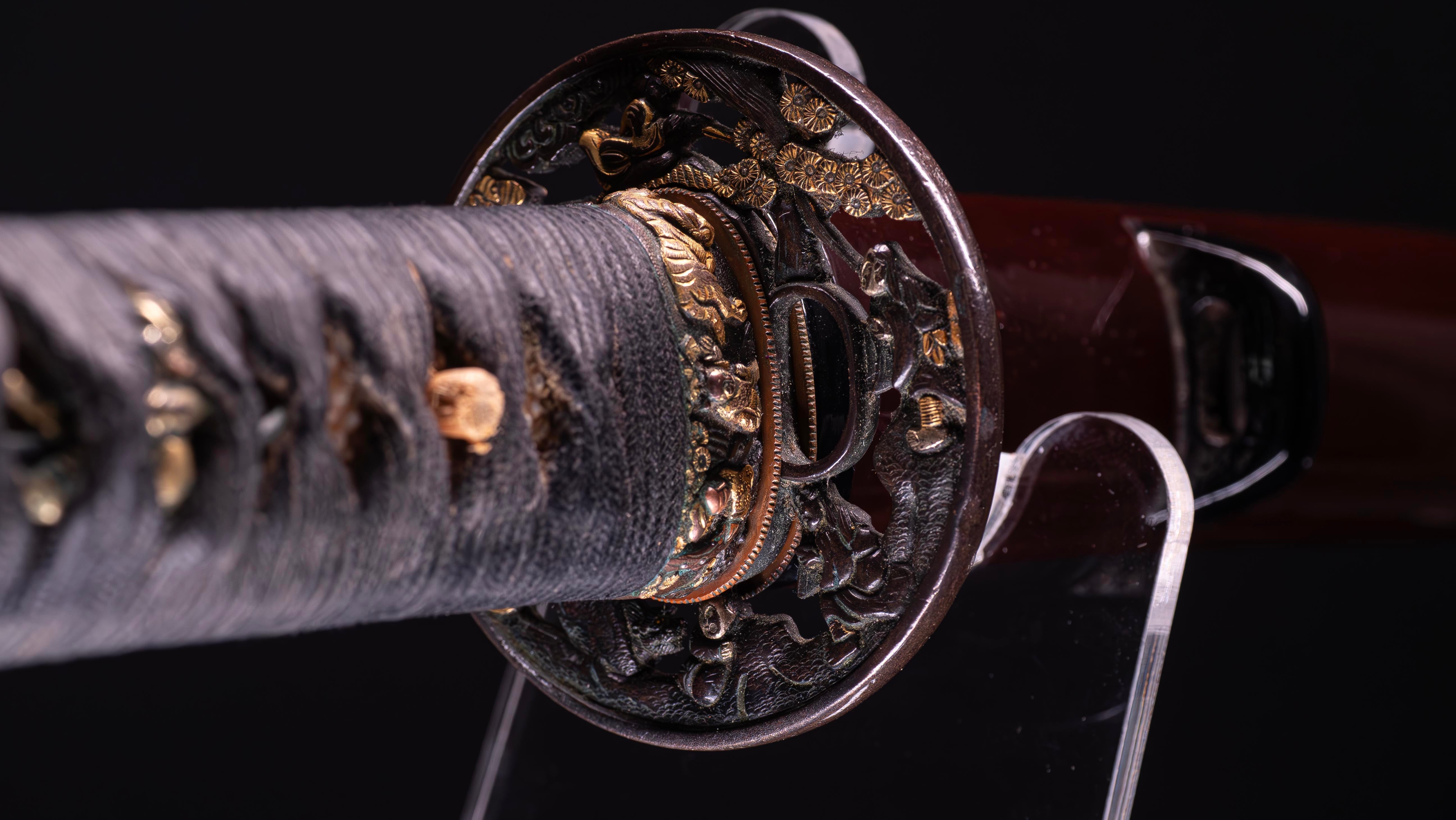
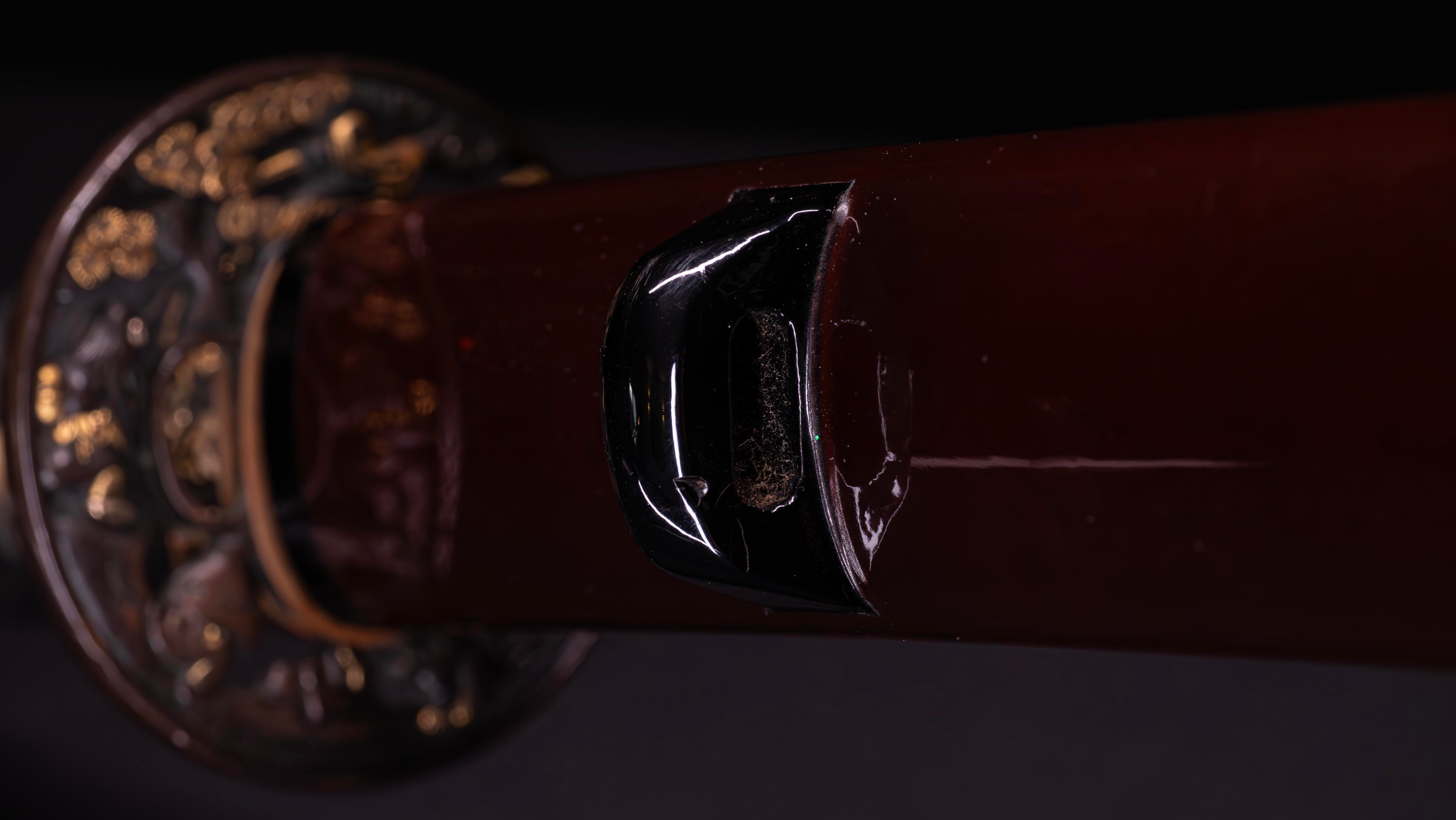
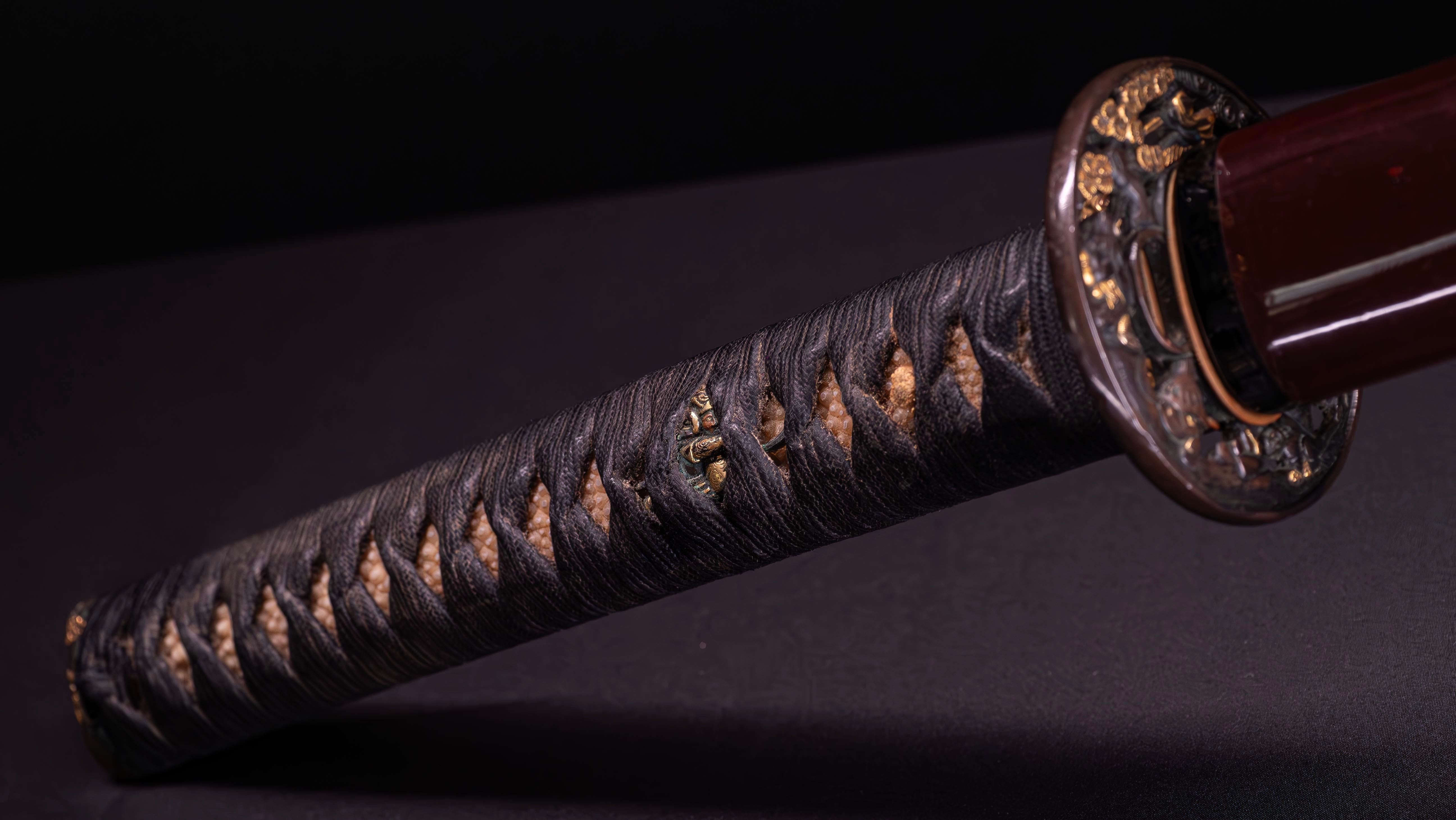
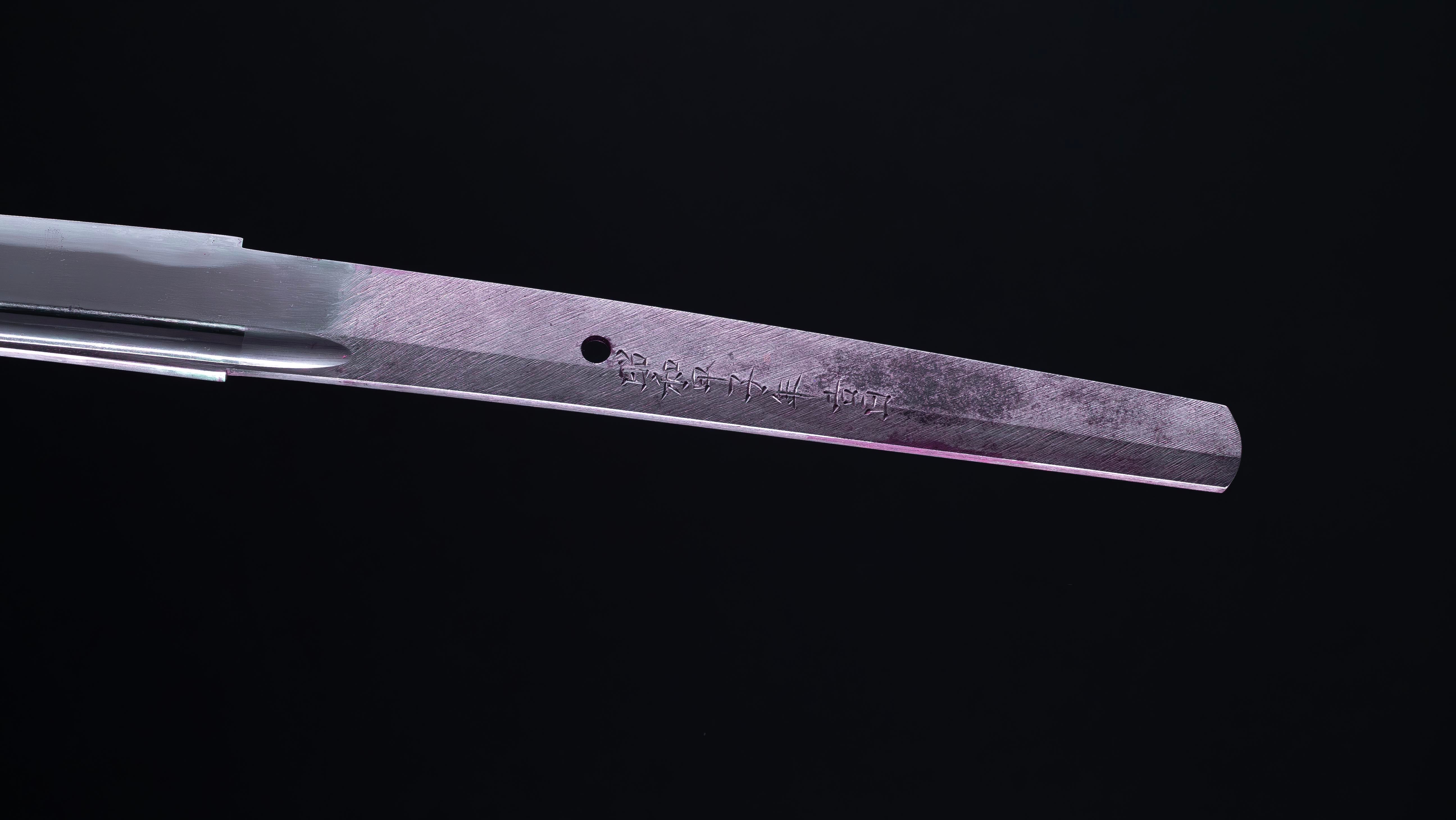
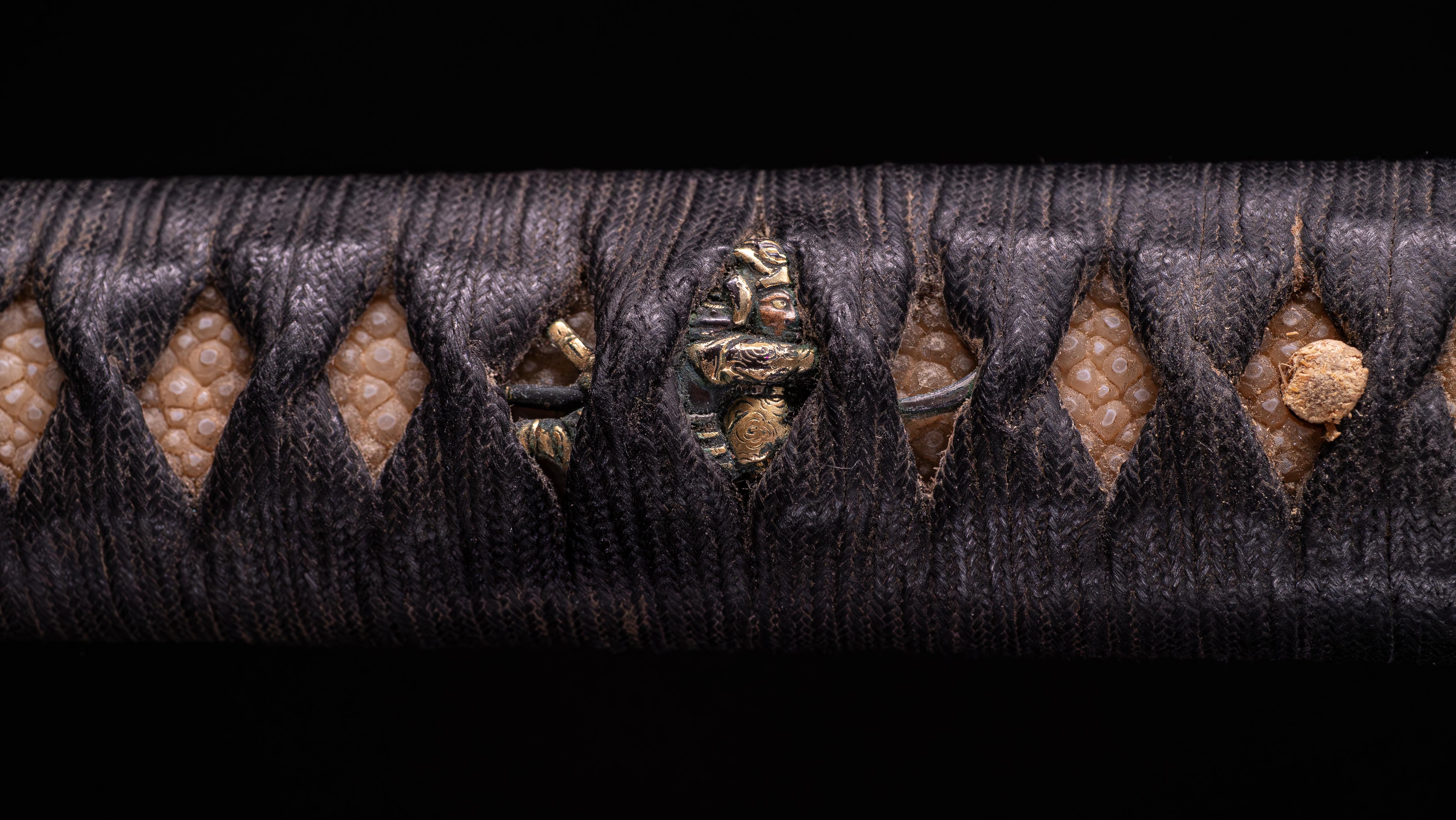
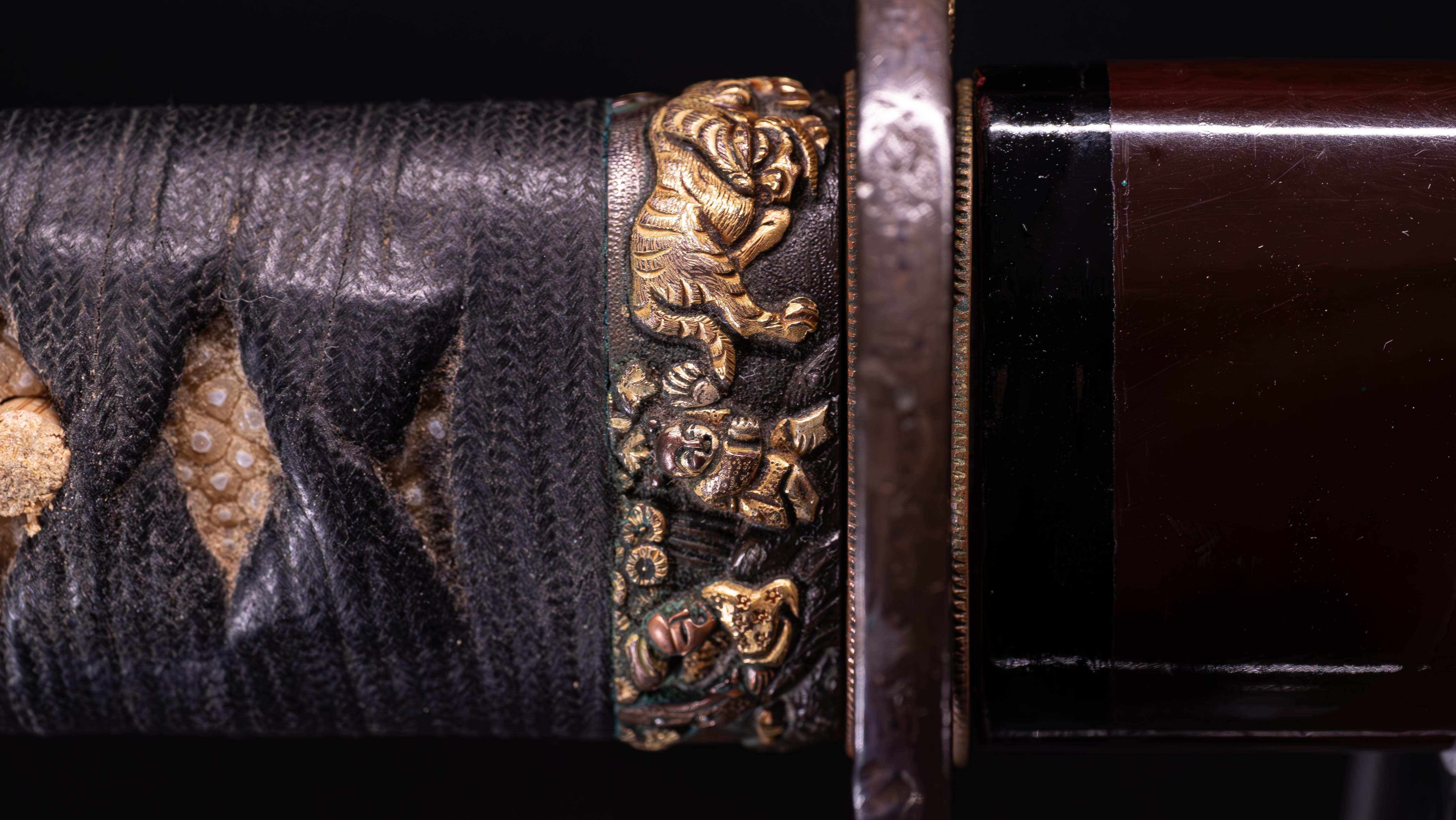
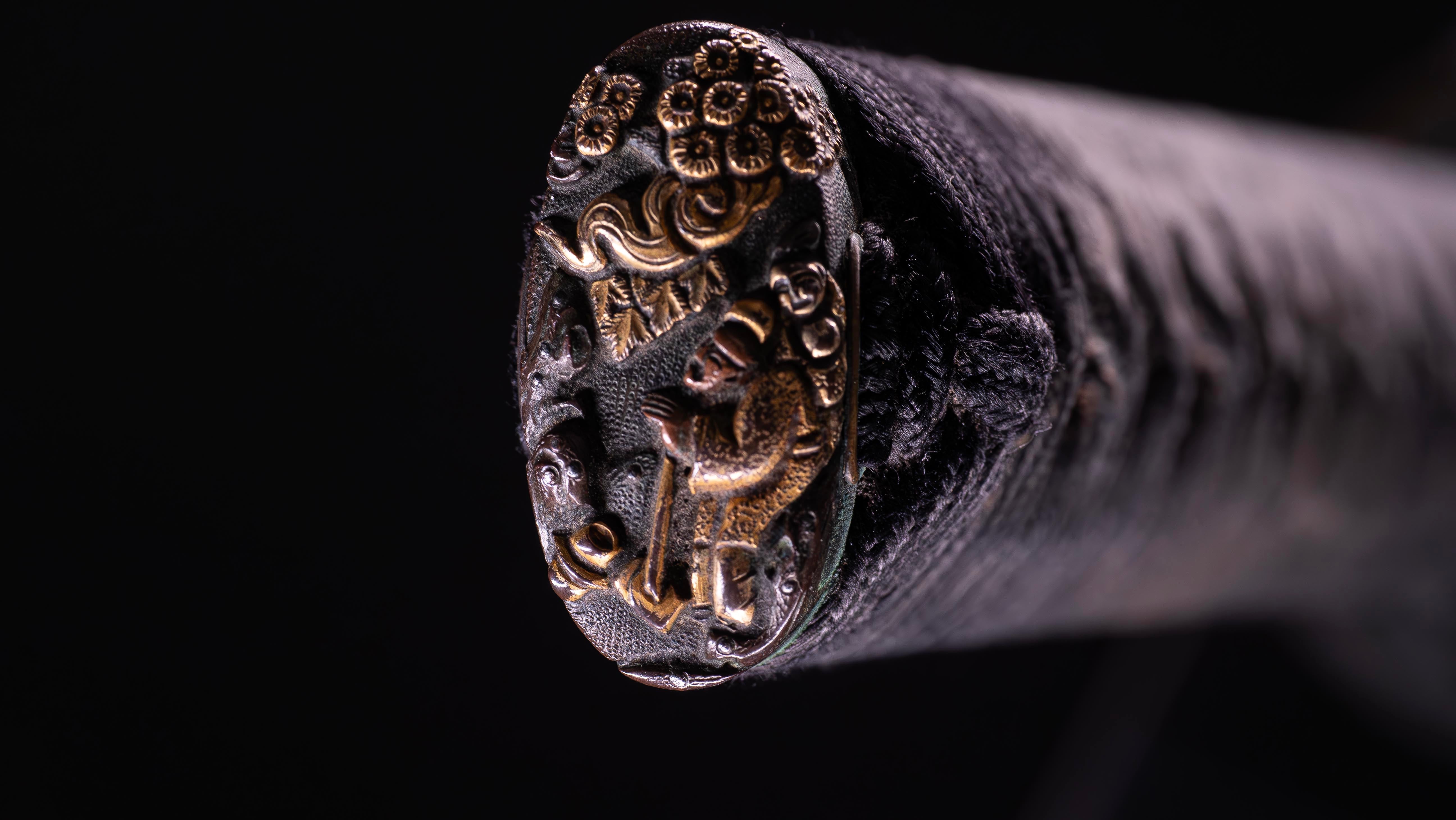
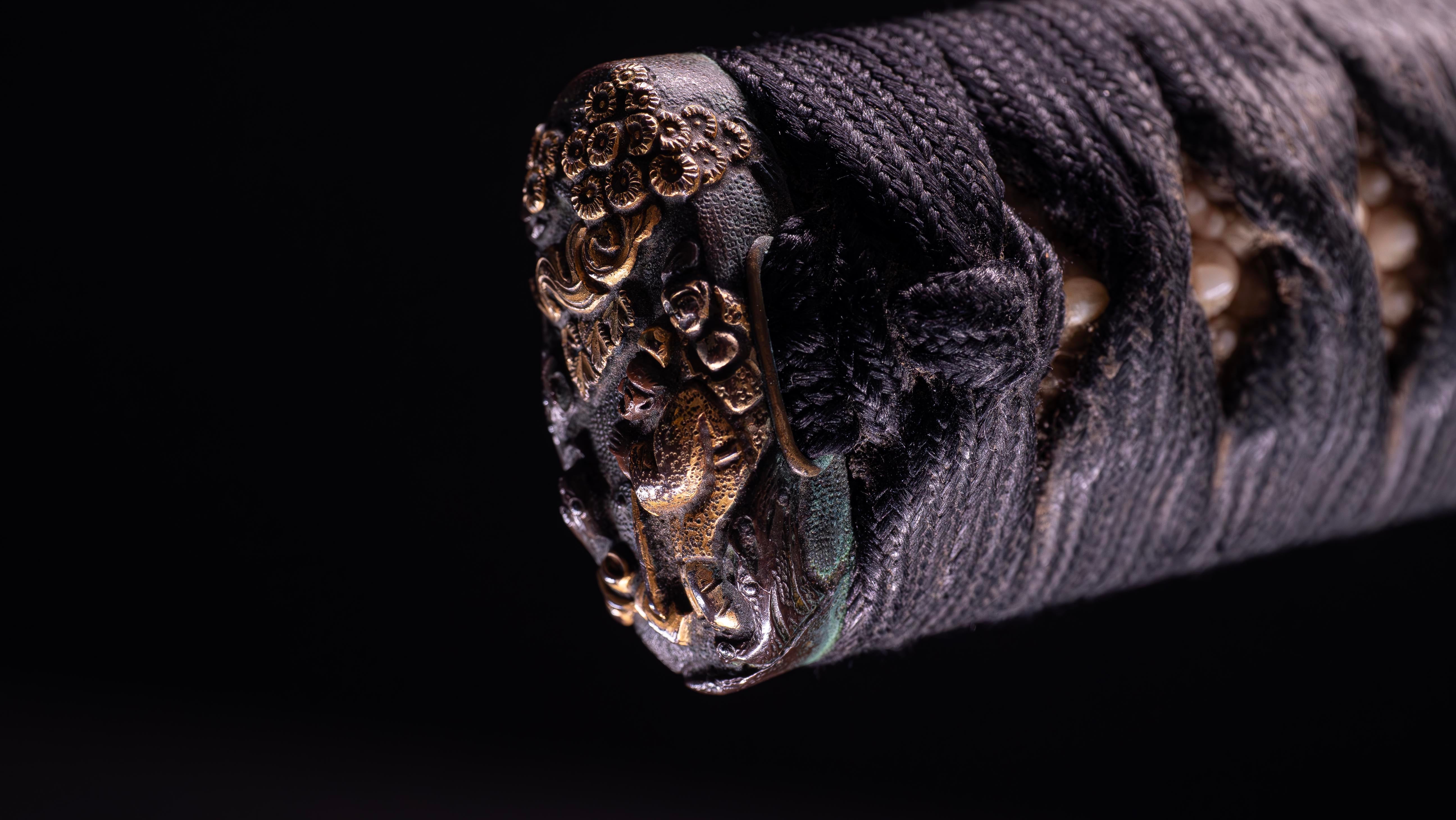
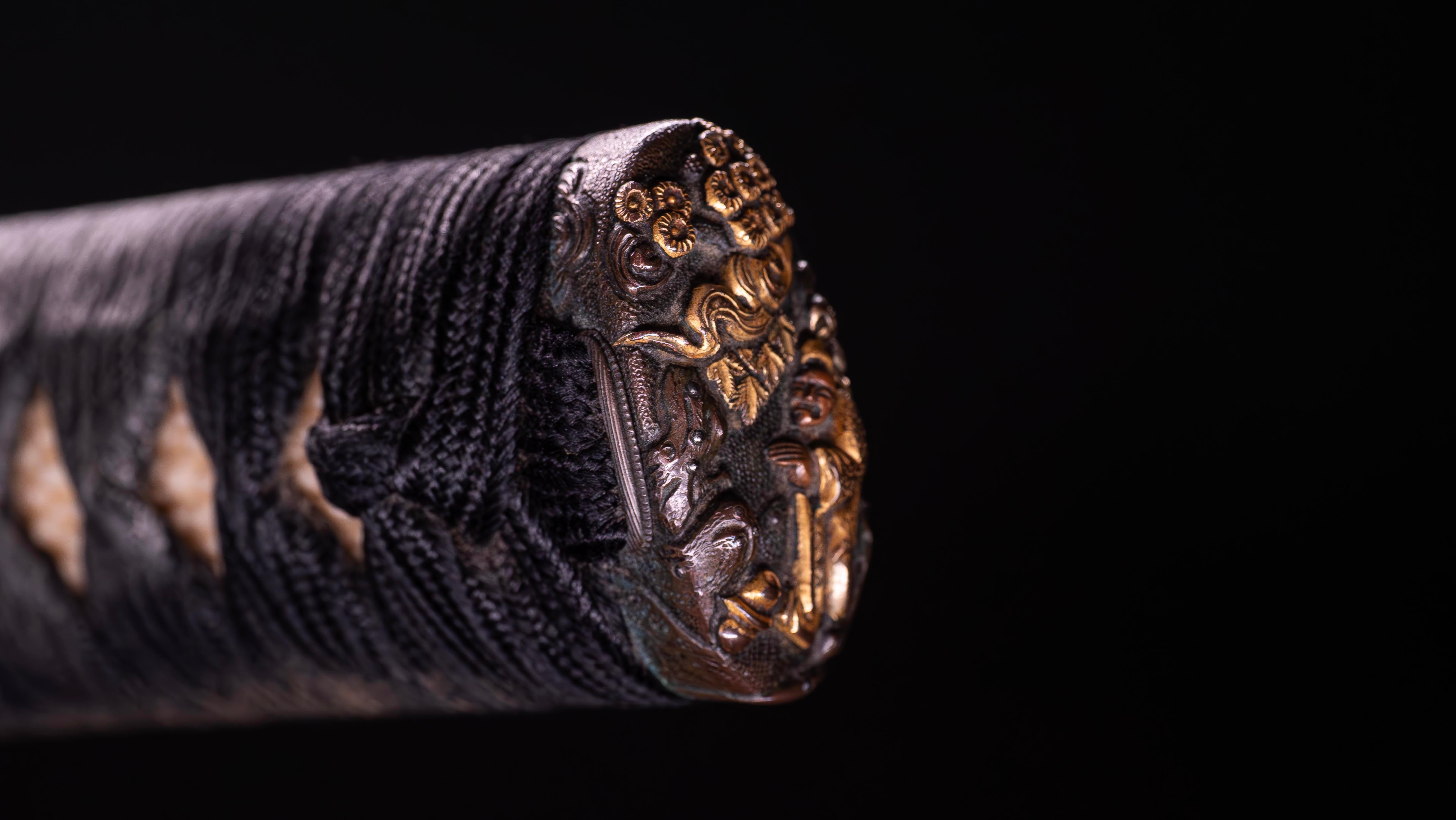
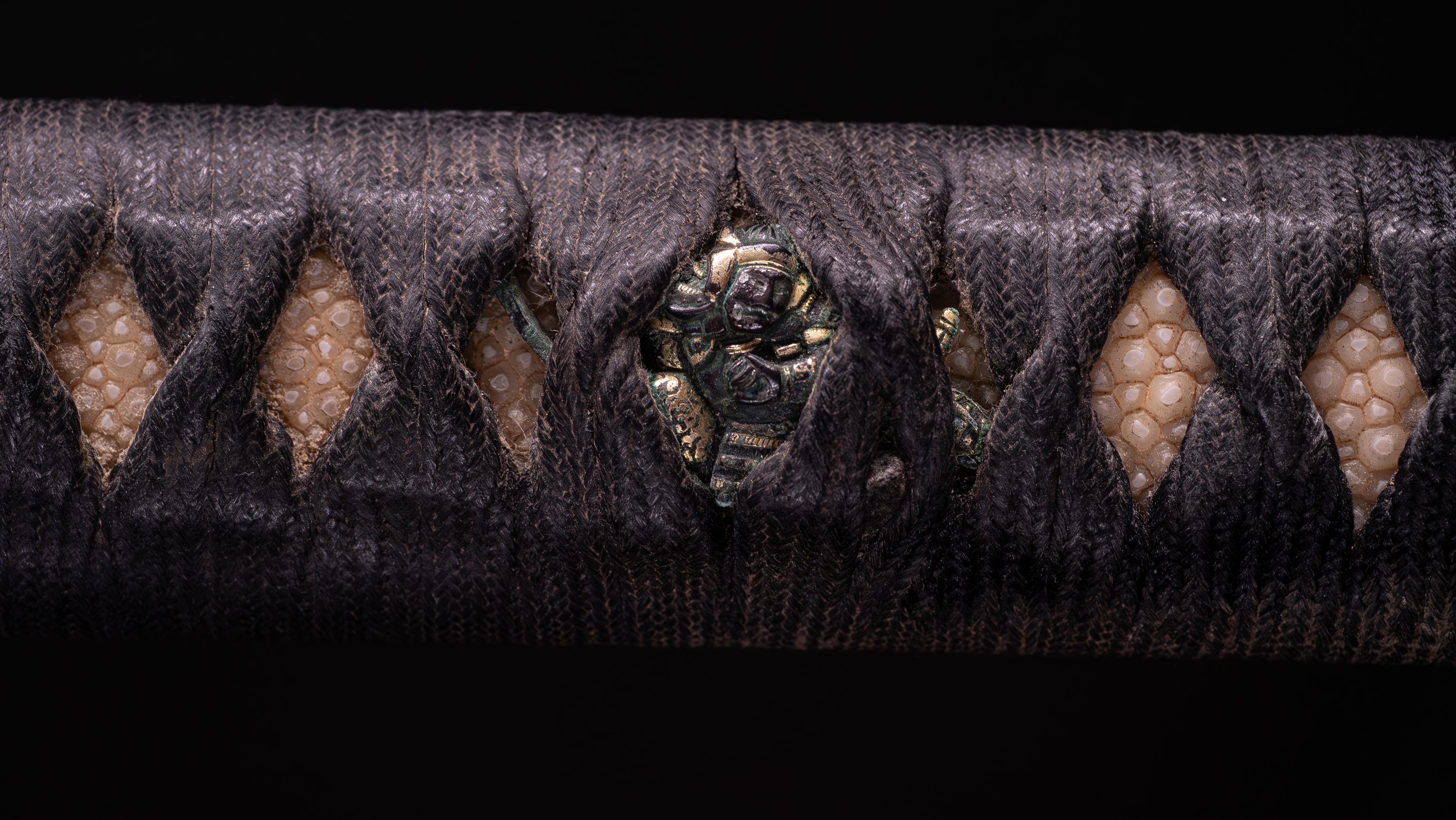
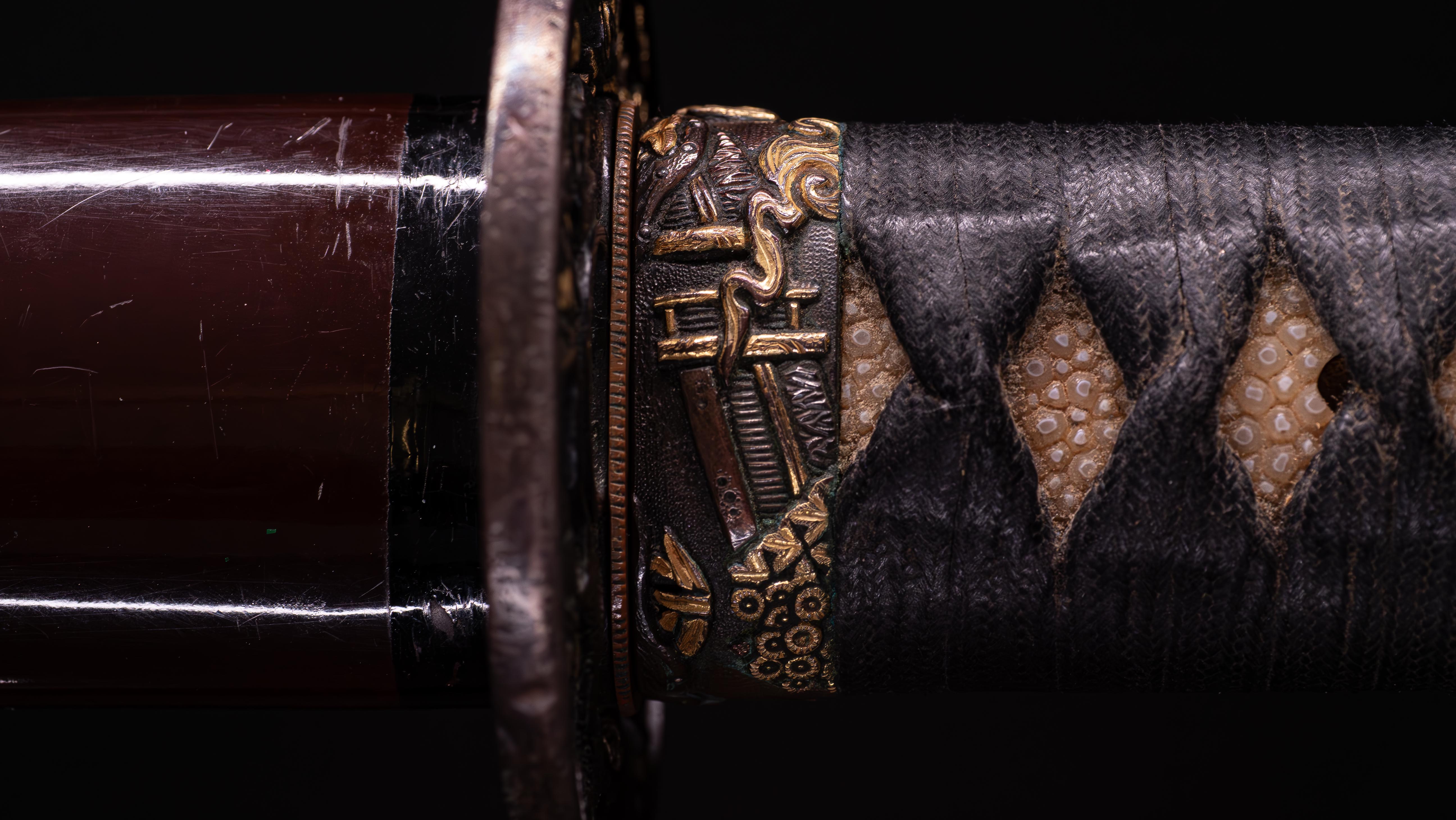
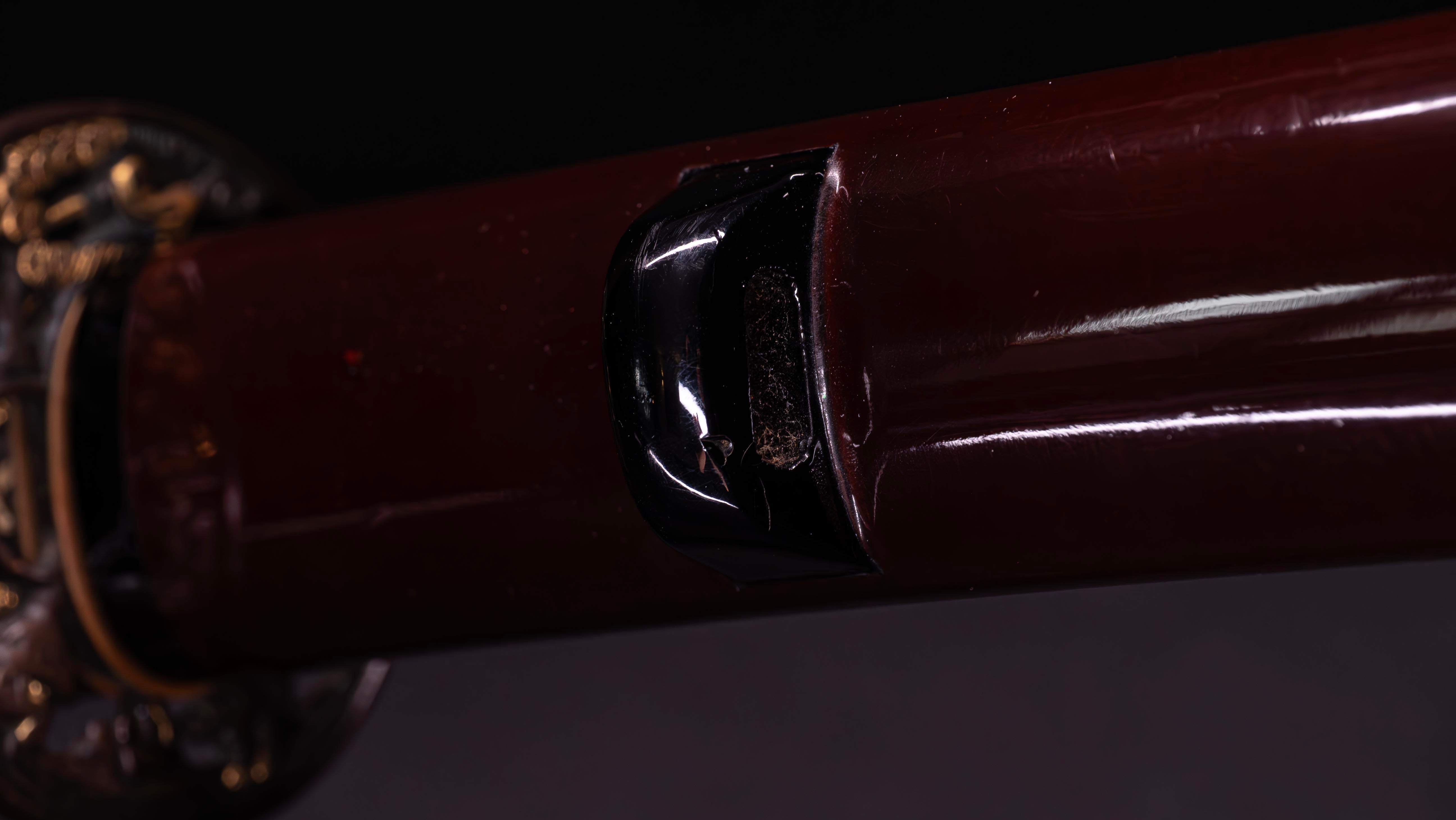
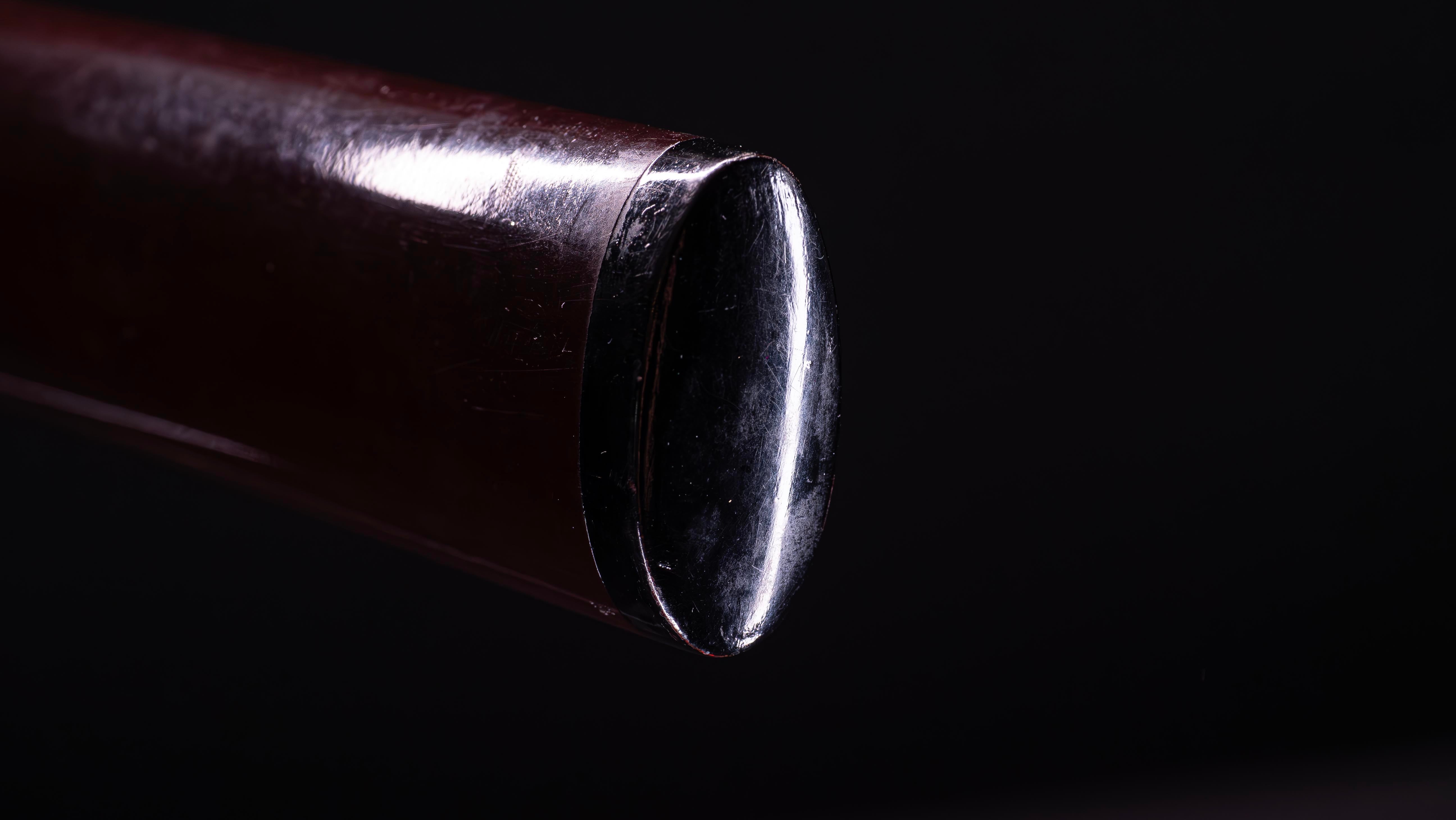
This katana, crafted through a rare collaboration between the father and son swordsmiths Fujiwara Kanefusa and Kaneuji , is a highly esteemed blade from the Showa period. The sword is housed in a meticulously crafted koshirae by Mogarasi Souten , a renowned maker of sword fittings. Specifications: Signature Front : Fujiwara Kanefusa Kaneuji Signature Back : Shōwa Kōnen Kichijitsu Period : Shōwa era (1926–1989) Overall Length (with Koshirae): 103.5 cm Blade Length (Nagasa): 72.0 cm Blade Curvature (Sori): 1.5 cm Width at Base (Motohaba): 3.08 cm Thickness at Base (Motokasane): 0.62 cm Width at Tip (Sakihaba): 2.12 cm Thickness at Tip (Sakikasane): 0.46 cm Weight (Blade only): 592.1 g Weight of Habaki (Blade Collar): 33.2 g Mekugi-ana (Peg Hole): 1 Blade Features: This katana demonstrates an elegant and well-balanced curvature of 1.5 cm, making it ideal for iaido and kenjutsu practice. The blade features a Kanefusa-style hamon , characterized by small nie (martensite crystals) and a signature "choji" pattern, with sections of pointed peaks, making the temper line a visually striking element of the blade. The itadame-hada steel surface displays a finely forged grain pattern, signifying the masterful workmanship of the Kanefusa lineage. The sword's overall quality is enhanced by its origin, crafted by Kanefusa, the 24th generation , a distinguished swordsmith lineage dating back to the Muromachi period. The blade also bears the craftsmanship of Kanefusa’s son, Kaneuji, marking this katana as a valuable heirloom and a rare collaborative piece. The Kanefusa family has long been celebrated for their expert craftsmanship, with the 24th generation of Kanefusa being honored with numerous awards, including the Kunzan Award. Koshirae (Mountings): The koshirae of this katana is a work of art on its own, crafted by Mogarasi Souten , a famous master of sword fittings. The lacquered scabbard (saya) and intricately designed fittings complement the katana, making it a perfect match f
Offered by Katana Sword


Gifu · around 1926-1989
1 piece on the market now
Shōwa to the present: destruction and revival
The twentieth century nearly killed the craft twice: wartime distortion, then the occupation ban. The NBTHK’s founding in 1948 and licensed forging from 1953 rebuilt the sword as an art, crowned by Living National Treasures and the mukansa rank.
30-day money-back guarantee from receipt; items must be unused, complete, in original packaging. Sale items Final Sale. Antique swords non-returnable (Japanese export law). Damage reported within 72 hours. Customer pays return shipping unless seller error/defect. Refunds within 14 days of inspection.