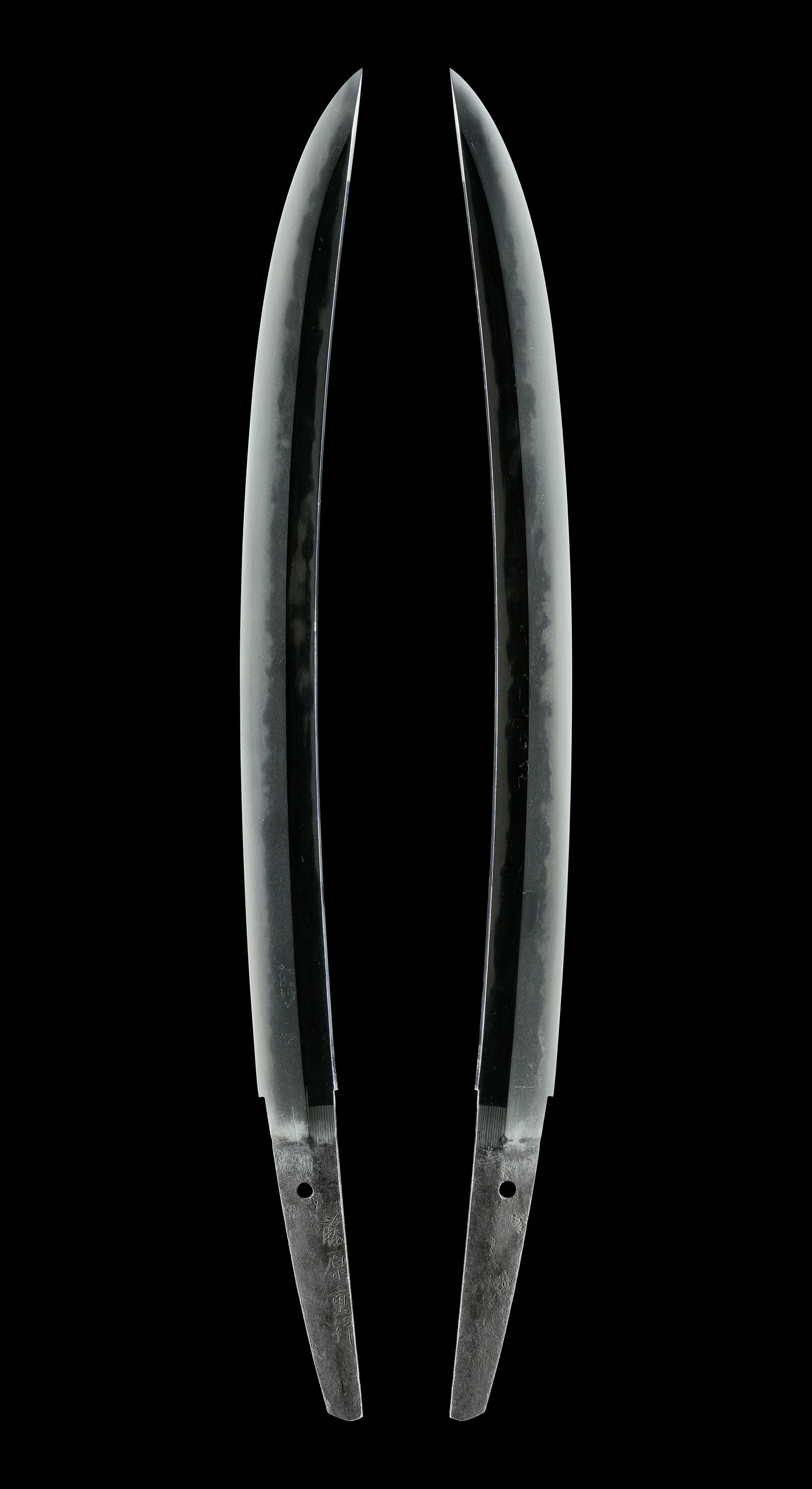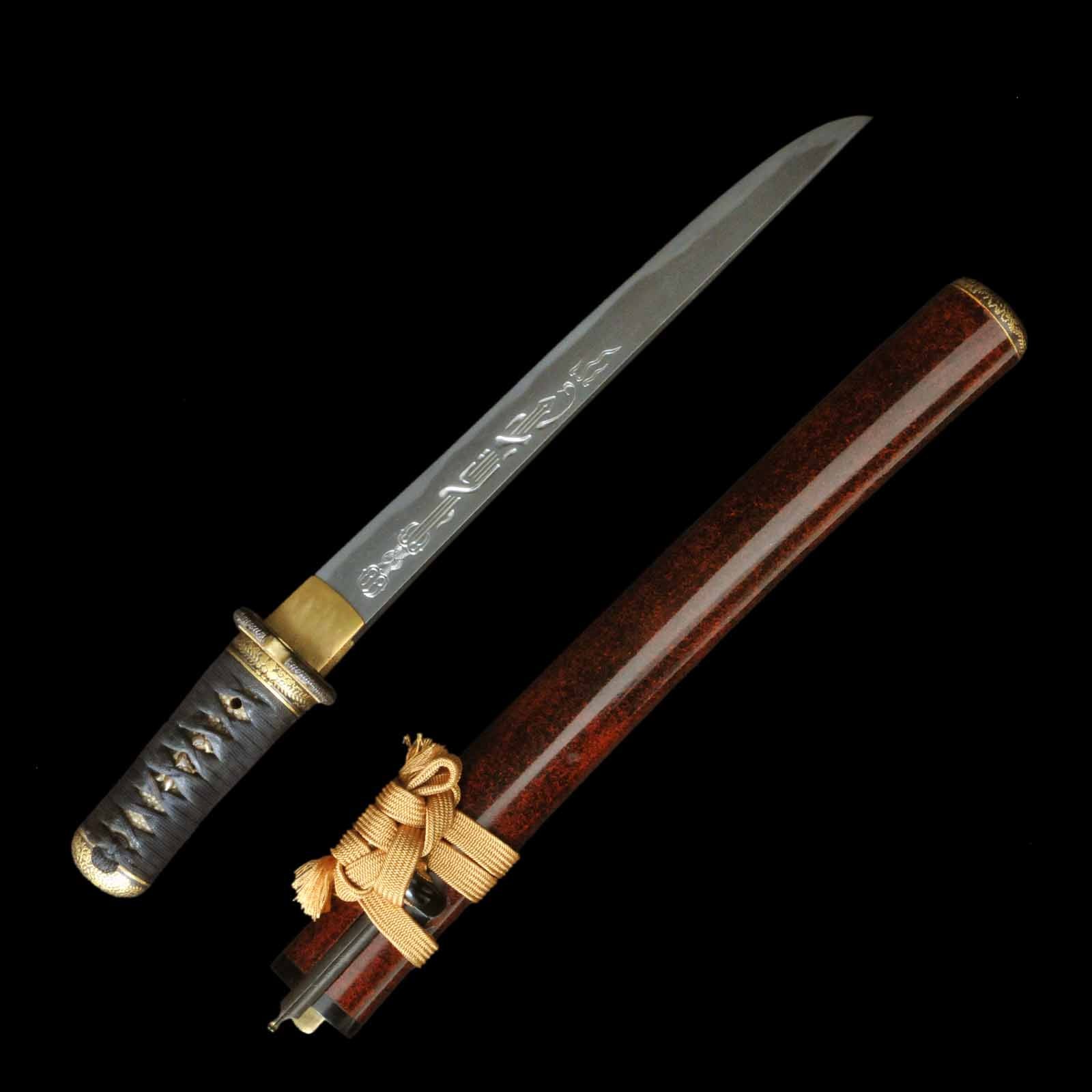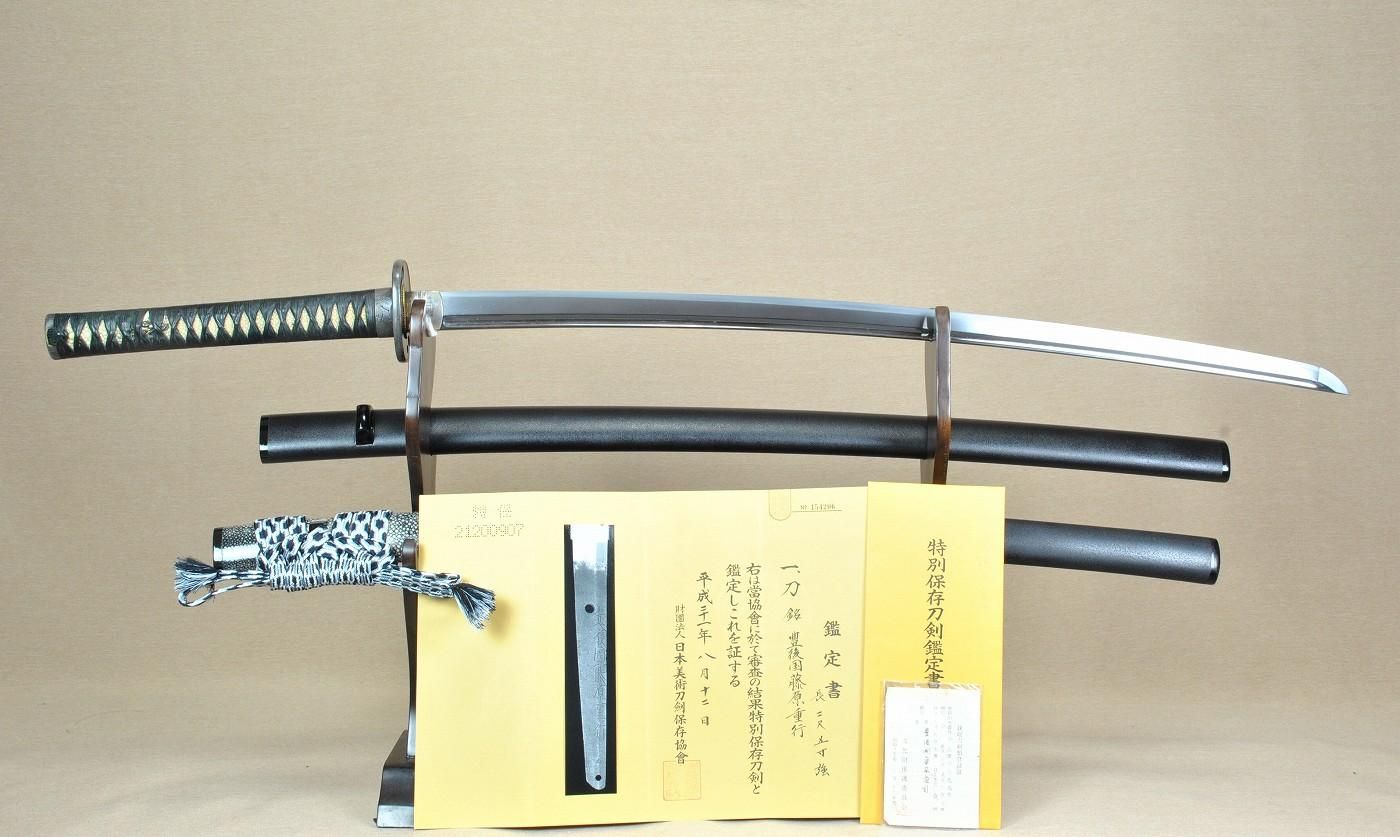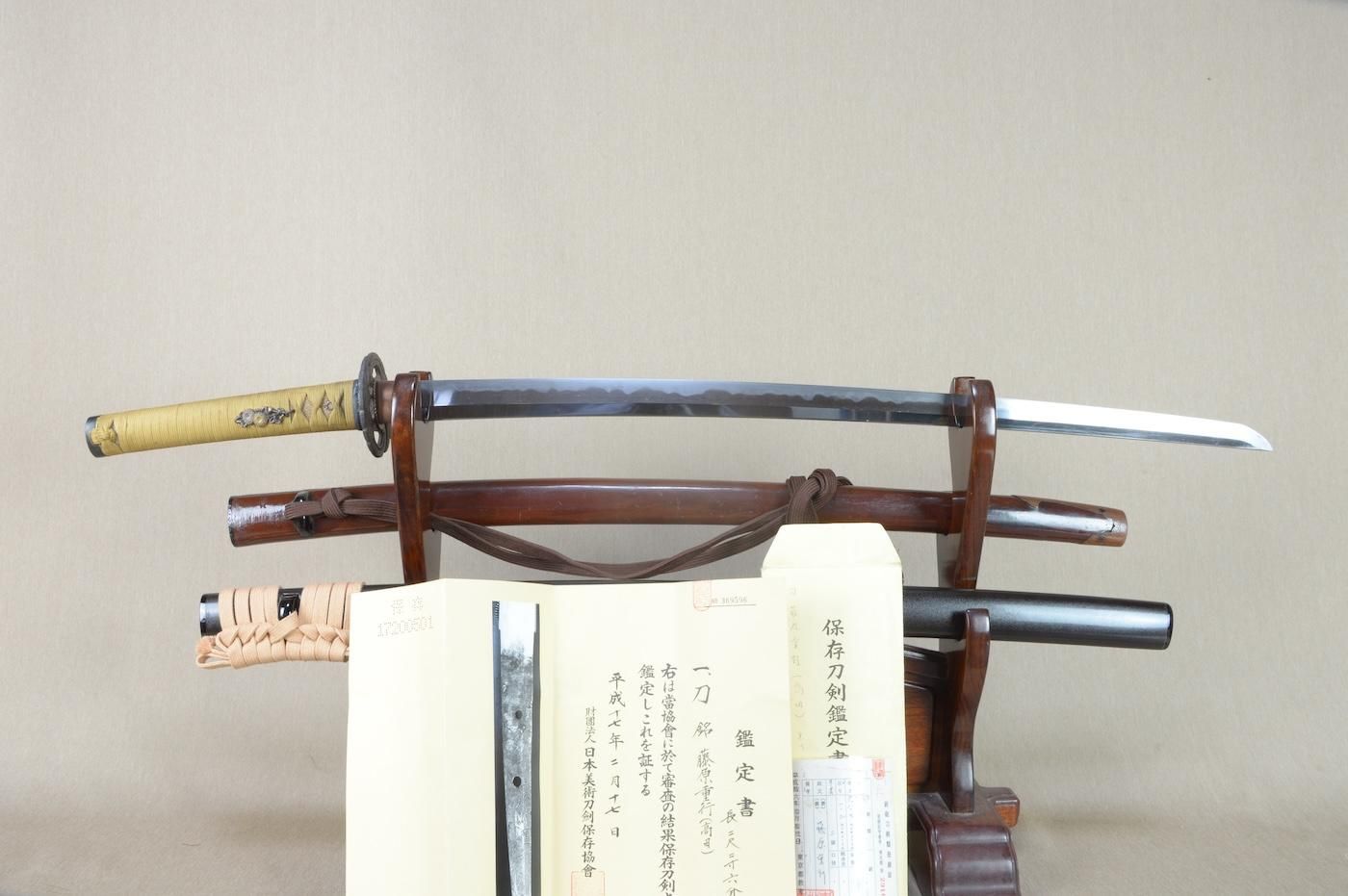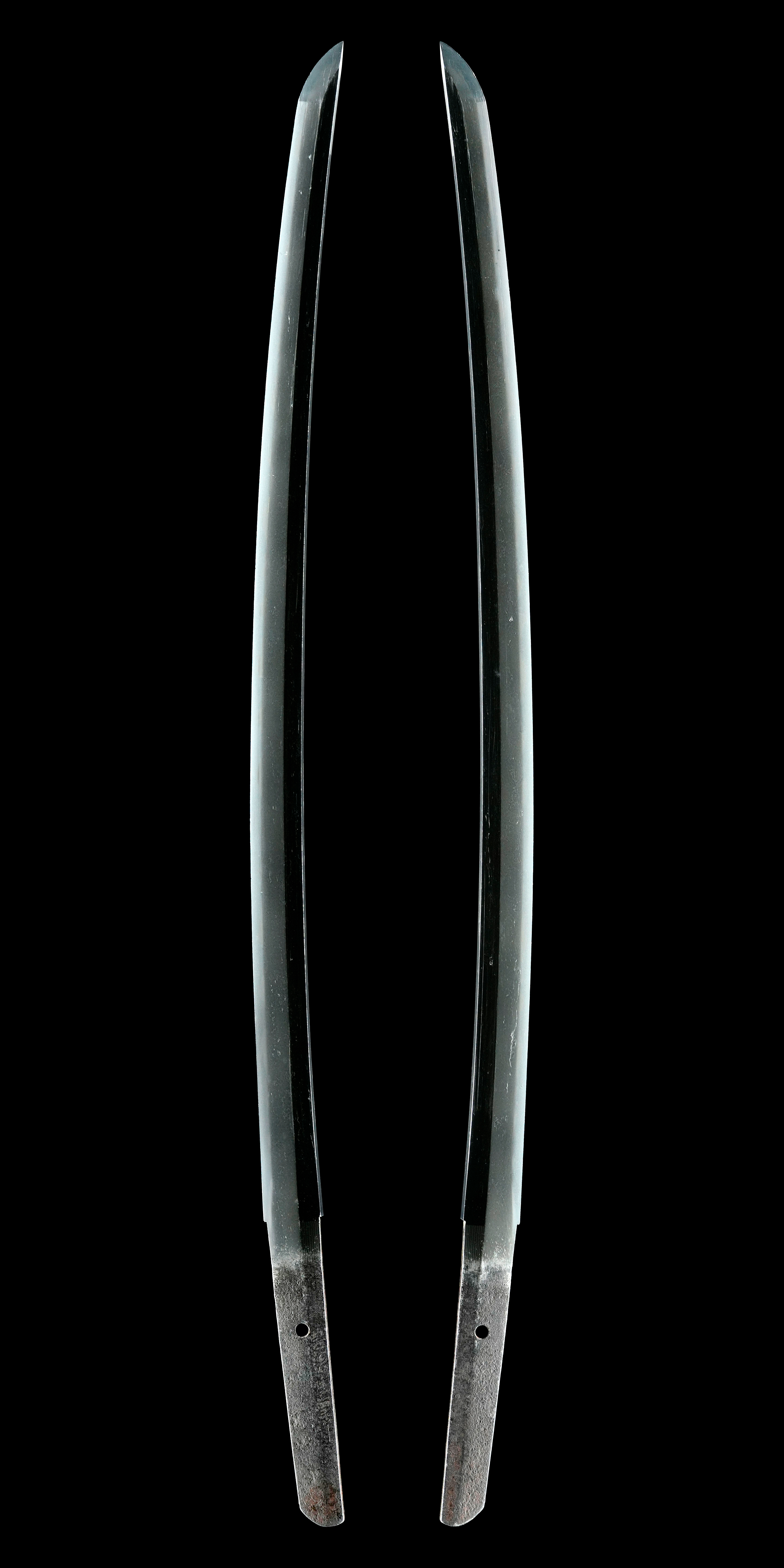
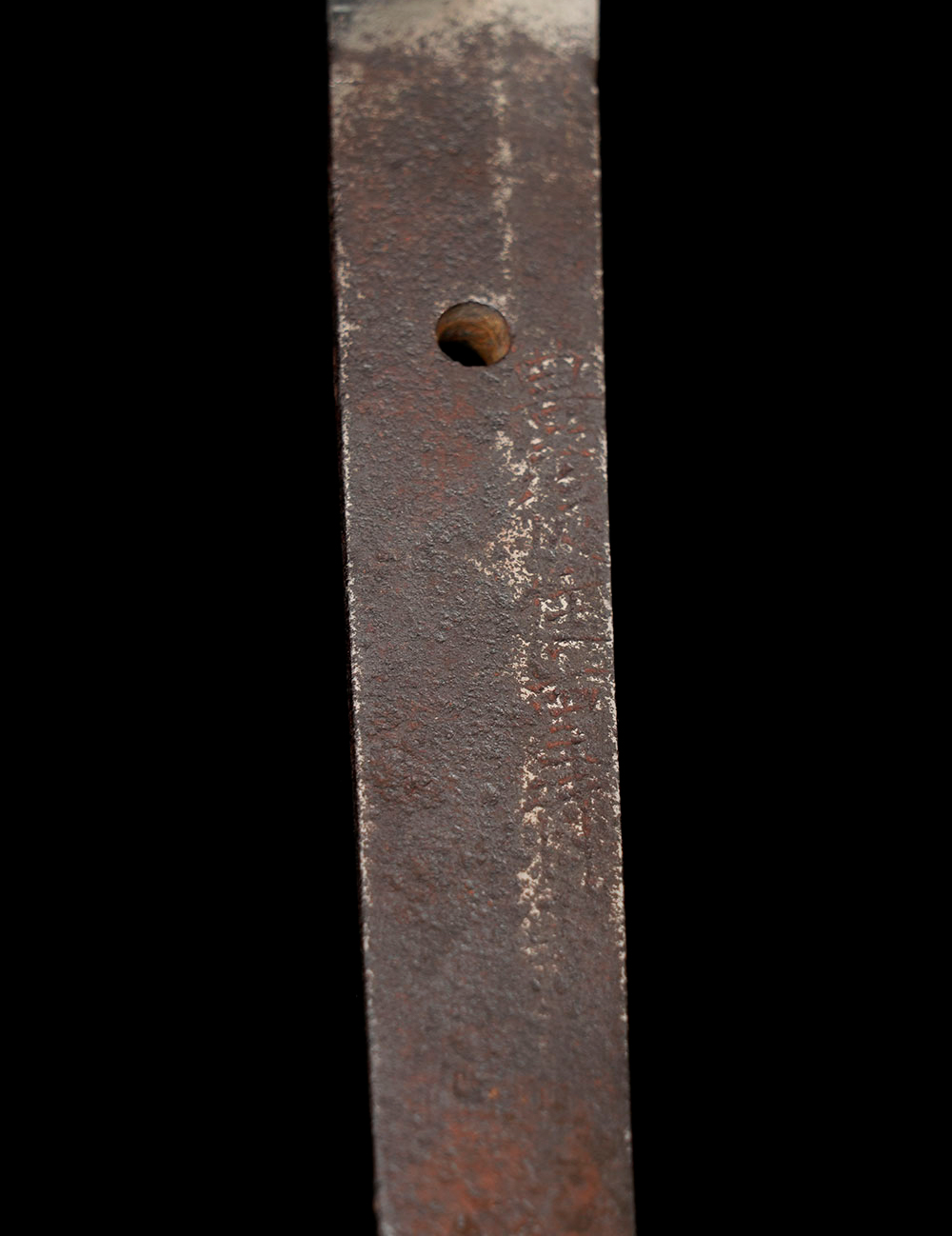
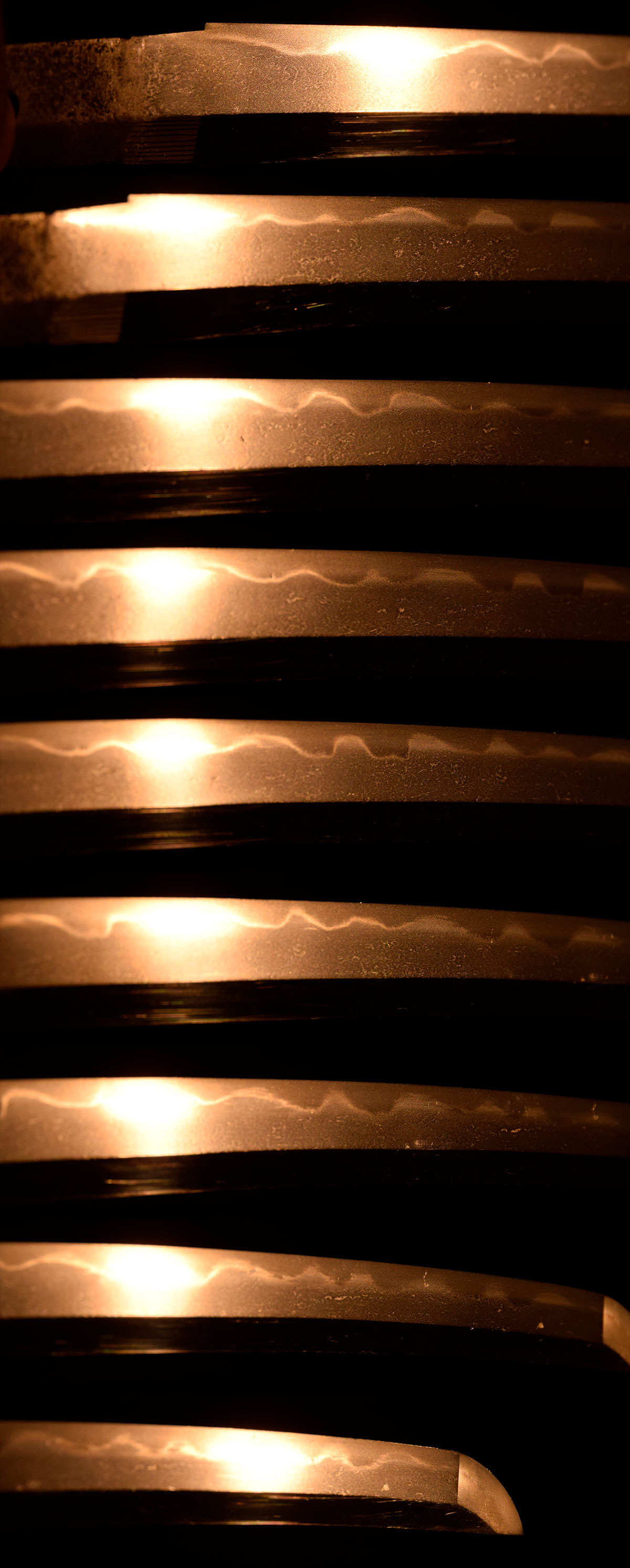
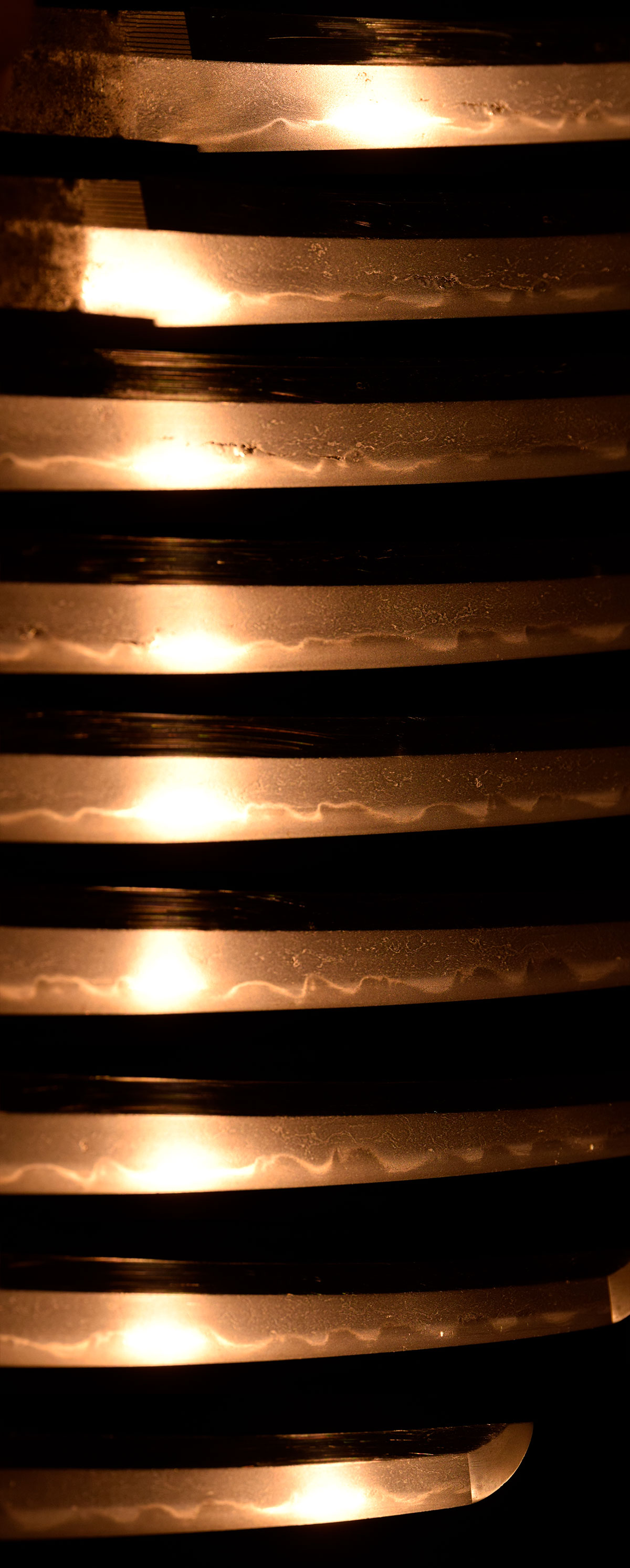
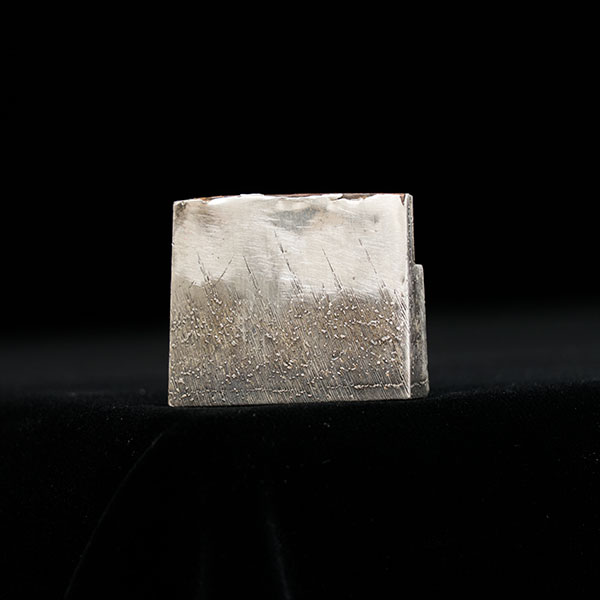
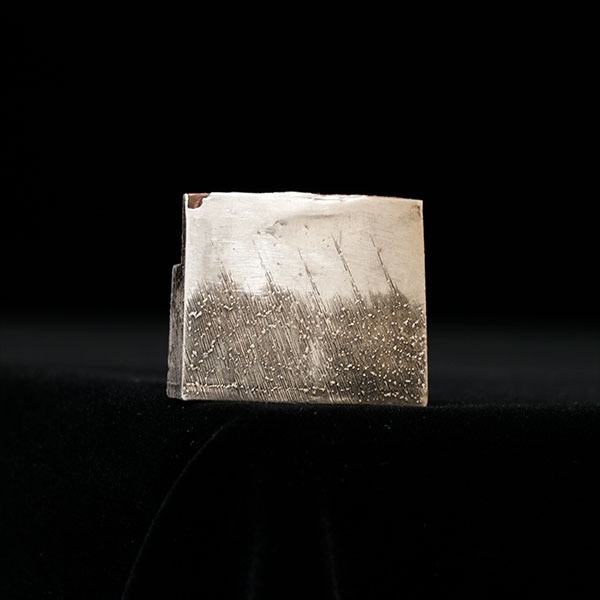
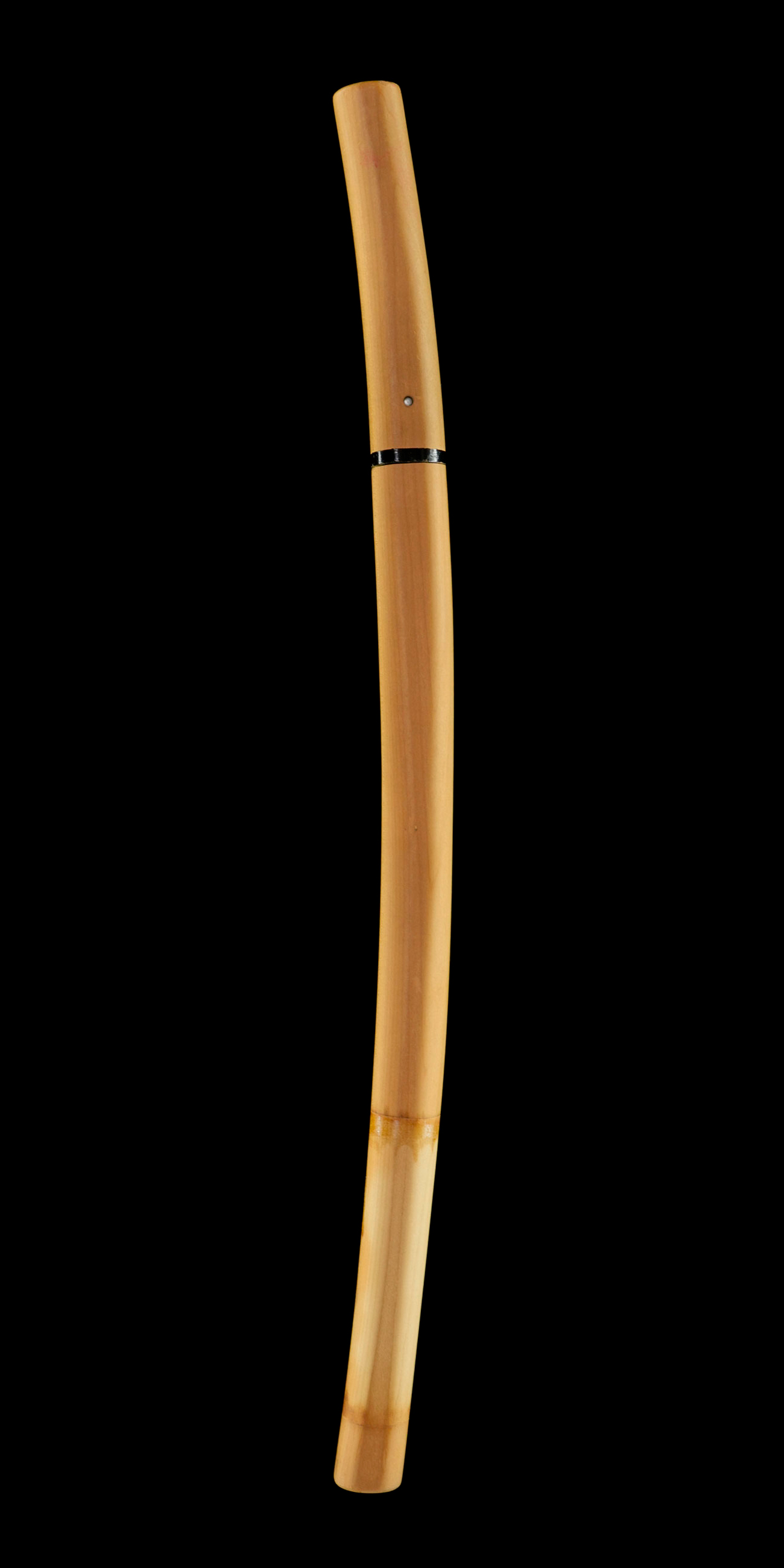
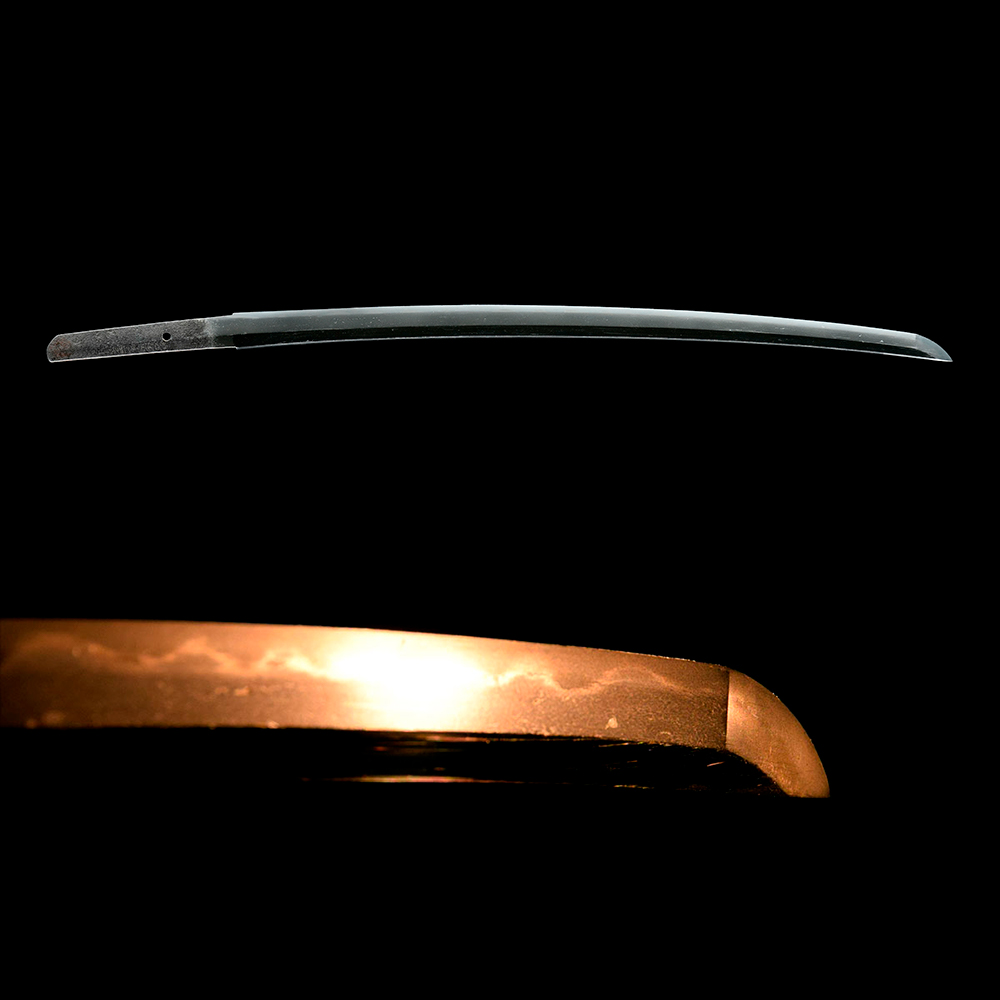
Wakizashi by Bungo ju Shigeyuki, active during the early Edo period. The blade features a sugata with a difference in width between the moto and saki. The hamon is a wavy notare with gunome, showing sunagashi and kinsuji, and the boshi turns back roundly. The tang has a bottom mei and comes with a shirasaya and a copper habaki with silver plating.
mei · Edo · nagasa 49.8cm · sori 1.2cm


Bungo · around 1624-1644
3 pieces on the market now
We could not find an authenticity certificate on the seller’s listing. Japanese swords and fittings are normally papered by the NBTHK (or the NTHK). Without one, the attribution is the seller’s own assessment and has not been independently verified — treat it with caution and ask the dealer about certification before buying.
Returns accepted within 3 days of delivery for defective items or significant discrepancies; customer bears return shipping and bank fees.
Wakizashi by Bungo ju Shigeyuki, active during the early Edo period. The blade features a sugata with a difference in width between the moto and saki. The hamon is a wavy notare with gunome, showing sunagashi and kinsuji, and the boshi turns back roundly. The tang has a bottom mei and comes with a shirasaya and a copper habaki with silver plating.
mei · Edo · nagasa 49.8cm · sori 1.2cm


Bungo · around 1624-1644
3 pieces on the market now
We could not find an authenticity certificate on the seller’s listing. Japanese swords and fittings are normally papered by the NBTHK (or the NTHK). Without one, the attribution is the seller’s own assessment and has not been independently verified — treat it with caution and ask the dealer about certification before buying.
Returns accepted within 3 days of delivery for defective items or significant discrepancies; customer bears return shipping and bank fees.