After the Ōnin War broke the Ashikaga order, a century of Sengoku warfare armed nearly every province in Japan. The era rewards a discriminating eye: routine work exists in quantity, and beside it stand custom blades of the first rank.
 NihontoWatchNihontoWatch
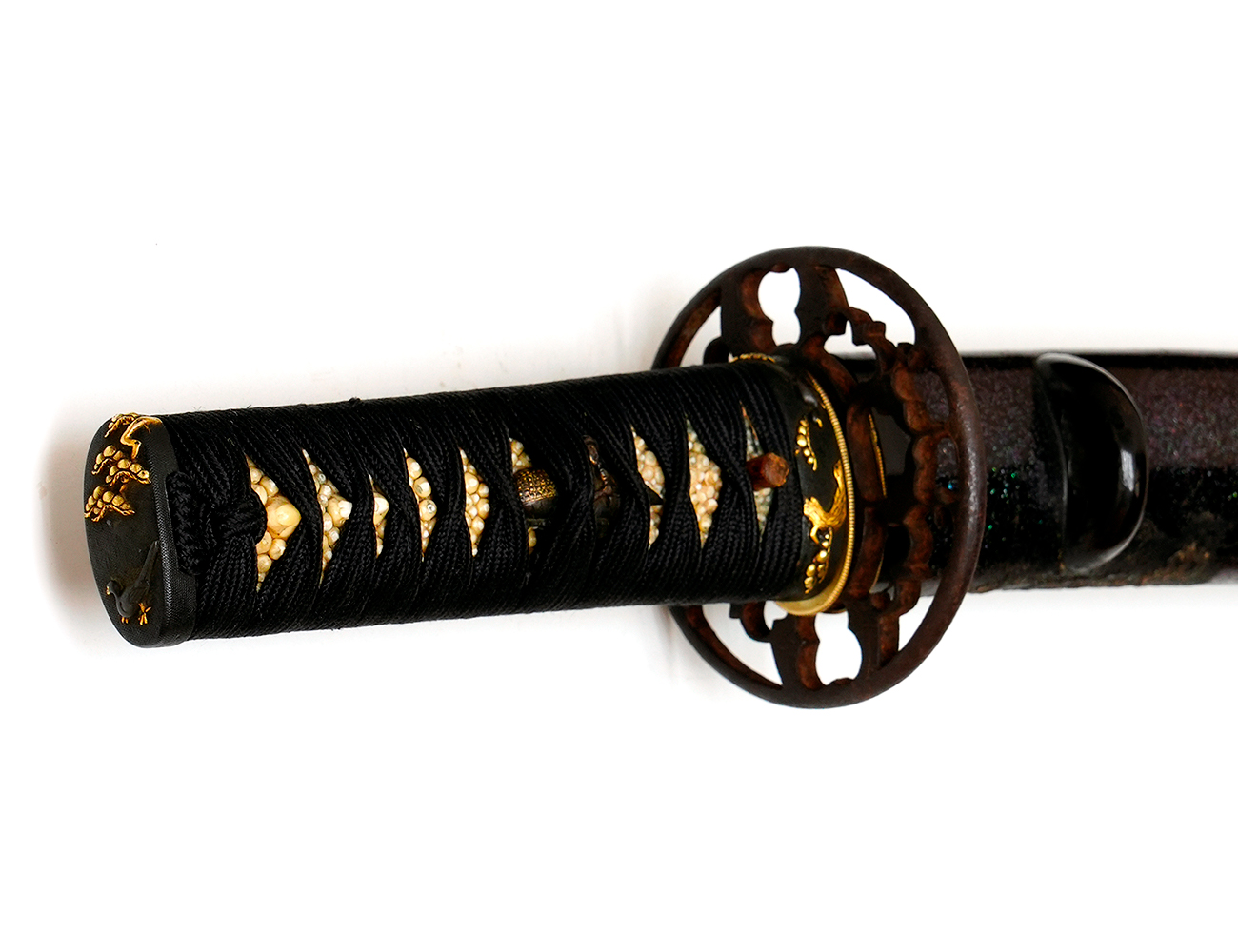
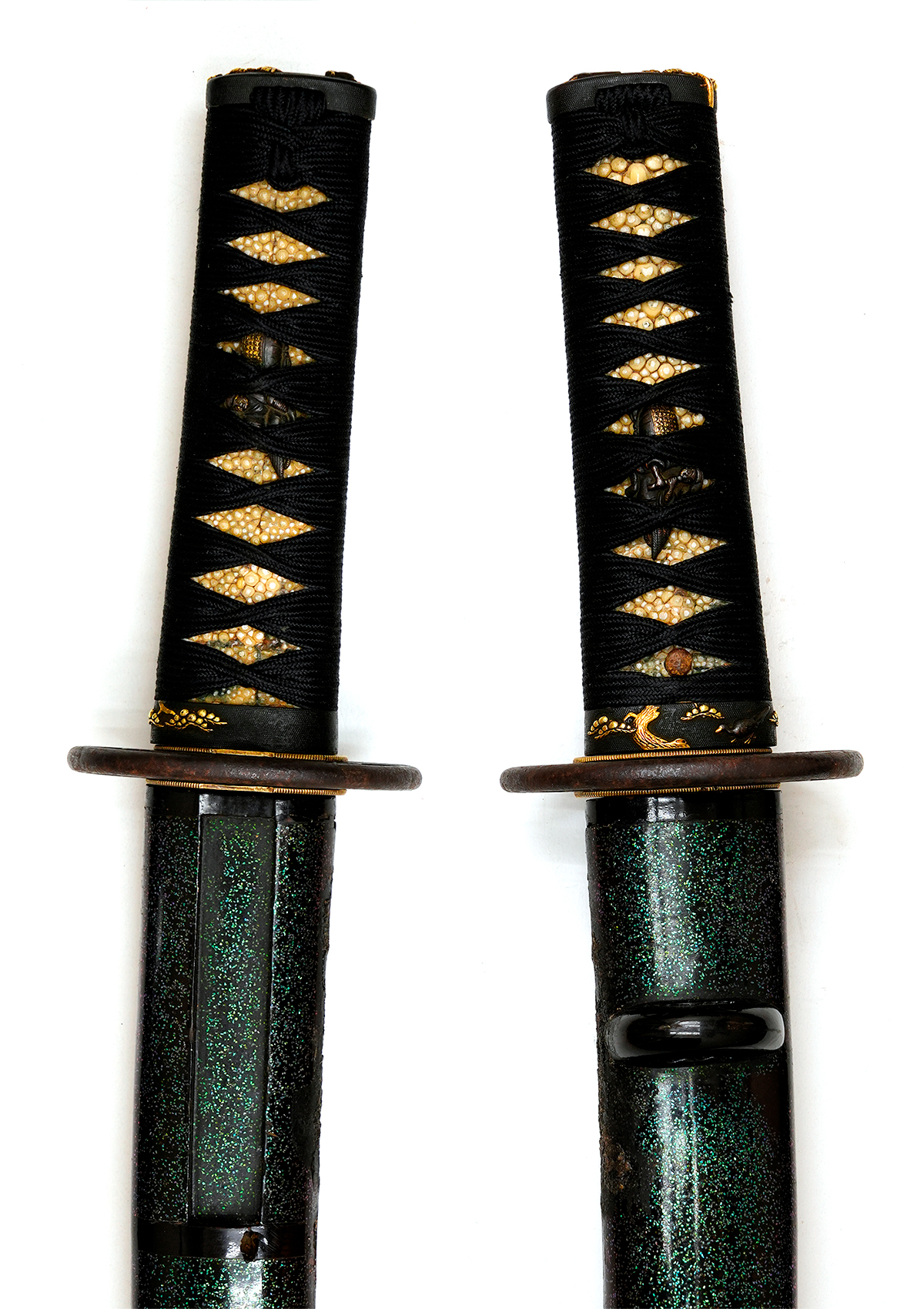
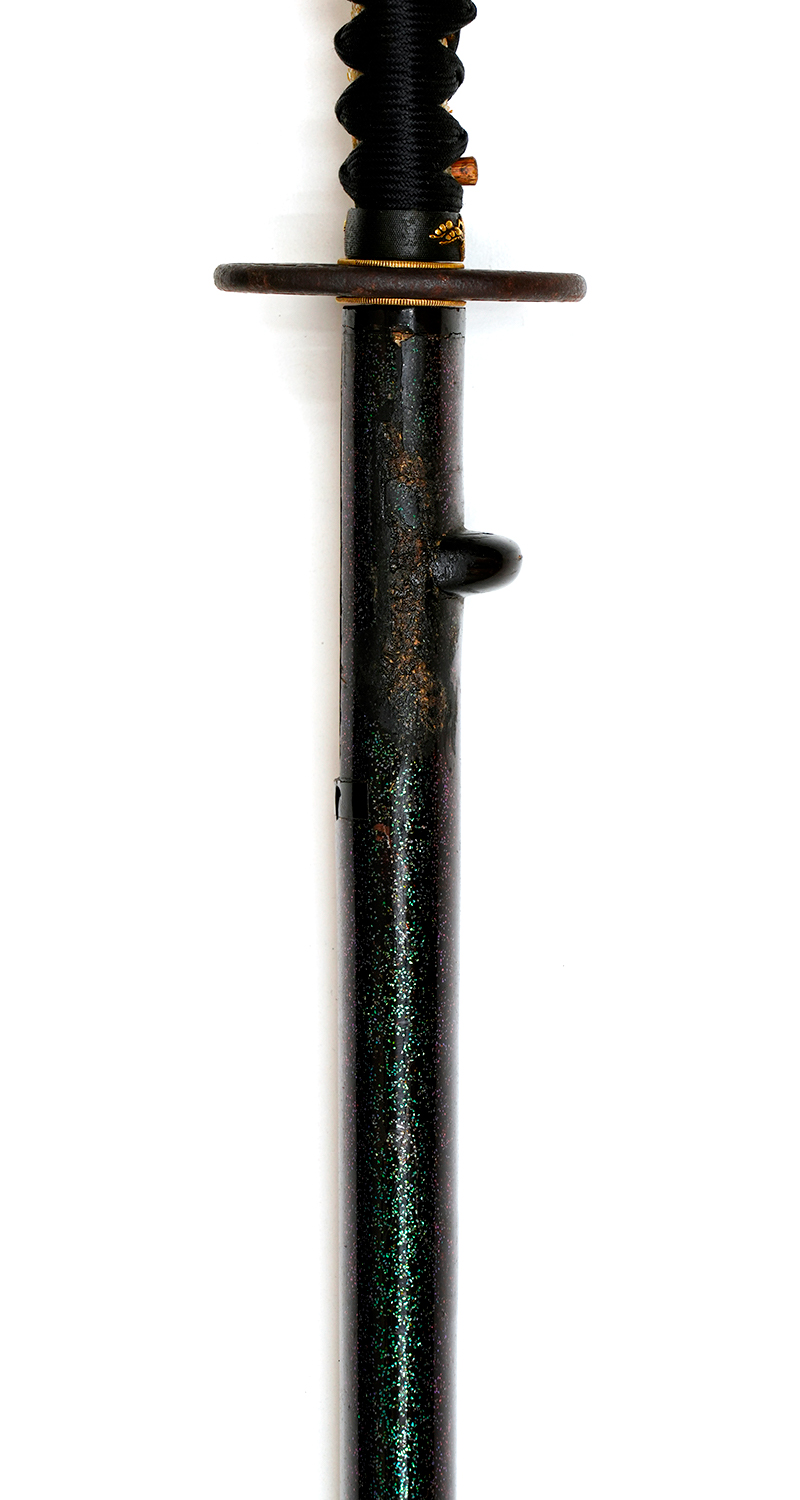
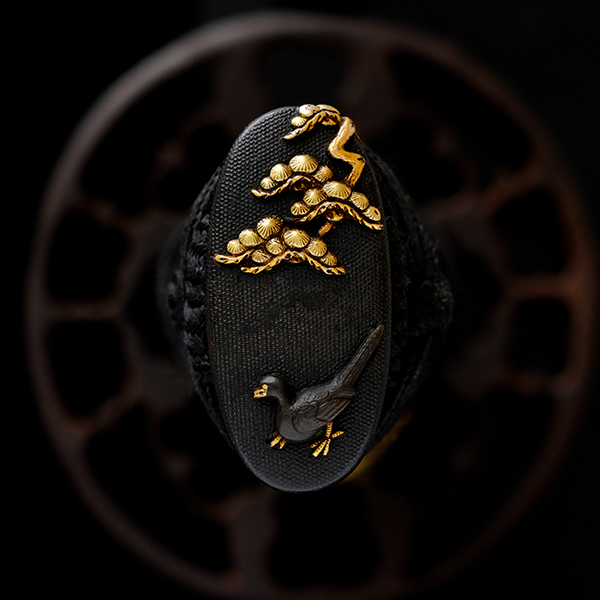
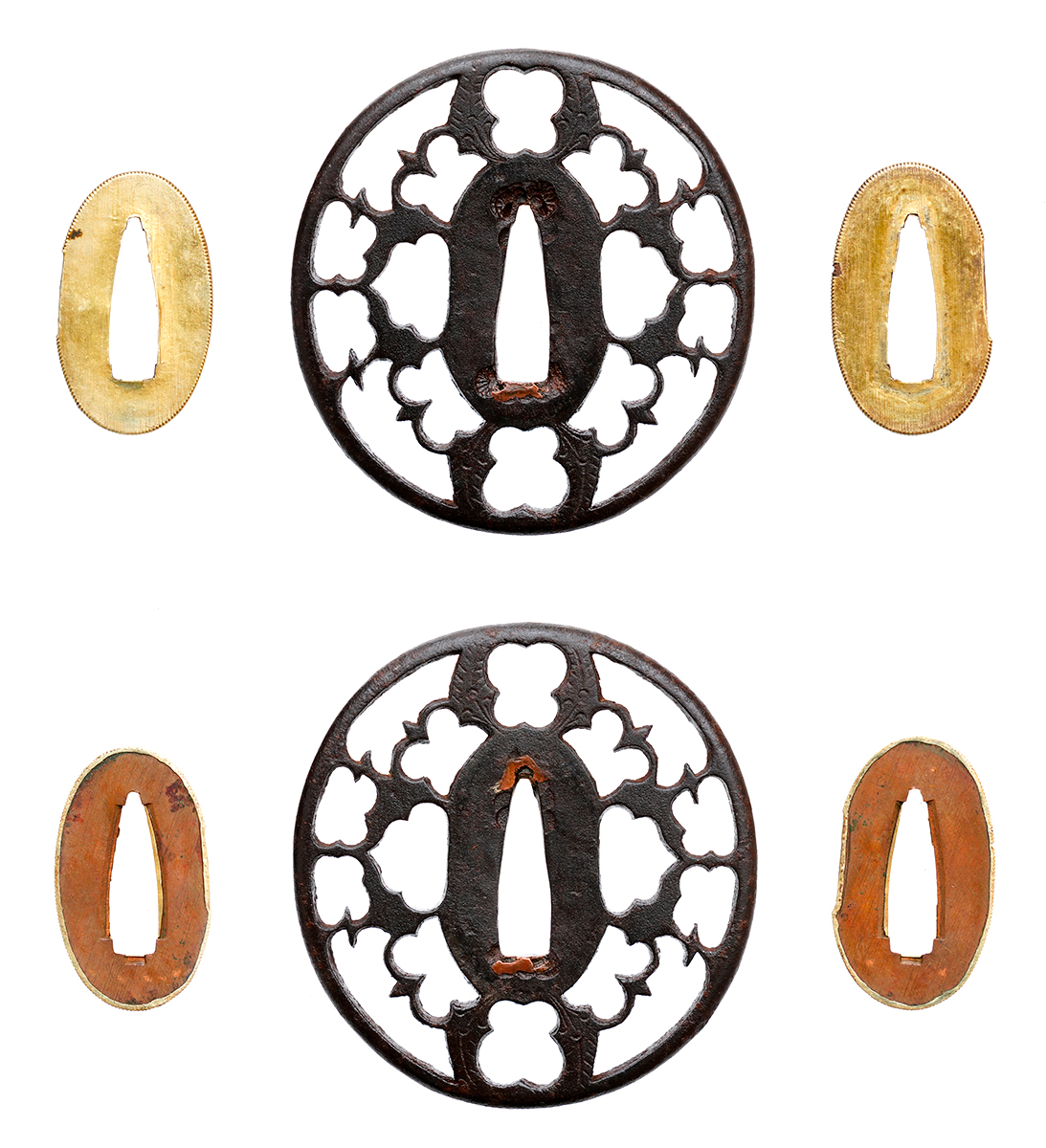
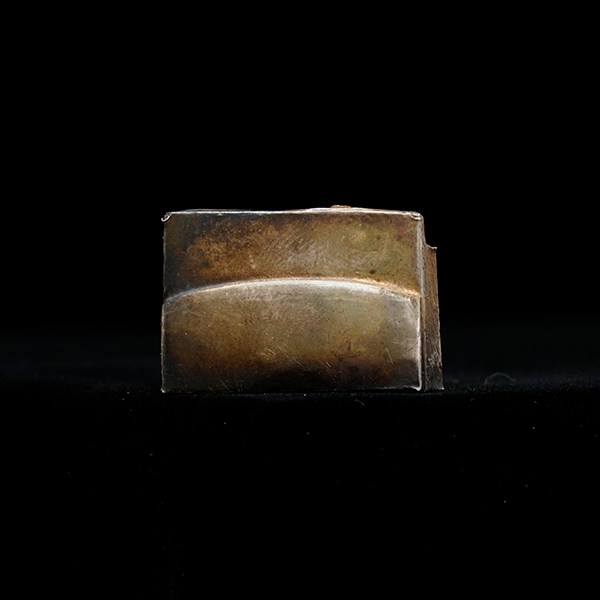
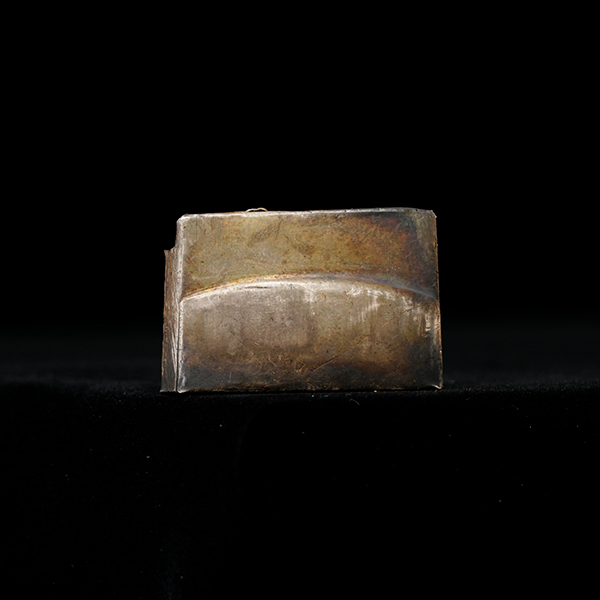
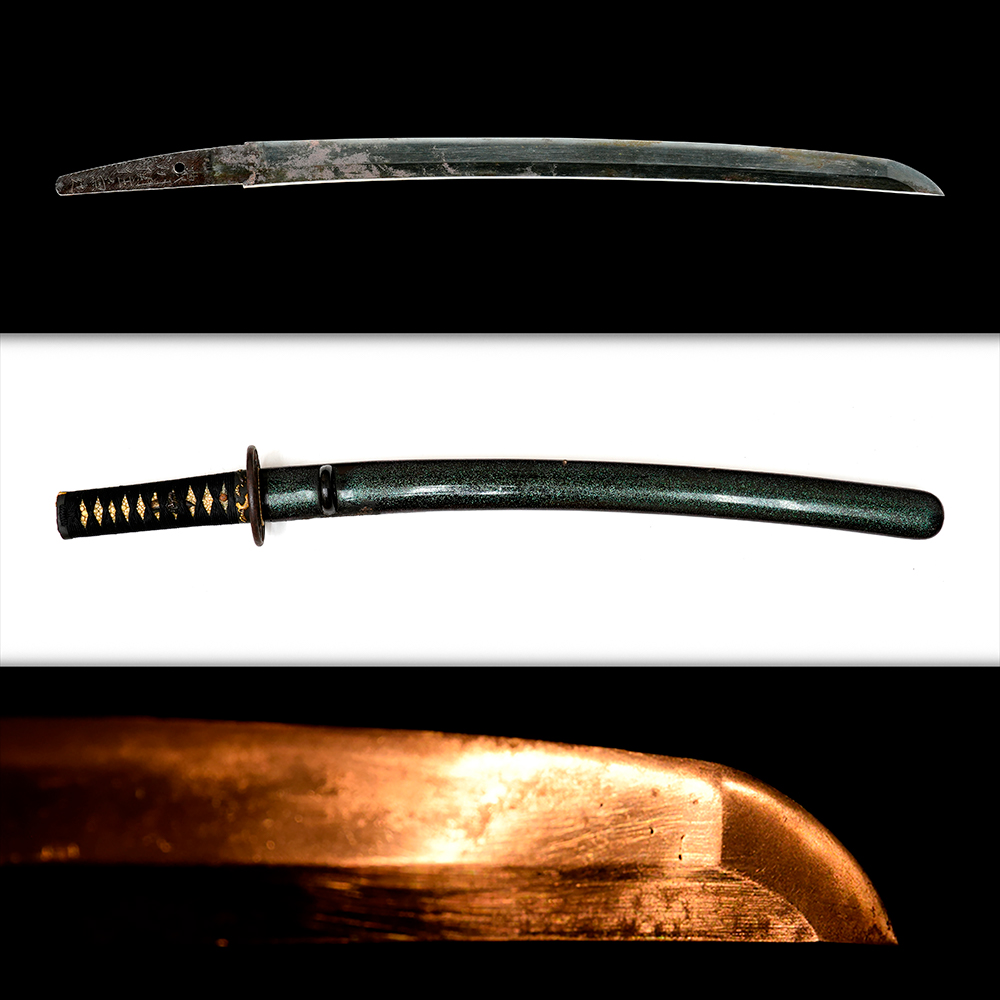
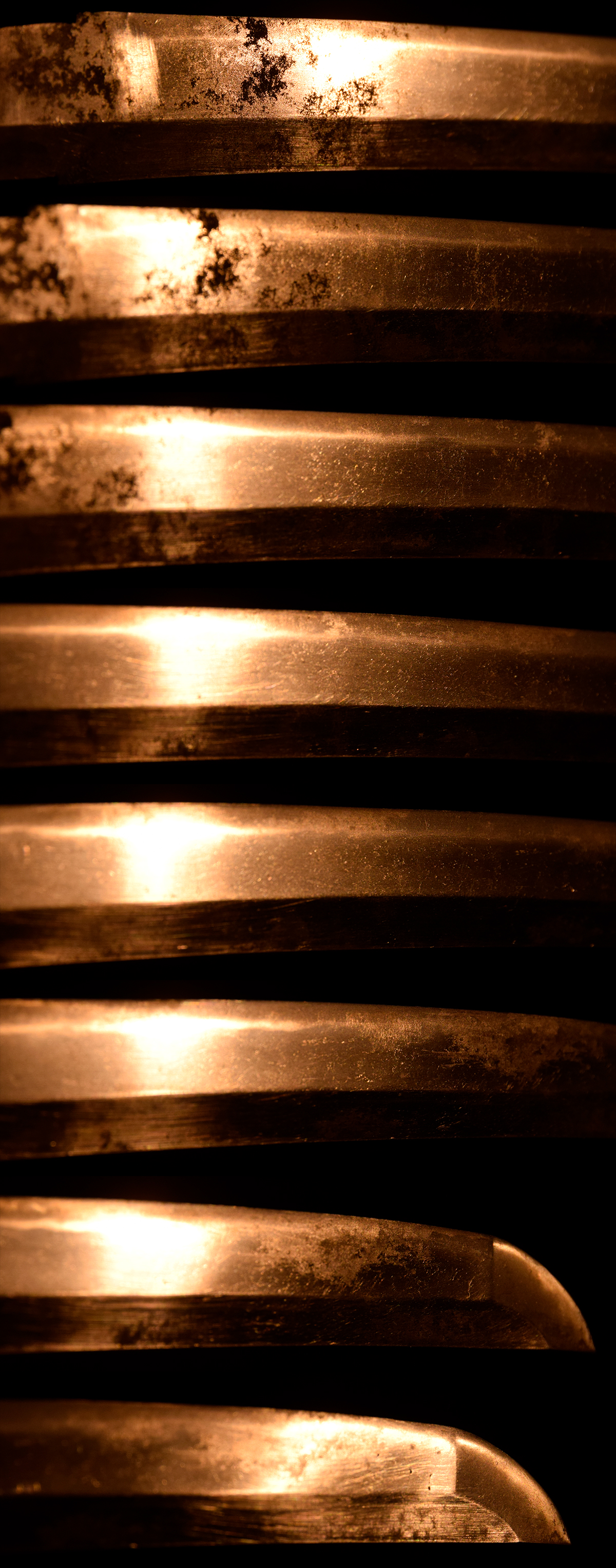
This is a wakizashi made by Kanetsuji of Noshu Seki during the late Muromachi period (Keicho era, 1596~). The blade has a sharp construction with a well-tempered small ko-itame mokume hada and a bright nioiguchi suguha hamon. The koshirae features a high-quality aogai nashiji lacquer finish and well-crafted fittings, suggesting it was owned by a high-ranking samurai.
NihontoWatchOffered by Toushin

We couldn’t find current papers for this piece. Ask the dealer whether it has been, or can be, submitted to shinsa. — Hoshi

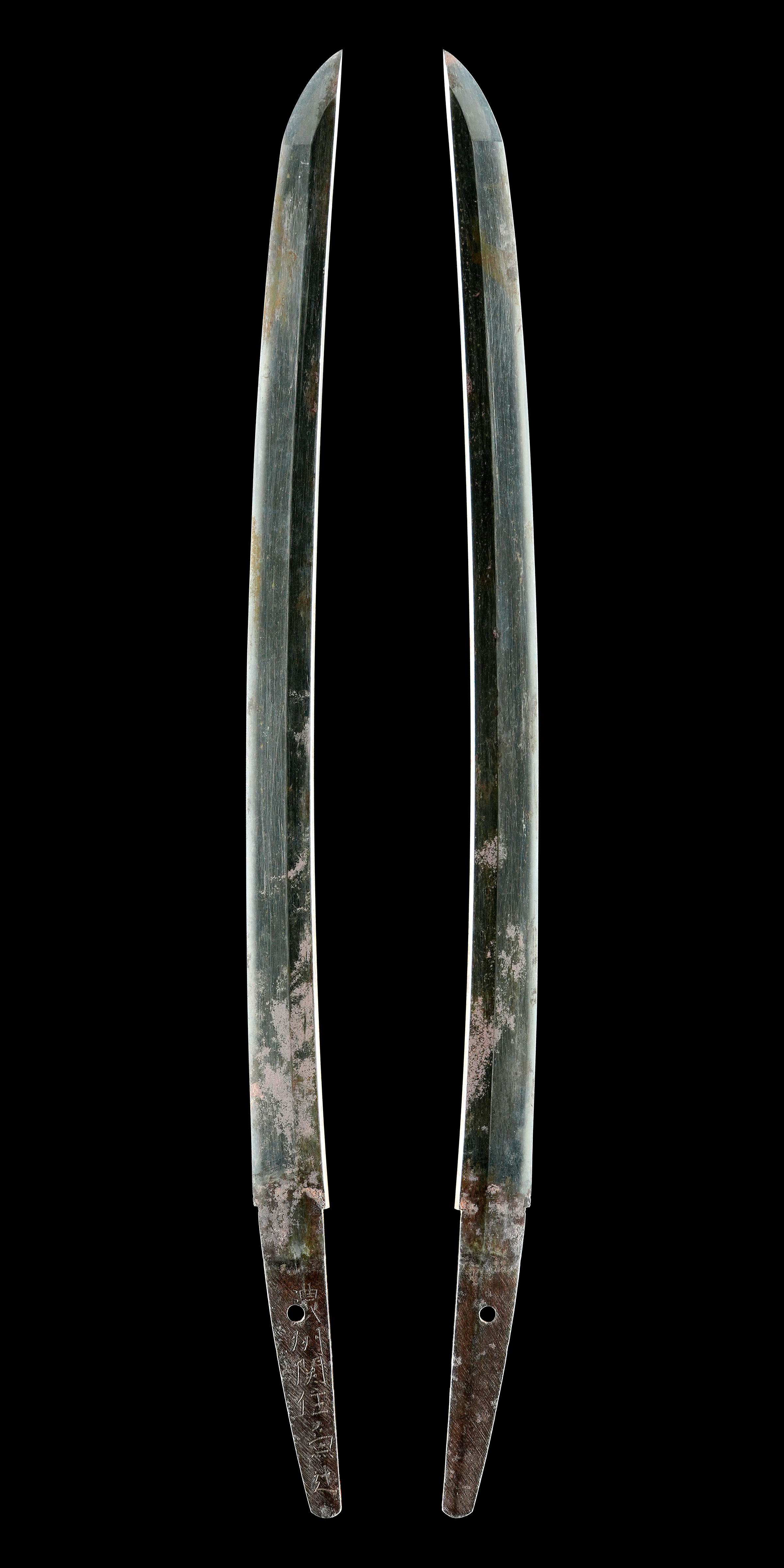
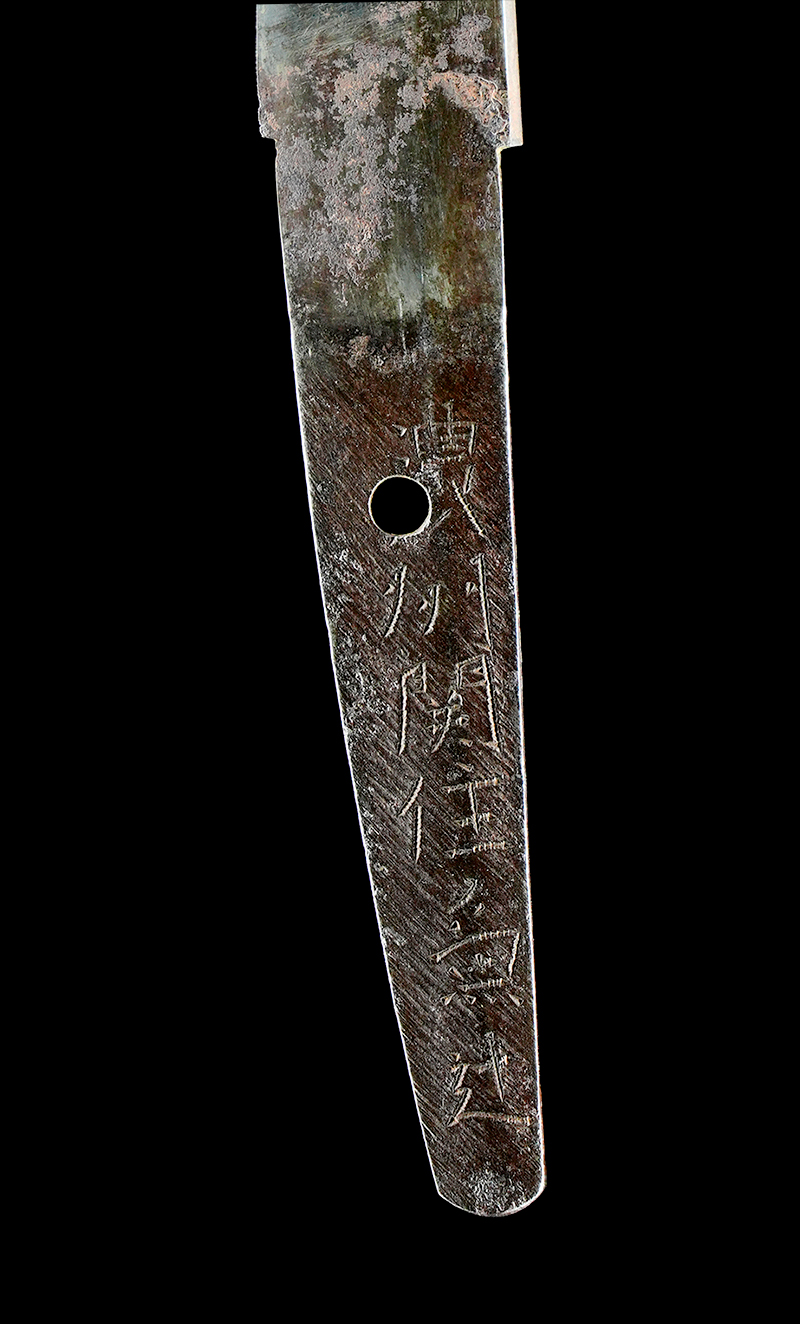
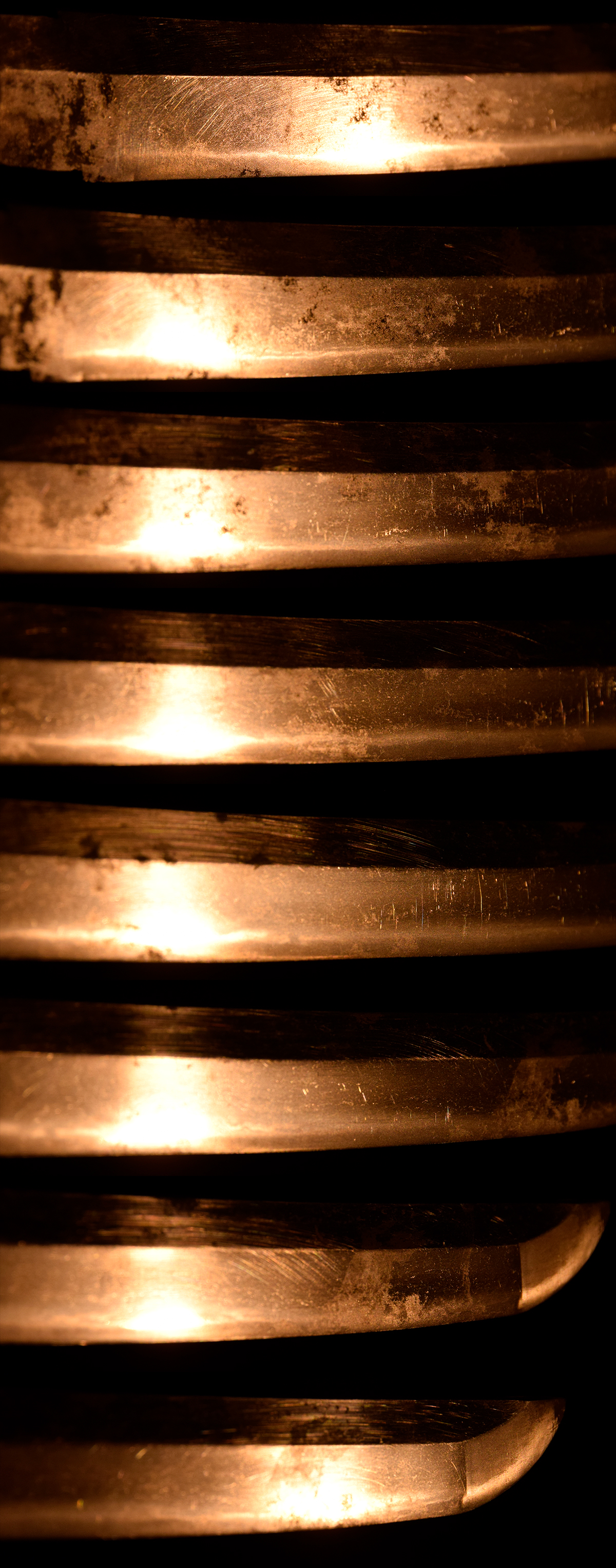
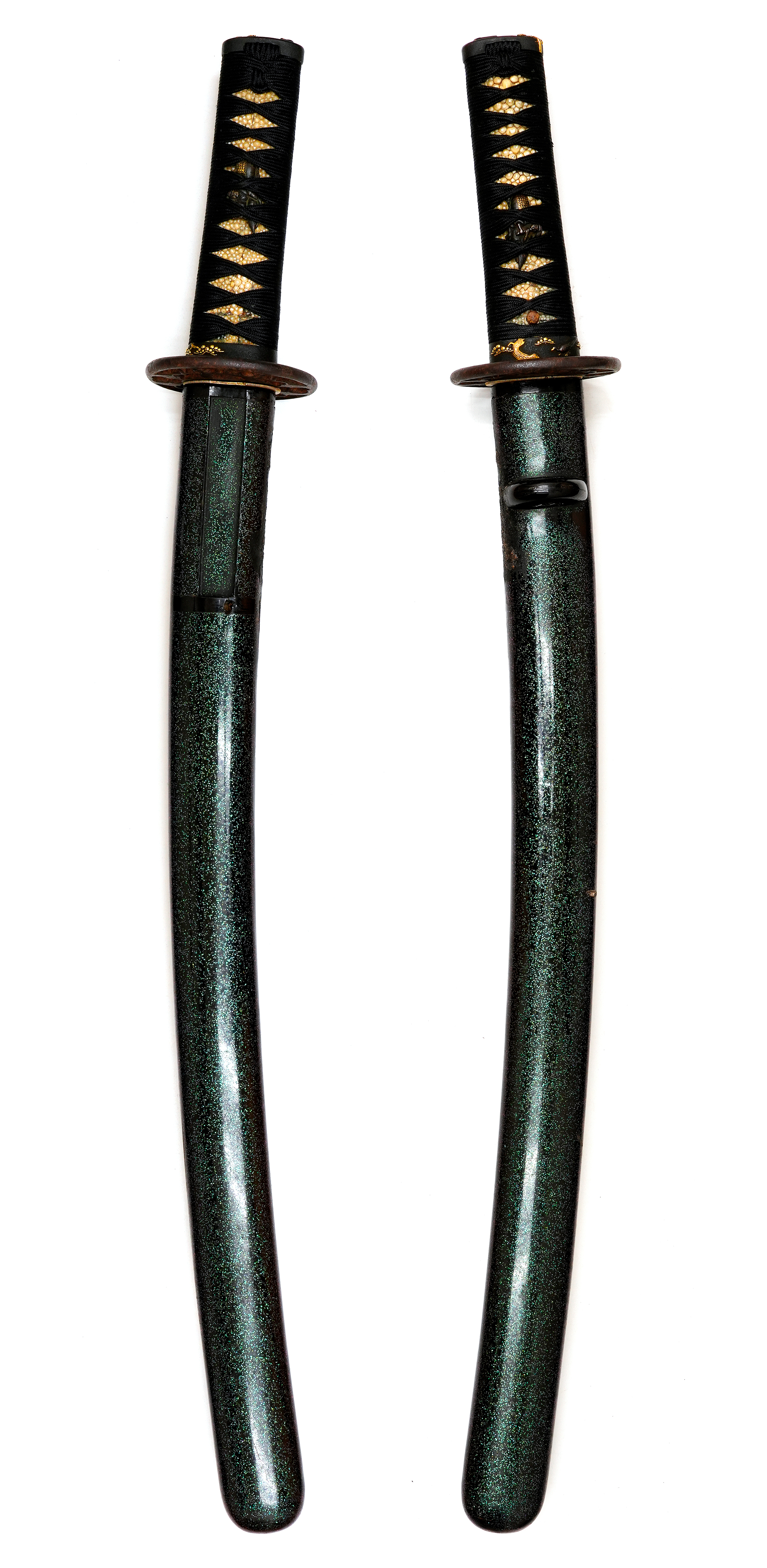
Mino · around 1555-1558
Tōken Taikan top 76%
1 piece on the market now
The Muromachi period (1392 to 1573)
After the Ōnin War broke the Ashikaga order, a century of Sengoku warfare armed nearly every province in Japan. The era rewards a discriminating eye: routine work exists in quantity, and beside it stand custom blades of the first rank.
We could not find an authenticity certificate on the seller’s listing. Japanese swords and fittings are normally papered by the NBTHK (or the NTHK). Without one, the attribution is the seller’s own assessment and has not been independently verified — treat it with caution and ask the dealer about certification before buying.
Returns accepted within 3 days of delivery for defective items or significant discrepancies; customer bears return shipping and bank fees.
¥121,000