Edo was the sword’s age of connoisseurship: the Hon’ami appraisers, the shogunal register of famous blades of 1719, and a thriving literature turned the sword into an object of study even as it ceased to be drawn in war.
 NihontoWatchNihontoWatch
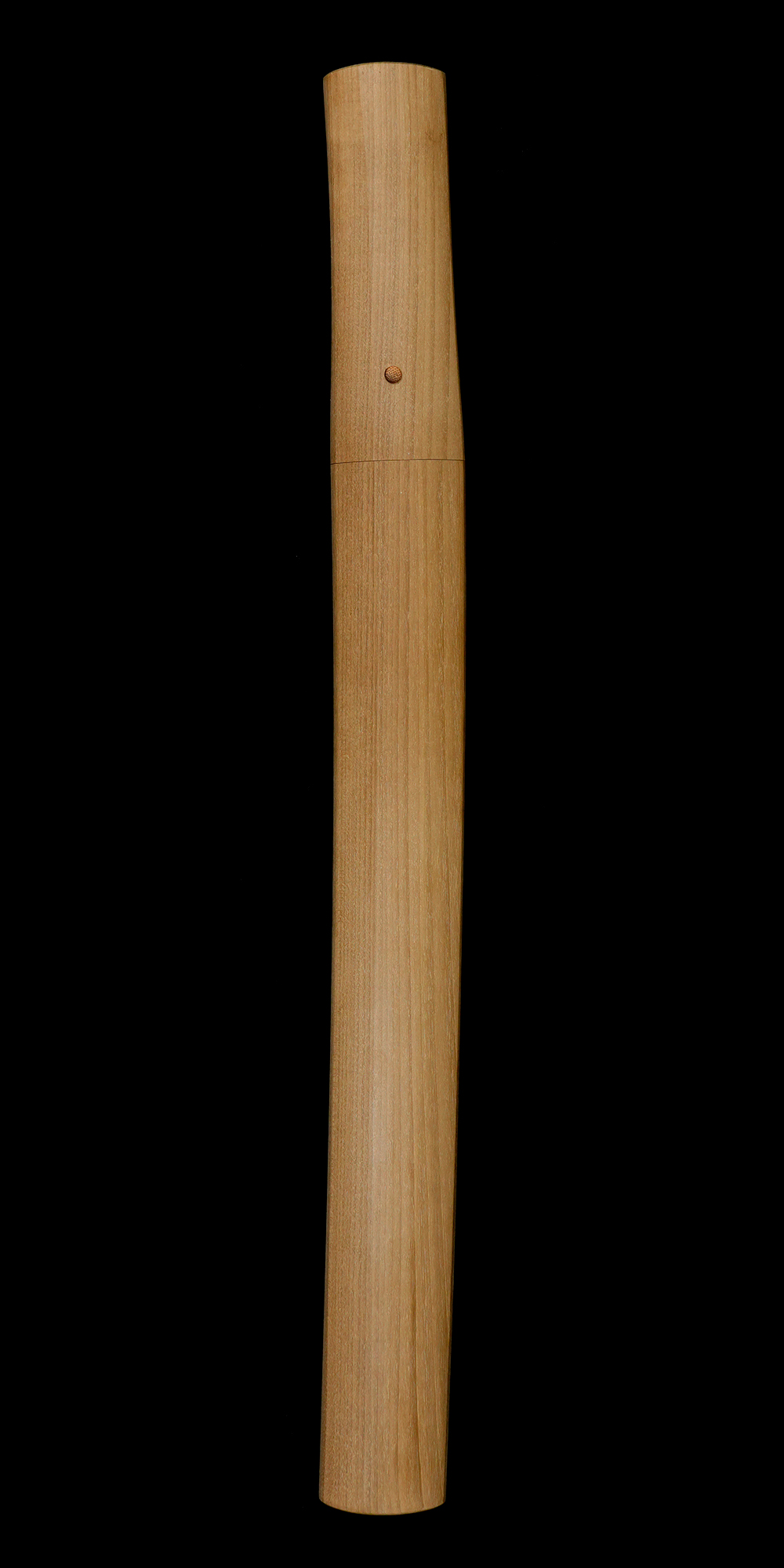
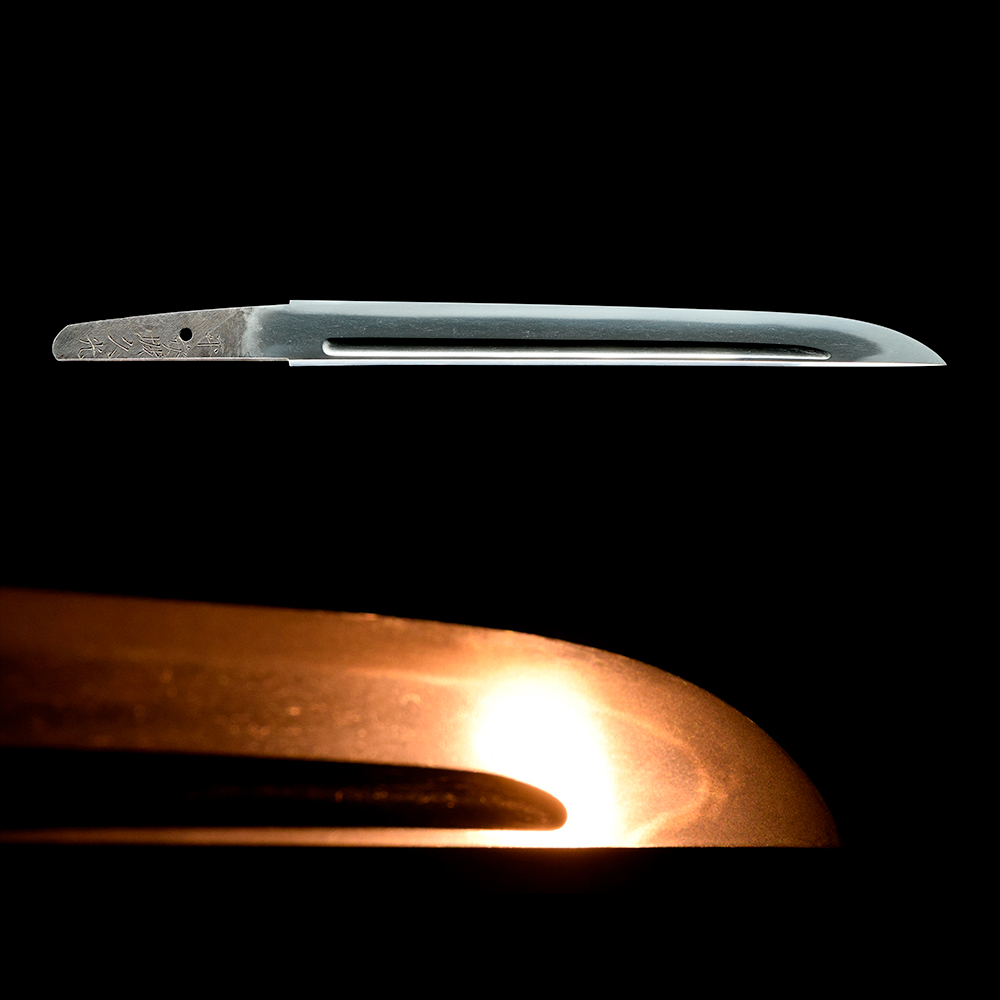
手元銘鑑に刀工の記述が見られず、銘鑑漏れ刀工の様です。 身幅広く重ね厚目の豪壮な姿で、棟は庵棟。表裏に幅広の樋を丸留にしています。地鉄は小板目がよく練れて少しく肌立ち、淡く映りごころが見られ、地景入り、刃文は匂口沈んだ直刃を焼き上げ、鋩子は表裏共に直ぐに丸く返っています。単調な直刃に見えるも、仔細に見ると刃縁には地鉄に絡んだ細かな働きが看守できます。 刀身に鍛錬疵は無く、茎には大振りで力強く銘が切られており、上の出来と共に総体に力強さを感じさせる作品です。 お求め易い価格でご案内致します。保存刀剣鑑定書を是非とも御受審下さい。 ※委託品
NihontoWatchOffered by Toushin

The listing mentions papers that aren’t in our records yet. Current NBTHK and NTHK shinsa papers are the independent check we rely on, so it’s worth asking the dealer for a clear photo of the certificate. — Hoshi

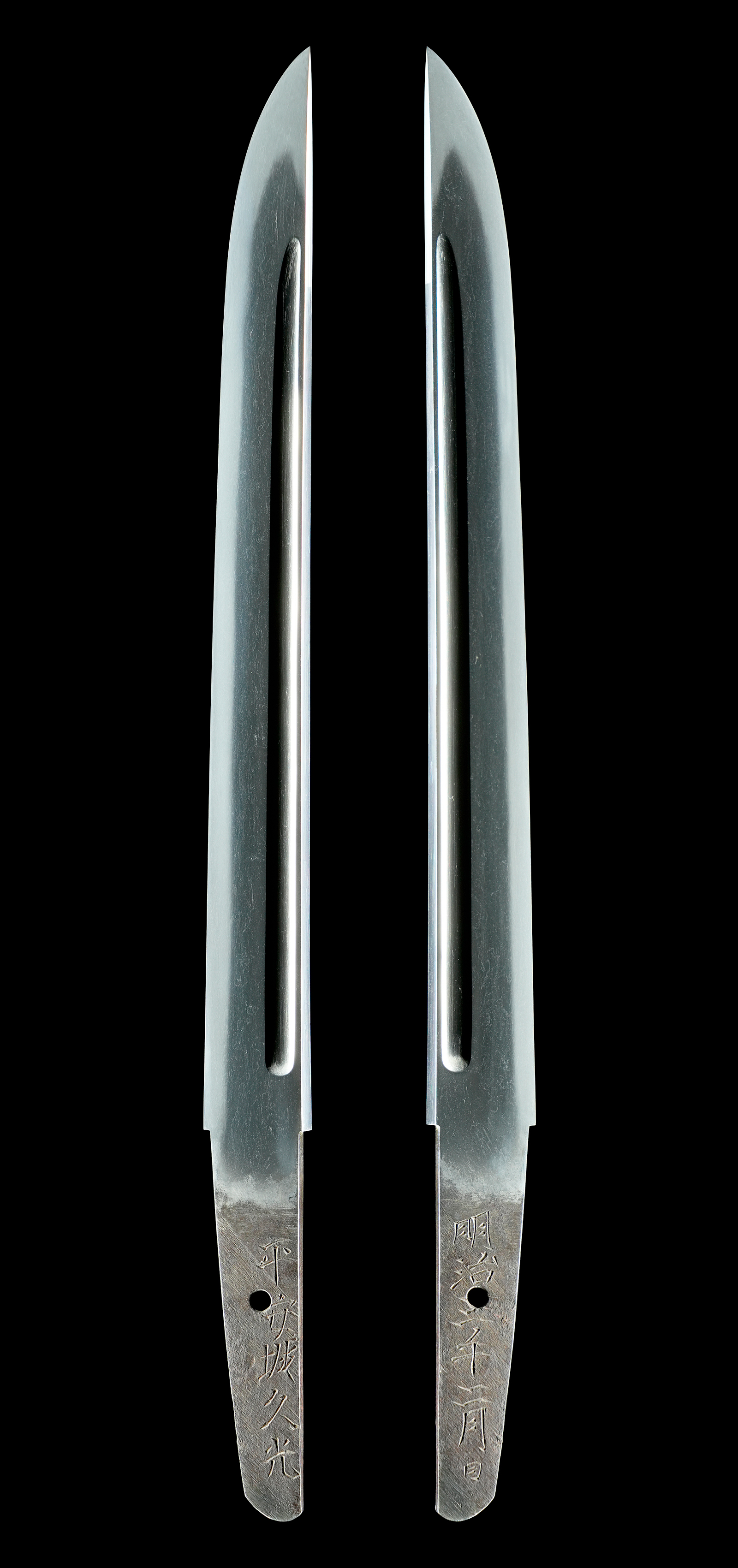
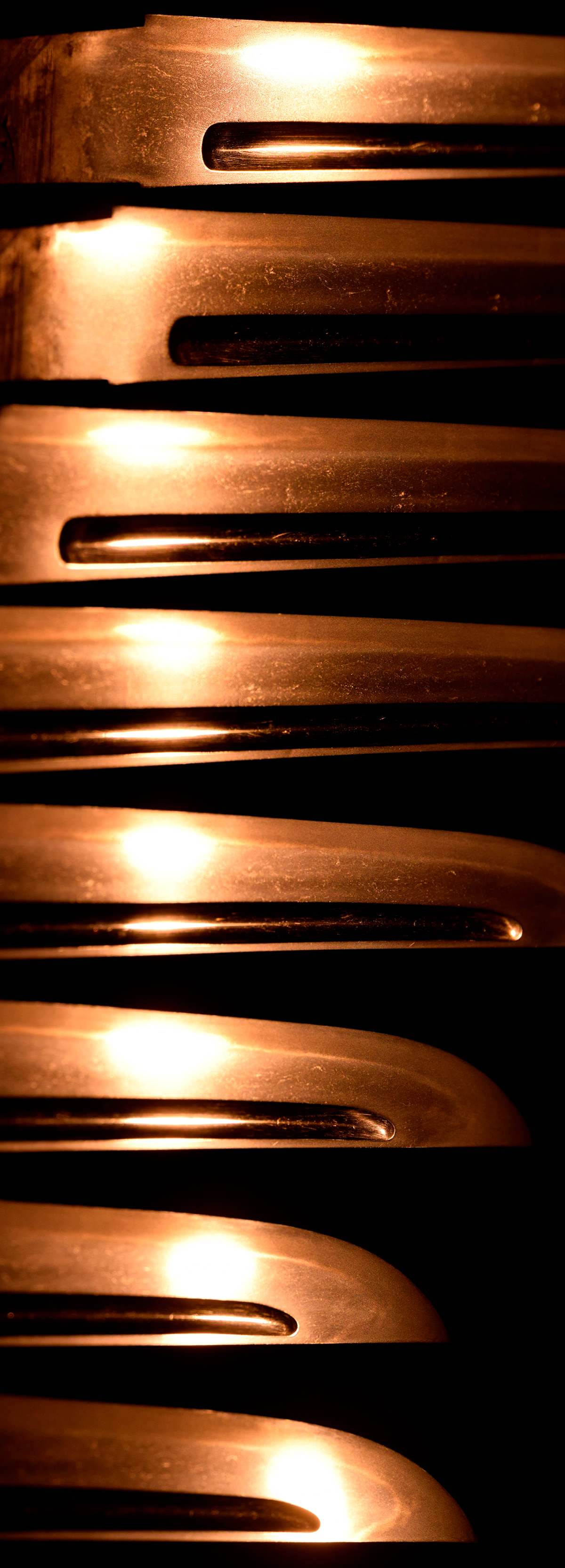
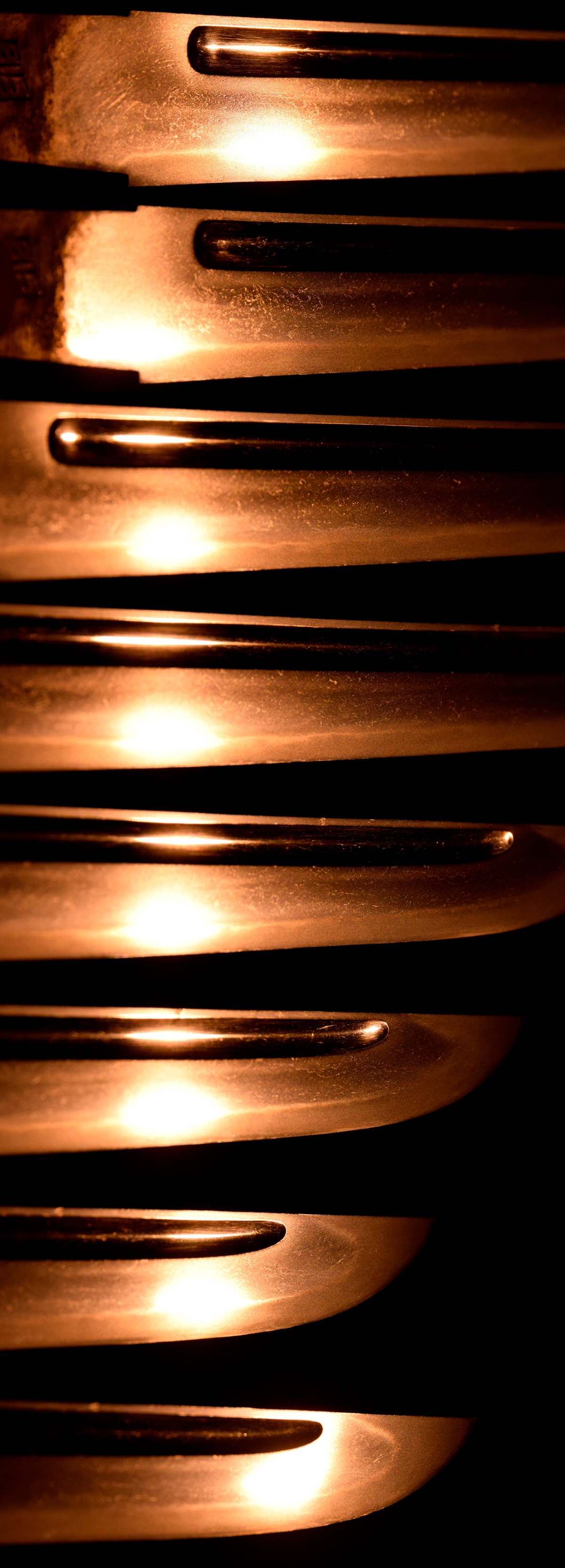
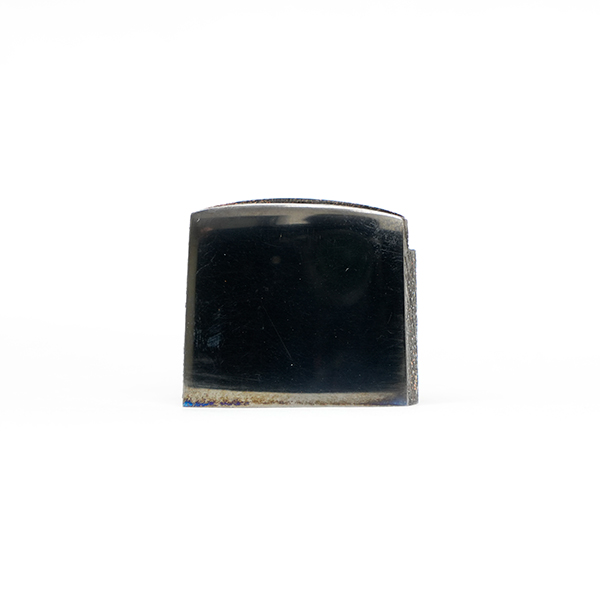
As written by the shop
(Translation unavailable)
The Edo period (1615 to 1868)
Edo was the sword’s age of connoisseurship: the Hon’ami appraisers, the shogunal register of famous blades of 1719, and a thriving literature turned the sword into an object of study even as it ceased to be drawn in war.
We could not find an authenticity certificate on the seller’s listing. Japanese swords and fittings are normally papered by the NBTHK (or the NTHK). Without one, the attribution is the seller’s own assessment and has not been independently verified — treat it with caution and ask the dealer about certification before buying.
As a rule we do not accept returns, except when we have sent a different item from the one ordered or when there is a significant discrepancy between the description and the item. If you wish to return an item, please contact us within 3 days of its arrival and then send it back.
¥236,000