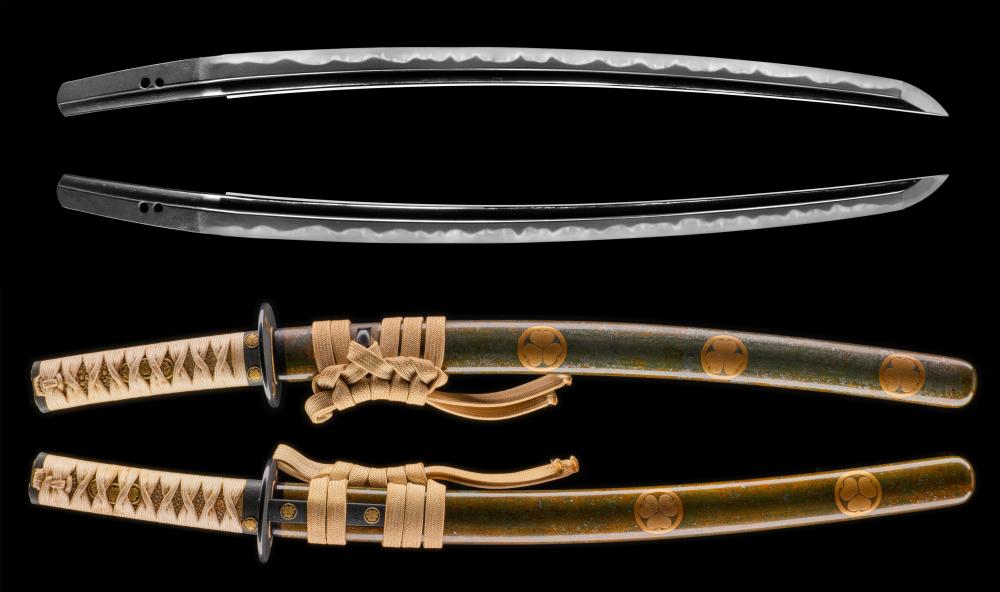
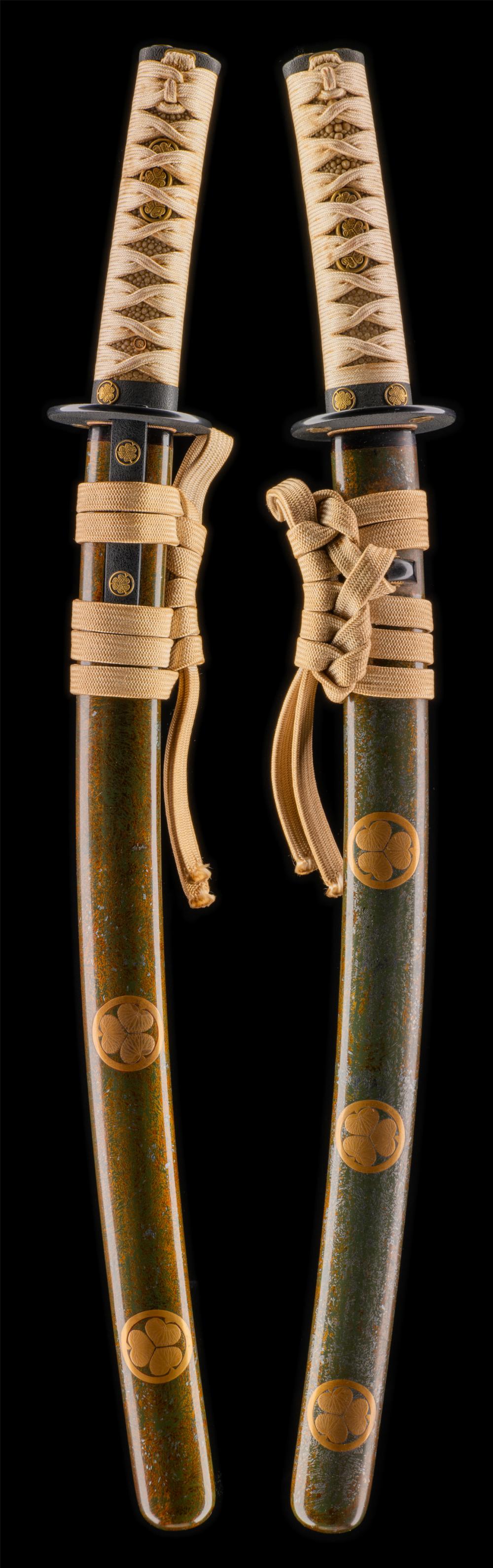
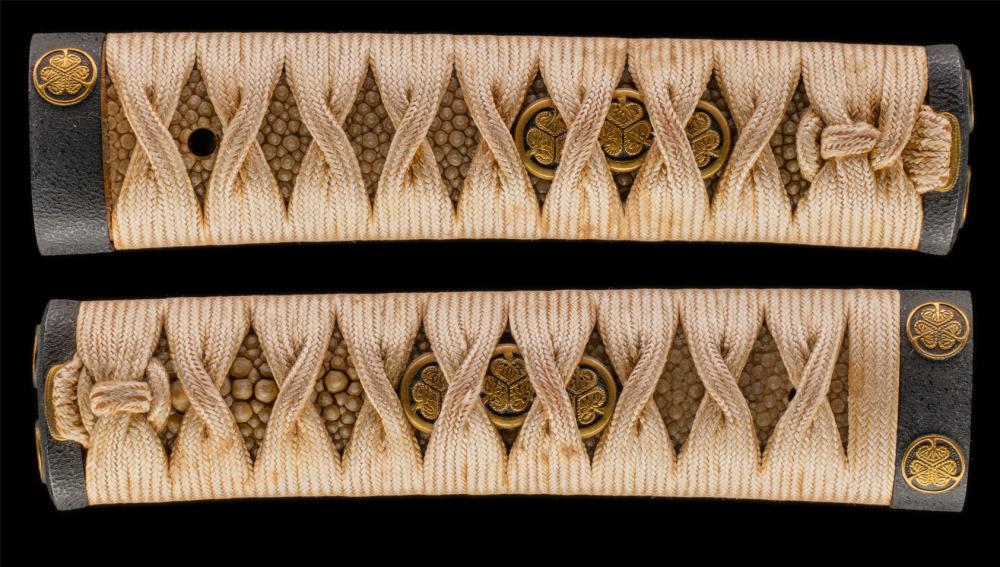
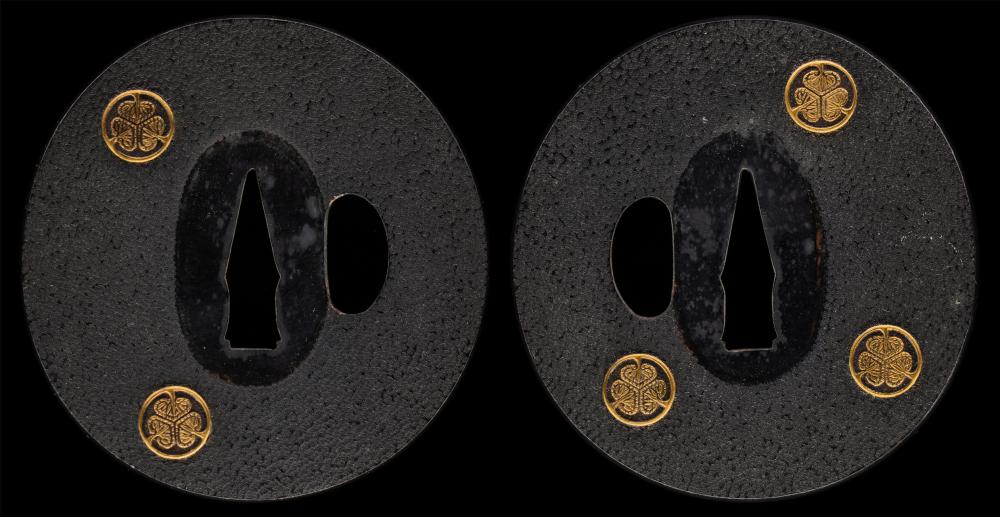
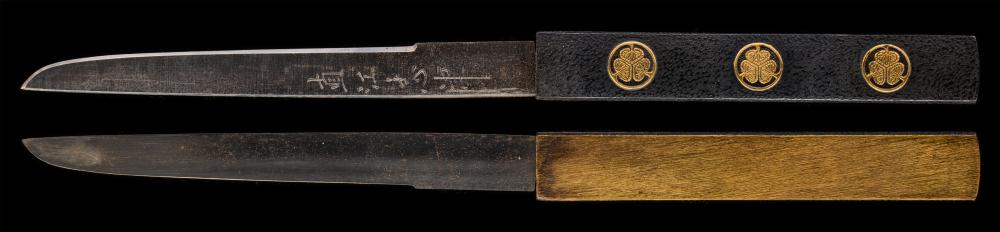
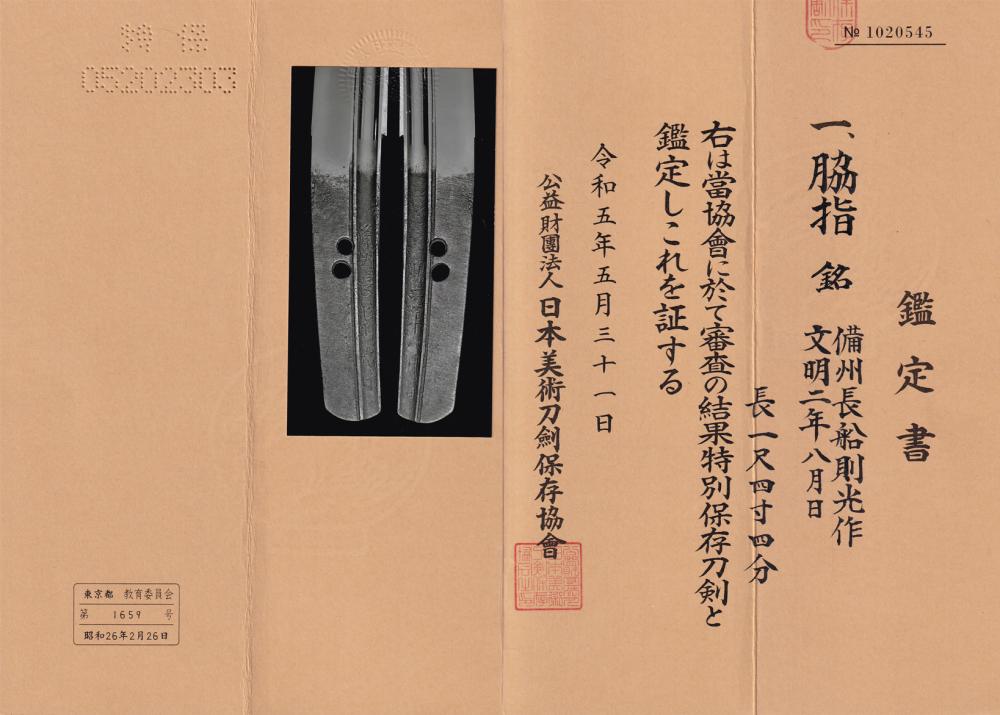
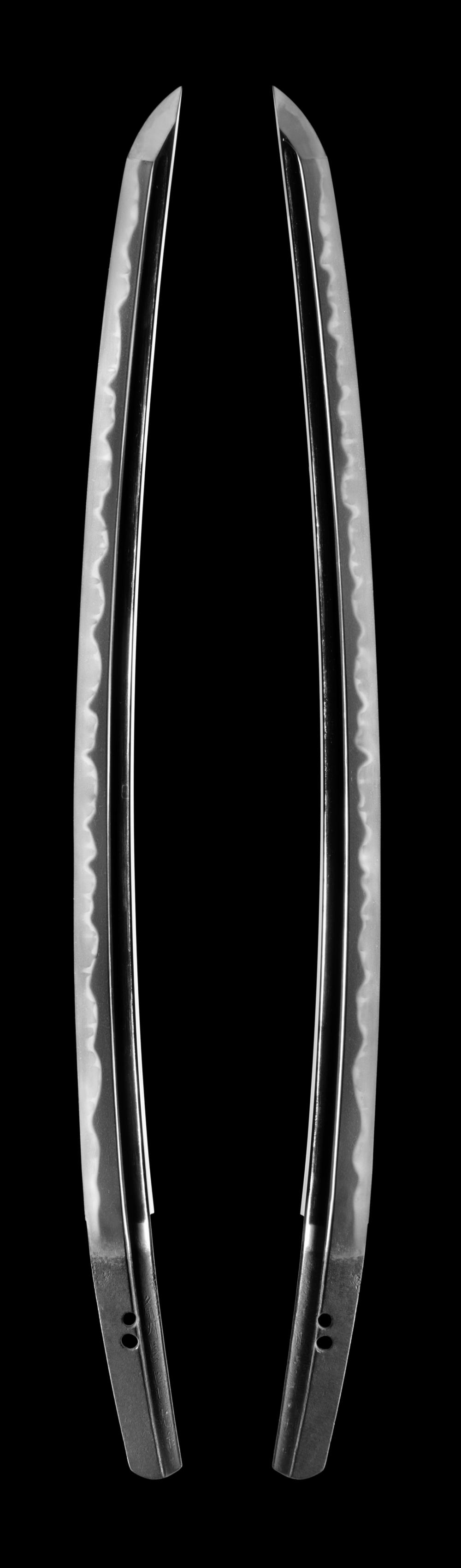
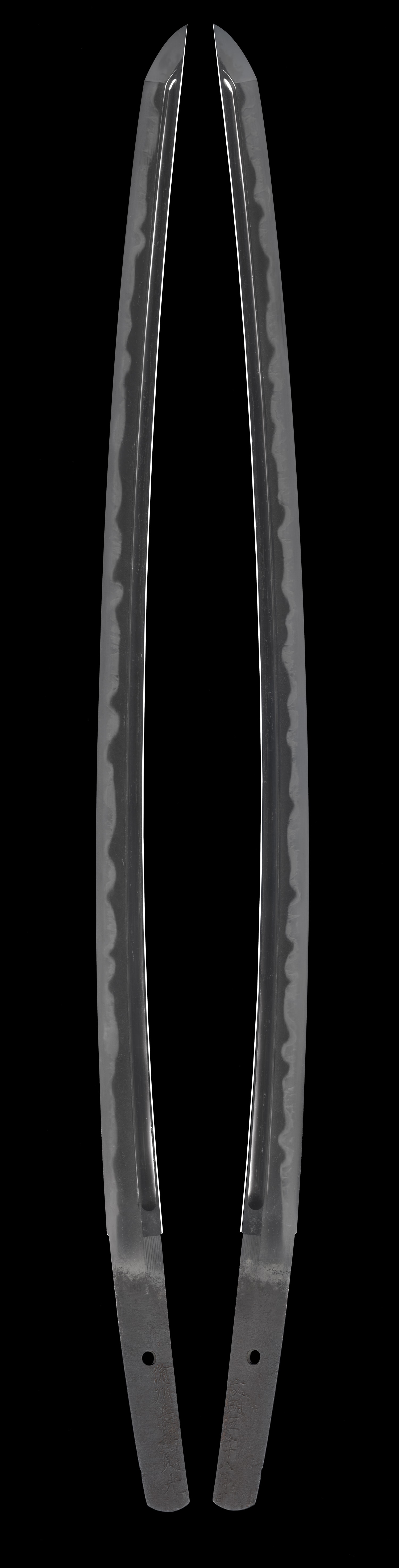
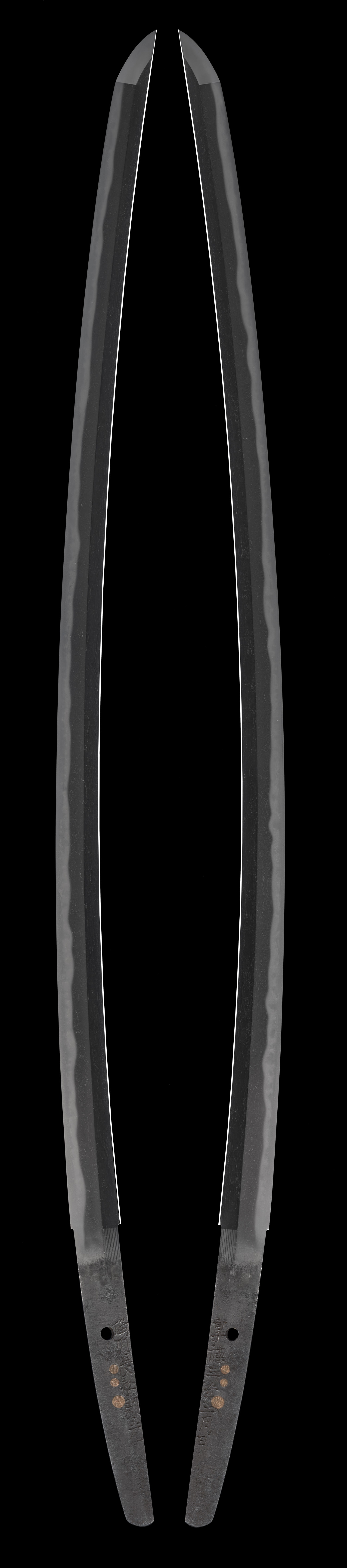
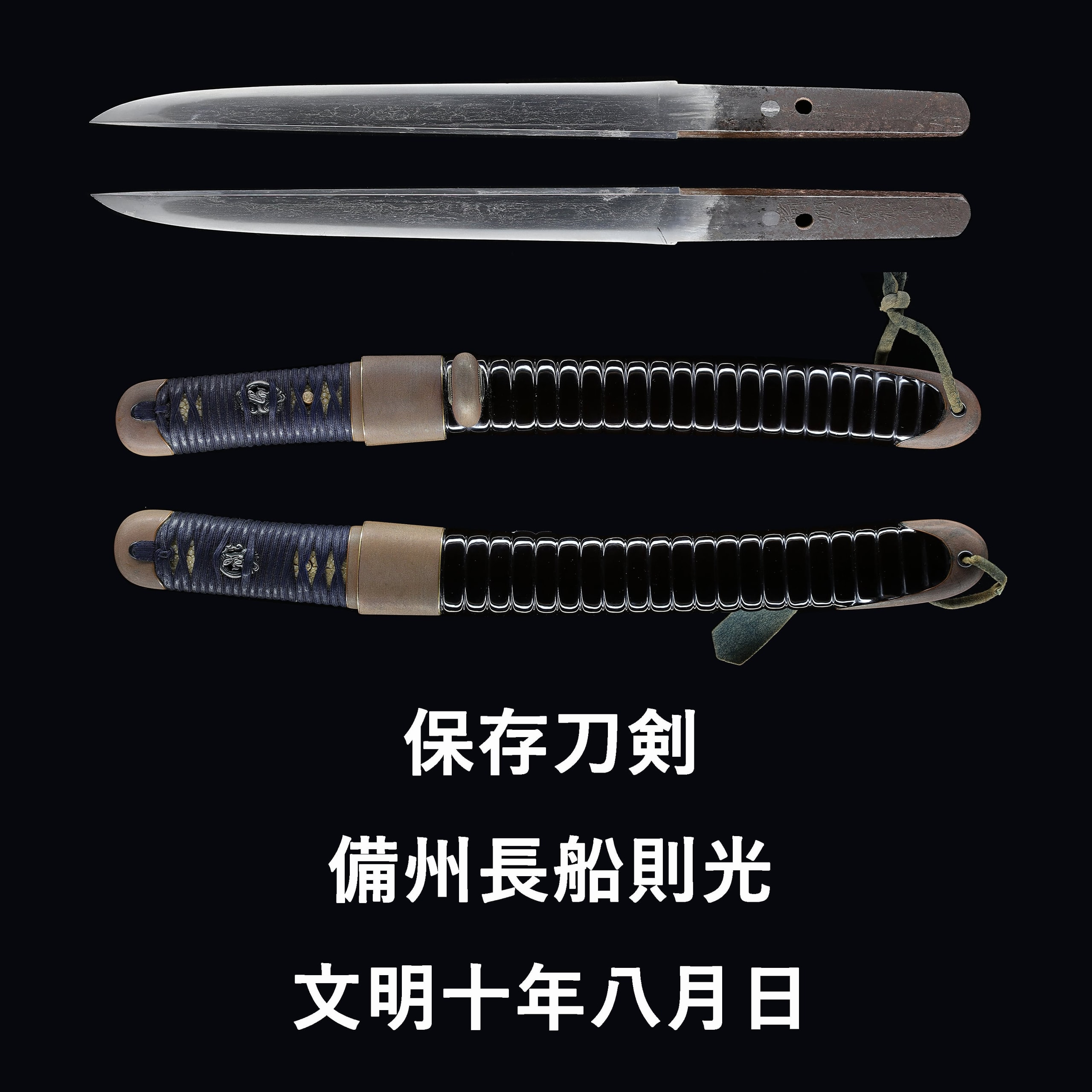
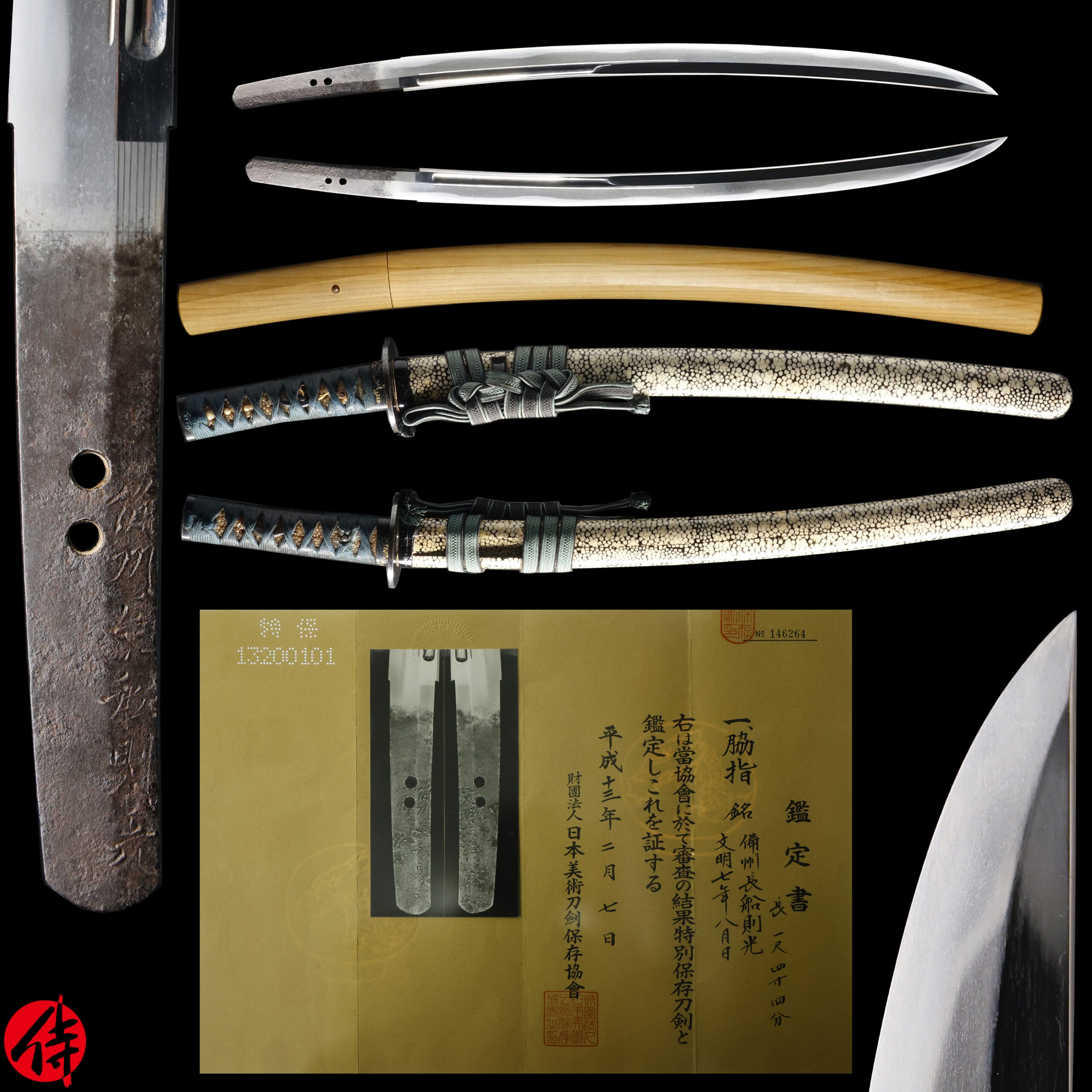
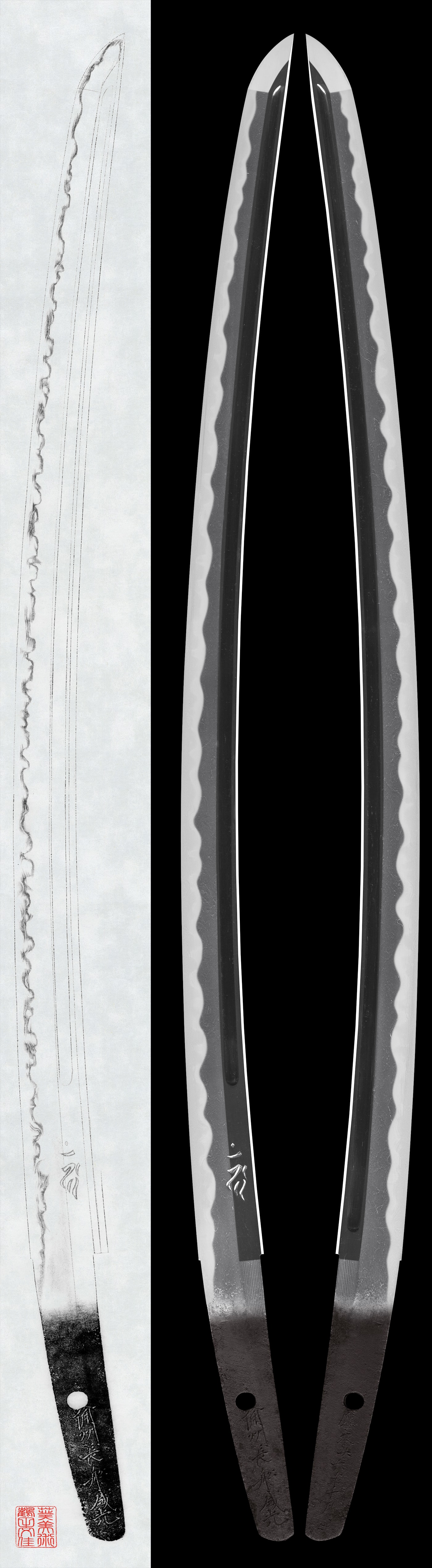
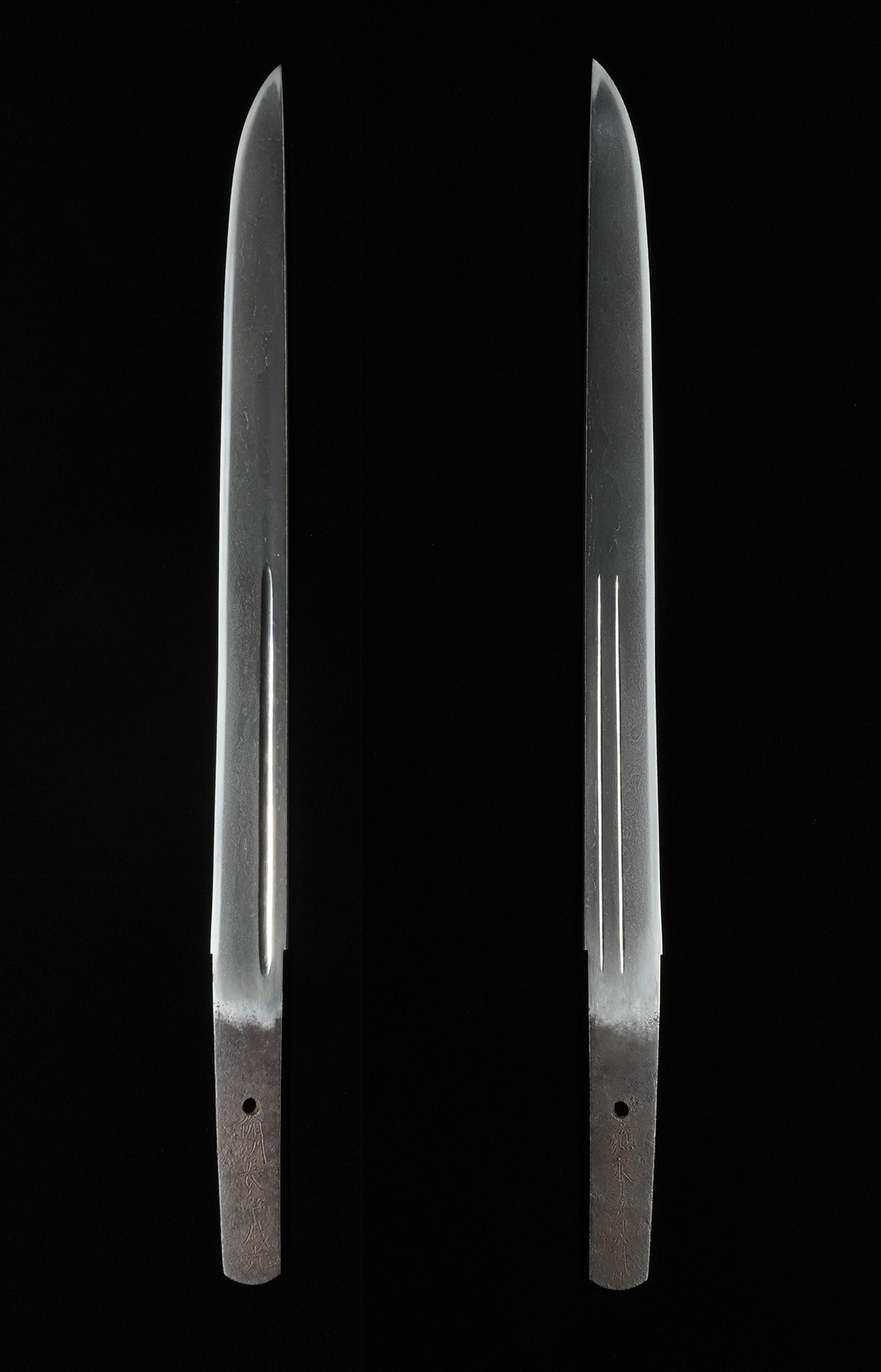
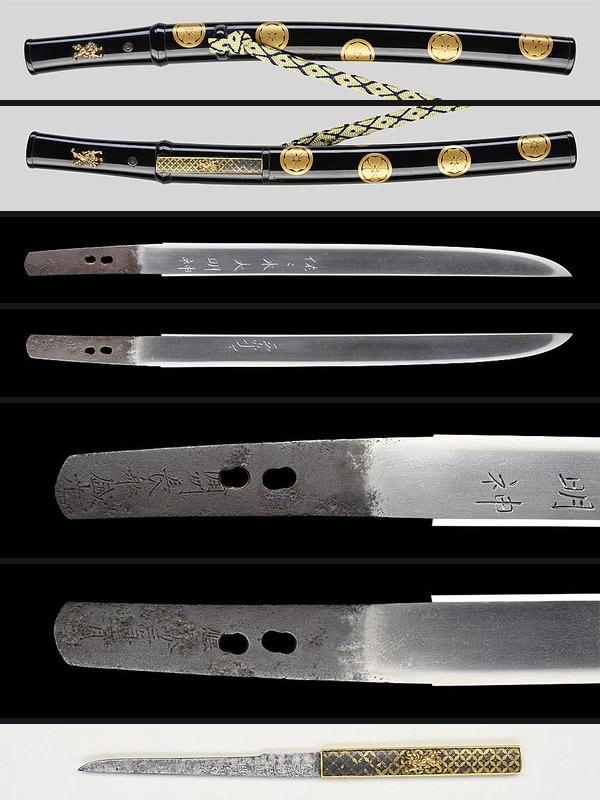
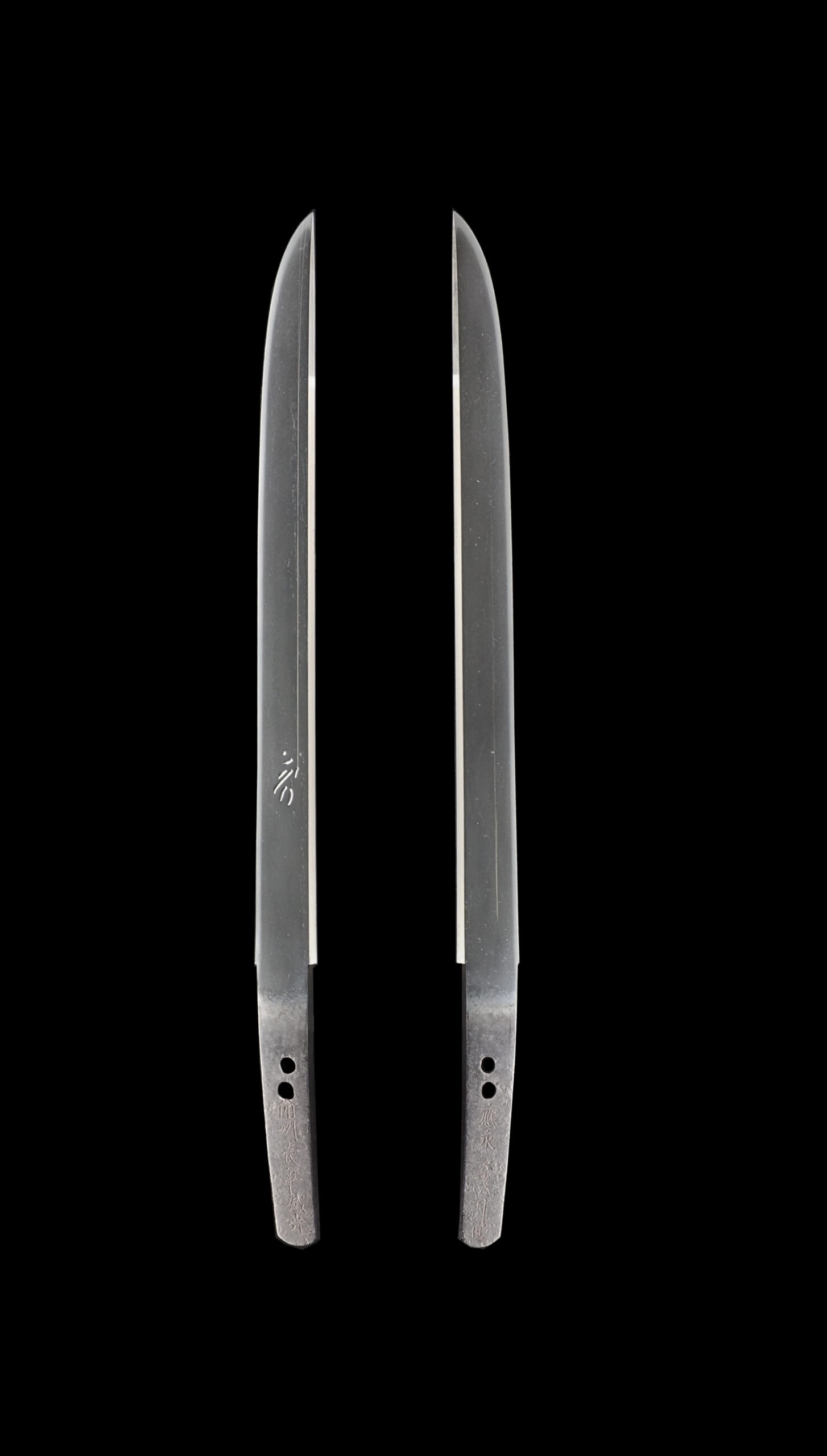
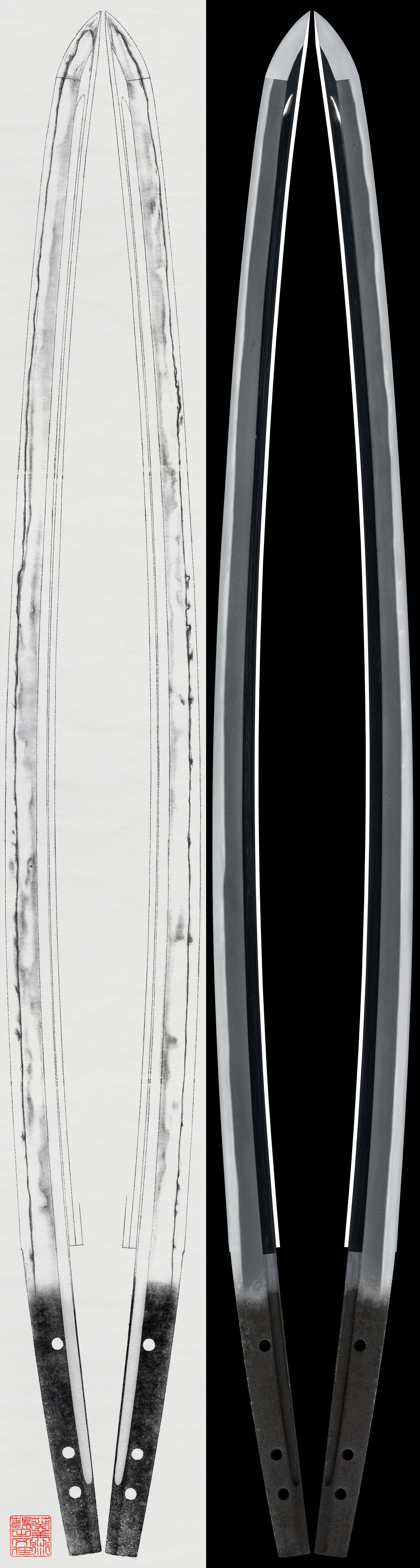
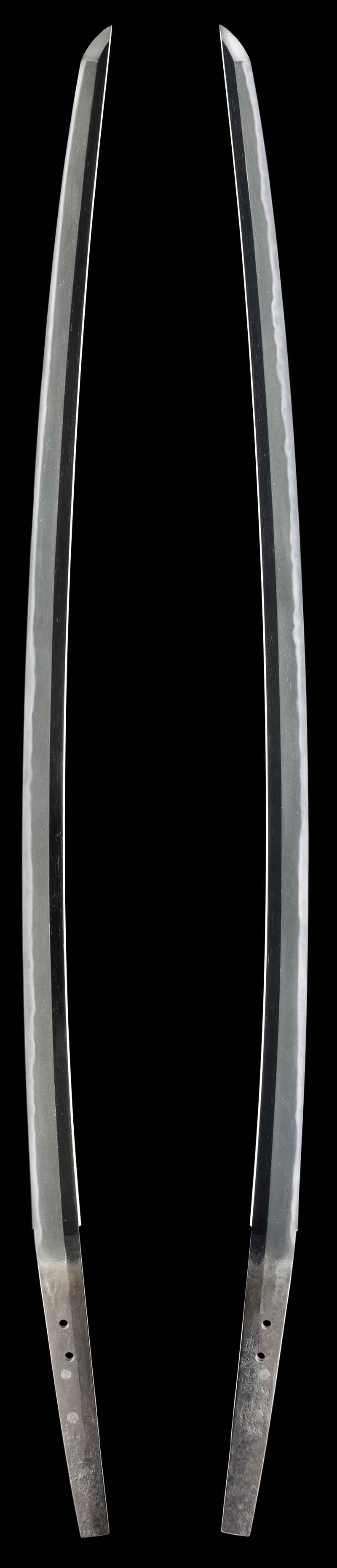
Norimitsu belongs to the Osafune lineage of Bizen Province and is traditionally identified as a student of Osafune Nagamitsu. The earliest extant works bearing the Norimitsu signature date to the Kagen era of the late Kamakura period, and the name was transmitted through numerous generations down to the close of the Muromachi period — a span encompassing perhaps more than ten successive smiths. The most celebrated works are those dated to the Kansho era, and the smith active in the Bunmei era occupies a position of particular scholarly interest, as the NBTHK notes there "remains room for research as to whether it was made by the same individual as Kansho Norimitsu or by the next generation." Critically, the Kansho-to-Bunmei-era Norimitsu stands between the Oei-era masters Morimitsu and Yasumitsu on one hand, and the later Sue-Bizen smiths Katsumitsu and Sukesada on the other, displaying an intermediate style that bridges these two periods.
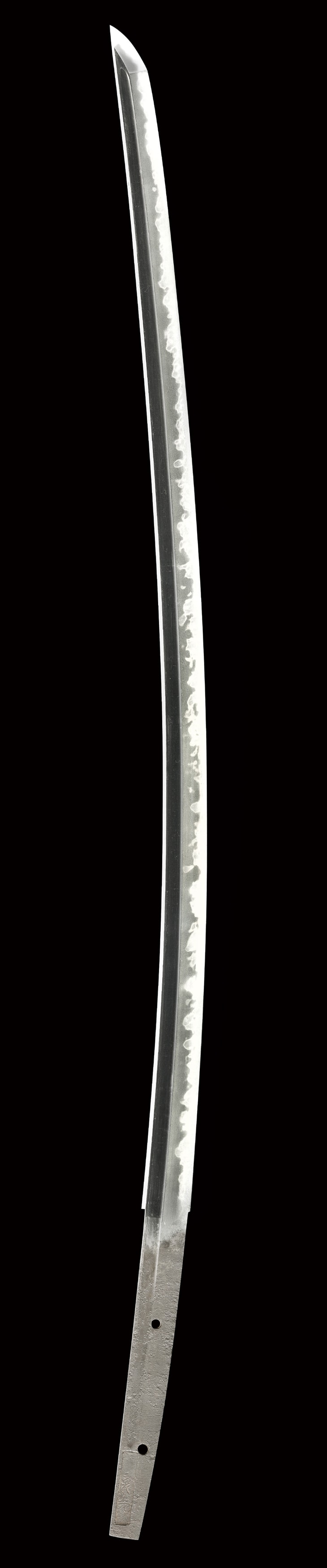
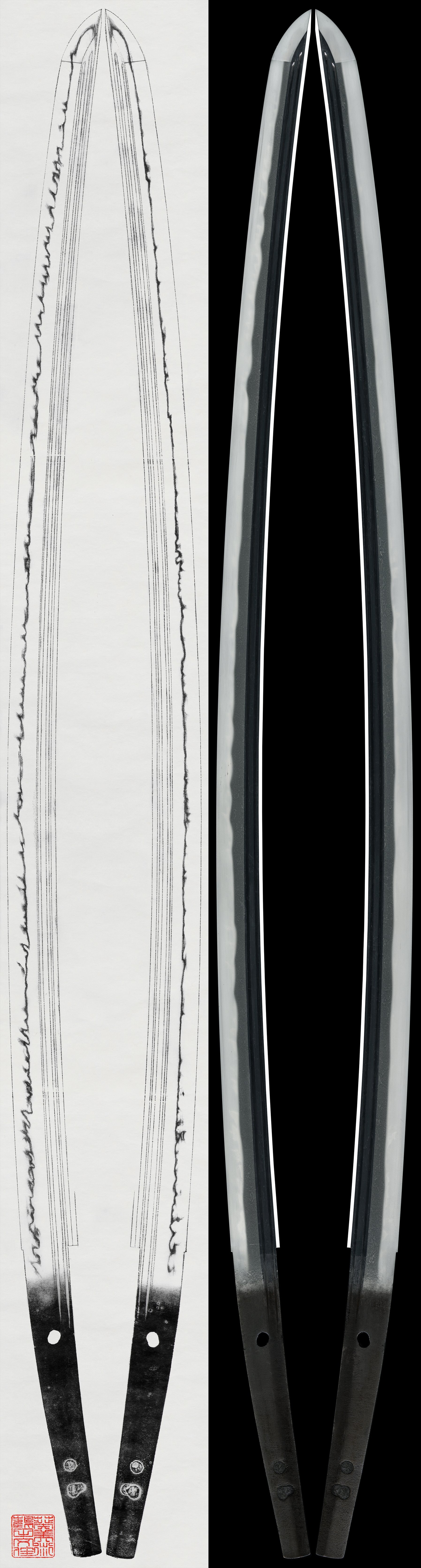
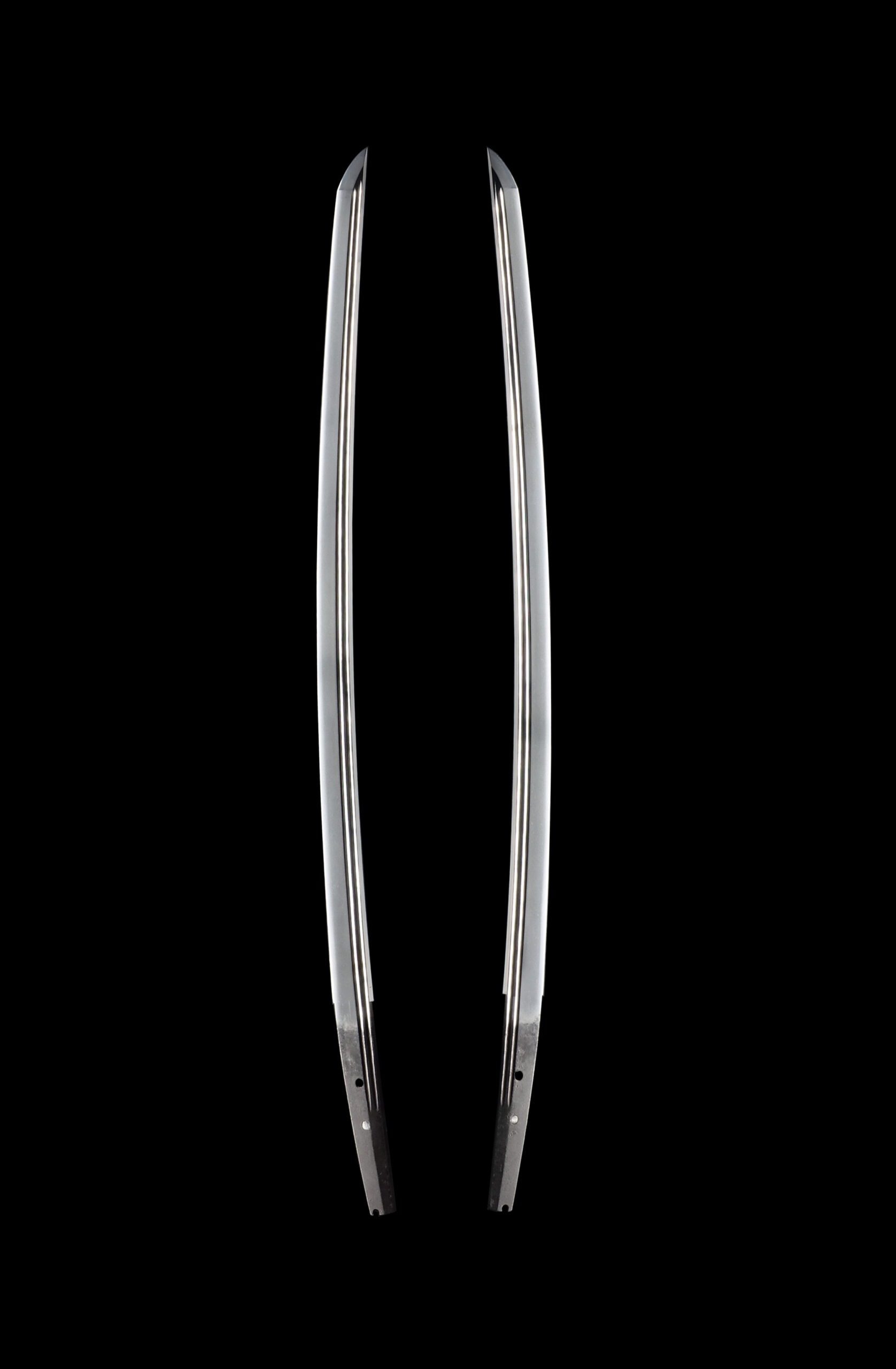
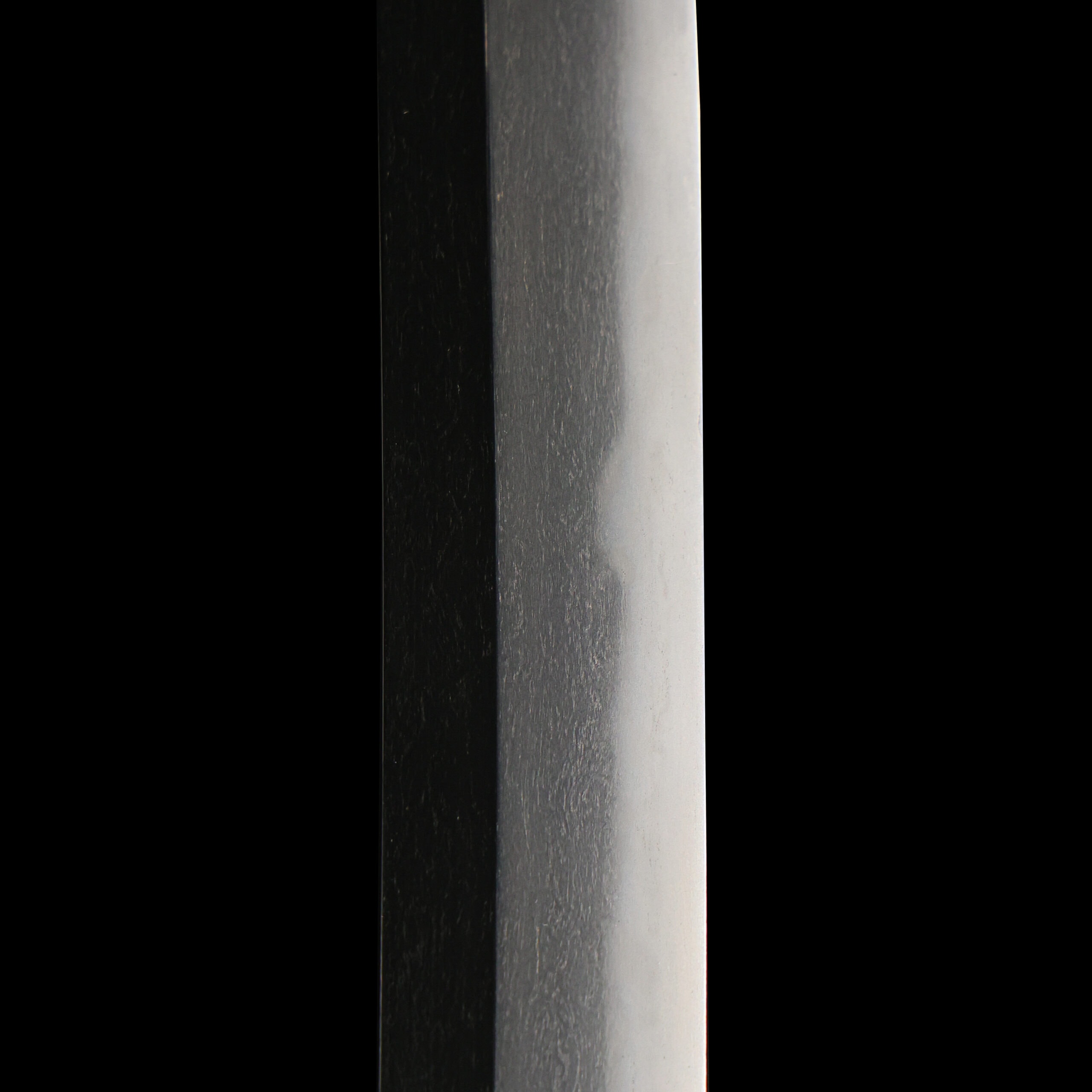
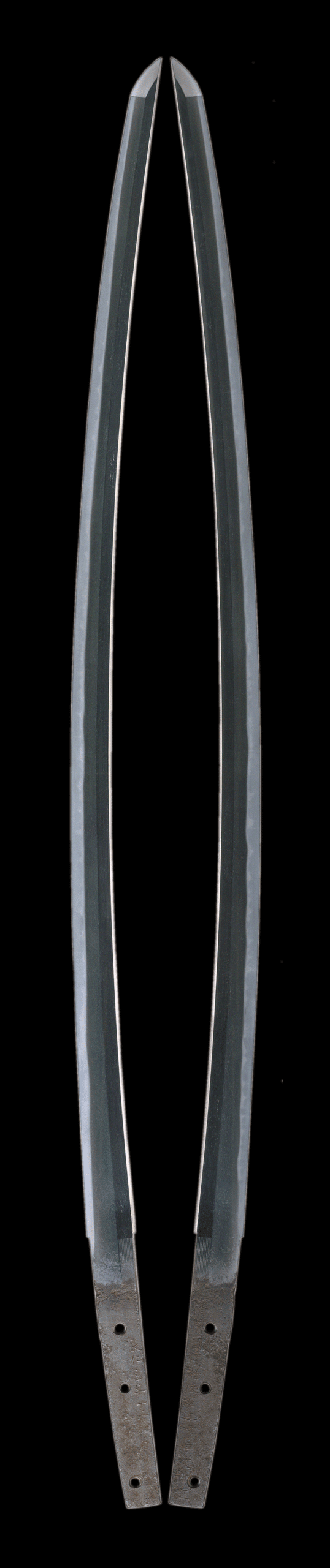
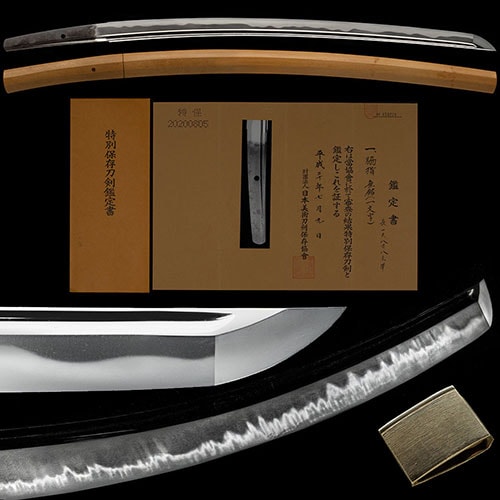
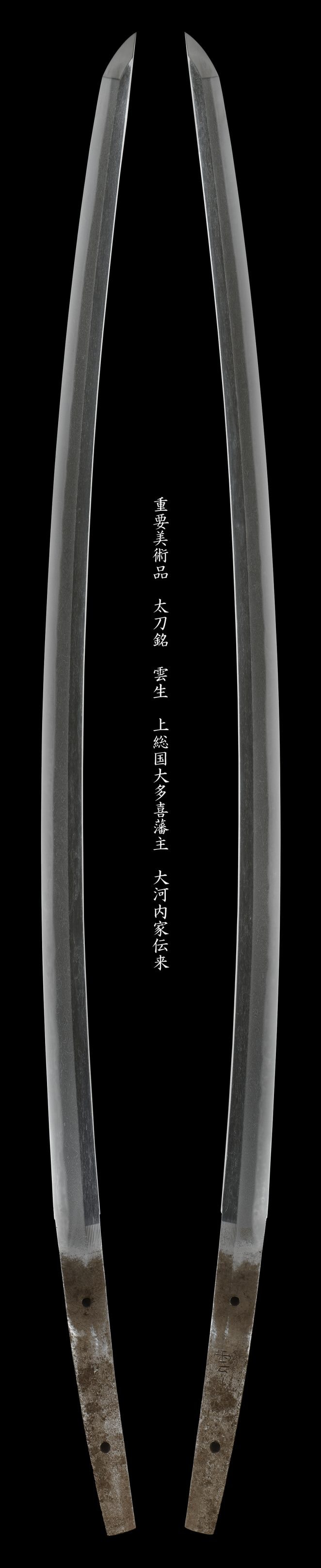
Norimitsu's sword work characteristically employs itame-hada with midare-utsuri standing out in the jihada, and his hamon alternates between two principal modes: a koshi-biraki gunome-midare showing a fukushiki-like double-structured tendency with ashi and yo entering freely, and a chu-suguha with a tightened nioiguchi and frequent ko-choji ashi. The bosshi typically enters midare-komi, often with asymmetrical treatments between omote and ura. His forging in masame-hada on spear works, with nie-laden suguha and hotsure, follows the long-established convention for older spears and is acknowledged as distinct from his characteristic Osafune manner. His blades frequently display bo-utsuri or midare-utsuri, and bo-hi with soe-hi or kaku-dome terminations are regularly encountered.
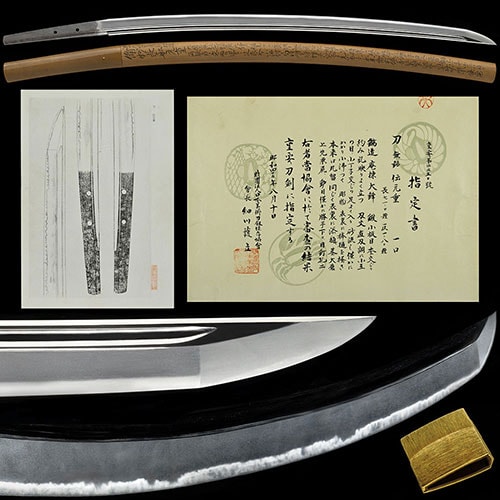
The NBTHK repeatedly characterizes Norimitsu's productions as displaying "good workmanship in both ji and ha" and as "orthodox and straightforward." His signed, ubu examples are valued as material that "conspicuously reveals distinctive features in both the jihada and the tempered edge," and his work constitutes, in the Board's assessment, "valuable source material for the study of Bizen smiths of this period." His yari, among the earliest bearing Bunmei-era dates, are commended as "orderly and well made" and recognized as representative spears of the Muromachi period. Across all forms — tachi, katana, tanto, and yari — Norimitsu's oeuvre documents the evolving character of mid-Muromachi Bizen craftsmanship with scholarly precision.