Muromachi turned sword making into an industry: the uchigatana rose with massed infantry warfare, Osafune and Seki produced bundle swords beside custom orders, and the Ming trade carried Japanese blades abroad by the tens of thousands.
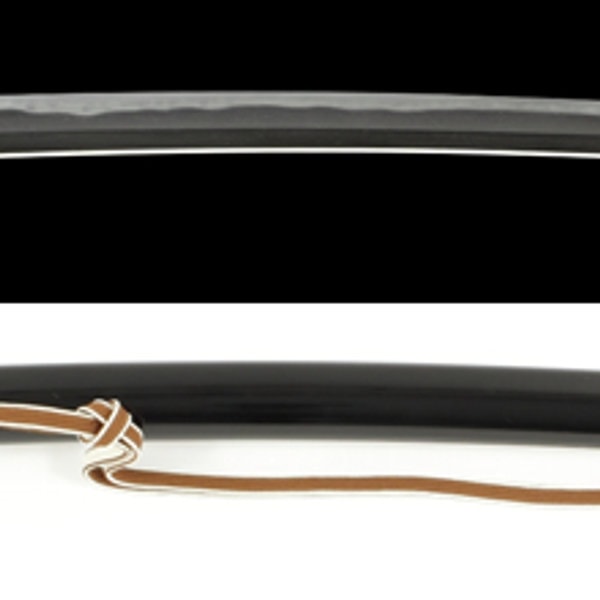
This is a hirazukuri wakizashi signed by Kaneaki, associated with Takatenjin Castle in Totomi Province. The smith was active during the late Muromachi period (around Tenbun era). Blades by Takatenjin Kaneaki are highly sought after due to their connection to the Sengoku period's strategic Takatenjin Castle, though surviving examples are rare.
 NihontoWatch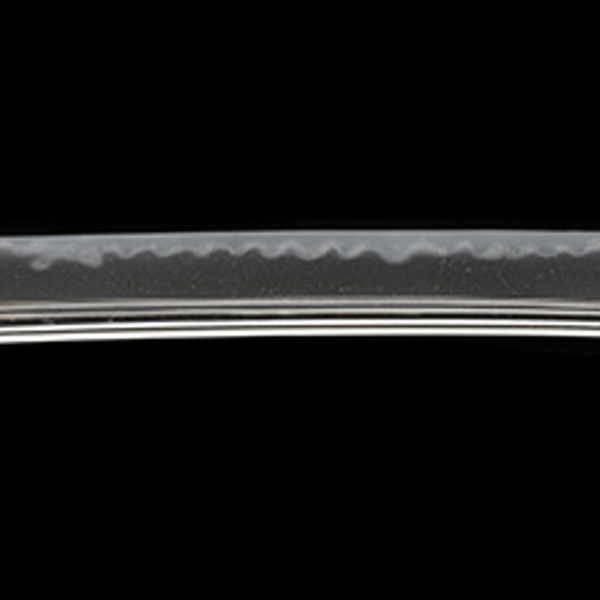
Totomi · around 1532-1555
Fujishiro Jo-jo saku · Tōken Taikan top 37%
2 pieces on the market now
Muromachi turned sword making into an industry: the uchigatana rose with massed infantry warfare, Osafune and Seki produced bundle swords beside custom orders, and the Ming trade carried Japanese blades abroad by the tens of thousands.
We could not find an authenticity certificate on the seller’s listing. Japanese swords and fittings are normally papered by the NBTHK (or the NTHK). Without one, the attribution is the seller’s own assessment and has not been independently verified — treat it with caution and ask the dealer about certification before buying.
If, due to our fault, the item differs significantly from its proper condition, the item may be returned. Cooling-off is within one week of the item's arrival.
This is a hirazukuri wakizashi signed by Kaneaki, associated with Takatenjin Castle in Totomi Province. The smith was active during the late Muromachi period (around Tenbun era). Blades by Takatenjin Kaneaki are highly sought after due to their connection to the Sengoku period's strategic Takatenjin Castle, though surviving examples are rare.
NihontoWatchTotomi · around 1532-1555
Fujishiro Jo-jo saku · Tōken Taikan top 37%
2 pieces on the market now
Muromachi turned sword making into an industry: the uchigatana rose with massed infantry warfare, Osafune and Seki produced bundle swords beside custom orders, and the Ming trade carried Japanese blades abroad by the tens of thousands.
We could not find an authenticity certificate on the seller’s listing. Japanese swords and fittings are normally papered by the NBTHK (or the NTHK). Without one, the attribution is the seller’s own assessment and has not been independently verified — treat it with caution and ask the dealer about certification before buying.
If, due to our fault, the item differs significantly from its proper condition, the item may be returned. Cooling-off is within one week of the item's arrival.