The twentieth century nearly killed the craft twice: wartime distortion, then the occupation ban. The NBTHK’s founding in 1948 and licensed forging from 1953 rebuilt the sword as an art, crowned by Living National Treasures and the mukansa rank.
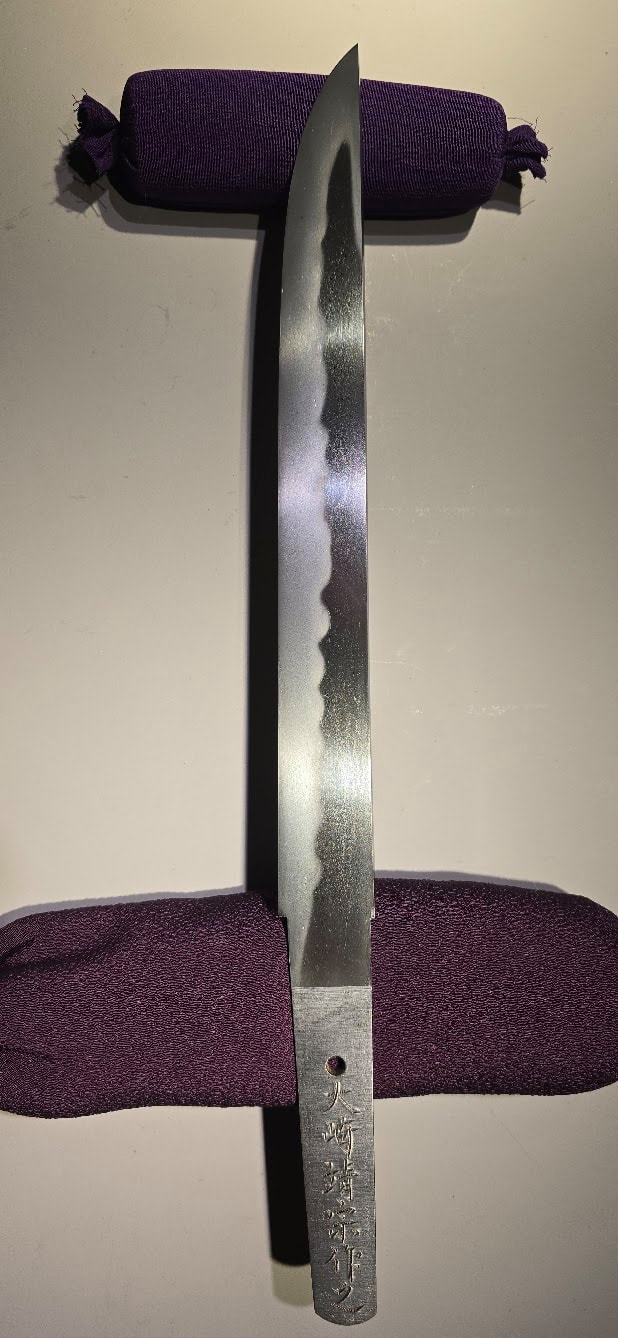
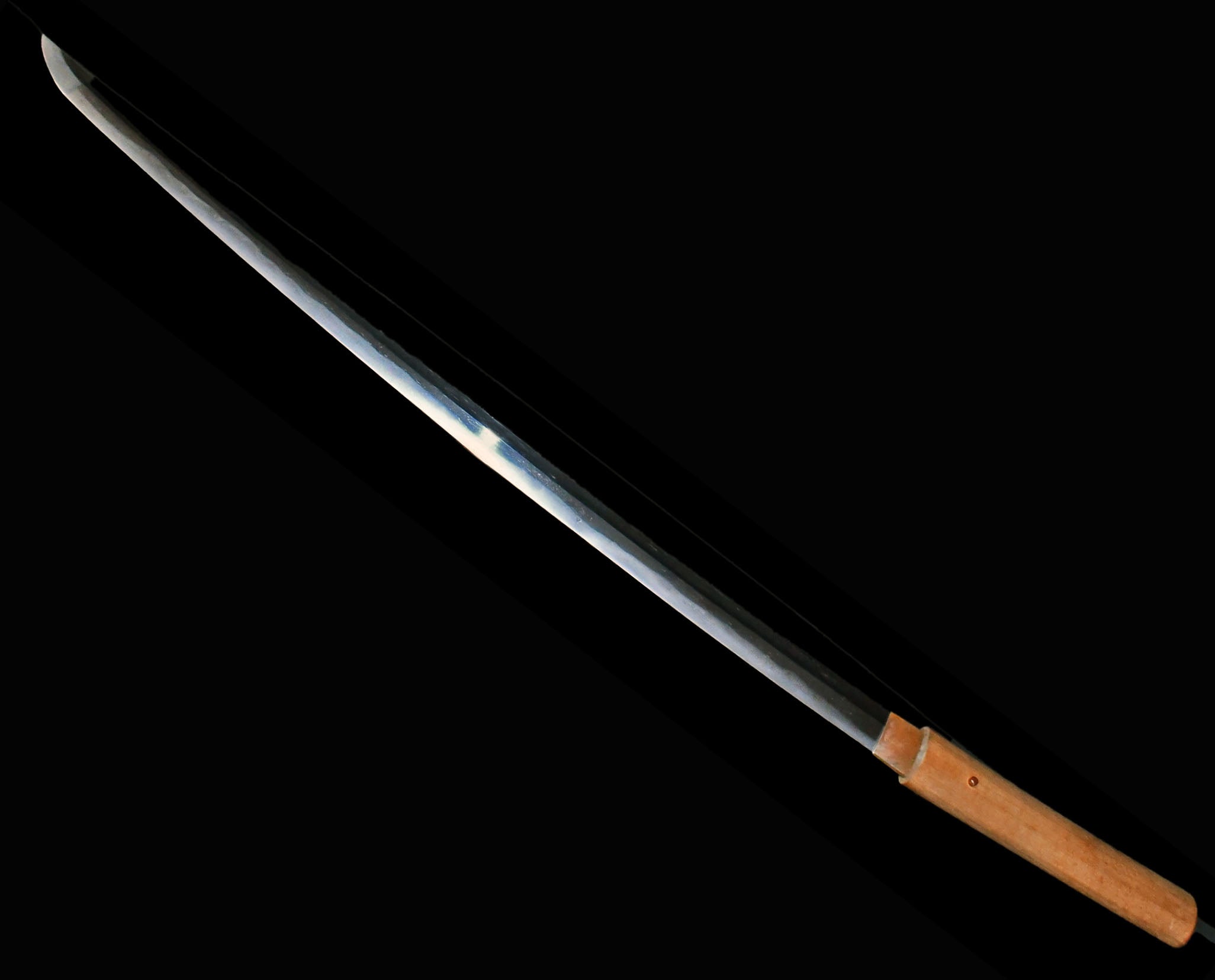
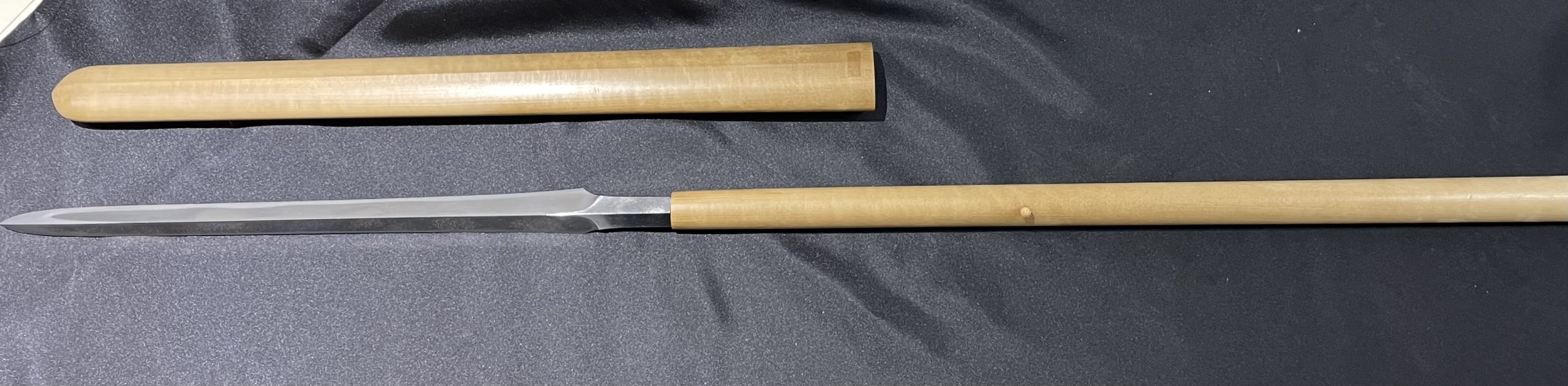
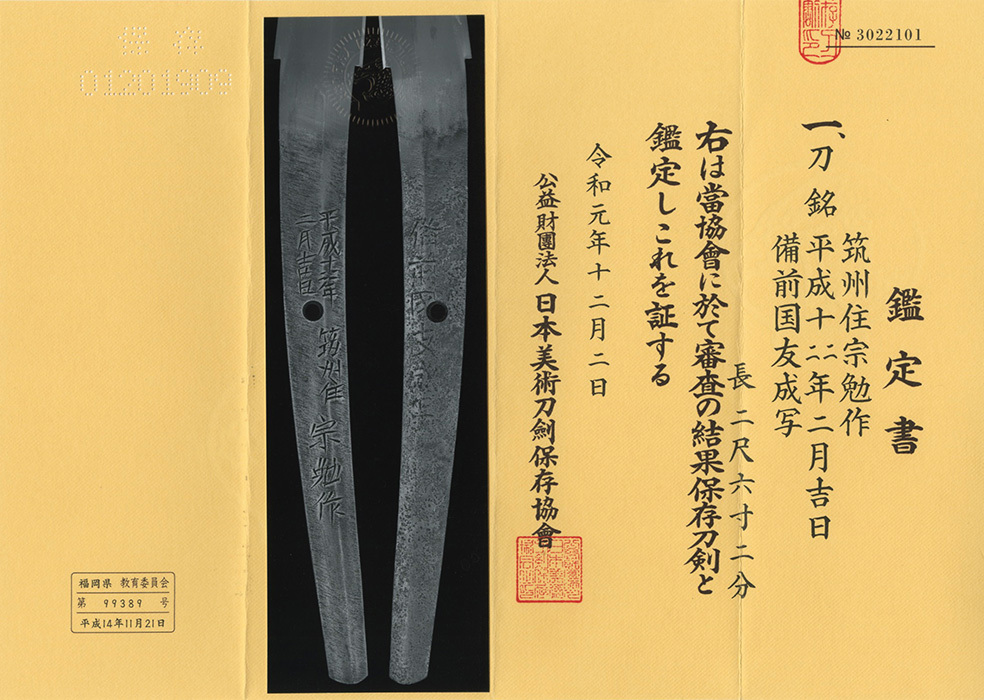
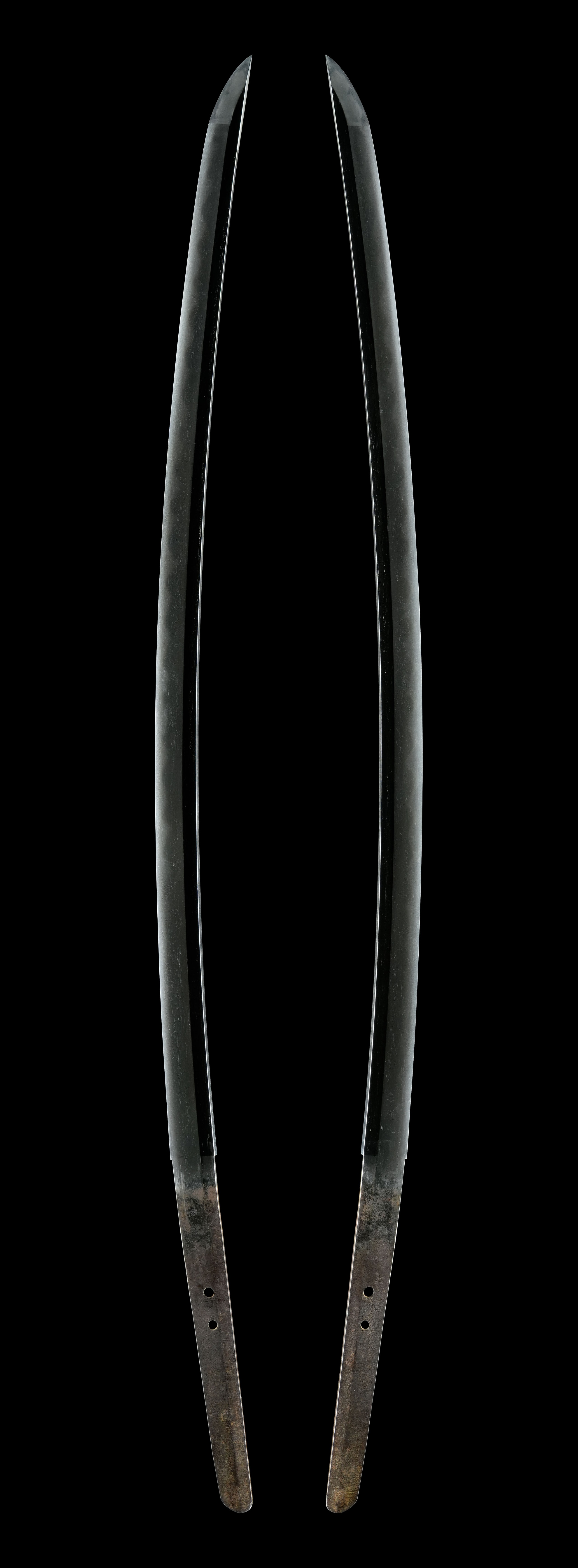
Hozon Touken "Chikushu Ju So Tsutomu Saku / Heisei Juyon-nen Nigatsu Kichijitsu / Bizen no Kuni Tomonari Utsusu" Touken Classification: "Katana" Mei: "Chikushu Ju So Tsutomu Saku / Heisei Juyon-nen Nigatsu Kichijitsu / Bizen no Kuni Tomonari Utsusu" "Chikusyu jyu SOUTSUTOMU / Bizen koku TOMONARI utsusu" Nihonto Kanteisho: "Nippon Bijutsu Token Hozon Kyokai Hozon Touken" NBTHK "Hozon Paper" Jidai: "Heisei Juyon-nen" Production age: "AD2002" So Tsutomu was a Mukansa, the highest rank for modern Tosho. Born in Fukuoka Prefecture as the son of So Masamitsu, he apprenticed under his father at the age of 19. Subsequently, at the Sakuto Gijutsu Happyou-kai, he repeatedly won awards such as the Kunzan-sho and Takamatsunomiya-sho, and was certified as a Mukansa Tosho in 1990. Among the Gokaden, he excelled in the Soshu-den style characterized by kinsuji and sunagashii, leaving behind masterpieces such as Kiyomaro-utsusu. He also produced many works in Bizen-den and Yamashiro-den. Although he was one of the pinnacle modern Tosho boasting many awards, he passed away in 2015. This katana is a work that stands out even among So Tsutomu's utsushimono, being an ambitious work copying "Ko-Bizen Tomonari." Tomonari was a smith of Bizen Province during the mid-to-late Heian period and, alongside Masatsune, is a master smith representing the Ko-Bizen school. It is said he forged the sword of Emperor Ichijo, and his oldest representative work is the Meibutsu "Uguisumaru" (Imperial Property). Based on its execution, this katana is believed to be a copy of the National Treasure Bizen no Kuni Tomonari. Tomonari's works are noted for the beauty of their sugata, and the hamon is more archaic in style than Masatsune's. As a work produced shortly before his death, it can be described as the culmination of So Tsutomu's life's work. "Keijo": Shinogi-zukuri, iori-mune. Mihaba is jinjo, with a slight difference between the moto and saki width. Koshizori is pronounced, ko-kissaki. "Kitae": Ko-itame hada is well-packed and moist (urui), with ji-nie and chikei. A faint utsuri appears. "Hamon": Suguha style with fine midare and mixed ko-choji. Ko-nie is deep, with sunagashi and kinsuji appearing in multiple layers across the entire surface; the inside of the blade (hachu) is active and busy. "Boshi": Shallowly notare, returning to a ko-maru tip with hakikake. "Nakago": Ubu, tip is ha-agari kurijiri. Yasurime is katte-sagari. One mekugi-ana. On the tachi-omote, the Tomonari mei is carved in an imitation of an aged/decayed style, while the mei and date are carved on the ura. "Tsuke": Shirasaya "Size" Nagasa: 79.5cm, Sori: 2.9cm, Moto-haba: 3.3cm, Saki-haba: 1.9cm, Moto-kasane: 0.8cm, Saki-kasane: 0.5cm
 NihontoWatch
signed · Bizen · Gendaito · nagasa 79.5cm · sori 2.9cm






Shōwa to the present: destruction and revival
The twentieth century nearly killed the craft twice: wartime distortion, then the occupation ban. The NBTHK’s founding in 1948 and licensed forging from 1953 rebuilt the sword as an art, crowned by Living National Treasures and the mukansa rank.
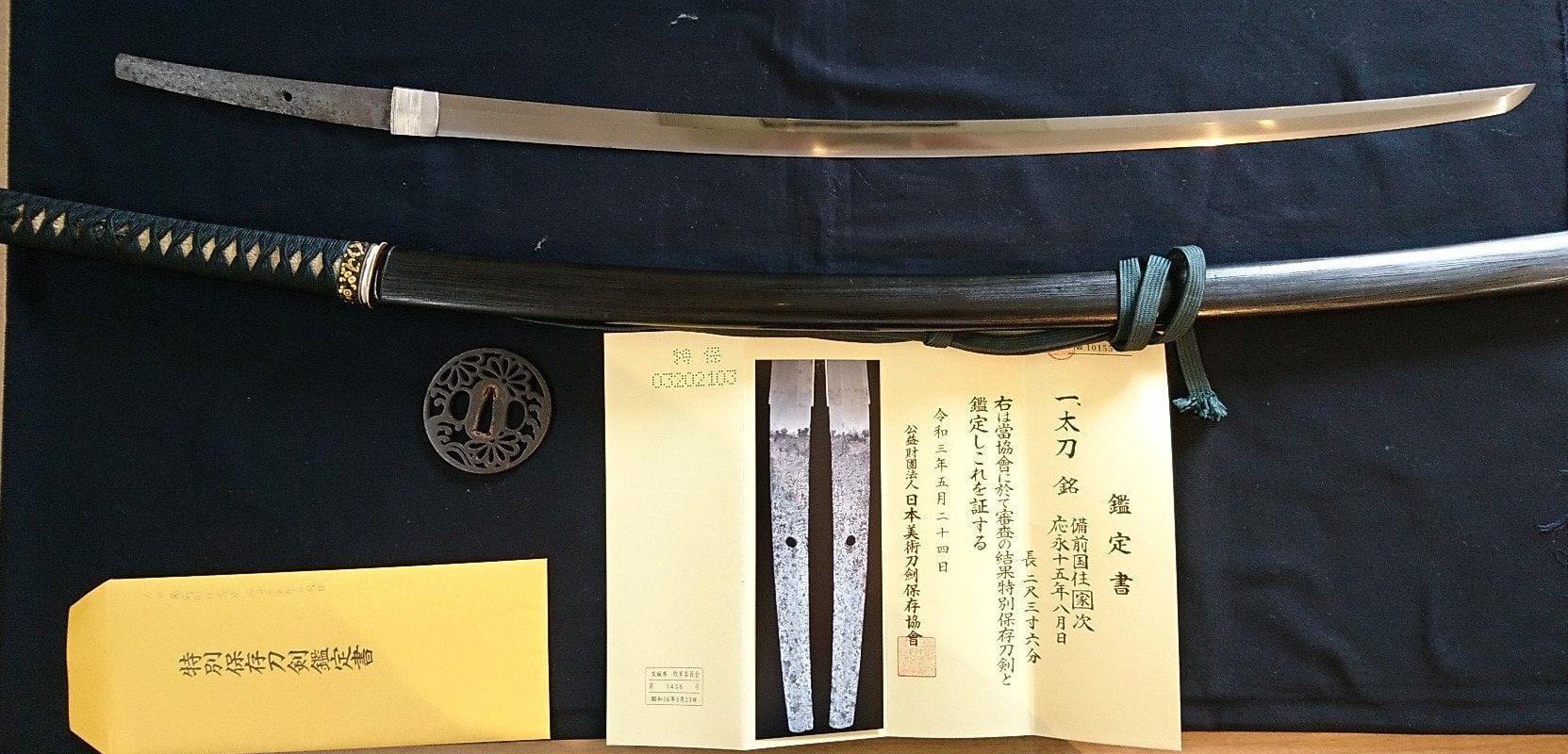
Certifies a genuine blade worth preserving: a signature confirmed correct, or, if unsigned, an era, province, and school that the NBTHK can reliably identify.
The NBTHK (Nihon Bijutsu Tōken Hozon Kyōkai, the Society for the Preservation of Japanese Art Swords) is a public-interest incorporated foundation founded in 1948 and supervised by Japan’s Agency for Cultural Affairs (Bunkachō); it is based at the Japanese Sword Museum in Tokyo. Its expert panels physically examine each submitted work (shinsa) and issue a certificate (kanteishō) ranking it by artistic and historical merit. NBTHK papers are the most widely recognized standard of authentication for Japanese swords and fittings.
NBTHK official siteWhen the item reaches you, please check immediately for damage and that it matches your order. We bear the shipping cost for a return; please send it freight-collect. Costs other than the item price cannot be refunded.
 Koshirae