 NihontoWatchNihontoWatch
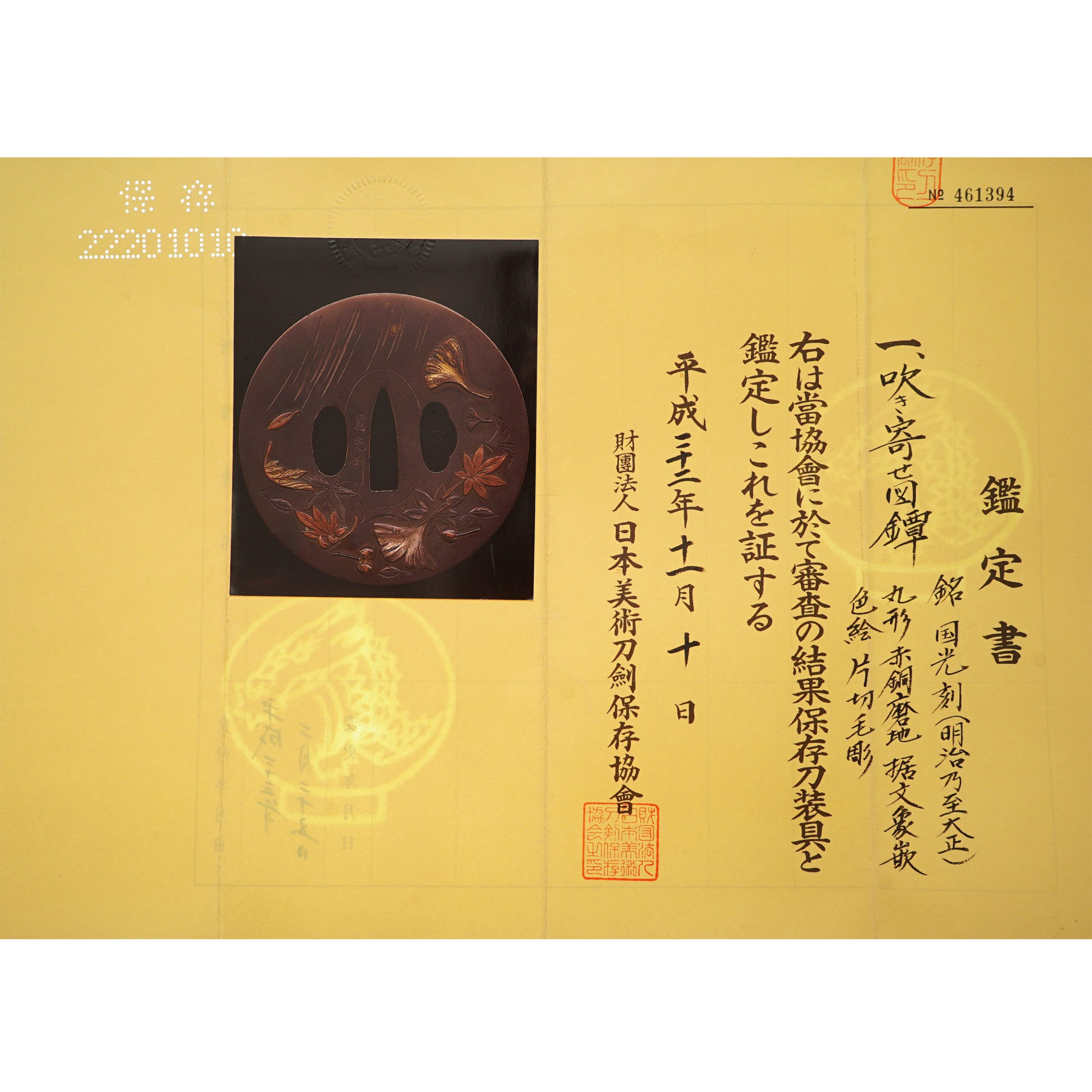
Circle shape Tsuba made from Shakudou. Shakudou contains copper and a little amount of gold so that it makes glossy purplish-black color. This Tsuba describes fallen leaves that were blown by the wind. Oblique lines draw wind. In this case, maples and maidenhair leaves are engraved and inlaid with different colors. We can guess this Tsuba shows a scene of the fall of leaves in autumn after having cold winter wind. This type of design is called “Fukiyose Zu” in Japanese. Fukiyose means blow and move. There is also the word “Fukiyose,” but it has not written the same Kanji (a kind of Japanese character), and it means pulling wealth. As these two words have the same pronunciation, people connected these words and imagined that wind would bring various good-luck by seeing “Fukiyose Zu.” That is the reason why this motif has been treated as a good-omen pattern. It expresses a Japanese feeling “Mono no aware,” which is considered sensitivity to ephemera. It seems it reminds us of the particular aesthetic sense of Japanese. This Tsuba is recognized by The Society for Preservation of Japanese Art Swords, which is known as NBTHK. Authentication Paper They authenticated the Tsuba on Nov 10h in the 22nd year of Heisei (2010). They appraised it as Hozon Tousougu, the Tsuba worth preserving for Japanese society. *This Tsuba was originally listed as a Tsuba clock, but we decided to sell the Tsuba itself. You will receive the Tsuba itself stored in a wooden box.
NihontoWatchOffered by Samurai Museum

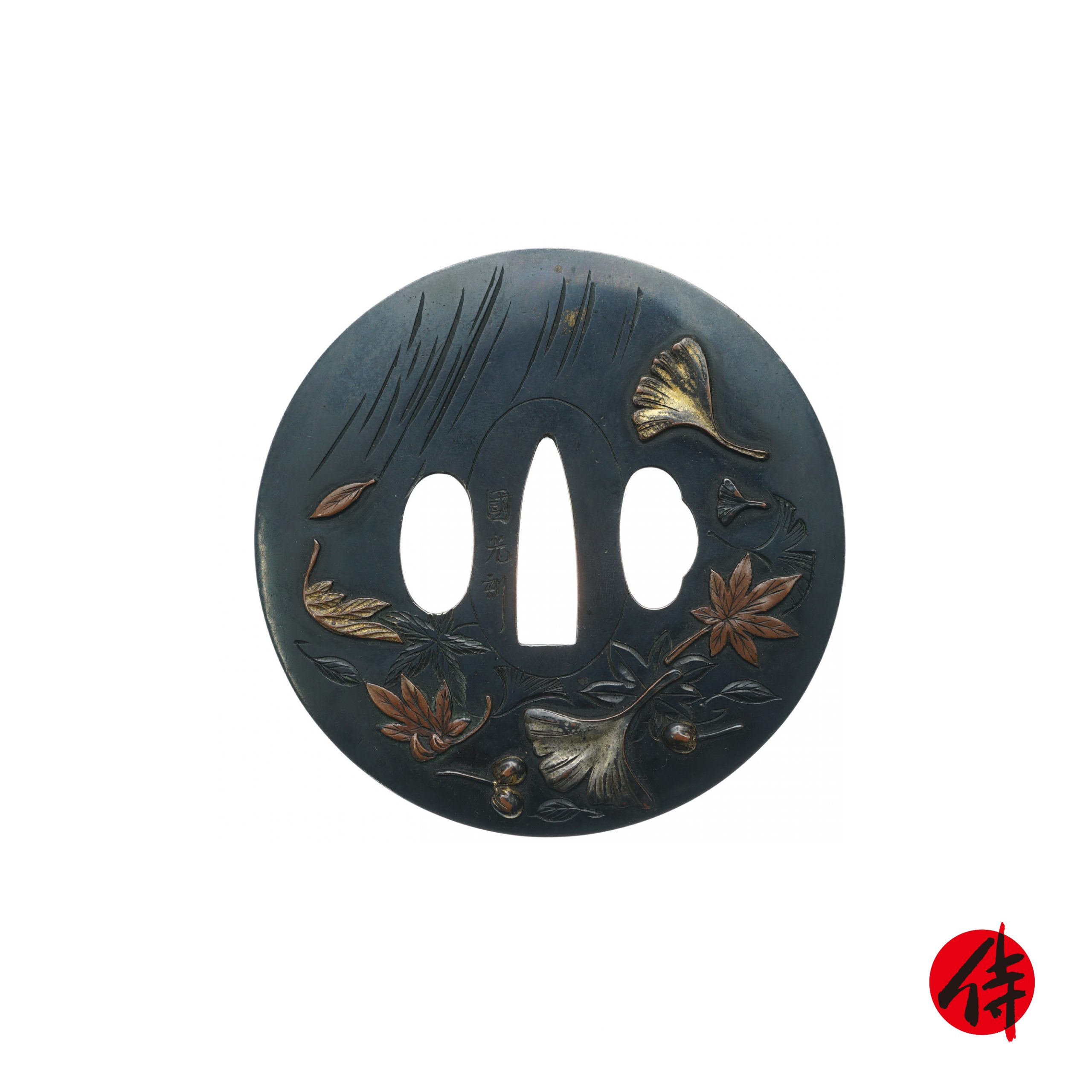
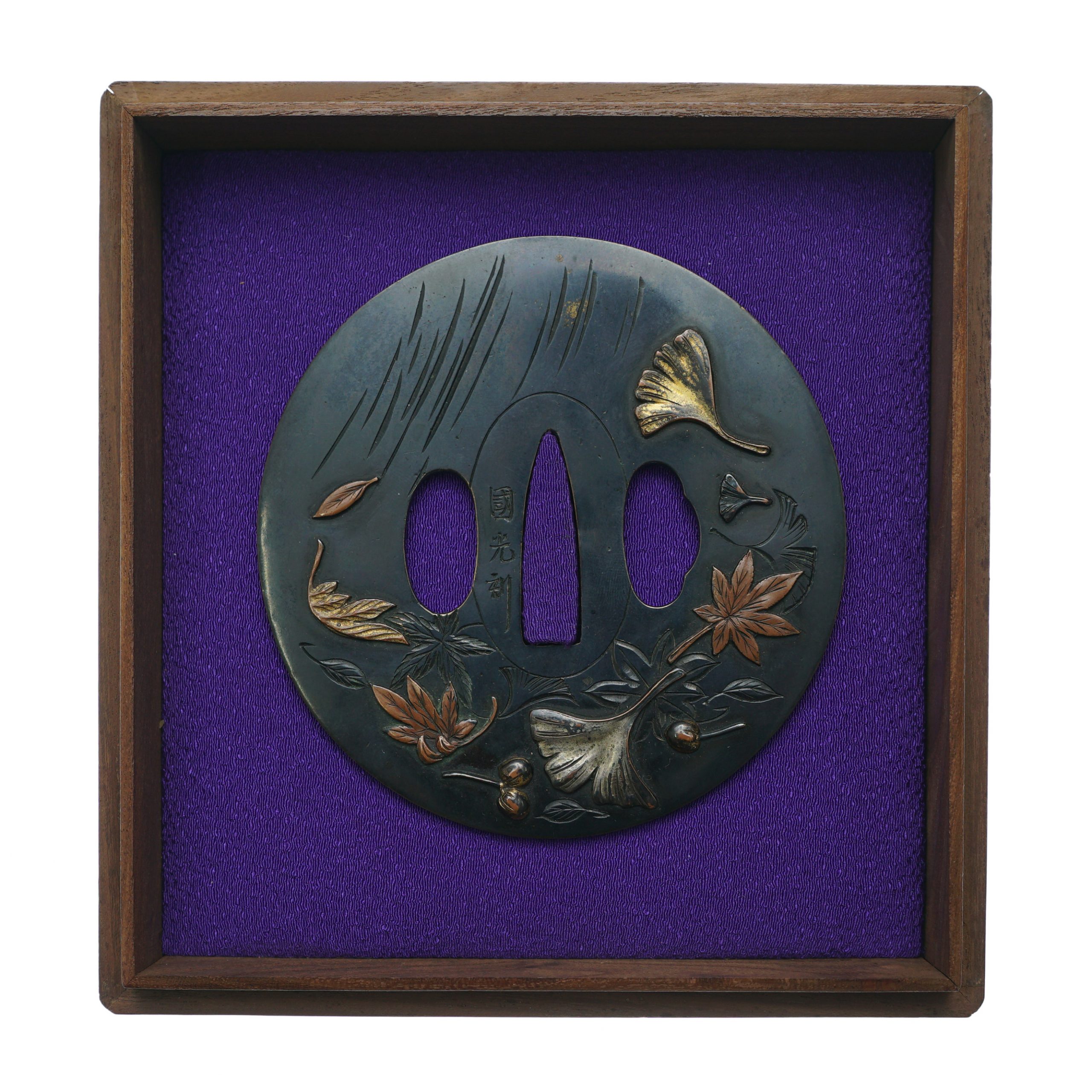
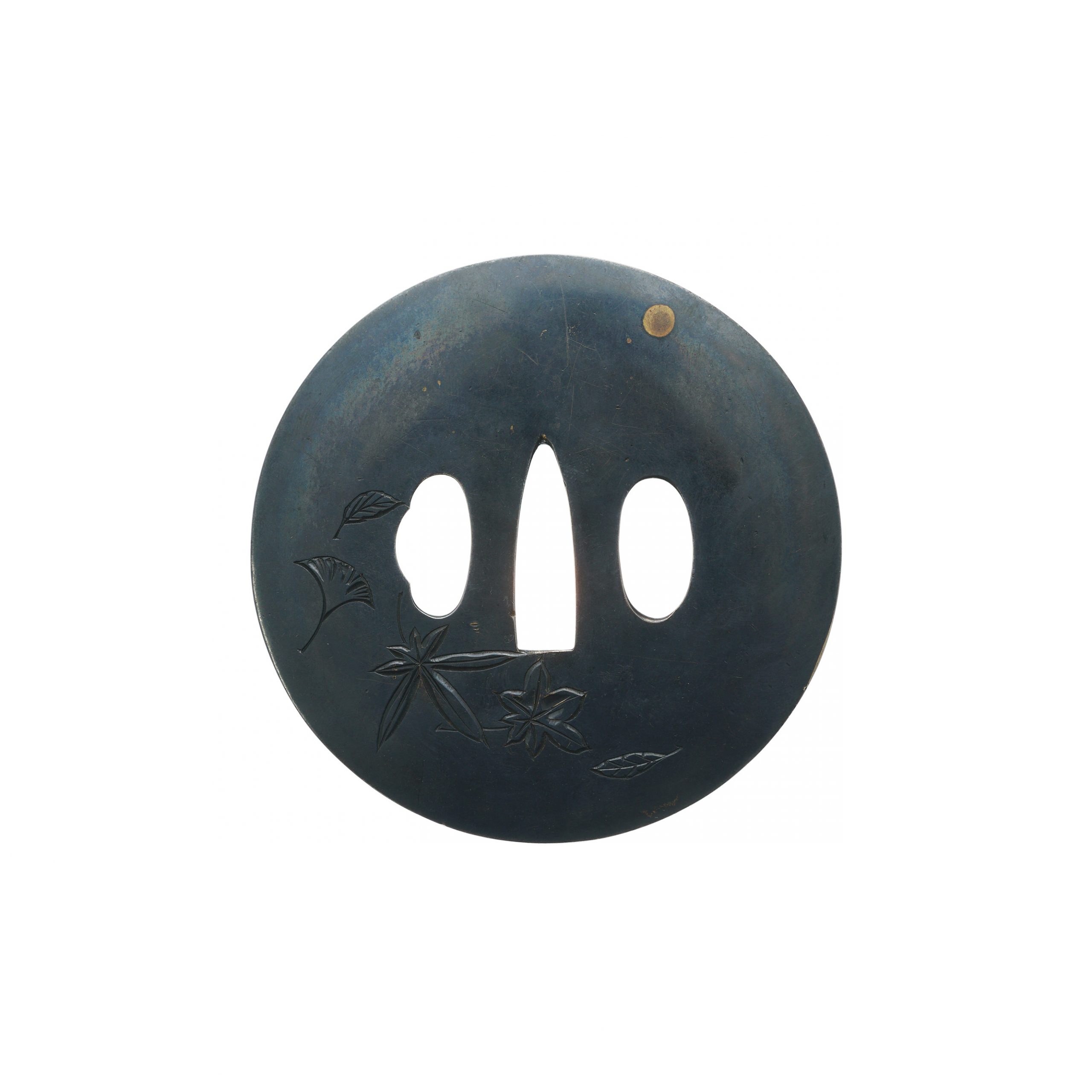
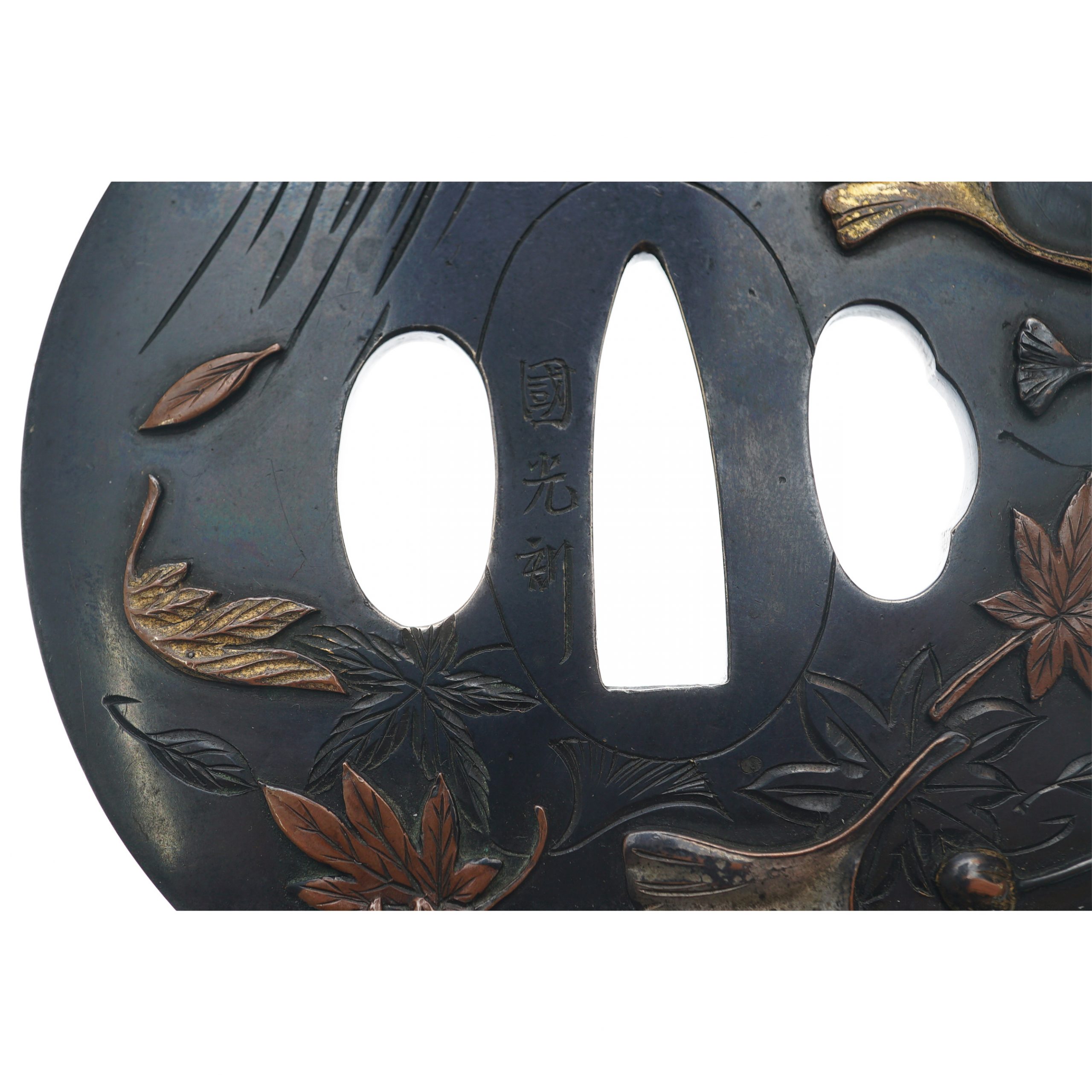
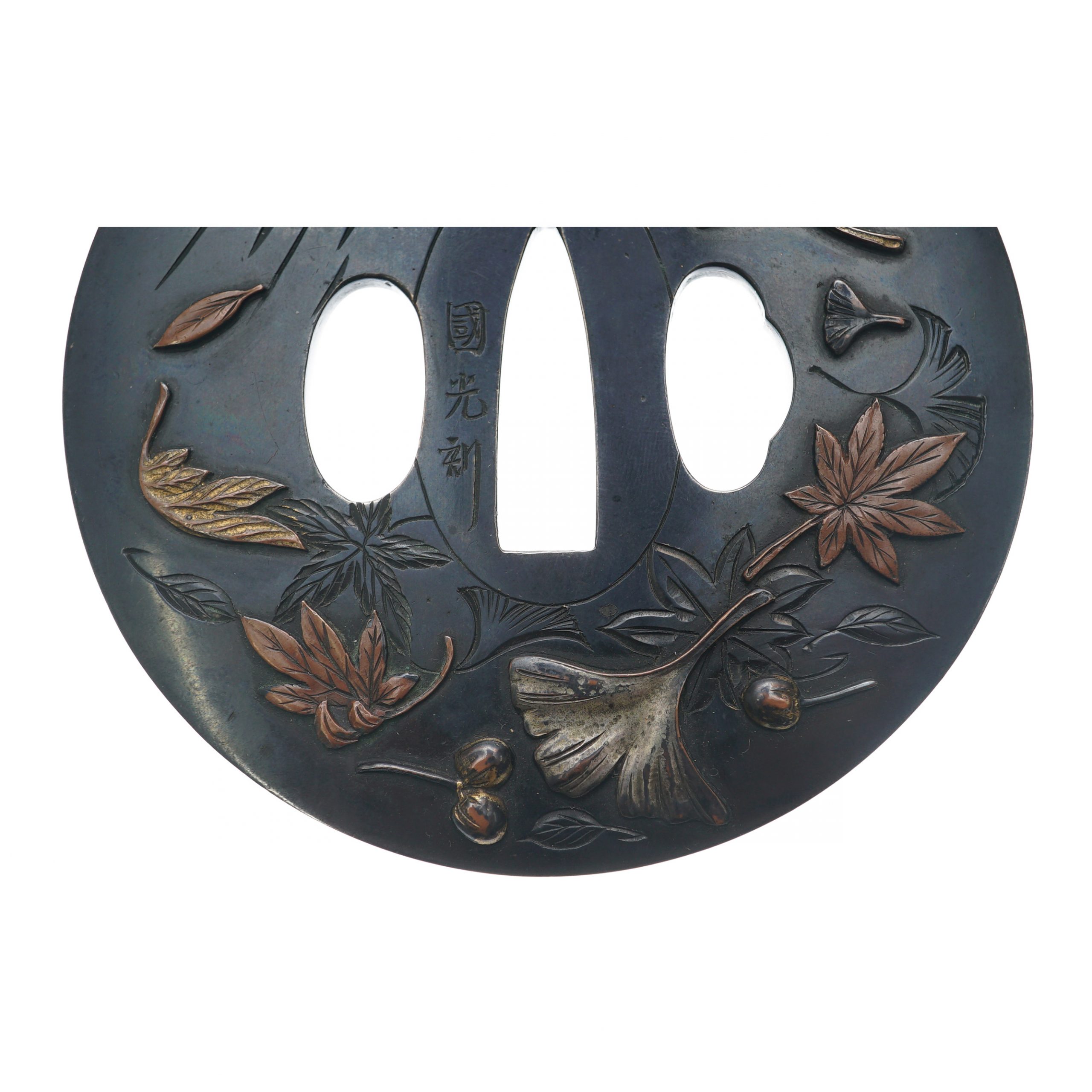
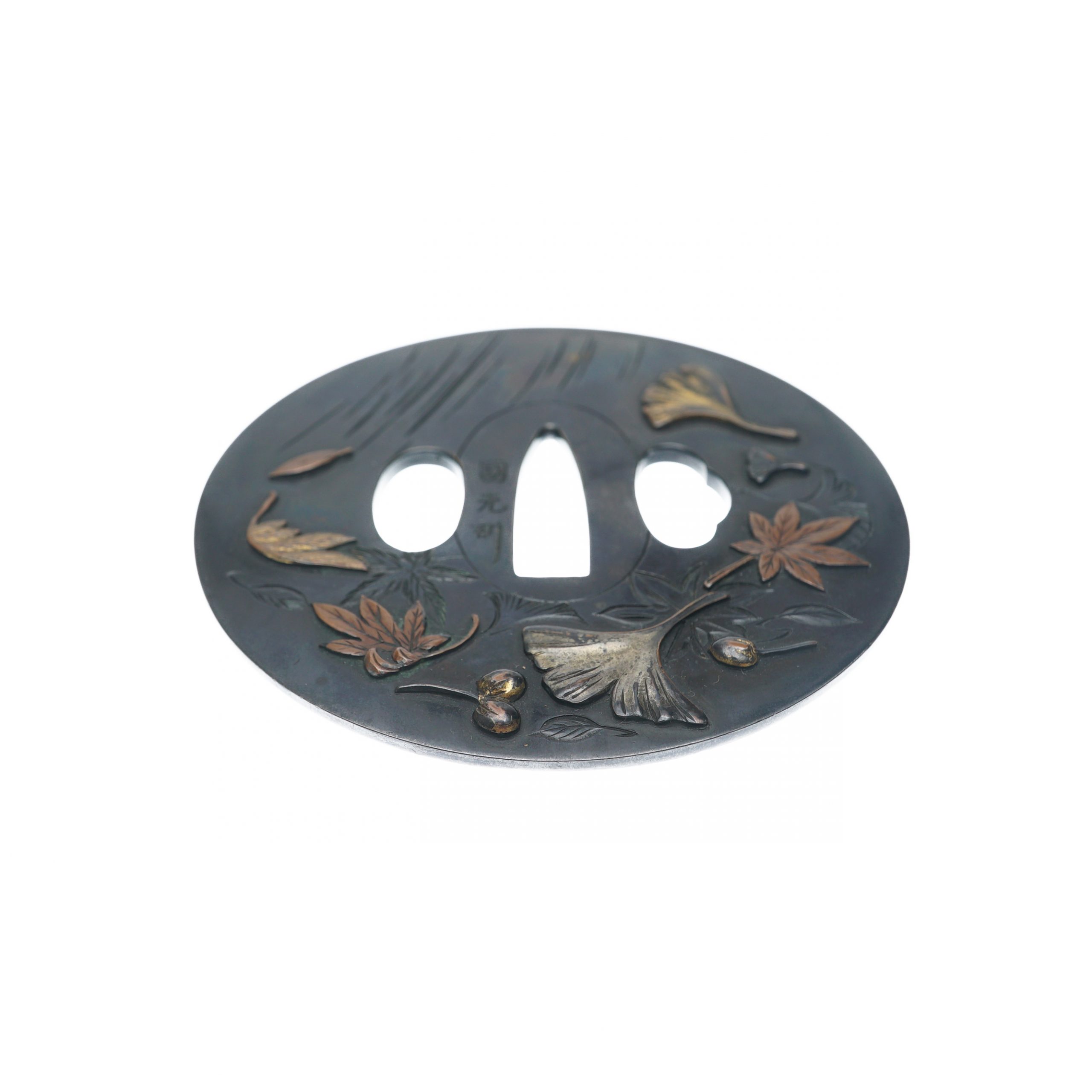
Kunimitsu
Meiji
Signed
Hozon (NBTHK)
Iwami
1 piece on the market now
Certifies a genuine fitting worth preserving: a correct signature, or, if unsigned, an identifiable era and school, with recognized artistic and craft value.
The NBTHK (Nihon Bijutsu Tōken Hozon Kyōkai, the Society for the Preservation of Japanese Art Swords) is a public-interest incorporated foundation founded in 1948 and supervised by Japan’s Agency for Cultural Affairs (Bunkachō); it is based at the Japanese Sword Museum in Tokyo. Its expert panels physically examine each submitted work (shinsa) and issue a certificate (kanteishō) ranking it by artistic and historical merit. NBTHK papers are the most widely recognized standard of authentication for Japanese swords and fittings.
NBTHK official siteReturns/exchanges limited to defects caused by shipping (except willful misconduct or gross negligence by the company); customers must contact within 72 hours of receiving the product.