The Shintō era was largely invented in Kyōto: Umetada Myōju’s workshop trained the movement, Horikawa Kunihiro raised a generation, and the Hon’ami appraisers, who held no forge, governed the meaning of famous blades.
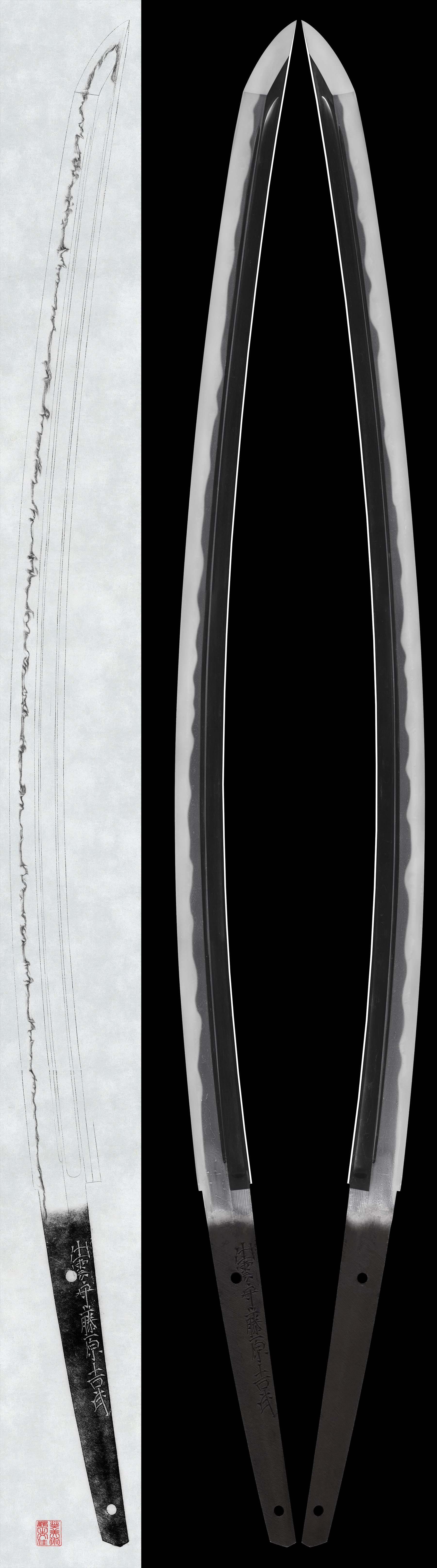
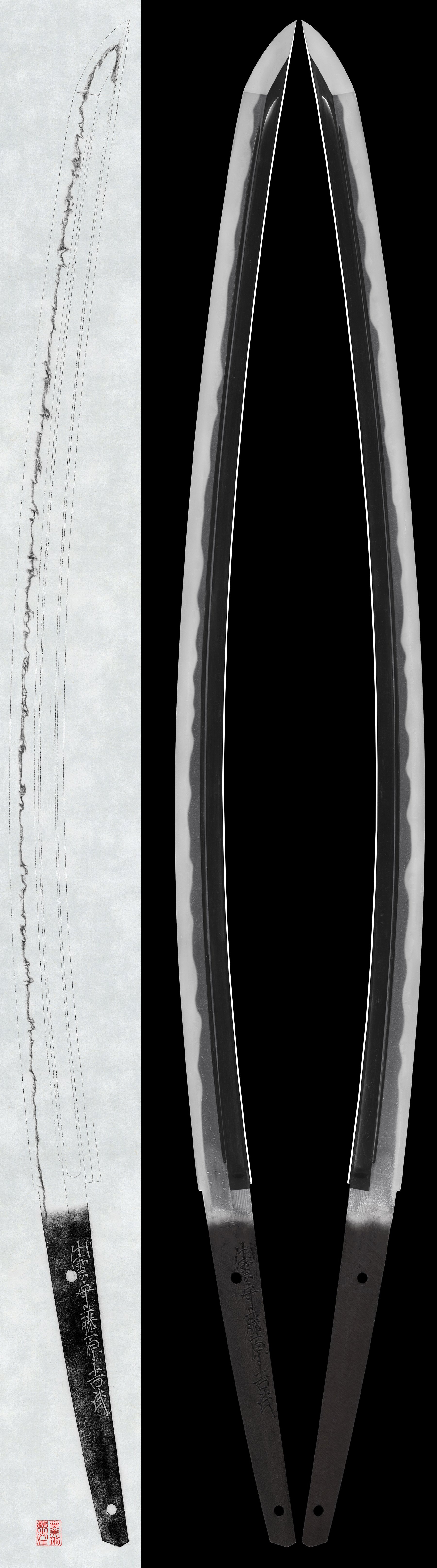
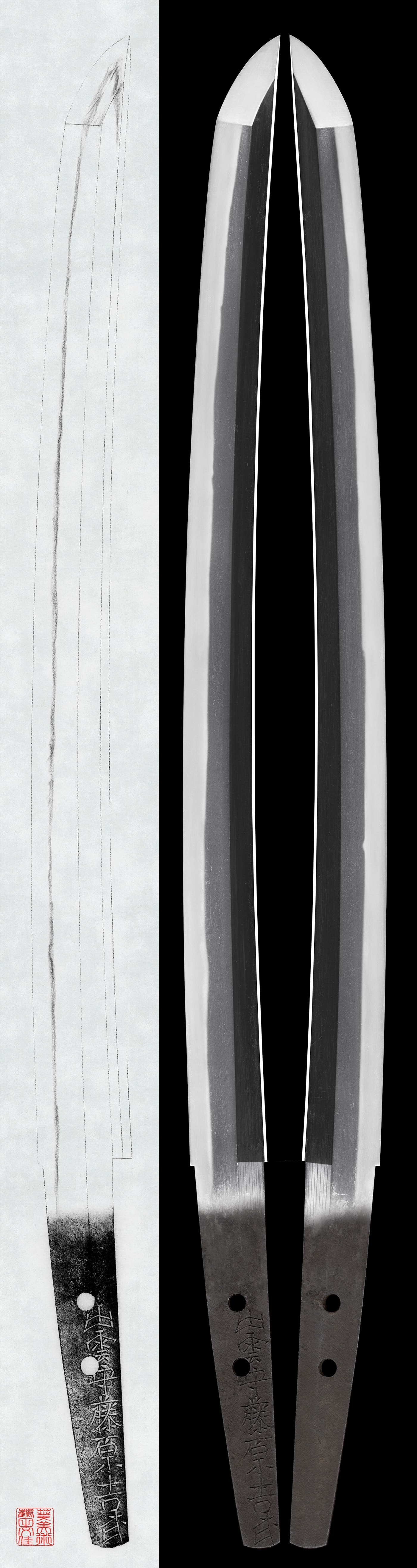
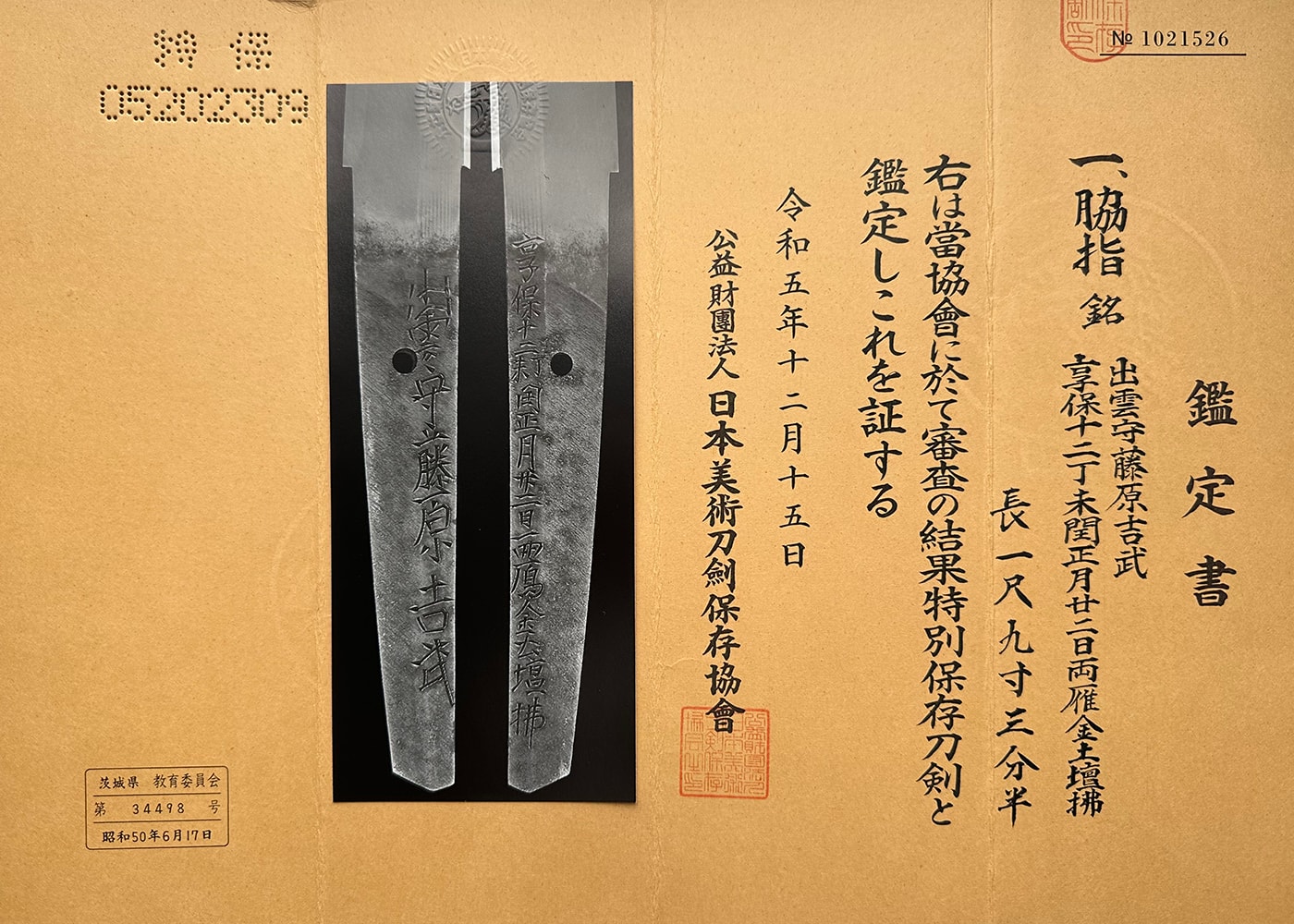
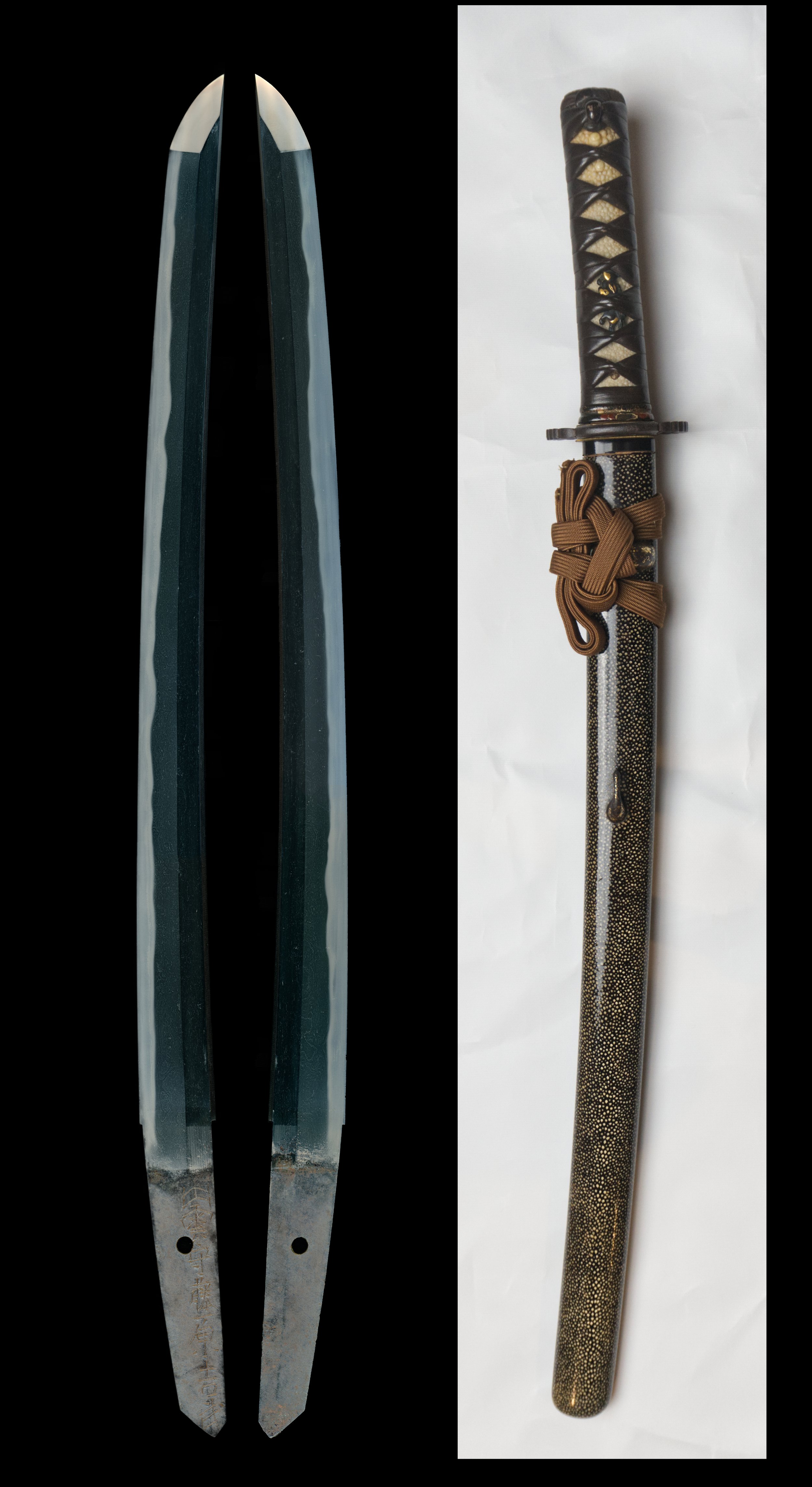
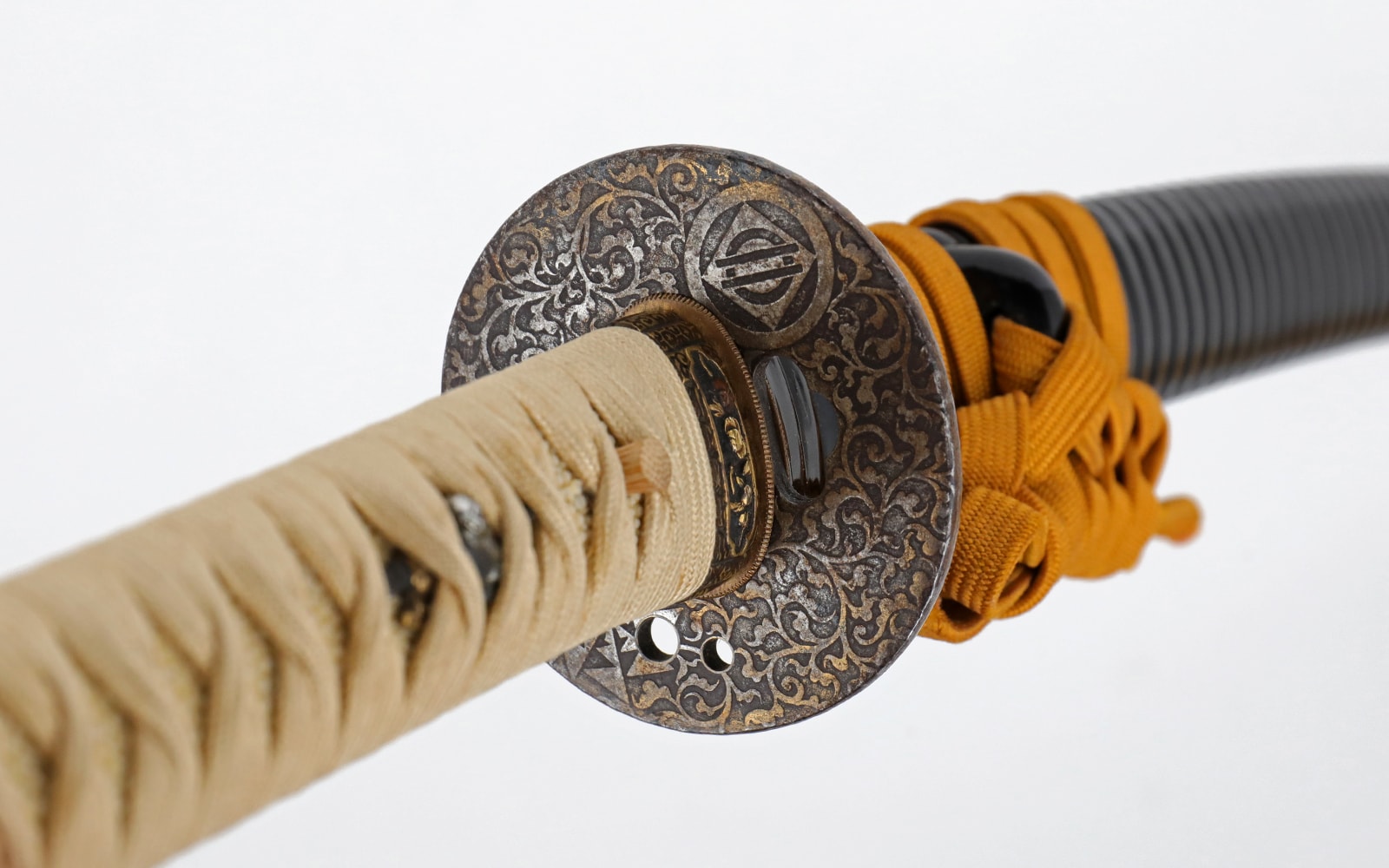
This antique Japanese wakizashi is signed by Izumo Daijyo Fujiwara Yoshitake, believed to be the first generation active during the early Edo period (1658-1681). Yoshitake was part of the Horikawa school and later received the official title of Izumo Daijyo. The blade comes with an NBTHK Hozon Certificate, confirming its authenticity and artistic value.
 NihontoWatch
mei · Horikawa · Manji-Enpo (1658-1681) · nagasa 46.6cm · sori 0.91cm
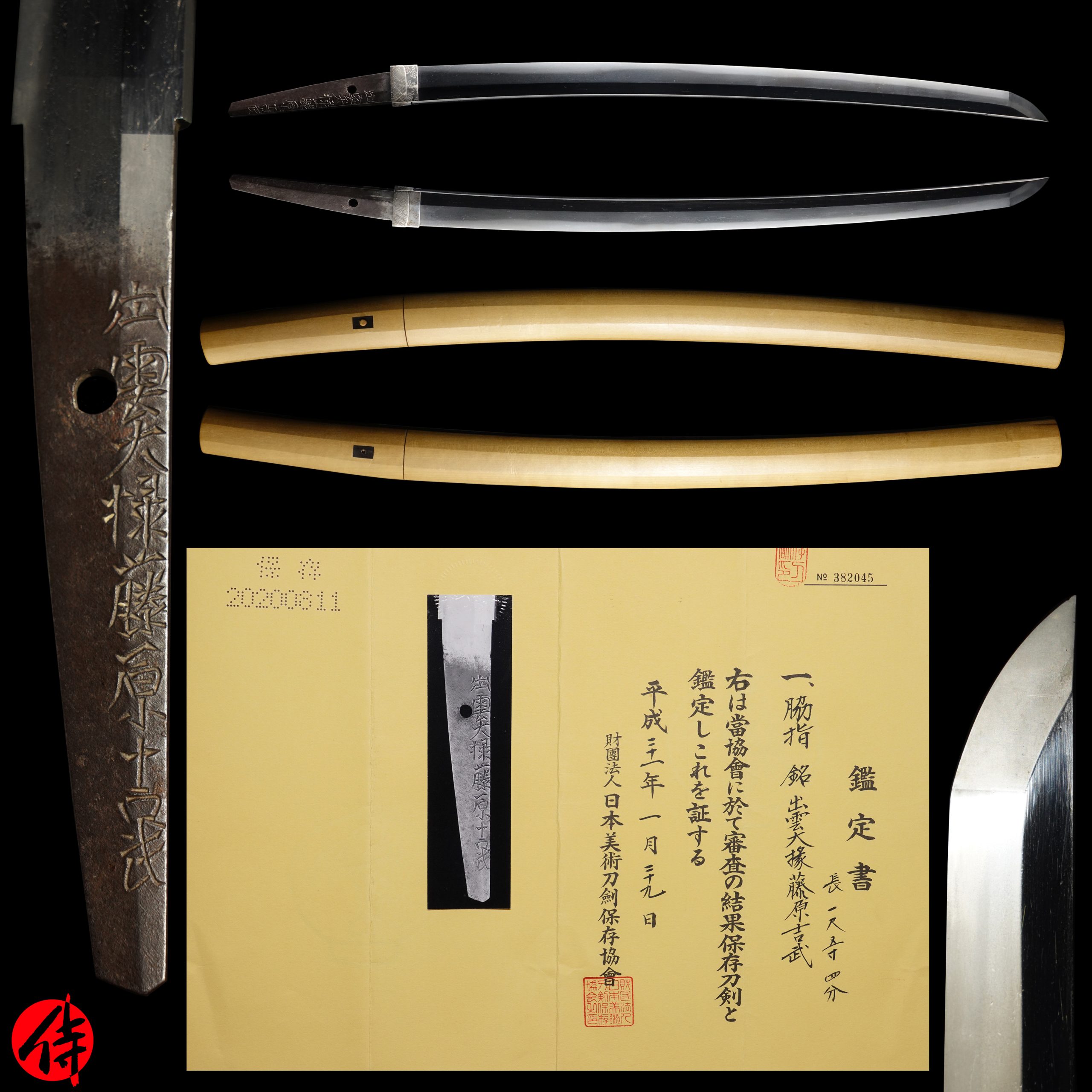
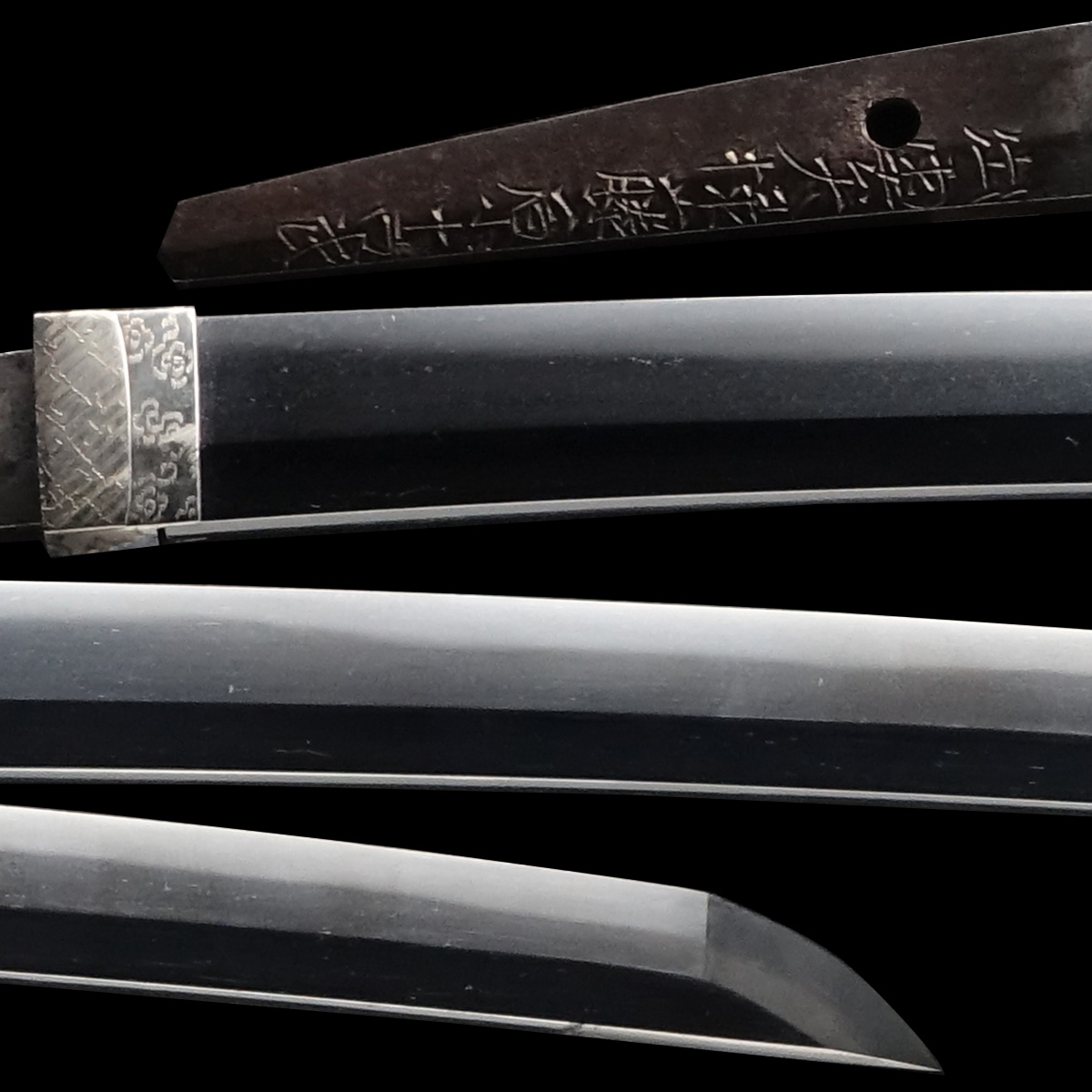
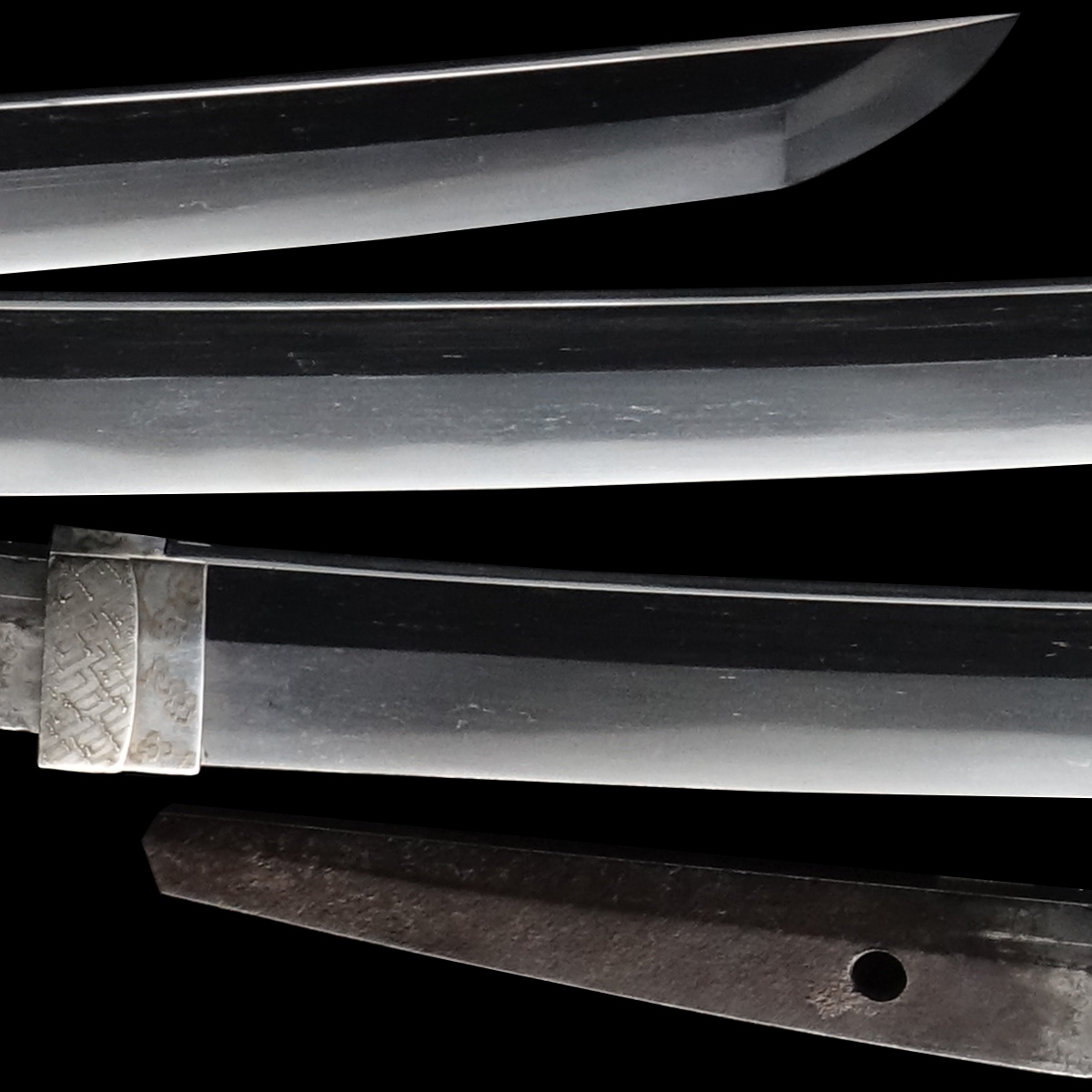
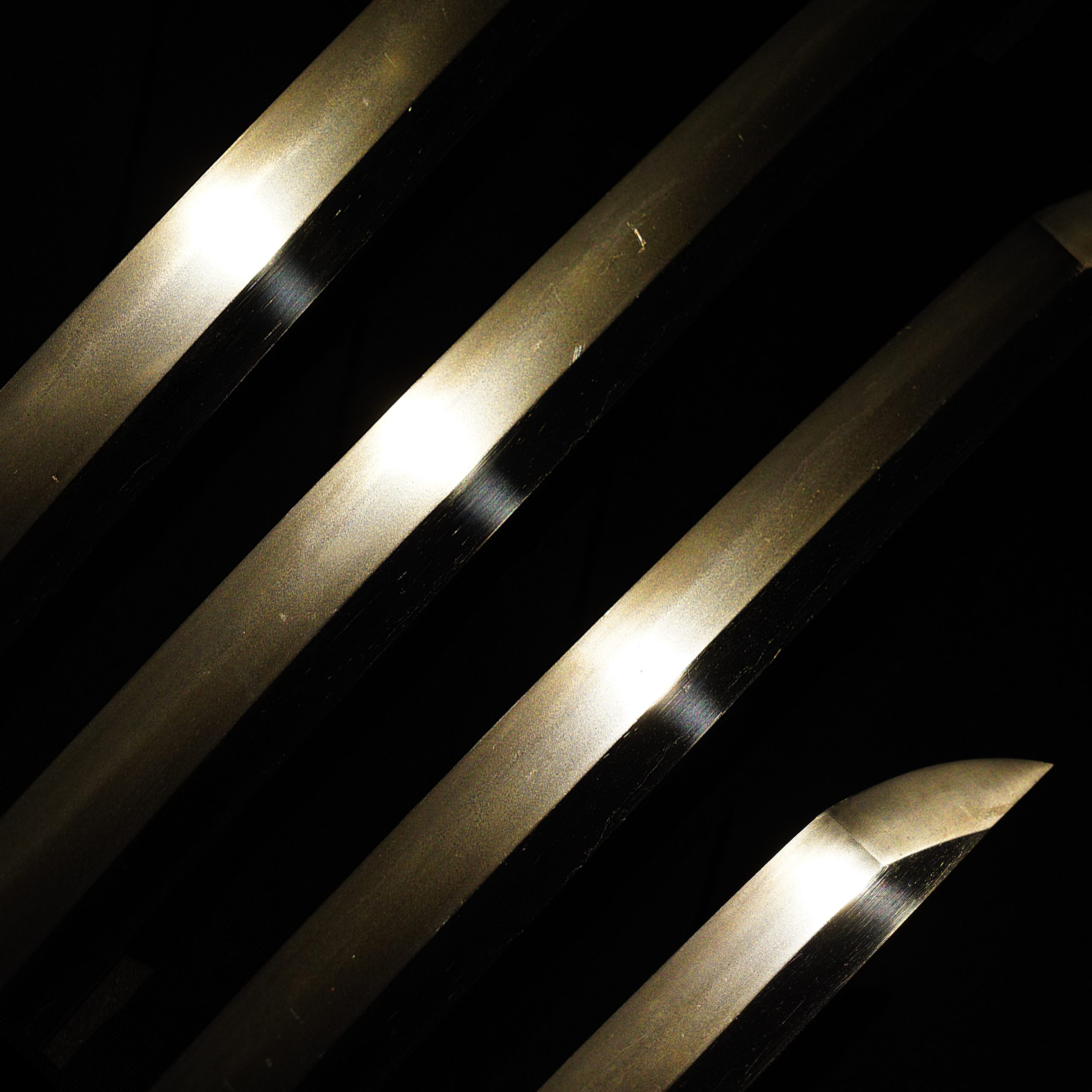
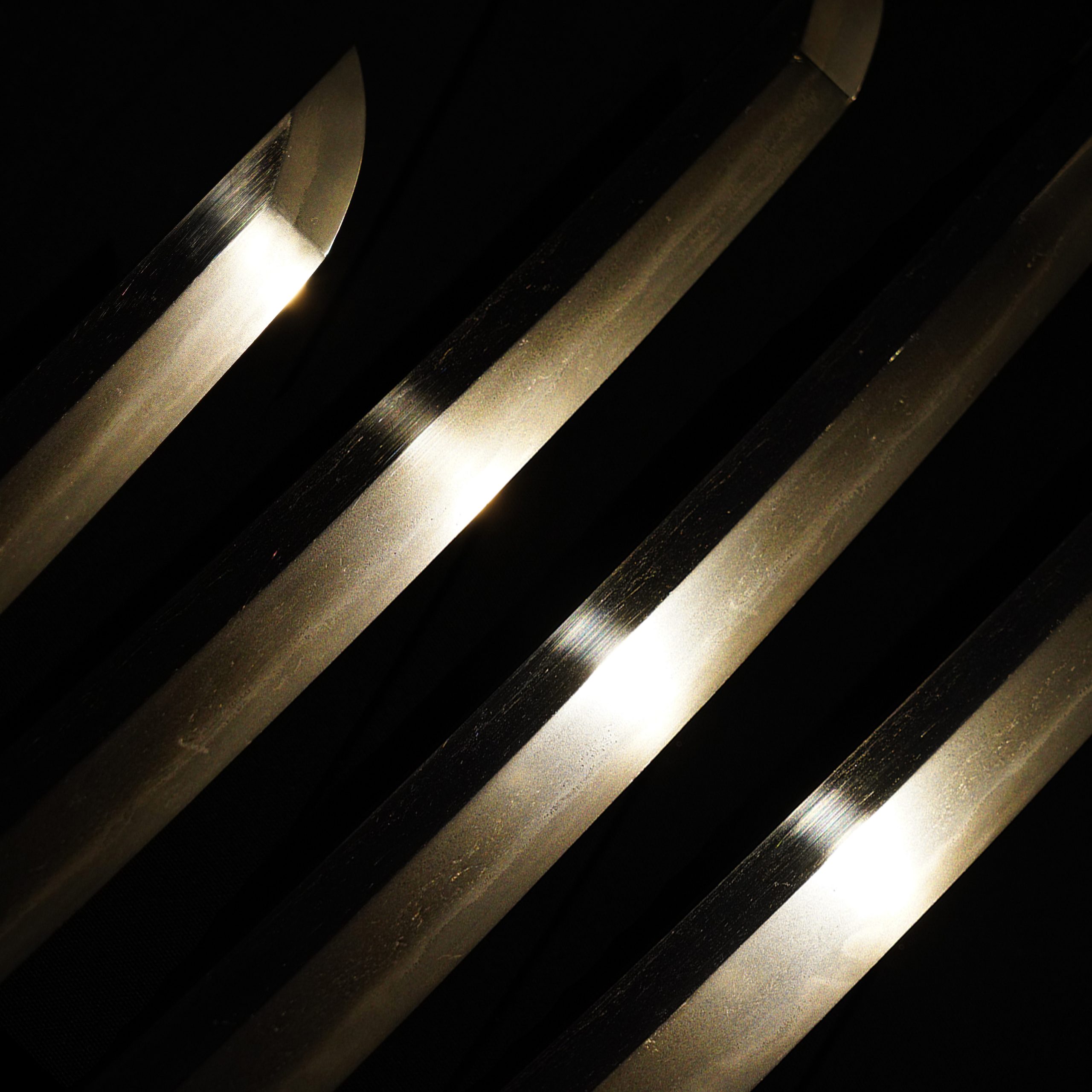
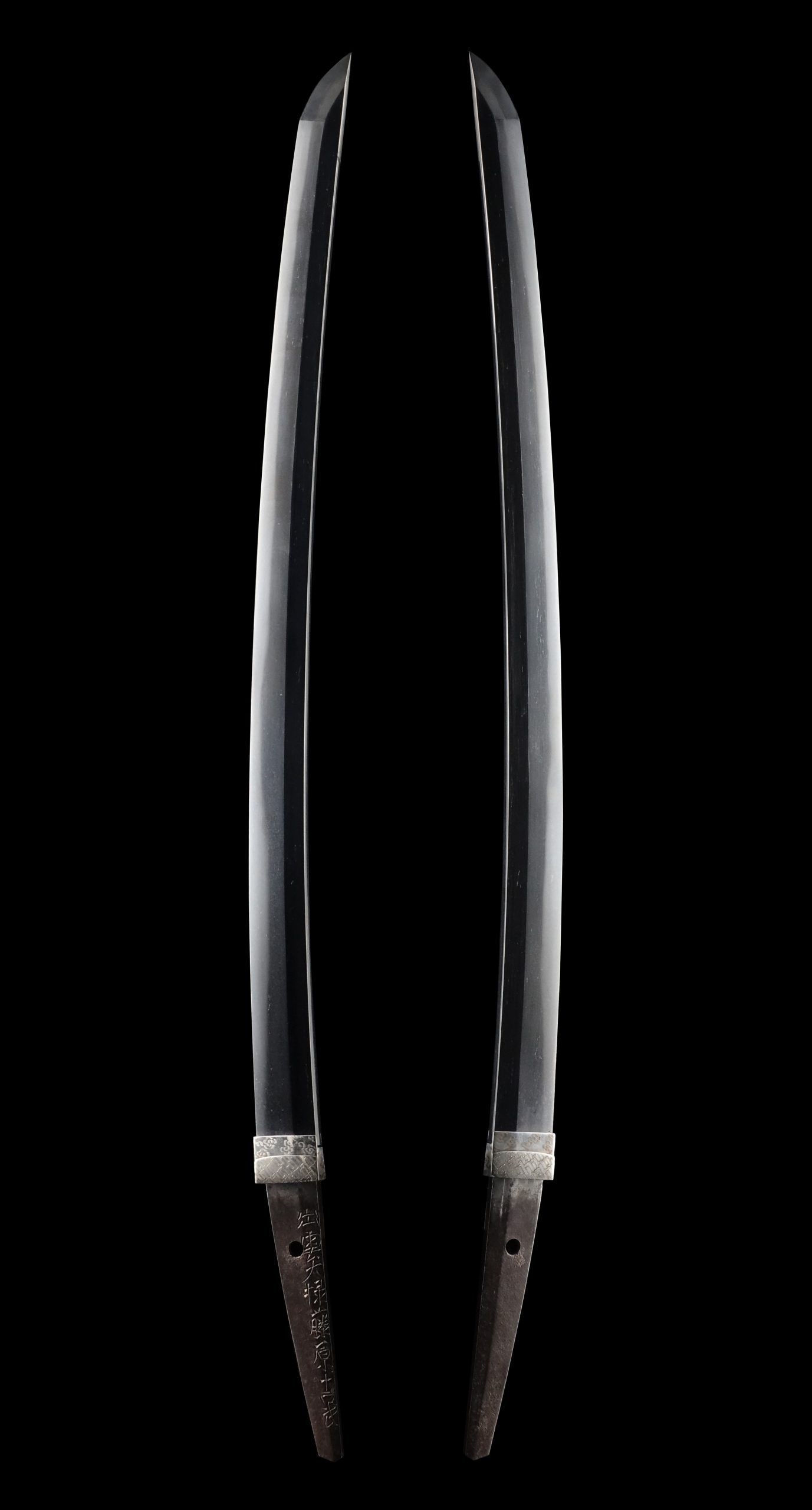
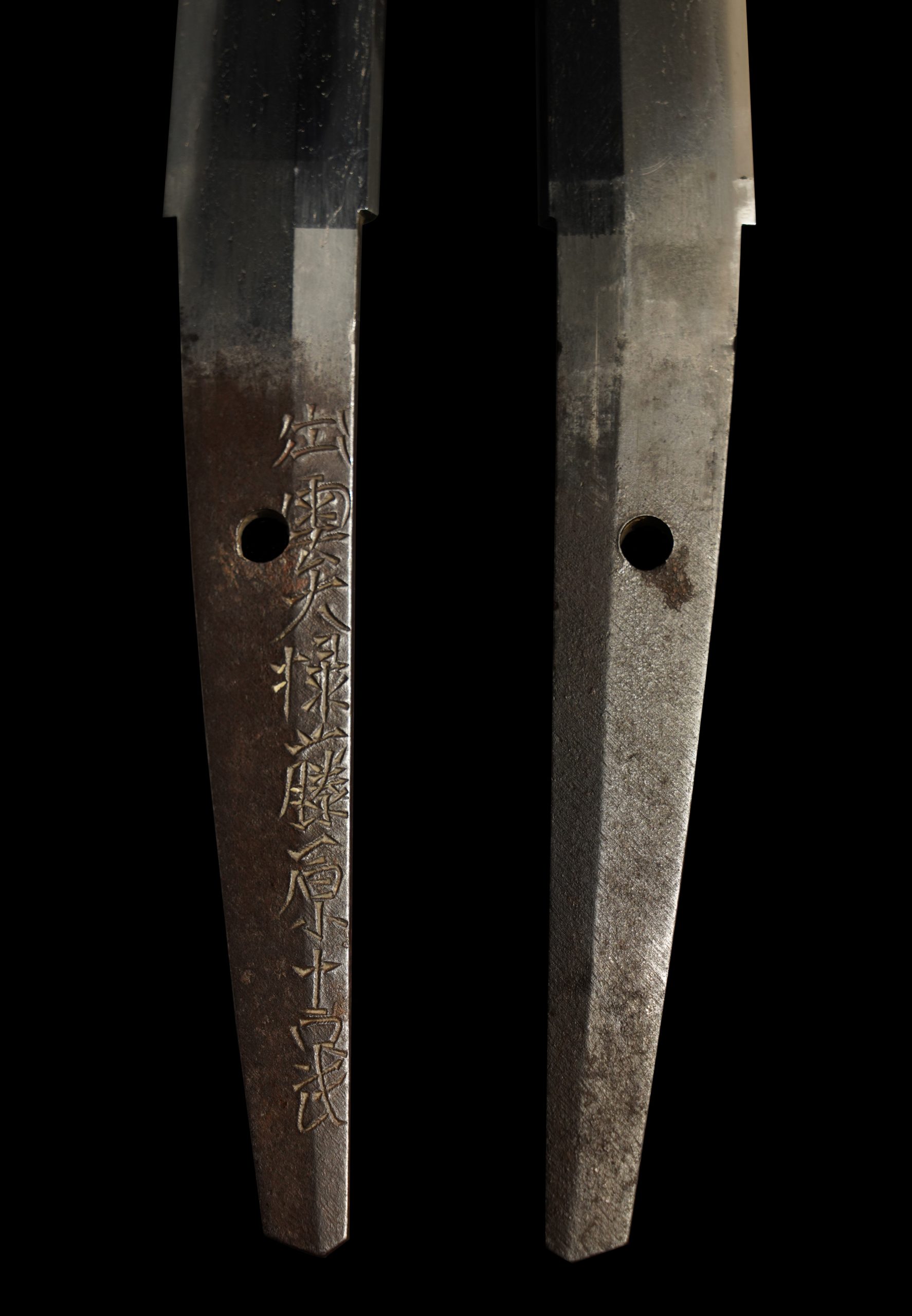
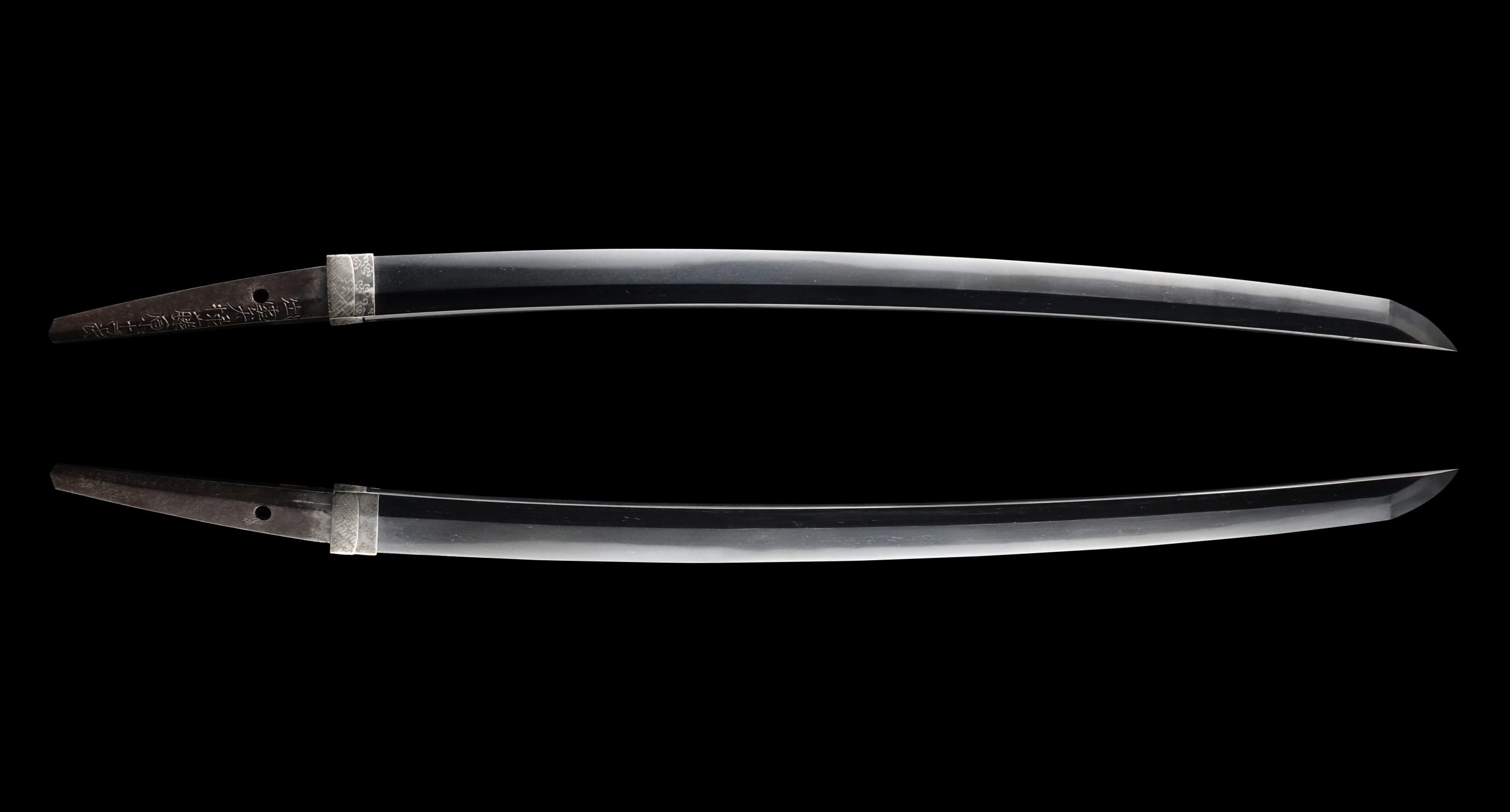
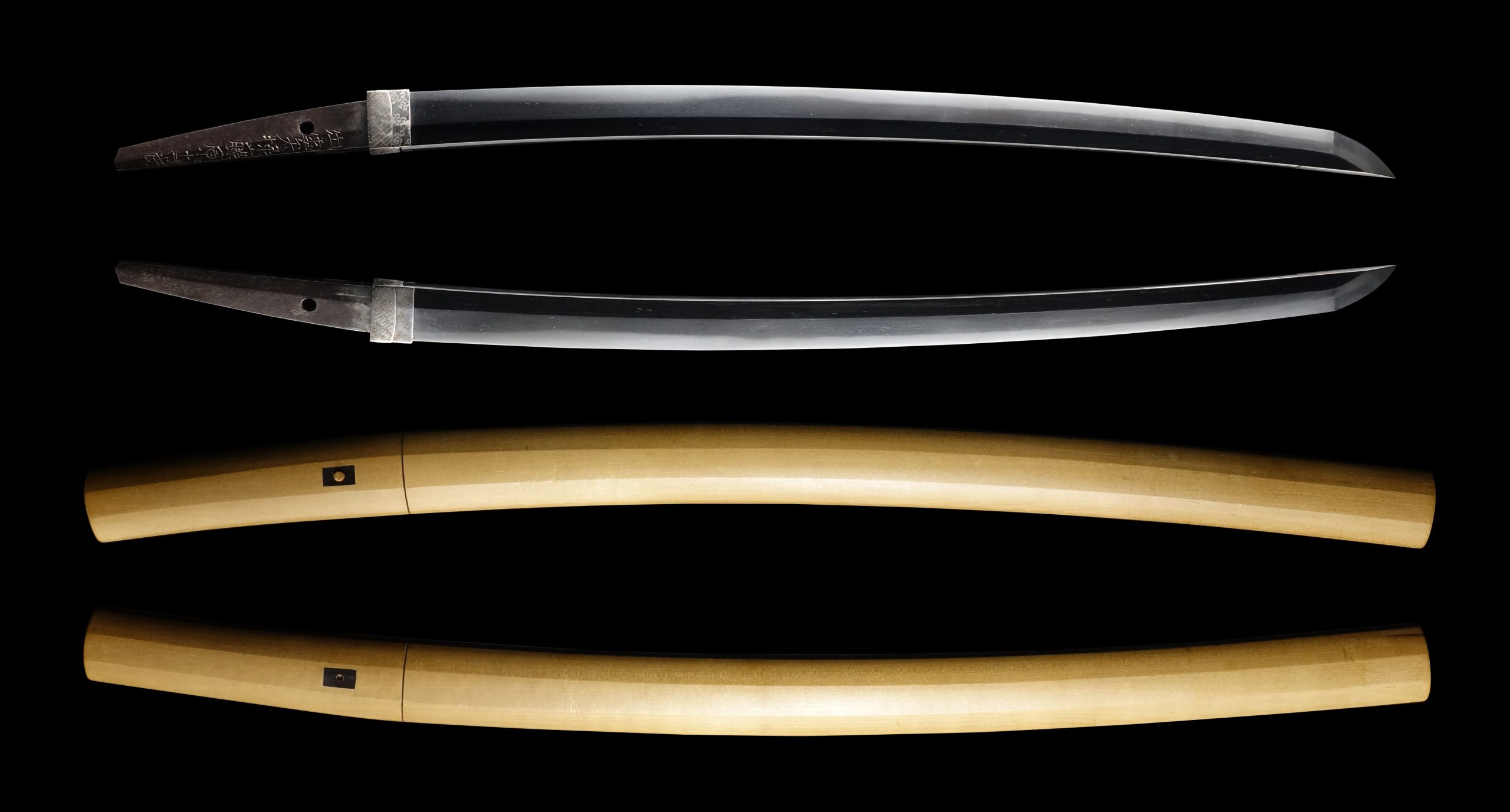
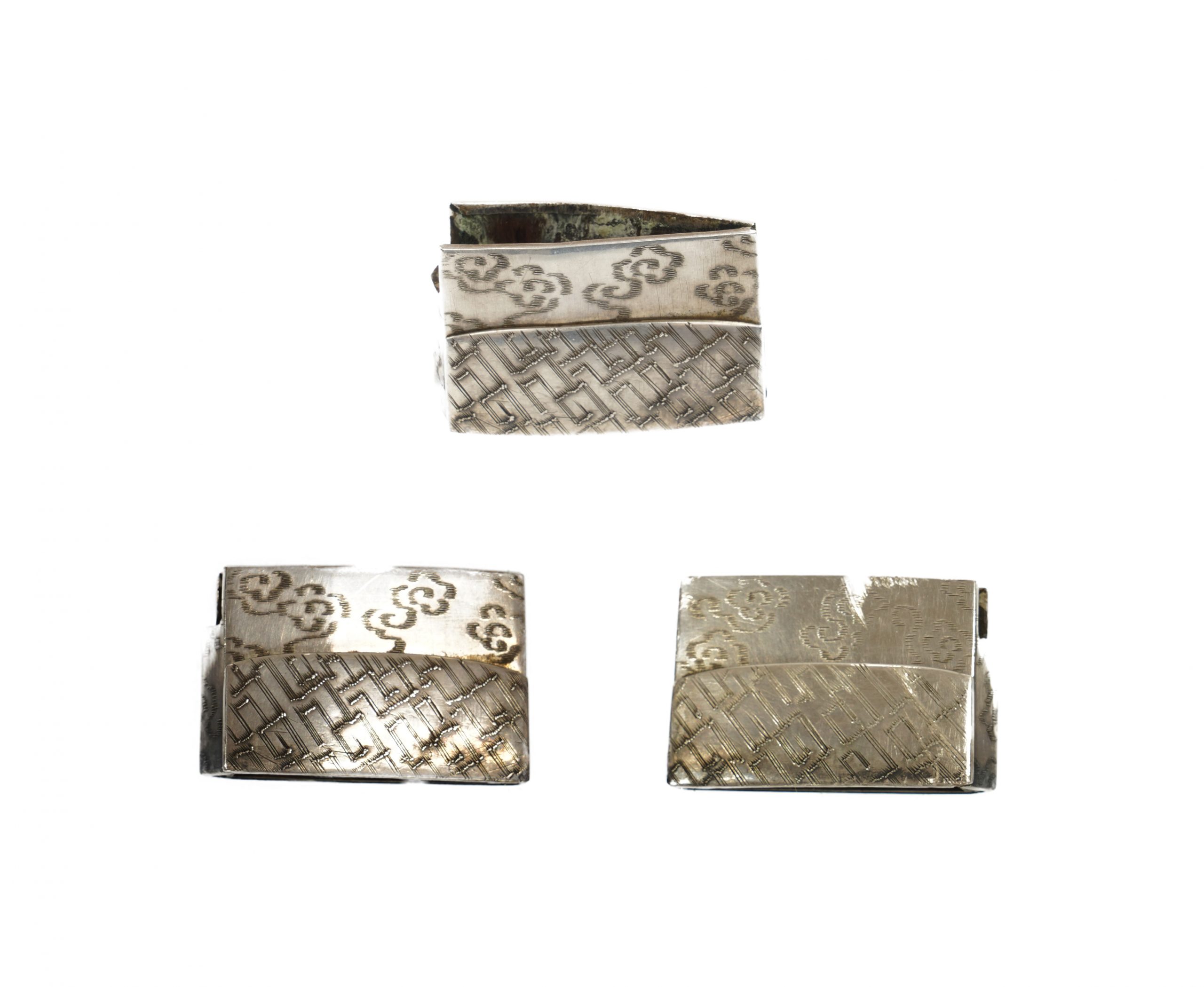
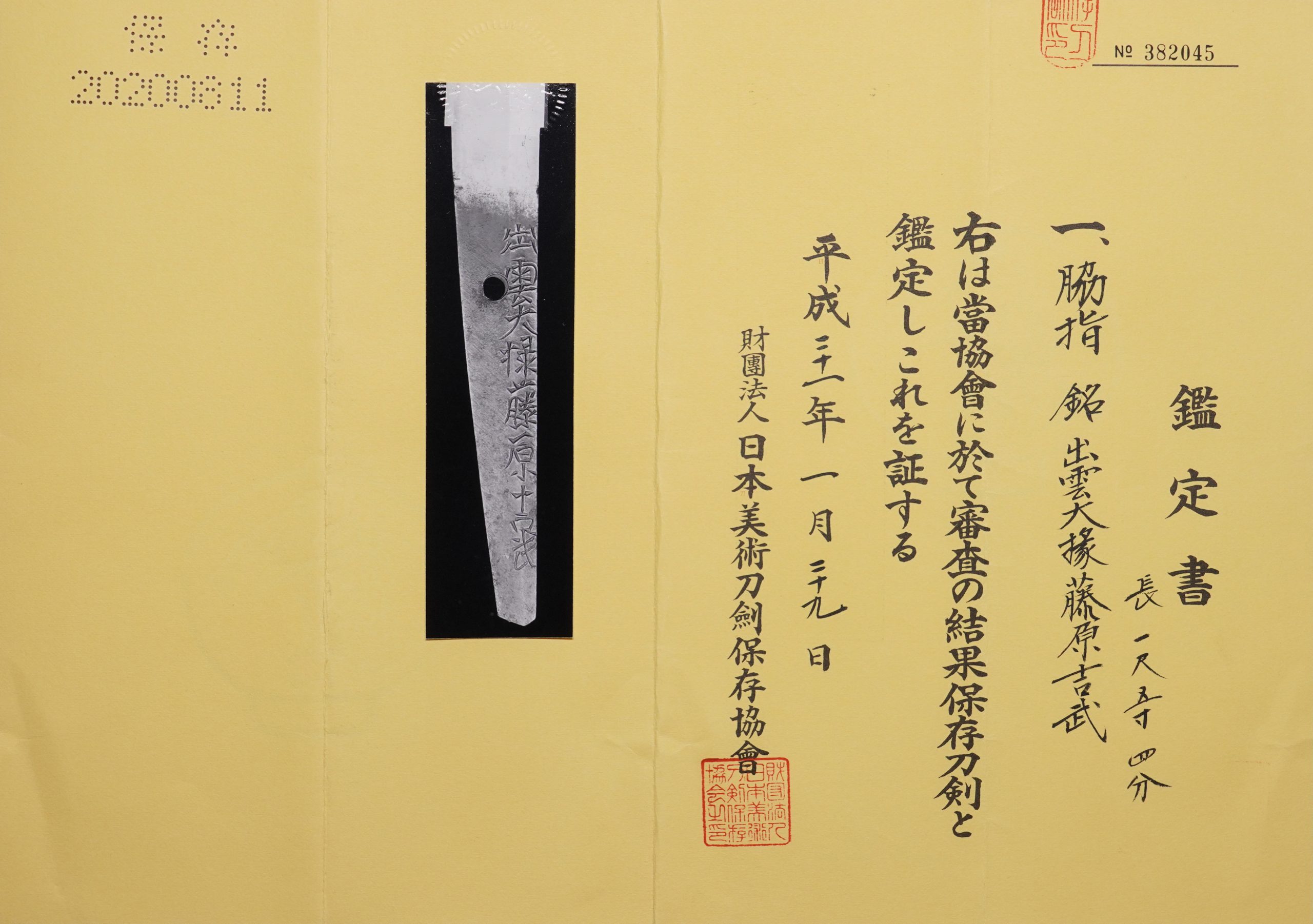
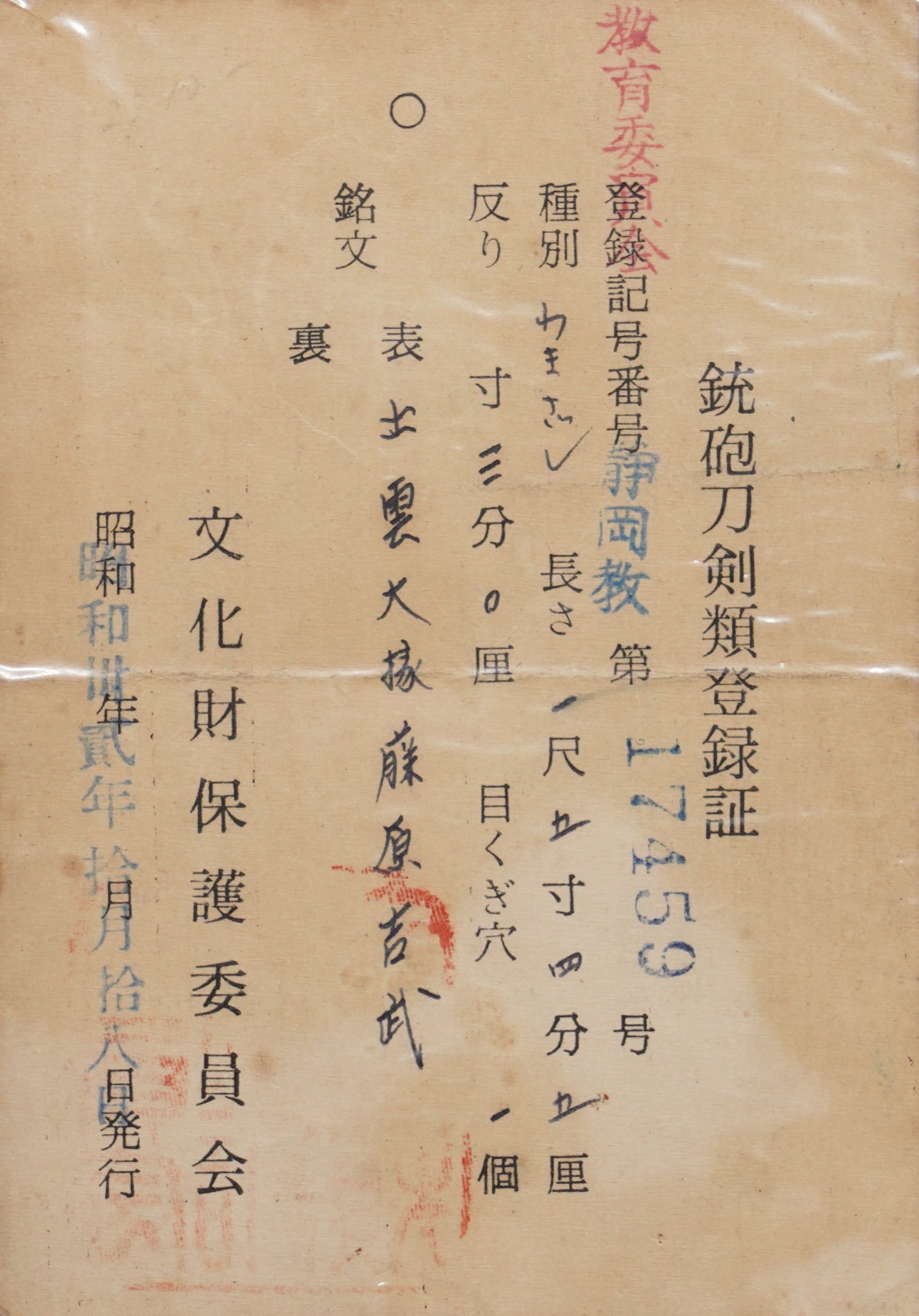
Horikawa (Yamashiro / Edo, Shinto) · Yamashiro · around 1658-1661
Fujishiro Jo saku · Tōken Taikan top 37%
3 pieces on the market now
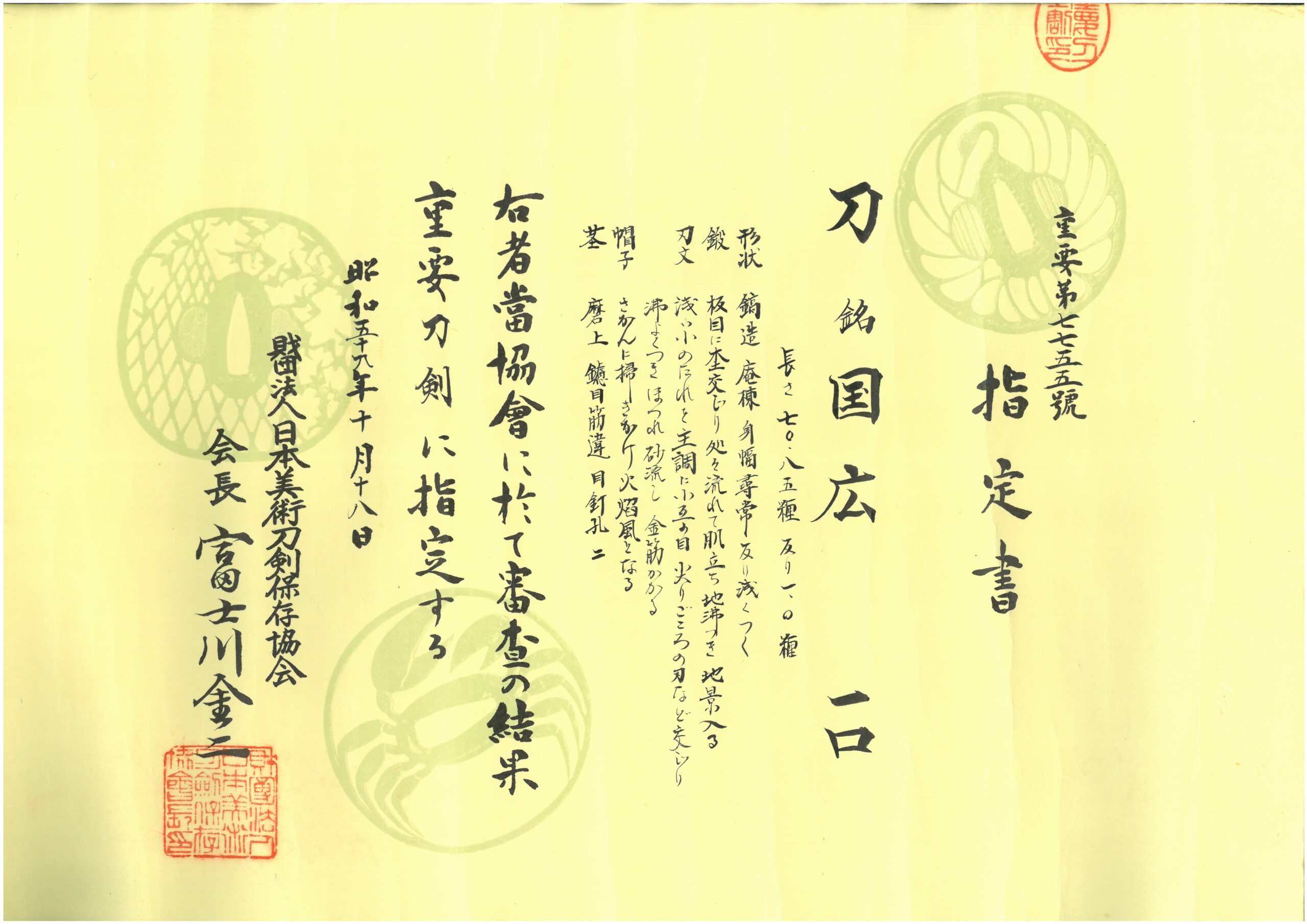
On the reverse of a katana dated to the sixth month of Enpo 3 (1675), the swordsmith Yoshitake's signature toward the mune is answered by a gold-inlaid cutting-test inscription recording that Tomita Shigetsuna cut through three bodies in two passes. Yoshitake worked in the Horikawa line of Yamashiro and later of Edo, the son of Heianjo Kunitake, who was himself a disciple of Horikawa Kunihiro, the founder of the Kyoto Shinto school. He was commonly called Kawate Ichidayu, received the court title Izumo Daijo and later Izumo no Kami, and in his late years took the tonsure under the name Hotetsu Nyudo. The published sources hold that, while his father Kunitake was among the more unremarkable smiths of the Horikawa group, Yoshitake was a craftsman 'who surpassed his father,' and that he 'conveys the boldness characteristic of Horikawa works'[[c:1]] over a good jigane. His dated blades carry him from Enpo 3 through the Tenna era and on to Shotoku 1 (1711), a span that follows his move from Kyoto to the new capital at Edo.
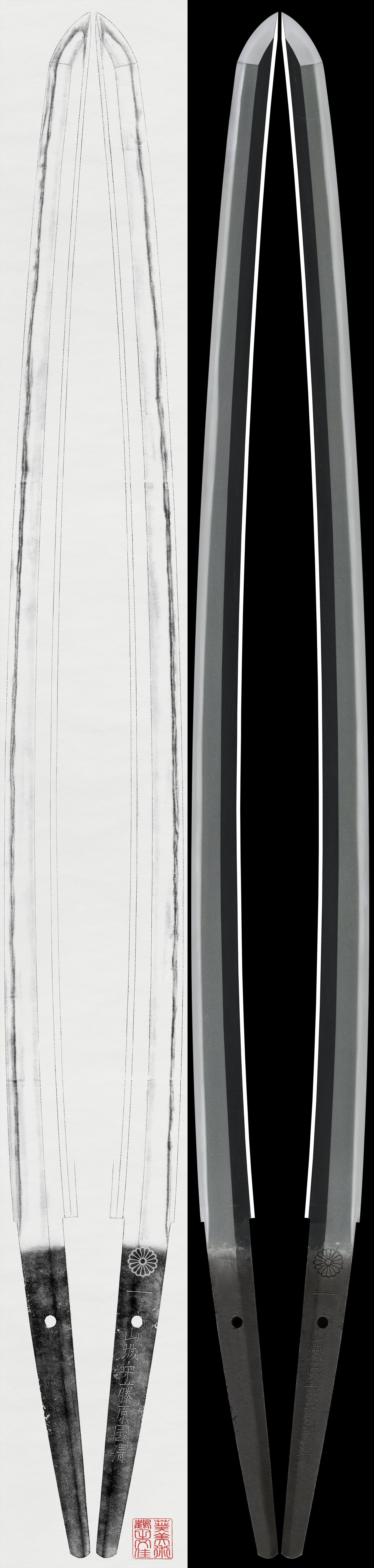
His recognized strength is a broad, calm suguha. The published sources say plainly that 'he particularly excelled in works in a suguha-based style,'[[c:2]] and they set that manner beside the Hojoji school, noting that many of his blades show the kind of suguha seen in that lineage. On the dated Enpo 3 katana the hardened edge is a wide suguha-cho with gunome mixed in, ashi entering and ko-nie adhering, the nioiguchi deep, over a ko-itame closely packed with mokume and ji-nie. The shape is a dignified shinogi-zukuri of wide mihaba, shallow sori and chu-kissaki, the nakago left ubu with an iriyama-gata tip and sujikai or katte-sagari file marks, and on these cutting-test pieces the long signature toward the mune is answered on the ura by Shigetsuna's gold-inlaid record of the trial. The boshi runs straight and turns back in a small round.
Beside this steady manner runs a more active one. Over a ko-itame and itame mixed with mokume, the jigane tends at times toward a standing grain, with a touch of o-hada gathering at the koshimoto and ji-nie present throughout, the good Horikawa steel the sources credit him with. On the Tenna katana, which the published sources call one of his finest works, the temper is a ko-notare mixed with gunome and ear-shaped elements, ashi and yo entering, the nioiguchi deep and clear, fine ko-nie well-adhering and sunagashi appearing; the boshi is straight to a small round with a brushed, swept tip. A second of his finest blades runs a notare-based line with gunome and large gunome, the nioi deep and nie well-adhering, a slight suggestion of sunagashi crossing the lower half. The whole of this register reaches what the sources liken to the billowing 'toran-style midare,' and it is in this gunome-based work, rather than in the quiet suguha, that the breadth of his hand is most visible.
The two manners answer to the two halves of his career and to the company he kept. The published sources record that, although Yoshitake originally drew on the stream of the Horikawa group, in Edo his work grew close to the Hojoji school, citing as evidence collaborative blades produced jointly with Hojoji Shosho. From those joint works they infer that he maintained a notably deep relationship with that lineage, and they read the gunome-based tempering of his midare blades as confirming the same connection; the suguha that is his forte is, in their account, the very manner of the Hojoji line. His mei track the same arc. The earliest dated works sign Izumo Daijo Fujiwara Yoshitake in a large, long inscription cut toward the mune; later blades carry a date of Shotoku 1 and are signed Hotetsu Nyudo, by which time he had advanced his title to Izumo no Kami.
What the published sources press, across all four of the designated katana, is that Yoshitake stood above the father from whom he descended. Kunitake is named among the plainer hands of the Horikawa group, and the texts measure the son against him directly, calling Yoshitake a noted craftsman who surpassed his father and who carried the boldness of Horikawa work forward on a sound jigane. His own tell is therefore double: the wide suguha that the sources treat as his particular strength, and beside it the toran-leaning gunome-midare of his Edo years, the one quiet and the other active, both laid over the closely forged ko-itame and mokume jigane with ji-nie that is constant in his work. The judges describe individual blades as a 'standing-out example' and as among his finest, the language of a smith valued not as a school epigone but as a hand who outgrew his origins.
Yoshitake's record on the books is small and entirely signed: four katana, all at the rank of Juyo Token, with none carried to the higher national designations and no recorded provenance in daimyo houses. Two of the four carry gold-inlaid cutting-test inscriptions by Tomita Shigetsuna, one recording a cut through two bodies and the other through three, which fix the blades to Enpo 3 and lend them documentary weight beyond the temper. Fujishiro rates him Jo-saku, a measure of solid competence rather than of the first rank, and the designated blades are held privately, having passed through collections in Saitama, Ibaraki and Tokyo by the time of their shinsa. A signed Yoshitake of this grade is not beyond the reach of a patient collector in the way a nationally designated blade is, but with only a handful on record and a cutting-test example rarer still, one comes to market seldom, and a saidan-mei piece is a notable thing when it does.
Where Yoshitake stands among comparable artisans: across all of nihontō, and within tradition, era, and period. The tiers (Foremost · Leading · Major · Notable) weigh official designations from the NBTHK and Japan's Agency for Cultural Affairs, together with historical honors of lasting repute such as the Sansaku and Meibutsu-chō.
Select a lens to see how it's measured.
Shinto · Yamashiro
77 pieces on the market now
At Ichijo Horikawa in Kyoto, from Keicho 4 (1599), Horikawa Kunihiro gathered the pupils whose work the published sources name with his own as the opening of the shinto age. Kunihiro himself reached forging late and by a roundabout road. Born Tanaka and serving as a warrior under the Ito of Obi castle in Hyuga, he wandered the provinces after that house fell, forging where he stopped, his earliest dated blade cut in Hyuga in Tensho 4 (1576); his itinerant Tensho-uchi looked to late Soshu and late Seki, often run toward a hitatsura-like effect over devotional carving. The settlement in Kyoto changed that. There his stated aim, the sources write, lay in the revival of the Soshu-den tradition, the leaning strongest toward Shizu, and around that ideal he trained the men who carried his manner forward: Dewa no Kami Kunimichi, Kuniyasu, Osumi no Jo Masahiro, Echigo no Kami Kunitomo, the elder Kunisada and Kunisuke, with later and minor hands reaching Settsu, Echizen and Edo. Many of them, born like the master at Obi, followed him from Hyuga to the capital. The shared vocabulary is read first in the steel. The school forges an itame mixed with mokume that stands up, the grain raised into the loose, granular surface the commentaries name outright, the zanguri hada particular to Horikawa work, with ji-nie lying thick and chikei entering; on many blades a mizukage rises obliquely from the machi. Over that ground the prime manner is the Keicho-shinto sugata, wide with little taper and an extended chu-kissaki or o-kissaki, the build likened to a Nanbokucho odachi cut down, tempered in a notare and gunome with thick nie, sunagashi and long kinsuji, the nioiguchi often sinking into shizumi. Within that frame the pupils diverge sharply.
Kunimichi runs the flamboyant Shizu copy fully out and turns his boshi pointed in the Mishina manner, the Sanpin boshi the school otherwise does not show. Masahiro keeps the same Soshu-den worked at lower temperature, his temper calm and his mokume conspicuous; Kuniyasu and Kunitsugu stand closest of all to the master and signed for him. Kunitomo turns alone toward late Seki, his gunome round-headed and his chisel the finest in the group, and the elder Kunisada and Kunisuke carry the zanguri steel south into Osaka, the latter keeping the Ishido clove he was born to. Hiroyuki holds suguha over a blackish steel that recalls old Yamato, and the two Echizen Kunikiyo forge a dark, dense hokkoku-gane under a calm chu-suguha. A collector seeks Horikawa because the school stands at a hinge: Kunihiro is read as the first hand of the new-sword age, and the line he taught runs forward into the Osaka tradition through Kunisada and Kunisuke and into Echizen through Kunikiyo. To kantei the work, read the steel first, the standing zanguri surface and the oblique mizukage, then the sinking nioiguchi and the Soshu-revival notare with its sunagashi and kinsuji; the individual hand declares itself in the departures, Kunimichi's pointed boshi, Kunitomo's Seki gunome and compact tang, Kuniyasu's reversed file marks and two-character mei, Hiroyuki's kiri-yasuri. The founder and his closest pupils sit at the top of the line, Kunihiro signing almost everything he made, the large kata-ochi two-character mei beside his long residence signatures; because Kuniyasu, Masahiro, Kunitsugu and Hiromi worked as his daisaku, a share of the blades signed Kunihiro are in fact theirs. Provenance runs through the houses of the founder's own story and of the country, the Hyuga Ito he had served, the Shimazu of Kagoshima, the Imperial Family and Toyotomi Hideyori, with the tachi Kunihiro dedicated to the Hataeda Hachimangu still in the shrine's keeping. A signed Horikawa blade reaches a private collection only from time to time, carrying on its nakago the hand with which the new sword begins. Learn more →
| Smith | Era | Designated |
|---|---|---|
| Kunihiro國廣 | 1573-1613 | 148 |
| Kunimichi國路 | 1615-1624 | 74 |
| Kunisada國貞 | 1624-1646 | 86 |
| Kunitomo國儔 | 1596-1615 | 27 |
| Masahiro正弘 | 1596-1615 | 16 |
Kyōto: the revival workshop
The Shintō era was largely invented in Kyōto: Umetada Myōju’s workshop trained the movement, Horikawa Kunihiro raised a generation, and the Hon’ami appraisers, who held no forge, governed the meaning of famous blades.
Certifies a genuine blade worth preserving: a signature confirmed correct, or, if unsigned, an era, province, and school that the NBTHK can reliably identify.
The NBTHK (Nihon Bijutsu Tōken Hozon Kyōkai, the Society for the Preservation of Japanese Art Swords) is a public-interest incorporated foundation founded in 1948 and supervised by Japan’s Agency for Cultural Affairs (Bunkachō); it is based at the Japanese Sword Museum in Tokyo. Its expert panels physically examine each submitted work (shinsa) and issue a certificate (kanteishō) ranking it by artistic and historical merit. NBTHK papers are the most widely recognized standard of authentication for Japanese swords and fittings.
NBTHK official siteReturns/exchanges limited to defects caused by shipping (except willful misconduct or gross negligence by the company); customers must contact within 72 hours of receiving the product.