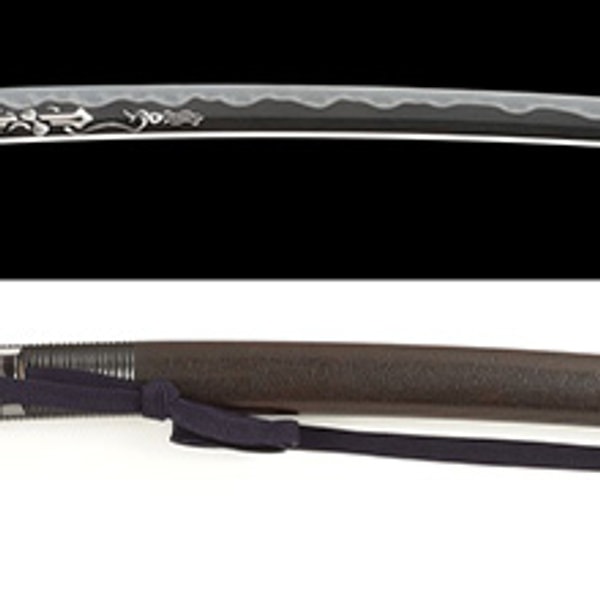
Edo was the sword’s age of connoisseurship: the Hon’ami appraisers, the shogunal register of famous blades of 1719, and a thriving literature turned the sword into an object of study even as it ceased to be drawn in war.
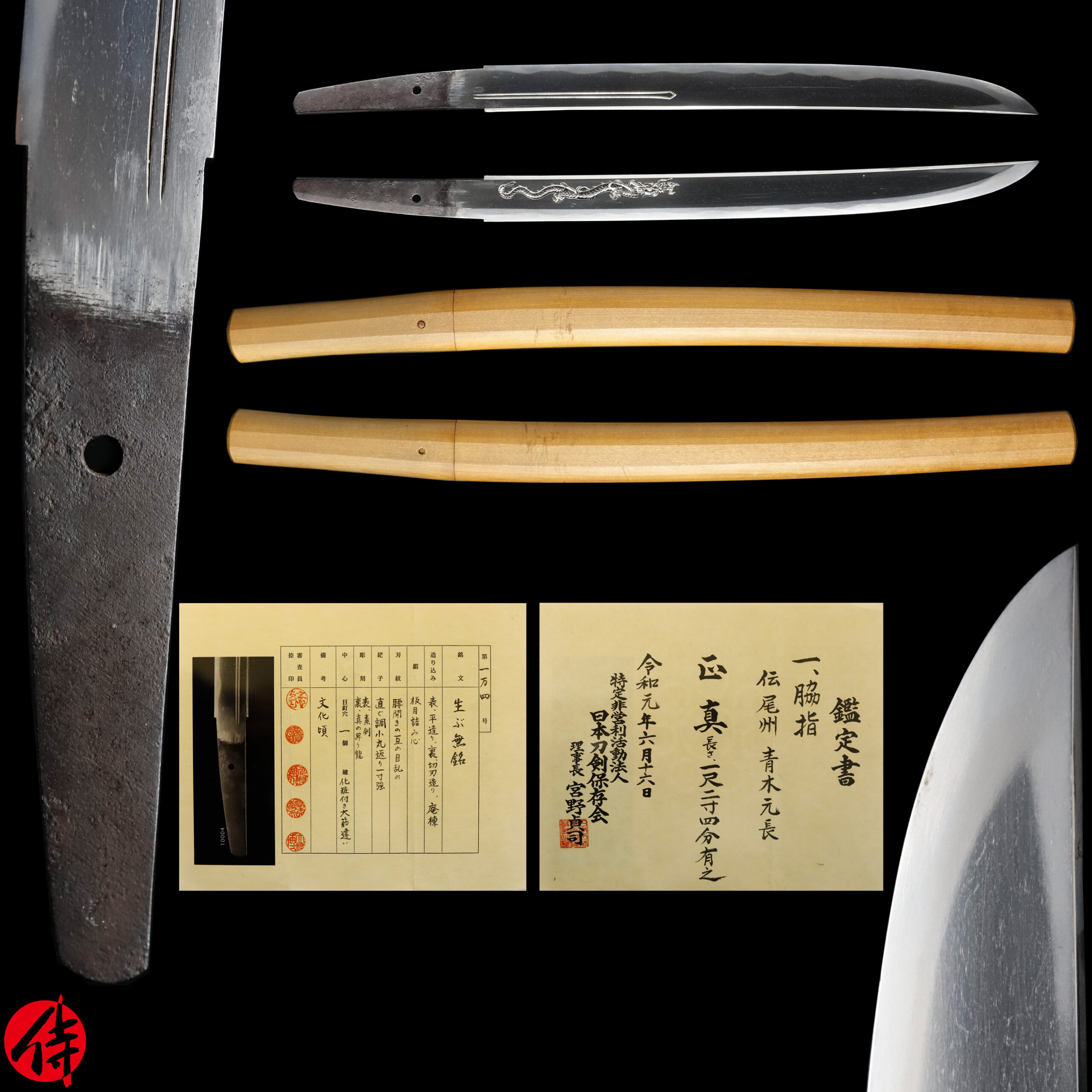
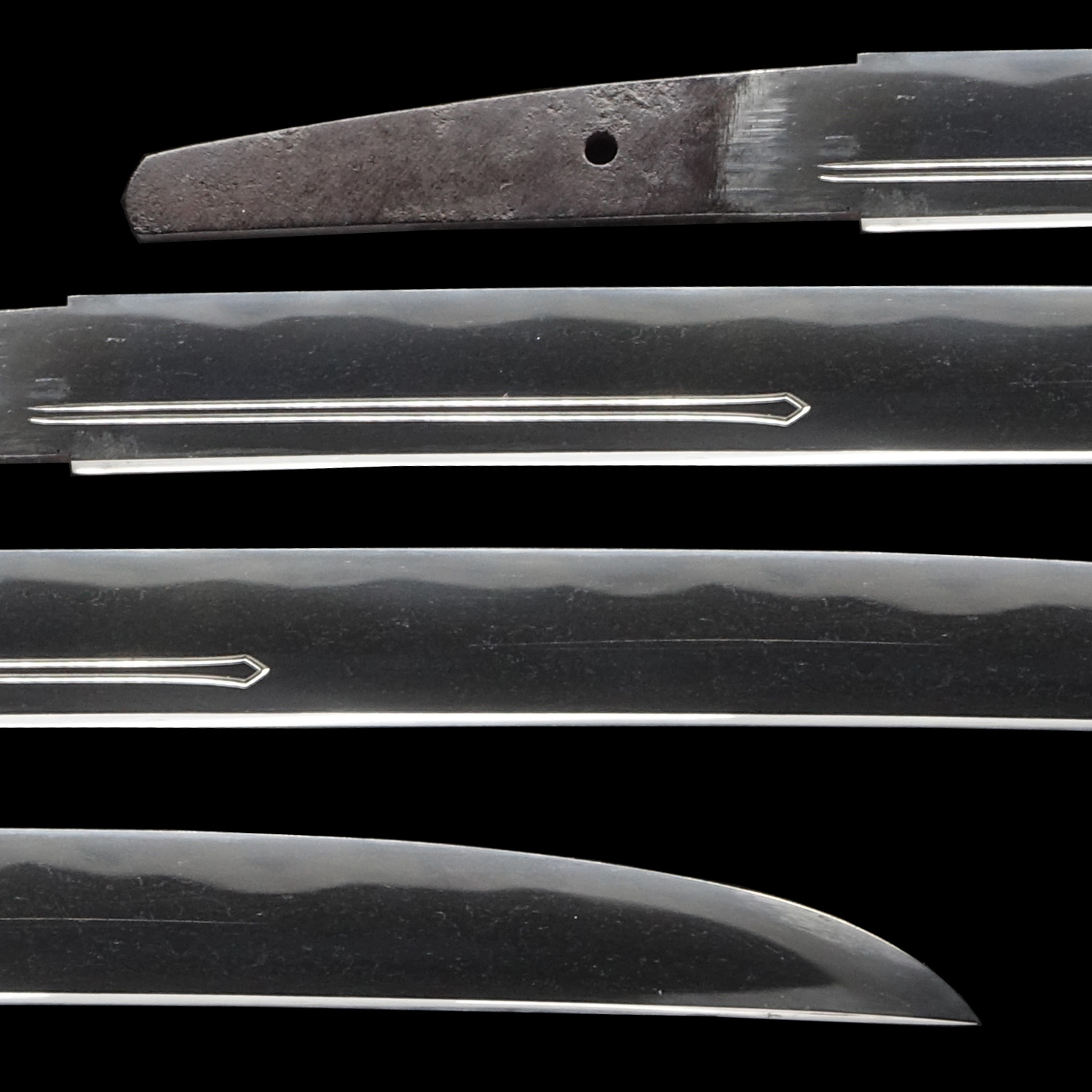
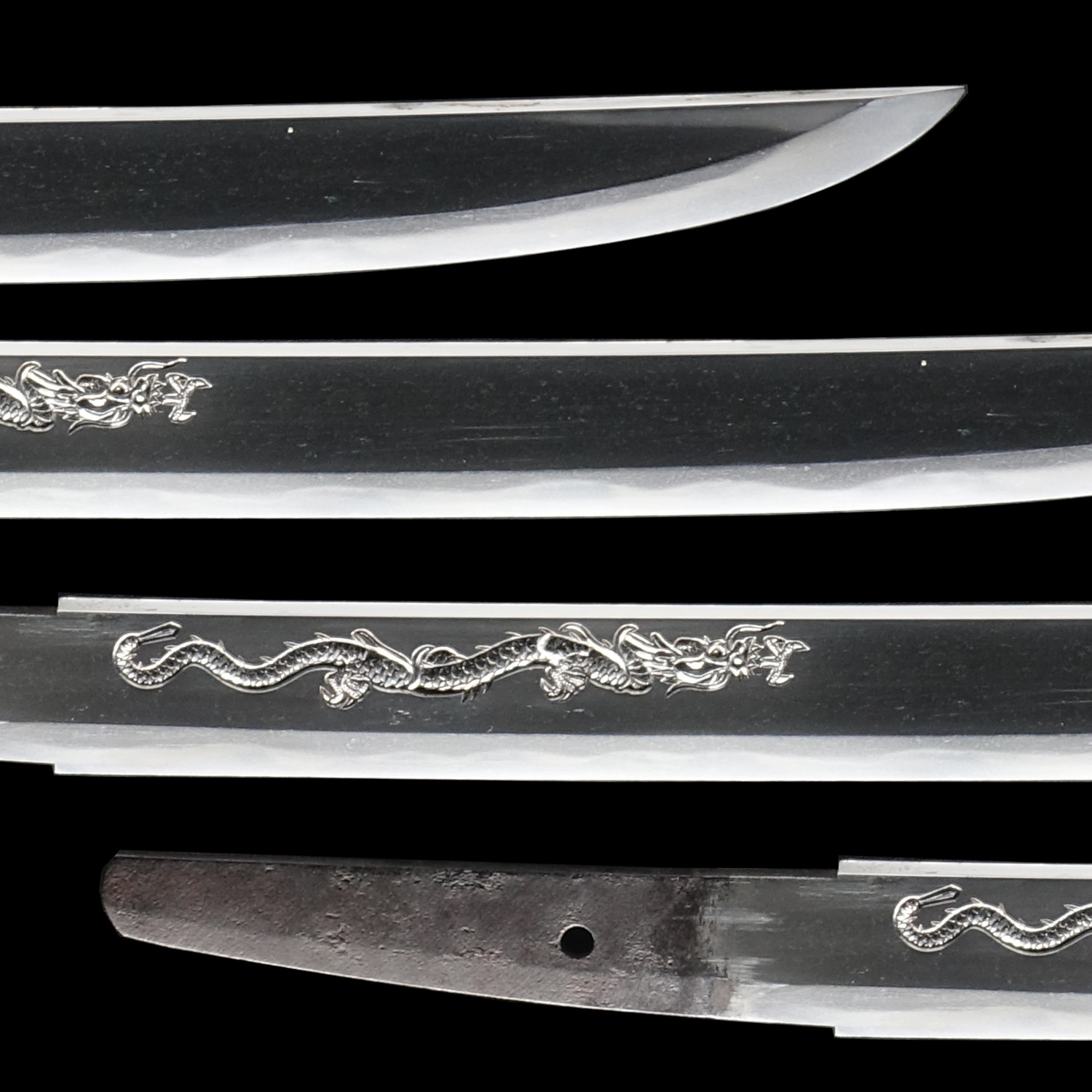
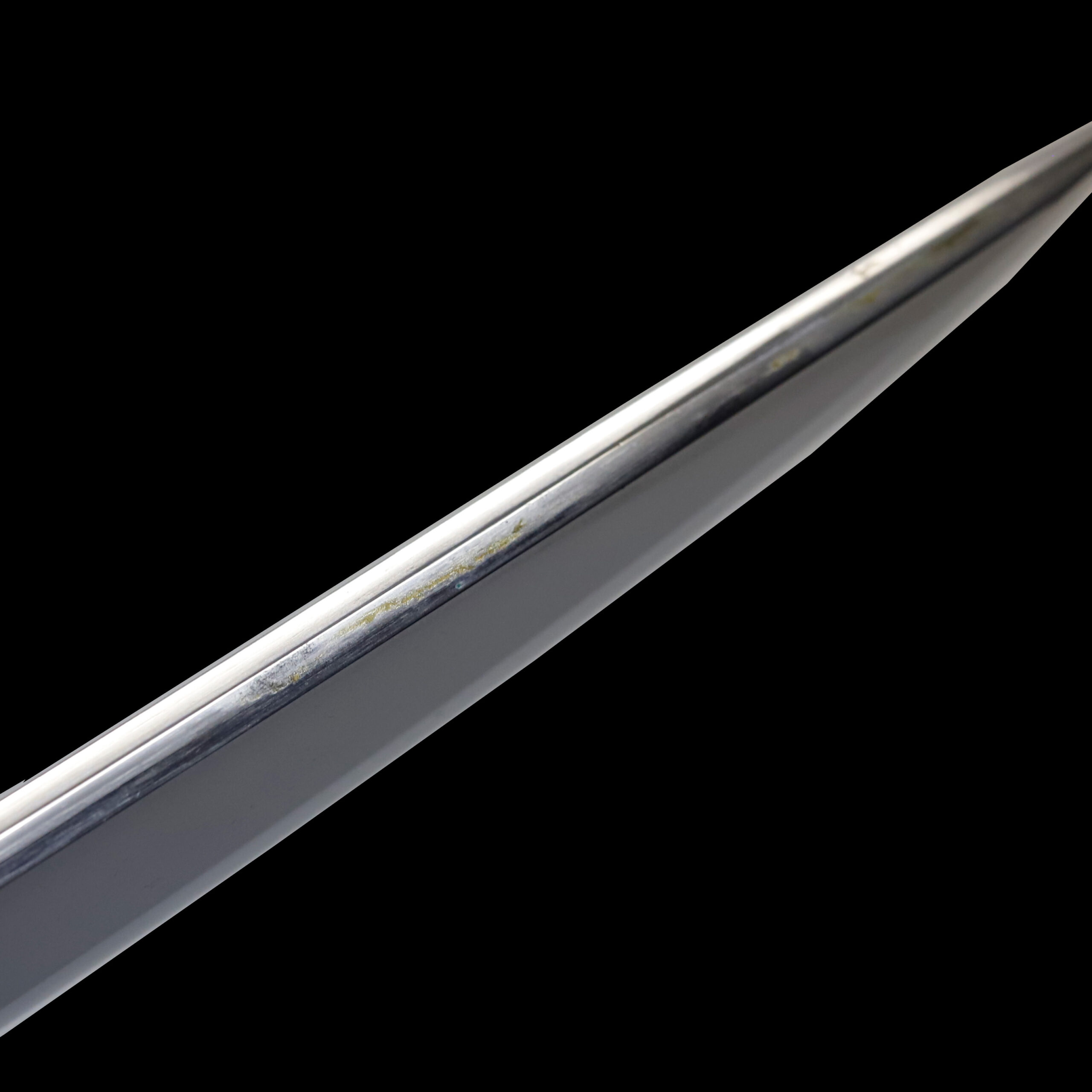
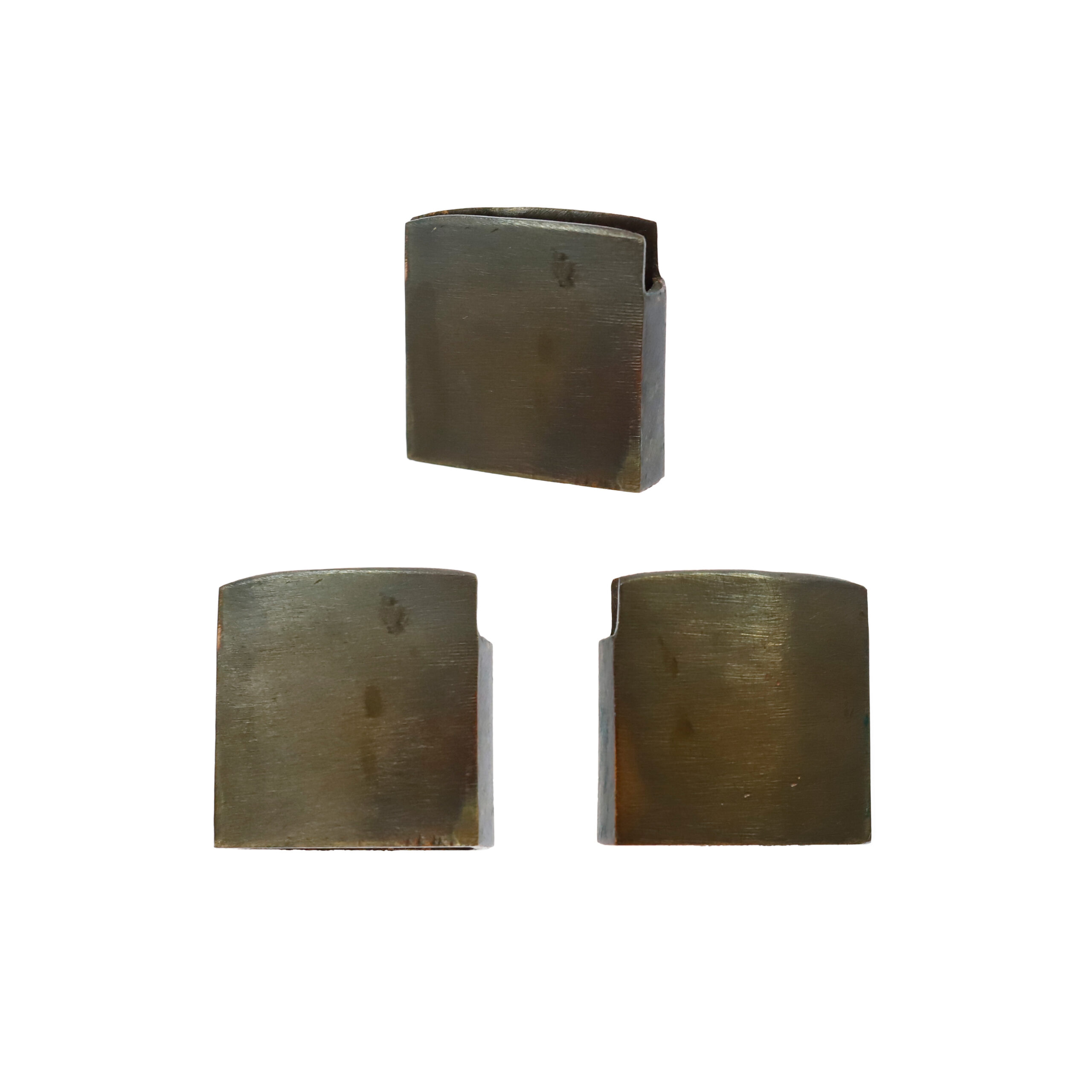
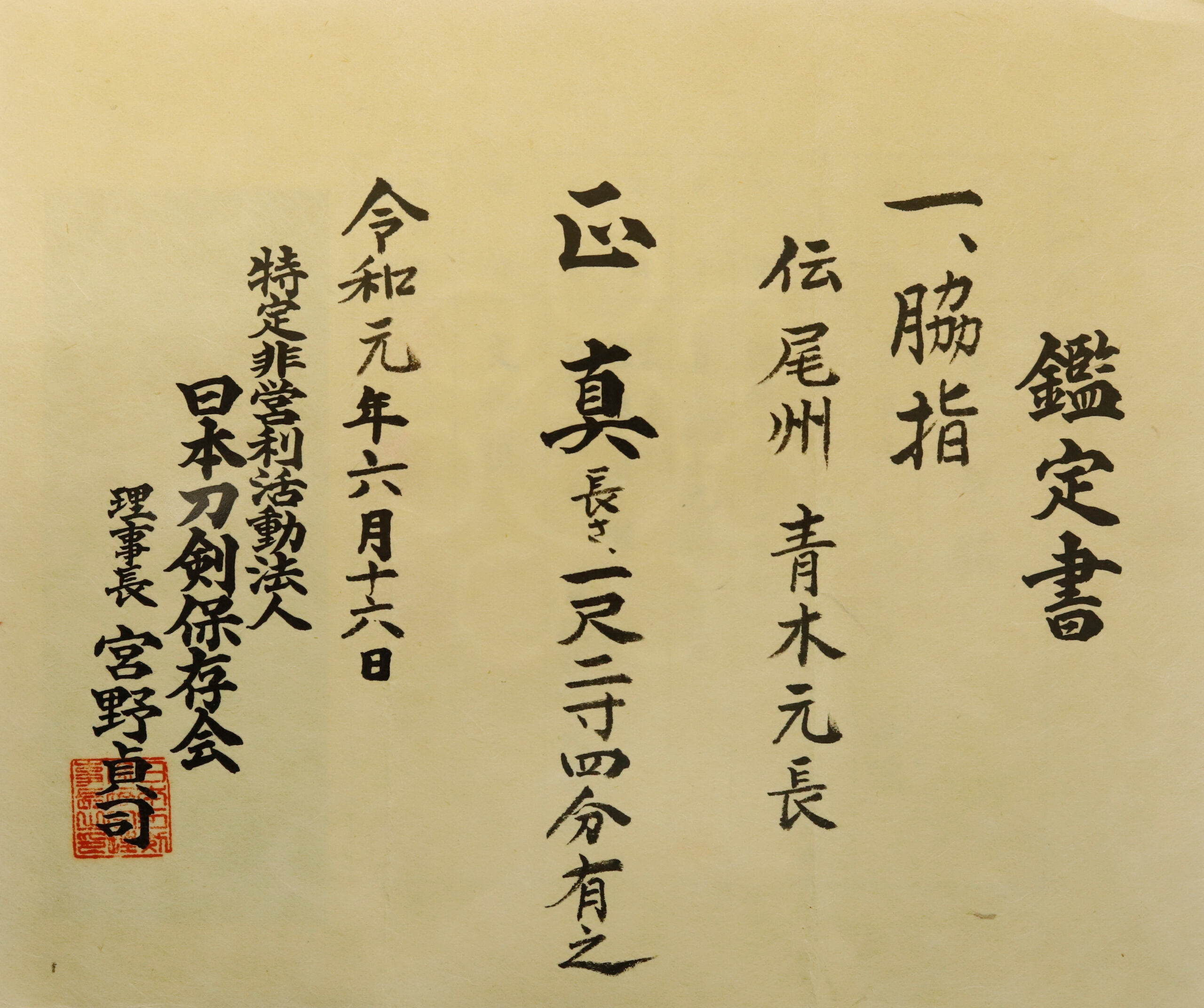
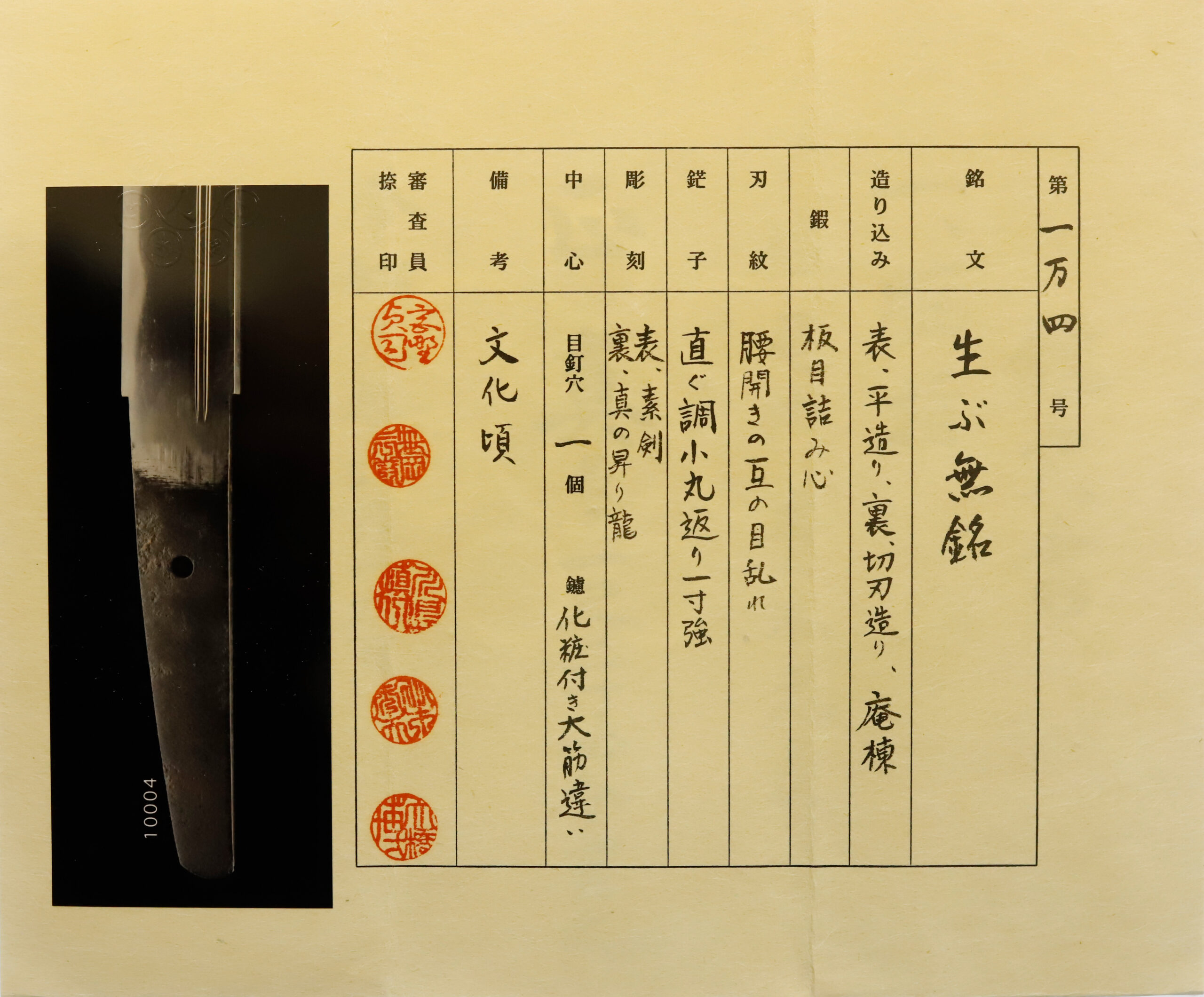
This antique Japanese wakizashi is attributed to Aoki Motonaga, an active smith during the late Edo period (1804-1818) in Owari province. The blade features a unique tsukuri with Shinogi Zukuri on one side and Hira Zukuri on the other, along with intricate horimono depicting a Suken pattern and a dragon. It comes with an NTHK Kanteisho Certificate and is housed in a shirasaya.
 NihontoWatch
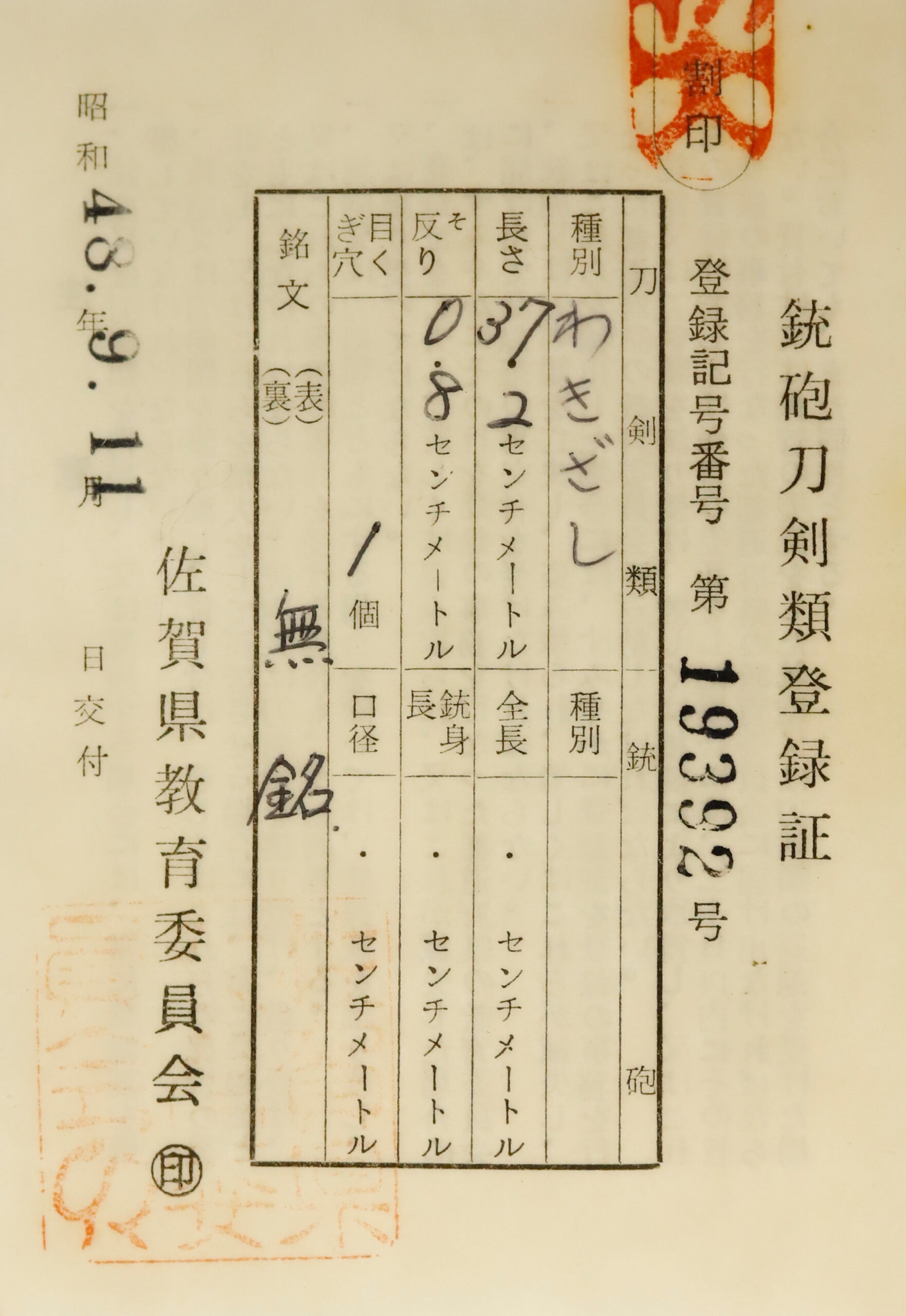
mumei · Genji (1864-1865) · nagasa 37.2cm · sori 0.8cm
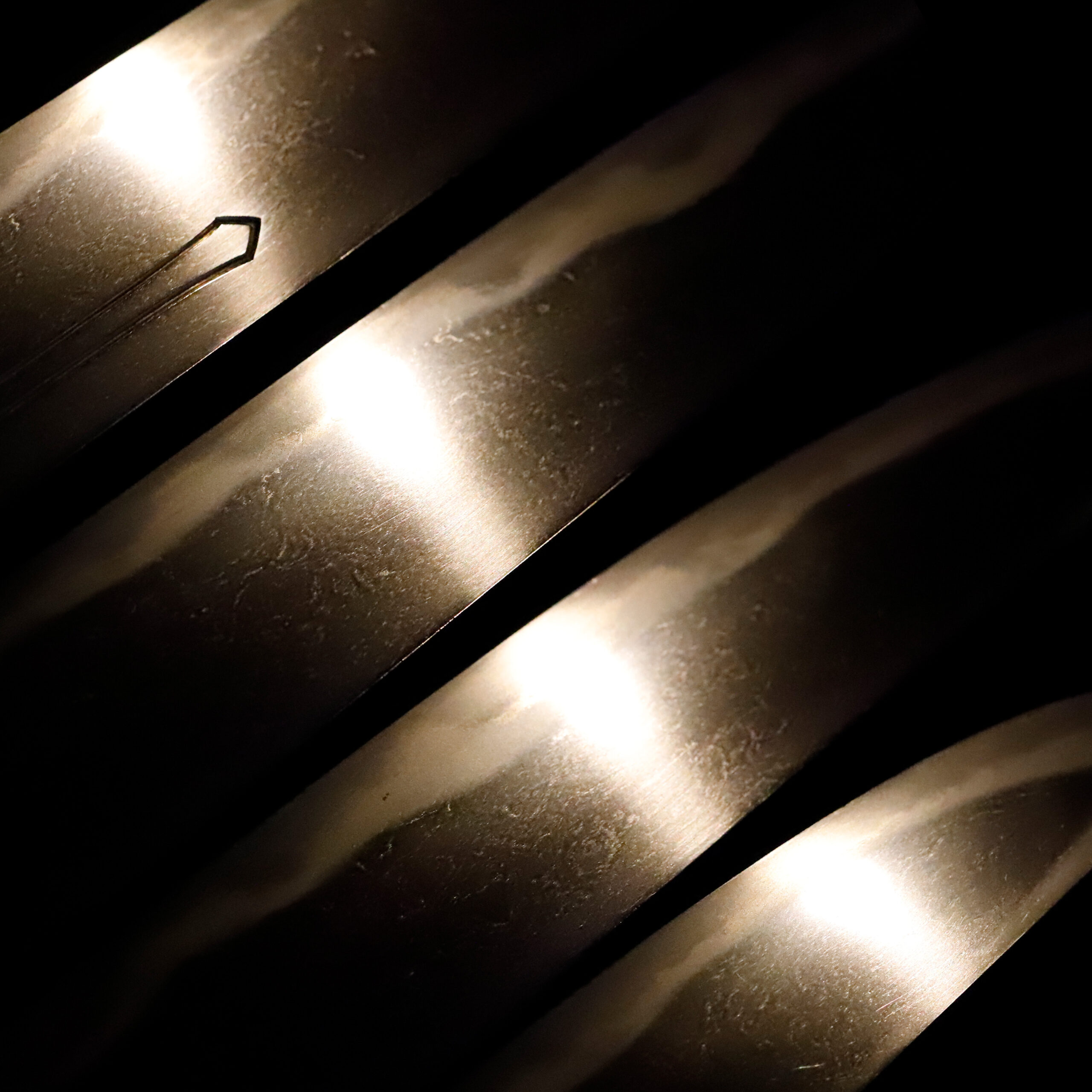
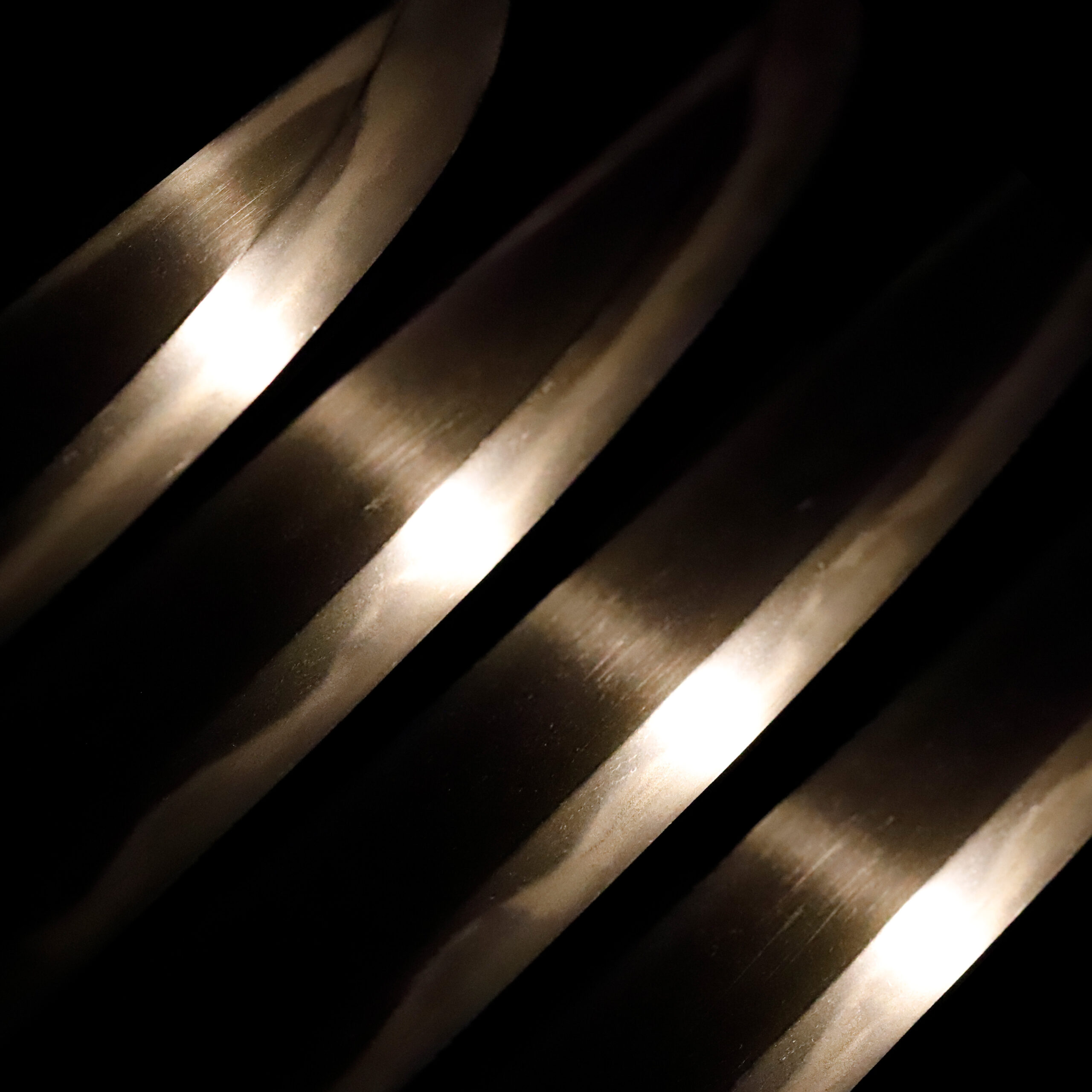
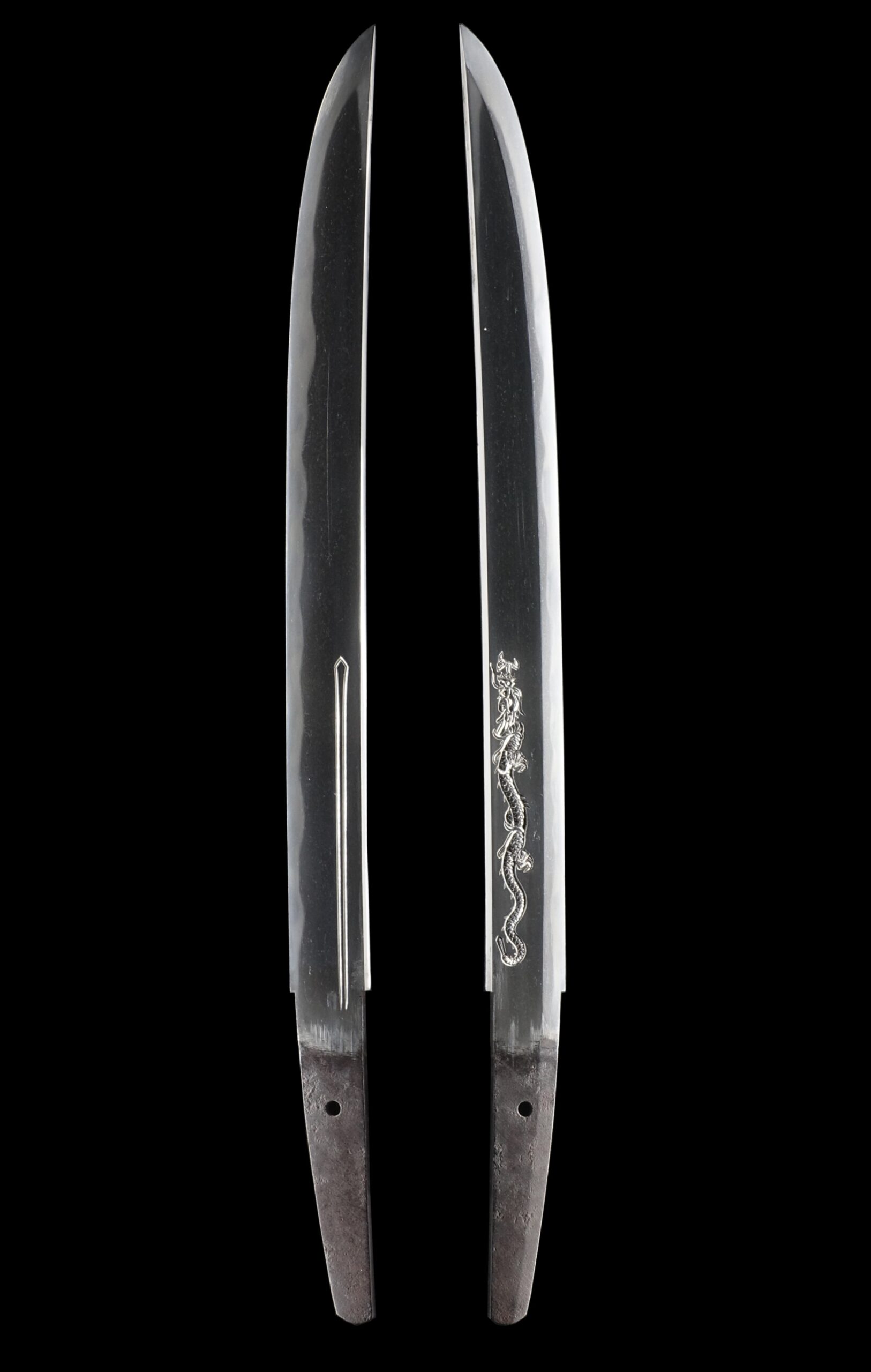
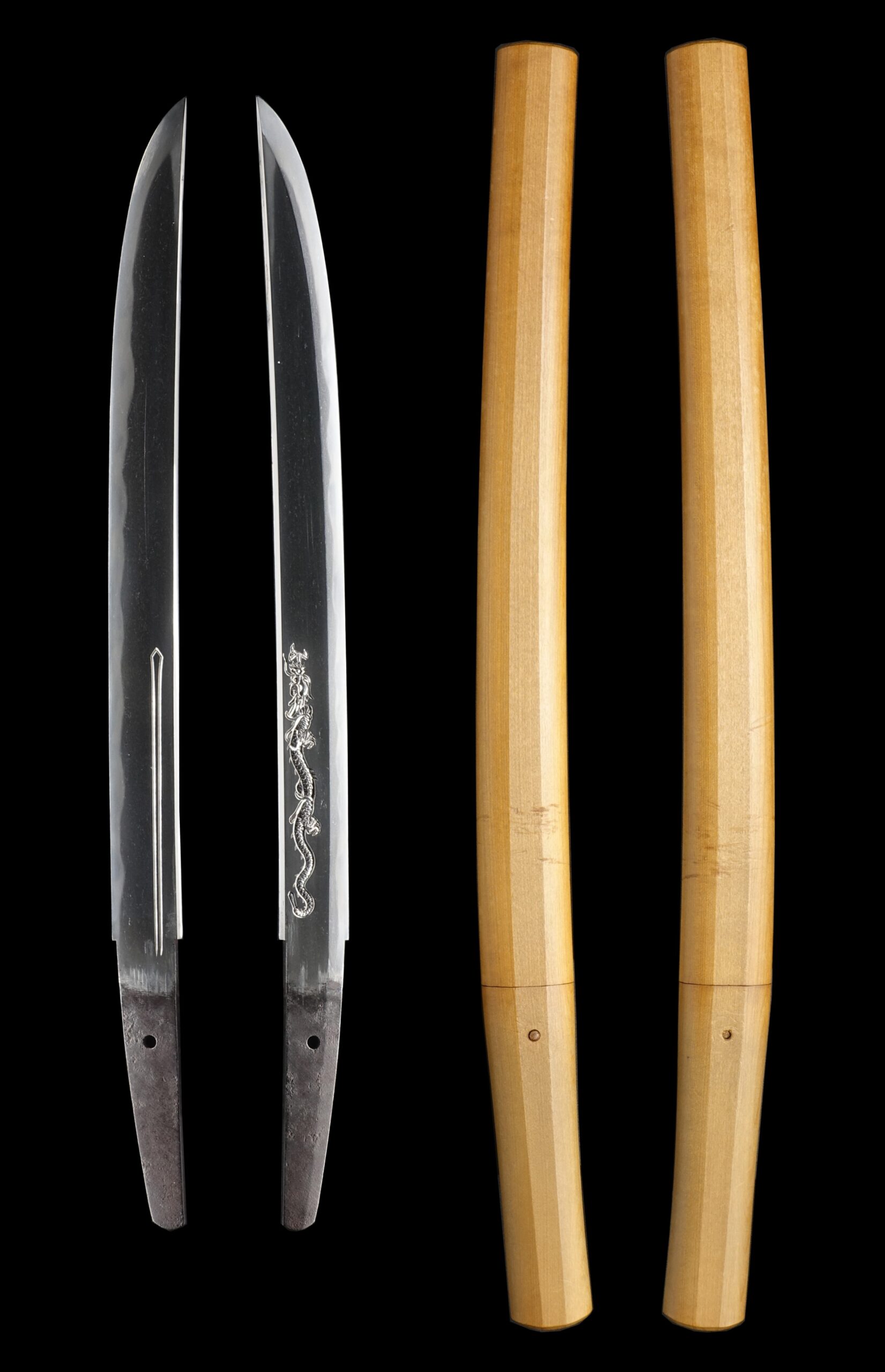
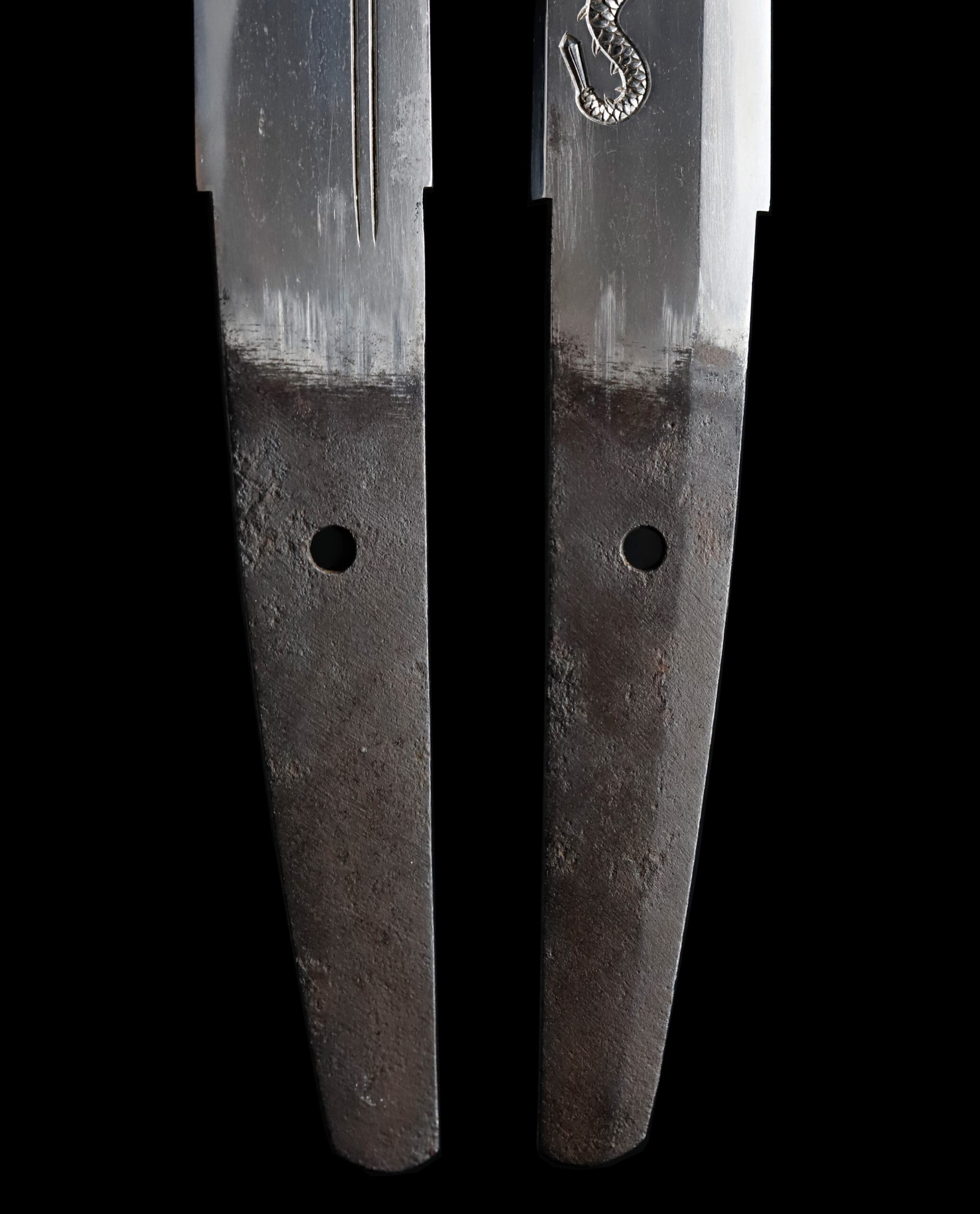
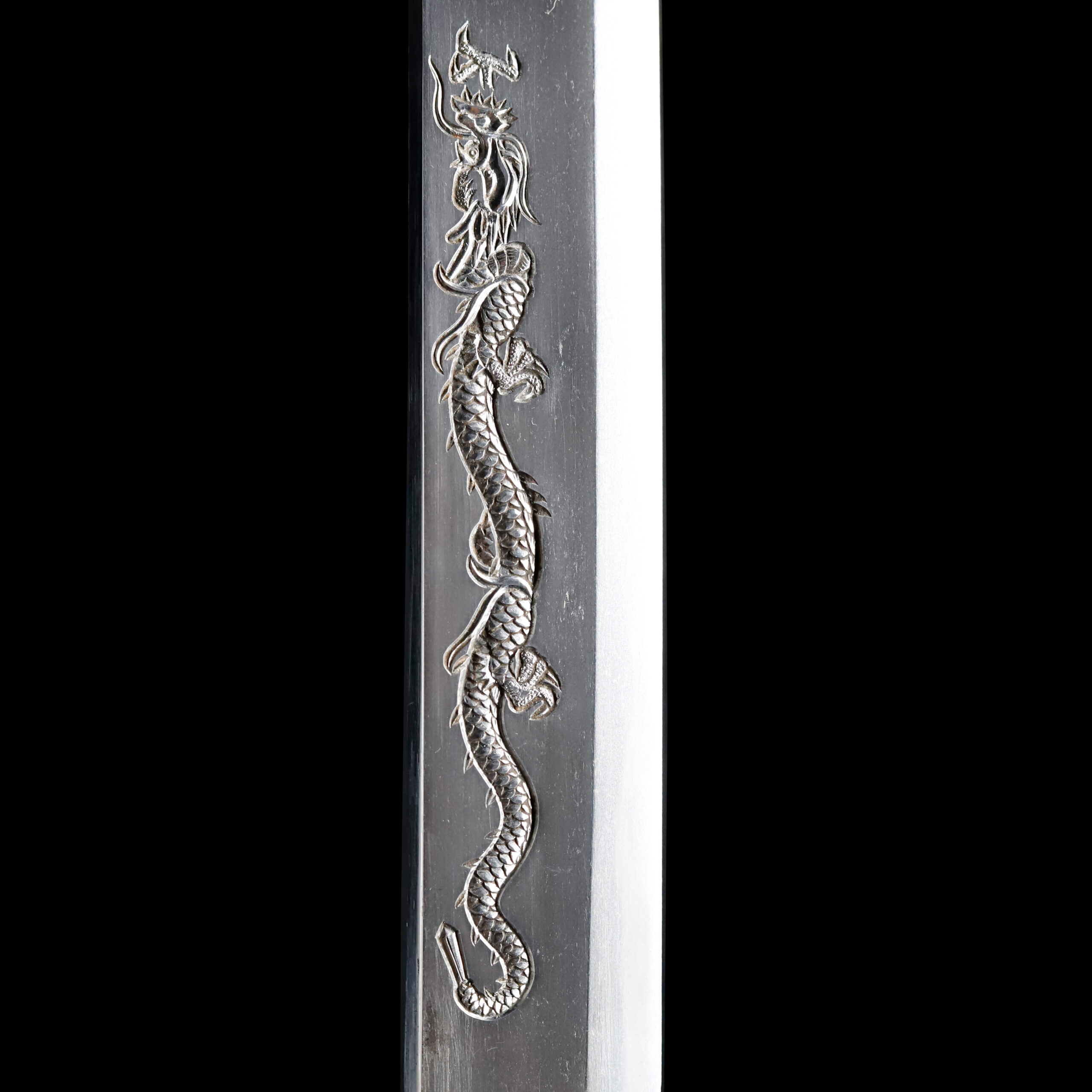
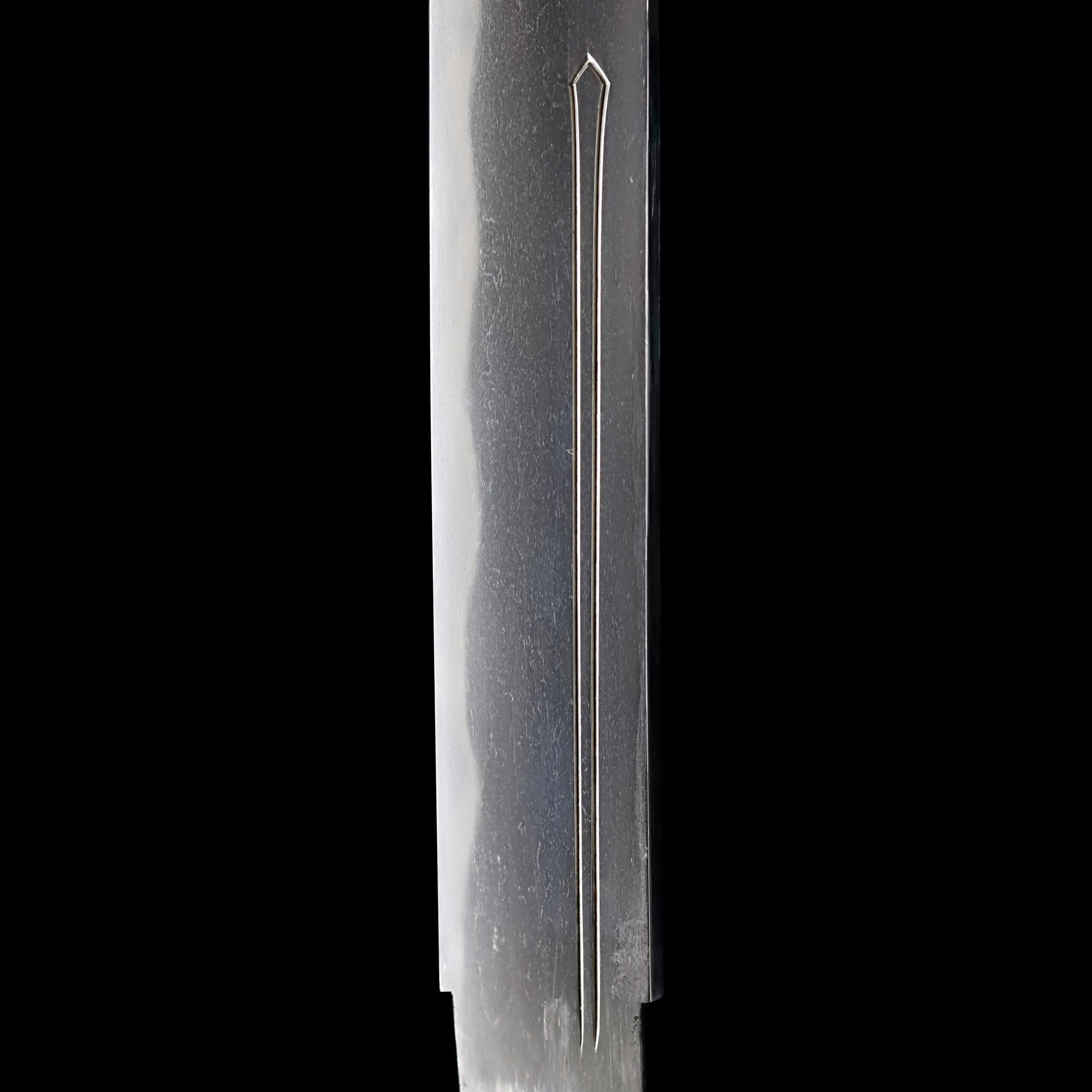
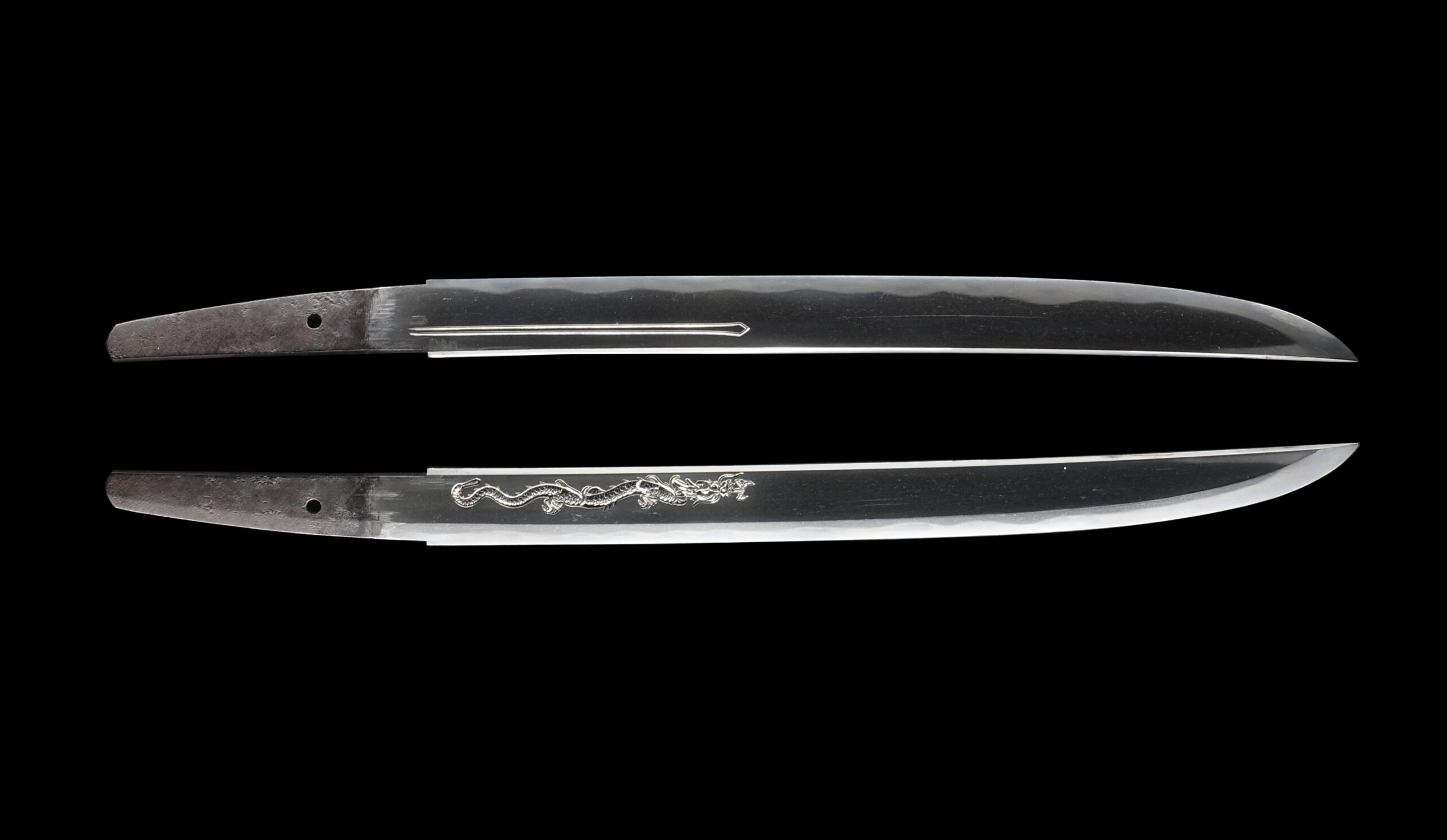
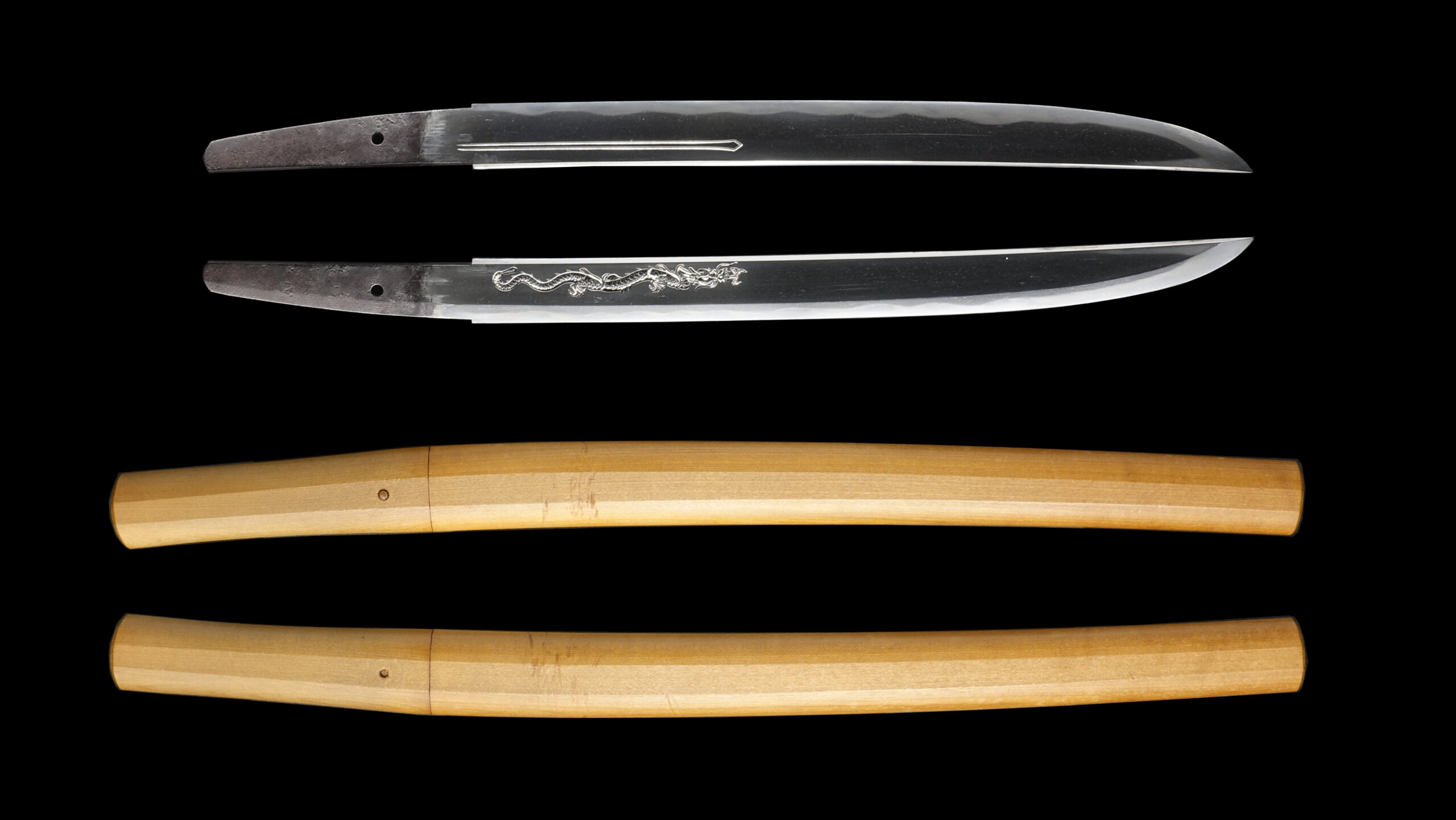
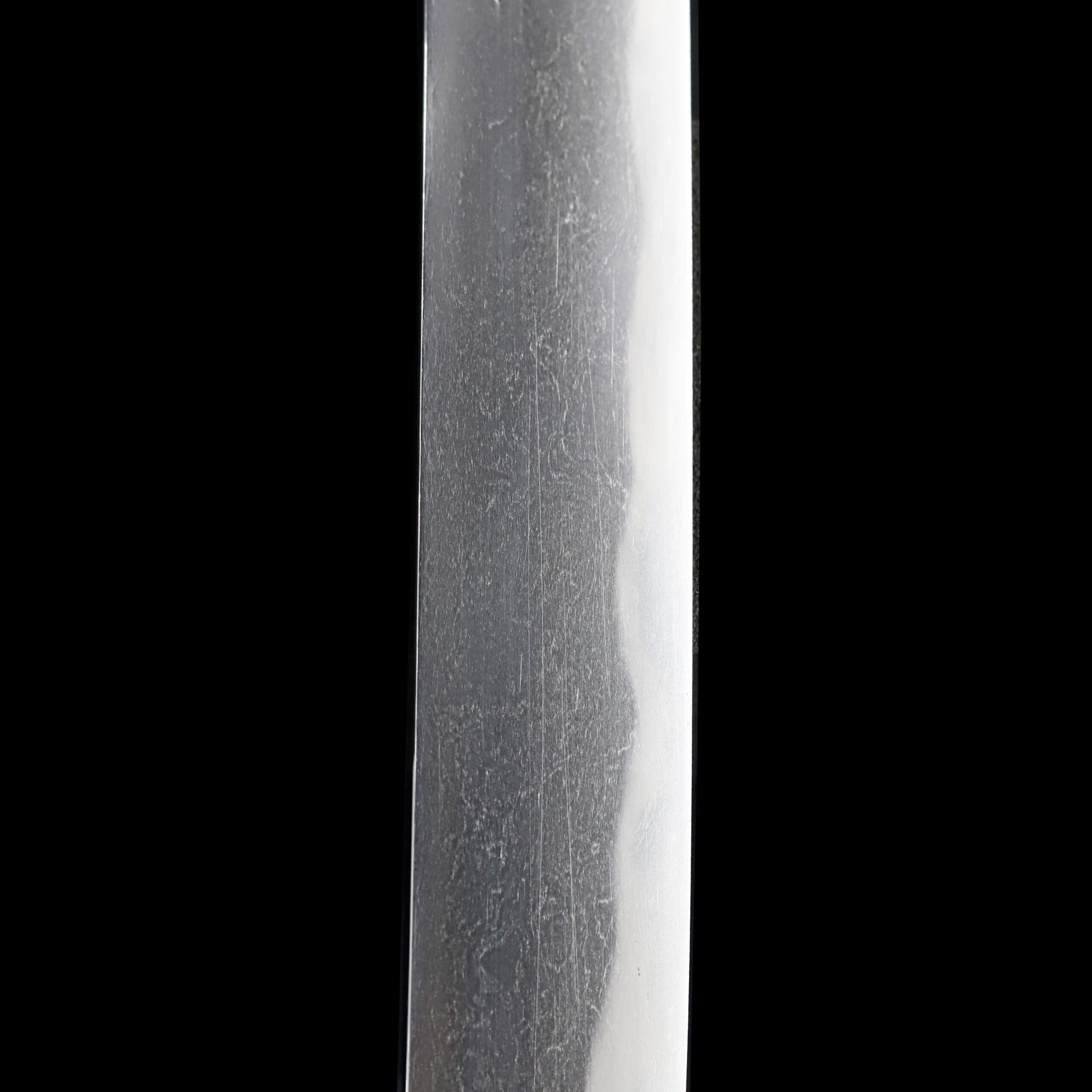
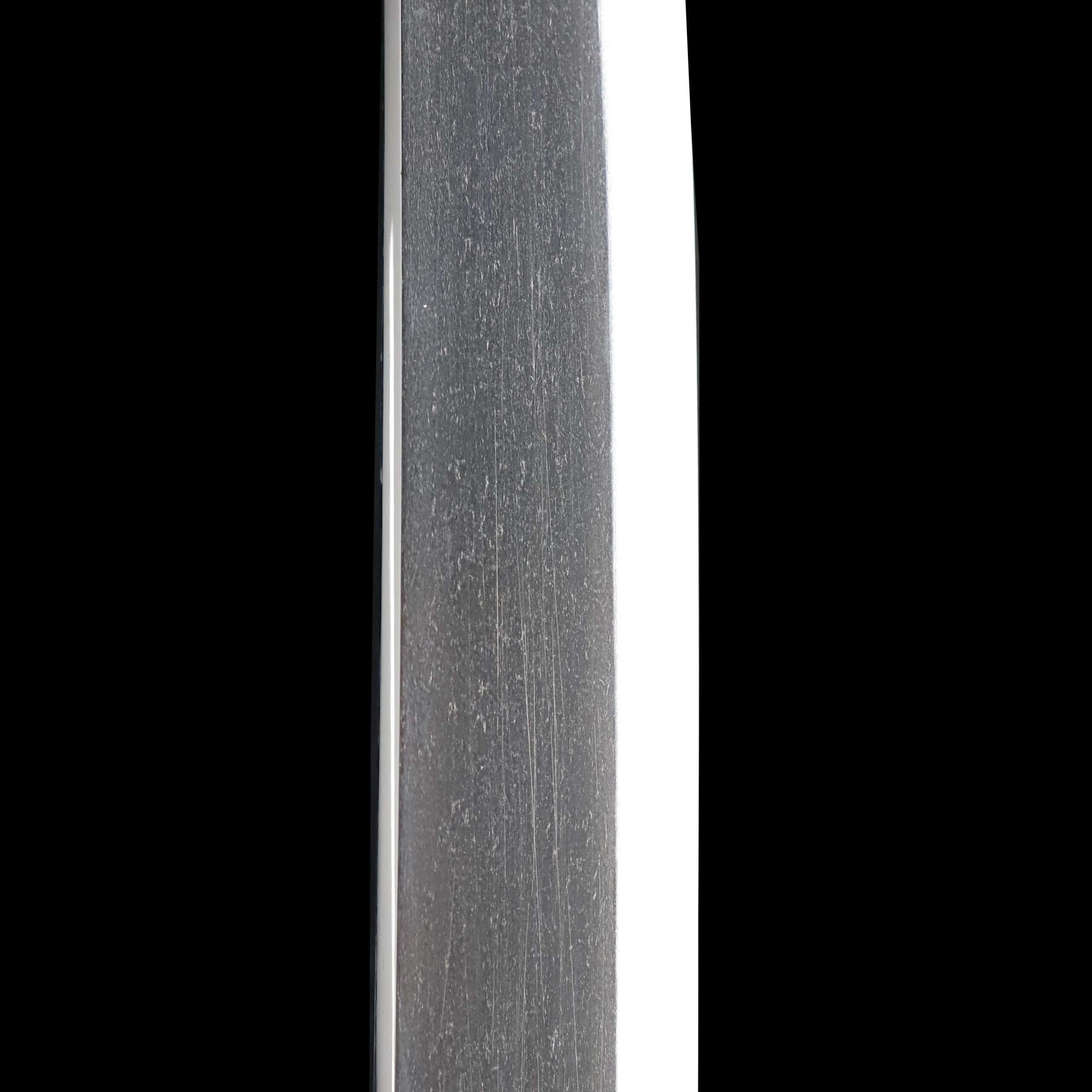
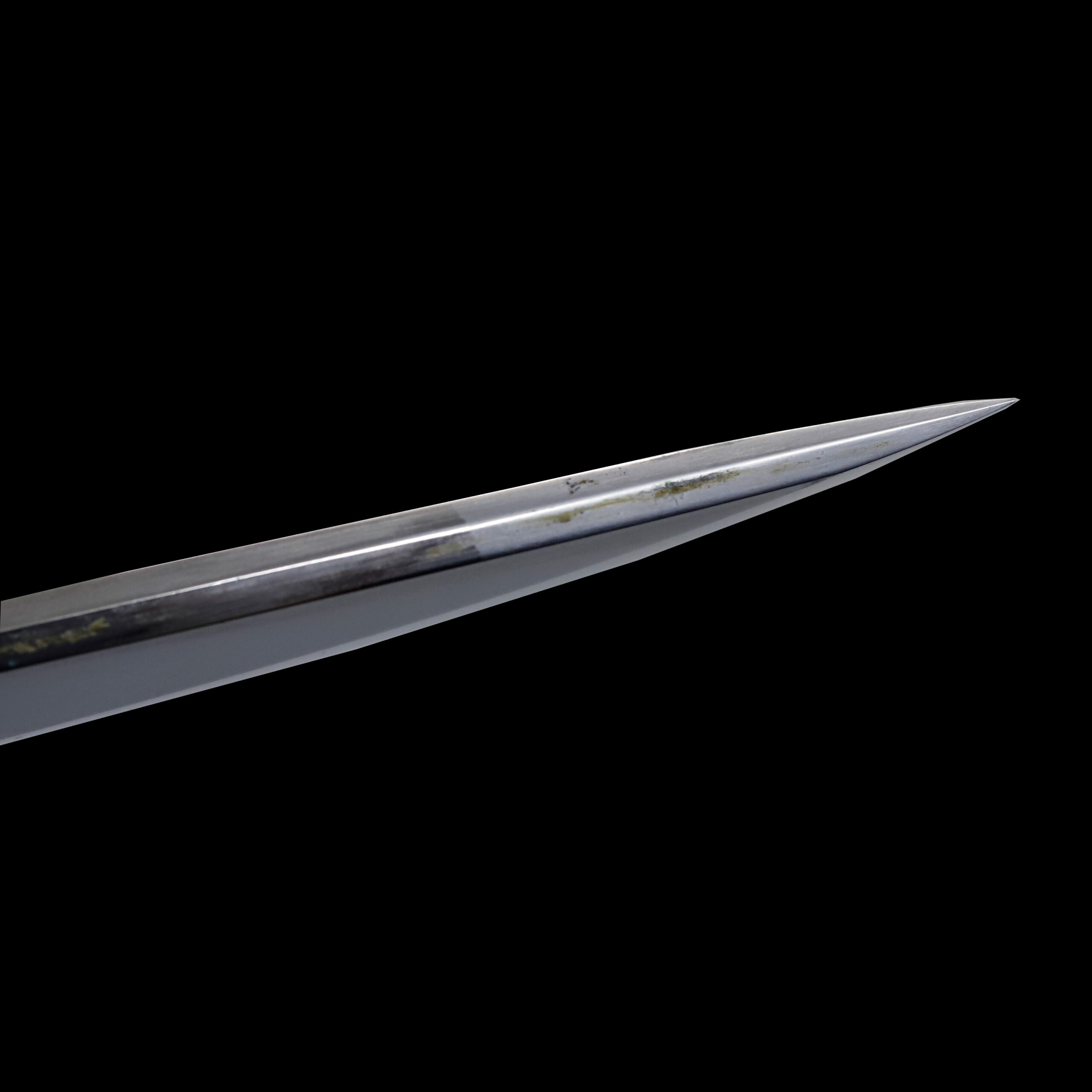
Settsu · around 1801-1804
Fujishiro Chu-jo saku · Tōken Taikan top 76%
1 piece on the market now
The Edo period (1615 to 1868)
Edo was the sword’s age of connoisseurship: the Hon’ami appraisers, the shogunal register of famous blades of 1719, and a thriving literature turned the sword into an object of study even as it ceased to be drawn in war.
The NTHK’s principal certificate, issued for a blade of considerable quality. It confirms a genuine signature, or, for an unsigned (mumei) work, records the judges’ attribution to a smith or school. The paper carries a detailed worksheet with a numerical point score.
The NTHK (Nihon Tōken Hozon Kai, the Society for the Preservation of the Japanese Sword) is the oldest of Japan’s sword-appraisal bodies, founded in 1910, decades before the NBTHK. After the death of its long-serving head it divided into two successor societies, the NTHK and the NTHK-NPO, both of which continue to hold shinsa. NTHK certificates are known for a detailed worksheet that records a numerical point score alongside the judges’ written opinion, and the society is especially respected for its attribution of unsigned (mumei) work.
Returns/exchanges limited to defects caused by shipping (except willful misconduct or gross negligence by the company); customers must contact within 72 hours of receiving the product.