Summary
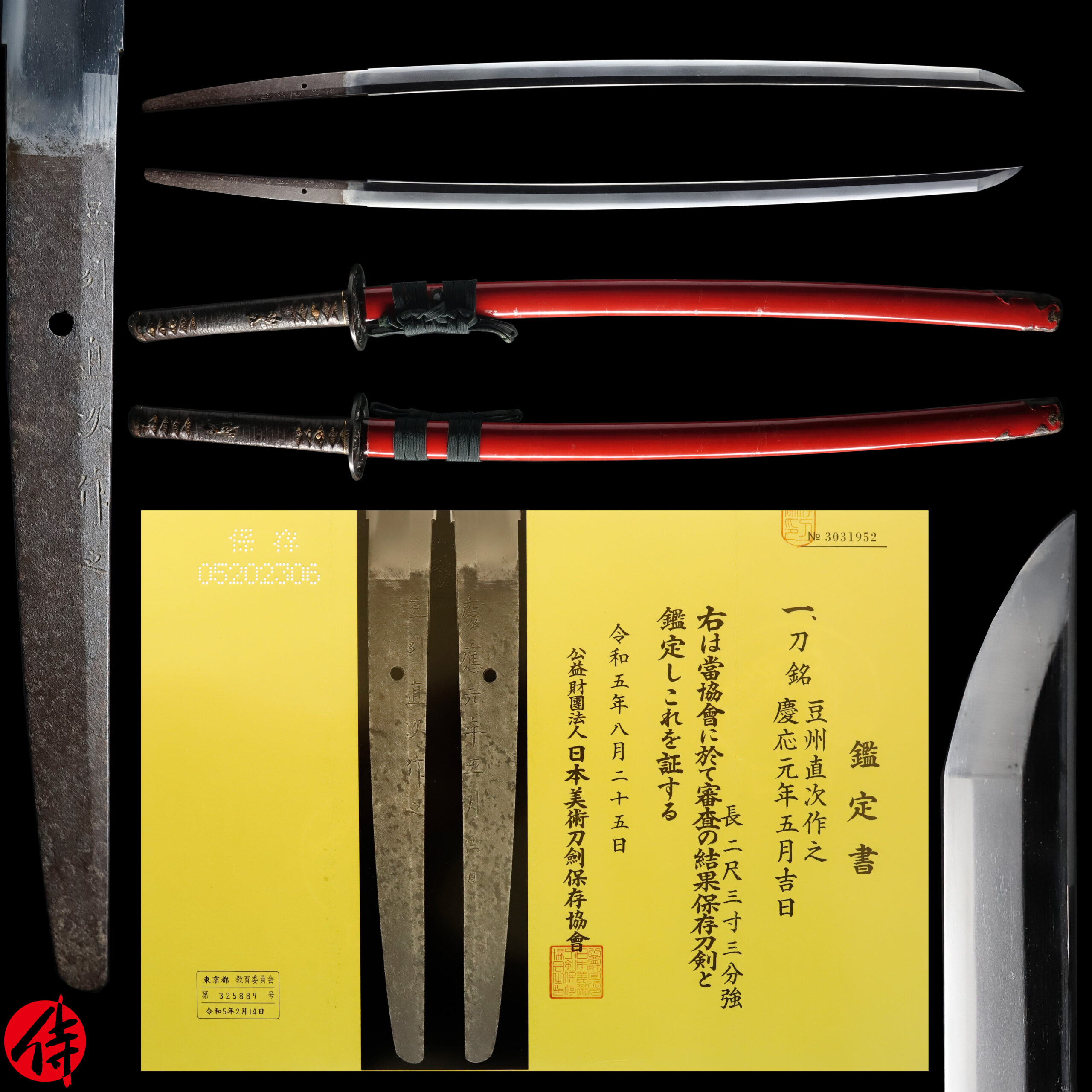
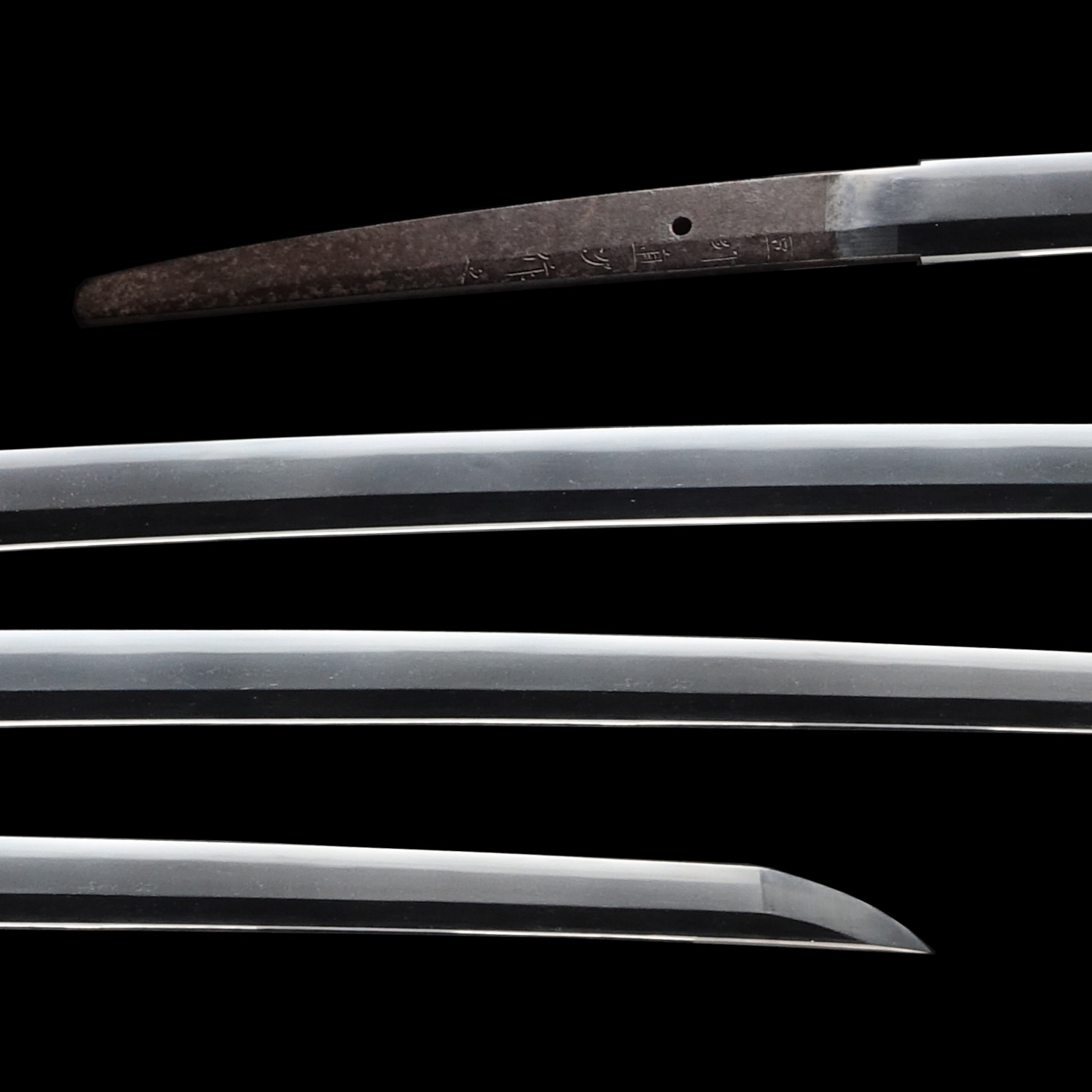
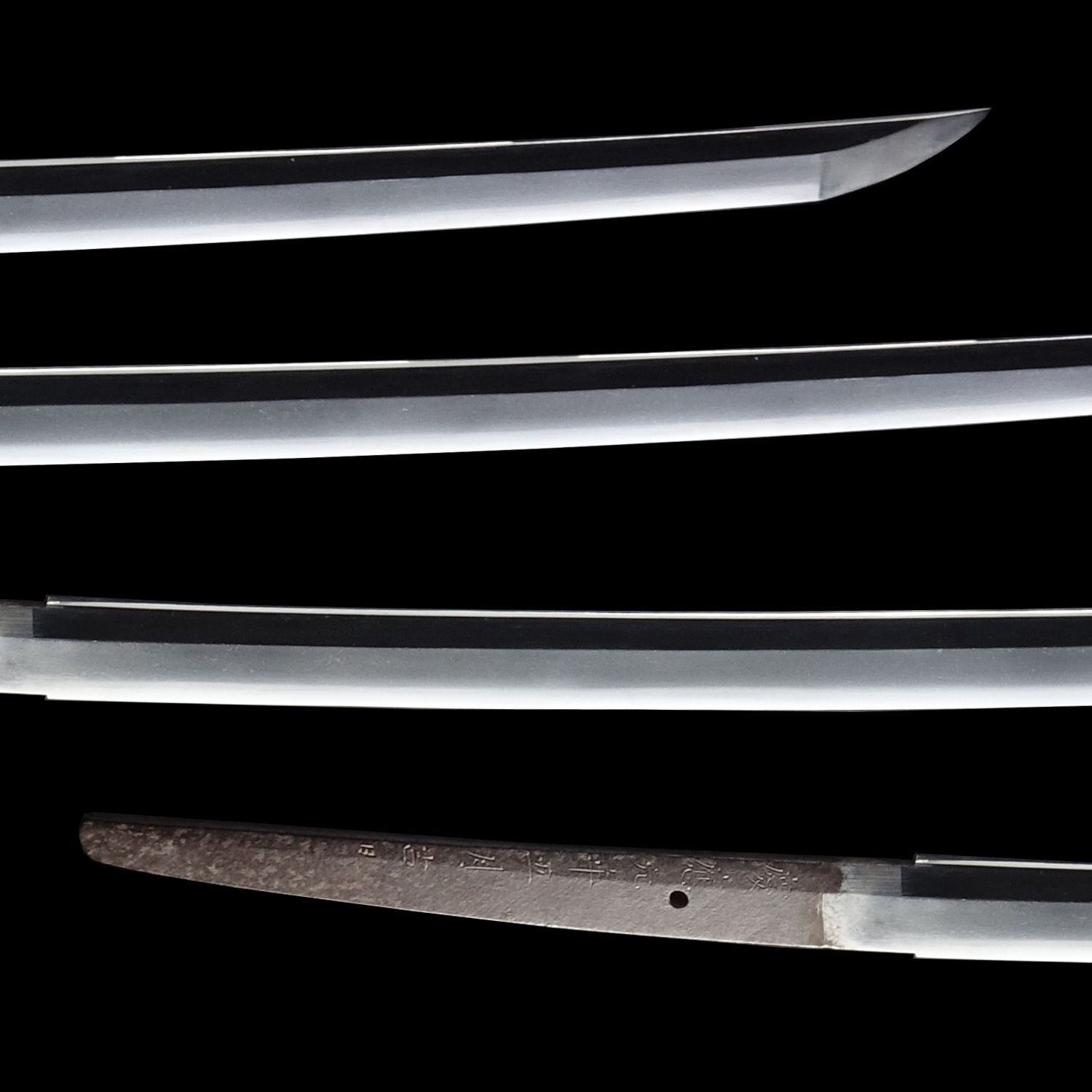
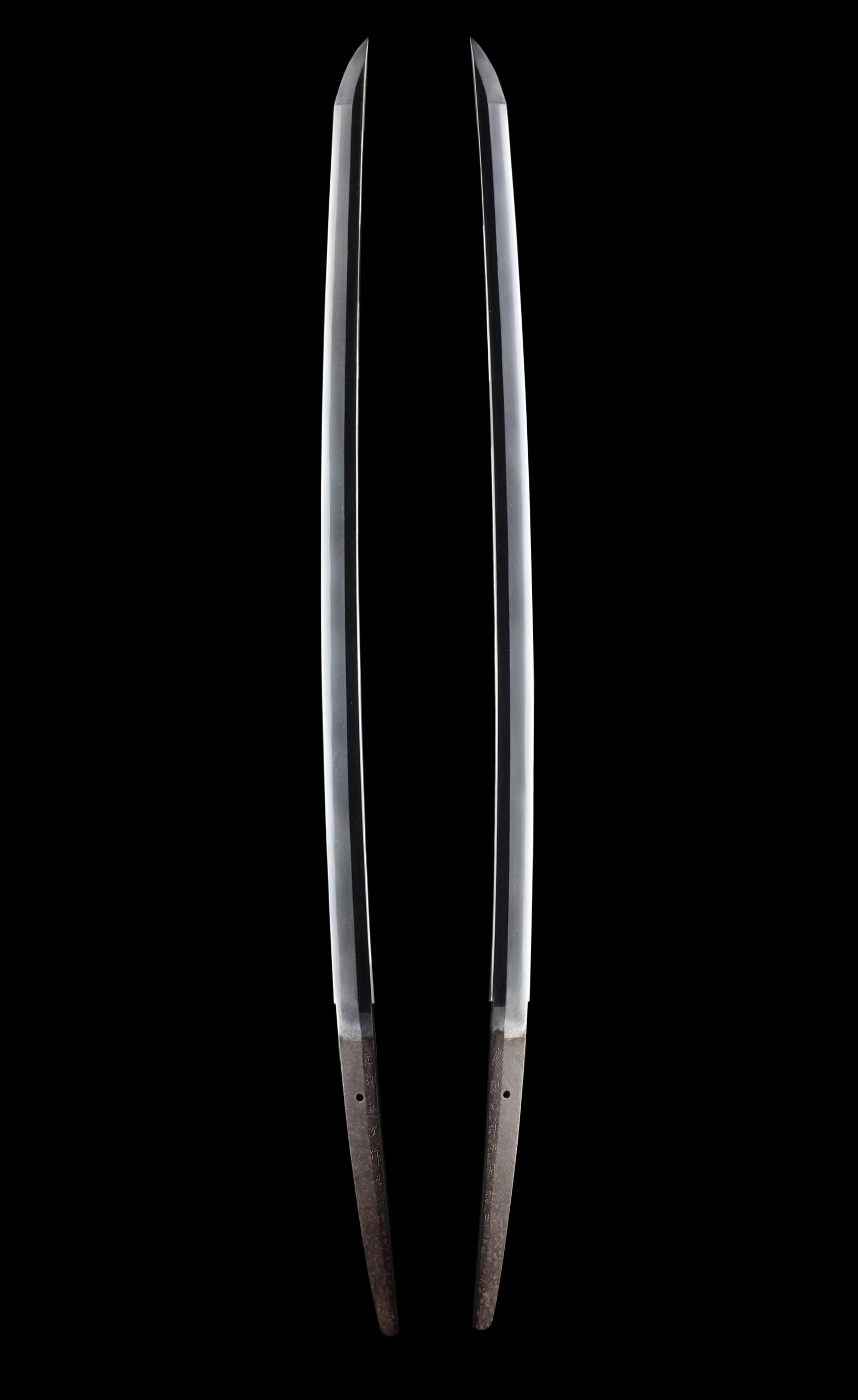
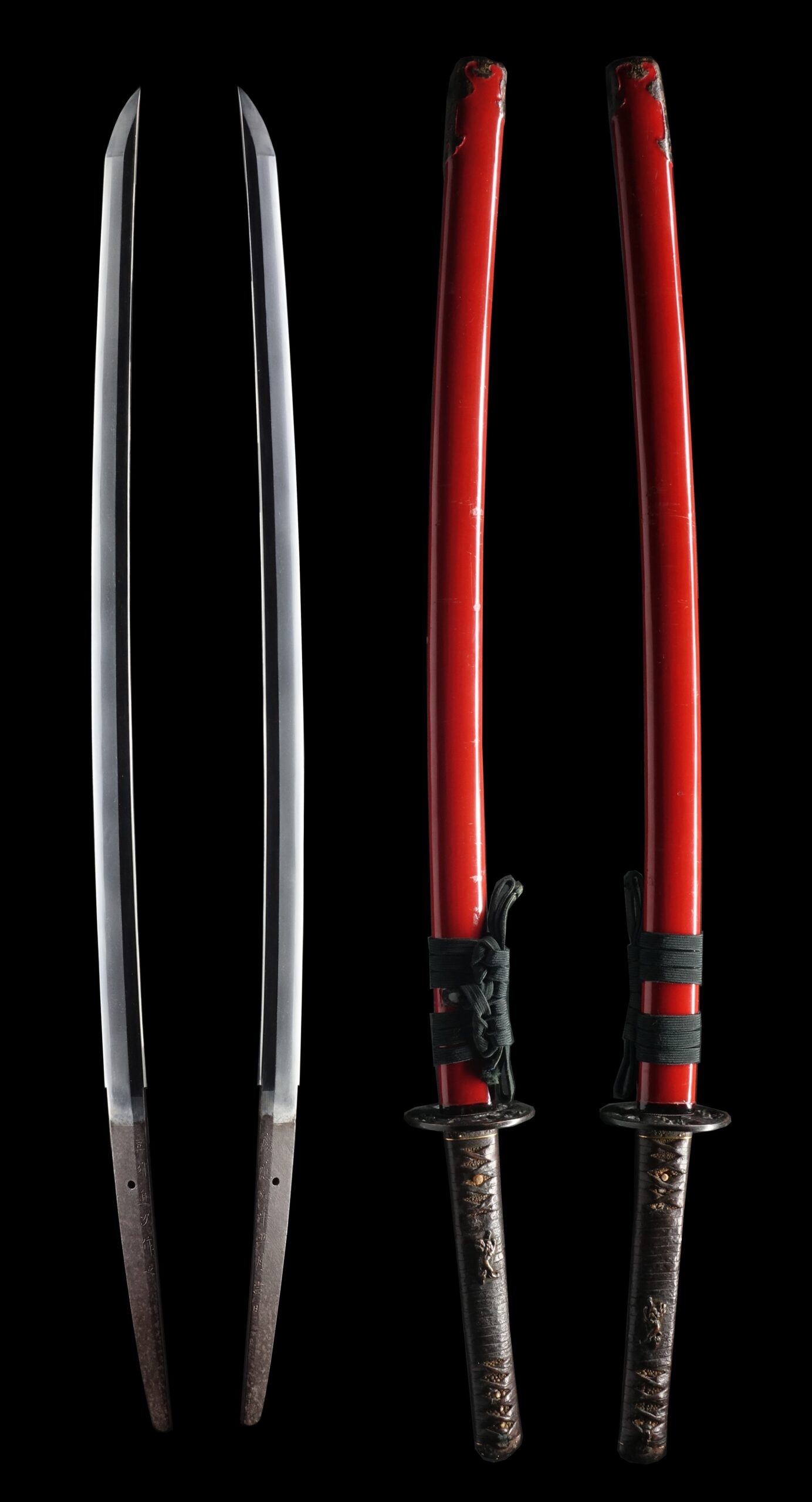
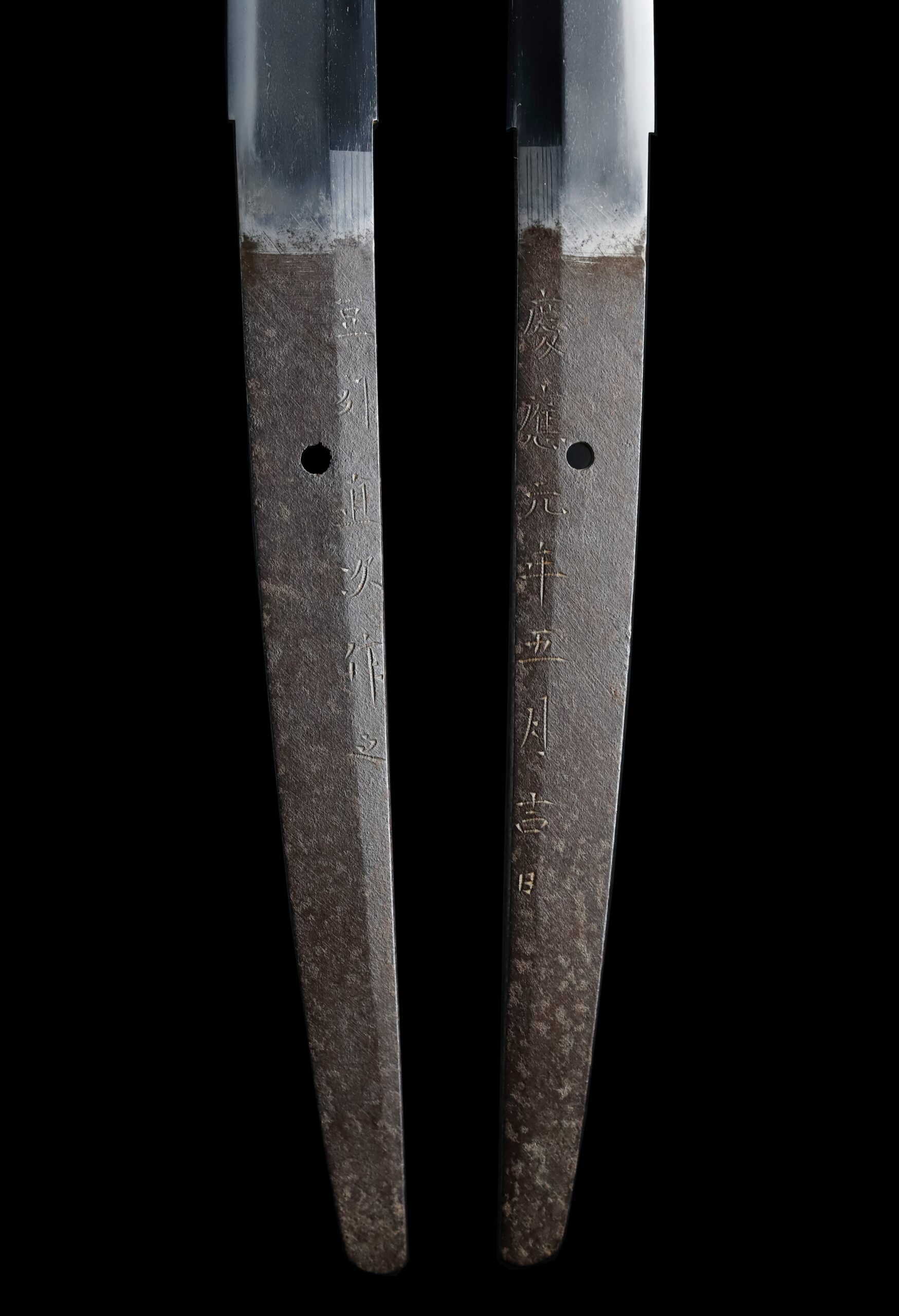
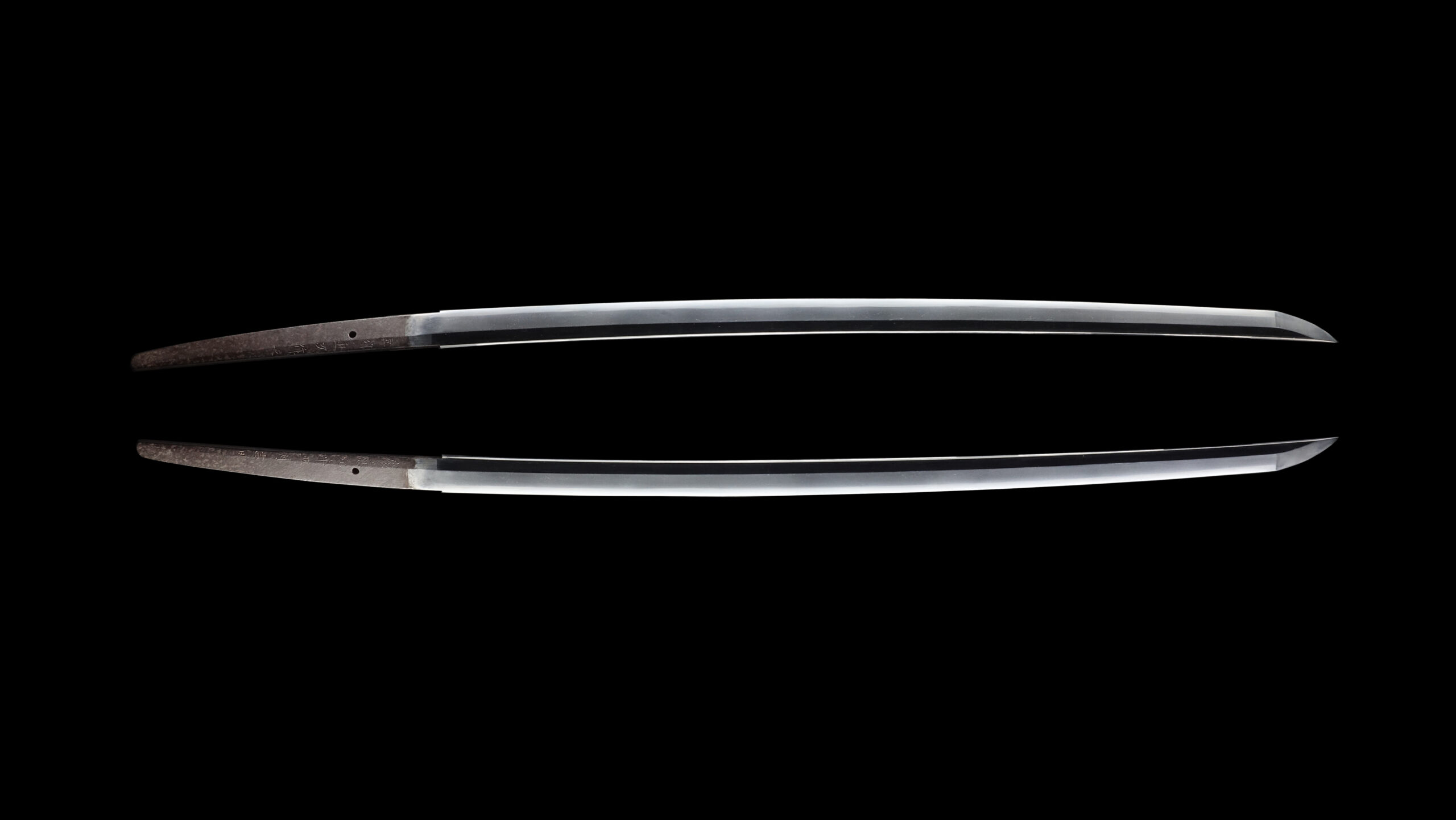
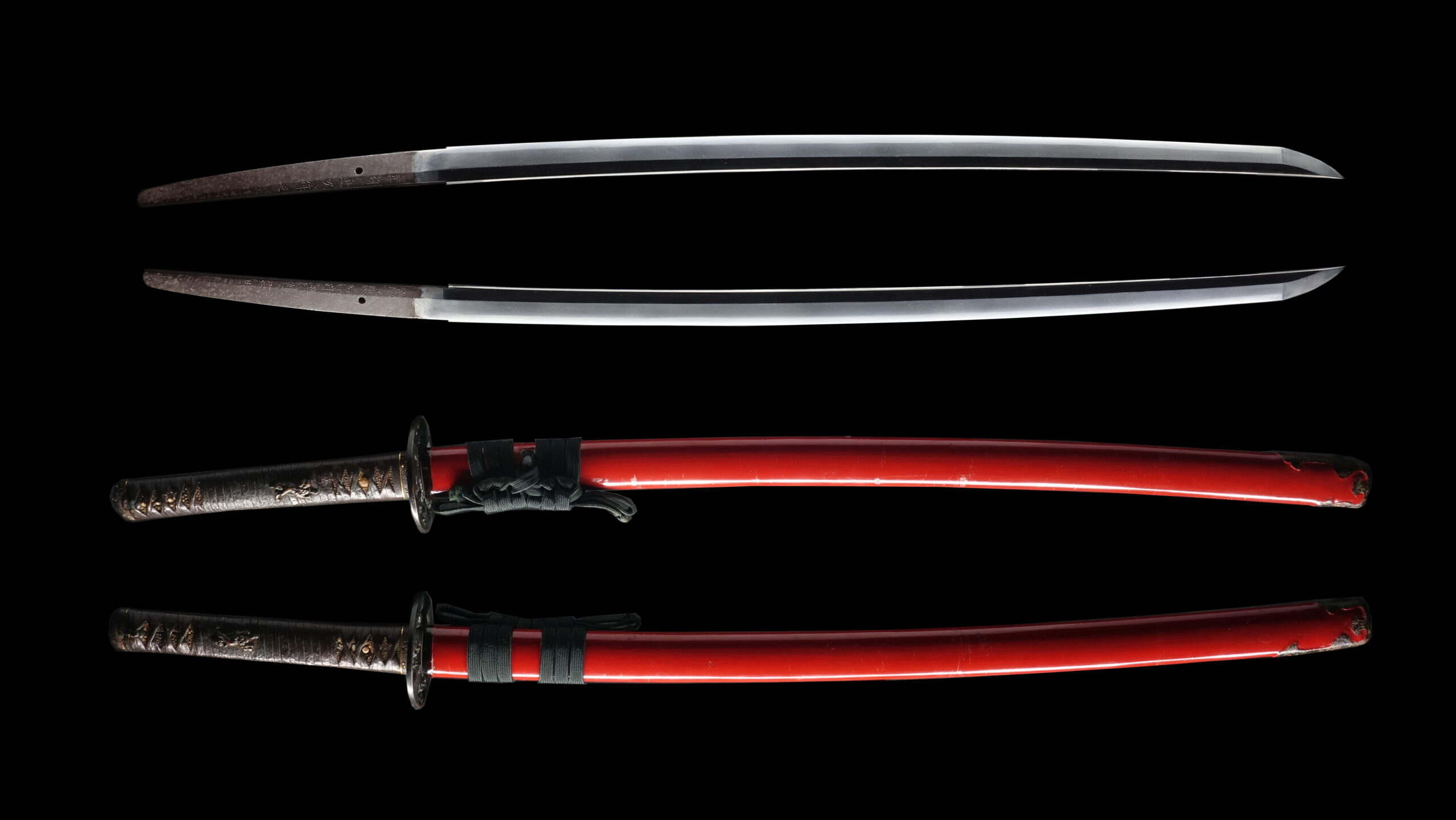
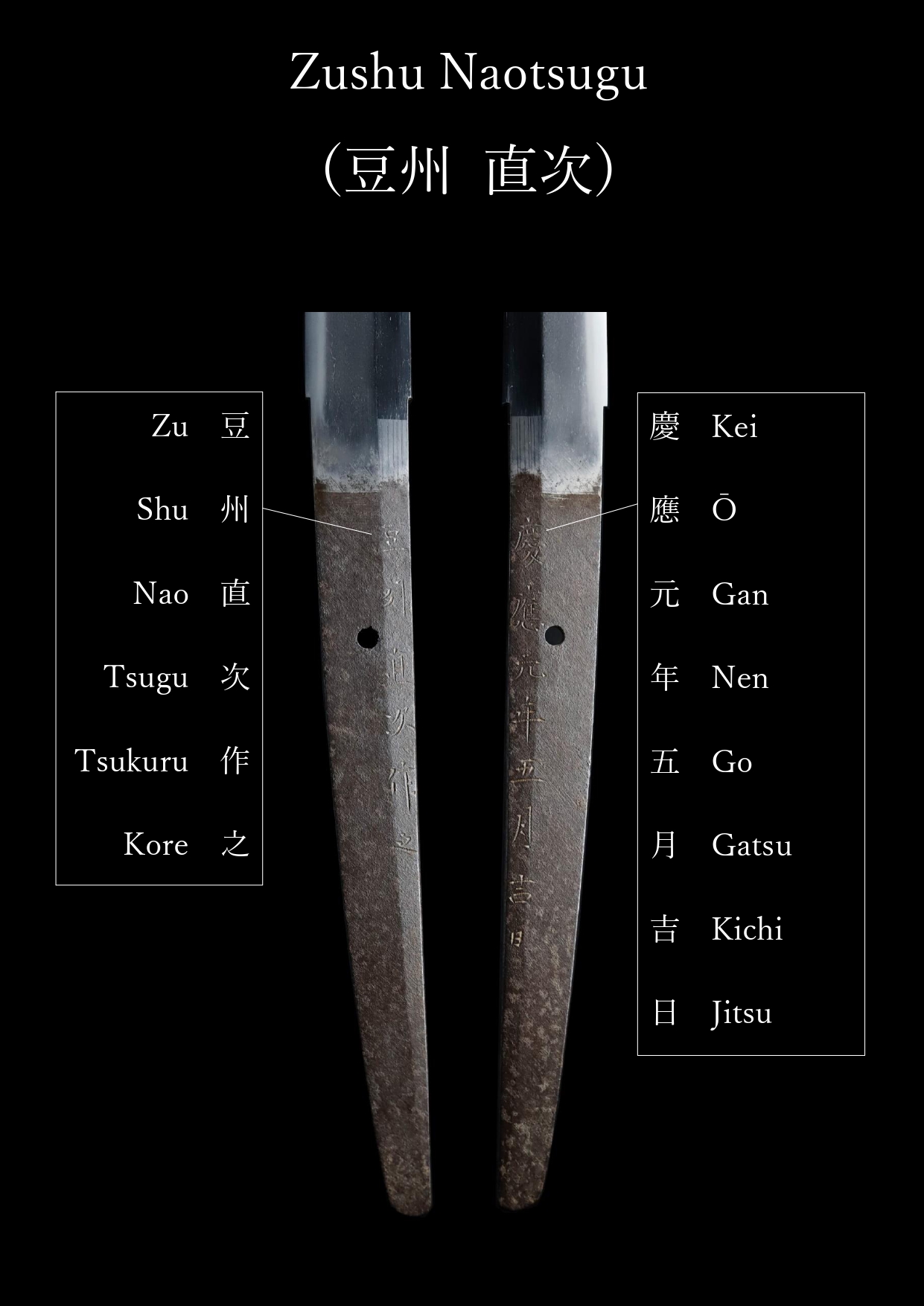
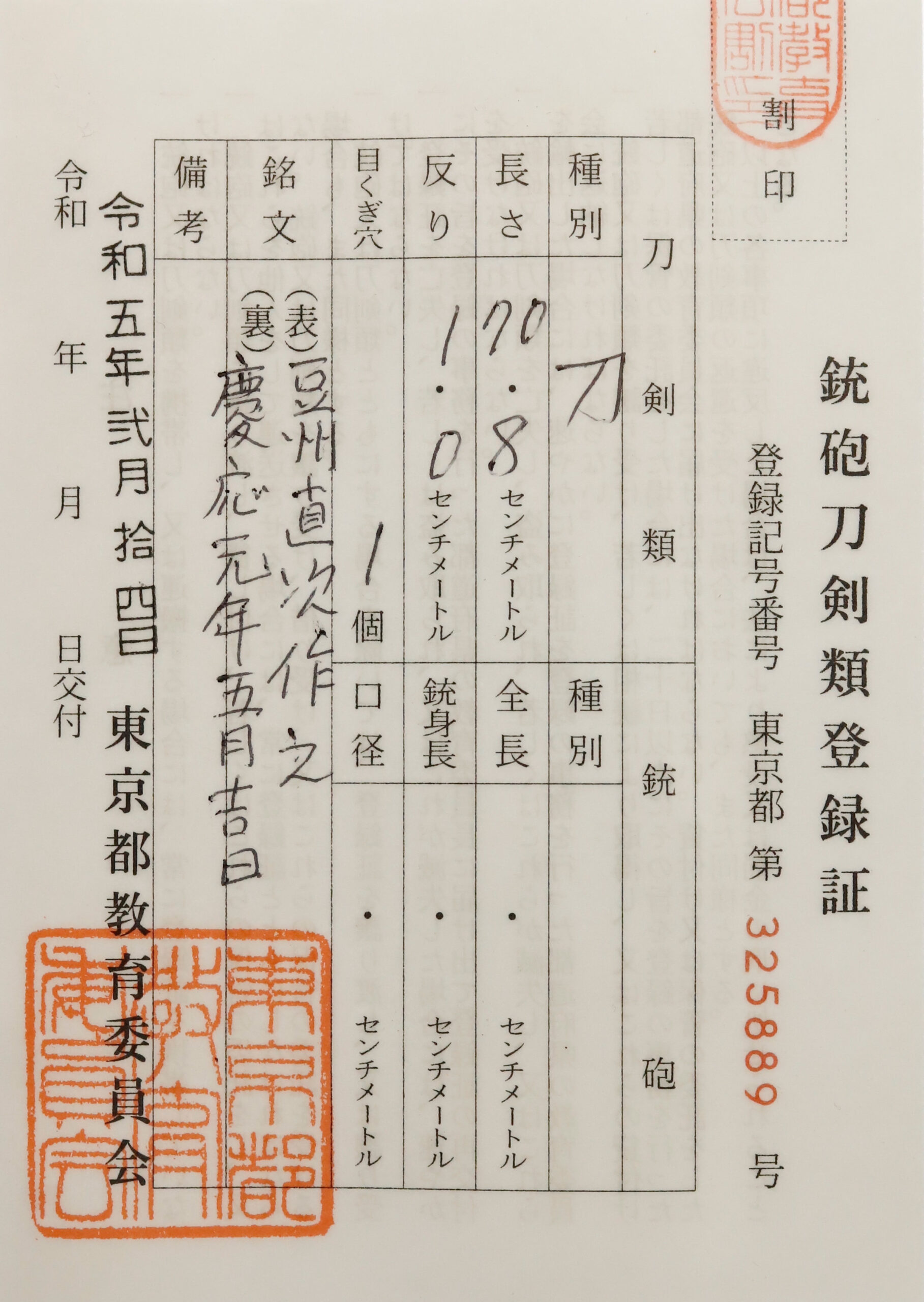
This blade was signed by Zushu Naotsugu (豆州直次) in the first year of the Keio era (1865). Zushu us another name for Izu town located in today’s Shizuoka prefecture. There was also a record of him forging blades in Edo (Today’s Tokyo).
The Background History
Japan enjoyed a relatively peaceful time from the early Edo period to the mid-Edo period(the 1600s-1760s) because of the stable economy and the powerful government run by Tokugawa Shogun. Samurai didn’t have many opportunities to utilize his Katana sword in public or on battlefields during this time. Thus, they carried their swords more as a symbol of their social status. The demand for weapons decreased accordingly compared to the previous Warring state period called Sengoku Jidai (1467-1600).
However, toward the end of the Edo period(1764-1876), the Japanese sword’s role changed dramatically. With the poverty spreading in Japan, there were so many riots initiated by the civilians. Japanese sword started to play an essential role in maintaining public safety.
Pressure from foreign countries to open Japanese borders also forced Samurai to order strong-looking swords to survive this tumultuous time. We believe many swordsmiths, including Naotsugu, made great efforts to forged high-quality, practical blades for their masters to prepare for battles.
There was a civil war between Tokugawa’s military government and the new Meiji government at the end of the Edo period. That means the original owner of this Katana might have seen the moment when Samurai’s life changed forever. This blade has a strong looking and must have been practical to use in that demanding time.
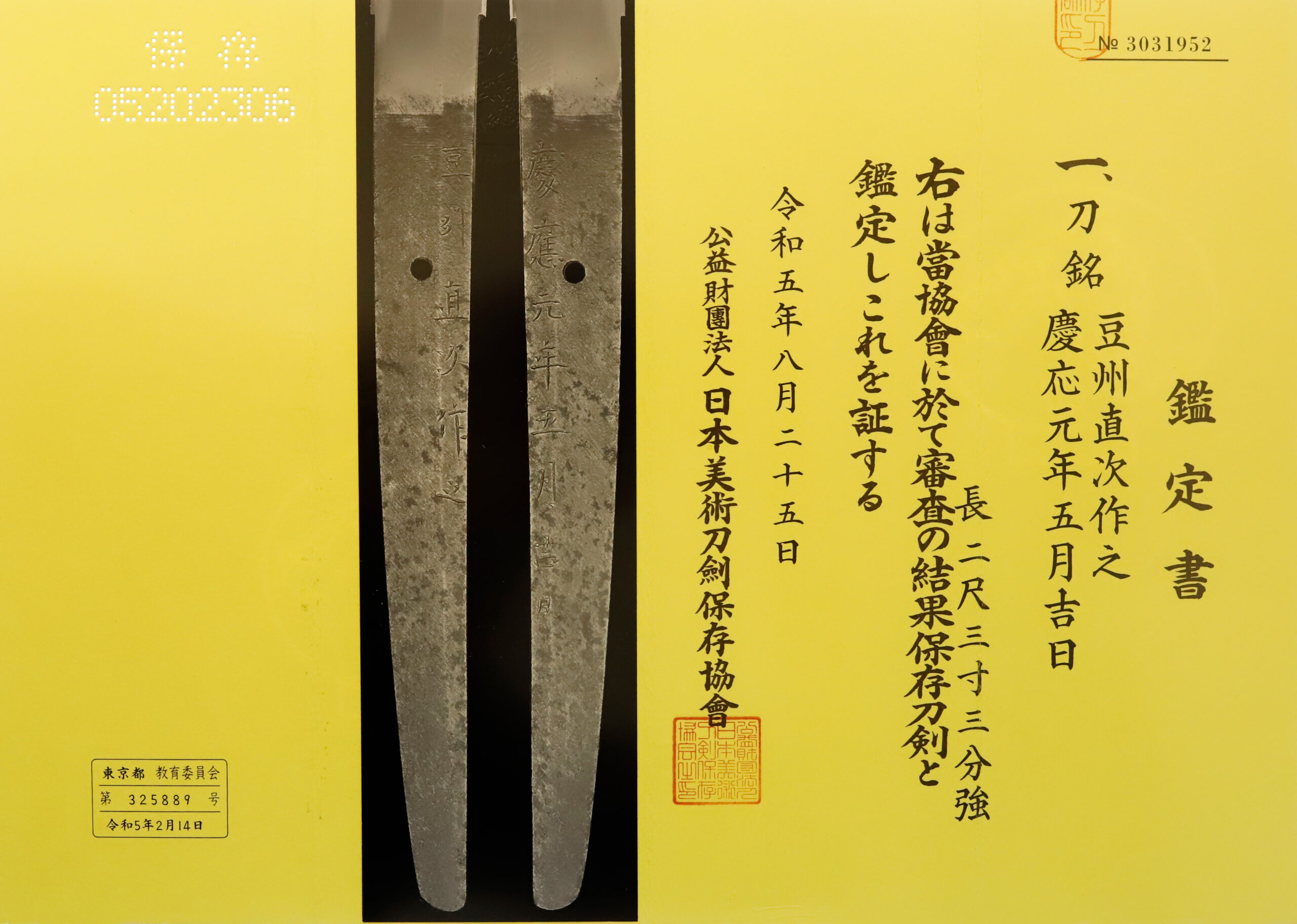
This blade is appraised as a Hozon Touken (保存刀剣) issued by NBTHK (Nihon Bijutsu Touken Hozon Kyokai: 日本美術刀剣保存協会).
Fuchi-Kashira
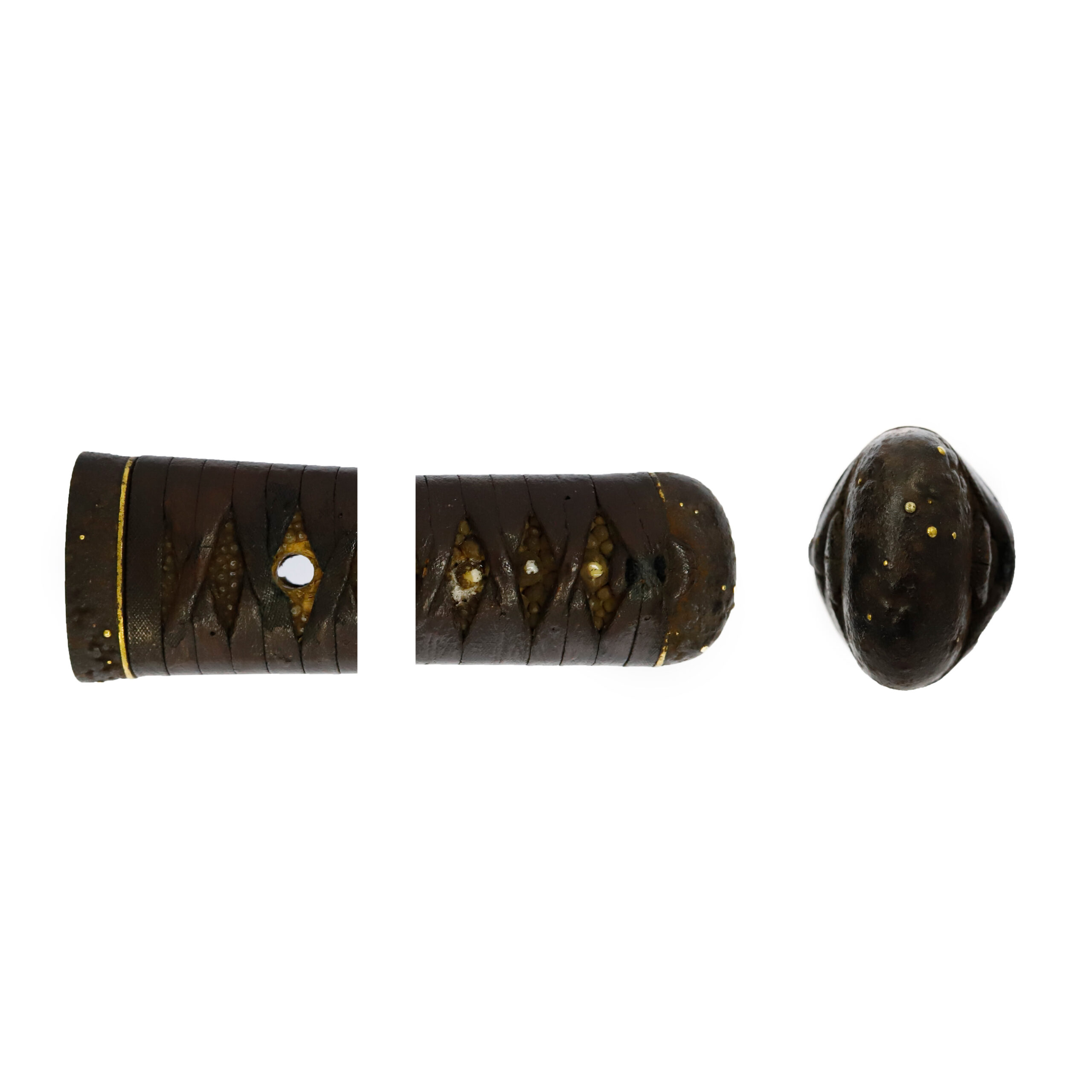
The surface of this Fuchi Kashira is uneven, and there are metal rusts due to aging. You would find several golden-colored dots here and there; they seem to be stars shining in the night sky. This Fuchi Kashira has an elegant design that is not at all extravagant but has a gorgeousness that does not compromise its practicality.
Tsuka and Menuki
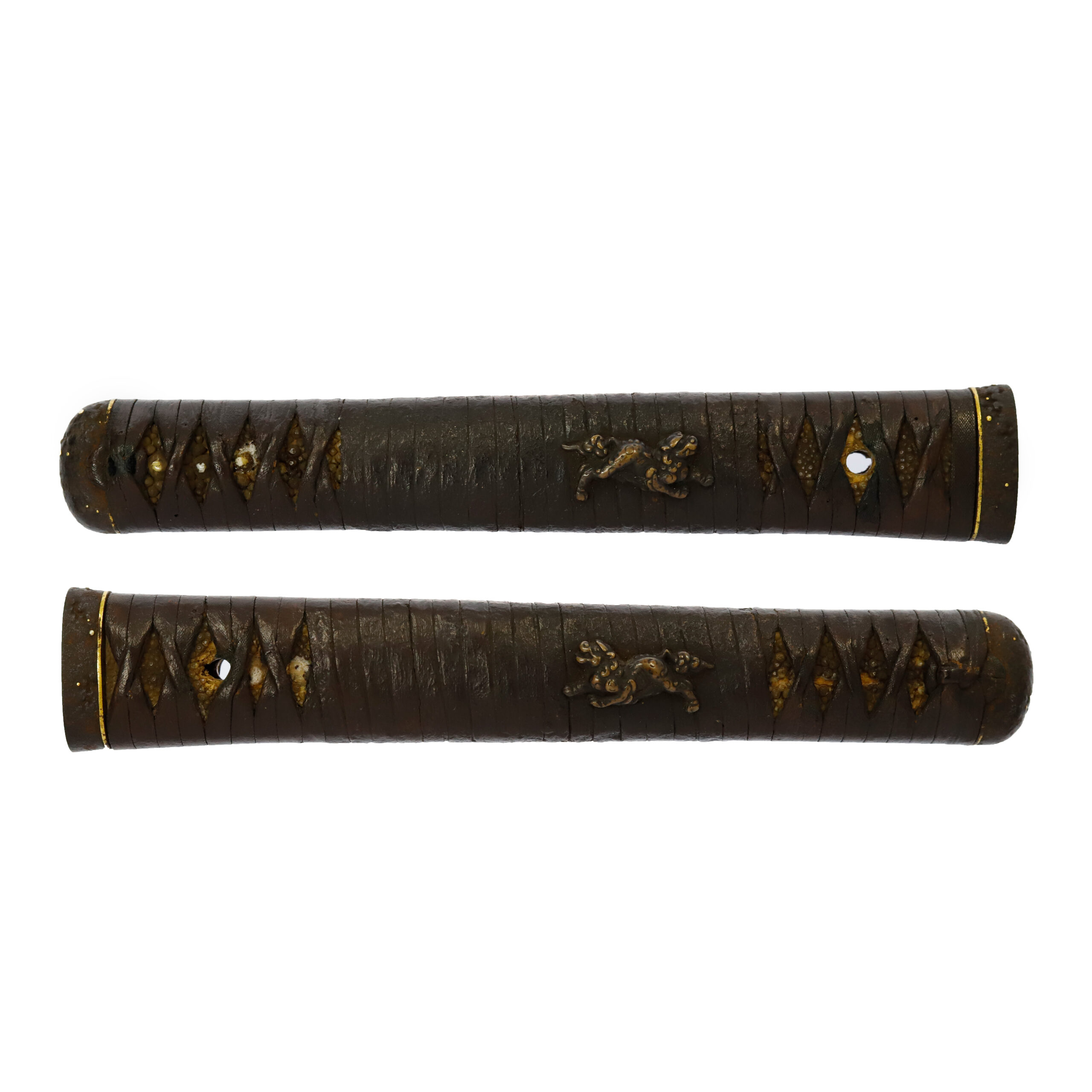
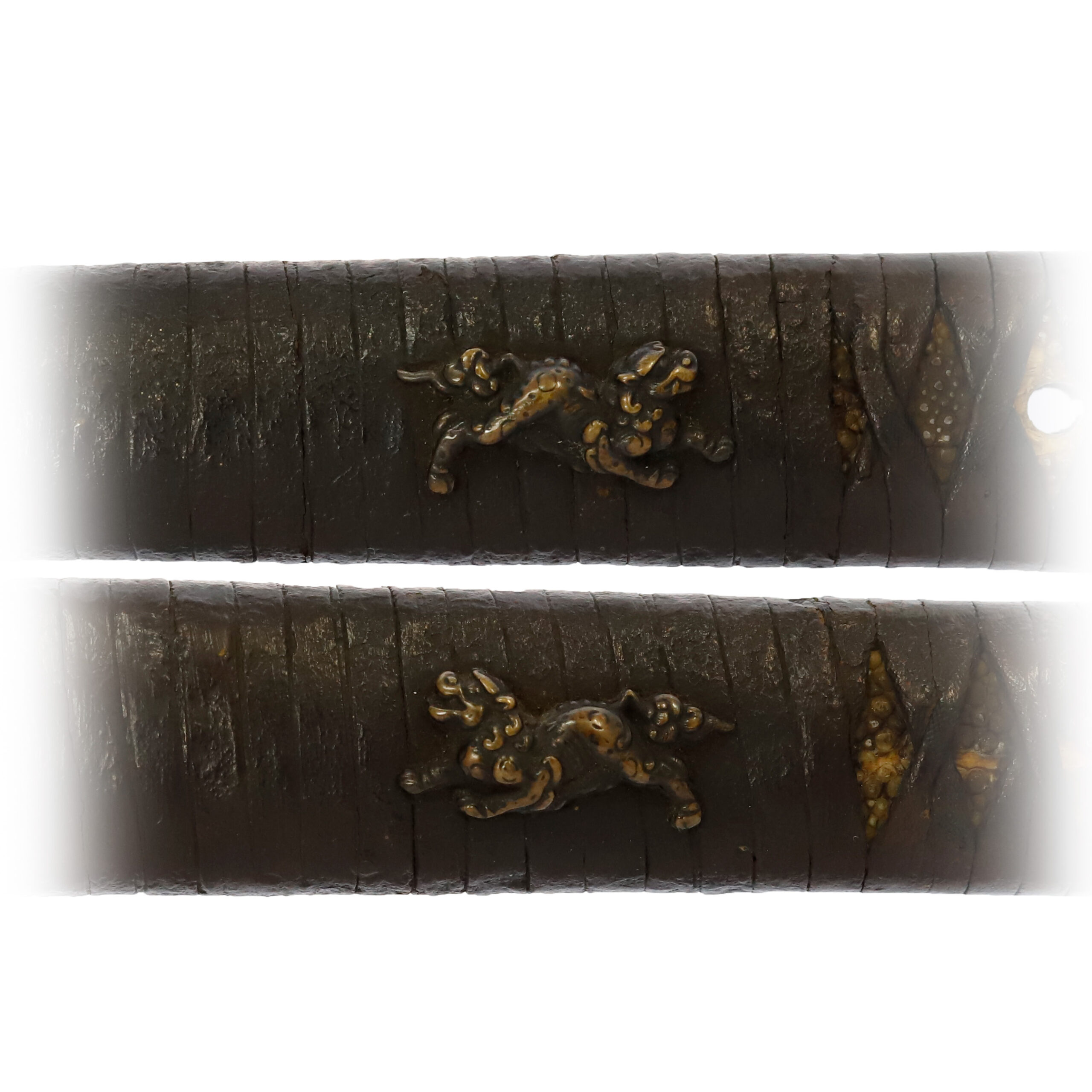
You would find the figure of a dog-like animal on each side of the handle. Due to their appearances, we believe the Karajishi (唐獅子) is the motif of this Menuki. Some of the surface color has currently faded due to aging and friction. However, we could assume that the brown color of the copper initially stood out well.
The Shishi (獅子) means a lion in Japanese, and the Karajishi is a lion brought from the continent to Japan in the Toh period (唐, Tang dynasty, 618-907). The Karajishi typically has curly hair for its head, neck, body, and tail. A simplified pattern of this curly hair is carved. In Buddhism, the Karajishi is regarded as a symbol of wisdom, and Monju Bosatu (文殊菩薩, Manjushri Bodhisattva) rides lions. According to a theory, the Karajishi is the origin of Komainu (狛犬, stone guardian dogs that exorcize evil spirits). It shows this beast motif has been familiar to Japanese people since ancient times.
Tsuba and Habaki
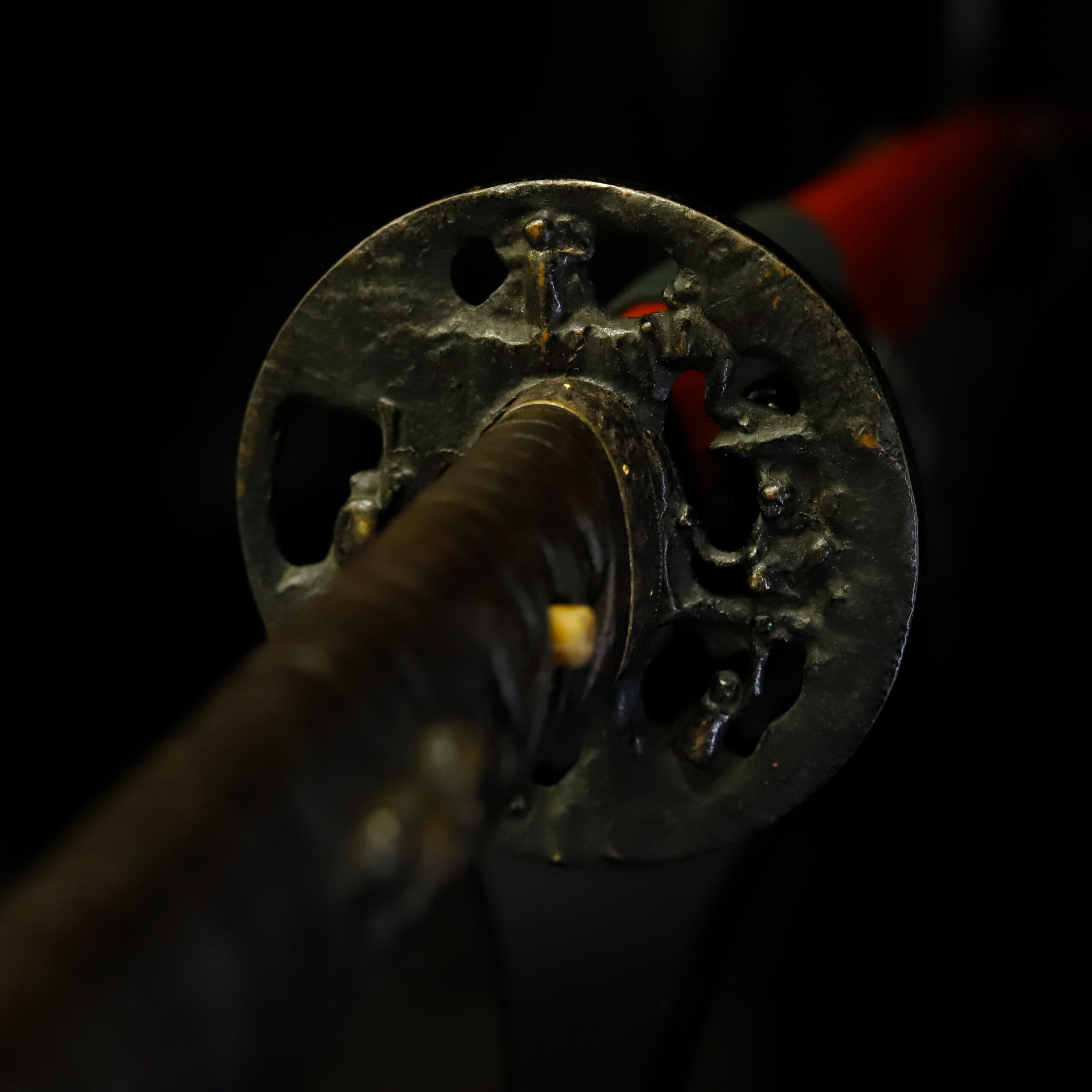
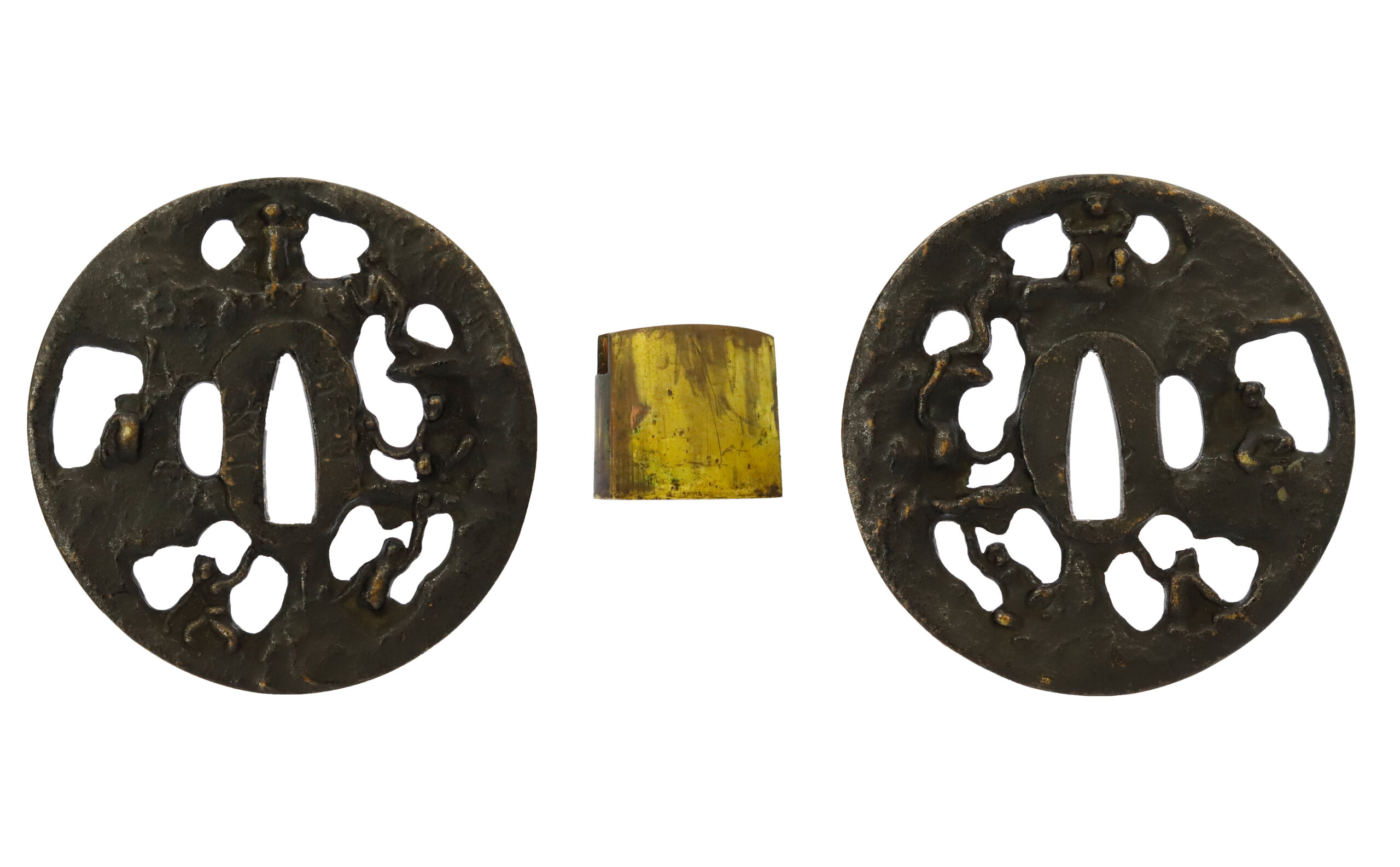
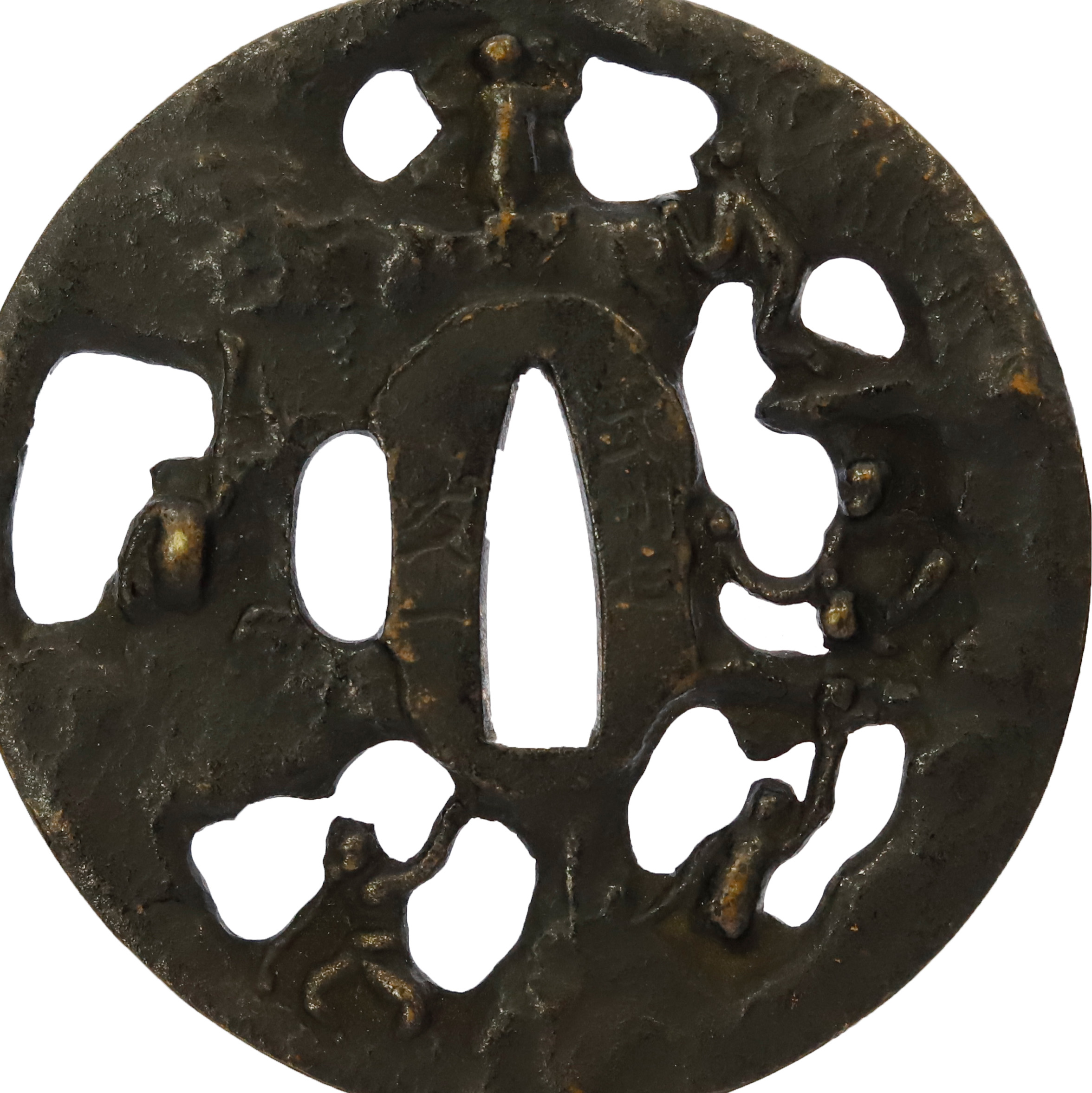
The surface of this Tsuba has become quite worn due to aging, making it challenging to judge its original design. There are traces of monkey (or probably human) figures carved in semi three-dimensionally. In addition, if you focus on the center part of this Tsuba, you would find Japanese letters engraved; the Mei (銘, engraved inscription) shows its maker’s name.
Saya
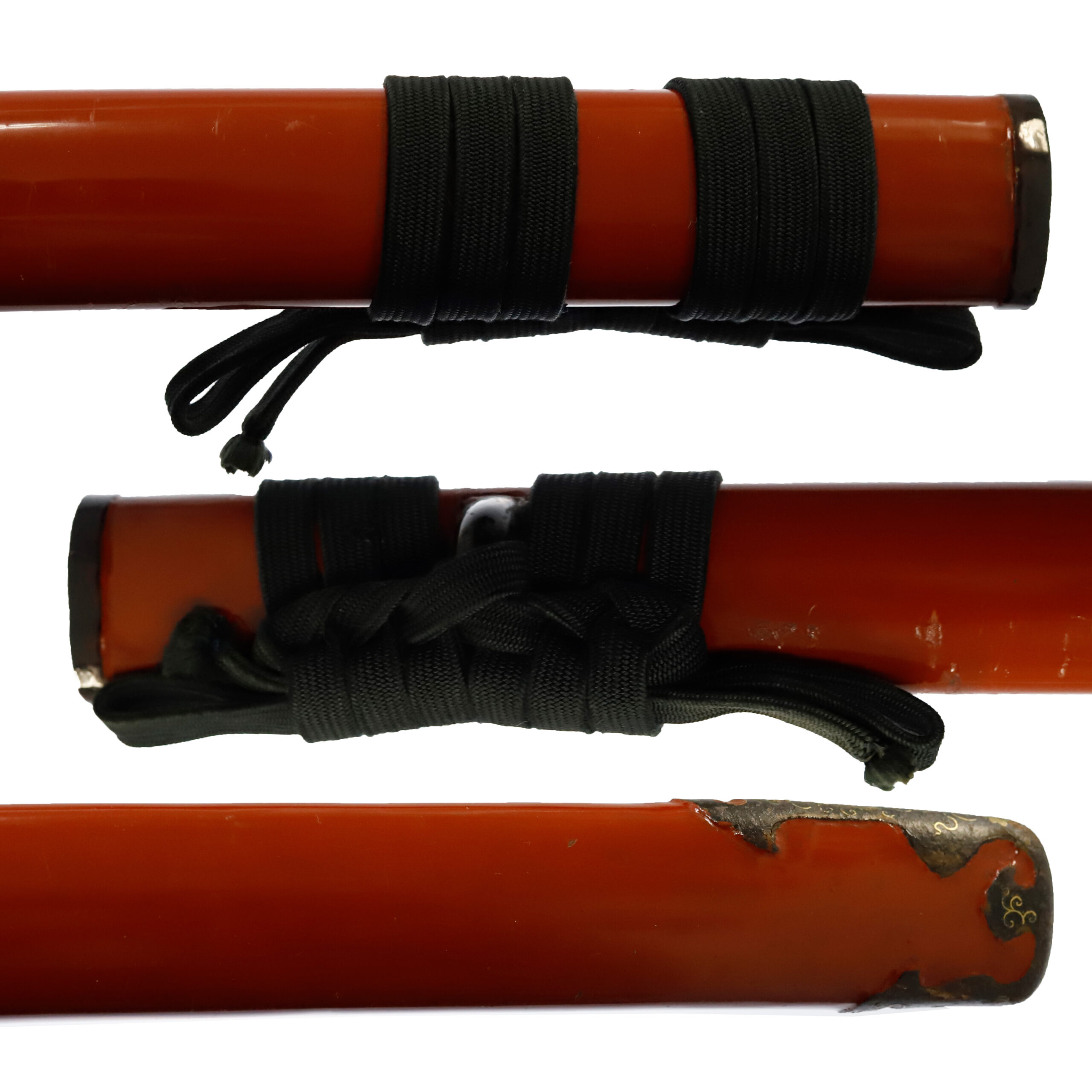
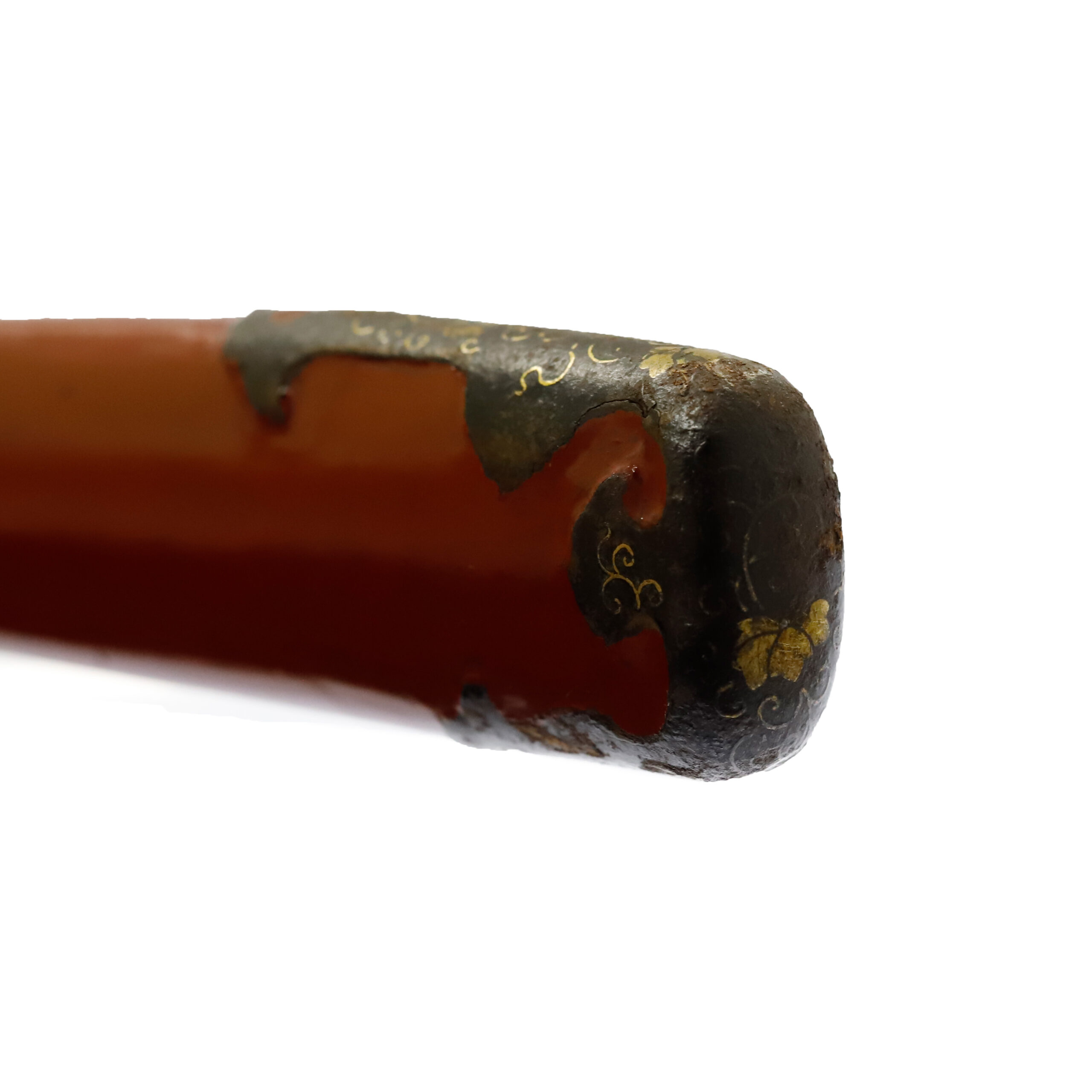
When you look at the end of this scabbard, you will find that the Kojiri (鐺, the metal fitting that protects the tip of a scabbard) is attached. We think the design colored with golden paint here is the Kiri Karakusa (桐唐草) pattern. As its name implies, this design is a combination of the Kiri (桐, pawlounia) and the Karakusa (唐草, arabesque). Although the paulownia flower part is omitted and the judgment is based on the shape of the leaves, we estimate these leaves show a paulownia pattern. The Kiri pattern generally comprises three standing straight inflorescences and three leaves. The number of blooming flowers at each inflorescence means the ranks of this design. As seen on this Fuchi Kashira, the Gosan-no-Kiri (五三の桐) pattern is a popular design that the paulownia motif is used. According to tradition, the Houou rests its wings at the paulownia tree; therefore, it has come to be regarded as a holy plant. And now, this plant motif is connected with the Houou pattern we mentioned above. The Karakusa pattern is a design in which vine stems and leaves are twined and make curves. Since ivy has a strong vitality and grows without interruption, people regarded this design as a symbol of prosperity and longevity.
Authentication Paper
They authenticated the blade on August 25th in the 5th year of the Reiwa era (2023). They appraised it as Hozon Touken, the blade worth preserving for Japanese society. We are expecting to receive its authentication paper during early-mid November.

 NihontoWatch