Edo was the sword’s age of connoisseurship: the Hon’ami appraisers, the shogunal register of famous blades of 1719, and a thriving literature turned the sword into an object of study even as it ceased to be drawn in war.
 NihontoWatchNihontoWatch
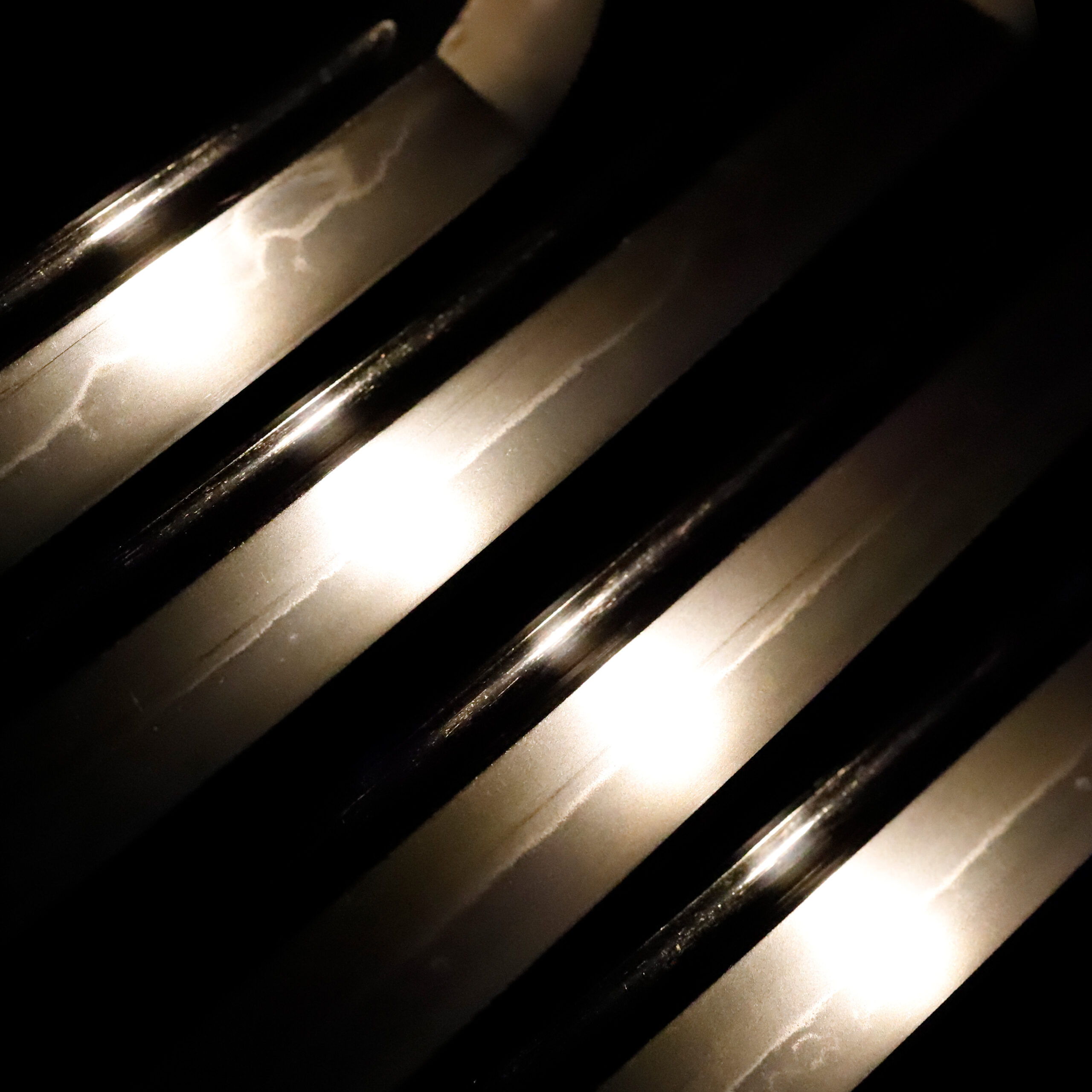
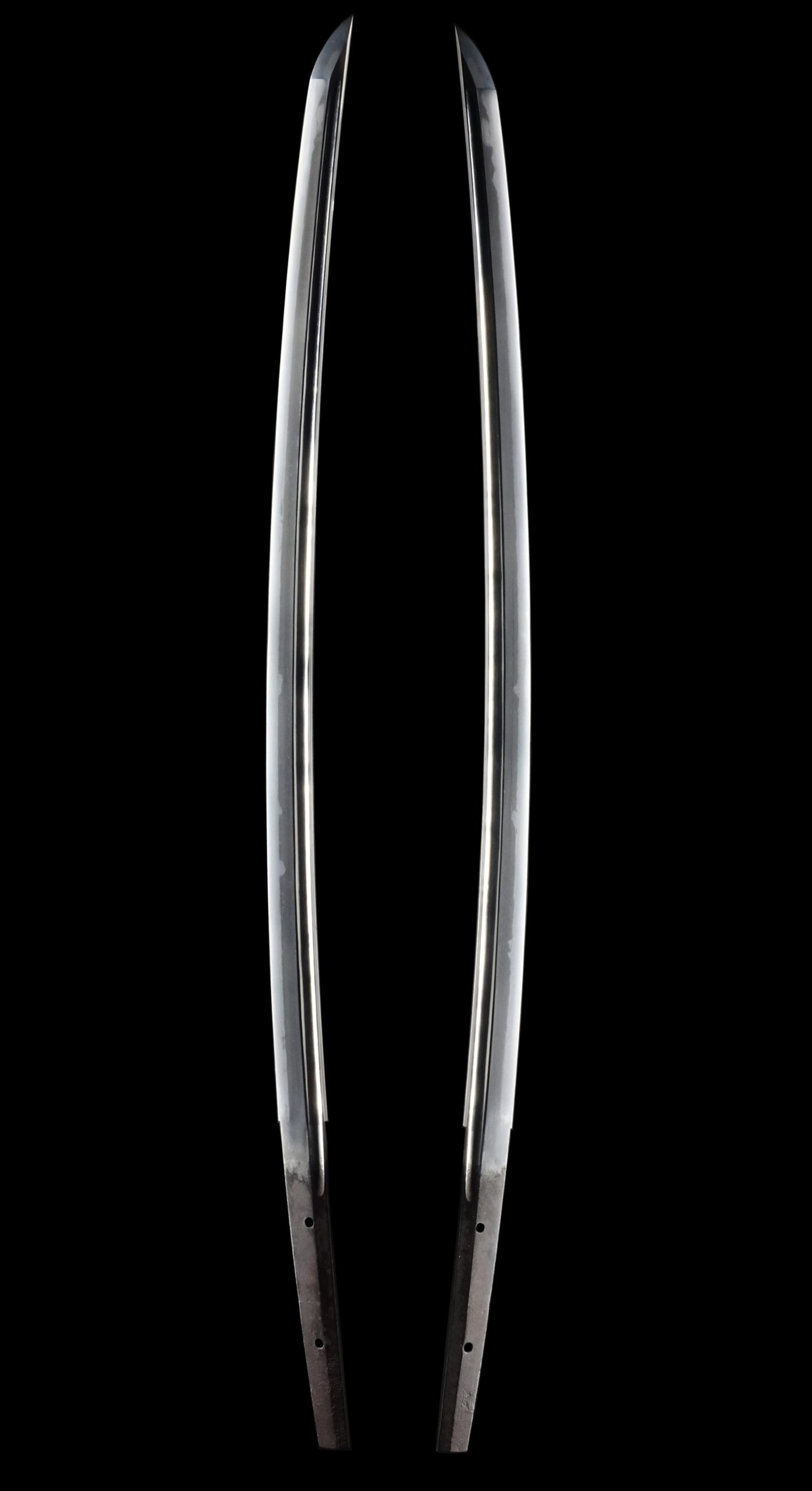
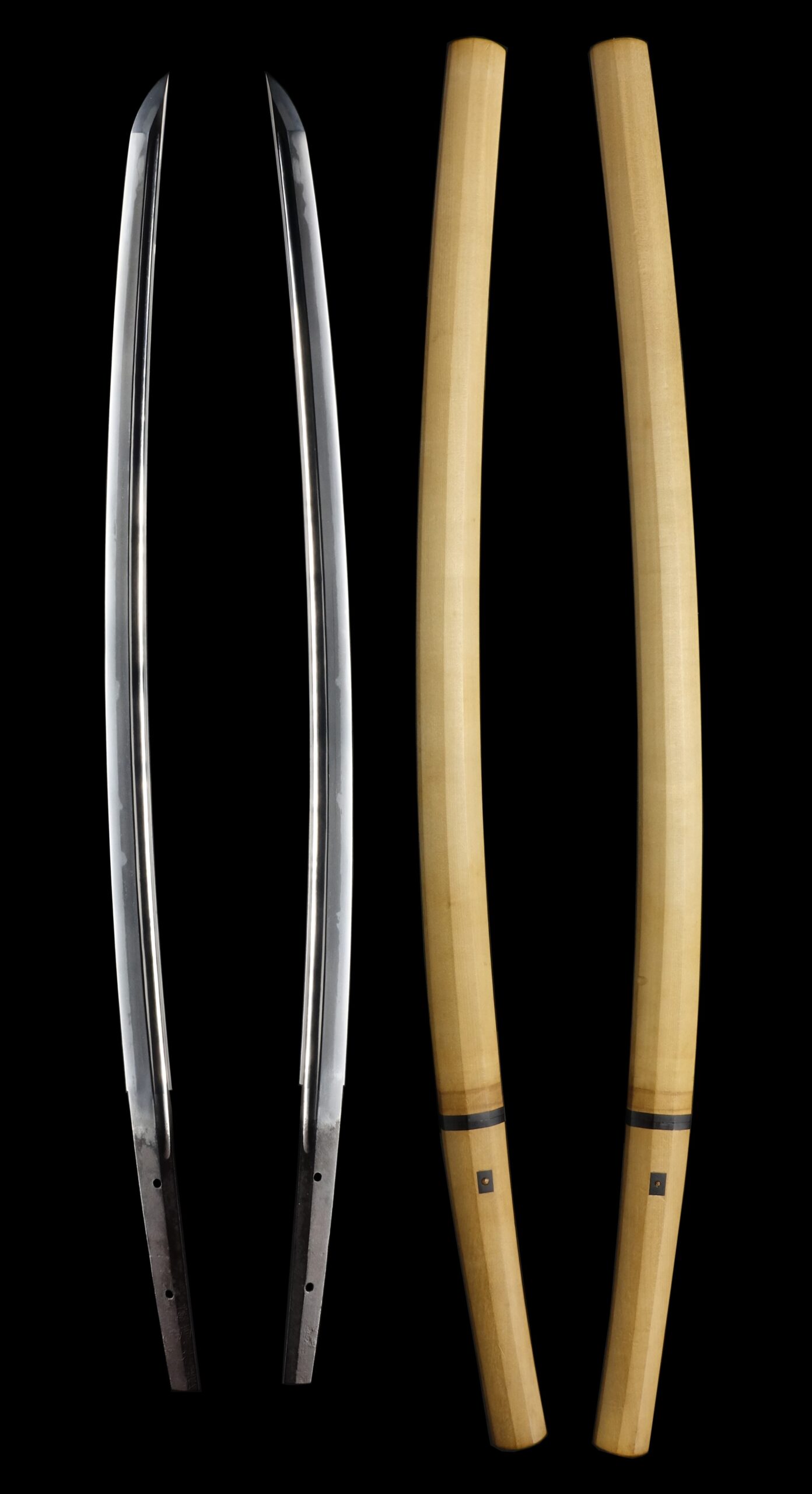
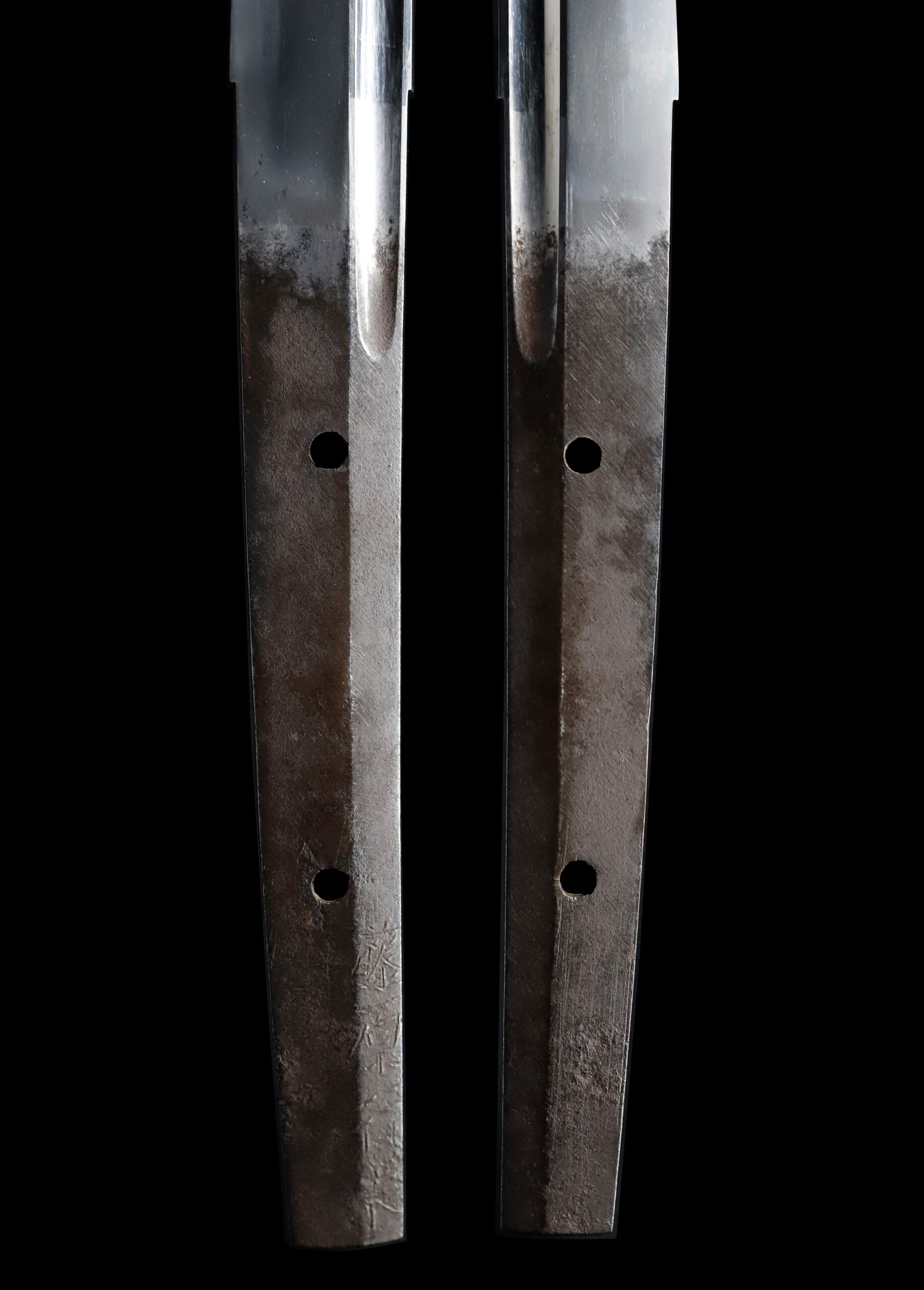
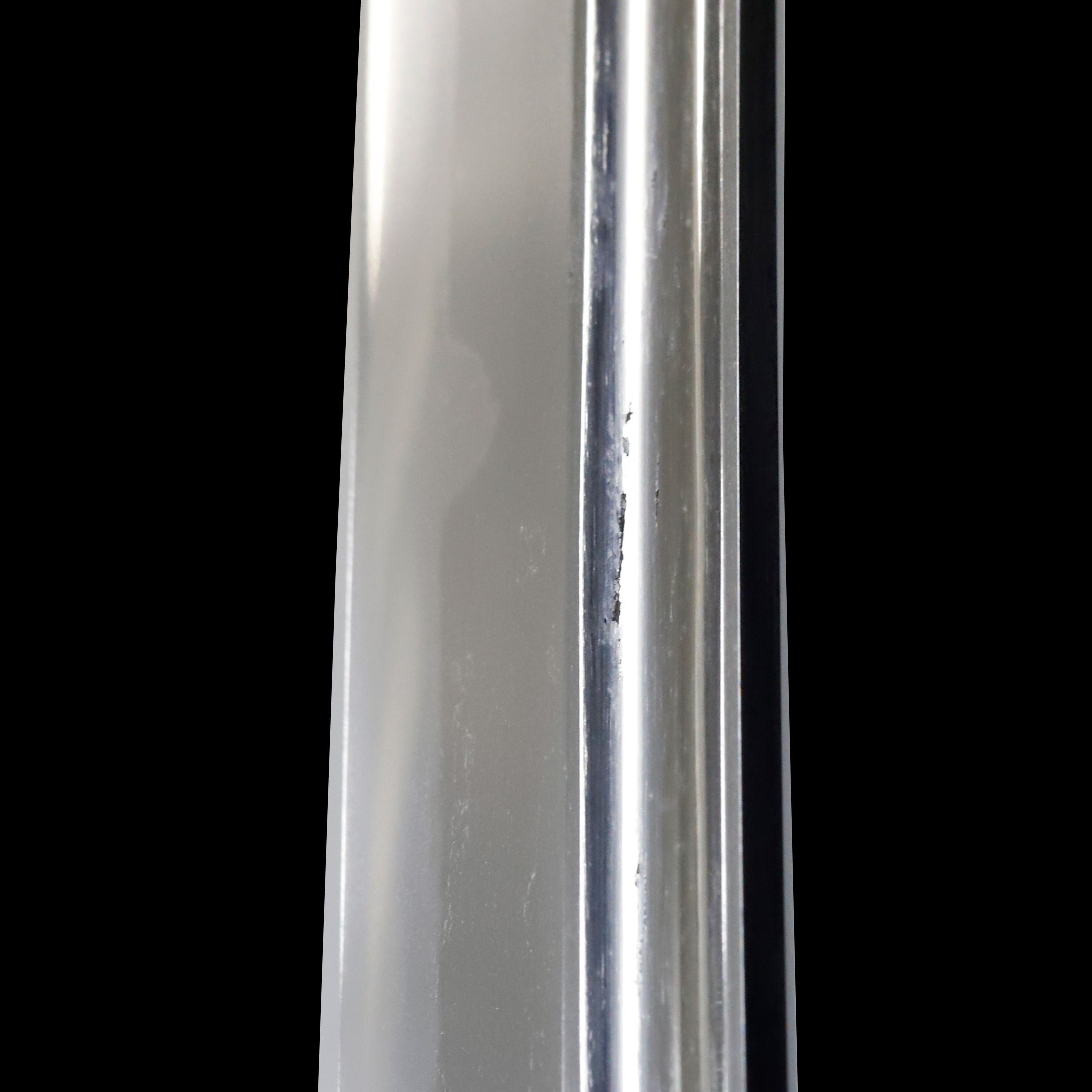
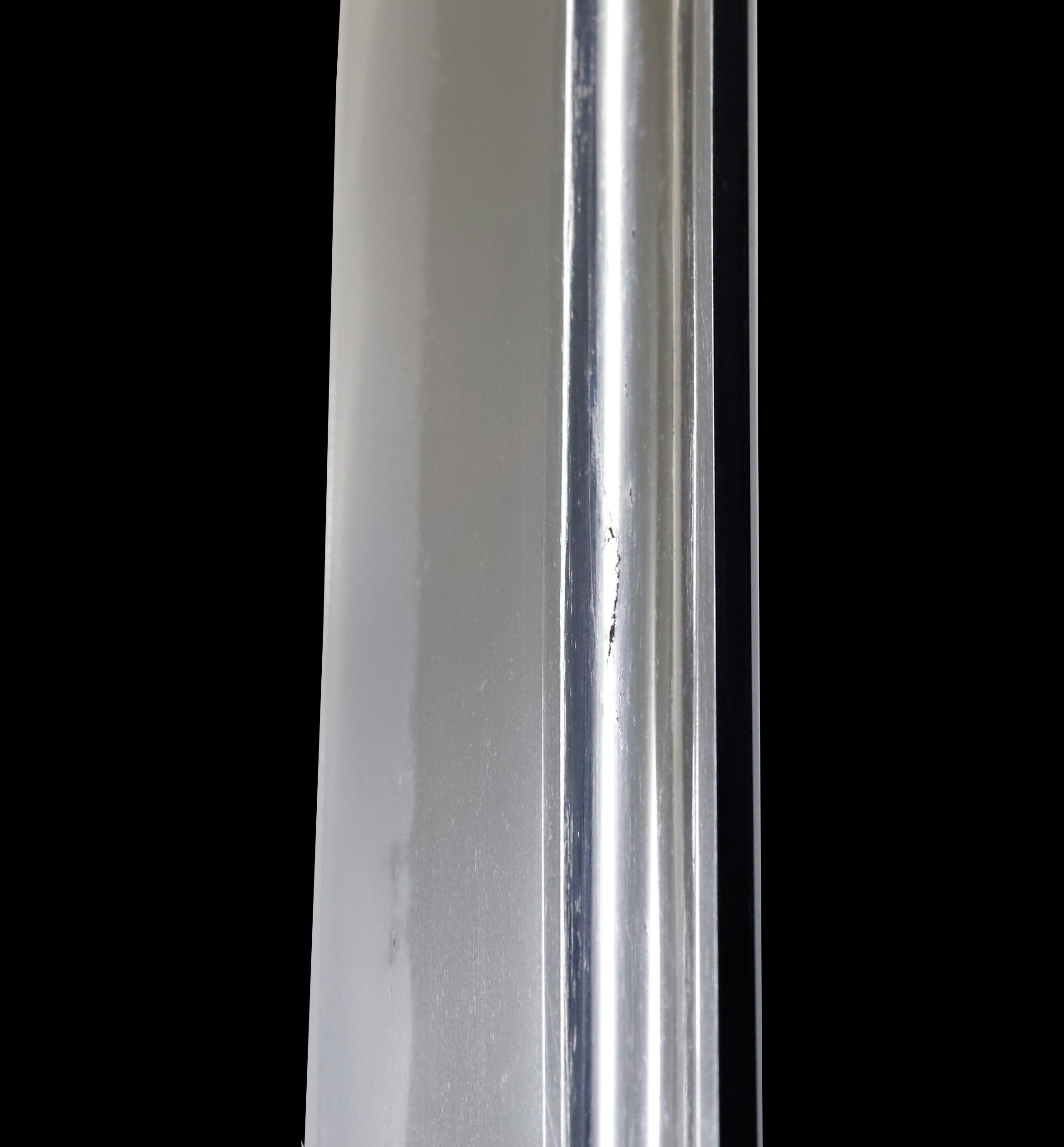
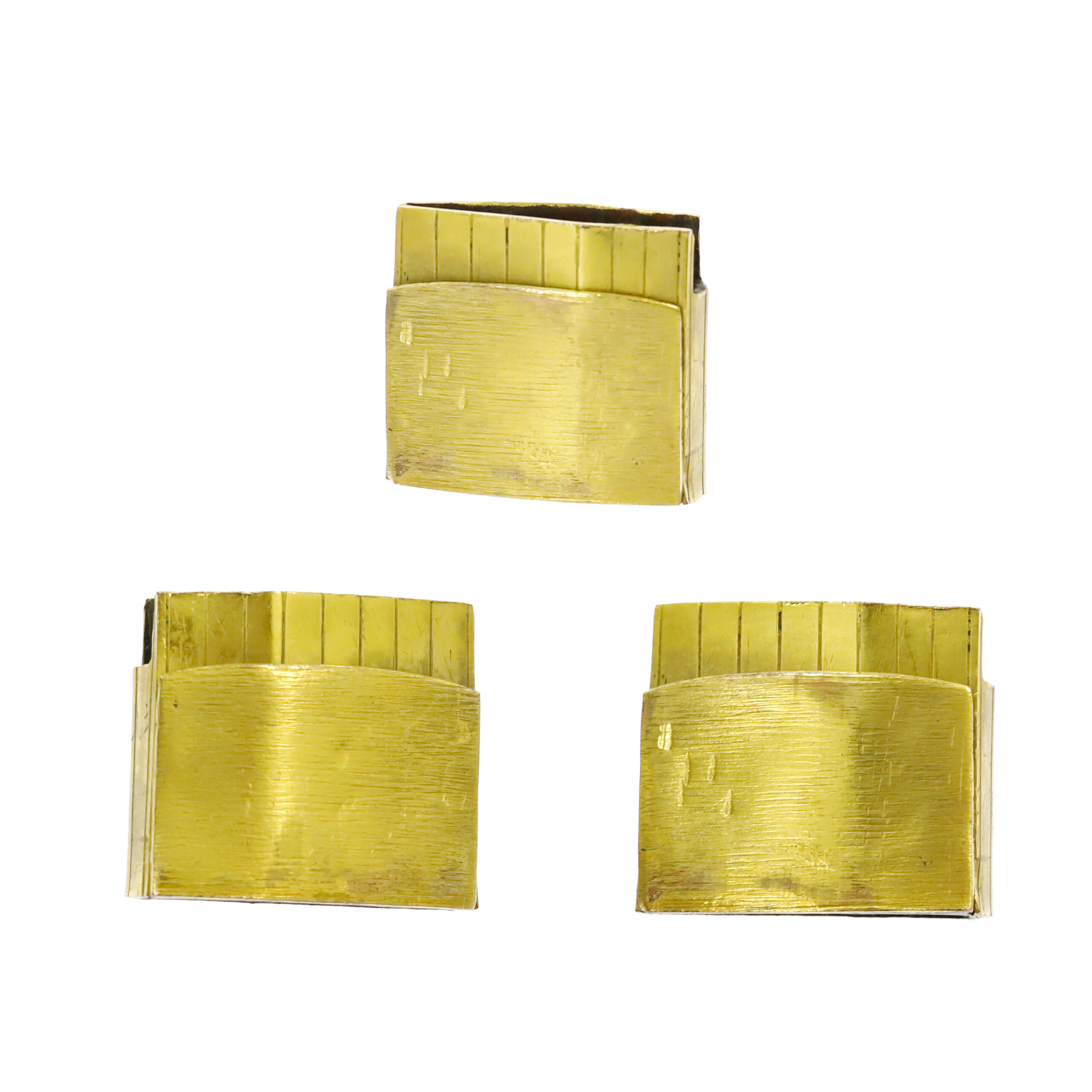
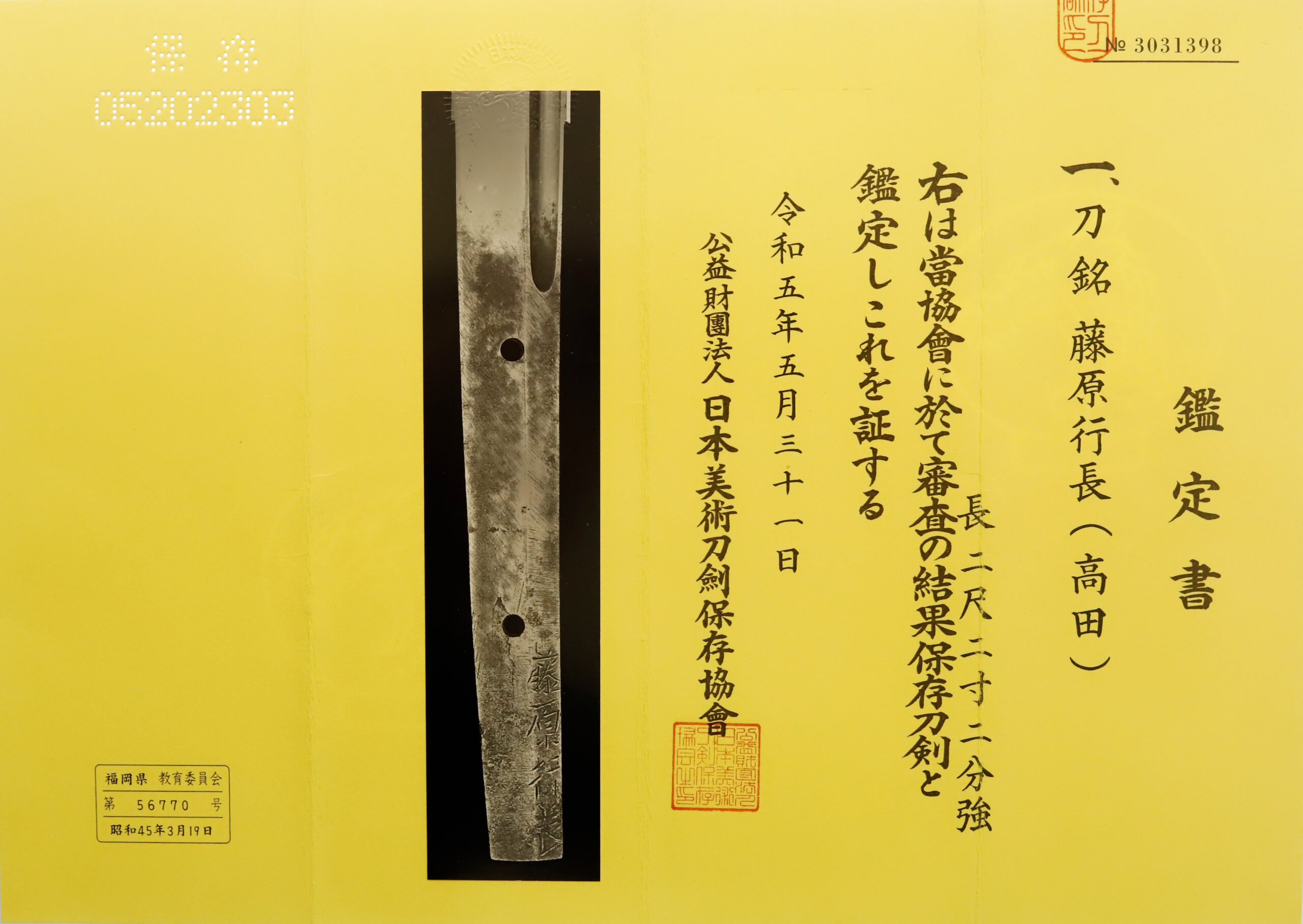
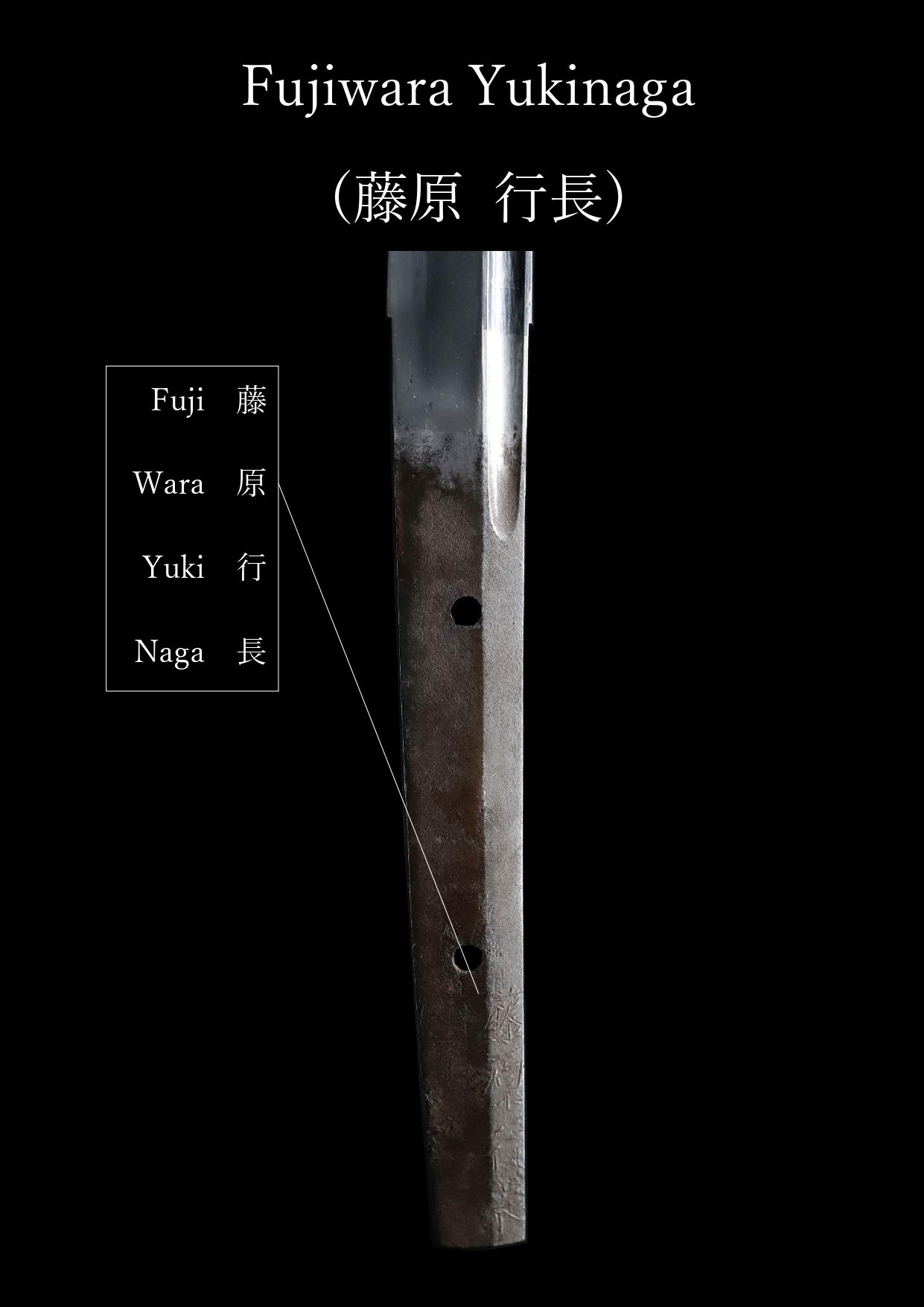
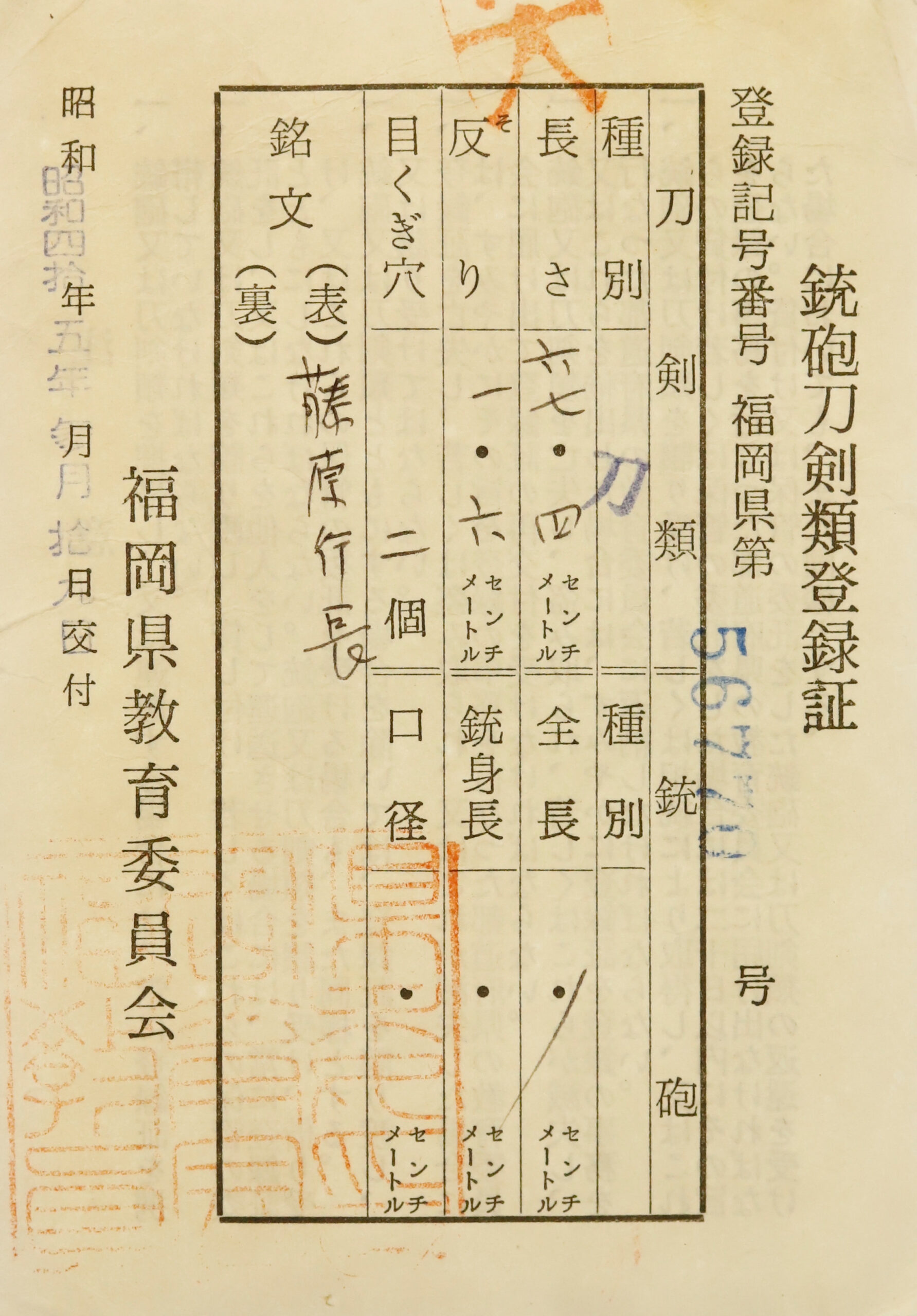
This blade was signed by Fujiwara Yukinaga (藤原行長), who belonged to a prestigious school named Takada(高田). He was active during the Kan-Ei~Seiho era (1624-1647: Early Edo period) Takada school was founded by Takada Tomoyuki in Takada village, Bungo domain (Ohita prefecture), during the Nanbokucho period. (1334-1338 A.D). Takada Tomoyuki went to Bizen province(today’s Okayama prefecture) to master the sword-forging techniques of BIZEN and returned to the village and trained his apprentices. That is how Takada school started. During Sengoku Period (the warring state period: from late 15 C to late 16 C), the Takada school forged many swords for many Samurais in Kyushu island. It is said that the reputation of the blades forged by Takada school was close to MINO or BIZEN swords, two of which are the most famous sword forging places. The Bungo domain was ruled by Otomo Yoshishige (Sorin) during the Sengoku period. Yoshishige and his domain built a strong military and political base there. Yoshishige was known as one of the most famous warlords on Kyushu island. It is said that Takada swordsmiths forged swords for those who served the Otomo clan and Toshiyuki played an important role to make Takada school prosperous during the Edo period along with Tokiyuki and Shigeyuki. Generally speaking, Kyushu island was prosperous in sword-making because of its long trading history with Asian countries. Many feudal lords on this island fought against each other to gain an advantage in trading. Takada school received many orders as the demand increased among those lords. The material of Japanese swords(high-quality iron sand and charcoal) was abundant in mount Sobo Katamuki, located near Takada village. We believe Takada school prospered because of its geographic location and natural resources. This blade is appraised as a Hozon Touken (保存刀剣) issued by NBTHK (Nihon Bijutsu Touken Hozon Kyokai: 日本美術刀剣保存協会). *Please keep in mind that there are a couple of minor Kitae Kizu on Hi (groove on blade). Curvature (Sori) 1.6 cm (0. 63 inches) Authentication Paper They authenticated the blade on May 31th in the 5th year of Reiwa (2023). They appraised it as Hozon Touken, the blade worth preserving for Japanese society.
Yukinaga行長
Offered by Samurai Museum
This piece has sold
Get an email when a new Yukinaga piece hits the market.

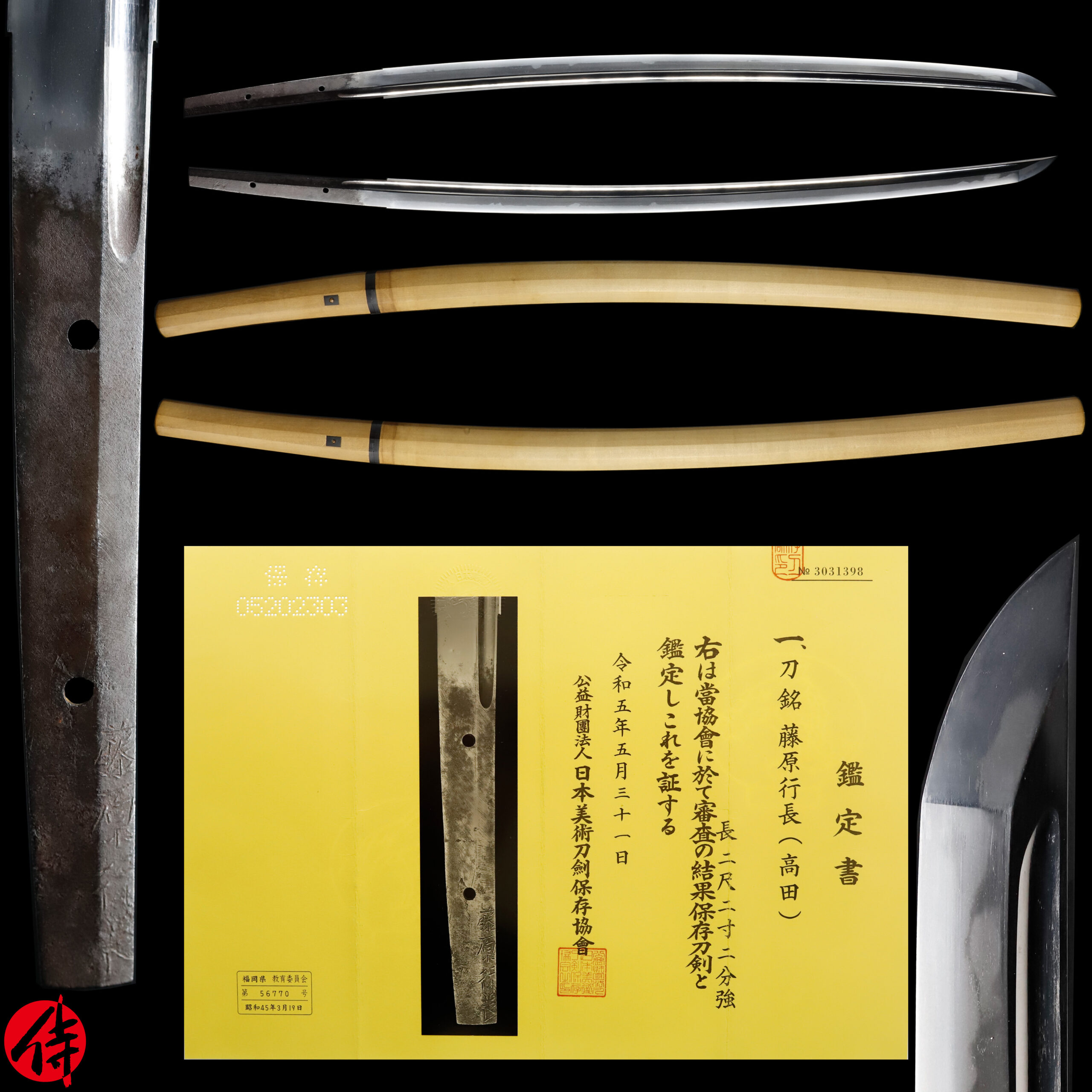
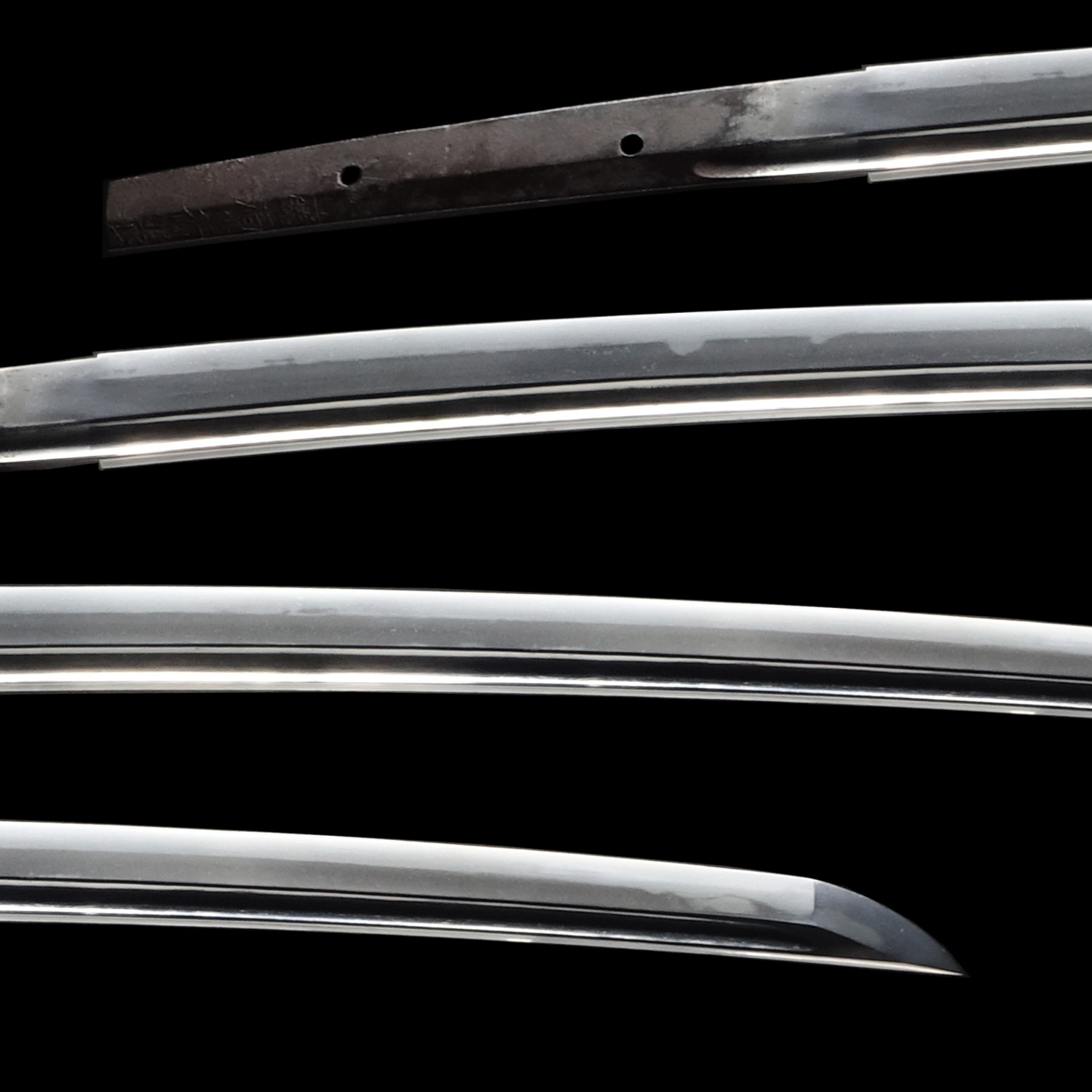
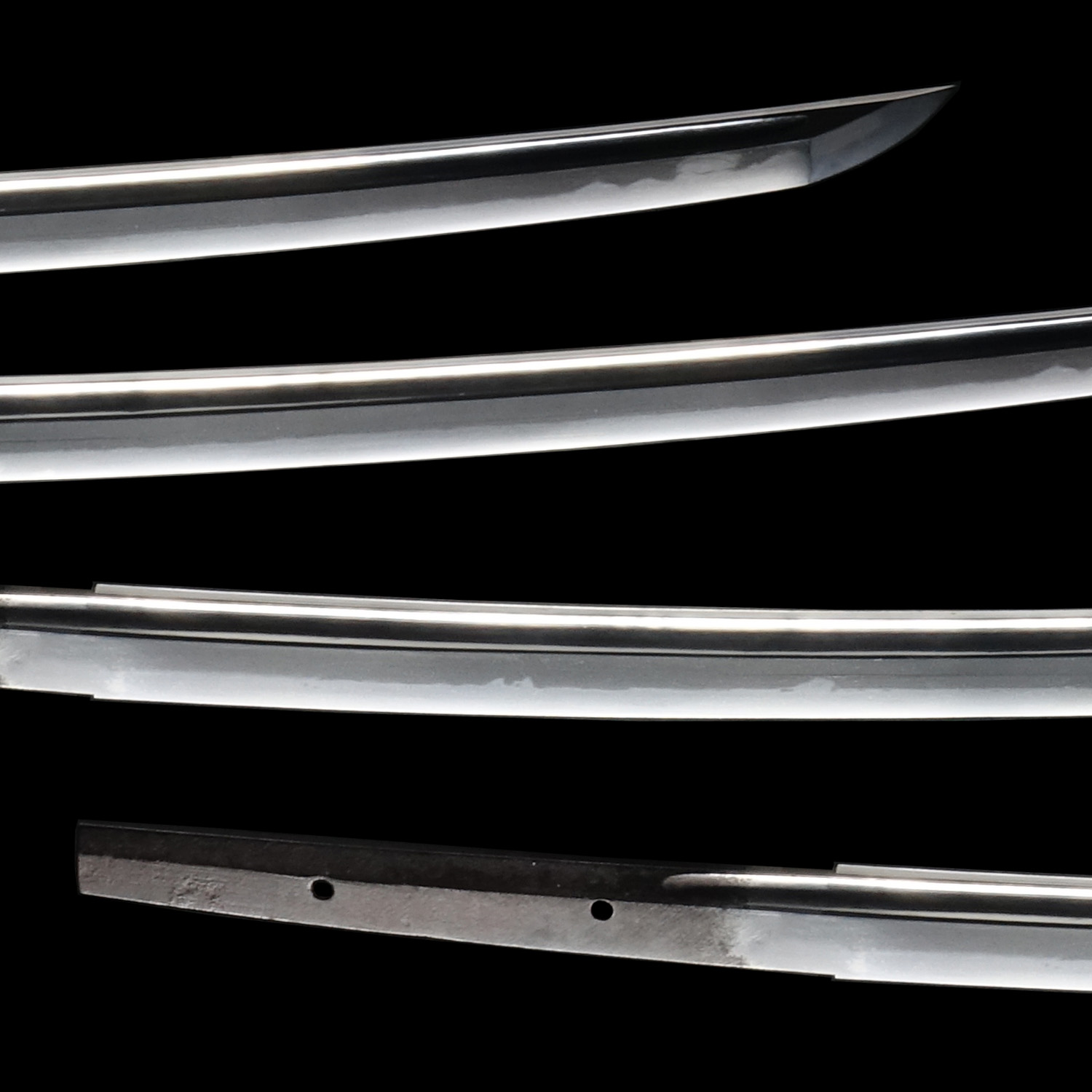
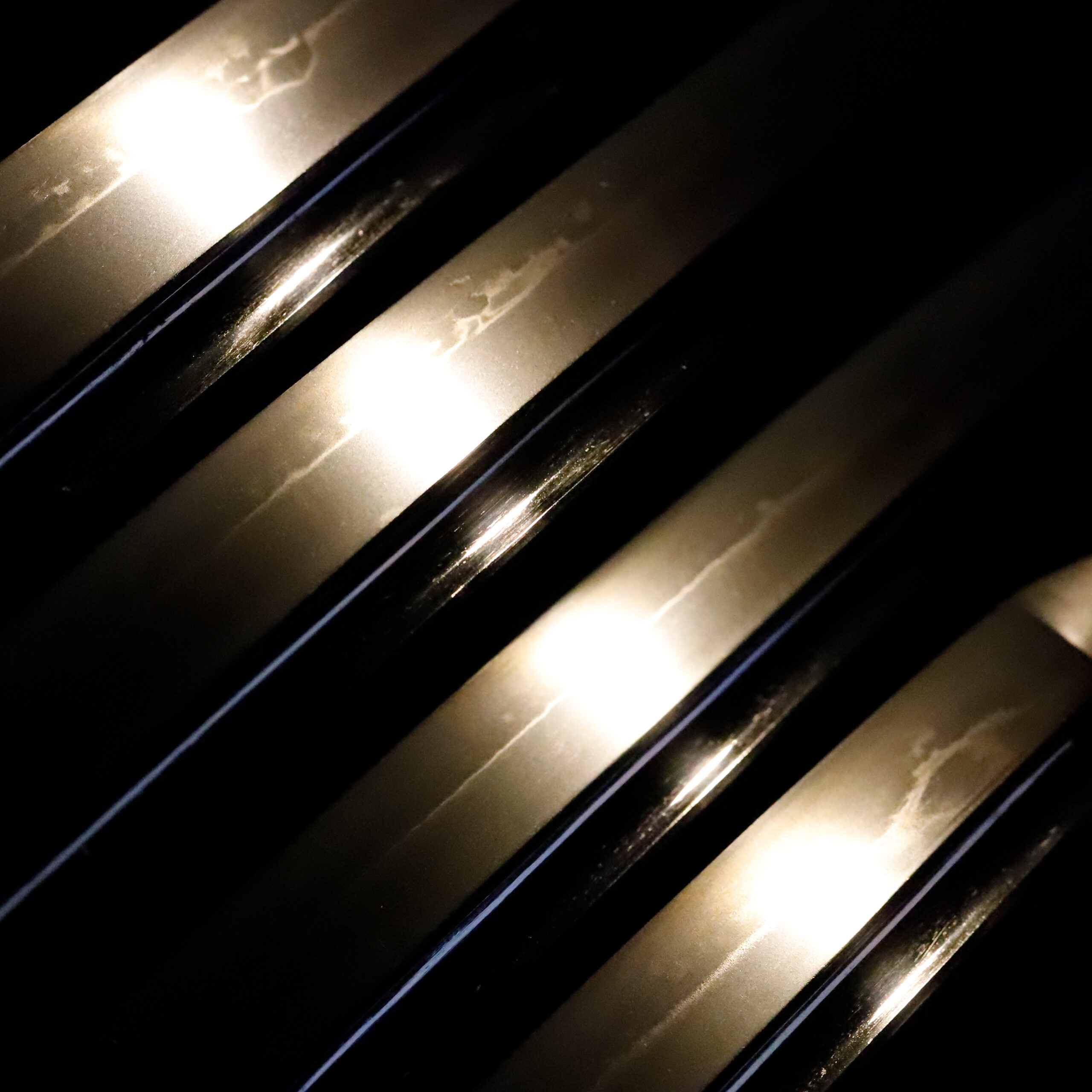
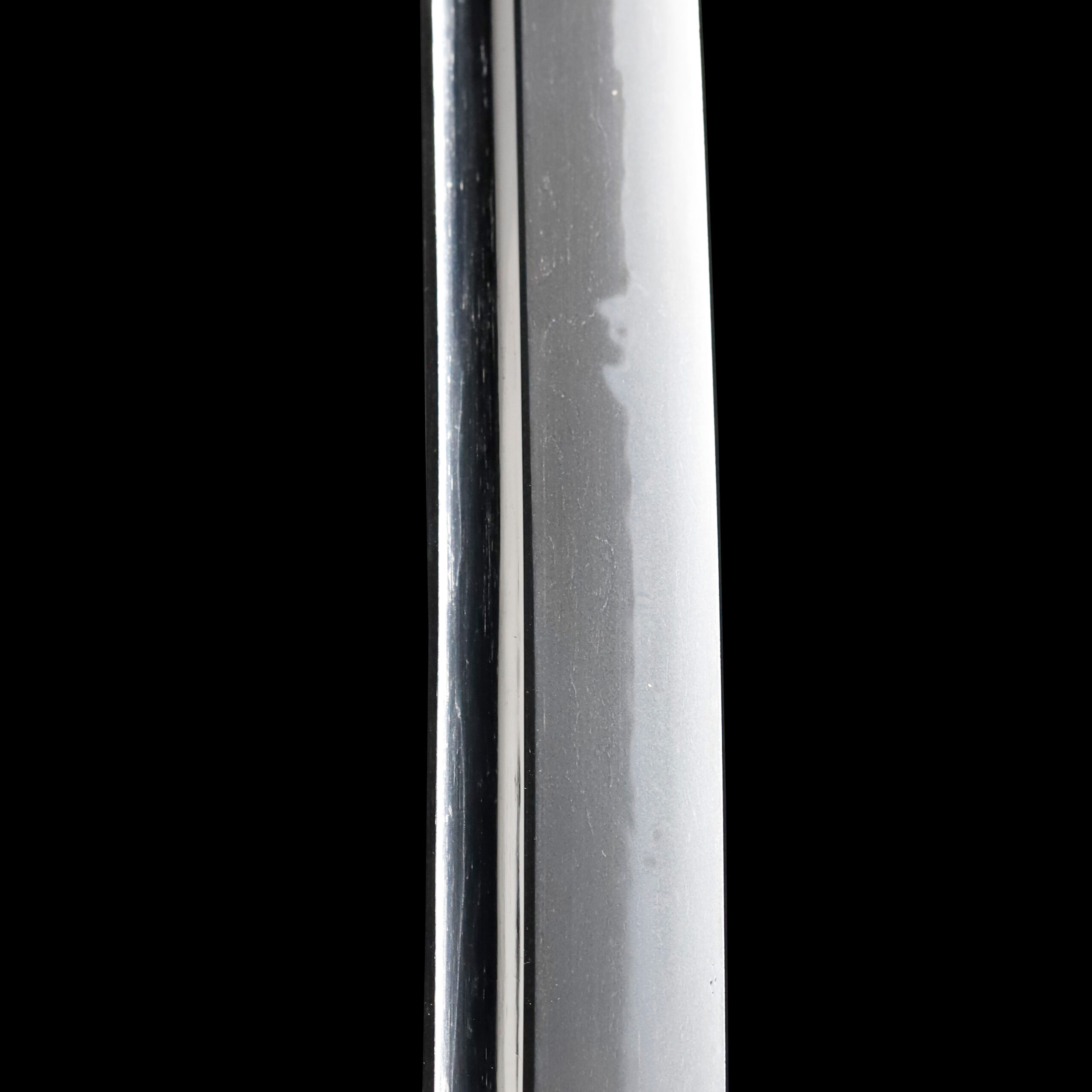
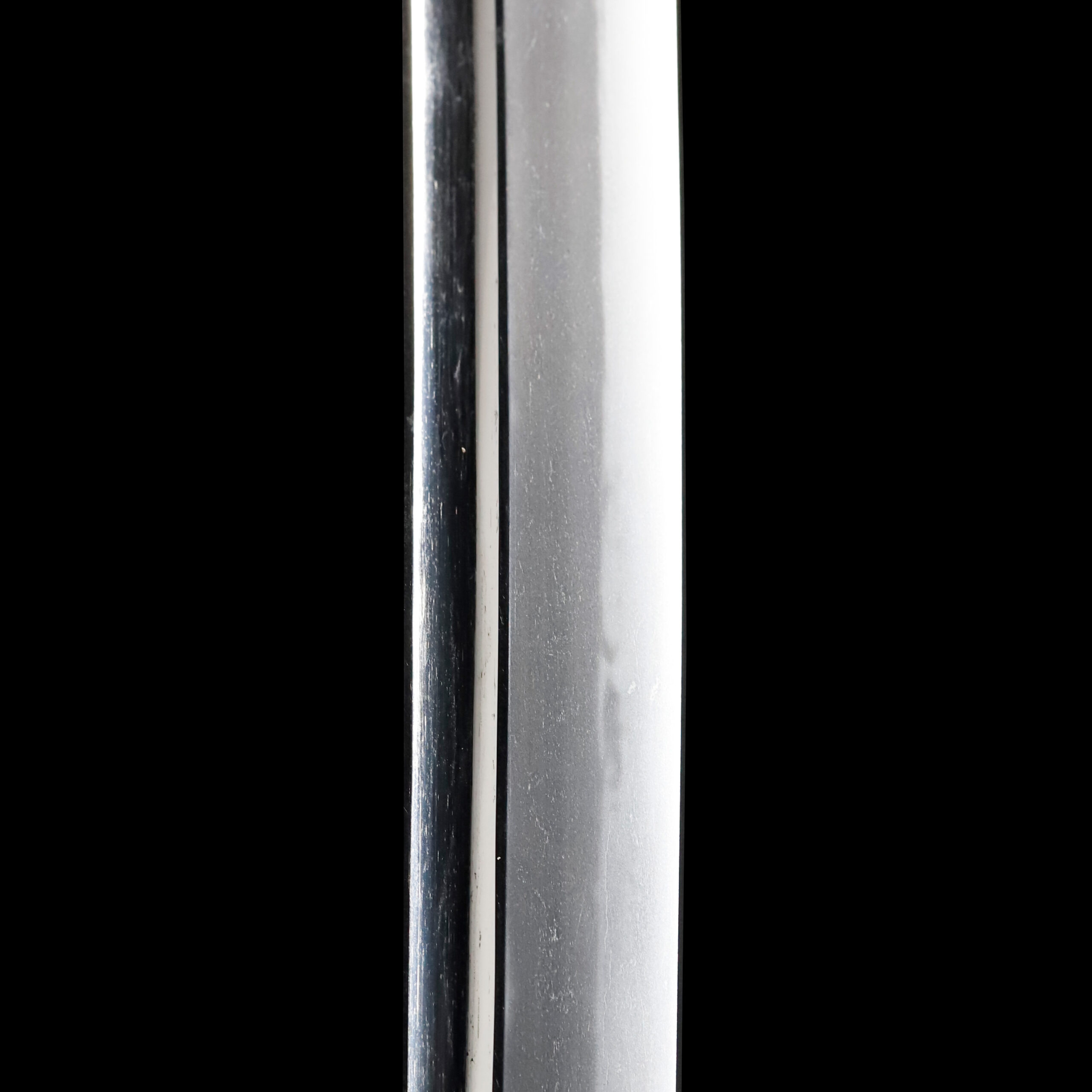
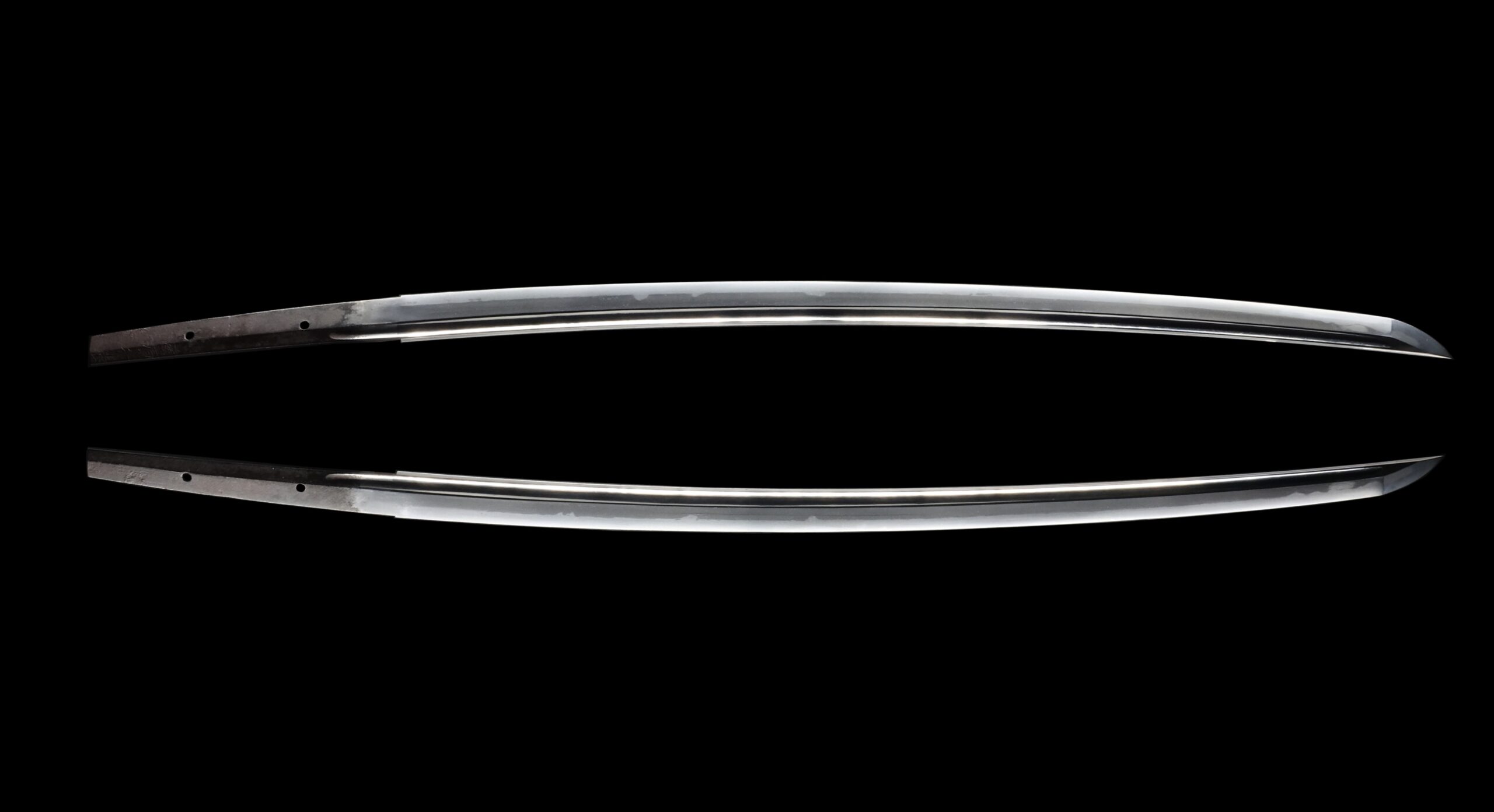
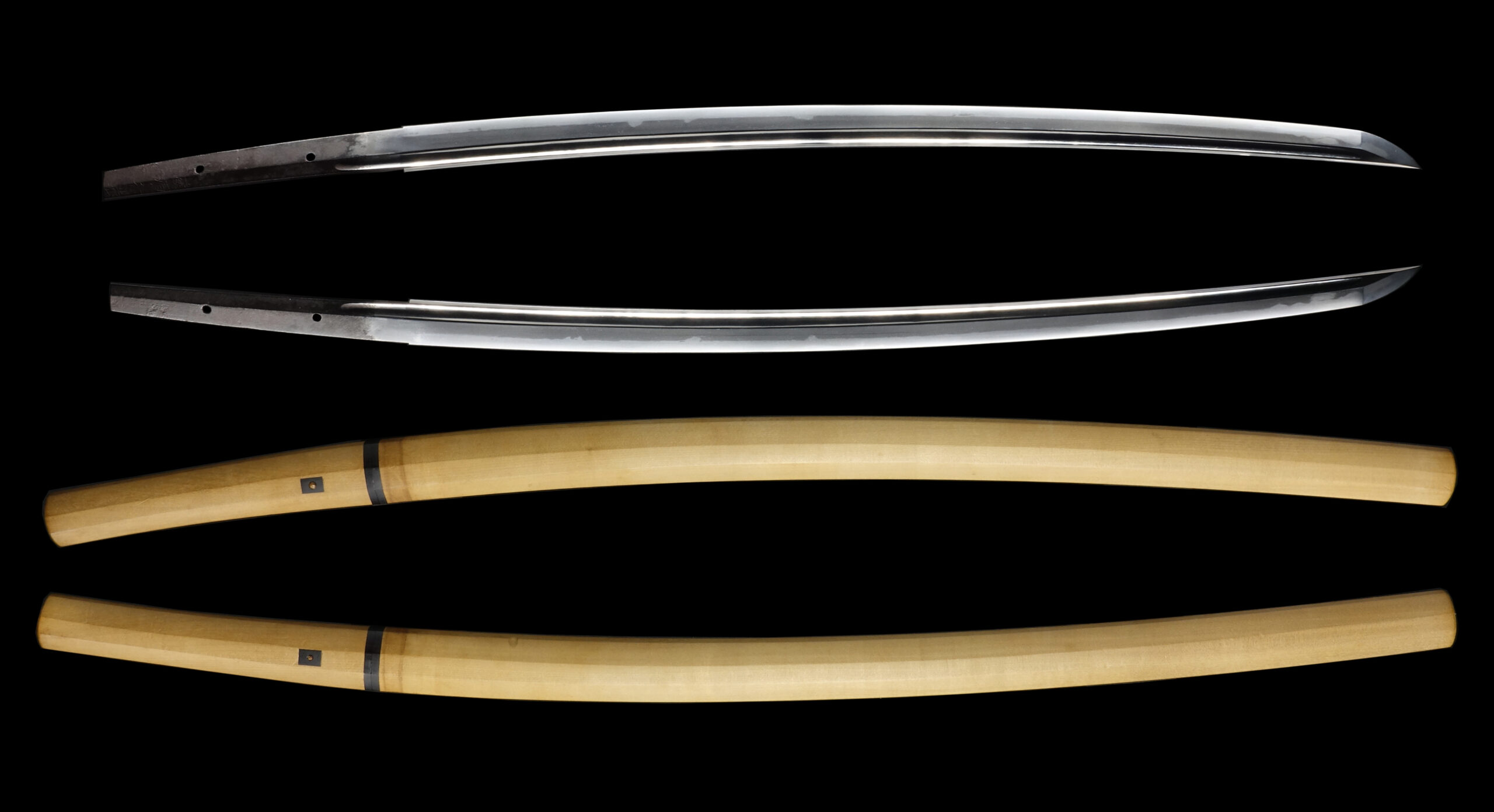
Bungo · around 1644-1648
Tōken Taikan top 87%
1 piece on the market now
The Edo period (1615 to 1868)
Edo was the sword’s age of connoisseurship: the Hon’ami appraisers, the shogunal register of famous blades of 1719, and a thriving literature turned the sword into an object of study even as it ceased to be drawn in war.
Certifies a genuine blade worth preserving: a signature confirmed correct, or, if unsigned, an era, province, and school that the NBTHK can reliably identify.
The NBTHK (Nihon Bijutsu Tōken Hozon Kyōkai, the Society for the Preservation of Japanese Art Swords) is a public-interest incorporated foundation founded in 1948 and supervised by Japan’s Agency for Cultural Affairs (Bunkachō); it is based at the Japanese Sword Museum in Tokyo. Its expert panels physically examine each submitted work (shinsa) and issue a certificate (kanteishō) ranking it by artistic and historical merit. NBTHK papers are the most widely recognized standard of authentication for Japanese swords and fittings.
NBTHK official siteReturns/exchanges limited to defects caused by shipping (except willful misconduct or gross negligence by the company); customers must contact within 72 hours of receiving the product.