Summary
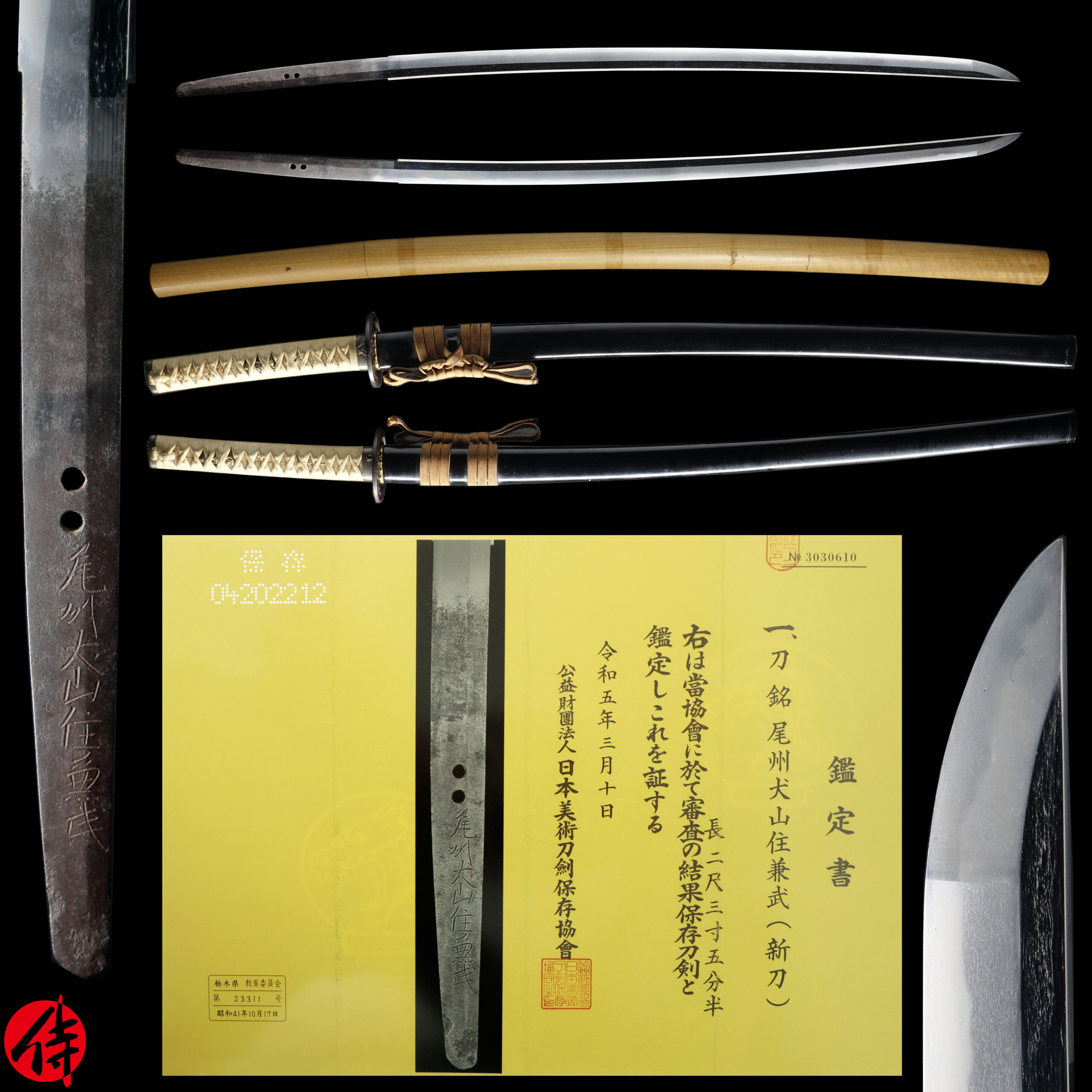
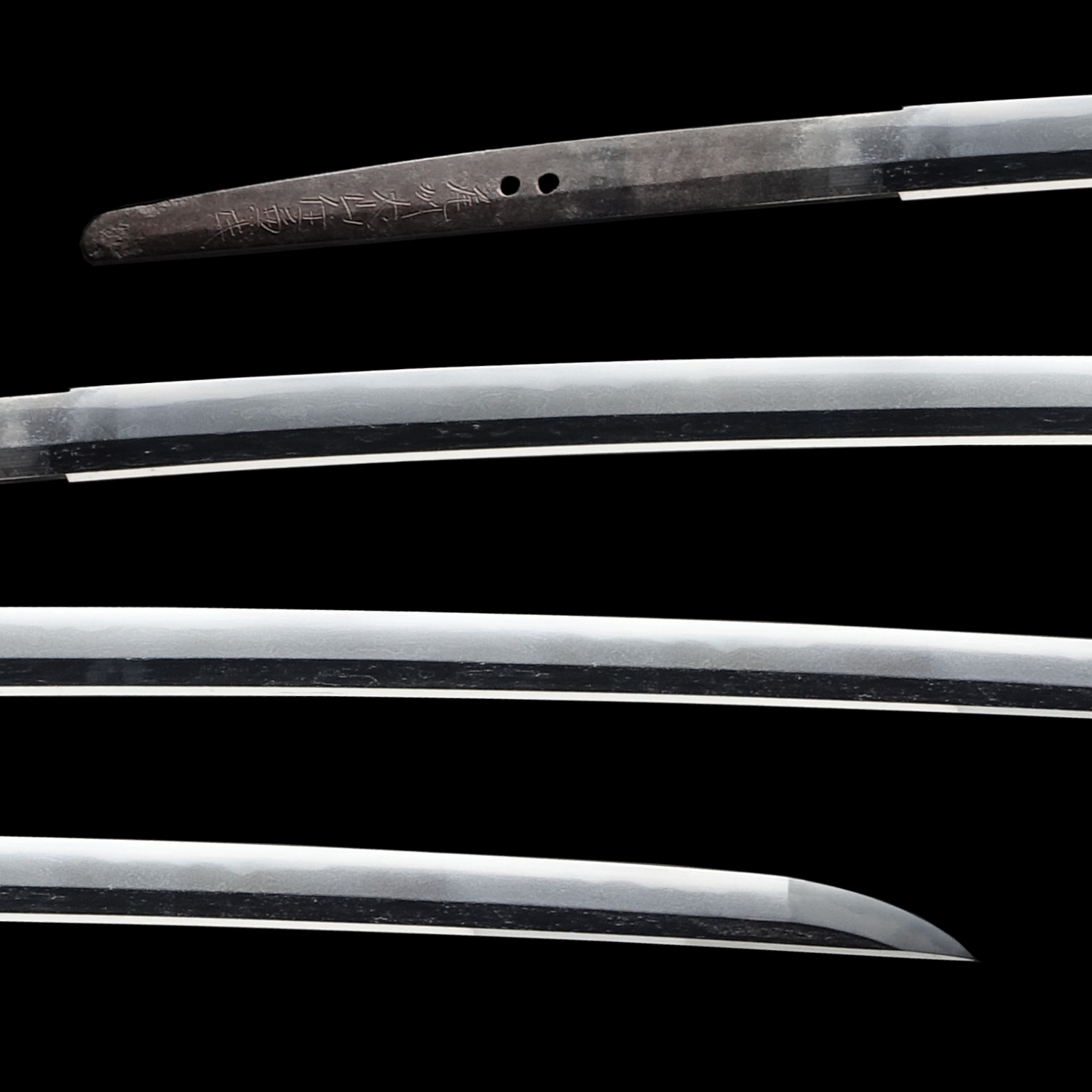
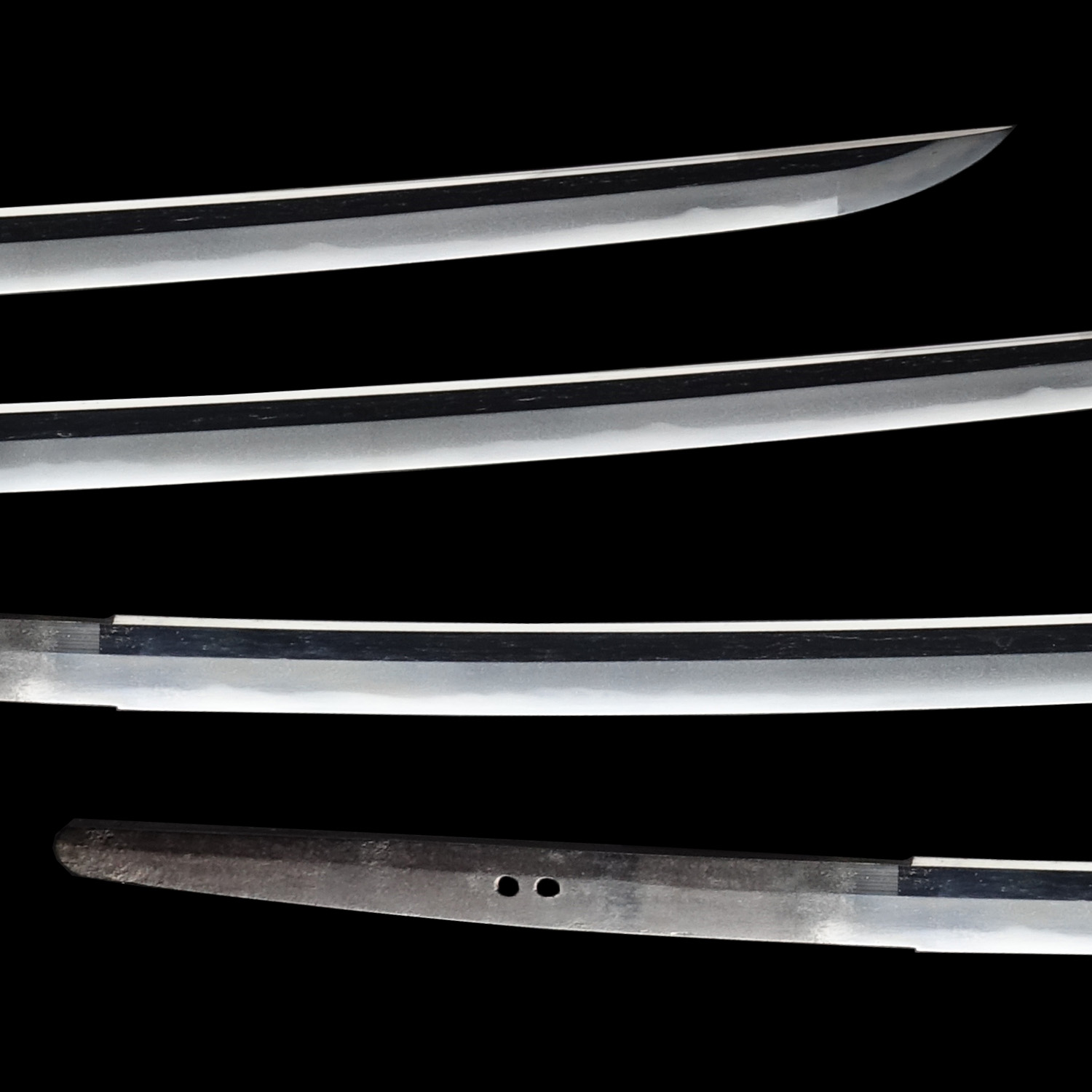
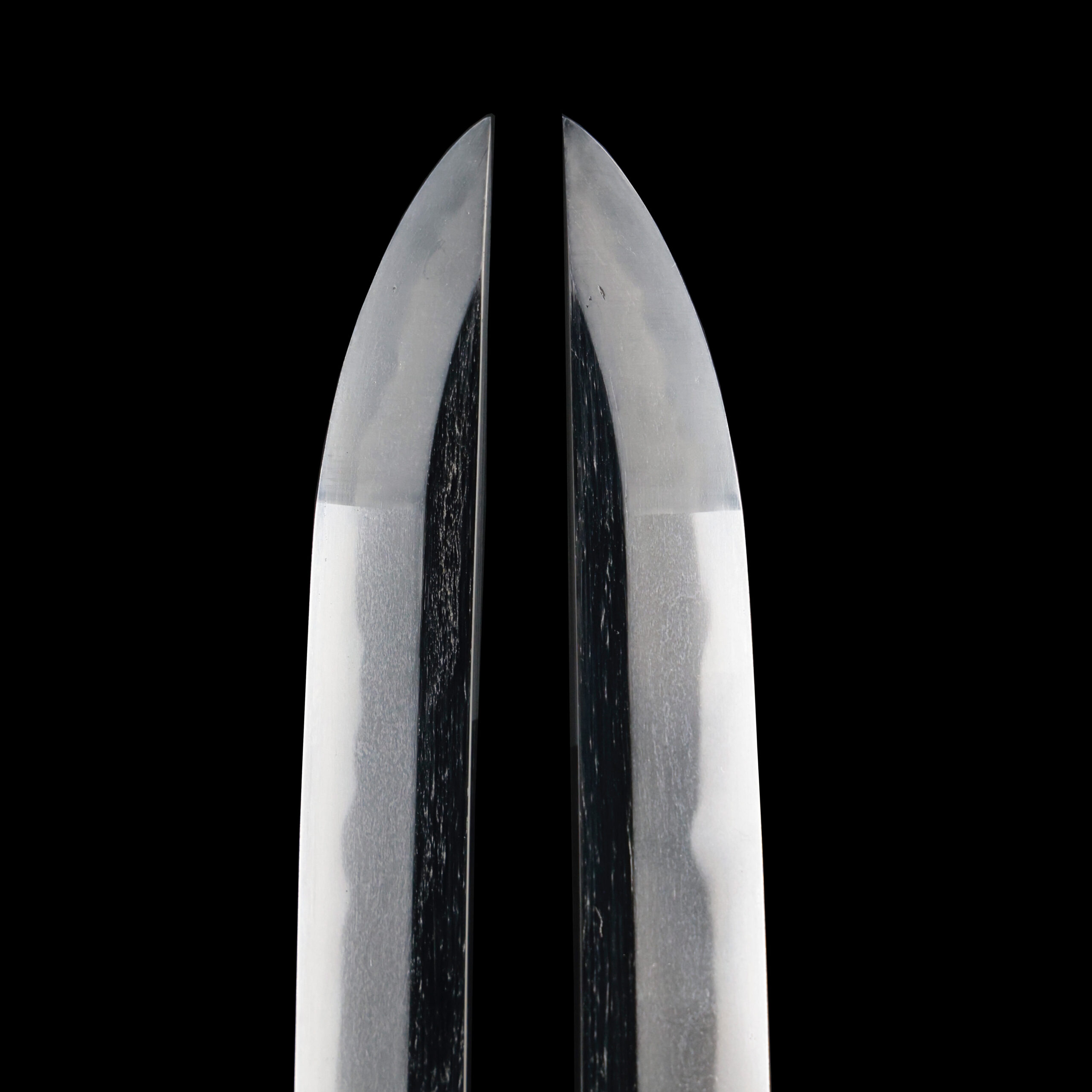
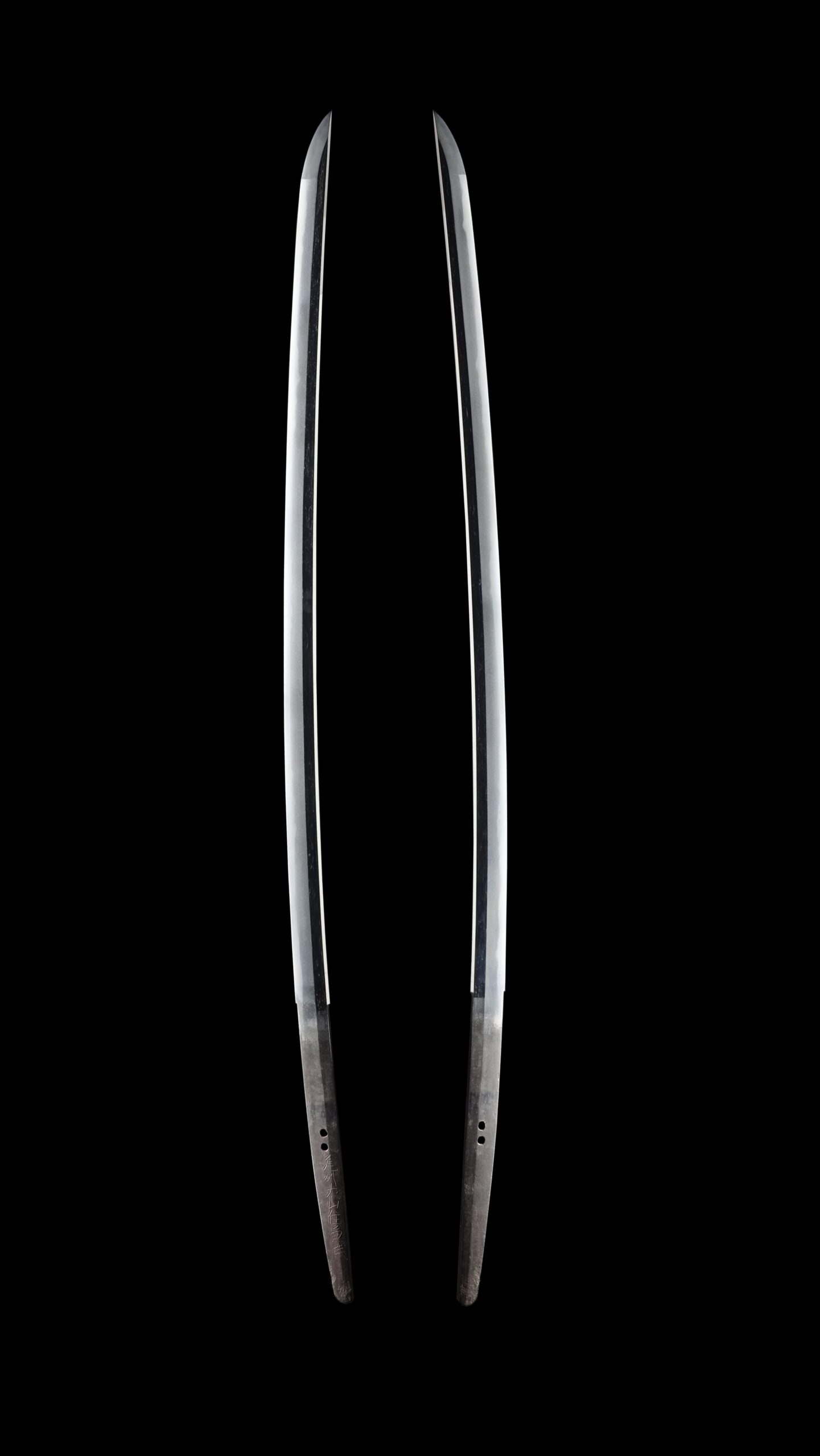
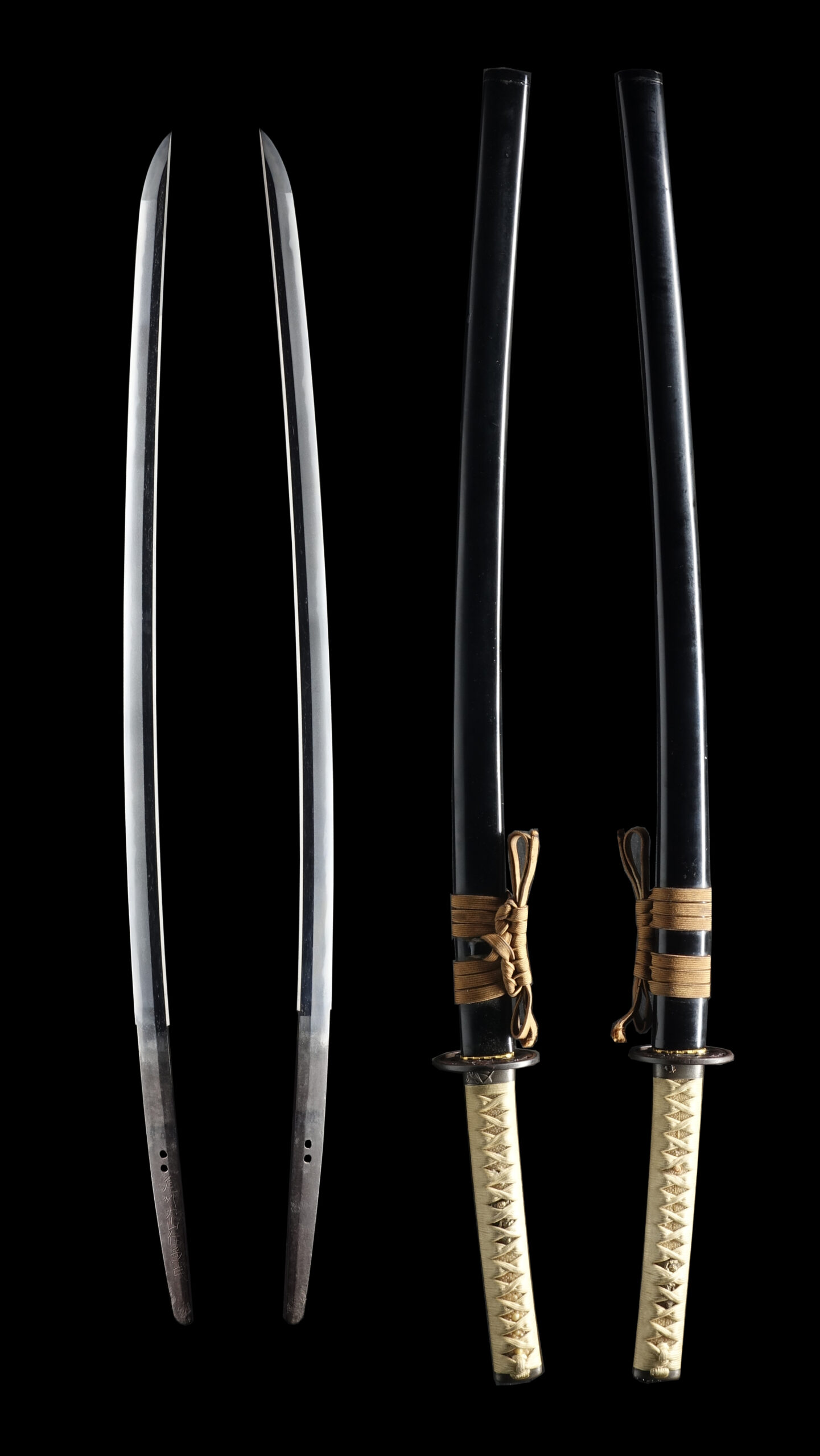
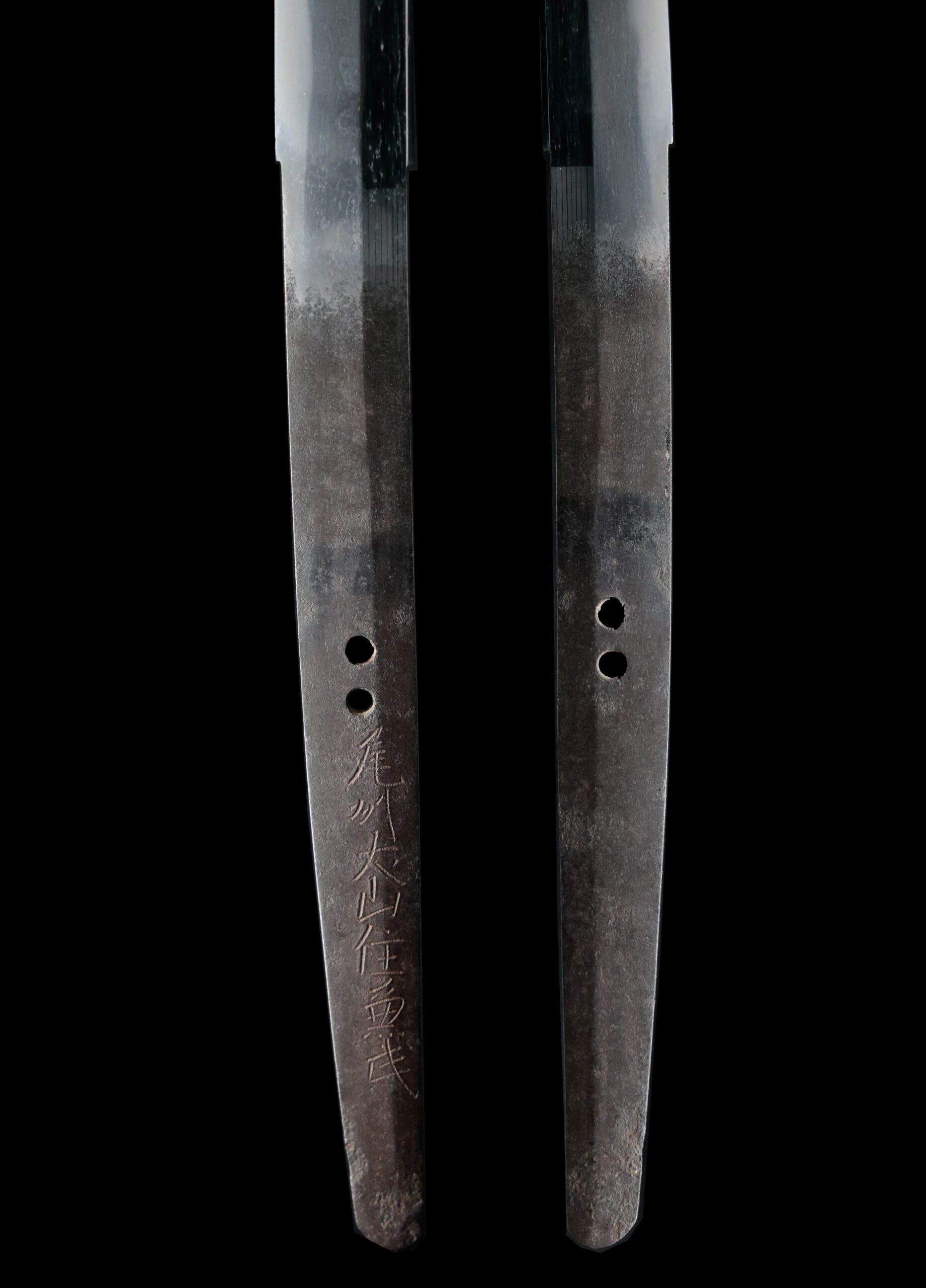
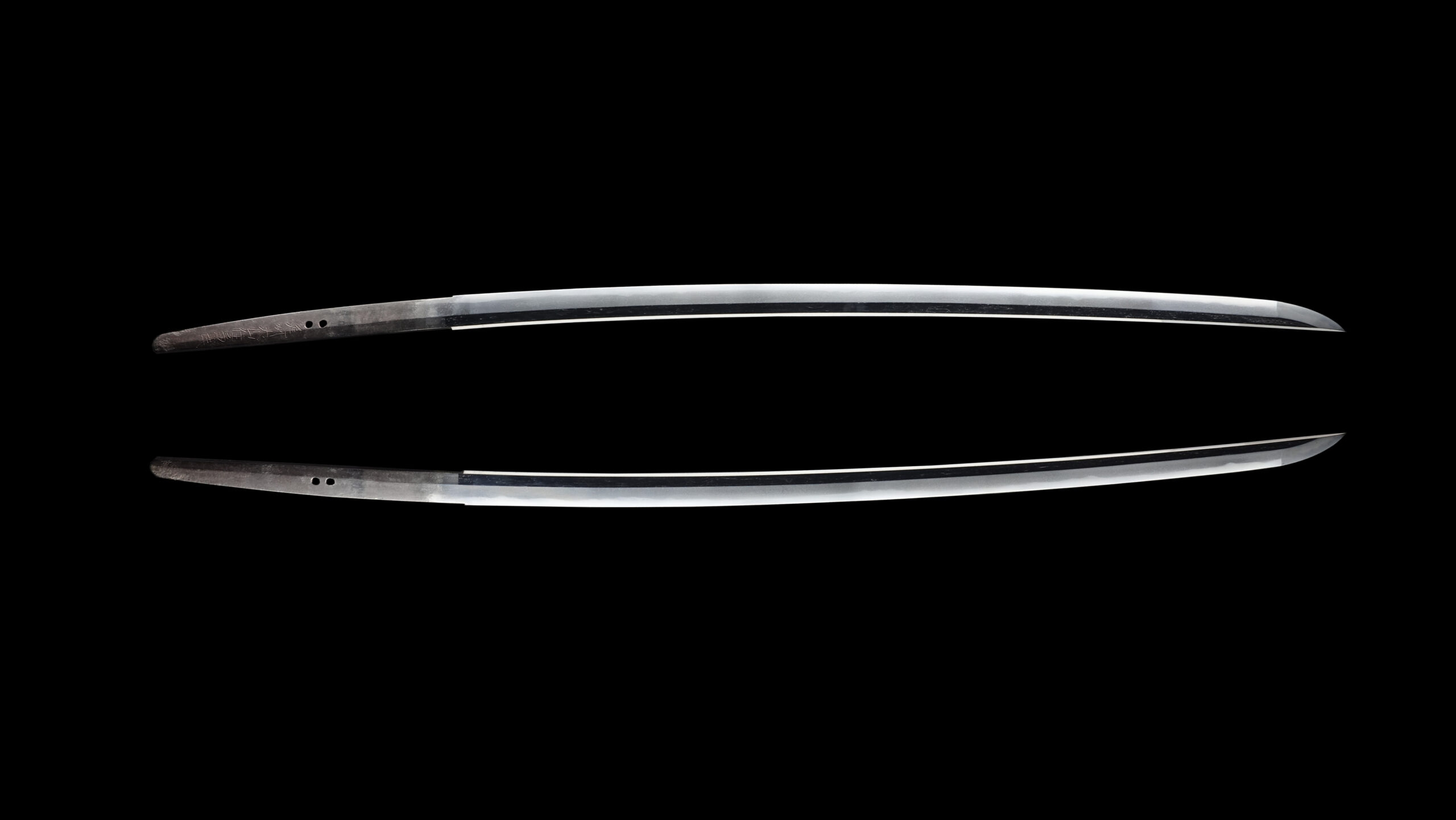
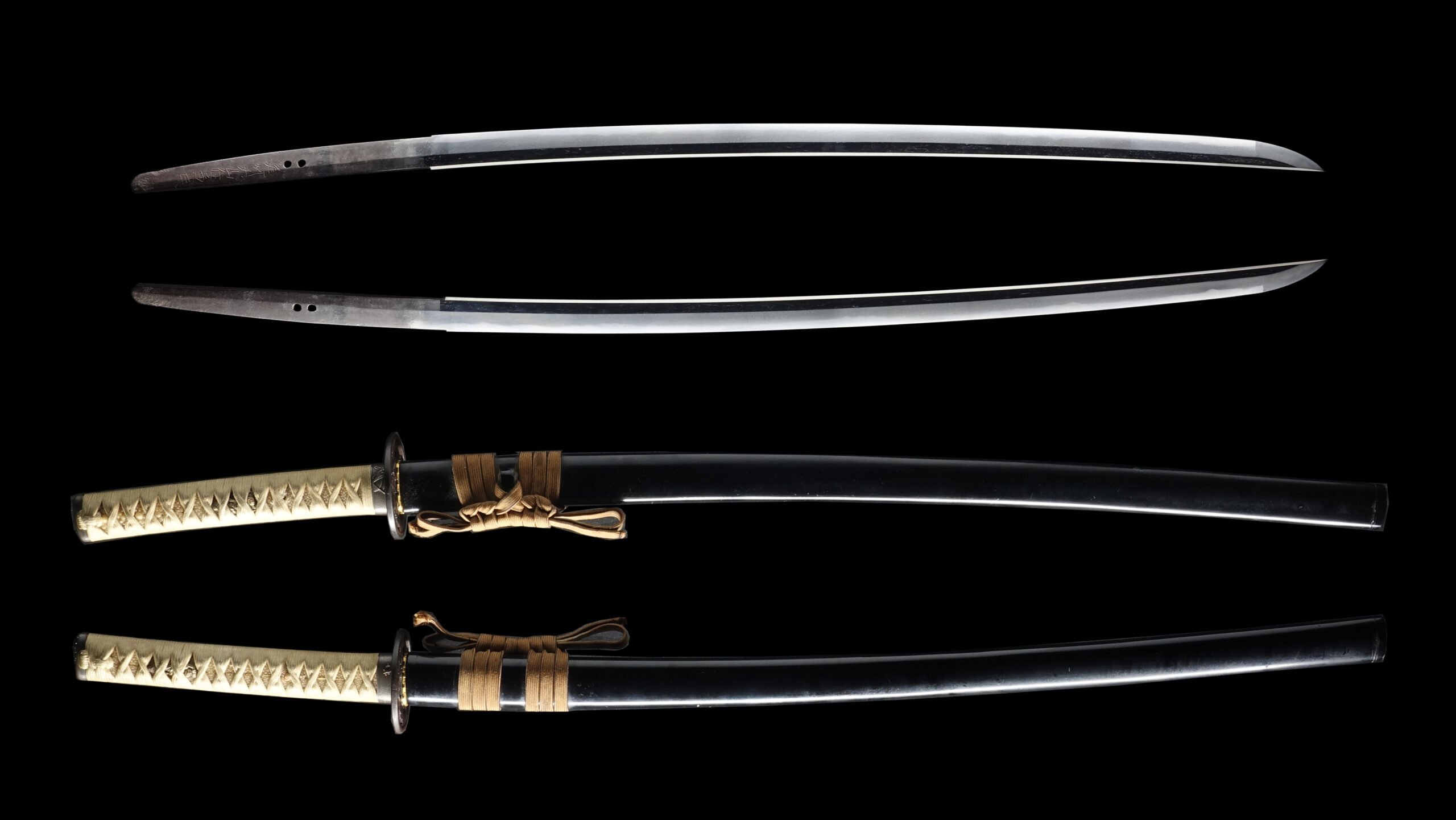
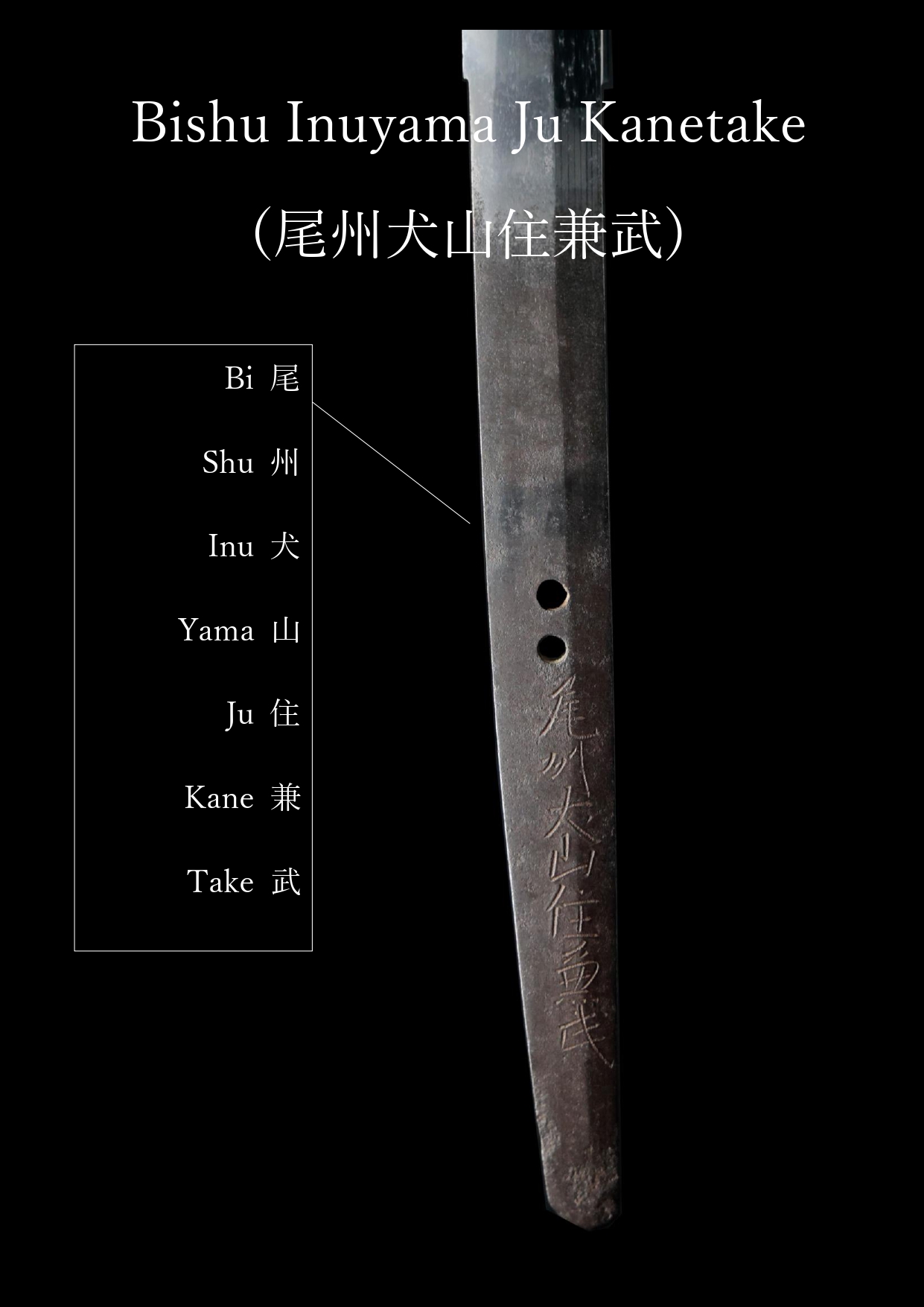
This blade was signed by Bishu Inuyama Ju Kanetake (尾州犬山住兼武). Bishu is another name for Owari province (today’s Aichi prefecture), meaning he resided in this area when he forged this blade. According to the period mentioned in the authentication paper of NBTHK, we believe it was forged by the late-gen Kanetake, who was active during the early Edo period (the mid-late 17th century).
Originally, a swordsmith named Kanetake lasted in Mino province (today’s Gifu prefecture) for generations since the late Muromachi period (the early-mid 16th century). Then, the late-gen Kanetake, active during the Azuchi Momoyama period (the late 16th century), is said to have moved to Inuyama in Owari province due to the war and founded the Inuyama school. Therefore, it is believed that the Inuyama school was influenced by the Mino-style tradition of sword forging. The swords forged by the late-gen Kanetake, active in the early Edo period, are said to be rare and have dynamic characteristics.
As Owari province was active in martial arts during the early Edo period, there was much demand for swords among high-class Samurai. And there were quite a few renowned swordsmiths in Owari province, but many of them only forged blades for the Owari domain. Owari domain was known as Tokugawa Gosanke (徳川御三家) and had powerful political power, closely connected to Tokugawa Shogunate in Edo city.
Mino Province
Mino Province is one of the most famous and historical sword-forging sites. There were so many schools forging blades during the Samurai period. It especially prospered during Sengoku Jidai (Warring State period) due to the high demand for weapons. And the location of Mino province beat others. Akechi Mitsuhide controlled Mino province, Nobunaga Oda ruled Owari province, and Tokugawa Ieyasu was the lord of Suruga (Neighboring areas). There was high demand from those powerful feudal lords and their retainers.
Furthermore, many wars occurred between the Kanto region and the Kyoto area. Mino is located in the middle, making feudal lords feel convenient to order swords from MINO swordsmiths. Many feudal lords demanded swords forged in the Mino province. The blades forged in MINO provinces also had a reputation for their practical design and sharpness.
The tradition of excellent sword forging skills had been passed throughout the Edo period. And, to look for better opportunities, many swordsmiths in Mino province moved to other parts of Japan, such as Owari province, located right next to Mino province. Those who moved to Owari from Mino are called Owari Seki.
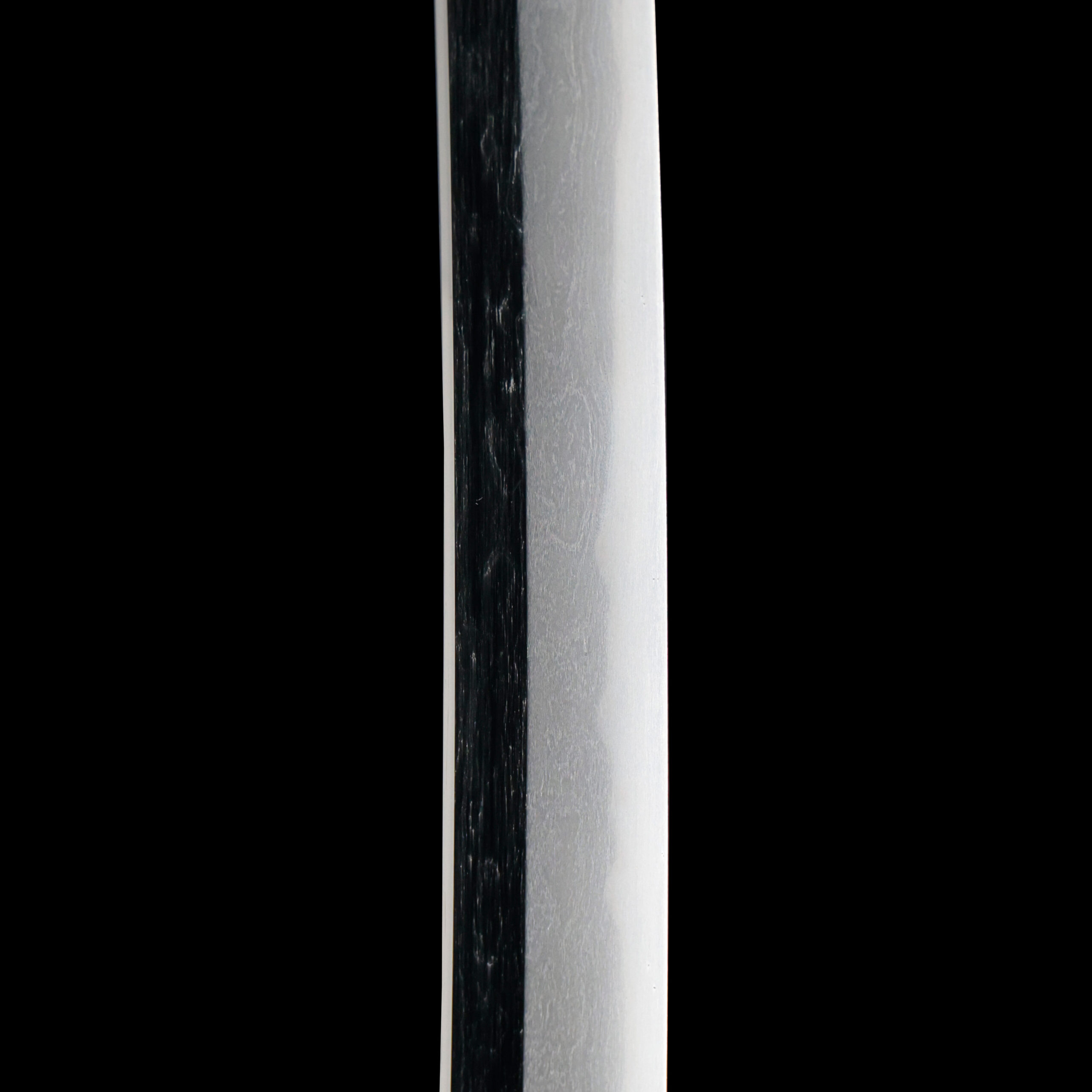
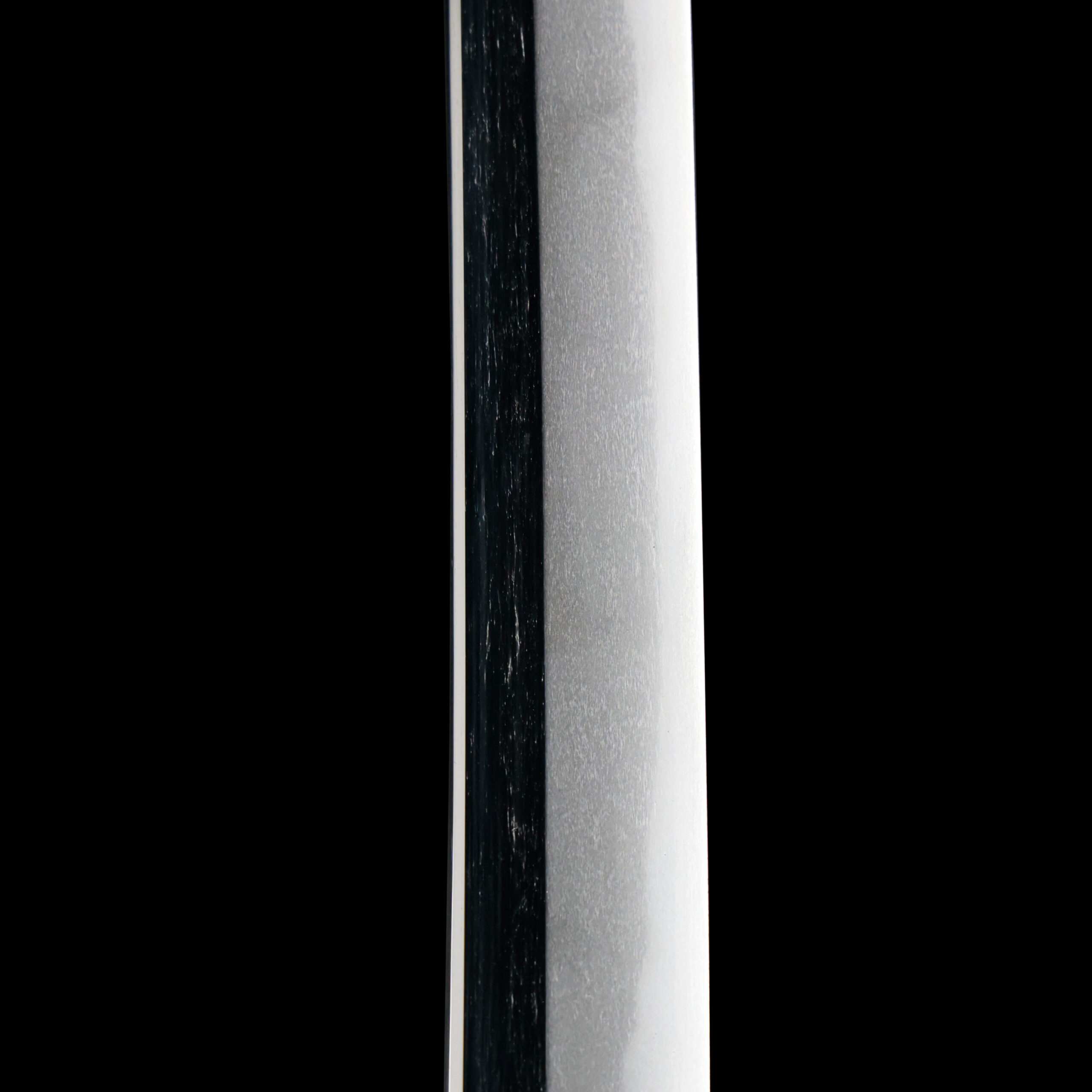
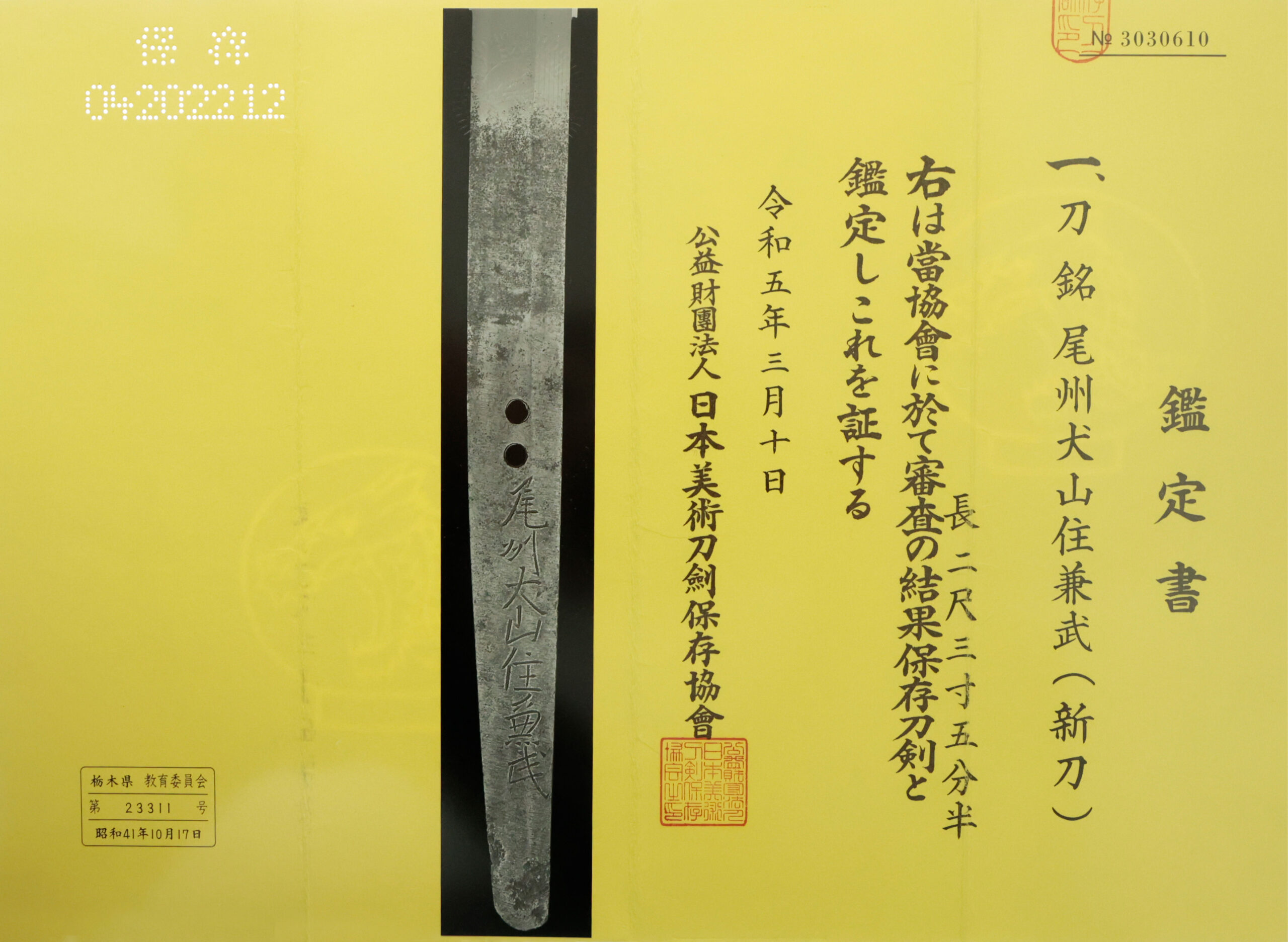
It is appraised as a Hozon Token (保存刀剣) issued by NBTHK (Nihon Bijutsu Touken Hozon Kyokai:日本美術刀剣保存協会).
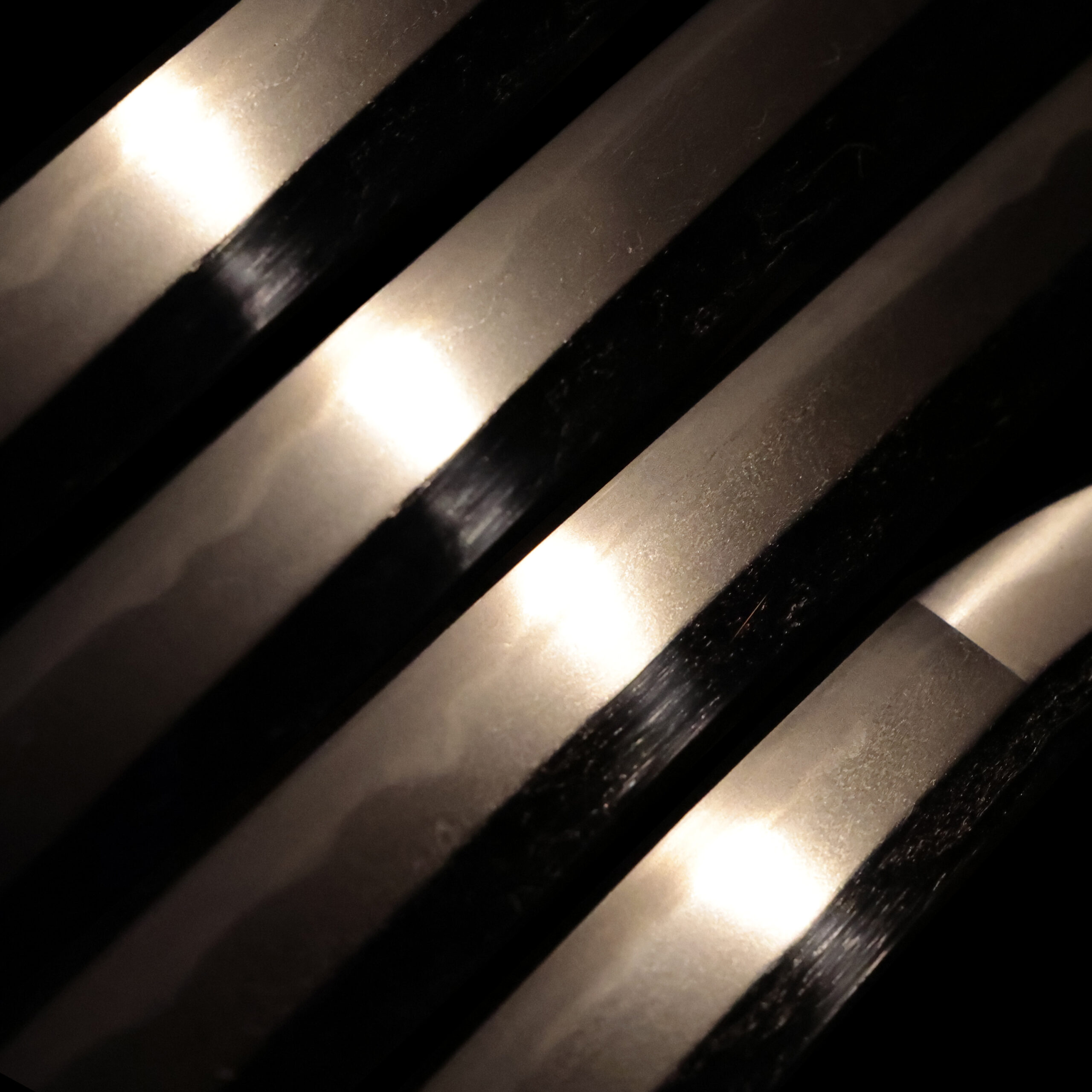
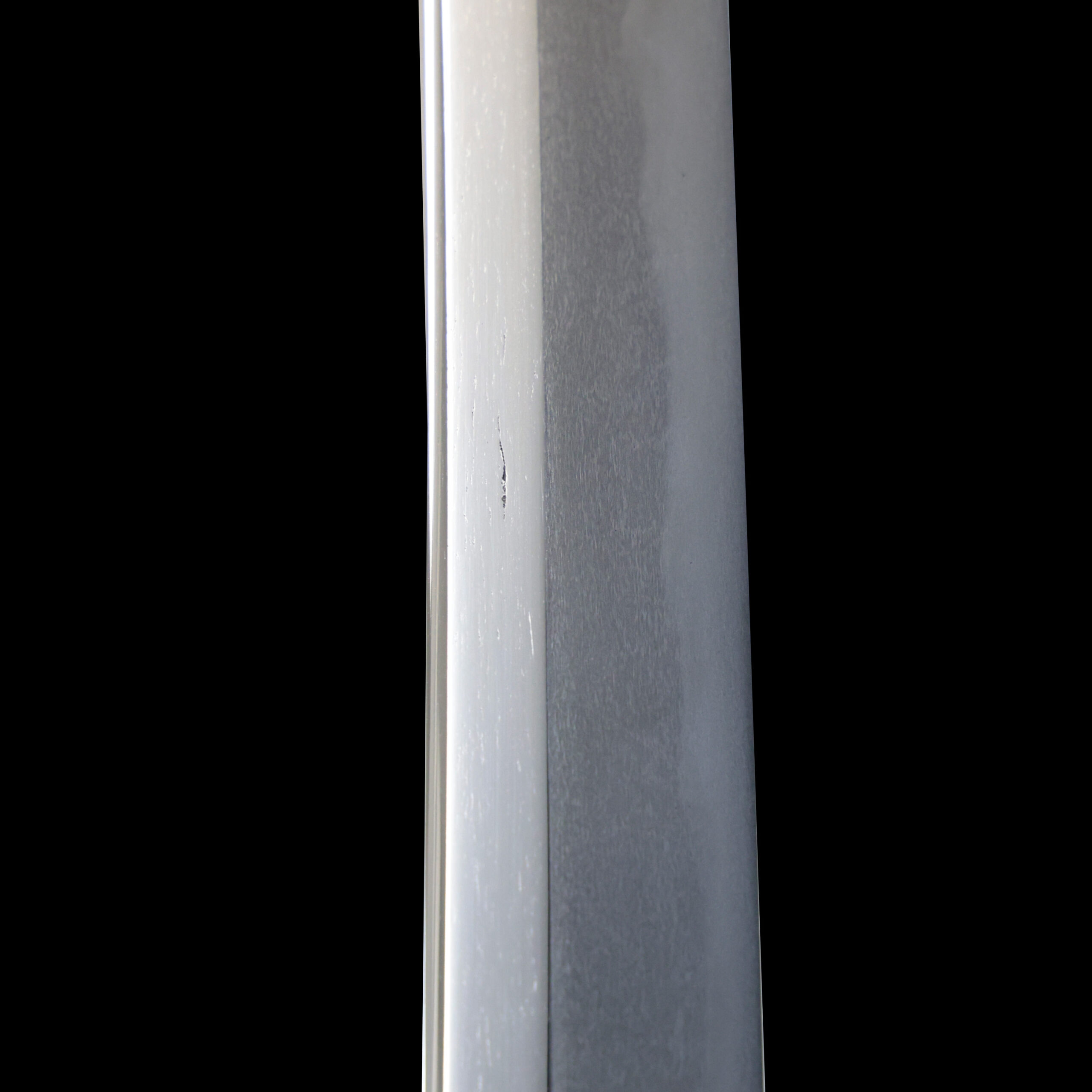
*Please keep in mind that there is a couple of Kitae Kizu on the blade.
Fuchi-Kashira
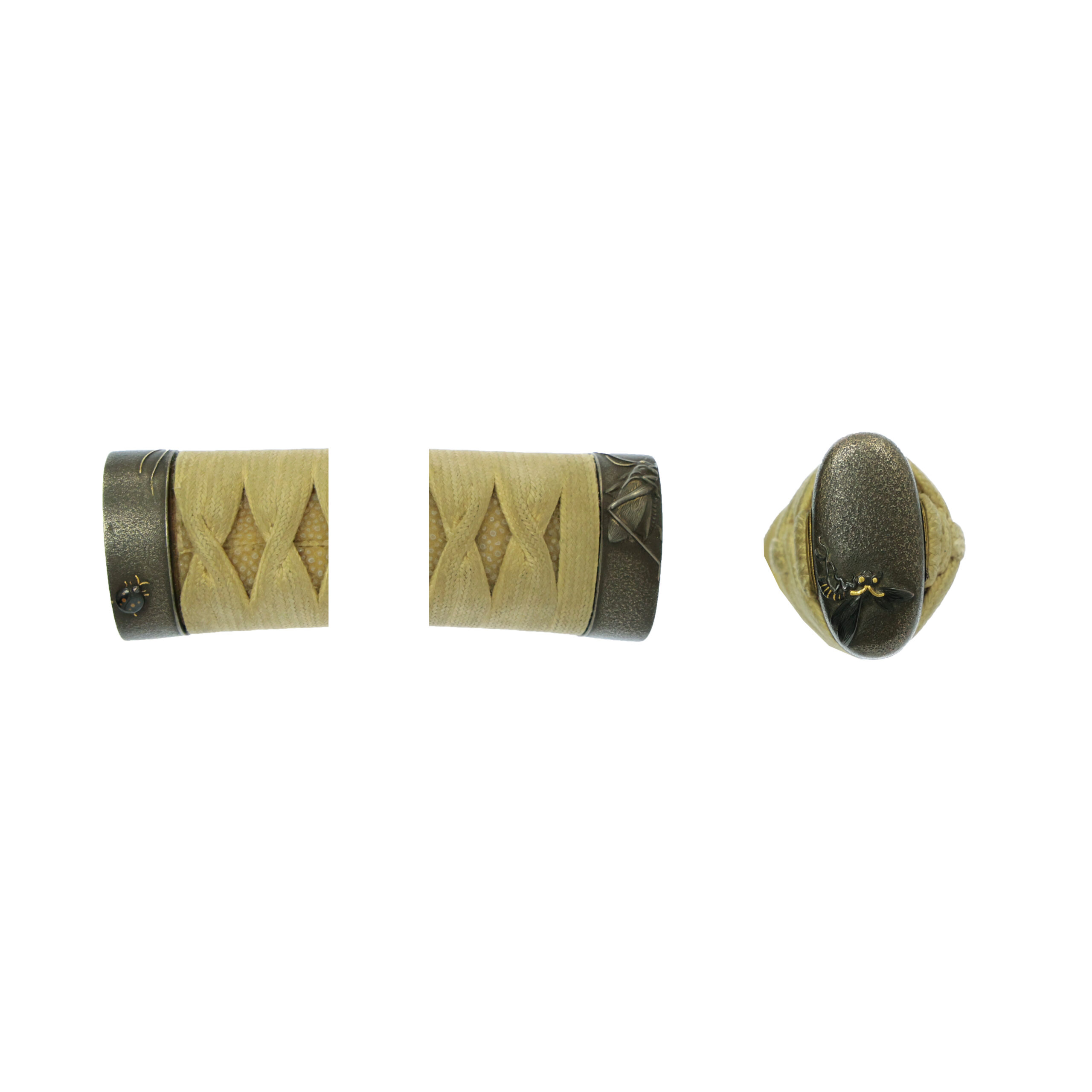
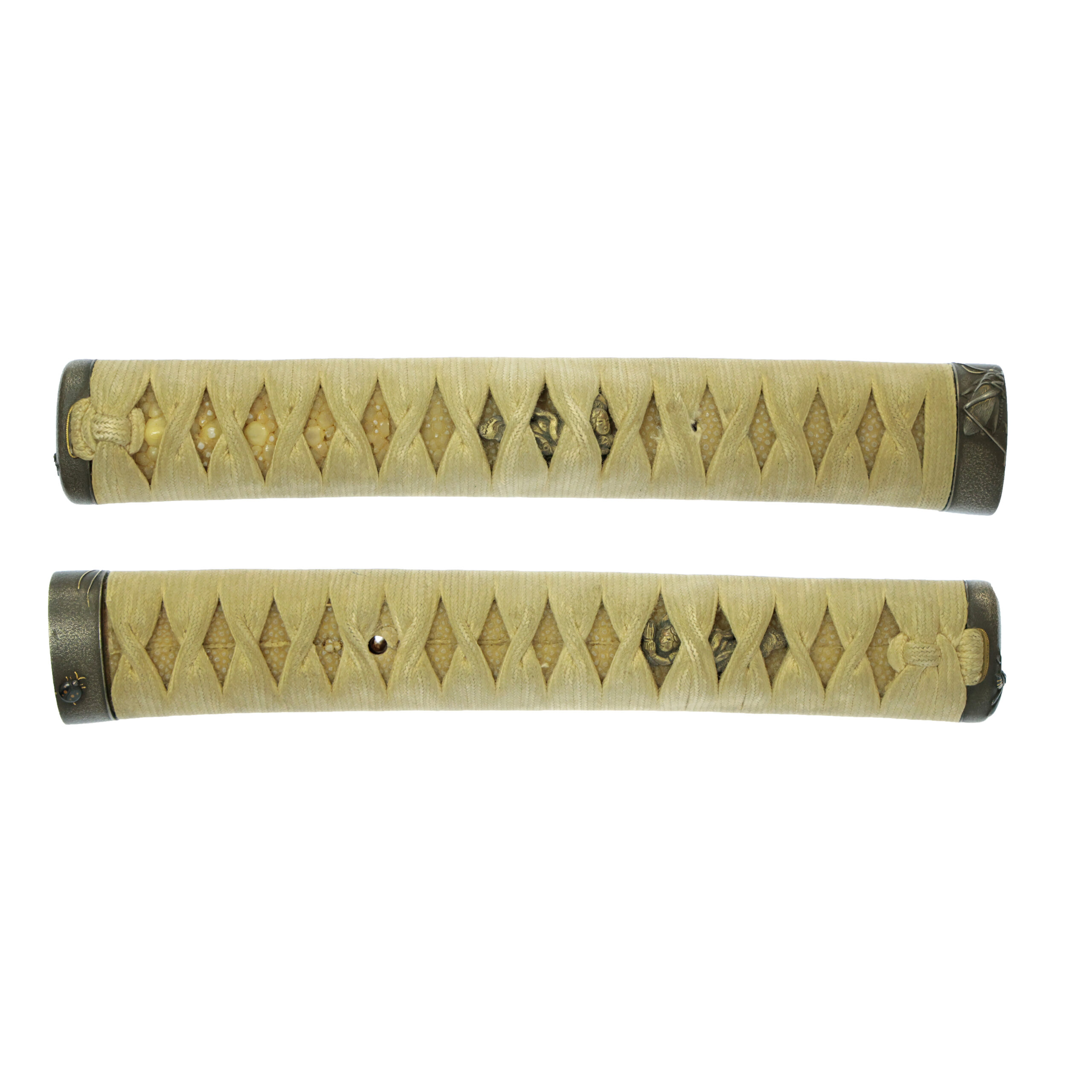
The motifs of this Fuchi-Kashira are insects, such as a dragonfly (蜻蛉, Tonbo), a grasshopper (バッタ, Batta), and a ladybug (天道虫, Tentomushi).
Dragonflies have been inhabited in Japan for a long time. Since they prey quickly, their heroic figure was sometimes the object of belief. The dragonfly was called the Kachimushi (勝ち虫, winning insect) during the Warring States period because of its fearless character. Dragonflies fly around fast to catch pests, moving only forward, not backward. Therefore, people thought the behaviors of this insect showed the spirit of Futaiten (不退転); it is a state of mind or a state in which a person has some conviction and does not give in to difficulties. It is very persuasive that Samurai warriors cherished this design as an auspicious motif because of the spirit that Samurai should be prepared for the battlefields. Not only for sword mountings, dragonfly patterns were also incorporated into various items such as helmets, armor, battle coats, etcetera.
Grasshoppers have been regarded as symbols of good luck, prosperity, and freedom since ancient times. And the ladybug is written as 天道虫 in Japanese. It is said that this name comes from its flight upward toward the sun or heaven. Tendomushi have been also said to be messengers of the god and considered lucky insects.
Tsuka and Menuki
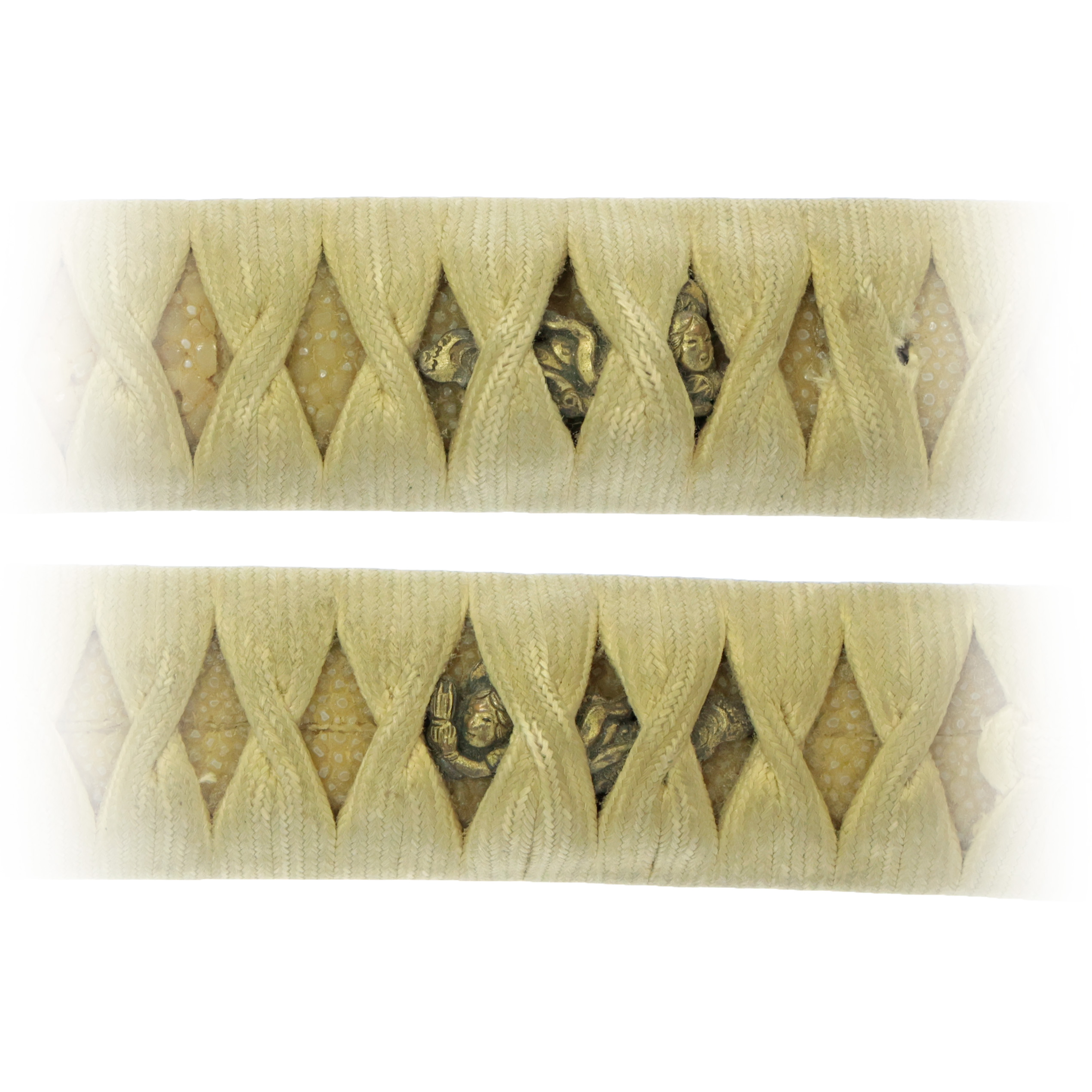
We assume the motif of this Menuki is the Tennyo (天女, celestial maiden). We also estimate one celestial maiden is holding an instrument called the Sho (笙), which is described as the sound of light coming from the heaven, and the other celestial maiden is holding a flower. The celestial maiden appears in one of the legends called the Hagoromo Densetsu (羽衣伝説, legend of the robe of feathers), which exists in many parts of the world.
Tsuba and Habaki
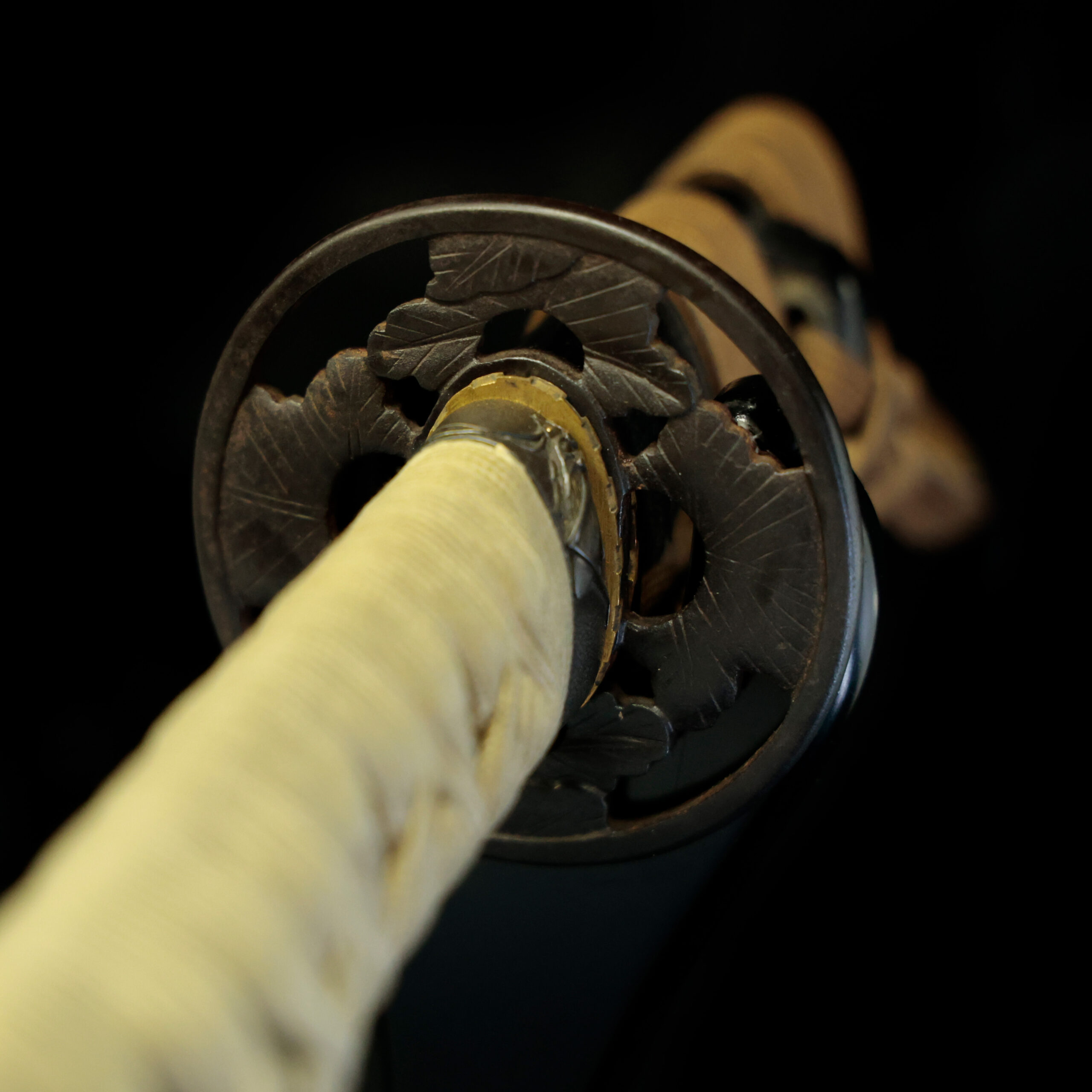
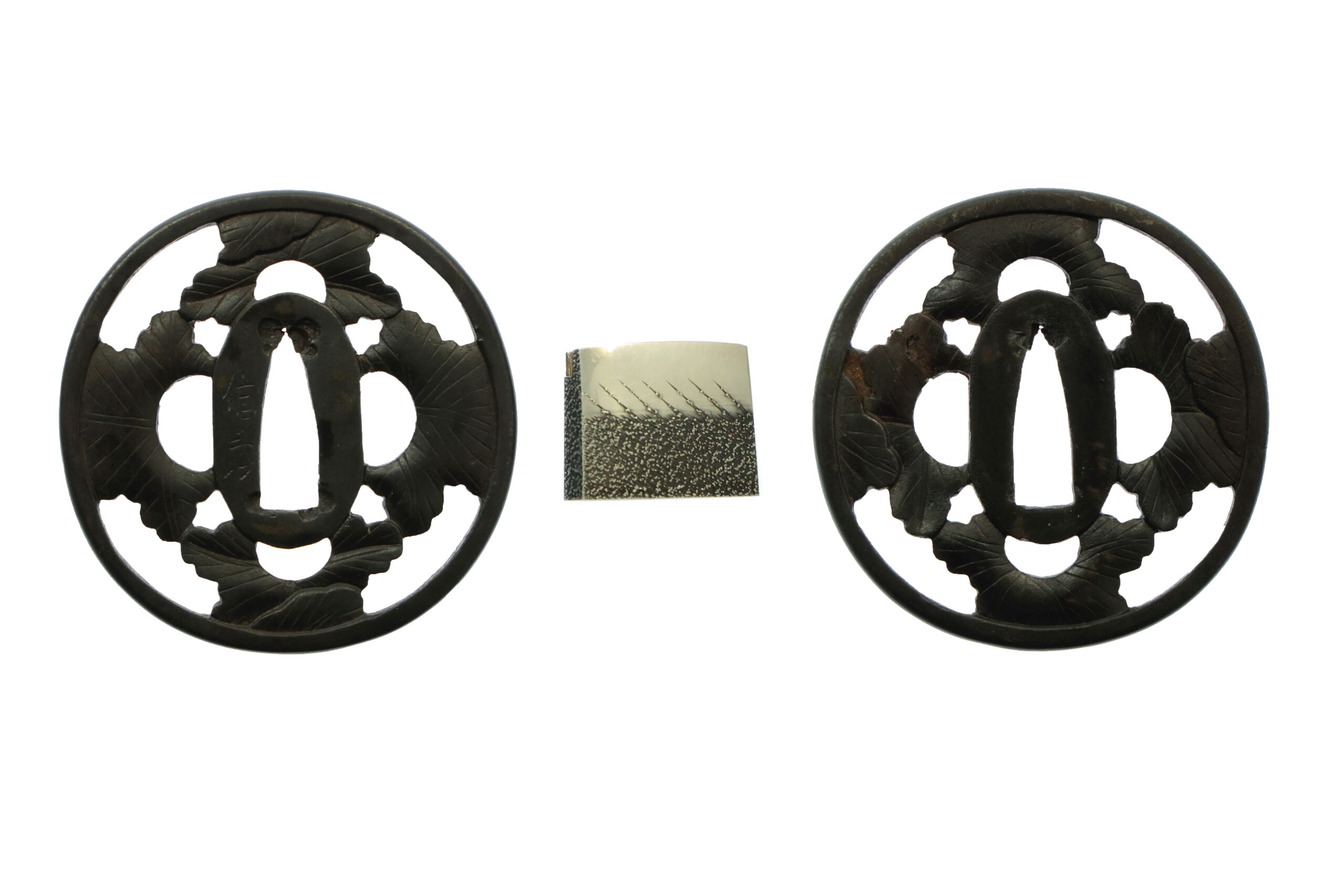
We estimate this Tsuba represents some kind of plant leaves. Judging from the characteristic, it seems to be chrysanthemum (菊, Kiku). A long time ago, the chrysanthemum was used as a medicine for obtaining a long life in China, and it was brought to Japan with this thought in the Nara period (648-781). Chrysanthemum is one of the flowers which symbolizes fall, and people appreciate it very much since ancient times. As its petals form radially, the chrysanthemum has been likened to the sun. That is why this flower pattern is treated as the symbol of perpetual youth and longevity or good health. “Kiku no Gomon (菊の御紋)” is a kind of chrysanthemum pattern, and it has been used as the crest of the Emperor and the royal family in Japan so that it is well-known as a noble pattern.
Saya
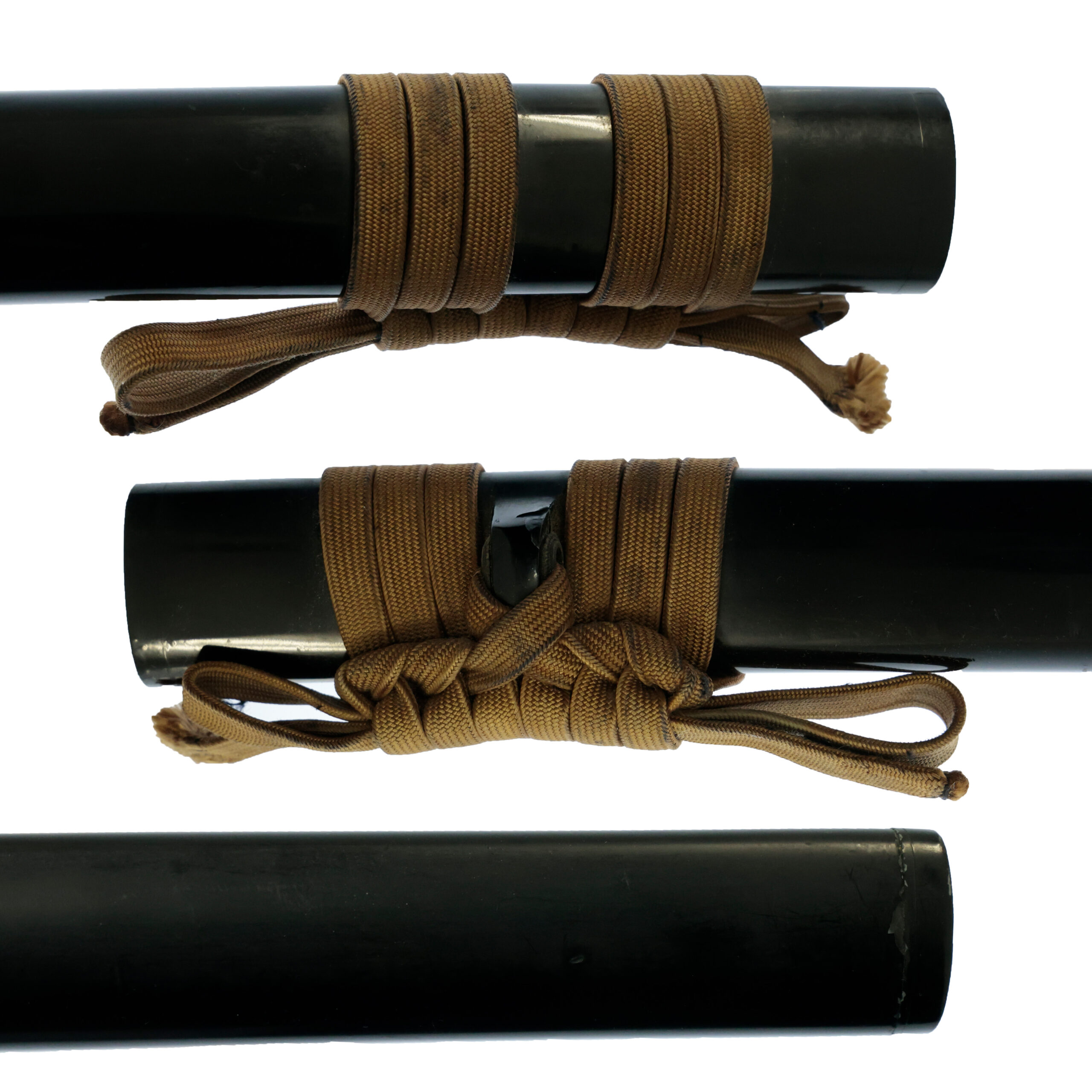
This scabbard is covered with black lacquer. Due to its high waterproof effect, lacquer has been used since ancient times in Asia. The blade of a Japanese sword is made of iron, and moisture is the greatest enemy of iron. For the purpose of carrying the blade without degrading it, people devised a method of coating the scabbard with lacquer. To prevent not only moisture but also rain and snow from penetrating the inside of the scabbard, it was necessary to apply multiple layers of lacquer. The Nurushi (塗師, lacquerers) was born precisely because advanced techniques were required to handle the complicated processes.
Authentication Paper
They authenticated the blade on March 10th in the 5th year of Reiwa (2023). They appraised it as Hozon Touken, the blade worth preserving for Japanese society.

 NihontoWatch