The twentieth century nearly killed the craft twice: wartime distortion, then the occupation ban. The NBTHK’s founding in 1948 and licensed forging from 1953 rebuilt the sword as an art, crowned by Living National Treasures and the mukansa rank.
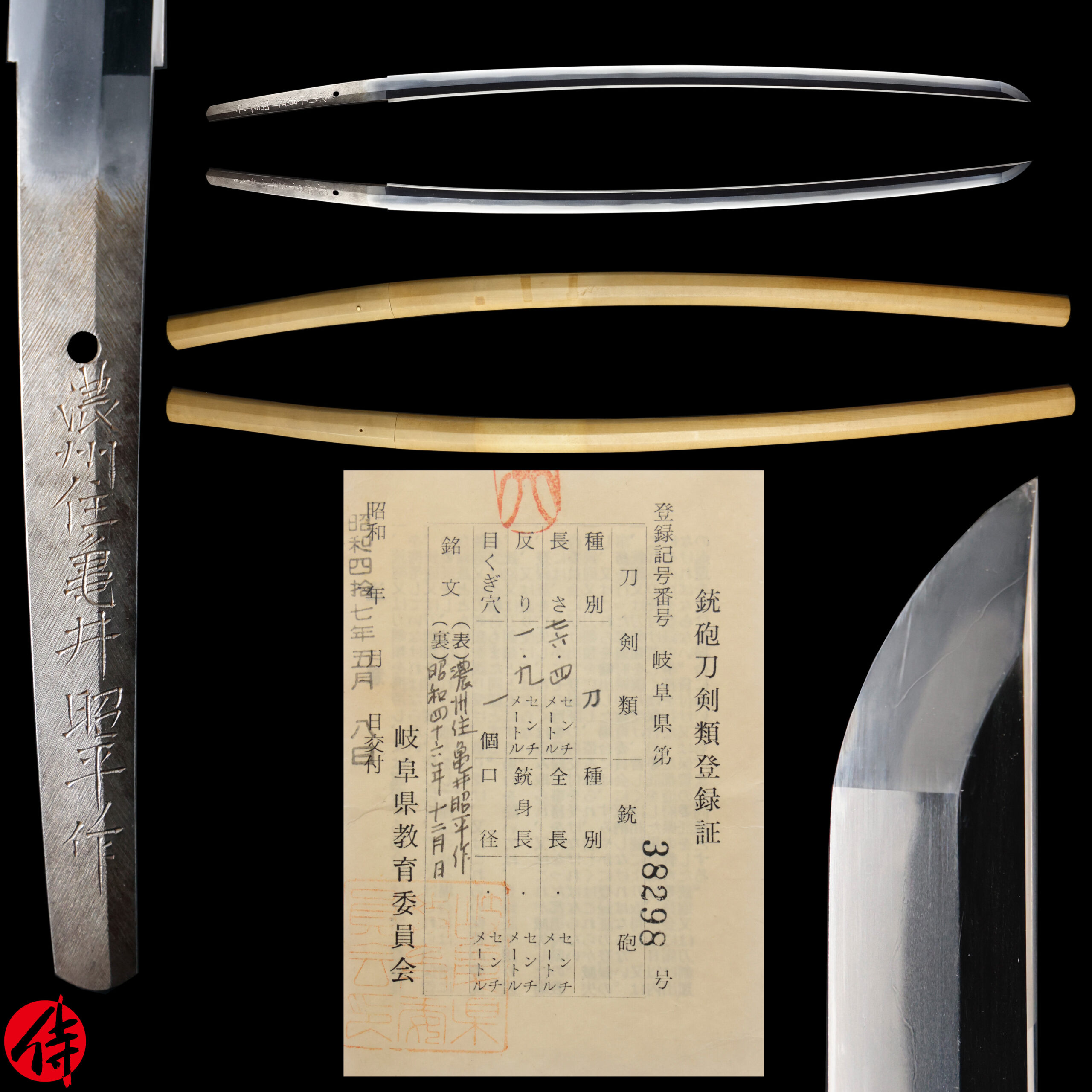
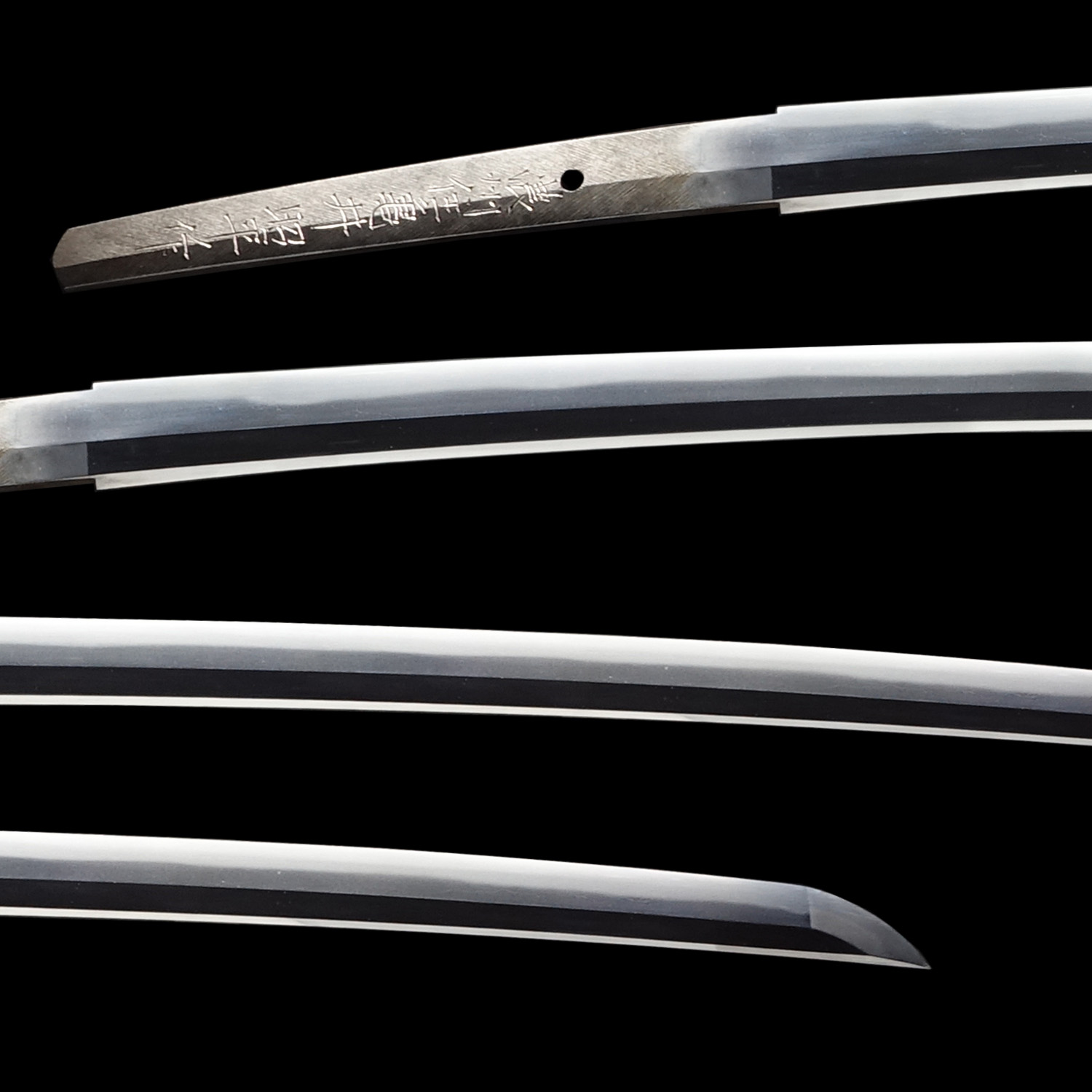
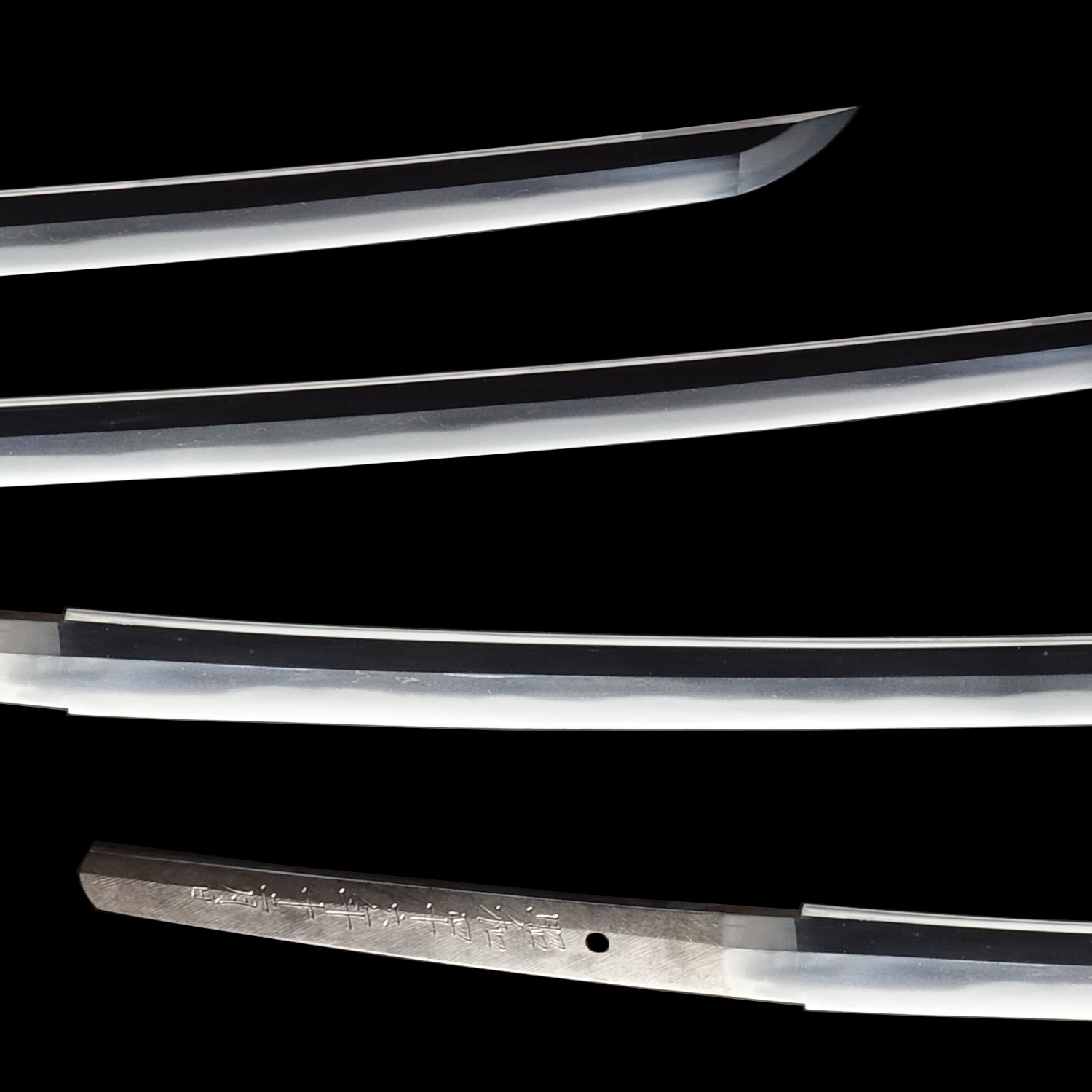
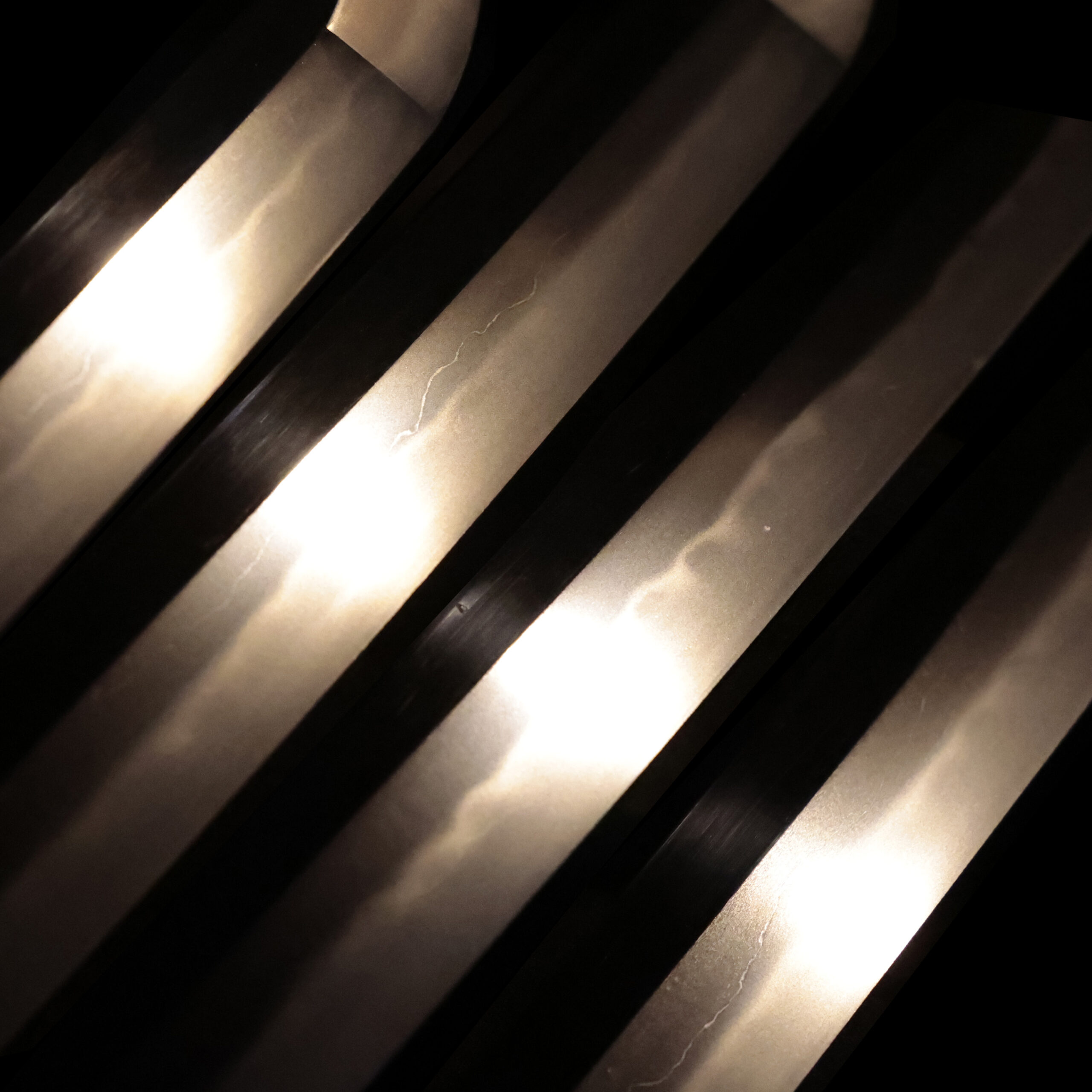
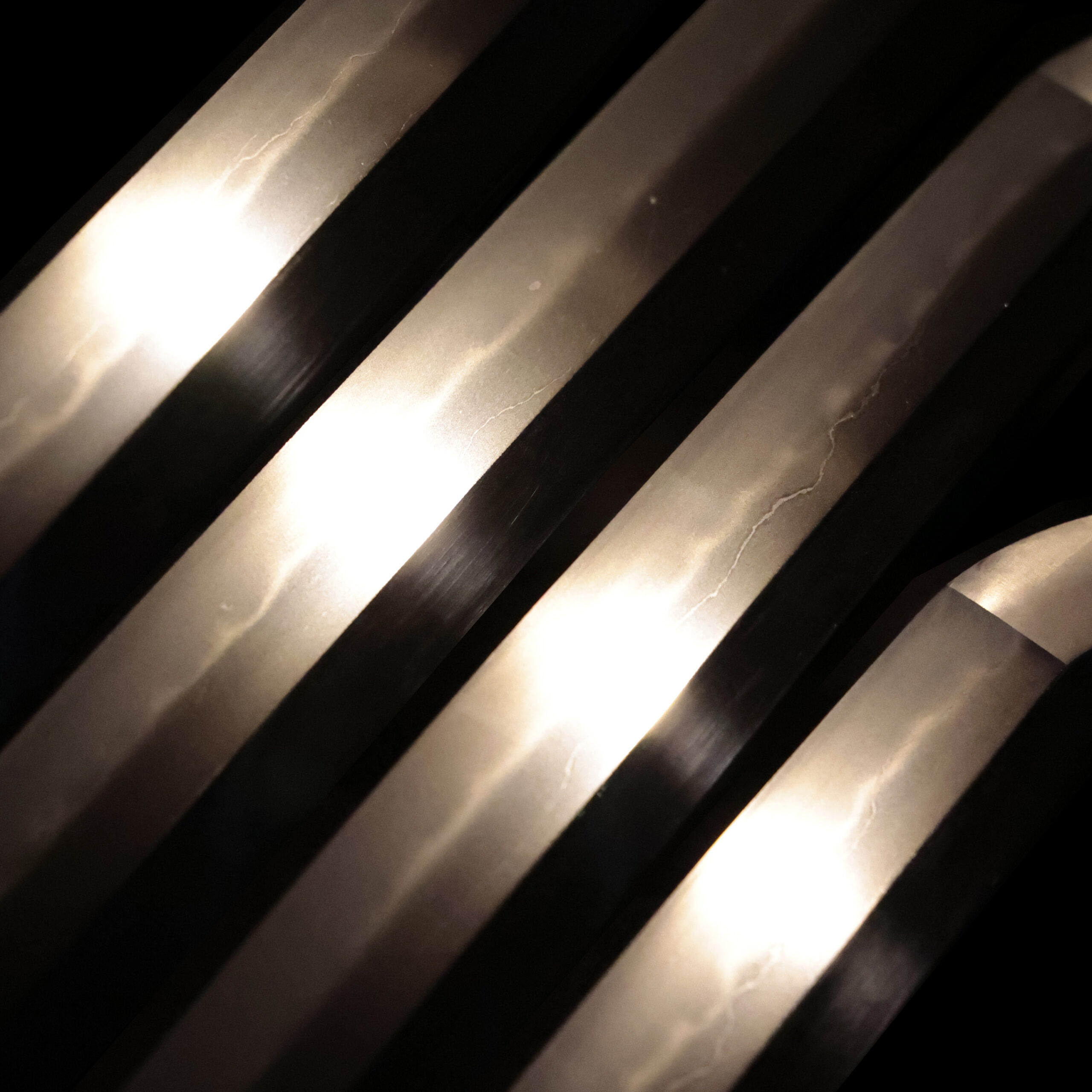
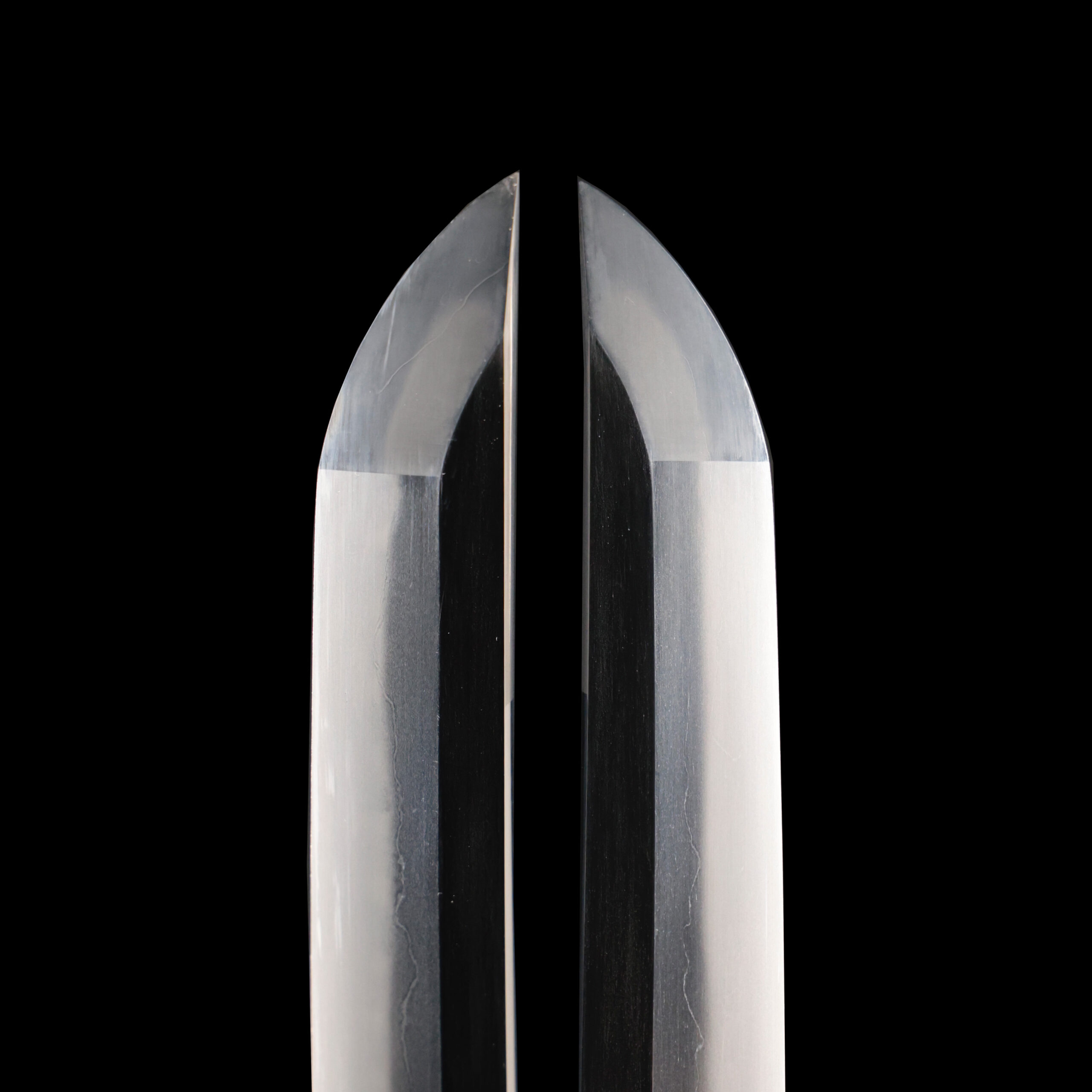
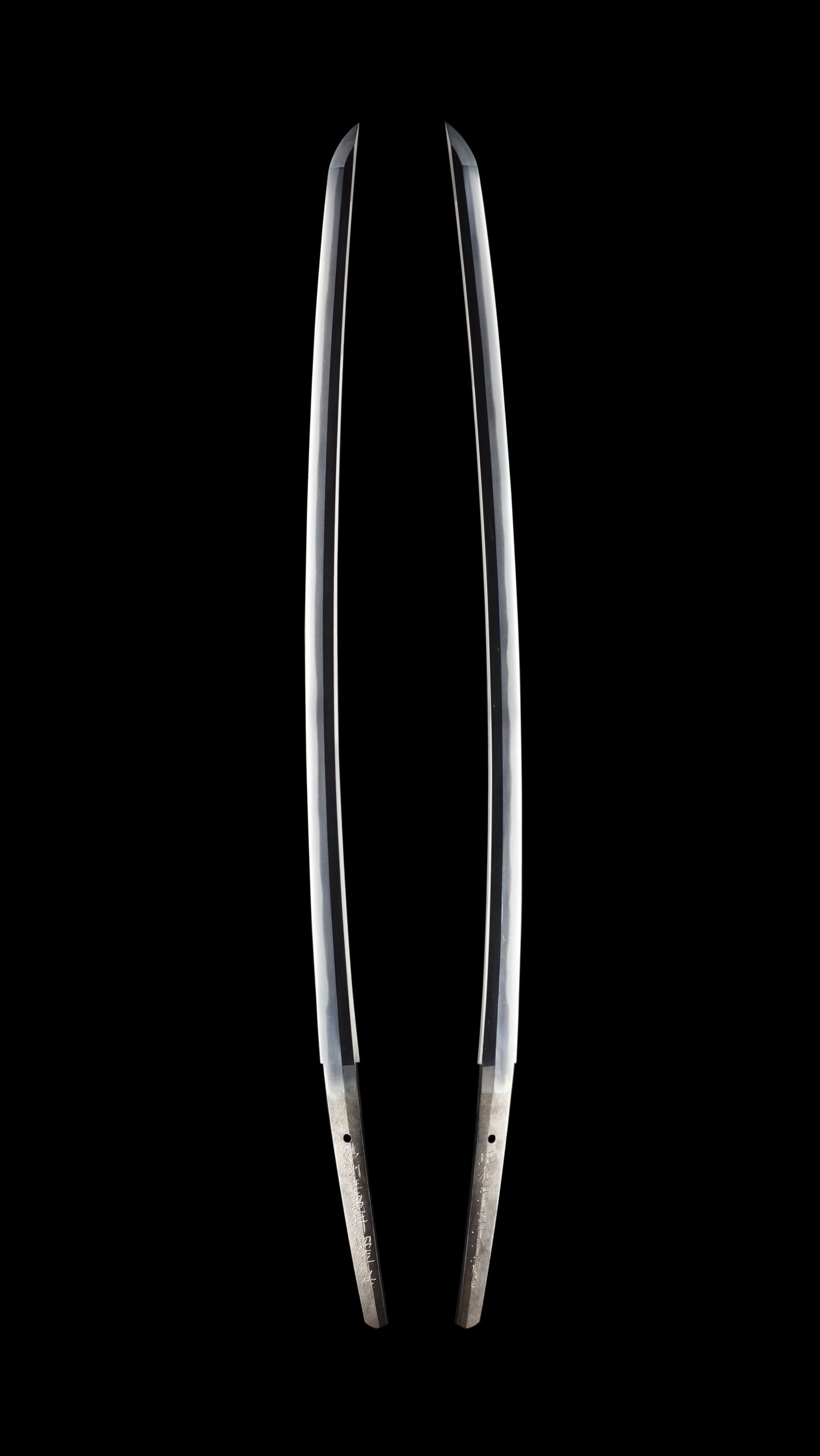
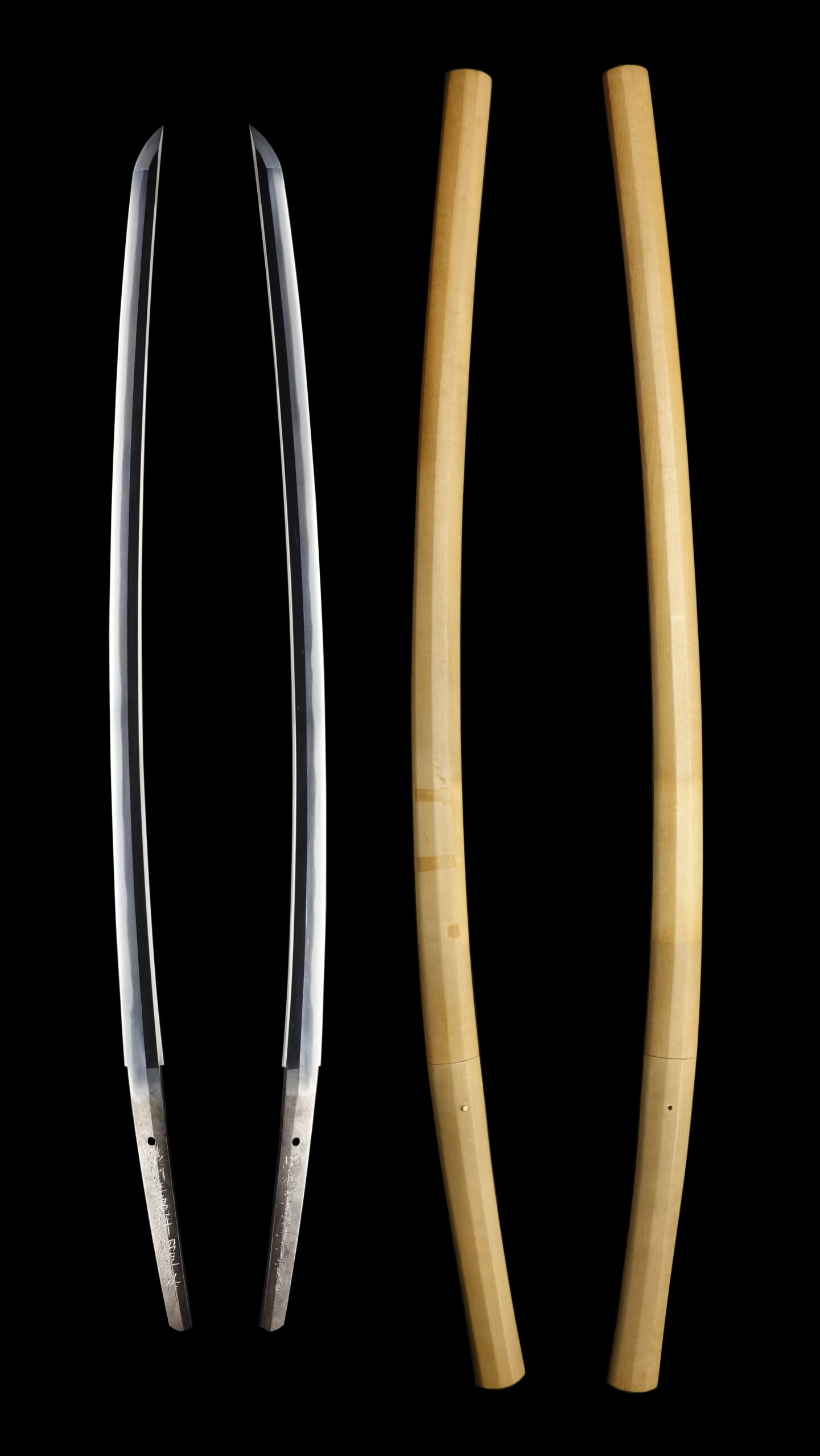
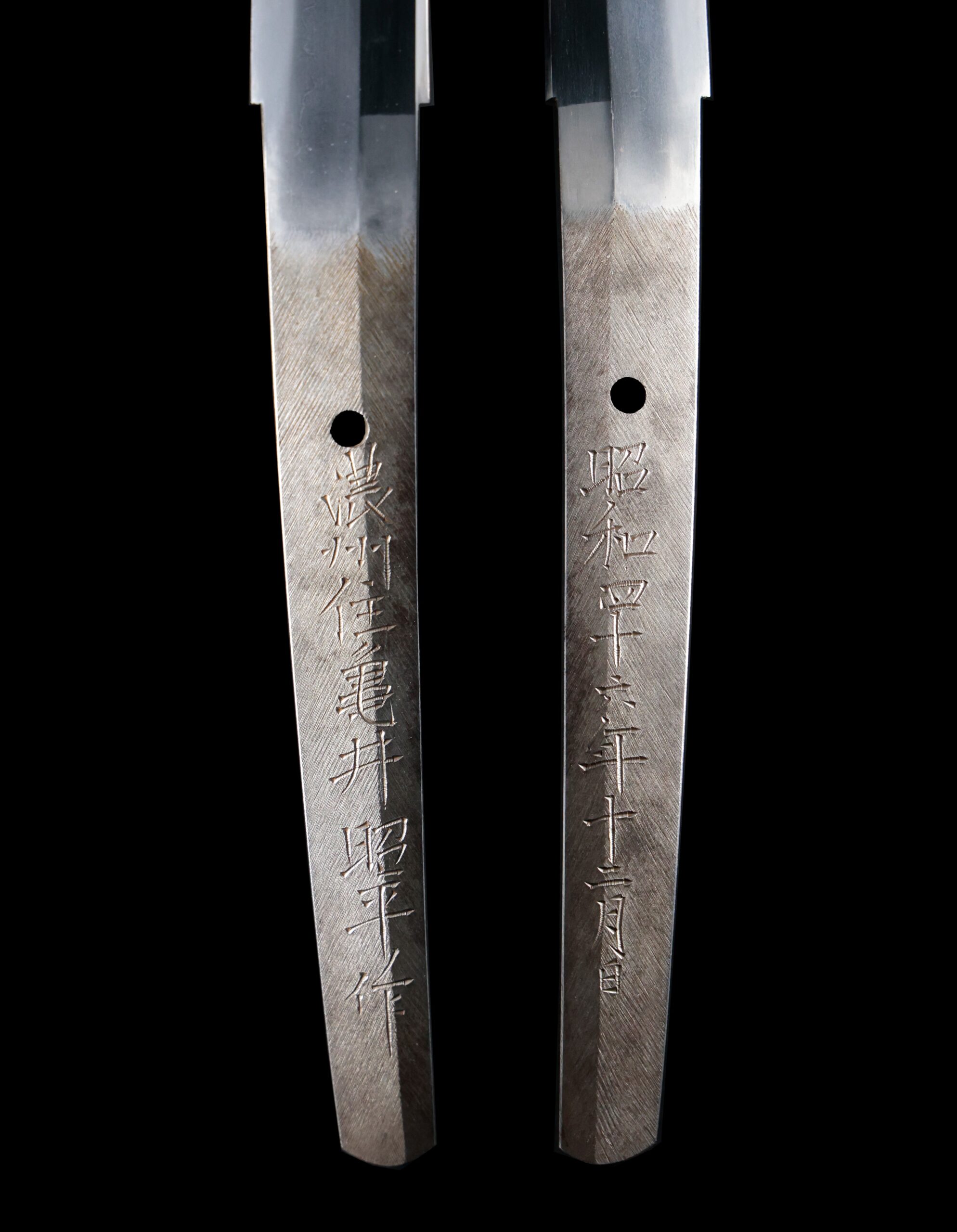
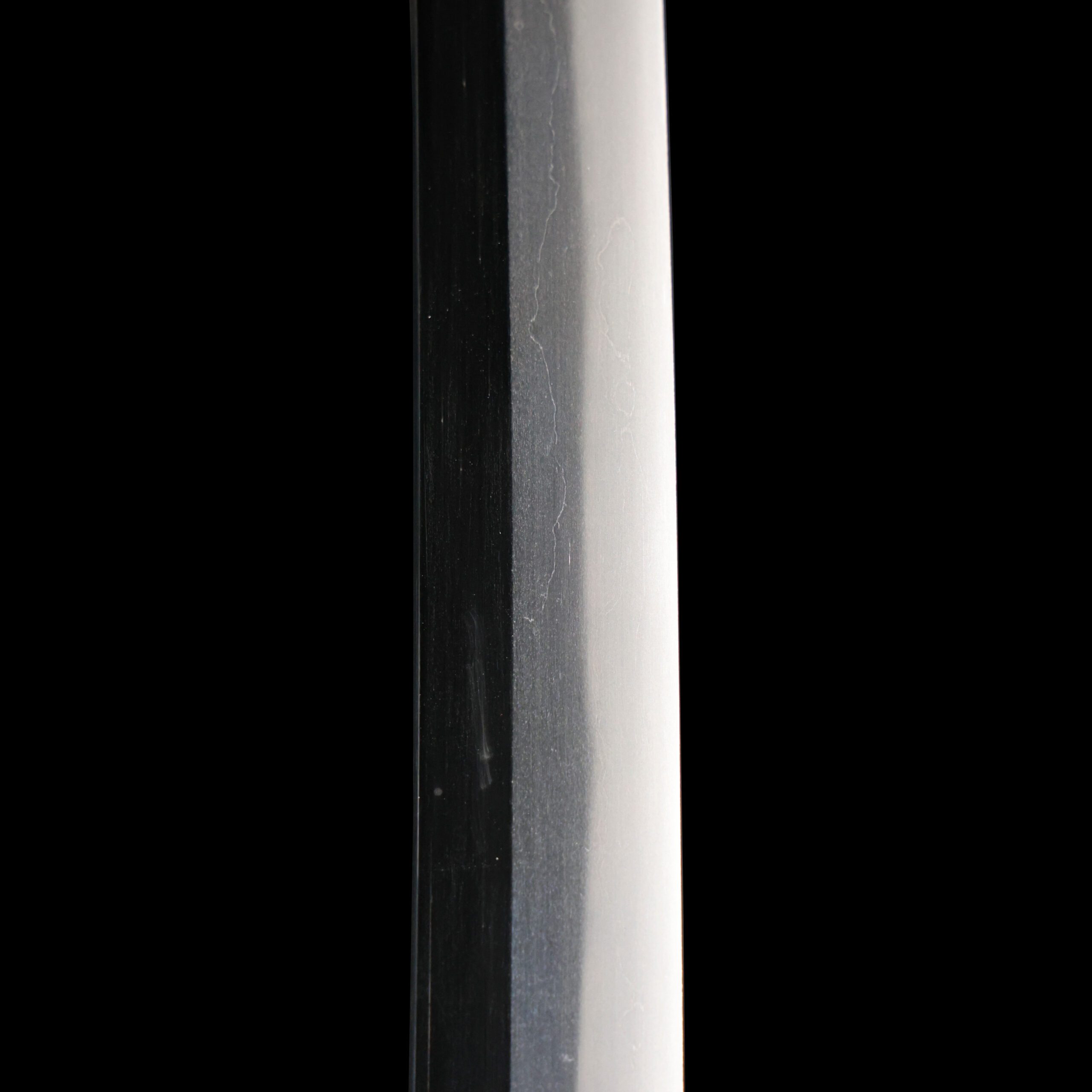
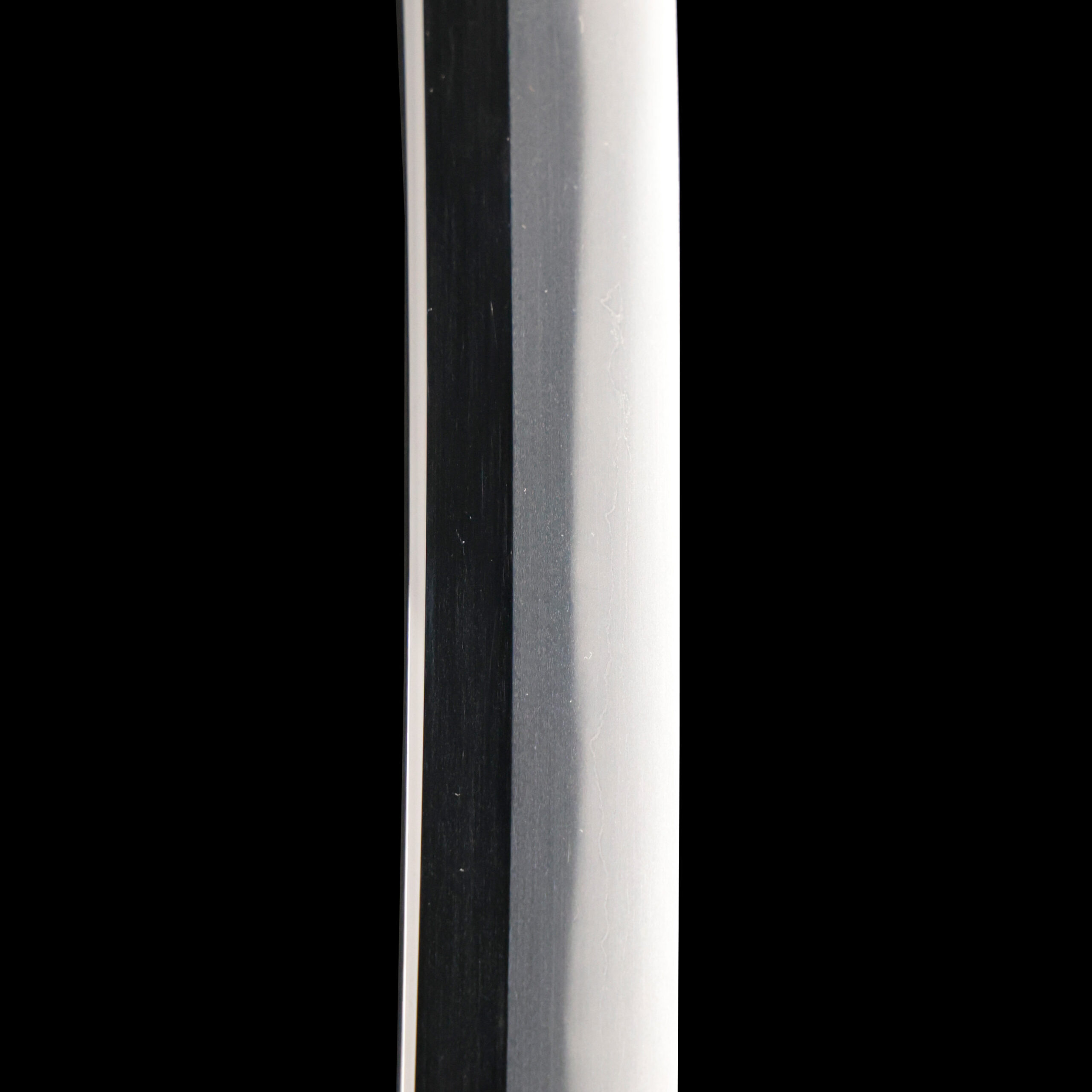
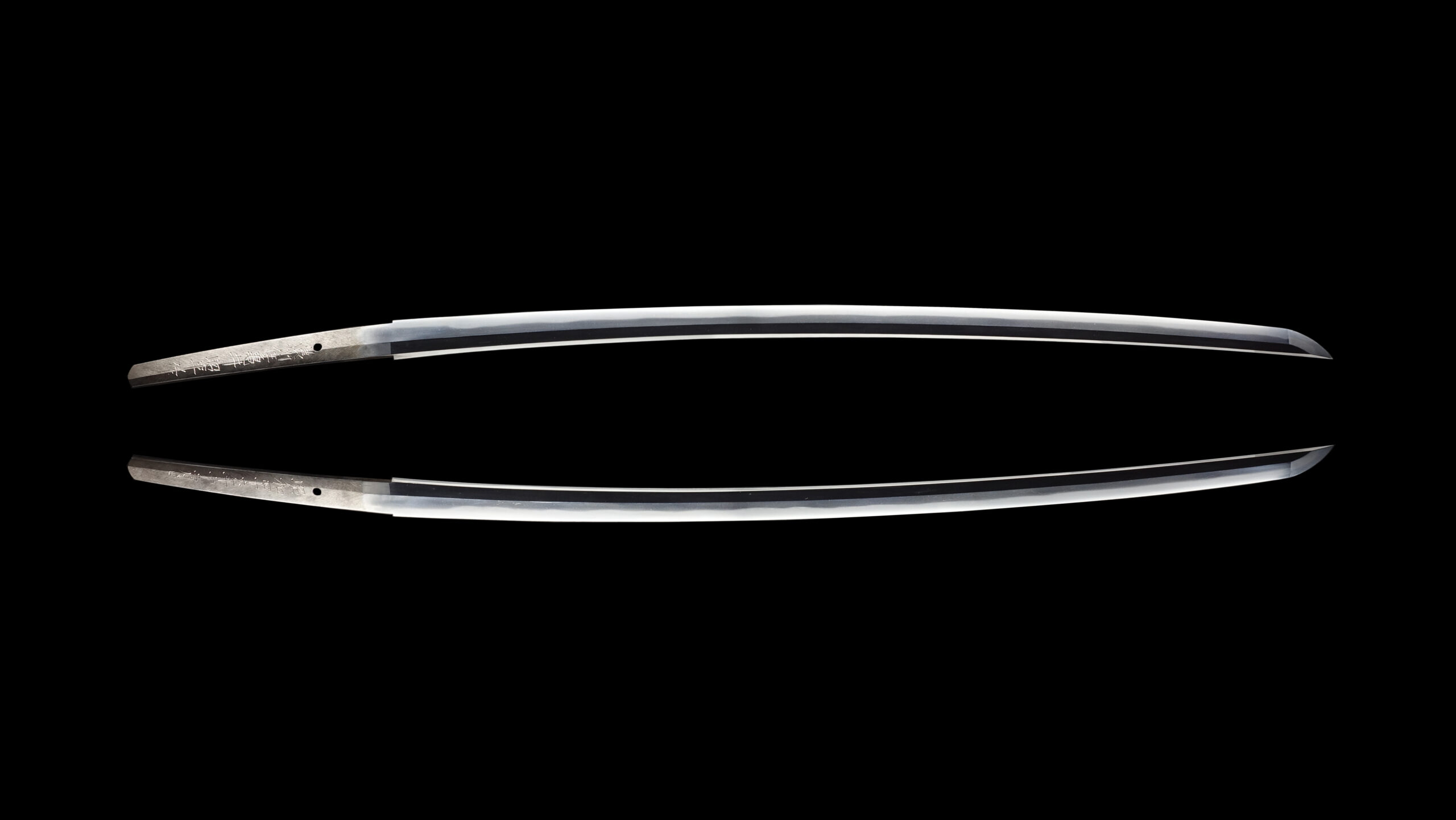
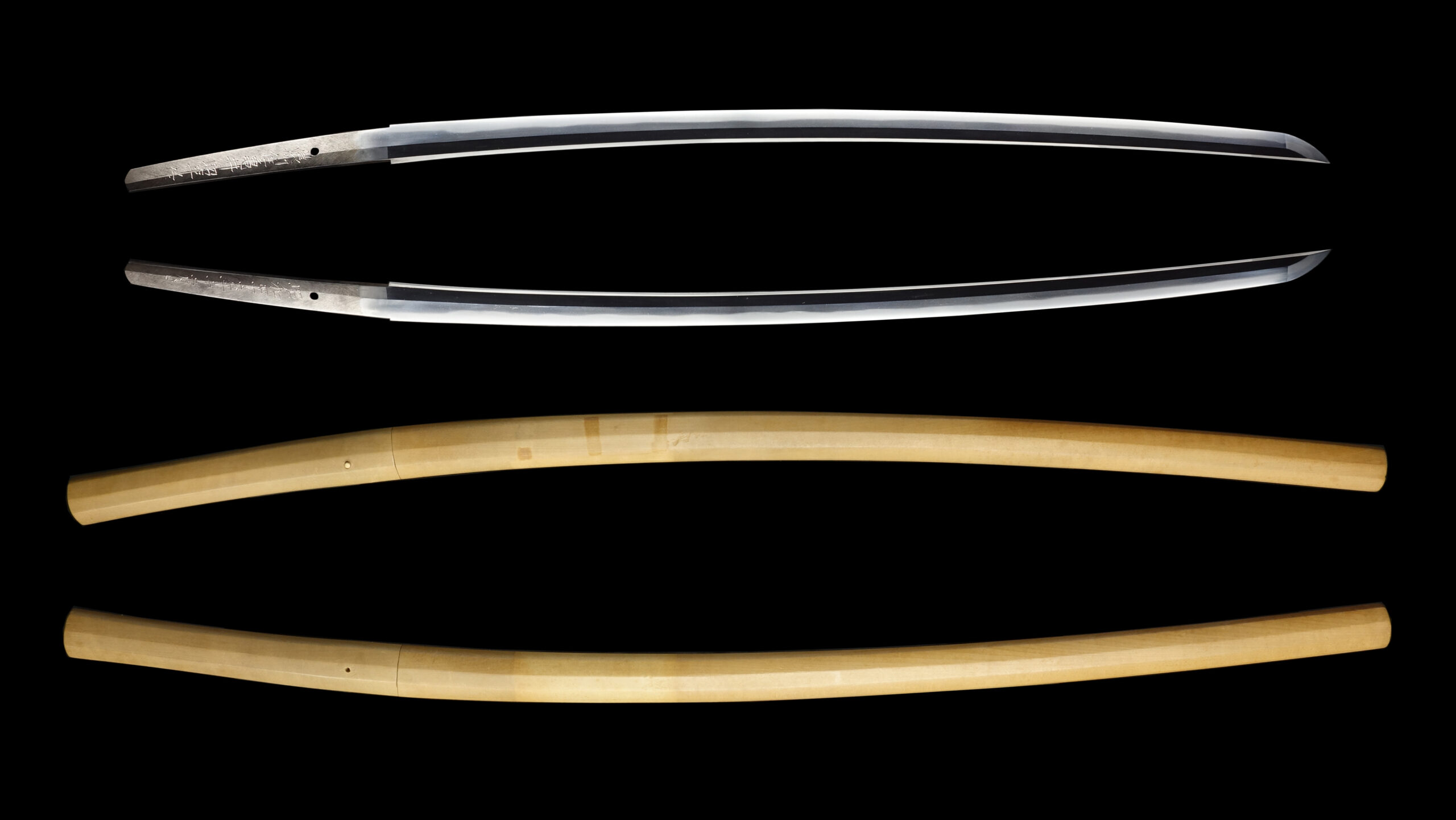
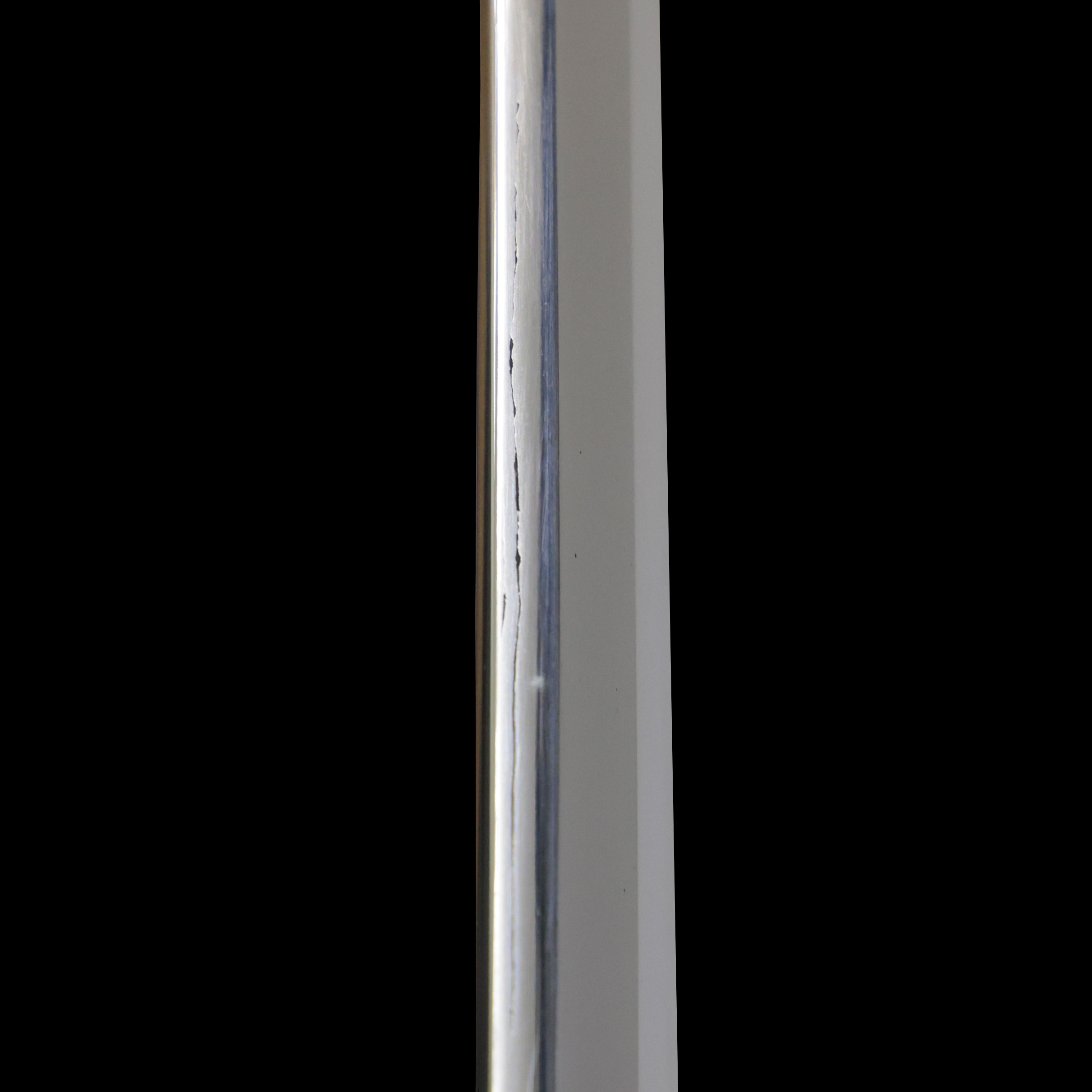
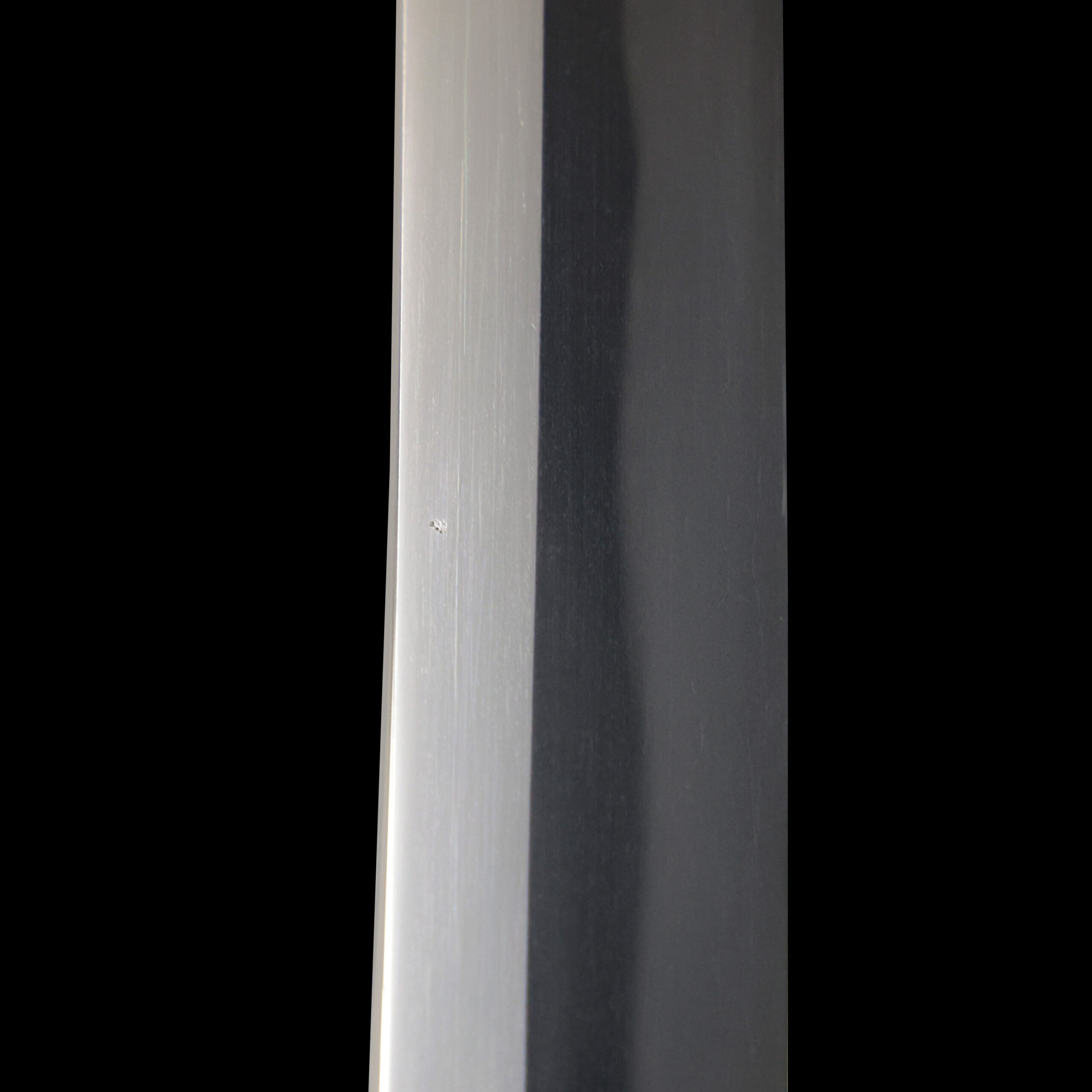
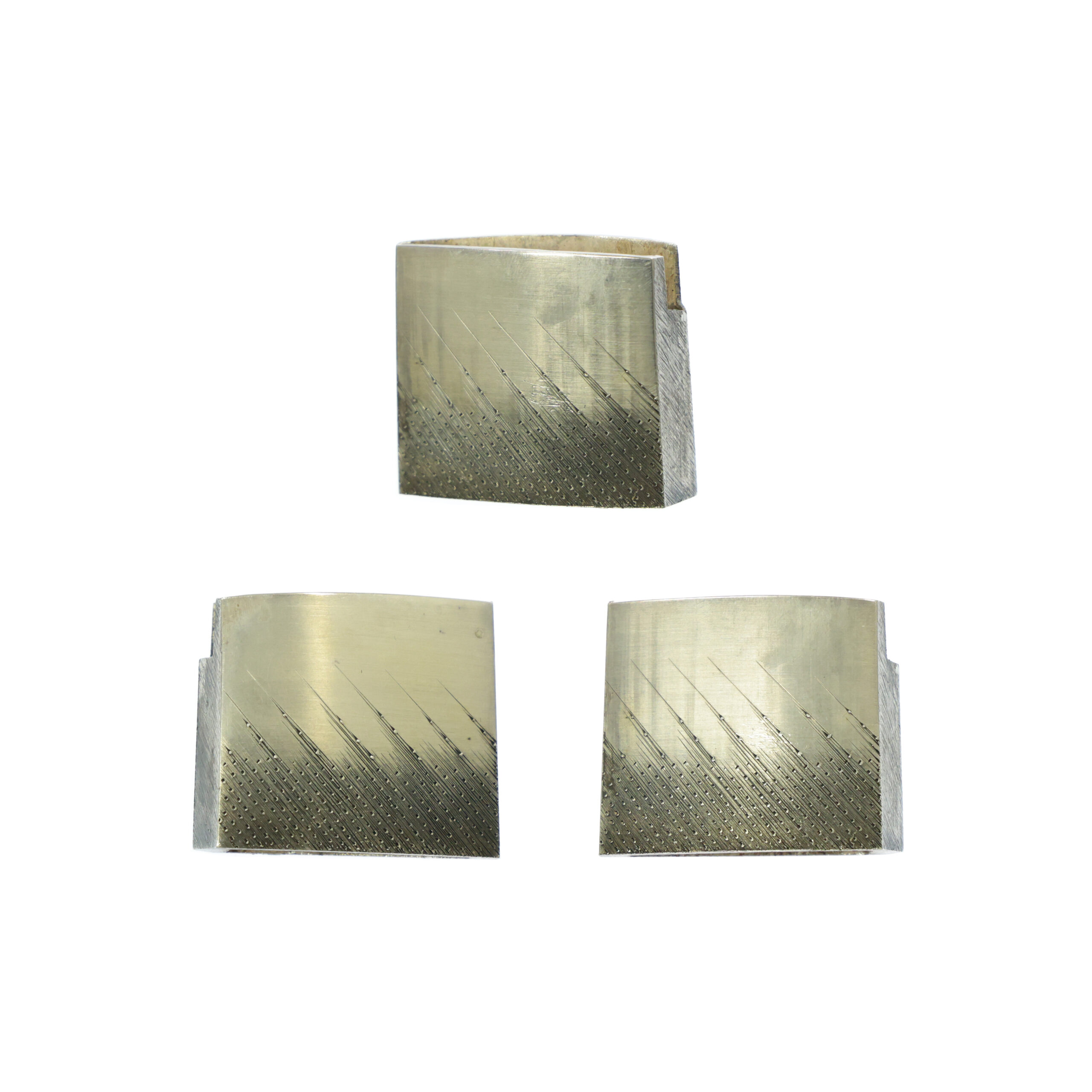
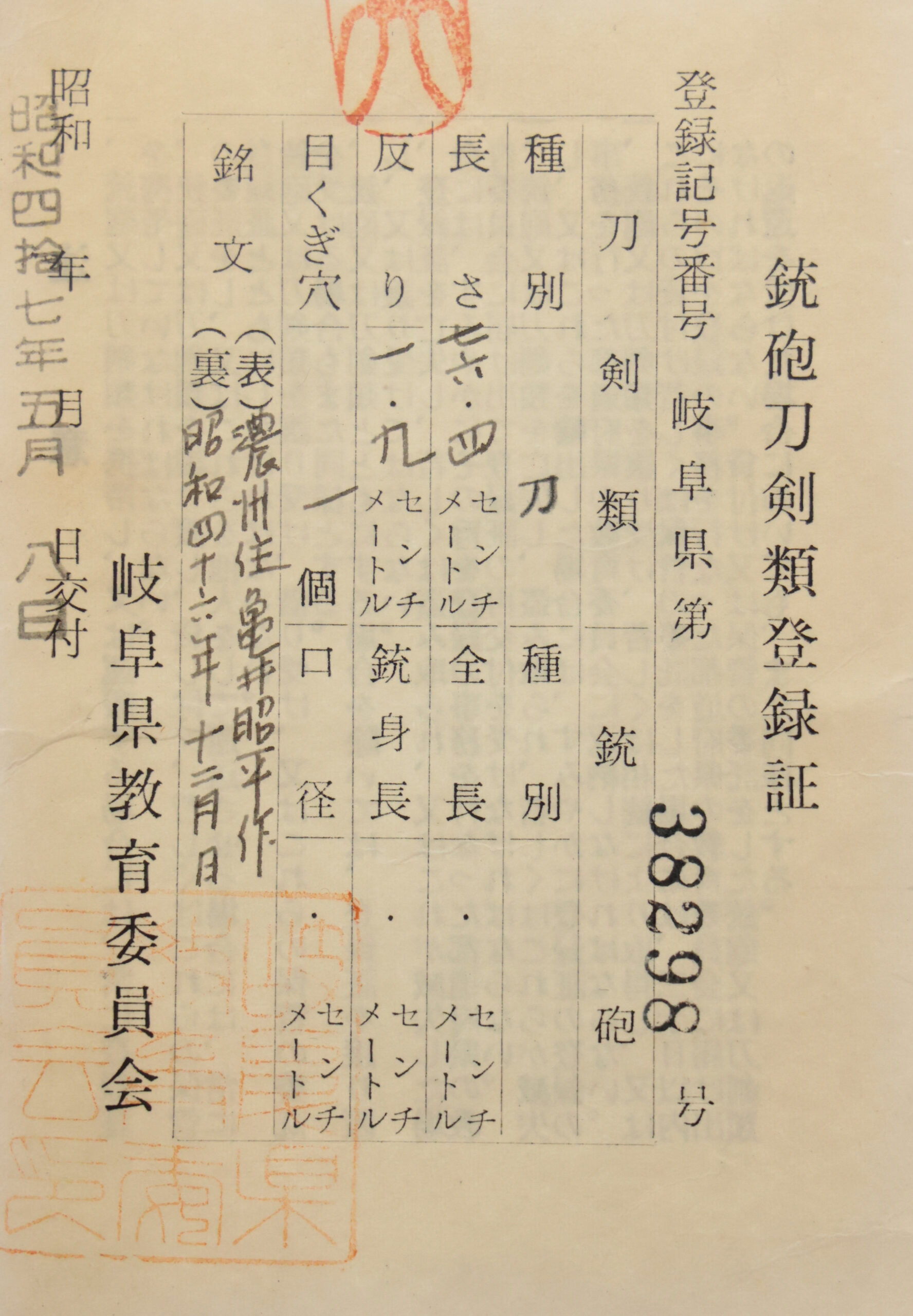
This blade was signed by Noushu Jyu Kamei Akihira (濃州住亀井昭平) in December in the 46th year of the Showa era (1971). He was born in Gifu Prefecture in 1927. His hometown, Gifu Prefecture, is famous for the sword-making tradition called MINO-DEN (美濃伝), where he learned sword making from Tanba Kanenobu (丹波兼延), the holder of an Important Intangible Cultural Property. Having inherited these fine skills, Akihira has won awards at numerous sword exhibitions, and his swords are especially appreciated for both their sharpness and visual beauty. MINO-DEN The swordsmiths of Mino province, with their unwavering dedication and unparalleled craftsmanship, developed a unique sword-forging tradition known as MINO-DEN. This tradition was characterized by the TOGARI (Pointed shapes protruding from the Hamon ) in a classic straight line and a random temper line with some white Utsuri. MINO-DEN, with its roots in YAMATO-DEN in the late KAMAKURA period (1280-1330), flourished during the Nanbokucho-Muromachi period (1333-1573) and continued its legacy until the Edo period (1603-1868). The evolution and endurance of MINO-DEN stand as a testament to the skill and artistry of these swordsmiths. About Modern Swordsmith There are around 150-200 swordsmiths in Japan today. To legally produce Japanese swords, one needs to pass the national exam given by the Agency for Cultural Affairs(Bunka-Cho) and receive the license. Before taking the exam, one must finish his or her apprenticeship under a licensed master for more than five years. Those who practice Iaido(居合道) tend to use those modern swords, and there are modern Japanese sword collectors nationwide. Modern Japanese sword makers are researching old ways to forge swords and trying to recreate ancient-style swords. They are the ones who keep the tradition of Japanese history alive. *Please keep in mind that there are a couple of noticeable Kitae Kizu on the Mune (backbone) and Shignoji of this blade. If you like to see more detailed condition, please feel free to contact us. Registration Number It is called Jyu Ho Token Rui Torokusho (銃砲刀剣類登録証).
Offered by Samurai Museum
This piece has sold
Get an email when a new Akihira piece hits the market.


Mino · around 1926-1989
1 piece on the market now
Shōwa to the present: destruction and revival
The twentieth century nearly killed the craft twice: wartime distortion, then the occupation ban. The NBTHK’s founding in 1948 and licensed forging from 1953 rebuilt the sword as an art, crowned by Living National Treasures and the mukansa rank.
Returns/exchanges limited to defects caused by shipping (except willful misconduct or gross negligence by the company); customers must contact within 72 hours of receiving the product.