The Shintō era was largely invented in Kyōto: Umetada Myōju’s workshop trained the movement, Horikawa Kunihiro raised a generation, and the Hon’ami appraisers, who held no forge, governed the meaning of famous blades.
 NihontoWatchNihontoWatch
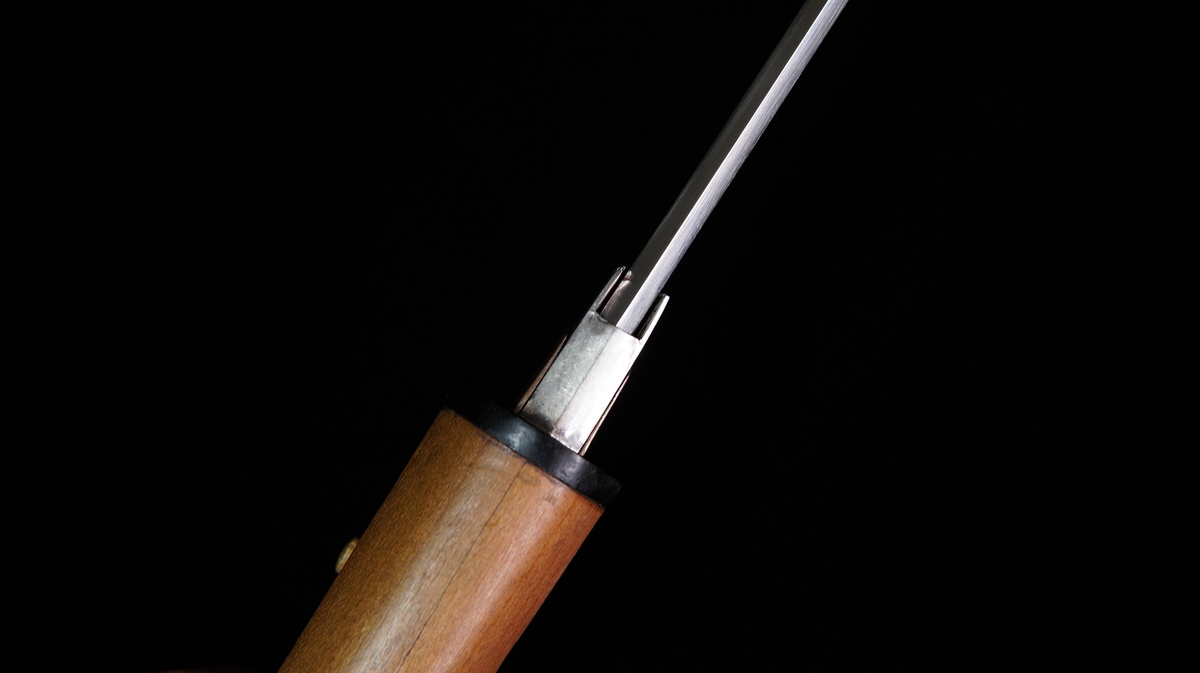
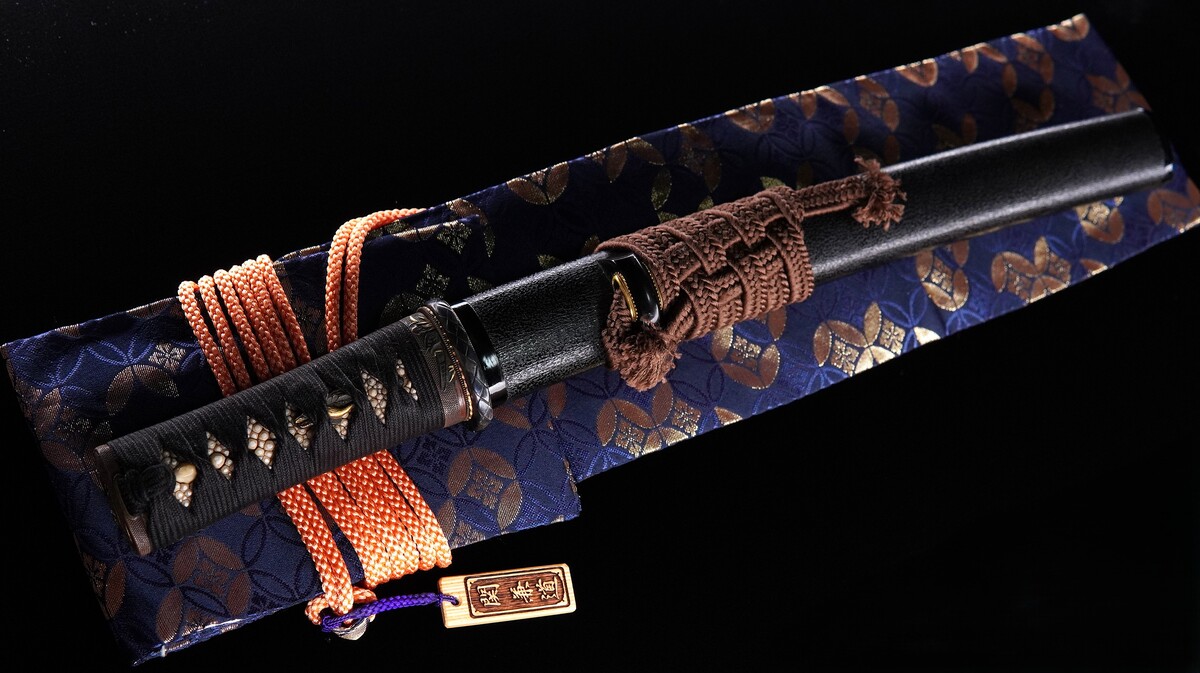
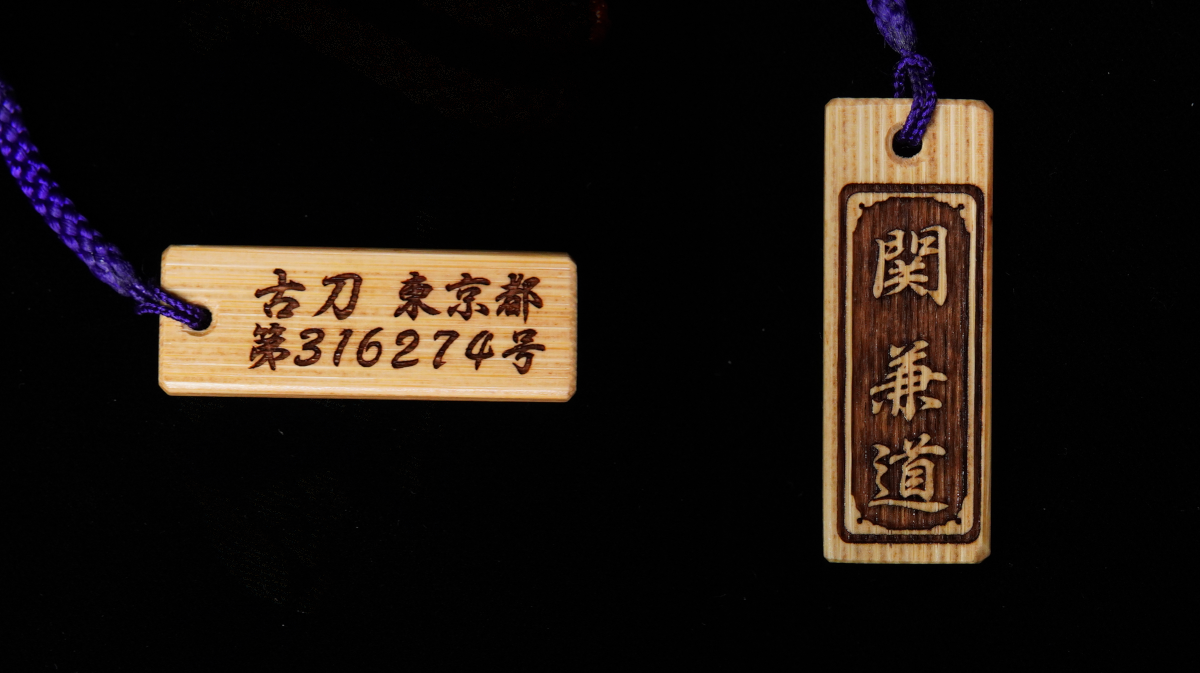
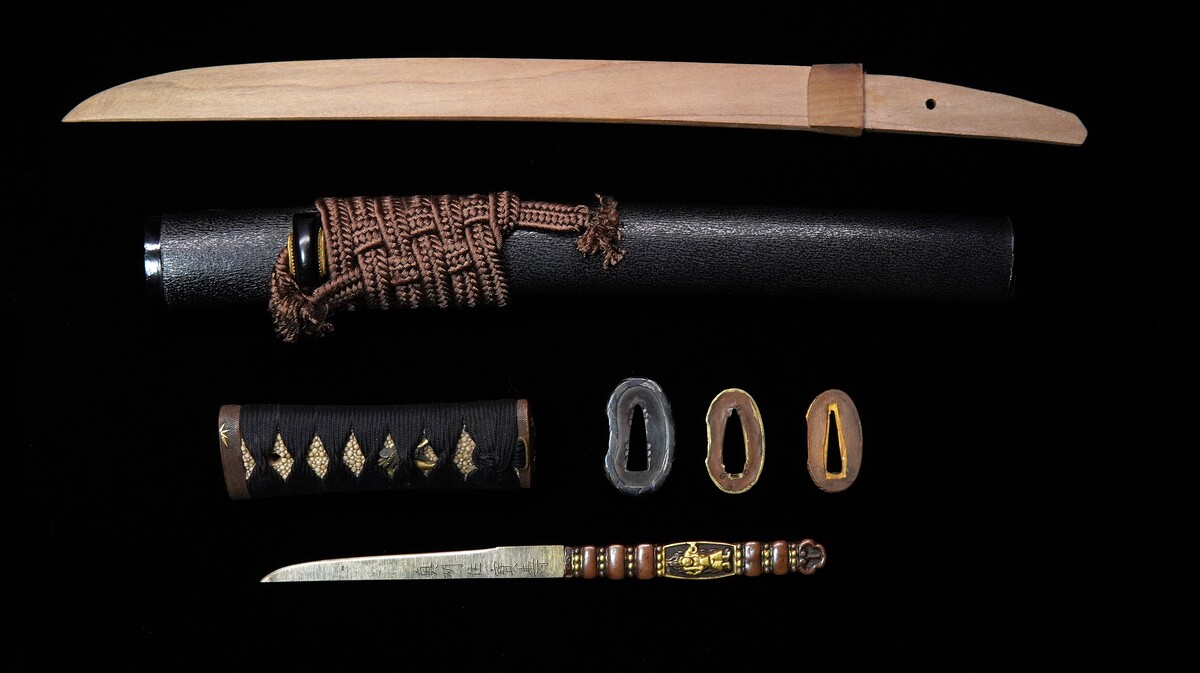
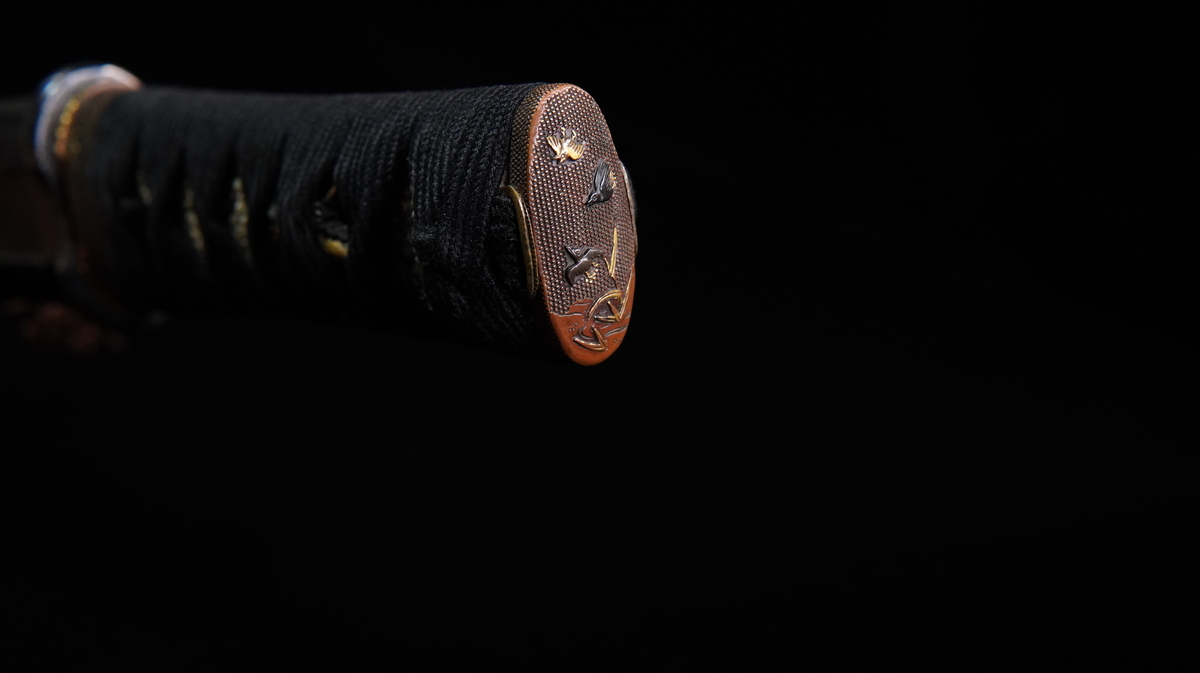
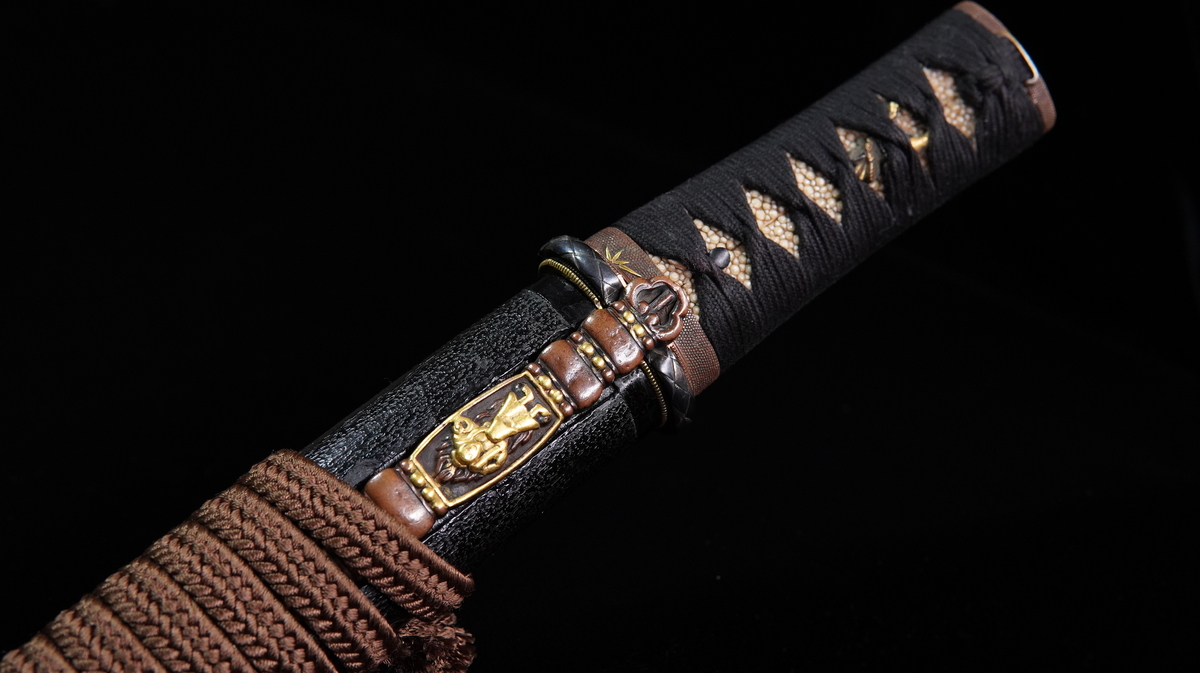
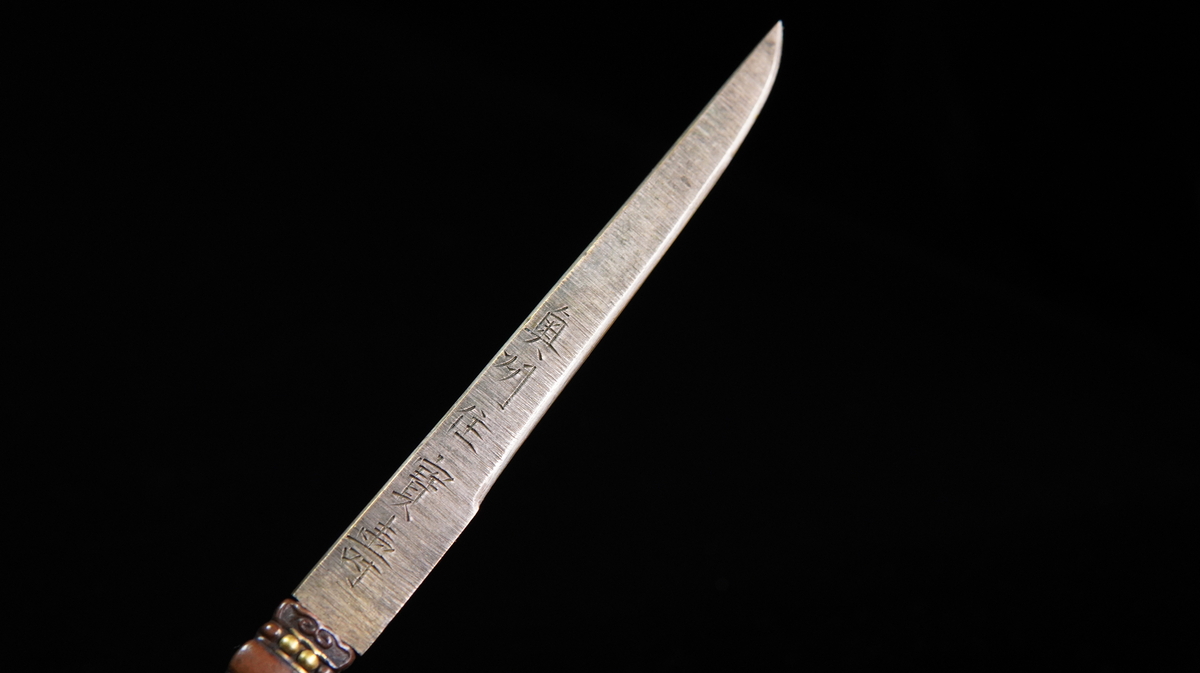
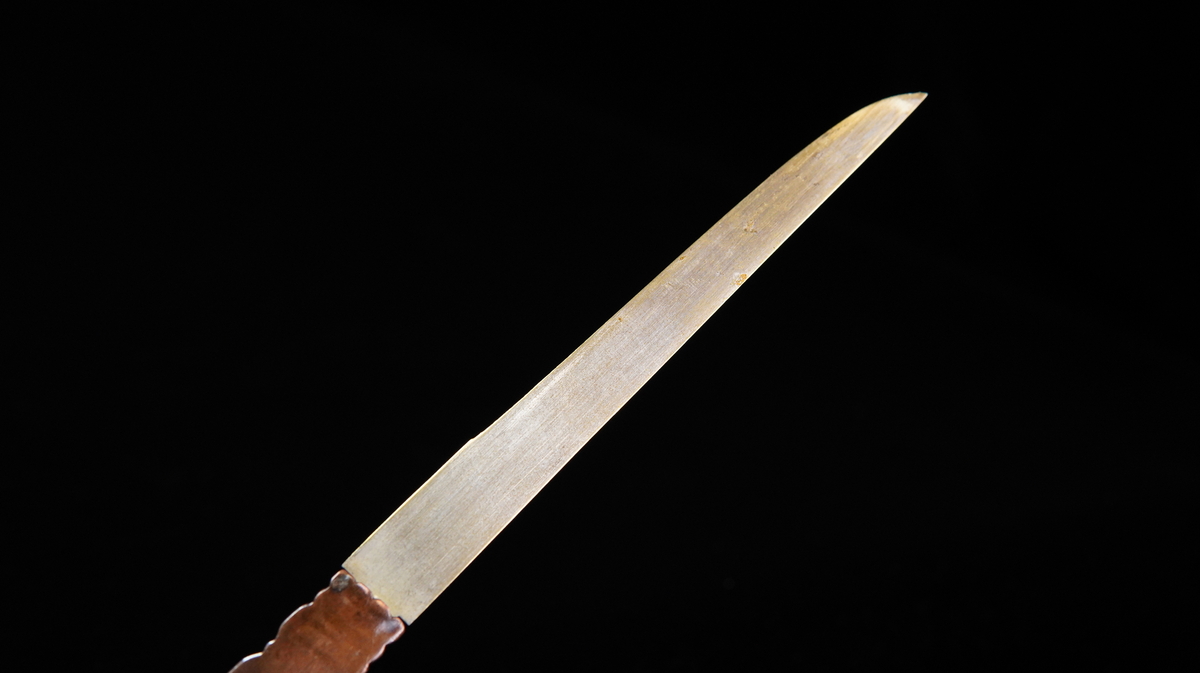
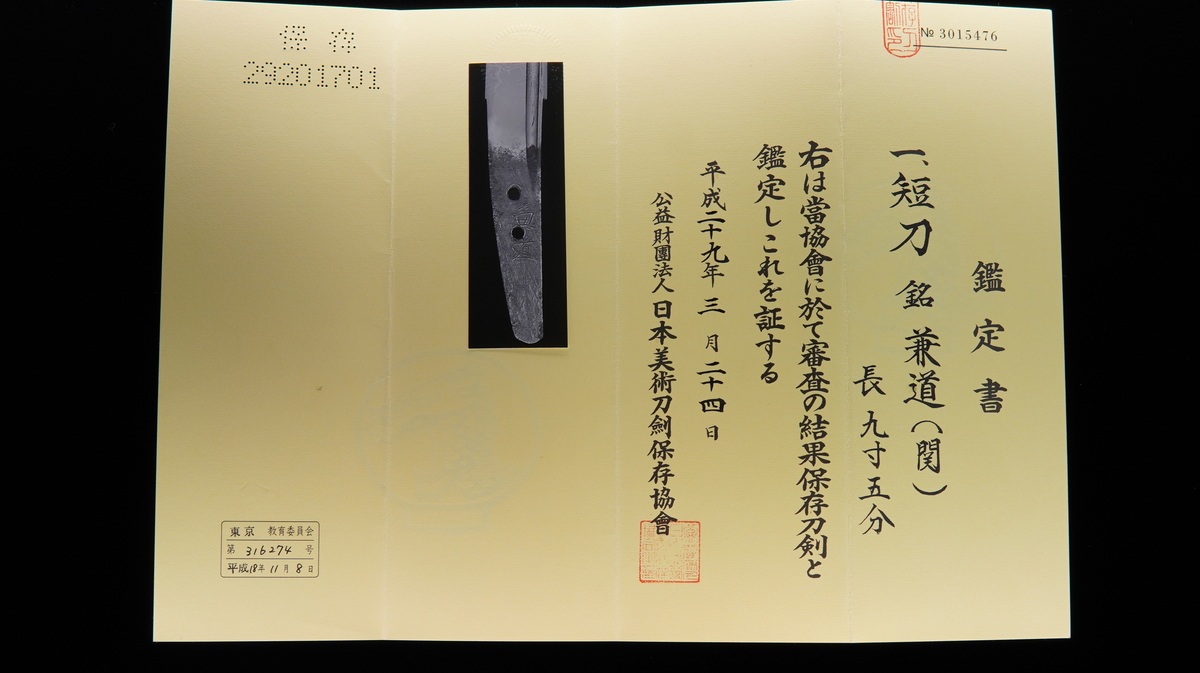
This is a signed tanto by Kanemichi, a smith from Mino province and founder of the Mishina school, active around the Tenmon era. The blade features a gunome hamon and itame-masame jigane, with a healthy nakago and well-visible higaki yasurime. It comes with a tanto koshirae and a shirasaya with an interesting sayagaki, possibly related to the Russo-Japanese War.
NihontoWatchOffered by Katana Yamadaiya



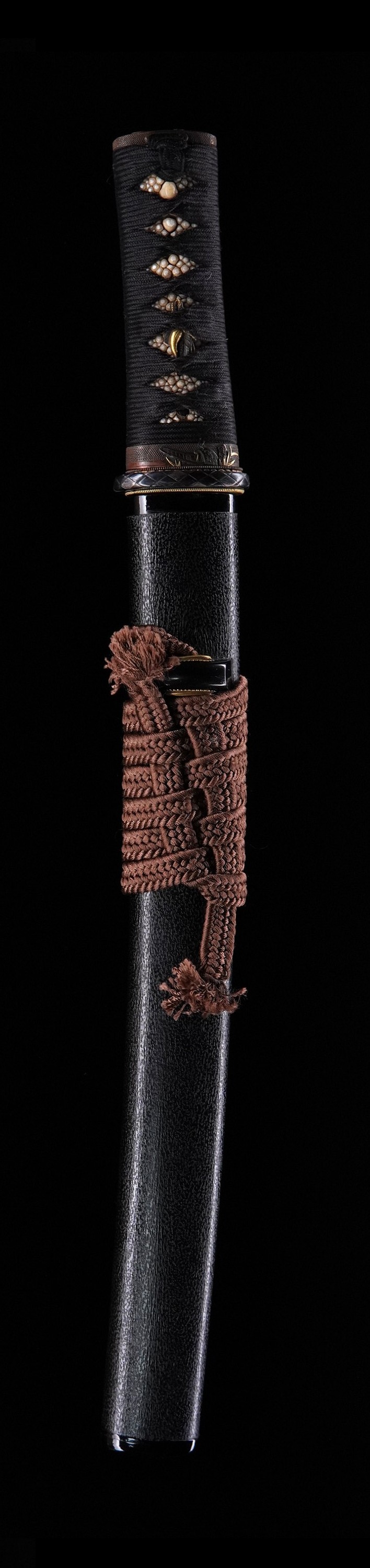
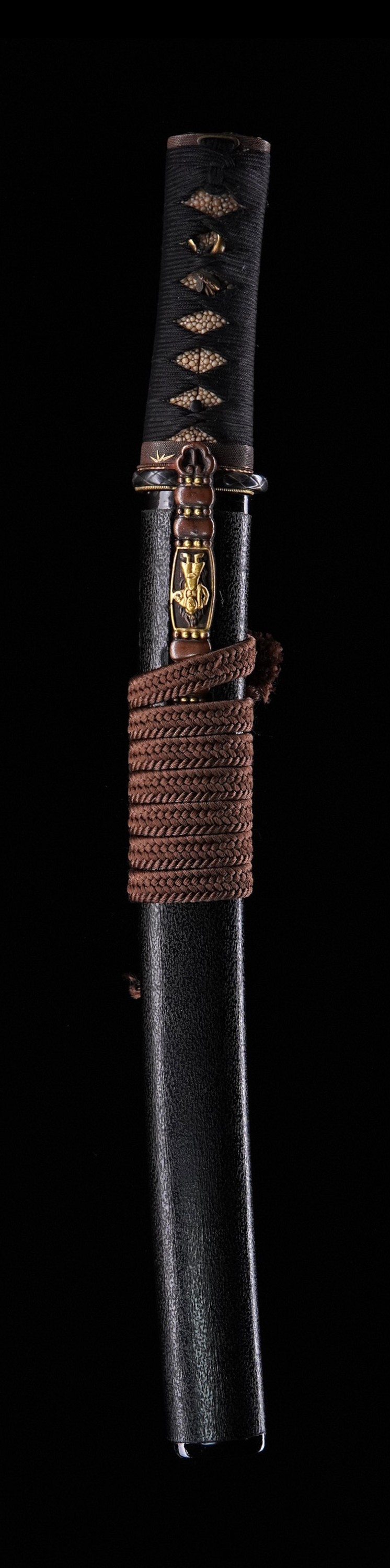
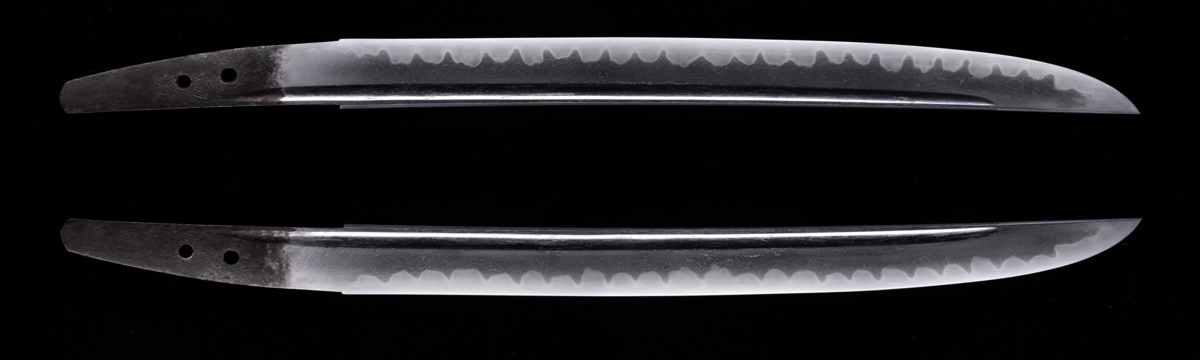
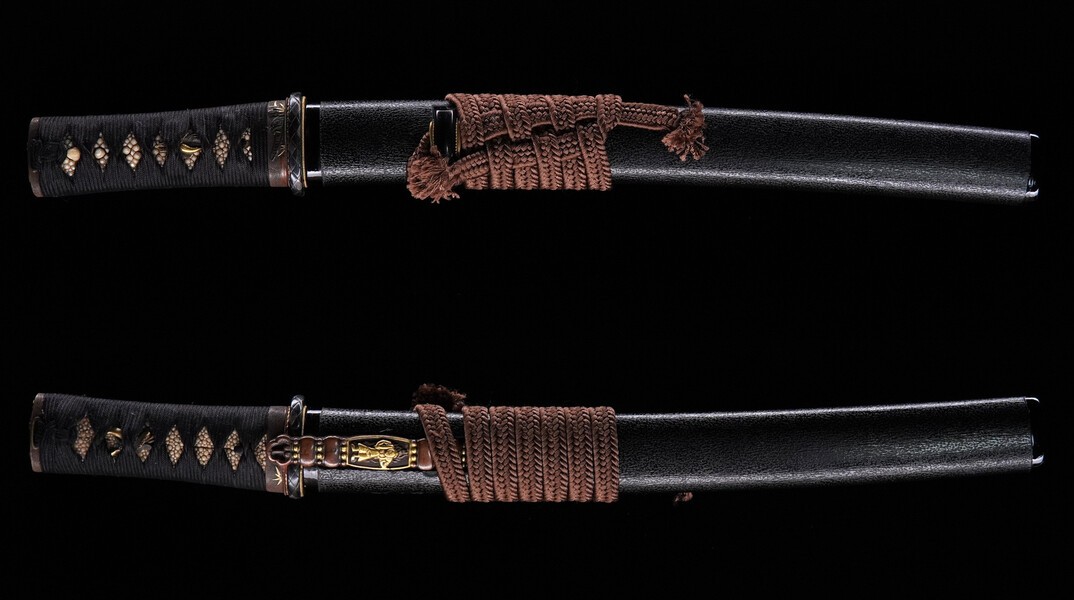
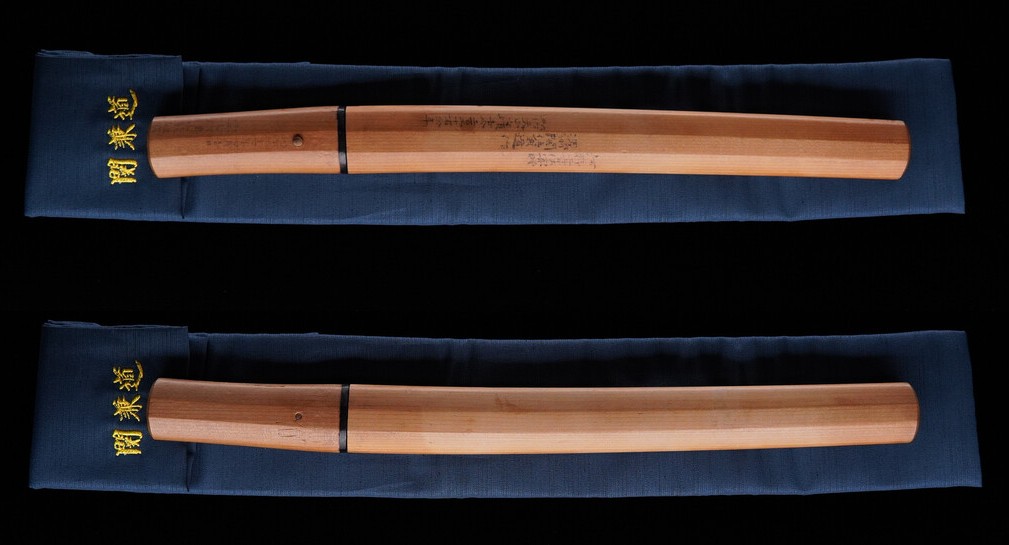
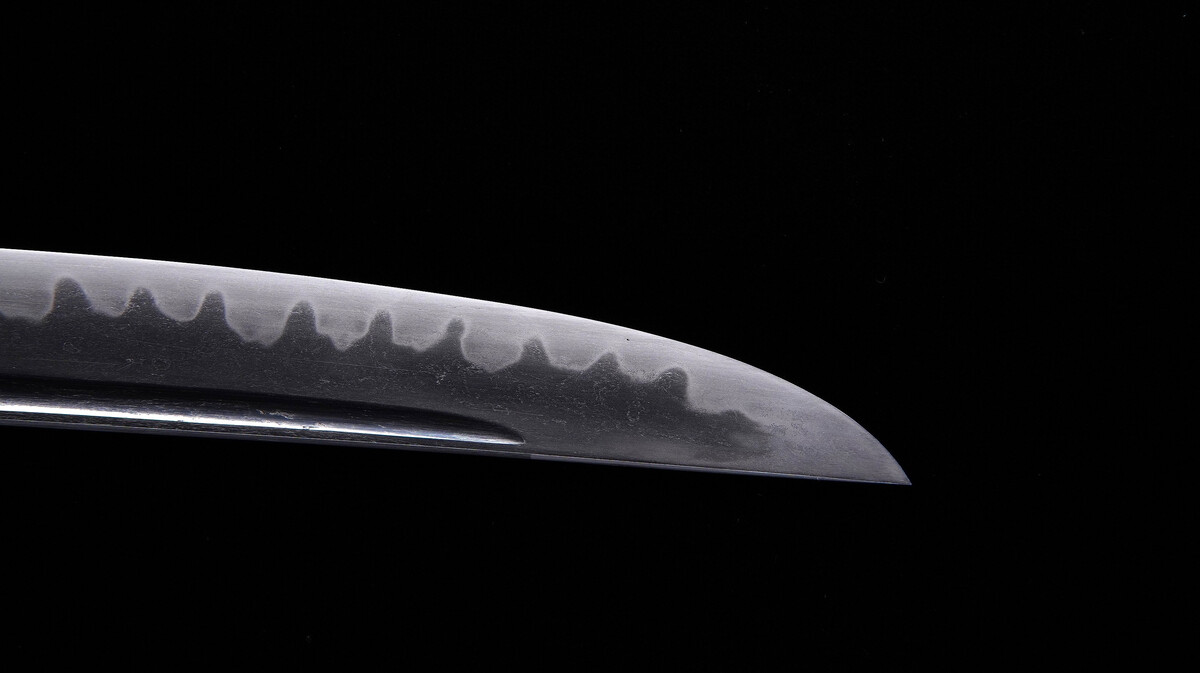
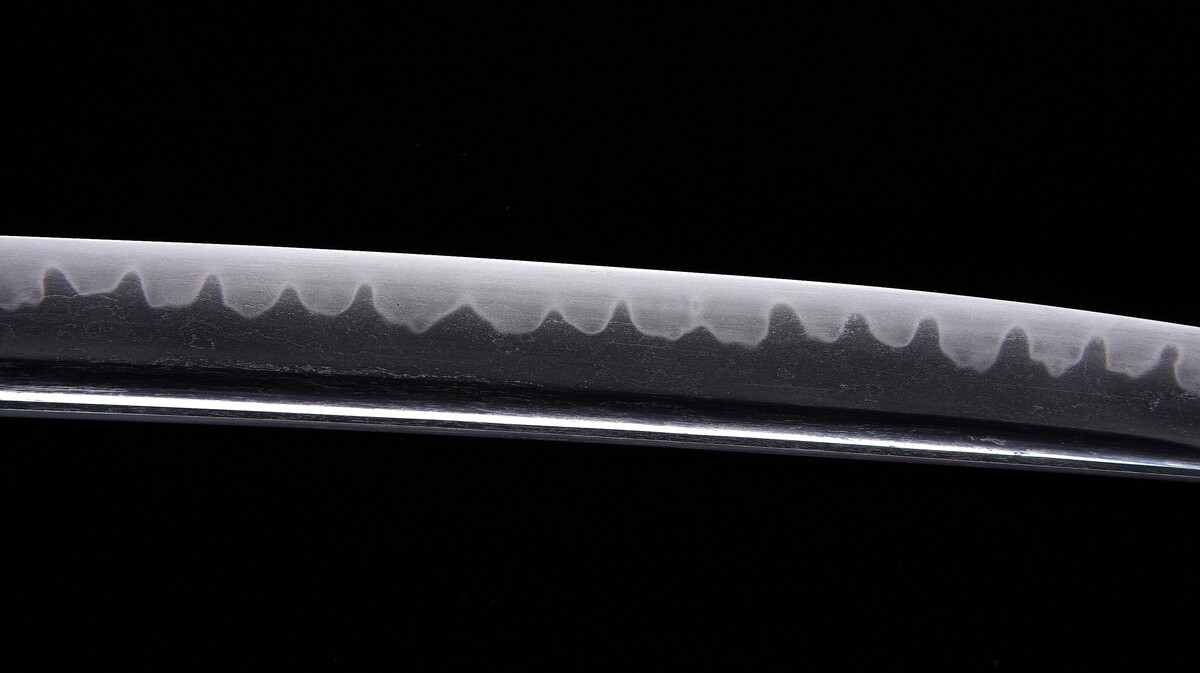
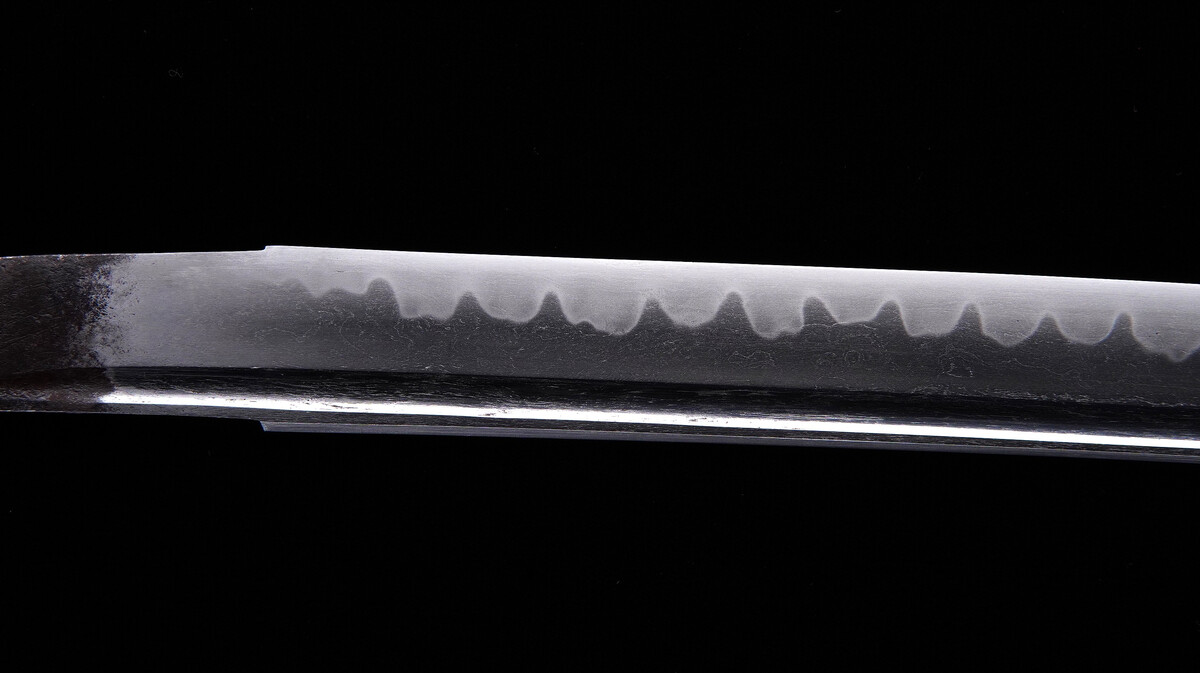
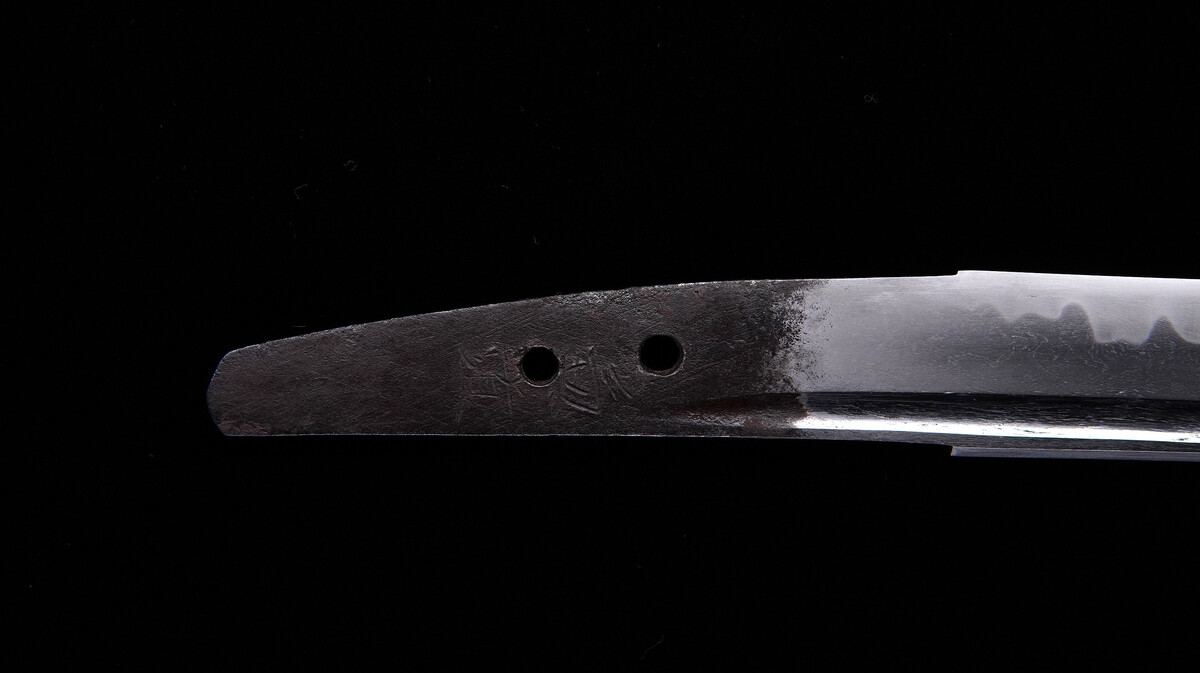
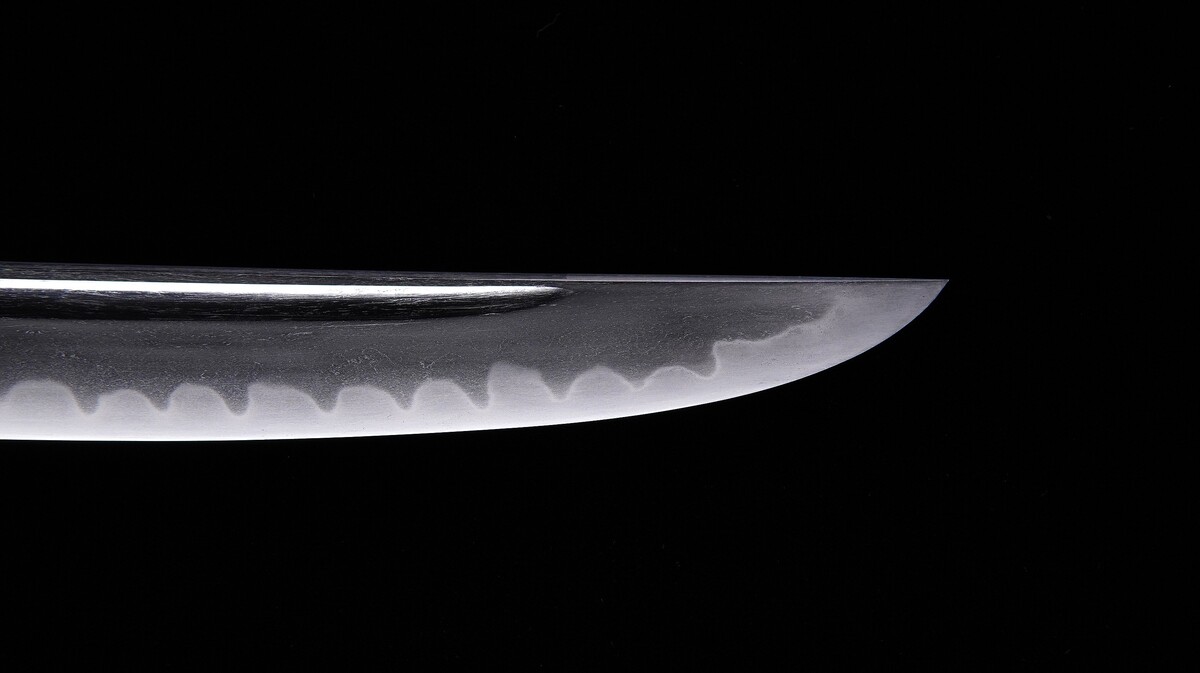
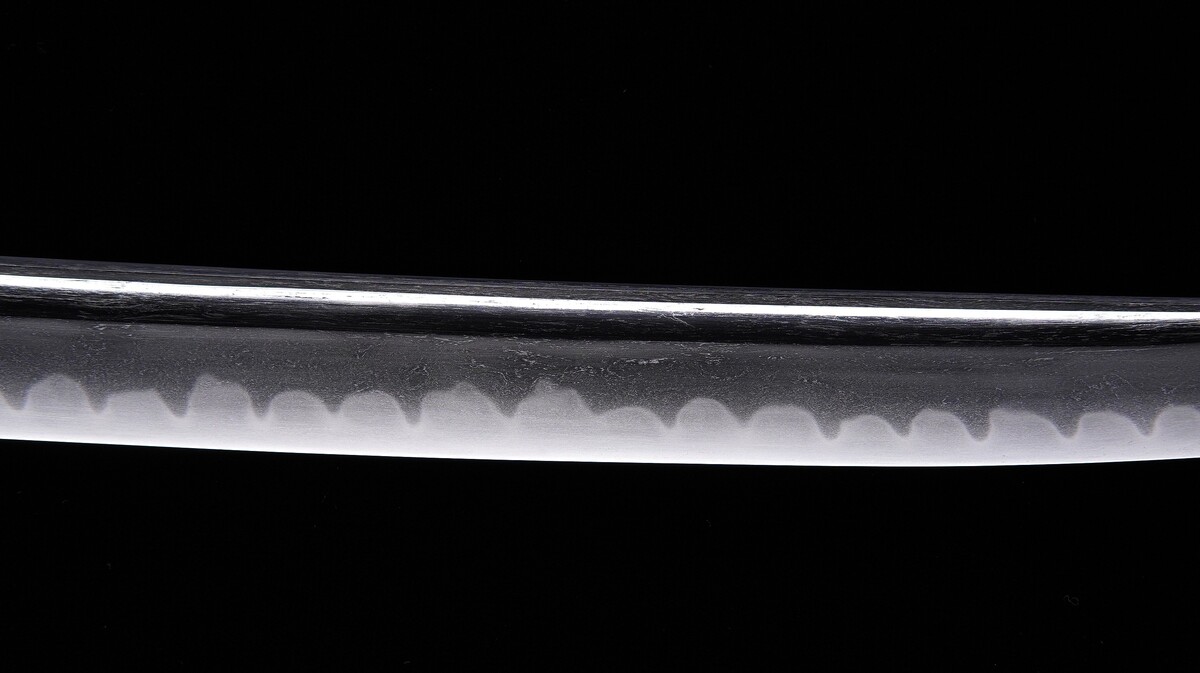
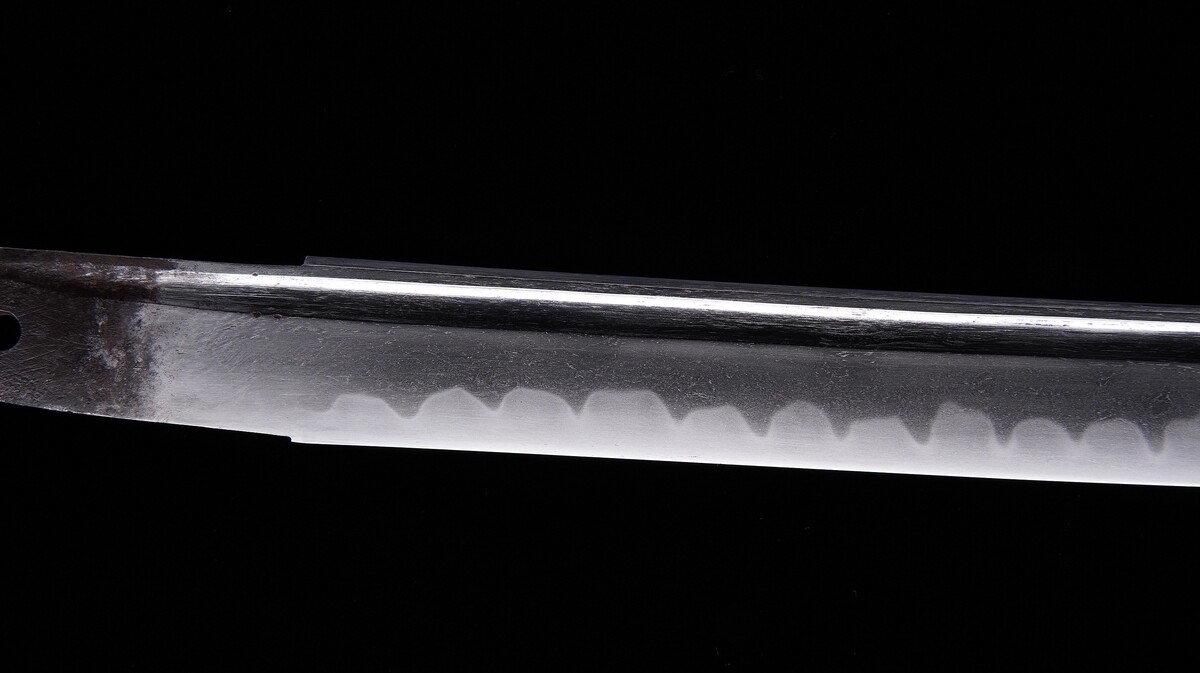
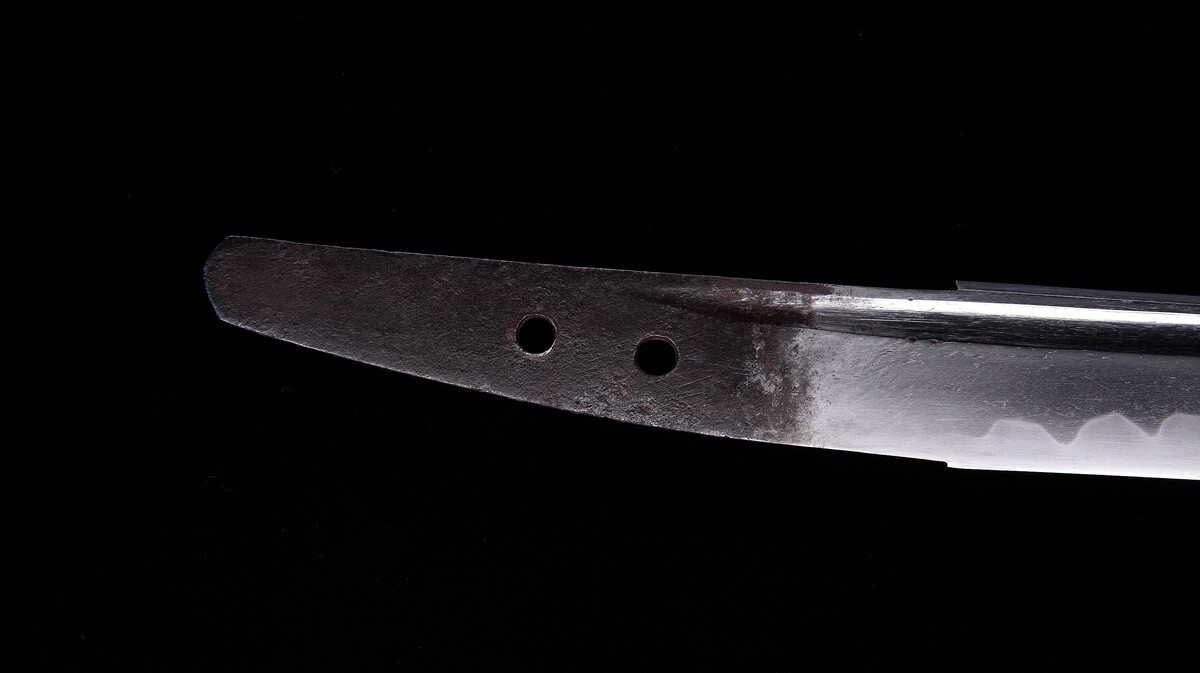
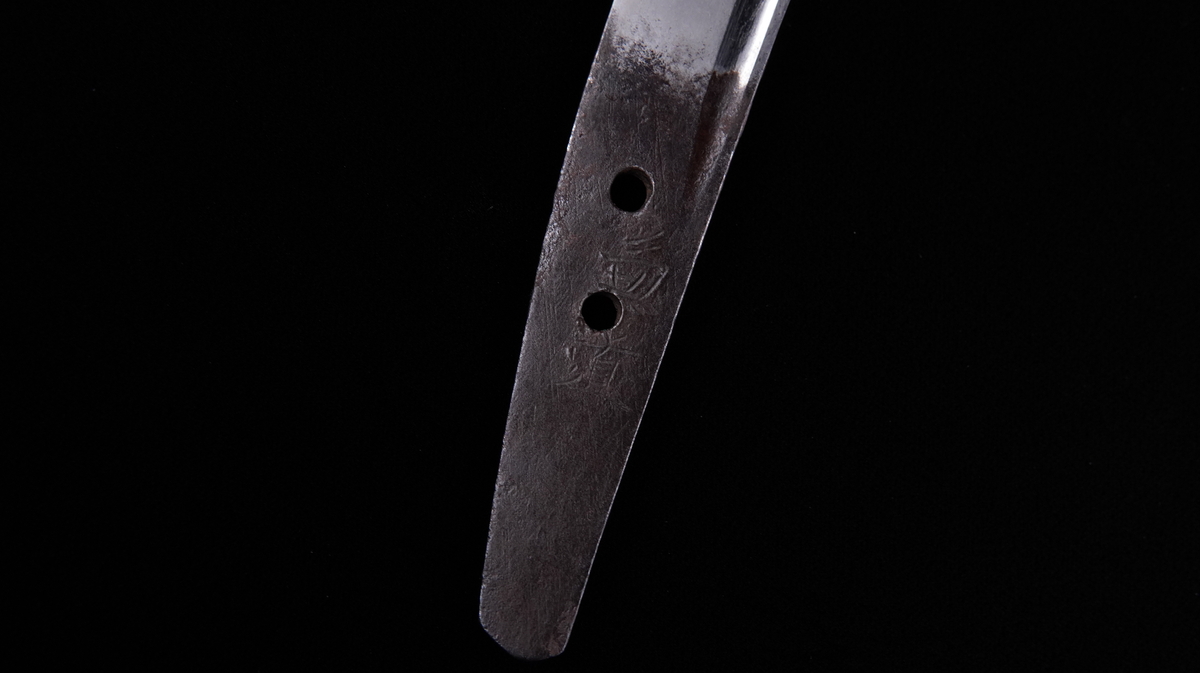
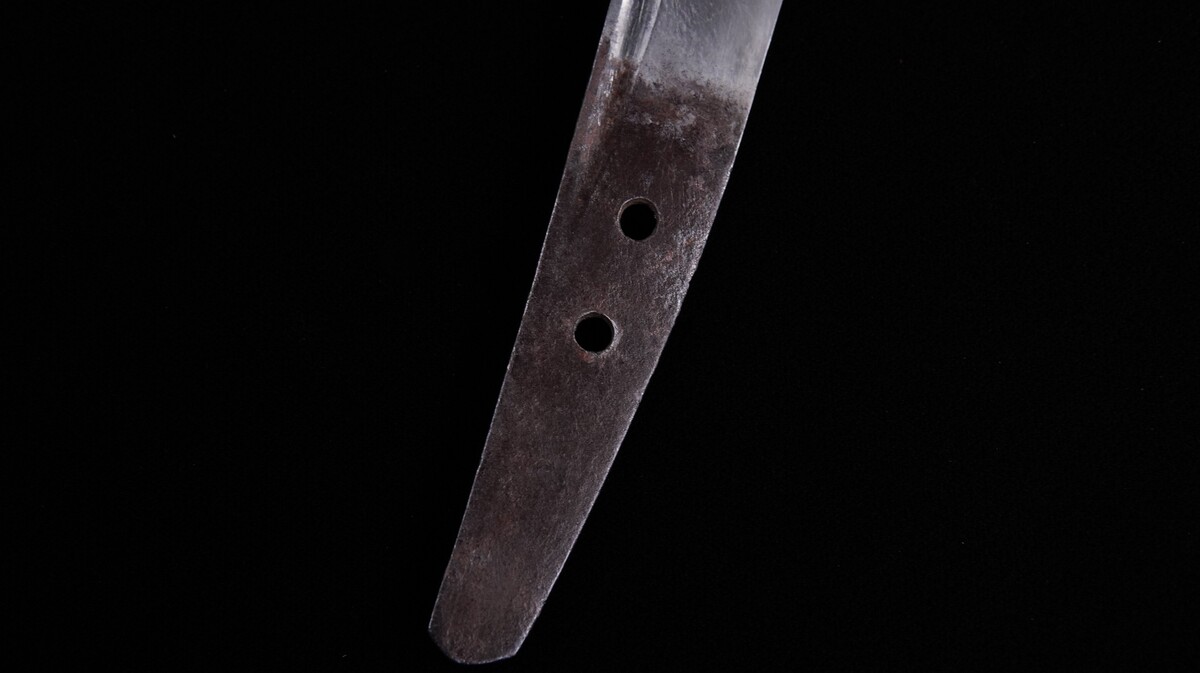
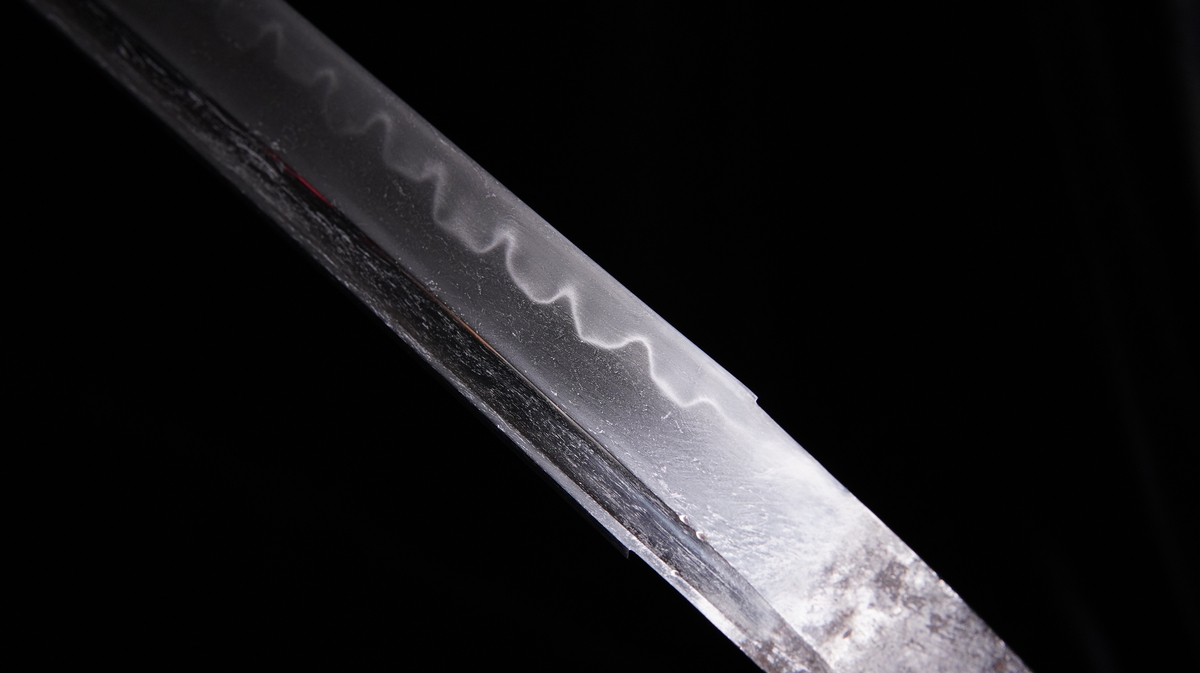
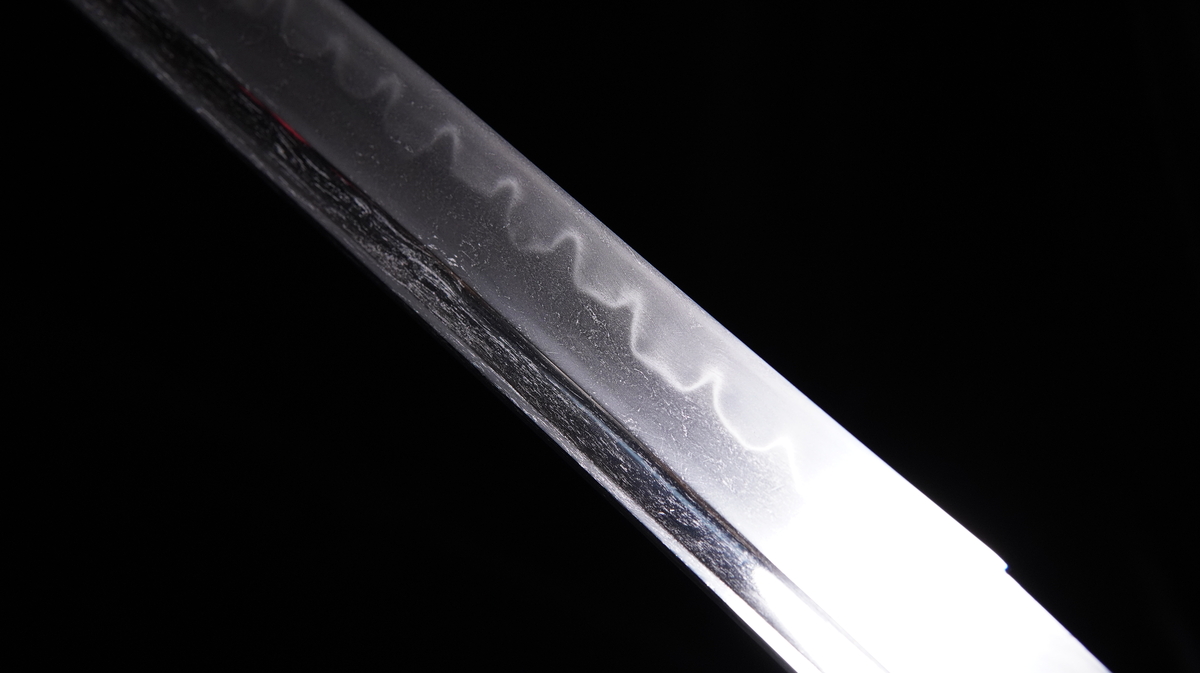
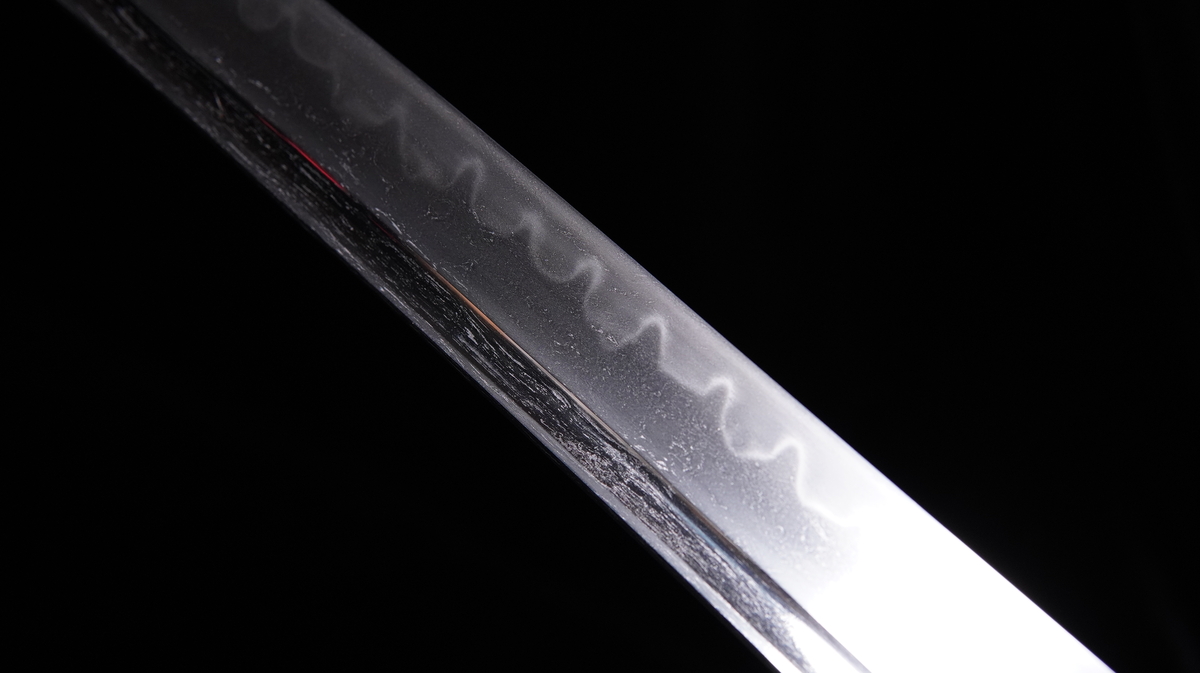
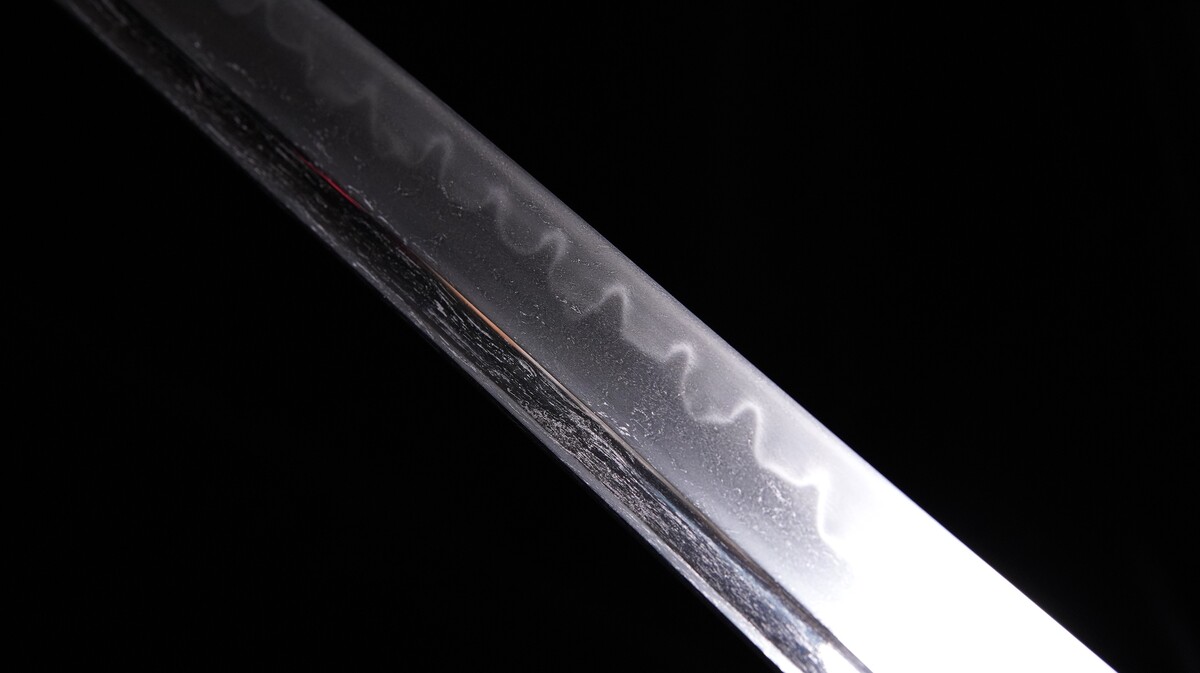
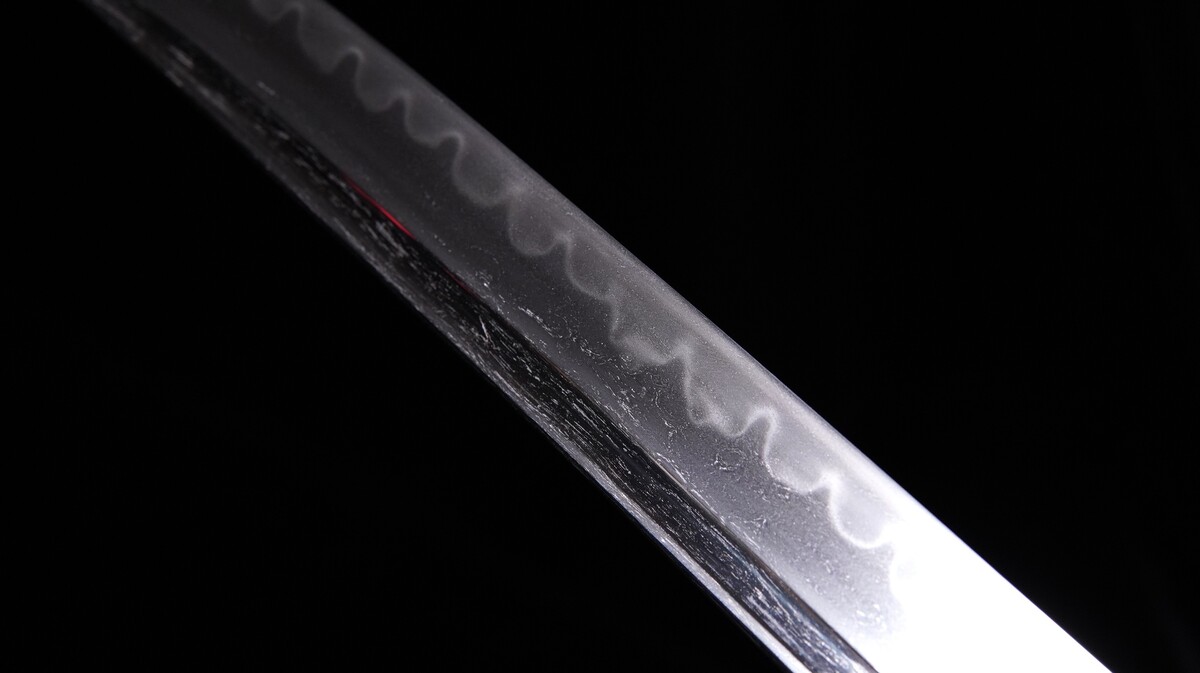
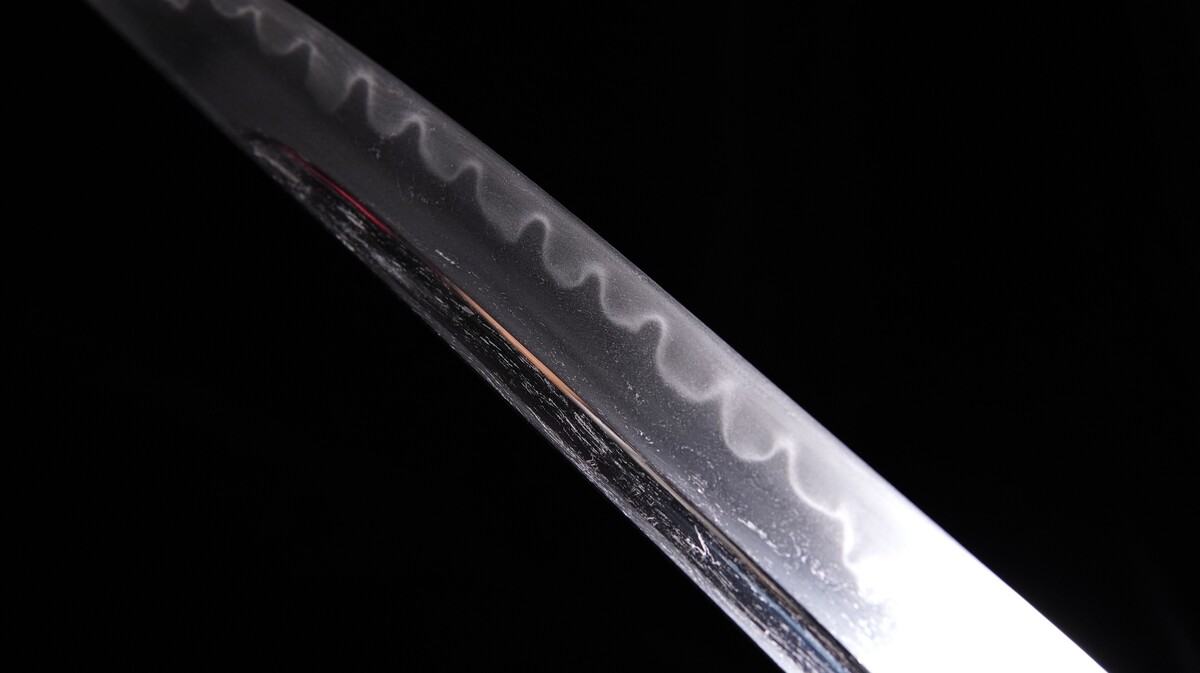
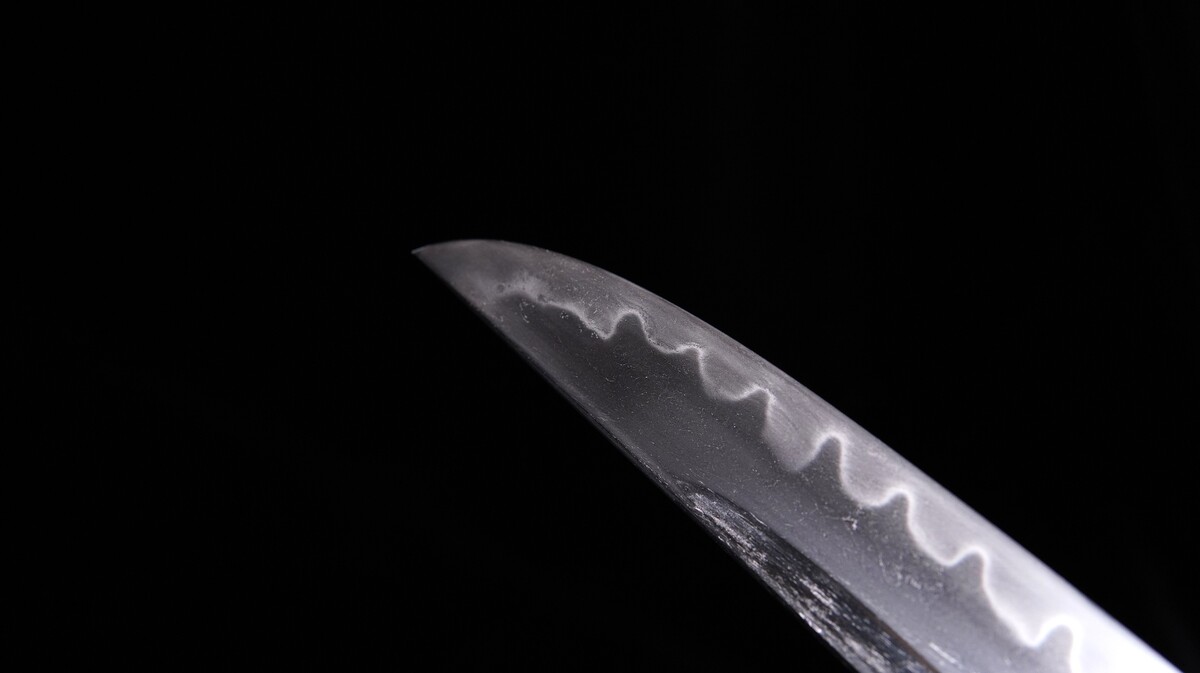
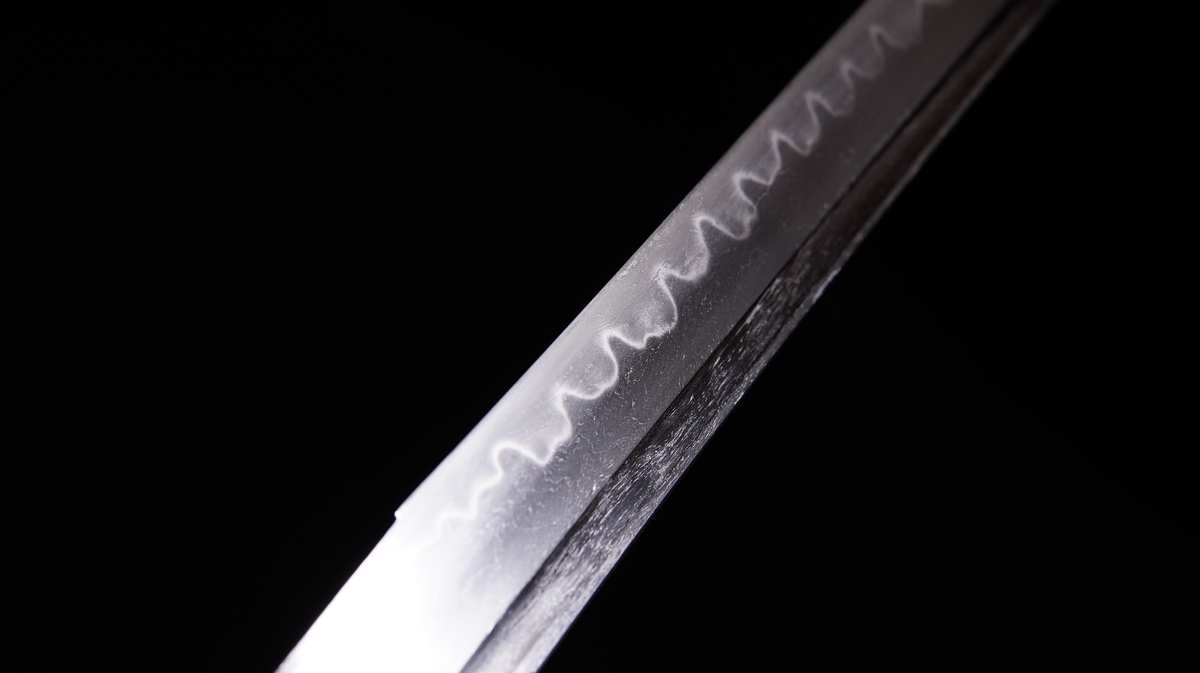
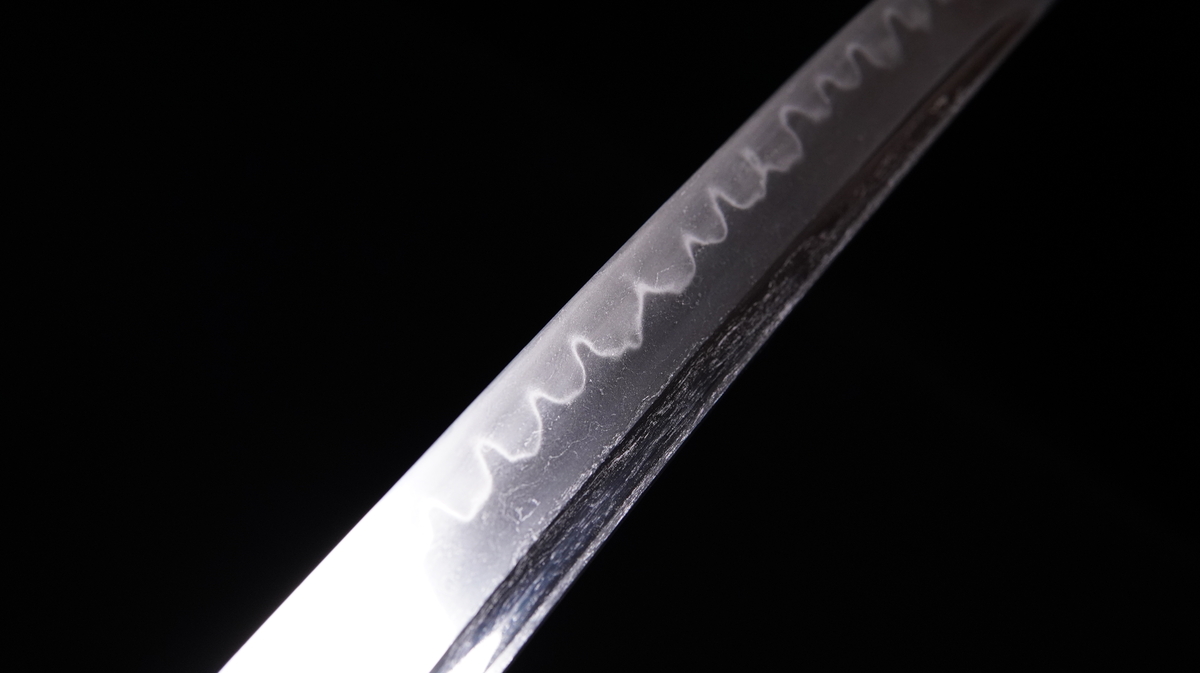
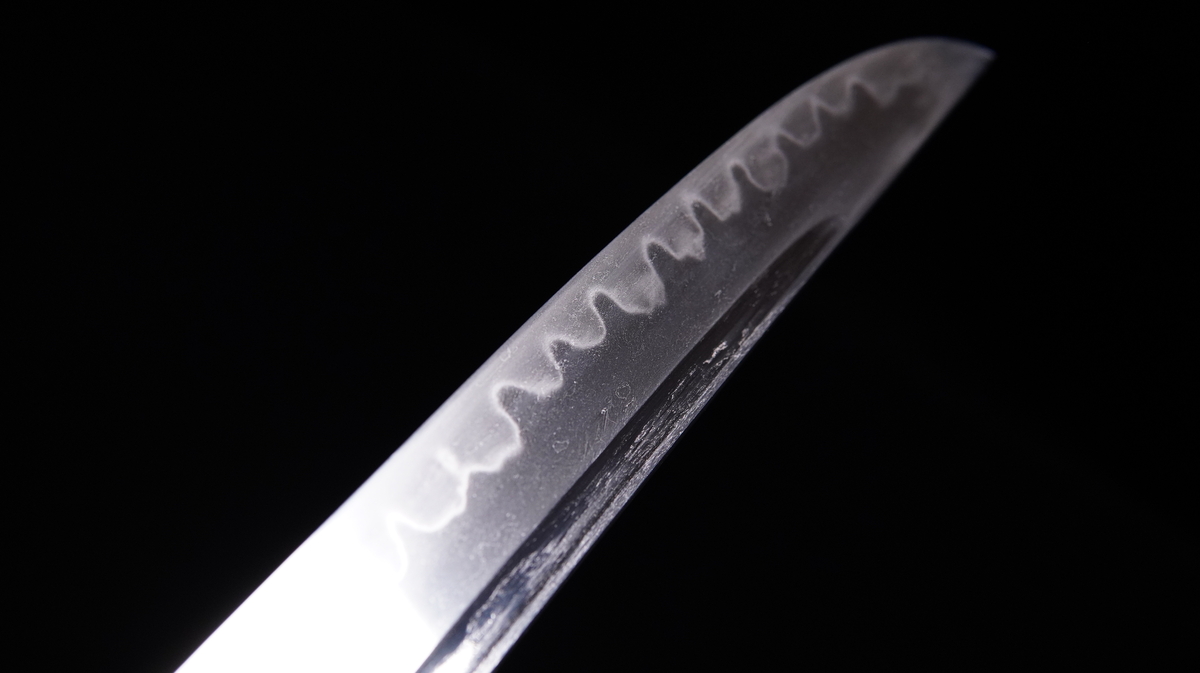
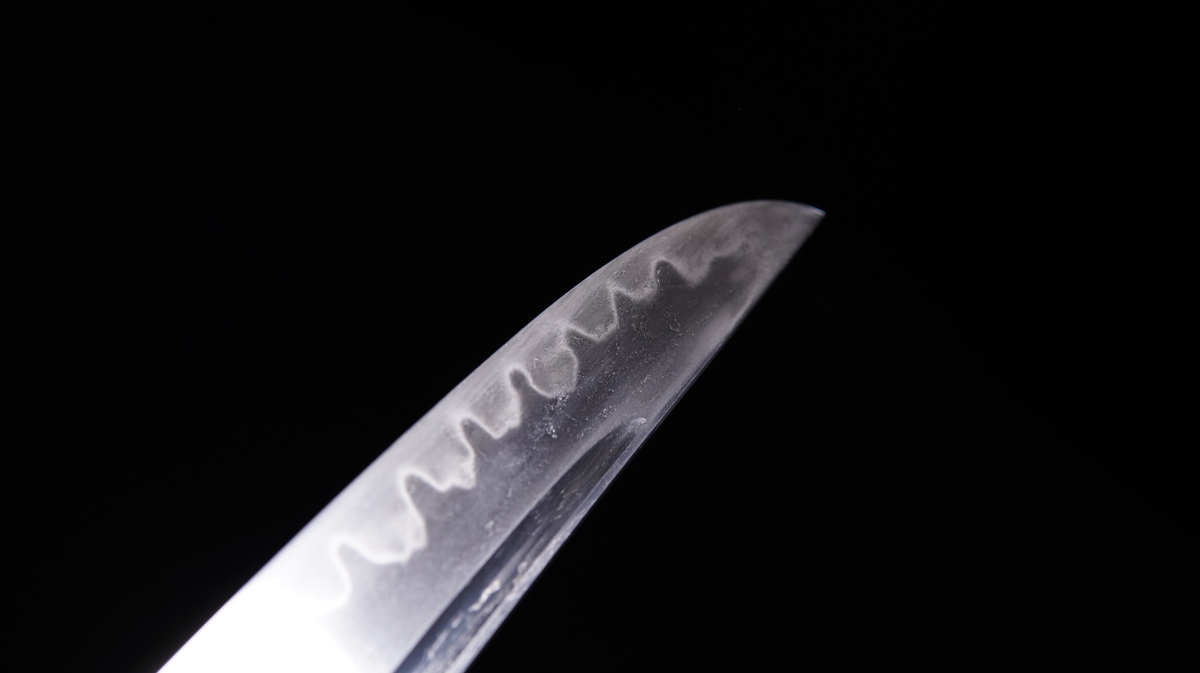
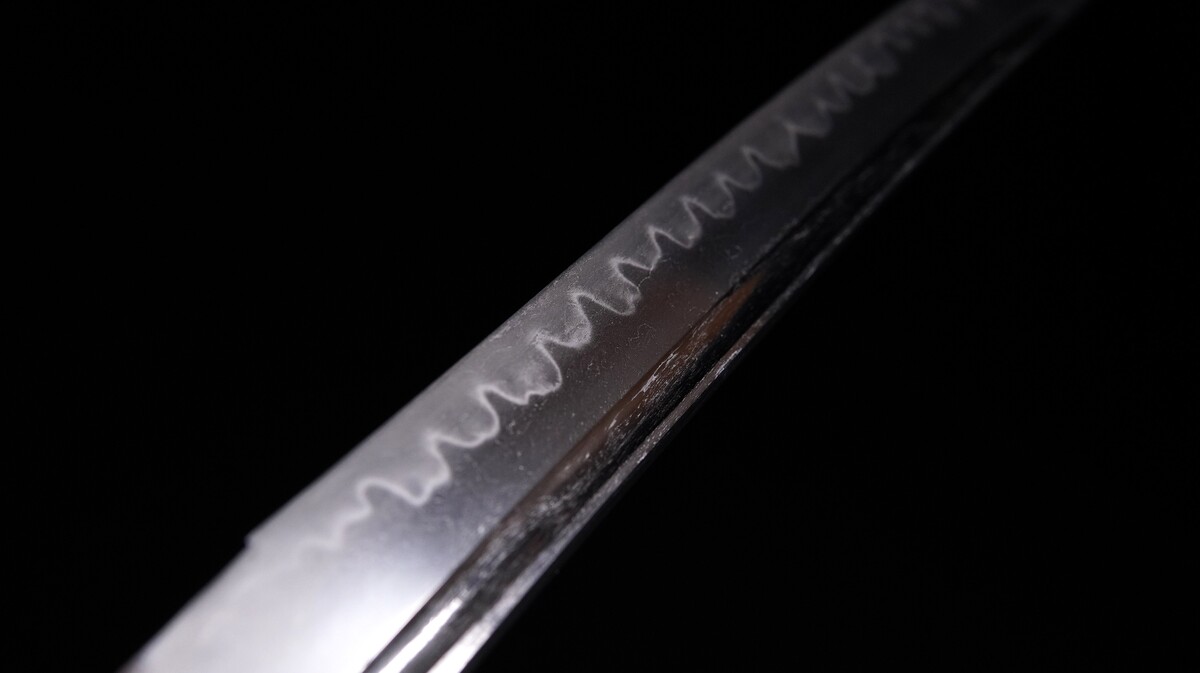
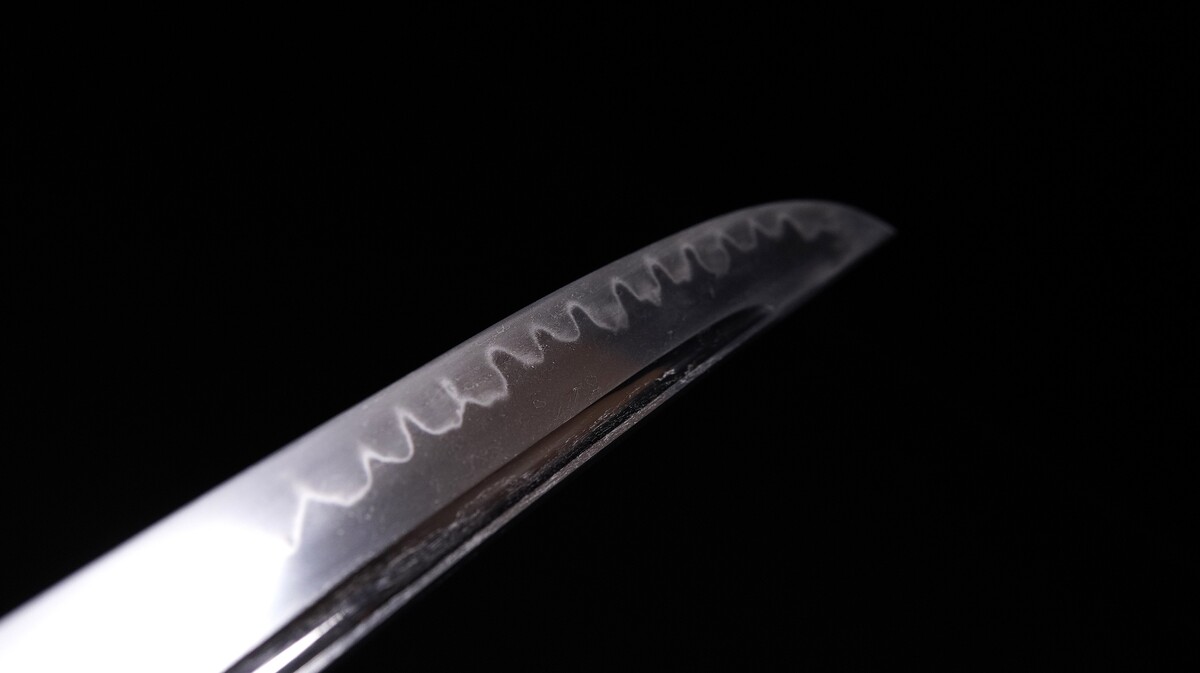
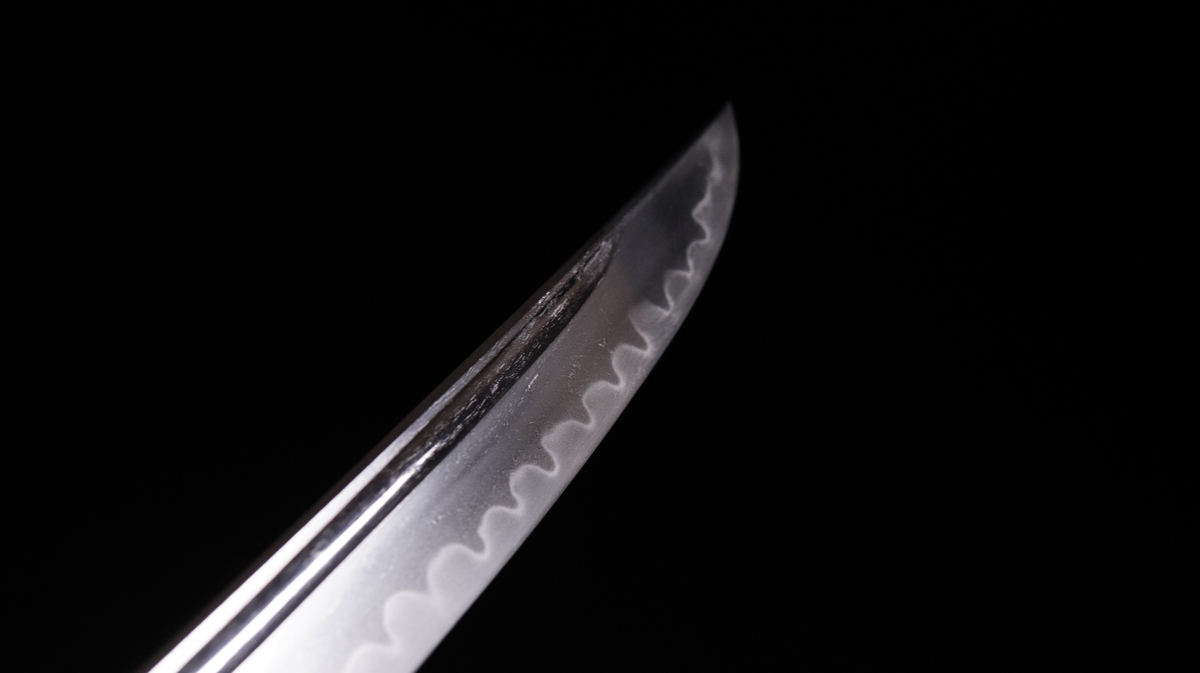
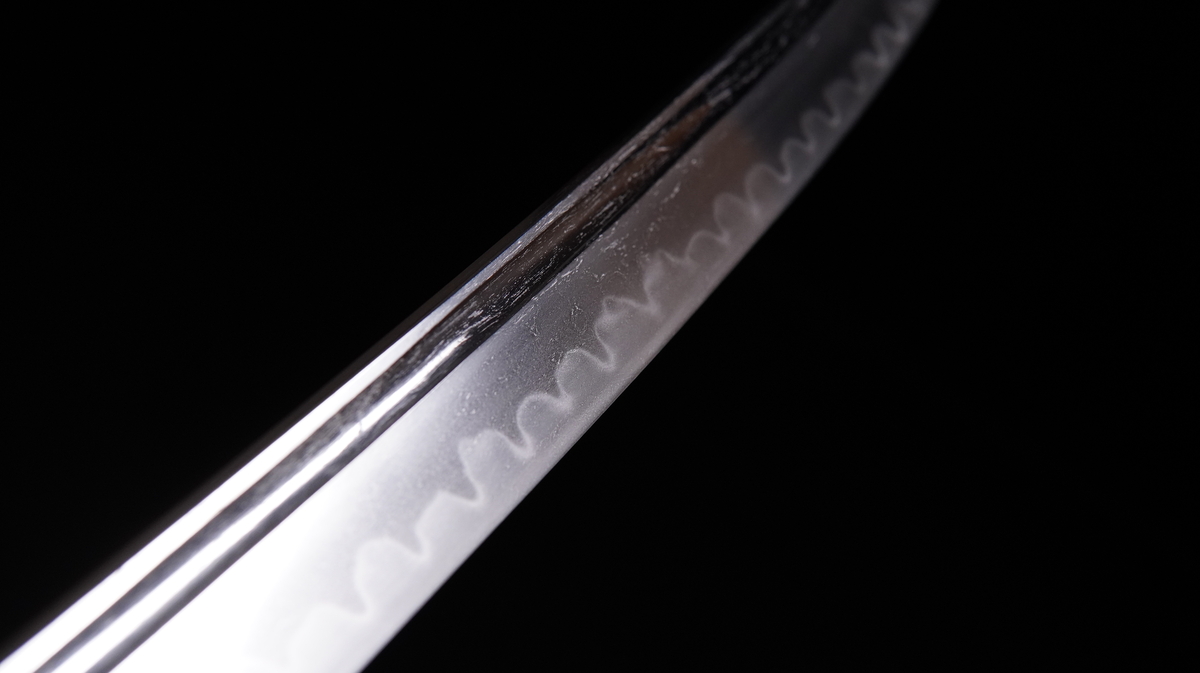
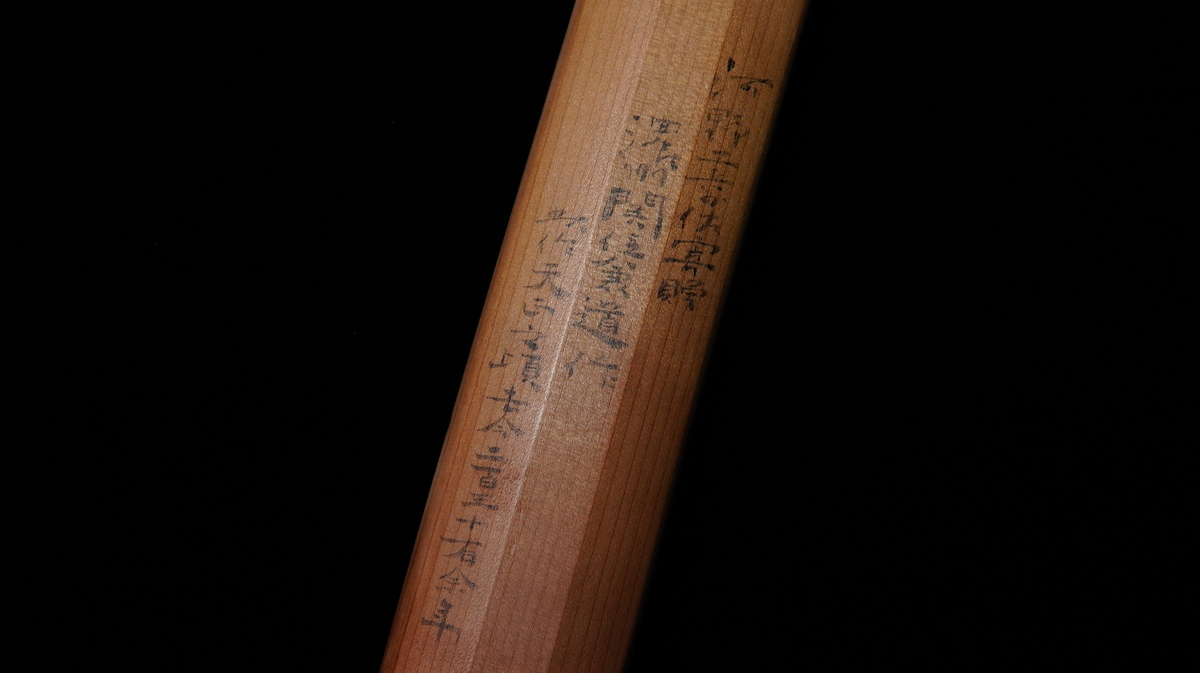
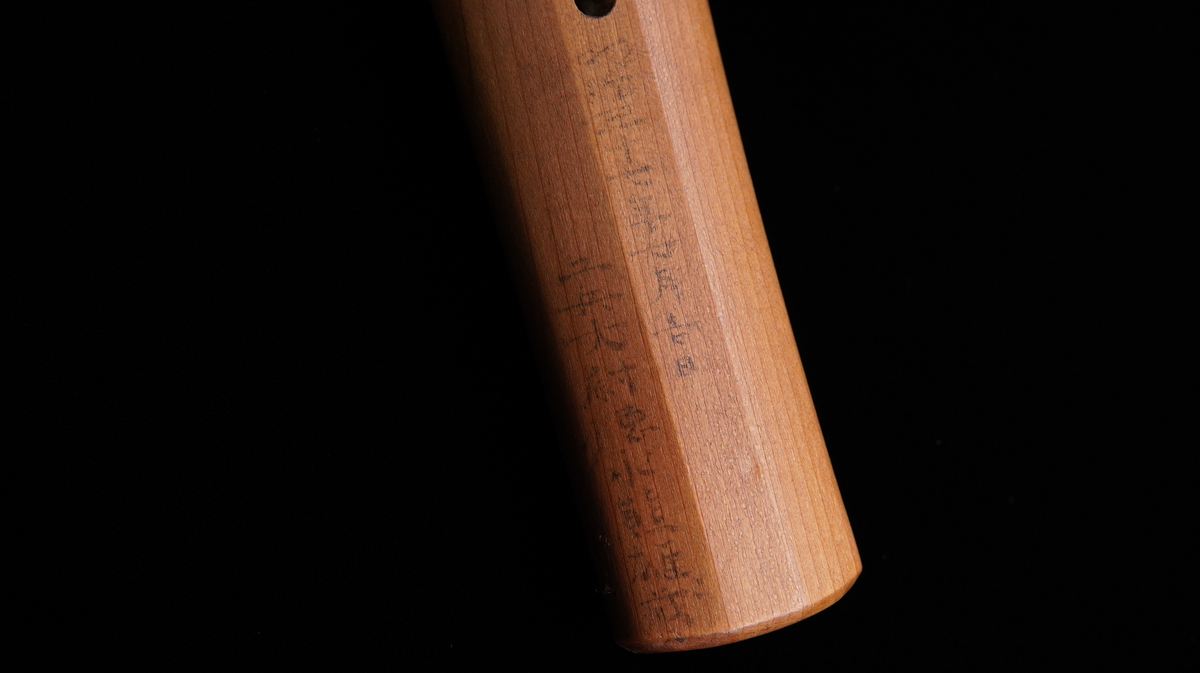
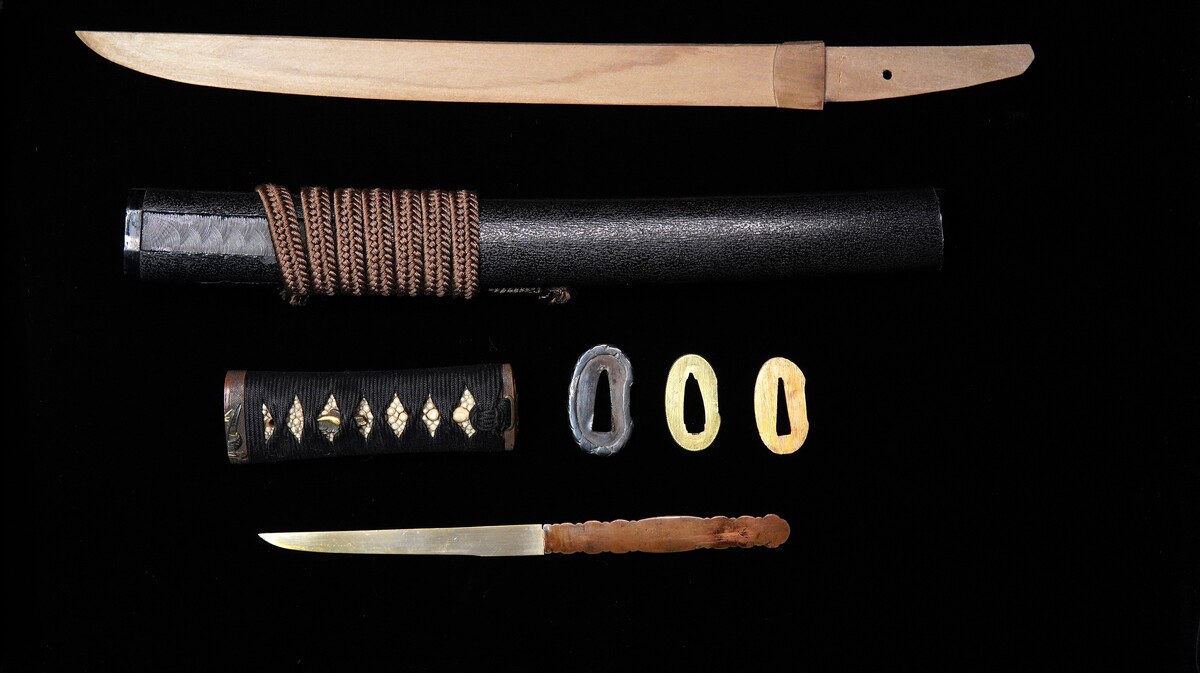
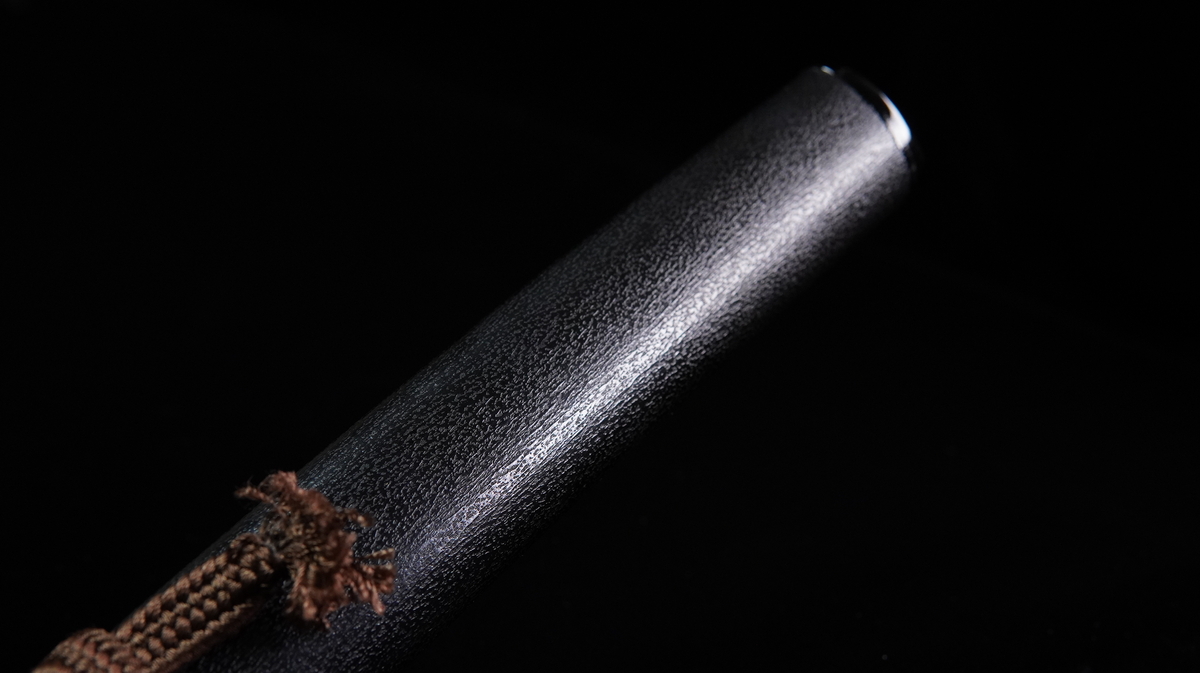
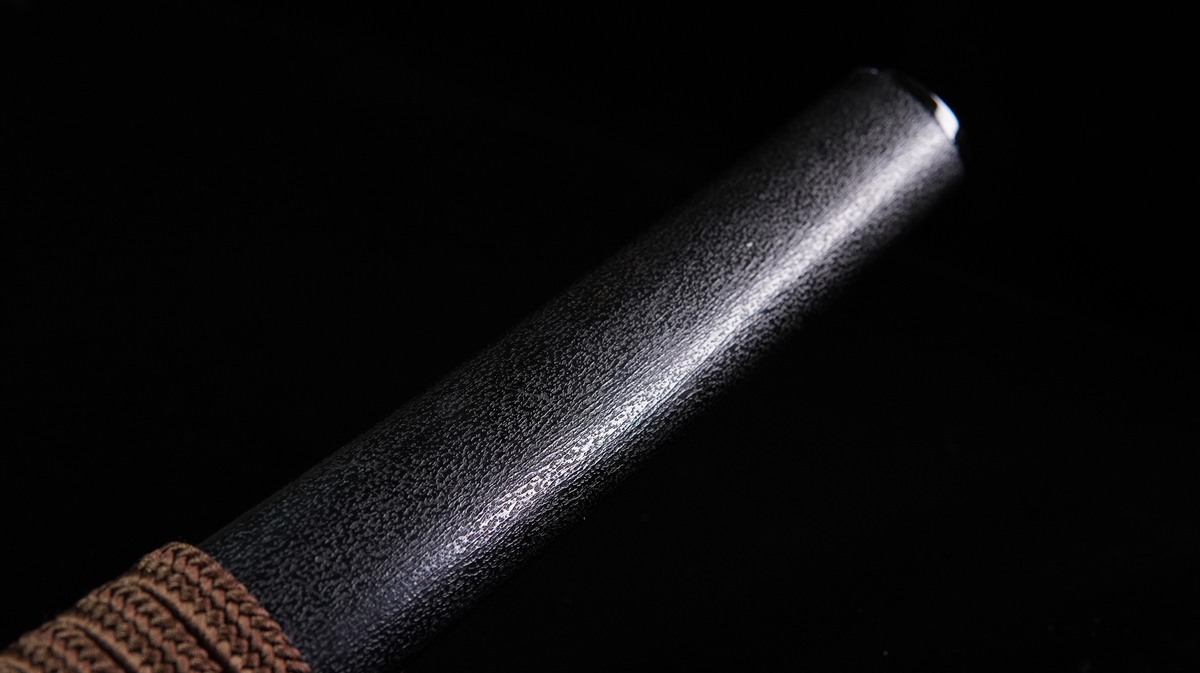
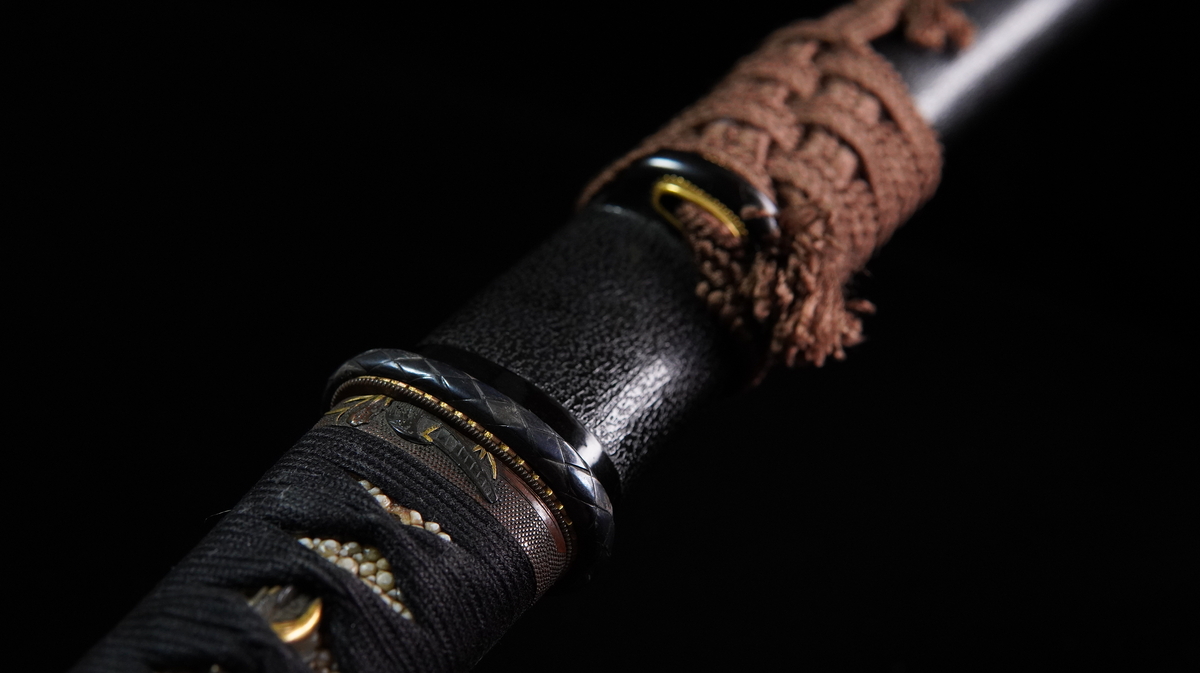
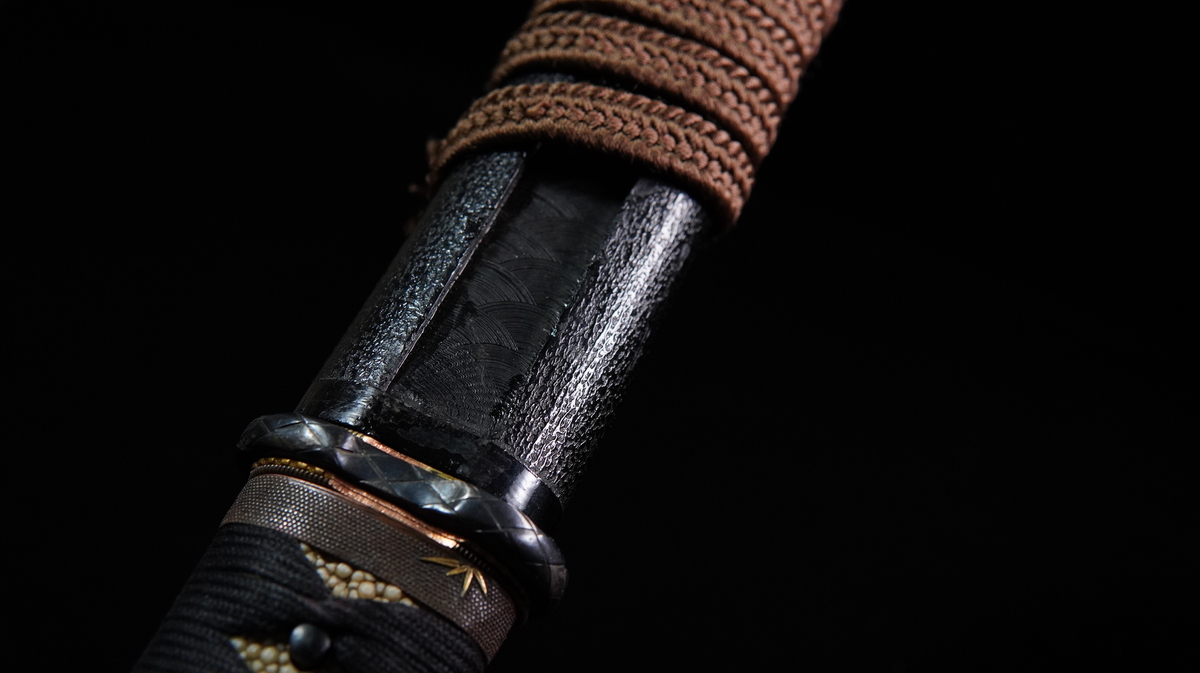
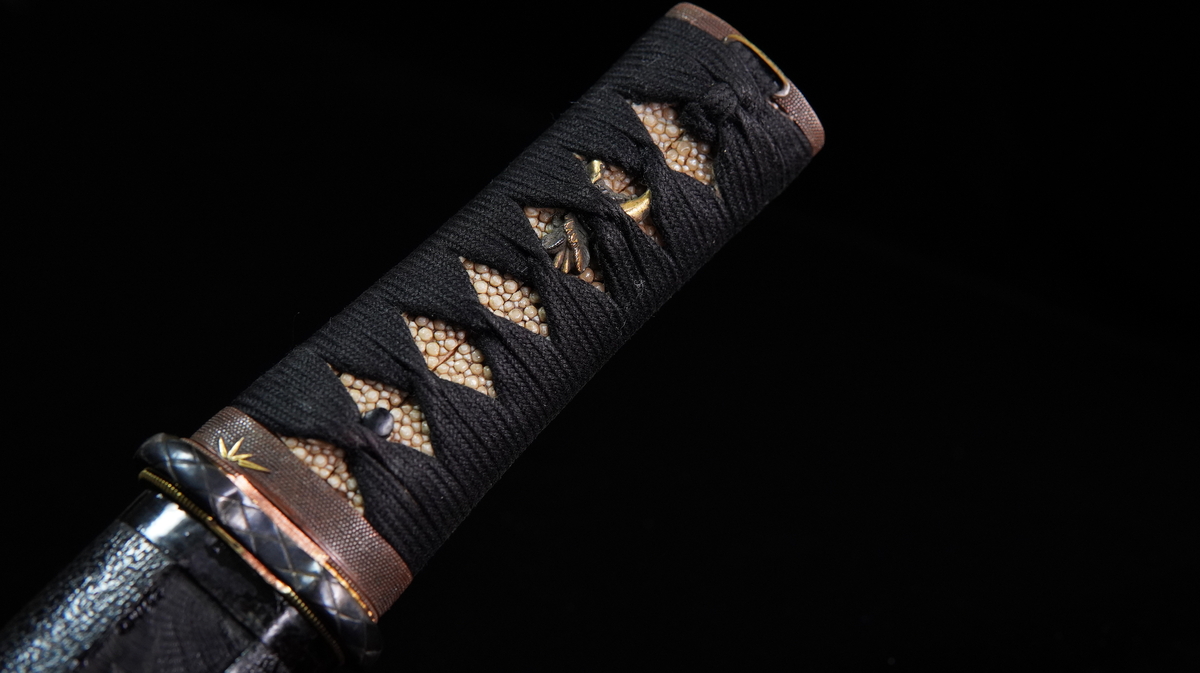
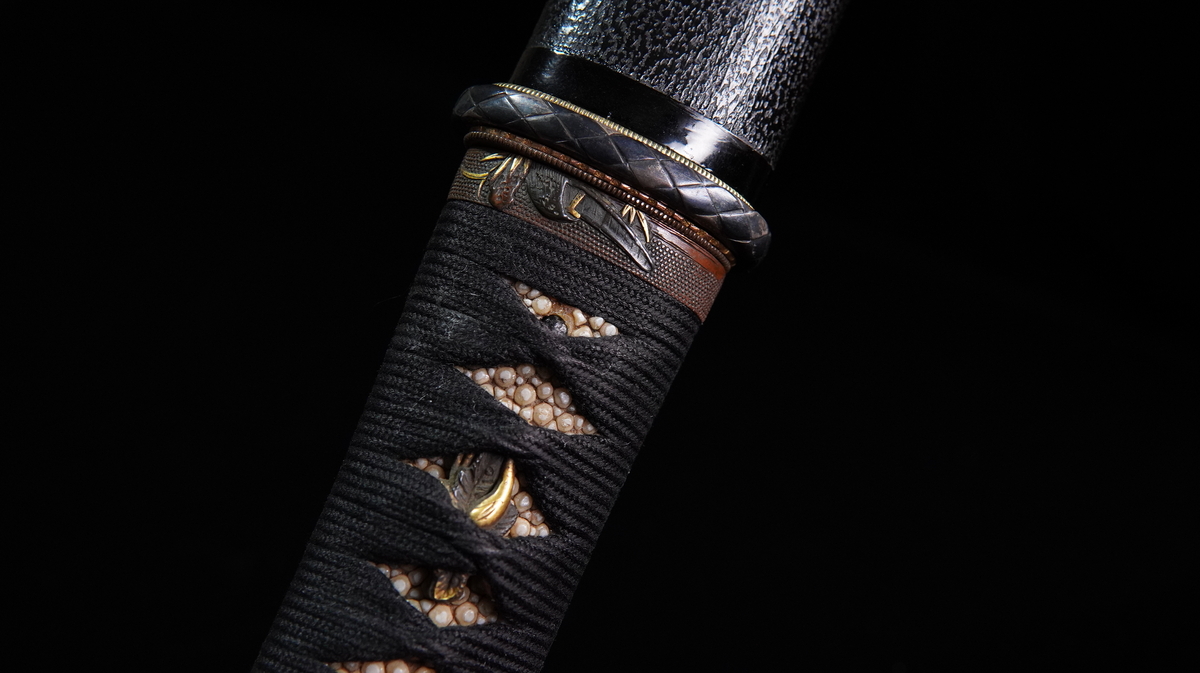
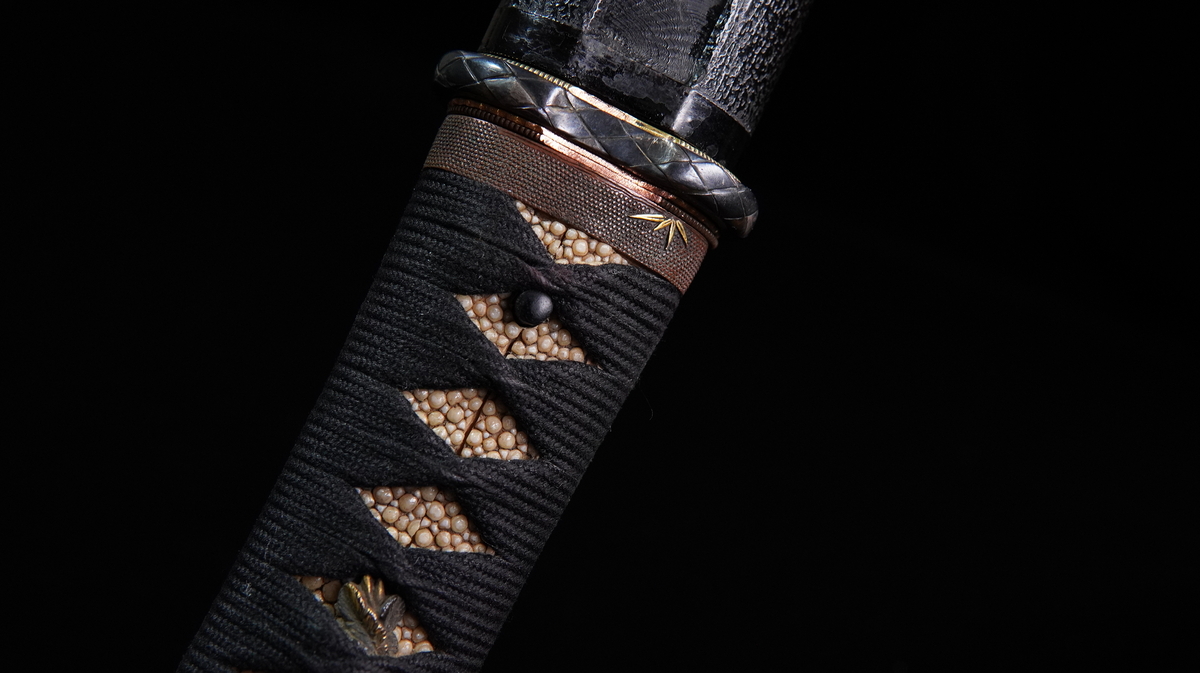
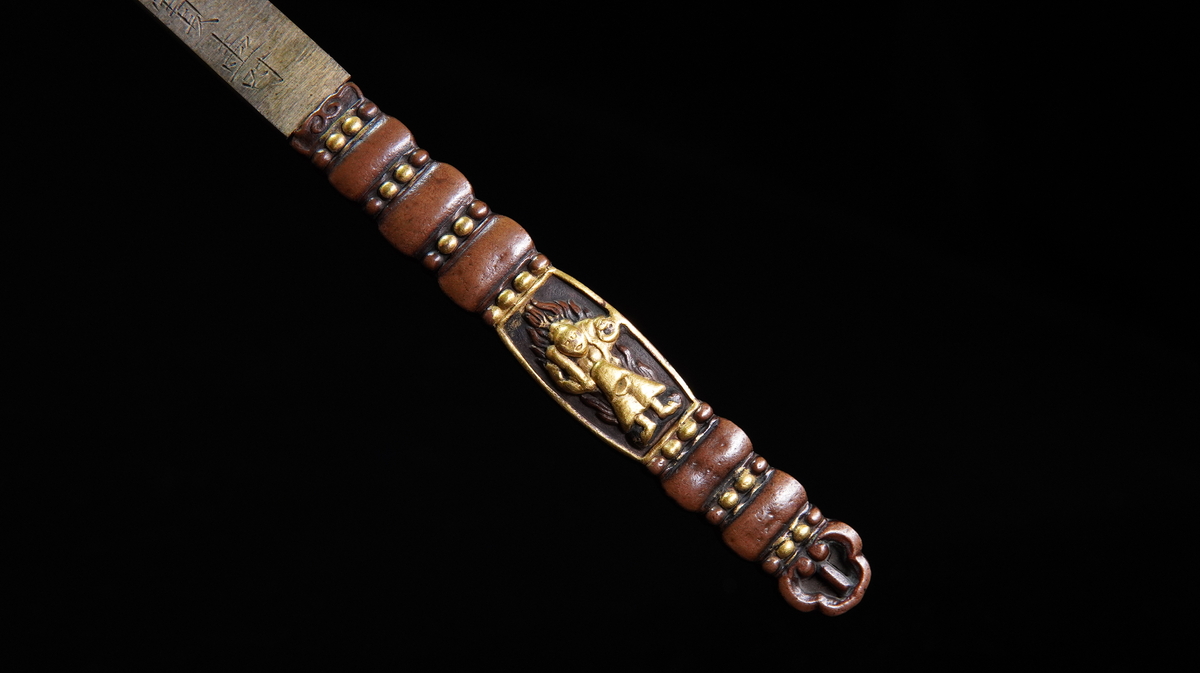
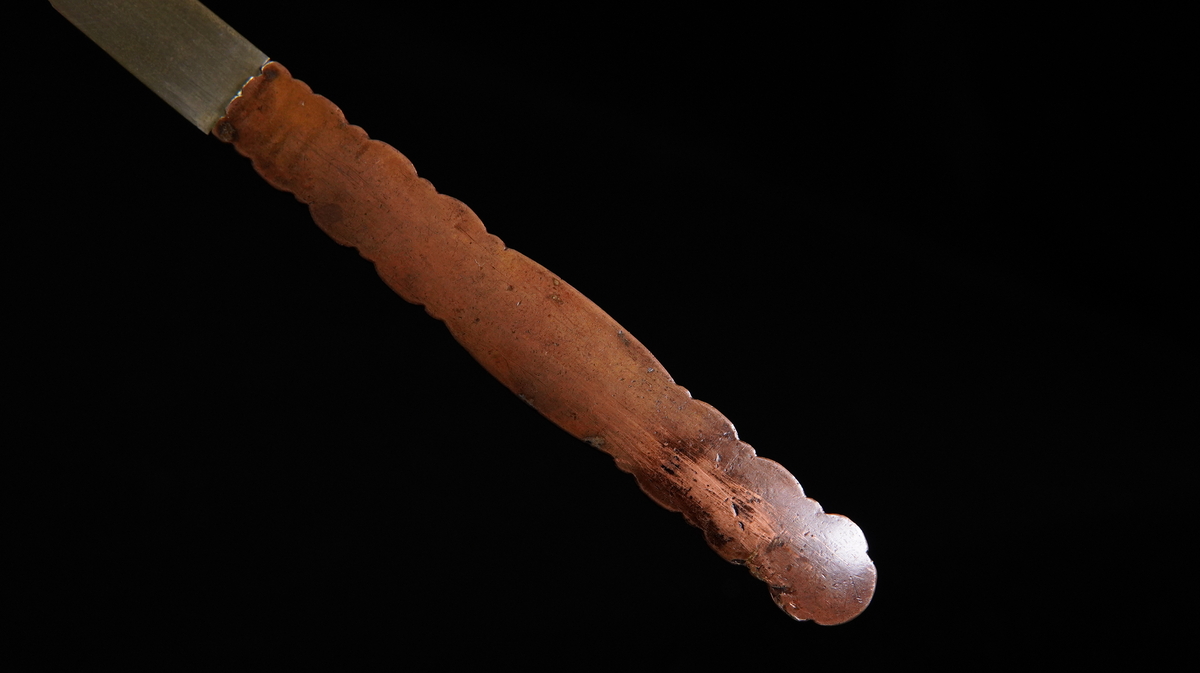
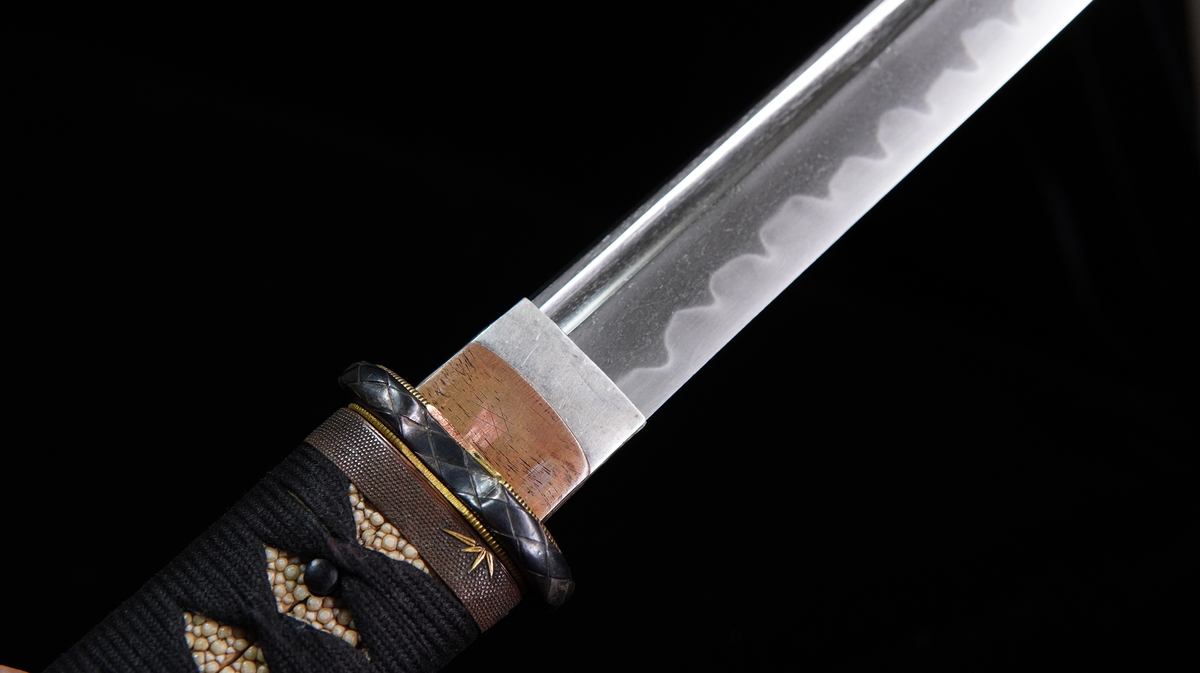
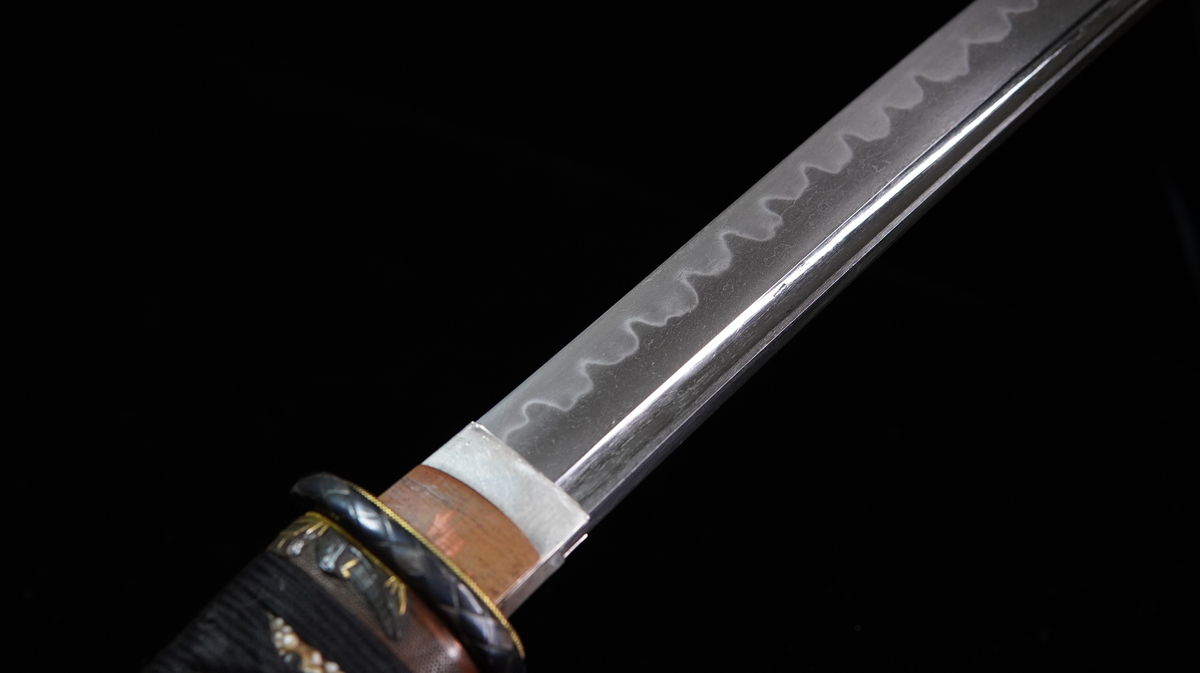
Shinto · Mino · around 1558-1570
Where Kanemichi stands among comparable artisans: across all of nihontō, and within tradition, era, and period. The tiers (Foremost · Leading · Major · Notable) weigh official designations from the NBTHK and Japan's Agency for Cultural Affairs, together with historical honors of lasting repute such as the Sansaku and Meibutsu-chō.
Select a lens to see how it's measured.
Shinto · Yamashiro
54 pieces on the market now
The Mishina school (三品), one of the two dominant smithing groups of early Edo Kyoto beside the Horikawa, grew from the late-Mino workshop of Kanemichi of Seki, whose dated blades run through the Tenbun, Eiroku, and Tenshō eras. During the closing decades of the sixteenth century Kanemichi came up to the capital with his four sons and settled at Nishinotōin Ebisugawa, where the eldest, Iga no Kami Kinmichi, is recorded as having greatly raised the name of the line. The brothers, Kinmichi together with Izumi no Kami Rai Kinmichi, Tanba no Kami Yoshimichi, and Etchū no Kami Masatoshi, became known collectively as the Sanpin (三品) makers, and the published sources count Kinmichi head of the Kyō go-kaji, the five Kyoto smiths. From the second generation the house held a hereditary right to recommend smiths to the court for their titles and added that by-line to its signatures. The name continued under the same appellation to the end of the Tokugawa period, throwing off branches that included the Tango no Kami line working at Ōsaka into the Genroku years, though the published record consistently holds the founding generation the most outstanding of the line. Beneath every branch lies a shared vocabulary carried up from Mino-Seki. The jigane is the constant: an itame mixed with mokume that flows into nagare-hada and tends toward masame near the mune, the grain standing, with thick fine ji-nie and frequent chikei. Over it the Mino-derived gunome and togariba are refined toward a Kyoto manner, the nie strong and at times coarse, gathering unevenly, kinsuji and vigorous striped sunagashi running throughout. Two tells bind the house. The first is the Mishina bōshi, a notare or midare run-in pointed at the tip and swept with vigorous hakikake, the form Masatoshi shows at its clearest, described as if drawn from a picture. The second is sudareba, the bamboo-blind temper in which layered sunagashi and yubashiri stripe into parallel bands; Tanba no Kami Yoshimichi devised it, and the first-generation hand keeps it a free, semi-cursive disorder where his heirs would regularize it into a fixed lattice.
The lines diverge from that common ground. Kinmichi and his younger brother Masatoshi both excelled in a Shizu manner, the large midare of Mino grafted onto Sōshū nie, with Masatoshi the most versatile, ranging across Shizu, Mino sanbon-sugi, Yamato suguha, and Sōshū hitatsura. The later Ōsaka Tanba branch held to the sudareba alone, opening from a straight yakidashi, while the second Tango no Kami Kanemichi cast off the family chōji for a flamboyant tōran-style large gunome in alternating two-joined and three-joined groups, and a deep-nioi suguha read in the manner of Inoue Shinkai. To kantei Mishina is to read these two house marks first. The pointed, hakikake-swept bōshi and the striped sudareba, set over a standing itame that flows to masame, place a blade within the line before any signature is weighed; the sunagashi, far heavier than on a Bizen ji, is the very material from which the temper is built. Within the house the founding generation sets the standard. Fujishiro grades Kinmichi and Masatoshi Jō-jō saku, the Ōsaka Tanba shodai Jō-saku, and the second Tango no Kami Chū-jō saku, the sources judging the later Kyoto and Ōsaka generations markedly inferior to the founders as the manner thinned toward a single uniform pattern. Provenance on record runs through samurai and collector hands rather than great museums: a Kinmichi katana among the cherished swords of Tani Tateki, a Yoshimichi katana made for Naitō Kuroemon and another now in the Kyoto National Museum, Masatoshi blades passing through Oda Urakusai and the Imperial household, and a second Tango no Kami katana descending from the Aoyama wardens of Ōsaka castle. The brothers' blades are signed and knowable, dated examples rare, so the manner of the mei joins the workmanship in placing them; for the Ōsaka and Kyoto branches the cut of the character 守 separates one hand from the next. Most designated work is held rather than traded, so a signed founding-generation Mishina blade comes to light only from time to time, and with it the temper in which one of the most recognizable hamon of the Shintō era was first being worked out. Learn more →
| Smith | Era | Designated |
|---|---|---|
| Kinmichi金道 | 1596-1615 | 25 |
| Yoshimichi吉道 | 1596-1615 | 36 |
| Masatoshi正俊 | 1596-1615 | 29 |
| Kanemichi兼道 | 1681-1704 | 5 |
| Eisen来栄泉 | 1673-1688 | 3 |
Kyōto: the revival workshop
The Shintō era was largely invented in Kyōto: Umetada Myōju’s workshop trained the movement, Horikawa Kunihiro raised a generation, and the Hon’ami appraisers, who held no forge, governed the meaning of famous blades.
Certifies a genuine blade worth preserving: a signature confirmed correct, or, if unsigned, an era, province, and school that the NBTHK can reliably identify.
The NBTHK (Nihon Bijutsu Tōken Hozon Kyōkai, the Society for the Preservation of Japanese Art Swords) is a public-interest incorporated foundation founded in 1948 and supervised by Japan’s Agency for Cultural Affairs (Bunkachō); it is based at the Japanese Sword Museum in Tokyo. Its expert panels physically examine each submitted work (shinsa) and issue a certificate (kanteishō) ranking it by artistic and historical merit. NBTHK papers are the most widely recognized standard of authentication for Japanese swords and fittings.
NBTHK official site