NihontoWatch Mon

NihontoWatchBETA

MarketAuctions
Encyclopedia
NihontoWatch Mon

NihontoWatchBETA

MarketAuctions
Encyclopedia

Description

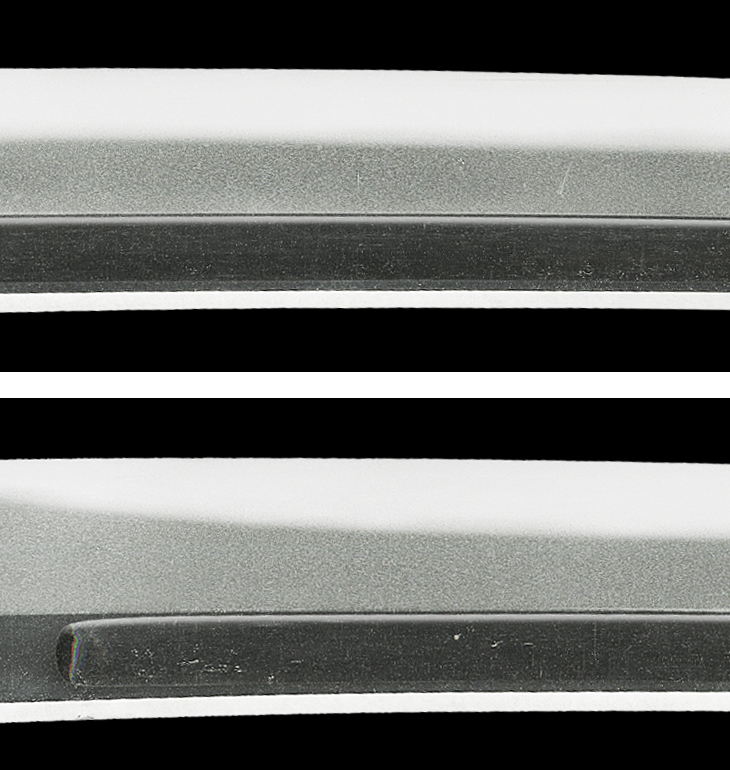
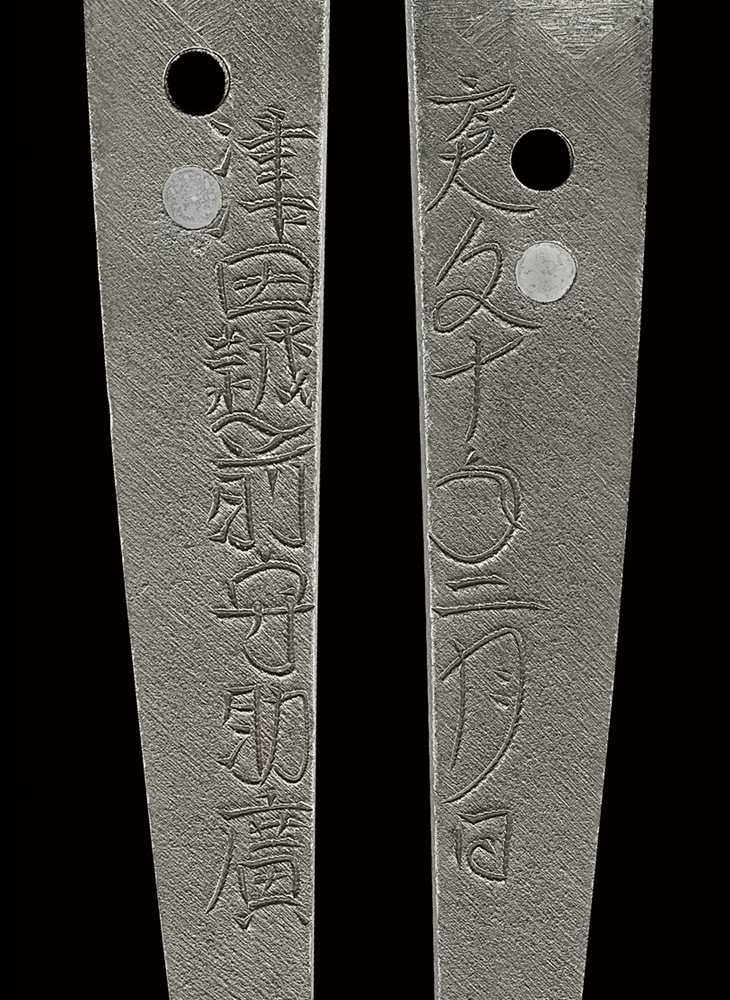
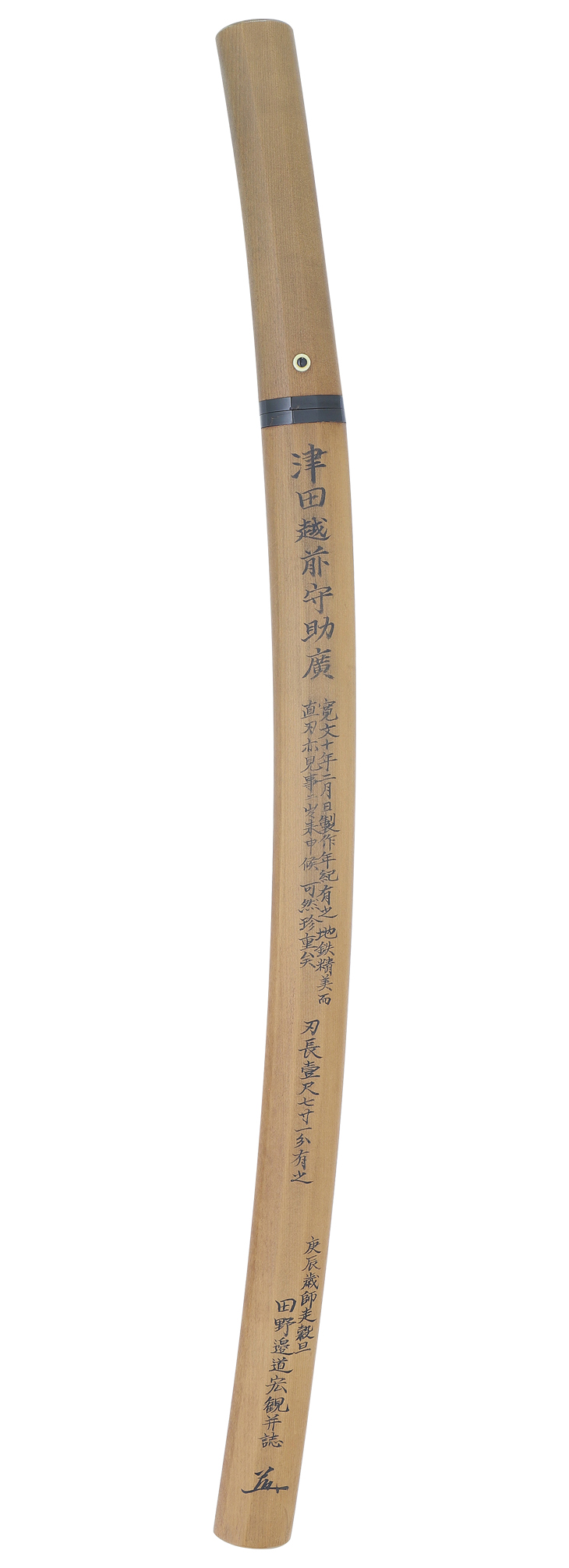
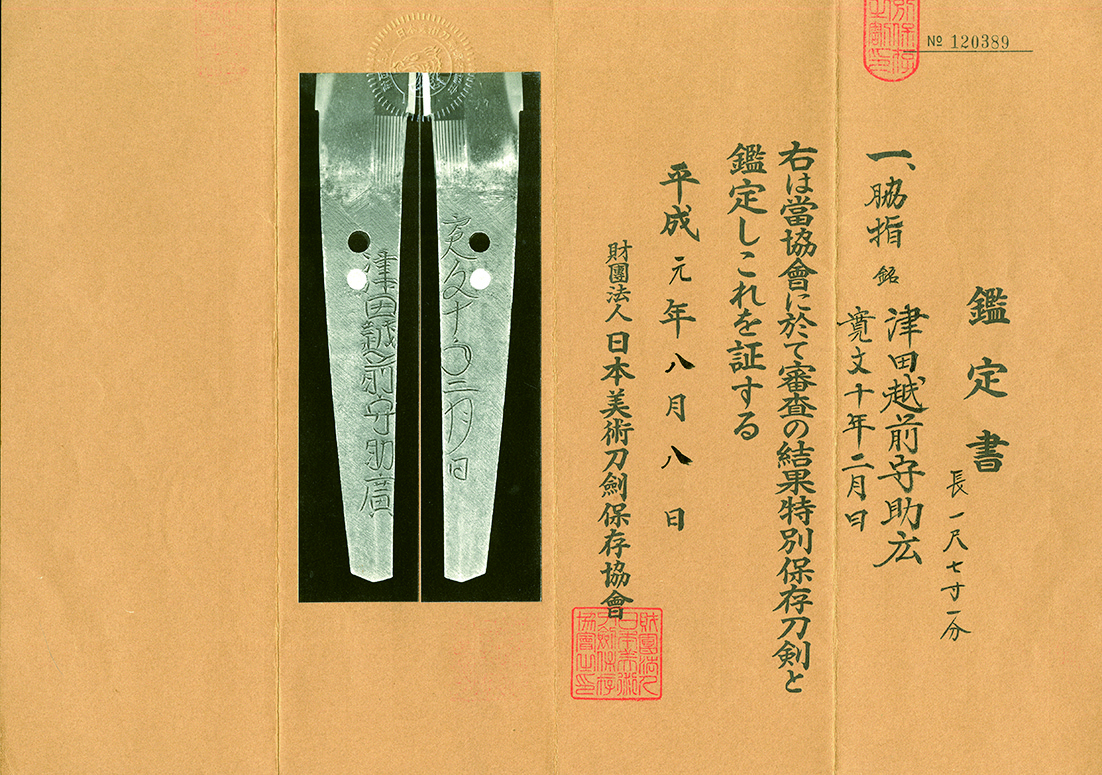
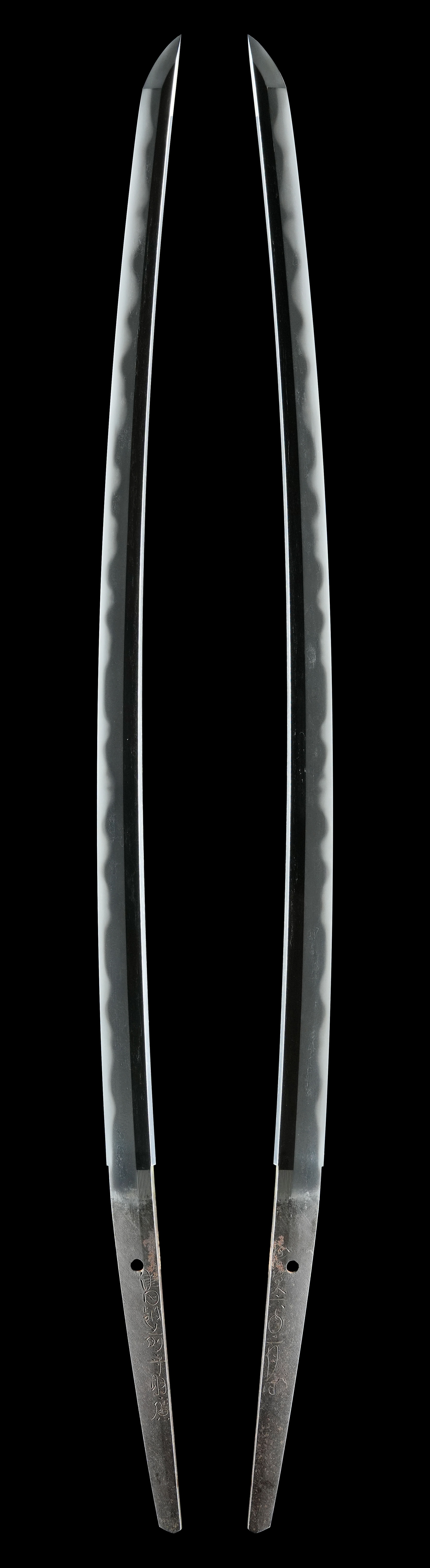
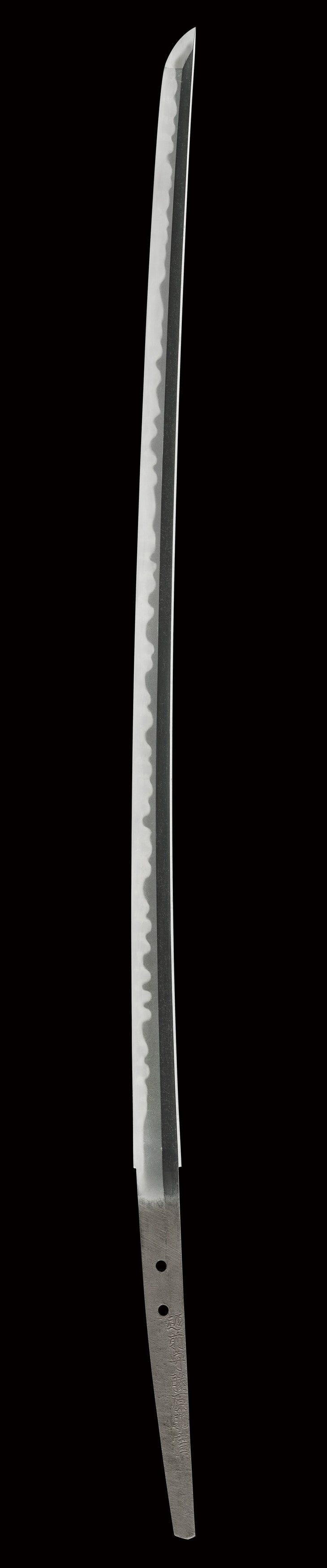
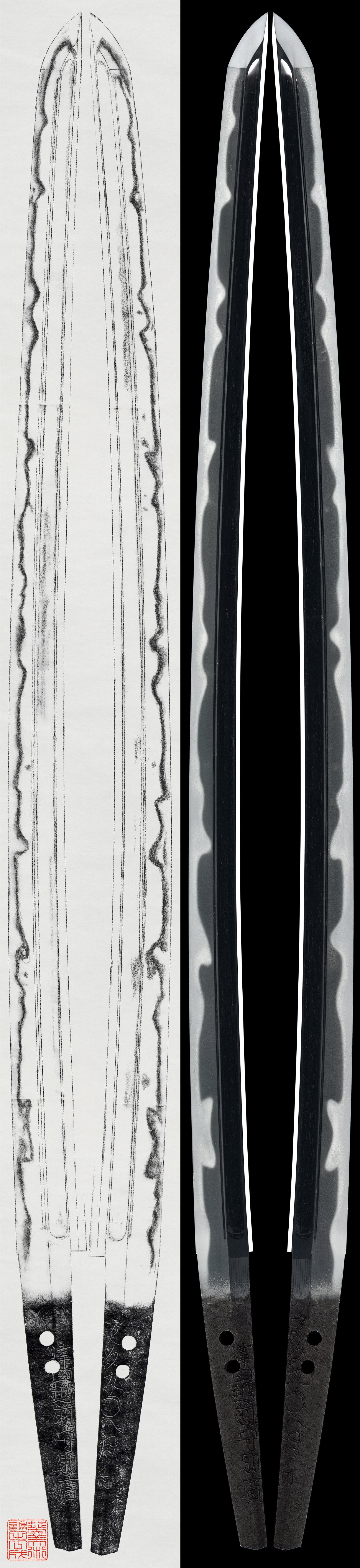
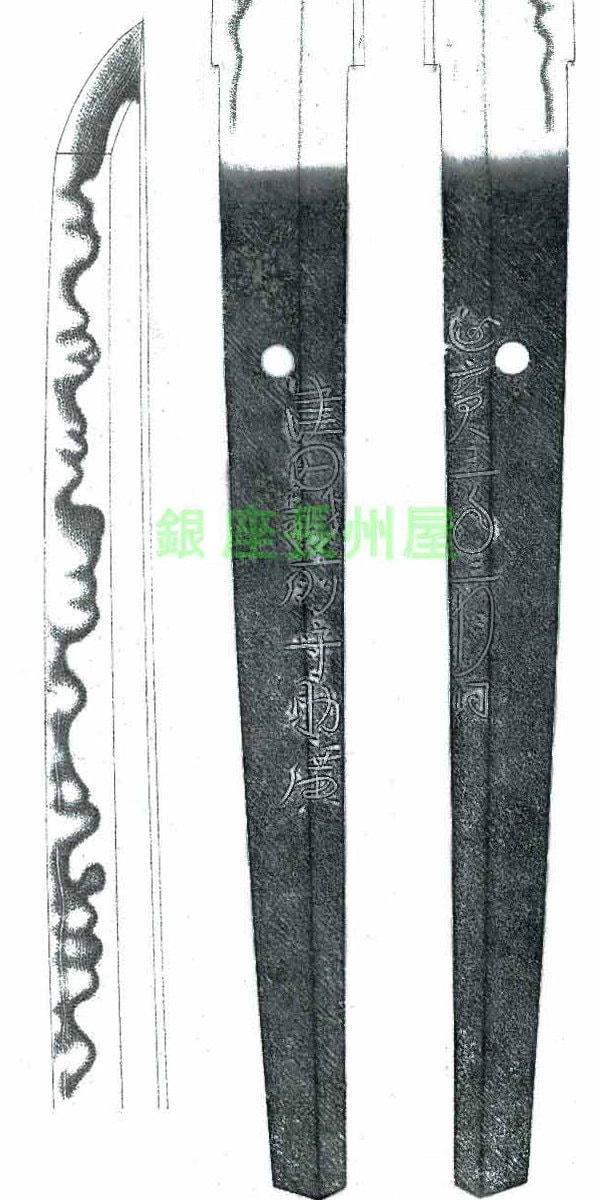
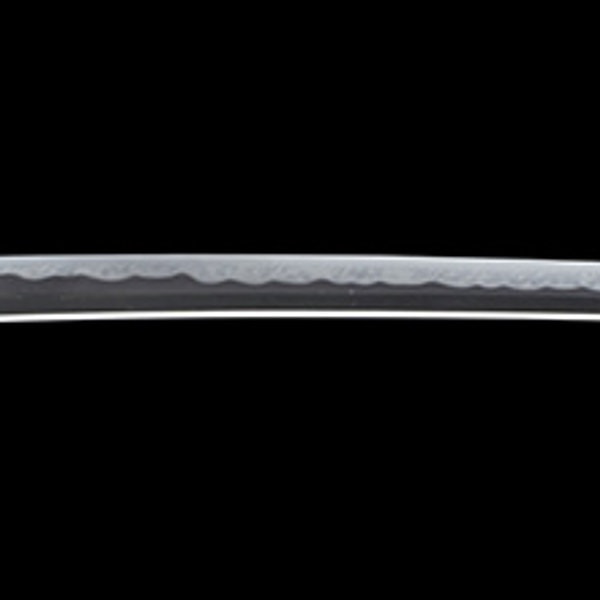
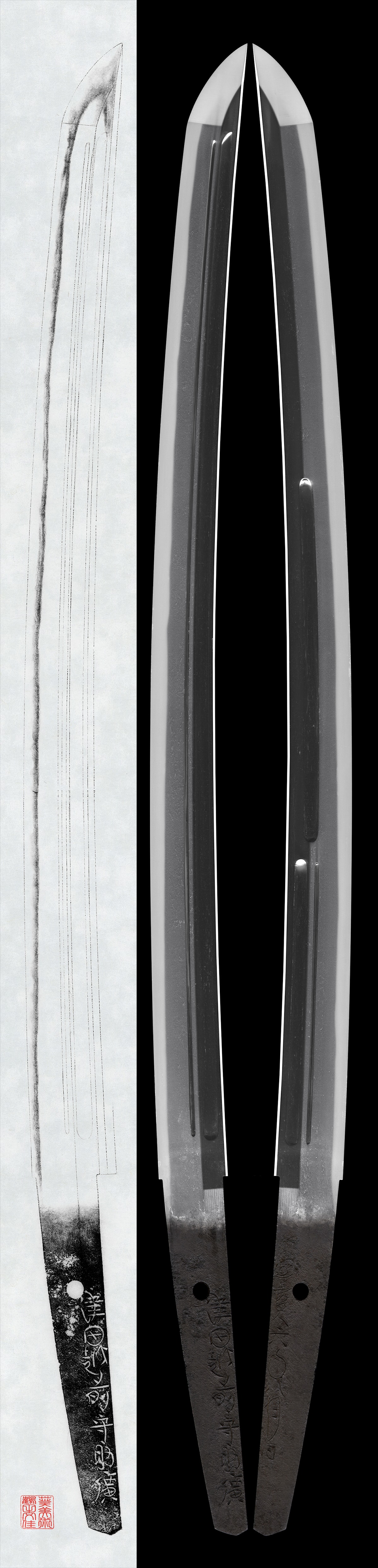
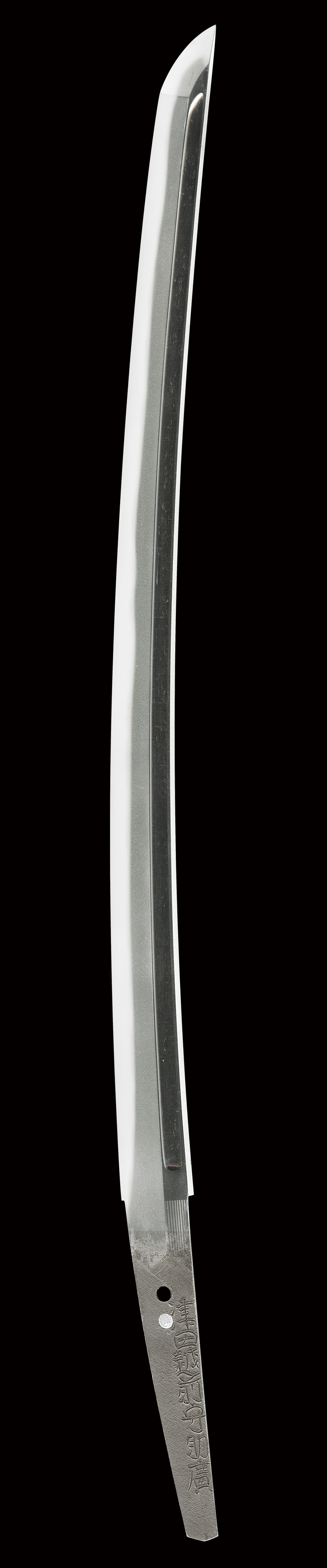
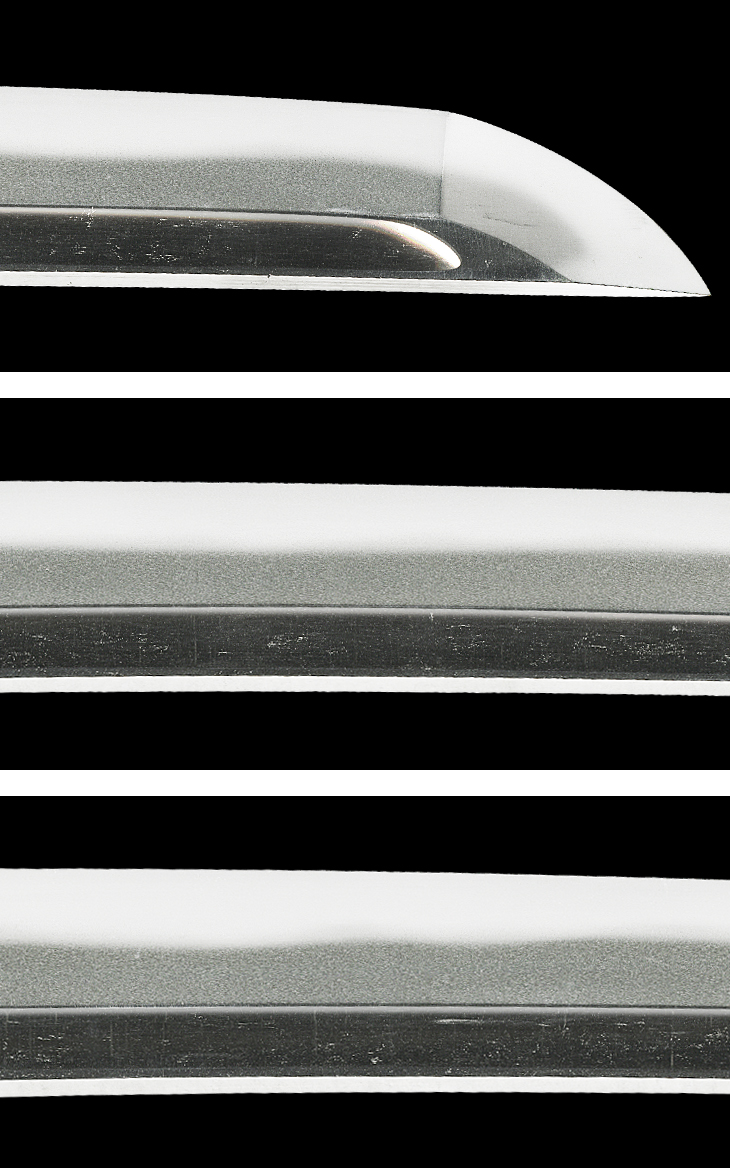
This is a wakizashi by Tsuda Echizen no Kami Sukehiro, dated Kanbun 10 (1670), featuring the distinctive 'Kakutsuda' mei. It is a superb example of a Shinto period blade from Settsu province, known for its excellent jigane and vibrant hamon. The blade comes with NBTHK Tokubetsu Hozon papers and is listed in the 'Echizen no Kami Sukehiro Taikan' reference book.

Certificate Reading

Certificate reading — 銘 津田越前守助広 寛文十年二月日

NihontoWatch MonNihontoWatchBETA
MarketAuctionsEncyclopedia
Swords›Sukehiro›Wakizashi: Tsuda Echizen no Kami Sukehiro (Kakutsuda Mei)
wakizashiTokubetsu Hozon
Sukehiro

Wakizashi: Tsuda Echizen no Kami Sukehiro (Kakutsuda Mei)

mei · Kanbun (1661-1673) · nagasa 51.8cm · sori 1.2cm

¥2,950,000
Visit seller website →
Sukehiro — 1 of 6
Sukehiro — 2 of 6
Sukehiro — 3 of 6
Sukehiro — 4 of 6
Sukehiro — 5 of 6
Sukehiro — 6 of 6
1 / 6
1 / 6
Sukehiro — 1 of 6Sukehiro — 2 of 6Sukehiro — 3 of 6Sukehiro — 4 of 6Sukehiro — 5 of 6Sukehiro — 6 of 6
Measurements & details
Smith
Sukehiro
Type
Wakizashi
School
Sukehiro
Period
Around 1657–1682(Kanbun)
Province
Settsu
Signature
Signed(100% of this smith's designated works are signed)
Measurements
Nagasa 51.8cmSori 1.2cmMotohaba 3.26cmSakihaba 2.25cmKasane 0.68cm
Description

This is a wakizashi by Tsuda Echizen no Kami Sukehiro, dated Kanbun 10 (1670), featuring the distinctive 'Kakutsuda' mei. It is a superb example of a Shinto period blade from Settsu province, known for its excellent jigane and vibrant hamon. The blade comes with NBTHK Tokubetsu Hozon papers and is listed in the 'Echizen no Kami Sukehiro Taikan' reference book.

About the maker

Sukehiro

助廣

Osaka Shinto (Tsuda Sukehiro) · Settsu · around 1657-1682

Fujishiro Sai-jo saku · Tōken Taikan top 1%

8 pieces on the market now

›

The second-generation Sukehiro, the Tsuda Echizen no Kami Sukehiro, was born at Uchide village in Settsu Province, the present Ashiya, in Kan'ei 14 (1637), his common name Jinnojo. He studied under the first-generation smith called the Soboro Sukehiro, and after his teacher's death he became his adopted son and succeeded as the second generation. In Meireki 3 (1657) he received the court title Echizen no Kami, and in Kanbun 7 (1667) he was retained as house smith by Aoyama Inaba no Kami Munetoshi[[c:1]], the governor of Osaka Castle; he died in Tenna 2 (1682) at the young age of forty-six. The first generation was a pupil of the first Kawachi no Kami Kunisuke and so stood in the Osaka-Ishido choji tradition, from which the second generation's earliest work descends before he broke away. His name rests on one invention. The published sources state that he came to found the distinctive temper called toran-midare (濤瀾乱), the regular large gunome cresting like ocean swells, and they place him with Inoue Shinkai of Osaka and Nagasone Kotetsu of Edo among the masters of the age.

The full and famous manner is the toran-ba. Over a tightly forged ko-itame the published sources record a large gunome-midare that takes a billowing, turbulent-wave appearance, opened at the base by a short straight yakidashi; the nioi runs deep, ko-nie adheres thickly, ashi enter, sunagashi and kinsuji run through, and tobiyaki-like jewels are at times tempered along the upper half. The nioiguchi, the sources return to again and again, is bright and clear. The published record names this manner his own creation outright and describes its sweep: that he founded the toran and won universal acclaim, a development that exerted great influence not only in his own time but on later generations and on the swordsmiths of the Shinshinto age. The texts read his development as a single arc, stated almost verbatim across his blades: in the early period a choji-midare in the Ishido manner, then a turn to gunome-midare, and at last the founding of the toran that is uniquely his.

The forging beneath the temper is the second pillar of his hand. The published sources describe a ko-itame that is most tightly packed, the steel clear, with ji-nie applied thickly in a fine, dustlike manner and fine chikei entering well. It is a bright and well-ordered jigane, and the sources find in it, with the temper above, the source of his renown: the precise clarity of the jigane and the deep, bright character of the nioiguchi. Alongside the celebrated toran runs a suguha he handled with equal mastery. The published sources, having named the toran, add that apart from it his suguha is also exceedingly skilled, and they describe it as a chu-suguha carrying a shallow notare, often a five-fold undulation that the judges treat as a point of appreciation peculiar to him. There too the nioi is deep, ko-nie thick and finely even, with kinsuji and sunagashi within, and the boshi runs straight and turns in ko-maru, the point often showing hakikake and a somewhat deeper temper that the sources read as his habitual hand.

The chronology of his work turns on a single date, read straight off the nakago. The published sources record that from the second month of Enpo 2 (1674) he changed the earlier angular kaku-Tsuda signature, cut in gyosho, to the cursive maru-Tsuda in sosho, a change that followed a Konoe-style calligraphy bestowed through his domain; the world calls the earlier form kaku-Tsuda (角津田) and the later maru-Tsuda (丸津田), so the form of the signature alone dates a blade before or after that line. The dense dated inscriptions of the Enpo years give his toran a tight year-by-year chronology, from the youthful, vigorous toran of the Kanbun thirties to the fully realized pieces of the late Enpo and Tenna years. Of the manner of these two registers the sources are candid about the standing of his suguha: while the brilliant toran is his fame, there are those who praise the suguha the more, the published sources writing that some hold his straight temper above the showier wave[[c:2]]. The two-character signature, the sources note, belongs only to his late work and is exceedingly rare; carved blades are rarer still, his oeuvre carrying horimono only seldom and then by a specialist carver, the Osaka carver Nagasaka Yuhoken named in connection with his and Sukenao's blades.

Within the school he is the founder of the toran and one of the twin masters of Osaka Shinto. The published sources set his suguha repeatedly beside that of Inoue Shinkai of the same province and call the two a twin peak, the discriminator named outright: the nie of Sukehiro's straight temper is finer in particle and more evenly arranged, and from the edge toward the ji there appears a minute activity the sources liken to the look of finely torn hosho paper, 「奉書紙を裂いたような細かな働きが顕著に看取される」. They measure him against his own teacher as well: handling the Soboro Sukehiro's rare suguha in his own bright, clear nioiguchi, he is judged the master who surpassed his teacher, 「師父にまさる名工である」. And they place him against Edo: with Nagasone Kotetsu he is 「古来, 新刀中の東西の両横綱とも称せられている」. His foremost pupil was Tsuda Sukenao, who carried the toran forward, and the manner he founded shaped the Osaka swords of his day and after.

In Fujishiro's grading he is Sai-jo saku, the highest rank, and in the Toko Taikan his valuation stands among the very highest of the Shinto smiths. The weight of designation behind his name is heavy: among the blades on record one is an Important Cultural Property, with six in the Tokubetsu Juyo tier and the great body of his work, some eighty-nine pieces, in the Juyo tier; he has no National Treasure on record. The richest provenance gathers, as one would expect, around his patron: many of his finest pieces descend in the Aoyama house of the Osaka castle governors, among them the great tachi dated Enpo 6 named Murasame (村雨), forged at Munetoshi's order and long secretly held in the family, said to have been brought out only at the prayers for rain, its blade bearing the Sanskrit characters for Daiitoku Myo-o[[c:3]] and Marishiten (摩利支天). Through the same house passed the celebrated collaborative katana of Enpo 3 by Sukehiro and Inoue Shinkai, which Kamata Gyomyo later praised in his Shinto Bengi (新刀弁疑). His provenance otherwise rests largely with long-private collections rather than named institutions. Of his designated works on record, almost all sit in the Tokubetsu Juyo and Juyo tiers and so are held more than traded; a Sukehiro of the first quality, and above all an Aoyama piece, comes to a private collector only rarely, a landmark when it does.

Historical importance

Where Sukehiro stands among comparable artisans: across all of nihontō, and within tradition, era, and period. The tiers (Foremost · Leading · Major · Notable) weigh official designations from the NBTHK and Japan's Agency for Cultural Affairs, together with historical honors of lasting repute such as the Sansaku and Meibutsu-chō.

随一
Foremost
屈指
Leading
有数
Major
著名
Notable

Select a lens to see how it's measured.

Designation record
103 designated works
Jūyō Bunkazai
1
Jūyō Bijutsuhin
8
Tokubetsu Jūyō
6
Jūyō
88
8 works by Sukehiro on the market→
Sukehiro — full profileOsaka Shinto (Tsuda Sukehiro) school

Dated Works

Years he was demonstrably active, proven by signed-and-dated blades

Active period
1667–1681Editorial estimate: 1657–1682
74 of 103 designated works carry a date
1660
1670
1680
1690
About the school

Sukehiro

助広

Shinto · Settsu

25 pieces on the market now

›

The Sukehiro line worked in Osaka through the middle decades of the Edo period, its center of gravity in the Kanbun and Enpō years when the city's swordsmiths set the fashion for the age. The first generation, traditionally said to have begun as a kazūchi (mass-production) smith of Tsuda in Kokuga-shō, Harima, went to Osaka and studied under the first-generation Kawachi no Kami Kunisuke; from the added inscription sōhorō on his signed blades he is commonly called Soboro Sukehiro. Learn more →

3 recorded smiths172 designated works
Leading smiths
SmithEraDesignated
Sukehiro助廣1657-1682103
Sukenao助直1668-169366
Takato高任1673-16810
Hirosuke廣助1661-16730
Sukehiro助廣1684-16880
Explore the Sukehiro school →
NBTHK Certificate
Tokubetsu Hozon Tōken特別保存刀剣
Sword Especially Worthy of Preservation
›

A Hozon-certified blade judged to show notably superior workmanship and a better state of preservation. The bar is higher: re-tempered blades and most unsigned Muromachi/Edo works are excluded.

Signed: 津田越前守助広 寛文十年二月日 (Sukehiro)
As written on the certificate
About the NBTHK›

The NBTHK (Nihon Bijutsu Tōken Hozon Kyōkai, the Society for the Preservation of Japanese Art Swords) is a public-interest incorporated foundation founded in 1948 and supervised by Japan’s Agency for Cultural Affairs (Bunkachō); it is based at the Japanese Sword Museum in Tokyo. Its expert panels physically examine each submitted work (shinsa) and issue a certificate (kanteishō) ranking it by artistic and historical merit. NBTHK papers are the most widely recognized standard of authentication for Japanese swords and fittings.

NBTHK official site→
Seller
S
Samurai Nippon
Established 1977 · 49 yrs on the market
🇯🇵Ships from Japan
›
✓Verified dealersamurai-nippon.net
Settles in JPY
✓Ships worldwide✓English supportWire transferPayPalCredit card
Return policy

For one-of-a-kind items such as swords, sword fittings, and antiques, please contact us about a return within 3 days of the item's arrival and ship it back within 8 days. Refunds are issued the same day the returned item arrives.

View all of Samurai Nippon’s listings→View this item on the dealer’s site→

More works by Sukehiro

View all →
Samurai Nippon
Tokuho
Katana - Tokuho - by Sukehiro - Echizen no Kami Fujiwara no Sukehiro (2nd Gen. Sukehiro, early mei)Katana - Tokuho - by Sukehiro - Echizen no Kami Fujiwara no Sukehiro (2nd Gen. Sukehiro, early mei)

Katana

BySukehiro
¥2,300,000
Touken Sakata
Jūyō
Katana - Jūyō - by Sukehiro - Tsuda Echizen no Kami Sukehiro (Shinto, Saijo Saku, O-Wazamono)Katana - Jūyō - by Sukehiro - Tsuda Echizen no Kami Sukehiro (Shinto, Saijo Saku, O-Wazamono)

Katana

BySukehiro
¥10,000,000
Aoi Art
Tokuho
Daisho - Tokuho - by Sukehiro - Daisho: Tsuda Sukehiro and Osafune YasumitsuDaisho - Tokuho - by Sukehiro - Daisho: Tsuda Sukehiro and Osafune Yasumitsu

Daishō

BySukehiro
¥3,500,000
Bushido Antique Japanese Swords
Tokuho
Katana - Tokuho - by Sukehiro - Tsuda Echizen No Kami Sukehiro DaitoKatana - Tokuho - by Sukehiro - Tsuda Echizen No Kami Sukehiro Daito

Katana

BySukehiro
¥35,000
Token-Net
Tokuho
Katana - Tokuho - by Sukehiro - Tsuda Echizen no Kami Sukehiro, February 12th, Kanbun 12 (Settsu) (Goki)Katana - Tokuho - by Sukehiro - Tsuda Echizen no Kami Sukehiro, February 12th, Kanbun 12 (Settsu) (Goki)

Katana

BySukehiro
Ask
Toushin
Tokuho
Katana - Tokuho - by Sukehiro - Tsuda Echizen no Kami Sukehiro - Dated March, Enpo 6 (1678)Katana - Tokuho - by Sukehiro - Tsuda Echizen no Kami Sukehiro - Dated March, Enpo 6 (1678)

Katana

BySukehiro
Ask
Katana Ando
脇差Photos not published
Wakizashi - by Sukehiro - Wakizashi, Tsuda Echizen no Kami Sukehiro, Enpo 6th Year, August.

Wakizashi

BySukehiro
¥700,000

Previously sold by Sukehiro

Choshuya
Katana - by Sukehiro - Japanese Sword for Sale | Ginza Choshuya | Signed Tsuda Echizen no Kami Sukehiro, Enpo 3rd Year, February (O-wazamono)Katana - by Sukehiro - Japanese Sword for Sale | Ginza Choshuya | Signed Tsuda Echizen no Kami Sukehiro, Enpo 3rd Year, February (O-wazamono)
Sold

Katana

BySukehiro
SOLD
Choshuya
Wakizashi - by Sukehiro - Japanese Sword Sale | Ginza Choshuya | Signed Echizen no Kami Sukehiro (O-wazamono), 227Wakizashi - by Sukehiro - Japanese Sword Sale | Ginza Choshuya | Signed Echizen no Kami Sukehiro (O-wazamono), 227
Sold

Wakizashi

BySukehiro
SOLD
Choshuya
Katana - by Sukehiro - Echizen no Kami Sukehiro (O-wazamono)Katana - by Sukehiro - Echizen no Kami Sukehiro (O-wazamono)
Sold

Katana

BySukehiro
SOLD
Touken Matsumoto
Tokuho
Wakizashi - Tokuho - by Sukehiro - Tsuda Echizen no Kami SukehiroWakizashi - Tokuho - by Sukehiro - Tsuda Echizen no Kami Sukehiro
Sold

Wakizashi

BySukehiro
SOLD
Choshuya
Wakizashi - by Sukehiro - Tsuda Echizen no Kami Sukehiro, August, Kanbun 12th YearWakizashi - by Sukehiro - Tsuda Echizen no Kami Sukehiro, August, Kanbun 12th Year
Sold

Wakizashi

BySukehiro
SOLD
Choshuya
Wakizashi - by Sukehiro - Echizen no Kami SukehiroWakizashi - by Sukehiro - Echizen no Kami Sukehiro
Sold

Wakizashi

BySukehiro
SOLD
Aoi Art
Wakizashi - by Sukehiro - Tsuda Echizen Kami Sukehiro - A day in August, Enpo 6 (1678)Wakizashi - by Sukehiro - Tsuda Echizen Kami Sukehiro - A day in August, Enpo 6 (1678)
Sold

Wakizashi

BySukehiro
SOLD
World Seiyudo
Tokuho
Katana - Tokuho - by Sukehiro - Tsuda Echizenno-Kami SukehiroKatana - Tokuho - by Sukehiro - Tsuda Echizenno-Kami Sukehiro
Sold

Katana

BySukehiro
SOLD

Swords

  • Katana
  • Wakizashi
  • Tantō
  • Tachi
  • Naginata
  • Yari

Fittings

  • Tsuba
  • Fuchi-Kashira
  • Kozuka
  • Menuki

By Certification

  • Tokujū
  • Jūyō
  • Tokuho
  • Hozon

Resources

  • Dealer Directory
  • Artist Directory
  • Glossary
  • Browse All
Nihontowatch© 2026
TermsPrivacyCookiesAbout

Description

This is a wakizashi by Tsuda Echizen no Kami Sukehiro, dated Kanbun 10 (1670), featuring the distinctive 'Kakutsuda' mei. It is a superb example of a Shinto period blade from Settsu province, known for its excellent jigane and vibrant hamon. The blade comes with NBTHK Tokubetsu Hozon papers and is listed in the 'Echizen no Kami Sukehiro Taikan' reference book.

Certificate Reading

Certificate reading — 銘 津田越前守助広 寛文十年二月日

NihontoWatch MonNihontoWatchBETA
MarketAuctionsEncyclopedia
Swords›Sukehiro›Wakizashi: Tsuda Echizen no Kami Sukehiro (Kakutsuda Mei)
wakizashiTokubetsu Hozon
Sukehiro

Wakizashi: Tsuda Echizen no Kami Sukehiro (Kakutsuda Mei)

mei · Kanbun (1661-1673) · nagasa 51.8cm · sori 1.2cm

¥2,950,000
Visit seller website →
Sukehiro — 1 of 6
Sukehiro — 2 of 6
Sukehiro — 3 of 6
Sukehiro — 4 of 6
Sukehiro — 5 of 6
Sukehiro — 6 of 6
1 / 6
1 / 6
Sukehiro — 1 of 6Sukehiro — 2 of 6Sukehiro — 3 of 6Sukehiro — 4 of 6Sukehiro — 5 of 6Sukehiro — 6 of 6
Measurements & details
Smith
Sukehiro
Type
Wakizashi
School
Sukehiro
Period
Around 1657–1682(Kanbun)
Province
Settsu
Signature
Signed(100% of this smith's designated works are signed)
Measurements
Nagasa 51.8cmSori 1.2cmMotohaba 3.26cmSakihaba 2.25cmKasane 0.68cm
Description

This is a wakizashi by Tsuda Echizen no Kami Sukehiro, dated Kanbun 10 (1670), featuring the distinctive 'Kakutsuda' mei. It is a superb example of a Shinto period blade from Settsu province, known for its excellent jigane and vibrant hamon. The blade comes with NBTHK Tokubetsu Hozon papers and is listed in the 'Echizen no Kami Sukehiro Taikan' reference book.

About the maker

Sukehiro

助廣

Osaka Shinto (Tsuda Sukehiro) · Settsu · around 1657-1682

Fujishiro Sai-jo saku · Tōken Taikan top 1%

8 pieces on the market now

›

The second-generation Sukehiro, the Tsuda Echizen no Kami Sukehiro, was born at Uchide village in Settsu Province, the present Ashiya, in Kan'ei 14 (1637), his common name Jinnojo. He studied under the first-generation smith called the Soboro Sukehiro, and after his teacher's death he became his adopted son and succeeded as the second generation. In Meireki 3 (1657) he received the court title Echizen no Kami, and in Kanbun 7 (1667) he was retained as house smith by Aoyama Inaba no Kami Munetoshi[[c:1]], the governor of Osaka Castle; he died in Tenna 2 (1682) at the young age of forty-six. The first generation was a pupil of the first Kawachi no Kami Kunisuke and so stood in the Osaka-Ishido choji tradition, from which the second generation's earliest work descends before he broke away. His name rests on one invention. The published sources state that he came to found the distinctive temper called toran-midare (濤瀾乱), the regular large gunome cresting like ocean swells, and they place him with Inoue Shinkai of Osaka and Nagasone Kotetsu of Edo among the masters of the age.

The full and famous manner is the toran-ba. Over a tightly forged ko-itame the published sources record a large gunome-midare that takes a billowing, turbulent-wave appearance, opened at the base by a short straight yakidashi; the nioi runs deep, ko-nie adheres thickly, ashi enter, sunagashi and kinsuji run through, and tobiyaki-like jewels are at times tempered along the upper half. The nioiguchi, the sources return to again and again, is bright and clear. The published record names this manner his own creation outright and describes its sweep: that he founded the toran and won universal acclaim, a development that exerted great influence not only in his own time but on later generations and on the swordsmiths of the Shinshinto age. The texts read his development as a single arc, stated almost verbatim across his blades: in the early period a choji-midare in the Ishido manner, then a turn to gunome-midare, and at last the founding of the toran that is uniquely his.

The forging beneath the temper is the second pillar of his hand. The published sources describe a ko-itame that is most tightly packed, the steel clear, with ji-nie applied thickly in a fine, dustlike manner and fine chikei entering well. It is a bright and well-ordered jigane, and the sources find in it, with the temper above, the source of his renown: the precise clarity of the jigane and the deep, bright character of the nioiguchi. Alongside the celebrated toran runs a suguha he handled with equal mastery. The published sources, having named the toran, add that apart from it his suguha is also exceedingly skilled, and they describe it as a chu-suguha carrying a shallow notare, often a five-fold undulation that the judges treat as a point of appreciation peculiar to him. There too the nioi is deep, ko-nie thick and finely even, with kinsuji and sunagashi within, and the boshi runs straight and turns in ko-maru, the point often showing hakikake and a somewhat deeper temper that the sources read as his habitual hand.

The chronology of his work turns on a single date, read straight off the nakago. The published sources record that from the second month of Enpo 2 (1674) he changed the earlier angular kaku-Tsuda signature, cut in gyosho, to the cursive maru-Tsuda in sosho, a change that followed a Konoe-style calligraphy bestowed through his domain; the world calls the earlier form kaku-Tsuda (角津田) and the later maru-Tsuda (丸津田), so the form of the signature alone dates a blade before or after that line. The dense dated inscriptions of the Enpo years give his toran a tight year-by-year chronology, from the youthful, vigorous toran of the Kanbun thirties to the fully realized pieces of the late Enpo and Tenna years. Of the manner of these two registers the sources are candid about the standing of his suguha: while the brilliant toran is his fame, there are those who praise the suguha the more, the published sources writing that some hold his straight temper above the showier wave[[c:2]]. The two-character signature, the sources note, belongs only to his late work and is exceedingly rare; carved blades are rarer still, his oeuvre carrying horimono only seldom and then by a specialist carver, the Osaka carver Nagasaka Yuhoken named in connection with his and Sukenao's blades.

Within the school he is the founder of the toran and one of the twin masters of Osaka Shinto. The published sources set his suguha repeatedly beside that of Inoue Shinkai of the same province and call the two a twin peak, the discriminator named outright: the nie of Sukehiro's straight temper is finer in particle and more evenly arranged, and from the edge toward the ji there appears a minute activity the sources liken to the look of finely torn hosho paper, 「奉書紙を裂いたような細かな働きが顕著に看取される」. They measure him against his own teacher as well: handling the Soboro Sukehiro's rare suguha in his own bright, clear nioiguchi, he is judged the master who surpassed his teacher, 「師父にまさる名工である」. And they place him against Edo: with Nagasone Kotetsu he is 「古来, 新刀中の東西の両横綱とも称せられている」. His foremost pupil was Tsuda Sukenao, who carried the toran forward, and the manner he founded shaped the Osaka swords of his day and after.

In Fujishiro's grading he is Sai-jo saku, the highest rank, and in the Toko Taikan his valuation stands among the very highest of the Shinto smiths. The weight of designation behind his name is heavy: among the blades on record one is an Important Cultural Property, with six in the Tokubetsu Juyo tier and the great body of his work, some eighty-nine pieces, in the Juyo tier; he has no National Treasure on record. The richest provenance gathers, as one would expect, around his patron: many of his finest pieces descend in the Aoyama house of the Osaka castle governors, among them the great tachi dated Enpo 6 named Murasame (村雨), forged at Munetoshi's order and long secretly held in the family, said to have been brought out only at the prayers for rain, its blade bearing the Sanskrit characters for Daiitoku Myo-o[[c:3]] and Marishiten (摩利支天). Through the same house passed the celebrated collaborative katana of Enpo 3 by Sukehiro and Inoue Shinkai, which Kamata Gyomyo later praised in his Shinto Bengi (新刀弁疑). His provenance otherwise rests largely with long-private collections rather than named institutions. Of his designated works on record, almost all sit in the Tokubetsu Juyo and Juyo tiers and so are held more than traded; a Sukehiro of the first quality, and above all an Aoyama piece, comes to a private collector only rarely, a landmark when it does.
Historical importance

Where Sukehiro stands among comparable artisans: across all of nihontō, and within tradition, era, and period. The tiers (Foremost · Leading · Major · Notable) weigh official designations from the NBTHK and Japan's Agency for Cultural Affairs, together with historical honors of lasting repute such as the Sansaku and Meibutsu-chō.

随一
Foremost
屈指
Leading
有数
Major
著名
Notable

Select a lens to see how it's measured.

Designation record
103 designated works
Jūyō Bunkazai
1
Jūyō Bijutsuhin
8
Tokubetsu Jūyō
6
Jūyō
88
8 works by Sukehiro on the market→
Sukehiro — full profileOsaka Shinto (Tsuda Sukehiro) school

Dated Works

Years he was demonstrably active, proven by signed-and-dated blades

Active period
1667–1681Editorial estimate: 1657–1682
74 of 103 designated works carry a date
1660
1670
1680
1690
About the school

Sukehiro

助広

Shinto · Settsu

25 pieces on the market now

›

The Sukehiro line worked in Osaka through the middle decades of the Edo period, its center of gravity in the Kanbun and Enpō years when the city's swordsmiths set the fashion for the age. The first generation, traditionally said to have begun as a kazūchi (mass-production) smith of Tsuda in Kokuga-shō, Harima, went to Osaka and studied under the first-generation Kawachi no Kami Kunisuke; from the added inscription sōhorō on his signed blades he is commonly called Soboro Sukehiro. Learn more →

3 recorded smiths172 designated works
Leading smiths
SmithEraDesignated
Sukehiro助廣1657-1682103
Sukenao助直1668-169366
Takato高任1673-16810
Hirosuke廣助1661-16730
Sukehiro助廣1684-16880
Explore the Sukehiro school →
NBTHK Certificate
Tokubetsu Hozon Tōken特別保存刀剣
Sword Especially Worthy of Preservation
›

A Hozon-certified blade judged to show notably superior workmanship and a better state of preservation. The bar is higher: re-tempered blades and most unsigned Muromachi/Edo works are excluded.

Signed: 津田越前守助広 寛文十年二月日 (Sukehiro)
As written on the certificate
About the NBTHK›

The NBTHK (Nihon Bijutsu Tōken Hozon Kyōkai, the Society for the Preservation of Japanese Art Swords) is a public-interest incorporated foundation founded in 1948 and supervised by Japan’s Agency for Cultural Affairs (Bunkachō); it is based at the Japanese Sword Museum in Tokyo. Its expert panels physically examine each submitted work (shinsa) and issue a certificate (kanteishō) ranking it by artistic and historical merit. NBTHK papers are the most widely recognized standard of authentication for Japanese swords and fittings.

NBTHK official site→
Seller
S
Samurai Nippon
Established 1977 · 49 yrs on the market
🇯🇵Ships from Japan
›
✓Verified dealersamurai-nippon.net
Settles in JPY
✓Ships worldwide✓English supportWire transferPayPalCredit card
Return policy

For one-of-a-kind items such as swords, sword fittings, and antiques, please contact us about a return within 3 days of the item's arrival and ship it back within 8 days. Refunds are issued the same day the returned item arrives.

View all of Samurai Nippon’s listings→View this item on the dealer’s site→

More works by Sukehiro

View all →
Samurai Nippon
Tokuho
Katana - Tokuho - by Sukehiro - Echizen no Kami Fujiwara no Sukehiro (2nd Gen. Sukehiro, early mei)Katana - Tokuho - by Sukehiro - Echizen no Kami Fujiwara no Sukehiro (2nd Gen. Sukehiro, early mei)

Katana

BySukehiro
¥2,300,000
Touken Sakata
Jūyō
Katana - Jūyō - by Sukehiro - Tsuda Echizen no Kami Sukehiro (Shinto, Saijo Saku, O-Wazamono)Katana - Jūyō - by Sukehiro - Tsuda Echizen no Kami Sukehiro (Shinto, Saijo Saku, O-Wazamono)

Katana

BySukehiro
¥10,000,000
Aoi Art
Tokuho
Daisho - Tokuho - by Sukehiro - Daisho: Tsuda Sukehiro and Osafune YasumitsuDaisho - Tokuho - by Sukehiro - Daisho: Tsuda Sukehiro and Osafune Yasumitsu

Daishō

BySukehiro
¥3,500,000
Bushido Antique Japanese Swords
Tokuho
Katana - Tokuho - by Sukehiro - Tsuda Echizen No Kami Sukehiro DaitoKatana - Tokuho - by Sukehiro - Tsuda Echizen No Kami Sukehiro Daito

Katana

BySukehiro
¥35,000
Token-Net
Tokuho
Katana - Tokuho - by Sukehiro - Tsuda Echizen no Kami Sukehiro, February 12th, Kanbun 12 (Settsu) (Goki)Katana - Tokuho - by Sukehiro - Tsuda Echizen no Kami Sukehiro, February 12th, Kanbun 12 (Settsu) (Goki)

Katana

BySukehiro
Ask
Toushin
Tokuho
Katana - Tokuho - by Sukehiro - Tsuda Echizen no Kami Sukehiro - Dated March, Enpo 6 (1678)Katana - Tokuho - by Sukehiro - Tsuda Echizen no Kami Sukehiro - Dated March, Enpo 6 (1678)

Katana

BySukehiro
Ask
Katana Ando
脇差Photos not published
Wakizashi - by Sukehiro - Wakizashi, Tsuda Echizen no Kami Sukehiro, Enpo 6th Year, August.

Wakizashi

BySukehiro
¥700,000

Previously sold by Sukehiro

Choshuya
Katana - by Sukehiro - Japanese Sword for Sale | Ginza Choshuya | Signed Tsuda Echizen no Kami Sukehiro, Enpo 3rd Year, February (O-wazamono)Katana - by Sukehiro - Japanese Sword for Sale | Ginza Choshuya | Signed Tsuda Echizen no Kami Sukehiro, Enpo 3rd Year, February (O-wazamono)
Sold

Katana

BySukehiro
SOLD
Choshuya
Wakizashi - by Sukehiro - Japanese Sword Sale | Ginza Choshuya | Signed Echizen no Kami Sukehiro (O-wazamono), 227Wakizashi - by Sukehiro - Japanese Sword Sale | Ginza Choshuya | Signed Echizen no Kami Sukehiro (O-wazamono), 227
Sold

Wakizashi

BySukehiro
SOLD
Choshuya
Katana - by Sukehiro - Echizen no Kami Sukehiro (O-wazamono)Katana - by Sukehiro - Echizen no Kami Sukehiro (O-wazamono)
Sold

Katana

BySukehiro
SOLD
Touken Matsumoto
Tokuho
Wakizashi - Tokuho - by Sukehiro - Tsuda Echizen no Kami SukehiroWakizashi - Tokuho - by Sukehiro - Tsuda Echizen no Kami Sukehiro
Sold

Wakizashi

BySukehiro
SOLD
Choshuya
Wakizashi - by Sukehiro - Tsuda Echizen no Kami Sukehiro, August, Kanbun 12th YearWakizashi - by Sukehiro - Tsuda Echizen no Kami Sukehiro, August, Kanbun 12th Year
Sold

Wakizashi

BySukehiro
SOLD
Choshuya
Wakizashi - by Sukehiro - Echizen no Kami SukehiroWakizashi - by Sukehiro - Echizen no Kami Sukehiro
Sold

Wakizashi

BySukehiro
SOLD
Aoi Art
Wakizashi - by Sukehiro - Tsuda Echizen Kami Sukehiro - A day in August, Enpo 6 (1678)Wakizashi - by Sukehiro - Tsuda Echizen Kami Sukehiro - A day in August, Enpo 6 (1678)
Sold

Wakizashi

BySukehiro
SOLD
World Seiyudo
Tokuho
Katana - Tokuho - by Sukehiro - Tsuda Echizenno-Kami SukehiroKatana - Tokuho - by Sukehiro - Tsuda Echizenno-Kami Sukehiro
Sold

Katana

BySukehiro
SOLD

Swords

  • Katana
  • Wakizashi
  • Tantō
  • Tachi
  • Naginata
  • Yari

Fittings

  • Tsuba
  • Fuchi-Kashira
  • Kozuka
  • Menuki

By Certification

  • Tokujū
  • Jūyō
  • Tokuho
  • Hozon

Resources

  • Dealer Directory
  • Artist Directory
  • Glossary
  • Browse All
Nihontowatch© 2026
TermsPrivacyCookiesAbout
NihontoWatch Mon

NihontoWatchBETA

MarketAuctions
Encyclopedia
NihontoWatch Mon

NihontoWatchBETA

MarketAuctions
Encyclopedia