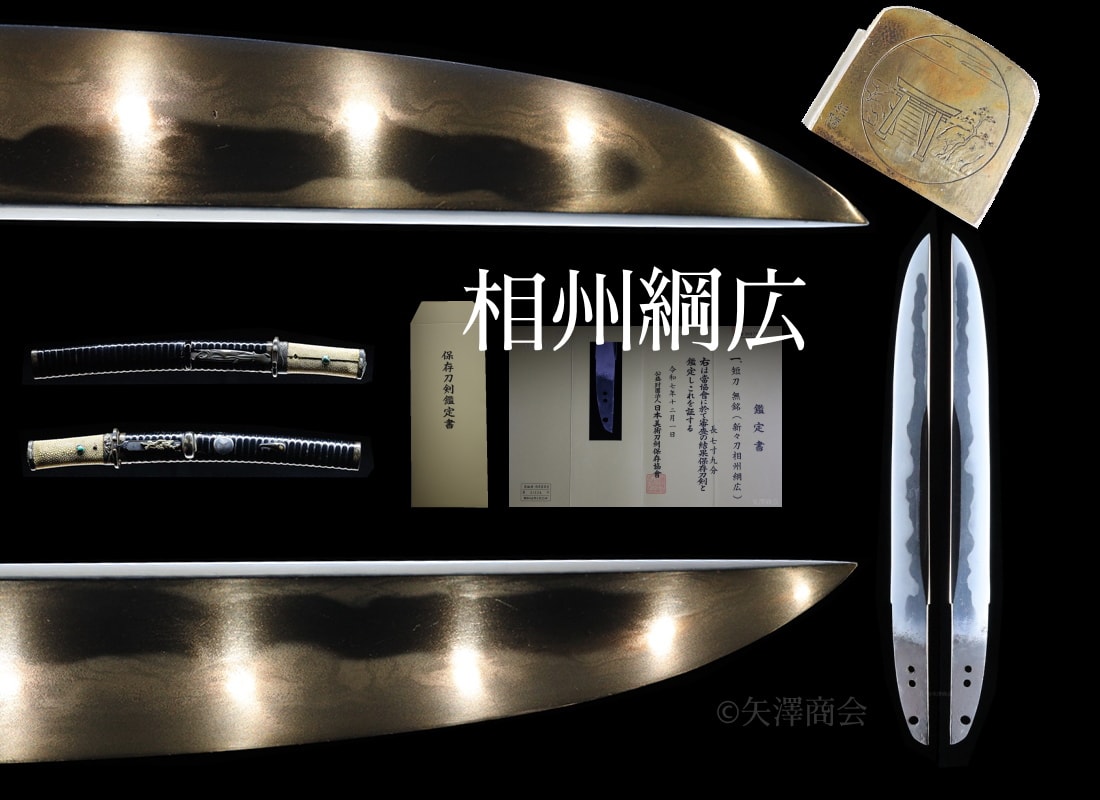
The twentieth century nearly killed the craft twice: wartime distortion, then the occupation ban. The NBTHK’s founding in 1948 and licensed forging from 1953 rebuilt the sword as an art, crowned by Living National Treasures and the mukansa rank.
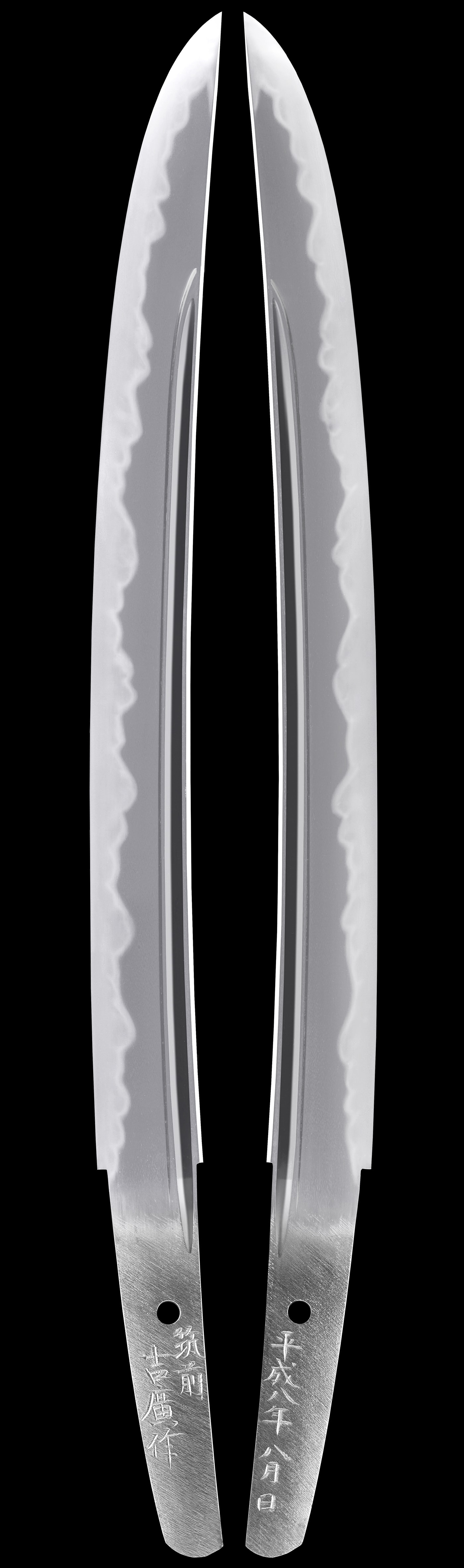
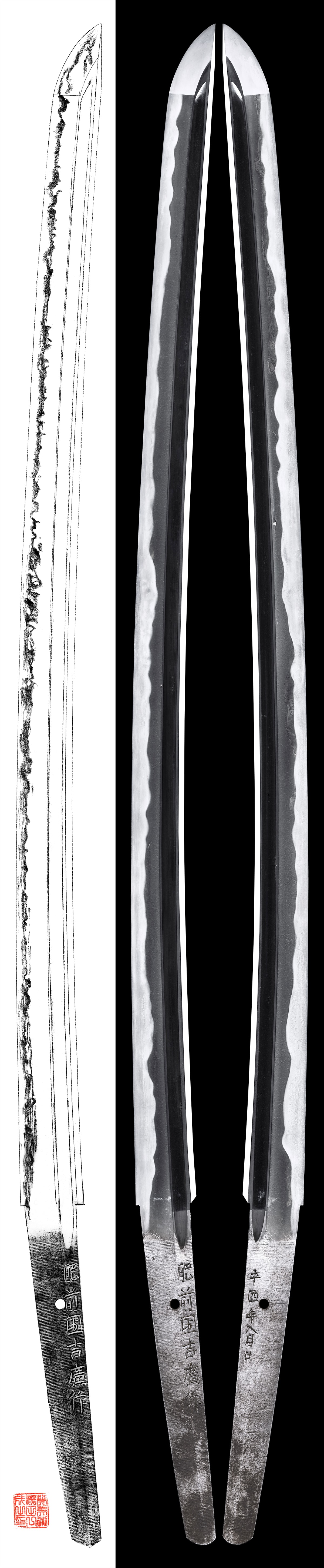
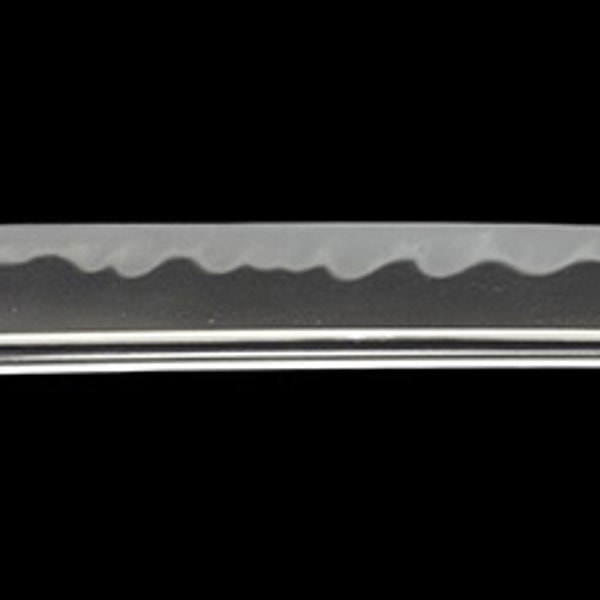
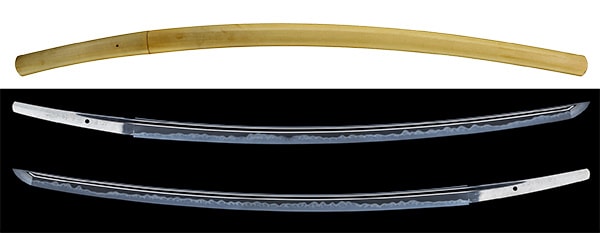
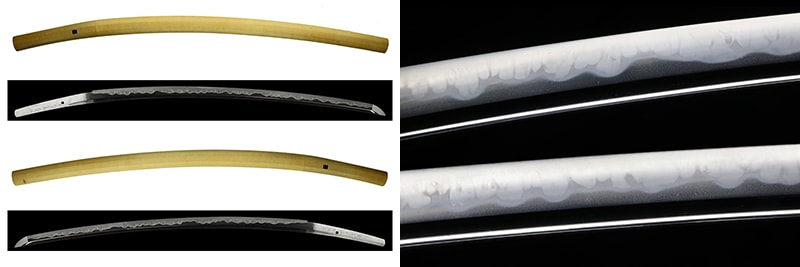
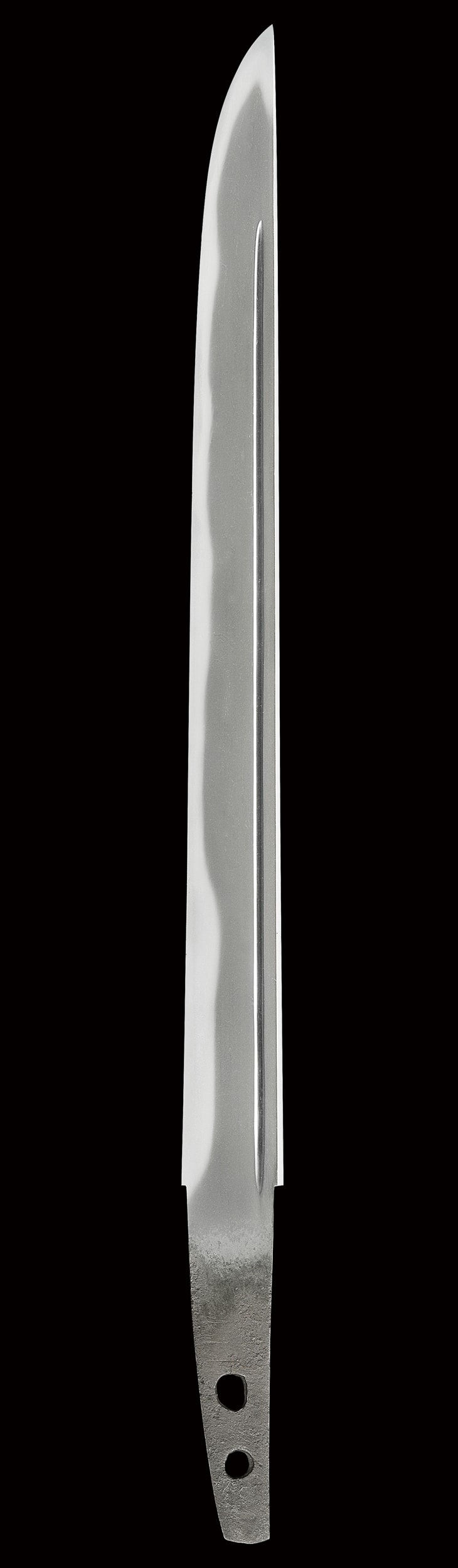
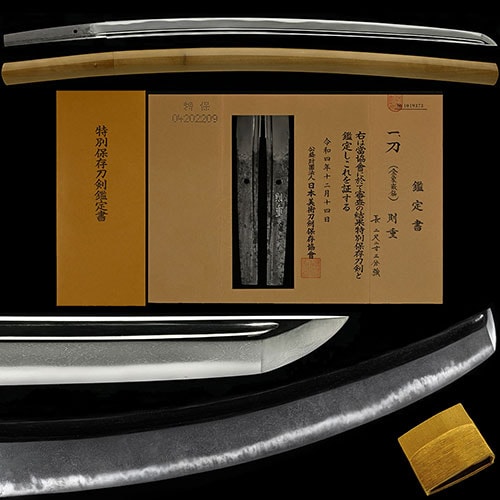
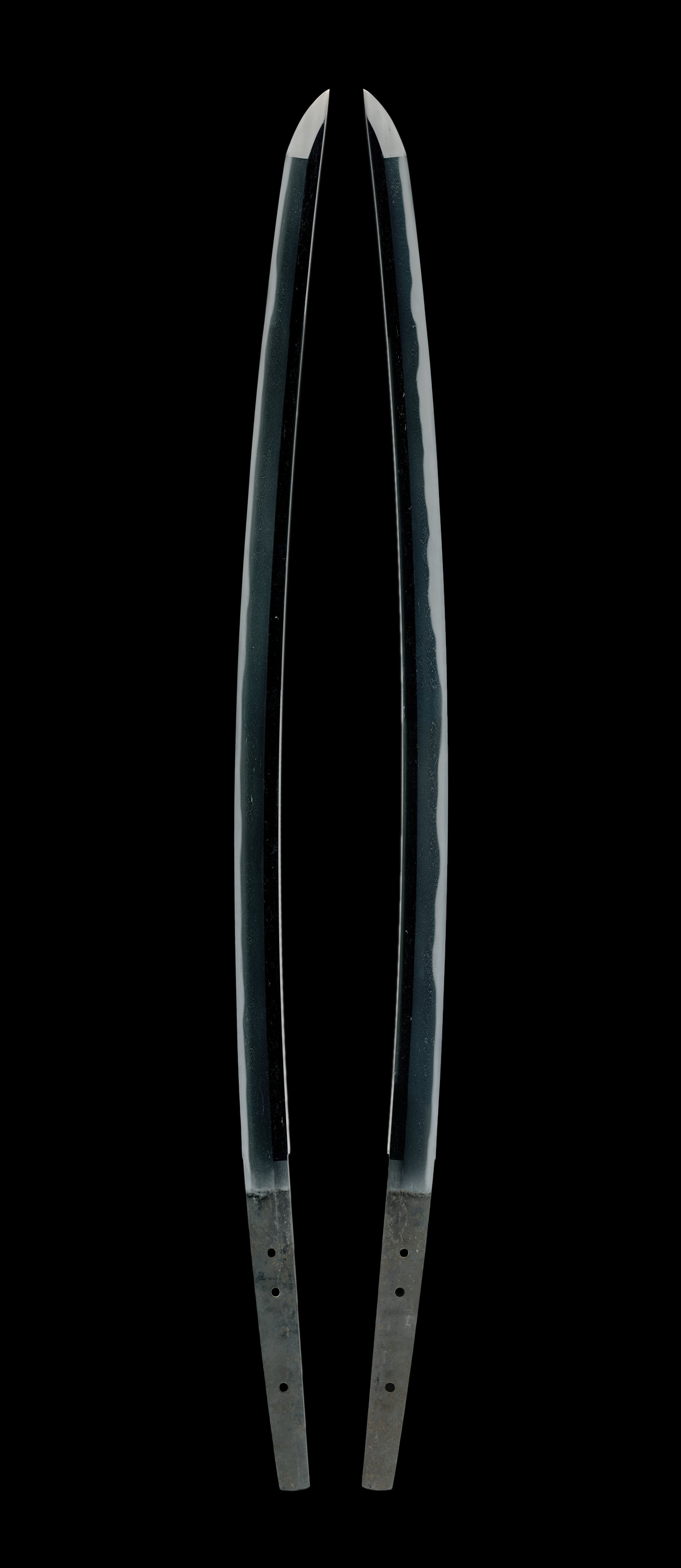
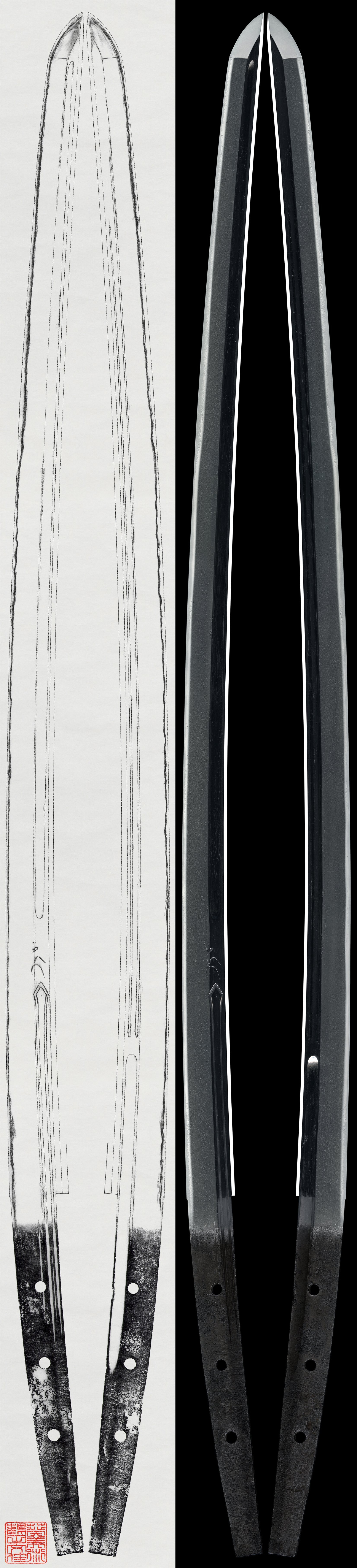
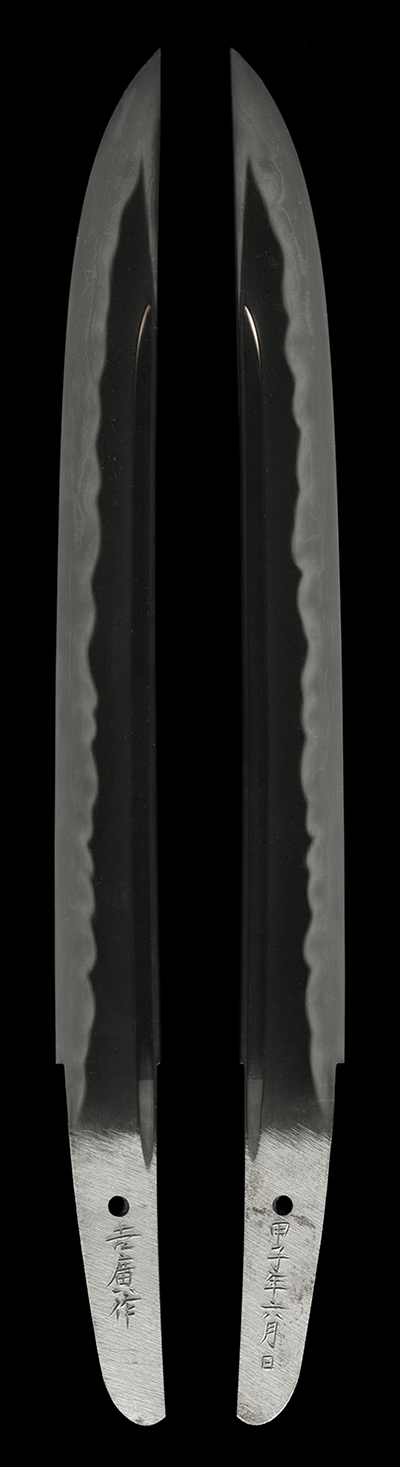
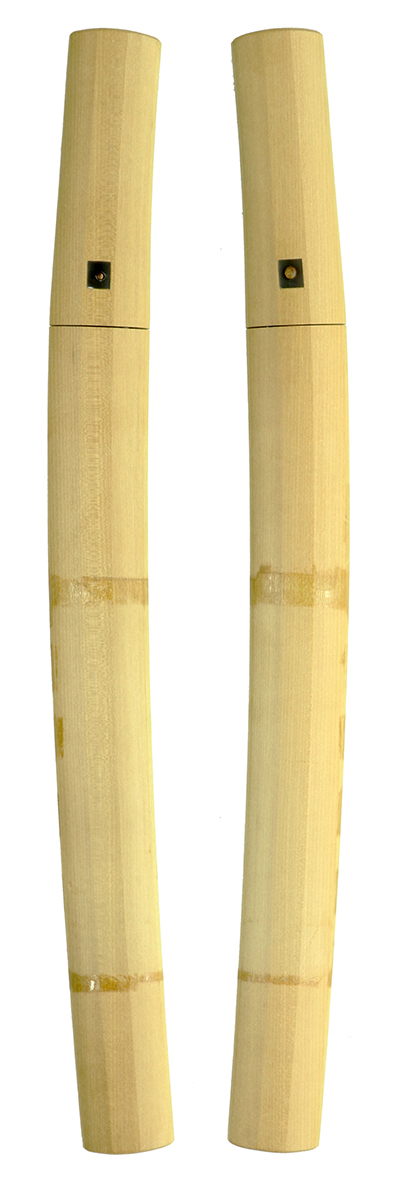
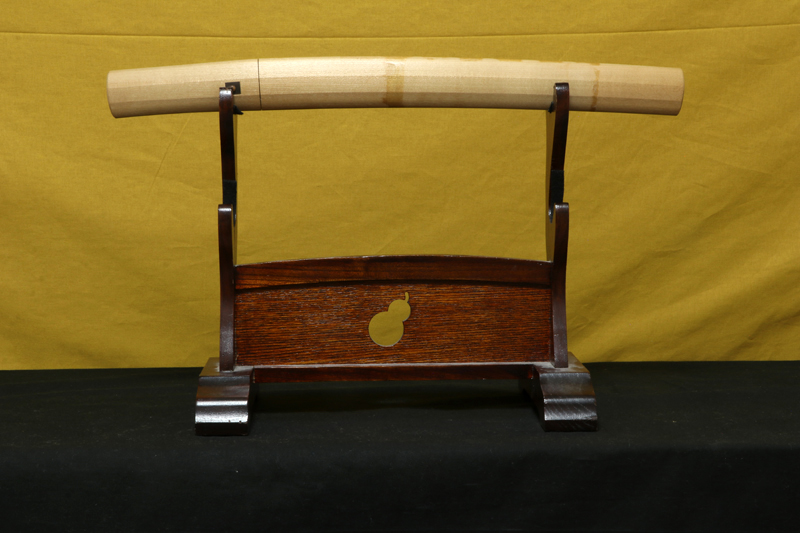
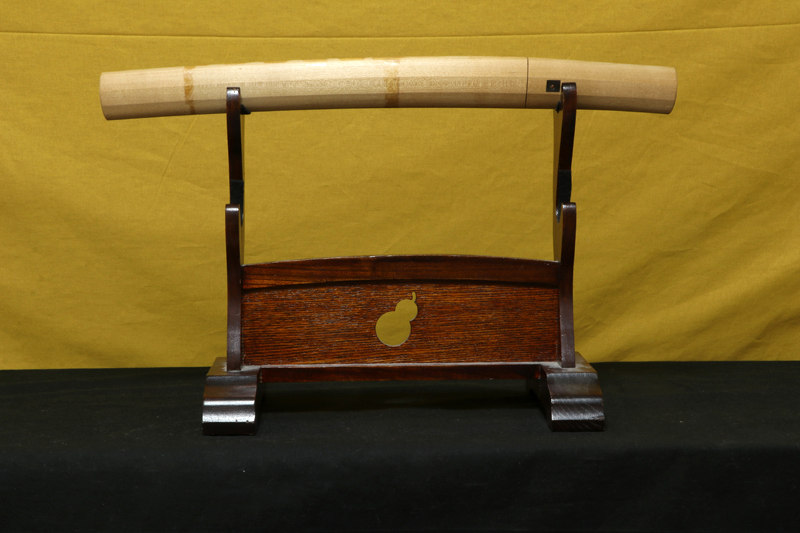
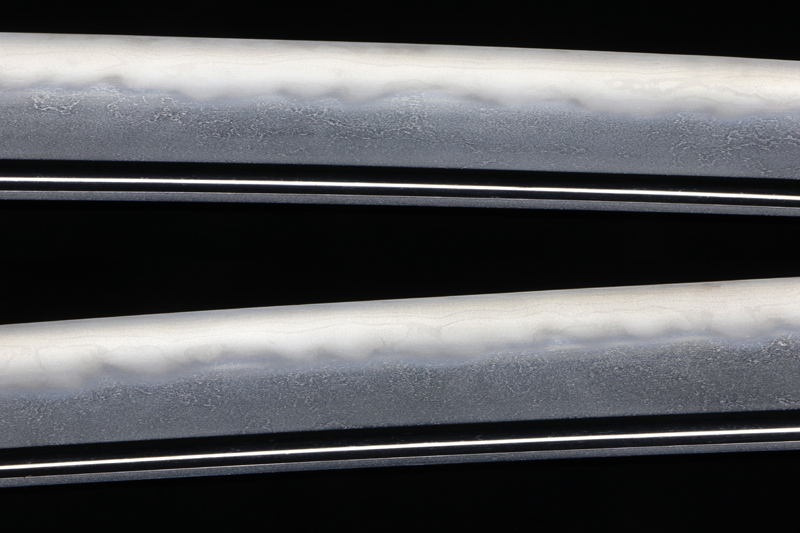
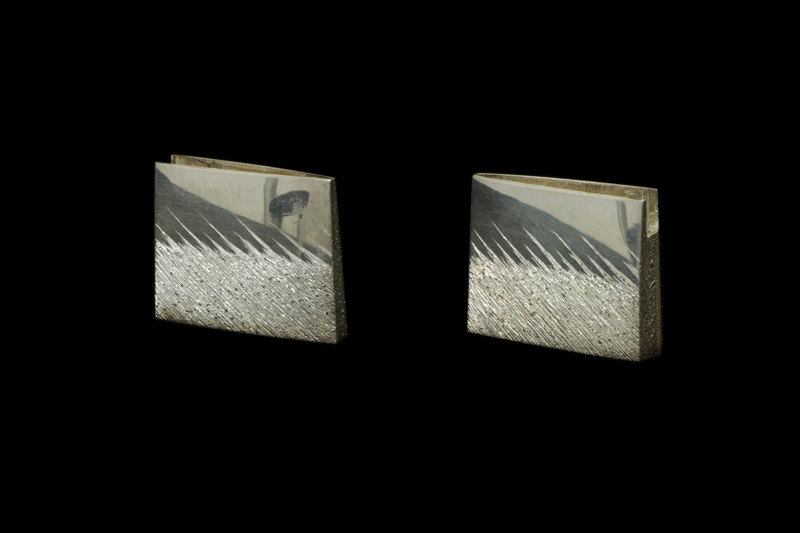
This is a remarkable tanto forged by Mukansa swordsmith Seto Yoshihiro in Ishikawa Prefecture during his early career. It showcases the Soshu-den style, a technique passed down from his master, Sumitani Masamine. The blade features a hira-zukuri iori-mune form, with a wide body, normal thickness, and no sori, exhibiting a well-balanced fukura. The hamon is gunome-midare with fine nie and sunagashi, containing yo and active kinsuji.
 NihontoWatch
mei · Soshu · Showa (1926-1989) · nagasa 28.2cm
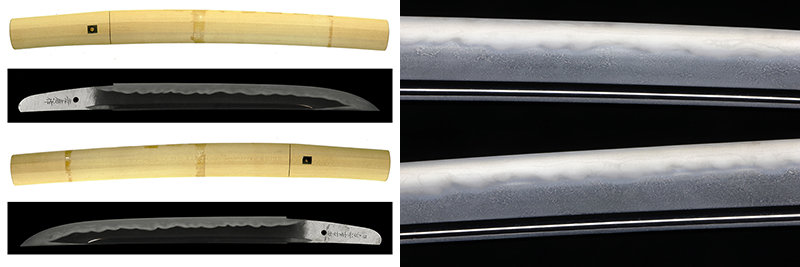
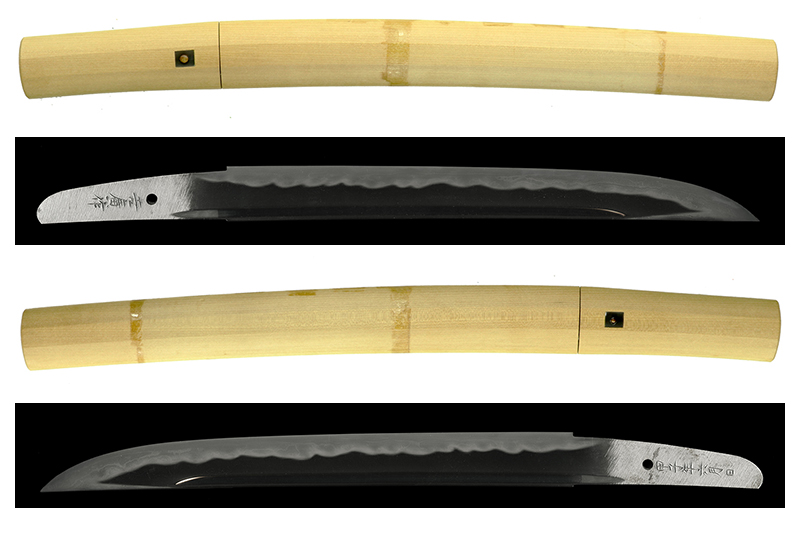
Chikuzen · around 1989-2019
2 pieces on the market now
Shōwa to the present: destruction and revival
The twentieth century nearly killed the craft twice: wartime distortion, then the occupation ban. The NBTHK’s founding in 1948 and licensed forging from 1953 rebuilt the sword as an art, crowned by Living National Treasures and the mukansa rank.
Three-day cooling-off period from receipt for refund or exchange. Return shipping and transfer fees are customer responsibility. Items showing use or condition changes are non-returnable.