 NihontoWatchNihontoWatch
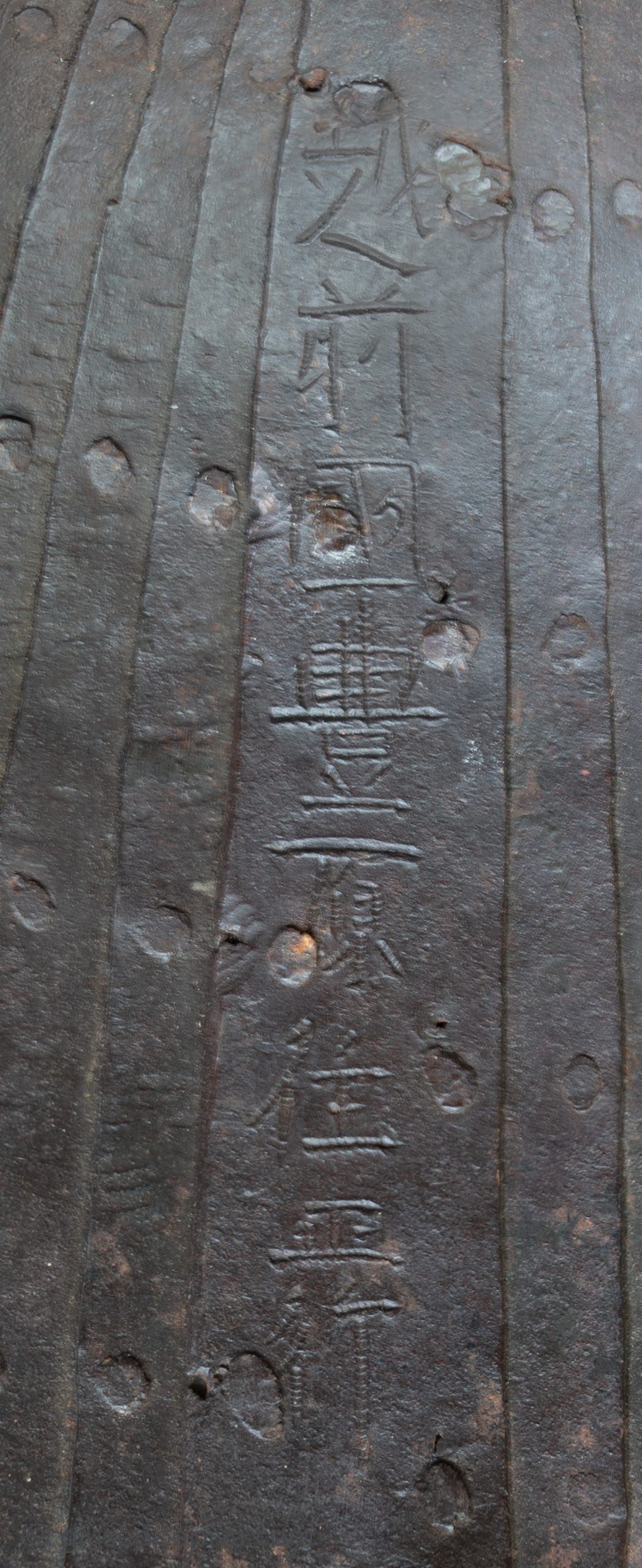
Little historical information is available about the Bamen school. Active as early as the end of the Muromachi period (1333-1573) in Echizen province (northwestern Japan) first in Toyohara and later in Maruoka, they began signing their kabuto using the name “Bamen” after they served in the field for Honda Narishige during the 1615 siege of Osaka. Armor production continued until towards the end of the Edo period, when the crisis involving all armorers forced the school’s blacksmiths to turn to the manufacture of agricultural tools and tsuba (else) for sword mounts. Founder of the Bamen school was Sadao, a name under which several generations of armorers probably signed; Sadao was succeeded by other great smiths, like Tomonori, Tomotsugu and Masayuki, who kept the school’s distinctive features intact. Their helmets consist of 62 plates and are raised on both front and back, thus resembling a tenkokuzan type shape. Regardless of whether hoshi–kabuto or suji–kabuto, the front center plate has a shinodare-like covering. The very curved lines of Bamen helmets affect the shape of the upper hole (hachimanza), and where the helmet is covered with rivets (ko–boshi) these go to form a butterfly-shaped reserve around it. This kabuto shows well the characteristics of the school-the shape and covering of the face plate-and the signature in which the word “Bamen” does not appear indicates that it is a pre-1615 work.
NihontoWatchOffered by Giuseppe Piva
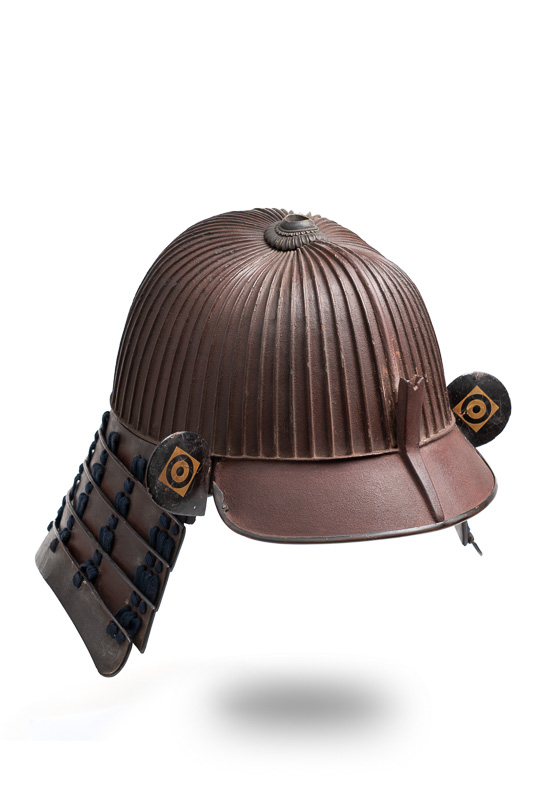
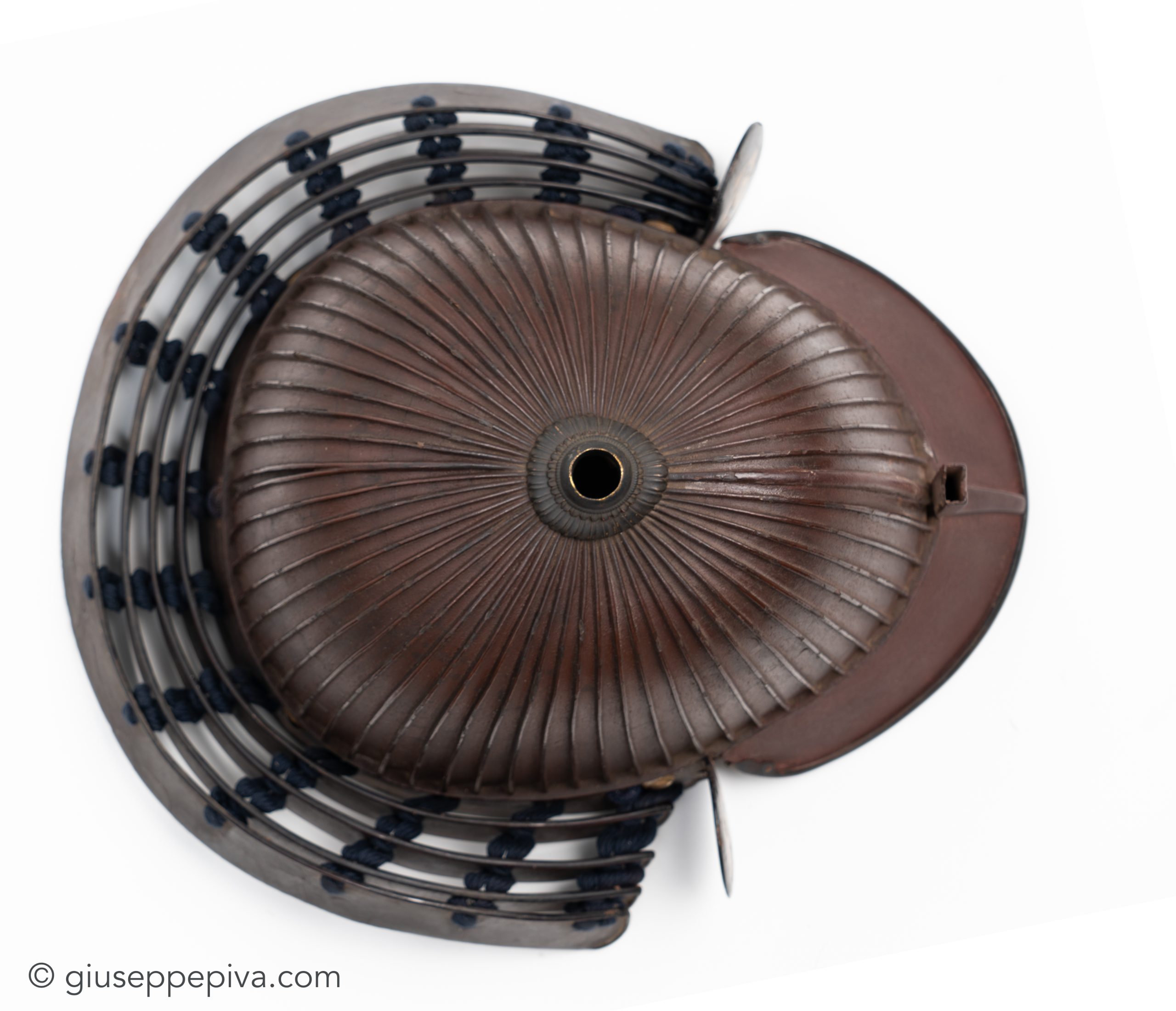
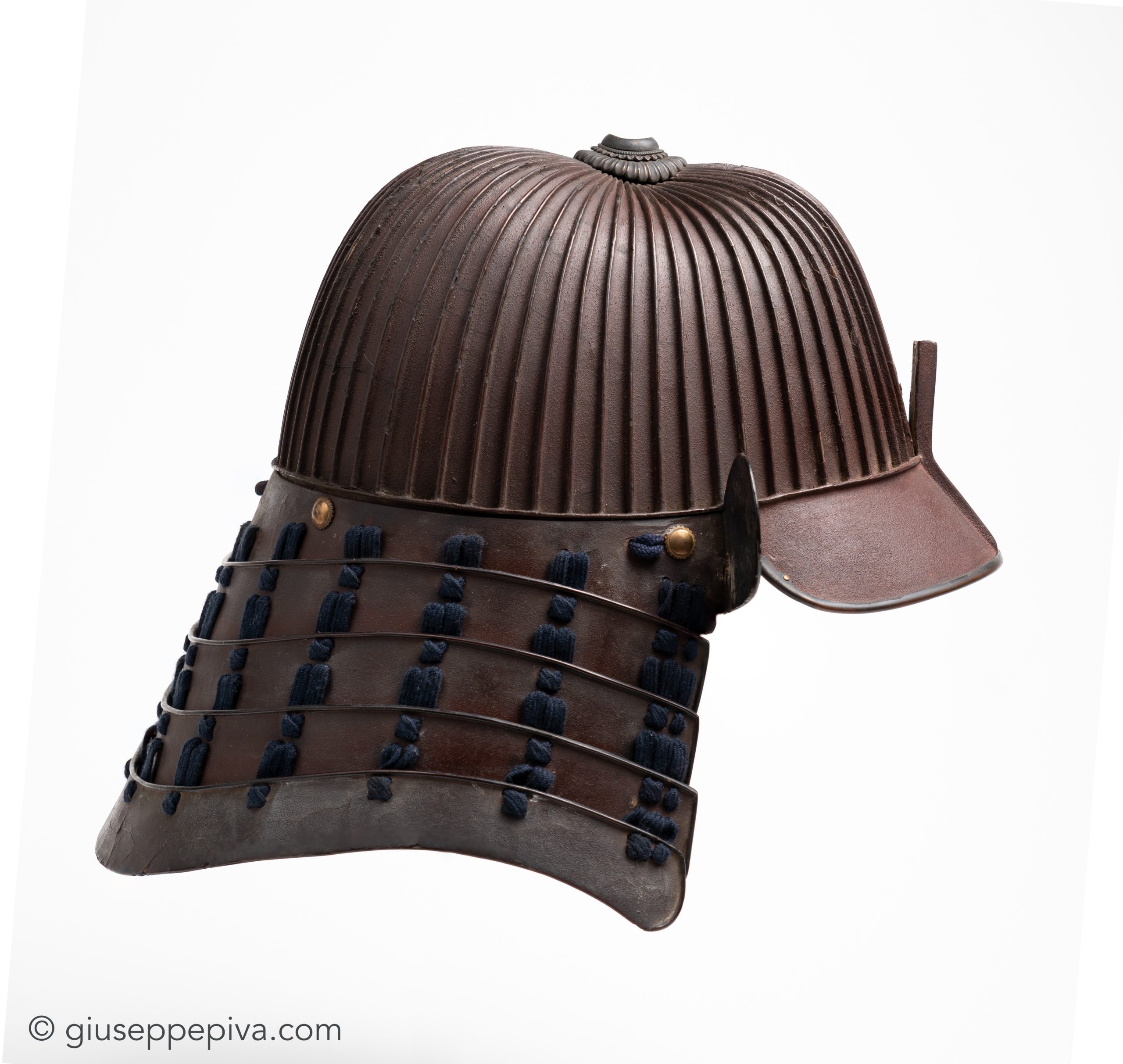
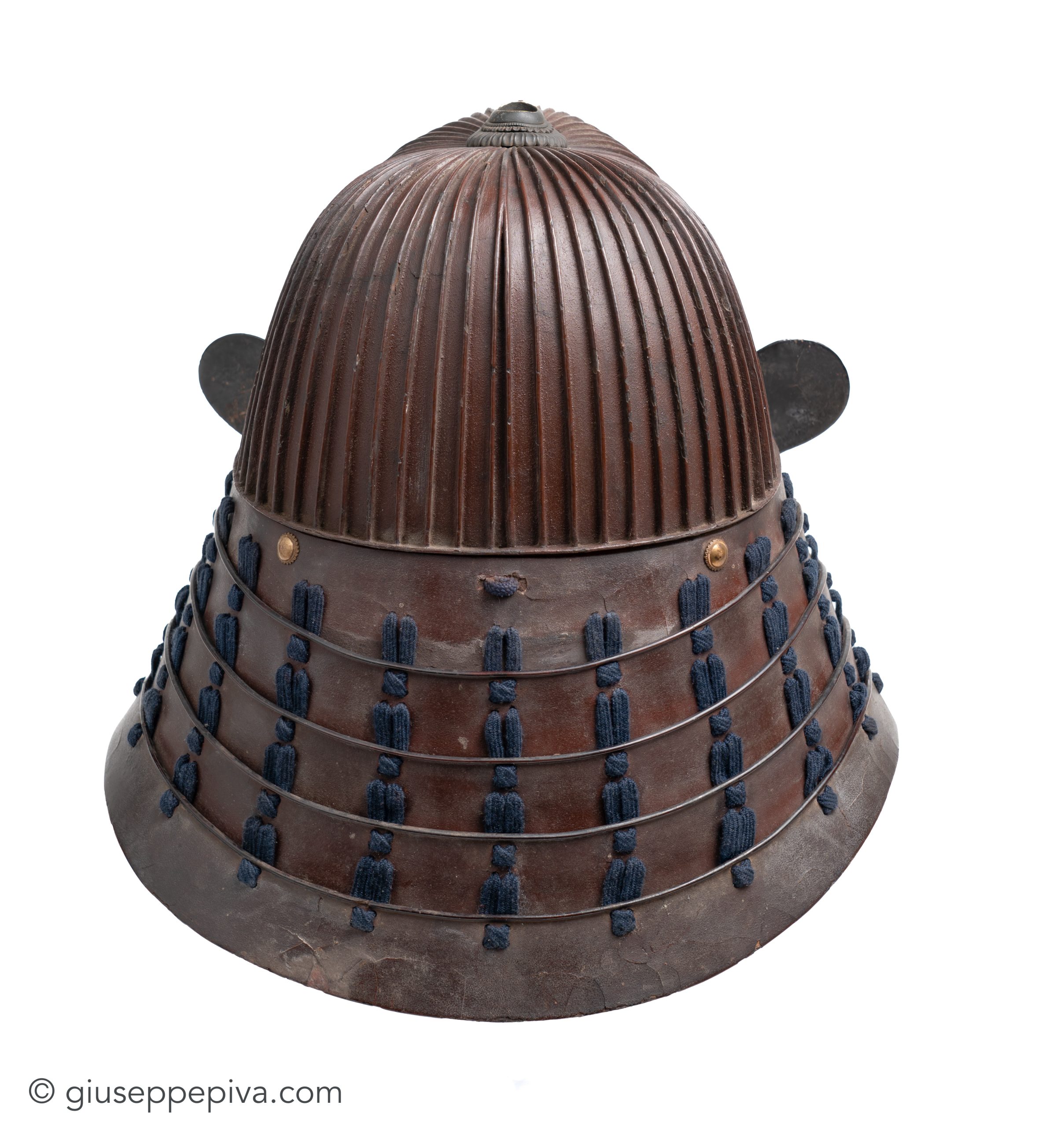
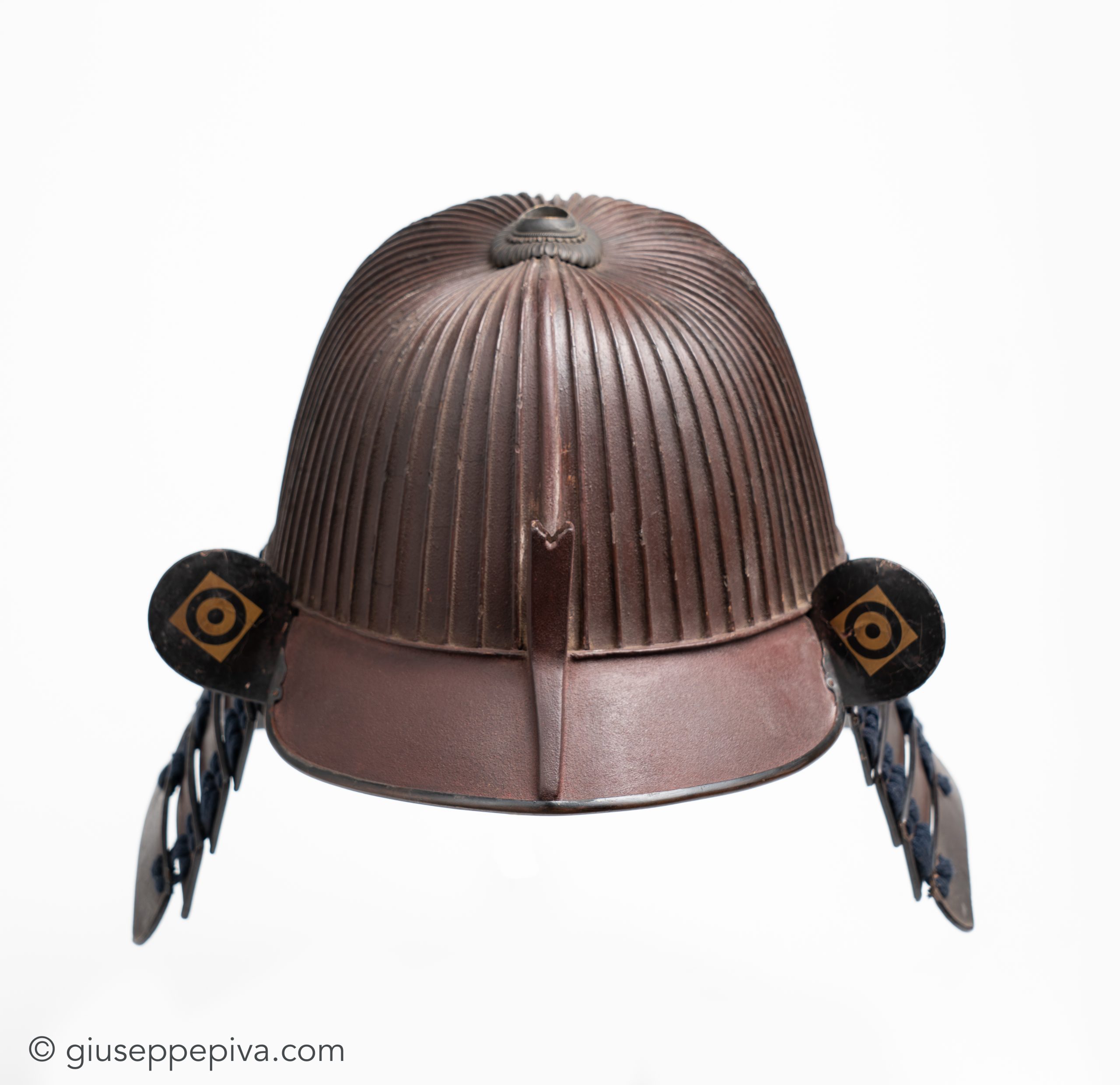
Kabuto only
62-plate · Suji-bachi
Bamen
Masayuki
Signed · On the kabuto bowl
Momoyama
Machine translation of the shop's Japanese ·
We could not find an authenticity certificate on the seller’s listing. Japanese armour is normally certified by the Nihon Katchū Bugu Kenkyū Hozon Kai (the armour society). Without one, the attribution is the seller’s own assessment and has not been independently verified — treat it with caution and ask the dealer about certification before buying.
Price on request