Edo was the sword’s age of connoisseurship: the Hon’ami appraisers, the shogunal register of famous blades of 1719, and a thriving literature turned the sword into an object of study even as it ceased to be drawn in war.
 NihontoWatchNihontoWatch
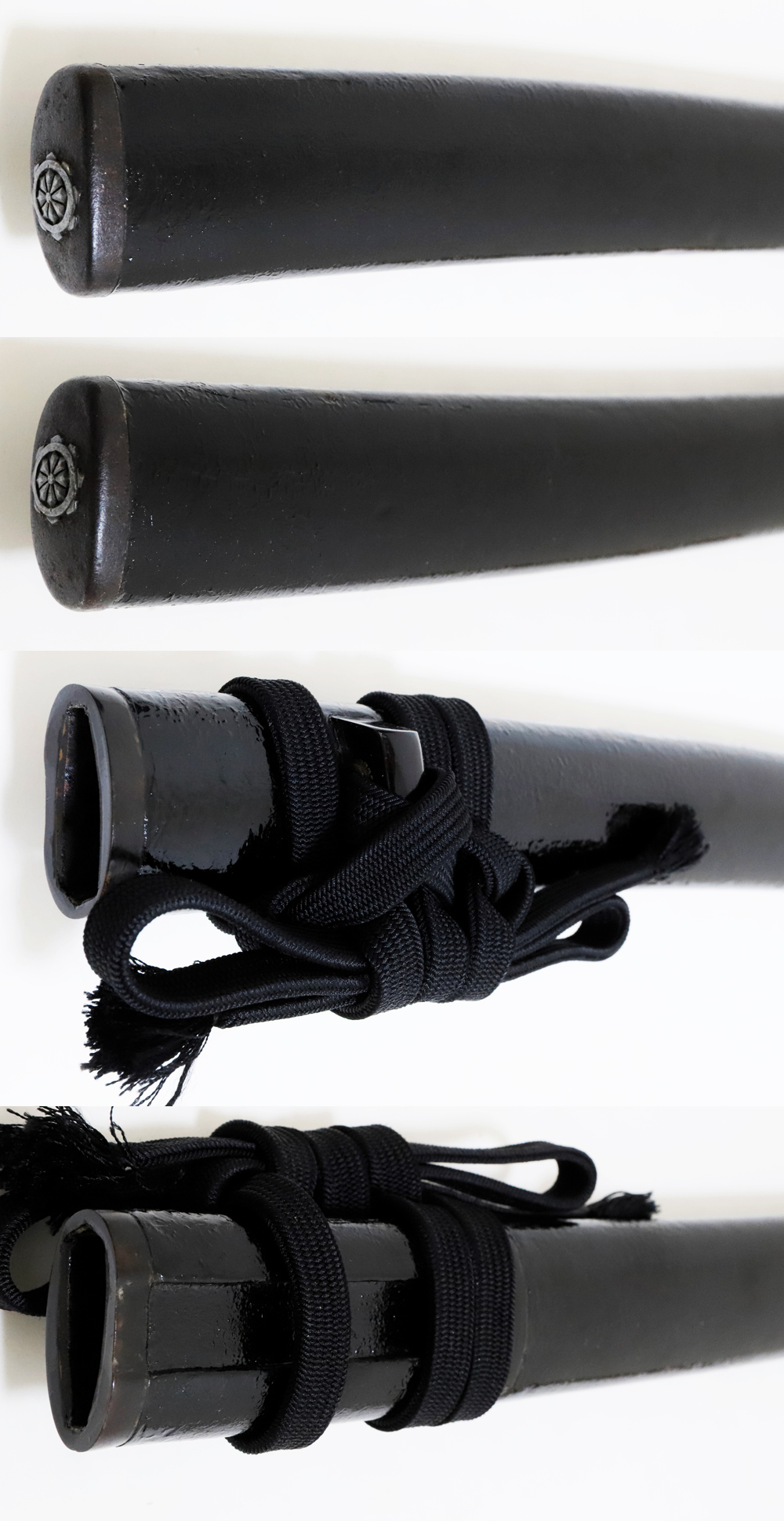
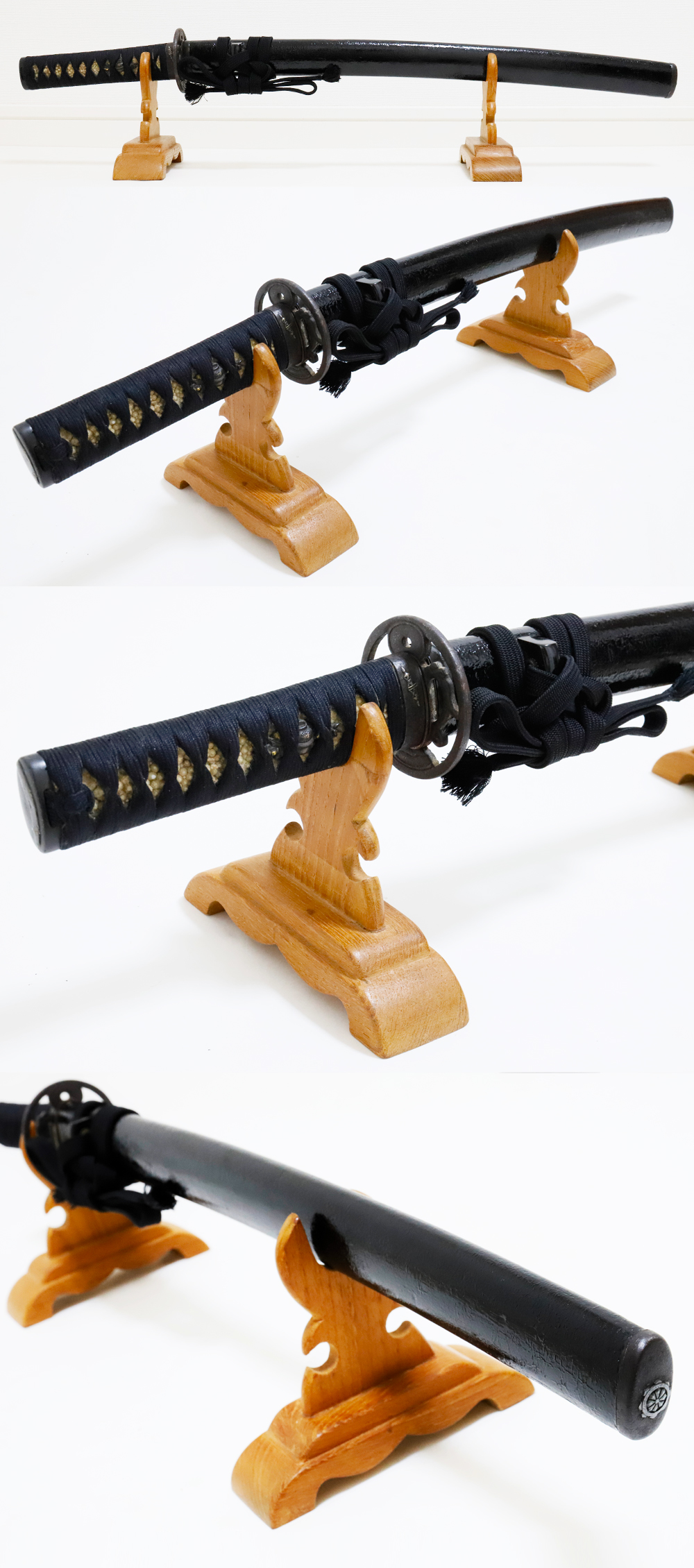
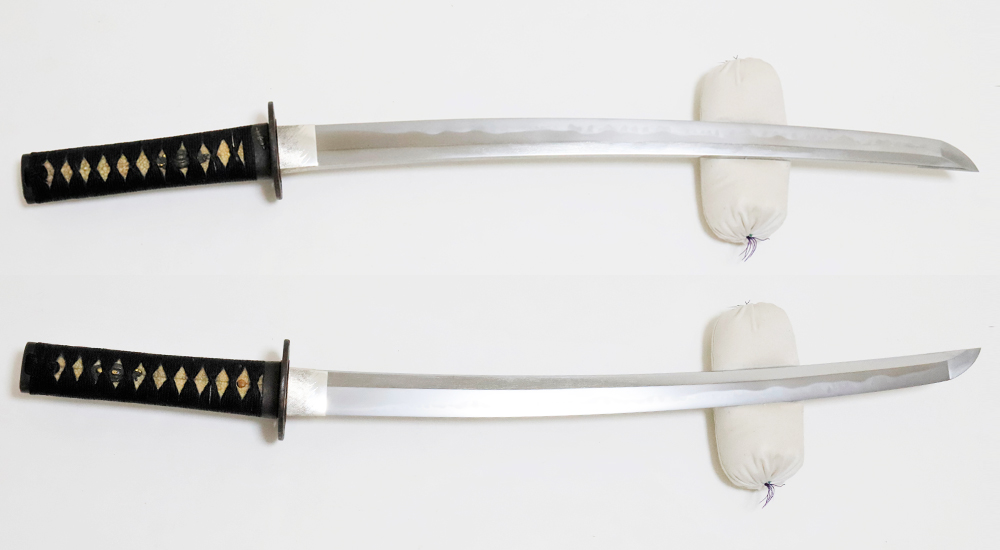
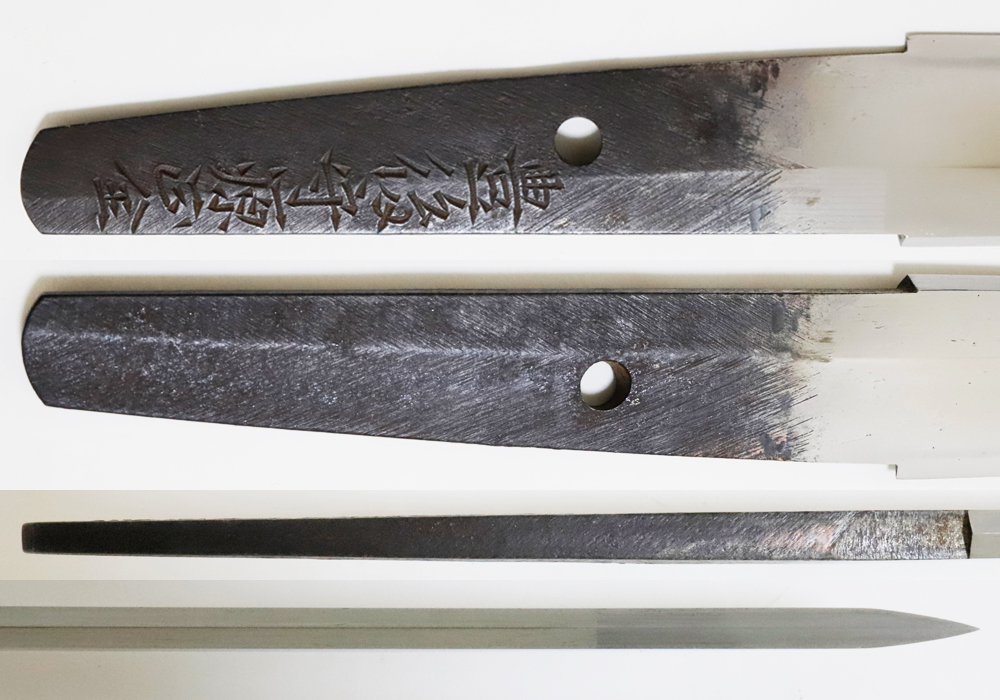
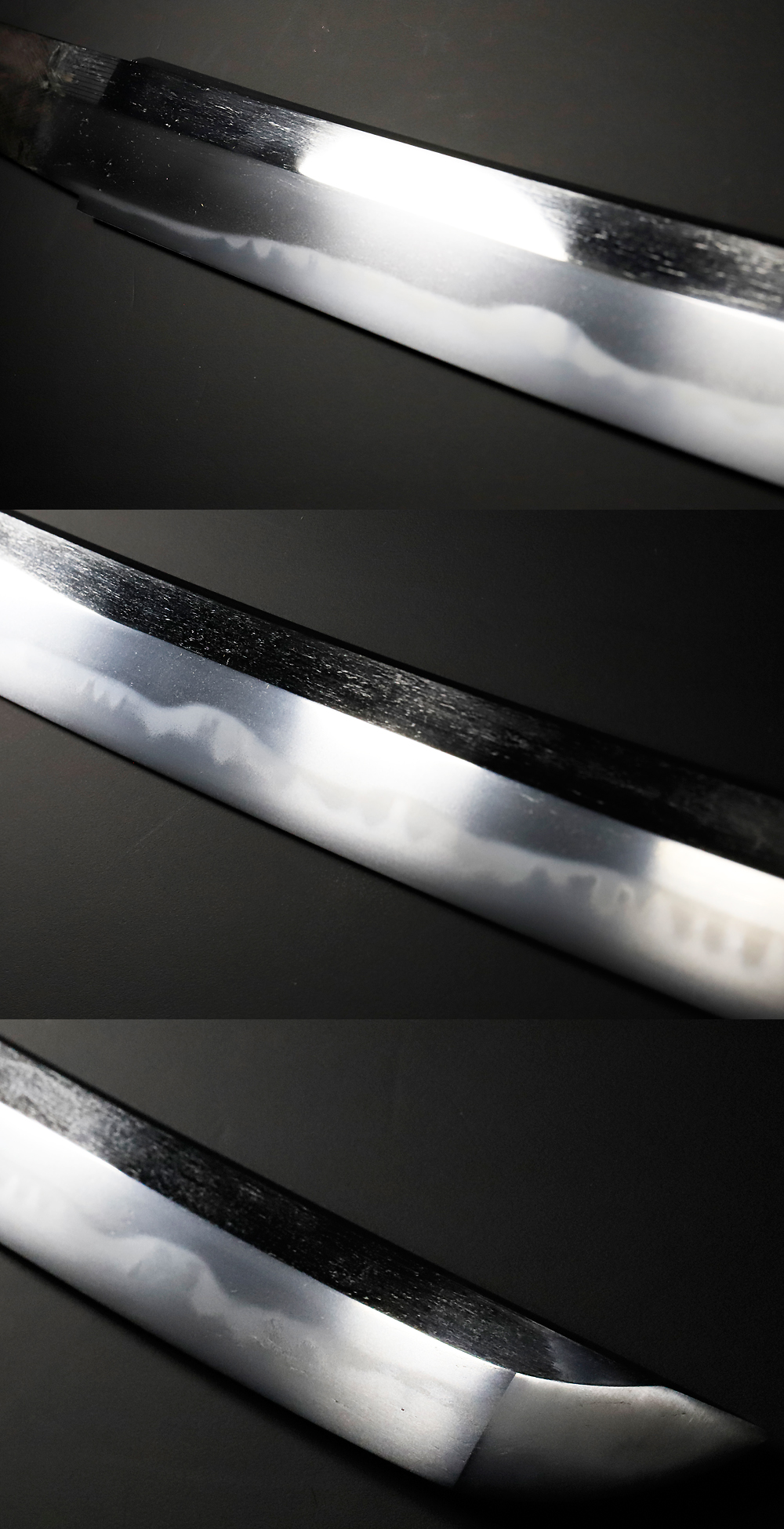
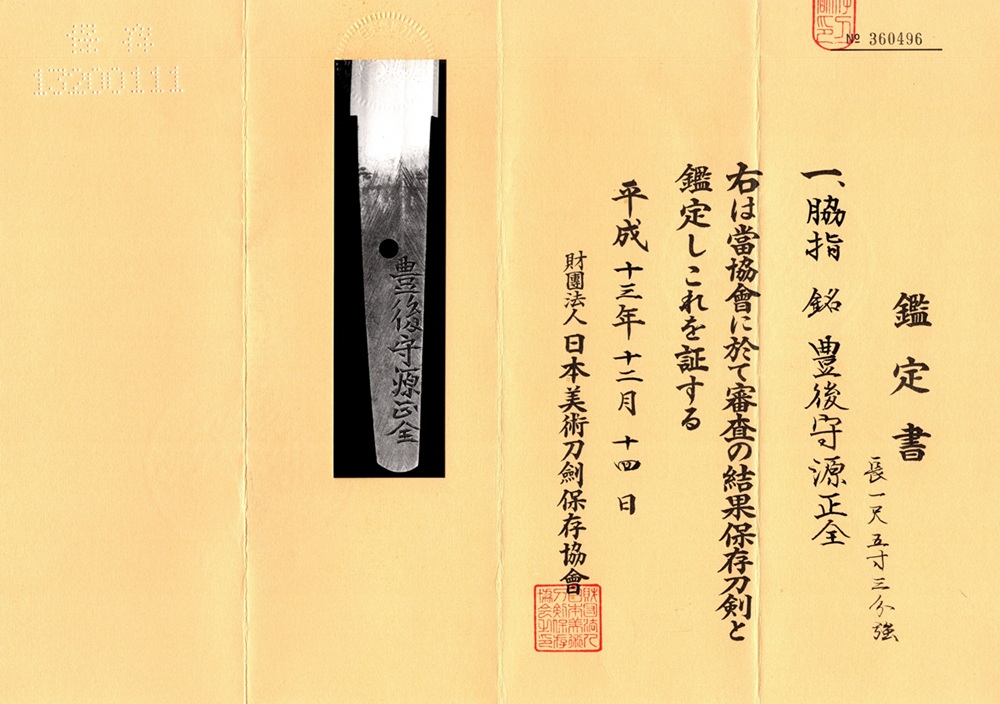
尾張国は美濃国と接して、室町末期に飛騨守氏房、相模守正常、伯耆守信高ら多くの美濃の優工が尾張に移住した。豊後守正全(まさやす)もそのひとり。本国美濃関で名古屋城下に住み、寛文四年(1664)豊後大掾をのち豊後守を受領した。本作は、鎬造り庵棟、身幅広く重ね厚く反りを控えた洗練味ある姿。鍛えは小板目流れ地沸付く。刃文は直焼出しを伴う互の目丁子乱れ、尖り気味の刃、角張る刃、片落ち互の目等変化に富む。堂々と豊後守源正全と銘を刻す生茎の状態も良好。地刃共に健全で出来が良い。2001年特別保存刀剣審査合格。黒蠟虫食塗鞘脇指拵が付されている。
NihontoWatchOffered by Touken Matsumoto
This piece has sold
Get an email when a new Masamitsu piece hits the market.


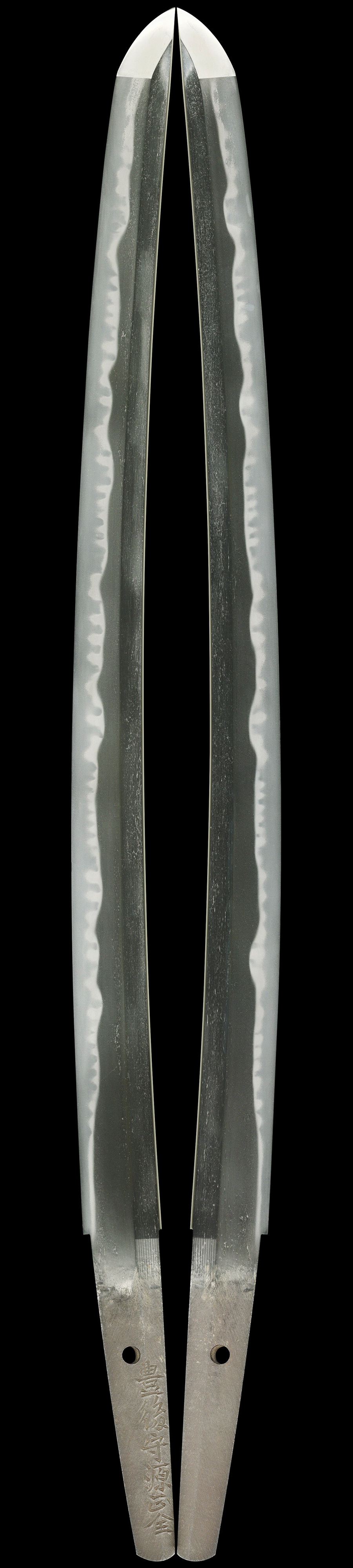
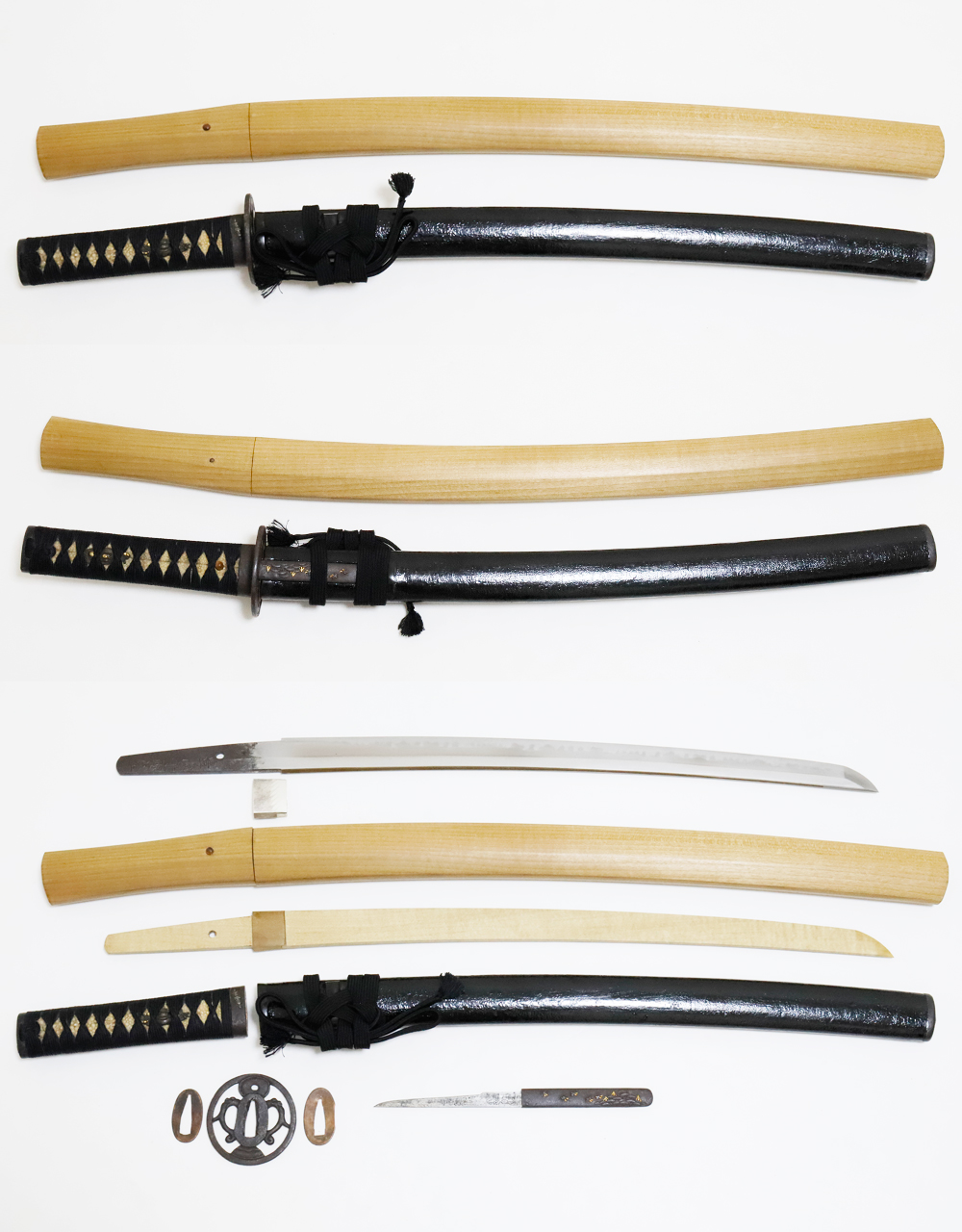
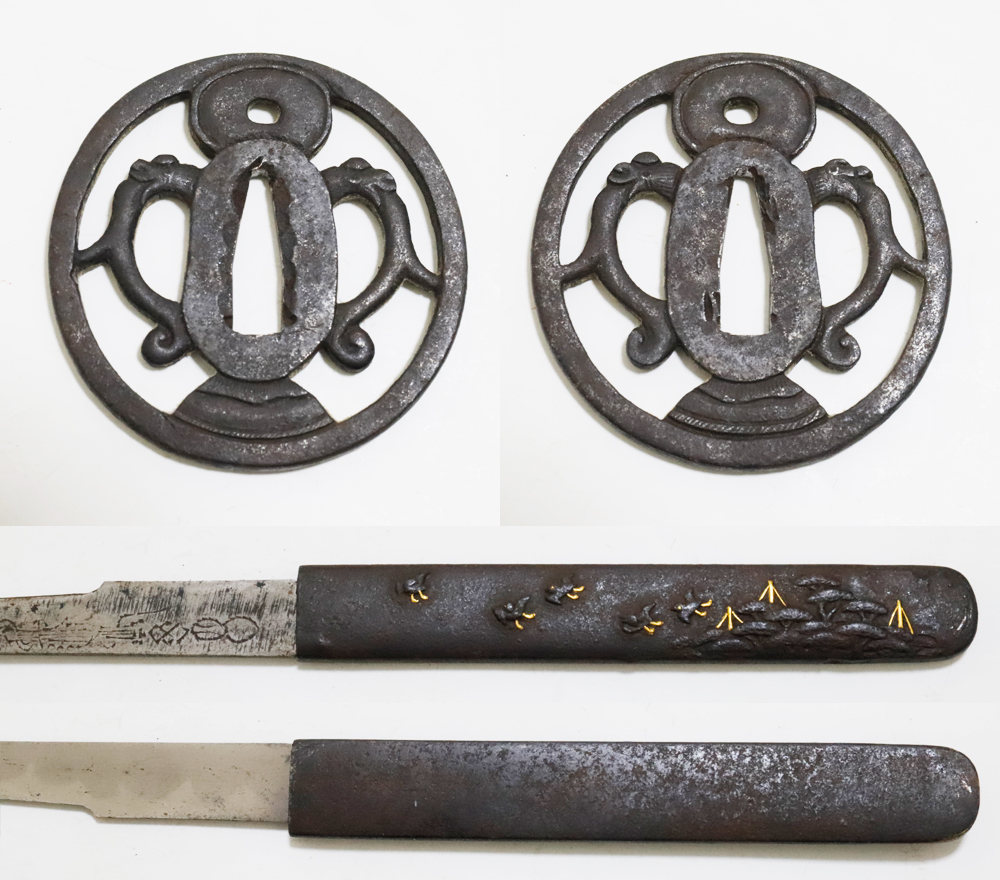
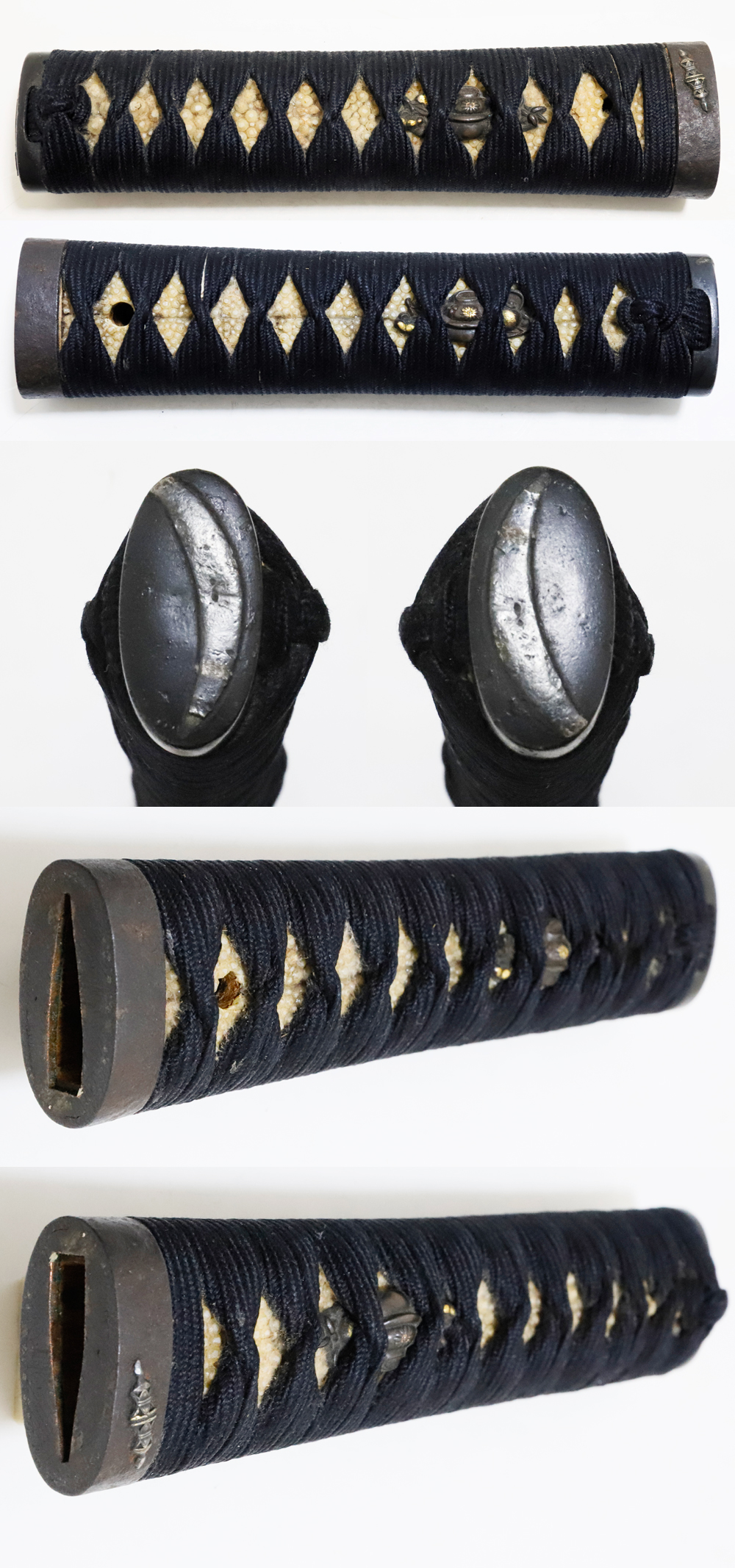
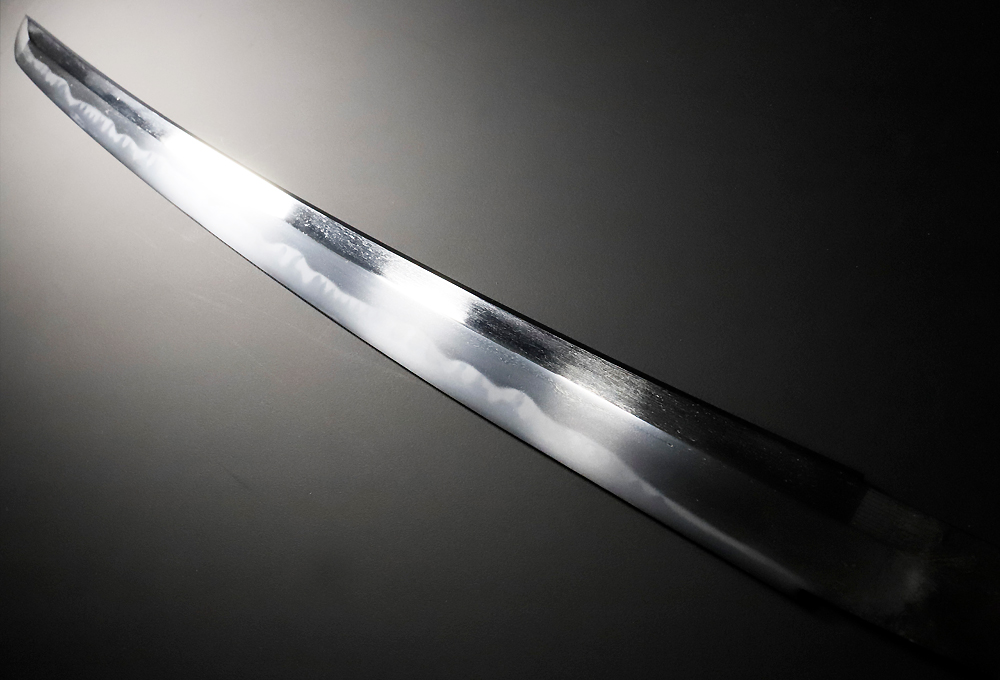
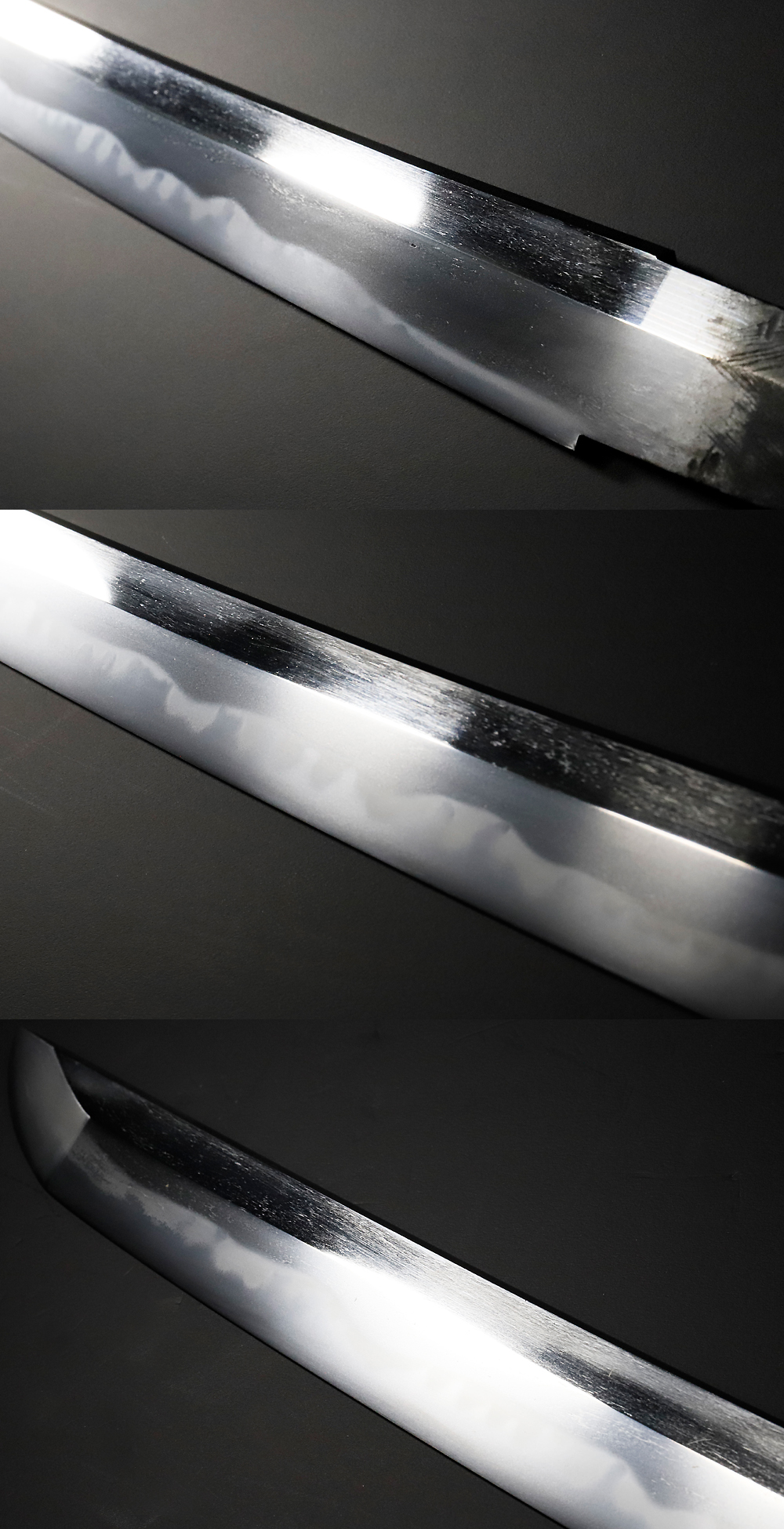
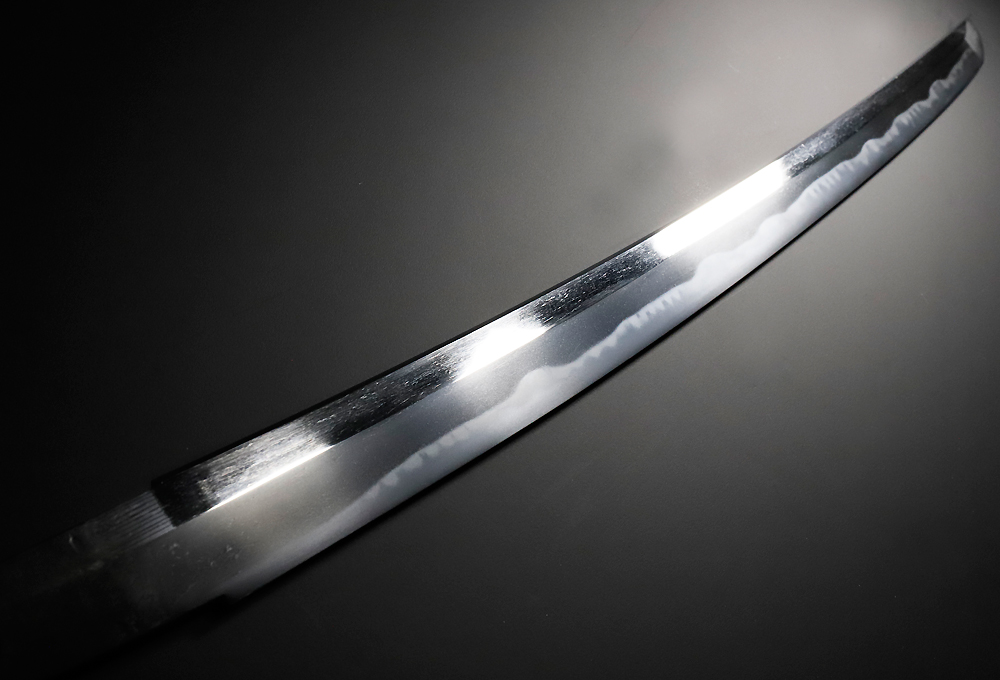
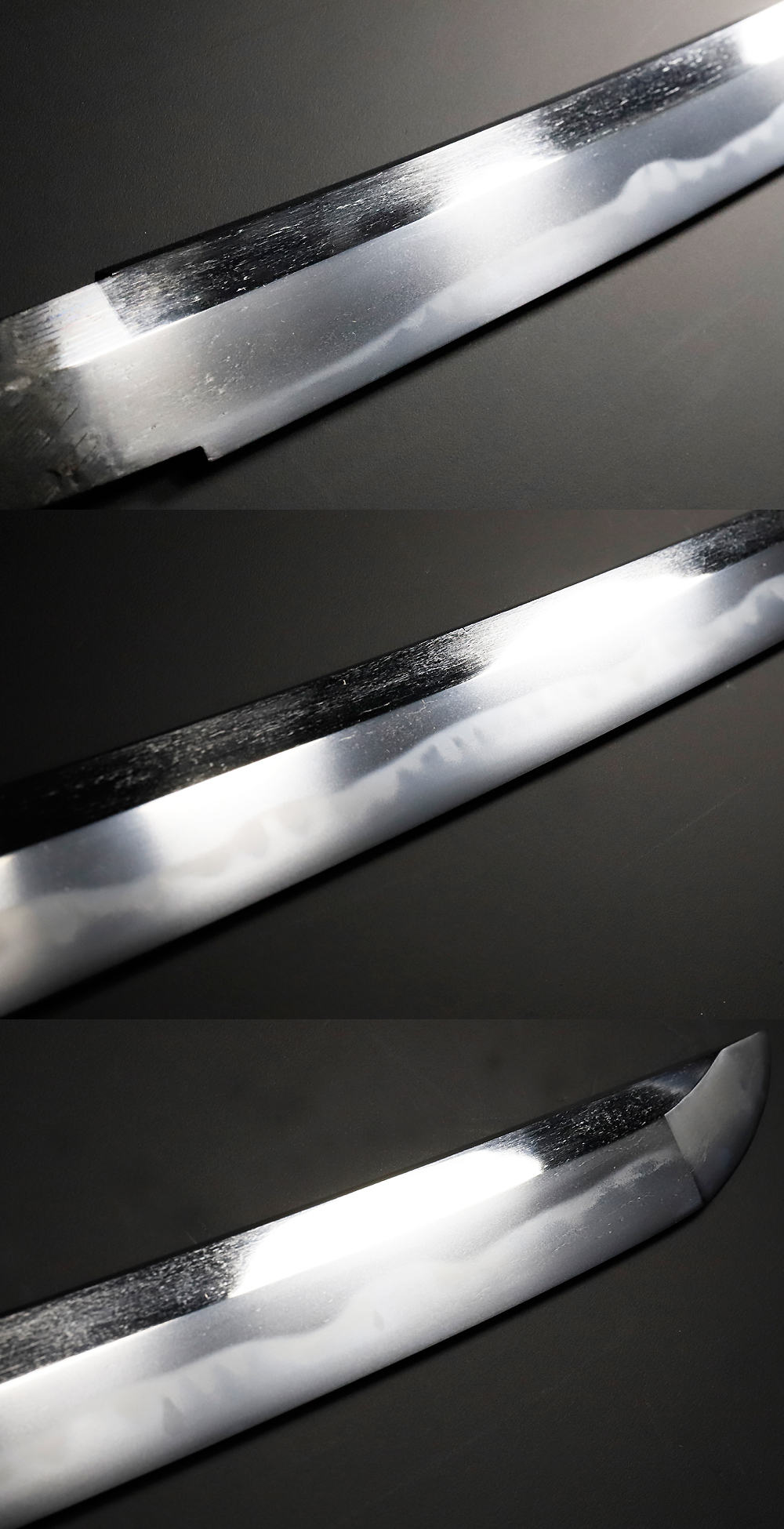
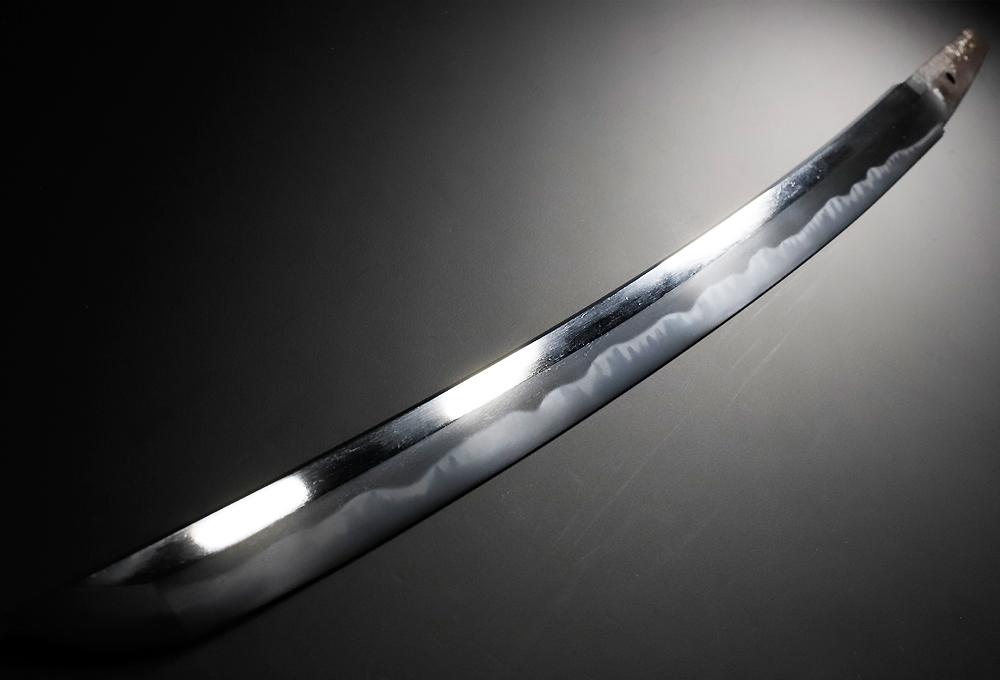
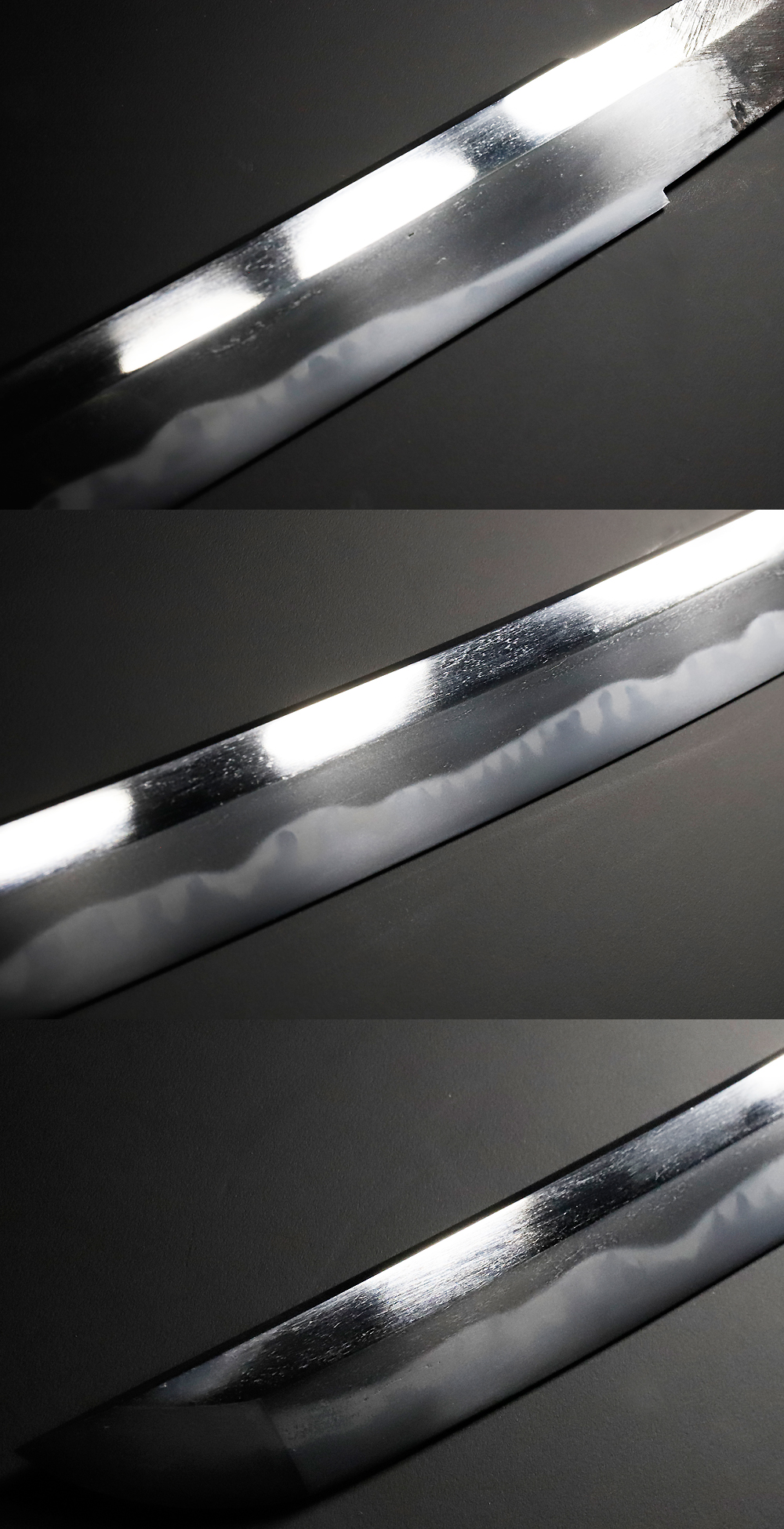
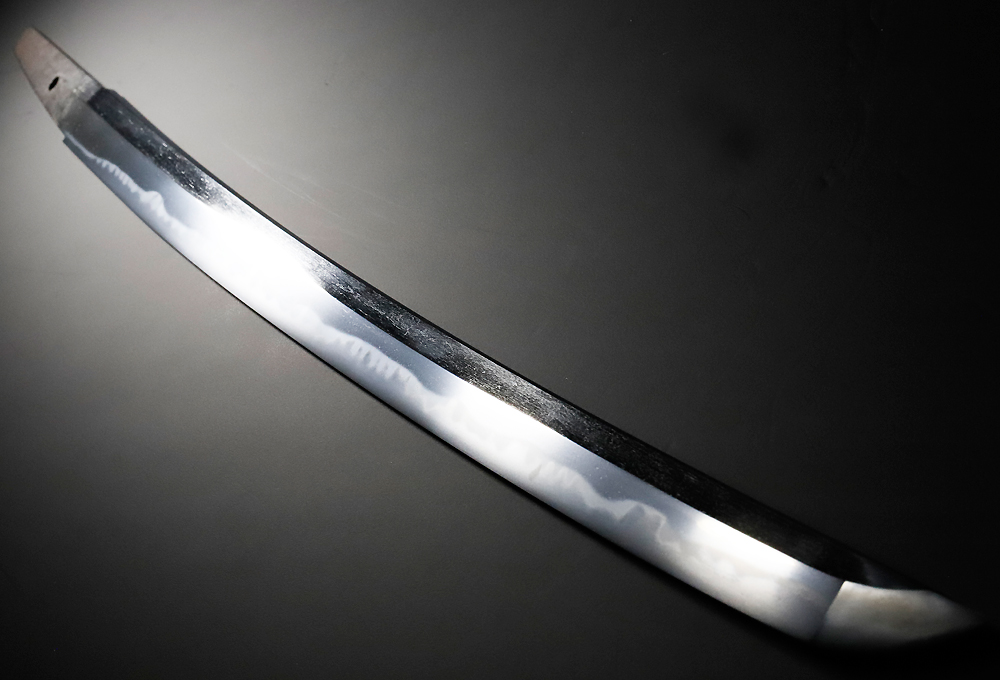
Owari · around 1661-1673
Tōken Taikan top 76%
1 piece on the market now
The Edo period (1615 to 1868)
Edo was the sword’s age of connoisseurship: the Hon’ami appraisers, the shogunal register of famous blades of 1719, and a thriving literature turned the sword into an object of study even as it ceased to be drawn in war.
Certifies a genuine blade worth preserving: a signature confirmed correct, or, if unsigned, an era, province, and school that the NBTHK can reliably identify.
The NBTHK (Nihon Bijutsu Tōken Hozon Kyōkai, the Society for the Preservation of Japanese Art Swords) is a public-interest incorporated foundation founded in 1948 and supervised by Japan’s Agency for Cultural Affairs (Bunkachō); it is based at the Japanese Sword Museum in Tokyo. Its expert panels physically examine each submitted work (shinsa) and issue a certificate (kanteishō) ranking it by artistic and historical merit. NBTHK papers are the most widely recognized standard of authentication for Japanese swords and fittings.
NBTHK official siteReturns within 7 days of the item's arrival. Returns are not possible if (1) the item has been altered, or (2) for overseas transactions.