NihontoWatch Mon

NihontoWatch

Market
Encyclopedia
Kantei
NihontoWatch Mon

NihontoWatch

Market
Encyclopedia
Kantei

Description

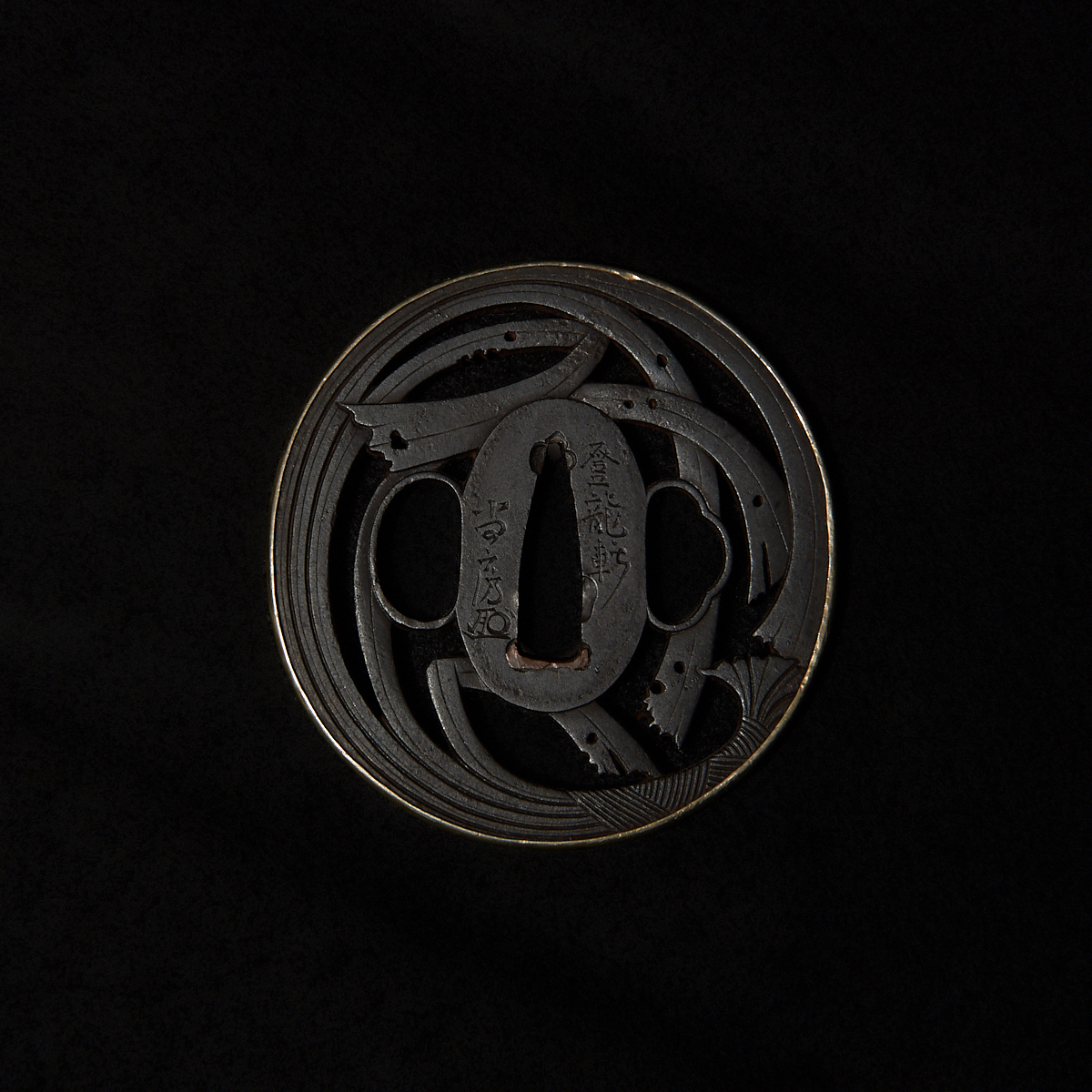
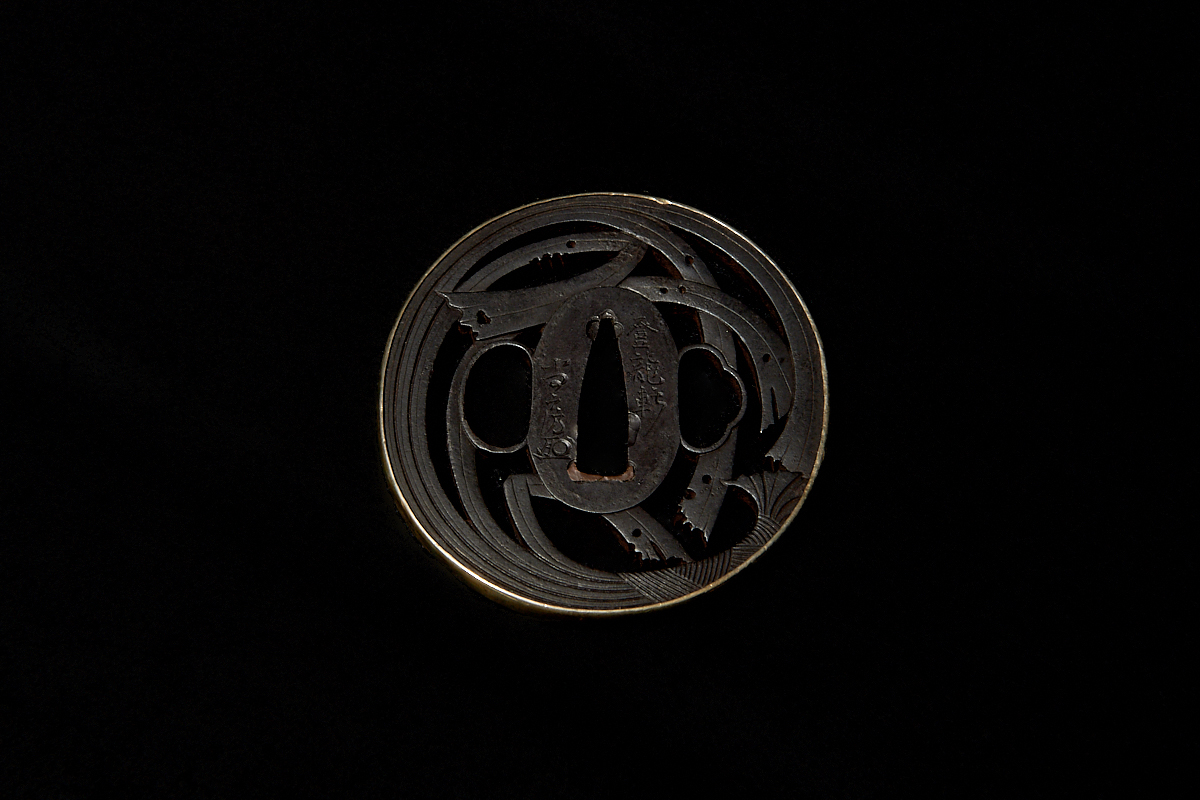
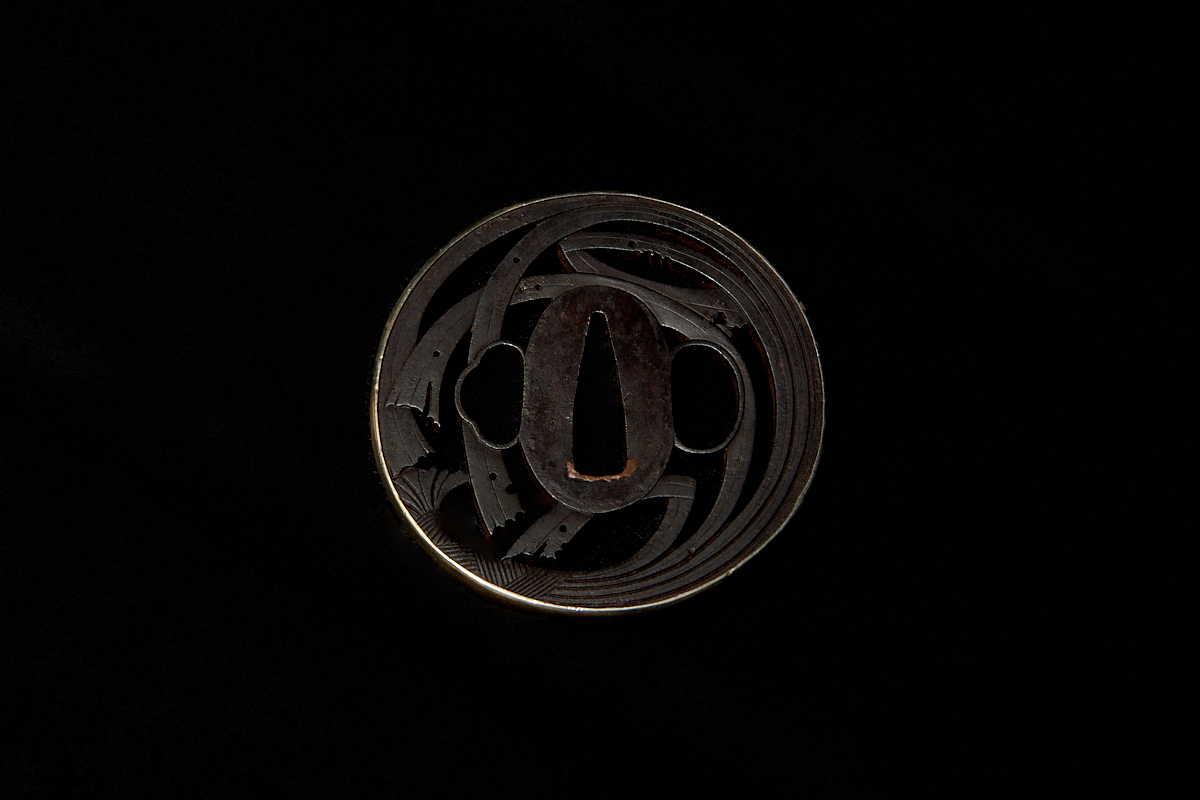
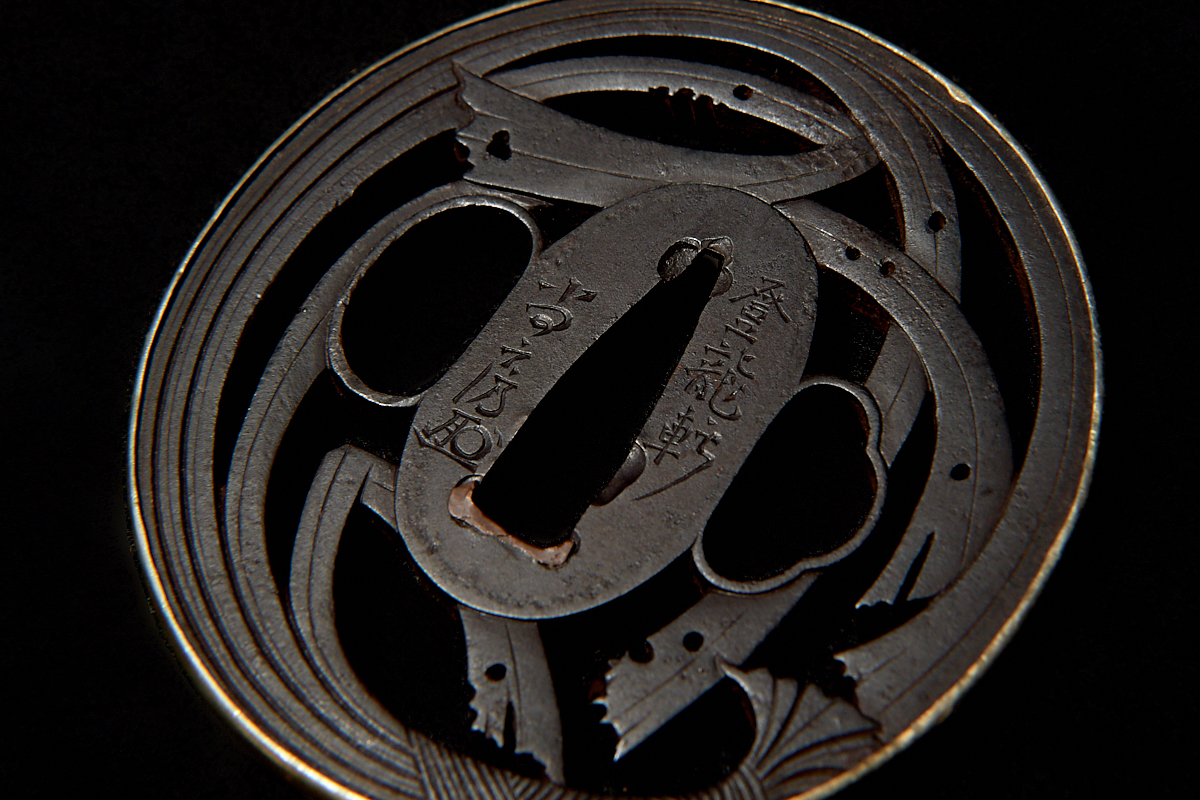
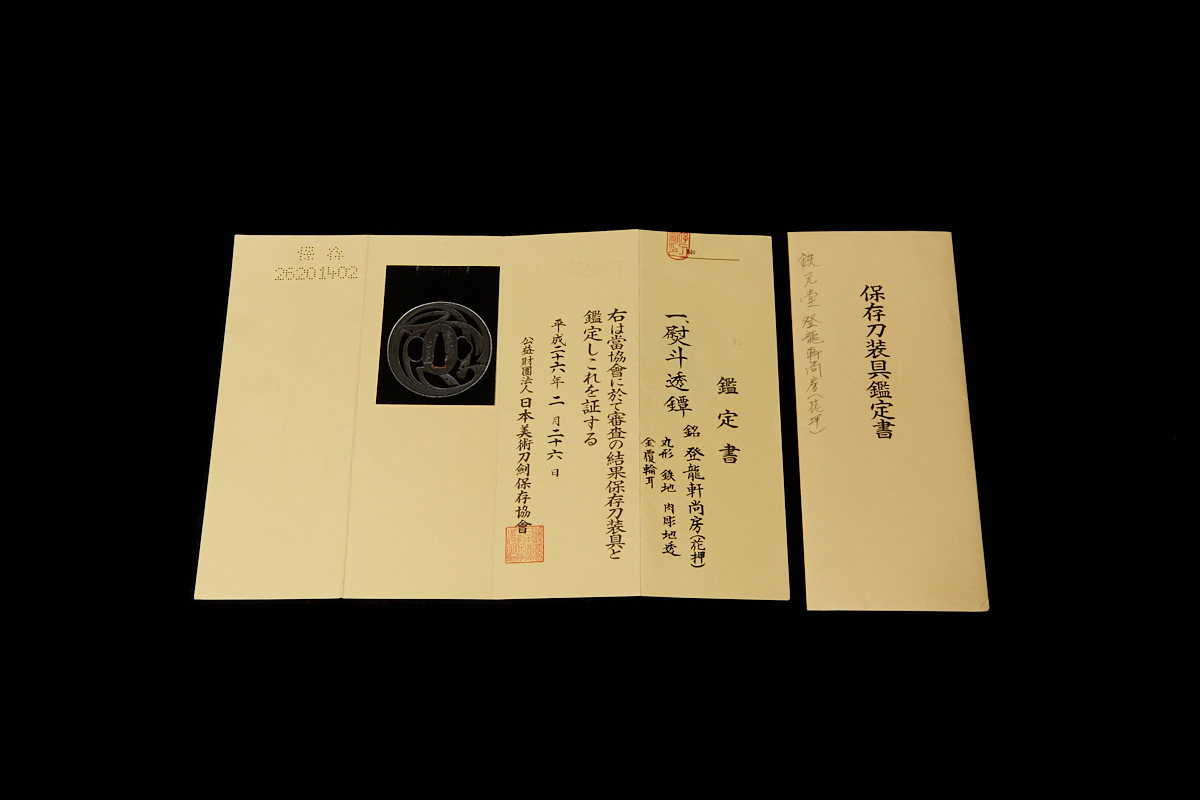
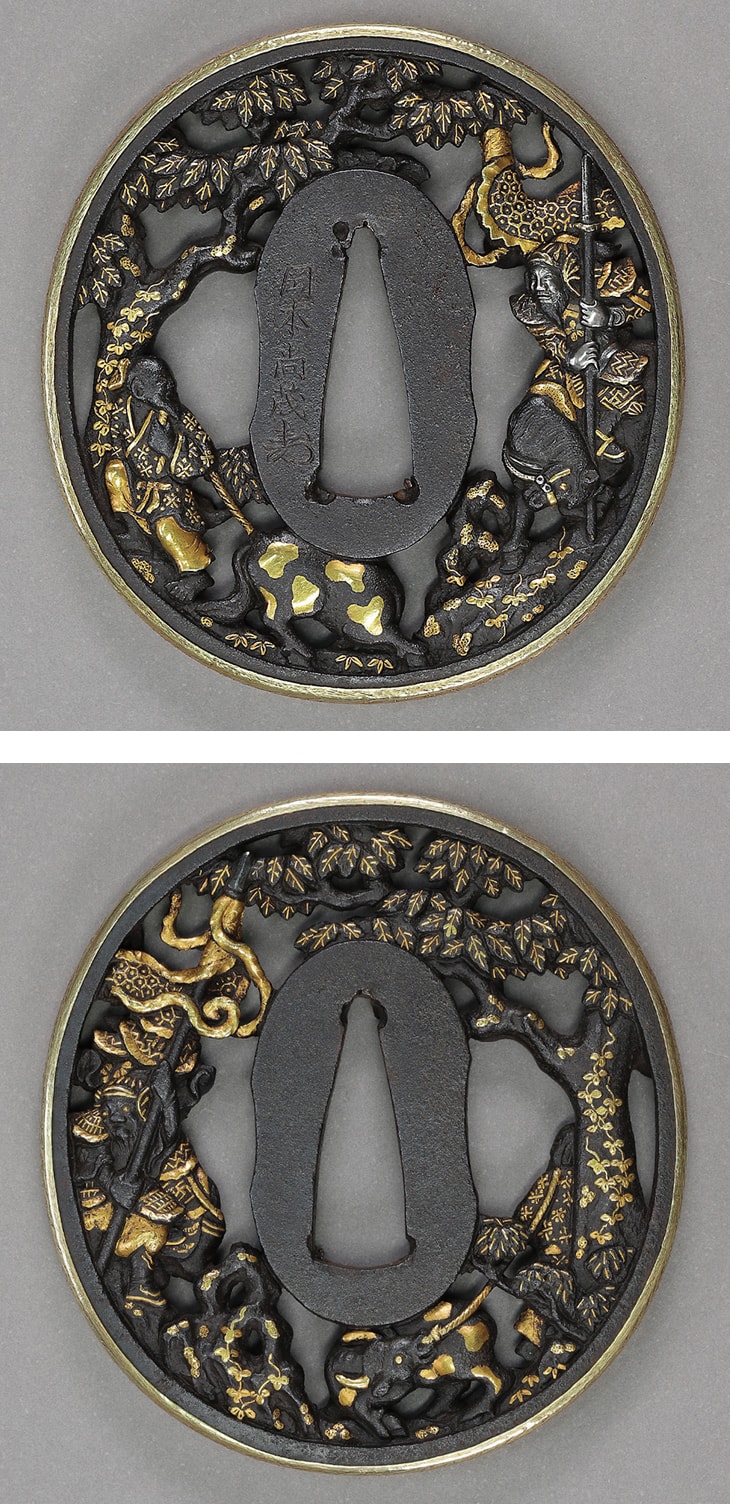
This is a Noshi Sukashi Tsuba, signed by Toryuken Naofusa with his Kao (stylized signature). The tsuba measures 7.01 cm in both height and width, with a thickness of 0.51 cm and a weight of 110g. It is likely from the Edo period, given the maker's style.

Certificate Reading

Certificate reading — 銘 登龍軒尚房(花押)

NihontoWatch MonNihontoWatch
MarketEncyclopediaKantei
Fittings›Tetsugendo›Naofusa›Tsuba: Noshi Sukashi Tsuba, Signed Toryuken Naofusa (Kao)
tsubaHozon
Tetsugendo Naofusa

Tsuba: Noshi Sukashi Tsuba, Signed Toryuken Naofusa (Kao)

mei · Late Edo (c.1780-1820)

¥300,000
Visit seller website →
Tetsugendo Naofusa — 1 of 5
Tetsugendo Naofusa — 2 of 5
Tetsugendo Naofusa — 3 of 5
Tetsugendo Naofusa — 4 of 5
Tetsugendo Naofusa — 5 of 5
1 / 5
1 / 5
Tetsugendo Naofusa — 1 of 5Tetsugendo Naofusa — 2 of 5Tetsugendo Naofusa — 3 of 5Tetsugendo Naofusa — 4 of 5Tetsugendo Naofusa — 5 of 5
Measurements & details
Maker

Tetsugendo Naofusa

Era

Late Edo (c.1780-1820)

Signature

Signed

Papers

Hozon

Description

This is a Noshi Sukashi Tsuba, signed by Toryuken Naofusa with his Kao (stylized signature). The tsuba measures 7.01 cm in both height and width, with a thickness of 0.51 cm and a weight of 110g. It is likely from the Edo period, given the maker's style.

About the maker

Naofusa

尚房

Machibori · Yamashiro · Edo

3 pieces on the market now

›

Historical importance

Where Naofusa stands among comparable artisans: across all of nihontō, and within tradition, era, and period. The tiers (Foremost · Leading · Major · Notable) weigh official designations from the NBTHK and Japan's Agency for Cultural Affairs, together with historical honors of lasting repute such as the Sansaku and Meibutsu-chō.

随一
Foremost
屈指
Leading
有数
Major
著名
Notable

Select a lens to see how it's measured.

Designation record
2 designated works
Jūyō
2
3 works by Naofusa on the market→
Naofusa — full profileMachibori school
About the school

Tetsugendo

鉄元堂

Machibori · Yamashiro

22 pieces on the market now

›

The Tetsugendo (鉄元堂) lineage emerged in Kyoto during the mid-Edo period, founded by Okamoto Genbei Toshiyuki, who trained under Tetsuya Denbei Kuniharu[[c:1]]. Known by his working name Naoshige (尚茂), the founder later adopted the art name Shoraku (正楽) after taking Buddhist tonsure, and died in An'ei 9 (1780). The lineage passed to a second generation, Naofusa (尚房), whose works also survive. Together with Ichinomiya Nagatsune and Otsuki Mitsuoki, the first-generation Shoraku was celebrated as one of the "Three Outstanding Metalworkers of Kyoto" (Kyoto kinko no sanketsu). The broader circle of Kyoto kinko working in related idioms includes Hosono Sozaemon Masamori, a metalworker resident at Nijo whose dated works span from Genroku 3 (1690) to Kyoho 3 (1718), and Yamazaki Ichiga (also called Nizaemon), whose first generation studied under Goto Shujo and whose line continued through several generations. The hallmark of the Tetsugendo school is its commanding mastery of iron. Shoraku worked chiefly in iron and earned a reputation as an artist who "handled iron with exceptional freedom" and "tolerated no rival" in that material. His characteristic method builds compositions upon a polished iron ground (tetsu migaki-ji) or a finely struck ishime-ji surface, developing figures through sukidashi-bori that transitions seamlessly into fully developed takabori (high relief), imparting depth and a heightened sense of volume.

At key points across the iron plate, inlays of gold, silver, shakudo, shibuichi, suaka, and brass are applied with meticulous zogan iroe -- a combination "often regarded as a difficult undertaking" on iron, and one that the NBTHK repeatedly describes as achievable only by Tetsugendo. Subjects are overwhelmingly figural and grounded in direct observation: scenes of figures caught in a sudden evening shower (yudachi) rank among his greatest specialties and "many examples of this same subject are known"; exotic depictions of Tatar (Dattan) figures with Western dogs recur across tsuba and other fittings; and literary themes such as Kisho (Returning Woodcutter), Genjouraku (a gagaku court dance), Fujin and the Great Buddha, and Nanbanjin (Southern Barbarians) are rendered with rich naturalistic observation and a muscular vigor the setsumei call his "true mettle" (shinkotcho). Hosono Masamori, working on shibuichi and shakudo grounds rather than iron, developed a parallel pictorial world through exhaustive kebori and katakiribori combined with hira-zogan of various colored metals, producing panoramic townscape and agrarian scenes of extraordinary descriptive density. " The Tetsugendo lineage occupies a distinctive place in the tosogu canon as the foremost Kyoto school specializing in iron. The first-generation Shoraku's tsuba consistently demonstrate what the NBTHK describes as "a level of finish achievable only by Tetsugendo," from the subdued, moist richness of his iron plates through to the polychrome inlay work executed down to the smallest details. His yudachi compositions -- capturing the clamor and confusion of an evening squall across matched daisho sets of tsuba, fuchi-kashira, and other fittings -- are "very much his own domain," while his Tatar-figure tsuba, including a dated example from Tenmei 2 (1782), are valued both artistically and as documentary evidence for research into the first- and second-generation question. The menuki depicting Kusazuri-hiki on an imo-tsugi-ji ground of gold and shakudo reveal Shoraku's capacity to work outside iron with deliberate archaism, evoking the manner of Goto Yujo. " Hosono Masamori's panoramic scenes of Kyoto street life and agrarian labor, rendered with a minuteness in which "even the conversations among the people might be heard emerging from the scene," and Yamazaki Ichiga's refined Goto-inflected work on shakudo nanako-ji, further attest to the depth and range of this Kyoto kinko circle. Learn more →

4 recorded smiths20 designated works
Leading smiths
SmithEraDesignated
Shoraku正楽—13
Yamazaki Ichiga山﨑一賀—3
Ayanokoji Nagamine綾小路永峯—0
Tomotsune知恒—0
Eiju栄寿—0
Explore the Tetsugendo school →
NBTHK Certificate
Hozon Tōsōgu保存刀装具
Fitting Worthy of Preservation
›

Certifies a genuine fitting worth preserving: a correct signature, or, if unsigned, an identifiable era and school, with recognized artistic and craft value.

Signed: 登龍軒尚房(花押) (Tetsugendo Naofusa)
As written on the certificate
About the NBTHK›

The NBTHK (Nihon Bijutsu Tōken Hozon Kyōkai, the Society for the Preservation of Japanese Art Swords) is a public-interest incorporated foundation founded in 1948 and supervised by Japan’s Agency for Cultural Affairs (Bunkachō); it is based at the Japanese Sword Museum in Tokyo. Its expert panels physically examine each submitted work (shinsa) and issue a certificate (kanteishō) ranking it by artistic and historical merit. NBTHK papers are the most widely recognized standard of authentication for Japanese swords and fittings.

NBTHK official site→
Seller
Y
Yushindou
Established 1979 · 47 yrs on the market
🇯🇵Ships from Japan
›
✓Verified dealeryushindou.com
Settles in JPY
Wire transferCredit card
Return policy

Returns must be shipped within 3 days of delivery. Excludes modified/damaged items or past the deadline. Return shipping paid by customer. Overseas orders cannot be returned/refunded.

View all of Yushindou’s listings→View this item on the dealer’s site→

More works by Tetsugendo Naofusa

View all →
Sugie Art
Tokuho
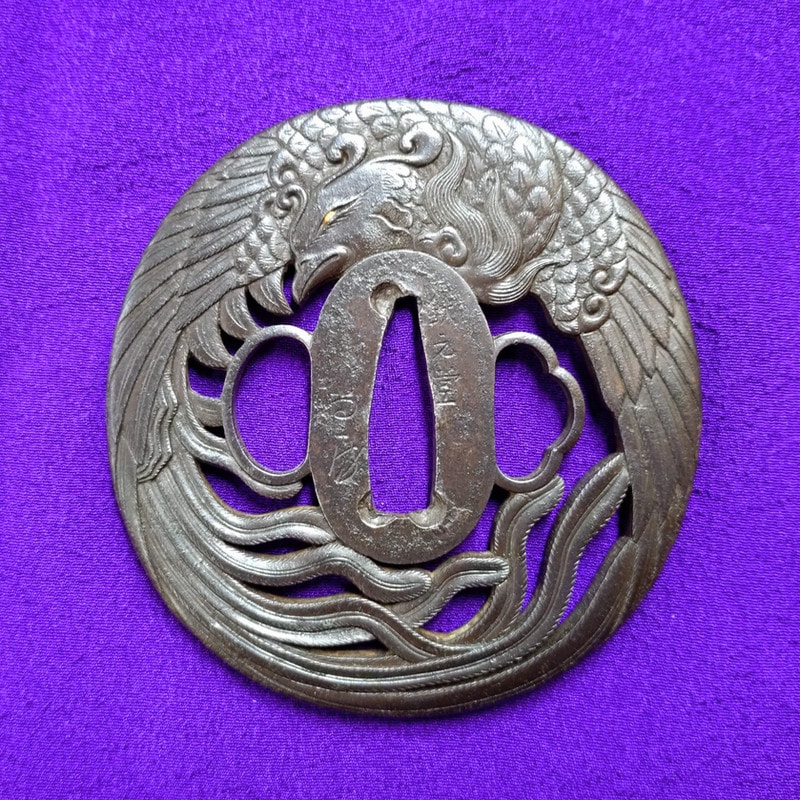
Tsuba - Tokuho - by Tetsugendo Naofusa - Phoenix Openwork Tsuba by Tetsugen-do Naofusa, Tokubetsu HozonTsuba - Tokuho - by Tetsugendo Naofusa - Phoenix Openwork Tsuba by Tetsugen-do Naofusa, Tokubetsu Hozon

Tsuba

ByTetsugendo Naofusa
¥890,000
Aoi Art
Tsuba - by Tetsugendo Naofusa - NaohusaTsuba - by Tetsugendo Naofusa - Naohusa

Tsuba

ByTetsugendo Naofusa
¥45,000

Previously sold by Tetsugendo Naofusa

View all →
Choshuya
Tokuho
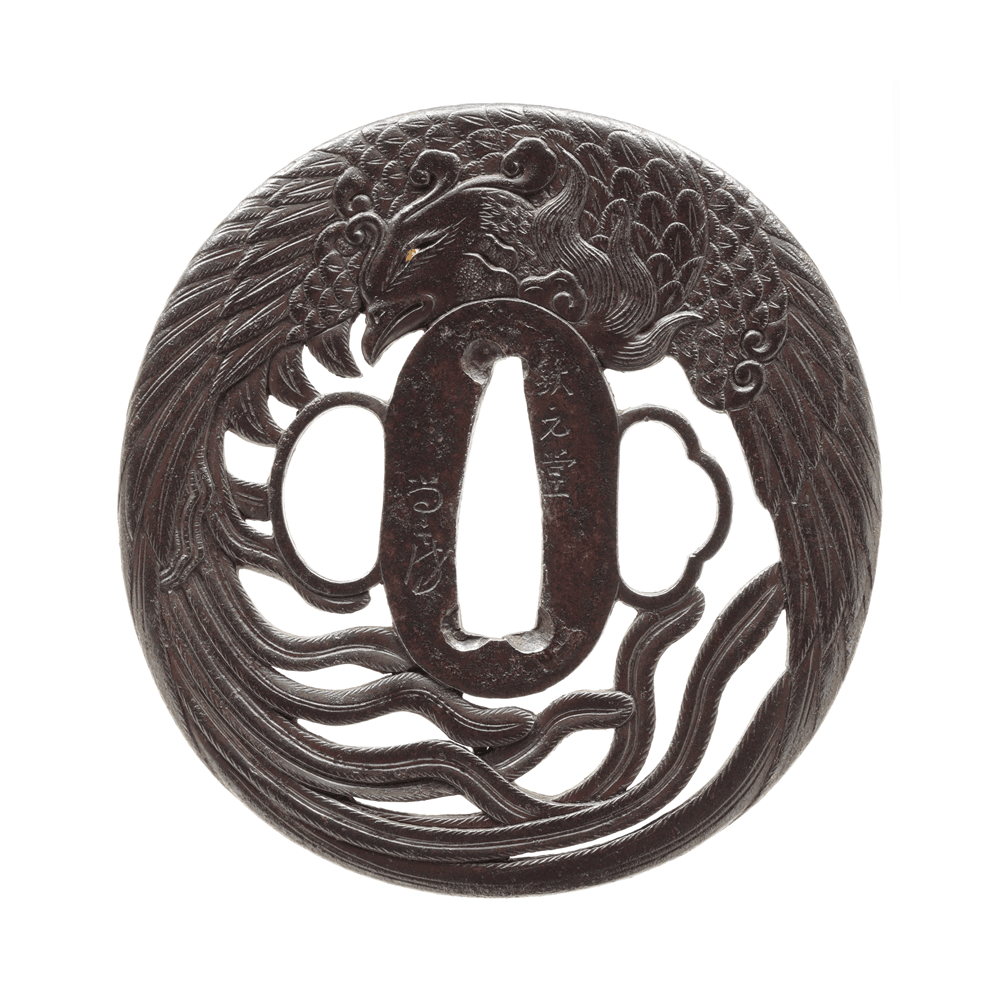
Tsuba - Tokuho - by Tetsugendo Naofusa - Phoenix Openwork Design, Signed Tetsugendo NaofusaTsuba - Tokuho - by Tetsugendo Naofusa - Phoenix Openwork Design, Signed Tetsugendo Naofusa
Sold

Tsuba

ByTetsugendo Naofusa
SOLD
Ayakashi
Hozon
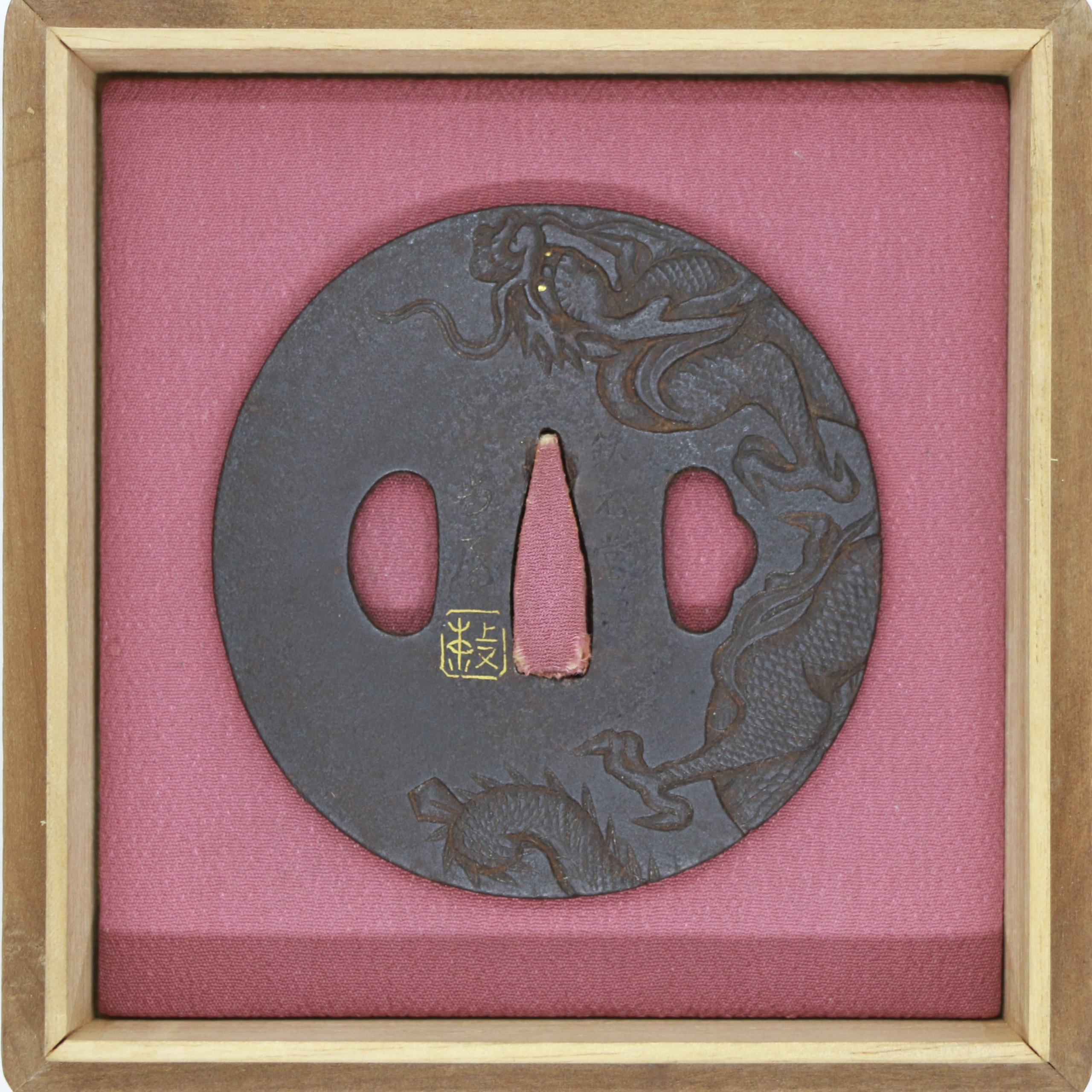
Tsuba - Hozon - by Tetsugendo Naofusa - Ascending Dragon Design by Tetsugendo NaofusaTsuba - Hozon - by Tetsugendo Naofusa - Ascending Dragon Design by Tetsugendo Naofusa
Sold

Tsuba

ByTetsugendo Naofusa
SOLD

More from the Tetsugendo school

View all →
Toushin
Tokuho
Fuchi-Kashira - Tokuho - by Tetsugendo School - Daisho Fuchi-Kashira: Lions, Mumei (Tetsugendo School)Fuchi-Kashira - Tokuho - by Tetsugendo School - Daisho Fuchi-Kashira: Lions, Mumei (Tetsugendo School)

Fuchi-Kashira

ByTetsugendo School
¥880,000
Katana Yamadaiya
Kozuka - by Tetsugendo Hosono Masamori - Tokubetsu Kicho Kodogu: Rice Planting Design FutatokoroKozuka - by Tetsugendo Hosono Masamori - Tokubetsu Kicho Kodogu: Rice Planting Design Futatokoro

Kozuka

ByTetsugendo Hosono Masamori
¥195,000
Toushin
Tokuho
Fuchi-Kashira - Tokuho - by Tetsugendo Eiju - Fuchi-Kashira: Dragon Design by Seiryuken EijuFuchi-Kashira - Tokuho - by Tetsugendo Eiju - Fuchi-Kashira: Dragon Design by Seiryuken Eiju

Fuchi-Kashira

ByTetsugendo Eiju
¥396,000
Samurai Nippon
Tokuho
Tsuba - Tokuho - by Tetsugendo Shoraku - Sangokushi Zu (Romance of the Three Kingdoms Design)Tsuba - Tokuho - by Tetsugendo Shoraku - Sangokushi Zu (Romance of the Three Kingdoms Design)

Tsuba

ByTetsugendo Shoraku
¥750,000
Yushindou
Tokuho
Fuchi-Kashira - Tokuho - by Tetsugendo Ayanokoji Nagamine - Ayanokoji NagamineFuchi-Kashira - Tokuho - by Tetsugendo Ayanokoji Nagamine - Ayanokoji Nagamine

Fuchi-Kashira

ByTetsugendo Ayanokoji Nagamine
¥200,000
Aoi Art
Hozon
Fuchi-Kashira - Hozon - by Tetsugendo School - Fuchi Kashira: Unsigned (Tetsugendo)Fuchi-Kashira - Hozon - by Tetsugendo School - Fuchi Kashira: Unsigned (Tetsugendo)

Fuchi-Kashira

ByTetsugendo School
¥350,000
Touken Matsumoto
Hozon
Fuchi-Kashira - Hozon - by Tetsugendo Ayanokoji Nagamine - Fuchi Kashira: Battle of YashimaFuchi-Kashira - Hozon - by Tetsugendo Ayanokoji Nagamine - Fuchi Kashira: Battle of Yashima

Fuchi-Kashira

ByTetsugendo Ayanokoji Nagamine
¥110,000
Katana Hattori
Tsuba - by Tetsugendo Kiyonaga - Crane Crest Scattered Design, Signed Kiyonaga (Kao)Tsuba - by Tetsugendo Kiyonaga - Crane Crest Scattered Design, Signed Kiyonaga (Kao)

Tsuba

ByTetsugendo Kiyonaga
¥260,000

Swords

  • Katana
  • Wakizashi
  • Tantō
  • Tachi
  • Naginata
  • Yari

Fittings

  • Tsuba
  • Fuchi-Kashira
  • Kozuka
  • Menuki

Armor

  • Kabuto
  • Samurai Armor

By Certification

  • Tokujū
  • Jūyō
  • Tokuho
  • Hozon

Resources

  • Dealer Directory
  • Artist Directory
  • The Daily Kantei
  • Glossary
  • Browse All
Nihontowatch© 2026
TermsPrivacyCookiesAbout

Description

This is a Noshi Sukashi Tsuba, signed by Toryuken Naofusa with his Kao (stylized signature). The tsuba measures 7.01 cm in both height and width, with a thickness of 0.51 cm and a weight of 110g. It is likely from the Edo period, given the maker's style.

Certificate Reading

Certificate reading — 銘 登龍軒尚房(花押)

NihontoWatch MonNihontoWatch
MarketEncyclopediaKantei
Fittings›Tetsugendo›Naofusa›Tsuba: Noshi Sukashi Tsuba, Signed Toryuken Naofusa (Kao)
tsubaHozon
Tetsugendo Naofusa

Tsuba: Noshi Sukashi Tsuba, Signed Toryuken Naofusa (Kao)

mei · Late Edo (c.1780-1820)

¥300,000
Visit seller website →
Tetsugendo Naofusa — 1 of 5
Tetsugendo Naofusa — 2 of 5
Tetsugendo Naofusa — 3 of 5
Tetsugendo Naofusa — 4 of 5
Tetsugendo Naofusa — 5 of 5
1 / 5
1 / 5
Tetsugendo Naofusa — 1 of 5Tetsugendo Naofusa — 2 of 5Tetsugendo Naofusa — 3 of 5Tetsugendo Naofusa — 4 of 5Tetsugendo Naofusa — 5 of 5
Measurements & details
Maker

Tetsugendo Naofusa

Era

Late Edo (c.1780-1820)

Signature

Signed

Papers

Hozon

Description

This is a Noshi Sukashi Tsuba, signed by Toryuken Naofusa with his Kao (stylized signature). The tsuba measures 7.01 cm in both height and width, with a thickness of 0.51 cm and a weight of 110g. It is likely from the Edo period, given the maker's style.

About the maker

Naofusa

尚房

Machibori · Yamashiro · Edo

3 pieces on the market now

›

Historical importance

Where Naofusa stands among comparable artisans: across all of nihontō, and within tradition, era, and period. The tiers (Foremost · Leading · Major · Notable) weigh official designations from the NBTHK and Japan's Agency for Cultural Affairs, together with historical honors of lasting repute such as the Sansaku and Meibutsu-chō.

随一
Foremost
屈指
Leading
有数
Major
著名
Notable

Select a lens to see how it's measured.

Designation record
2 designated works
Jūyō
2
3 works by Naofusa on the market→
Naofusa — full profileMachibori school
About the school

Tetsugendo

鉄元堂

Machibori · Yamashiro

22 pieces on the market now

›

The Tetsugendo (鉄元堂) lineage emerged in Kyoto during the mid-Edo period, founded by Okamoto Genbei Toshiyuki, who trained under Tetsuya Denbei Kuniharu[[c:1]]. Known by his working name Naoshige (尚茂), the founder later adopted the art name Shoraku (正楽) after taking Buddhist tonsure, and died in An'ei 9 (1780). The lineage passed to a second generation, Naofusa (尚房), whose works also survive. Together with Ichinomiya Nagatsune and Otsuki Mitsuoki, the first-generation Shoraku was celebrated as one of the "Three Outstanding Metalworkers of Kyoto" (Kyoto kinko no sanketsu). The broader circle of Kyoto kinko working in related idioms includes Hosono Sozaemon Masamori, a metalworker resident at Nijo whose dated works span from Genroku 3 (1690) to Kyoho 3 (1718), and Yamazaki Ichiga (also called Nizaemon), whose first generation studied under Goto Shujo and whose line continued through several generations. The hallmark of the Tetsugendo school is its commanding mastery of iron. Shoraku worked chiefly in iron and earned a reputation as an artist who "handled iron with exceptional freedom" and "tolerated no rival" in that material. His characteristic method builds compositions upon a polished iron ground (tetsu migaki-ji) or a finely struck ishime-ji surface, developing figures through sukidashi-bori that transitions seamlessly into fully developed takabori (high relief), imparting depth and a heightened sense of volume.

At key points across the iron plate, inlays of gold, silver, shakudo, shibuichi, suaka, and brass are applied with meticulous zogan iroe -- a combination "often regarded as a difficult undertaking" on iron, and one that the NBTHK repeatedly describes as achievable only by Tetsugendo. Subjects are overwhelmingly figural and grounded in direct observation: scenes of figures caught in a sudden evening shower (yudachi) rank among his greatest specialties and "many examples of this same subject are known"; exotic depictions of Tatar (Dattan) figures with Western dogs recur across tsuba and other fittings; and literary themes such as Kisho (Returning Woodcutter), Genjouraku (a gagaku court dance), Fujin and the Great Buddha, and Nanbanjin (Southern Barbarians) are rendered with rich naturalistic observation and a muscular vigor the setsumei call his "true mettle" (shinkotcho). Hosono Masamori, working on shibuichi and shakudo grounds rather than iron, developed a parallel pictorial world through exhaustive kebori and katakiribori combined with hira-zogan of various colored metals, producing panoramic townscape and agrarian scenes of extraordinary descriptive density. " The Tetsugendo lineage occupies a distinctive place in the tosogu canon as the foremost Kyoto school specializing in iron. The first-generation Shoraku's tsuba consistently demonstrate what the NBTHK describes as "a level of finish achievable only by Tetsugendo," from the subdued, moist richness of his iron plates through to the polychrome inlay work executed down to the smallest details. His yudachi compositions -- capturing the clamor and confusion of an evening squall across matched daisho sets of tsuba, fuchi-kashira, and other fittings -- are "very much his own domain," while his Tatar-figure tsuba, including a dated example from Tenmei 2 (1782), are valued both artistically and as documentary evidence for research into the first- and second-generation question. The menuki depicting Kusazuri-hiki on an imo-tsugi-ji ground of gold and shakudo reveal Shoraku's capacity to work outside iron with deliberate archaism, evoking the manner of Goto Yujo. " Hosono Masamori's panoramic scenes of Kyoto street life and agrarian labor, rendered with a minuteness in which "even the conversations among the people might be heard emerging from the scene," and Yamazaki Ichiga's refined Goto-inflected work on shakudo nanako-ji, further attest to the depth and range of this Kyoto kinko circle. Learn more →

4 recorded smiths20 designated works
Leading smiths
SmithEraDesignated
Shoraku正楽—13
Yamazaki Ichiga山﨑一賀—3
Ayanokoji Nagamine綾小路永峯—0
Tomotsune知恒—0
Eiju栄寿—0
Explore the Tetsugendo school →
NBTHK Certificate
Hozon Tōsōgu保存刀装具
Fitting Worthy of Preservation
›

Certifies a genuine fitting worth preserving: a correct signature, or, if unsigned, an identifiable era and school, with recognized artistic and craft value.

Signed: 登龍軒尚房(花押) (Tetsugendo Naofusa)
As written on the certificate
About the NBTHK›

The NBTHK (Nihon Bijutsu Tōken Hozon Kyōkai, the Society for the Preservation of Japanese Art Swords) is a public-interest incorporated foundation founded in 1948 and supervised by Japan’s Agency for Cultural Affairs (Bunkachō); it is based at the Japanese Sword Museum in Tokyo. Its expert panels physically examine each submitted work (shinsa) and issue a certificate (kanteishō) ranking it by artistic and historical merit. NBTHK papers are the most widely recognized standard of authentication for Japanese swords and fittings.

NBTHK official site→
Seller
Y
Yushindou
Established 1979 · 47 yrs on the market
🇯🇵Ships from Japan
›
✓Verified dealeryushindou.com
Settles in JPY
Wire transferCredit card
Return policy

Returns must be shipped within 3 days of delivery. Excludes modified/damaged items or past the deadline. Return shipping paid by customer. Overseas orders cannot be returned/refunded.

View all of Yushindou’s listings→View this item on the dealer’s site→

More works by Tetsugendo Naofusa

View all →
Sugie Art
Tokuho
Tsuba - Tokuho - by Tetsugendo Naofusa - Phoenix Openwork Tsuba by Tetsugen-do Naofusa, Tokubetsu HozonTsuba - Tokuho - by Tetsugendo Naofusa - Phoenix Openwork Tsuba by Tetsugen-do Naofusa, Tokubetsu Hozon

Tsuba

ByTetsugendo Naofusa
¥890,000
Aoi Art
Tsuba - by Tetsugendo Naofusa - NaohusaTsuba - by Tetsugendo Naofusa - Naohusa

Tsuba

ByTetsugendo Naofusa
¥45,000

Previously sold by Tetsugendo Naofusa

View all →
Choshuya
Tokuho
Tsuba - Tokuho - by Tetsugendo Naofusa - Phoenix Openwork Design, Signed Tetsugendo NaofusaTsuba - Tokuho - by Tetsugendo Naofusa - Phoenix Openwork Design, Signed Tetsugendo Naofusa
Sold

Tsuba

ByTetsugendo Naofusa
SOLD
Ayakashi
Hozon
Tsuba - Hozon - by Tetsugendo Naofusa - Ascending Dragon Design by Tetsugendo NaofusaTsuba - Hozon - by Tetsugendo Naofusa - Ascending Dragon Design by Tetsugendo Naofusa
Sold

Tsuba

ByTetsugendo Naofusa
SOLD

More from the Tetsugendo school

View all →
Toushin
Tokuho
Fuchi-Kashira - Tokuho - by Tetsugendo School - Daisho Fuchi-Kashira: Lions, Mumei (Tetsugendo School)Fuchi-Kashira - Tokuho - by Tetsugendo School - Daisho Fuchi-Kashira: Lions, Mumei (Tetsugendo School)

Fuchi-Kashira

ByTetsugendo School
¥880,000
Katana Yamadaiya
Kozuka - by Tetsugendo Hosono Masamori - Tokubetsu Kicho Kodogu: Rice Planting Design FutatokoroKozuka - by Tetsugendo Hosono Masamori - Tokubetsu Kicho Kodogu: Rice Planting Design Futatokoro

Kozuka

ByTetsugendo Hosono Masamori
¥195,000
Toushin
Tokuho
Fuchi-Kashira - Tokuho - by Tetsugendo Eiju - Fuchi-Kashira: Dragon Design by Seiryuken EijuFuchi-Kashira - Tokuho - by Tetsugendo Eiju - Fuchi-Kashira: Dragon Design by Seiryuken Eiju

Fuchi-Kashira

ByTetsugendo Eiju
¥396,000
Samurai Nippon
Tokuho
Tsuba - Tokuho - by Tetsugendo Shoraku - Sangokushi Zu (Romance of the Three Kingdoms Design)Tsuba - Tokuho - by Tetsugendo Shoraku - Sangokushi Zu (Romance of the Three Kingdoms Design)

Tsuba

ByTetsugendo Shoraku
¥750,000
Yushindou
Tokuho
Fuchi-Kashira - Tokuho - by Tetsugendo Ayanokoji Nagamine - Ayanokoji NagamineFuchi-Kashira - Tokuho - by Tetsugendo Ayanokoji Nagamine - Ayanokoji Nagamine

Fuchi-Kashira

ByTetsugendo Ayanokoji Nagamine
¥200,000
Aoi Art
Hozon
Fuchi-Kashira - Hozon - by Tetsugendo School - Fuchi Kashira: Unsigned (Tetsugendo)Fuchi-Kashira - Hozon - by Tetsugendo School - Fuchi Kashira: Unsigned (Tetsugendo)

Fuchi-Kashira

ByTetsugendo School
¥350,000
Touken Matsumoto
Hozon
Fuchi-Kashira - Hozon - by Tetsugendo Ayanokoji Nagamine - Fuchi Kashira: Battle of YashimaFuchi-Kashira - Hozon - by Tetsugendo Ayanokoji Nagamine - Fuchi Kashira: Battle of Yashima

Fuchi-Kashira

ByTetsugendo Ayanokoji Nagamine
¥110,000
Katana Hattori
Tsuba - by Tetsugendo Kiyonaga - Crane Crest Scattered Design, Signed Kiyonaga (Kao)Tsuba - by Tetsugendo Kiyonaga - Crane Crest Scattered Design, Signed Kiyonaga (Kao)

Tsuba

ByTetsugendo Kiyonaga
¥260,000

Swords

  • Katana
  • Wakizashi
  • Tantō
  • Tachi
  • Naginata
  • Yari

Fittings

  • Tsuba
  • Fuchi-Kashira
  • Kozuka
  • Menuki

Armor

  • Kabuto
  • Samurai Armor

By Certification

  • Tokujū
  • Jūyō
  • Tokuho
  • Hozon

Resources

  • Dealer Directory
  • Artist Directory
  • The Daily Kantei
  • Glossary
  • Browse All
Nihontowatch© 2026
TermsPrivacyCookiesAbout
NihontoWatch Mon

NihontoWatch

Market
Encyclopedia
Kantei
NihontoWatch Mon

NihontoWatch

Market
Encyclopedia
Kantei