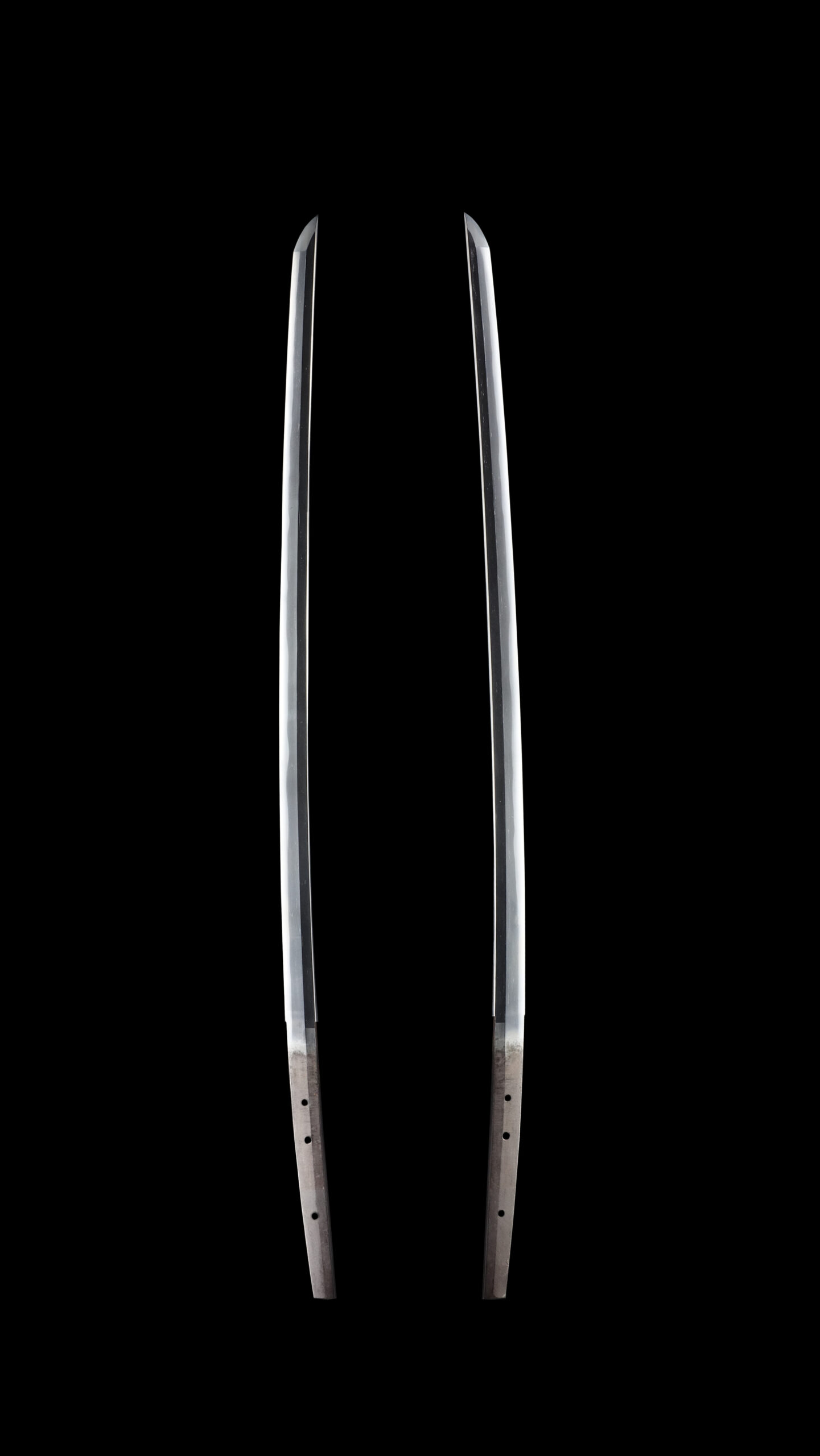
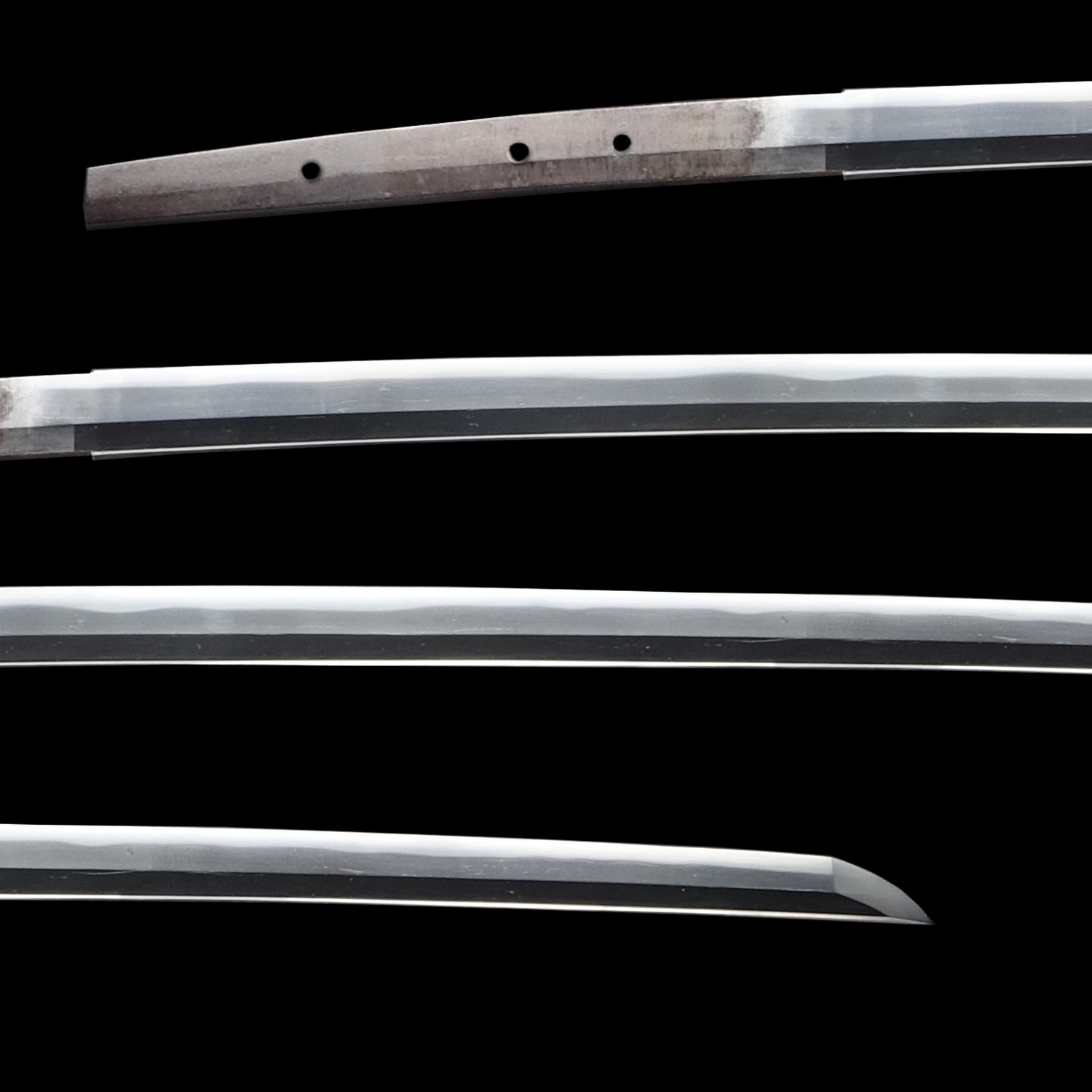
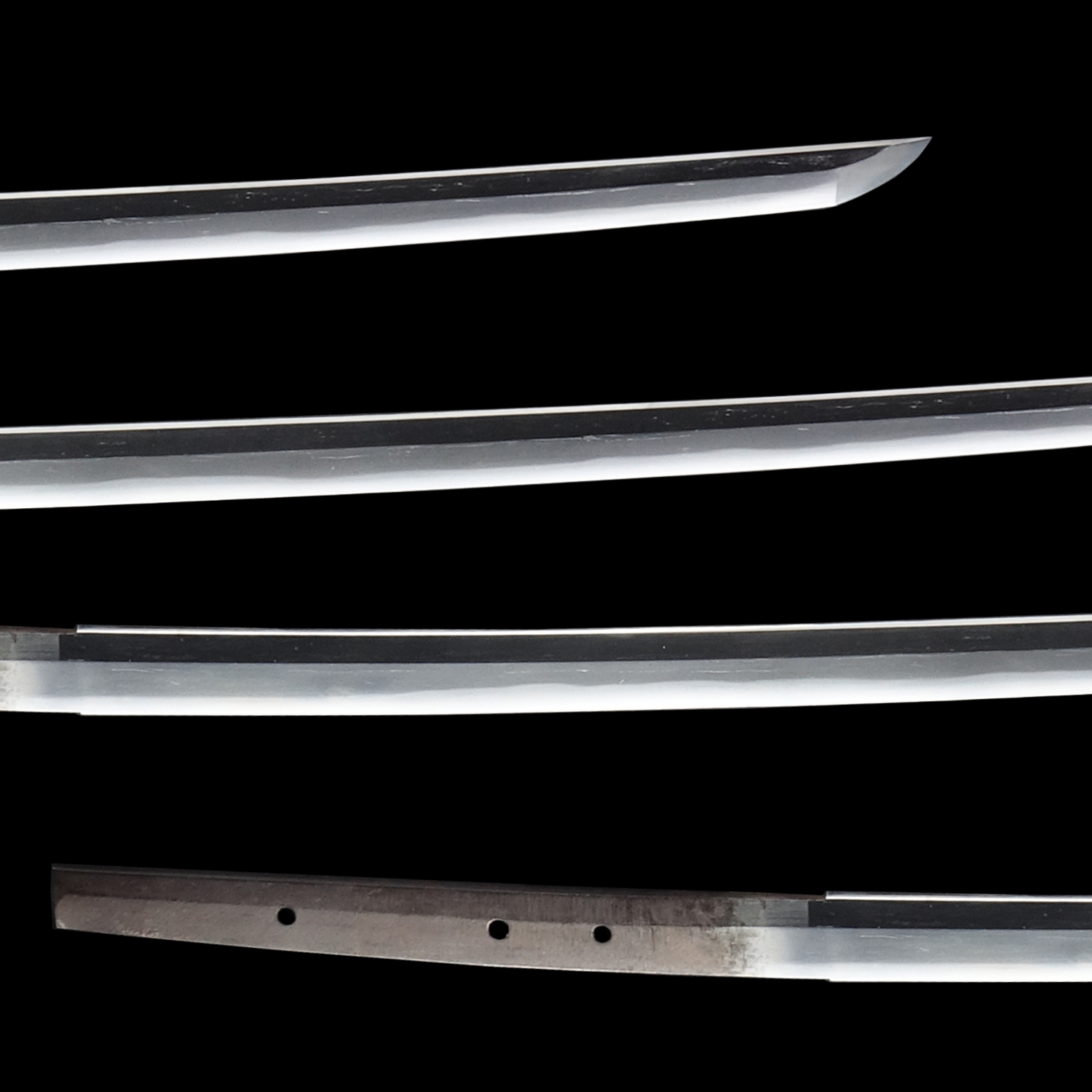
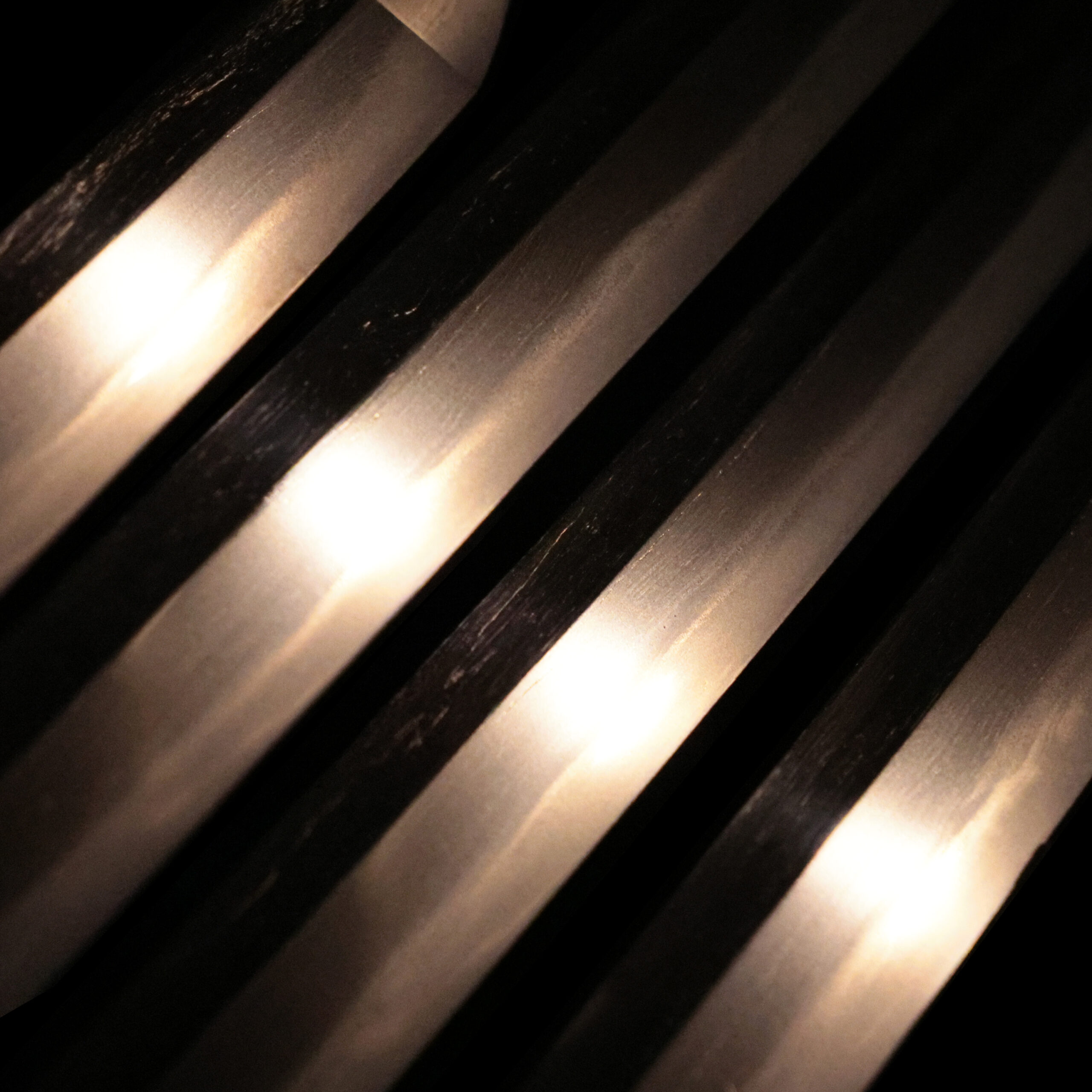
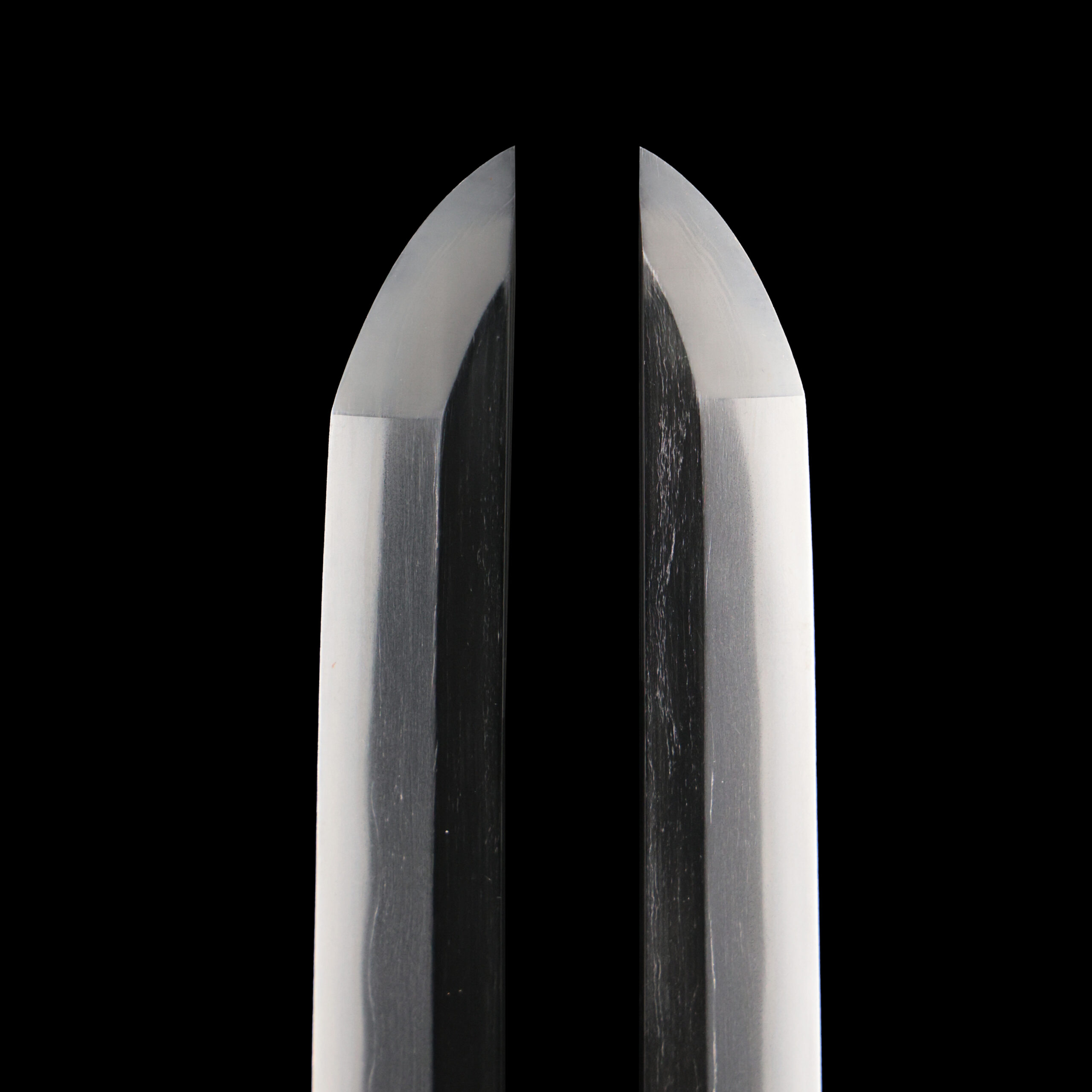
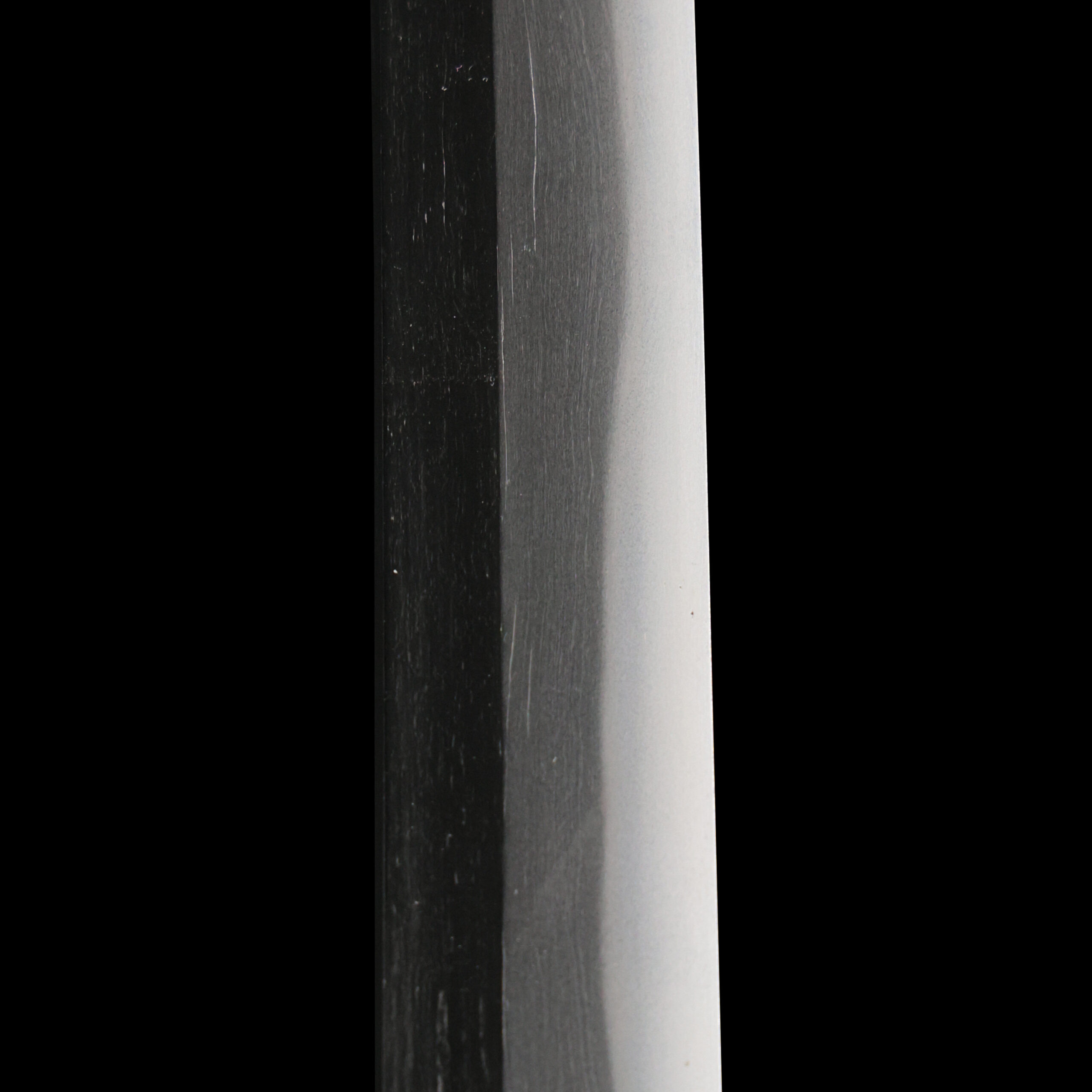
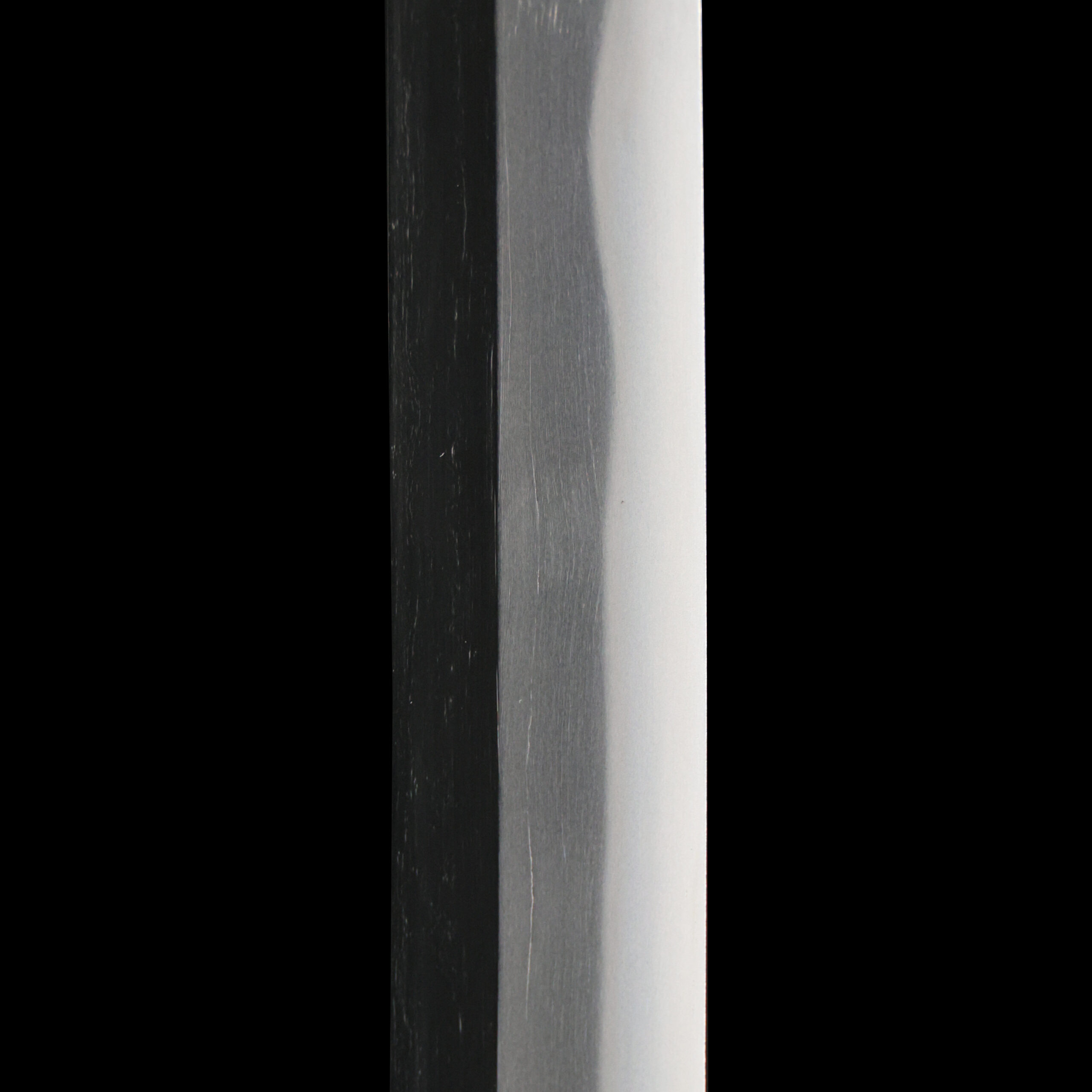
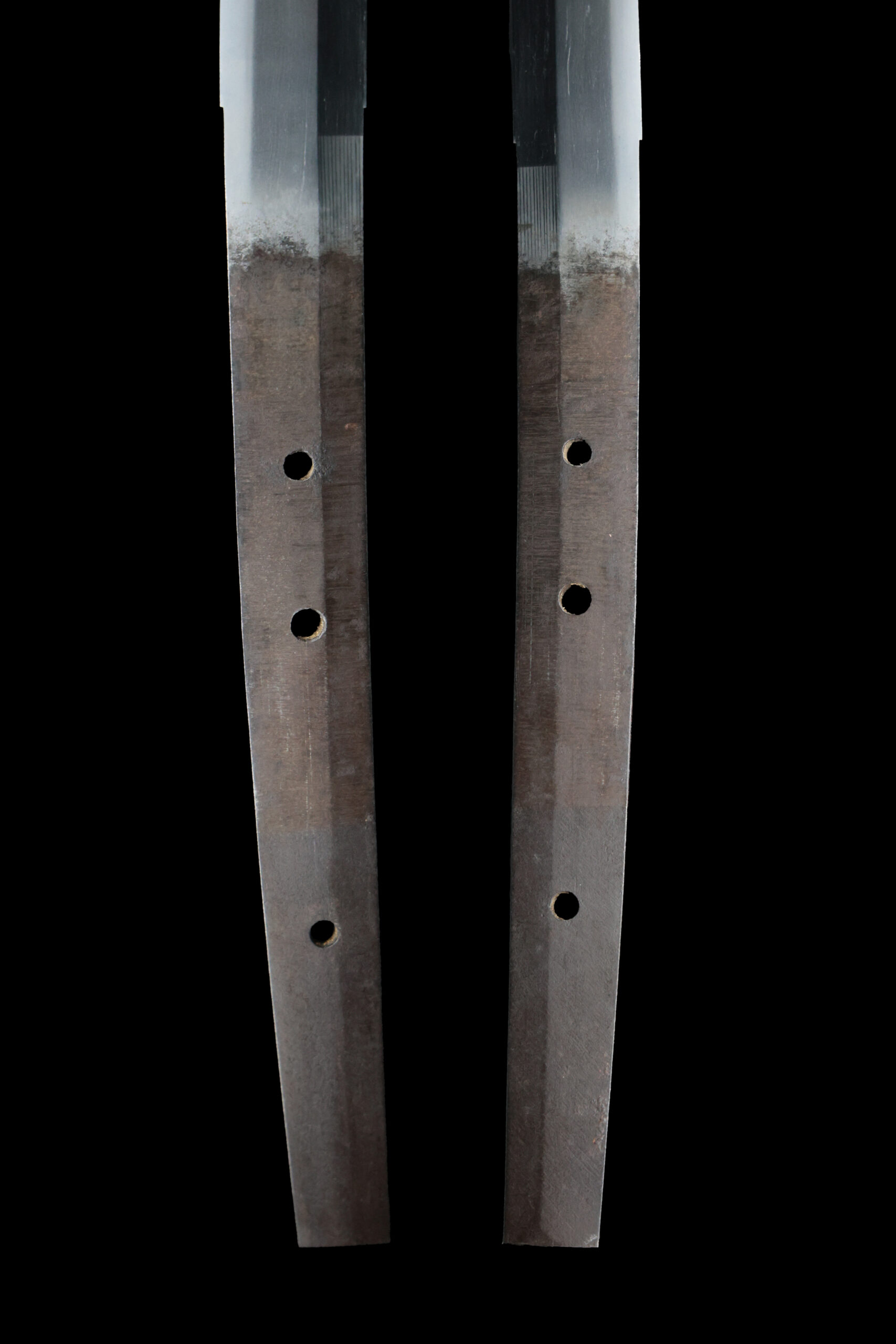
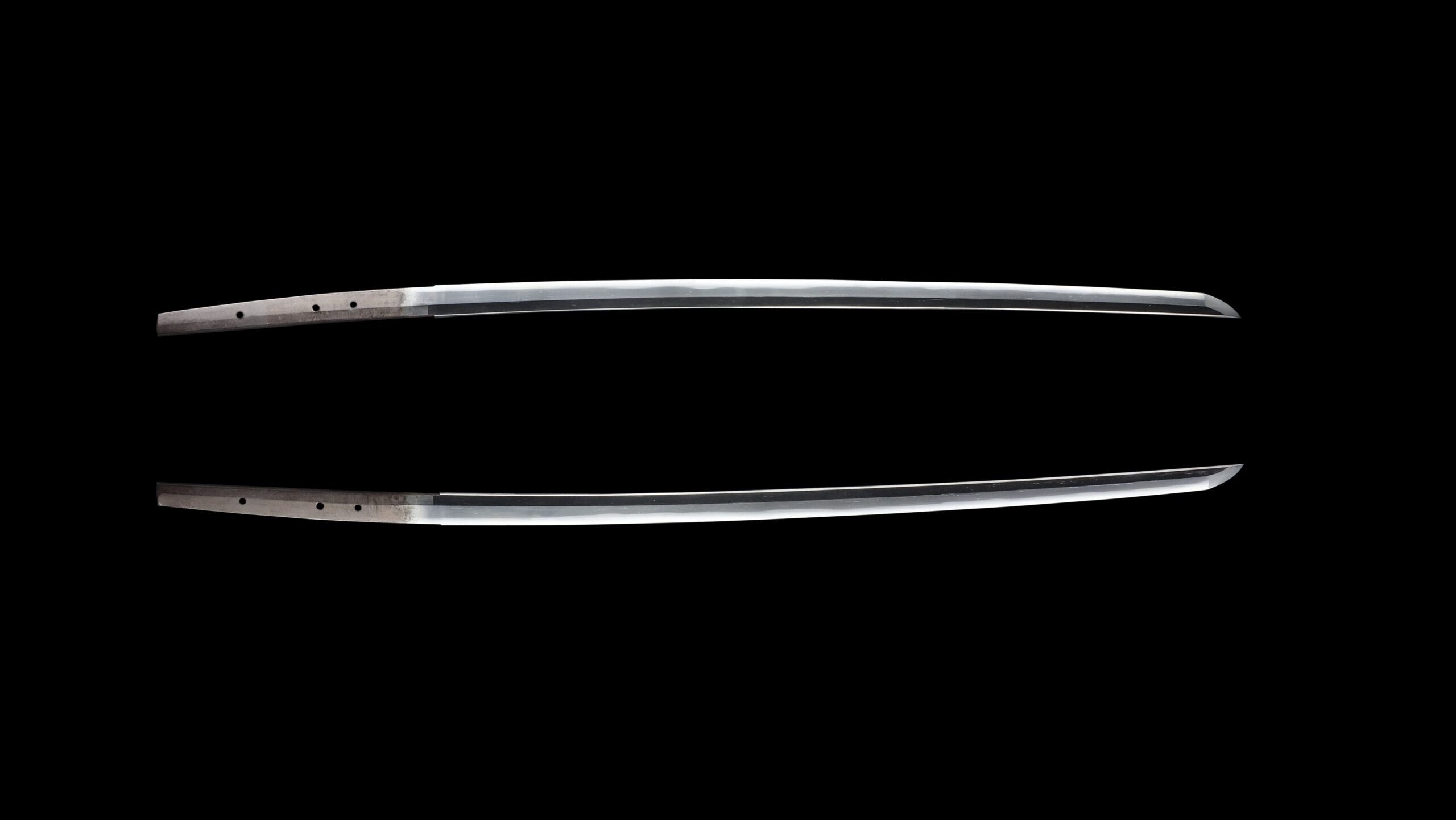
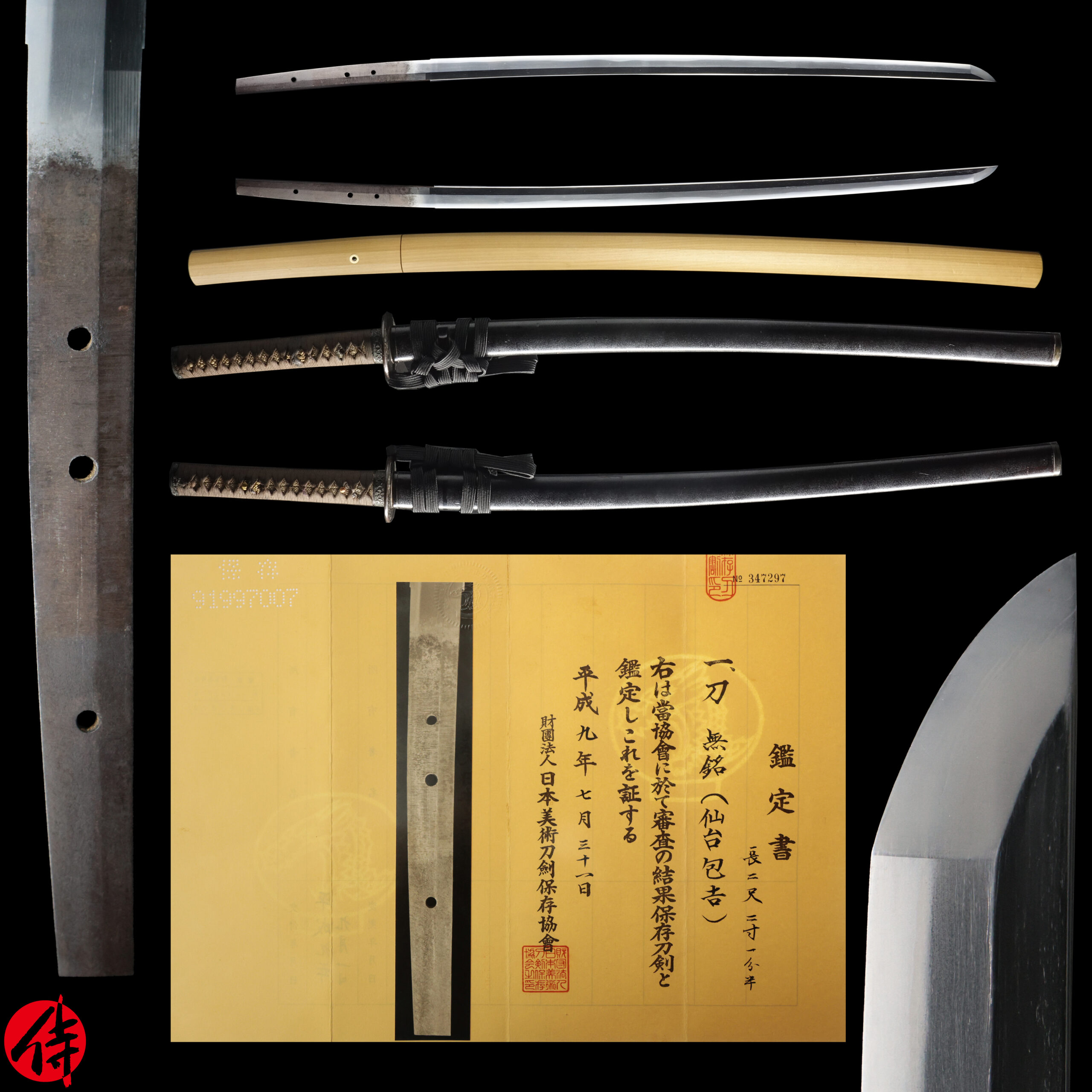
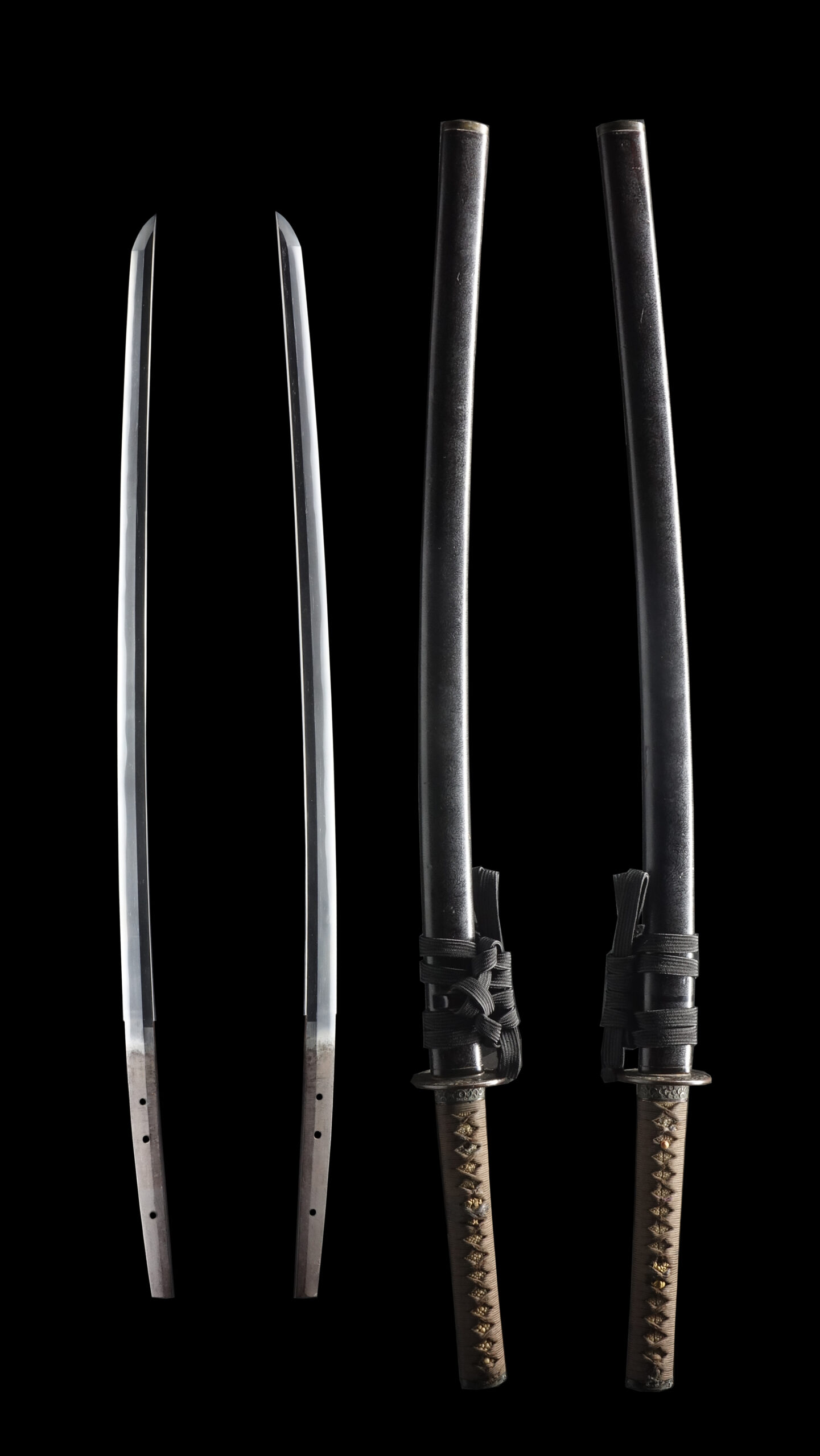
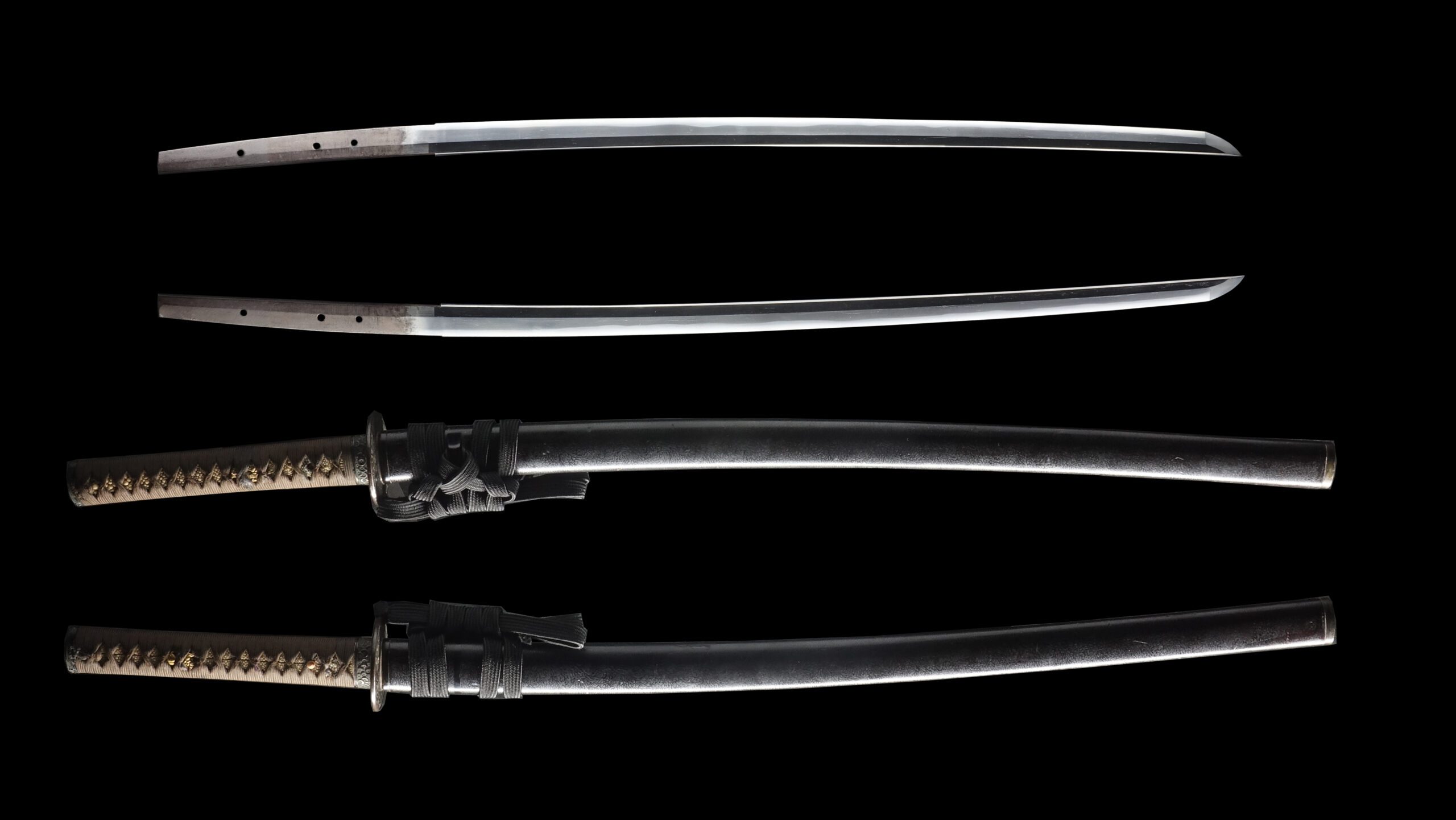
This blade is attributed to Sendai Kaneyoshi (仙台包吉), a swordsmith active in Mutsu Province (present-day Sendai City, Miyagi Prefecture) during the early-mid Edo period. The Kaneyoshi name is believed to have been passed down through four generations in Sendai city, forming a small but continuous lineage in the Sendai domain.
The first-gen Kaneyoshi is generally considered to have been associated with the Monju school (文殊派), a group of swordsmiths active in Yamato region (today’s Nara prefecture), and is also thought to have been influenced by the Yamato tradition (大和伝)—one of the five major classical traditions of Japanese sword-making—known for its refined workmanship and strong, functional characteristics. And, it is said that he was an apprentice of the first-gen Kunikane, a renowned swordsmith in Sendai.
The first-gen Kunikane (Master for Sendai Kaneyoshi)
The first-gen Kunikane was a descendant of the Hosho school members in Yamato province (today’s Nara prefecture). The first-gen was famous for serving Date Masamune, one of the most famous feudal lords in Japanese history and a legendary figure even today. Under Date Masamune’s order, the first-gen Kunikane was sent to Kyoto in 1614 to become an apprentice of Etchu no Kami Masatoshi, who belonged to Mishina school and was one of the most famous swordsmiths in Kyoto back then. After mastering superb craftsmanship, Kunikane returned to Mutsu province, another name for Oshu, in the fifth year of the Genwa era (1619). He received the honorable official title of Yamashiro Daijo for his excellent sword-forging techniques in the third year of the Kan-ei era (1626).
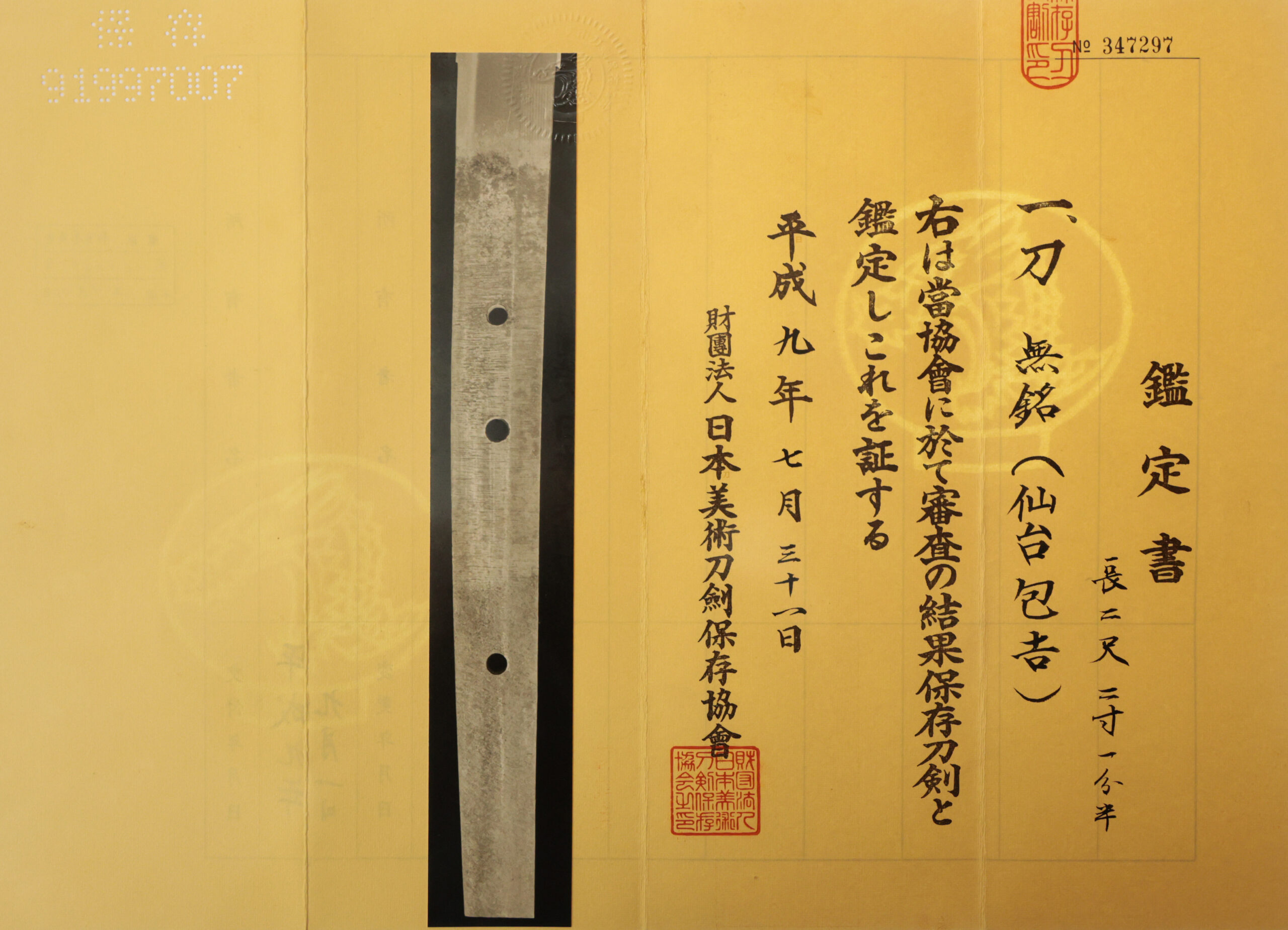
This blade is appraised as a Hozon Token (保存刀剣) issued by NBTHK (Nihon Bijutsu Touken Hozon Kyokai:日本美術刀剣保存協会).
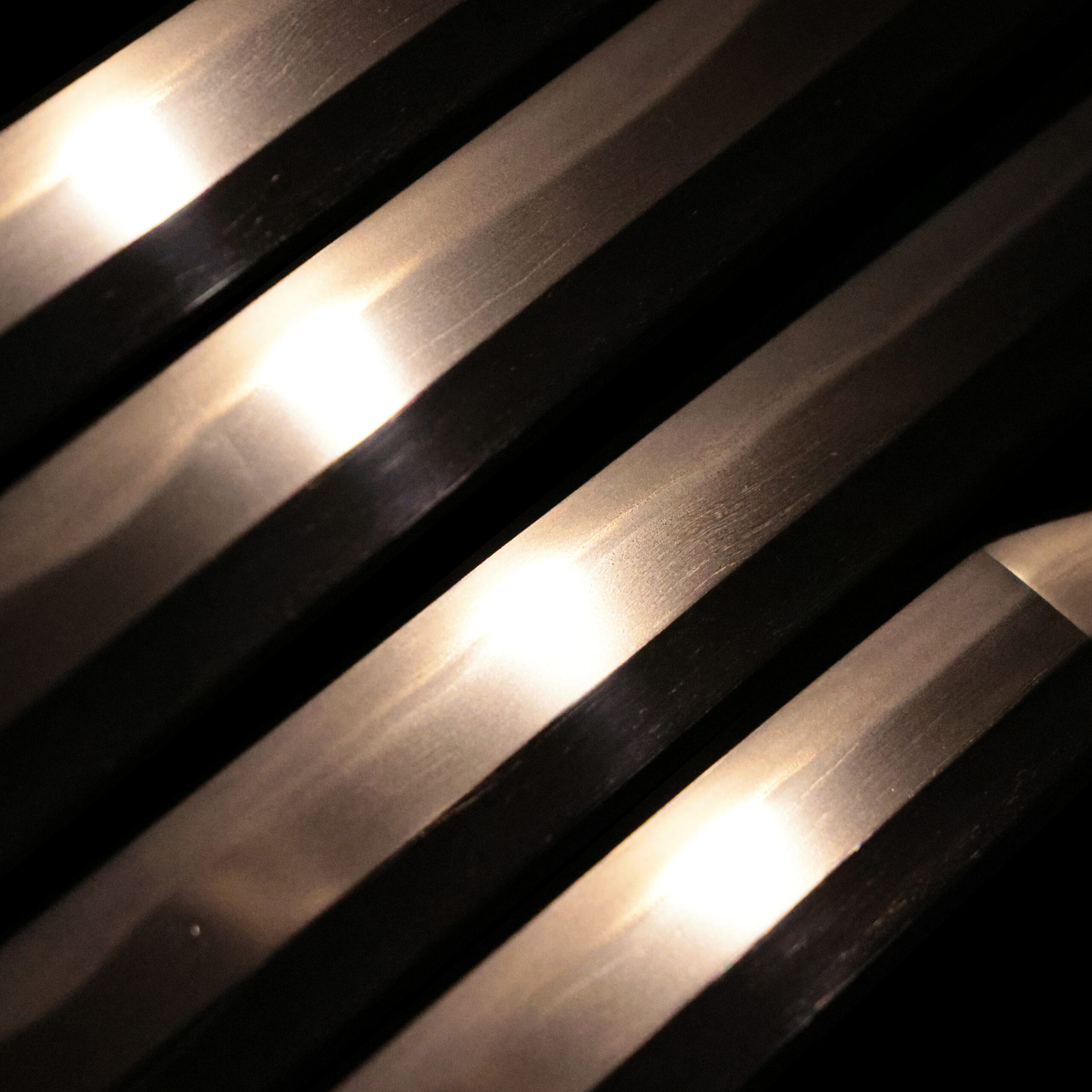
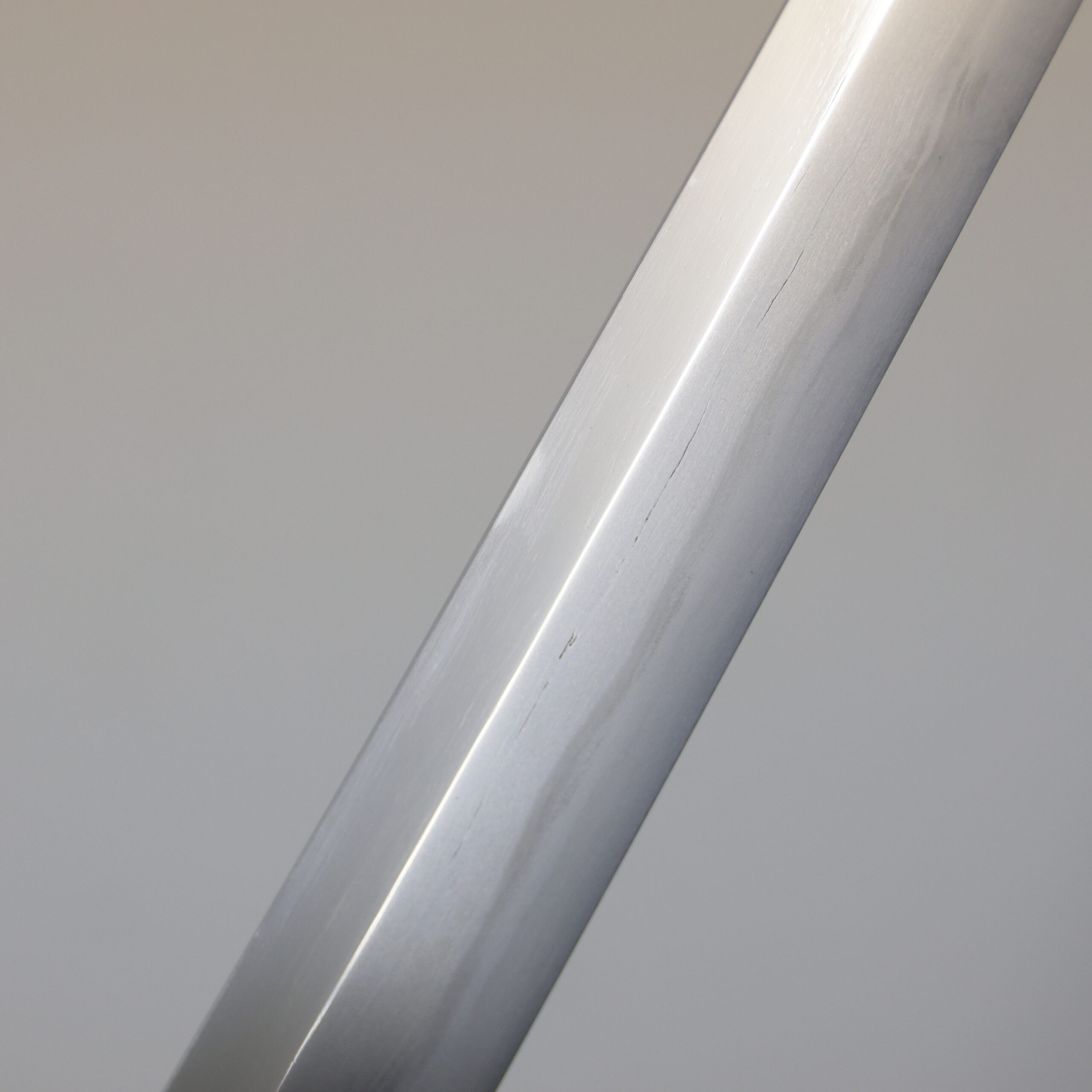
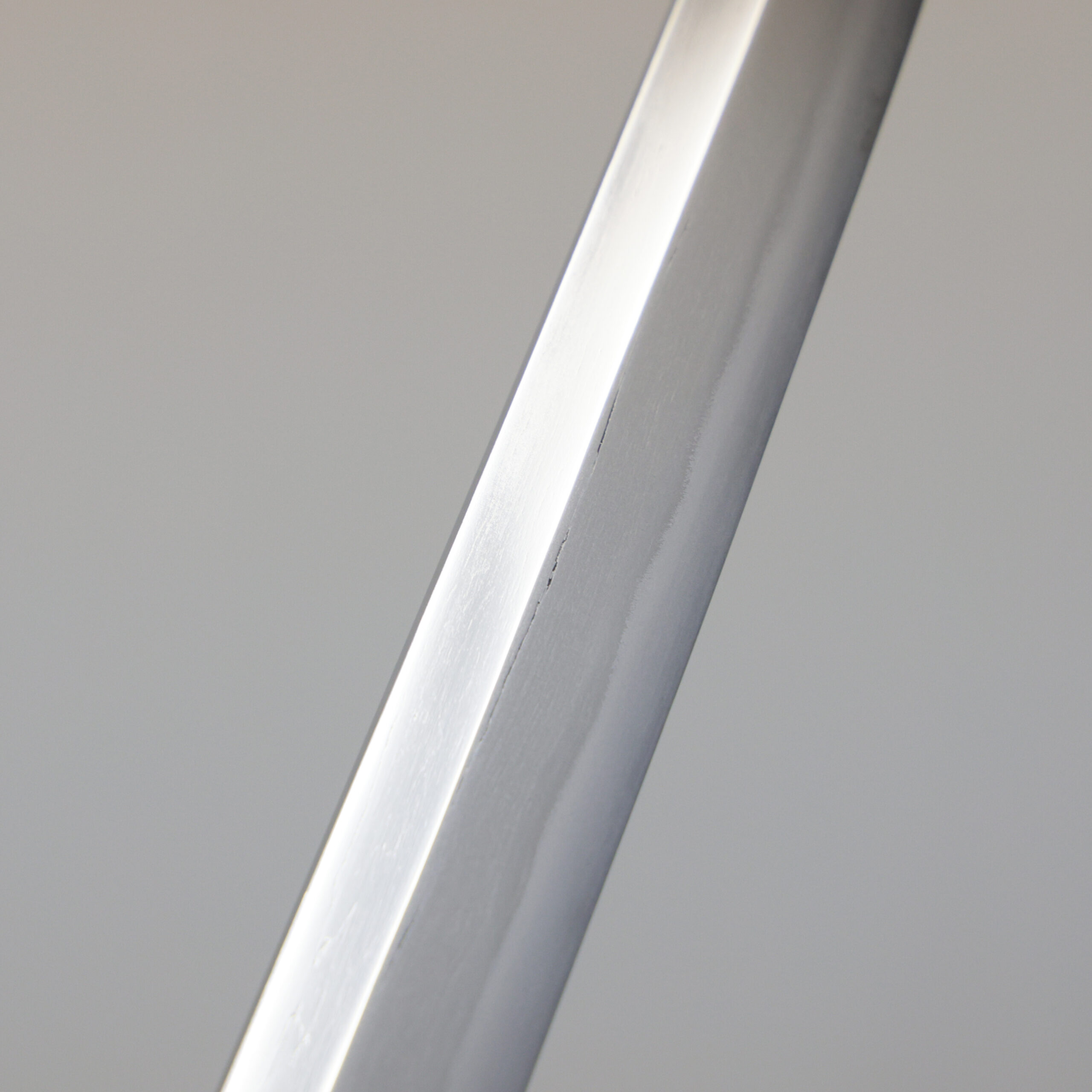
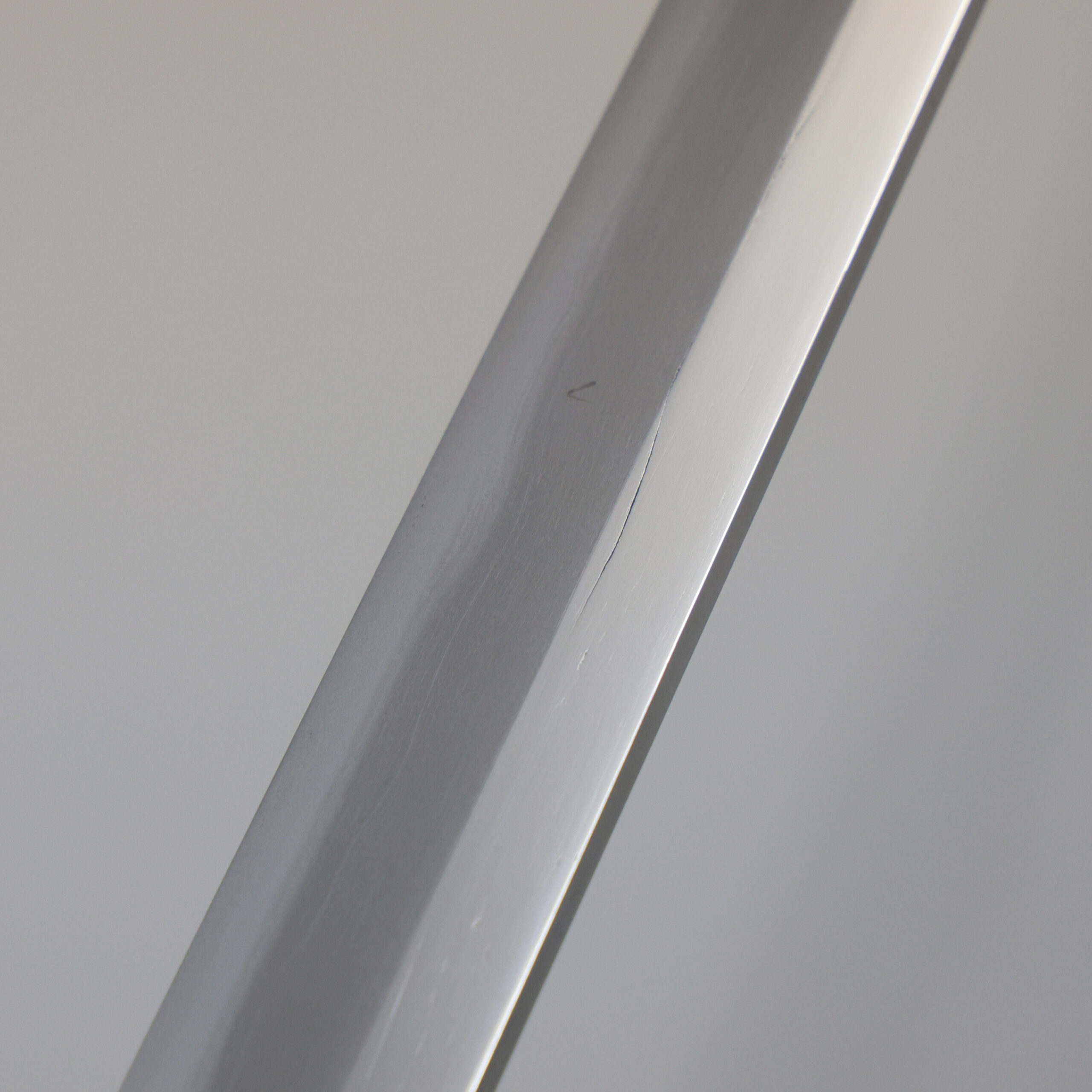
*Please keep in mind that there are a few Kitae Kizu on the blade.
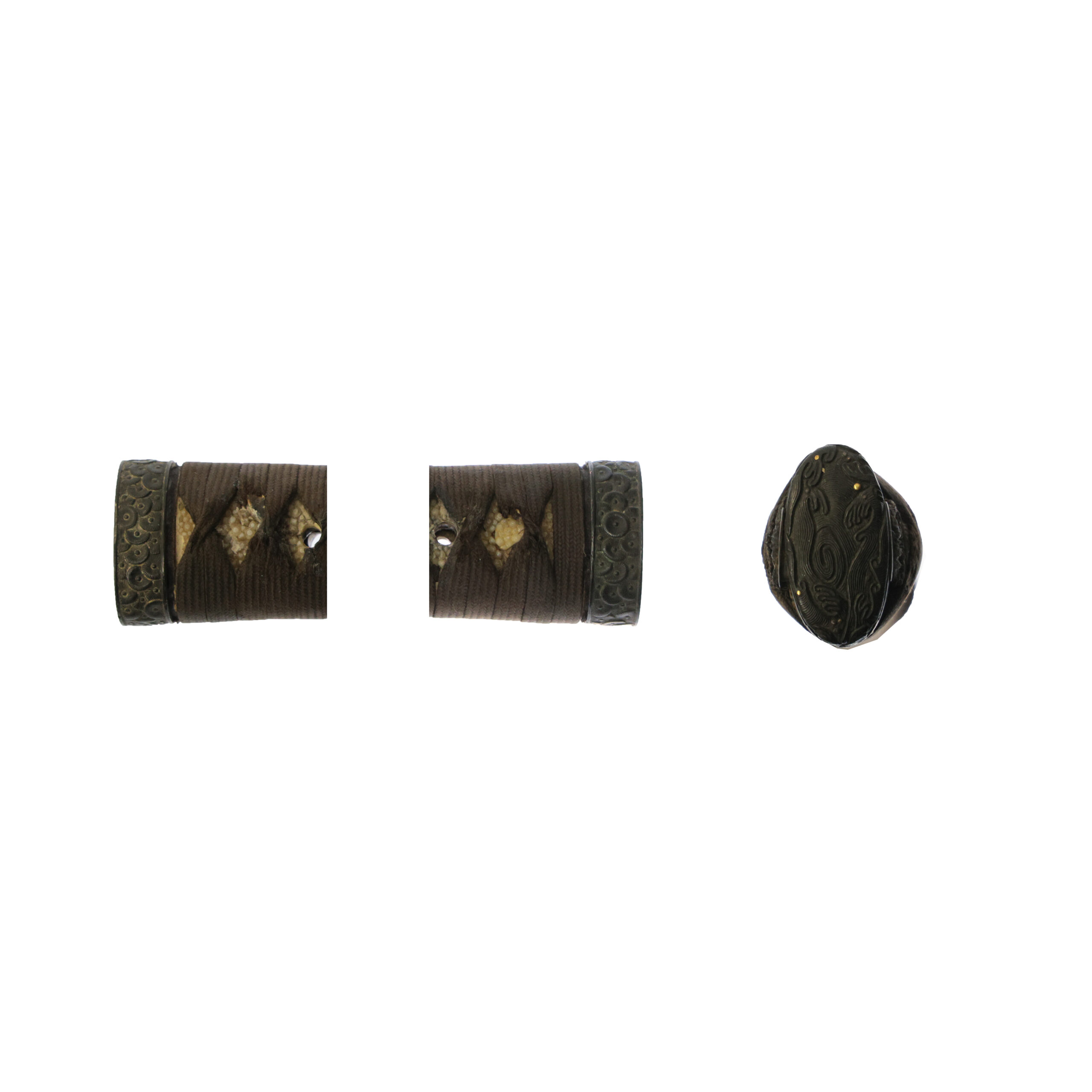
Fuchi-Kashira
The theme of this fuchi-kashira is chrysanthemum and waves (菊と波). The fuchi is decorated with chrysanthemum motifs, while the kashira features a design of turbulent waves (波濤図, hatō-zu). Chrysanthemums are often combined with water motifs in the so-called kikusui (菊水) design.
The theme of the menuki is chrysanthemum (菊, kiku). Originally introduced to Japan from China during the Nara period, the chrysanthemum was valued for its association with longevity and was even used in medicinal practices. Since ancient times, it has been admired as a representative flower of autumn. Its radiating petals resemble the sun, and it has therefore come to symbolize vitality, longevity, and good health. The chrysanthemum crest (Kiku no Gomon, 菊の御紋) is also famously associated with the Imperial family, making it a motif of noble and auspicious significance.
The wave motif (波濤図, hatō-zu) represents the dynamic and ever-changing forces of nature. It symbolizes resilience, strength, and the ability to overcome adversity. Such imagery was favored in sword fittings, as the movement of water was often seen as a metaphor for the unwavering spirit and determination of the samurai.
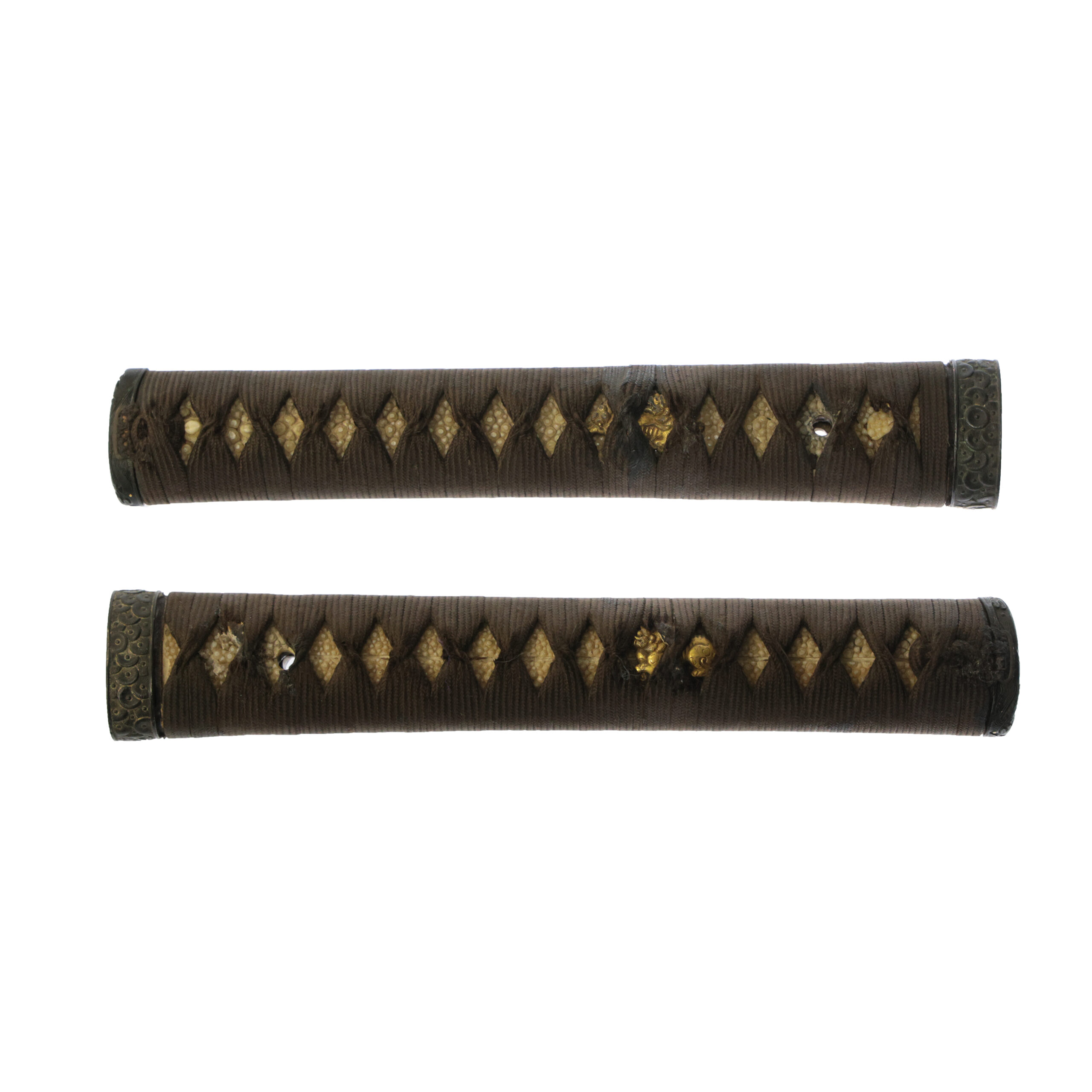
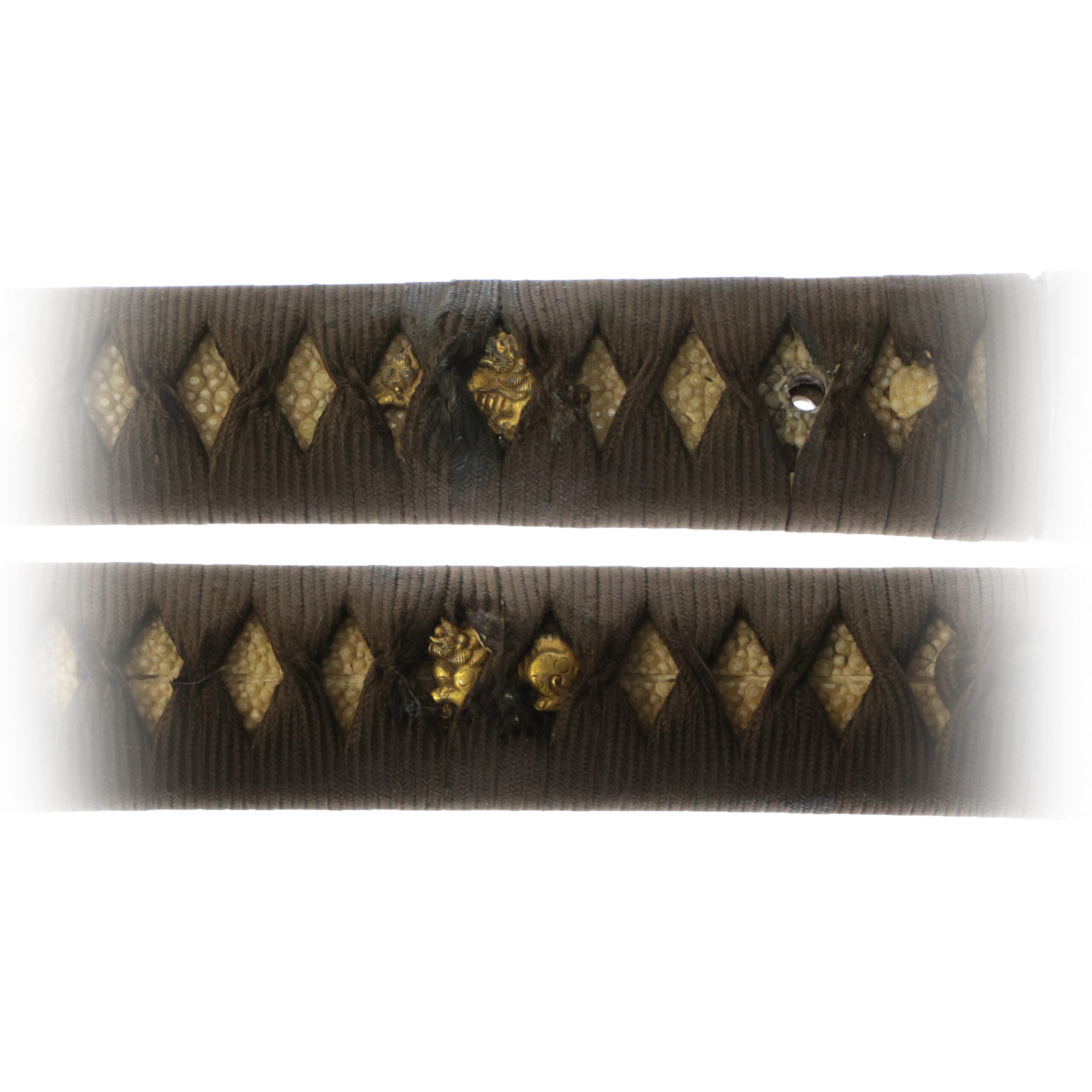
Tsuka and Menuki
The theme of the Menuki is Karajishi (唐獅子, lion).
The Shishi (獅子) means a lion in Japanese, and the Karajishi is a lion brought from the continent to Japan in the Toh period (唐, Tang dynasty, 618-907). The Karajishi typically has curly hair for its head, neck, body, and tail, as seen on this work. In Buddhism, the Karajishi is regarded as a symbol of wisdom, and Monju Bosatu (文殊菩薩, Manjushri Bodhisattva) rides lions. According to a theory, the Karajishi is the origin of Komainu (狛犬, stone guardian dogs that exorcize evil spirits). It shows this animal motif has been familiar to Japanese people since ancient times.
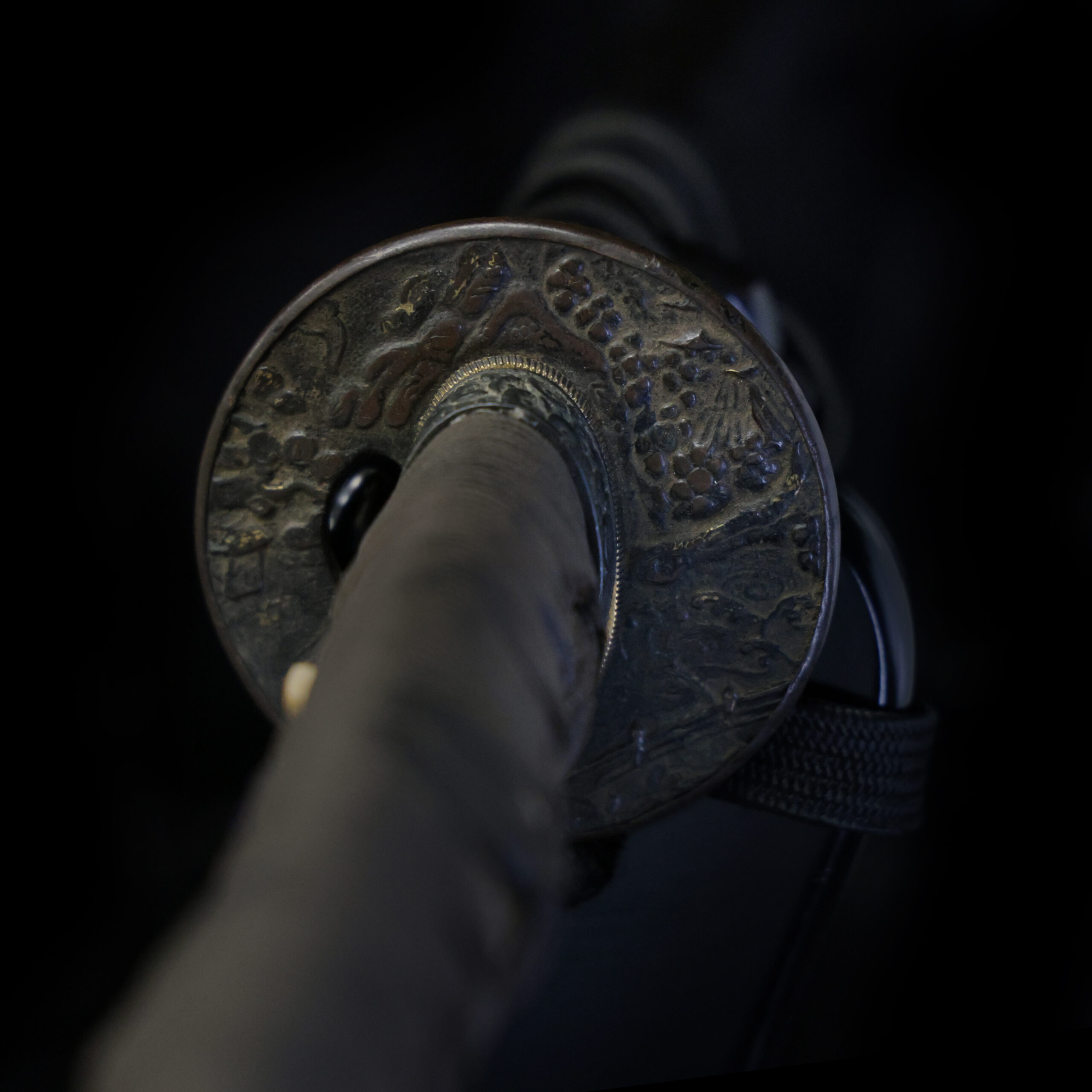
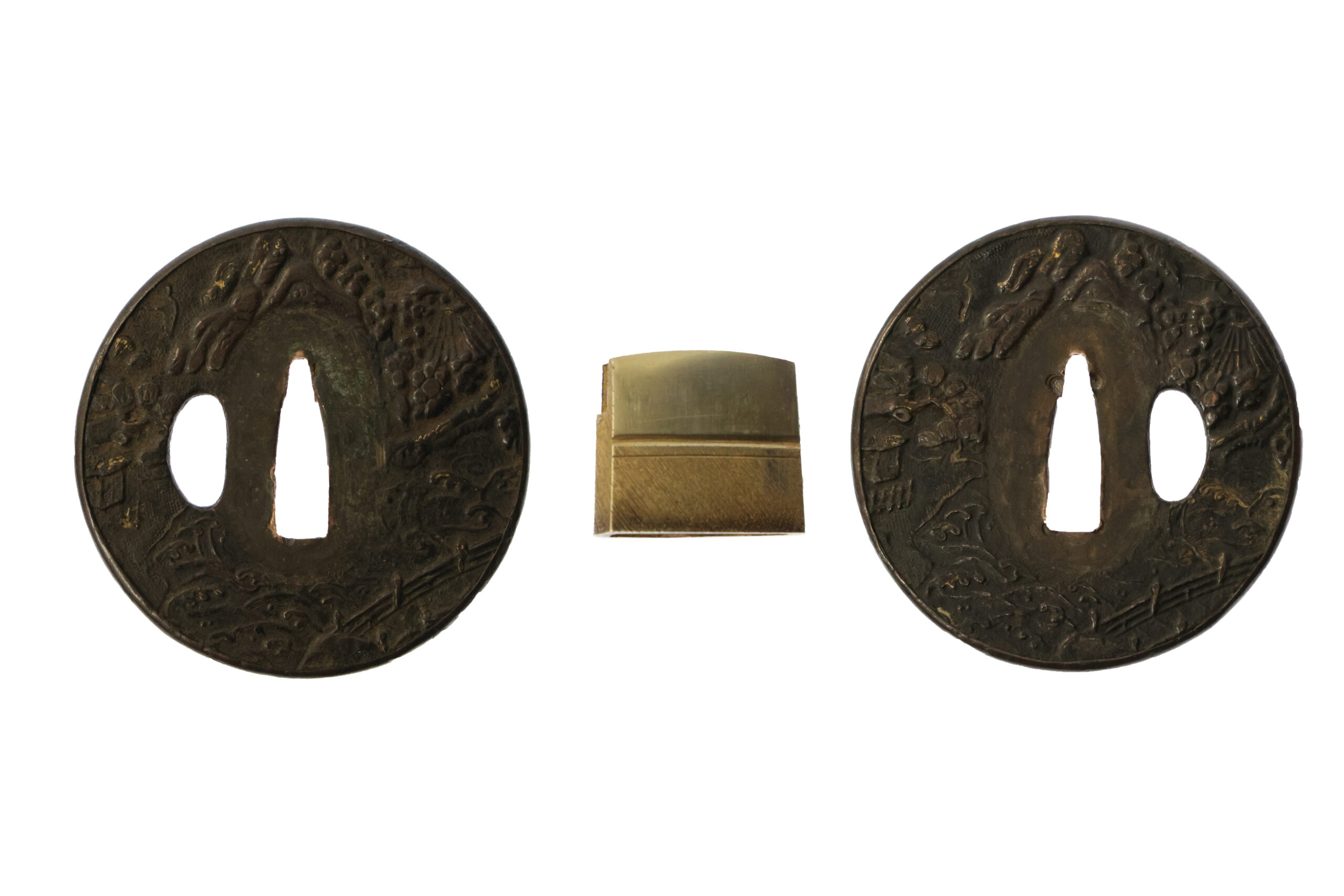
Tsuba and Habaki
This tsuba depicts a traditional Japanese bridge set against a scenic background featuring the sea, along with motifs of plum blossoms and pine trees.
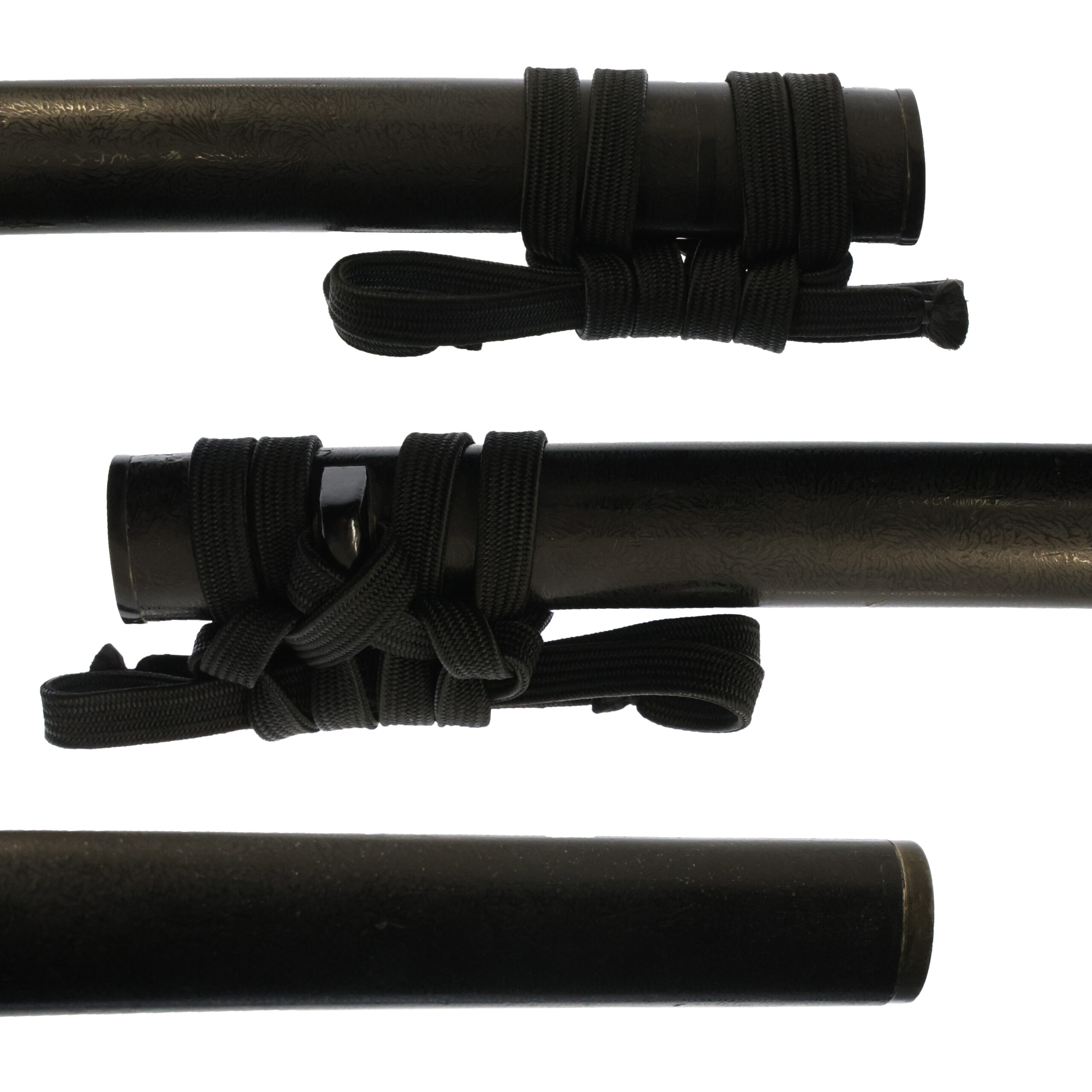
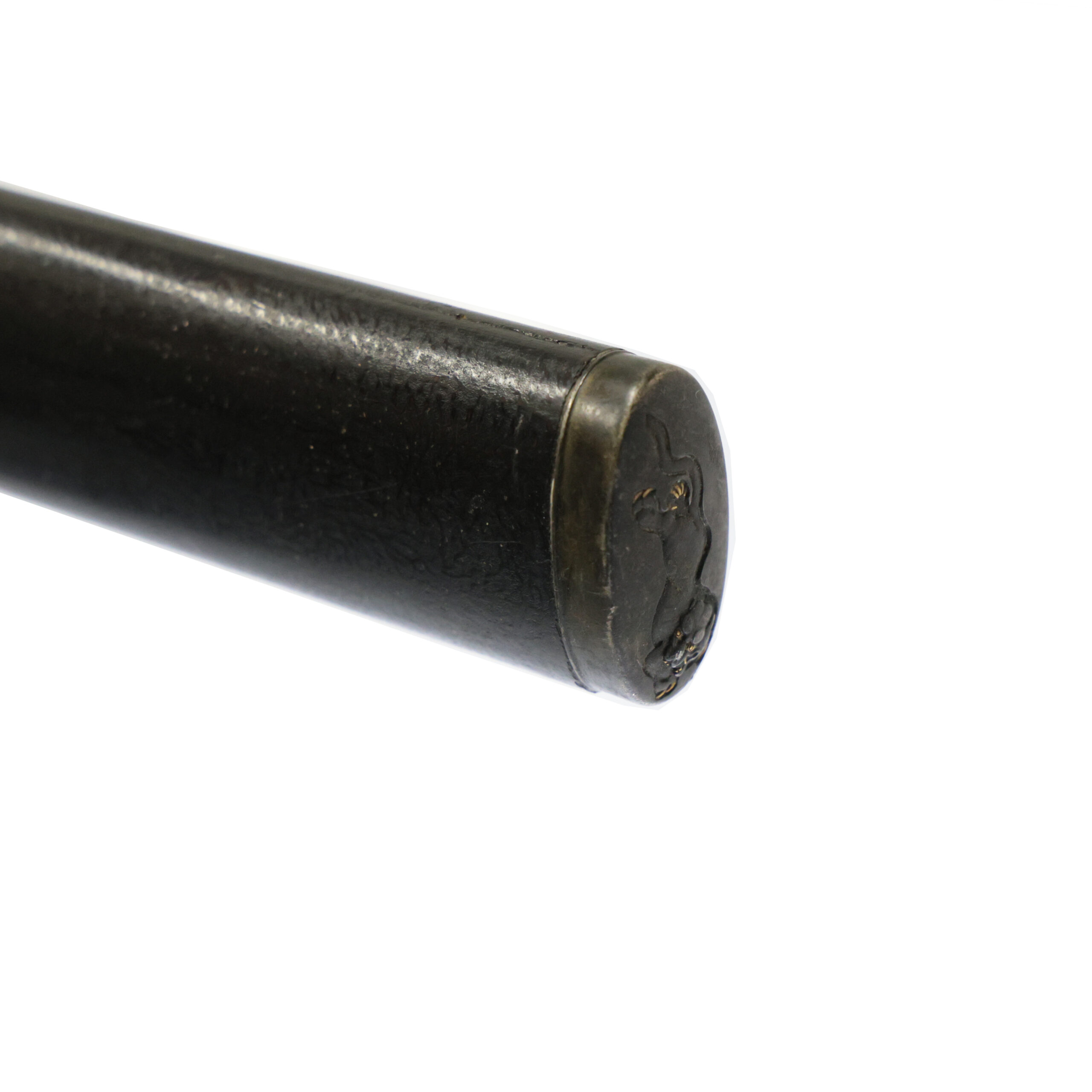
Saya
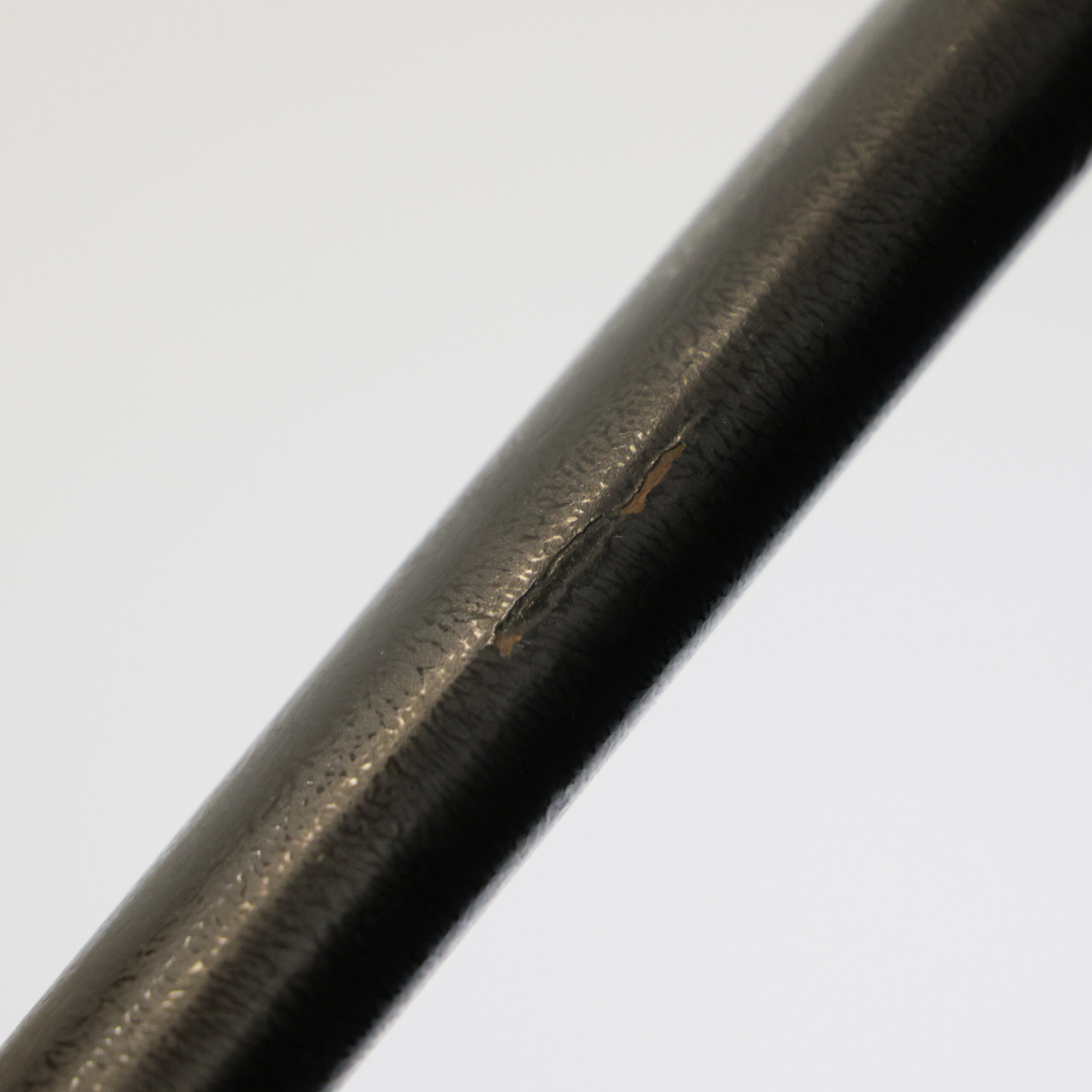
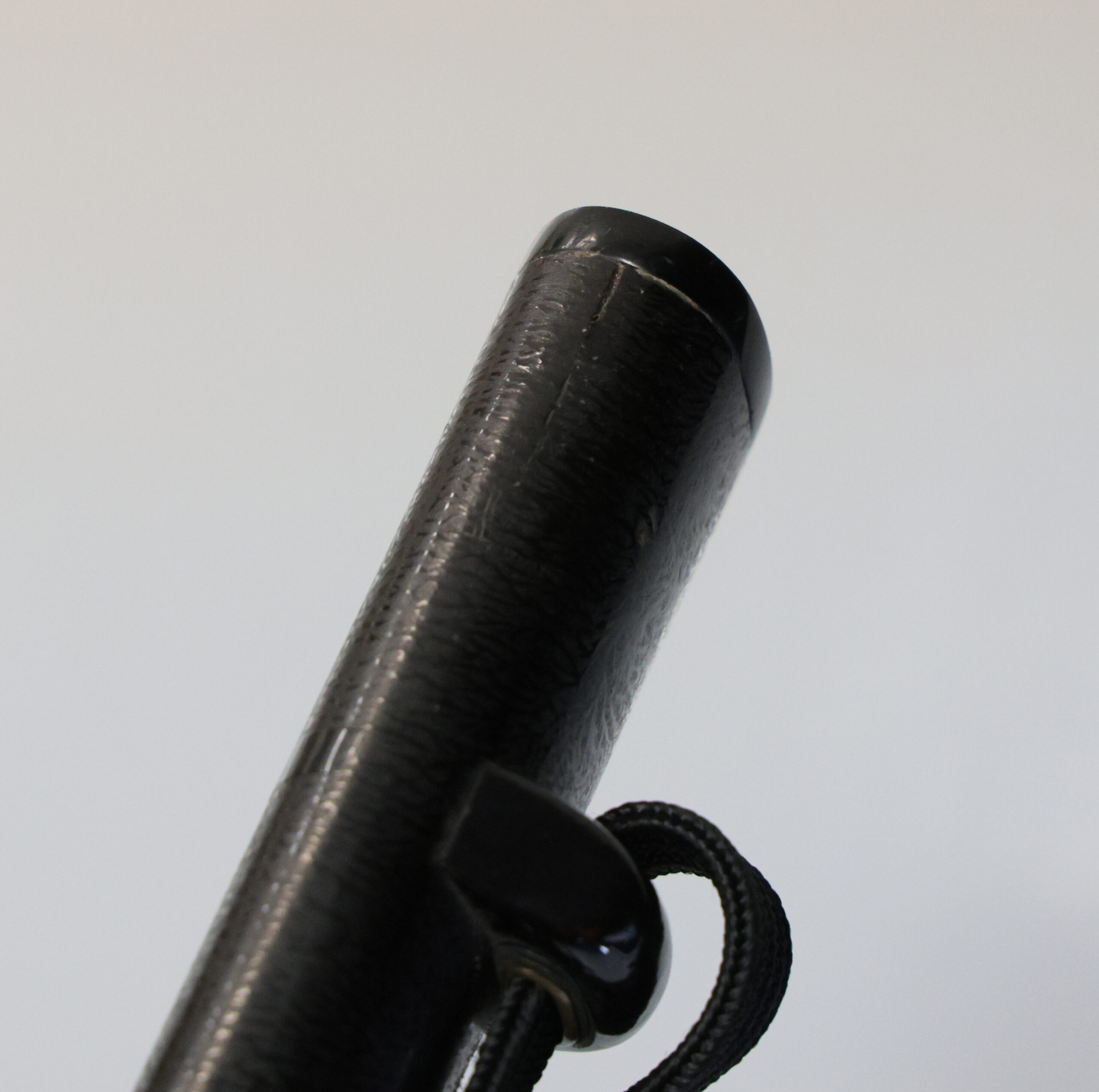
This scabbard is finished in black lacquer. Owing to its excellent waterproof properties, lacquer has been widely used throughout Asia since ancient times. As the blade of a Japanese sword is made of iron, it is highly susceptible to moisture, which is its greatest enemy. To protect the blade from deterioration, craftsmen developed the technique of coating the scabbard with multiple layers of lacquer. This process not only prevents moisture but also protects against rain and snow from penetrating the interior. The nushi (塗師, lacquer artisans) emerged as specialists due to the advanced skills required to carry out these intricate techniques.
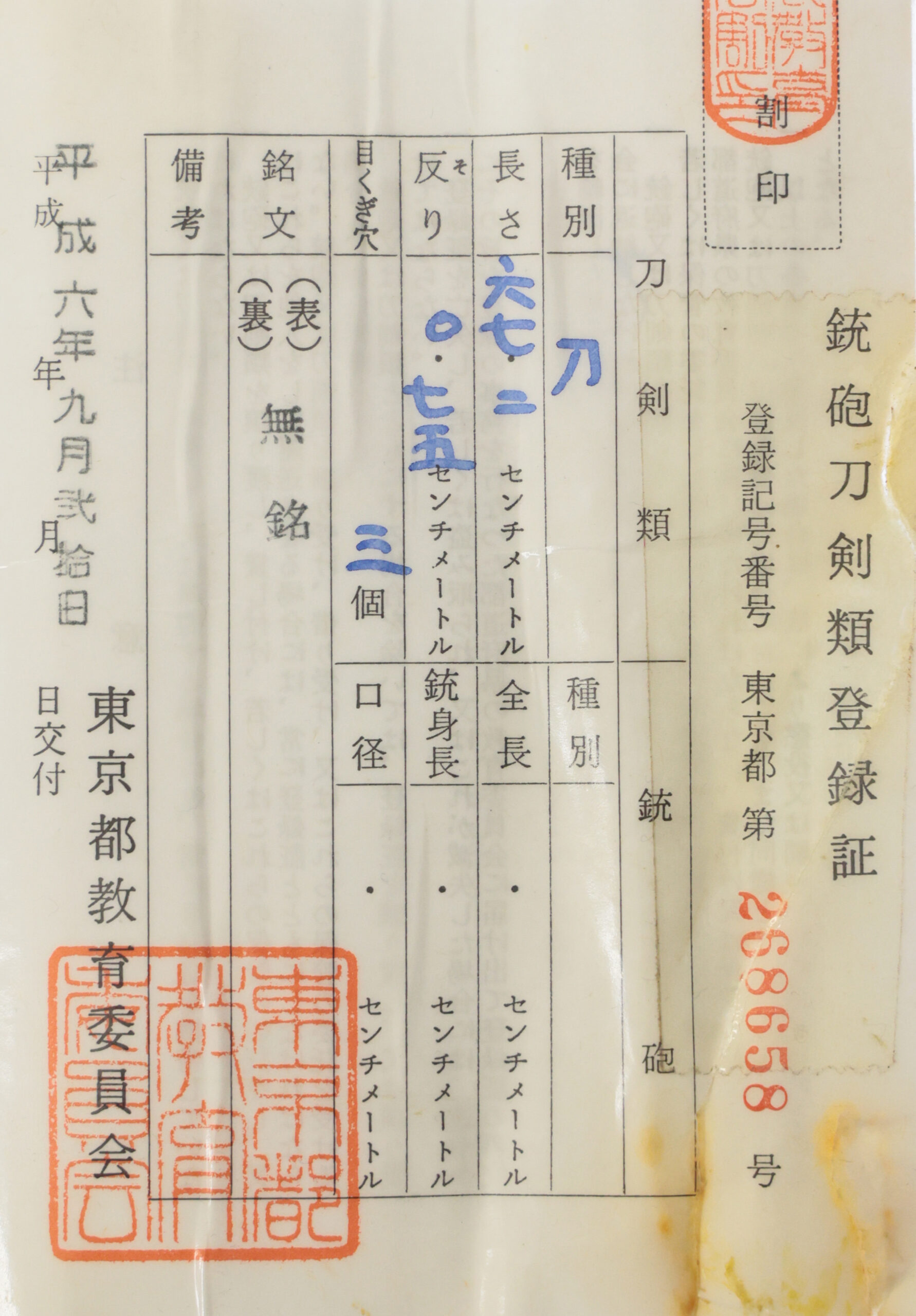
Authentication Paper
They authenticated the blade on July 31st in the 9th year of Heisei (1997). They appraised it as Hozon Touken, the blade worth preserving for Japanese society.

 NihontoWatch