 NihontoWatchNihontoWatch
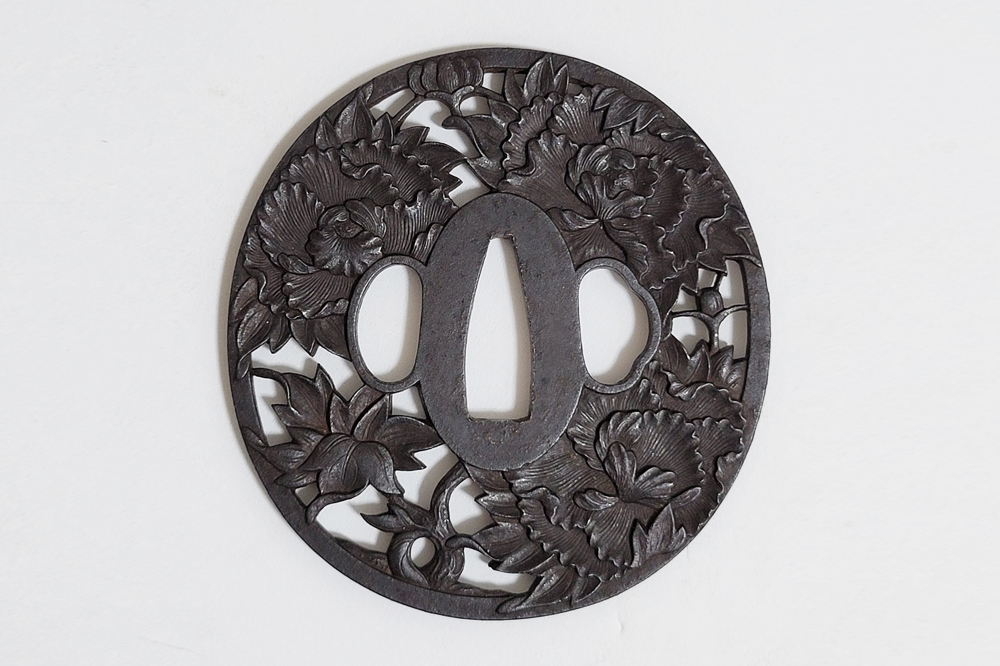
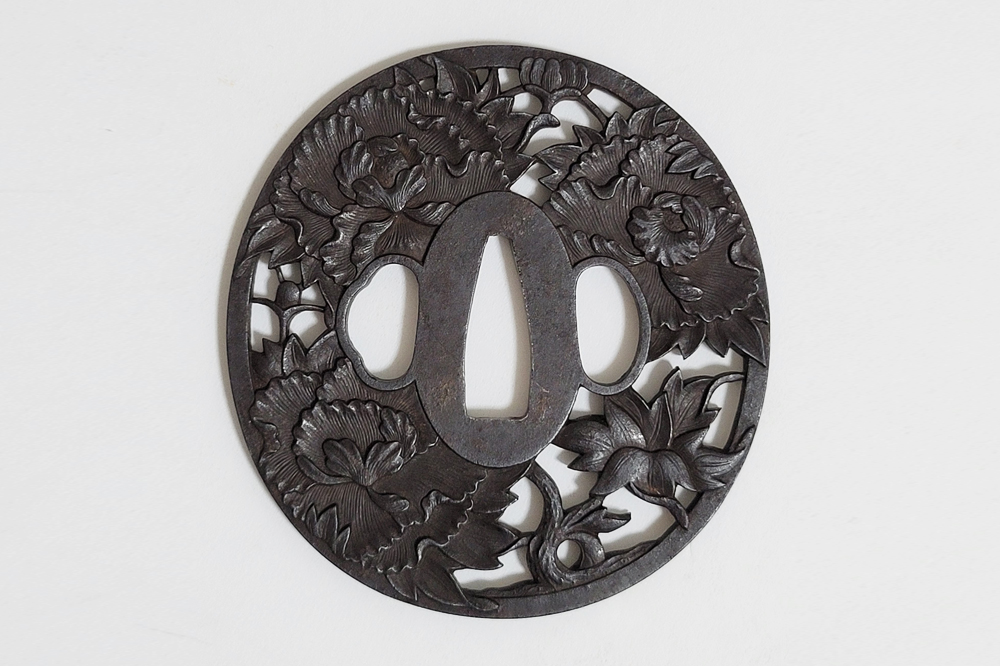
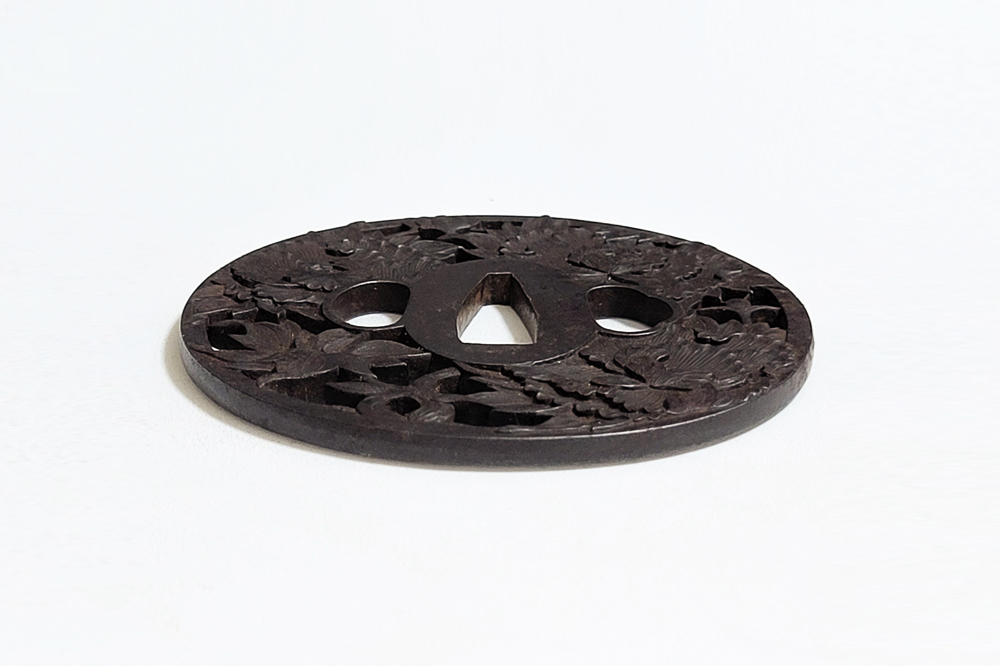
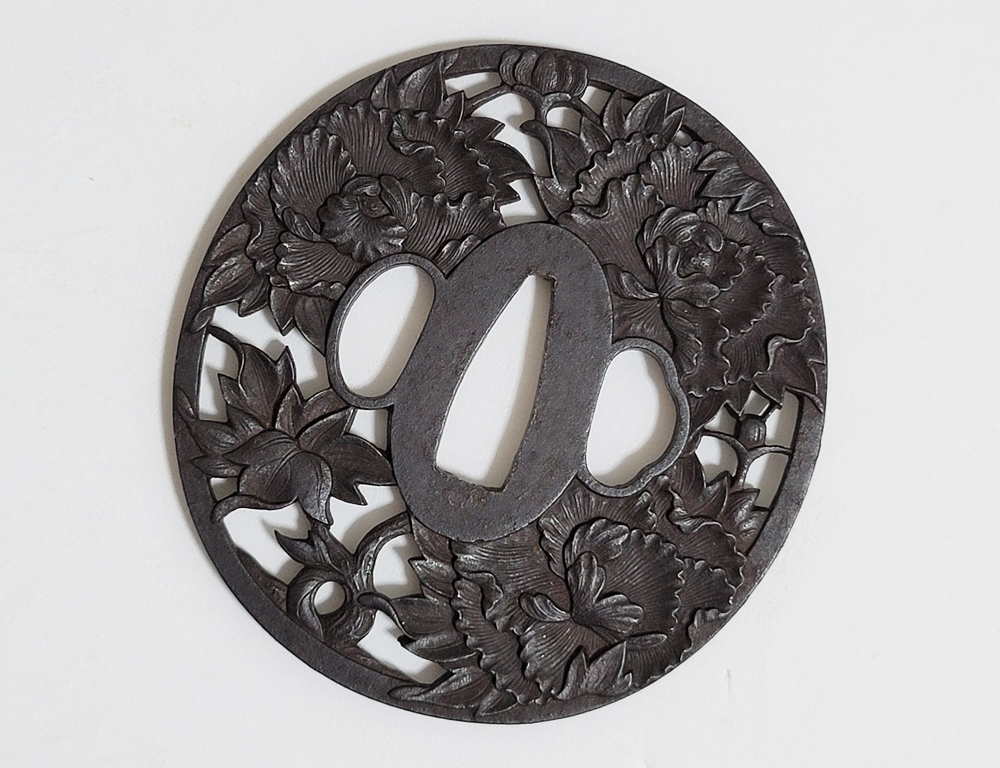
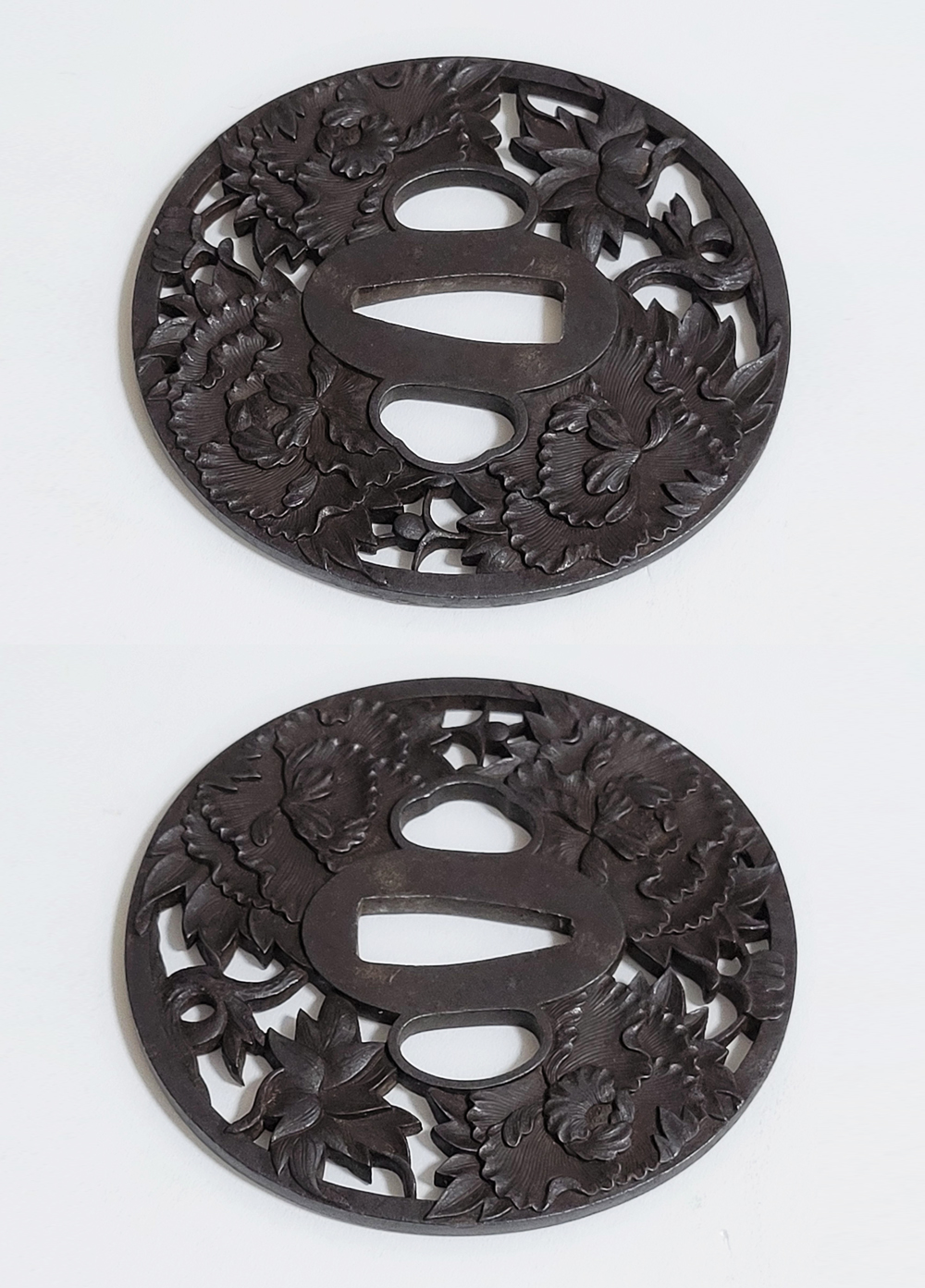
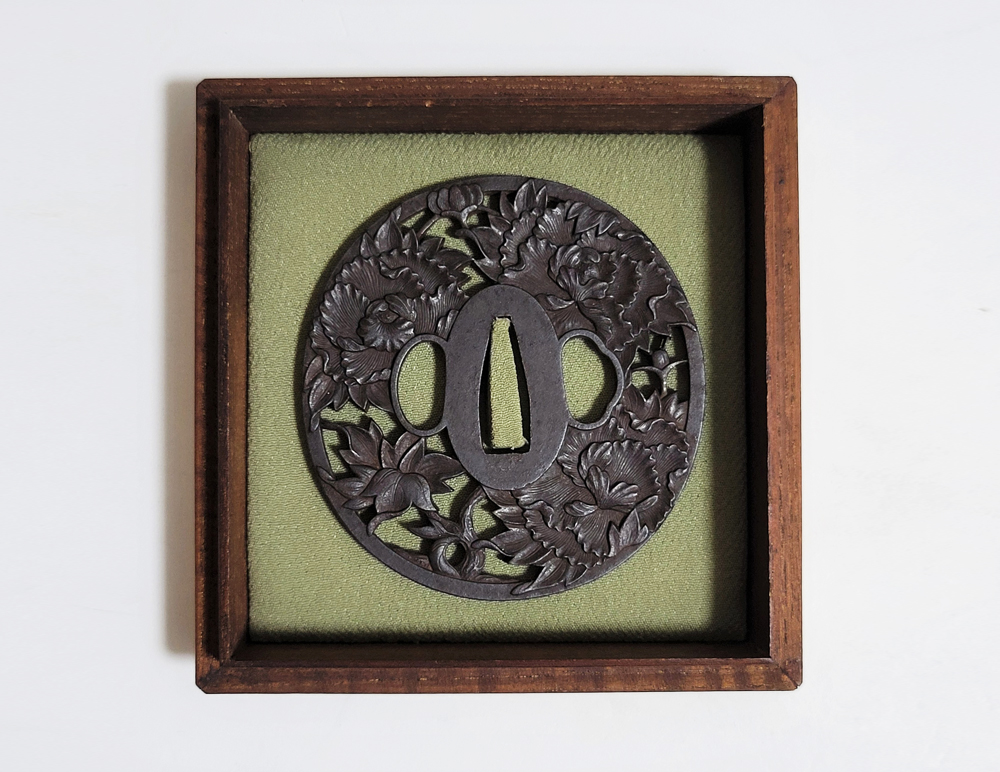
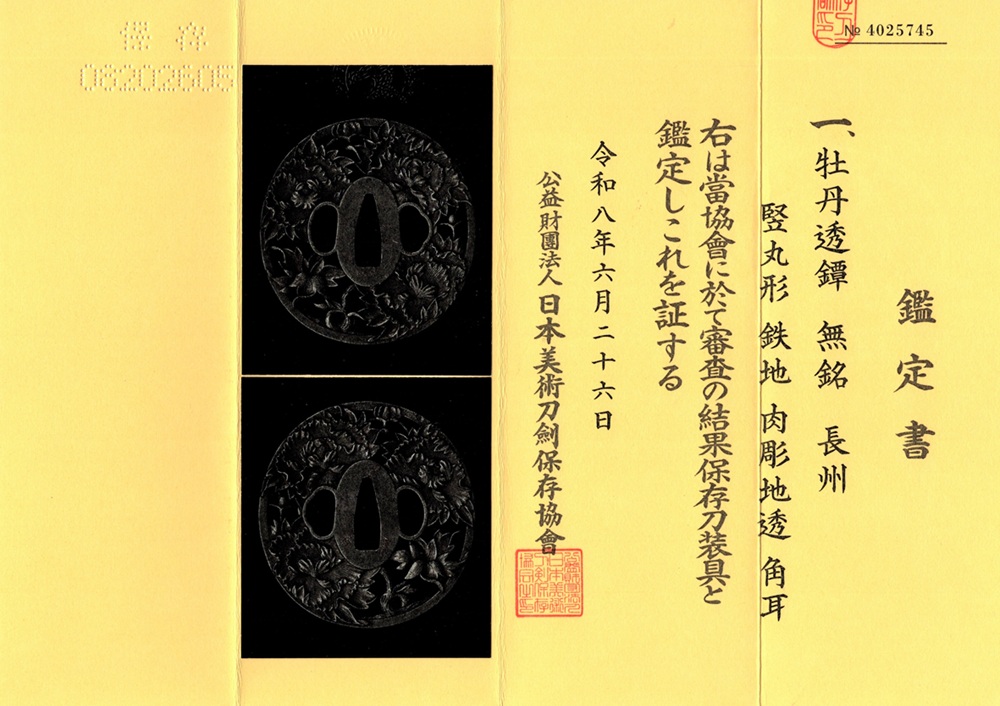
This work is a botan sukashi tsuba with a kiwame of "Choshu". Choshu tsuba are a group of metalworkers that developed primarily around Hagi in Nagato Province during the Edo period. They are characterized by precise carving and skillful sukashibori. They particularly excelled in realistic expressions of flowers, birds, and plants, producing many magnificent and highly decorative works using iron grounds. The botan theme of this work is called the king of a hundred flowers and is a symbol of wealth, nobility, and prosperity. Large blooming botan flowers, buds, and leaves are skillfully arranged with ji-sukashi applied, representing the botan three-dimensionally with gorgeous and delicate nikubori. It is a magnificent and elegant tsuba typical of Choshu tsuba, where dense carving and sukashibori are in harmony. Passed the Reiwa 8 (2026) Hozon Tosogu Shinsa.
NihontoWatchOffered by Touken Matsumoto

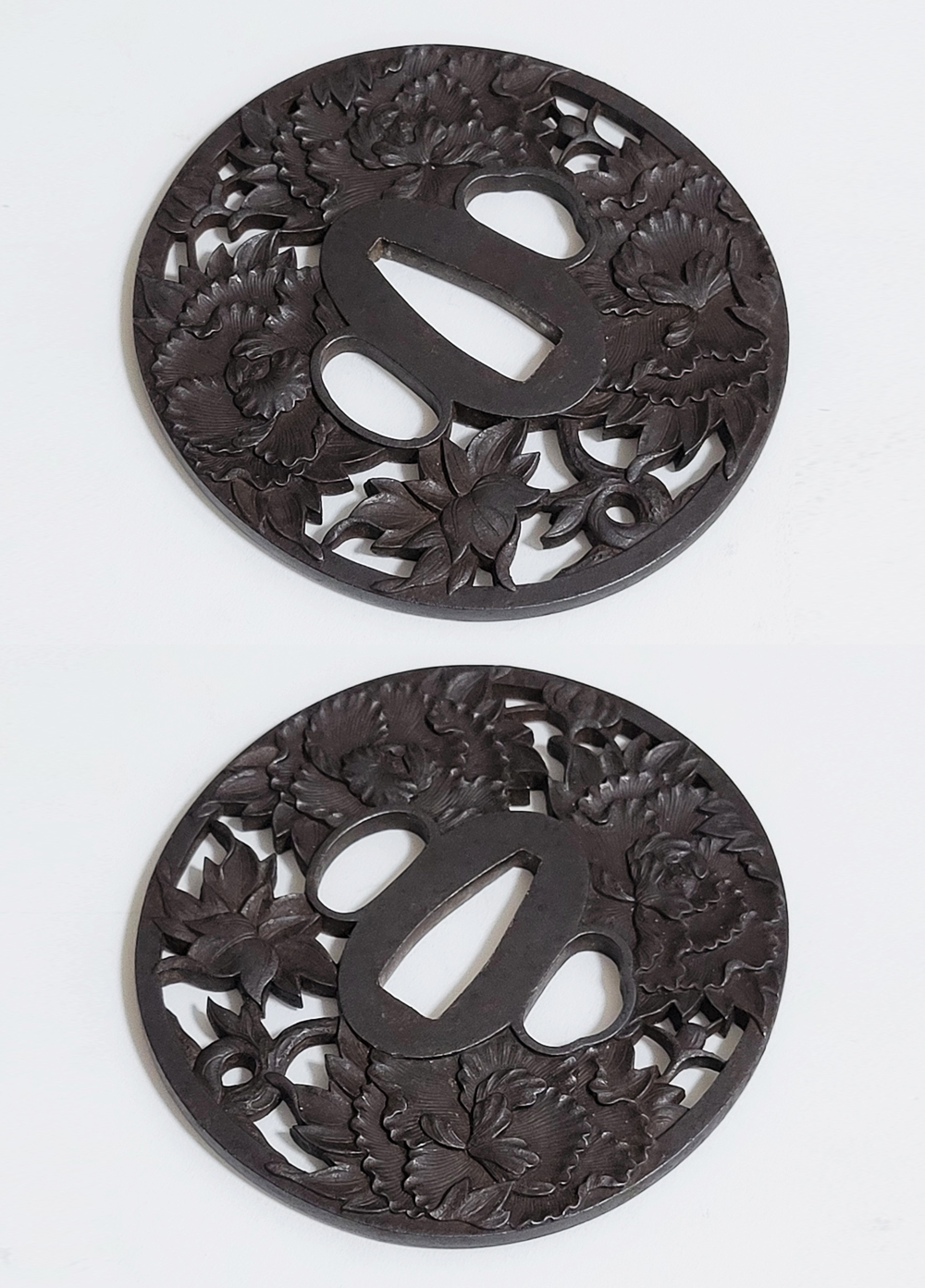
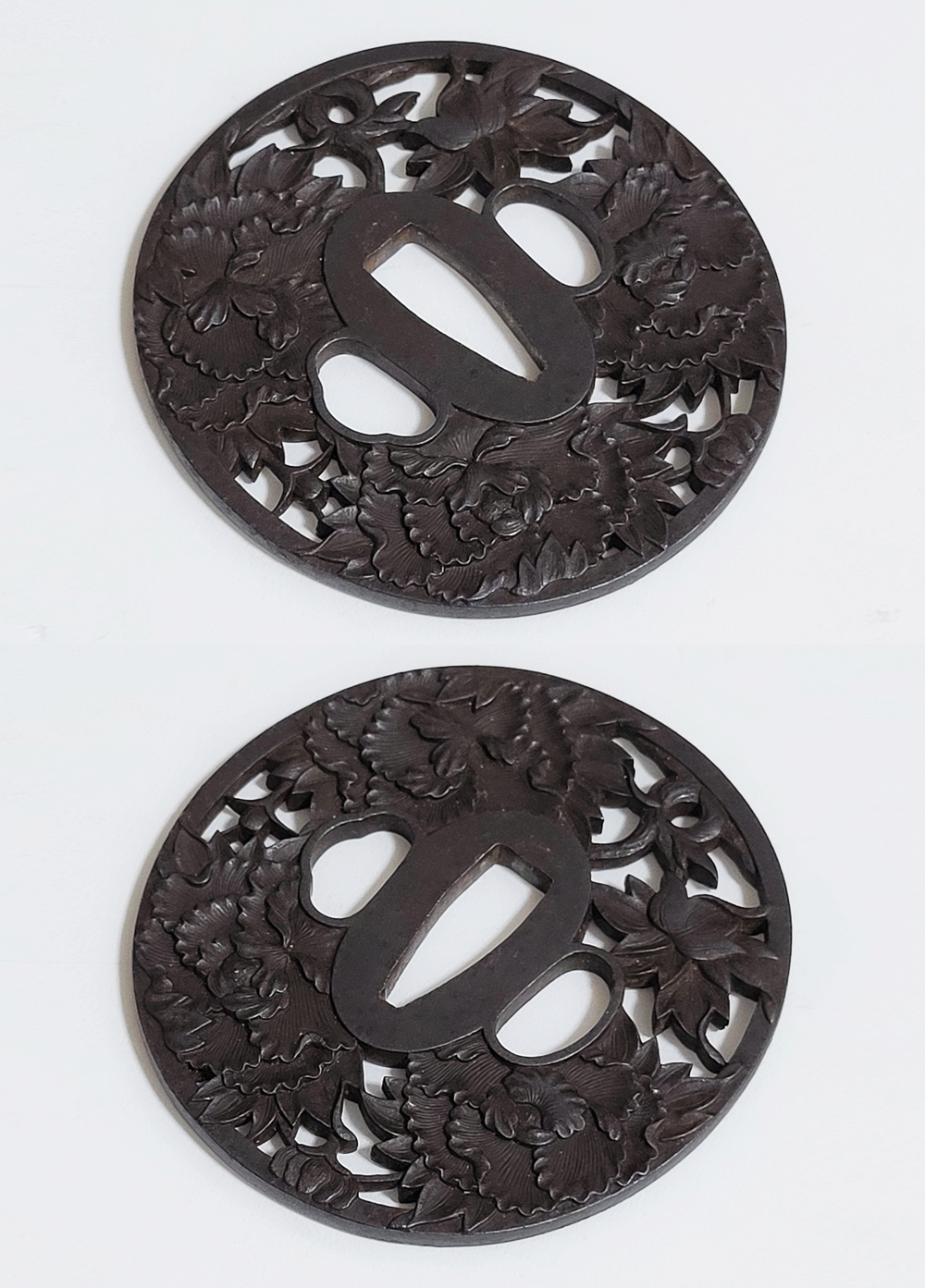
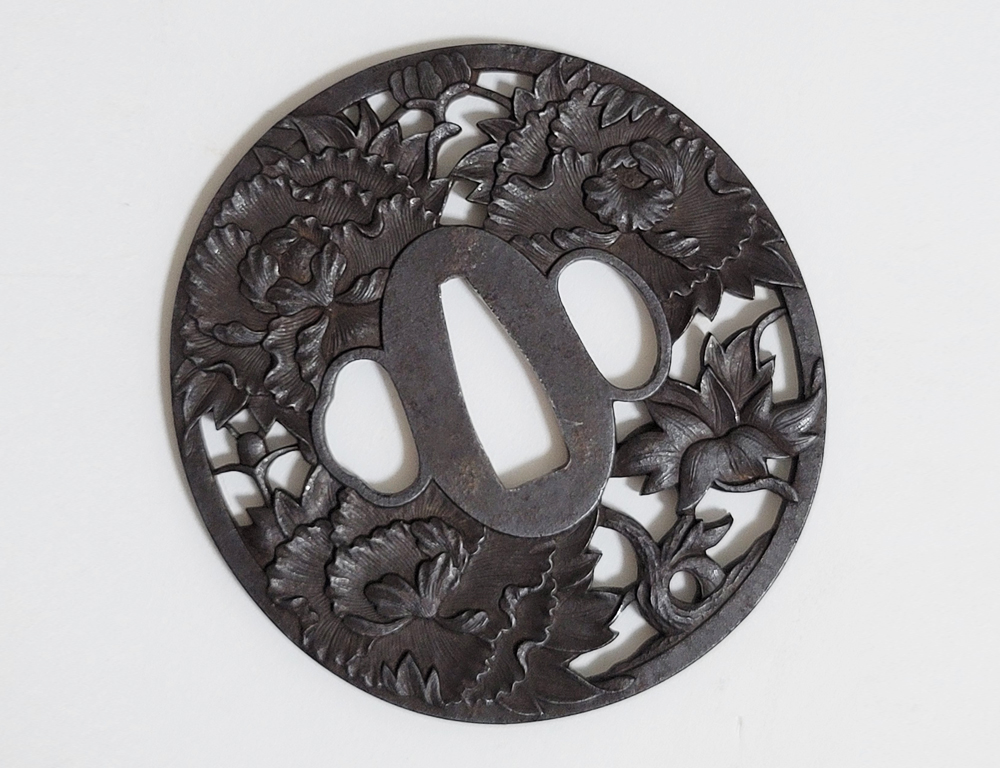
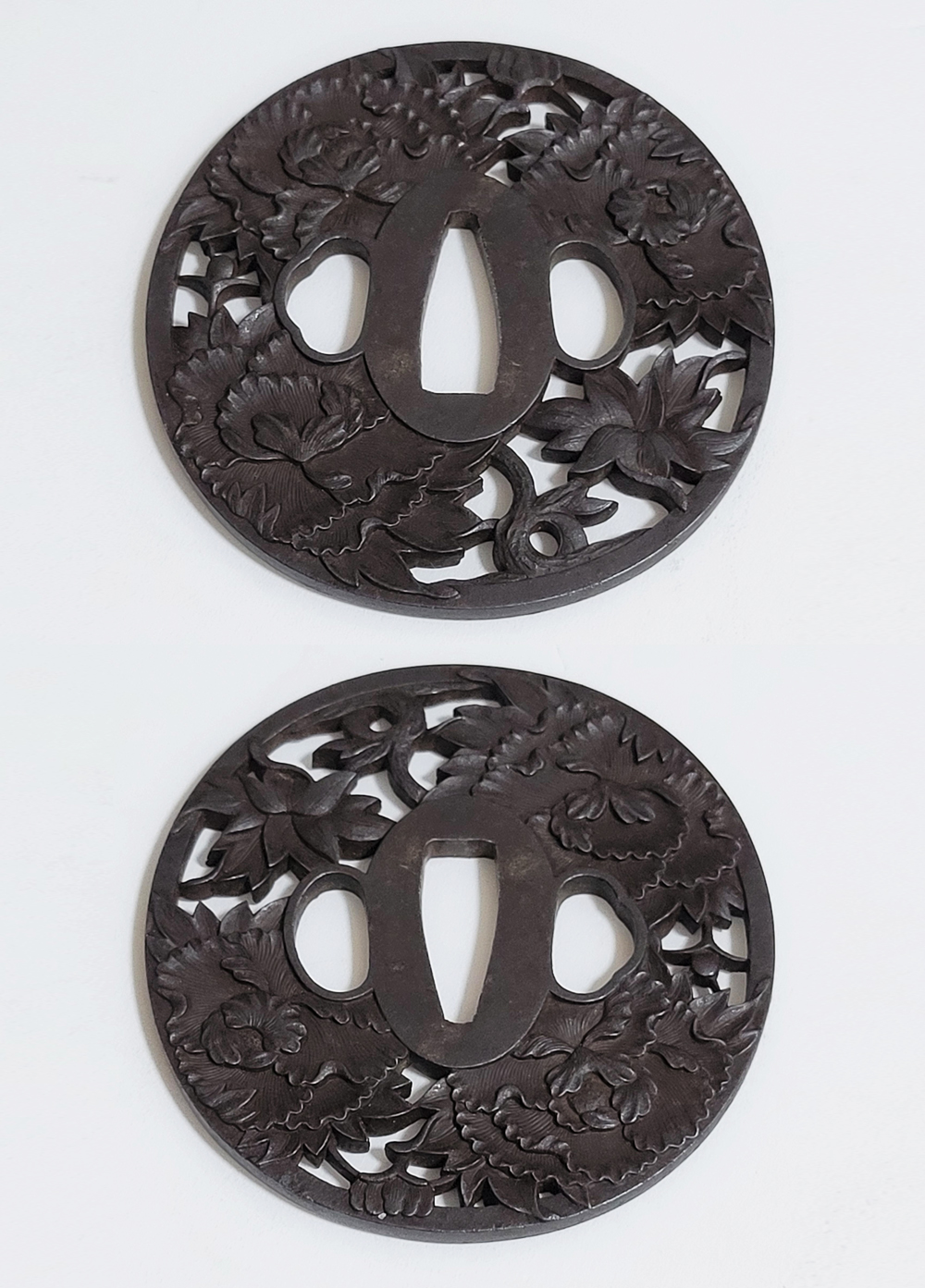
Machine translation of the shop's Japanese ·
Machine translation from the shop's Japanese · may contain errors ·
Certifies a genuine fitting worth preserving: a correct signature, or, if unsigned, an identifiable era and school, with recognized artistic and craft value.
The NBTHK (Nihon Bijutsu Tōken Hozon Kyōkai, the Society for the Preservation of Japanese Art Swords) is a public-interest incorporated foundation founded in 1948 and supervised by Japan’s Agency for Cultural Affairs (Bunkachō); it is based at the Japanese Sword Museum in Tokyo. Its expert panels physically examine each submitted work (shinsa) and issue a certificate (kanteishō) ranking it by artistic and historical merit. NBTHK papers are the most widely recognized standard of authentication for Japanese swords and fittings.
NBTHK official siteReturns within 7 days of the item's arrival. Returns are not possible if (1) the item has been altered, or (2) for overseas transactions.