Edo was the sword’s age of connoisseurship: the Hon’ami appraisers, the shogunal register of famous blades of 1719, and a thriving literature turned the sword into an object of study even as it ceased to be drawn in war.
 NihontoWatchNihontoWatch
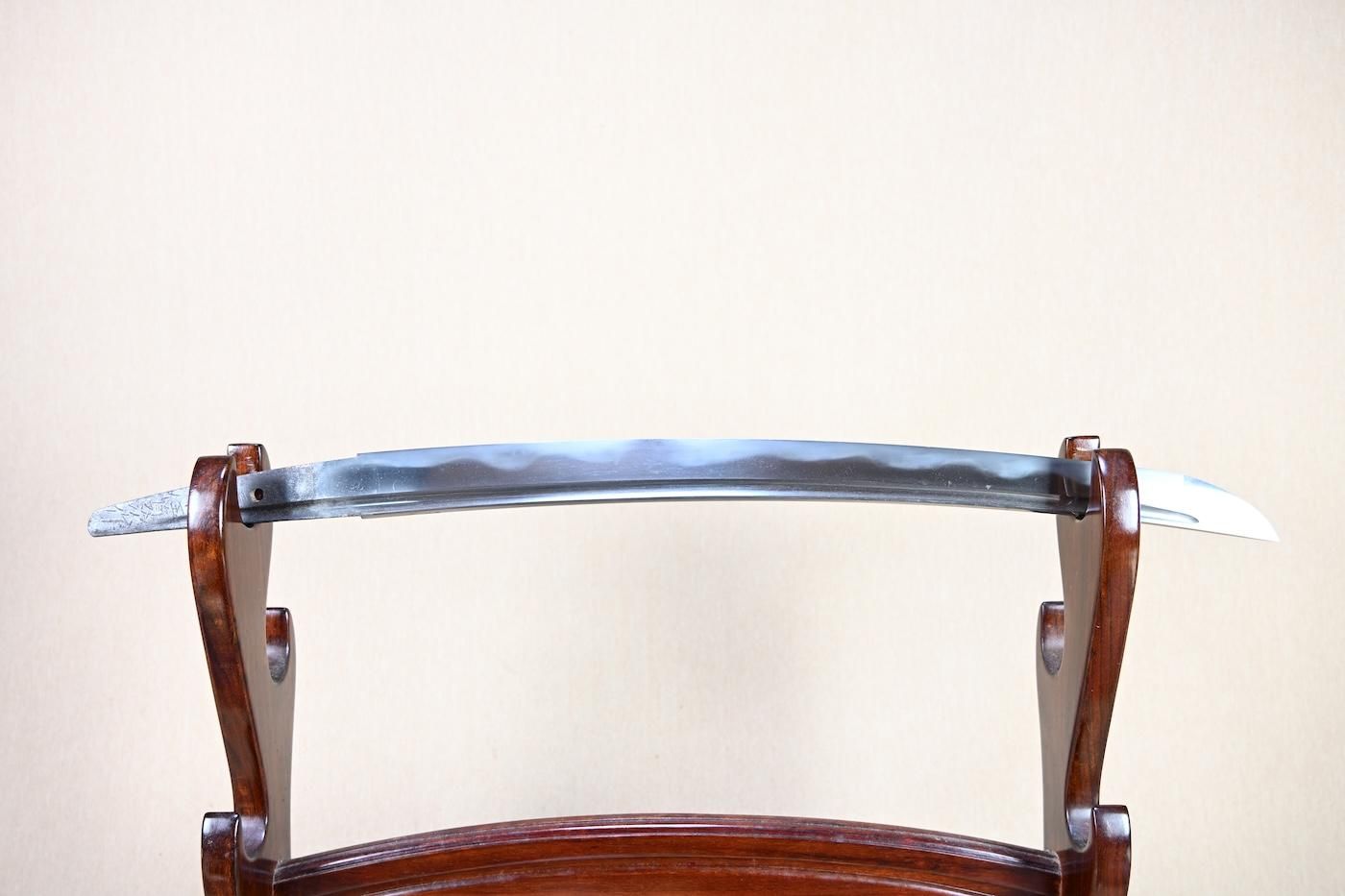
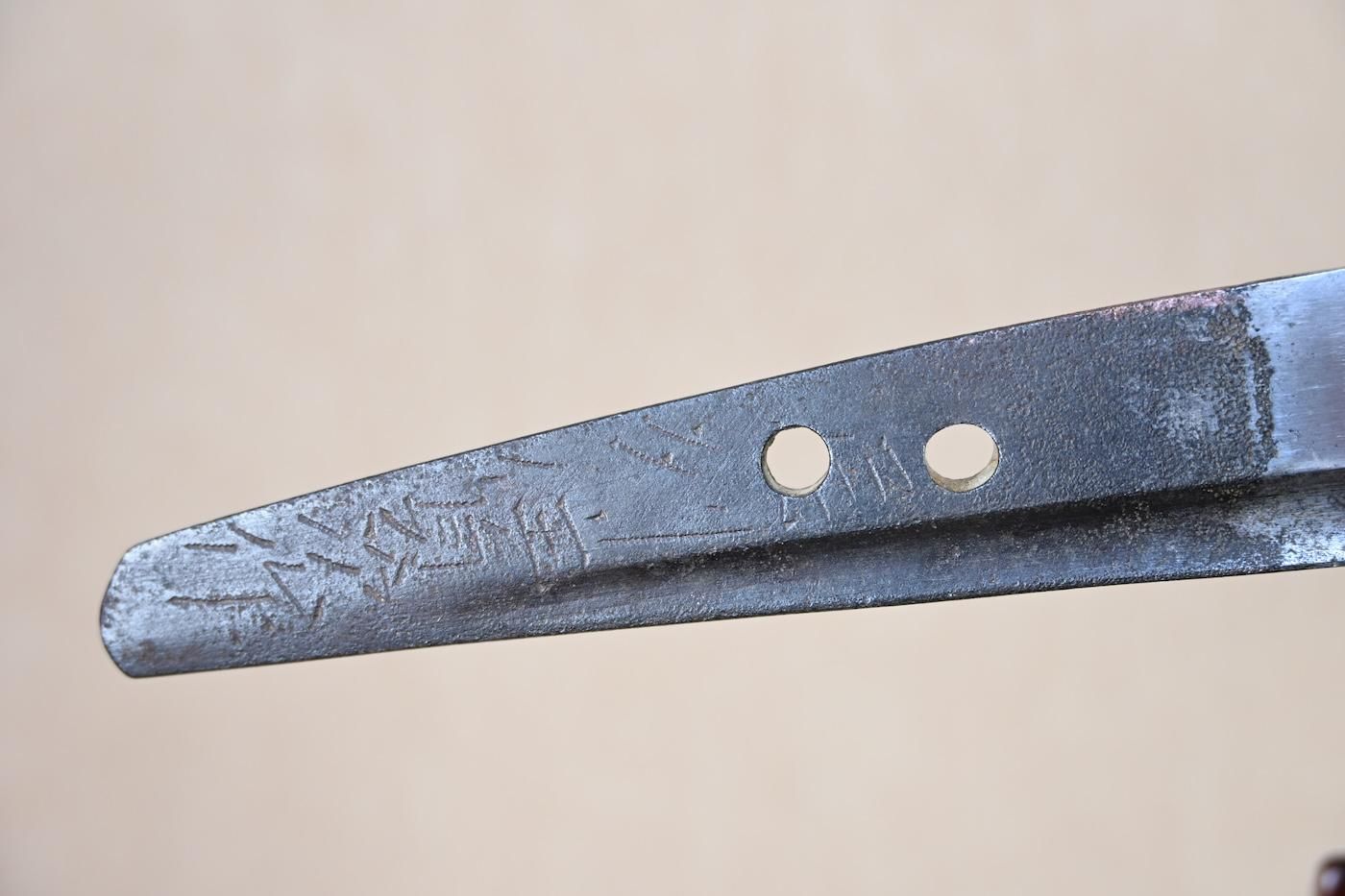
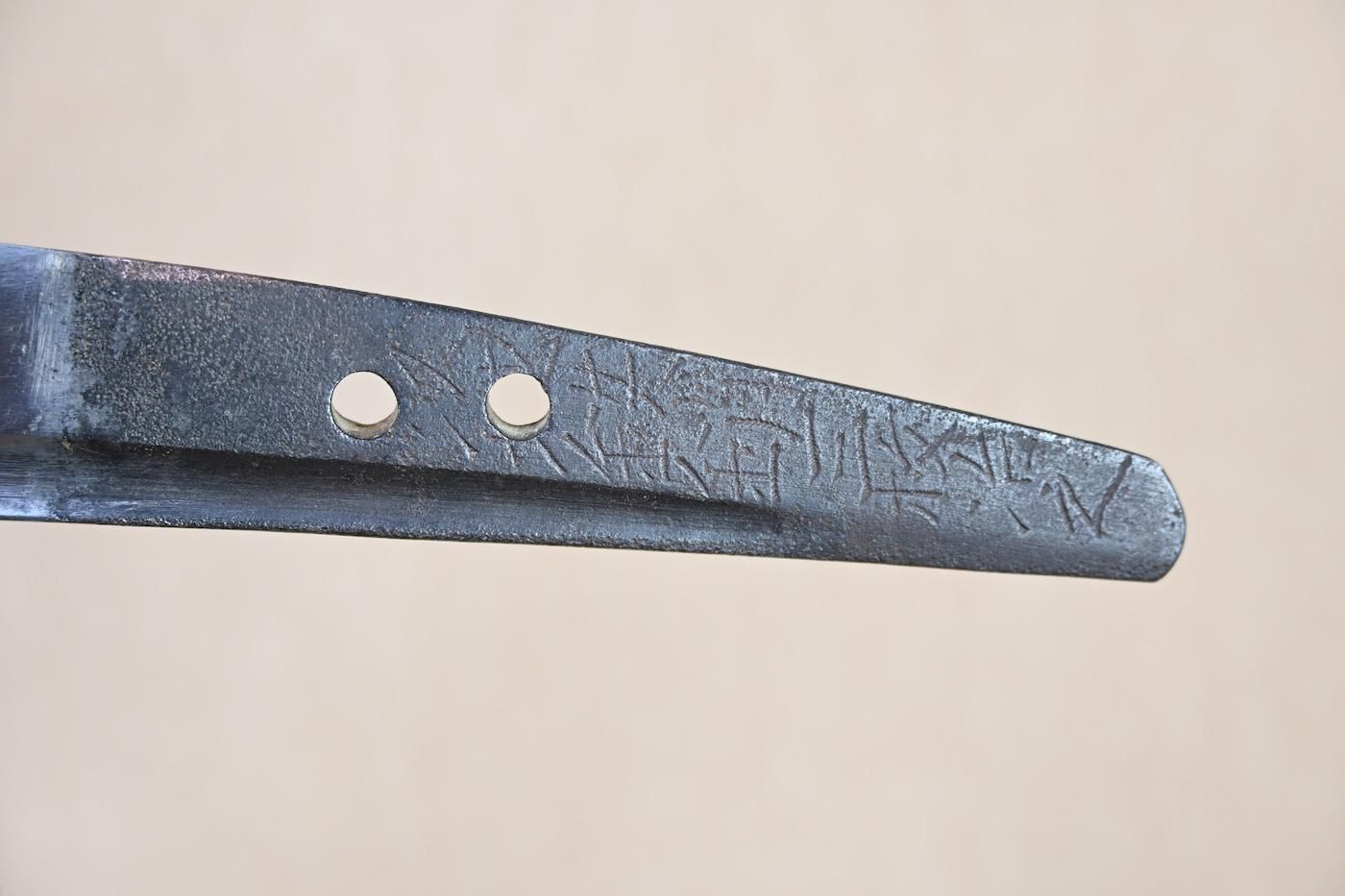
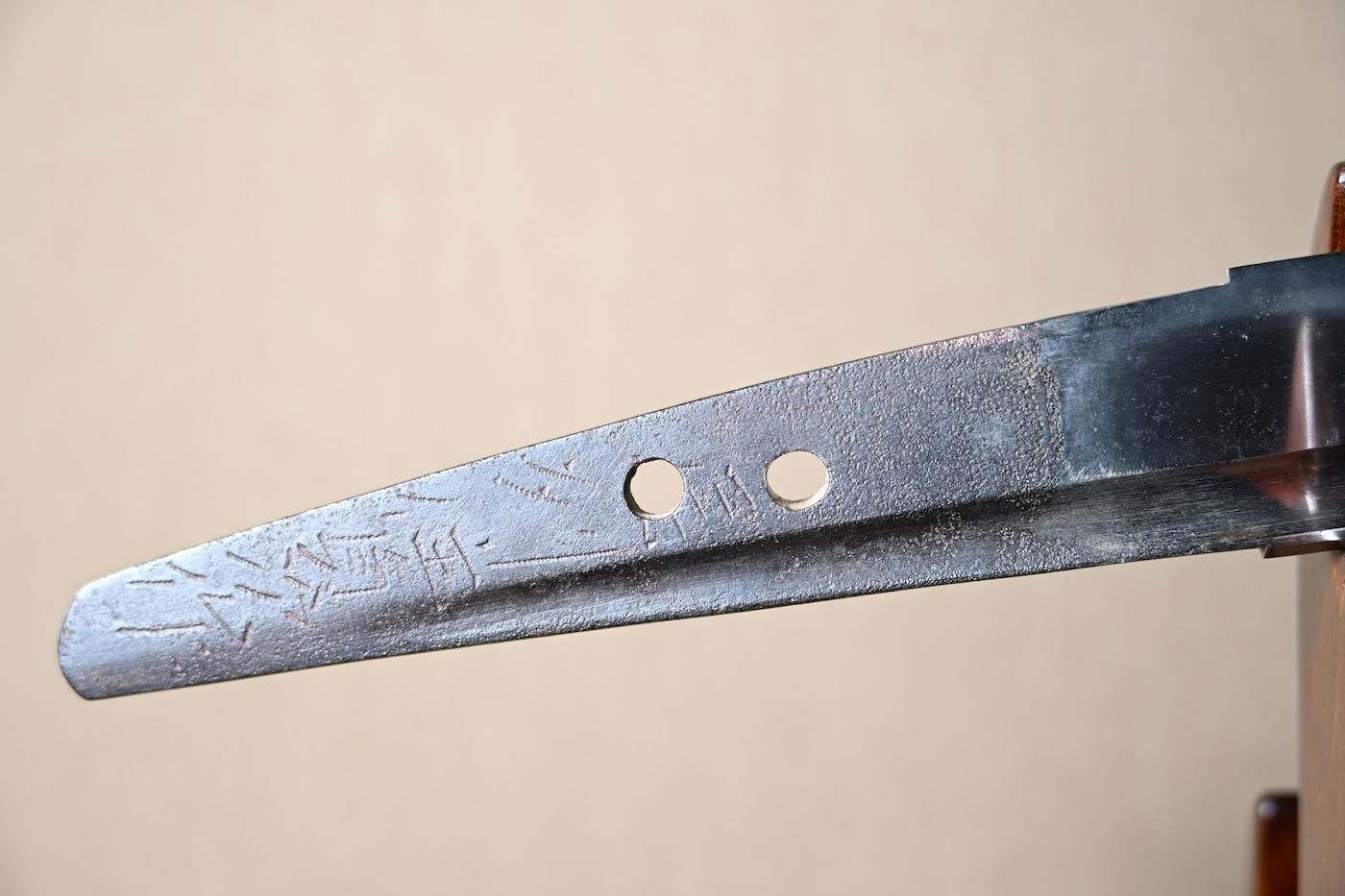
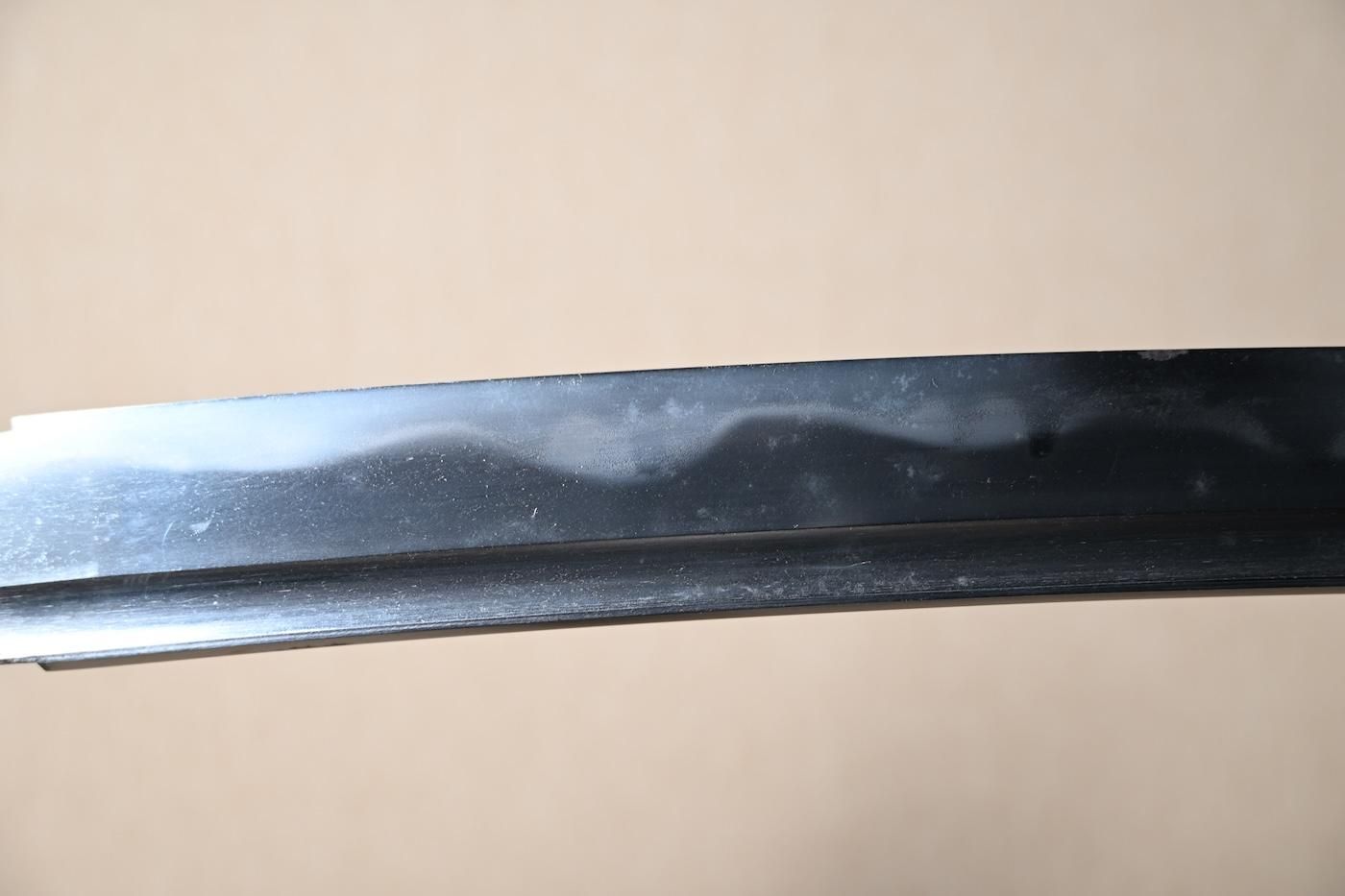
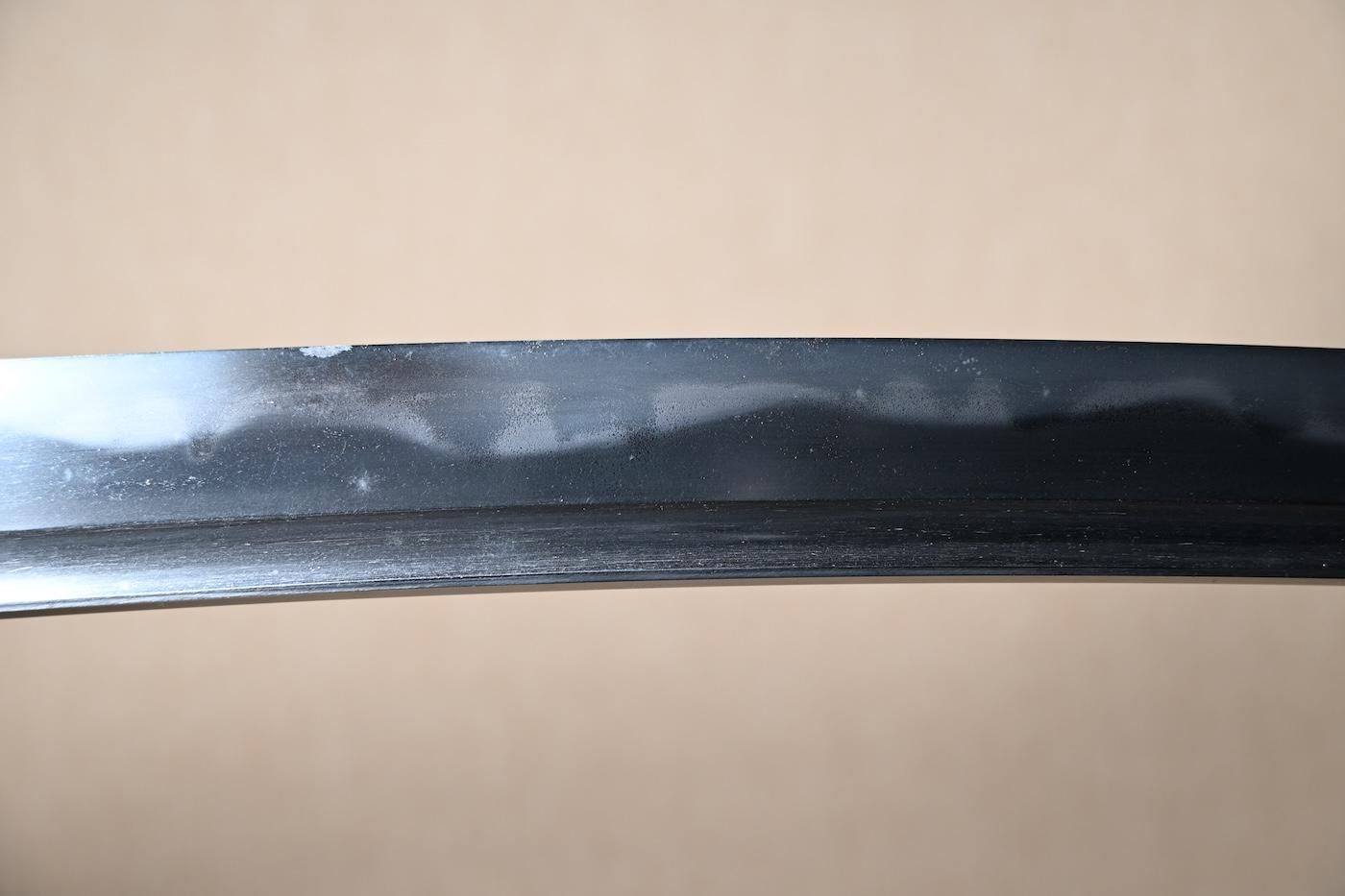
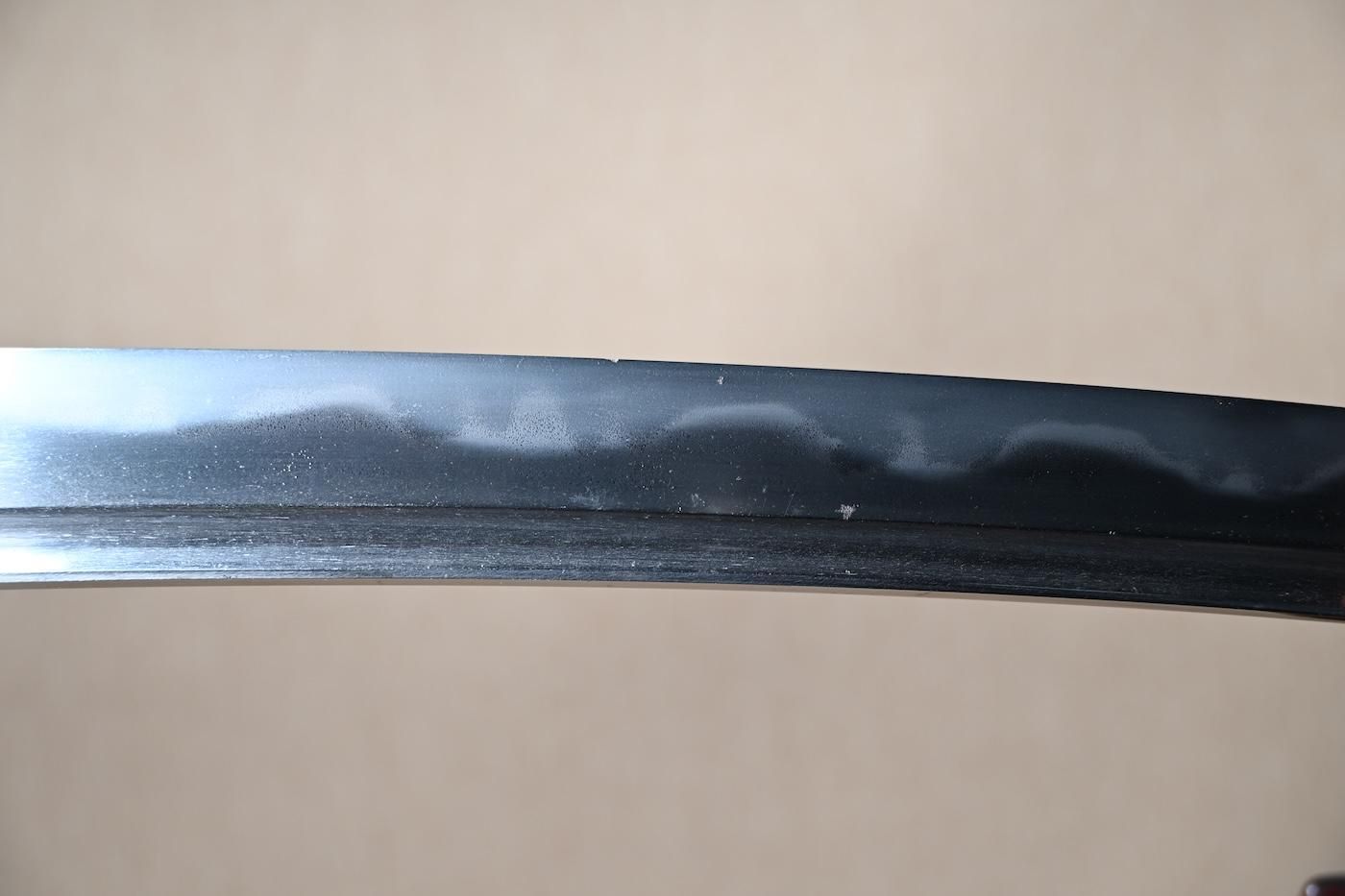
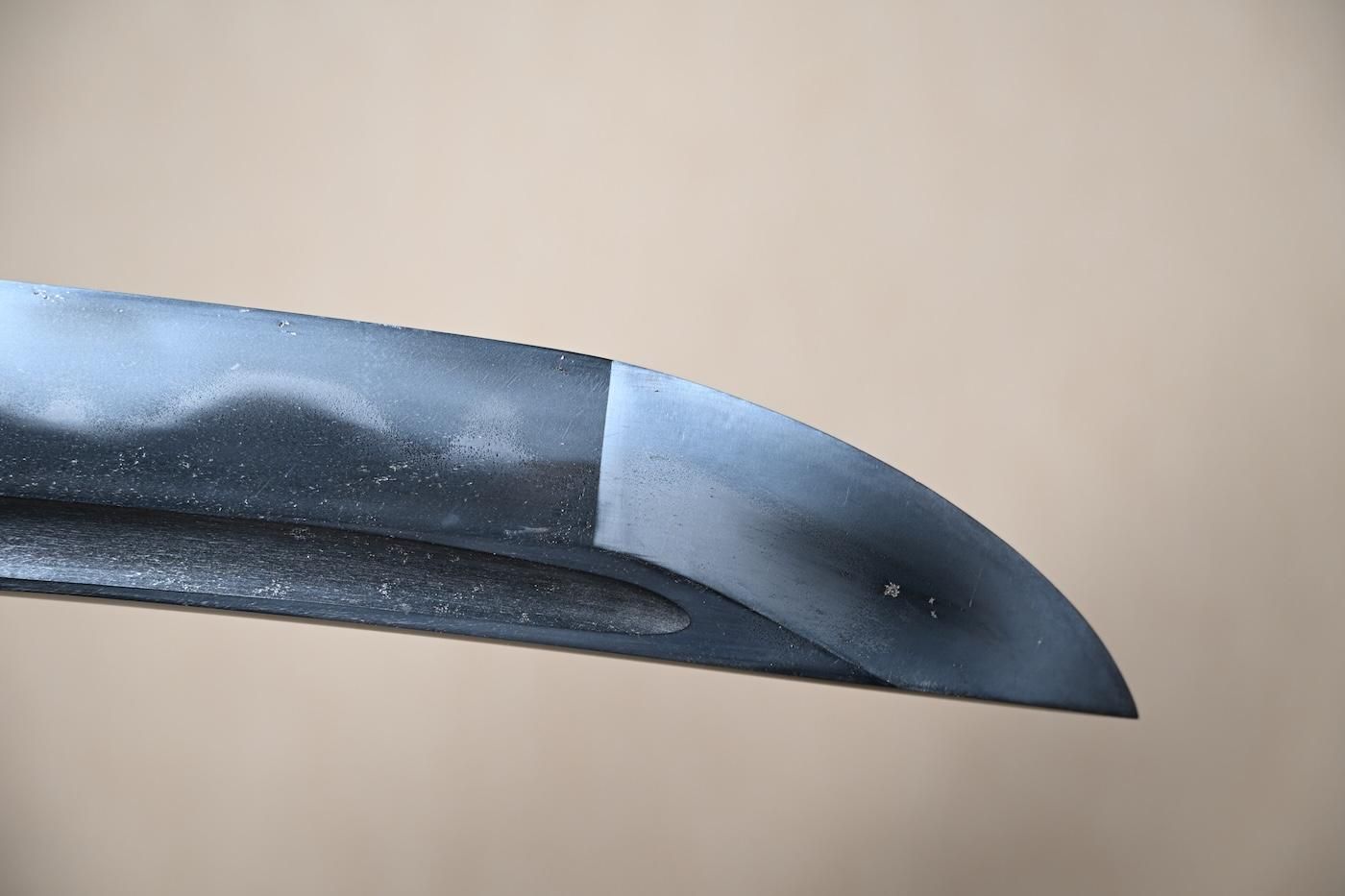
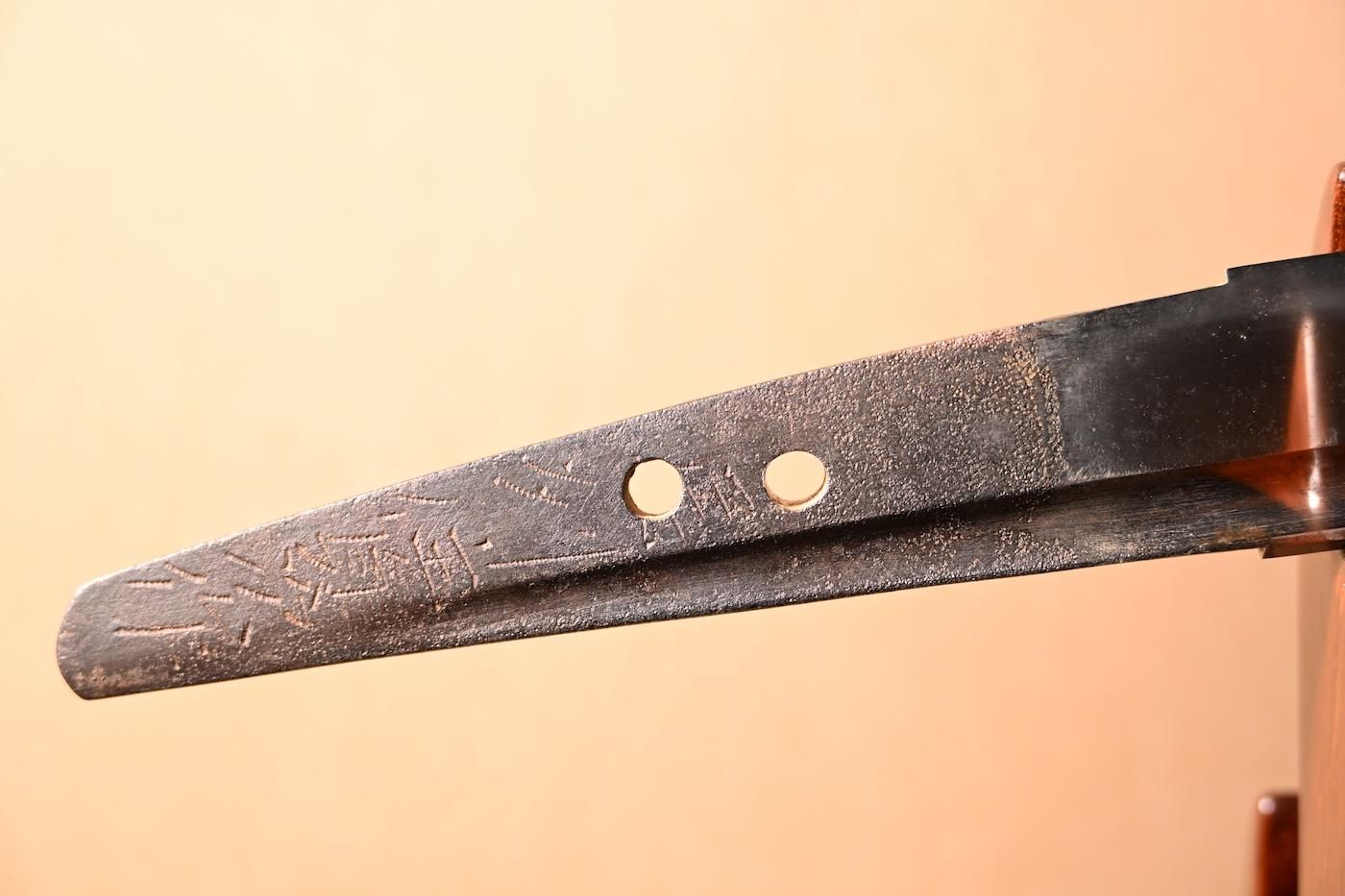
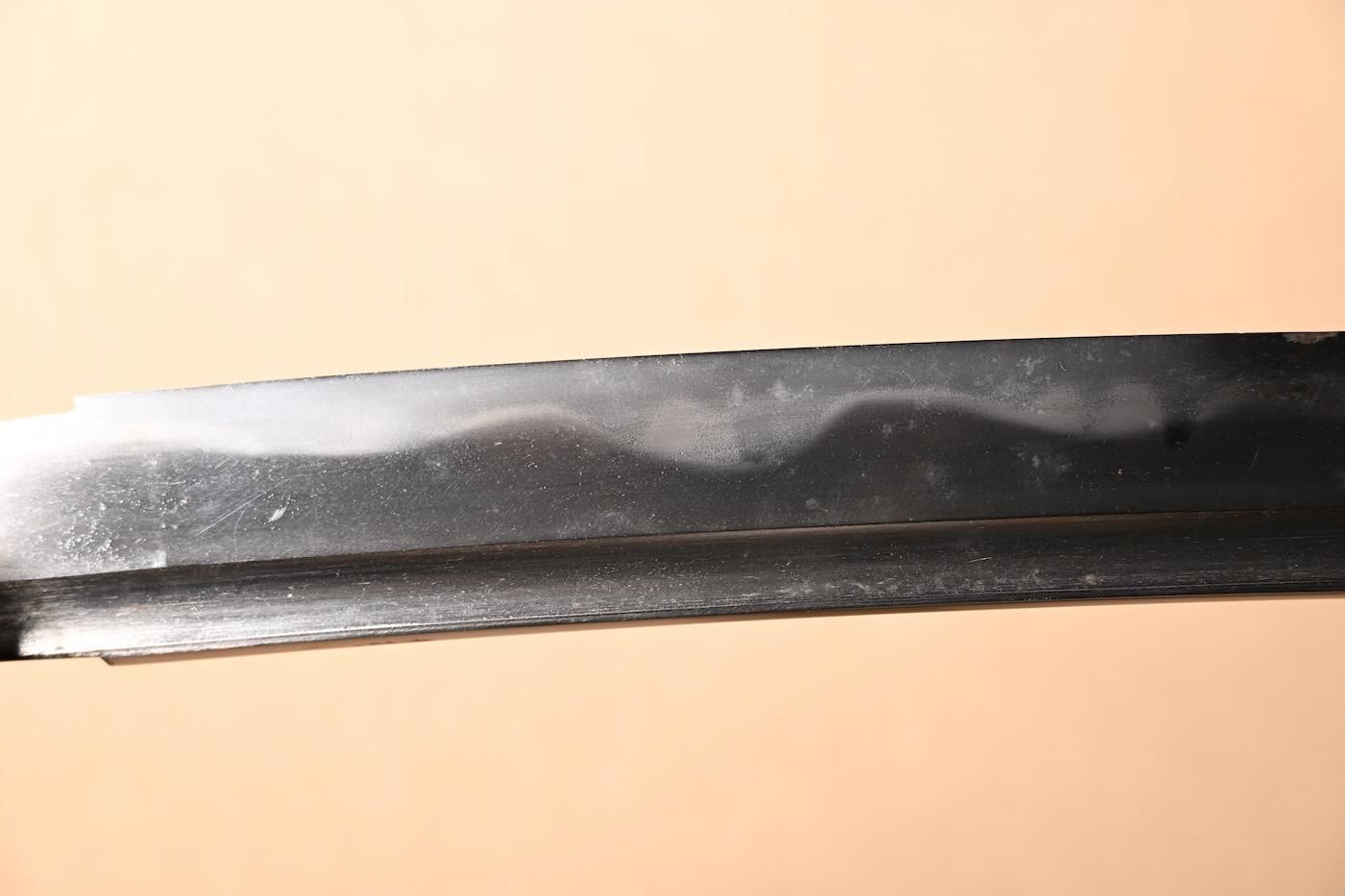
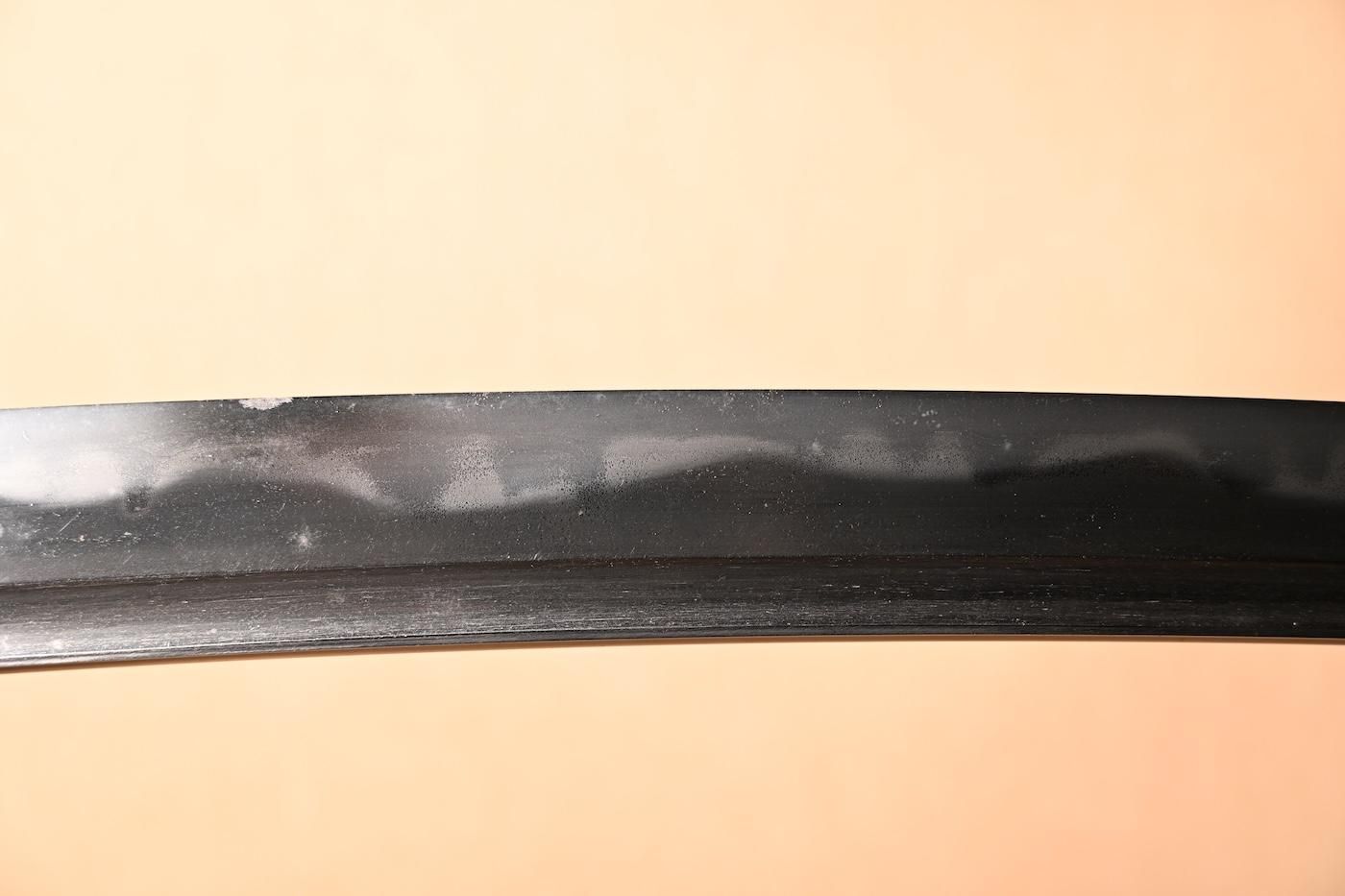
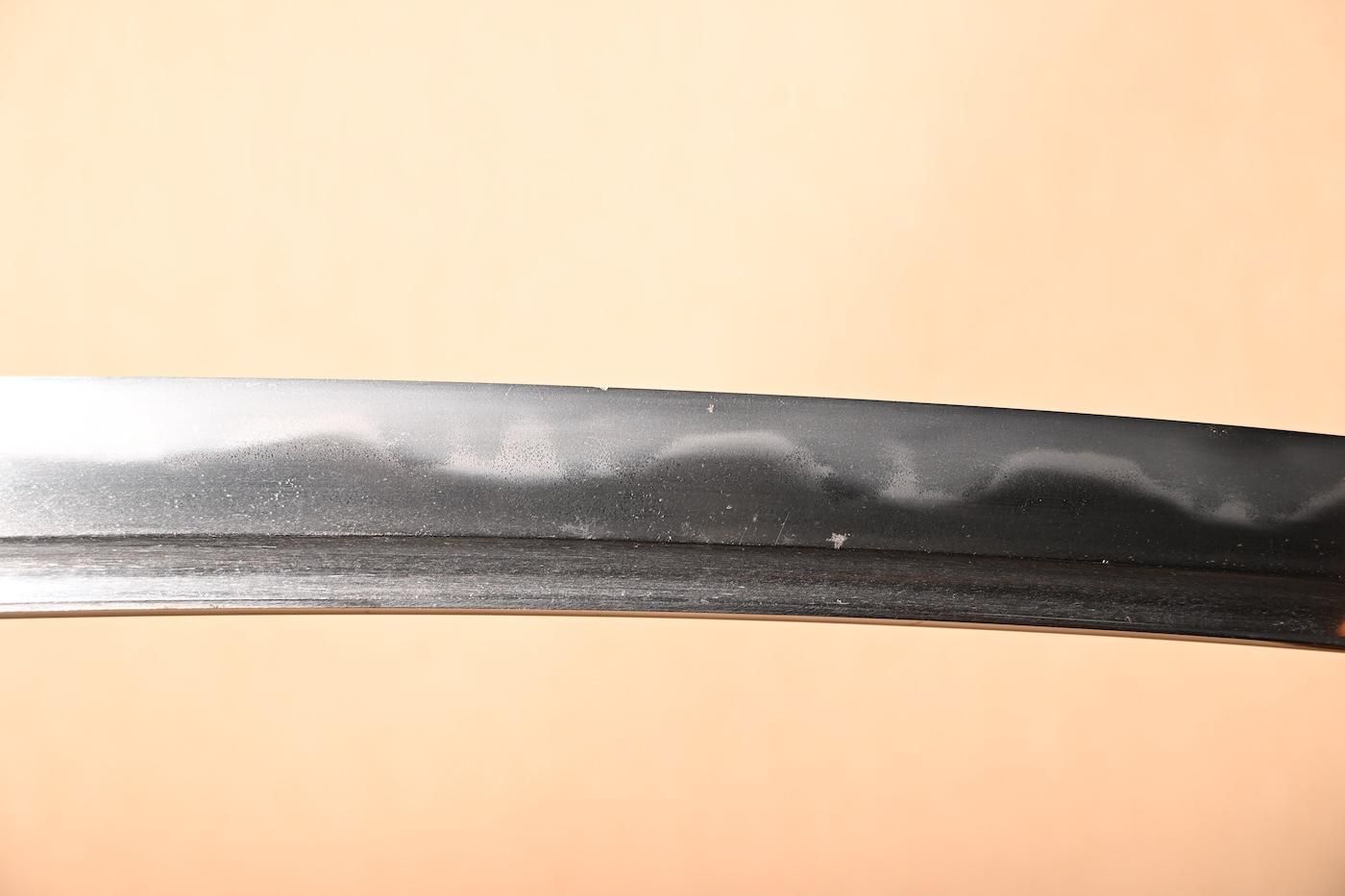
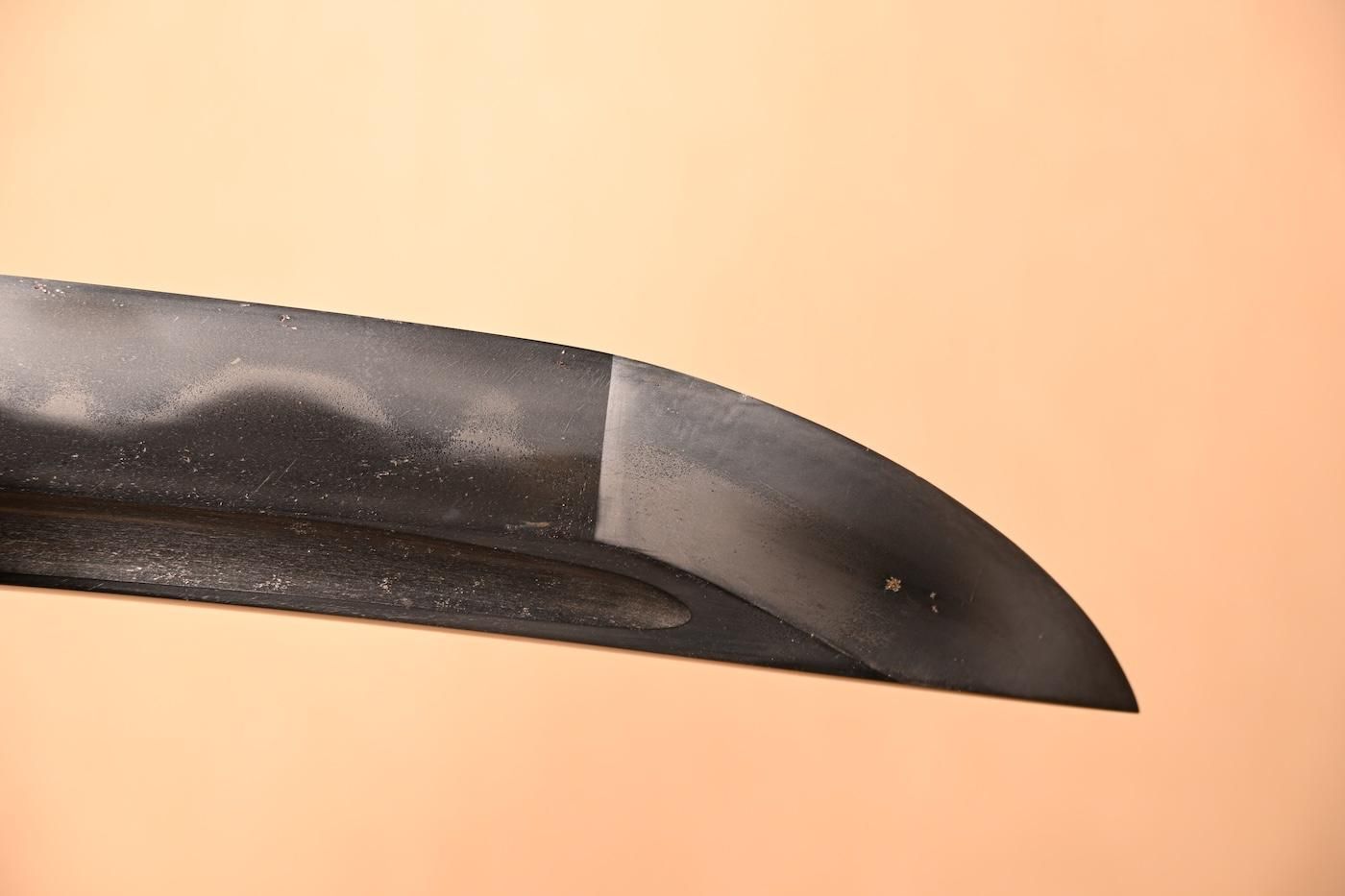
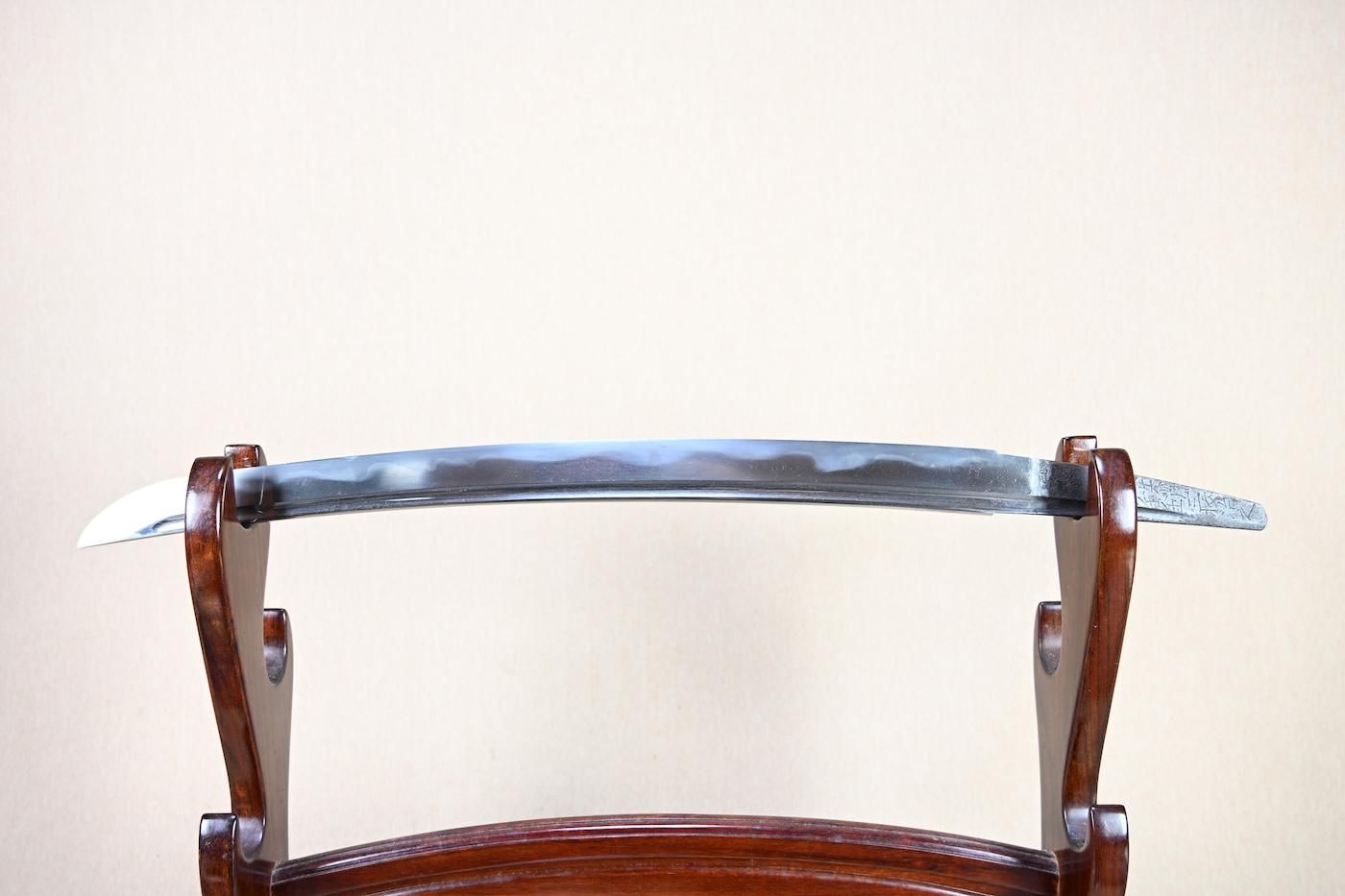
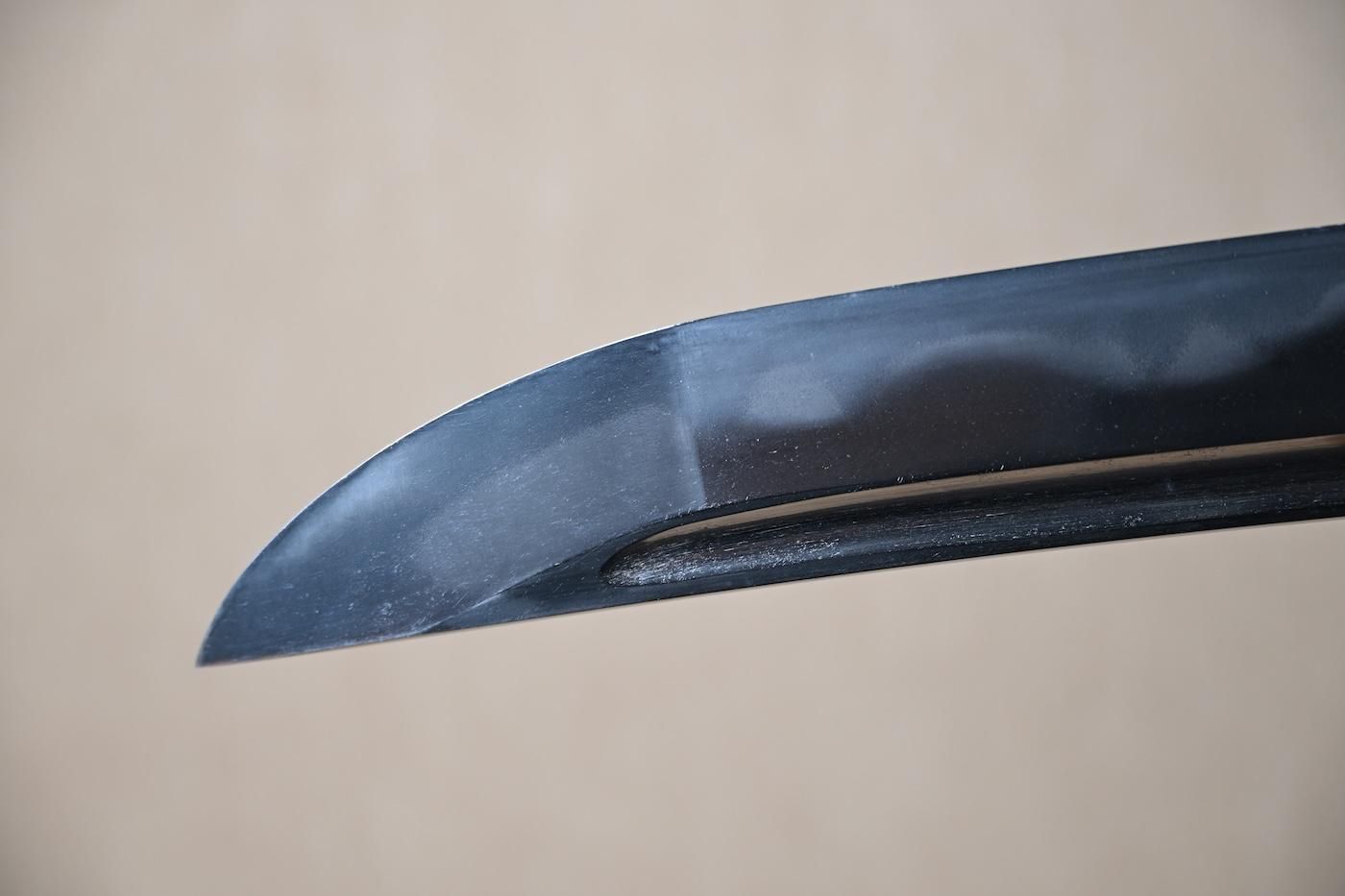
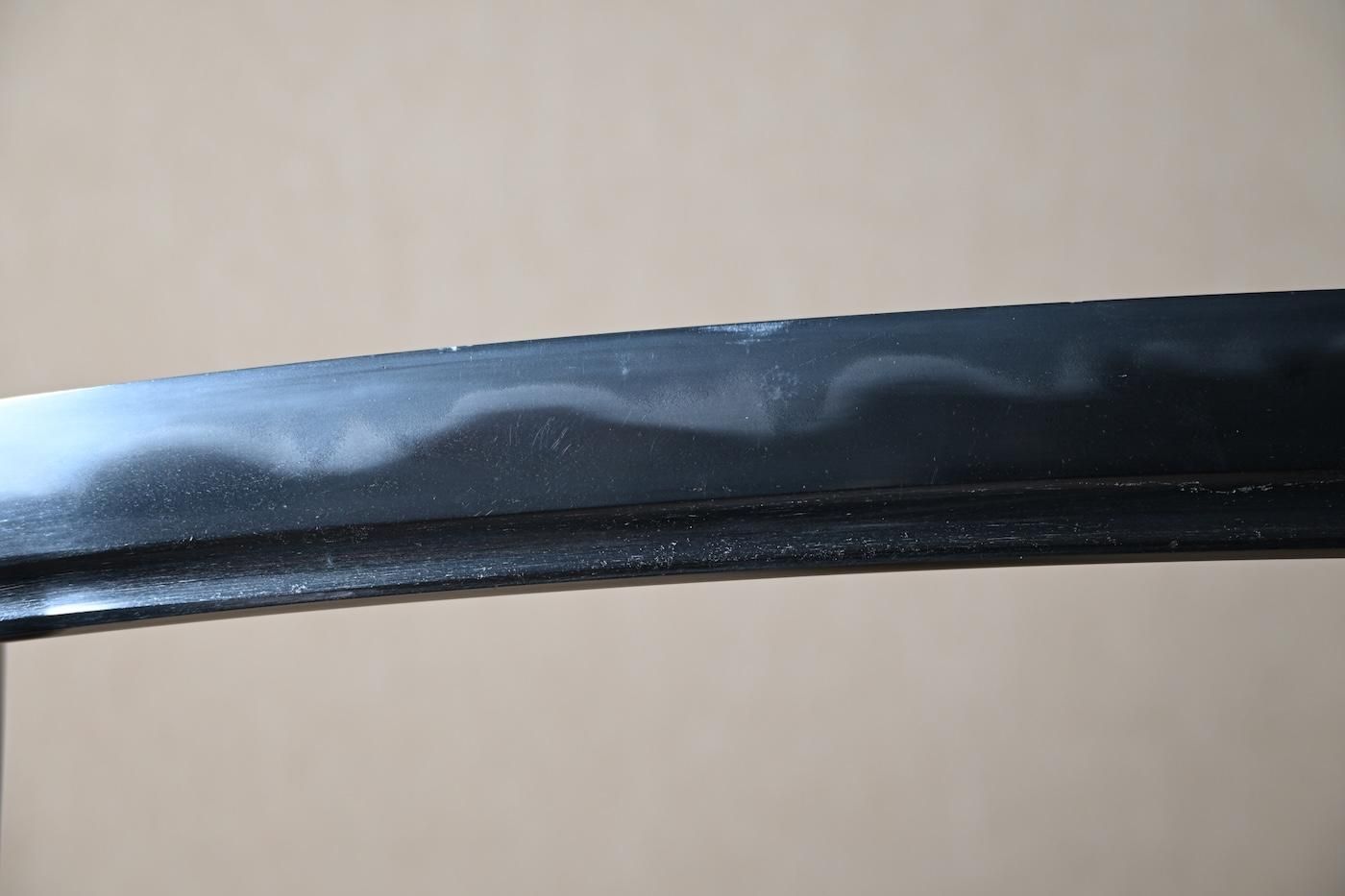
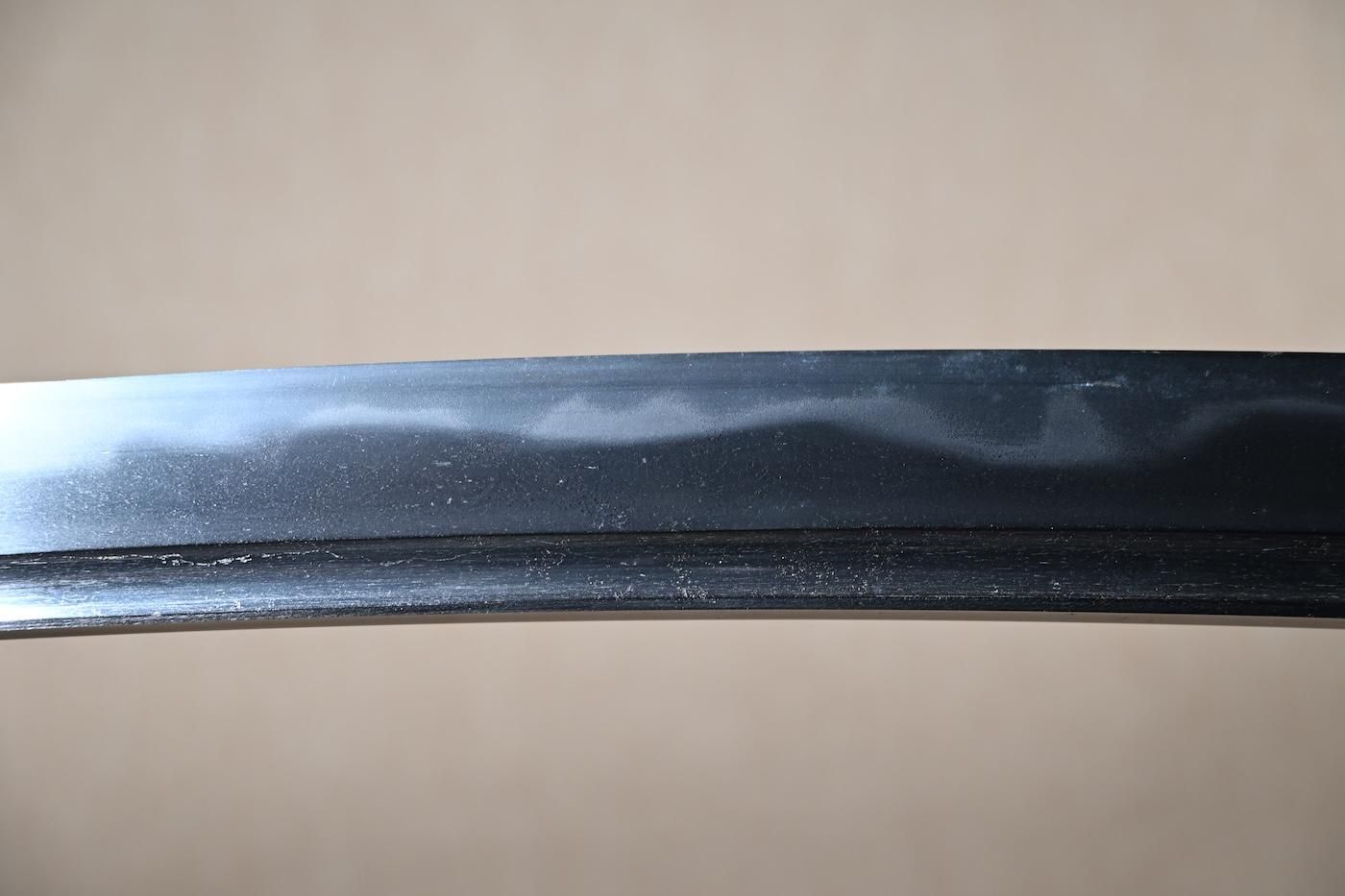
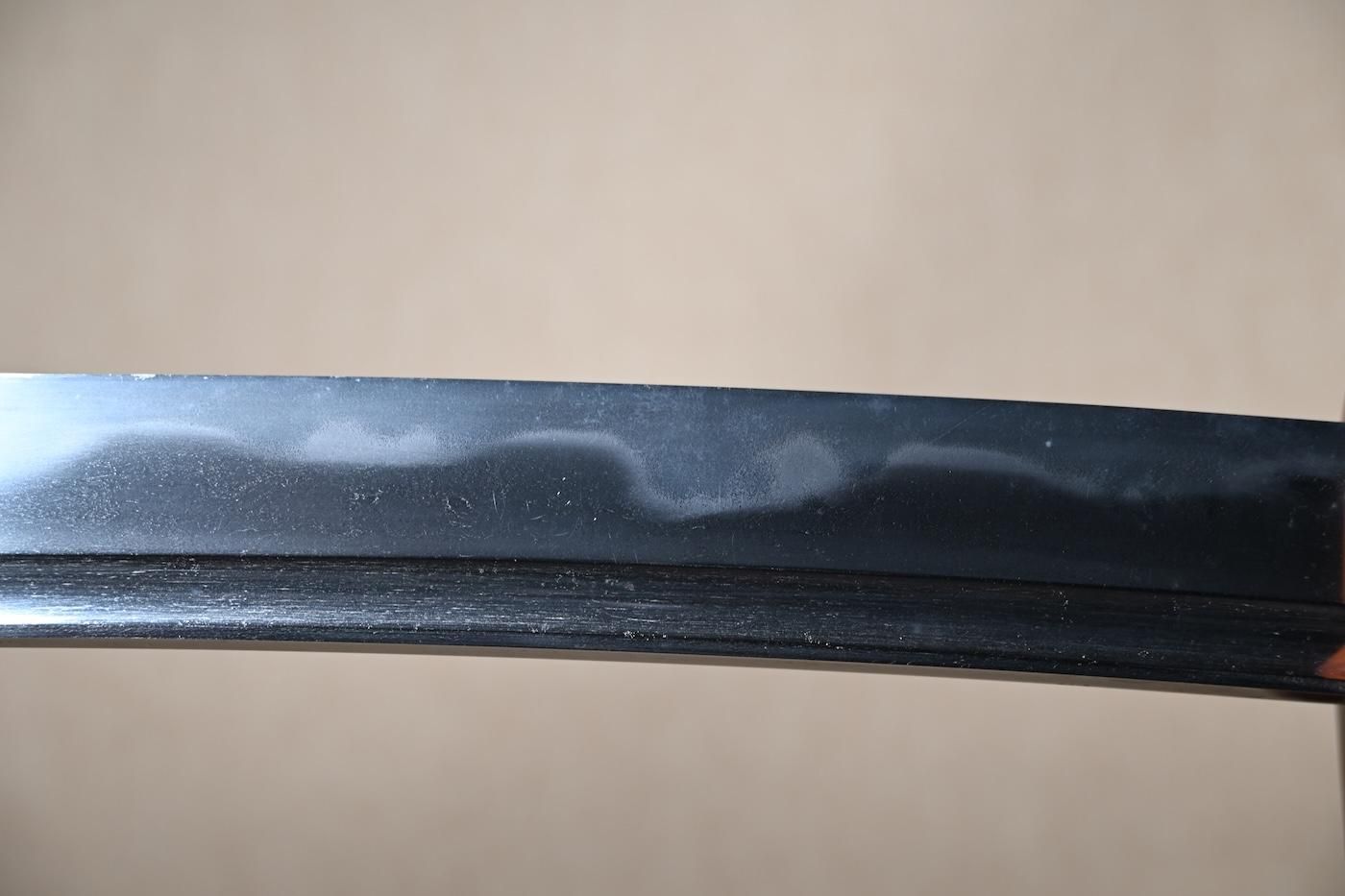
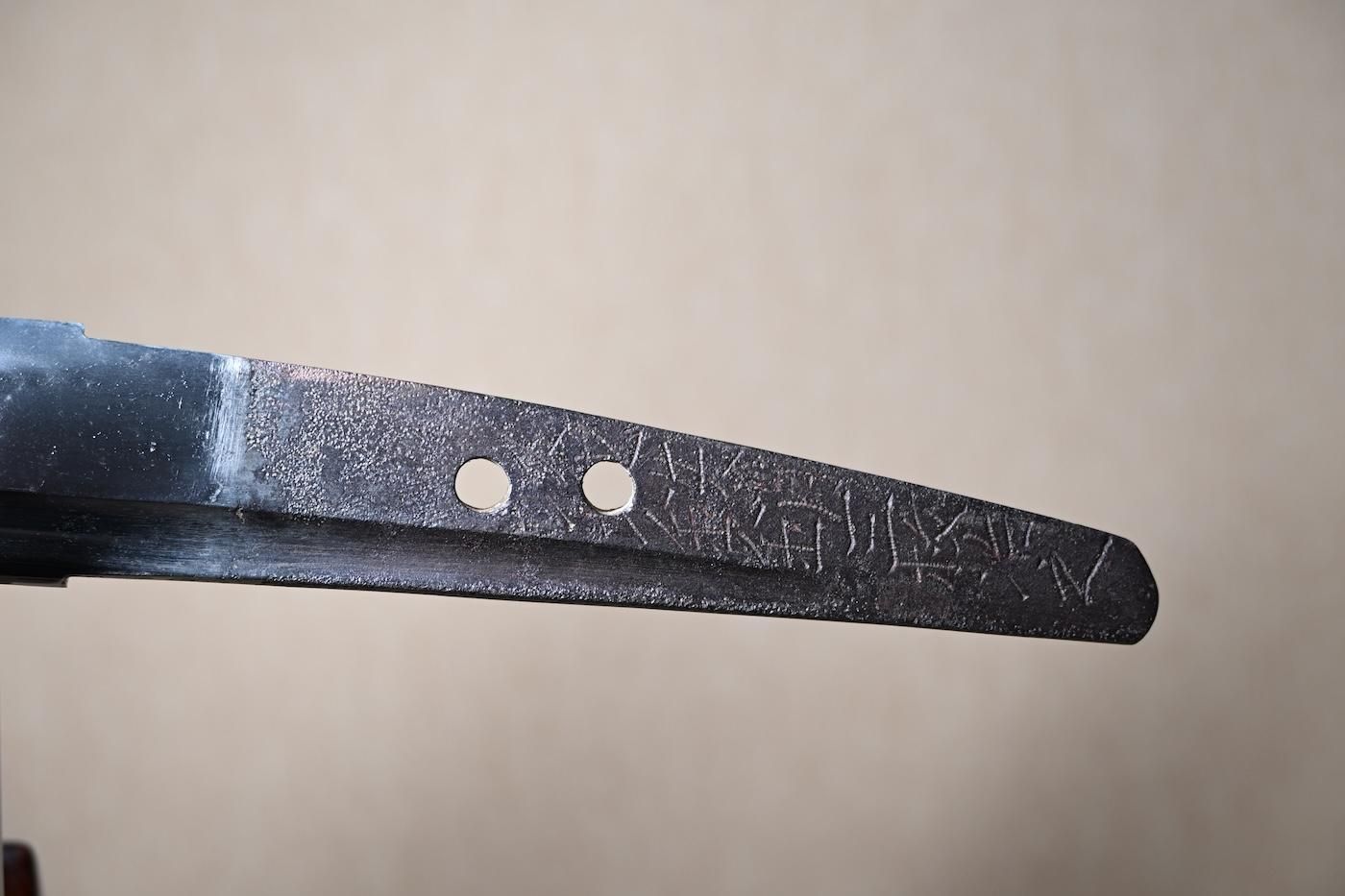
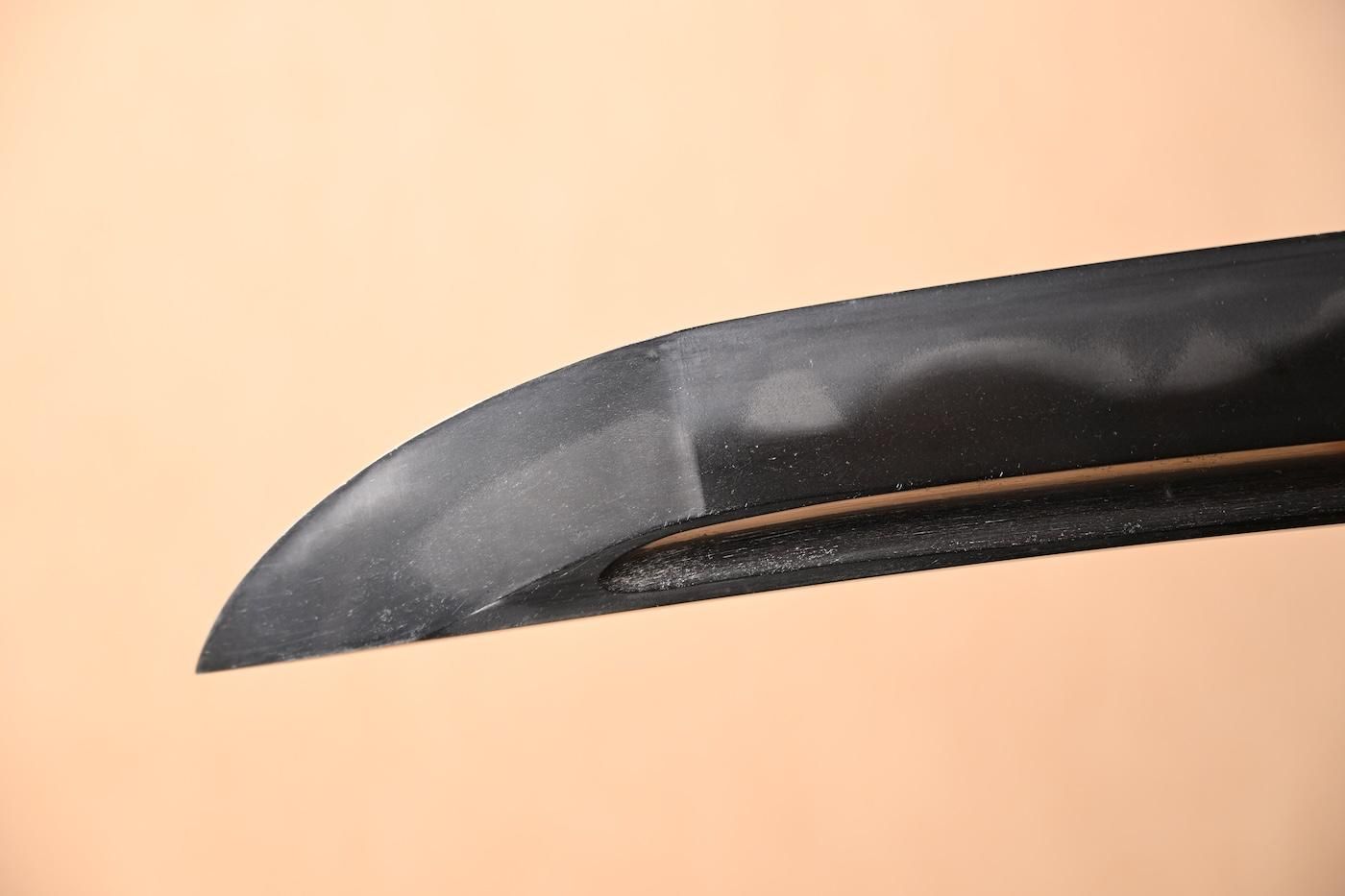
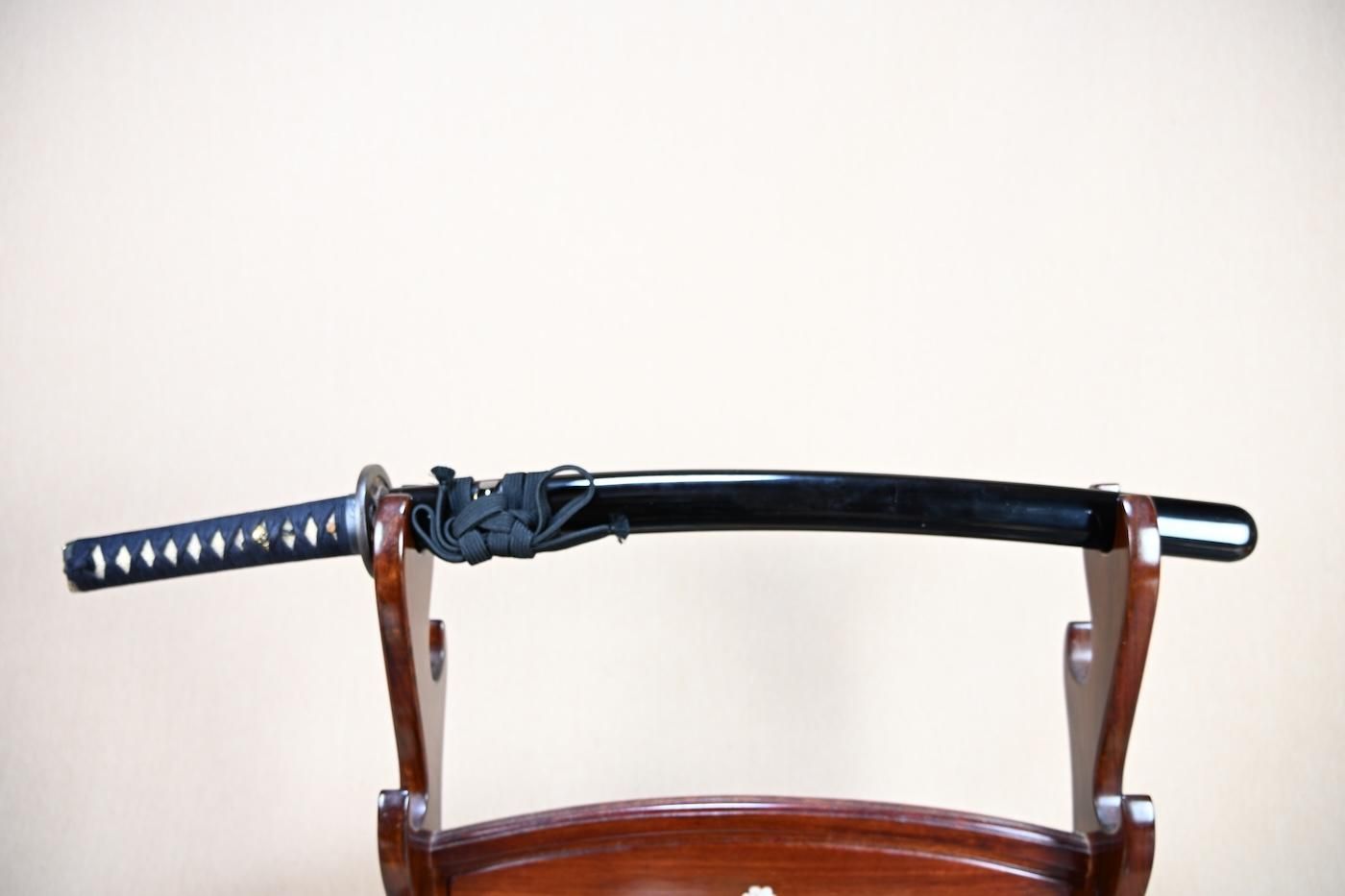
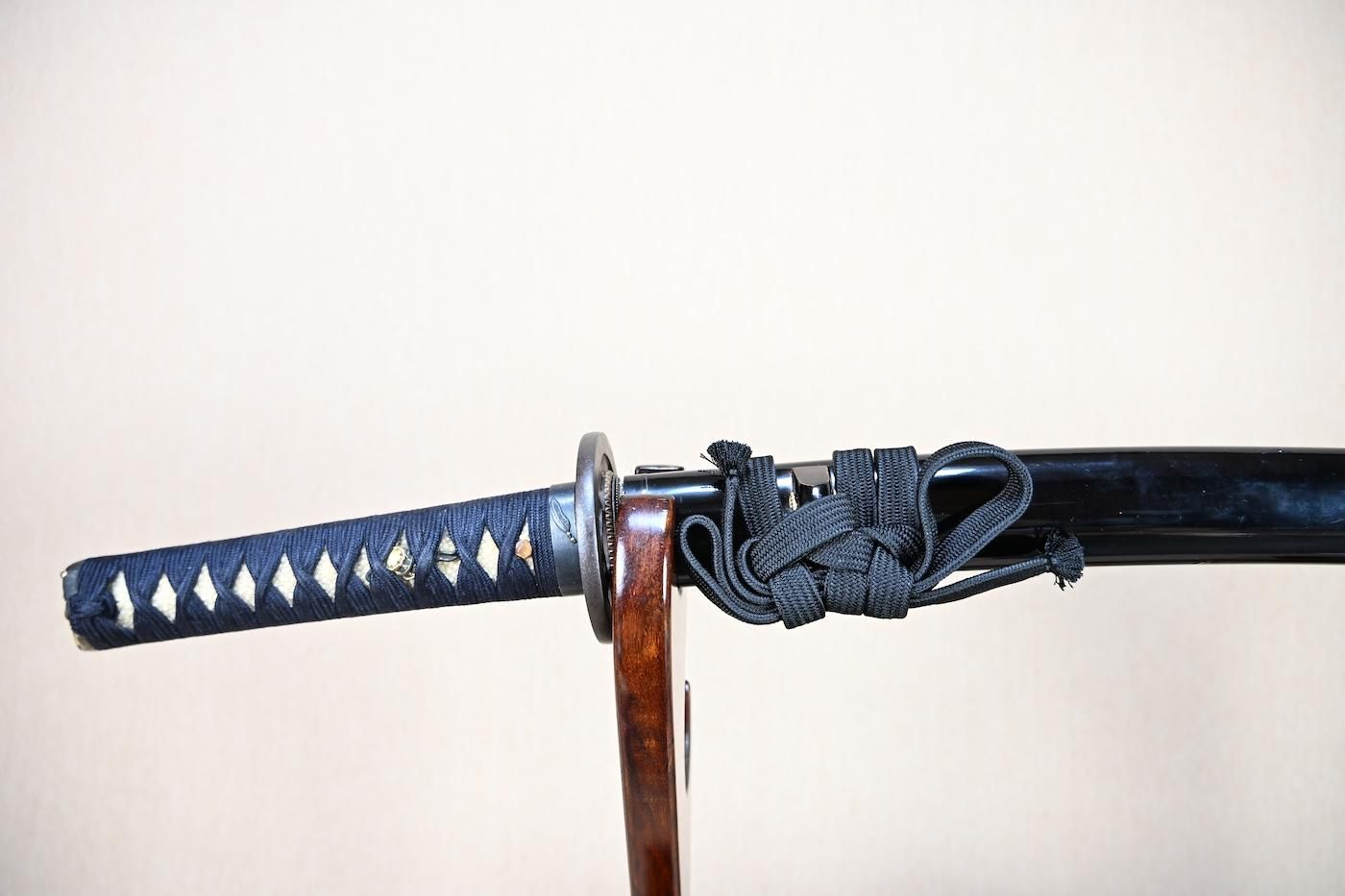
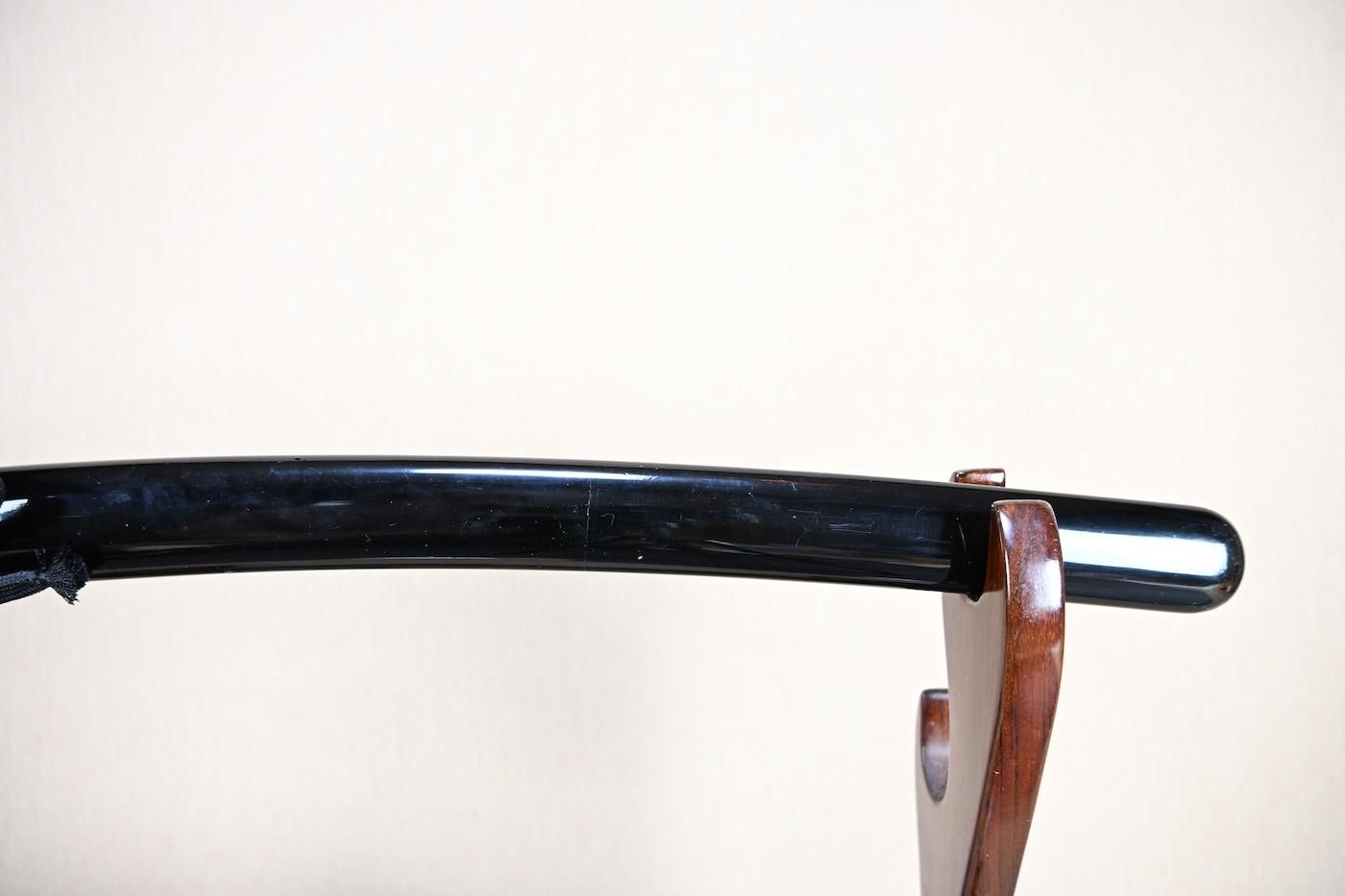
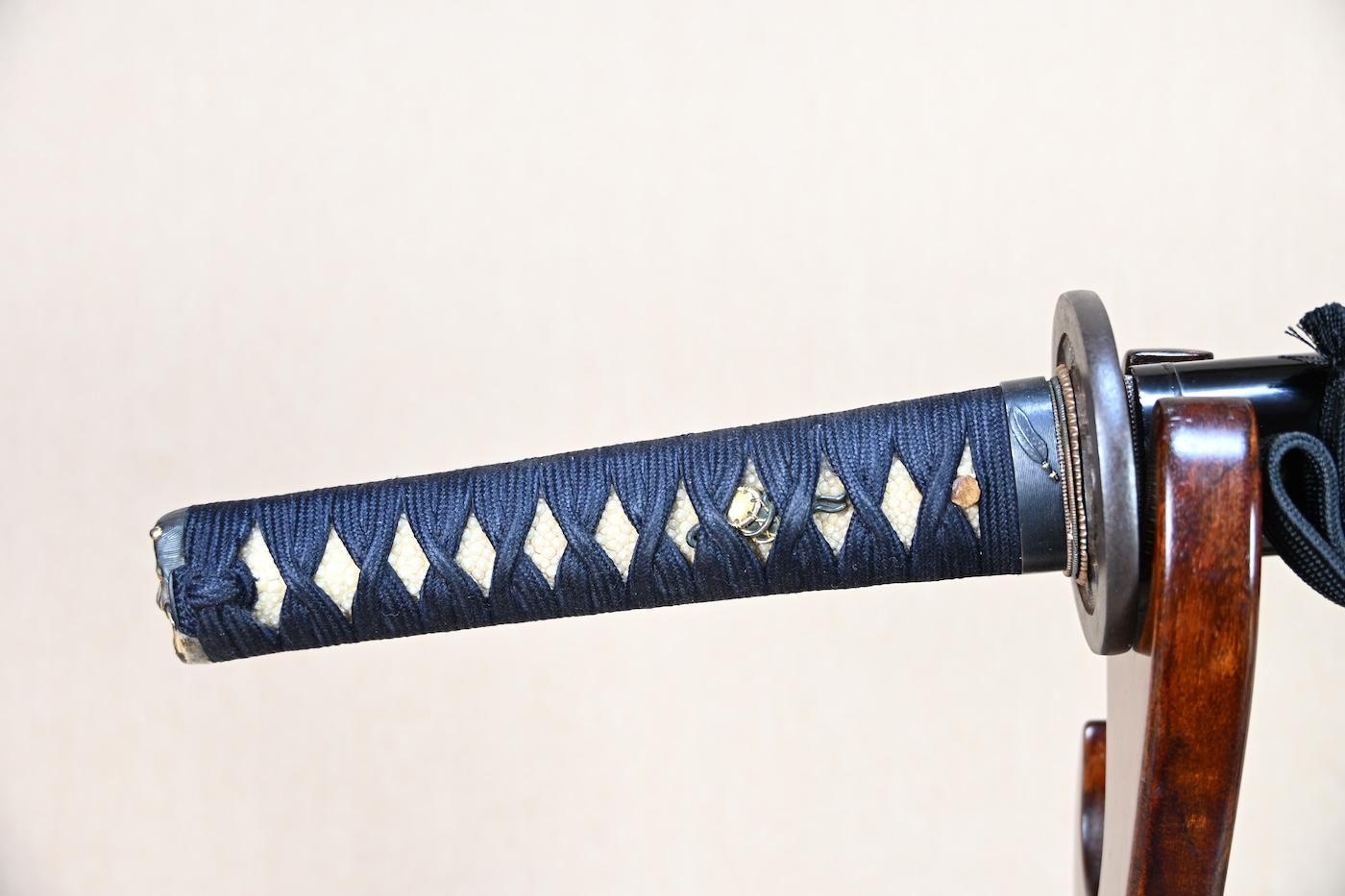
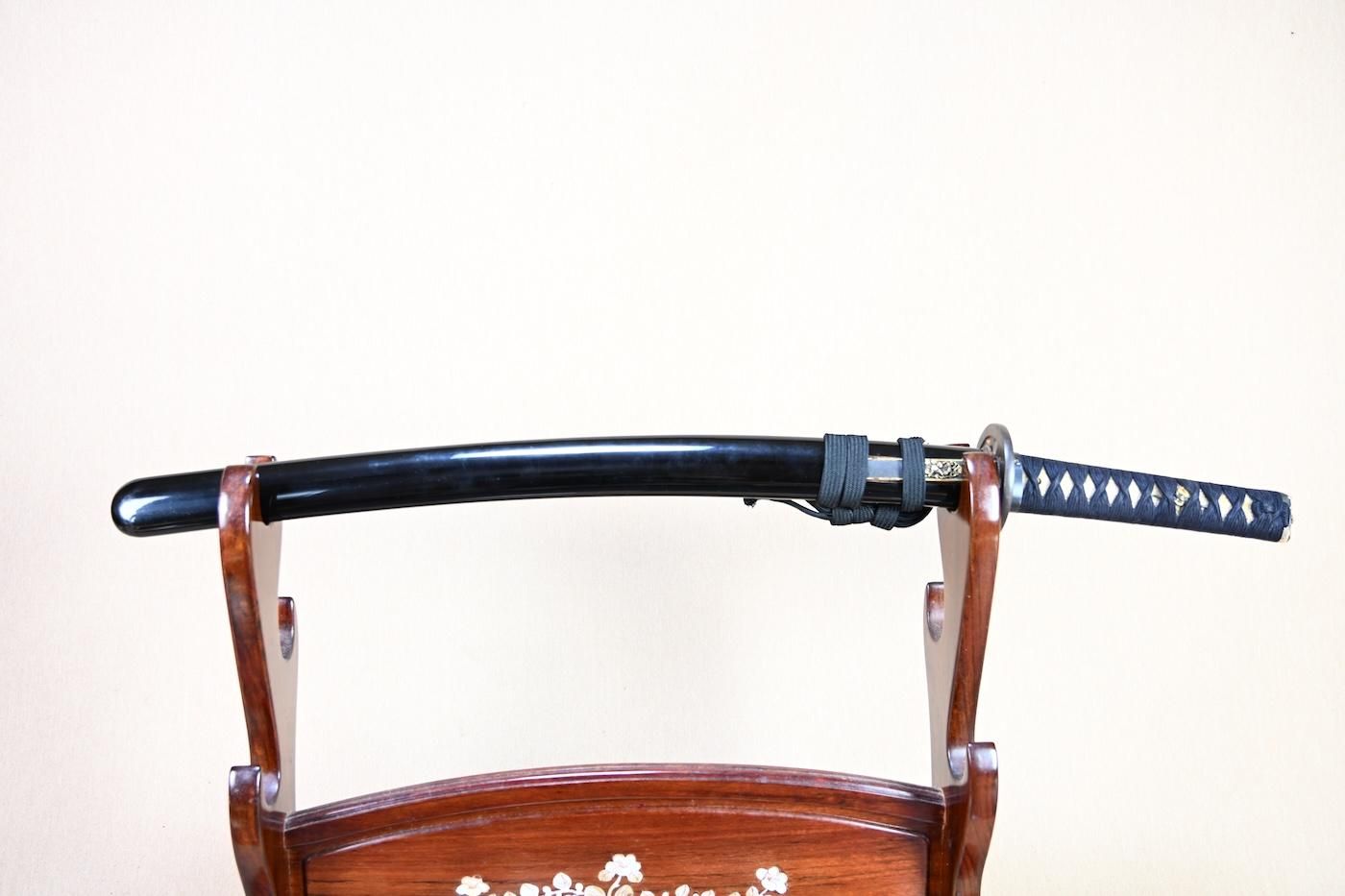
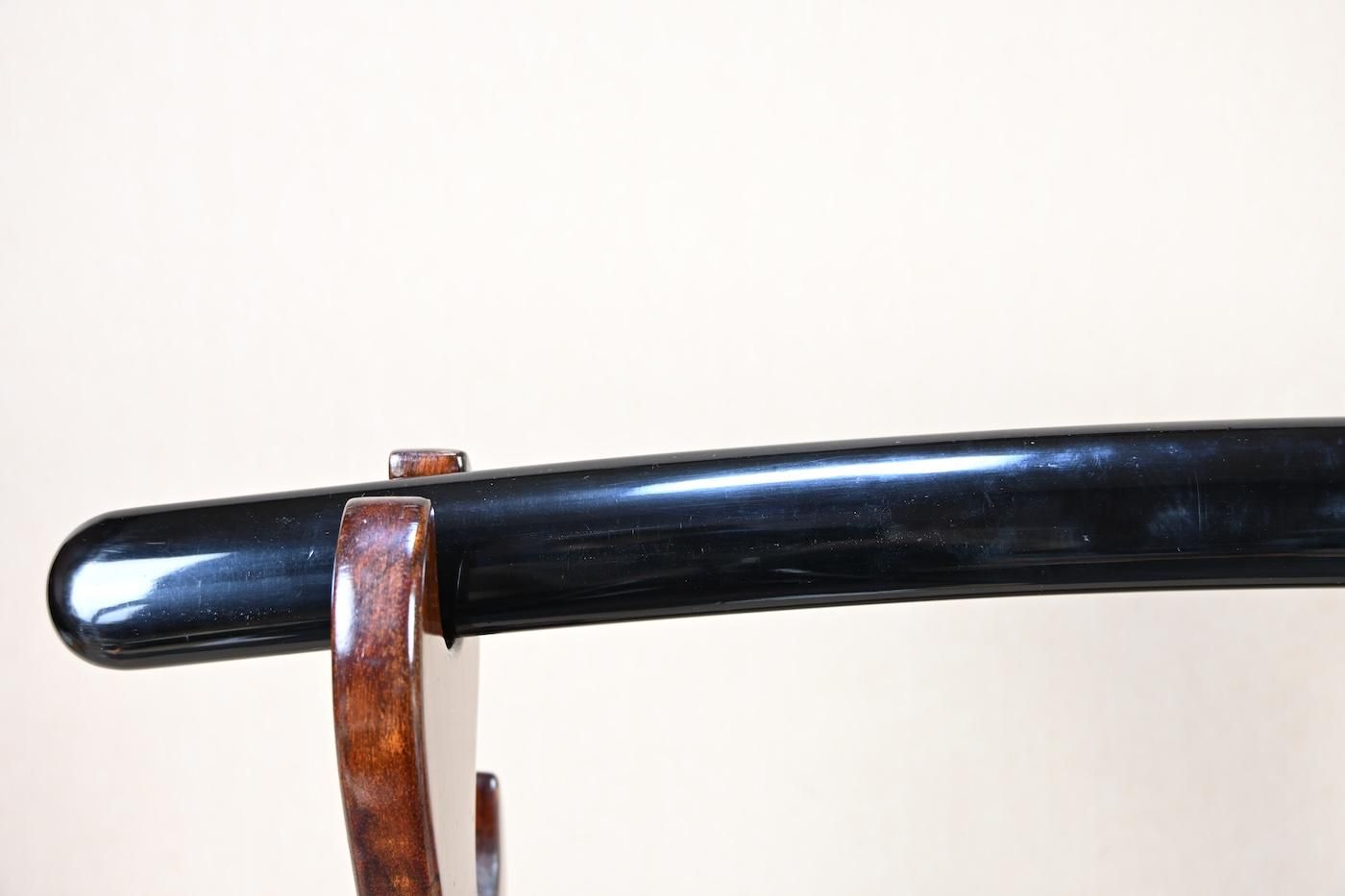
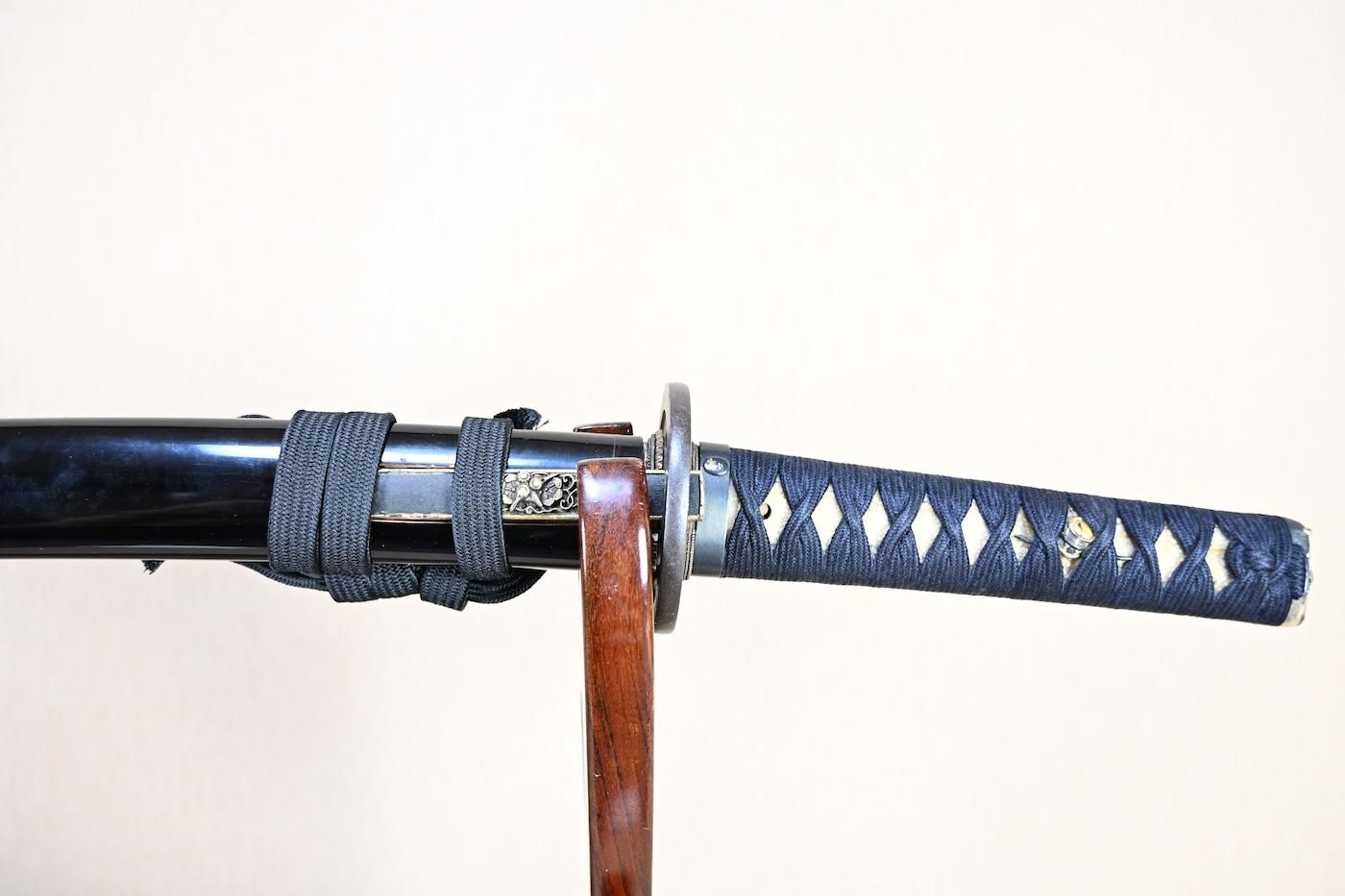
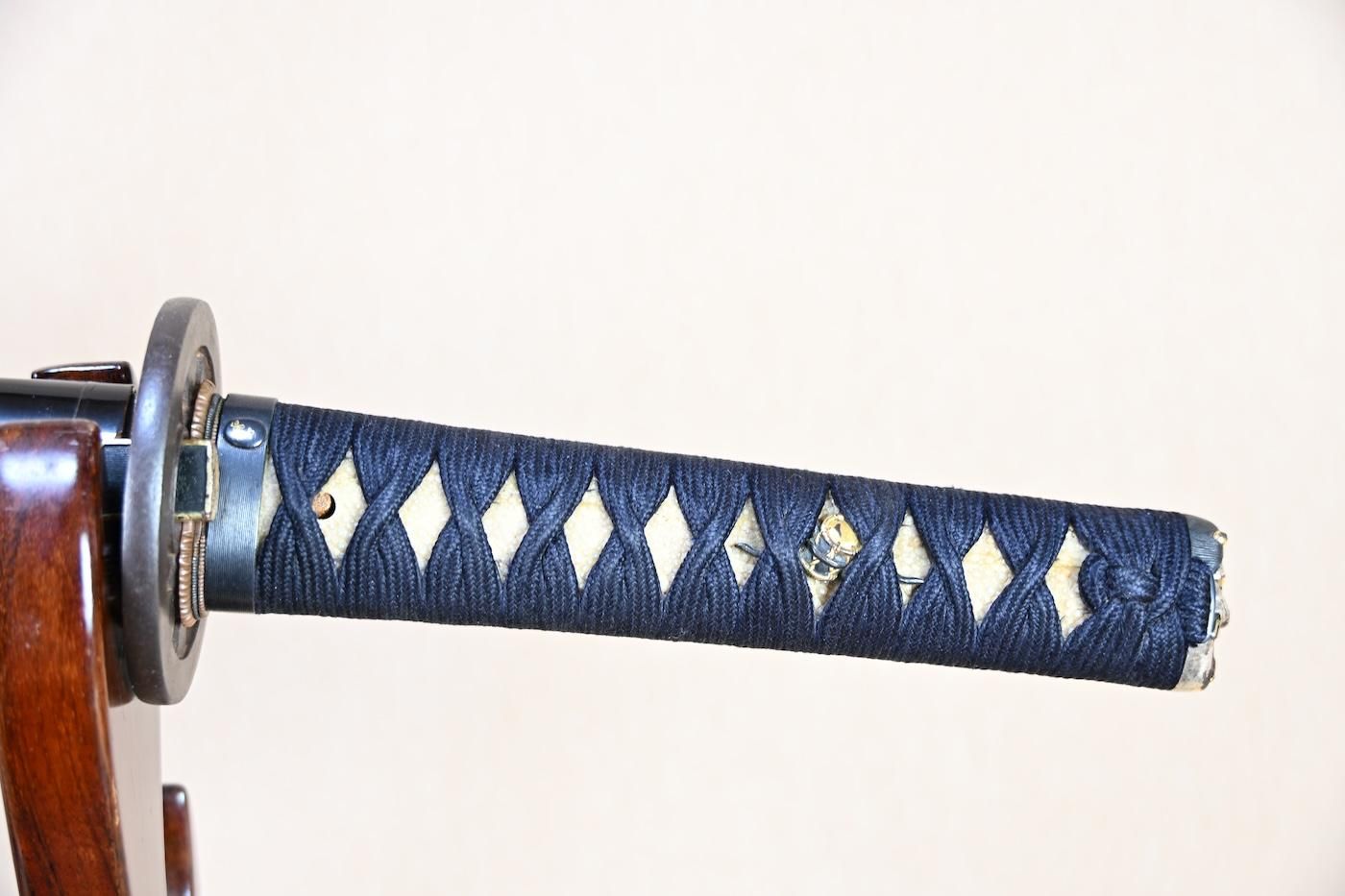
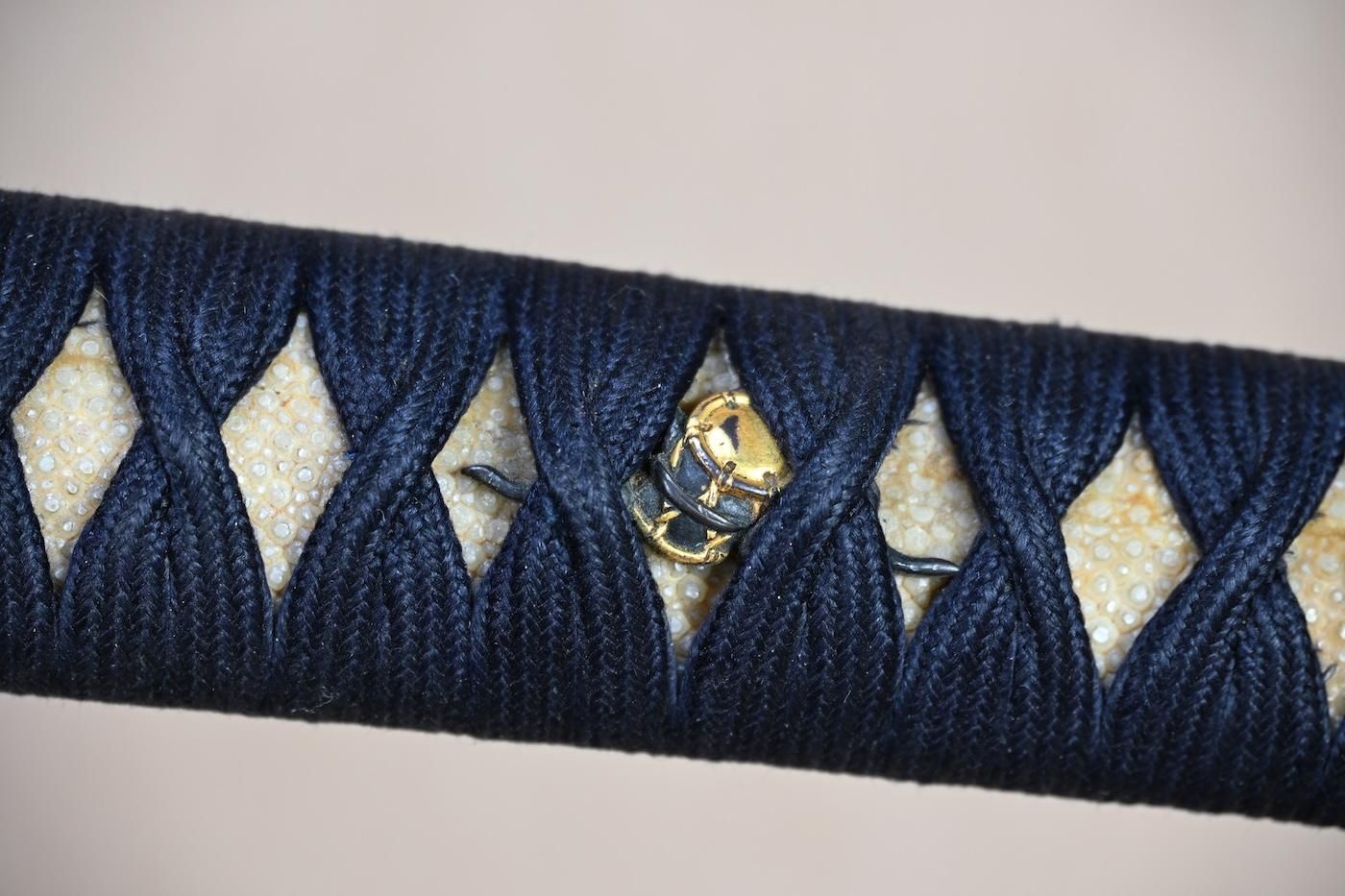
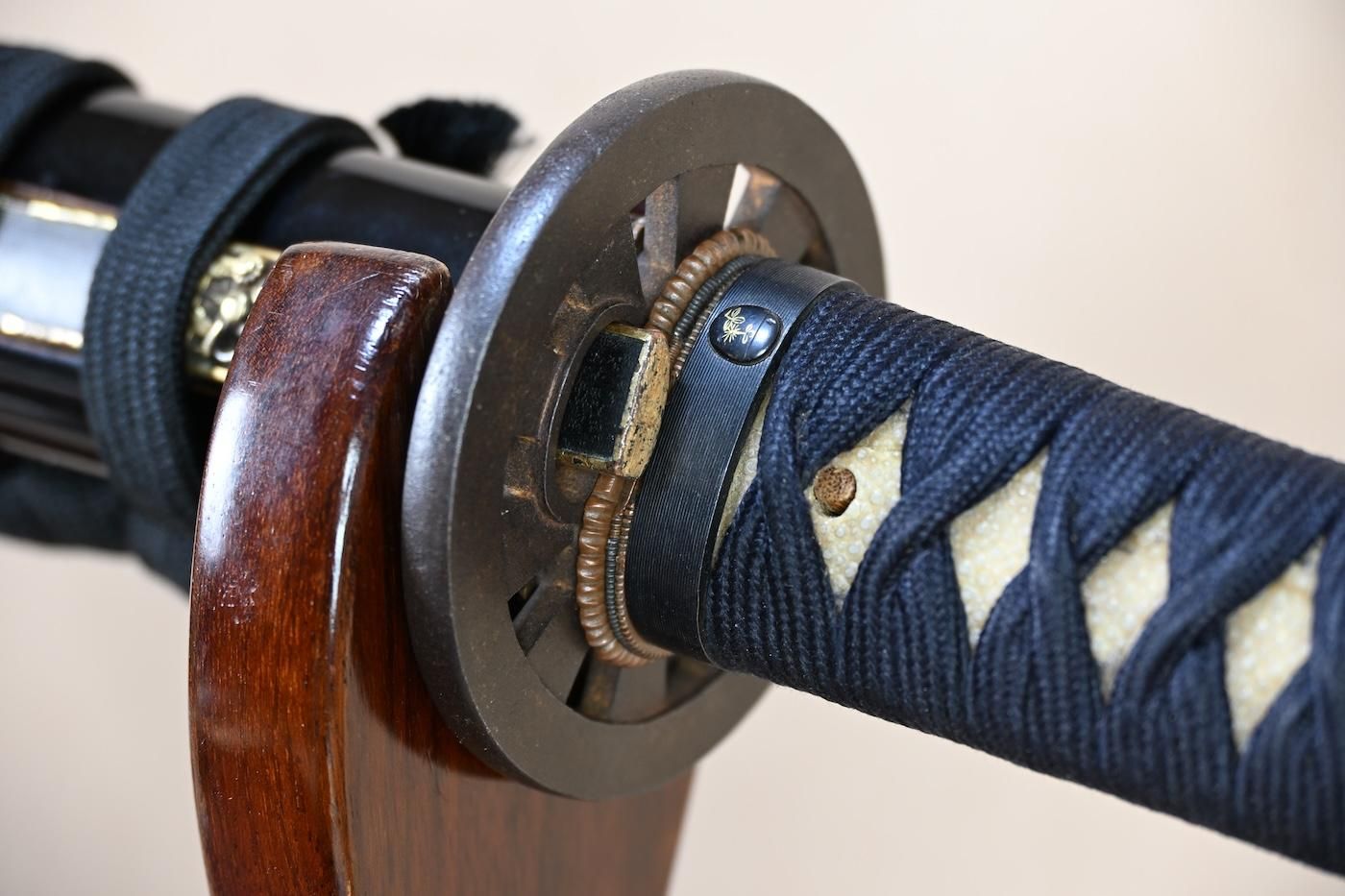
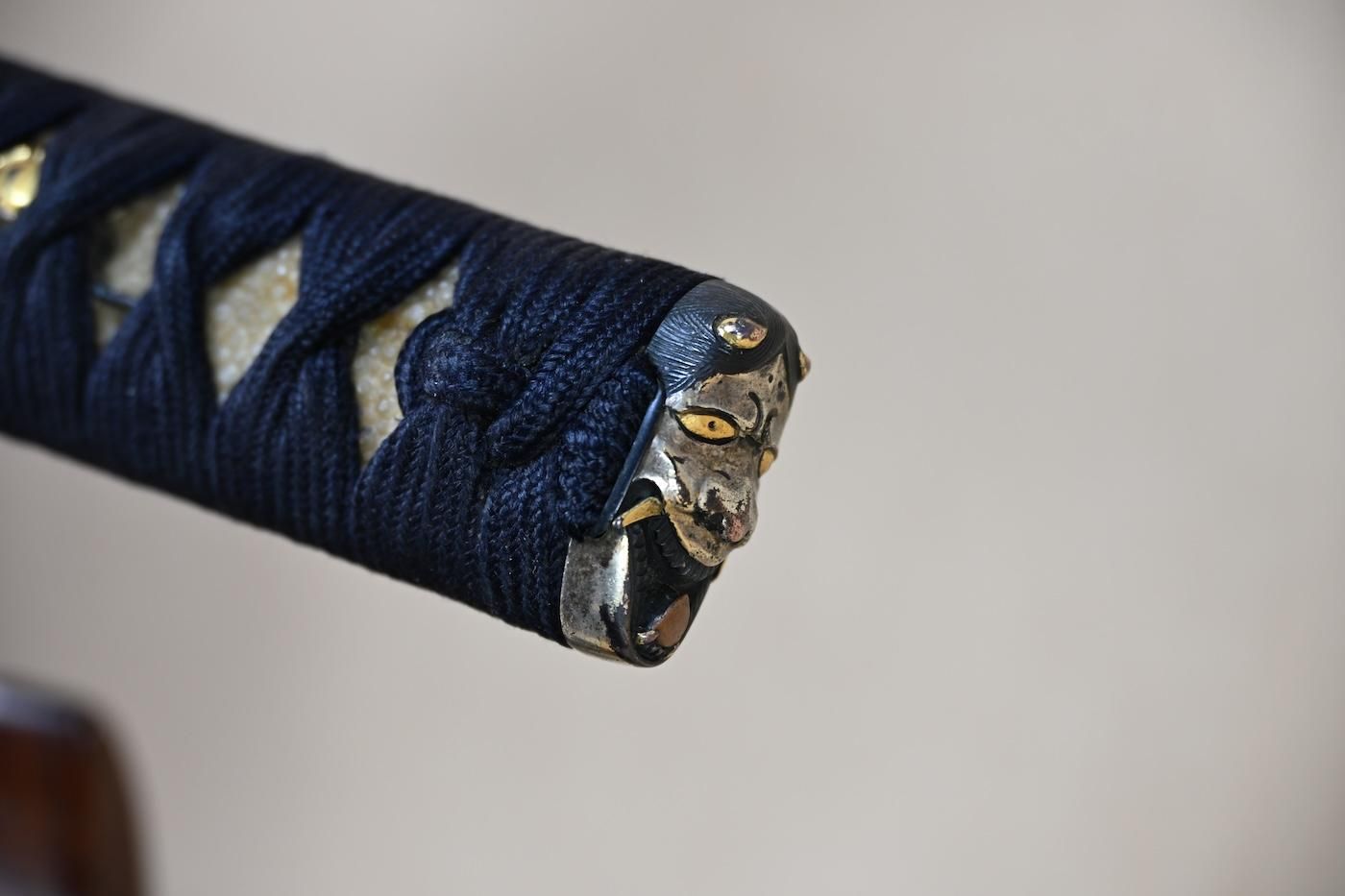
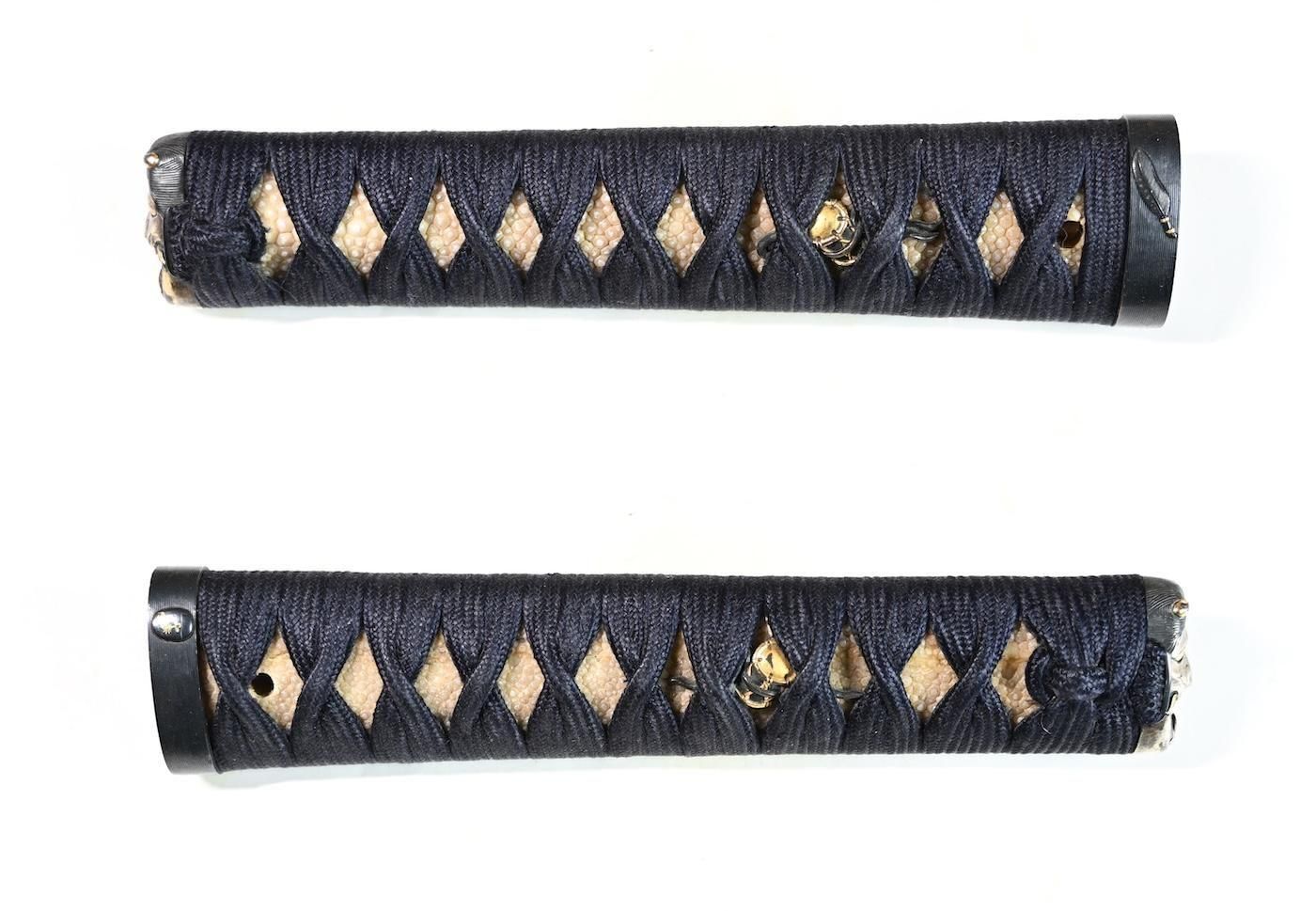
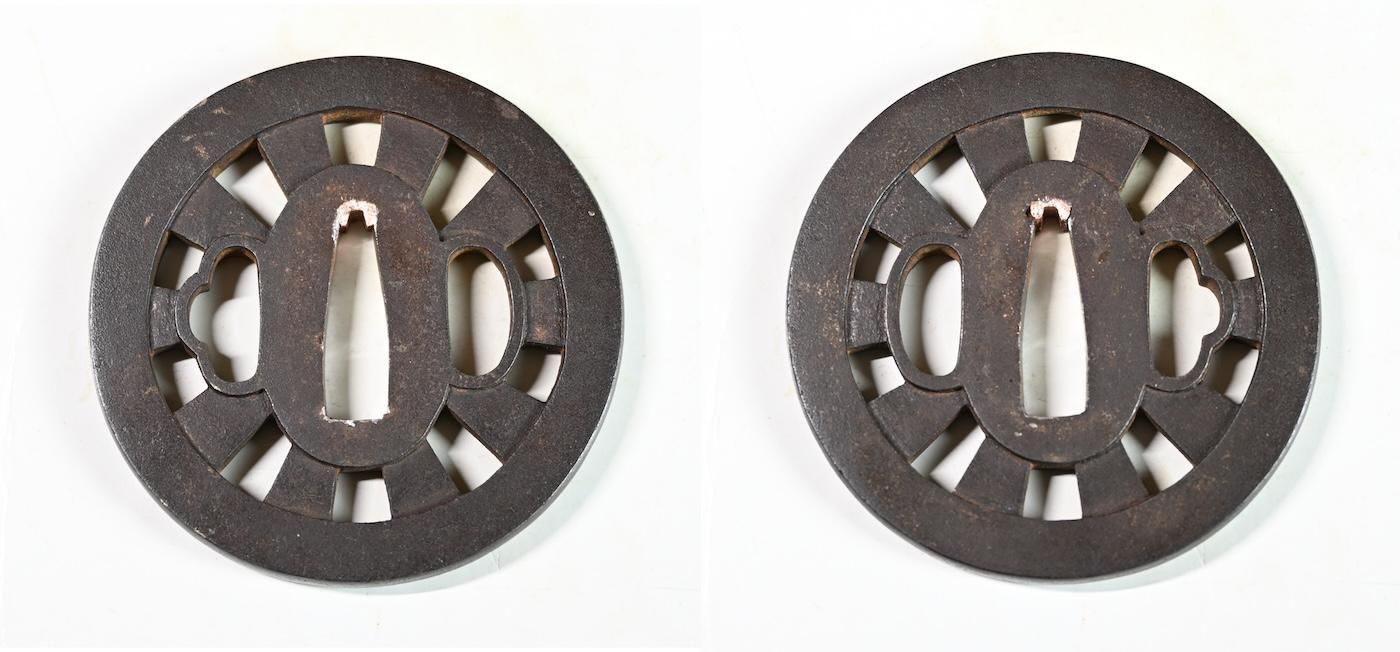
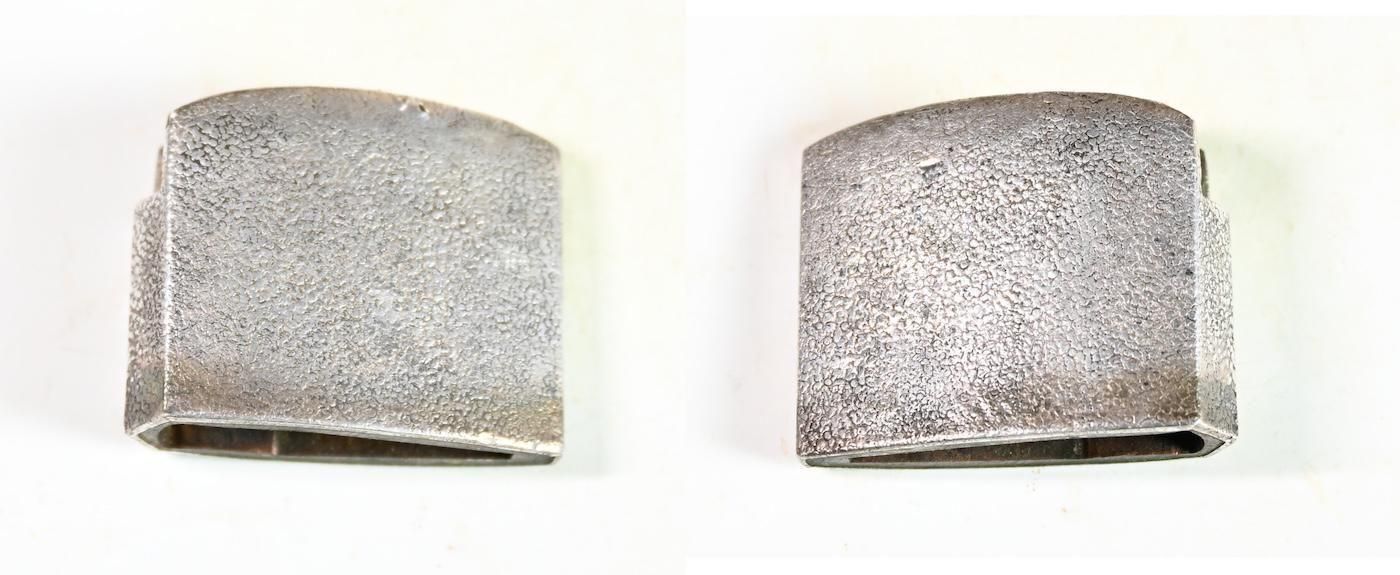
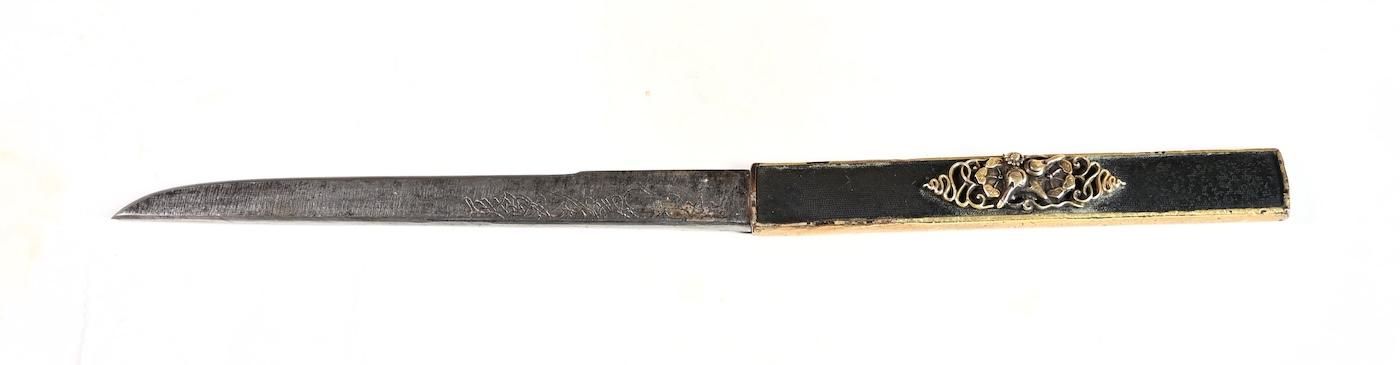
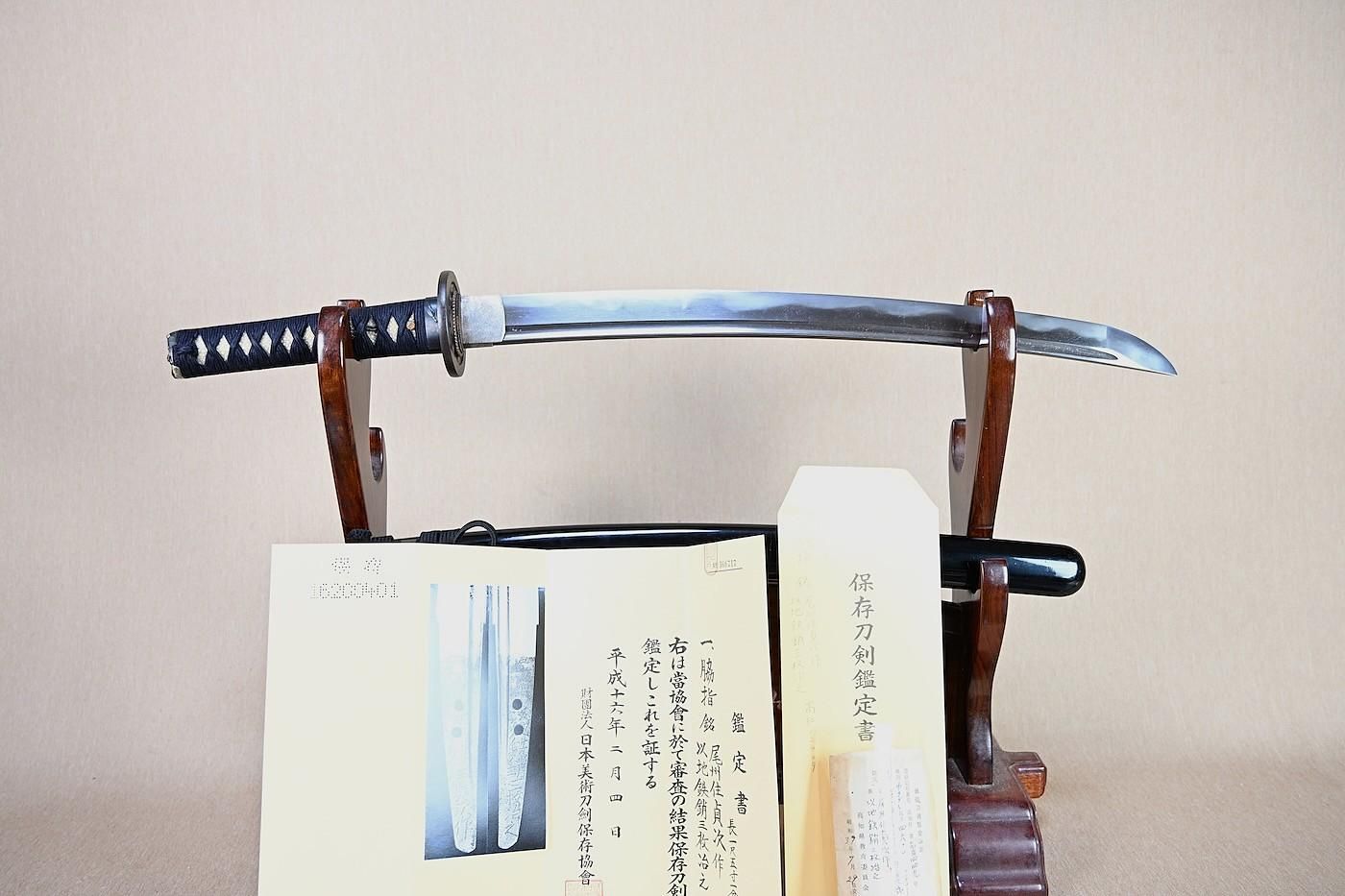
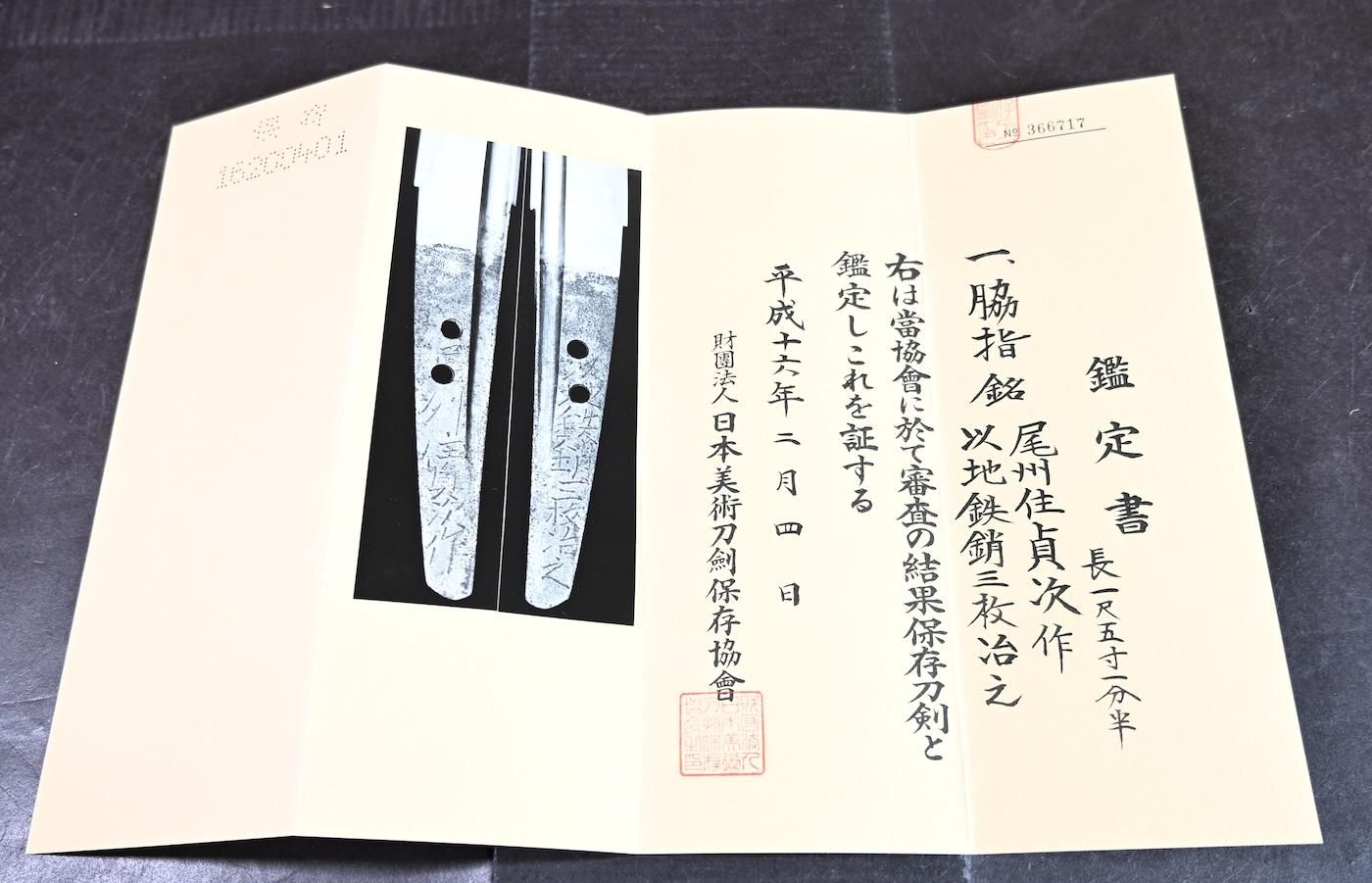
Sadatsugu is said to have had the secular name Kusaemon, was a student of Kawachi no Kami Sadayuki, later received the title Kawachi no Kami, and forged swords in Owari Province from the Kanbun era to the Genroku era to meet the demands of Owari domain retainers. ■ Sword blade condition The blade has a wide mihaba and thick kasane, with a saki-zori and a magnificent sugata that feels heavy. The jitetsu is ko-itame-hada that flows slightly, and it is tempered with a notare-cho midare-ba, creating a flamboyant hamon, with the kissaki extending slightly and returning in a ko-maru. The width of the mihaba and the thickness of the kasane give it a very powerful impression. There is minute rust at the ha-machi near 15cm from the tsuba-moto. ■ Koshirae The kanagu use separate fuchi and kashira from the period, the tsuka is wrapped in a neat and appropriate style, and it is housed in a kuro-ro saya with a thick round tsuba and includes a kozuka.
NihontoWatchOffered by Ikeda Art
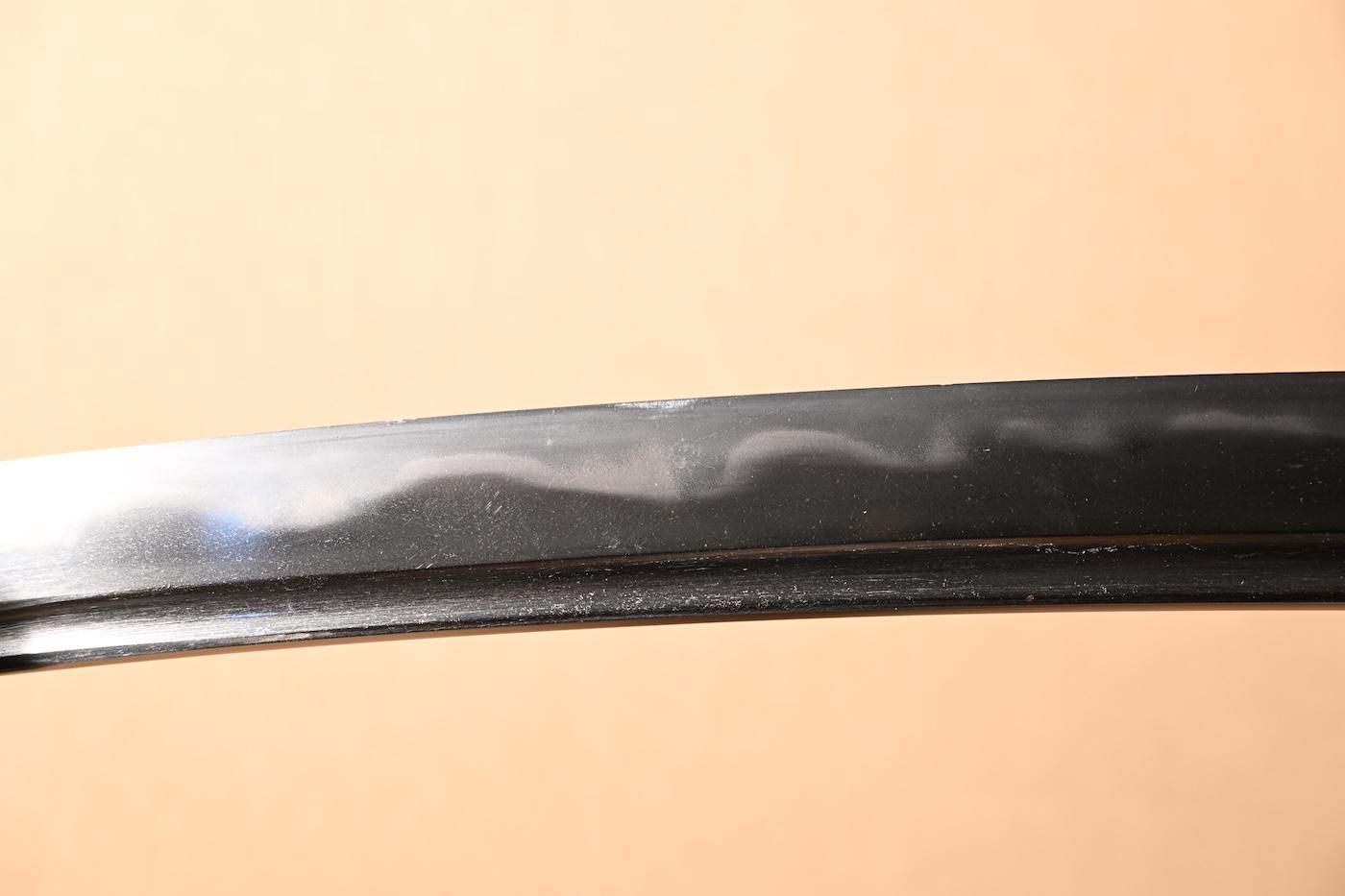
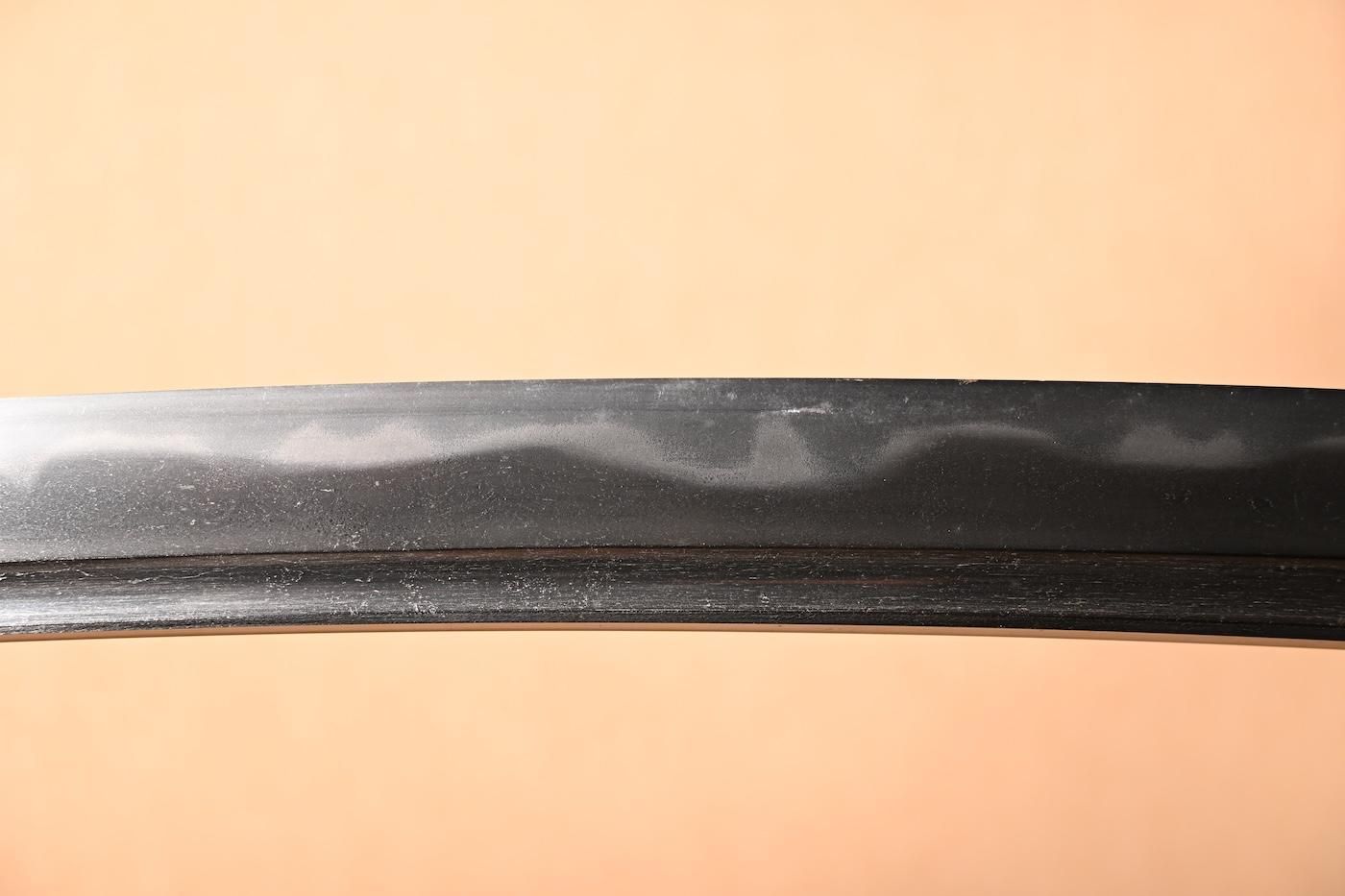
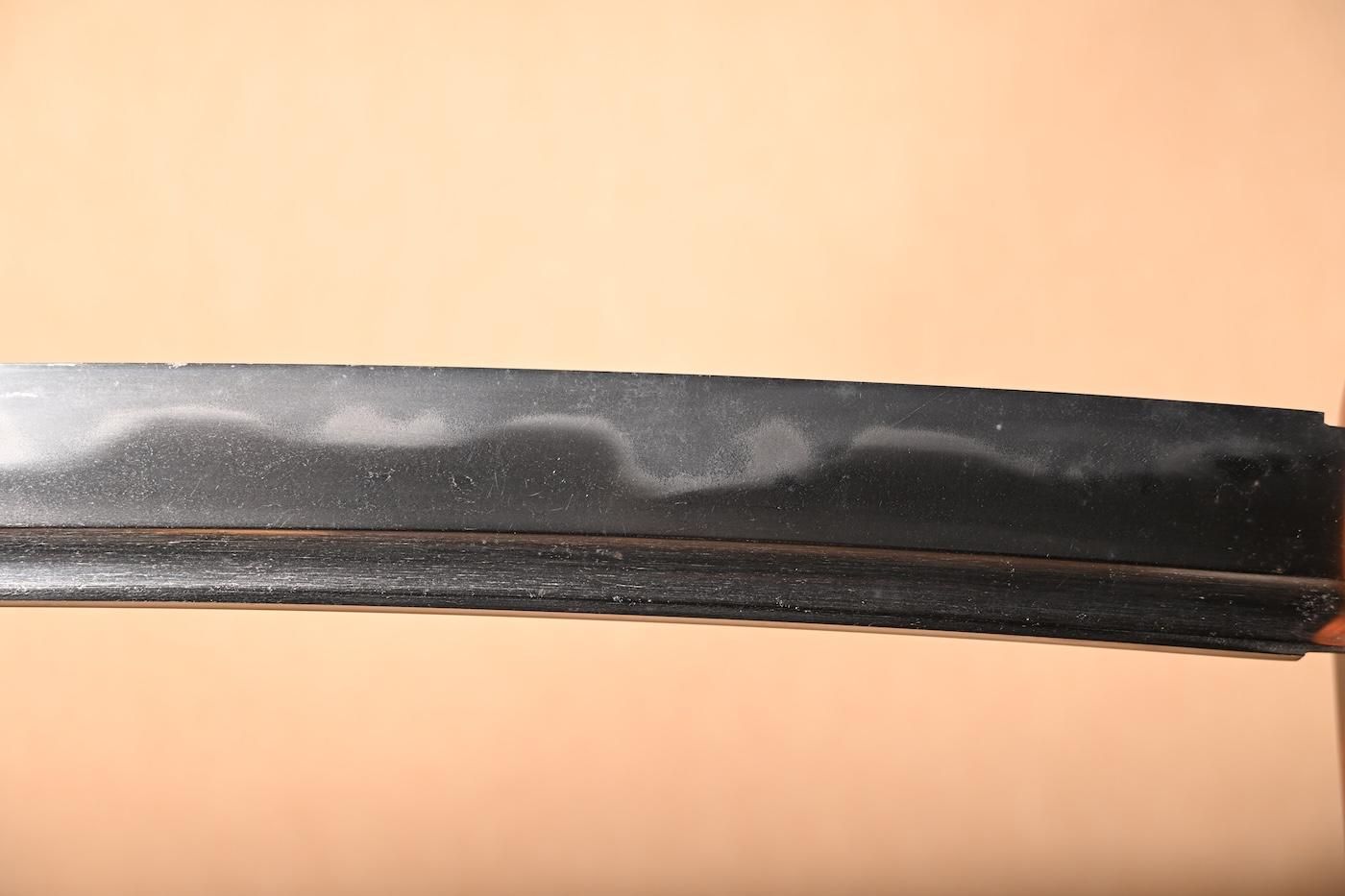
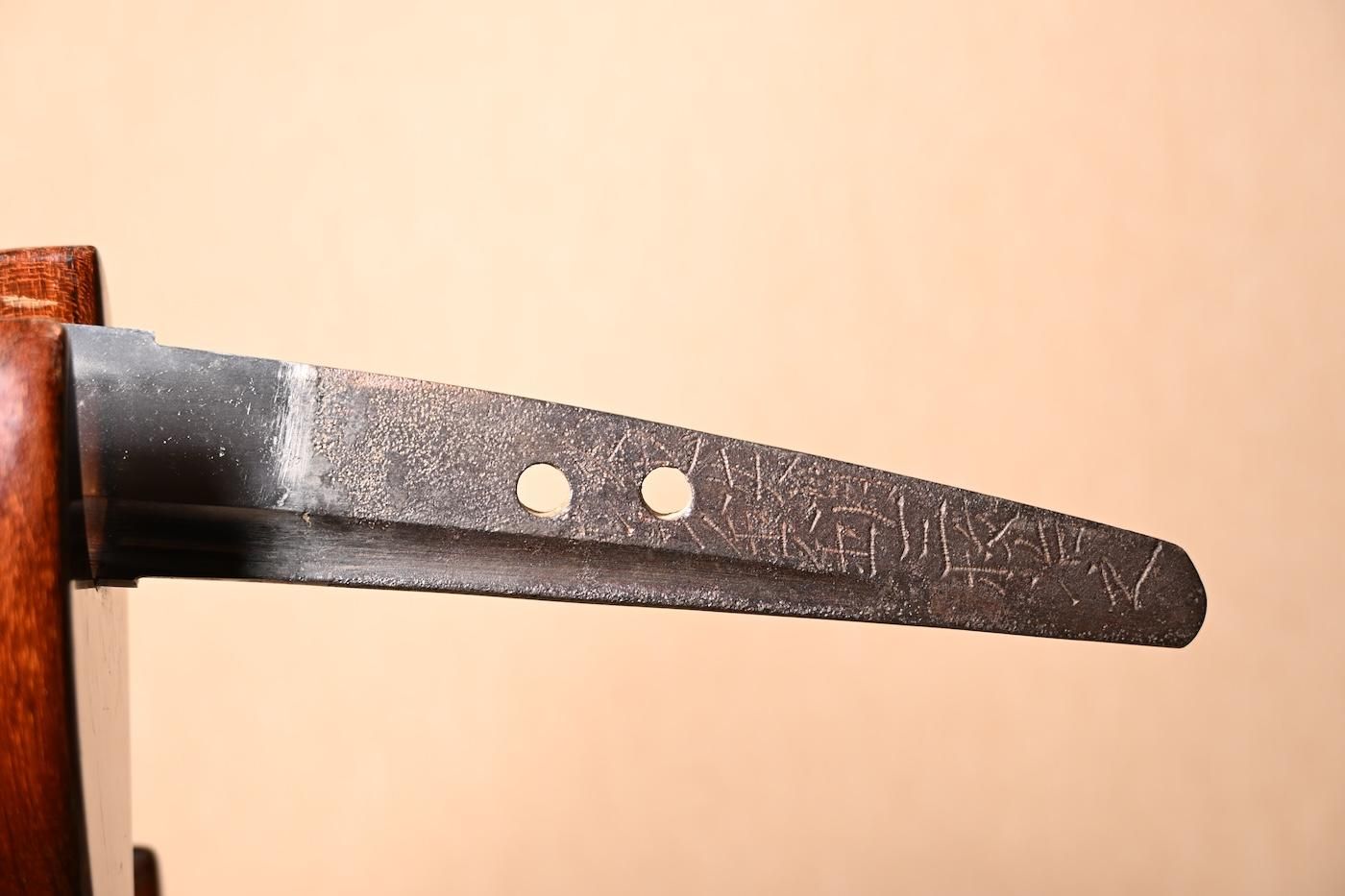
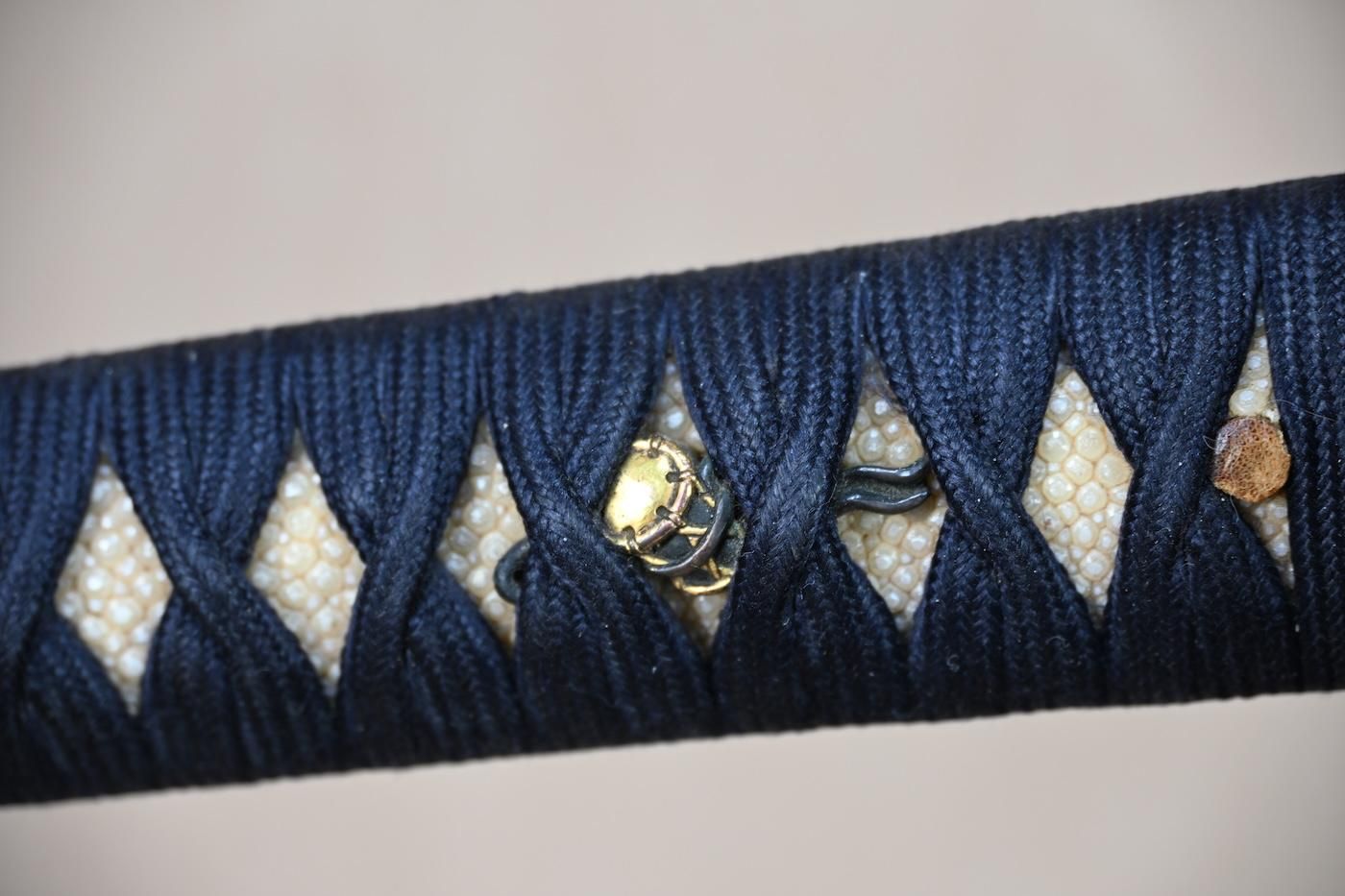
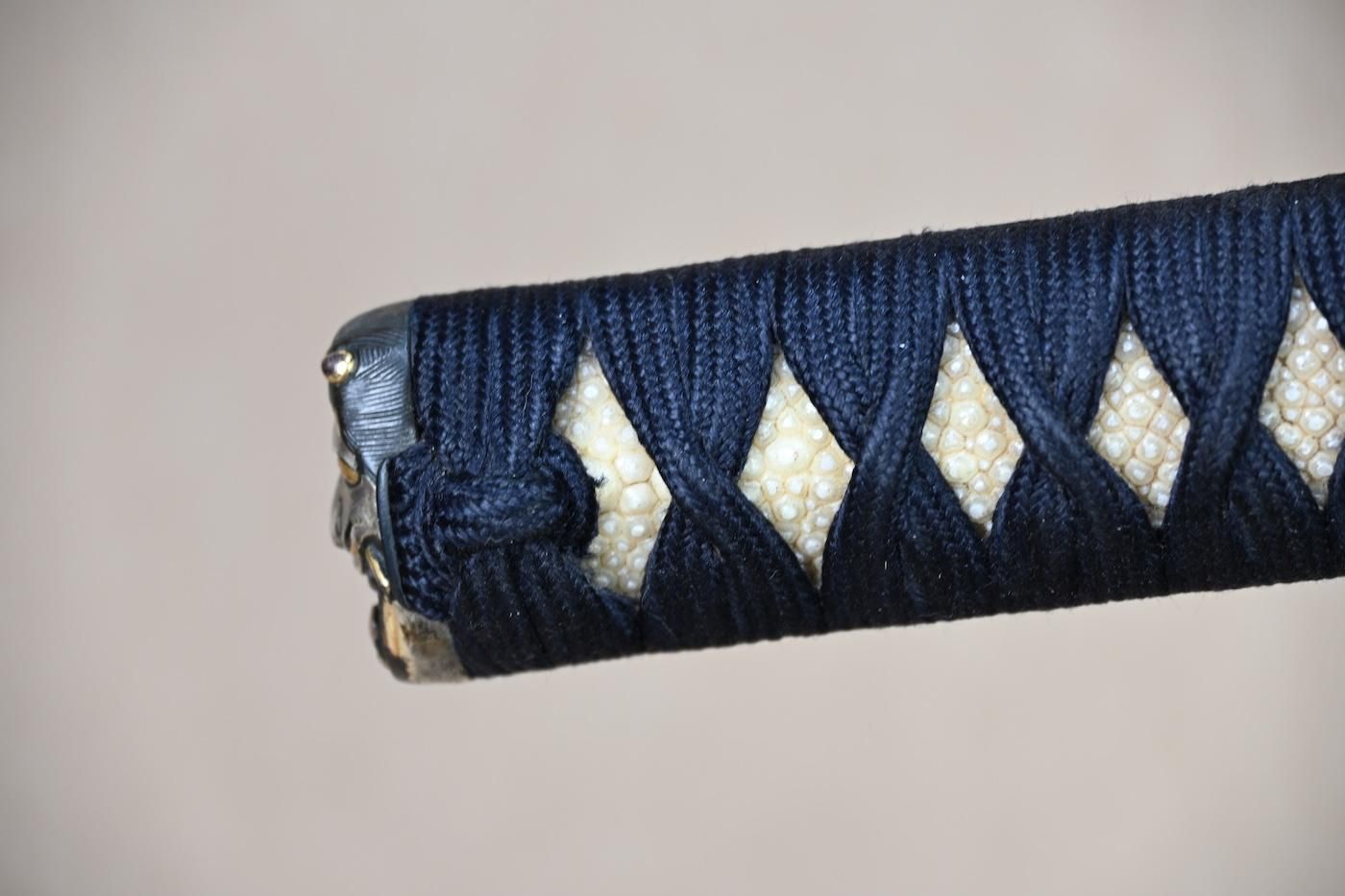
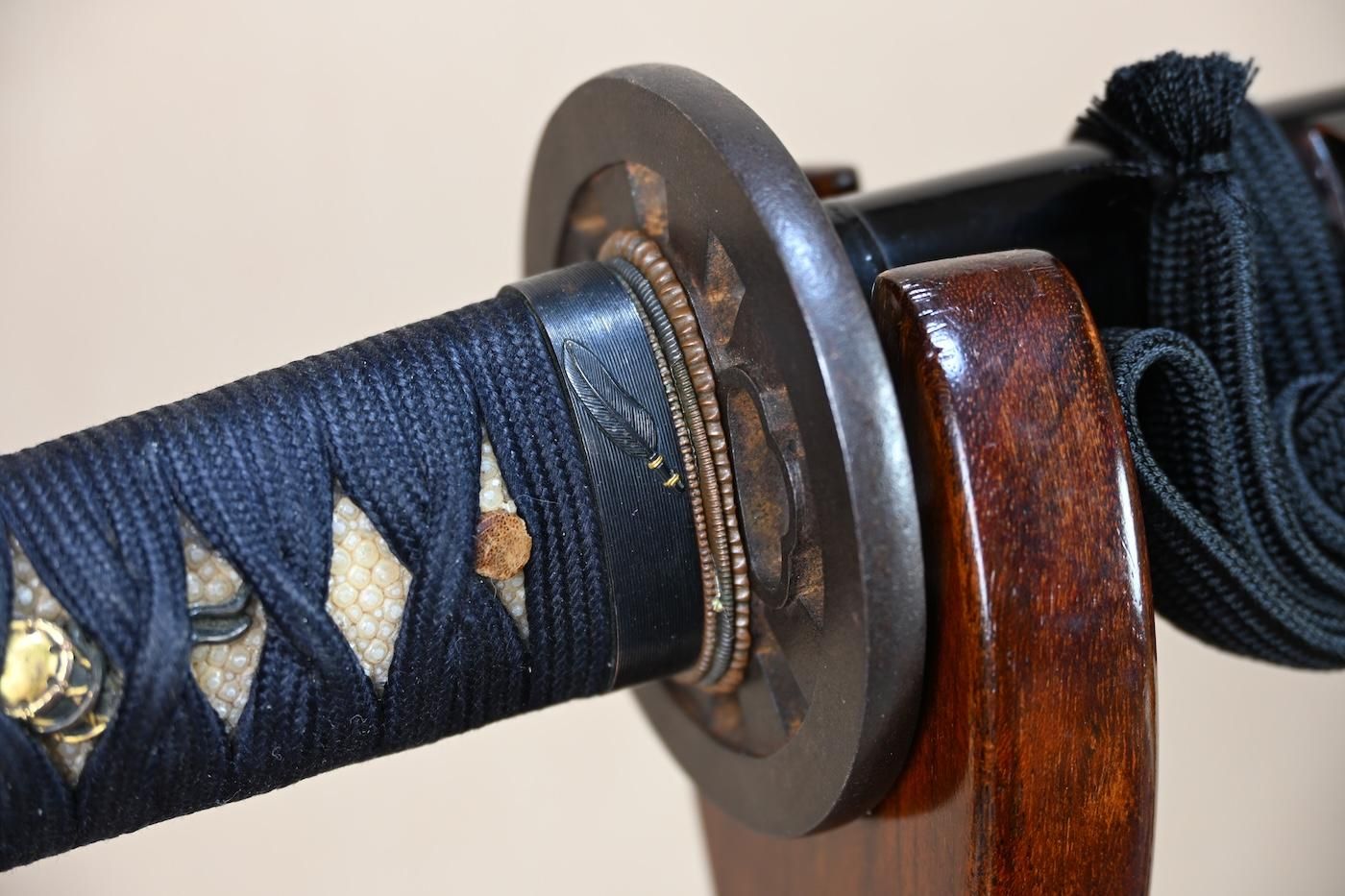
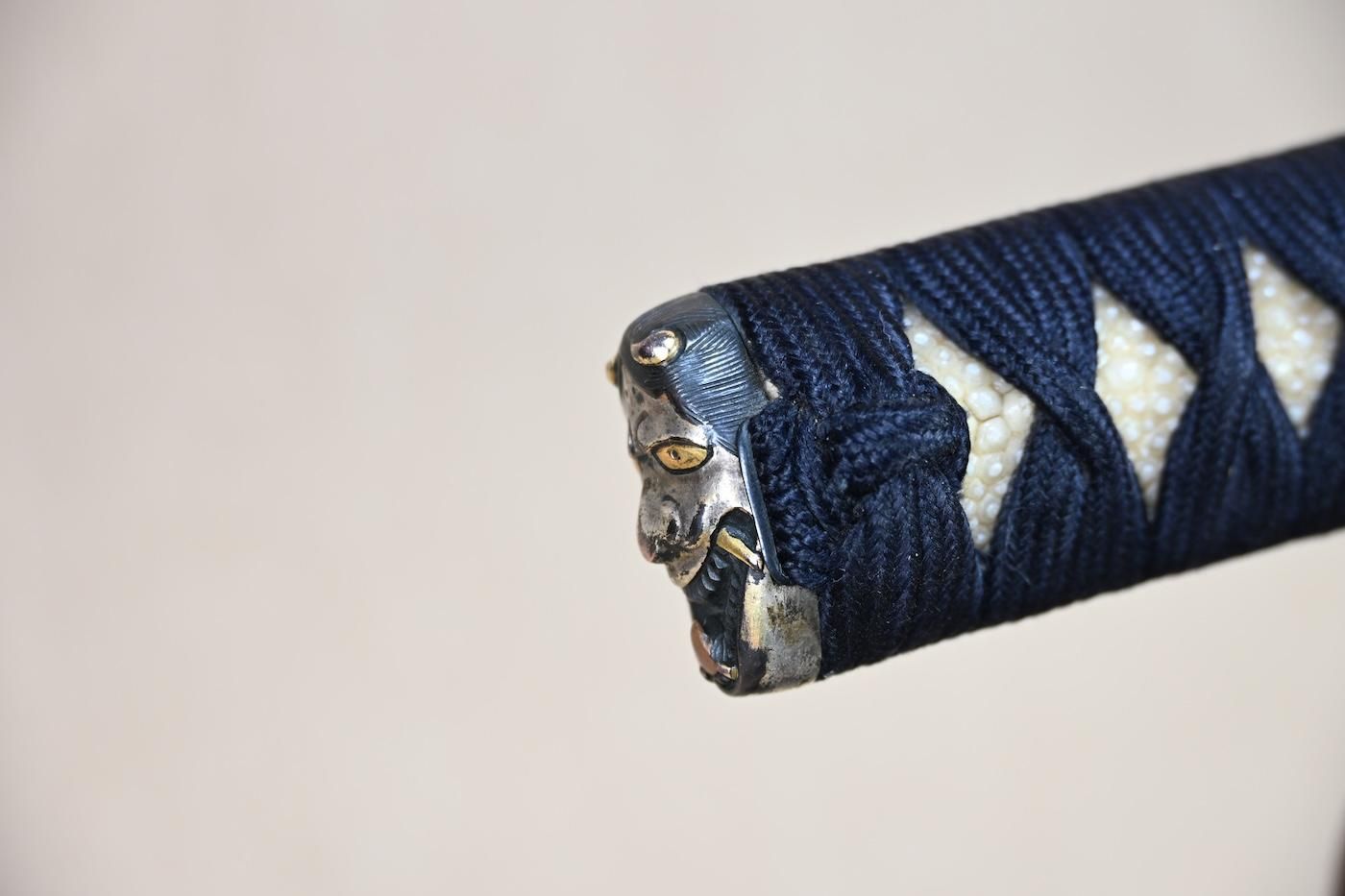
Machine translation of the shop's Japanese ·
Machine translation from the shop's Japanese · may contain errors ·
Owari · around 1661-1704
1 piece on the market now
The Edo period (1615 to 1868)
Edo was the sword’s age of connoisseurship: the Hon’ami appraisers, the shogunal register of famous blades of 1719, and a thriving literature turned the sword into an object of study even as it ceased to be drawn in war.
Certifies a genuine blade worth preserving: a signature confirmed correct, or, if unsigned, an era, province, and school that the NBTHK can reliably identify.
The NBTHK (Nihon Bijutsu Tōken Hozon Kyōkai, the Society for the Preservation of Japanese Art Swords) is a public-interest incorporated foundation founded in 1948 and supervised by Japan’s Agency for Cultural Affairs (Bunkachō); it is based at the Japanese Sword Museum in Tokyo. Its expert panels physically examine each submitted work (shinsa) and issue a certificate (kanteishō) ranking it by artistic and historical merit. NBTHK papers are the most widely recognized standard of authentication for Japanese swords and fittings.
NBTHK official sitePlease contact us promptly after the item's arrival. Except where the item is defective, we cannot accept returns. For returns due to customer circumstances, the cost is the customer's responsibility. In the case of a defective item, we bear the cost.
¥297,000