 NihontoWatchNihontoWatch
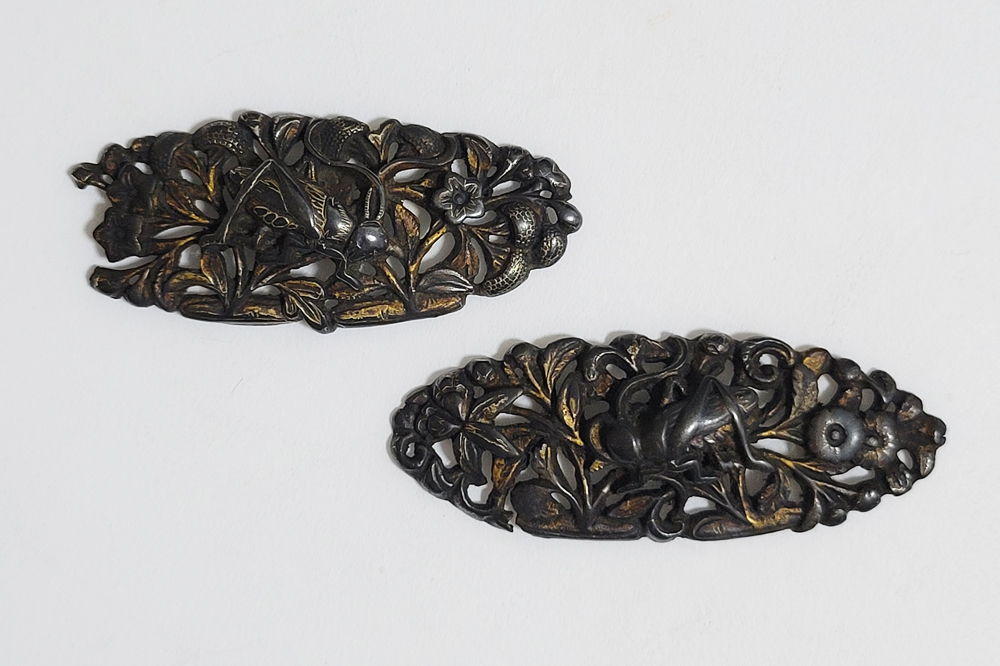
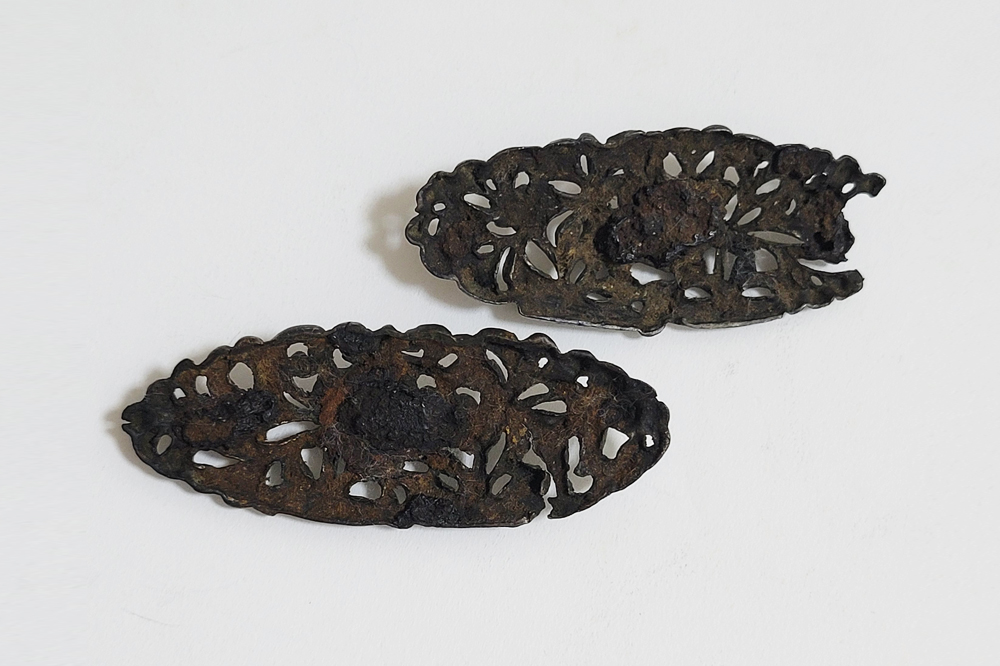
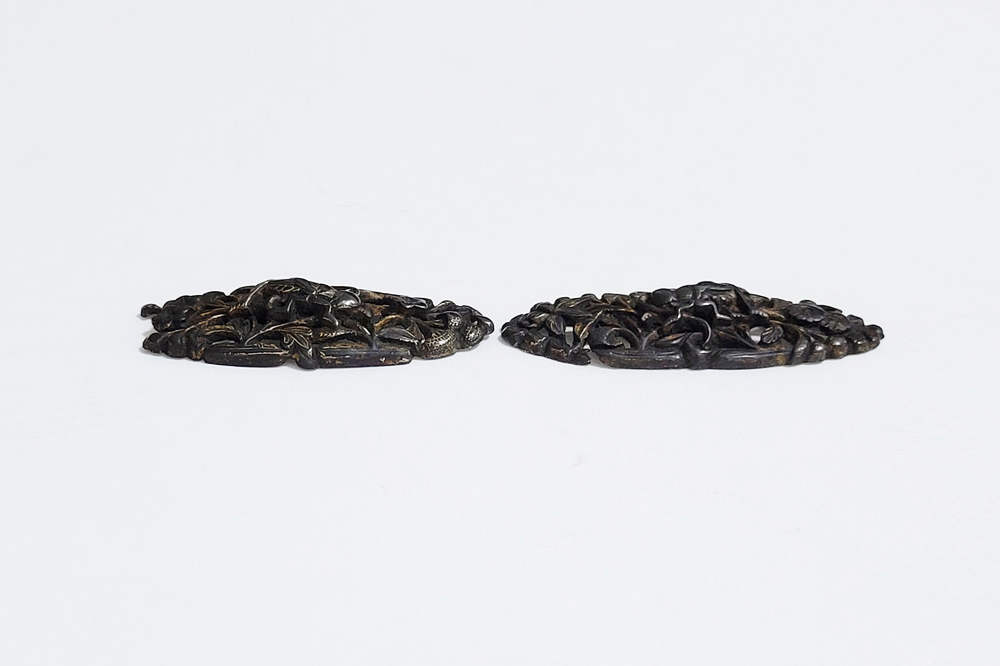
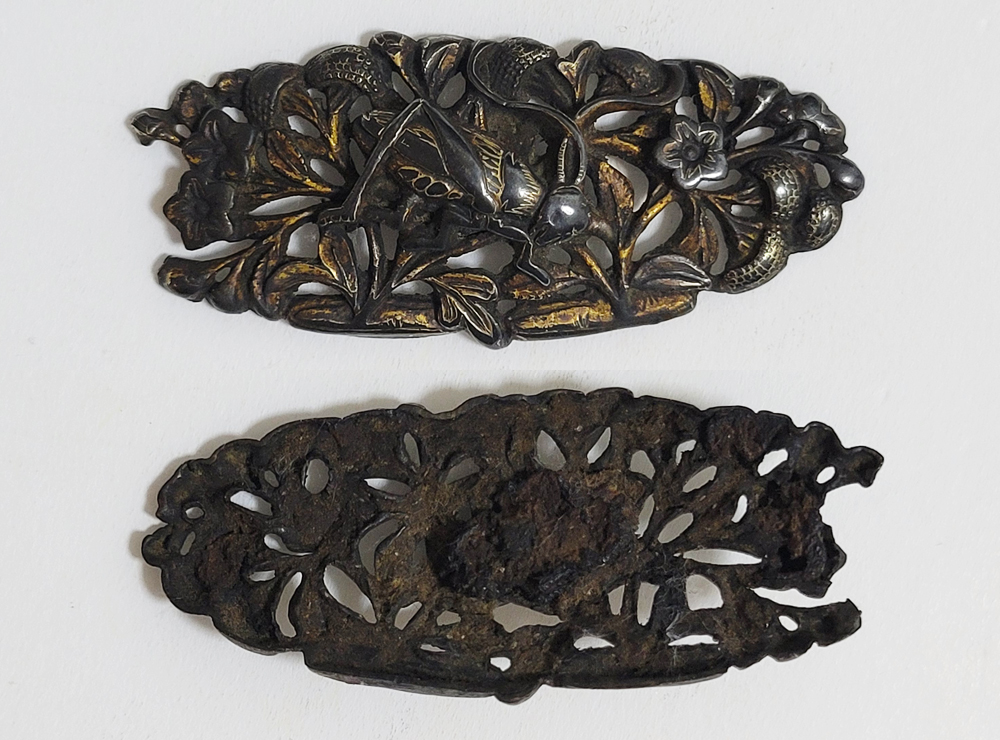
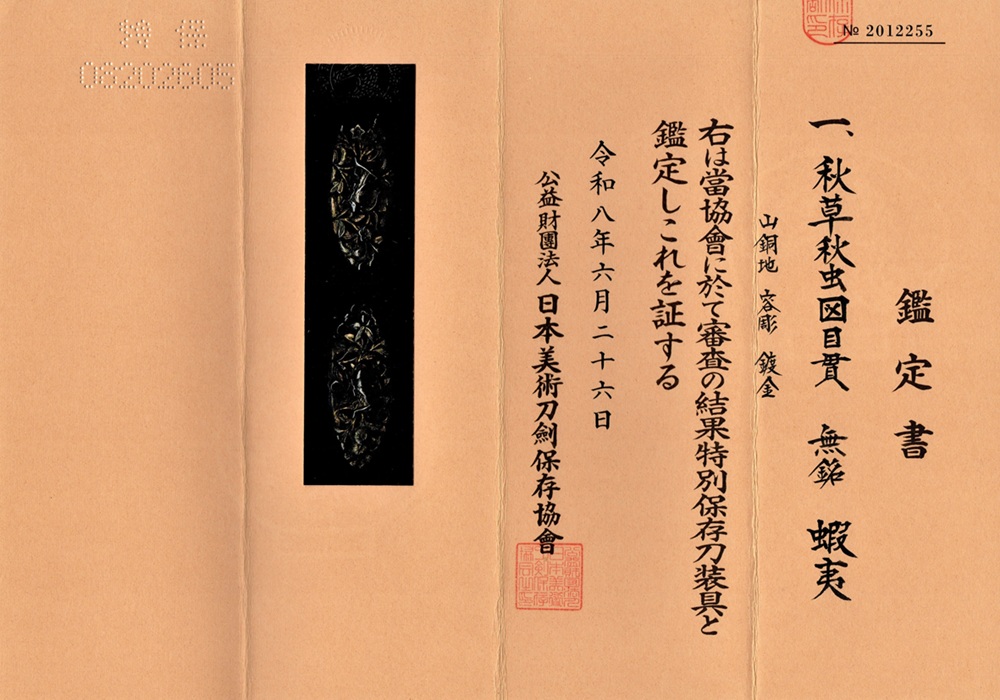
Ezo menuki are somewhat large-scale menuki with katachibori and sukashibori featuring thin kin-tokin, where the kin-tokin has worn away to reveal the base metal. The patterns are large and powerful. It is said that Ezo menuki were produced in the mainland for the Ainu people and traded for items such as bear pelts. While the loss on the left end of the omote menuki is regrettable, this work is a typical example of Ezo menuki. Passed the Tokubetsu Hozon Tosogu shinsa in Reiwa 8 (2026).
NihontoWatchOffered by Touken Matsumoto

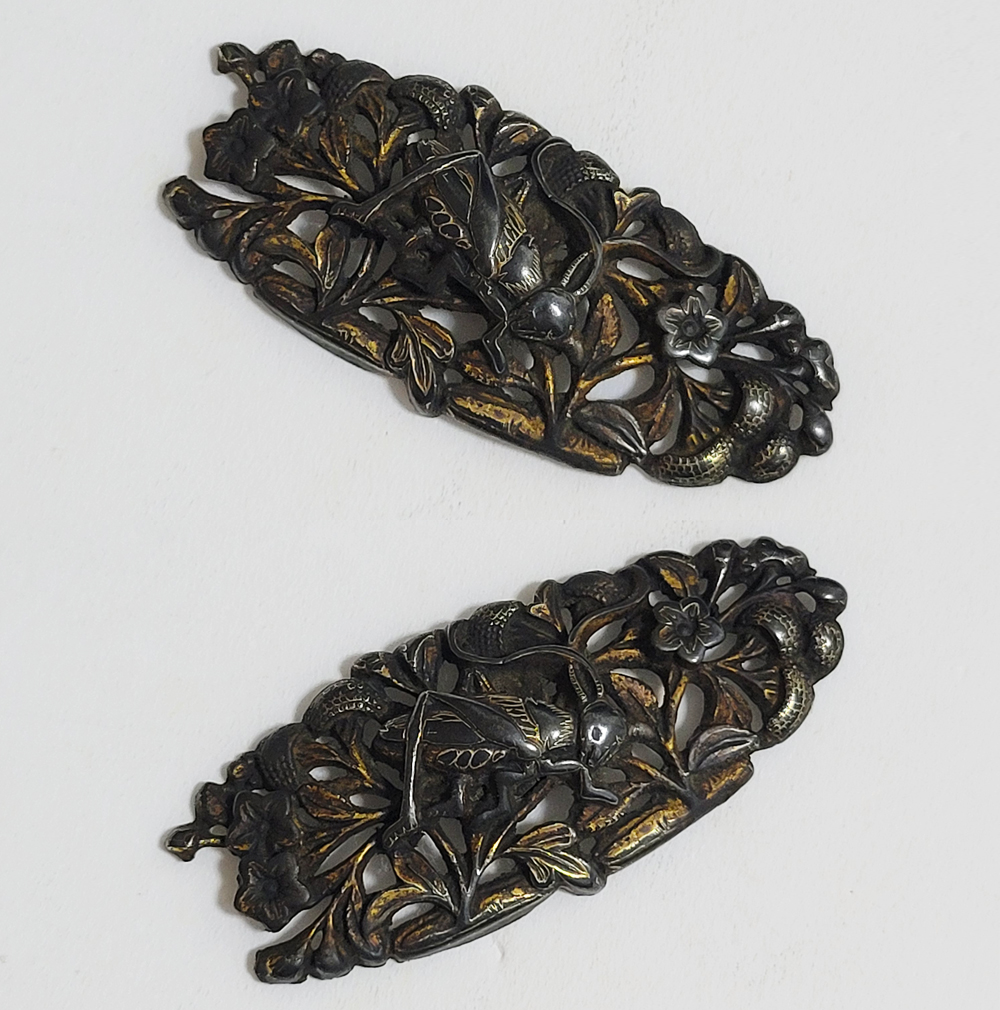
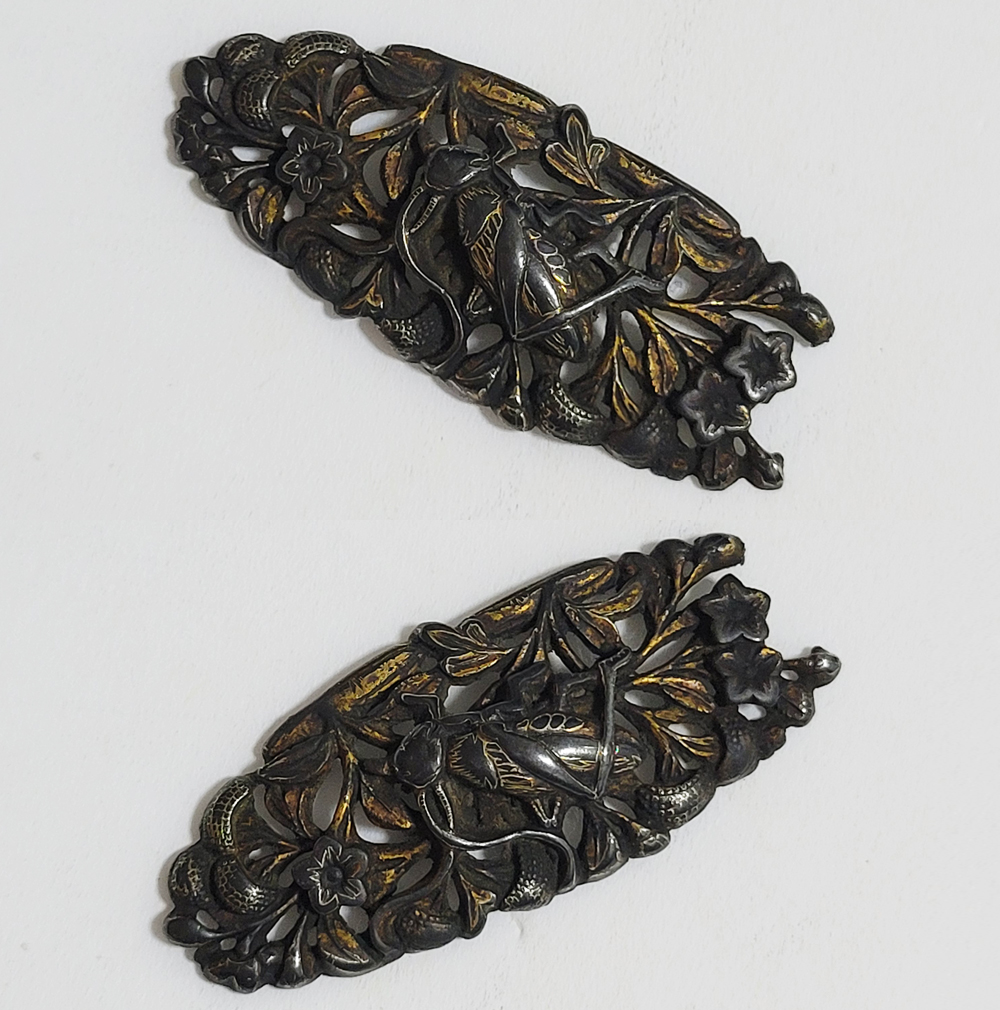
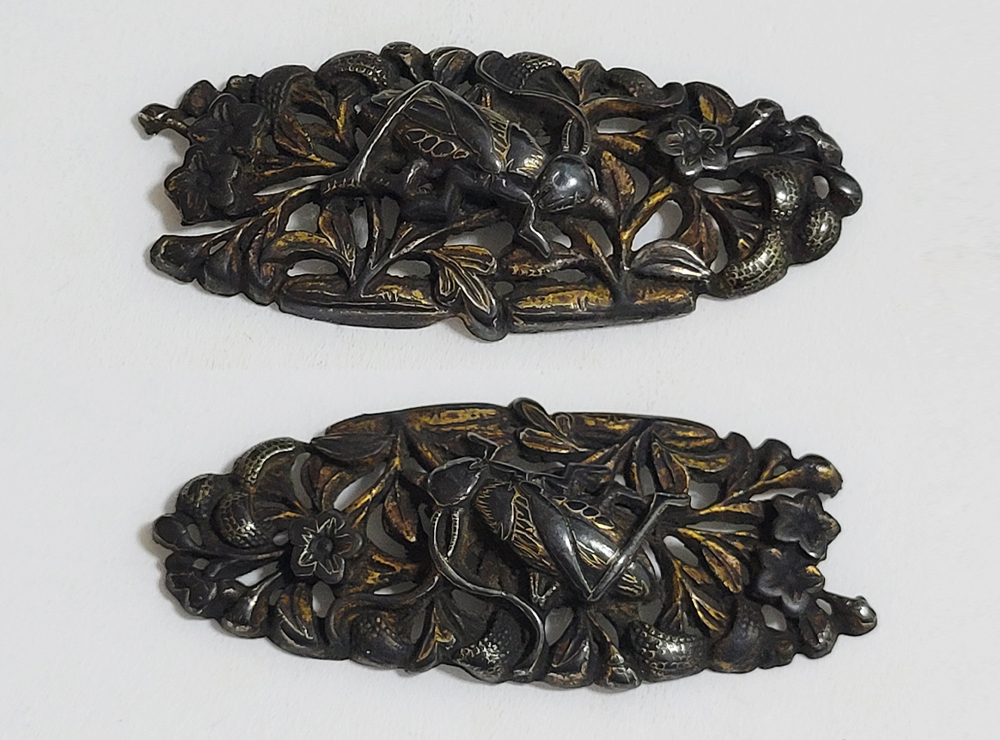
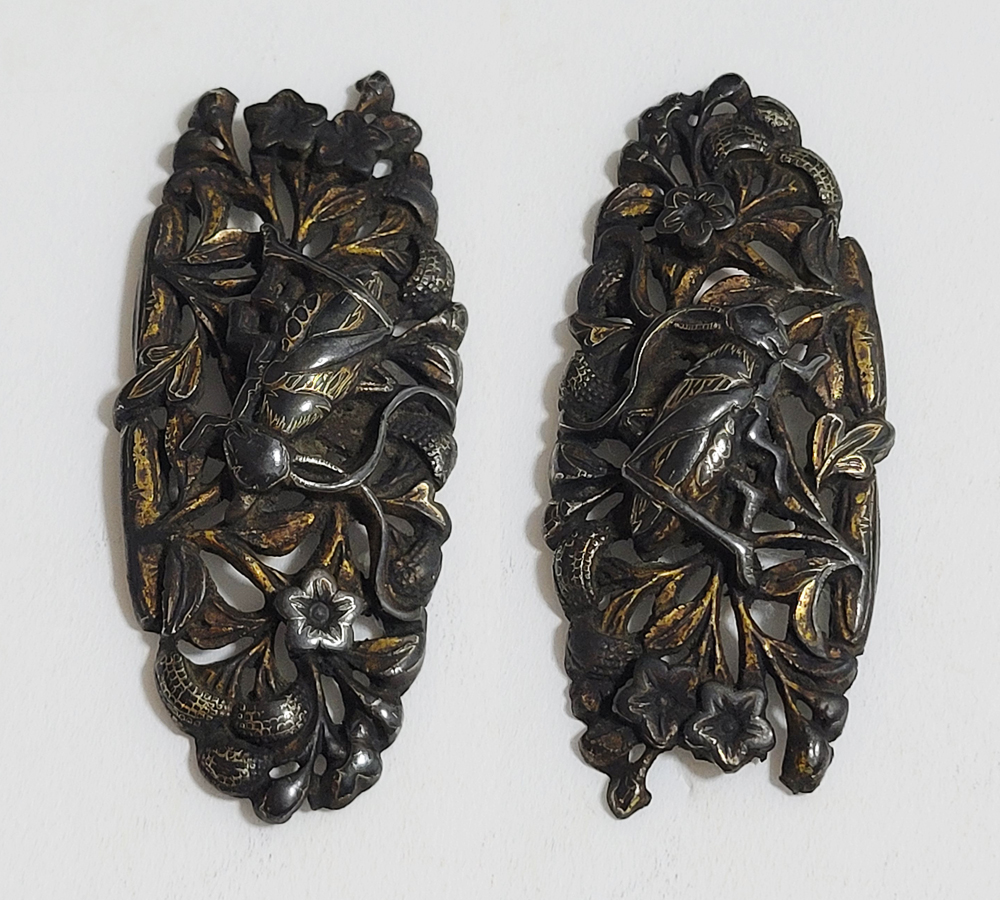
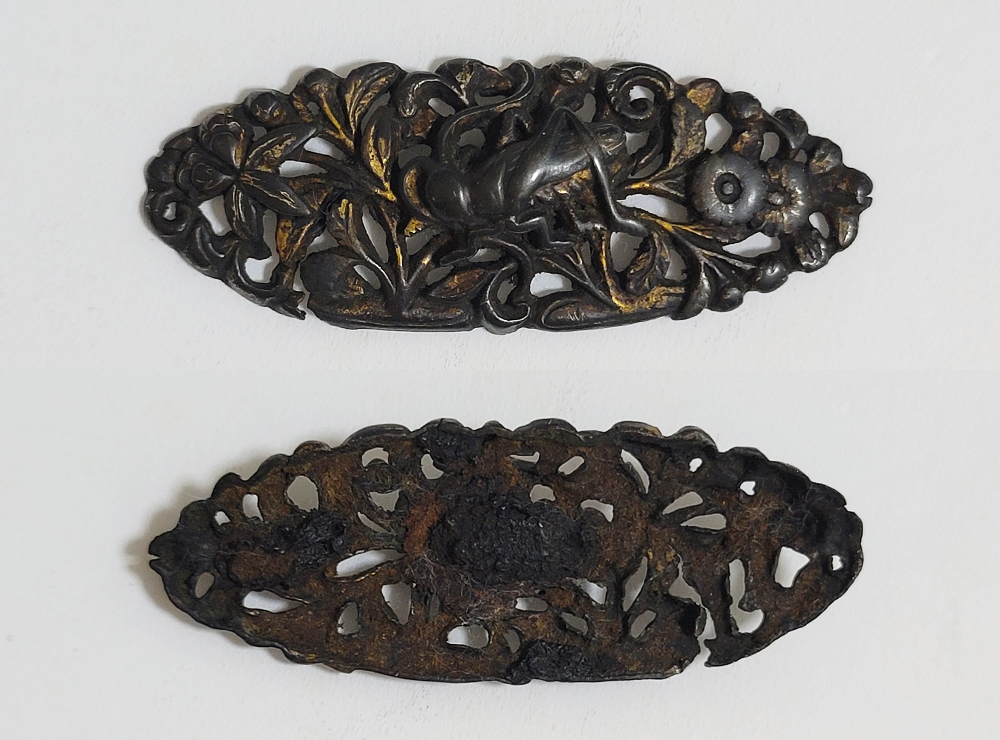
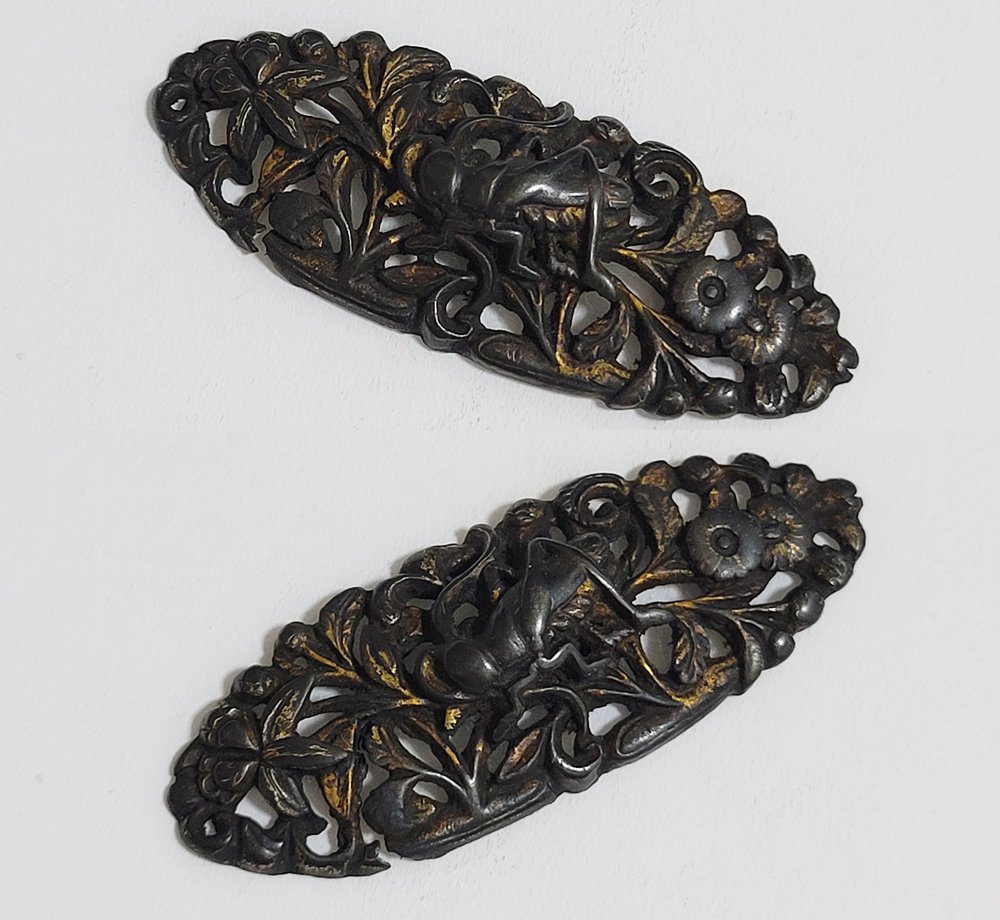
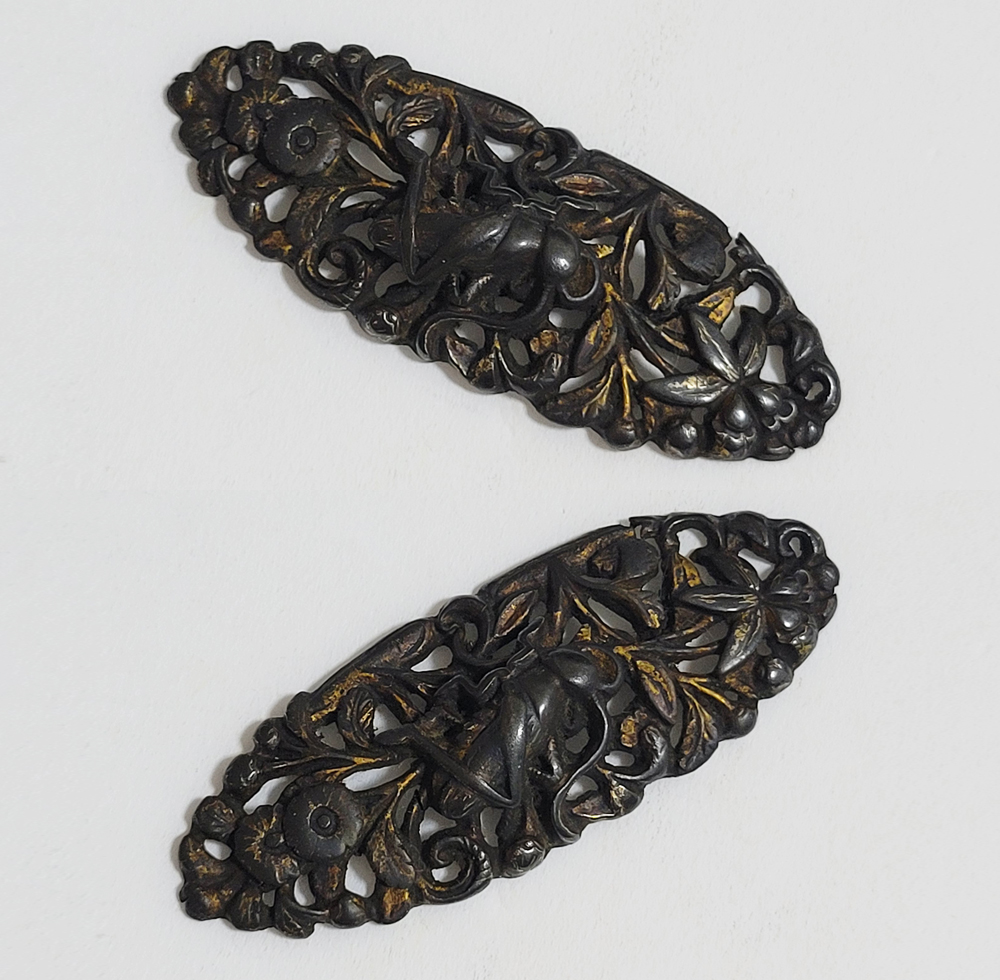
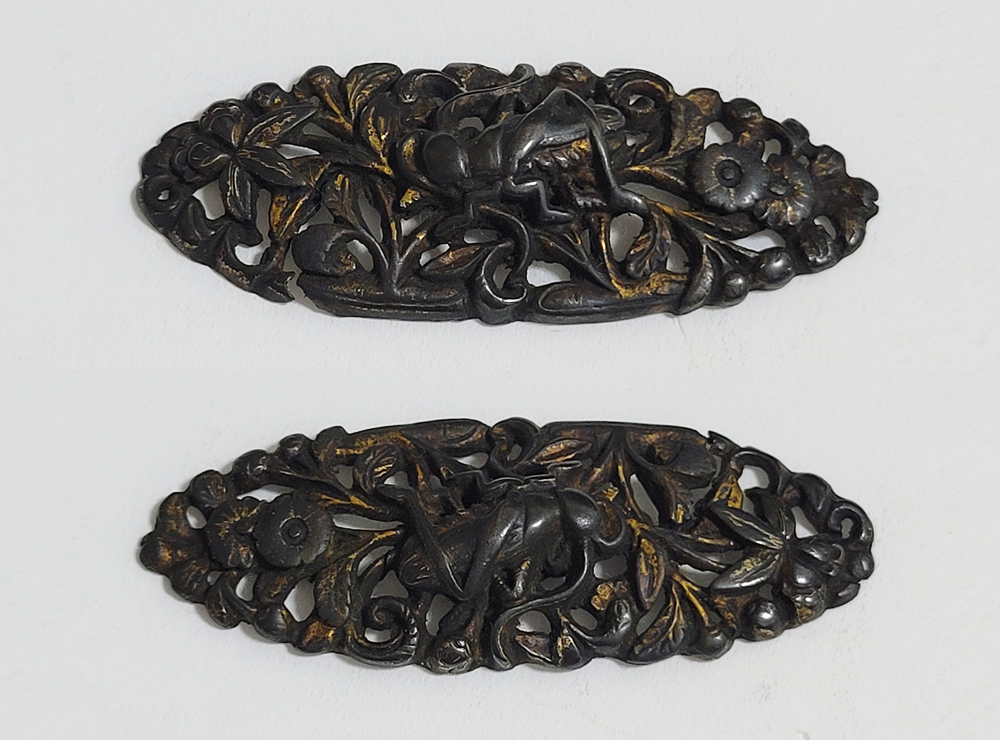
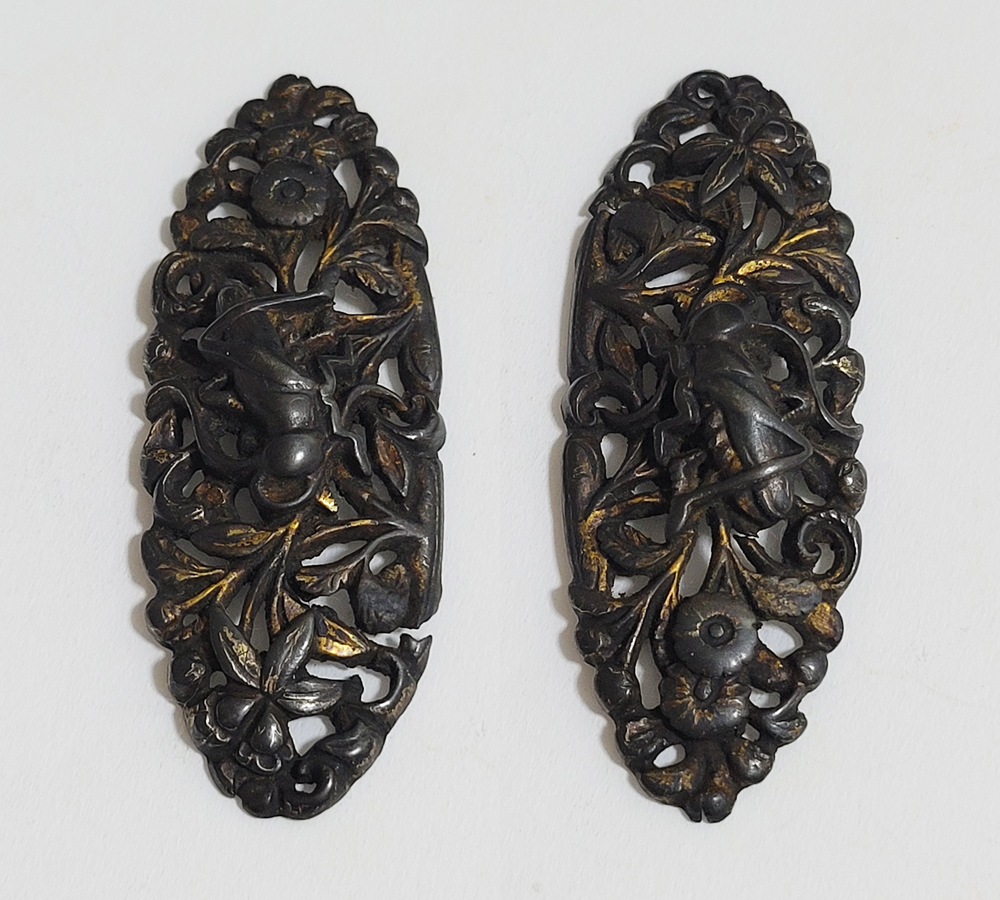
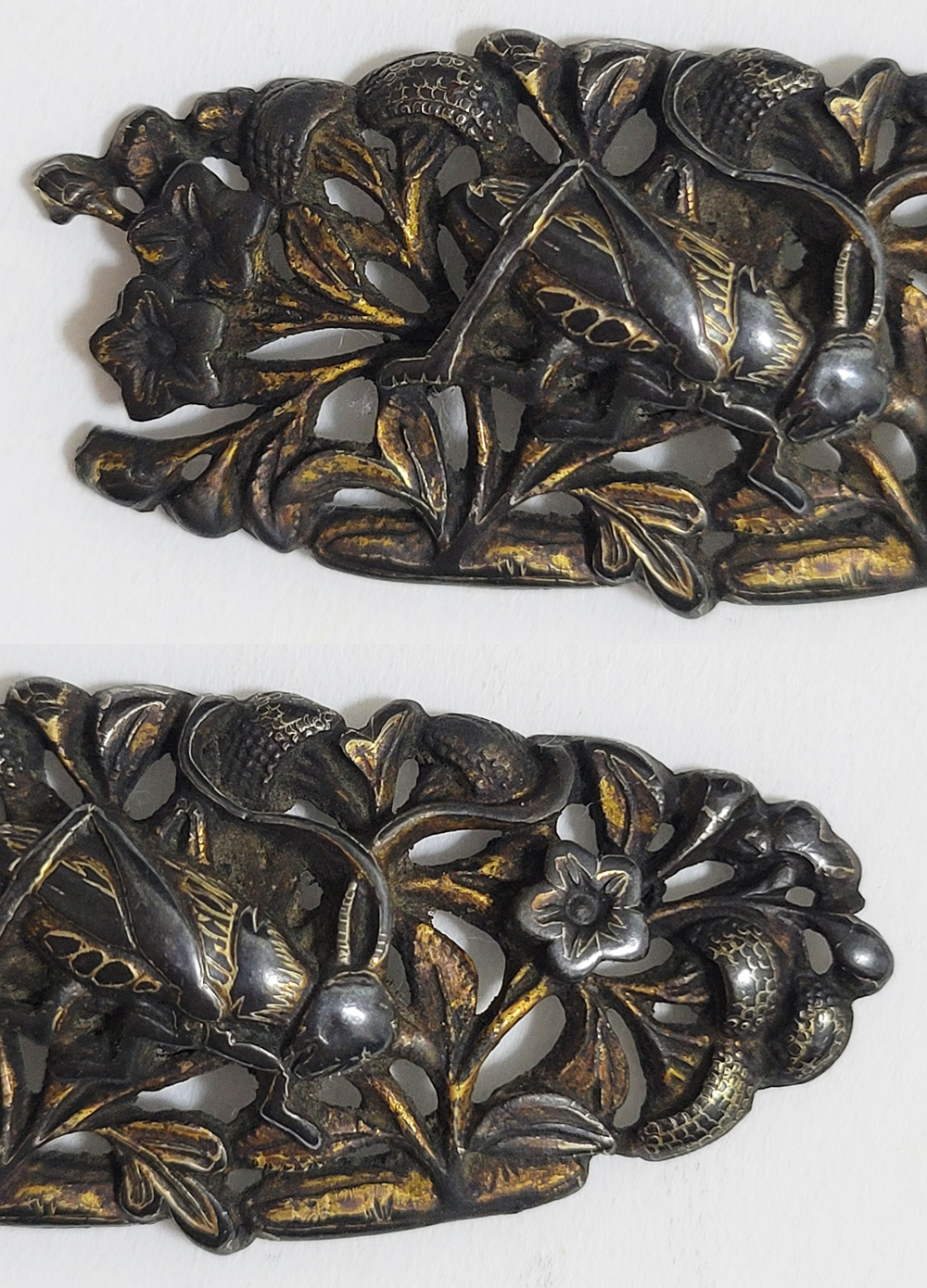
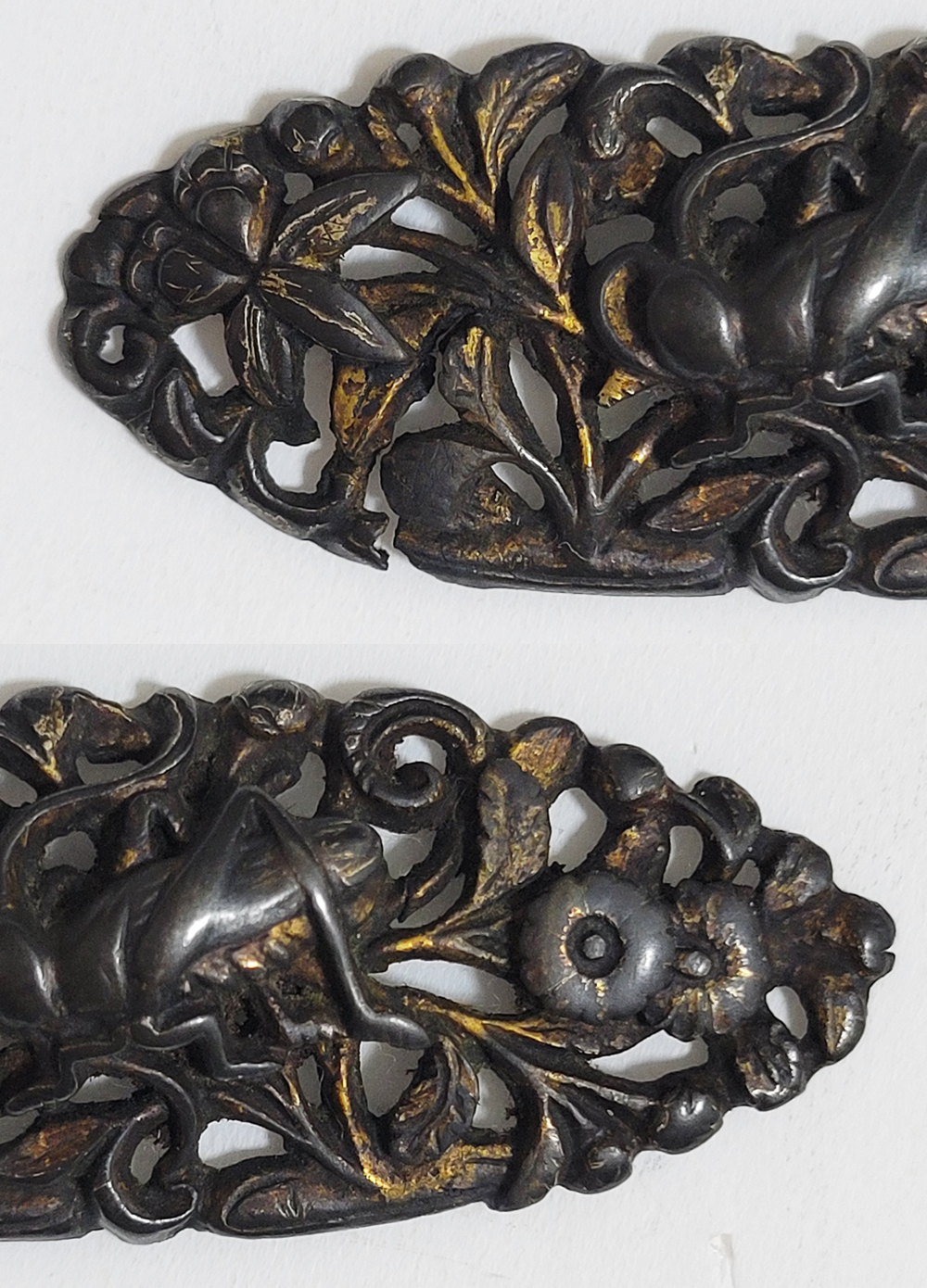
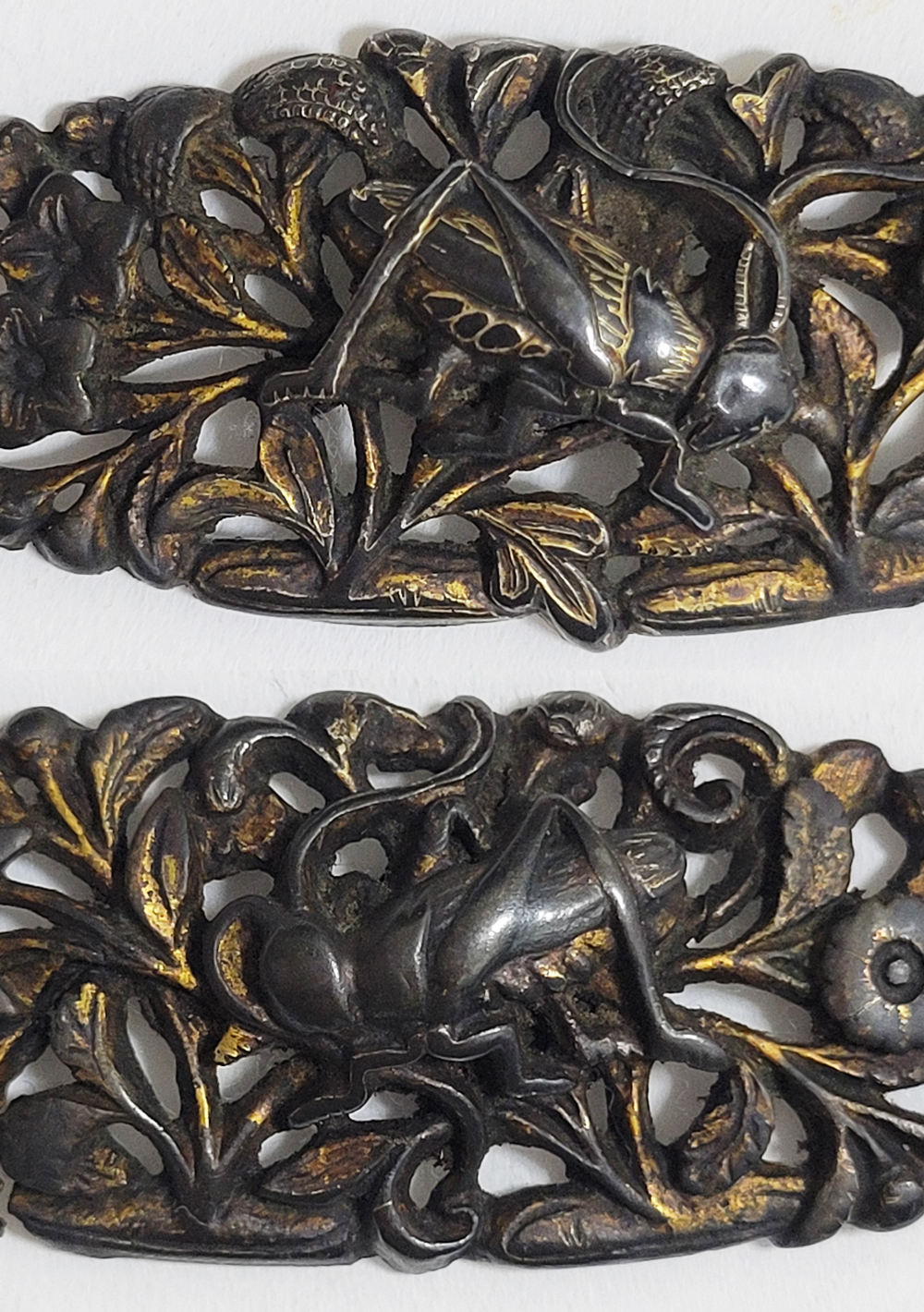
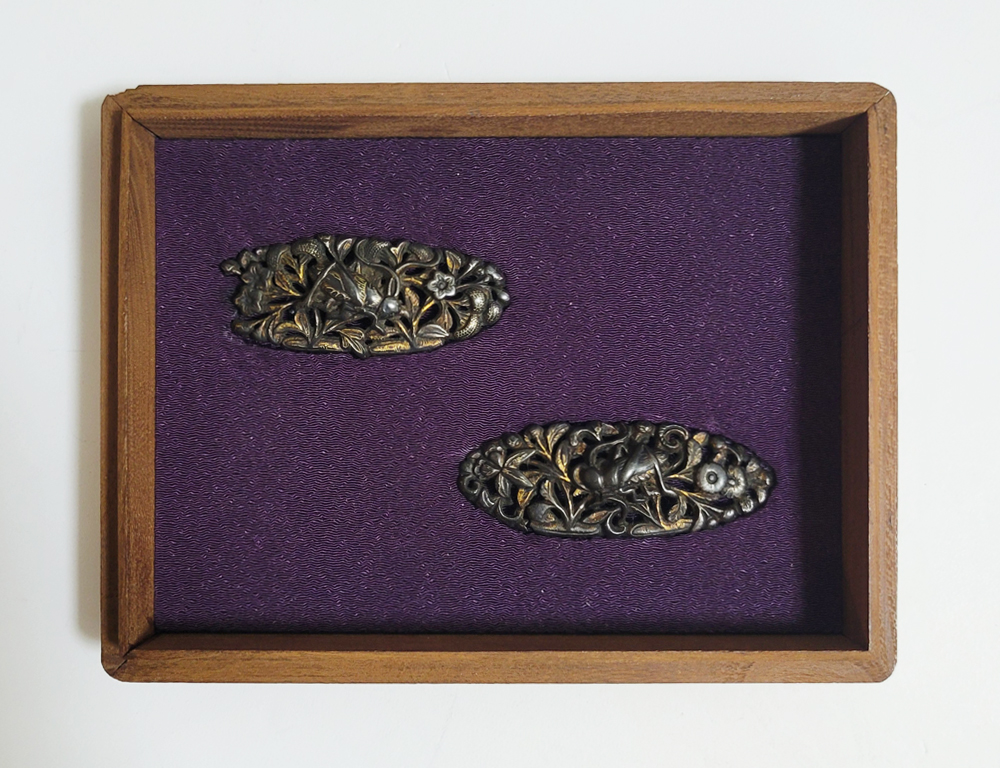
Momoyama
Unsigned
Tokuho (NBTHK)
Machine translation of the shop's Japanese ·
Machine translation from the shop's Japanese · may contain errors ·
A Hozon-certified fitting of notably superior craftsmanship and condition, often with signature or workmanship of high reference value.
The NBTHK (Nihon Bijutsu Tōken Hozon Kyōkai, the Society for the Preservation of Japanese Art Swords) is a public-interest incorporated foundation founded in 1948 and supervised by Japan’s Agency for Cultural Affairs (Bunkachō); it is based at the Japanese Sword Museum in Tokyo. Its expert panels physically examine each submitted work (shinsa) and issue a certificate (kanteishō) ranking it by artistic and historical merit. NBTHK papers are the most widely recognized standard of authentication for Japanese swords and fittings.
NBTHK official siteReturns within 7 days of the item's arrival. Returns are not possible if (1) the item has been altered, or (2) for overseas transactions.
¥300,000