The twentieth century nearly killed the craft twice: wartime distortion, then the occupation ban. The NBTHK’s founding in 1948 and licensed forging from 1953 rebuilt the sword as an art, crowned by Living National Treasures and the mukansa rank.
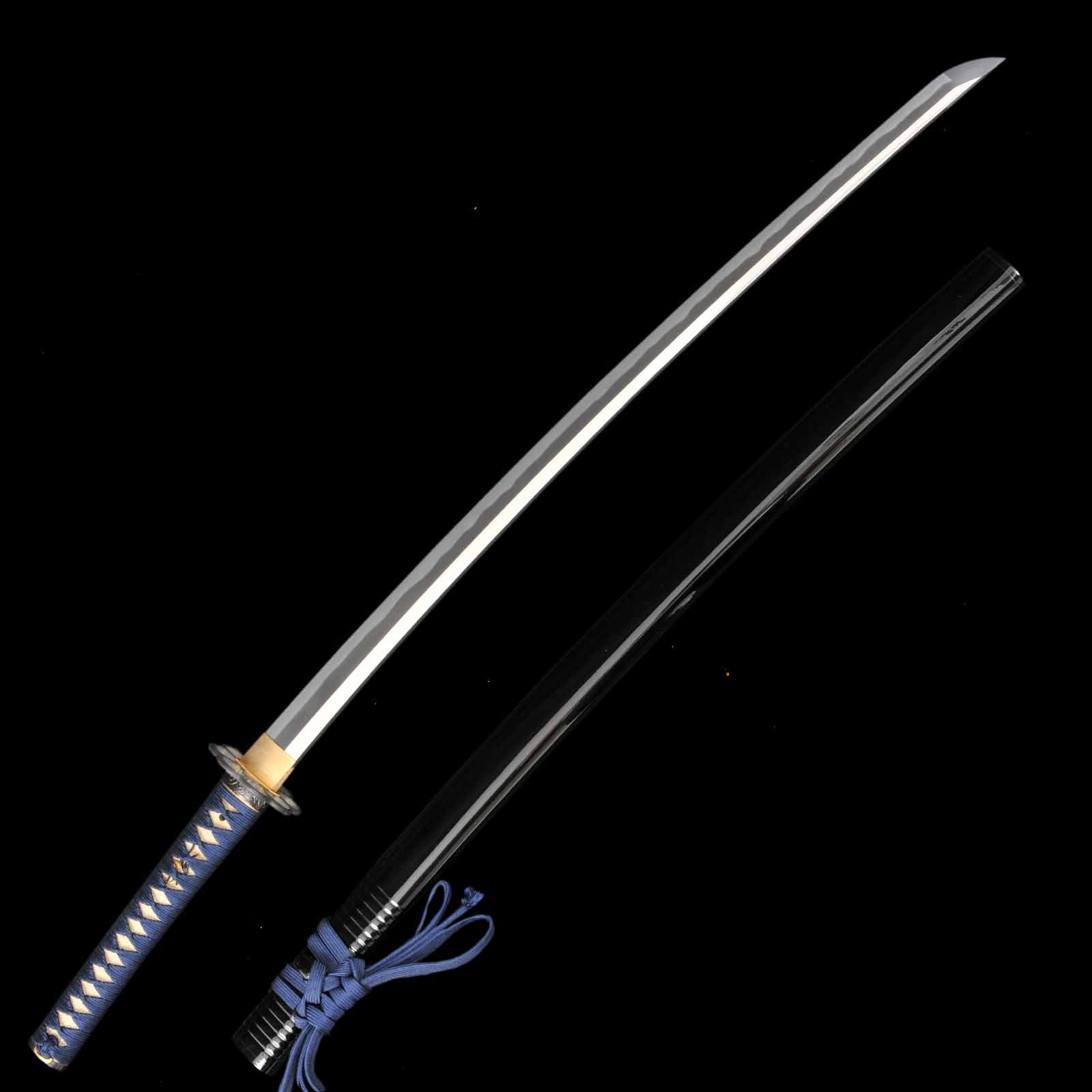
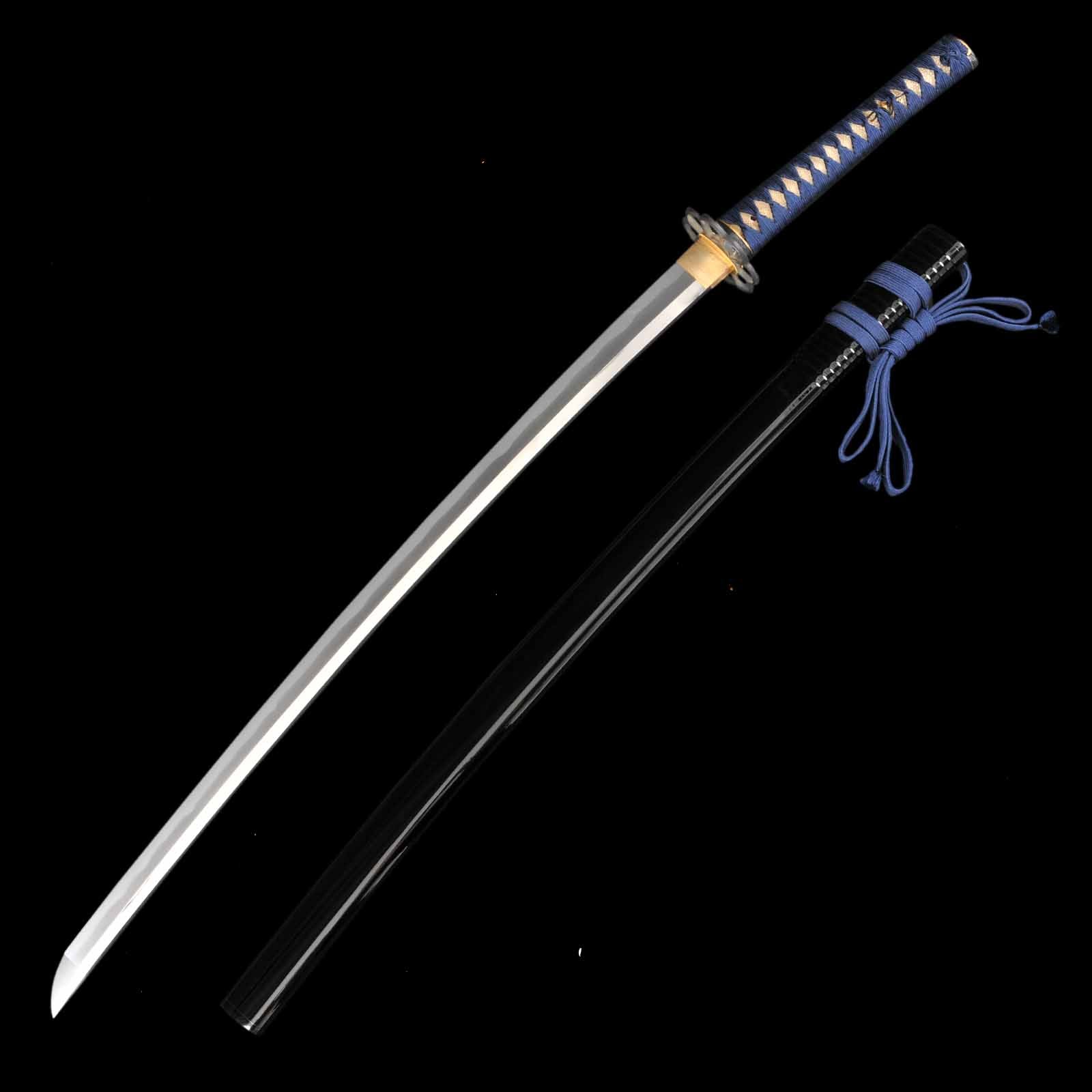
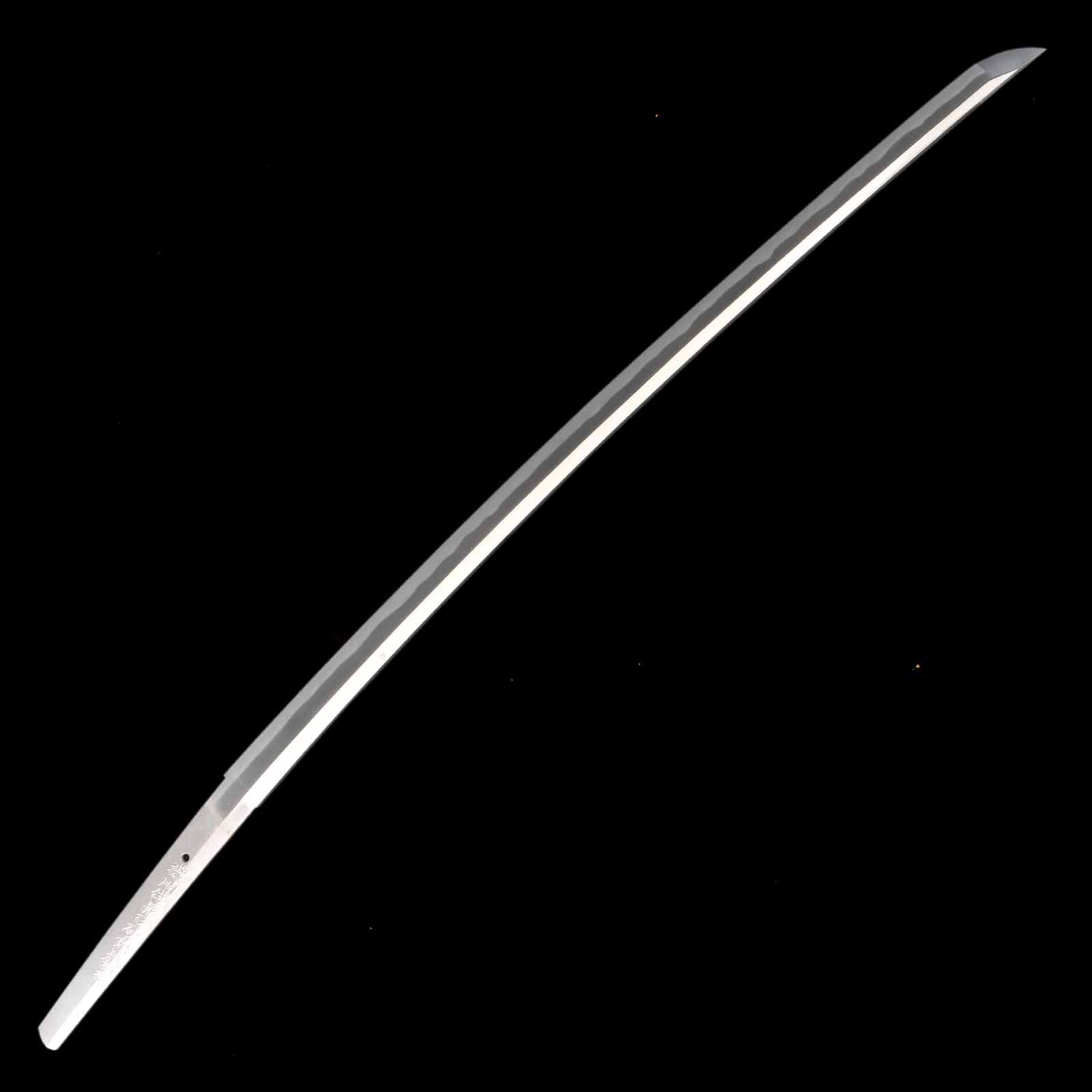
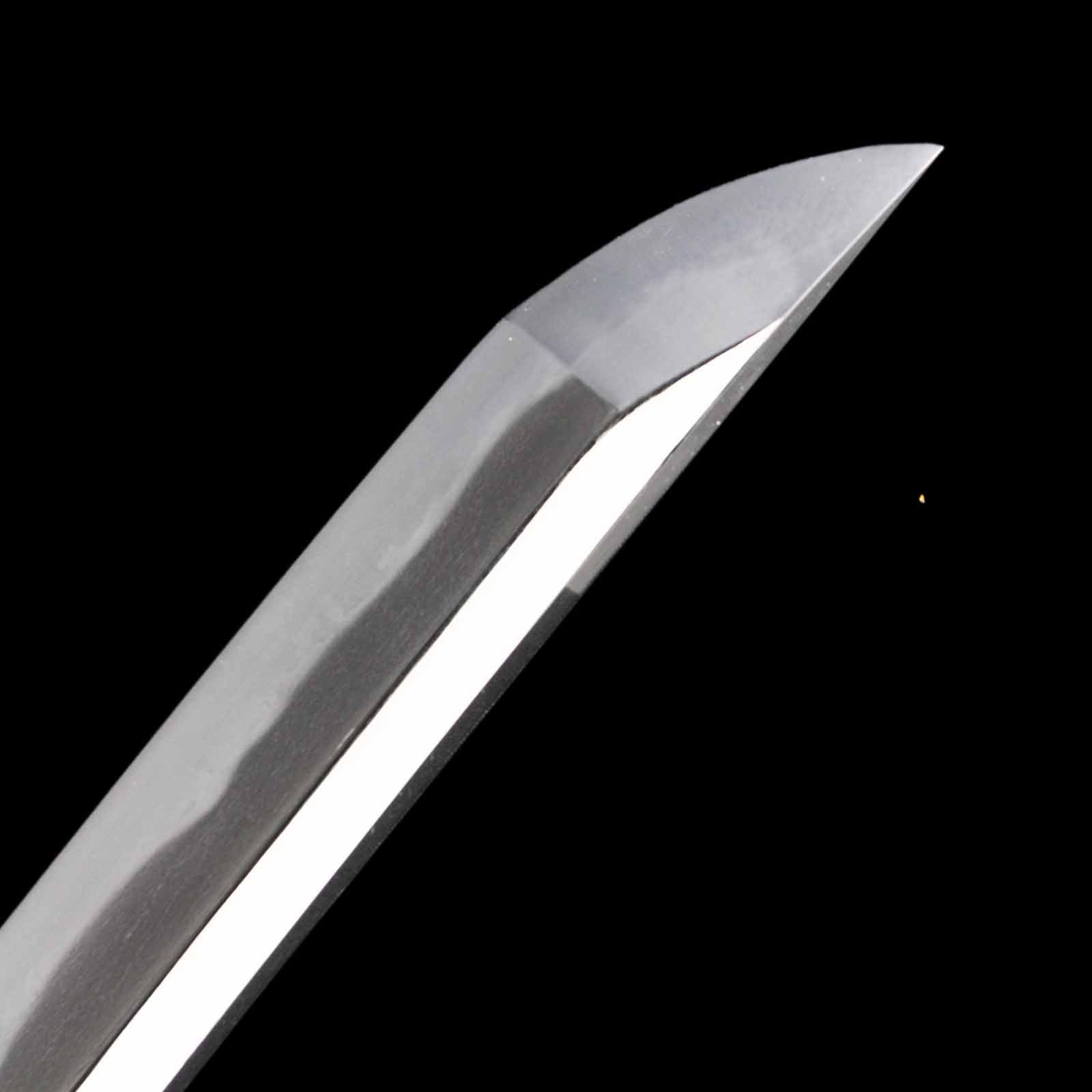
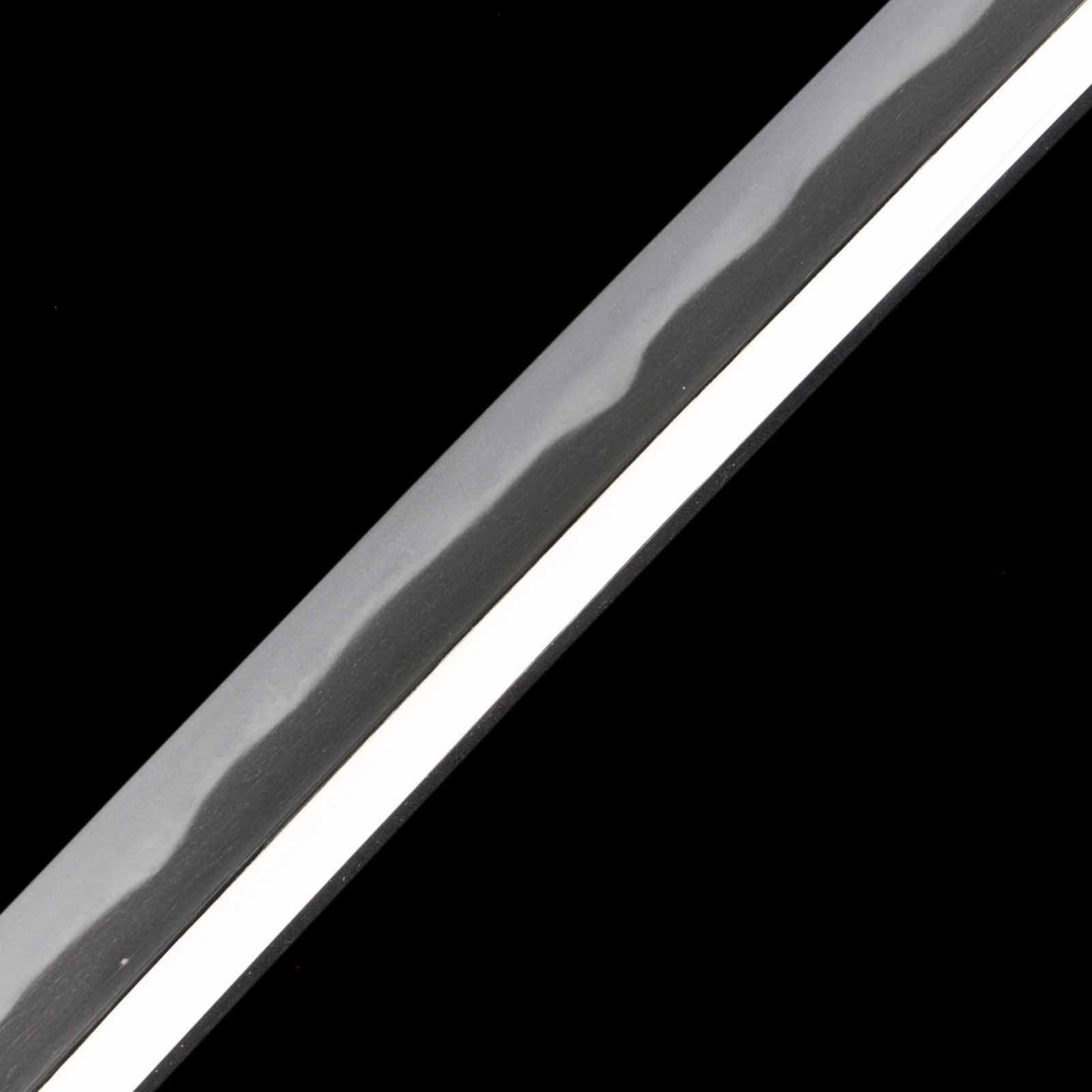
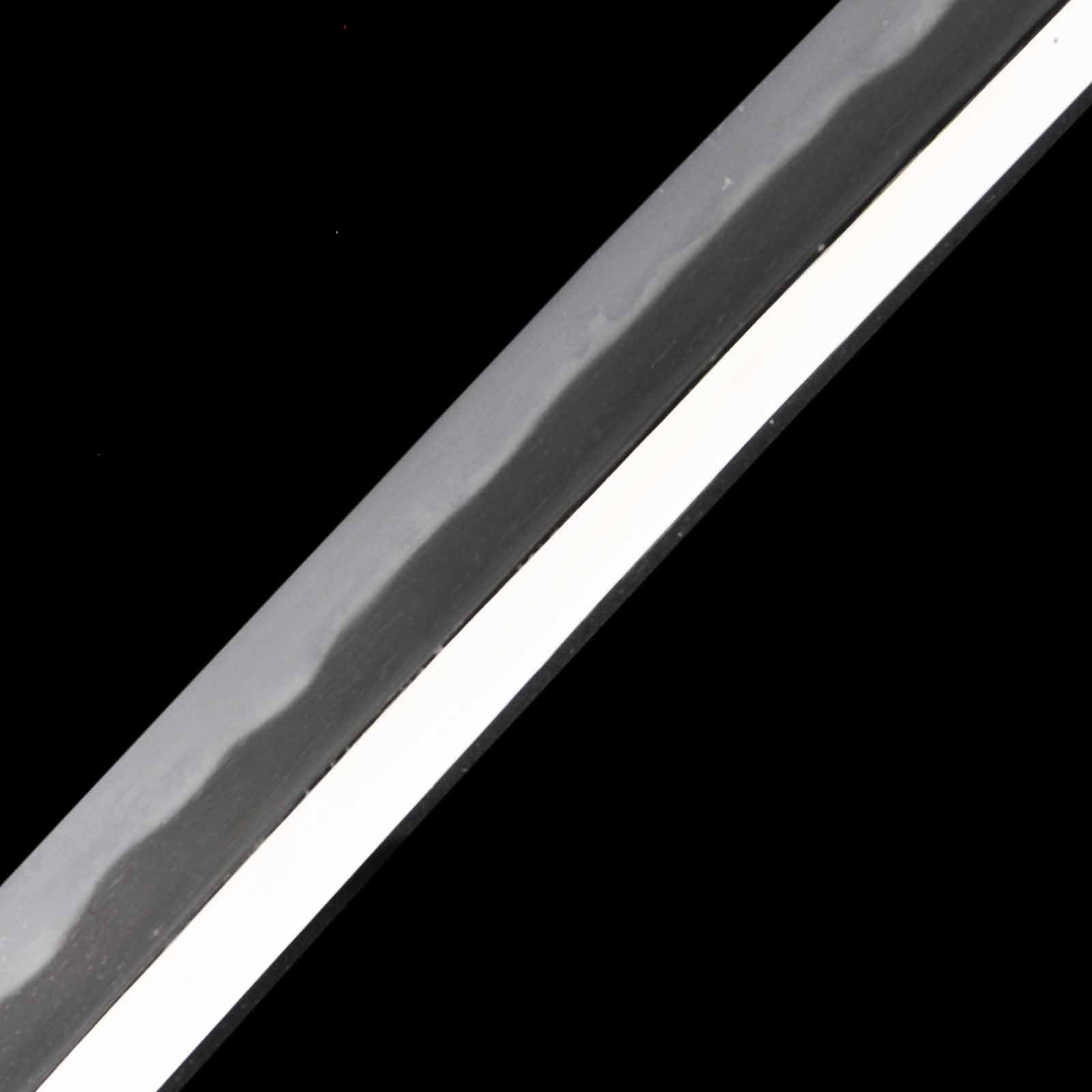
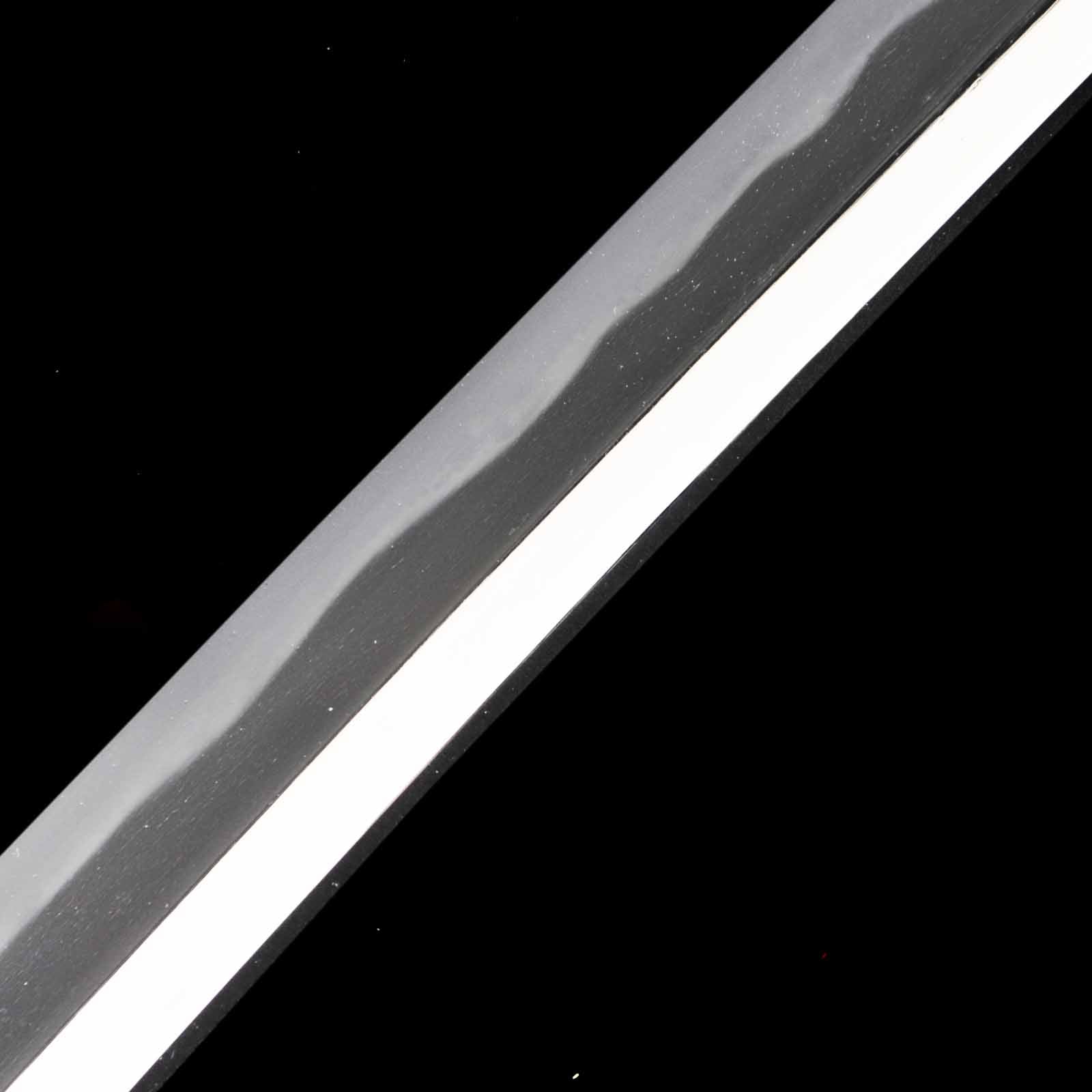
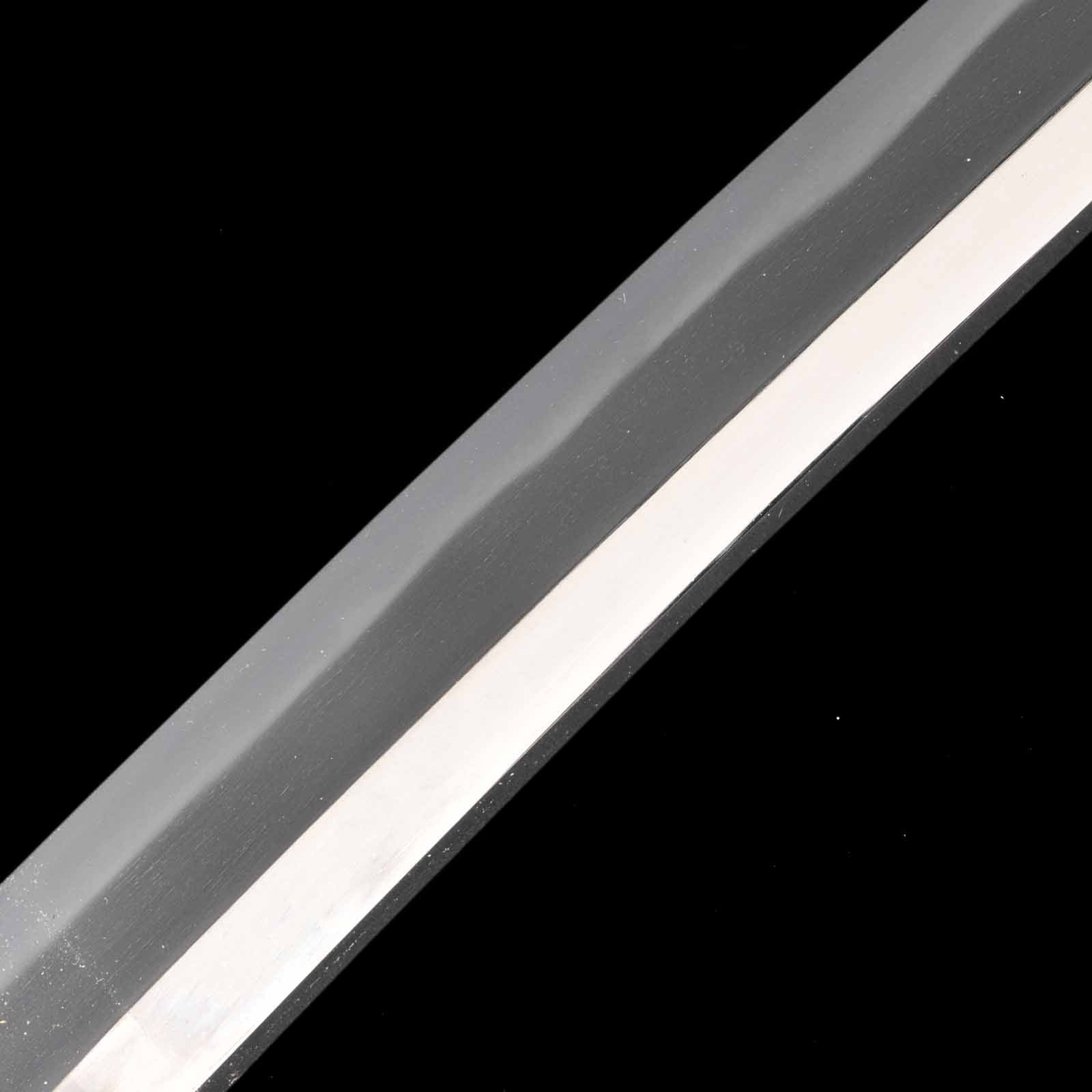
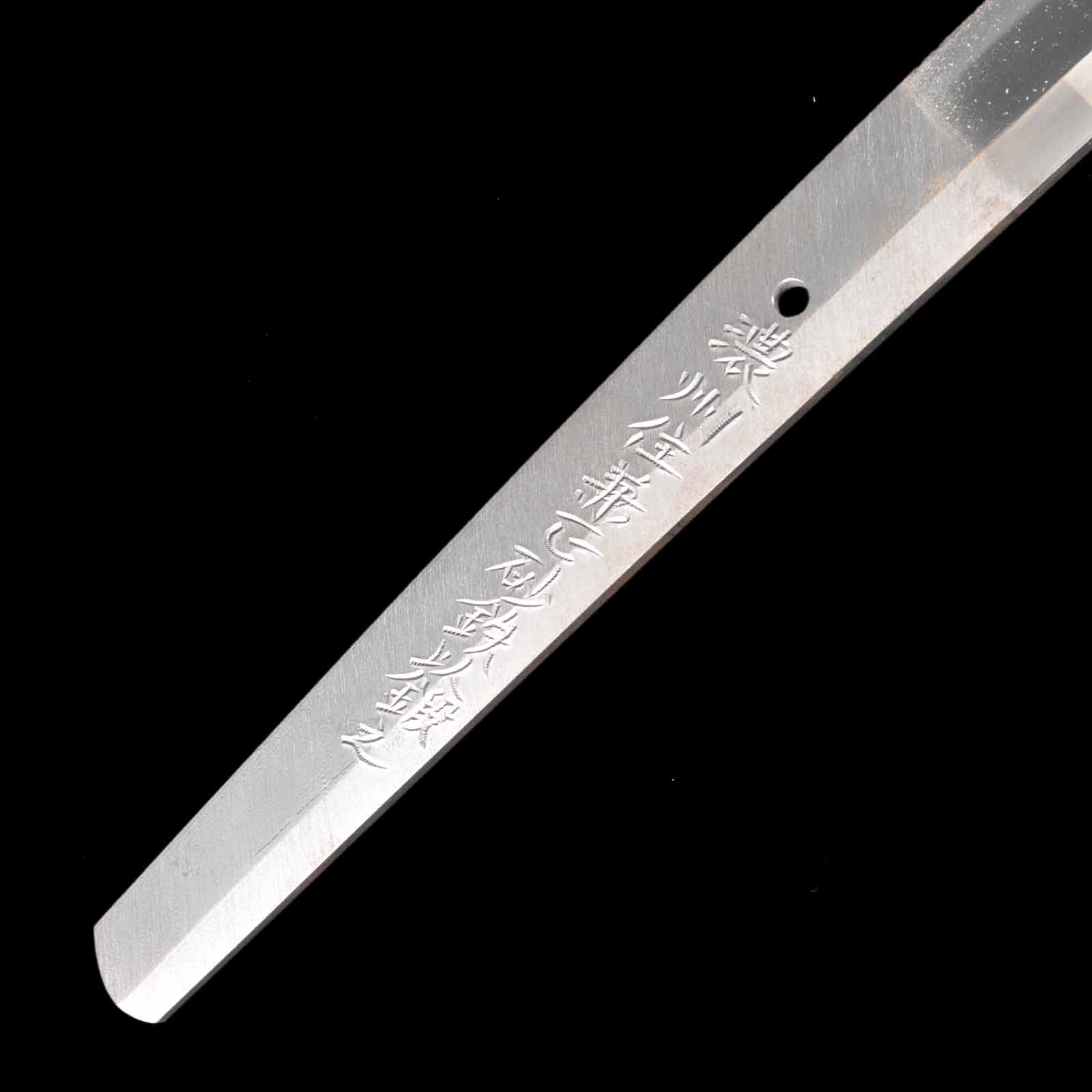
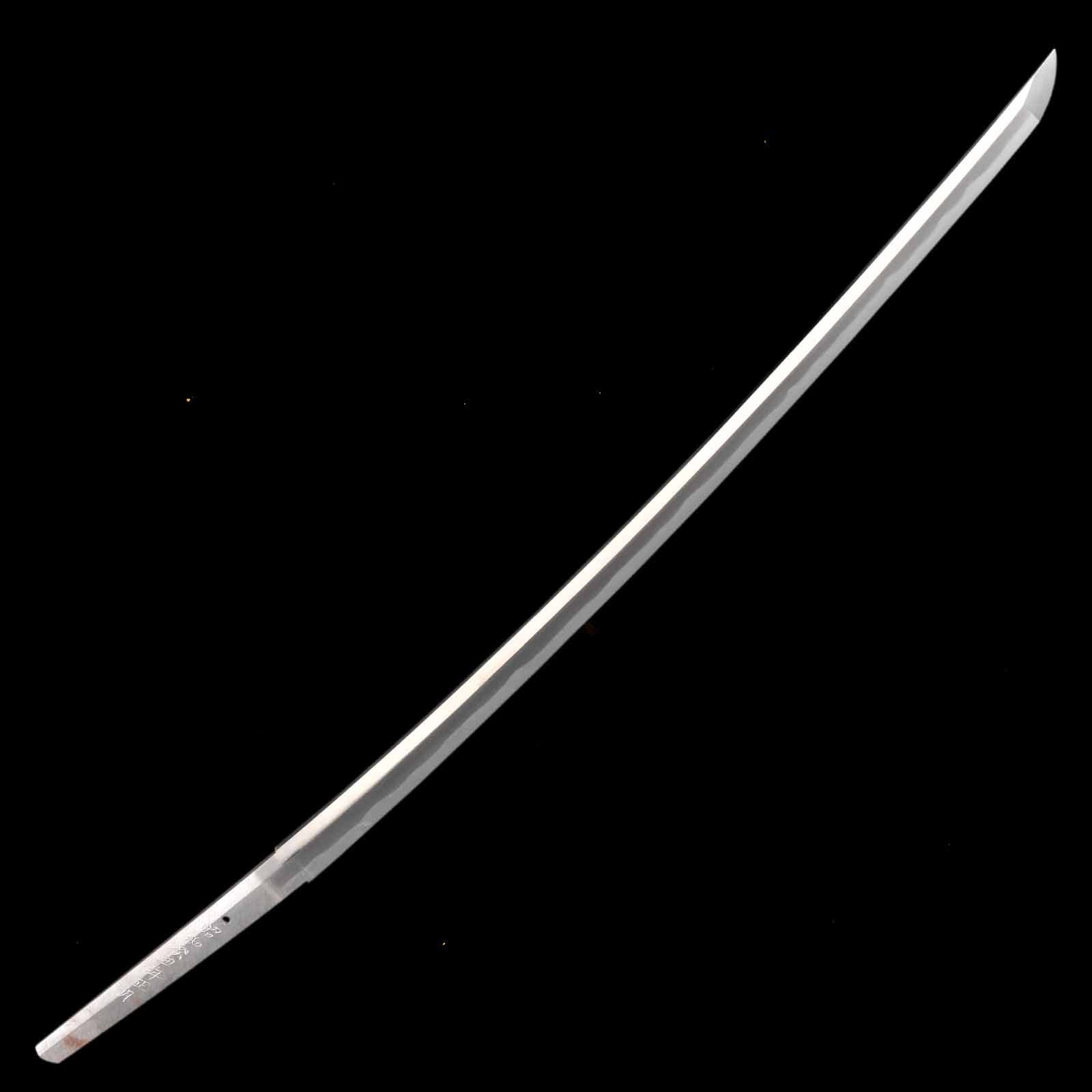
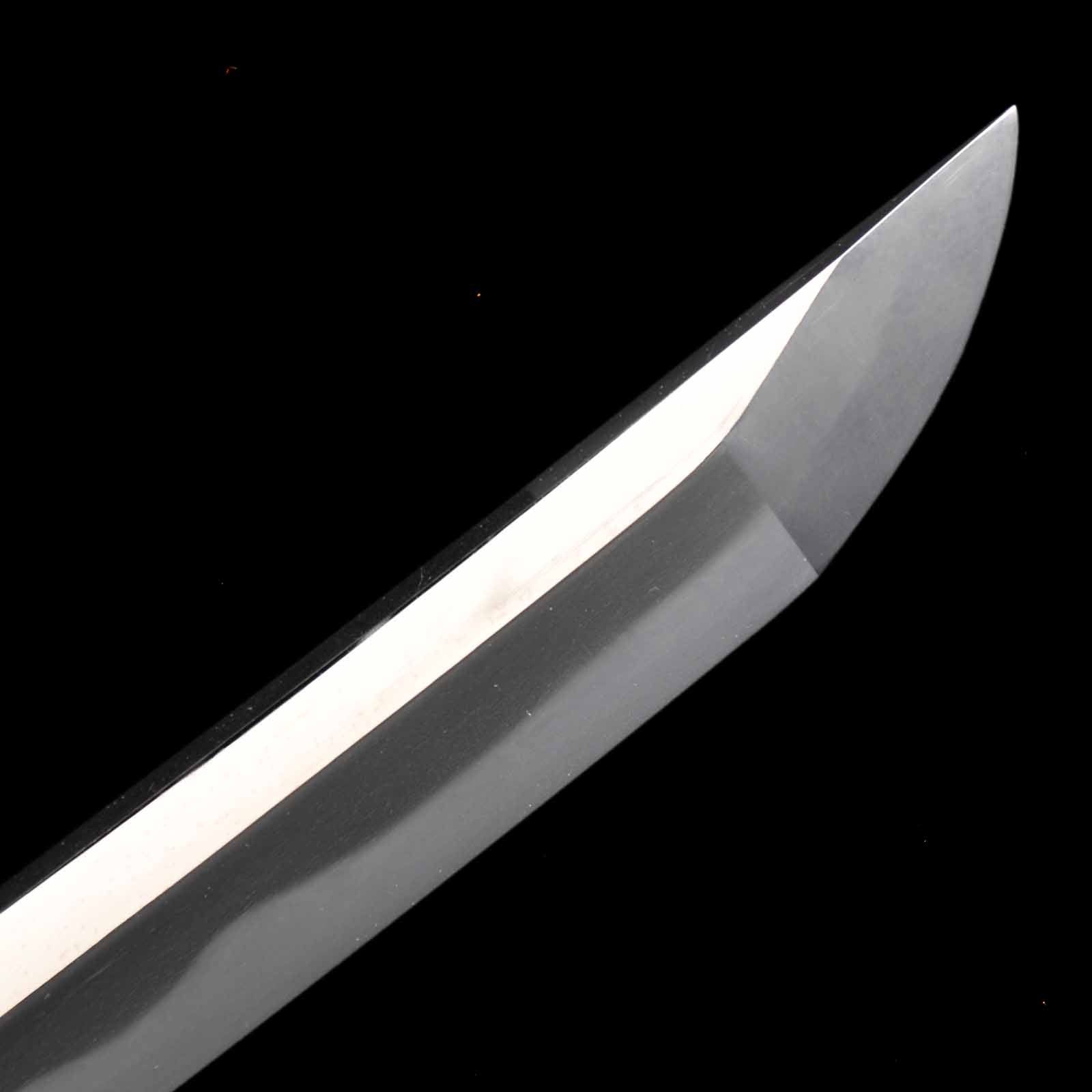
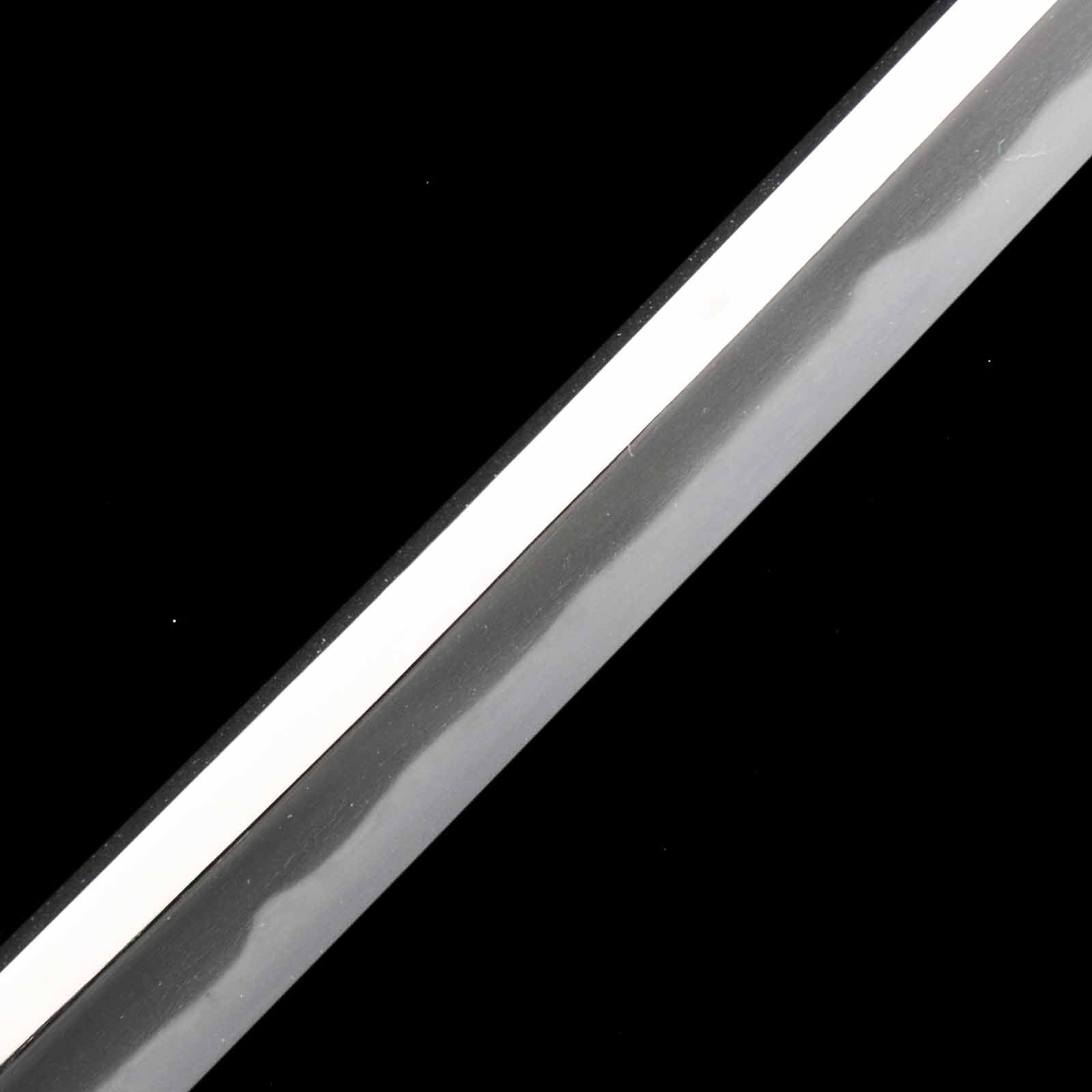
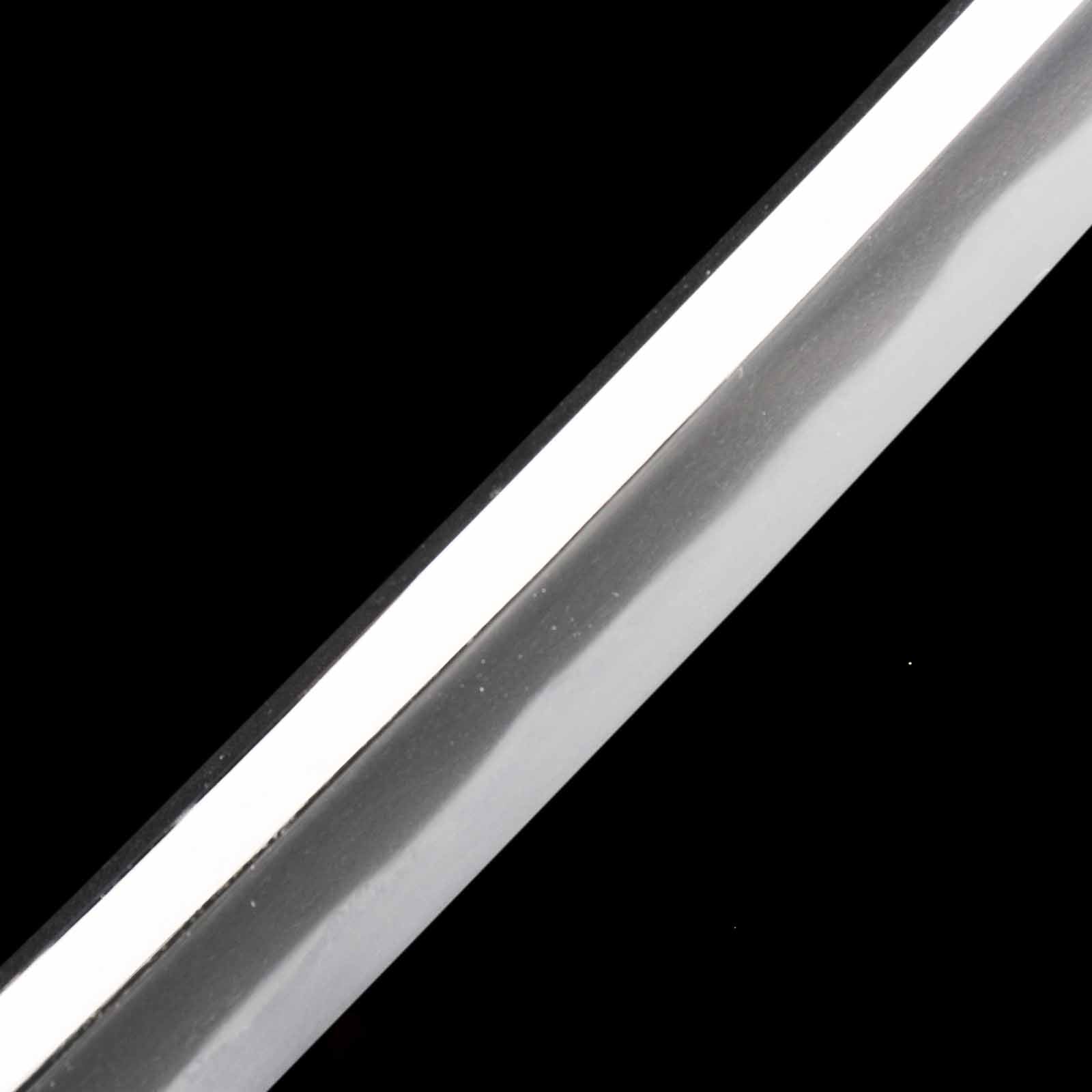
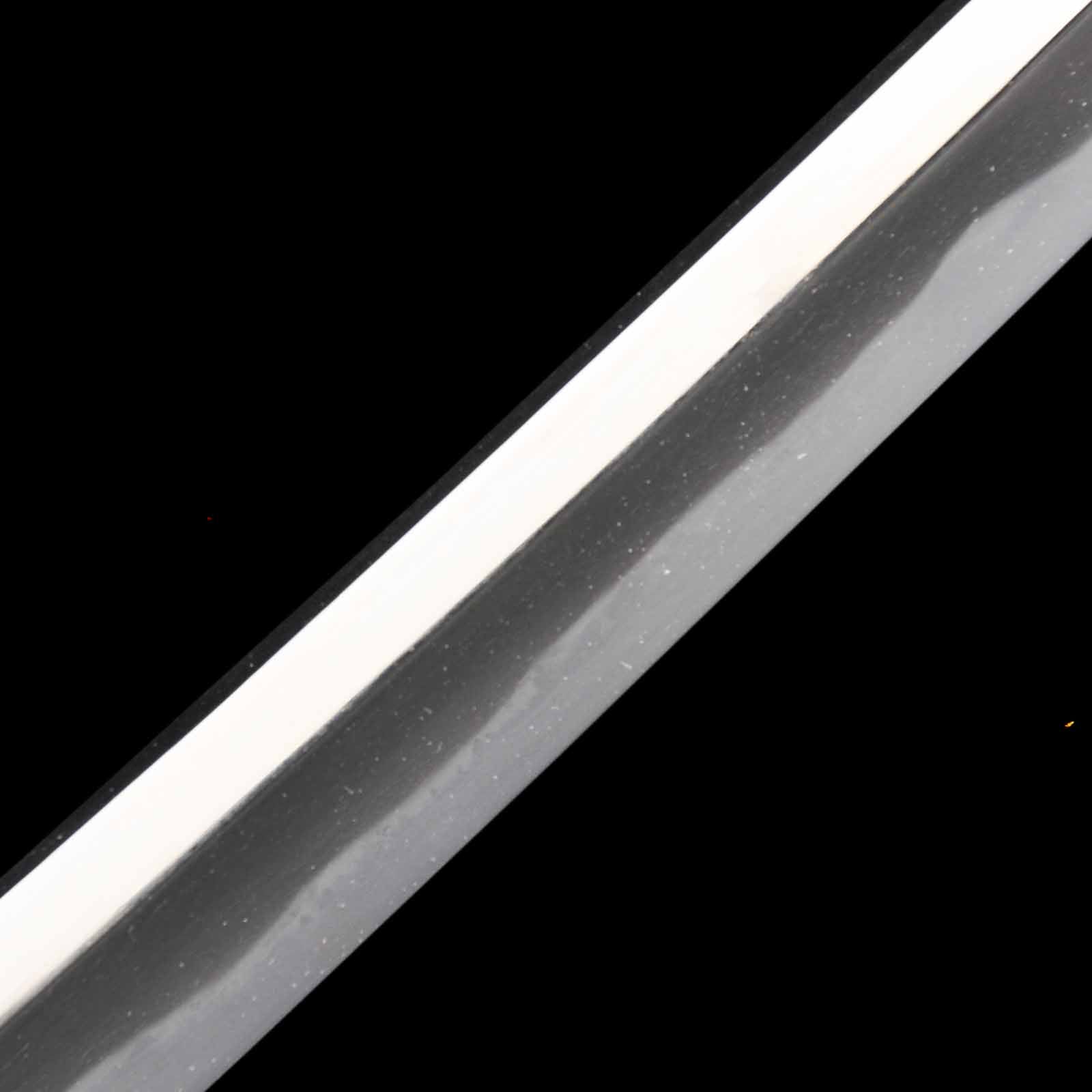
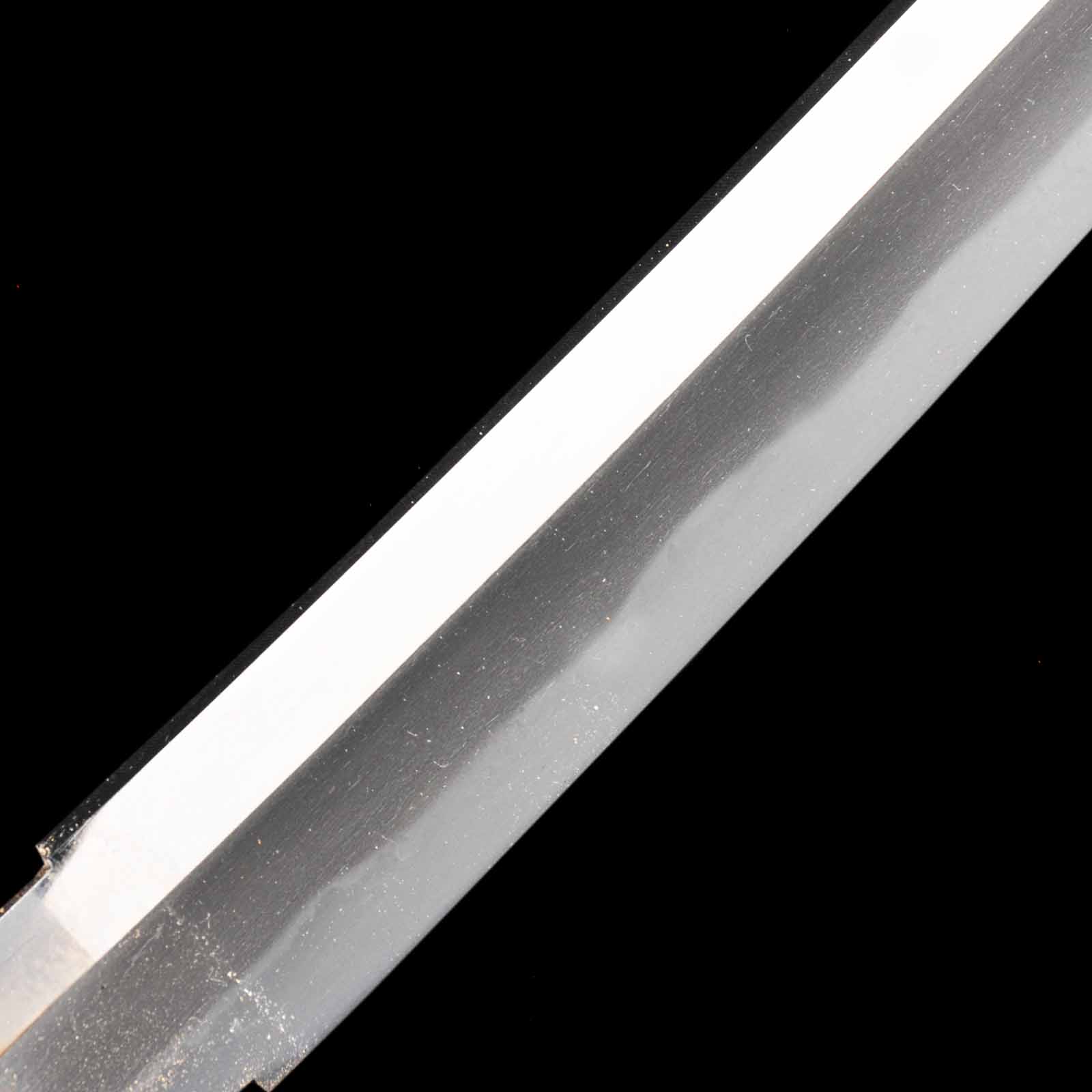
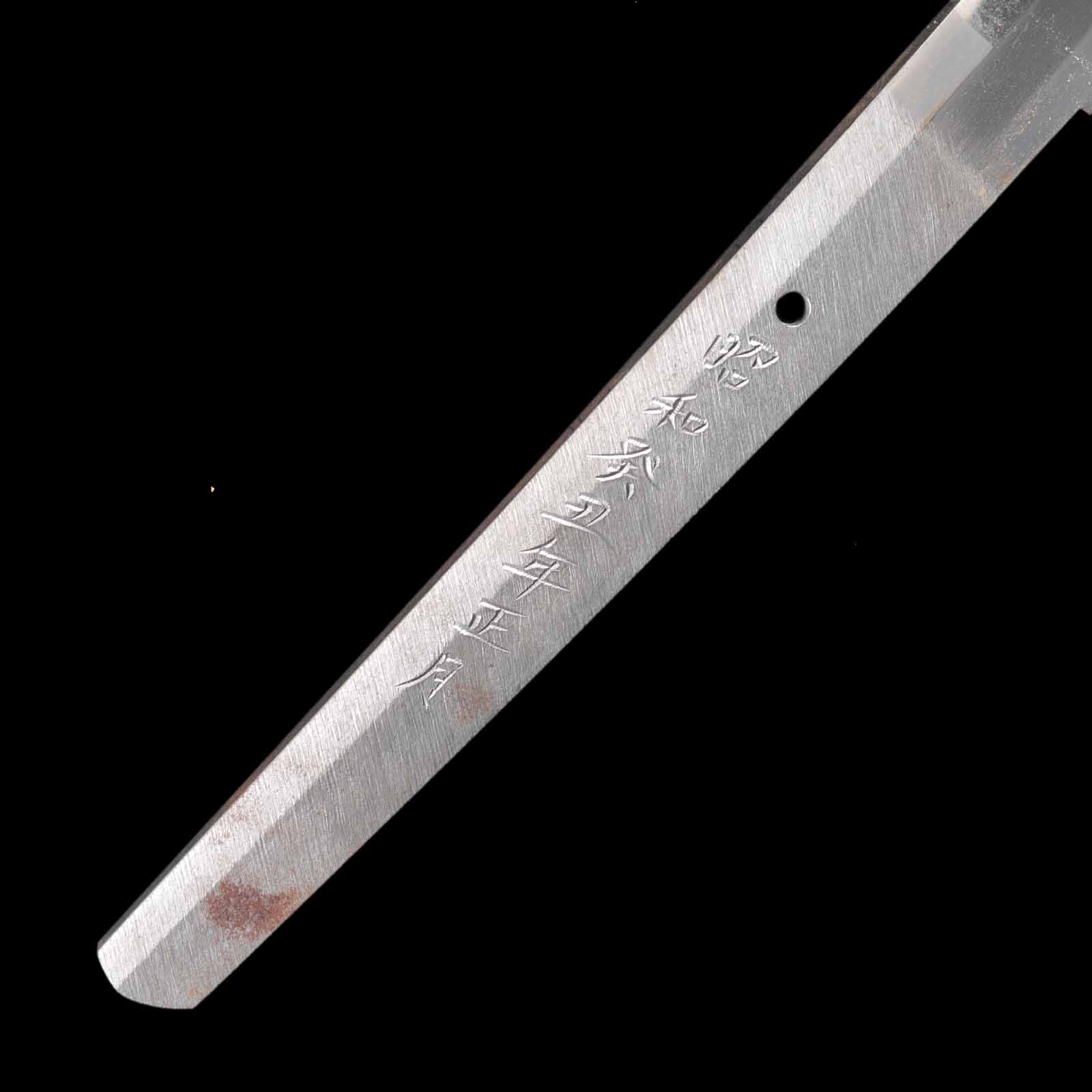
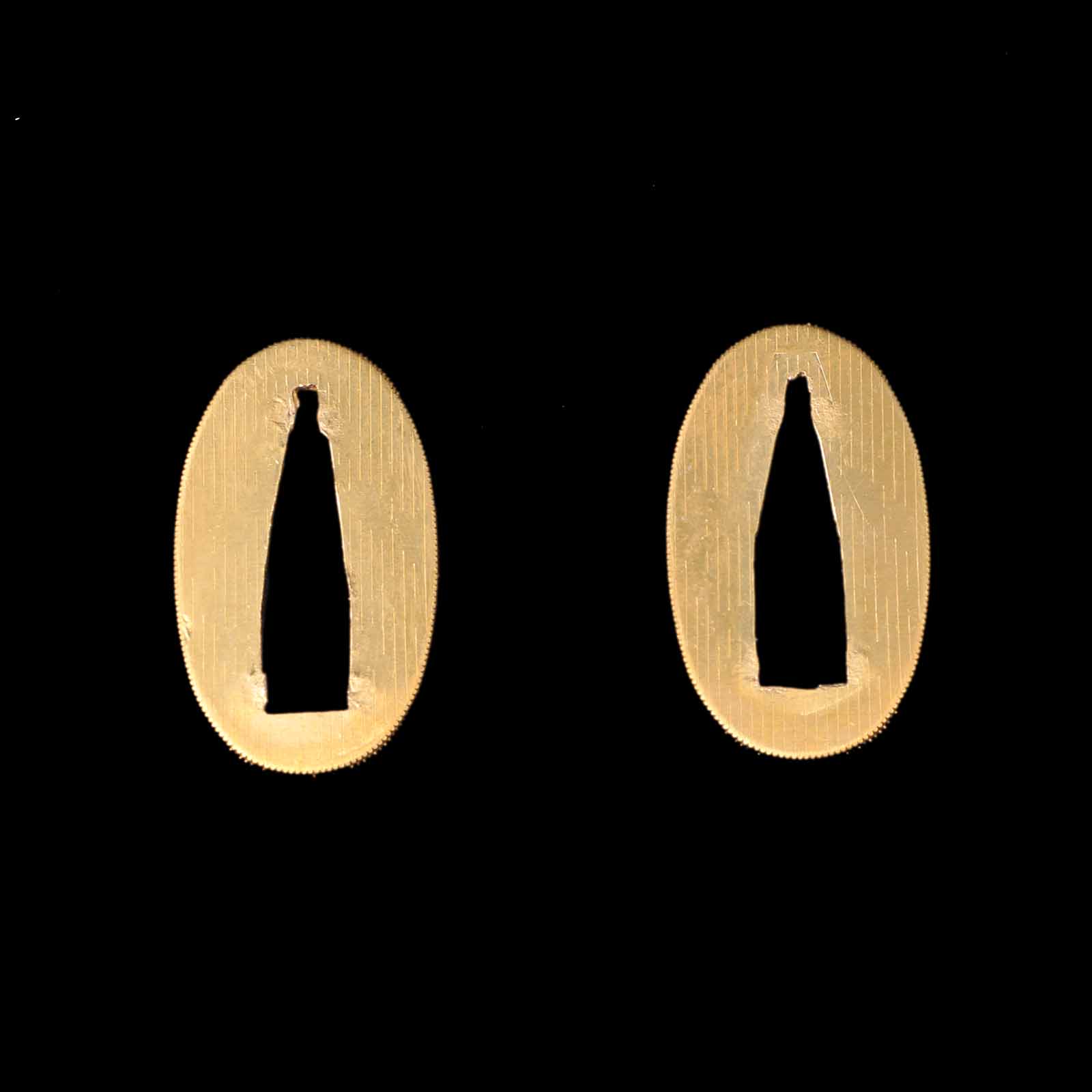
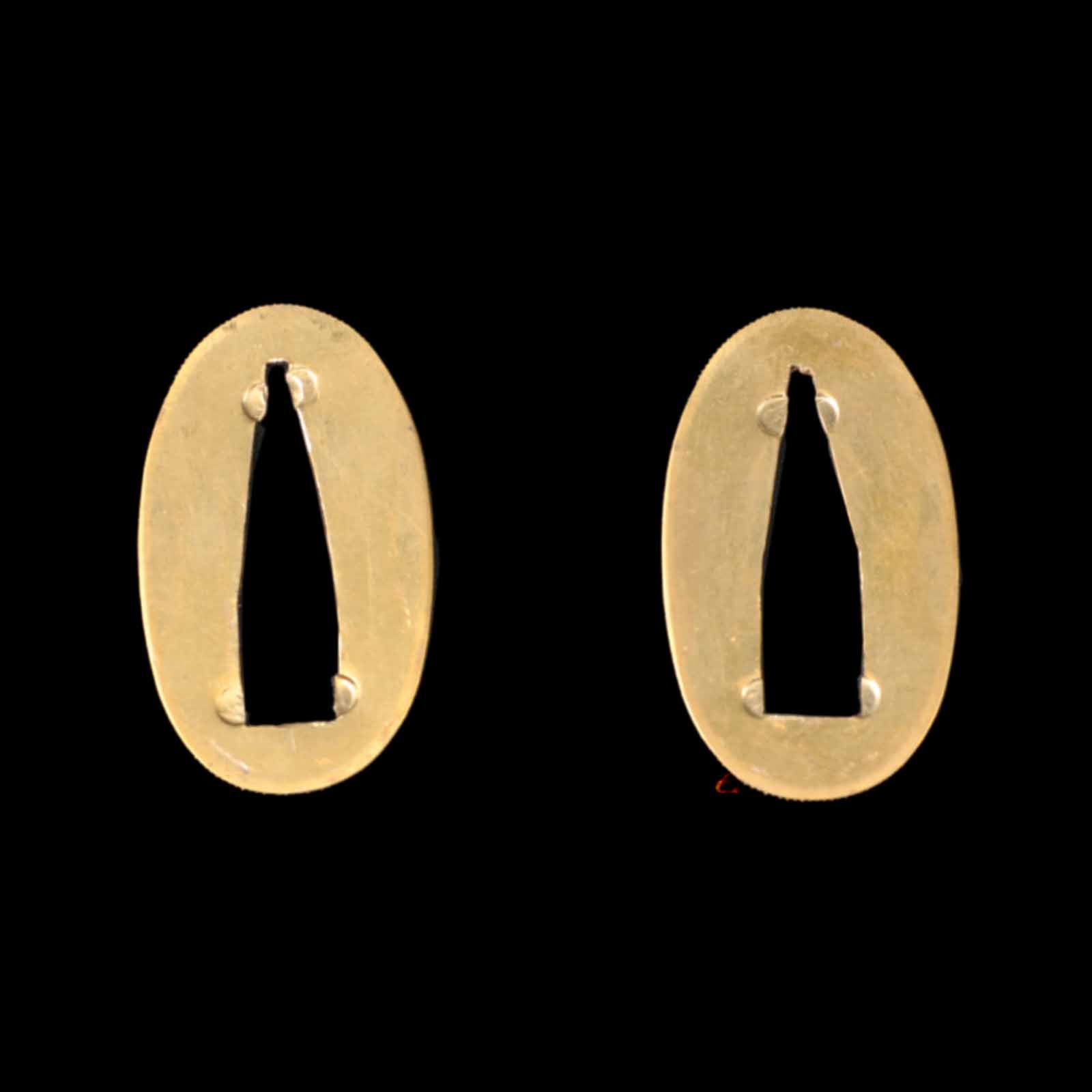
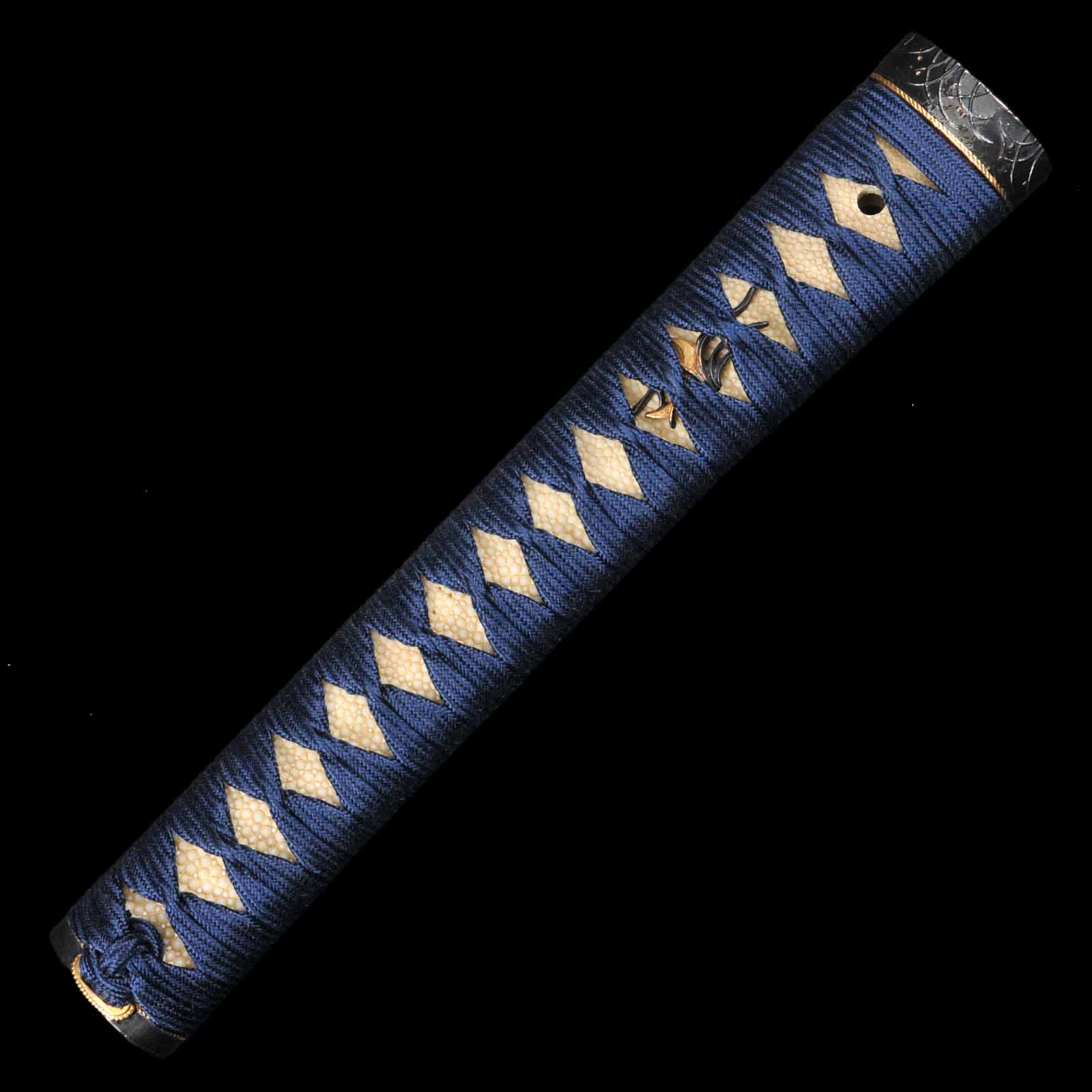
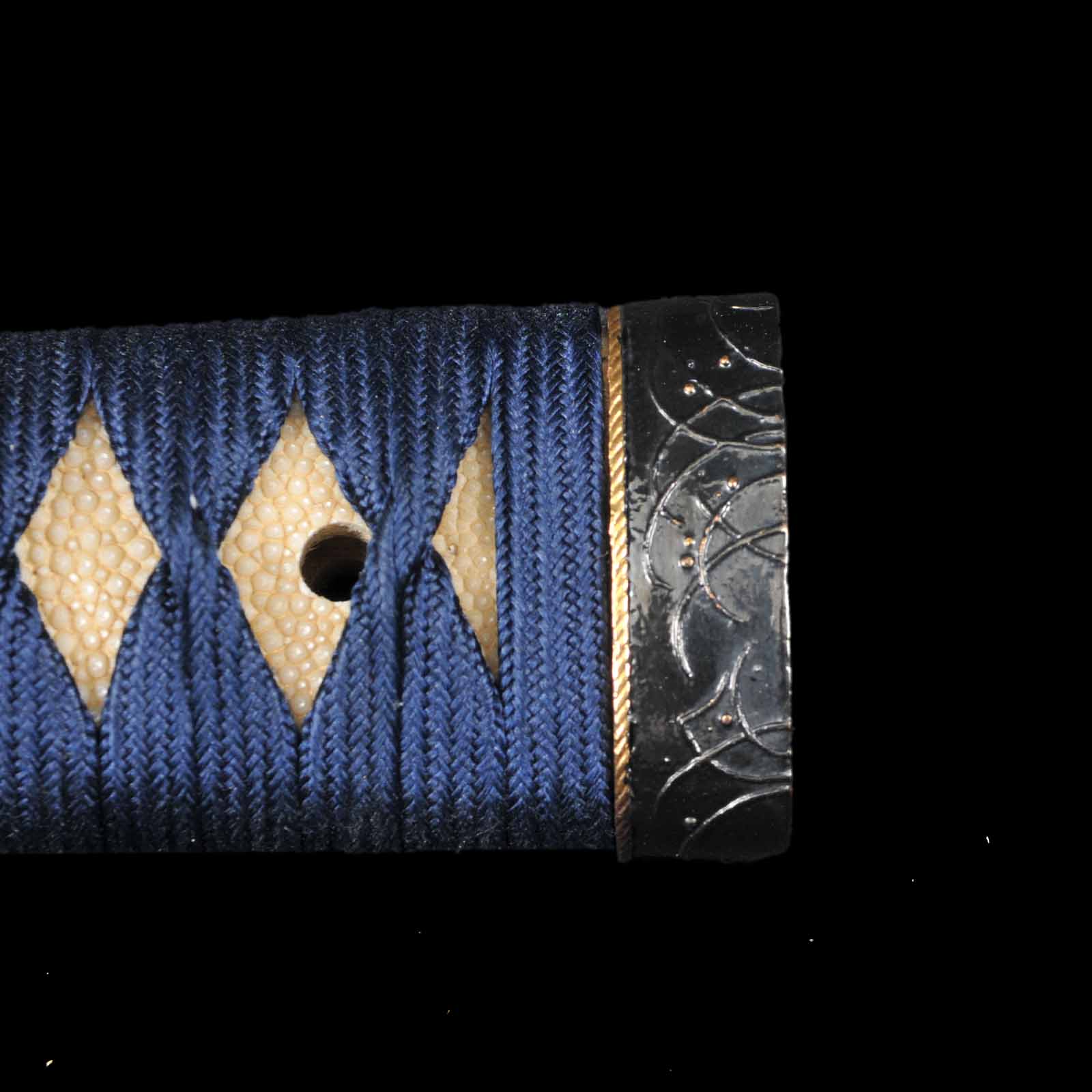
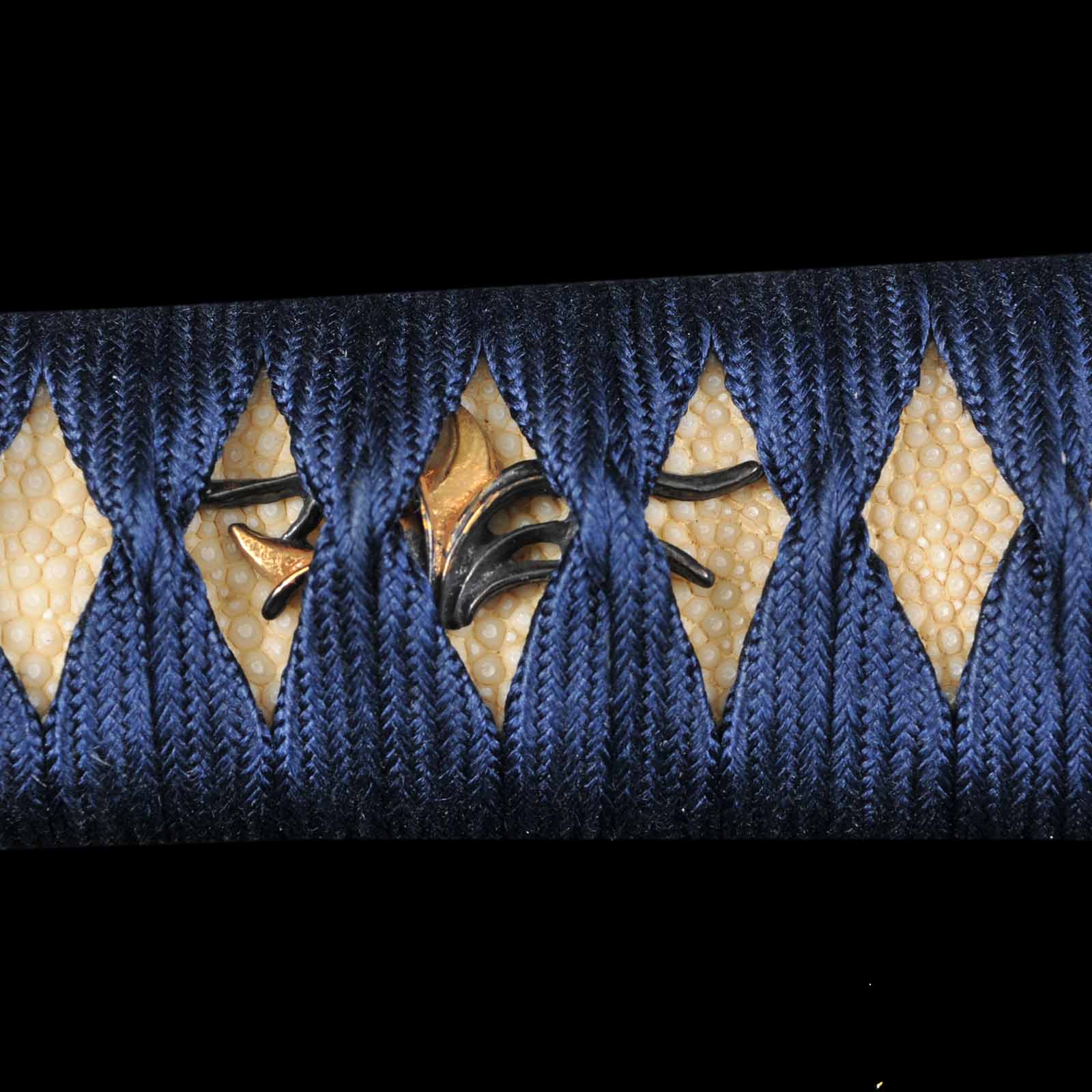
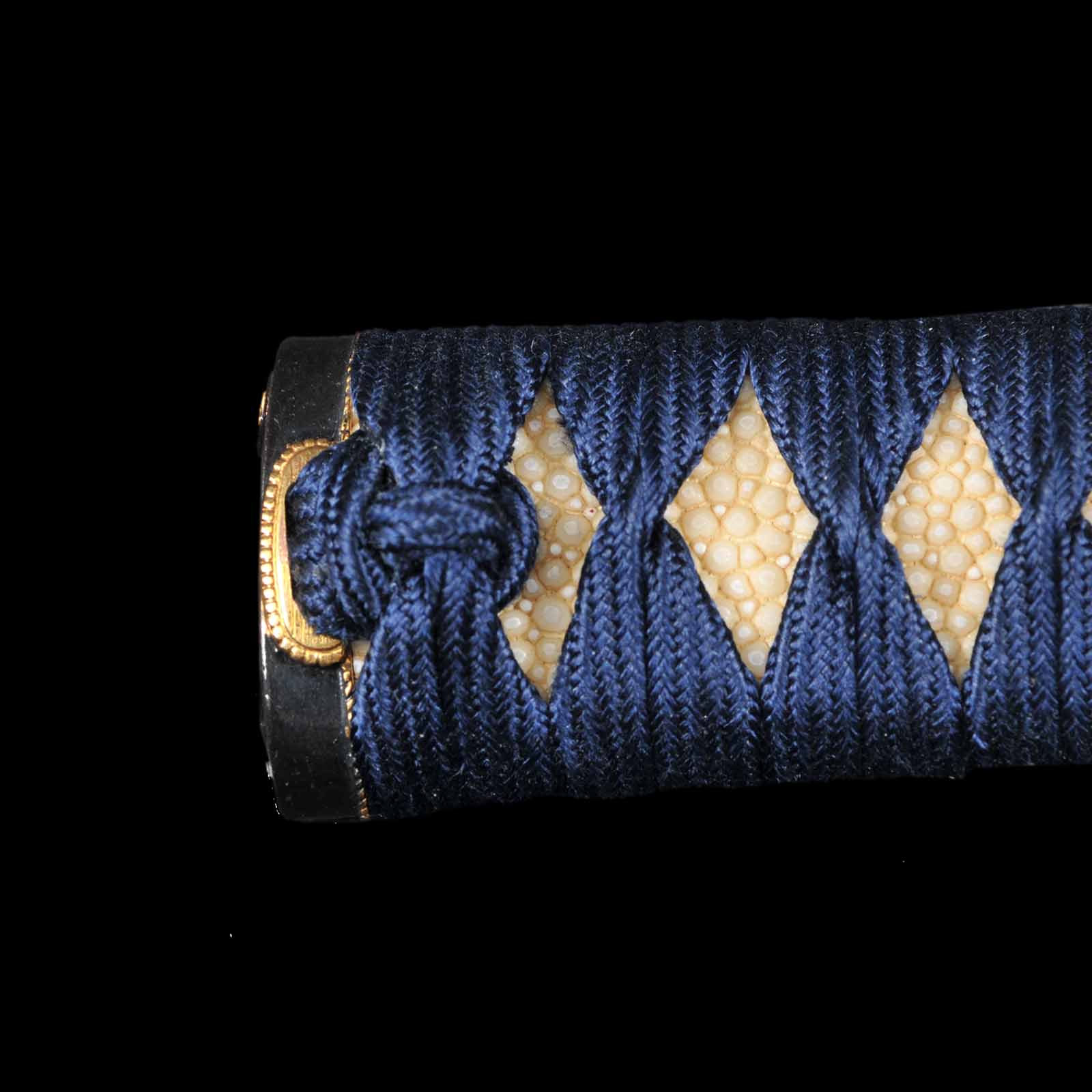
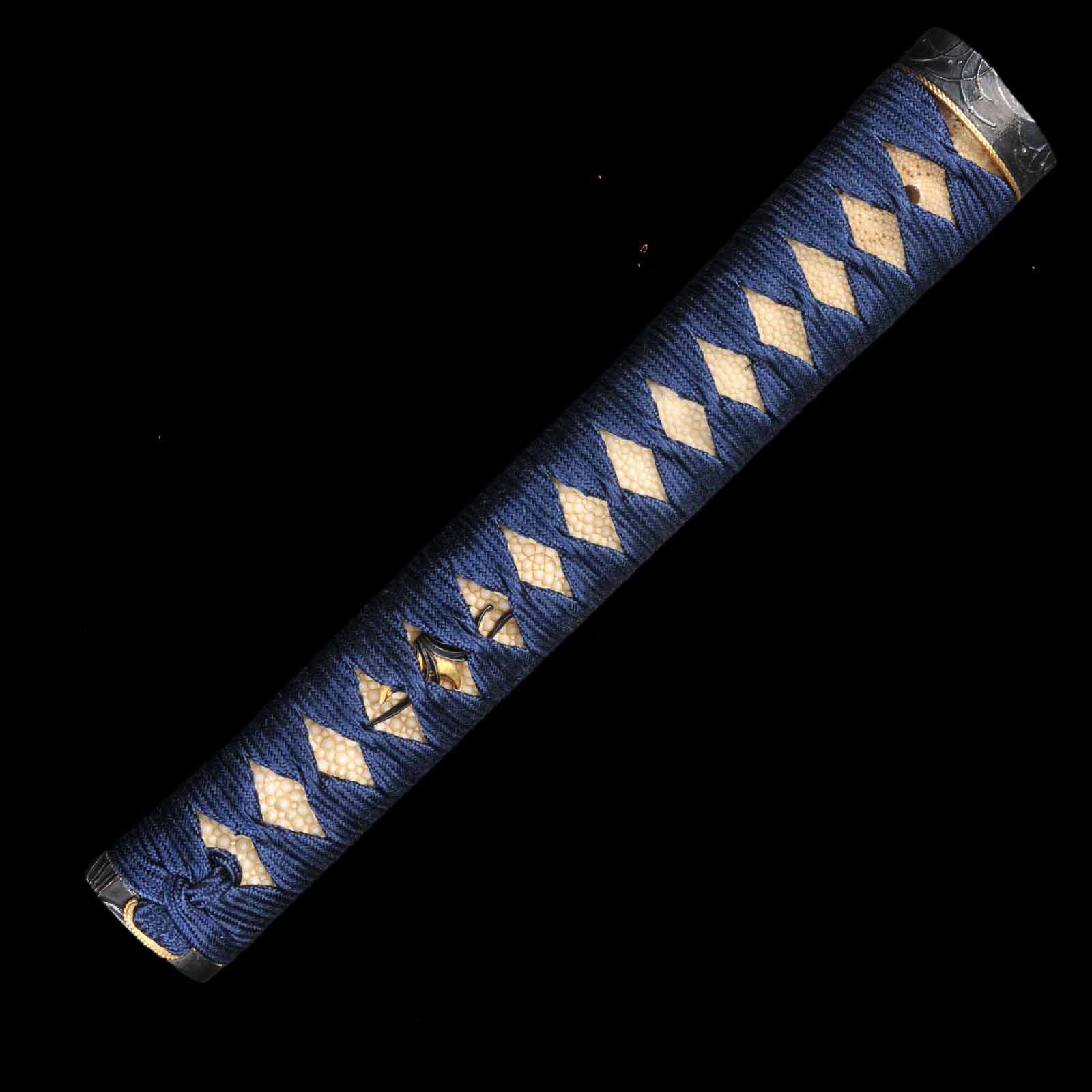
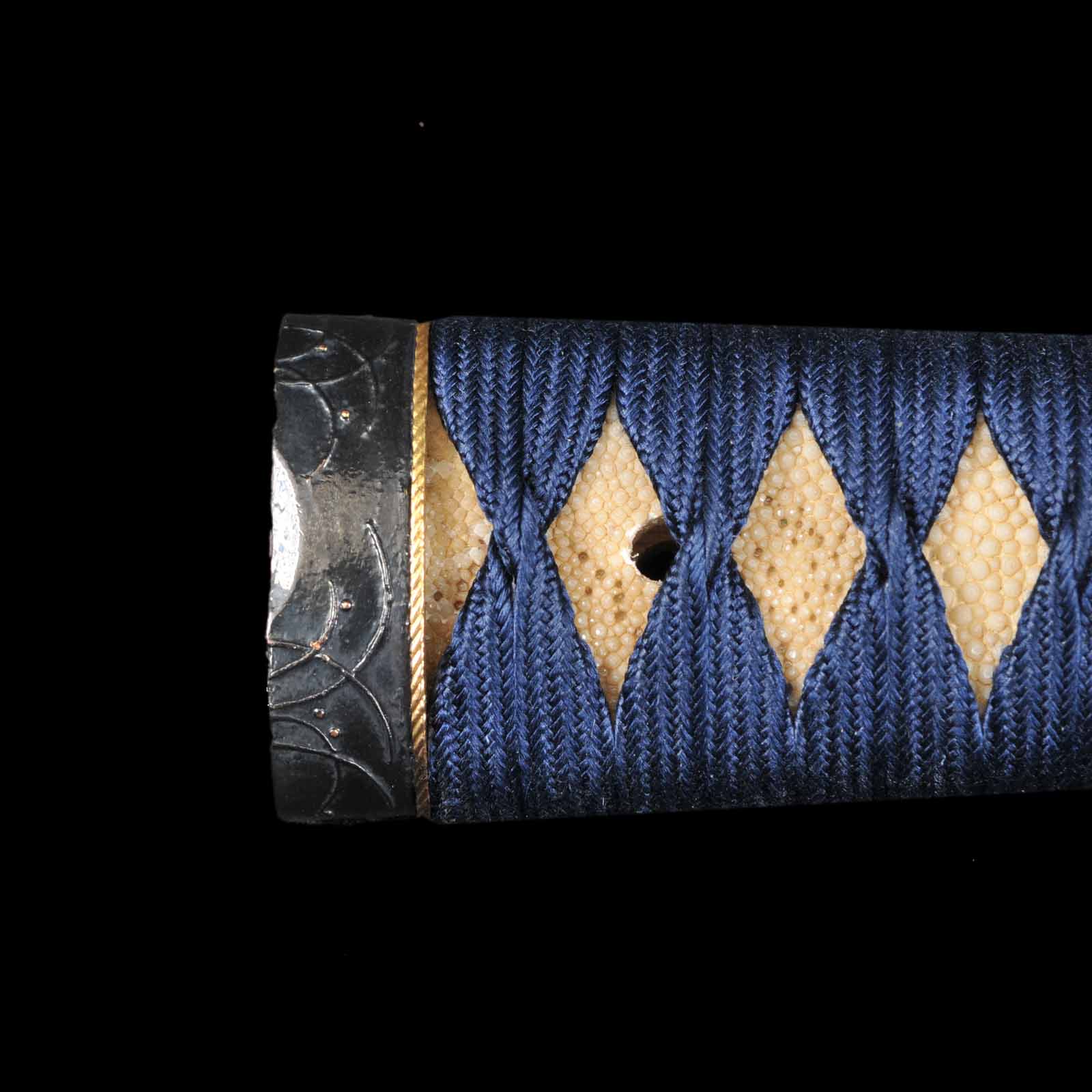
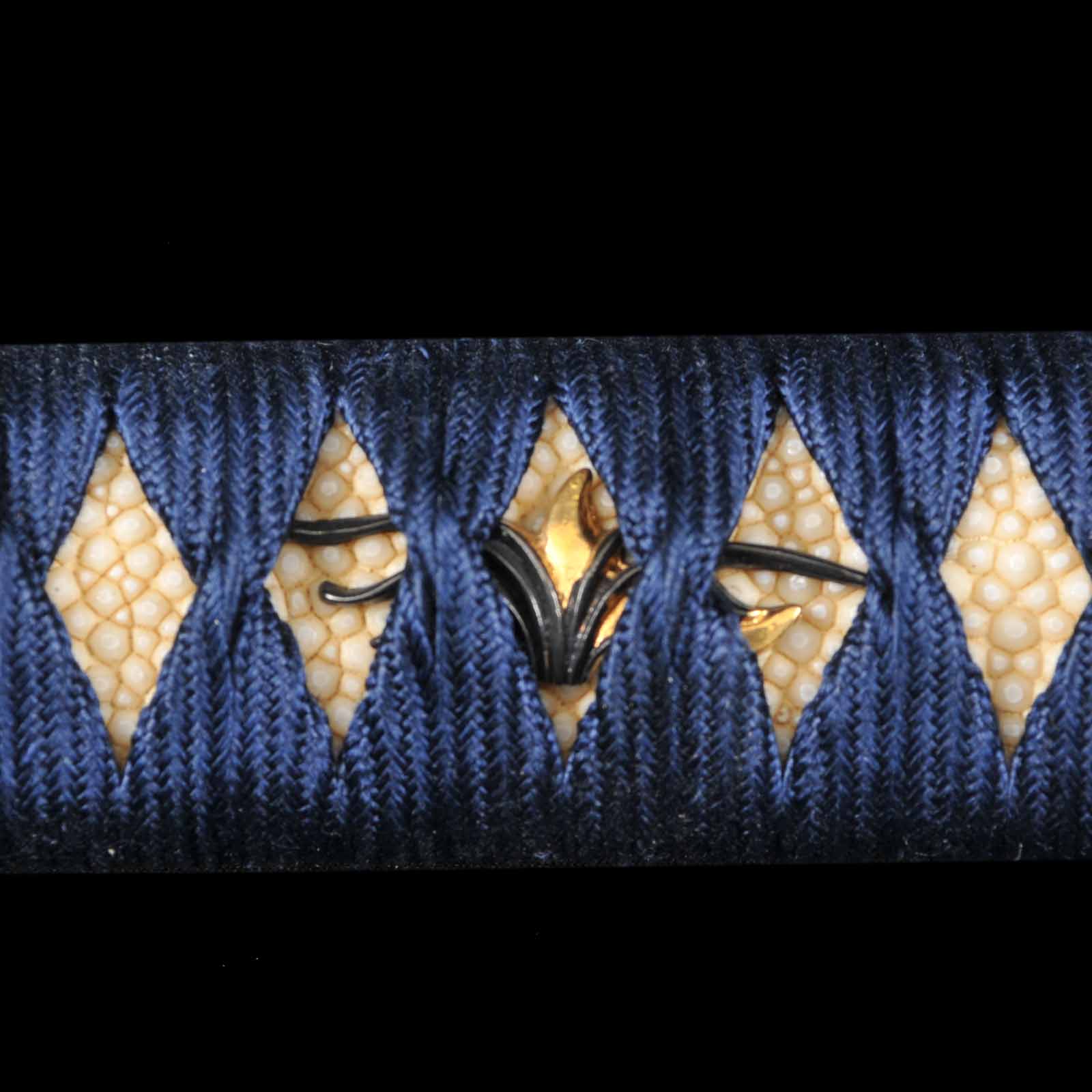
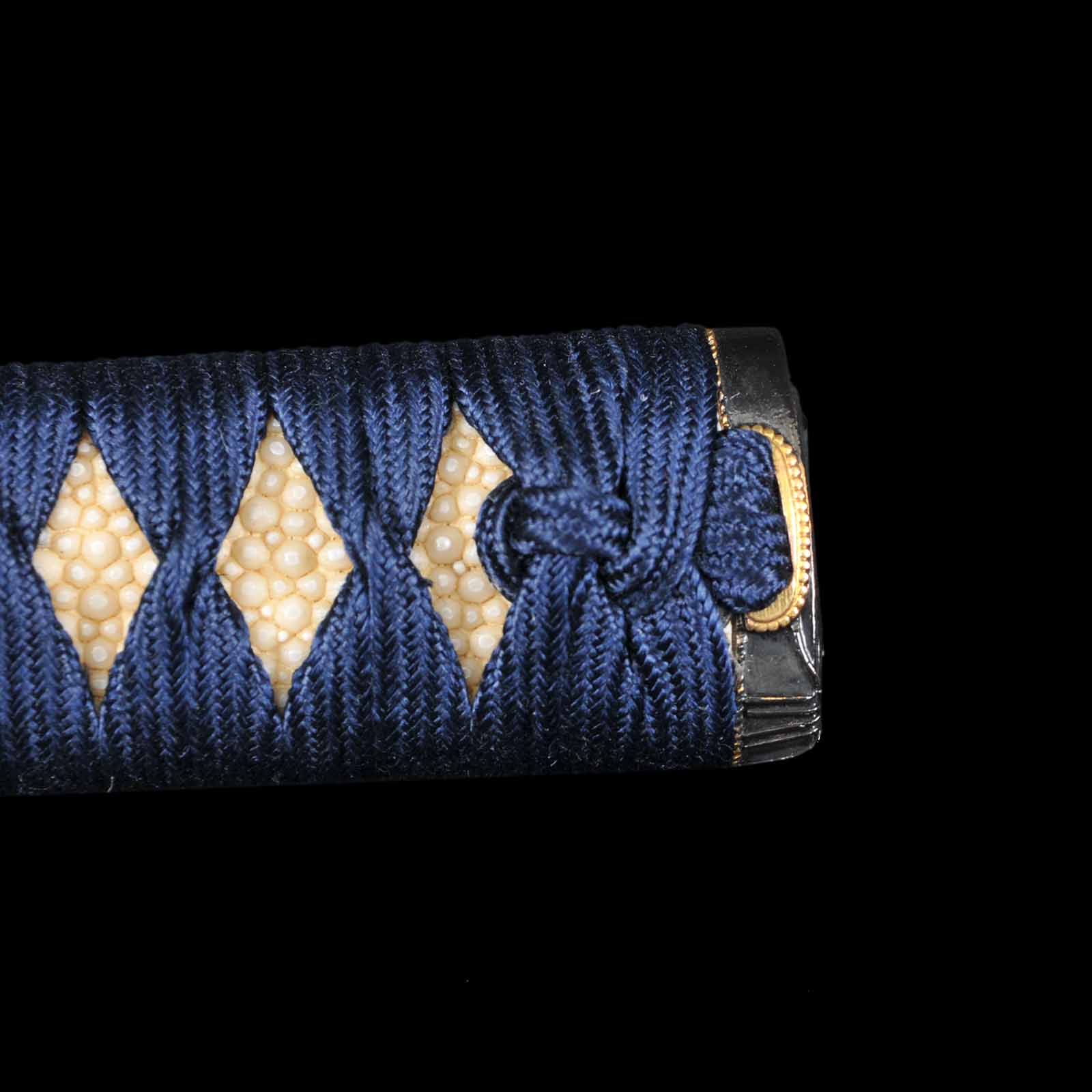
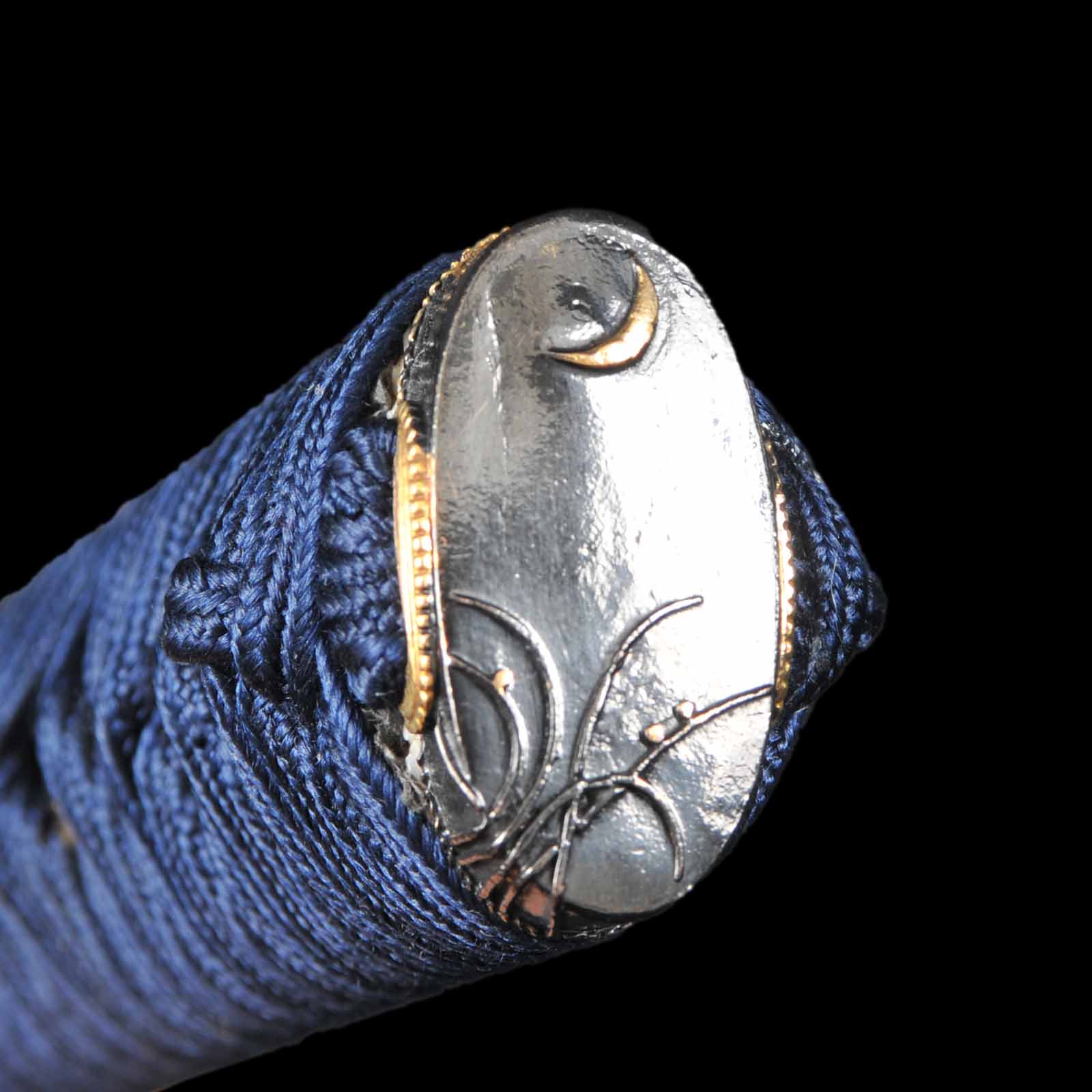
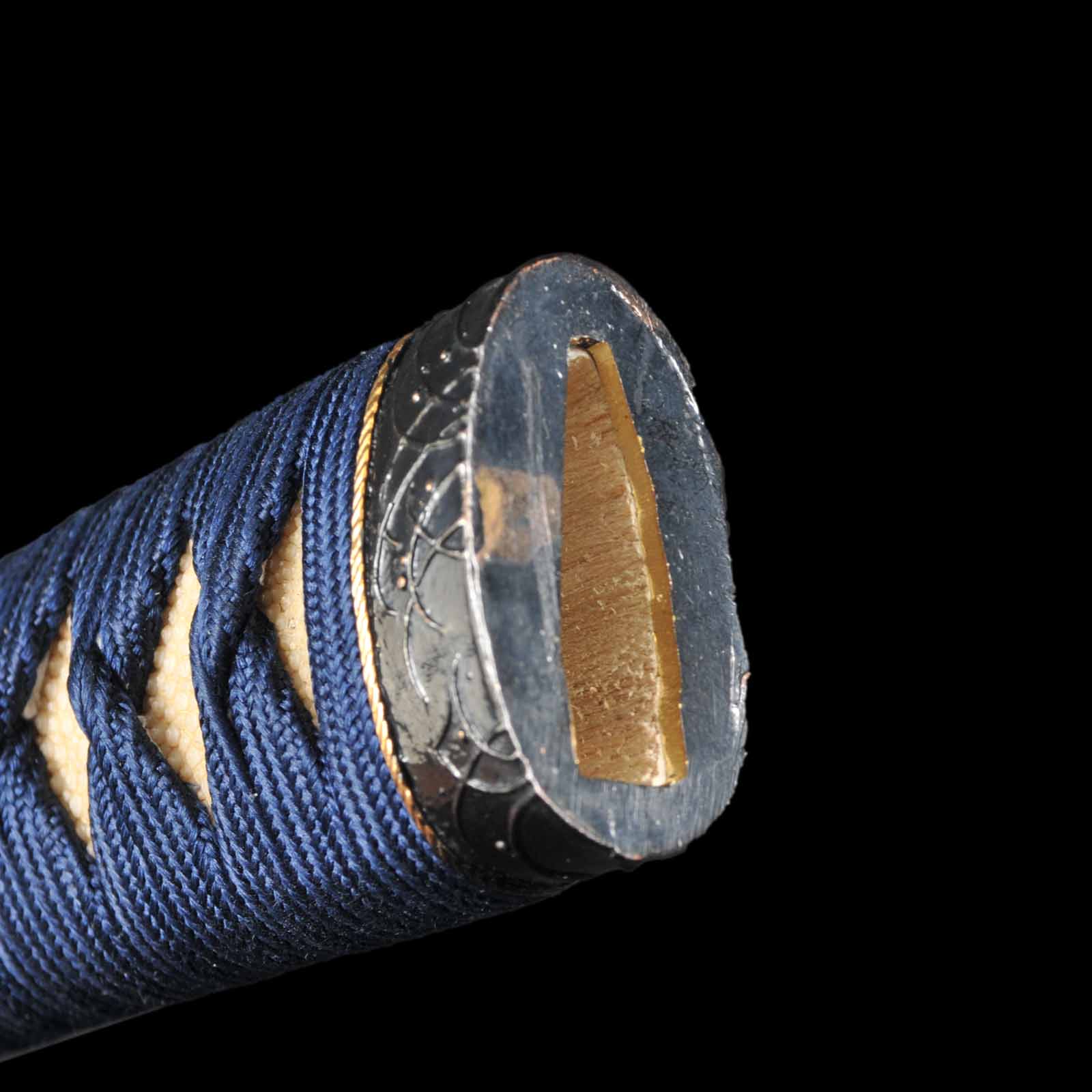
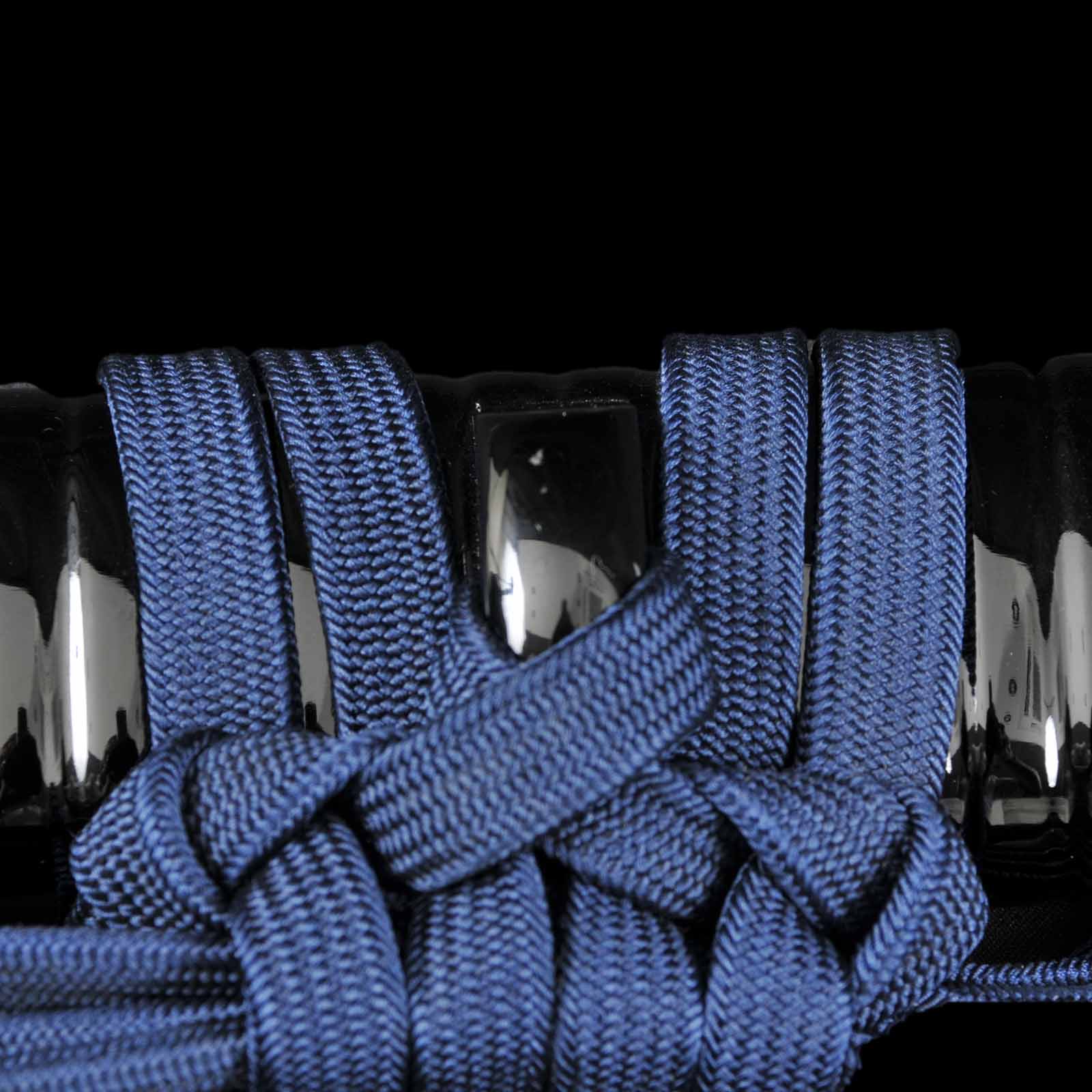
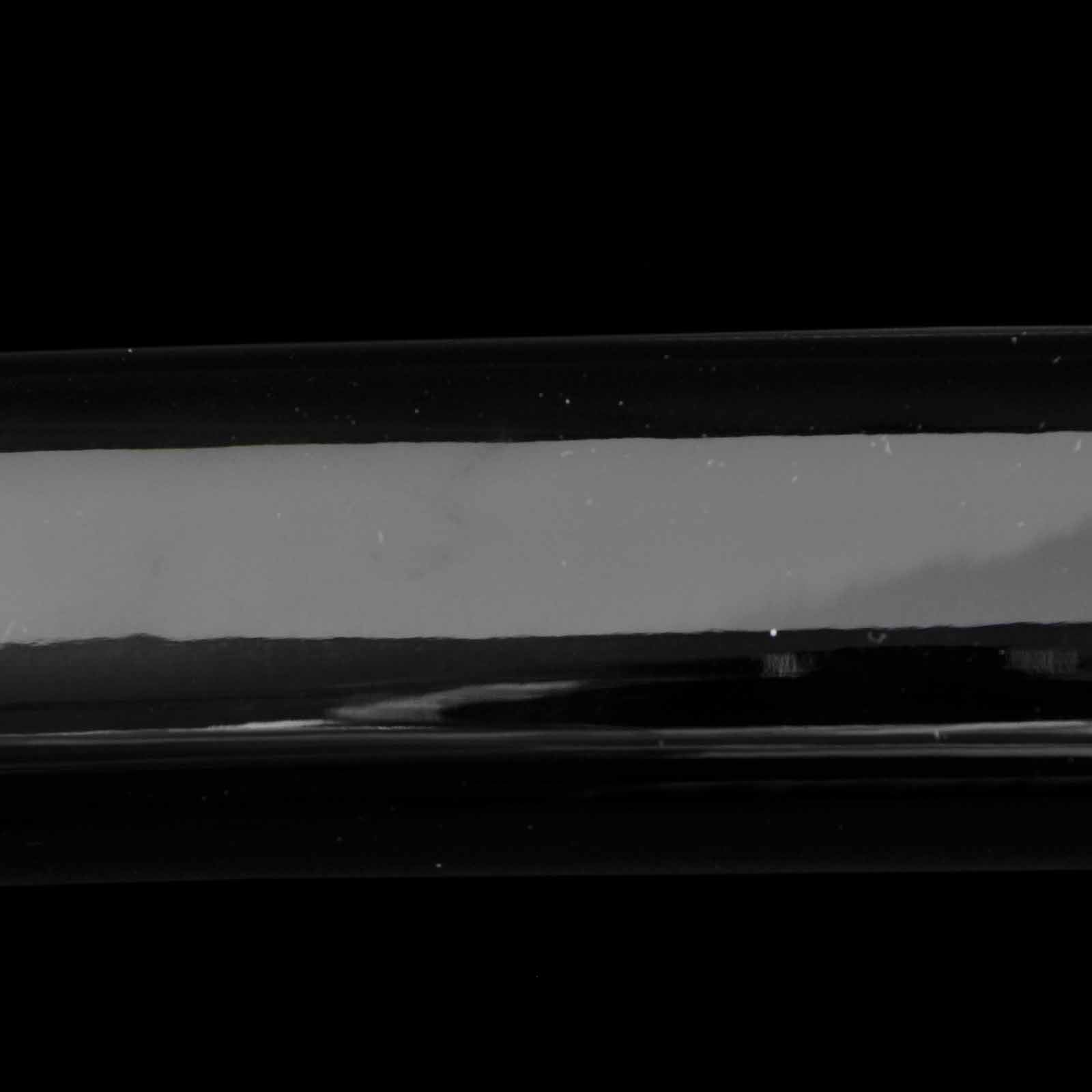
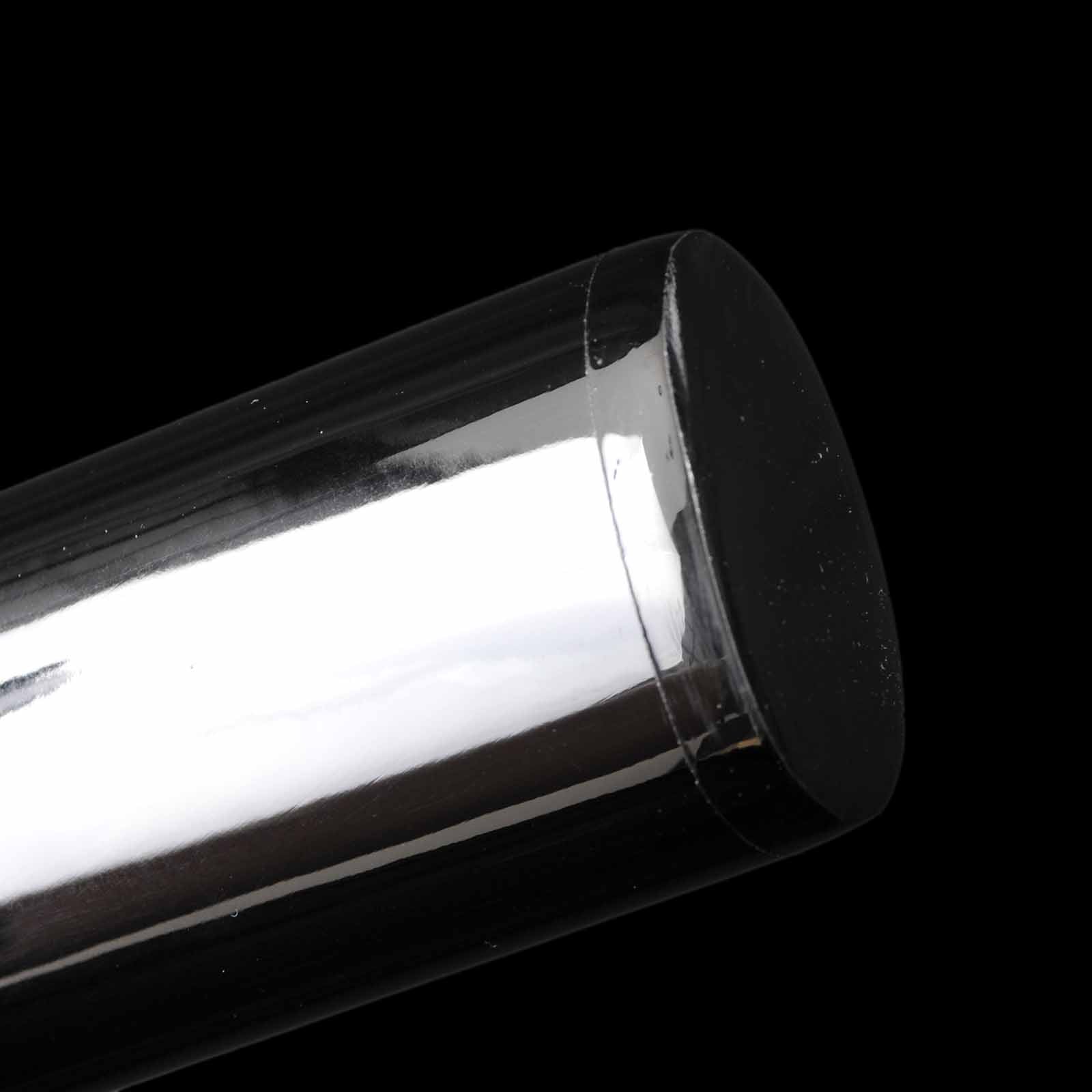
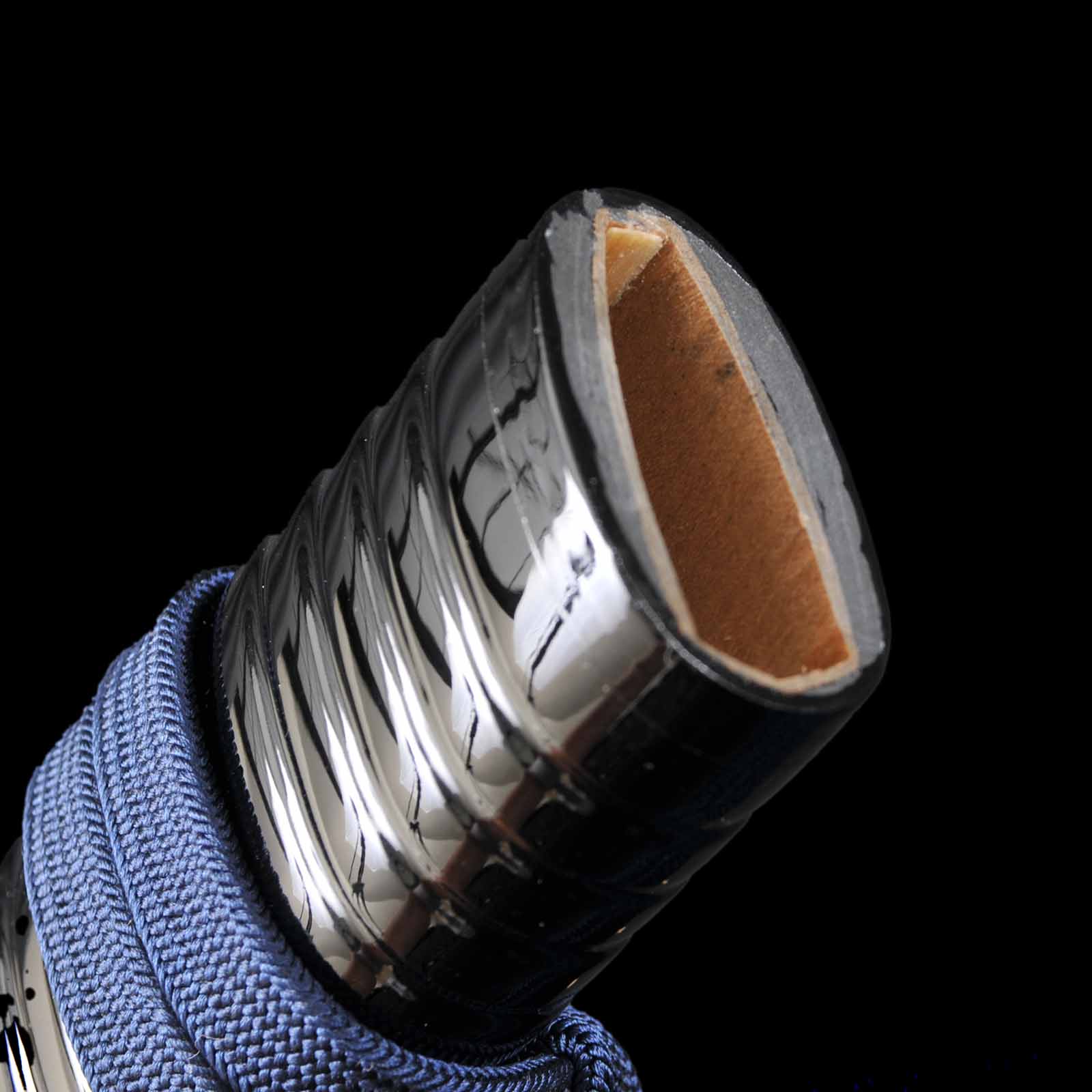
This piece is a 1974 katana that is ideal for batto or iai use. The blade is in extremely good condition with no flaws, rust, or chips, but there are some Uchikomi marks on the front and back. Uchikomi means that during the process of sunobe or hizukuri, the oxidized iron on the surface of the blade has peeled off and mixed with the kawatetsu, and this is not a problem in use. Jigane is a well-refined itame hada with a very clear and beautiful finish. Hamon is notare mixed with ko-ashi, and hataraki such as ashi and yo can also be seen. The blade is relatively thick and very heavy. The nakago is engraved on the front with “Kanemasa, who lives in the country of Noshu, created this piece using iron sand” and on the back with "New Year's Day, 1974. Kanemasa is a swordsmith from Gifu Prefecture whose real name is Ono Masami. In 1997, he was recognized as an important intangible cultural asset by Gifu Prefecture. The shihozume forging method can produce strong swords, but it is a difficult process that is prone to defects. The legendary Kiyomaro used this method to make practical katanas, but few swordsmiths today are doing so. Kanemasa boldly stuck to this production method and continued to make excellent works, and passed away in 2009. All Koshirae are equipped with modern iai armor and can be used immediately as a batto or iai. Made by master swordsmith Kanemasa using the shihozume method, this katana is a wonderful piece reminiscent of swords of the past, so practical that it is hard to believe it was made in the modern era. It is an excellent product that can be enjoyed either by using it or displaying it. Blade length: 73.8 cm Curvature: 1.6 cm Number of Mekugi hole: 1 Sakihaba: 23.8 mm Sakikasane: 5.6 mm Motohaba: 33.8 mm Motokasane: 7.6 mm Signature: Noshu ju Kanemasa Satetsu wo motte Kore wo Tsukuru(front), Showa Mizunoto Ushi doshi Shogatsu(back) Era: Gendai Structure: Shinogi-zukuri, Iori-mune Jigane: Itame Hamon: Notare Boshi: Notarete Haitte Omaru ni Kaeru W
Offered by Tozando


Gifu · around 1926-1989
1 piece on the market now
Shōwa to the present: destruction and revival
The twentieth century nearly killed the craft twice: wartime distortion, then the occupation ban. The NBTHK’s founding in 1948 and licensed forging from 1953 rebuilt the sword as an art, crowned by Living National Treasures and the mukansa rank.
As a general rule, returns/exchanges are not accepted on Japanese sword orders unless damaged upon delivery. Other items: returns/exchanges accepted within 7 days of delivery. Cancellation for personal reasons incurs a 30% restocking fee (70% refunded). Return shipping must be prepaid and insured by the buyer; shipping/handling fees are non-refundable. Contact katana@tozando.co.jp to initiate a return.