Muromachi turned sword making into an industry: the uchigatana rose with massed infantry warfare, Osafune and Seki produced bundle swords beside custom orders, and the Ming trade carried Japanese blades abroad by the tens of thousands.
 NihontoWatchNihontoWatch
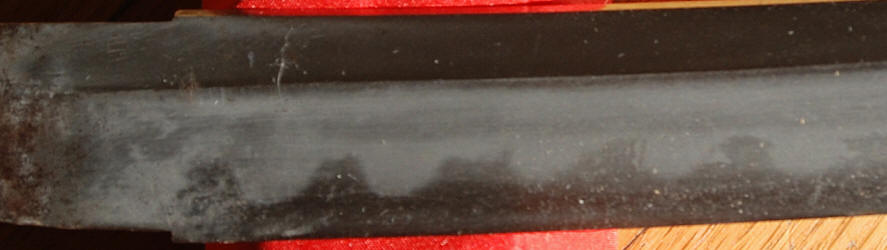
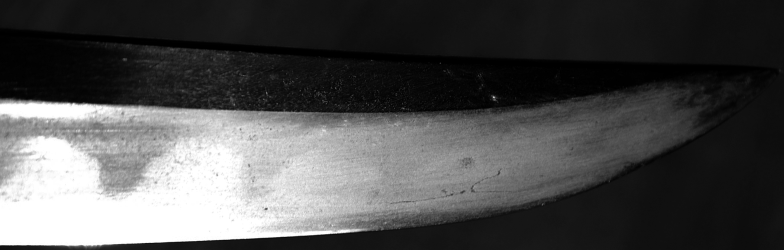
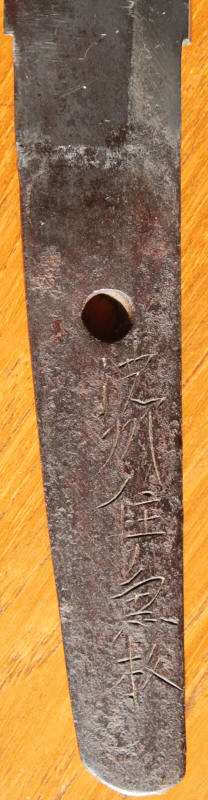
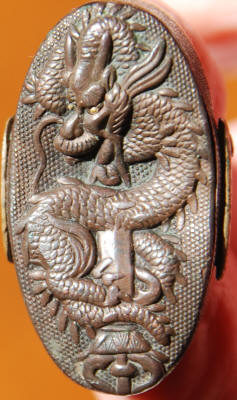
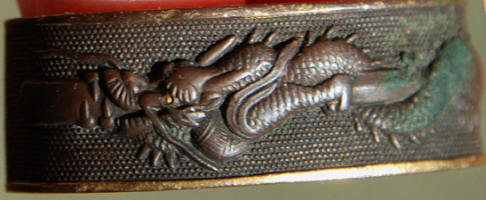
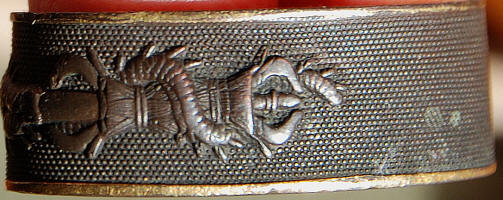
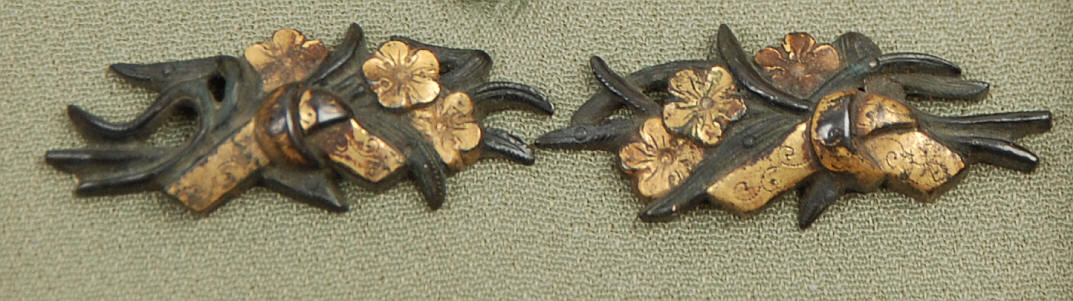
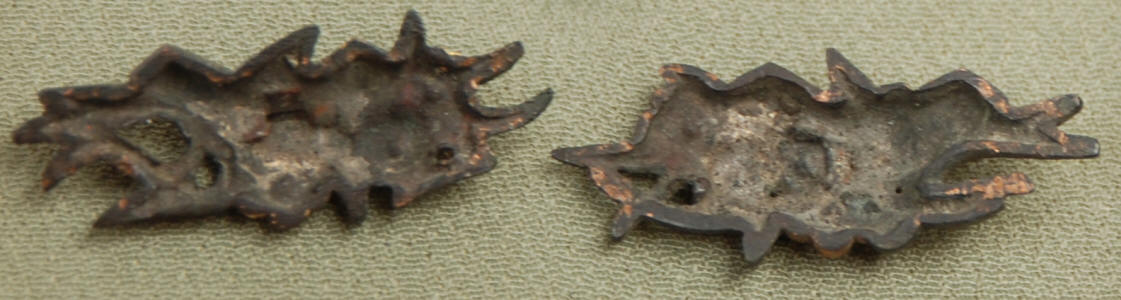
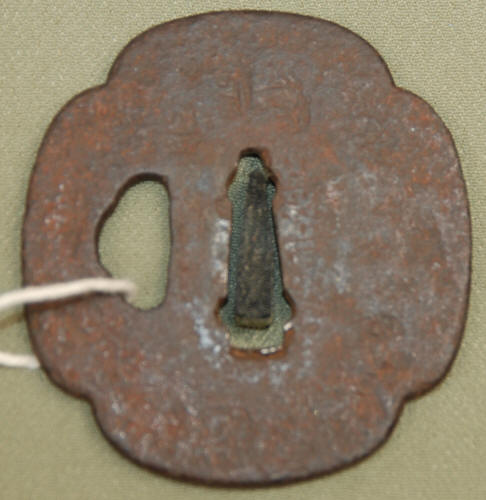
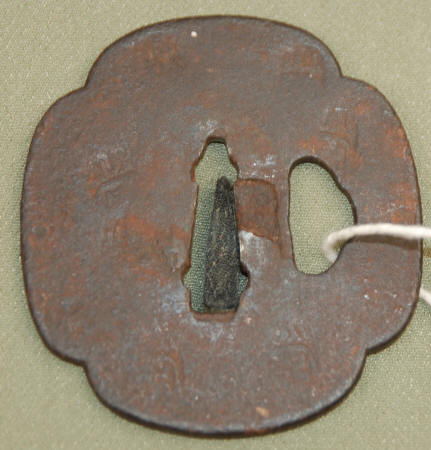
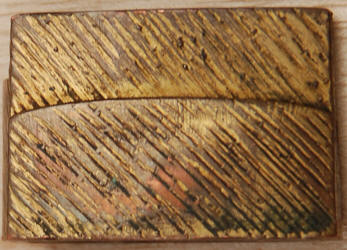
A project sword/. An ubu wakizashi signed Noshu ju Kanetaka. Takebazukure iroi mune sakizori. Hawatare: 1 Shaku 6 Sun 5 Bu(50 cm / 19.68"). Motohaba: 3 cm. Kasane: 6mm. Ogunome and o haku hamon patterns extent ding into the point. Although the condidion of the blade precludes proper examination, because it is a koto Mino production, we can assume ha-nie and slightly running itame or mokume hada. The blade appears healthy and would benefit from a polish, and is so priced. The tsuka needs to be rebuilt. The fuchi-kashira are good quality dragon on shakudo. The kashira is slightly dented, but hardly noticable. The menuki are good quality flower arrangement in shakudo and gold. The moku tsuba is plain iron. Niju plated habaki. There were three recorded Kanetaka working in Mino during sue koto times. One in 1467, two around 1596. Hawley rates them as 30 and 15 poits. the Meikan gives them a single circle. This will be a very attractive sword when polished. Noshu ju Kanetaka Complete Hawley listing for Mino Tanetaka
NihontoWatchOffered by Nihonto US
Kanetaka is a name with Jūyō-designated work, and we couldn’t find current papers for this piece. Treat the name as unproven until papers say otherwise. It is also priced far below papered work by makers of this standing. — Hoshi Ask me first






Mino · around 1532-1555
Tōken Taikan top 60%
Where Kanetaka stands among comparable artisans: across all of nihontō, and within tradition, era, and period. The tiers (Foremost · Leading · Major · Notable) weigh official designations from the NBTHK and Japan's Agency for Cultural Affairs, together with historical honors of lasting repute such as the Sansaku and Meibutsu-chō.
Select a lens to see how it's measured.
The Muromachi period (1392 to 1573)
Muromachi turned sword making into an industry: the uchigatana rose with massed infantry warfare, Osafune and Seki produced bundle swords beside custom orders, and the Ming trade carried Japanese blades abroad by the tens of thousands.
We could not find an authenticity certificate on the seller’s listing. Japanese swords and fittings are normally papered by the NBTHK (or the NTHK). Without one, the attribution is the seller’s own assessment and has not been independently verified — treat it with caution and ask the dealer about certification before buying.
Three day, no penalty, inspection on every item. Returns must be in the same condition as shipped. Actual costs will be charged on returned items. No restocking fee. If you did not like the item is a good enough reason for return.
$1,500