 NihontoWatchNihontoWatch
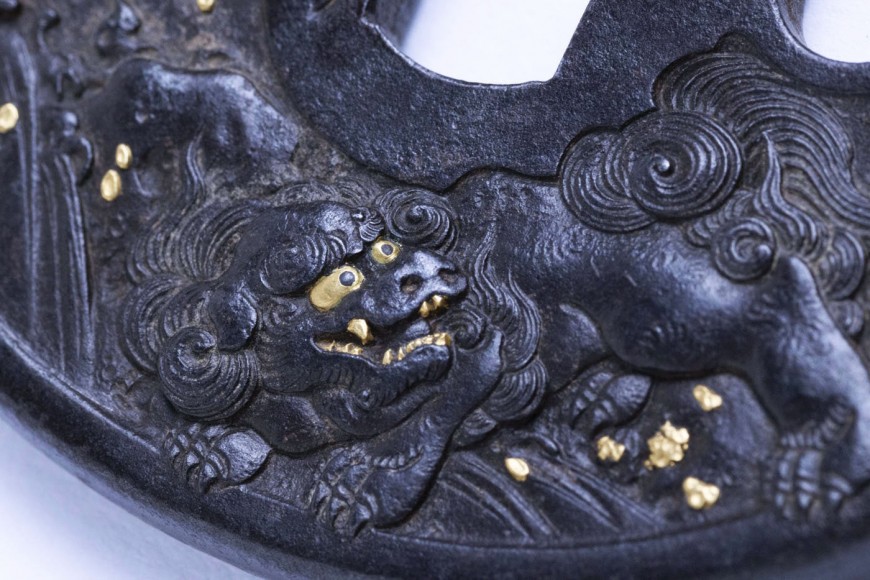
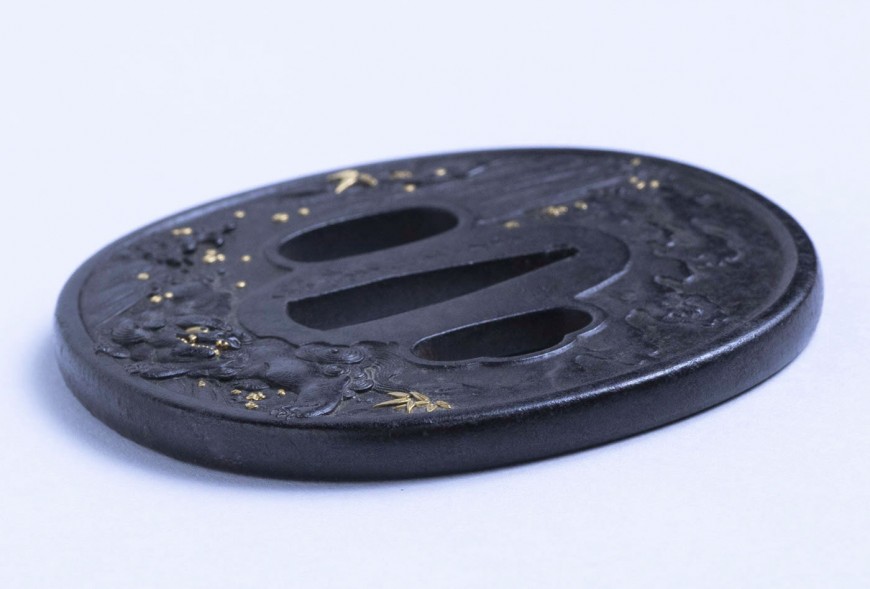
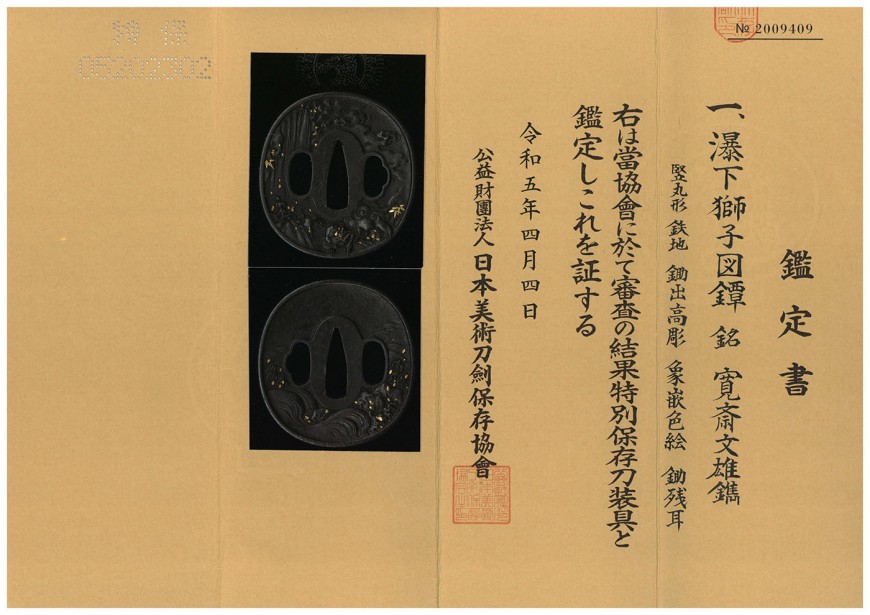
Fumio was the same person as the third generation Sekibun, and used Akanori as his first mei. Born in Meiji 2 in Tsuruoka as the son of Aritake, he became the adopted son of his uncle Monju in Meiji 9. He went to Tokyo in Meiji 22 and became a monjin of Kano Natsuo. After returning home, he followed the family business and succeeded to the name of the third generation Sekibun after the death of his uncle. In his later years, he used the go of Mui. This work splendidly depicts a lion below a waterfall on a tetsu ground with sukidashi takabori, and the high level of skill can be seen. The expression of the lion is good.
NihontoWatchOffered by Wakeidou

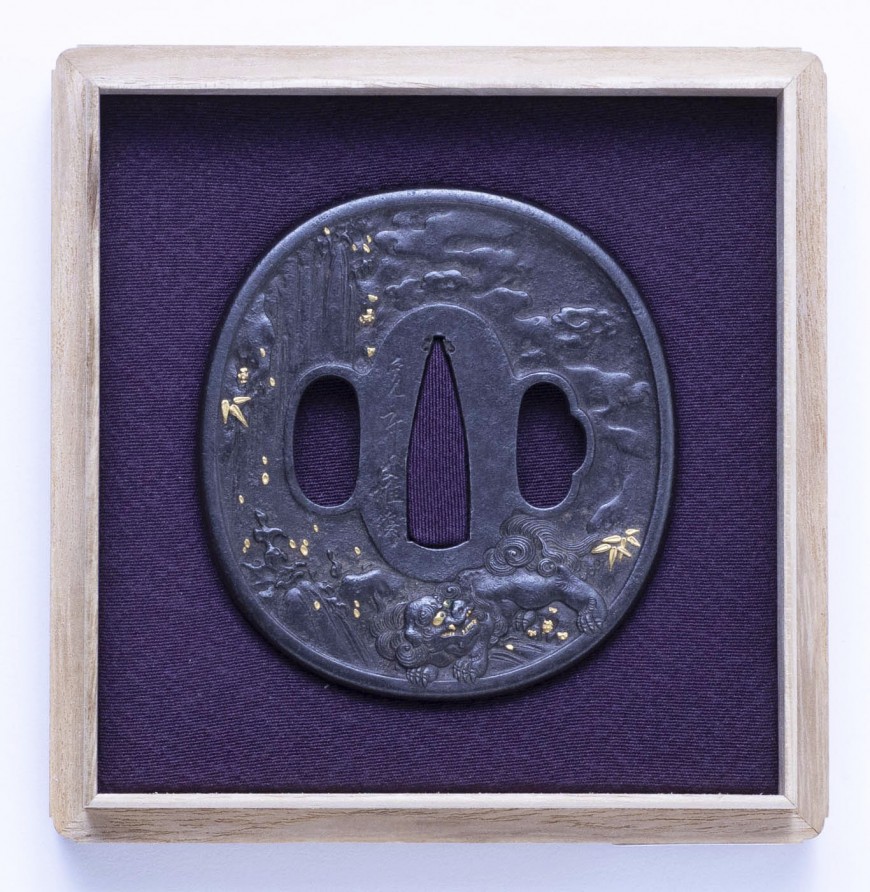
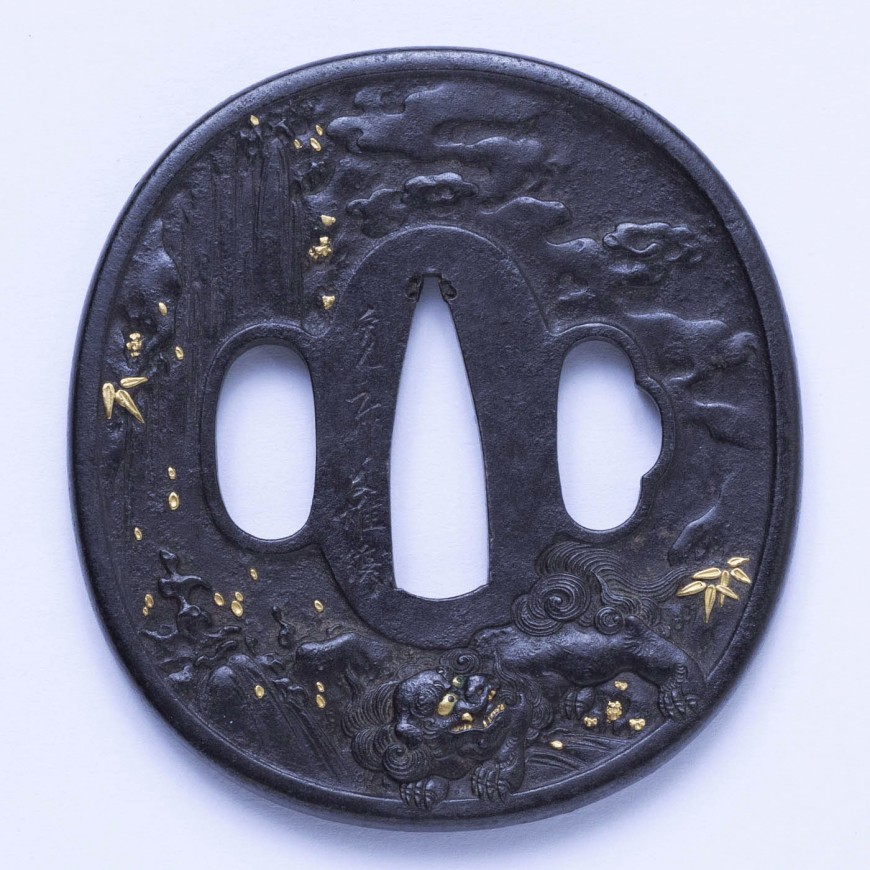
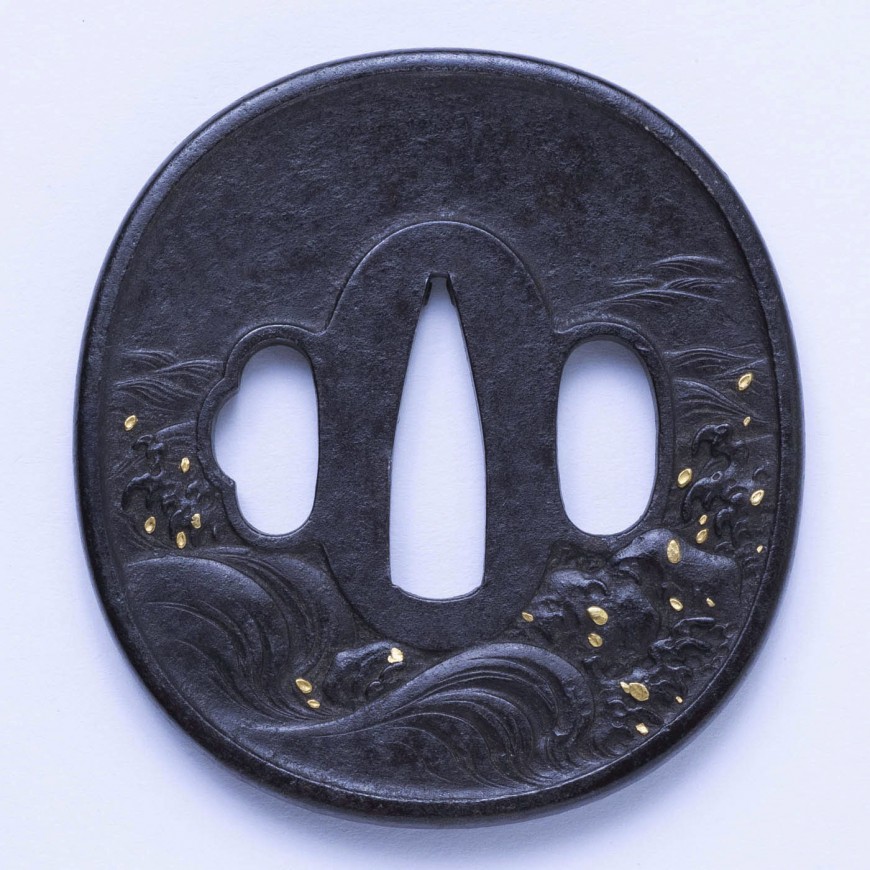
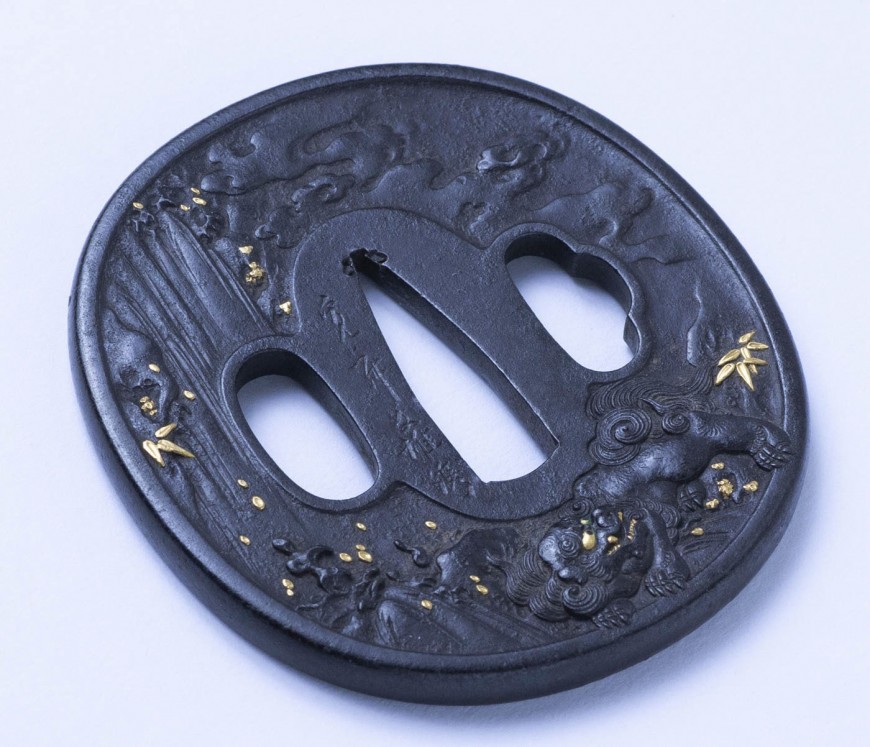
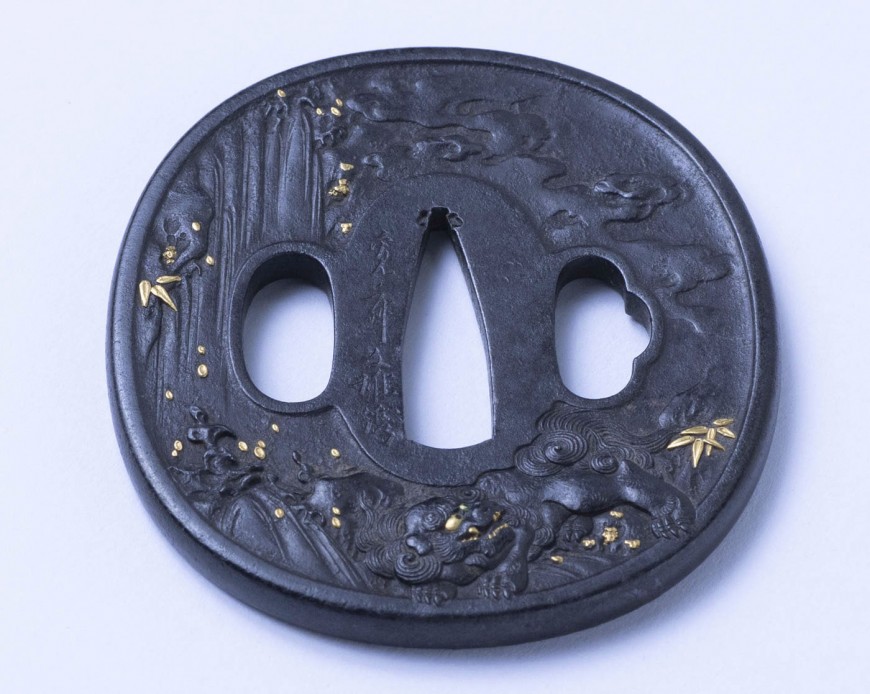
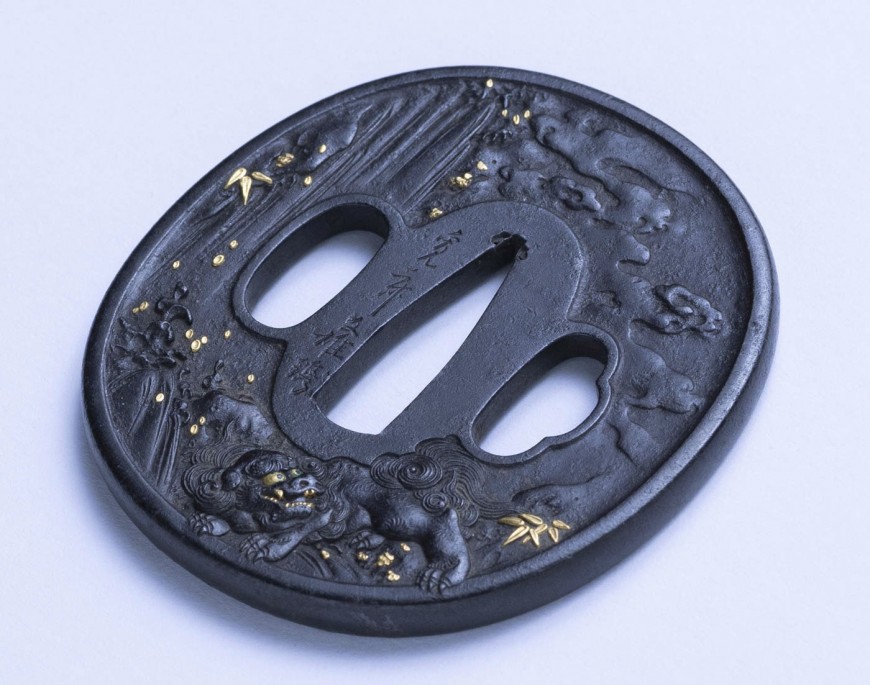
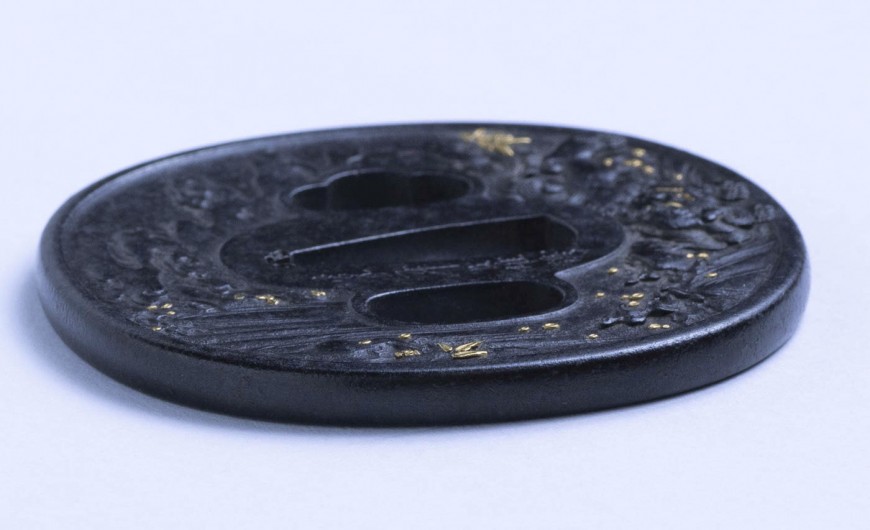
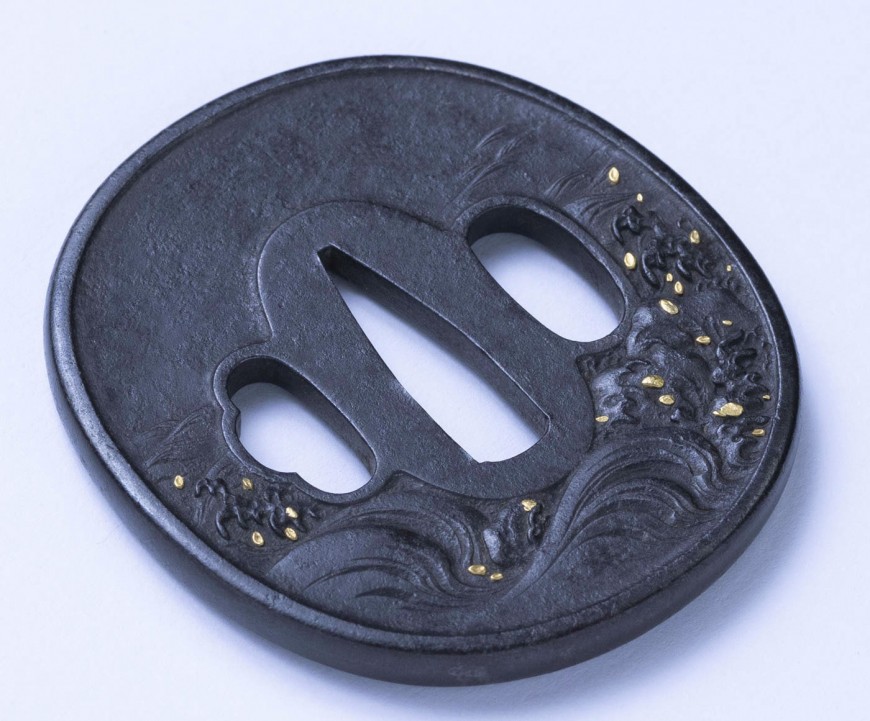
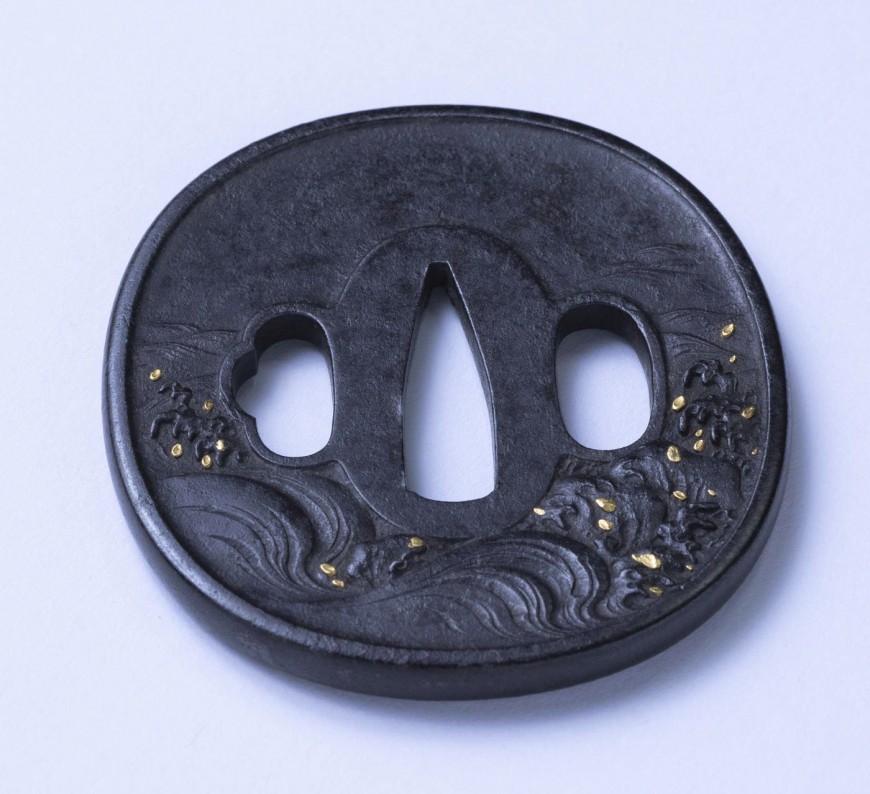
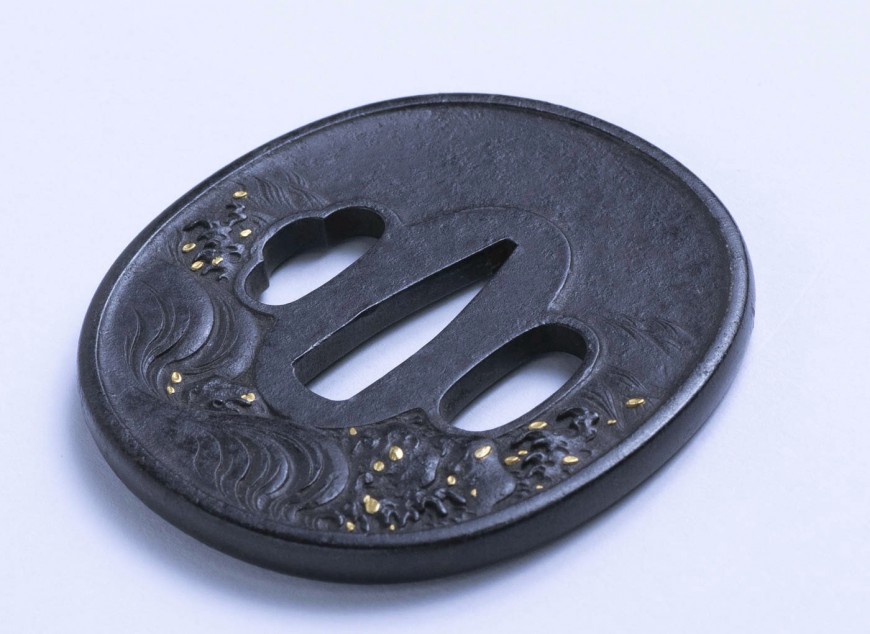
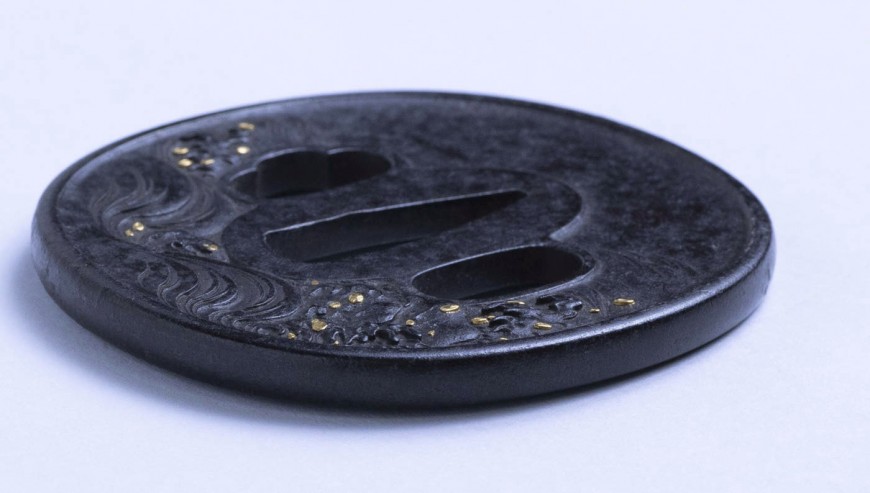
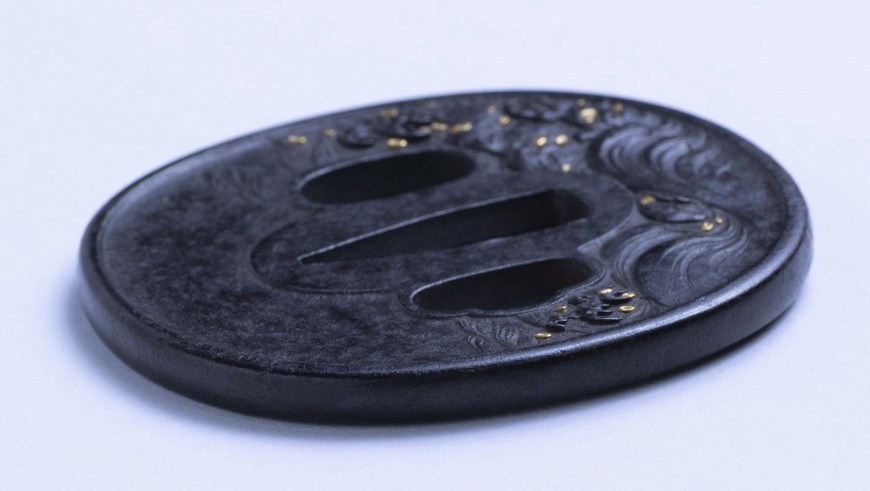
Fumio
Late Edo
Signed
Tokuho (NBTHK)
As written by the shop
Machine translation from the shop's Japanese · may contain errors ·
Dewa
1 piece on the market now
A Hozon-certified fitting of notably superior craftsmanship and condition, often with signature or workmanship of high reference value.
The NBTHK (Nihon Bijutsu Tōken Hozon Kyōkai, the Society for the Preservation of Japanese Art Swords) is a public-interest incorporated foundation founded in 1948 and supervised by Japan’s Agency for Cultural Affairs (Bunkachō); it is based at the Japanese Sword Museum in Tokyo. Its expert panels physically examine each submitted work (shinsa) and issue a certificate (kanteishō) ranking it by artistic and historical merit. NBTHK papers are the most widely recognized standard of authentication for Japanese swords and fittings.
NBTHK official siteInternet purchases only. If, after seeing the item in person, you are not satisfied with it, we accept a return within 7 days, provided the item shows no abnormality. Return shipping for returns at the customer's convenience is at the customer's expense; please send it prepaid.
¥750,000