 NihontoWatchNihontoWatch
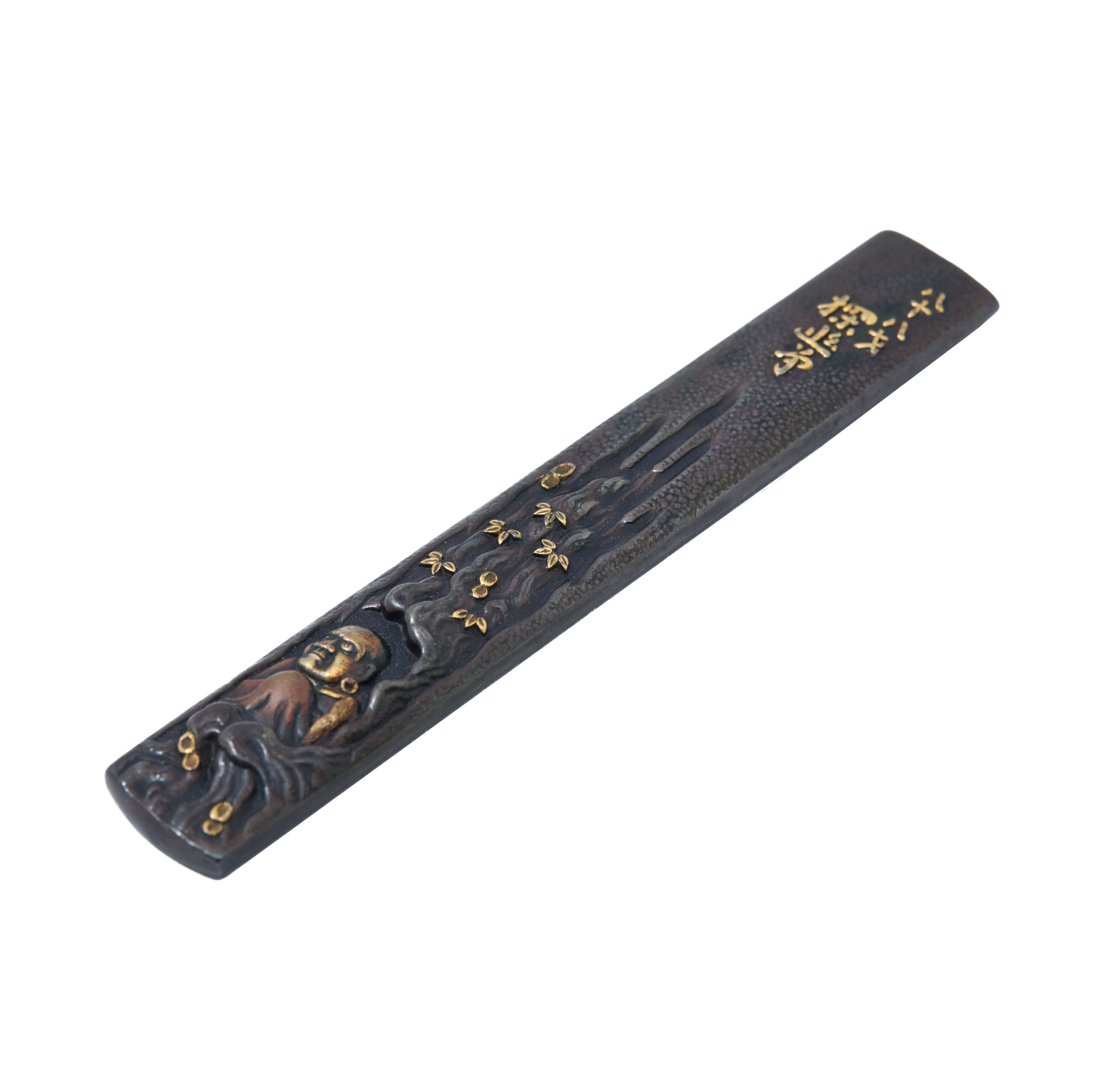
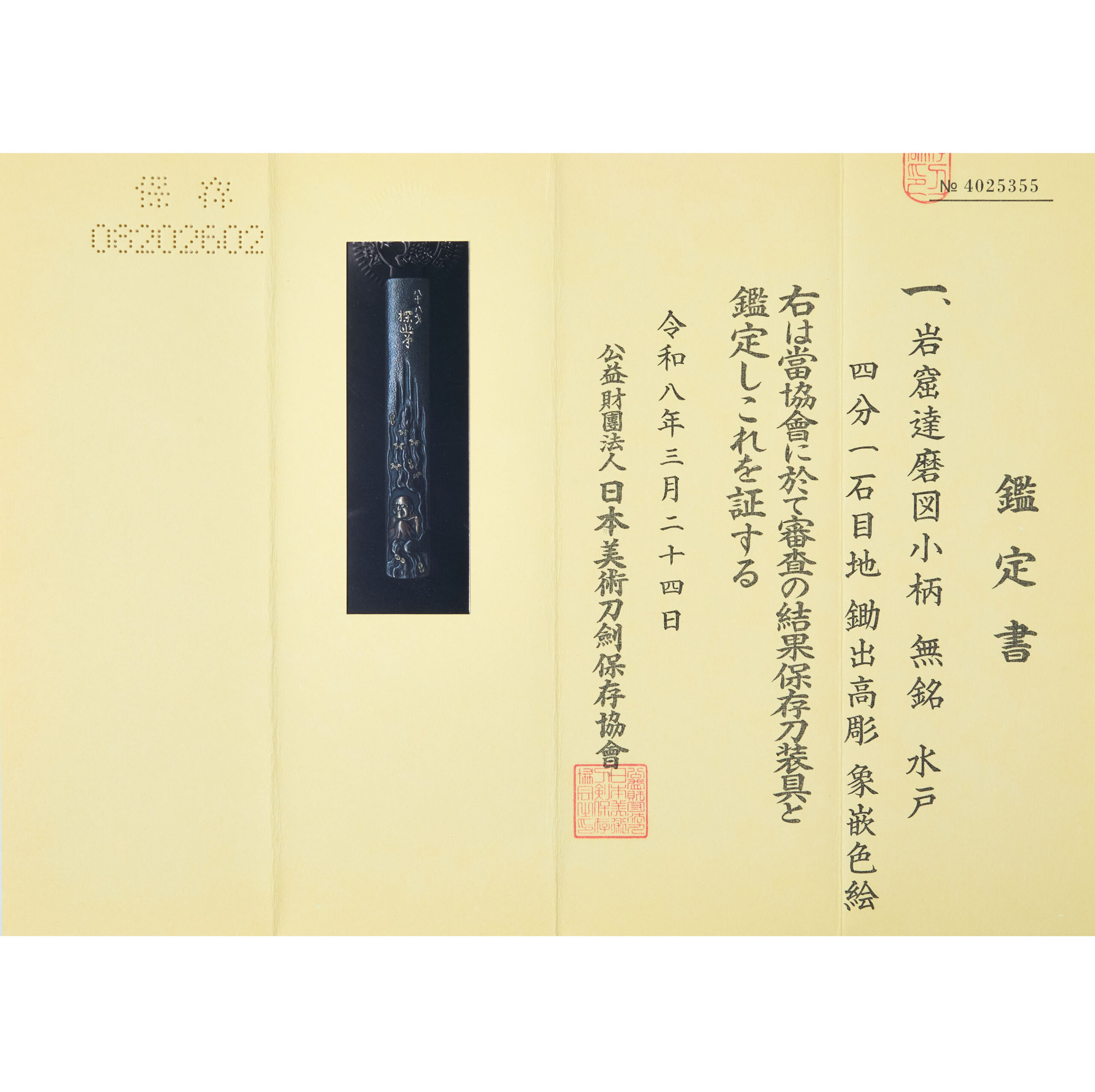
This kozuka features a Gankutsu Daruma-zu (岩窟達磨図), or “Daruma in a Cave” design. It is made of shibuichi (四分一), a traditional Japanese alloy composed primarily of copper and silver. According to the NBTHK appraisal, this tsuba has been attributed to the Mito school. The school flourished in the Mito domain (today’s Ibaraki Prefecture) during the Edo period and was known for its refined carving, detailed designs, and skillful use of metal inlay. Daruma Daishi, better known outside Japan as Bodhidharma, was a Buddhist monk traditionally regarded as the founder of Chan Buddhism in China, which later developed into Zen Buddhism in Japan. He is especially associated with the practice of menpeki (面壁), or meditation while facing a wall. According to Buddhist tradition, Daruma meditated for nine years in a cave near Shaolin Temple on Mount Song in China. This cave is known in Japan as Daruma-dō (達磨洞, “Daruma Cave”). The celebrated episode is called Menpeki Kunen (面壁九年), meaning “nine years of wall-facing meditation.” The cave setting depicted on this kozuka refers to this famous period of intense spiritual training. Daruma’s stern expression does not represent anger toward others. Rather, it symbolizes his struggle to overcome weakness, distraction, and doubt through unwavering spiritual discipline. Many legends arose around Daruma’s extraordinary endurance. Although their historical accuracy is uncertain, these stories helped establish him as a symbol of perseverance, resilience, and unwavering determination. In Japan, these qualities are also embodied by the familiar Daruma doll, which is associated with good fortune and the fulfillment of personal goals. Authentication Paper They authenticated the Kozuka on March 24h in the 8th year of Reiwa (2026). They appraised it as Hozon Tousougu, the Kozuka worth preserving for Japanese society.
NihontoWatchOffered by Samurai Museum

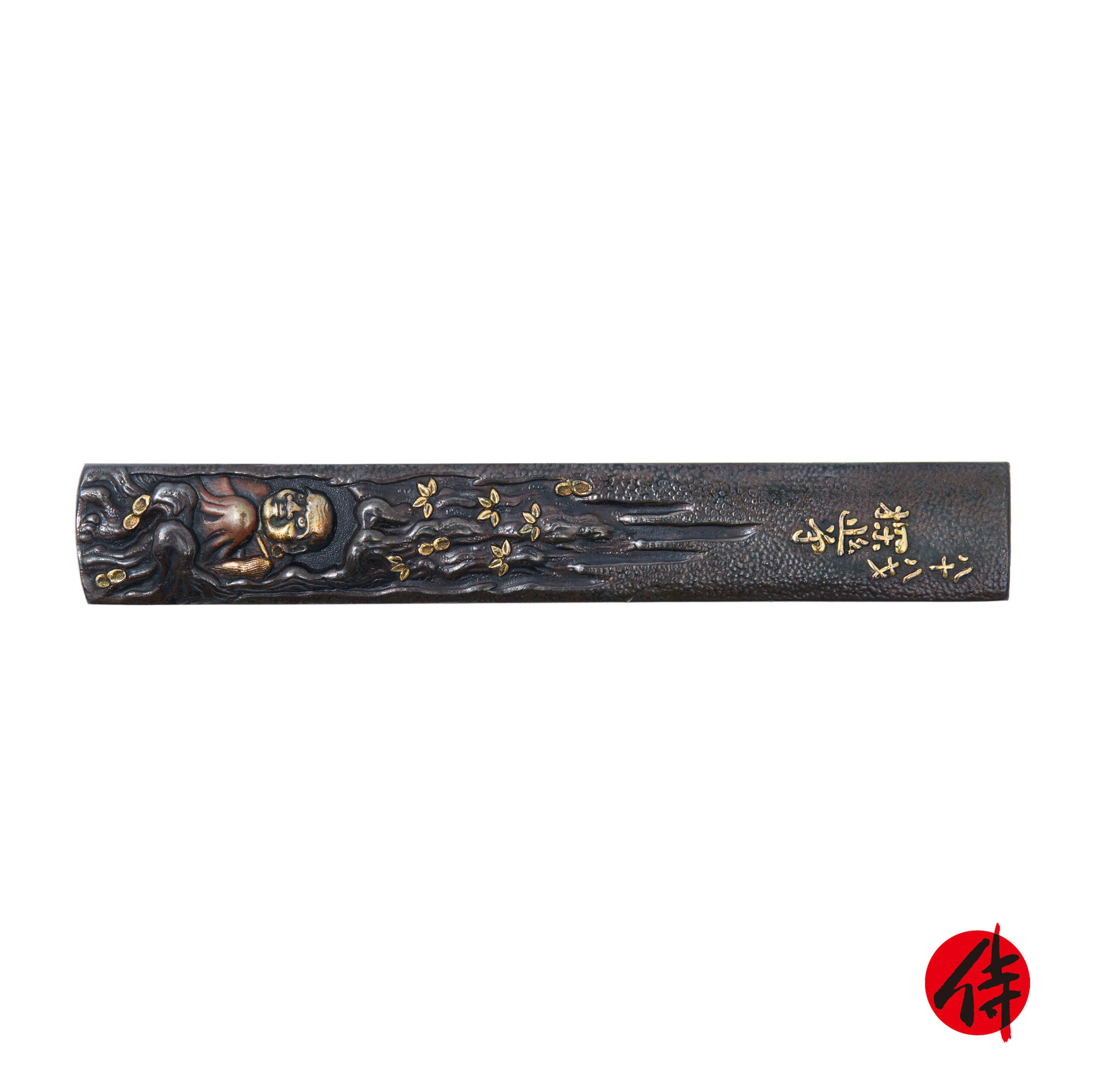
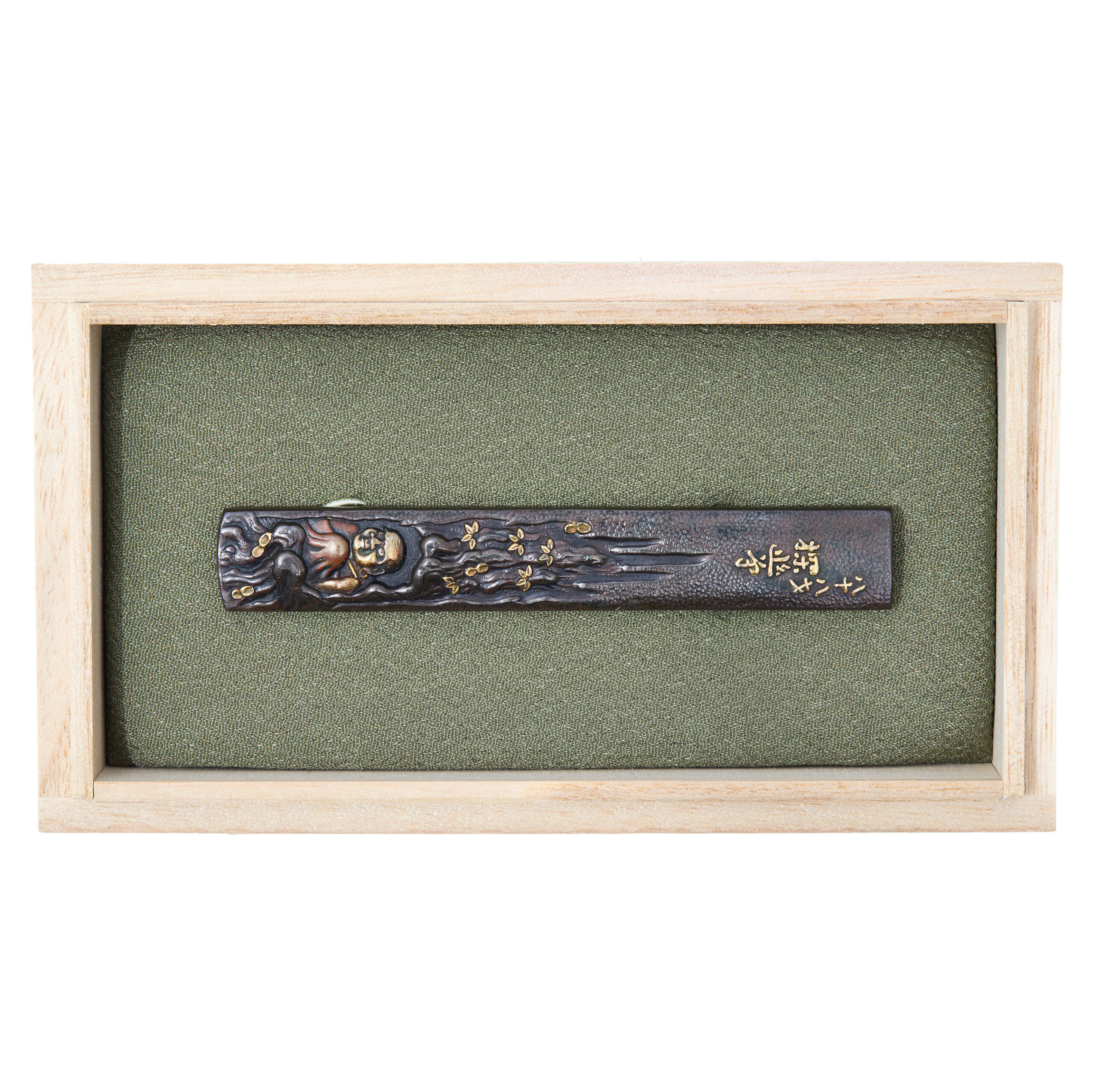
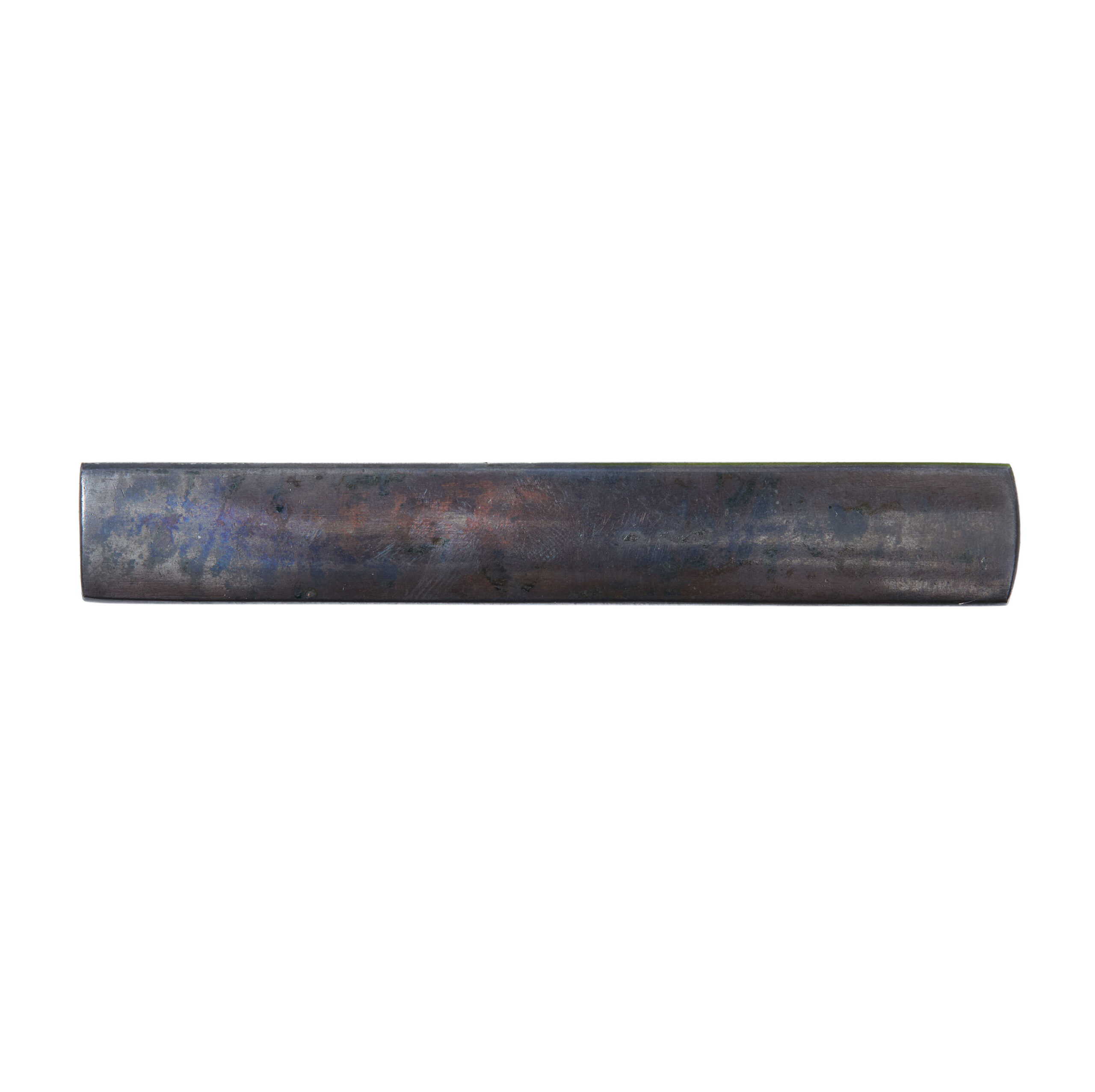
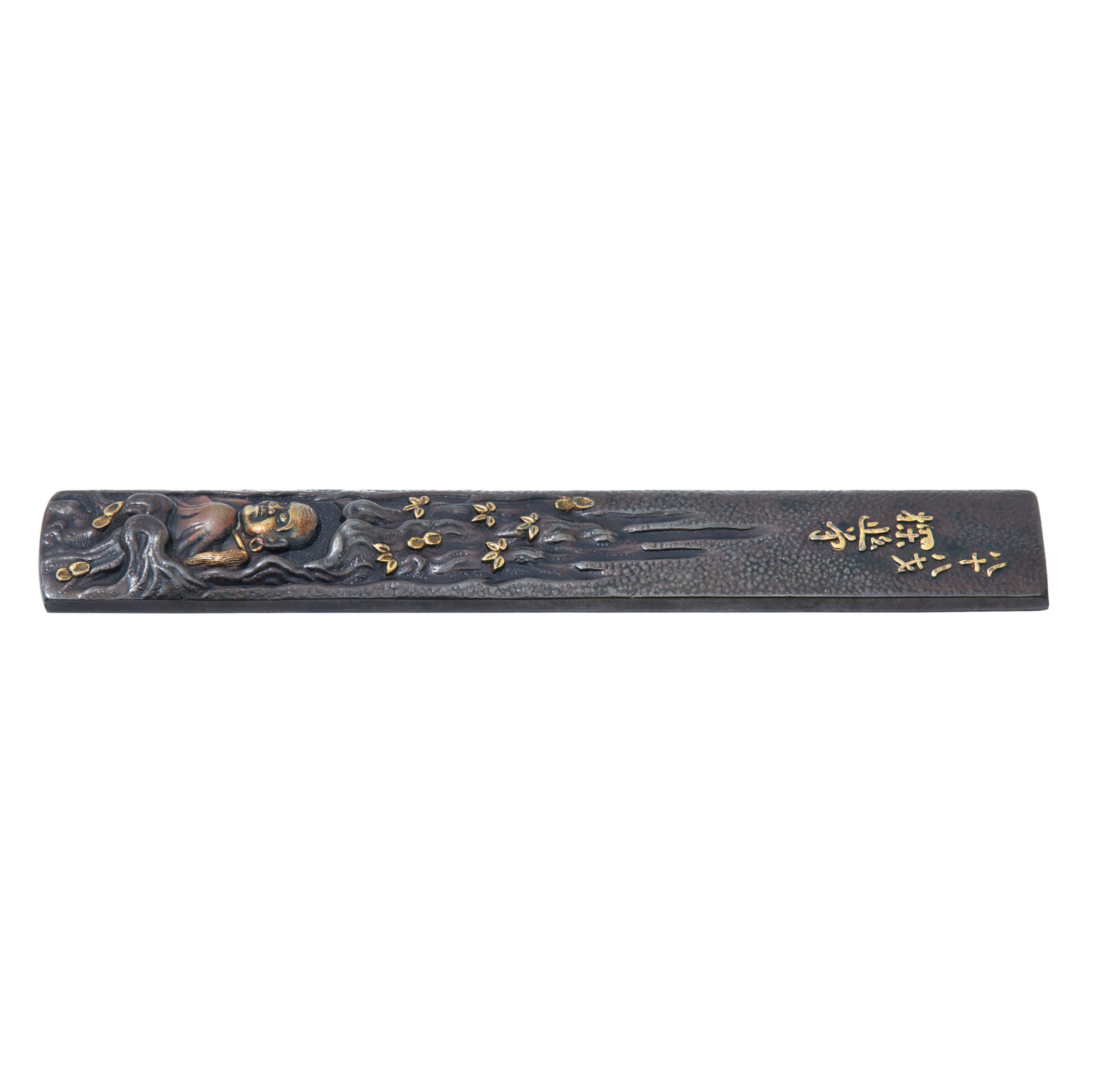
Edo
Hitachi
Unsigned
Hozon (NBTHK)
Certifies a genuine fitting worth preserving: a correct signature, or, if unsigned, an identifiable era and school, with recognized artistic and craft value.
The NBTHK (Nihon Bijutsu Tōken Hozon Kyōkai, the Society for the Preservation of Japanese Art Swords) is a public-interest incorporated foundation founded in 1948 and supervised by Japan’s Agency for Cultural Affairs (Bunkachō); it is based at the Japanese Sword Museum in Tokyo. Its expert panels physically examine each submitted work (shinsa) and issue a certificate (kanteishō) ranking it by artistic and historical merit. NBTHK papers are the most widely recognized standard of authentication for Japanese swords and fittings.
NBTHK official siteReturns/exchanges limited to defects caused by shipping (except willful misconduct or gross negligence by the company); customers must contact within 72 hours of receiving the product.
¥135,000