Edo was the sword’s age of connoisseurship: the Hon’ami appraisers, the shogunal register of famous blades of 1719, and a thriving literature turned the sword into an object of study even as it ceased to be drawn in war.
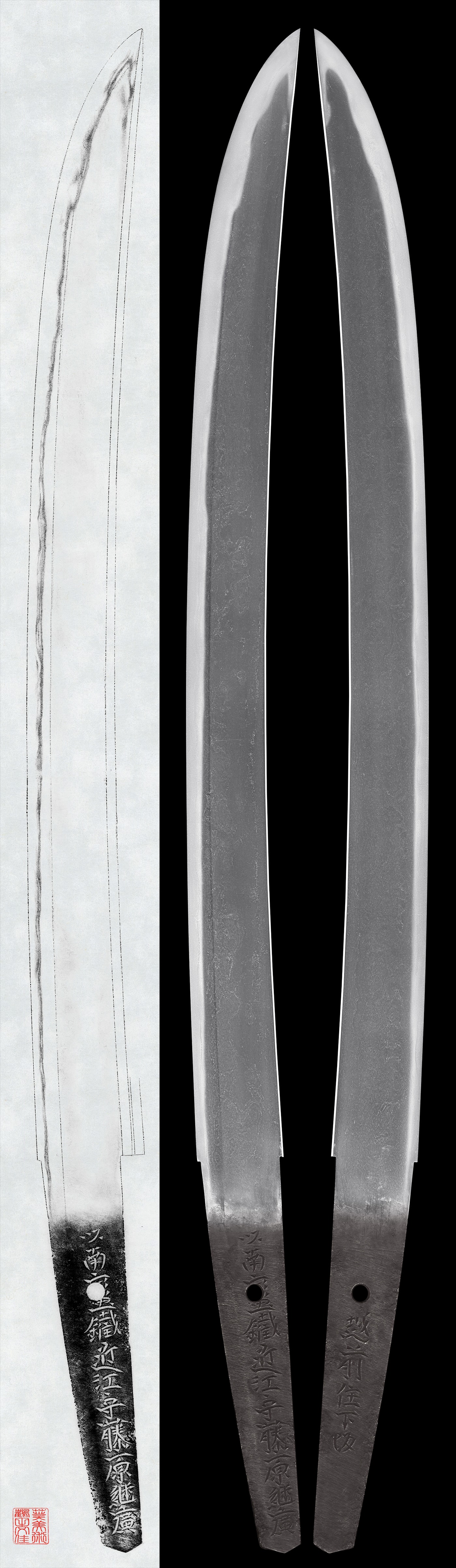
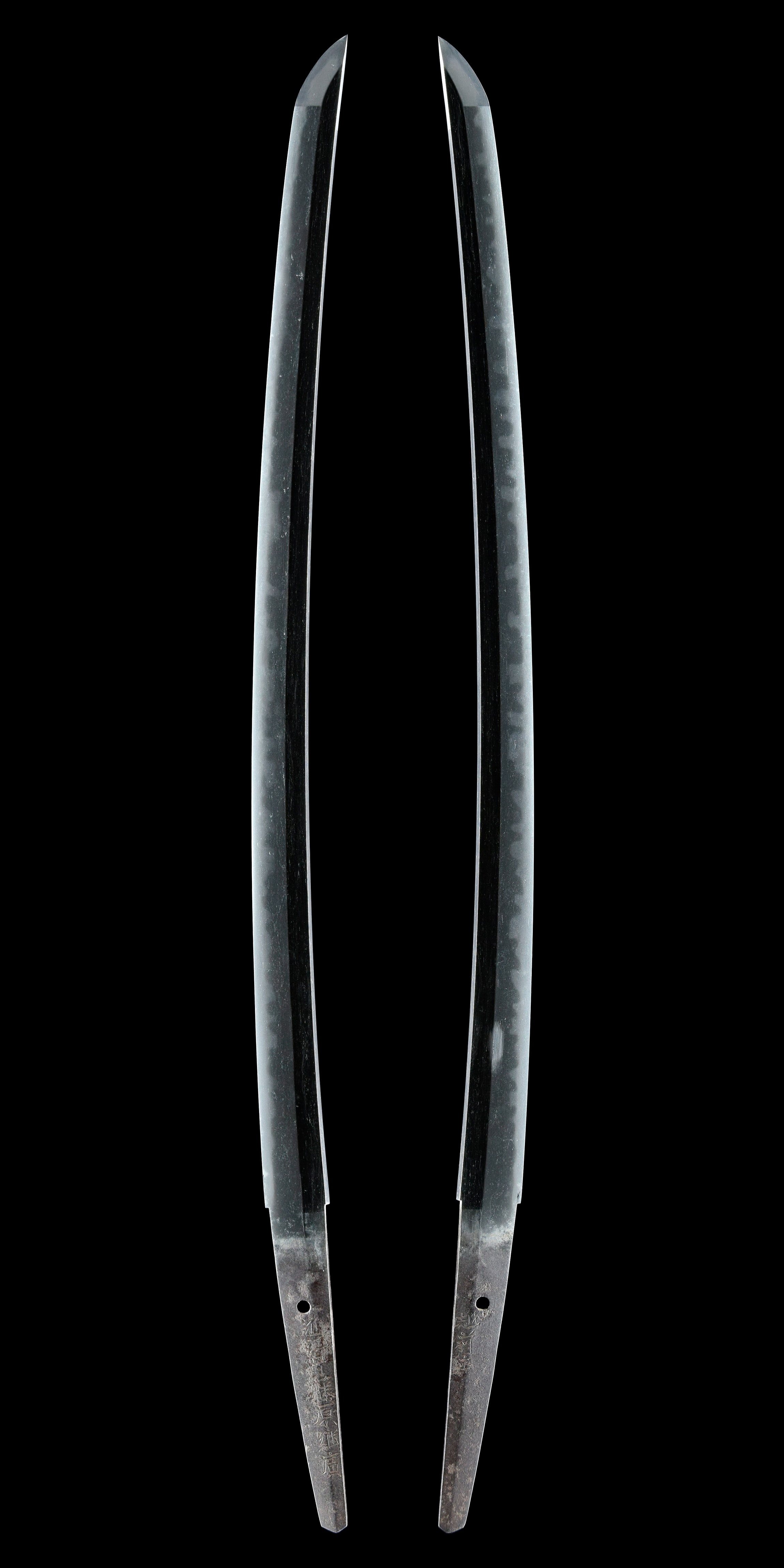
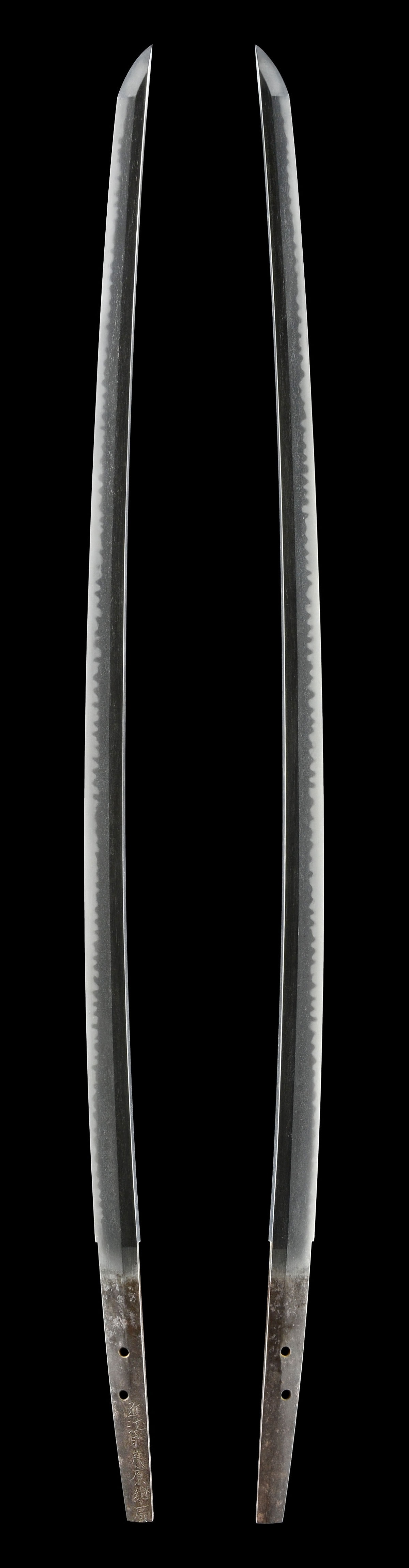
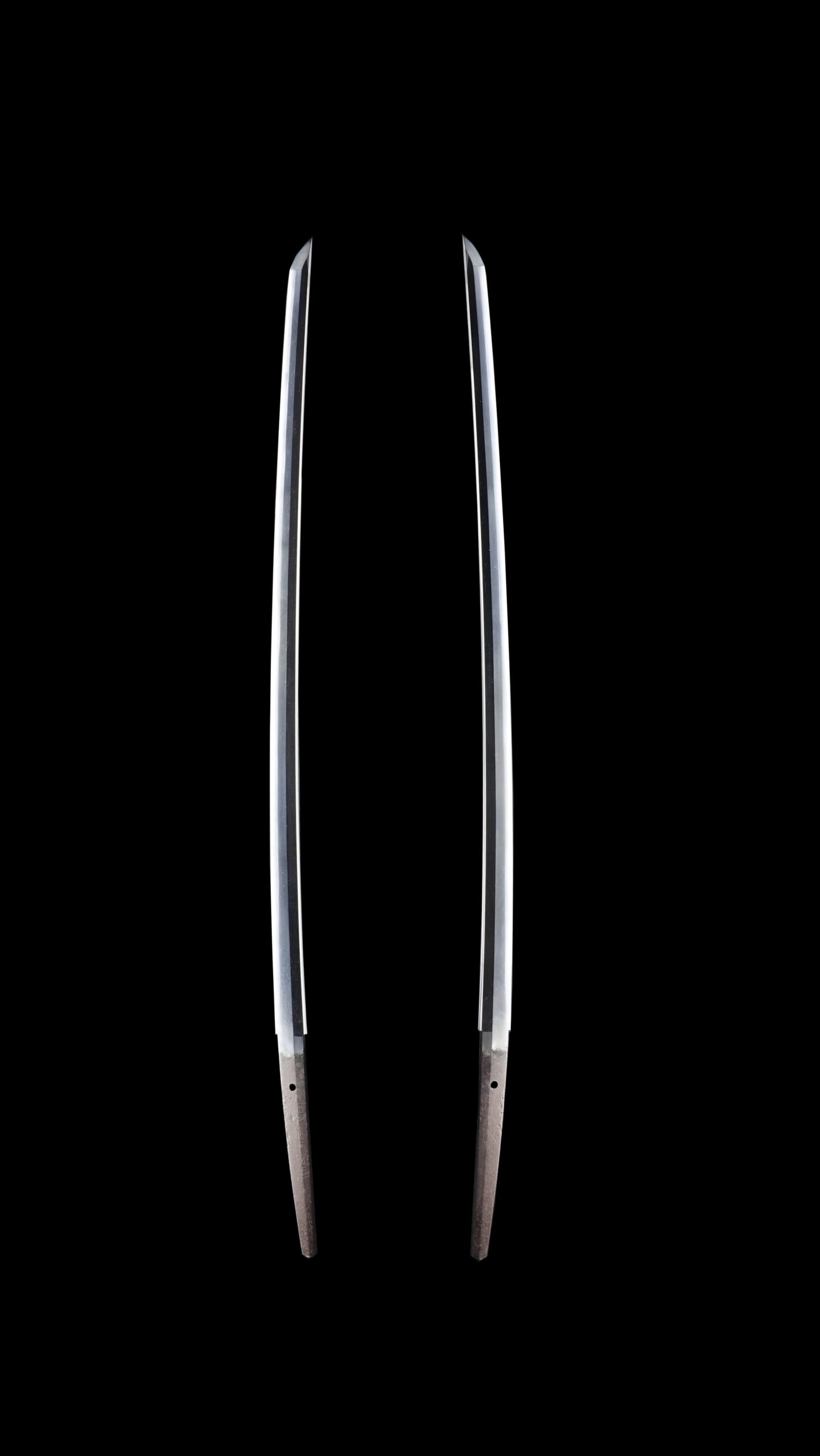
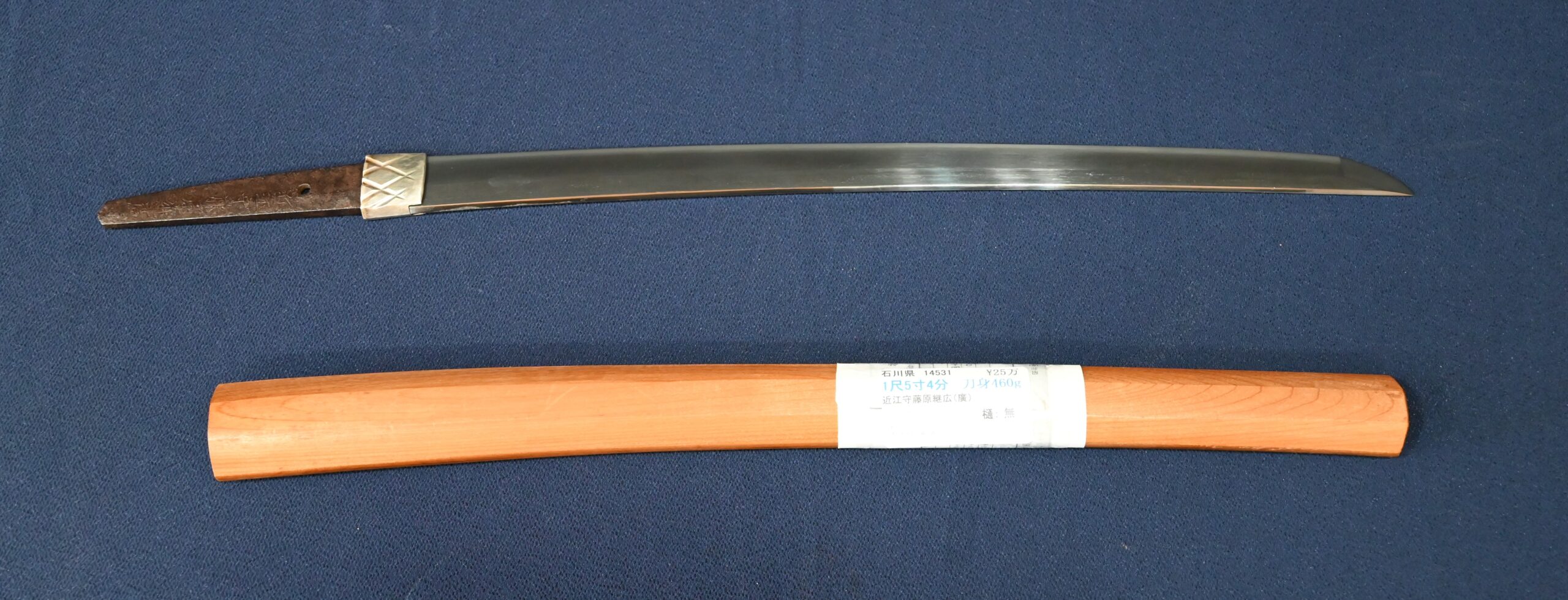
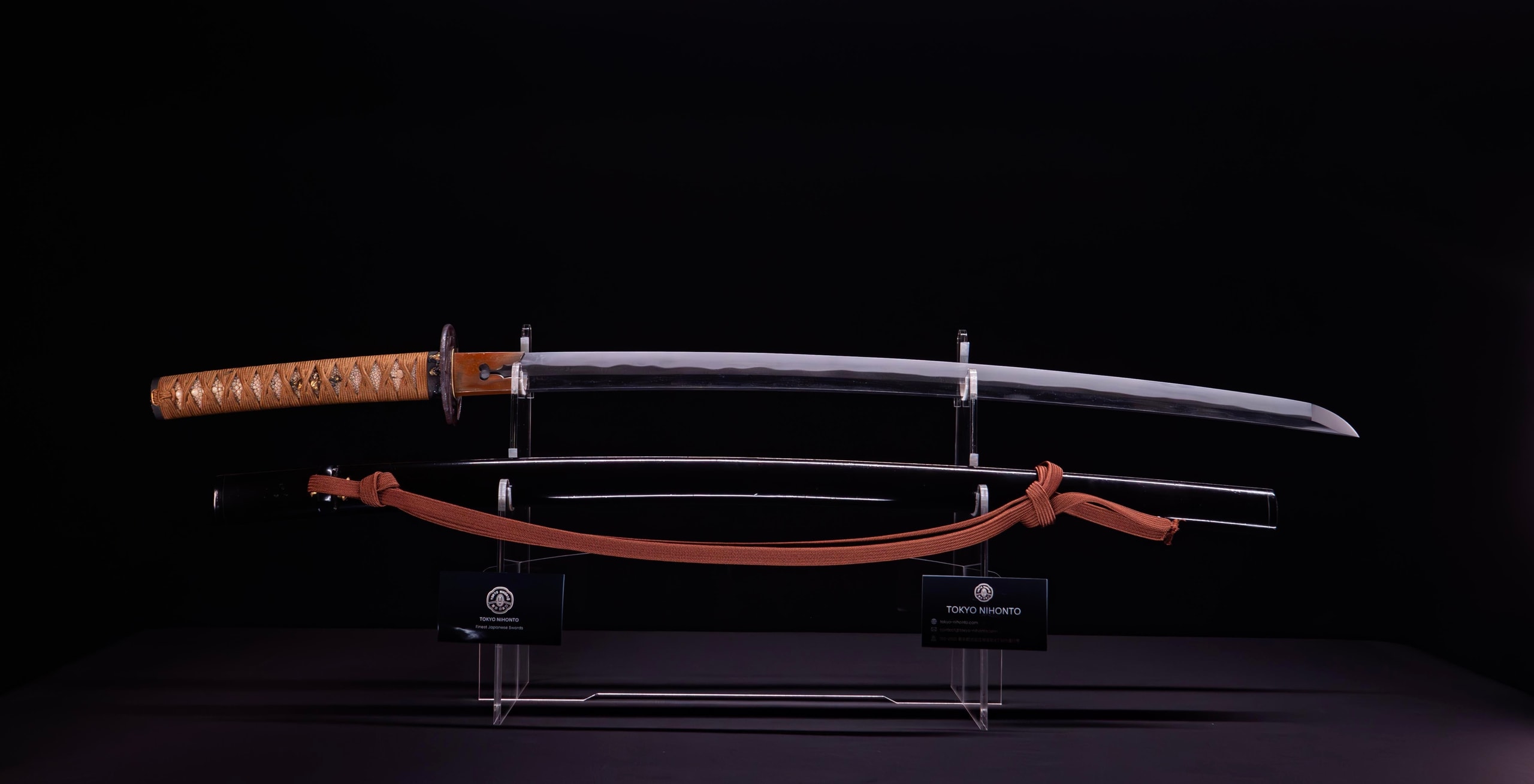
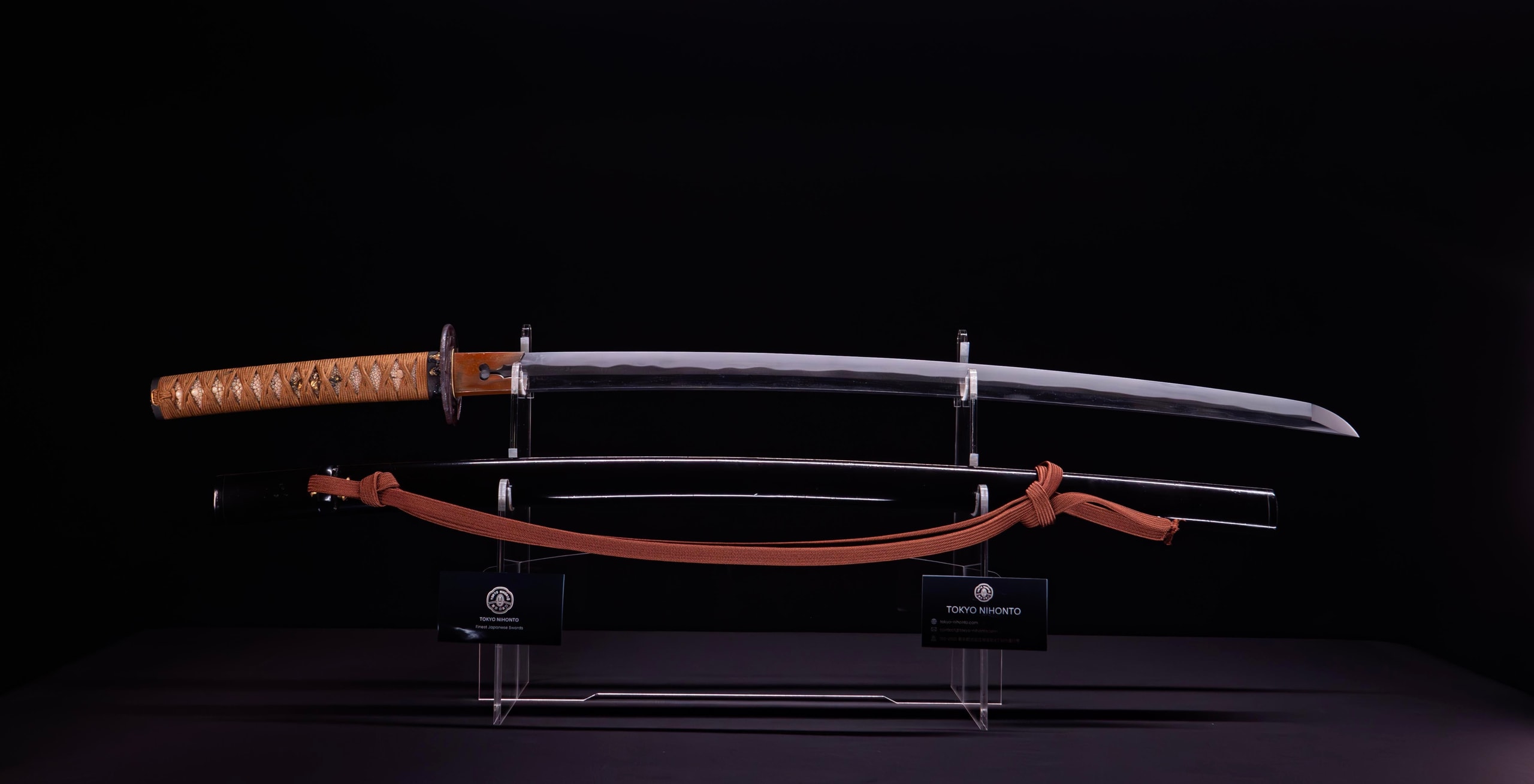
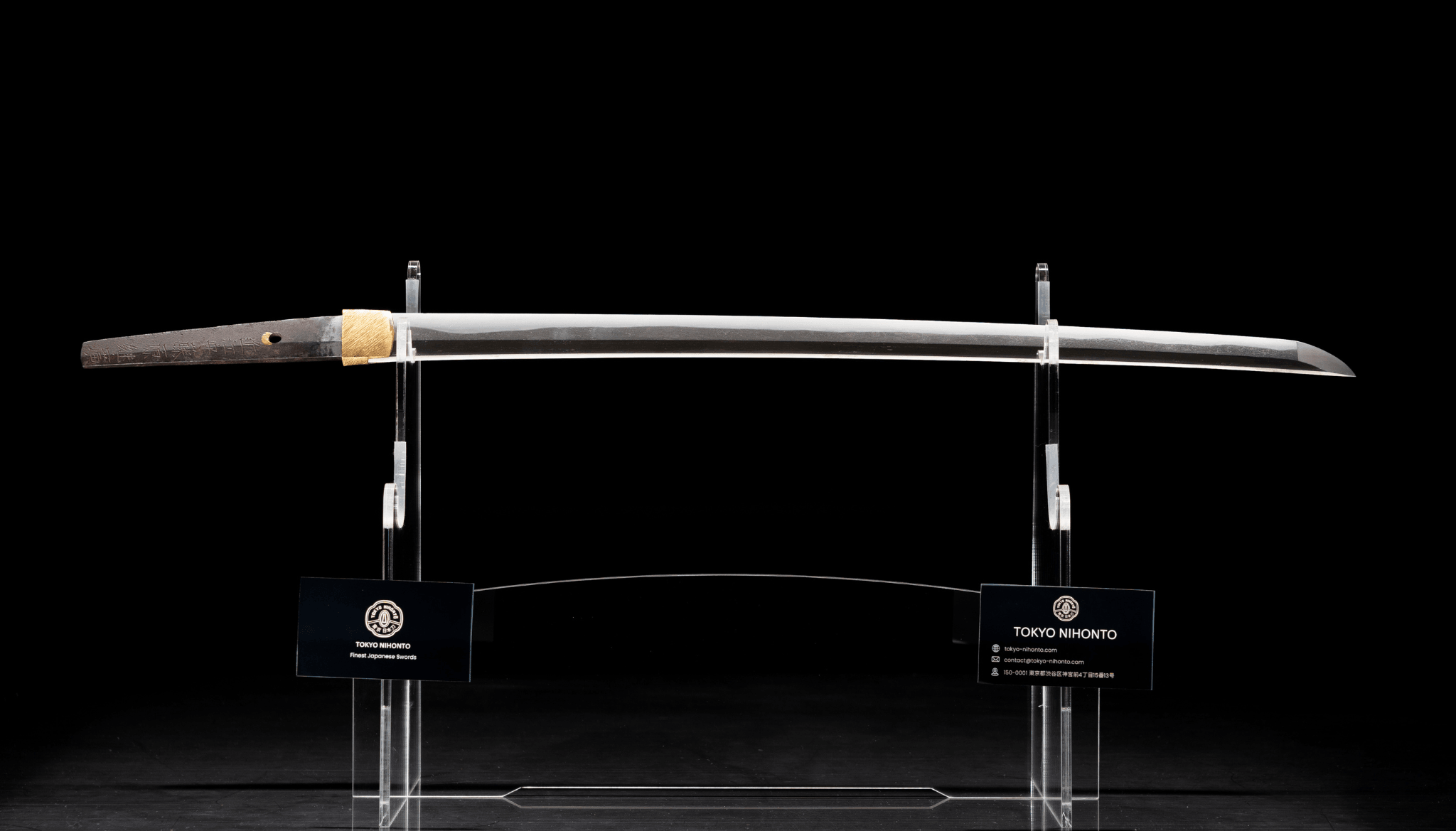
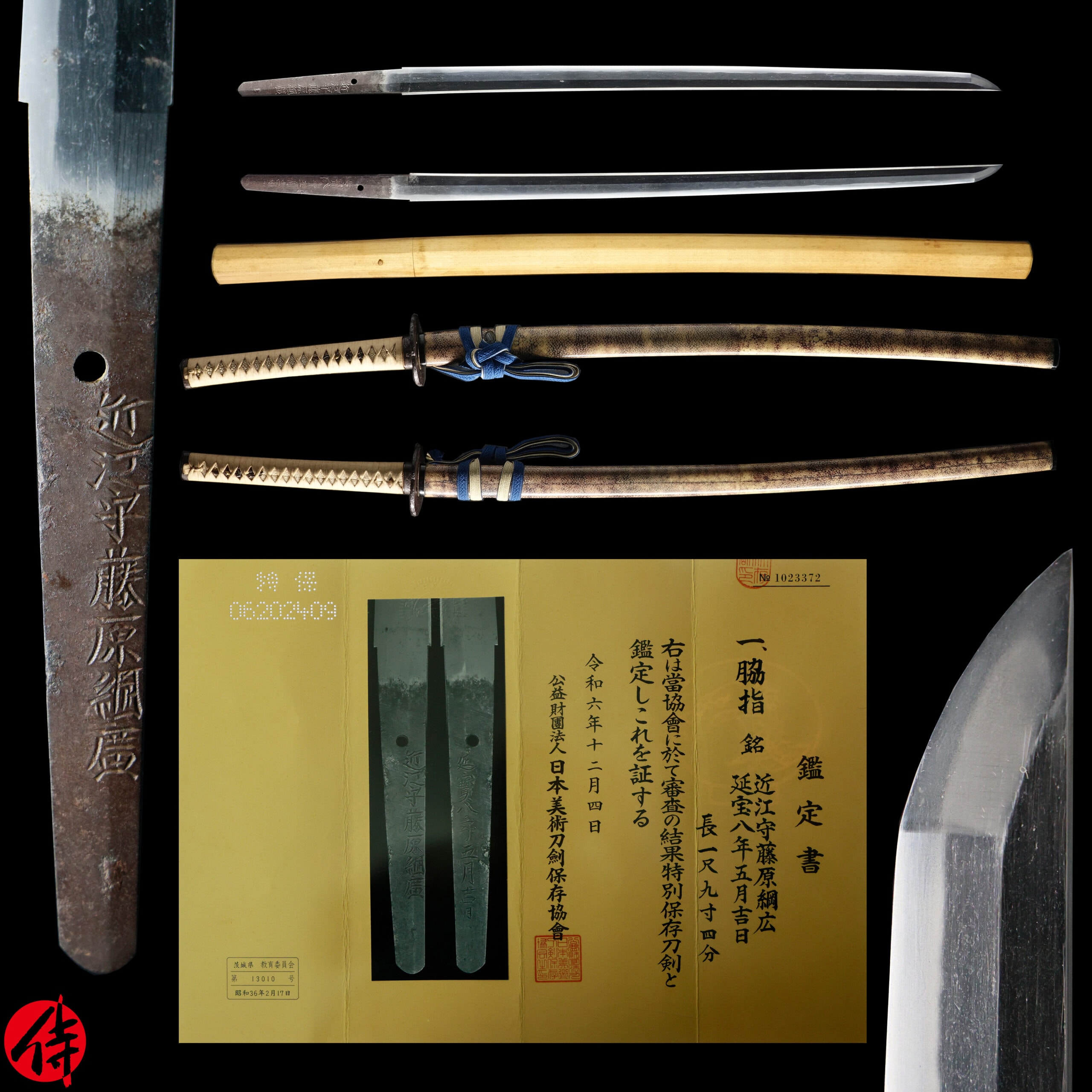
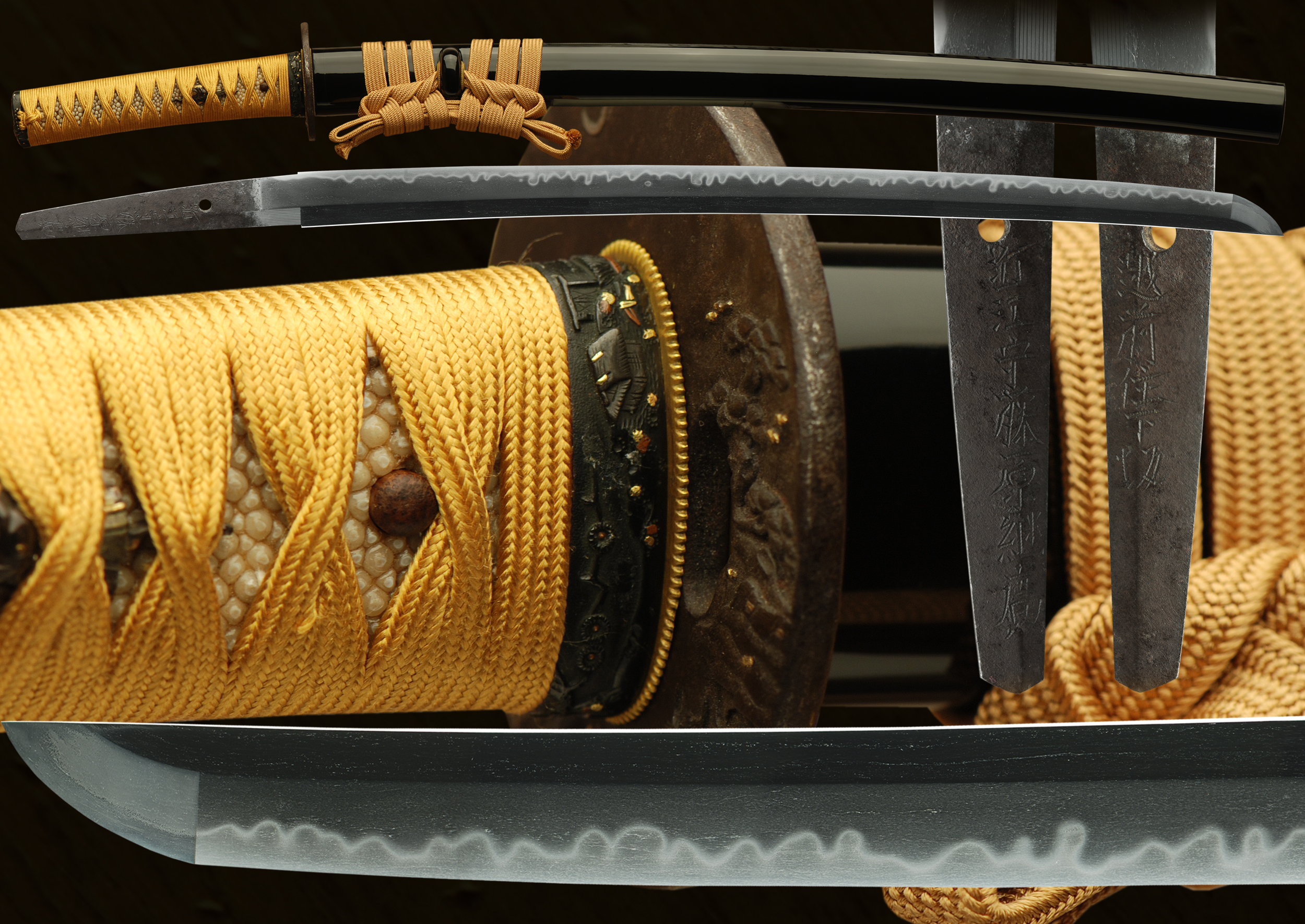
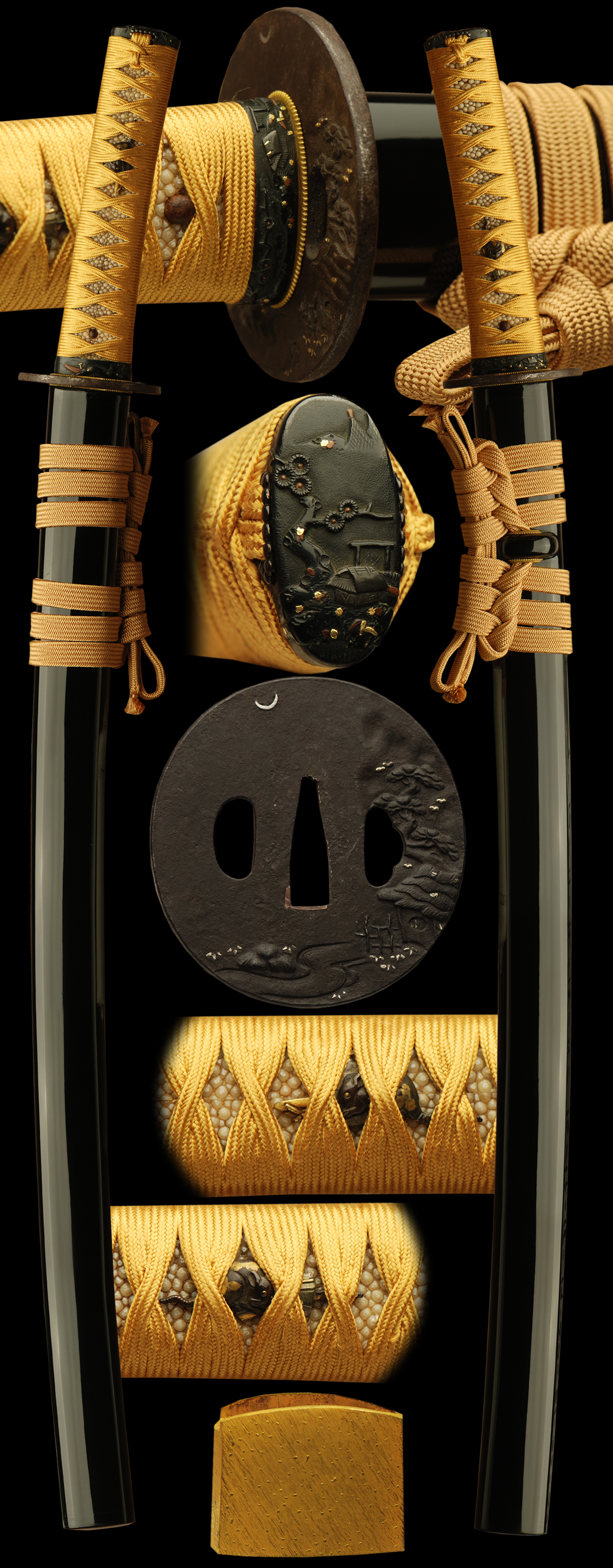
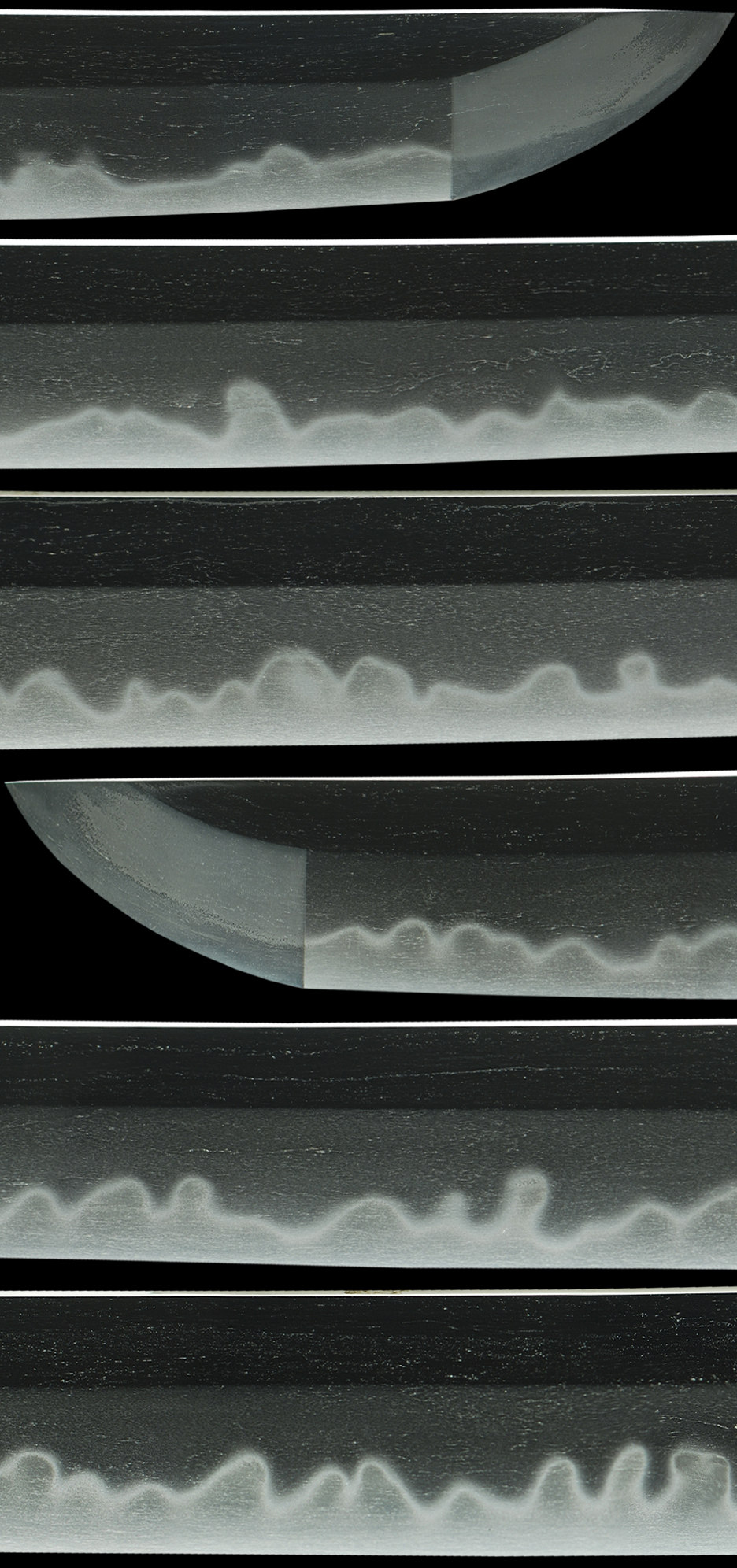
This katana is made by Echizen Tsuguhiro, who worked during the Shinto period. The blade features a robust and bold construction with a brilliant gunome/choji midare hamon. The koshirae has a matching theme of a village hut with a gentle stream flowing past.
 NihontoWatch
mei · Kanbun (1661-1673) · nagasa 50cm · sori 0.9cm

Echizen · around 1661-1673
Fujishiro Chu-jo saku · Tōken Taikan top 60%
5 pieces on the market now
Edo was the sword’s age of connoisseurship: the Hon’ami appraisers, the shogunal register of famous blades of 1719, and a thriving literature turned the sword into an object of study even as it ceased to be drawn in war.
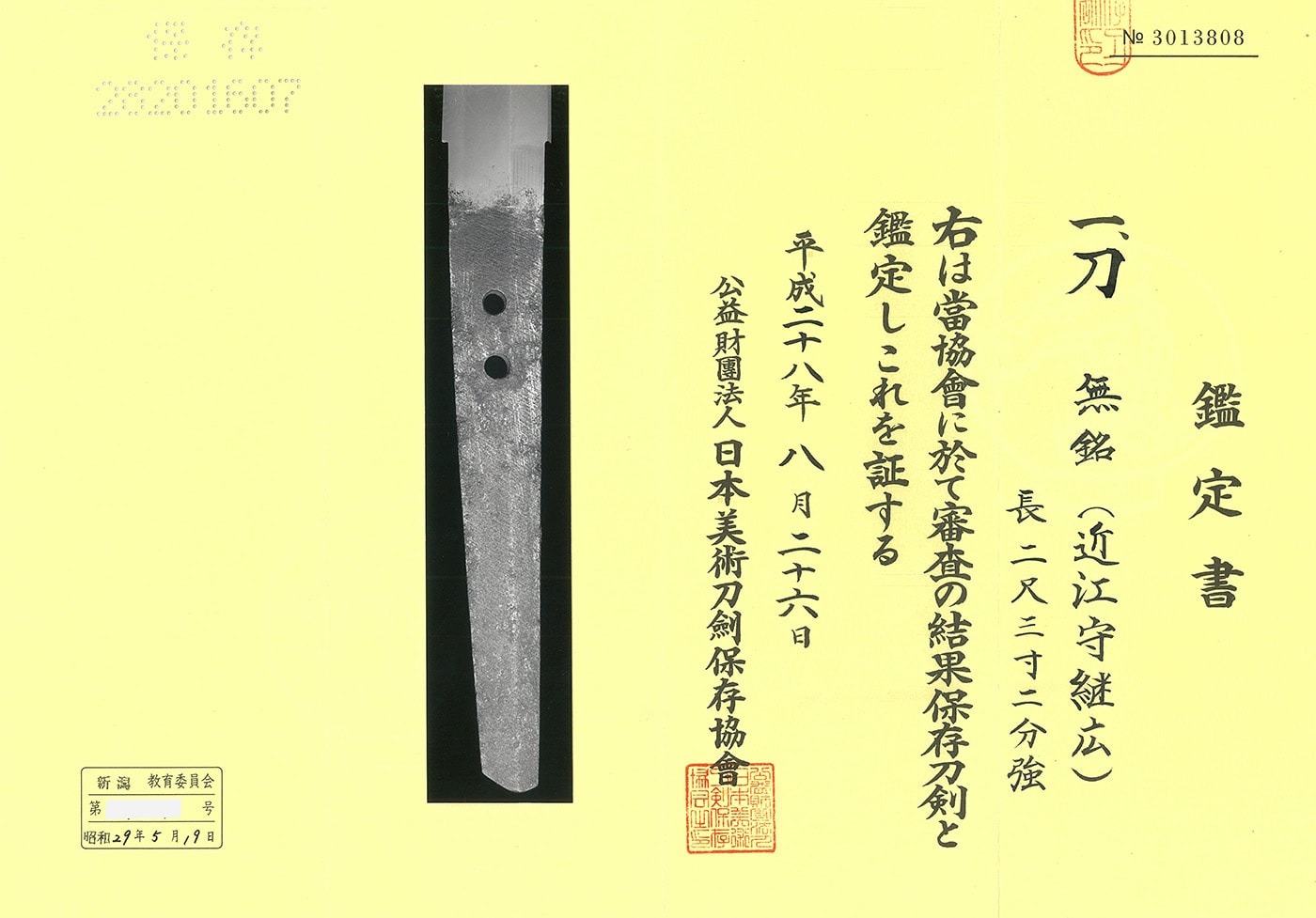
We could not find an authenticity certificate on the seller’s listing. Japanese swords and fittings are normally papered by the NBTHK (or the NTHK). Without one, the attribution is the seller’s own assessment and has not been independently verified — treat it with caution and ask the dealer about certification before buying.
We offer a 48 hour inspection period for all Antique items shipped within the United States only. If the item is not to your satisfaction, we will gladly refund your money less any shipping and handling fees. All sales are final after the 48 hour inspection period. Please note that all discounted items are a final sale and not returnable.
This katana is made by Echizen Tsuguhiro, who worked during the Shinto period. The blade features a robust and bold construction with a brilliant gunome/choji midare hamon. The koshirae has a matching theme of a village hut with a gentle stream flowing past.
NihontoWatchmei · Kanbun (1661-1673) · nagasa 50cm · sori 0.9cm
Echizen · around 1661-1673
Fujishiro Chu-jo saku · Tōken Taikan top 60%
5 pieces on the market now
Edo was the sword’s age of connoisseurship: the Hon’ami appraisers, the shogunal register of famous blades of 1719, and a thriving literature turned the sword into an object of study even as it ceased to be drawn in war.
We could not find an authenticity certificate on the seller’s listing. Japanese swords and fittings are normally papered by the NBTHK (or the NTHK). Without one, the attribution is the seller’s own assessment and has not been independently verified — treat it with caution and ask the dealer about certification before buying.
We offer a 48 hour inspection period for all Antique items shipped within the United States only. If the item is not to your satisfaction, we will gladly refund your money less any shipping and handling fees. All sales are final after the 48 hour inspection period. Please note that all discounted items are a final sale and not returnable.