
Around 1800 Suishinshi Masahide argued in his writings that the craft must return to the old masters’ methods: the fukkotō revival. His greatest successor Naotane worked convincingly in Bizen and Sōshū manners that had been dead for centuries.
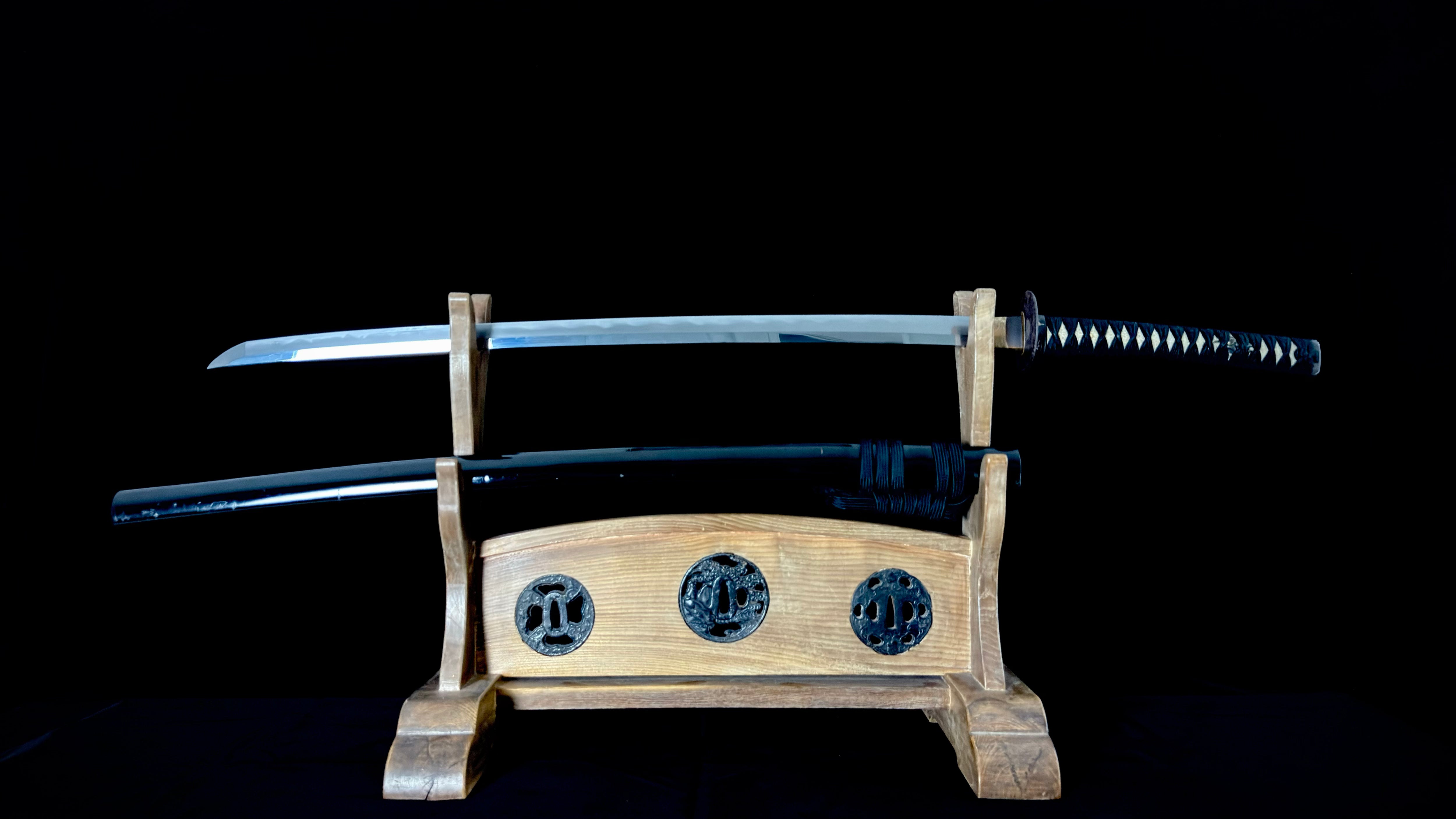
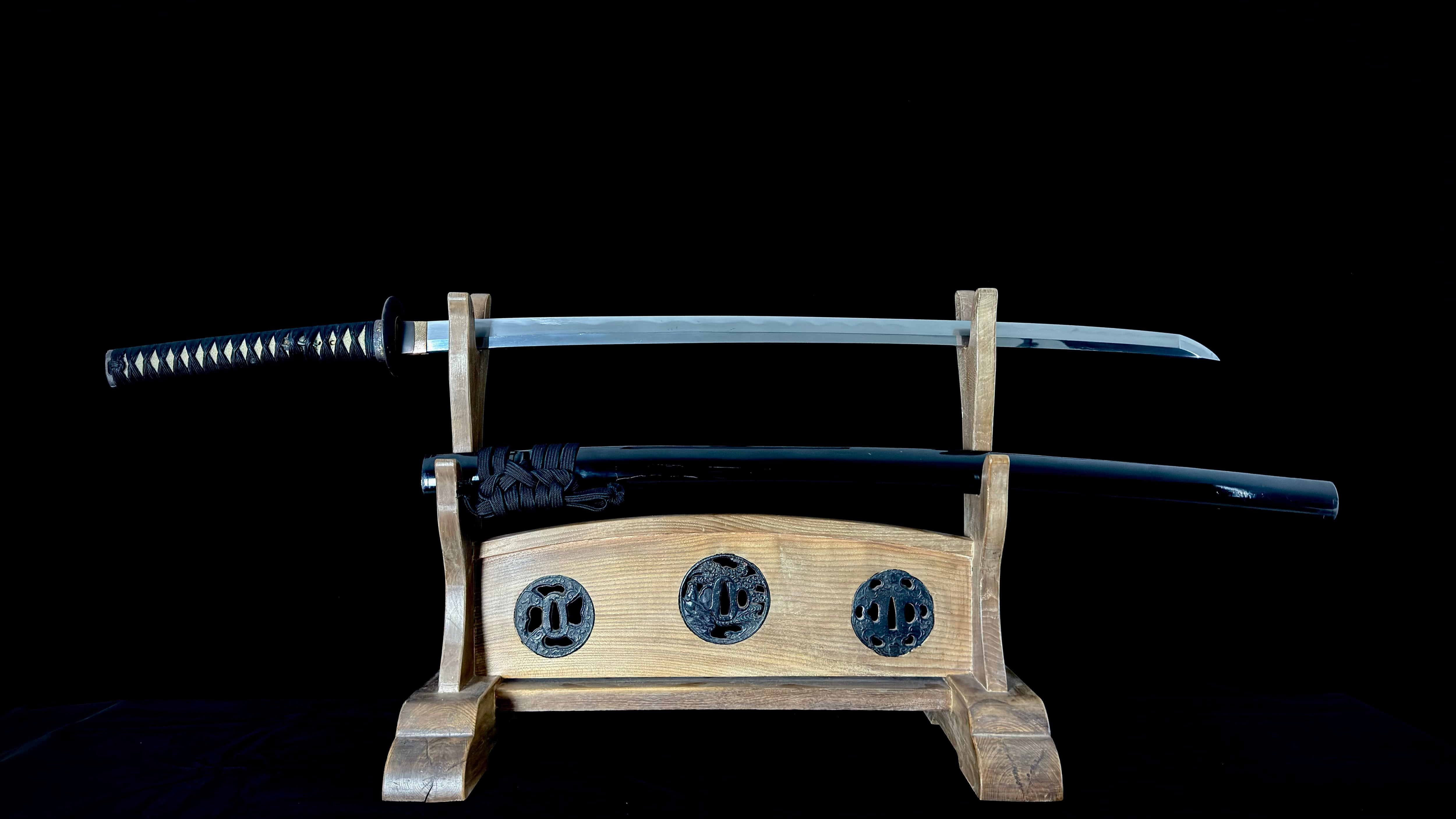
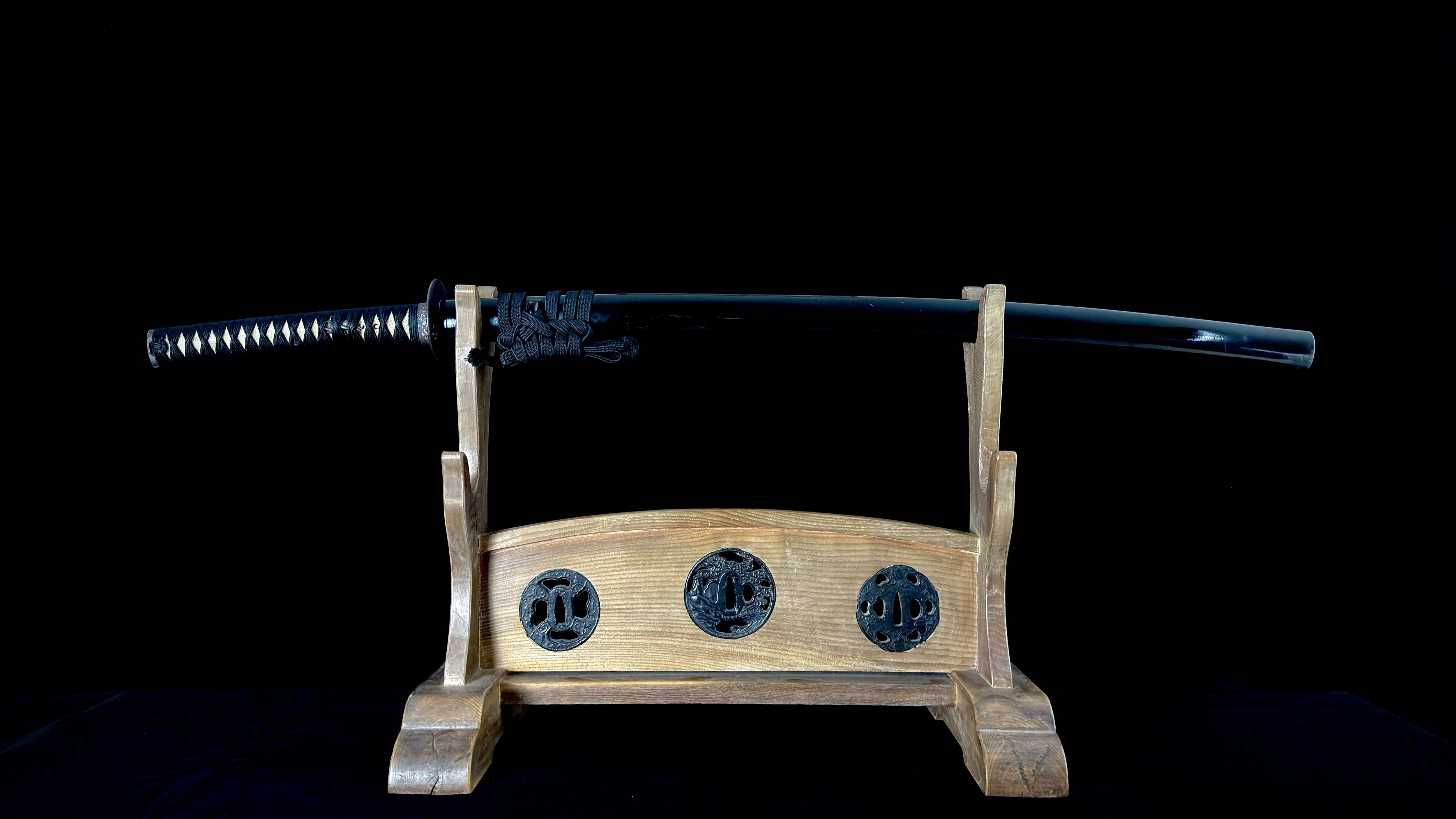
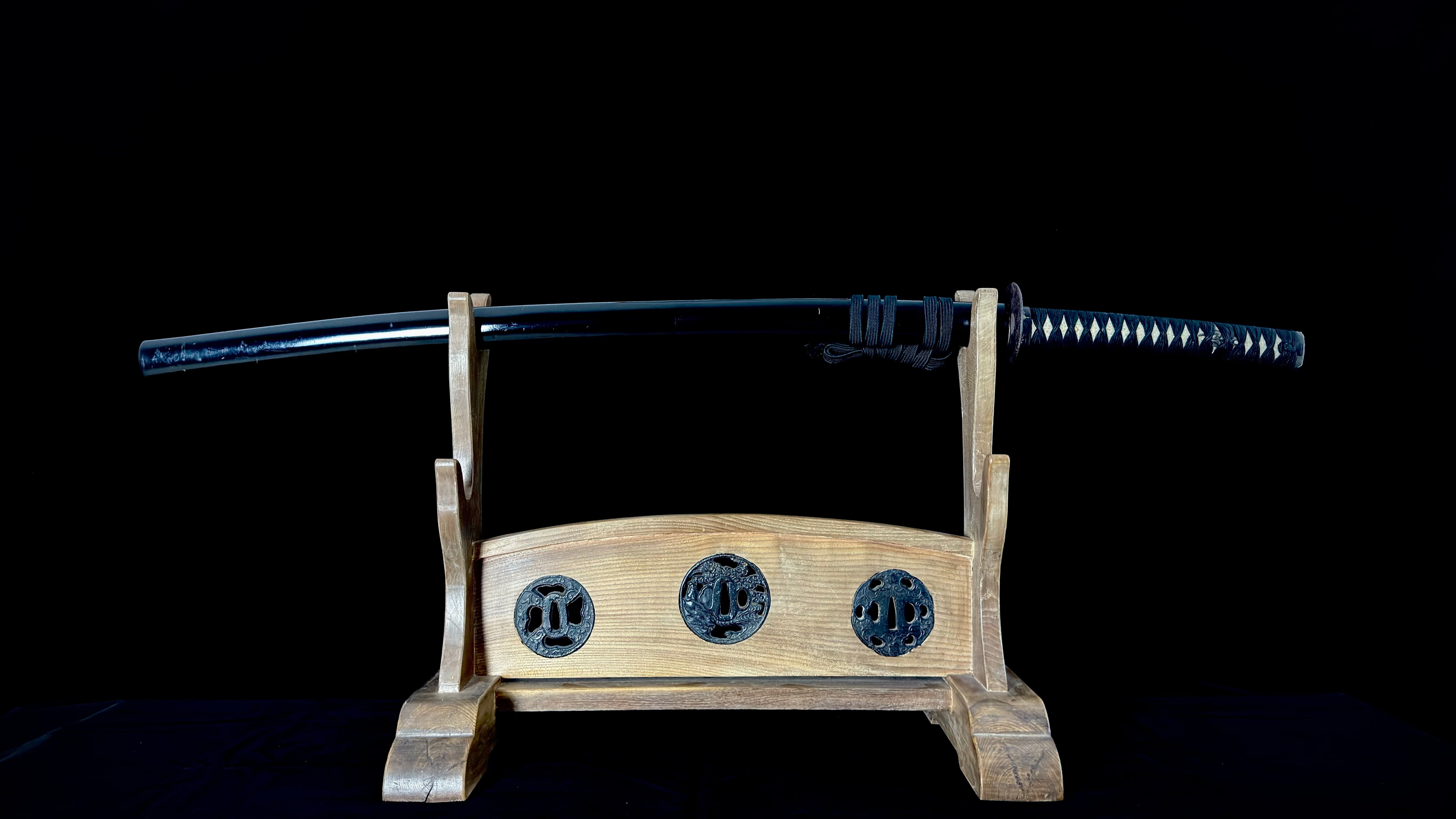
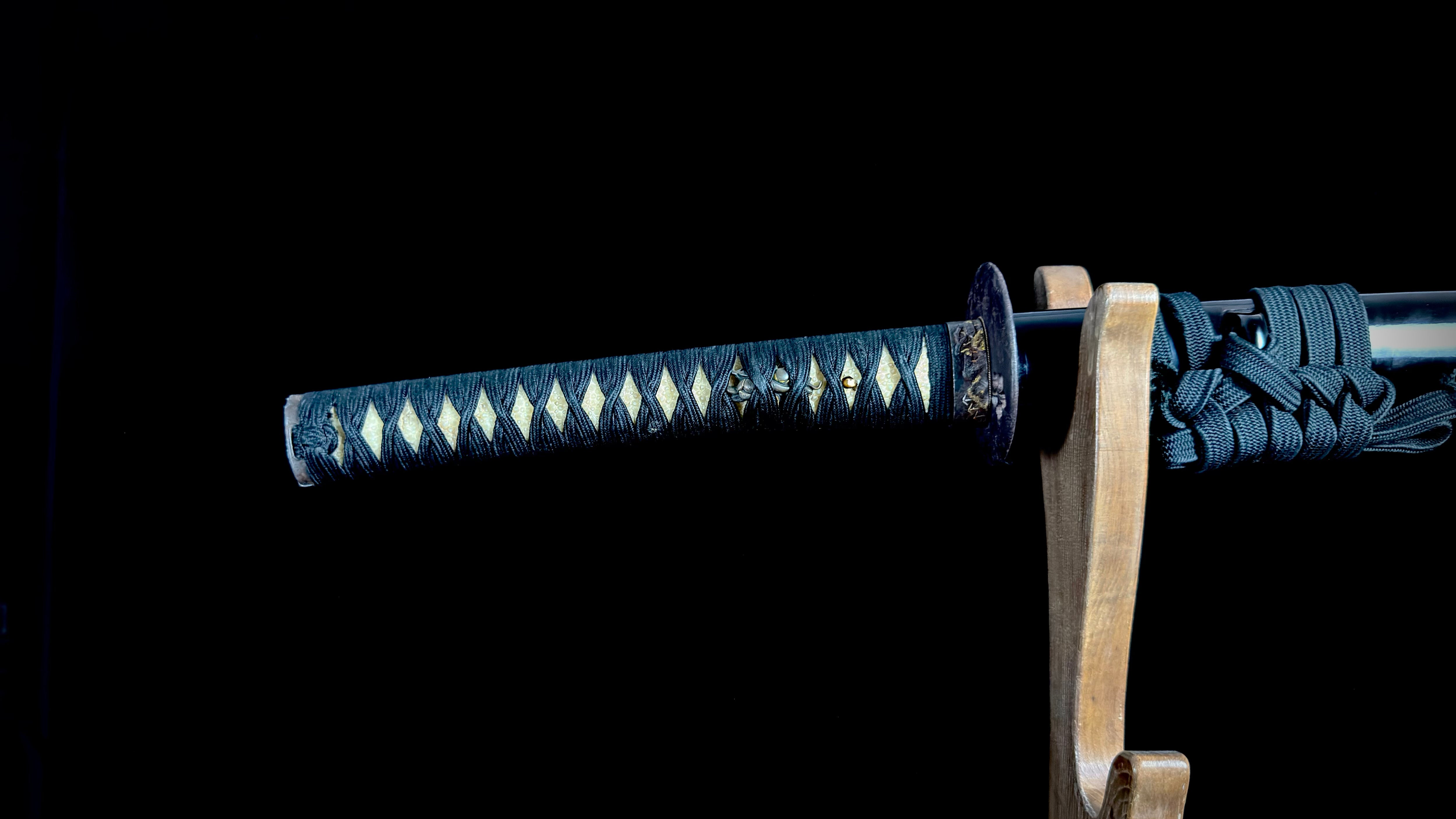
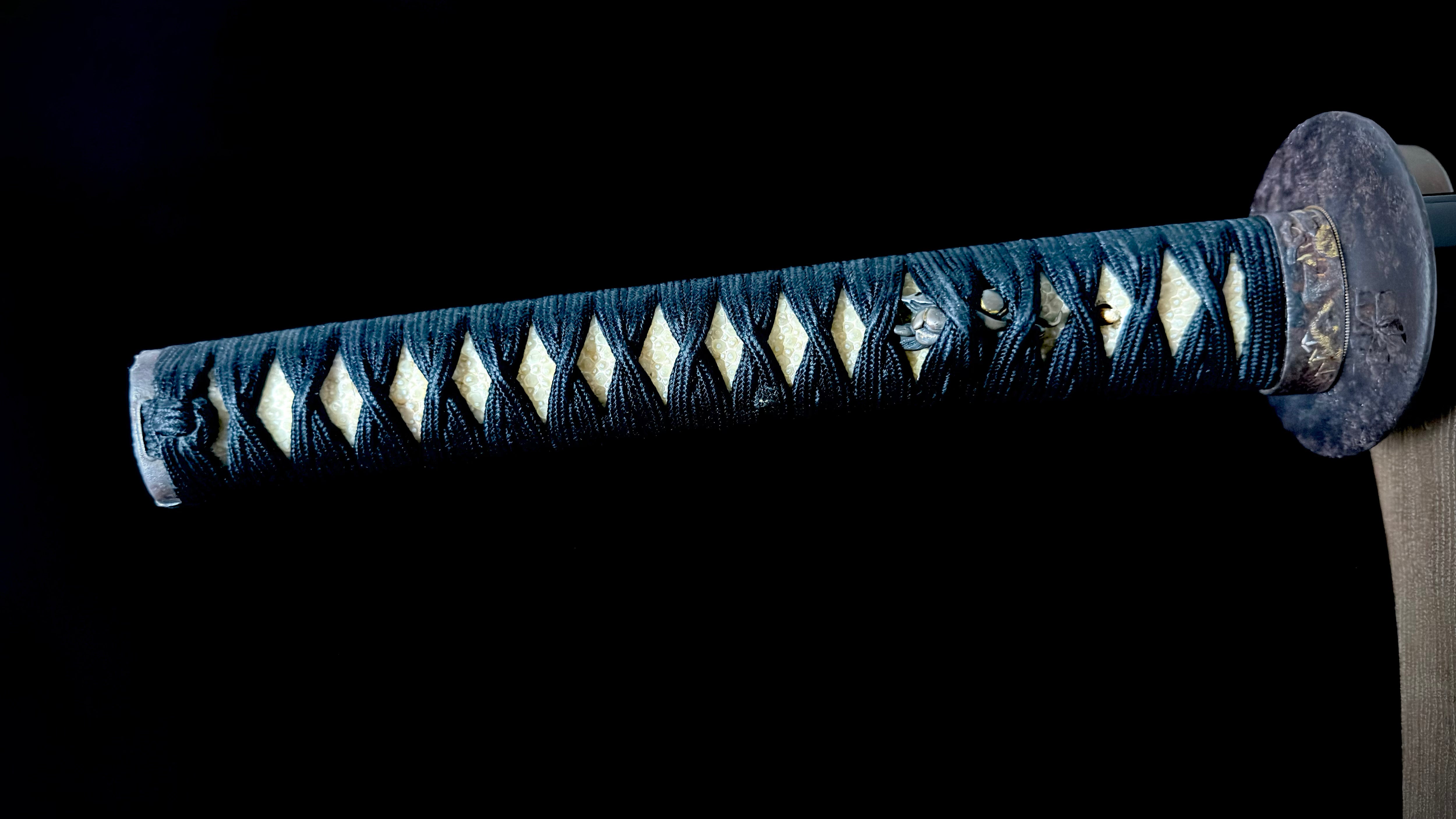
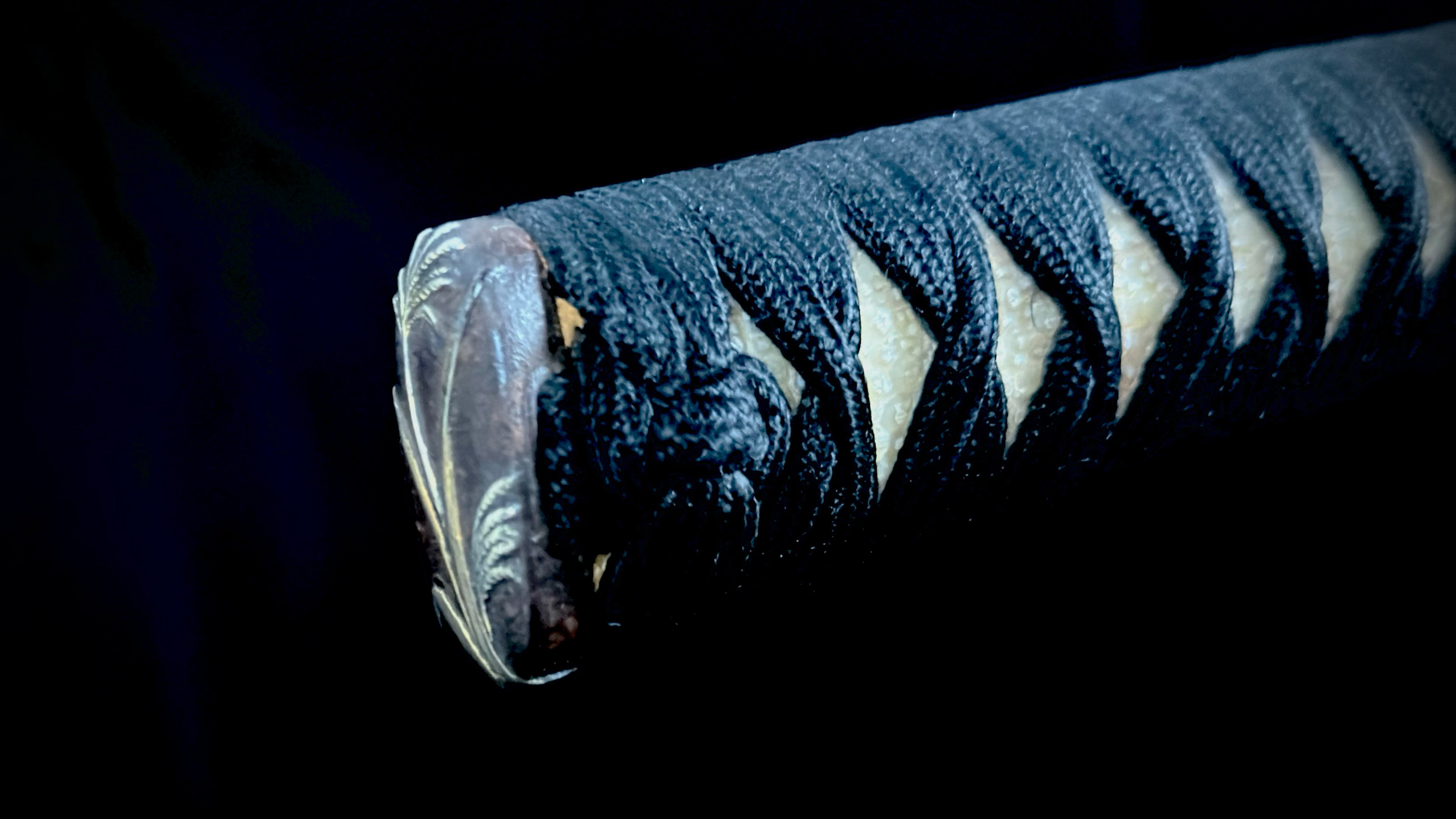
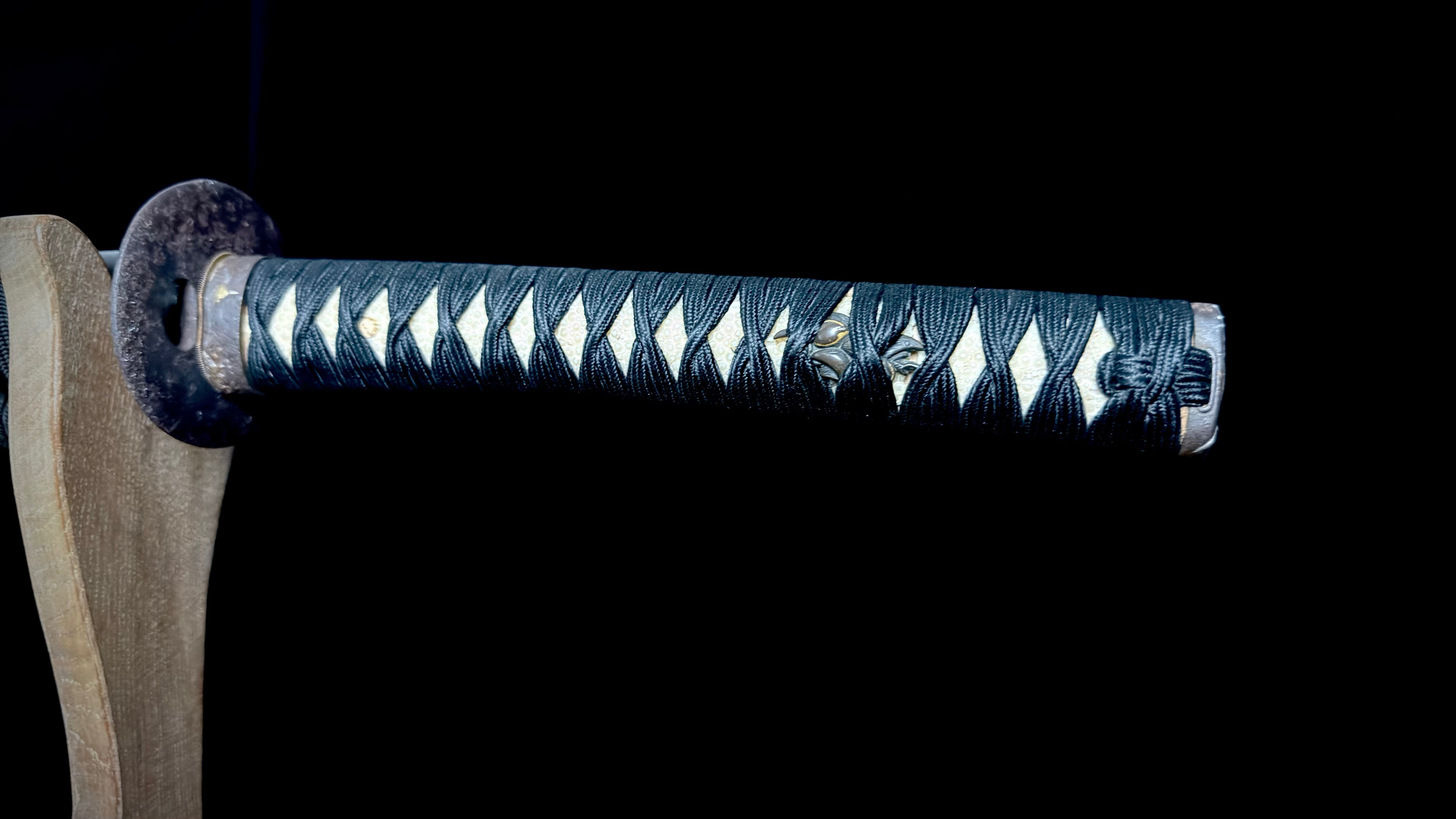
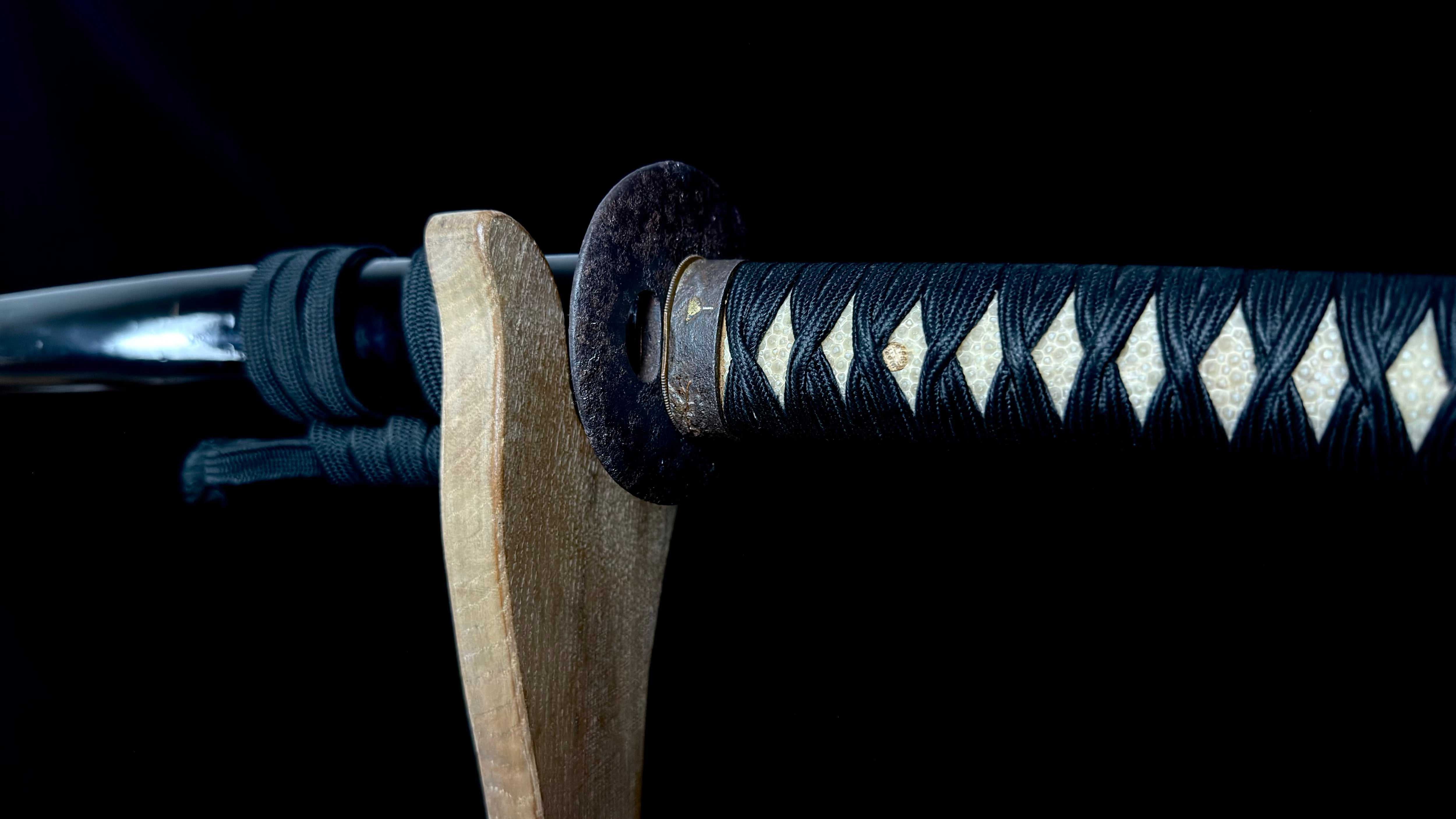
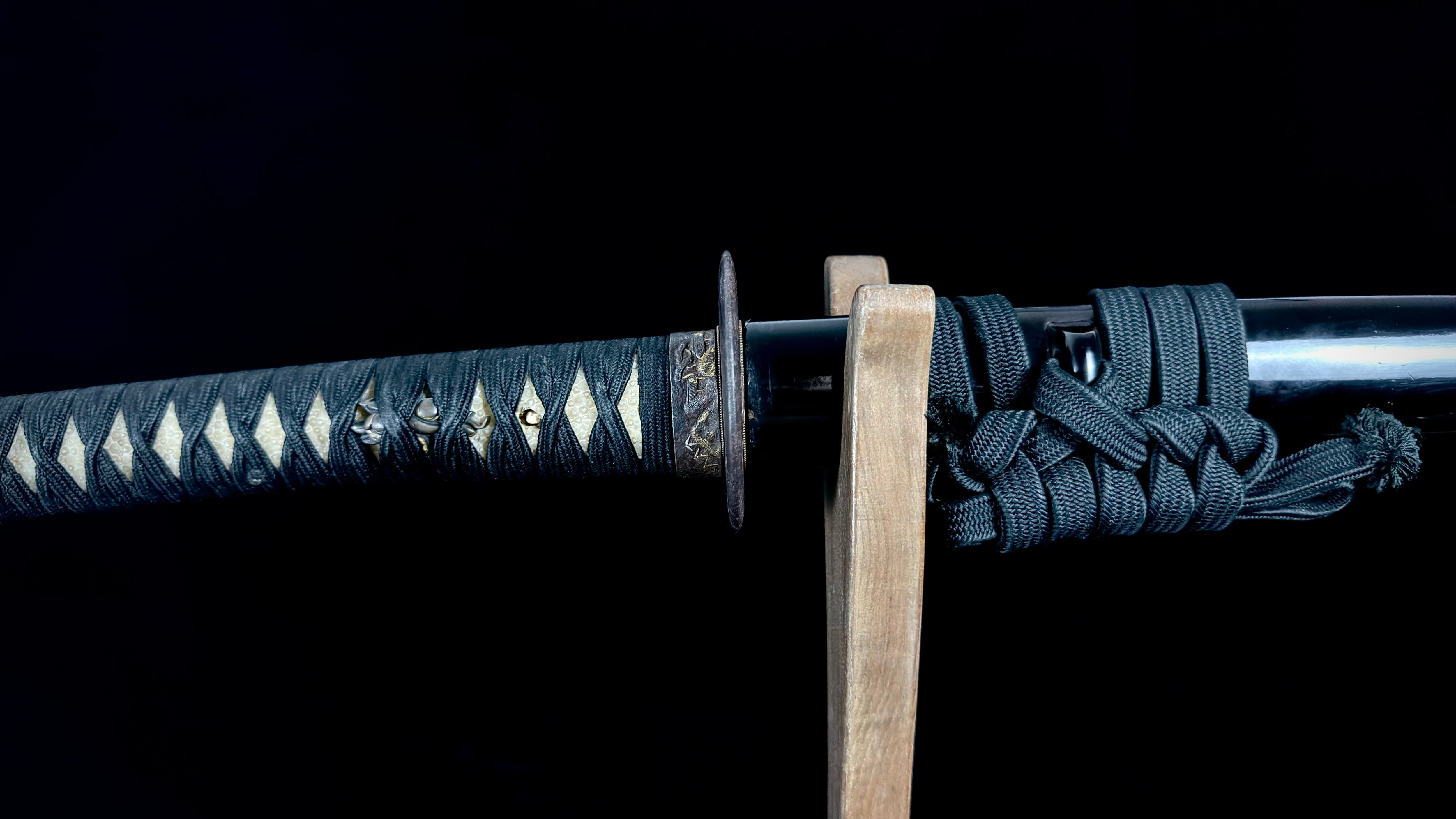
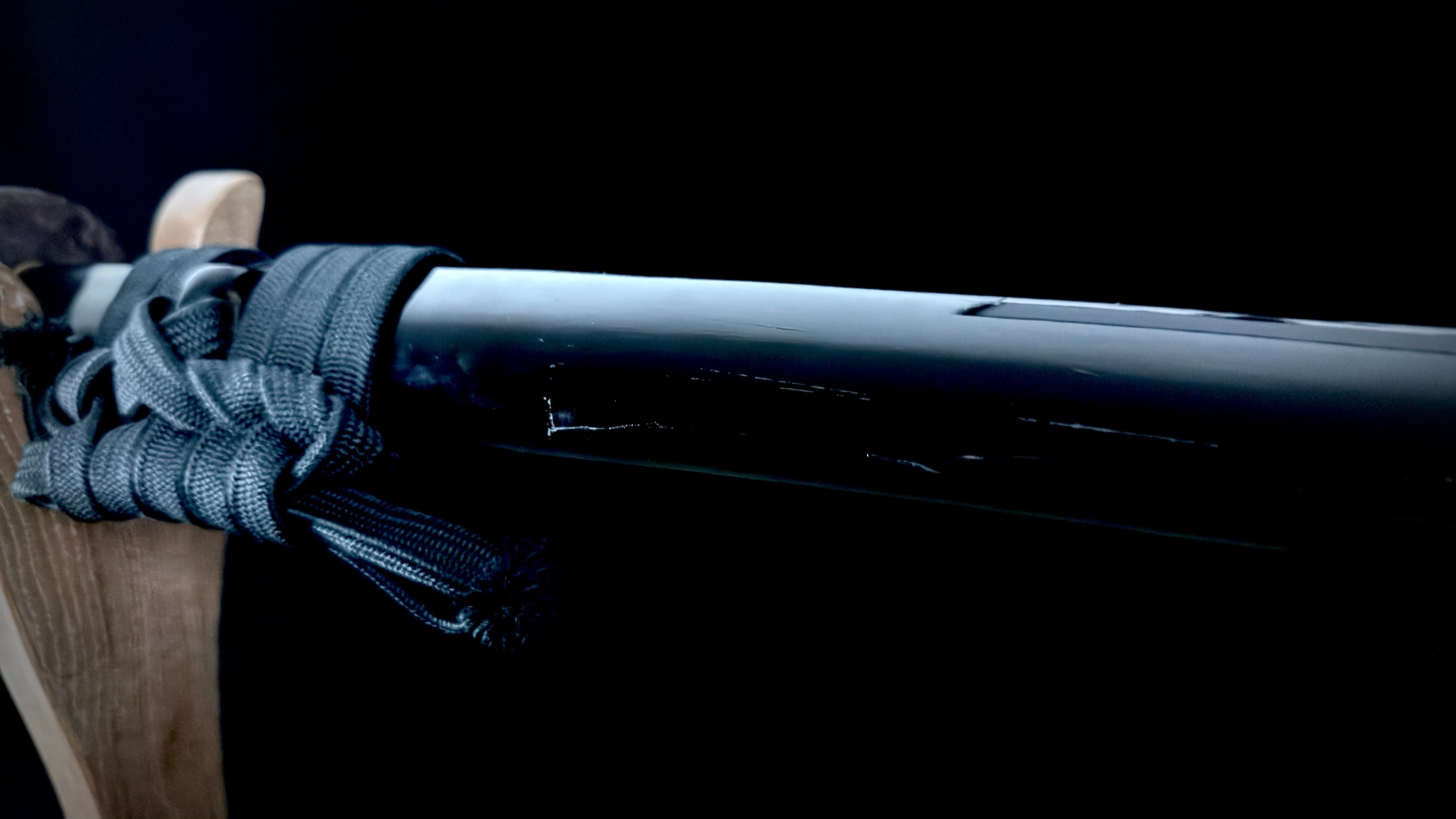
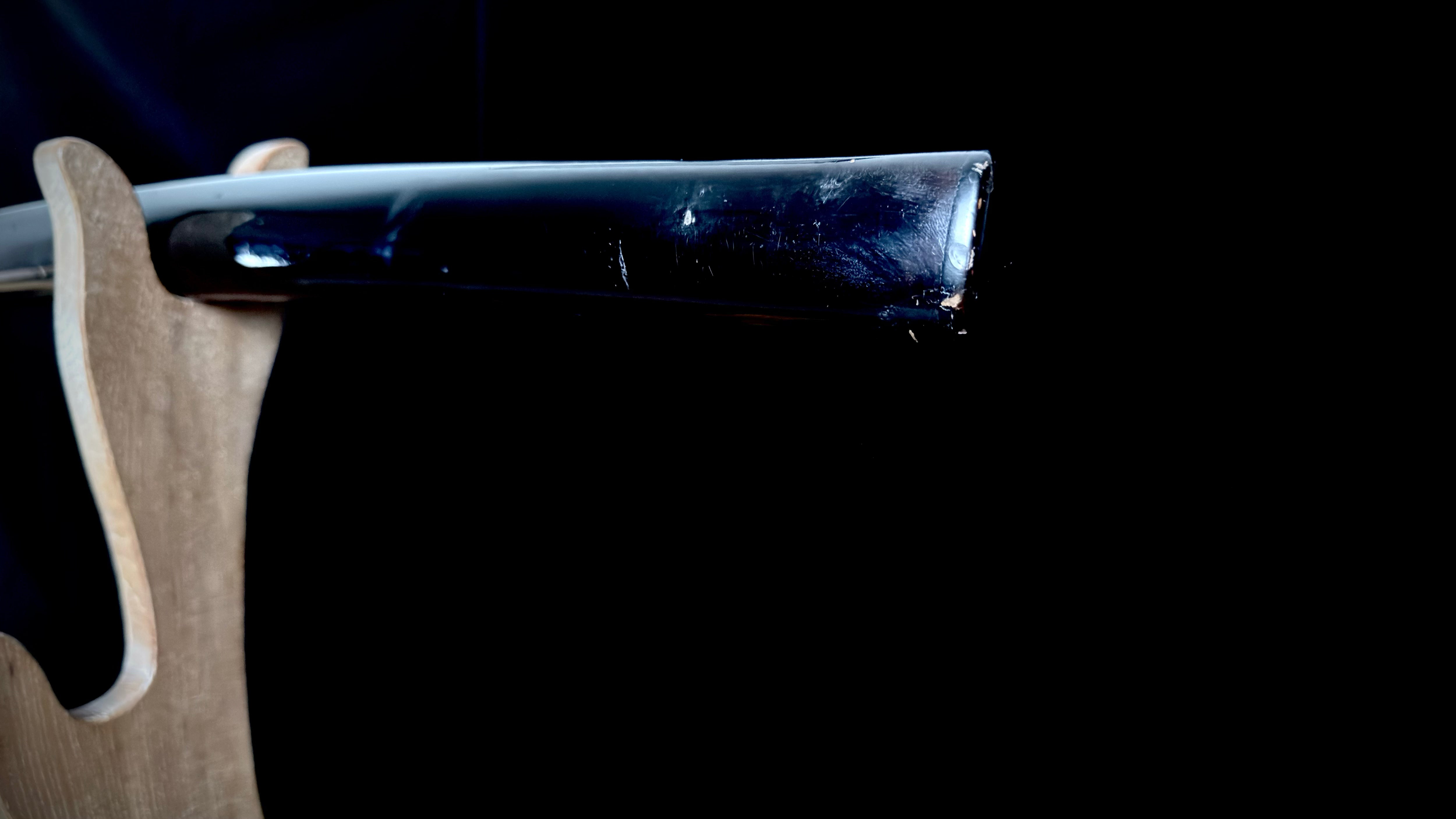
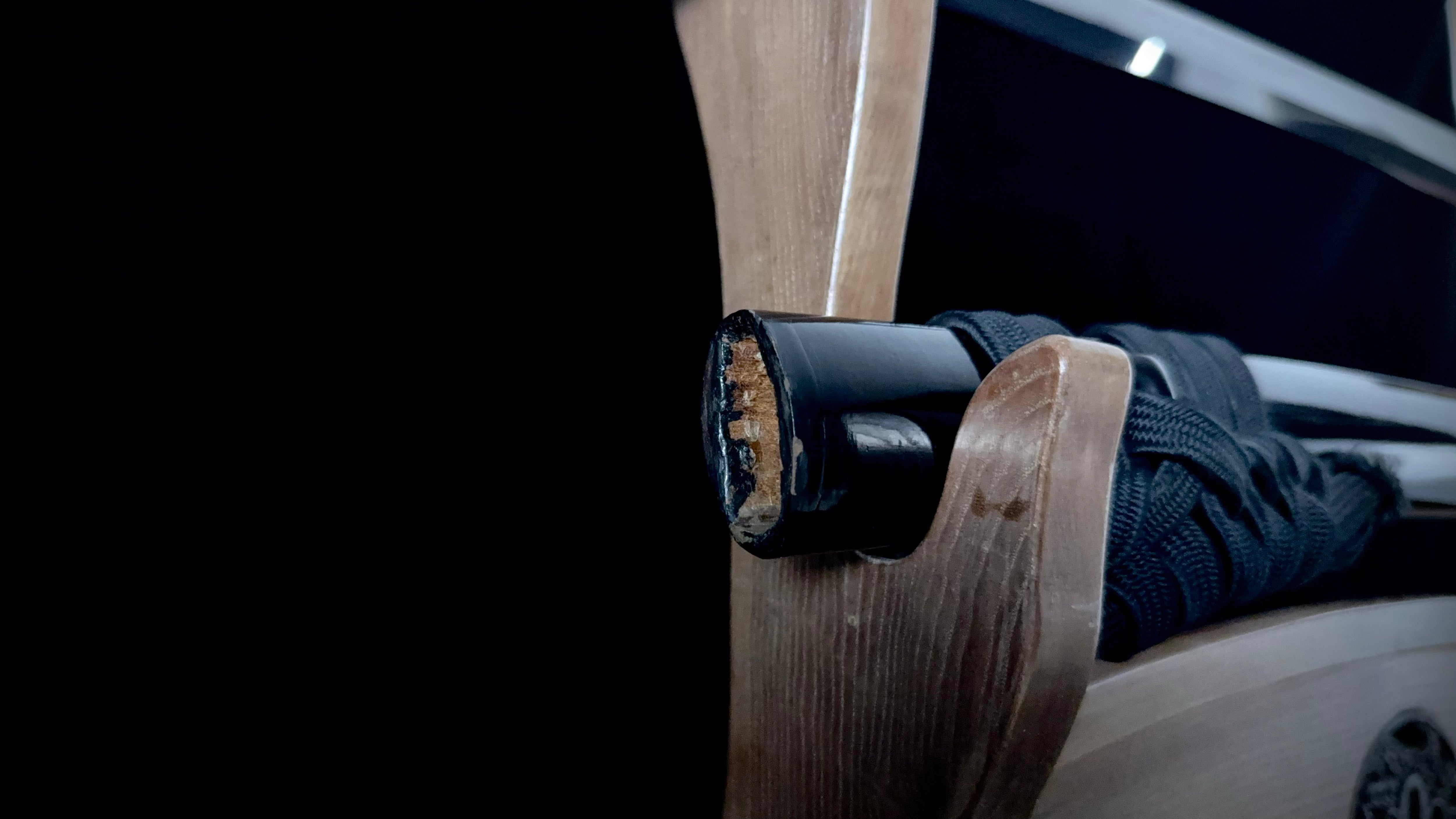
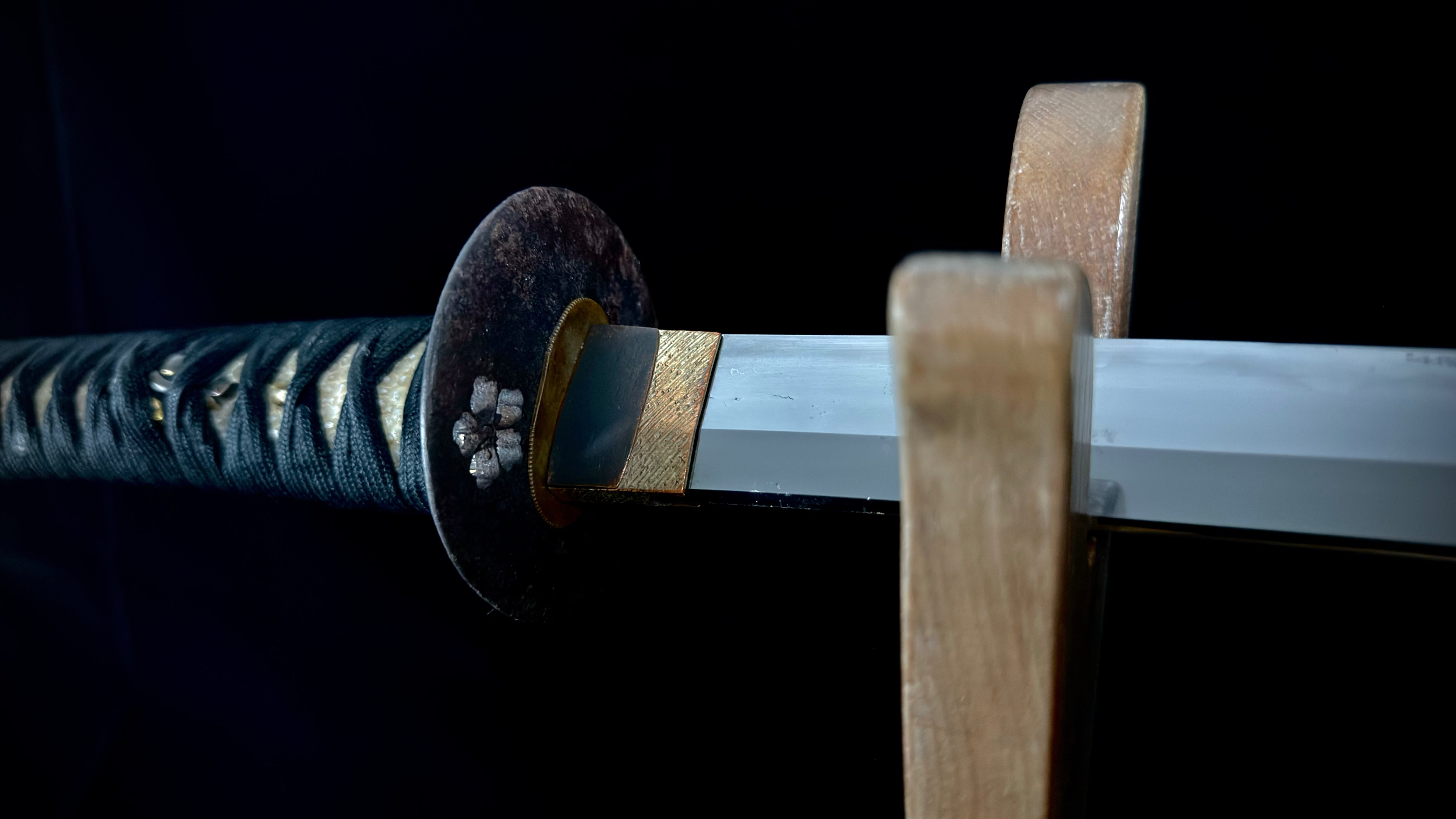
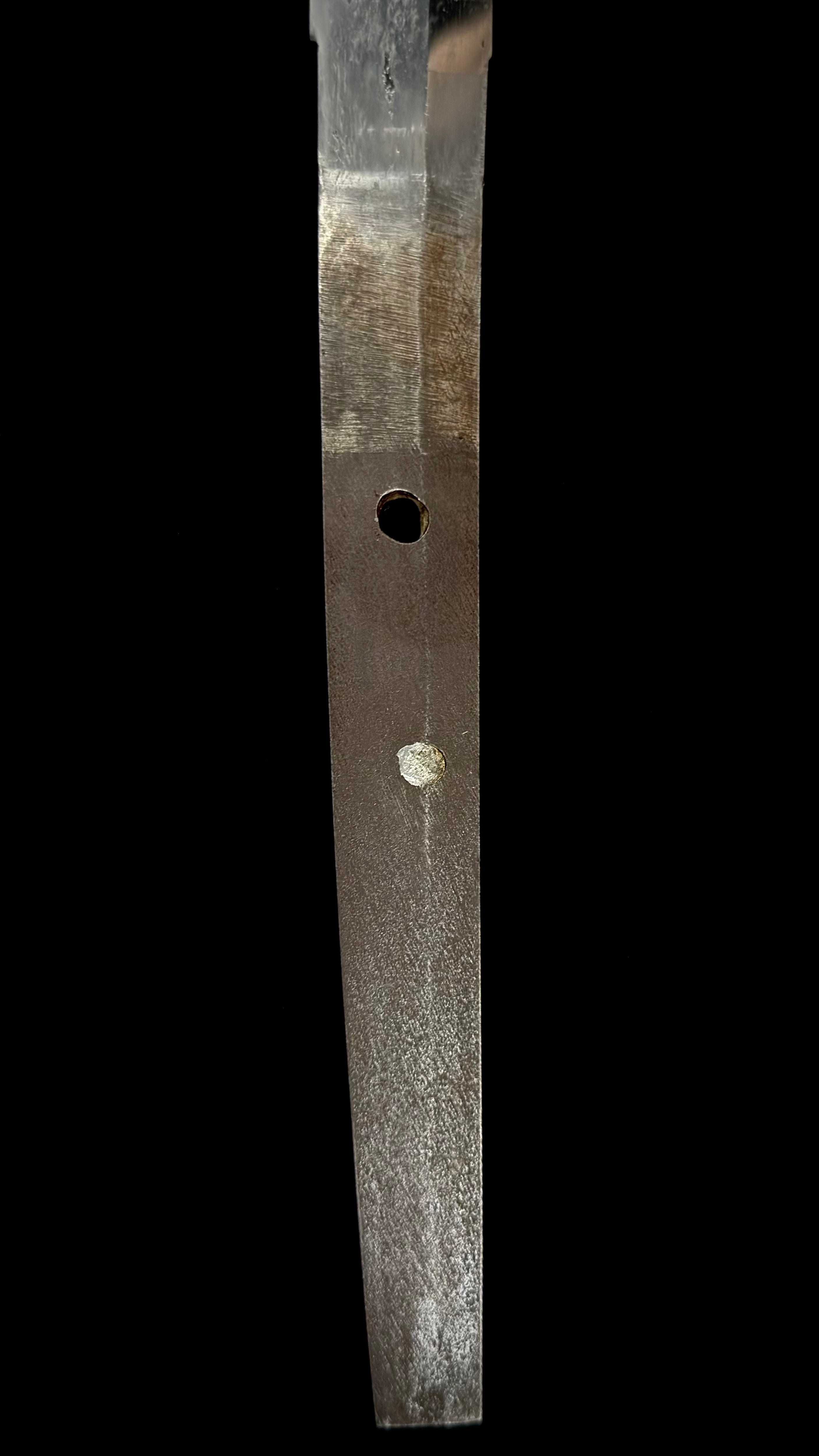
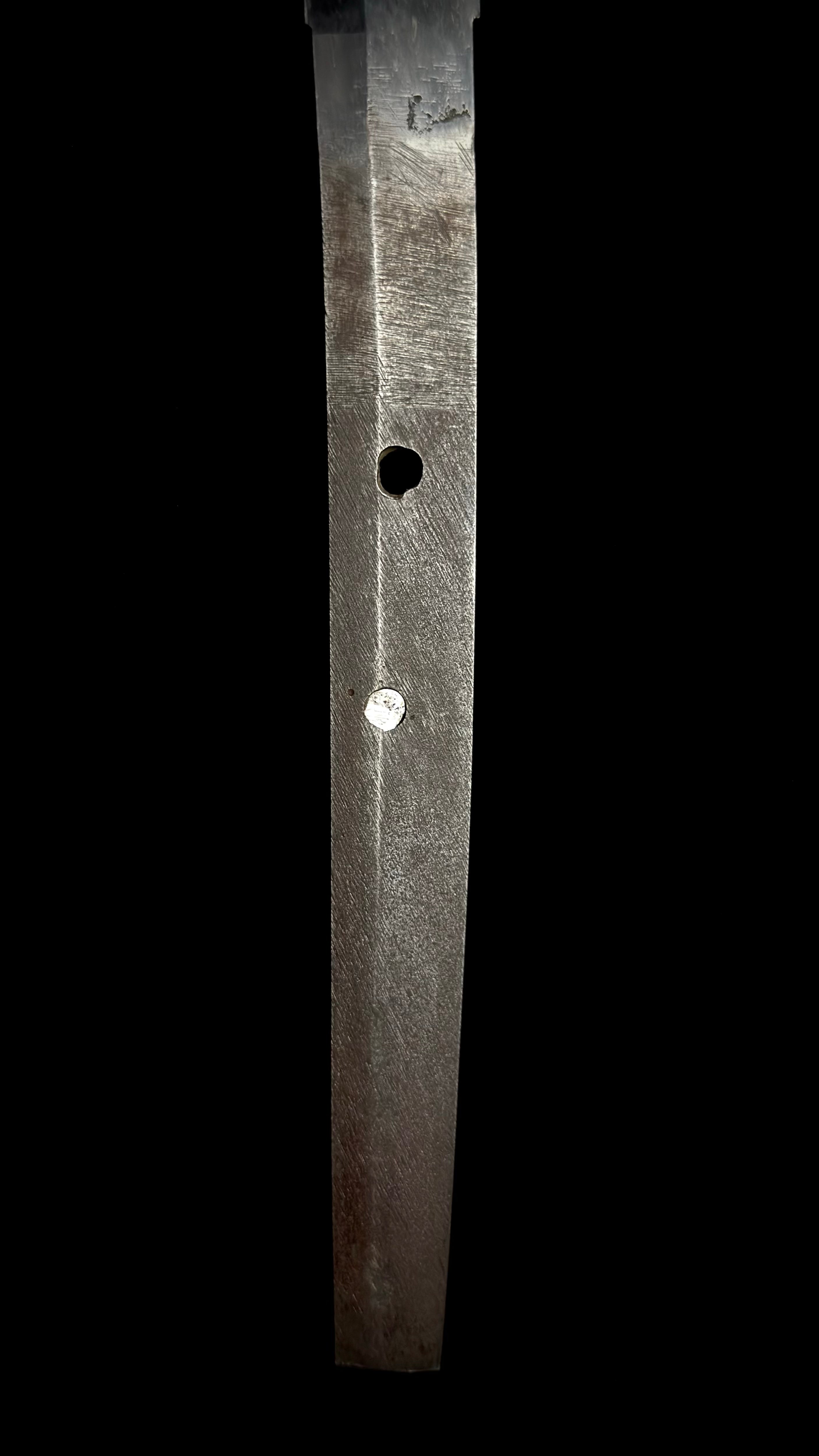
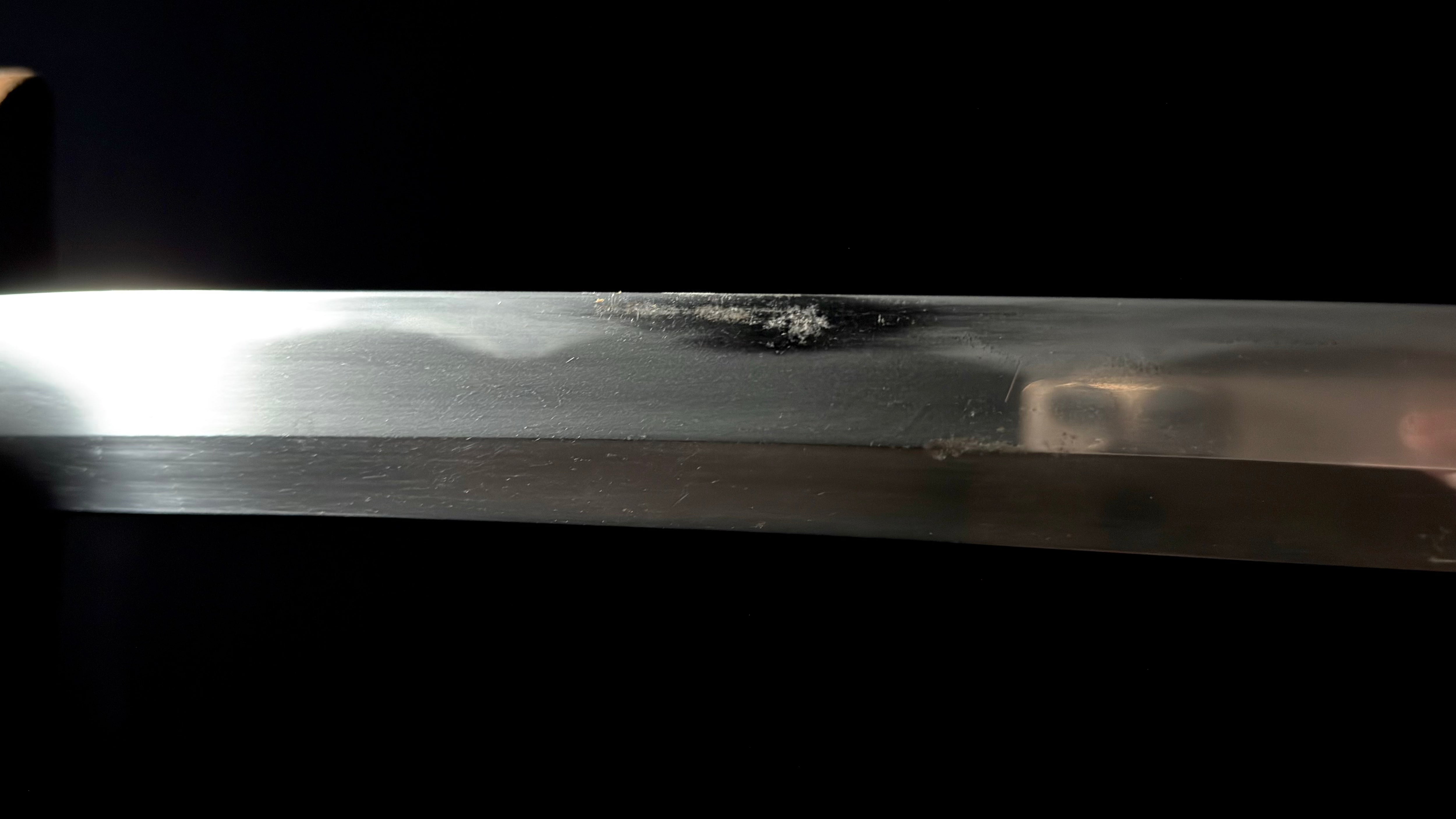
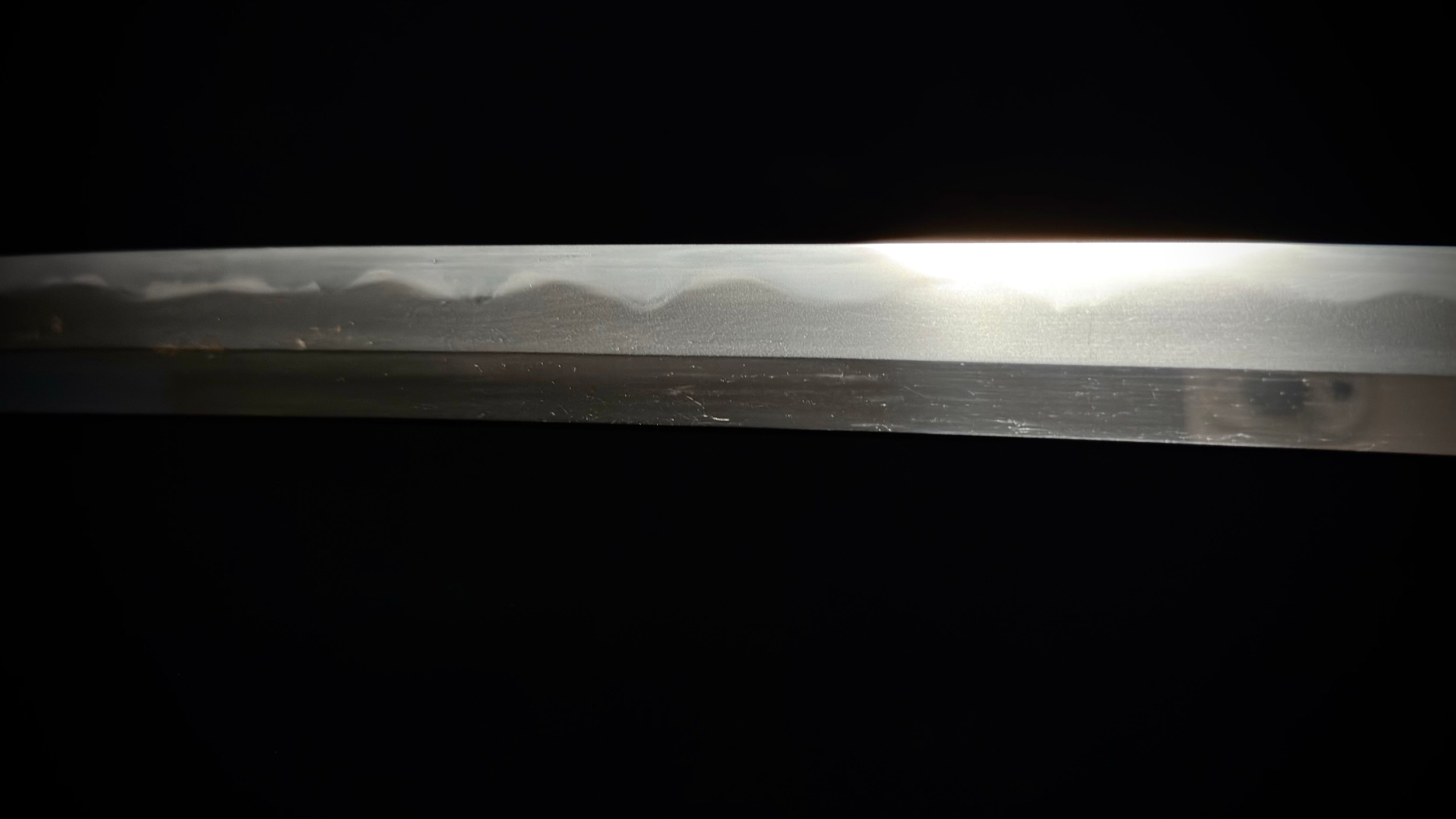
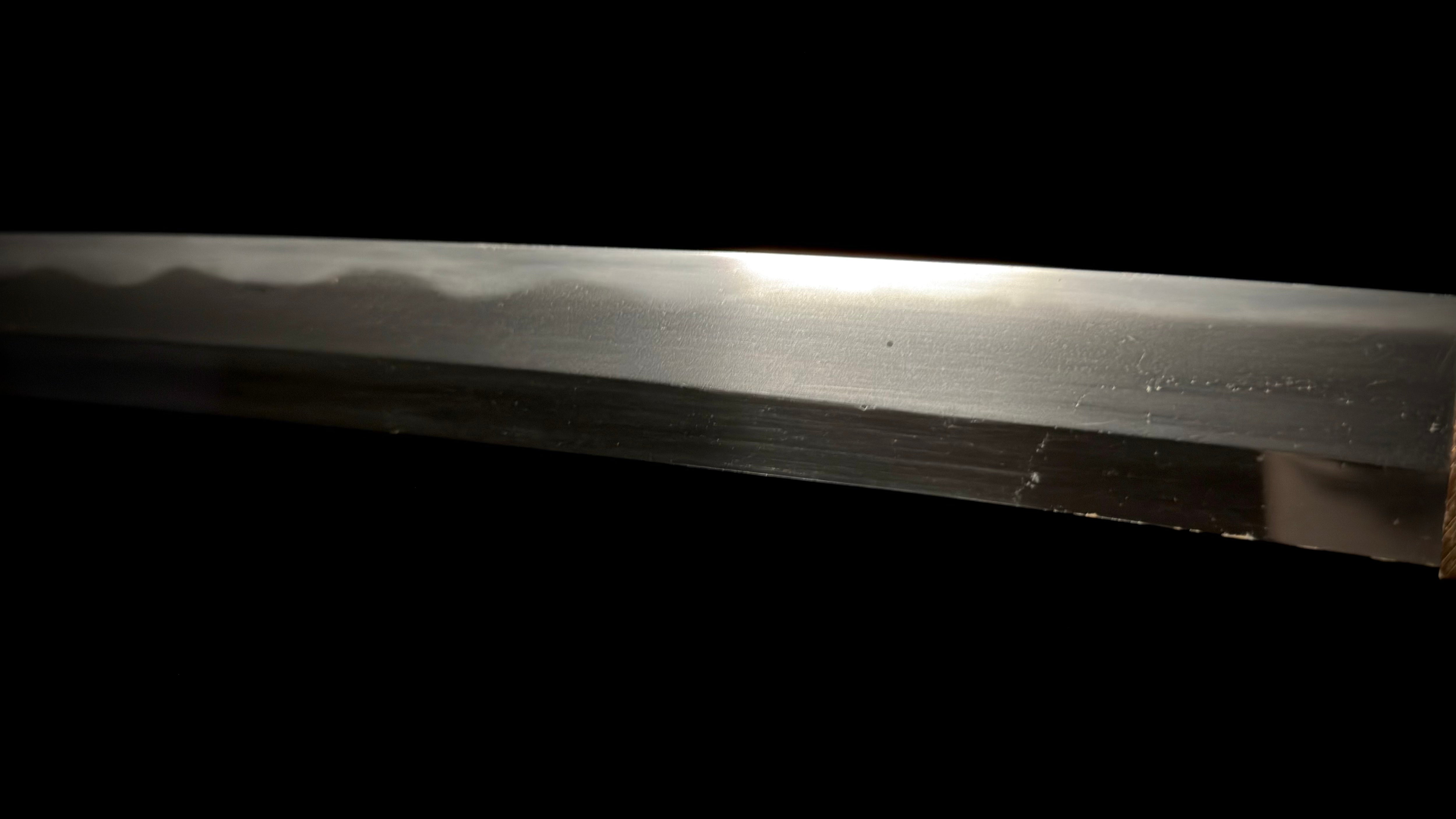
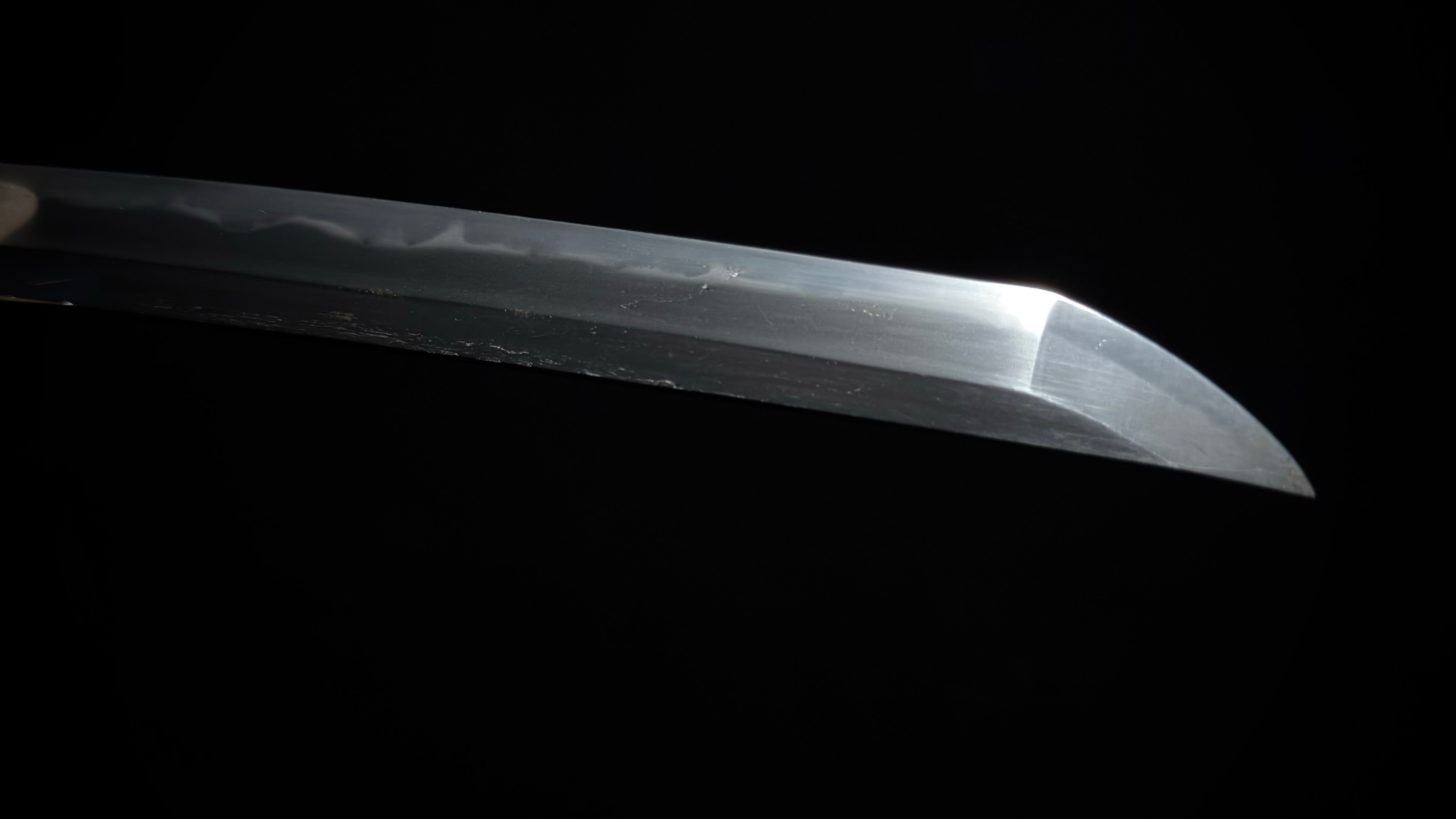
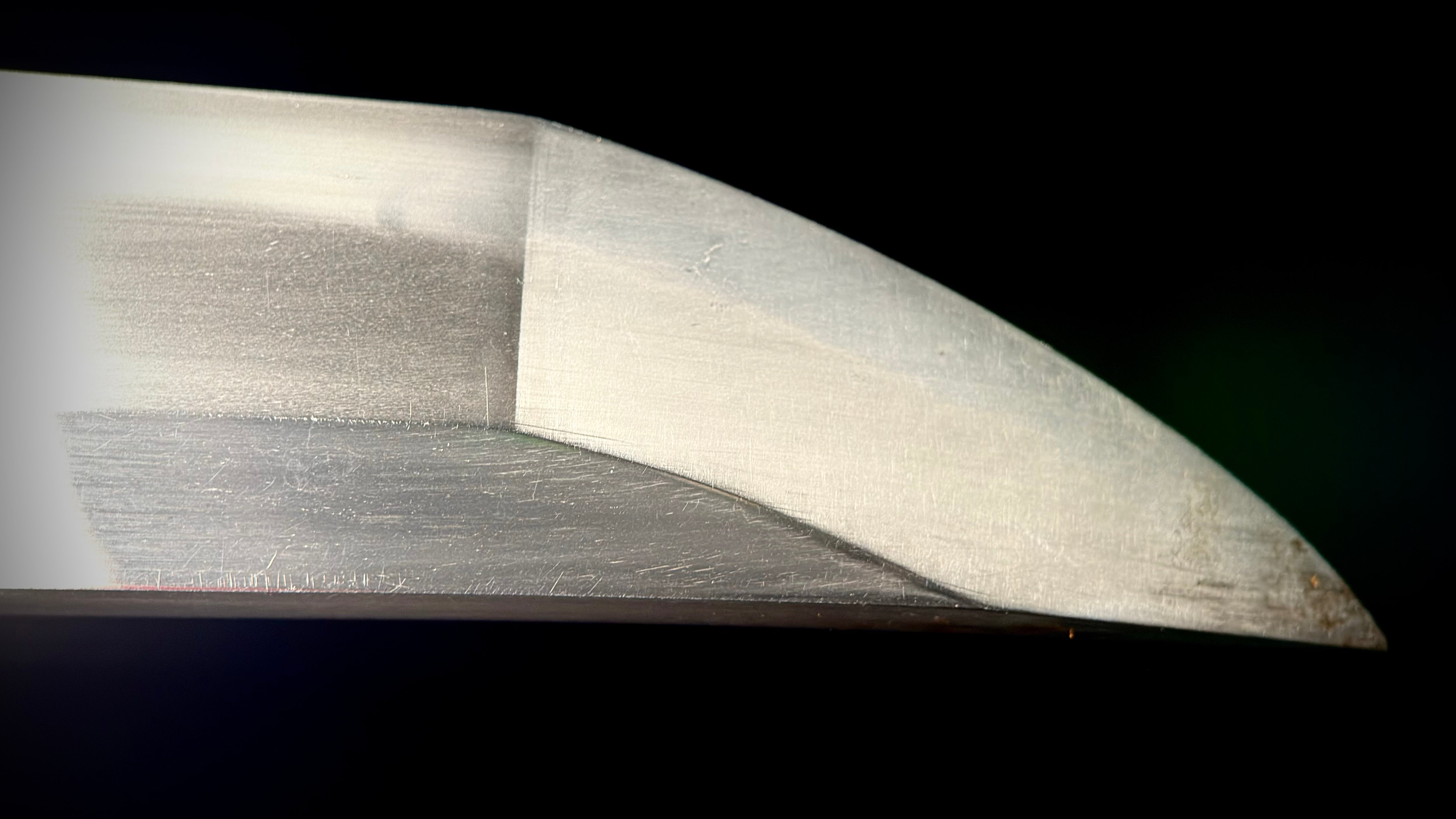
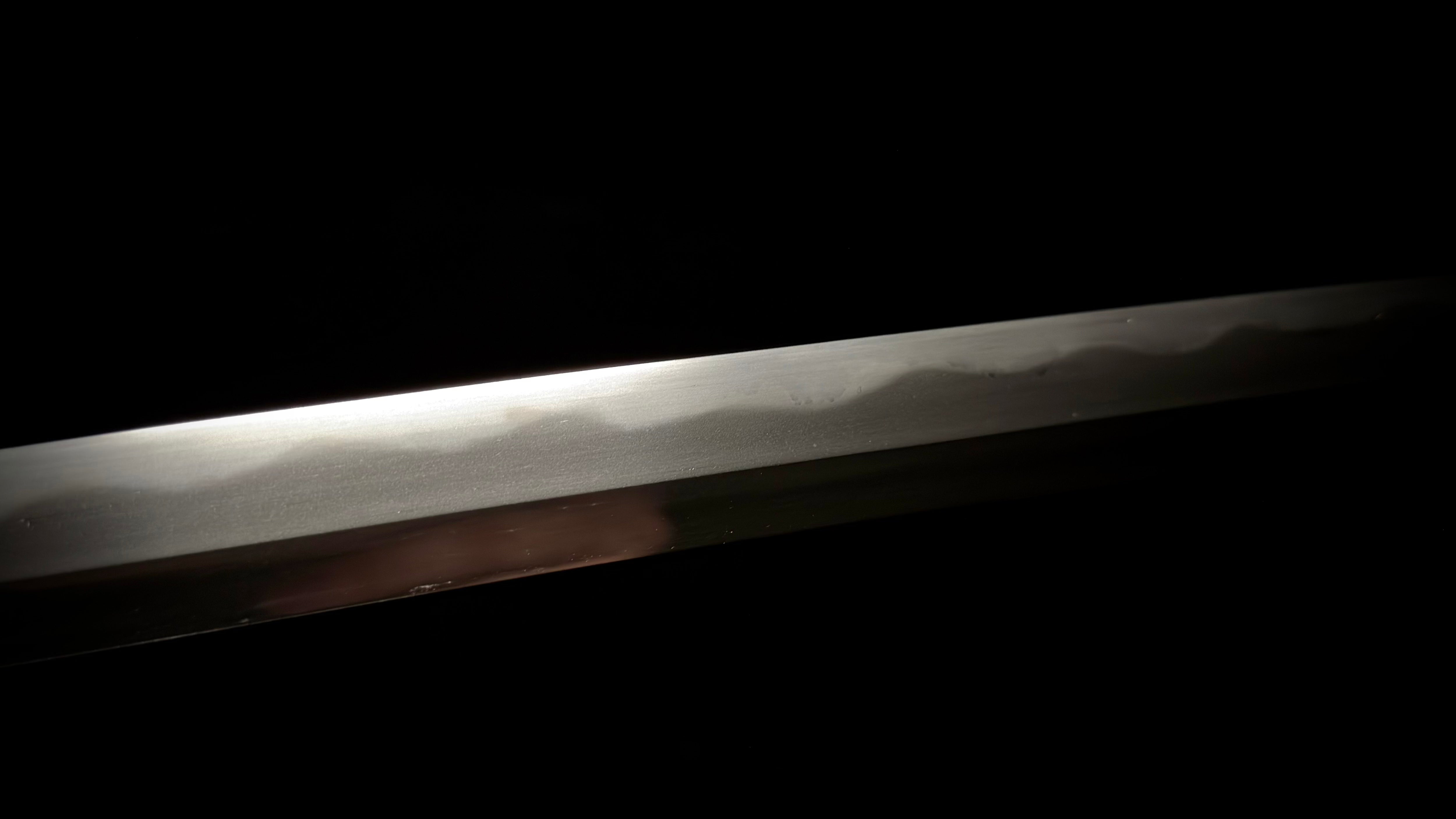
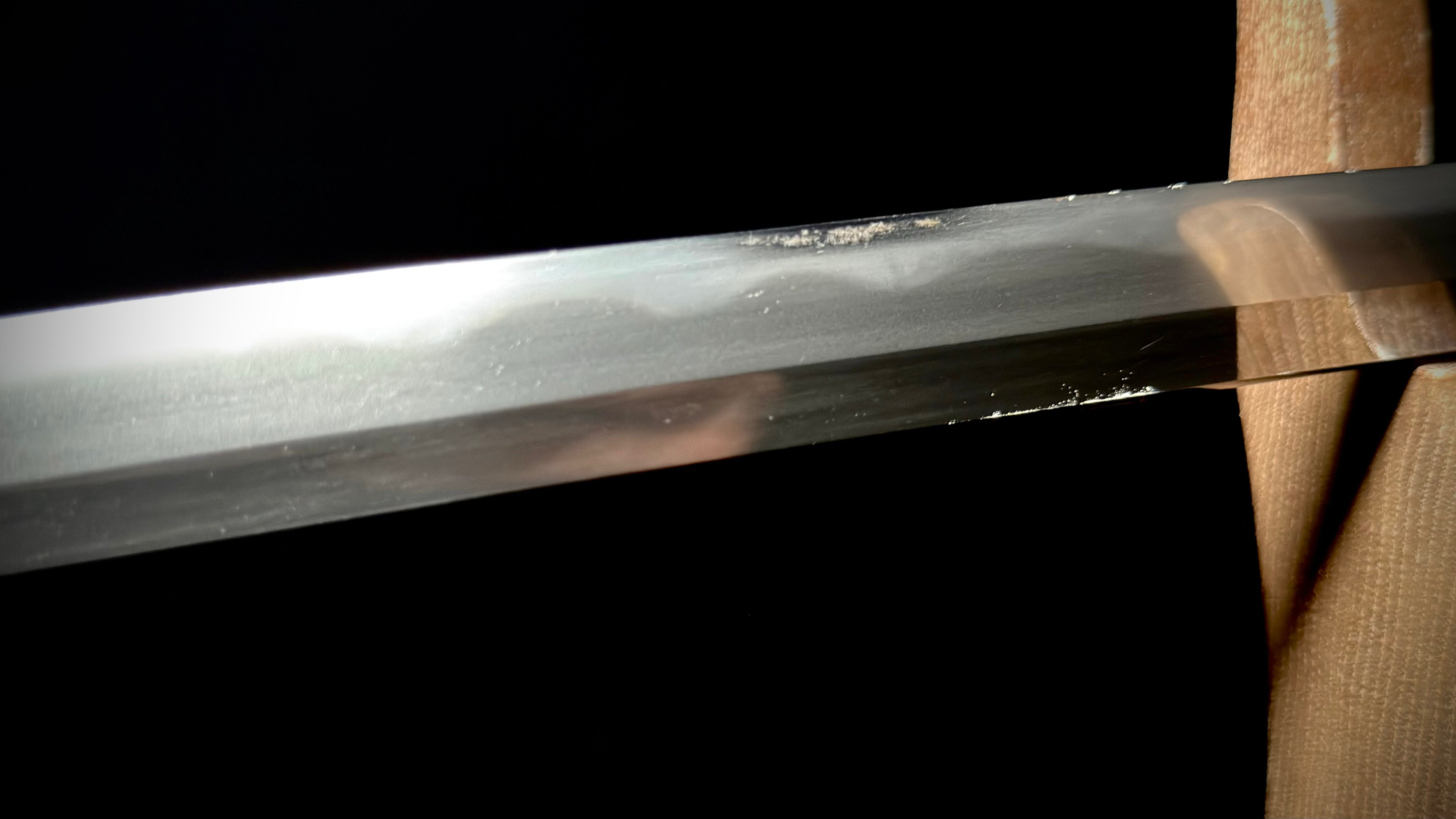
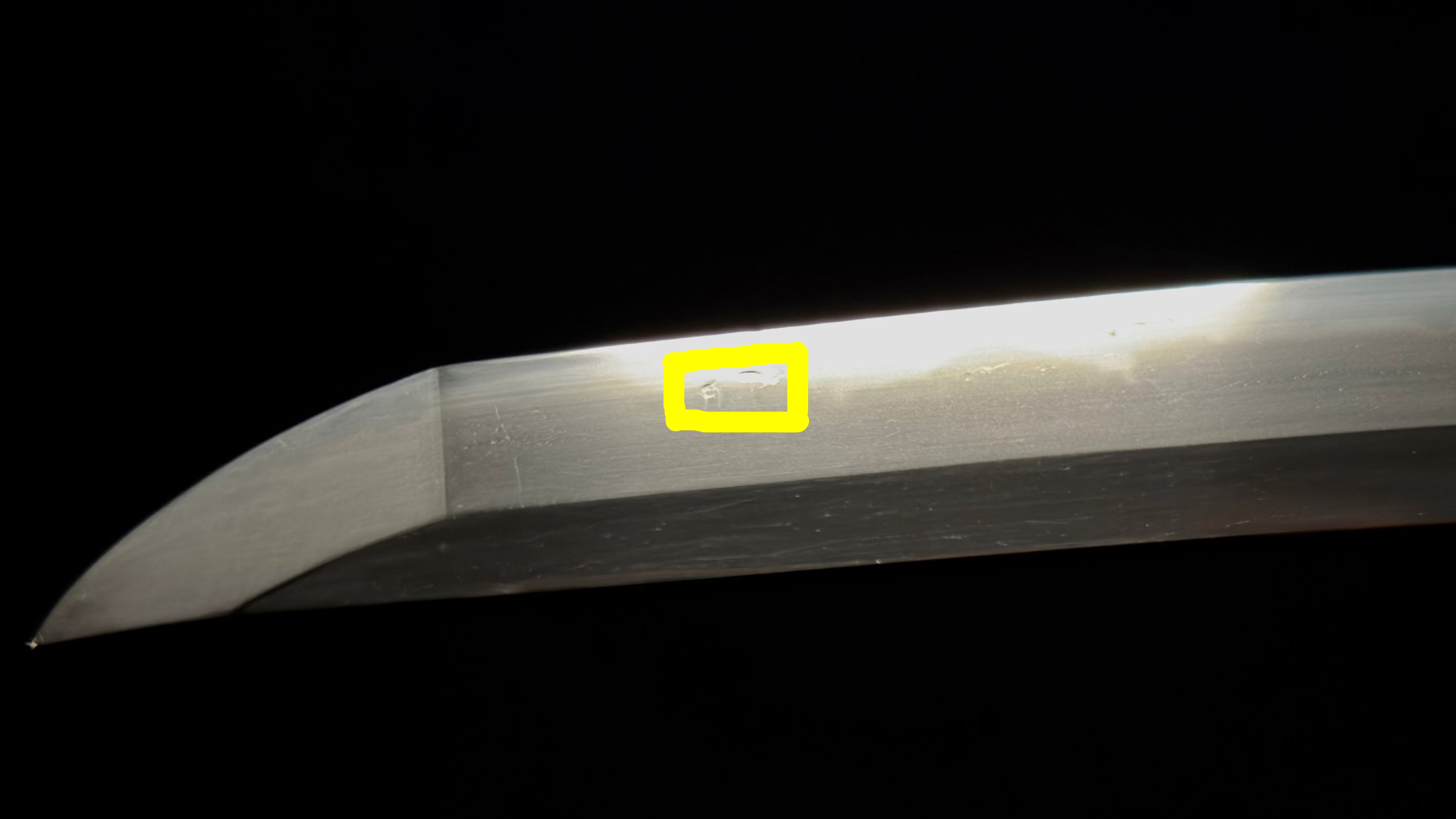
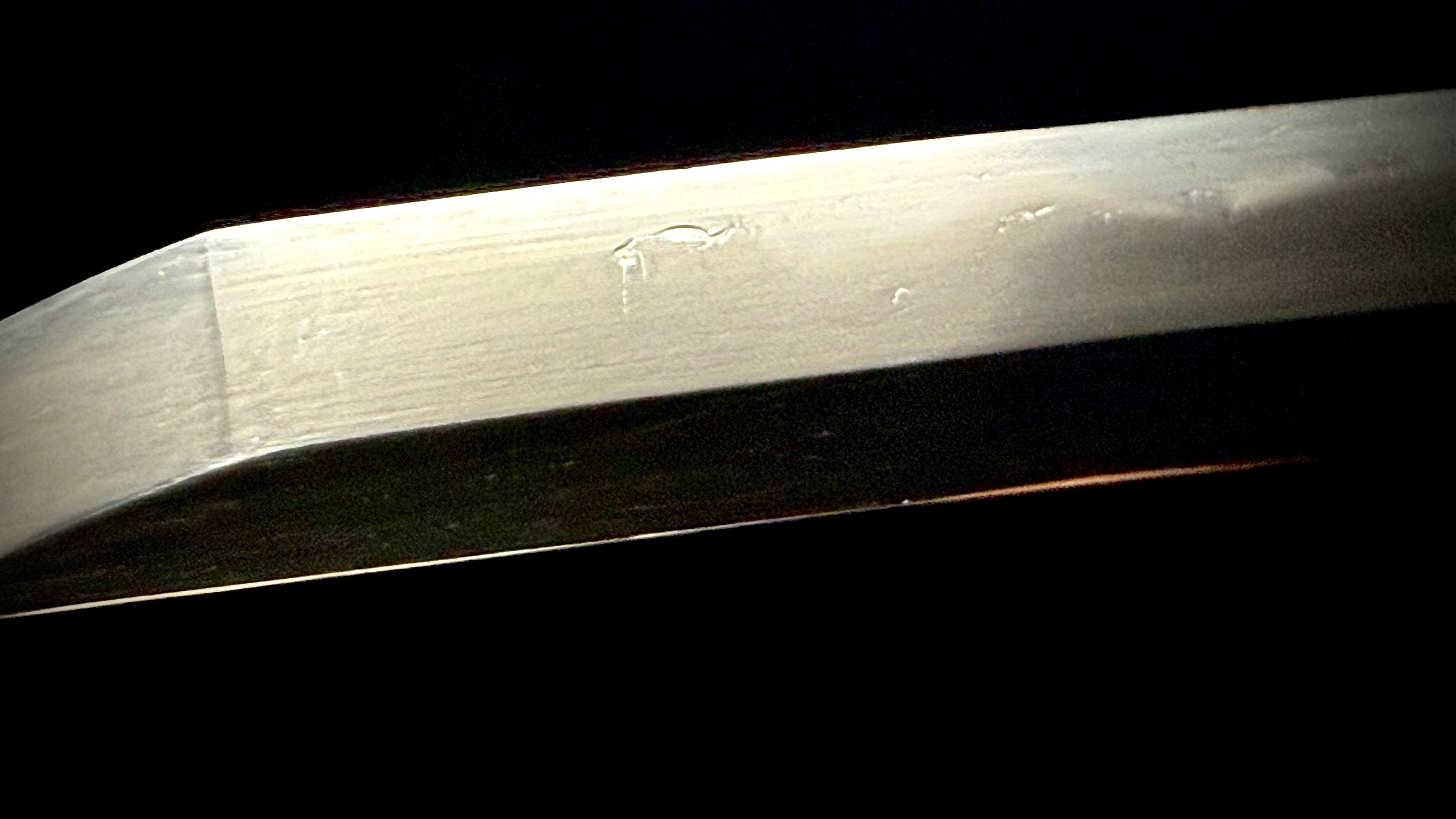
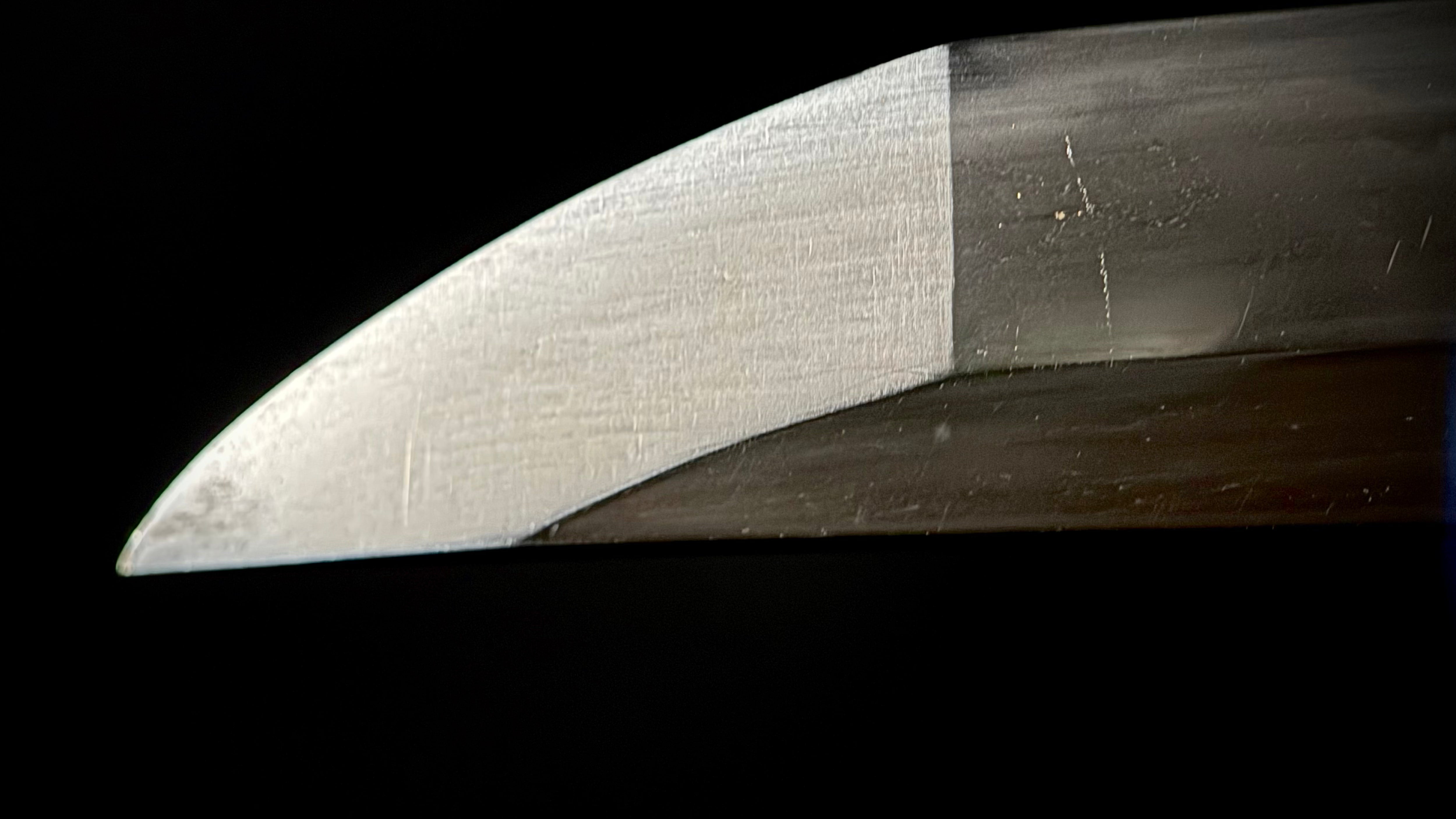
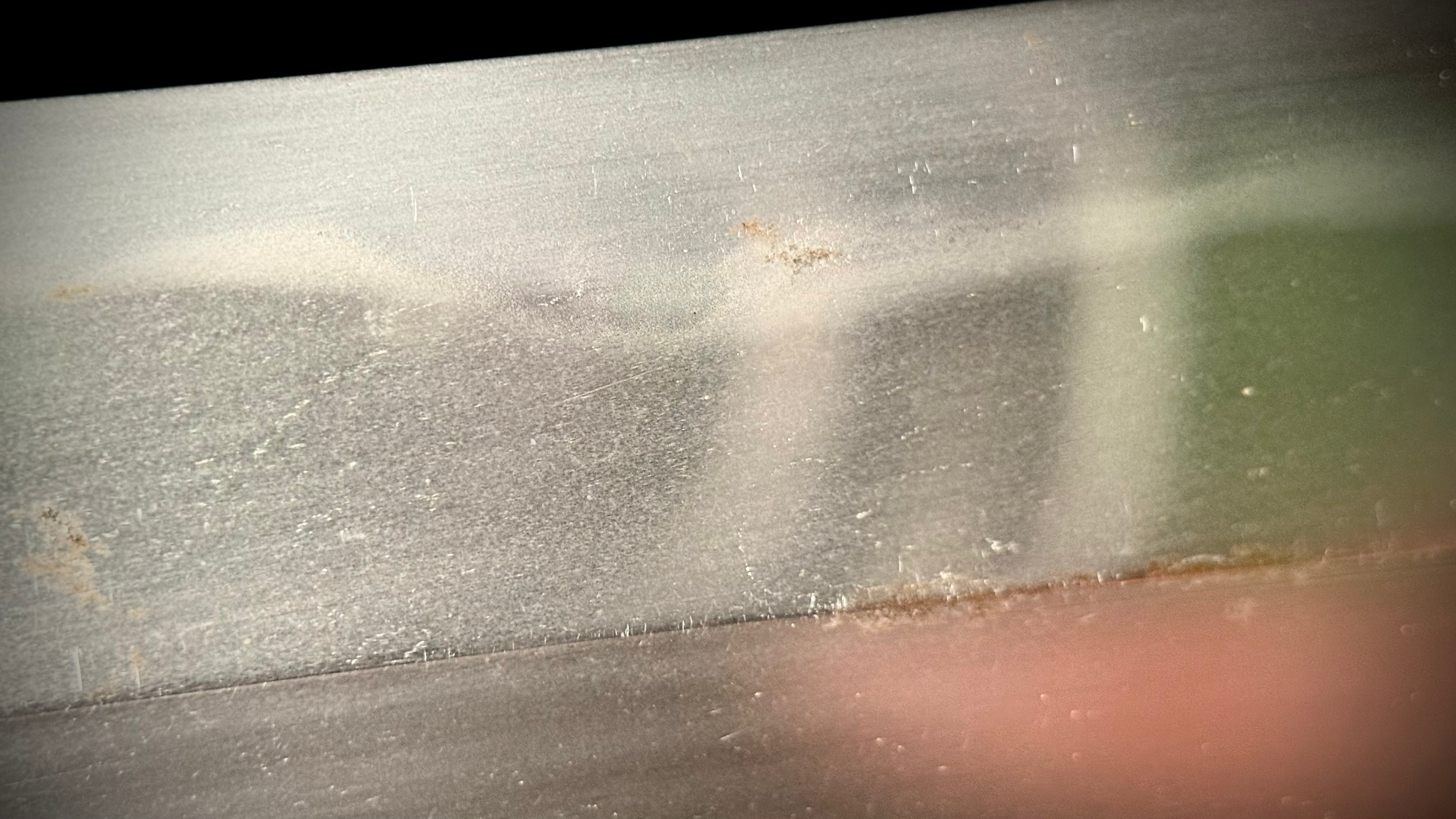
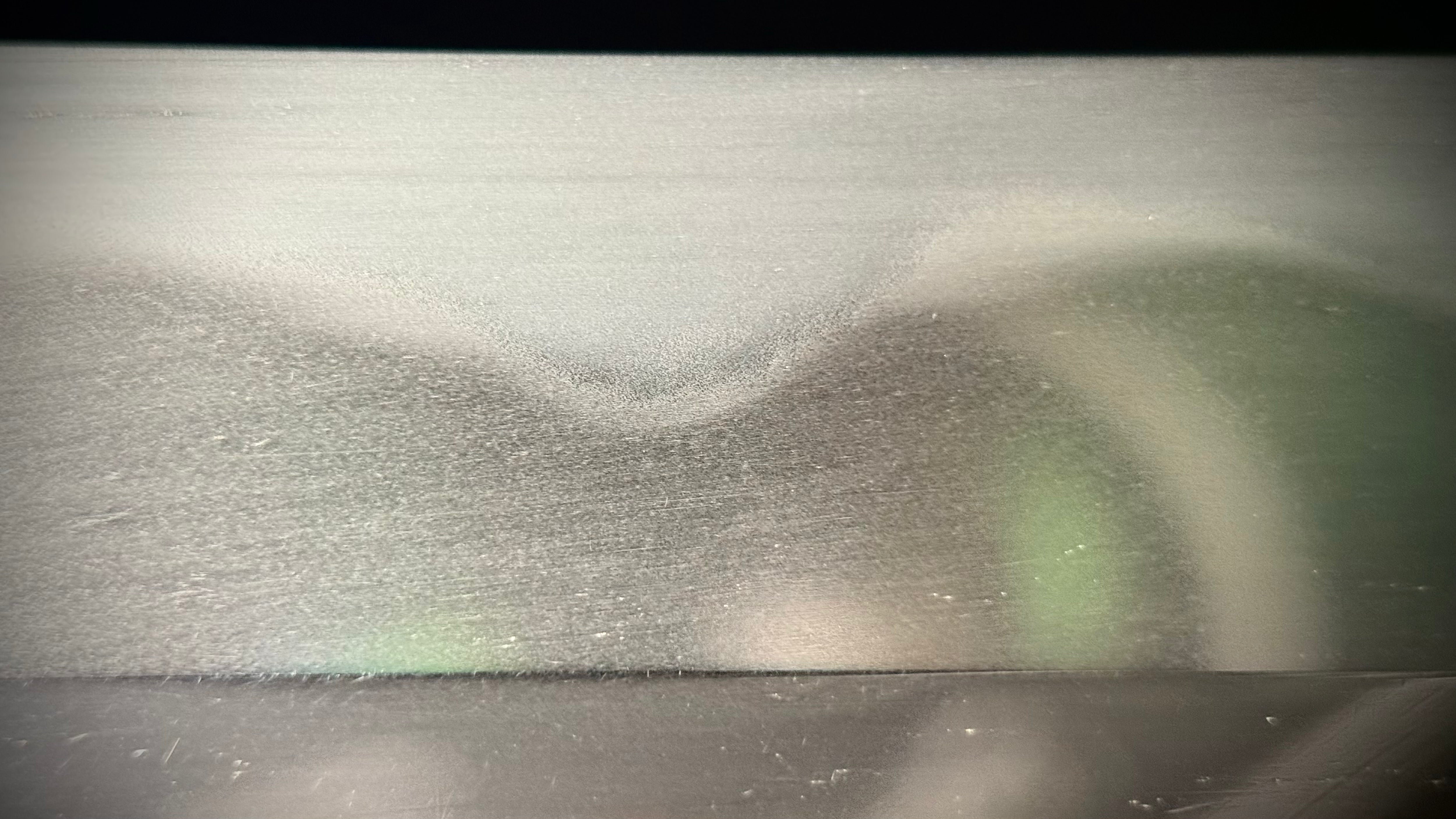
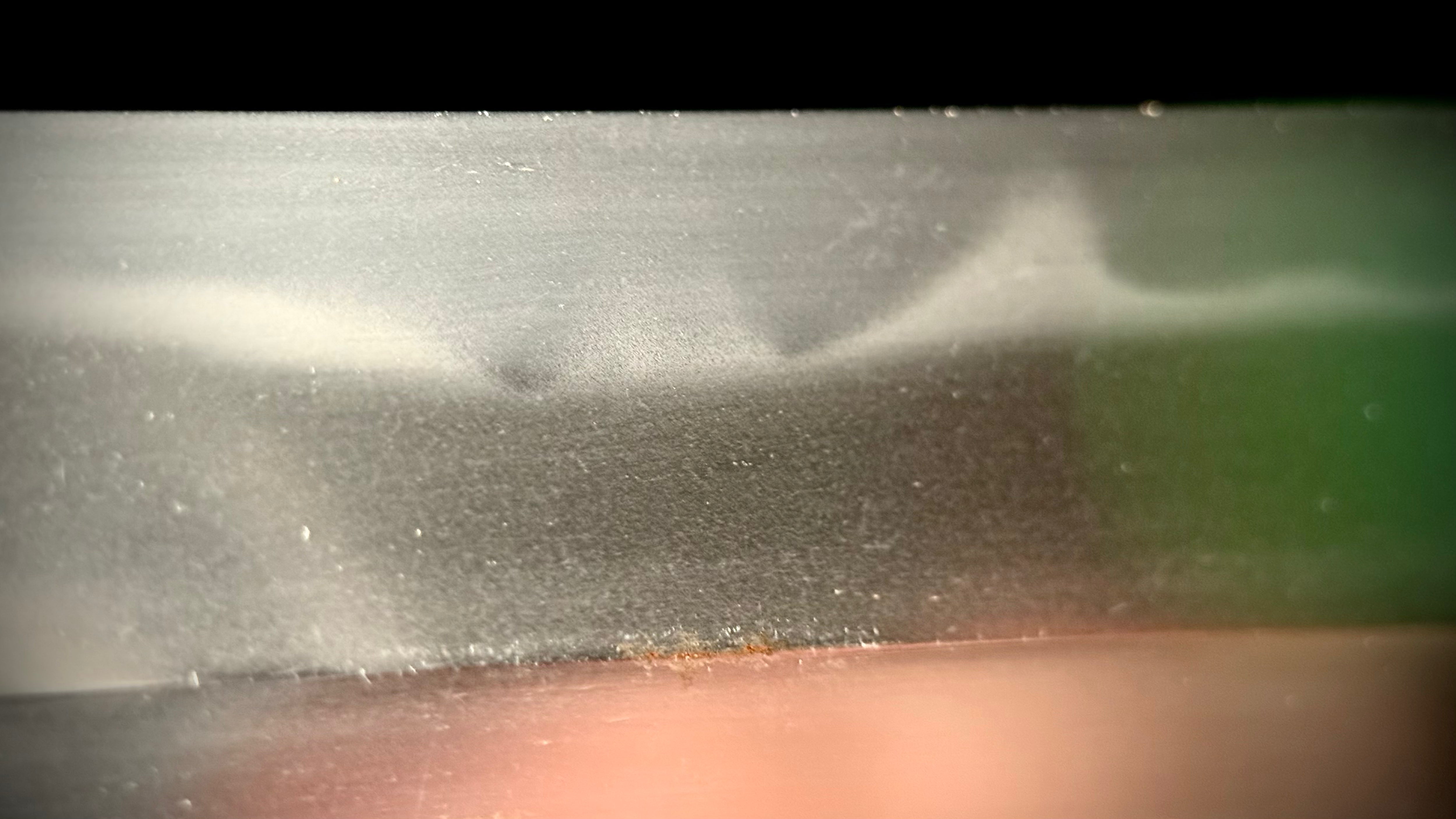
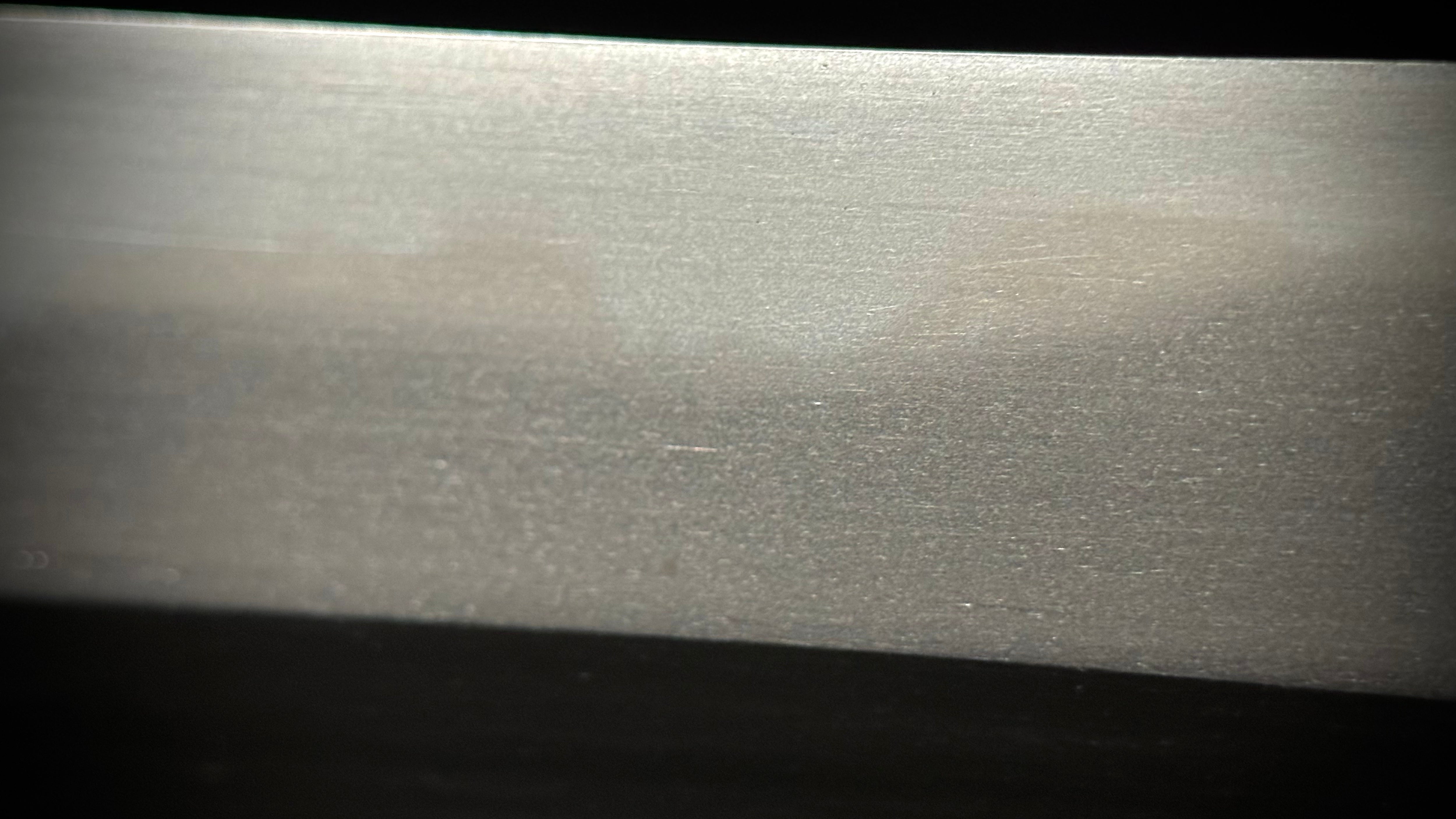
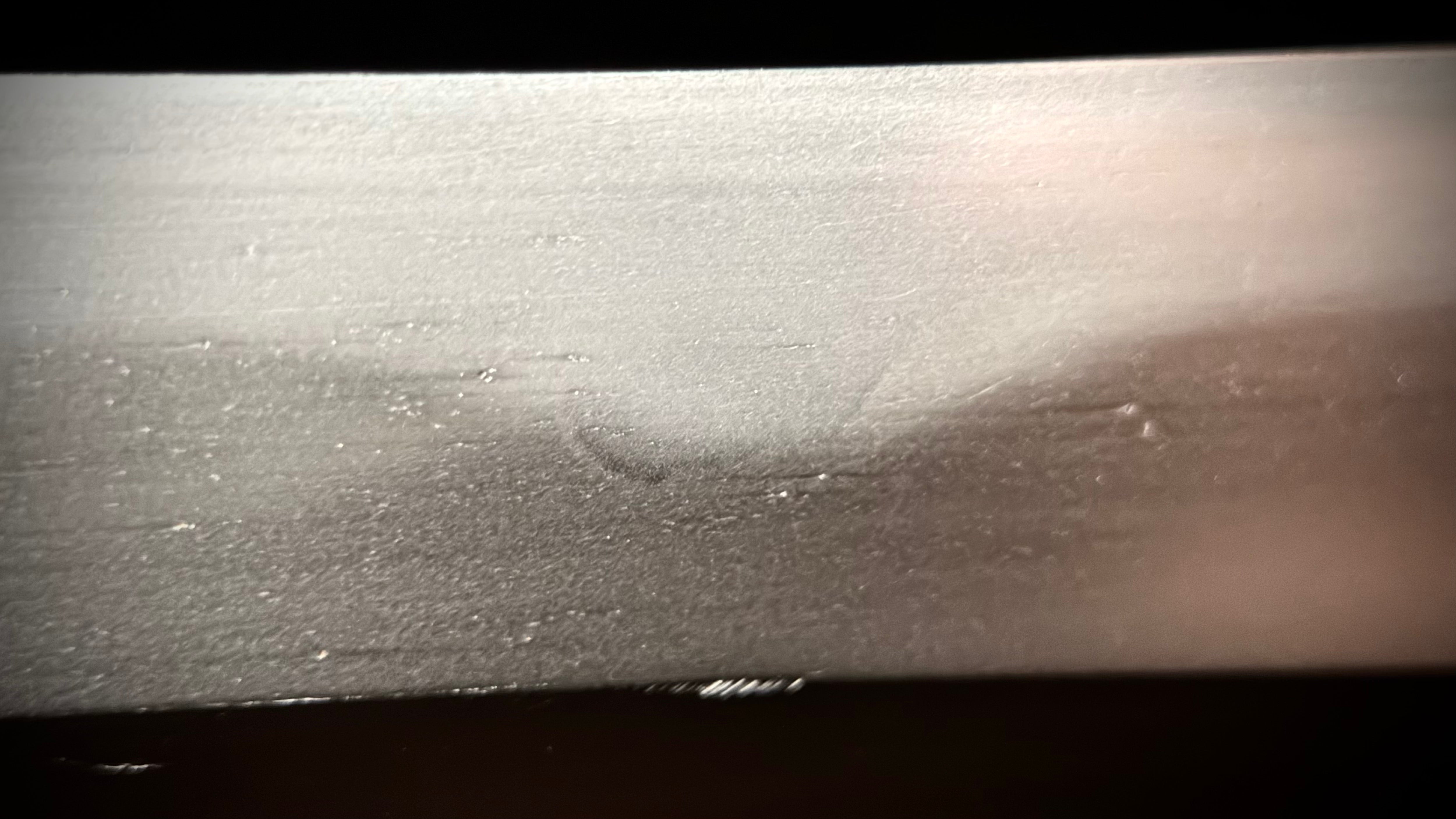
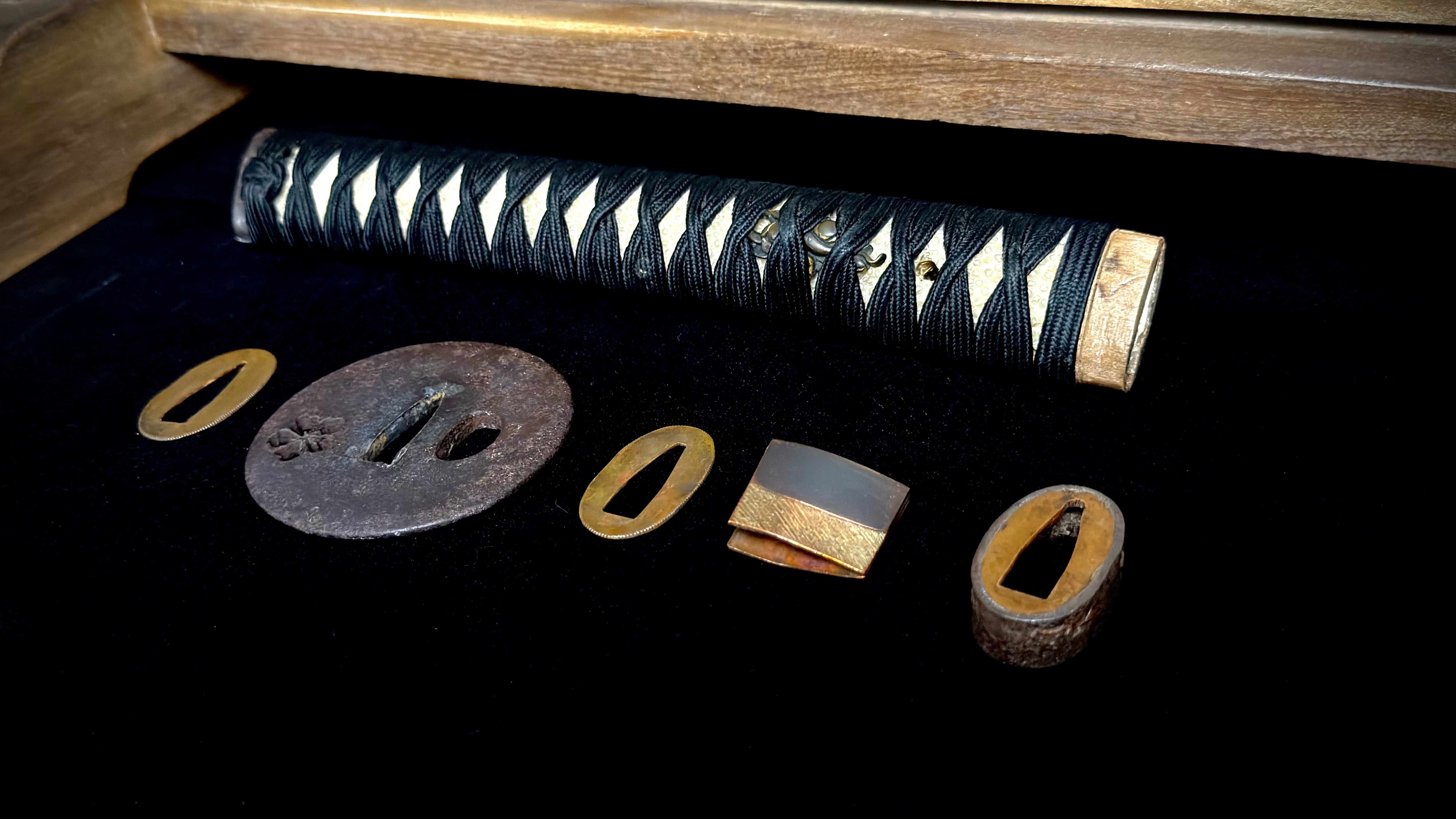
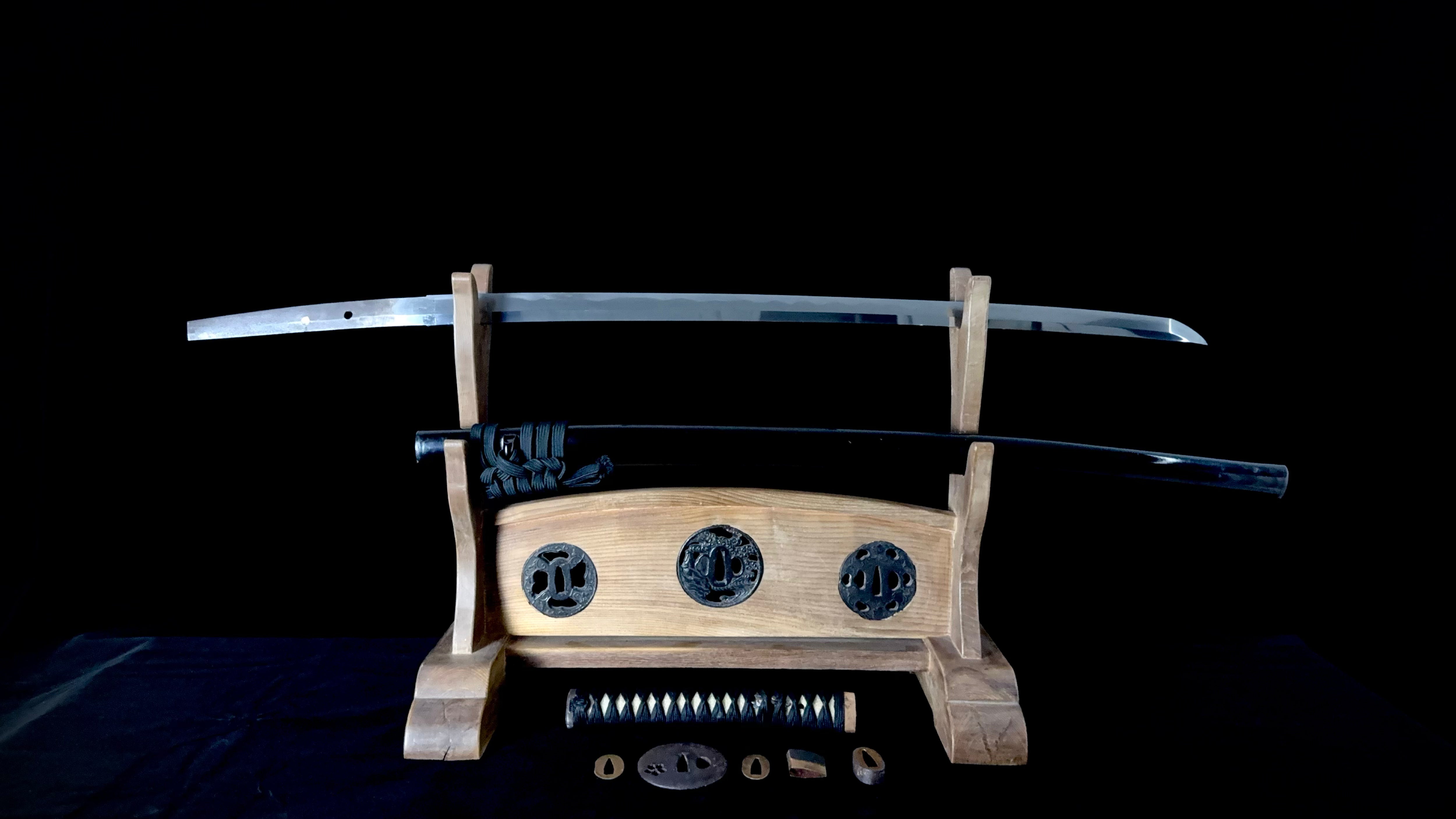
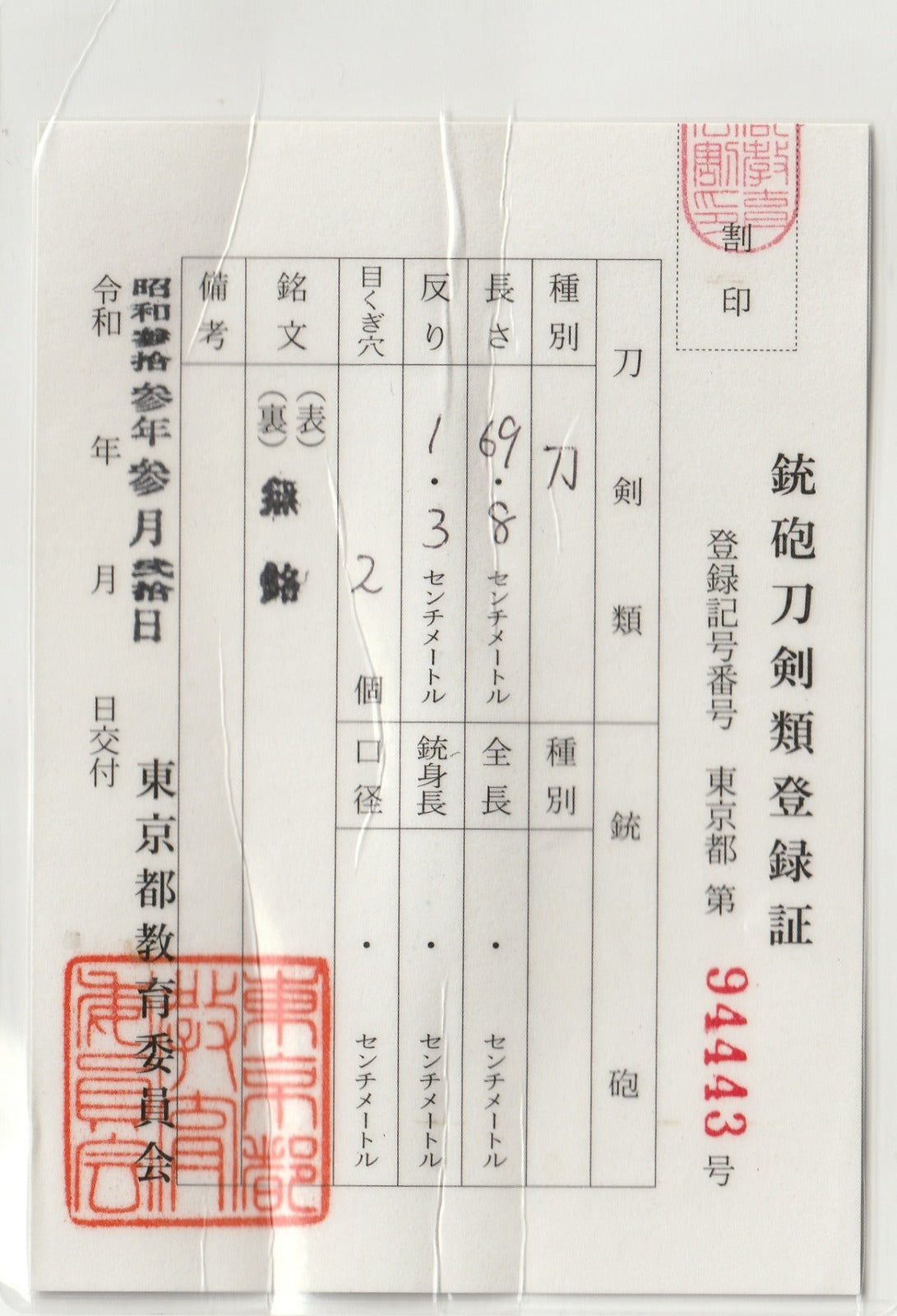
Overview: Here we have an excellent first time katana study piece that is also suitable for Iai. What keeps this from falling into the shinken class would be a single flaw which appears to be an unexposed Fukure-a fatal forge flaw. While this may indeed be a fatal flaw and affects the swords ability to safely perform Tameshigiri, it still holds value as a quality Iai piece as well as study specimen and piece of history. Blade: Coming in at 70cm it is a suitable length for most American practitioners. Featuring a Chu-kissaki and Tor-zori curvature, it is ideal for kata. There are signs of moisture remediation in a few areas as photographed. A proper polish could bring out more of the swords features but also expose the Fukure, my recommendation would be to leave as is and enjoy. It is suriage with two mekugi-ana, one of which has been filled. The original yasurime appears to be O-sujikai. It may have been resized in the 1800s based on the patina. Koshirae: The Awase (mixed) Koshirae is Iai suitable with a few small user performed services. A new mekugi would not be a bad idea and depending on the level of retention you want in an Iai sword, you may want to shim the Koiguchi. There is some small lateral movement in the Tsuba typical of a non-custom fit. Issues: Single Fukure. Moisture remnants.
Offered by Ashigaru Armory
We couldn’t find current papers for this piece. Ask the dealer whether it has been, or can be, submitted to shinsa. — Hoshi


The Shinshintō revival
Around 1800 Suishinshi Masahide argued in his writings that the craft must return to the old masters’ methods: the fukkotō revival. His greatest successor Naotane worked convincingly in Bizen and Sōshū manners that had been dead for centuries.
We could not find an authenticity certificate on the seller’s listing. Japanese swords and fittings are normally papered by the NBTHK (or the NTHK). Without one, the attribution is the seller’s own assessment and has not been independently verified — treat it with caution and ask the dealer about certification before buying.
$1,475