天下統一は大量の市場を閉じ、関の鍛冶は新しい富の在り処へ移った。三品の一門は受領名を得て京に、大道系は諸国の城下町に。美濃は新刀時代の最大の祖先となった。
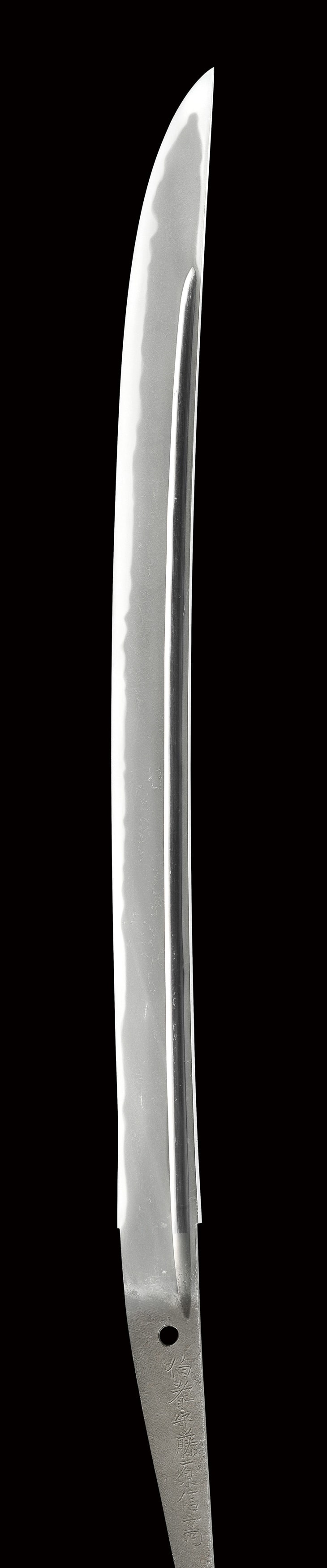
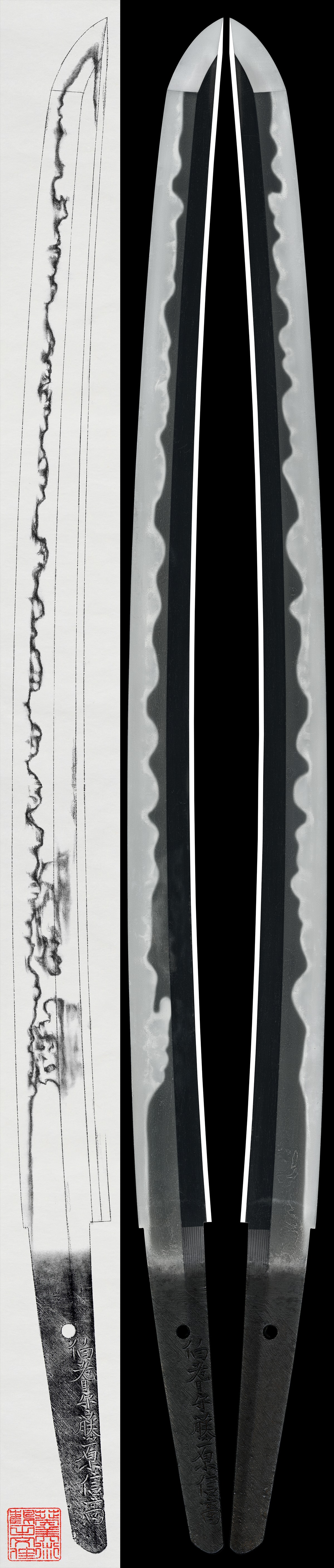
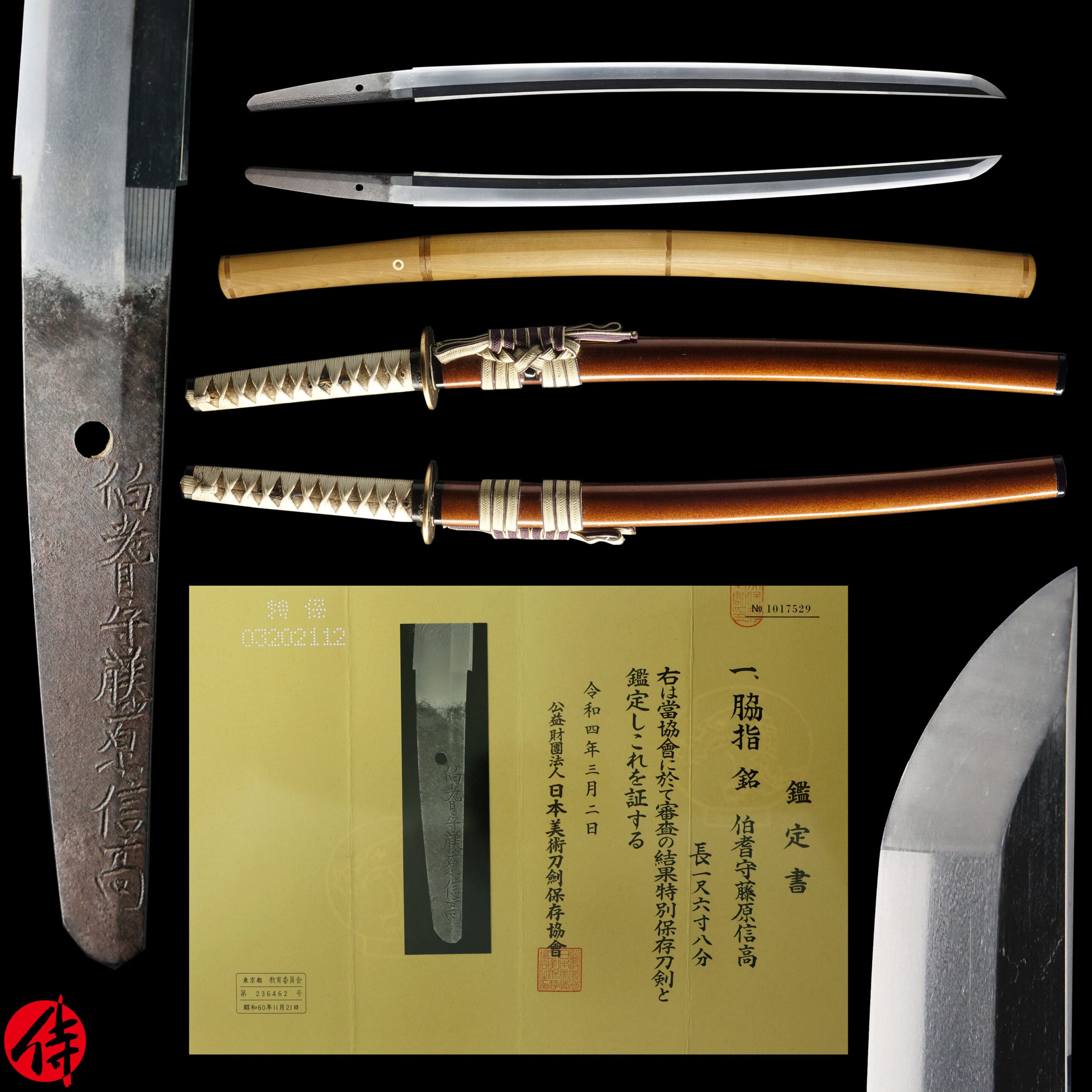
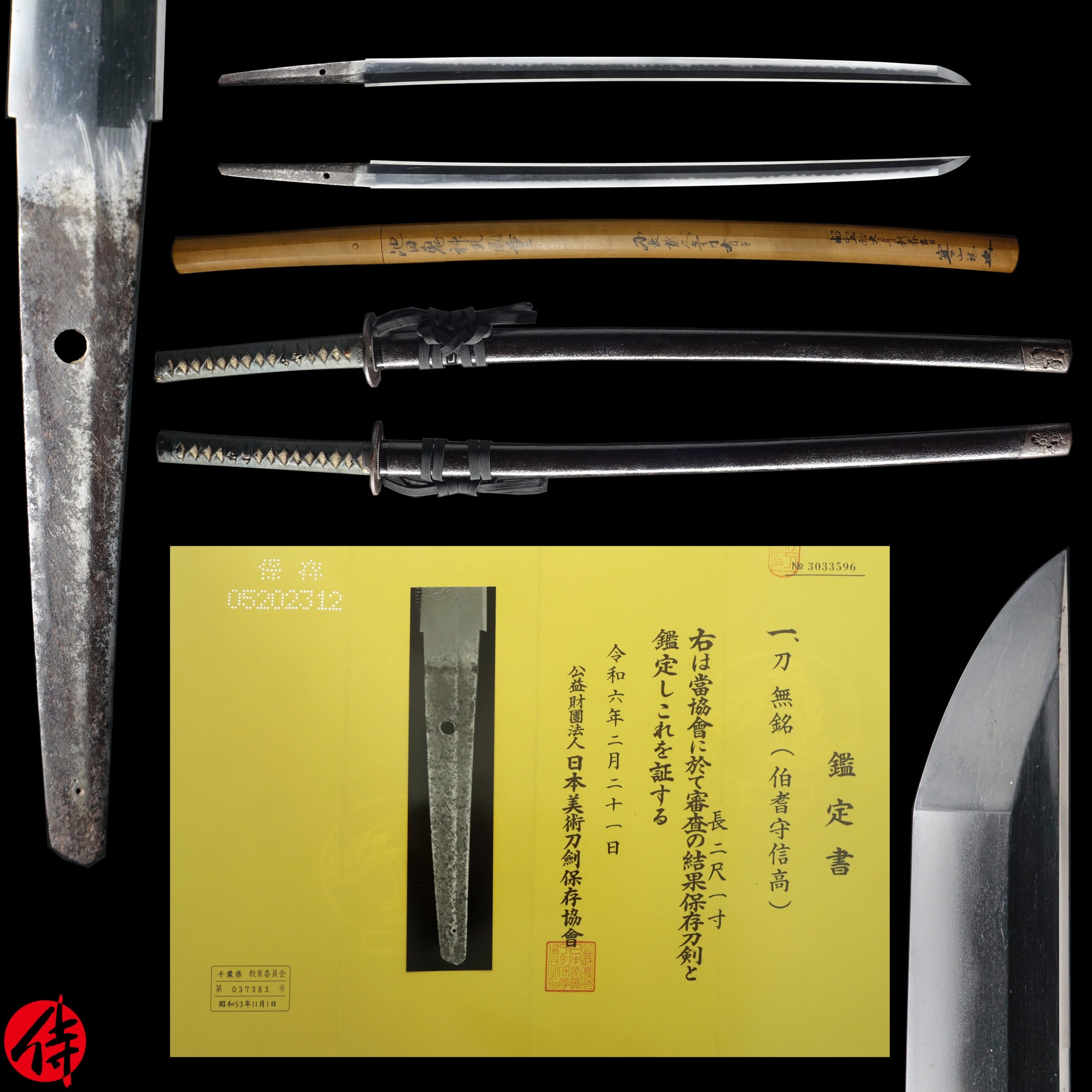
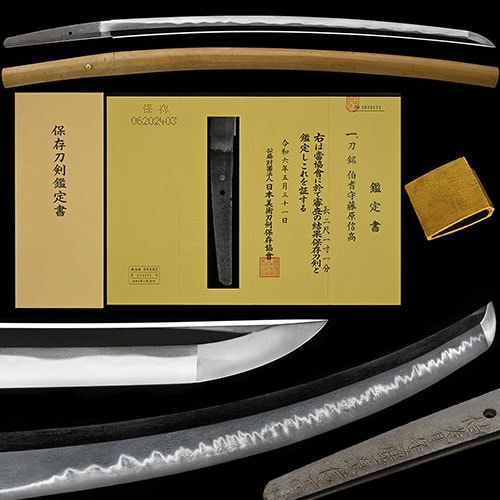
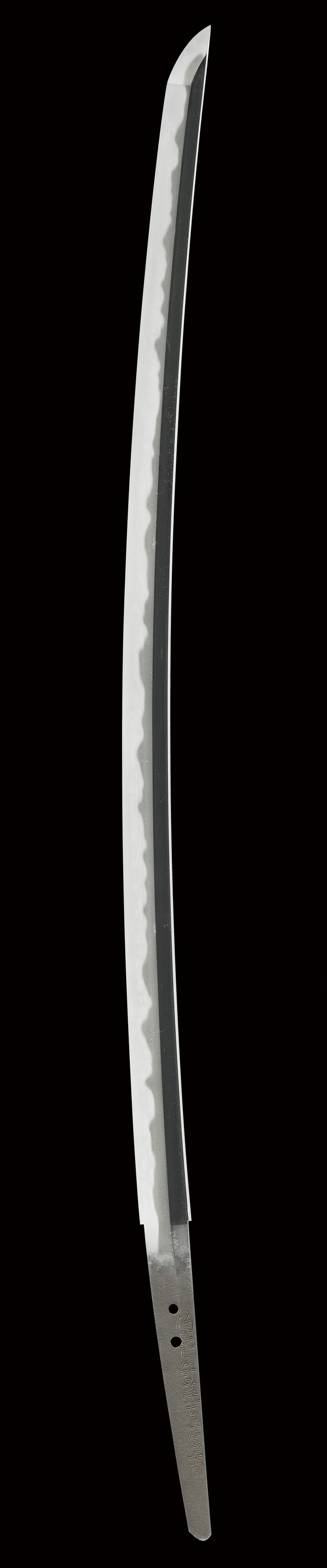
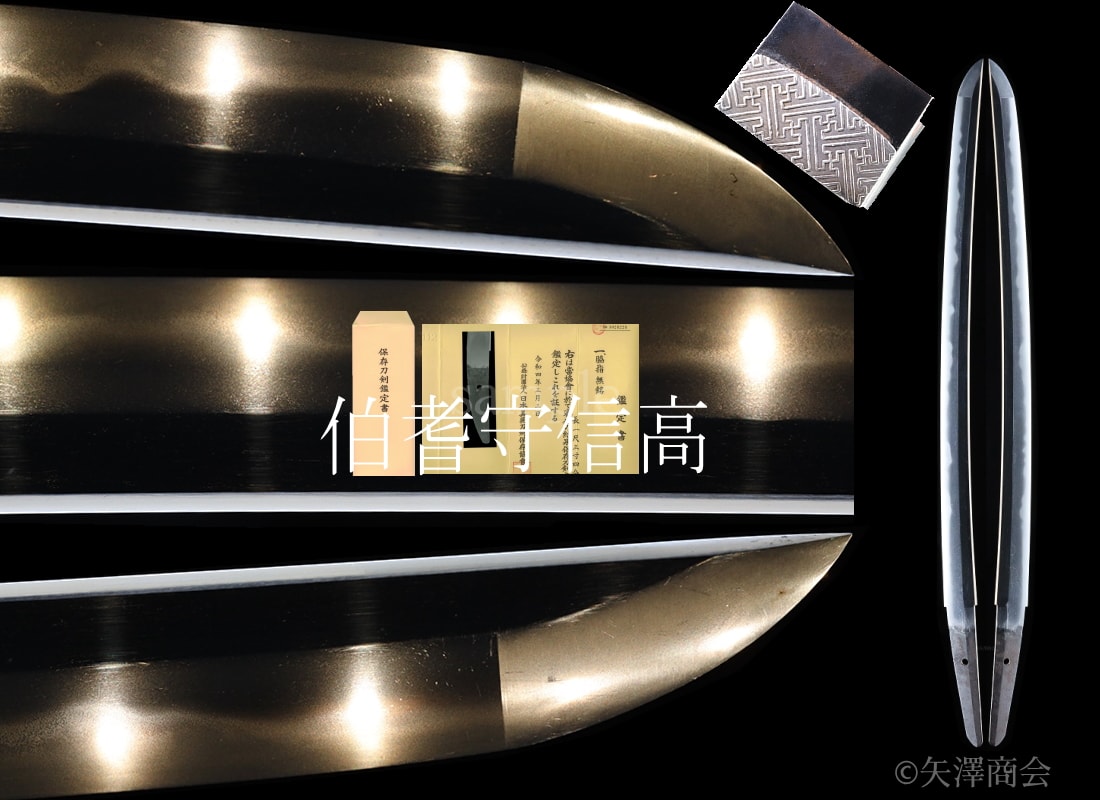
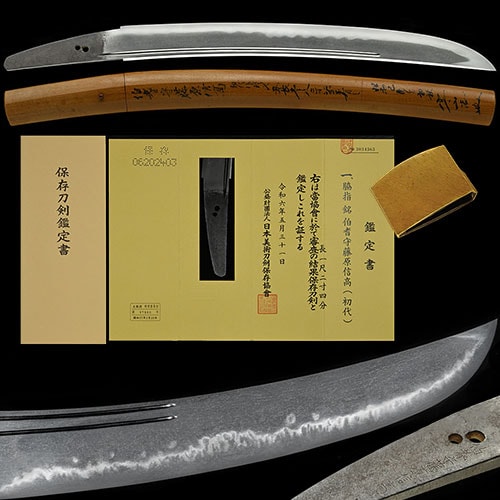
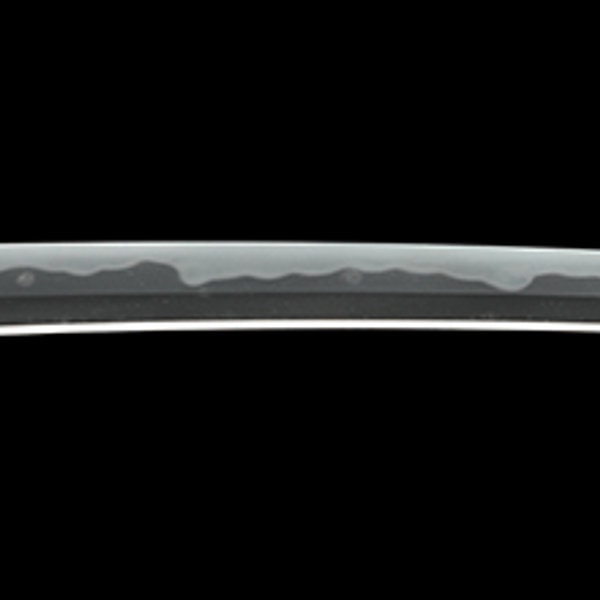
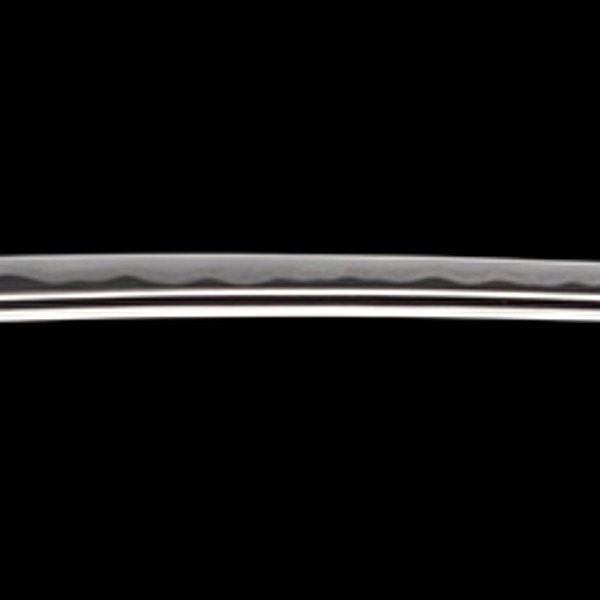
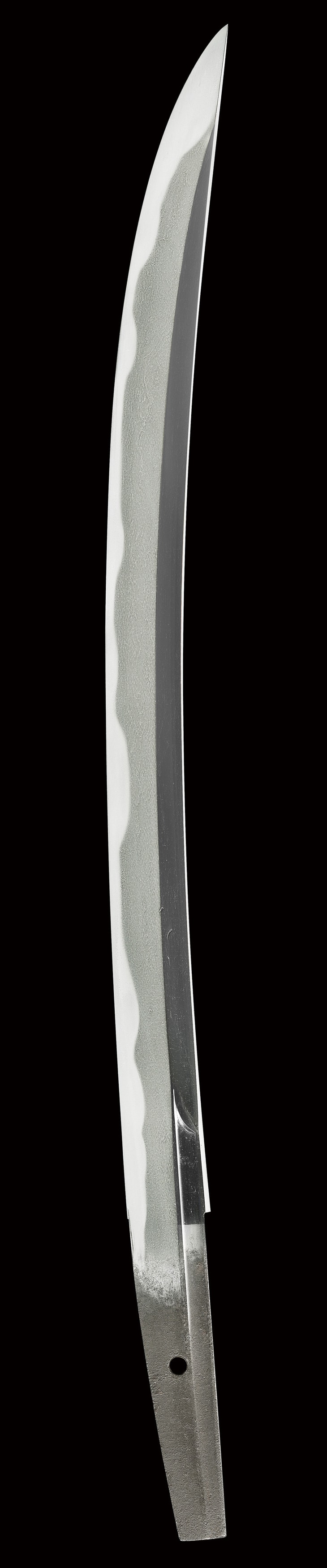
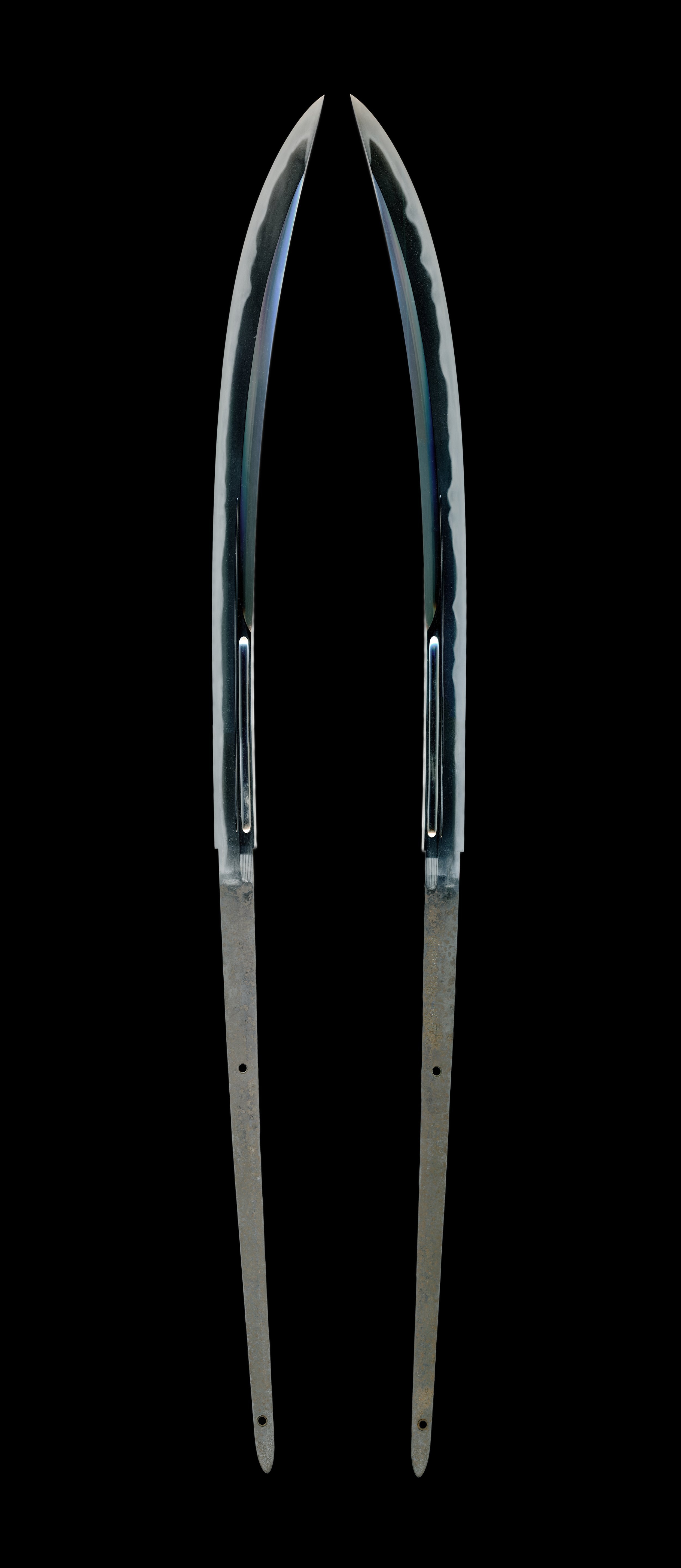
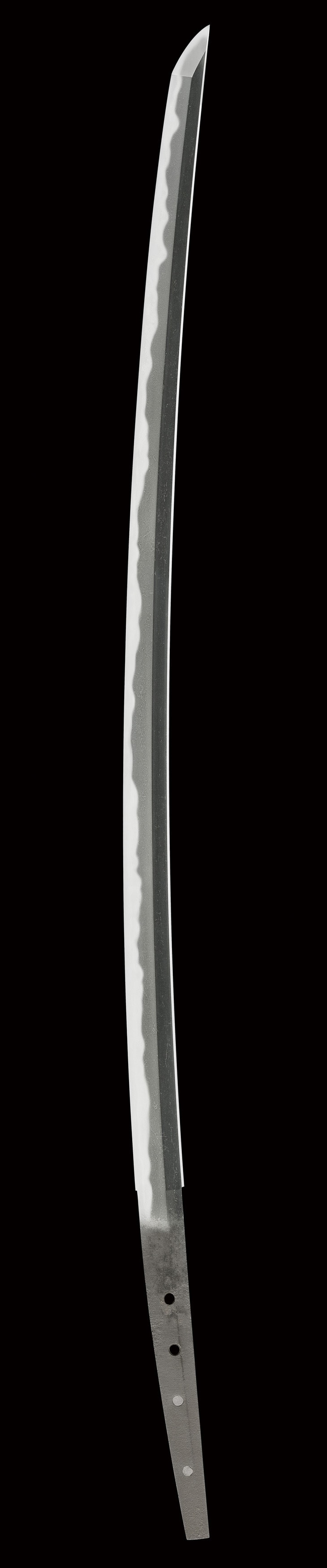
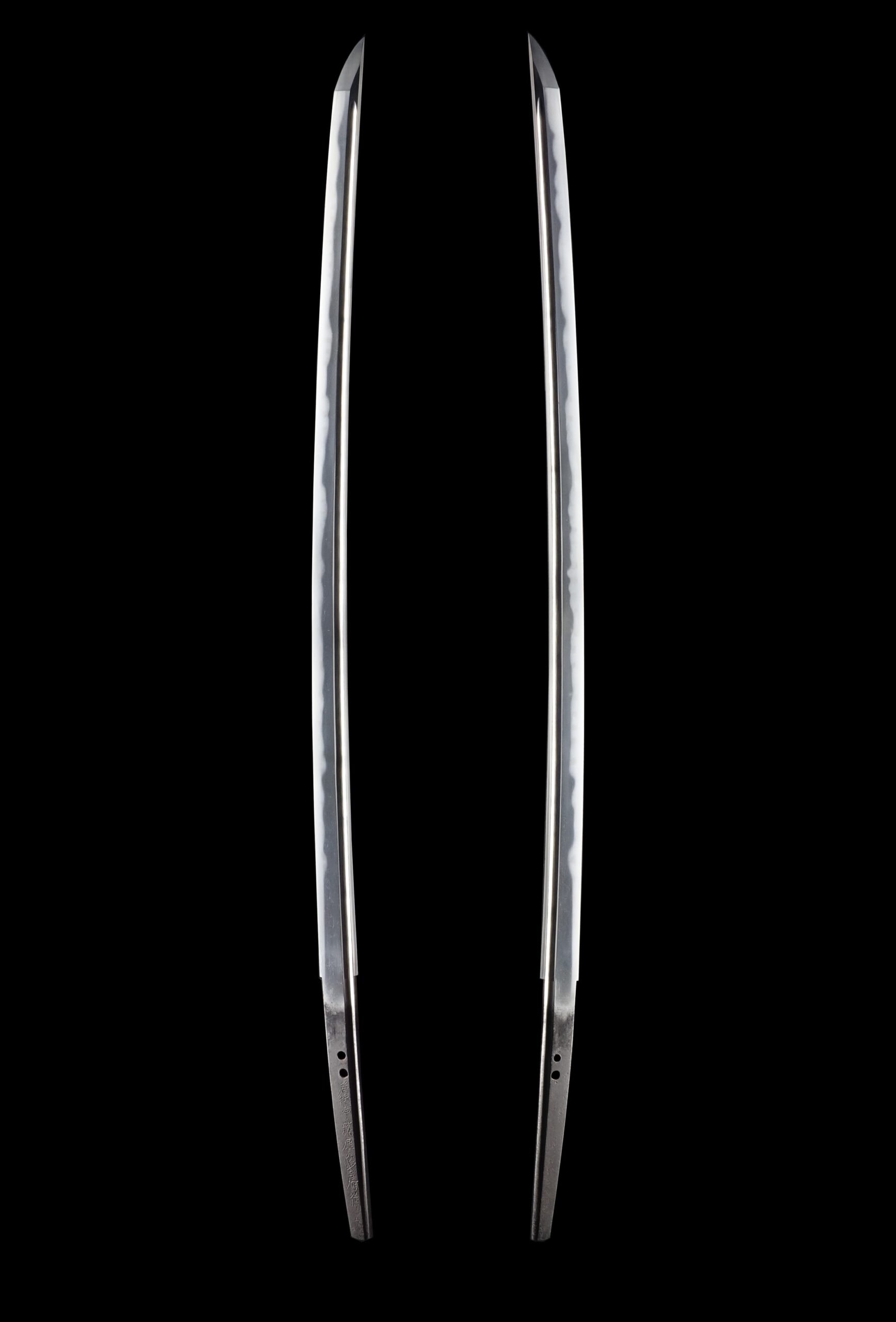
Skip to content ITEM# UJWA258 – Catalogue 45 – Sold A Shodai Nobutaka Wakizashi (伯耆守信高) Hôki no Kami Nobutaka (伯耆守信高) was one of the most important swordsmiths in early Edo period Owari, counted among the celebrated Owari San-saku – the Three Great Smiths of Owari – alongside Masatsune (政常) and Ujifusa (氏房). Originally trained in the Mino-den , Nobutaka relocated to Owari in the early 17th century and took up official service as a goyô kaji (clan swordsmith) for the Owari Tokugawa family – one of the three great branches ( Gosanke ) of the Tokugawa clan. In 1610, coinciding with the completion of Nagoya Castle, he established himself in the city’s Kaji-machi (blacksmith quarter) under Tokugawa Yoshinao, first lord of the Owari domain and ninth son of Tokugawa Ieyasu. This patronage placed Nobutaka at the very centre of arms production for one of Japan’s most powerful ruling families, and blades from the first generation are accordingly rare and highly sought. This wakizashi has travelled a remarkable road. Acquired in the UK in 2023 in rough condition, it was shipped to Japan where it received a full professional polish, a new habaki , and a fresh shirasaya – the latter inscribed with sayagaki by calligraphy artist Nozomi-san. The blade is now certified NBTHK Hozon to the first generation, shodai Nobutaka. The nakago is ô-suriage – a significant shortening undertaken at some point by a former owner to convert what was likely a full-length sword into a more practical wakizashi for paired use. As a consequence, the original signature was lost; the NBTHK attribution to shodai rests on a careful assessment of the blade’s characteristics and the absence of any generational notation on the Hozon certificate. This sword is the companion piece to ujka418 Nidai Nobutaka, and a collector’s discount will be offered to whoever wishes to keep the pair together. The blade repays close study. The jihada is a lively mix of itame, mokume, and nagare-hada laden with ji-nie and plenti
 NihontoWatch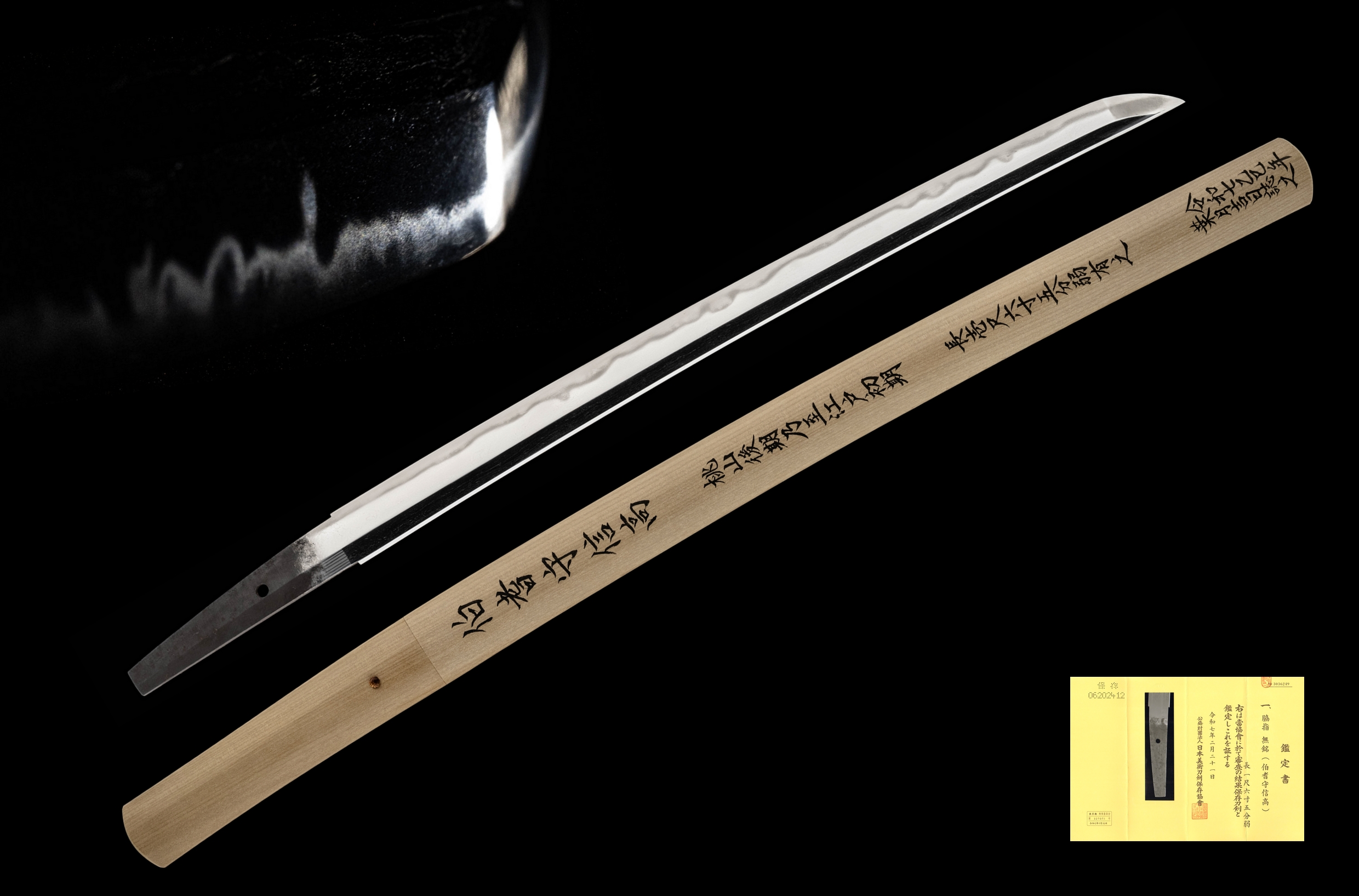
美濃伝 · 尾張 · 1581-1615頃
藤代 Jo-jo saku · 刀剣大鑑 上位21%
現在2点販売中
信高の位置づけを、日本刀全体および伝統・時代・時期ごとに示します。各位(随一・屈指・有数・著名)は、NBTHK および文化庁による指定に加え、三作や名物帳などの歴史的栄誉を加味したものです。
各項目を選ぶと評価方法が表示されます。
在銘年紀作が示す、確実に活動していた年代
美濃伝 · 美濃
現在9点販売中
三阿弥は美濃国に興った刀工の一派で、説示に拠れば関七流の一つに数えられ、その頭領が兼則であったと伝える。兼則は古伝書や銘鑑に南北朝末期から室町初期の応永にかけて存在したことが記され、現存する作例の最古とみられる太刀は作風と銘字の書風から応永を降らぬものと鑑せられている。同派の兼国は、その遠祖を南北朝時代の直江兼友門とも、大和兼国あるいは兼則の子ともいうが、そこまで時代の溯る作は未だ見られず、室町期に入って同銘数工におよび、末関に至るまで栄えた。兼則は兼元・兼定らと共に末関を代表する刀工に位置づけられる。下って桃山から江戸初期には、三阿弥兼国の子孫と伝える伯耆守藤原信高が出る。初代信高は永禄六年に美濃国上有知(現美濃町)に生まれ、河村左衛門と称し、天正九年十九歳で伯耆守を受領し、のち尾州清洲を経て徳川義直に従い慶長十五・六年頃に名古屋へ移った。寛永十年に隠居して入道銘を慶遊といい、同十三年に七十六歳で歿している。鍛えや帽子に美濃伝の見どころを残しつつ、活動の地は美濃から尾張へと移っている。 作風は時代と工により振幅が大きい。兼則・兼国ら室町期の作は、小板目あるいは板目がよくつみ、処々流れごころとなって地沸が細かにつき、白けごころをまじえる鍛えに、匂口の締まった直刃を基調とし、小互の目や角ばる刃、尖り刃を交え、足が入り、処々ほつれて飛焼がかかり、帽子は直ぐに小丸、あるいは尖りごころに返って掃きかけるものがある。兼国の優作は地鉄ともども冴えて明るく、一見善定兼吉の出来を思わせると評される。信高に至ると姿は一変し、室町最末期から桃山期にかけての幅広・大鋒の堂々たる豪壮な体配を示し、広直刃を基調に浅くのたれ、裏は小のたれに互の目ごころの刃を交え、匂深く沸がよくつき、部分的に荒めの沸をまじえて焼頭が沸崩れ、処々ほつれて喰違刃風となり、砂流し・金筋・湯走り・飛焼が鎬地にまたがって頻りにかかり、上半は皆焼風となる。帽子を焼き深く大胆に一枚風として長く返らせ、板目に流れ肌をまじえる鍛えや帽子の地蔵風に出身たる美濃伝の名残を窺わせる。見分けには、室町期の締まった直刃と冴えた地鉄、信高の沸づき変化に富む放胆な刃取りと豪壮な姿という時代差が手がかりとなる。 鑑定の要点は、兼則の「兼」の字の第四画目の鏨がしゃくれるところで、これは康応や応永年紀の兼吉にも見られ、南北朝末から応永にかけての銘の特徴とされる。信高には初代と二代があり、二代は初代の子で寛永十年に伯耆守を受領、寛文二年六十歳で入道し、元禄二年八十七歳で歿した。その技倆は父に劣らず、現存作中の優秀作は多くがこの二代の手になるという。伝来の明らかな作も多く、兼則には山之内家伝来の太刀、兼国には相模国小田原藩主大久保家の旧蔵で大久保忠成が九十三歳で指料とした旨を金象嵌に刻む一口があり、いずれも資料性が高い。信高には天正九年伯耆守受領直後の作で稲葉江写しとして名高い一口や、尾張刀工に多い槍のうちでも稀な長大作があって、その技を伝える。美濃に発し関七流の一角を占めた一派が、末関を経て尾張へ伝統を運んだ流れを、これらの作は示している。 詳しく見る →
天下統一は大量の市場を閉じ、関の鍛冶は新しい富の在り処へ移った。三品の一門は受領名を得て京に、大道系は諸国の城下町に。美濃は新刀時代の最大の祖先となった。
銘が正しい、または無銘でも年代・国・系統を確実に指摘できる、保存に値する真正の作と鑑定されたものです。
日本美術刀剣保存協会(NBTHK)は、1948年に設立され、文化庁の監督を受ける公益財団法人で、東京・刀剣博物館に本部を置きます。専門の審査員が出品作を直接審査し、美術的・歴史的価値に応じた鑑定書を発行します。NBTHKの鑑定書は、日本刀および刀装具の真正性を示す最も広く認知された基準です。
NBTHK公式サイトAll swords come with a three-day inspection period beginning from the date of delivery. If not satisfied, the sword may be returned within this period for a full refund of the purchase price. Outside of this period, all sales are final. Swords purchased on a layaway payment plan are not eligible for the three-day inspection period.
Skip to content ITEM# UJWA258 – Catalogue 45 – Sold A Shodai Nobutaka Wakizashi (伯耆守信高) Hôki no Kami Nobutaka (伯耆守信高) was one of the most important swordsmiths in early Edo period Owari, counted among the celebrated Owari San-saku – the Three Great Smiths of Owari – alongside Masatsune (政常) and Ujifusa (氏房). Originally trained in the Mino-den , Nobutaka relocated to Owari in the early 17th century and took up official service as a goyô kaji (clan swordsmith) for the Owari Tokugawa family – one of the three great branches ( Gosanke ) of the Tokugawa clan. In 1610, coinciding with the completion of Nagoya Castle, he established himself in the city’s Kaji-machi (blacksmith quarter) under Tokugawa Yoshinao, first lord of the Owari domain and ninth son of Tokugawa Ieyasu. This patronage placed Nobutaka at the very centre of arms production for one of Japan’s most powerful ruling families, and blades from the first generation are accordingly rare and highly sought. This wakizashi has travelled a remarkable road. Acquired in the UK in 2023 in rough condition, it was shipped to Japan where it received a full professional polish, a new habaki , and a fresh shirasaya – the latter inscribed with sayagaki by calligraphy artist Nozomi-san. The blade is now certified NBTHK Hozon to the first generation, shodai Nobutaka. The nakago is ô-suriage – a significant shortening undertaken at some point by a former owner to convert what was likely a full-length sword into a more practical wakizashi for paired use. As a consequence, the original signature was lost; the NBTHK attribution to shodai rests on a careful assessment of the blade’s characteristics and the absence of any generational notation on the Hozon certificate. This sword is the companion piece to ujka418 Nidai Nobutaka, and a collector’s discount will be offered to whoever wishes to keep the pair together. The blade repays close study. The jihada is a lively mix of itame, mokume, and nagare-hada laden with ji-nie and plenti
NihontoWatch美濃伝 · 尾張 · 1581-1615頃
藤代 Jo-jo saku · 刀剣大鑑 上位21%
現在2点販売中
信高の位置づけを、日本刀全体および伝統・時代・時期ごとに示します。各位(随一・屈指・有数・著名)は、NBTHK および文化庁による指定に加え、三作や名物帳などの歴史的栄誉を加味したものです。
各項目を選ぶと評価方法が表示されます。
在銘年紀作が示す、確実に活動していた年代
美濃伝 · 美濃
現在9点販売中
三阿弥は美濃国に興った刀工の一派で、説示に拠れば関七流の一つに数えられ、その頭領が兼則であったと伝える。兼則は古伝書や銘鑑に南北朝末期から室町初期の応永にかけて存在したことが記され、現存する作例の最古とみられる太刀は作風と銘字の書風から応永を降らぬものと鑑せられている。同派の兼国は、その遠祖を南北朝時代の直江兼友門とも、大和兼国あるいは兼則の子ともいうが、そこまで時代の溯る作は未だ見られず、室町期に入って同銘数工におよび、末関に至るまで栄えた。兼則は兼元・兼定らと共に末関を代表する刀工に位置づけられる。下って桃山から江戸初期には、三阿弥兼国の子孫と伝える伯耆守藤原信高が出る。初代信高は永禄六年に美濃国上有知(現美濃町)に生まれ、河村左衛門と称し、天正九年十九歳で伯耆守を受領し、のち尾州清洲を経て徳川義直に従い慶長十五・六年頃に名古屋へ移った。寛永十年に隠居して入道銘を慶遊といい、同十三年に七十六歳で歿している。鍛えや帽子に美濃伝の見どころを残しつつ、活動の地は美濃から尾張へと移っている。 作風は時代と工により振幅が大きい。兼則・兼国ら室町期の作は、小板目あるいは板目がよくつみ、処々流れごころとなって地沸が細かにつき、白けごころをまじえる鍛えに、匂口の締まった直刃を基調とし、小互の目や角ばる刃、尖り刃を交え、足が入り、処々ほつれて飛焼がかかり、帽子は直ぐに小丸、あるいは尖りごころに返って掃きかけるものがある。兼国の優作は地鉄ともども冴えて明るく、一見善定兼吉の出来を思わせると評される。信高に至ると姿は一変し、室町最末期から桃山期にかけての幅広・大鋒の堂々たる豪壮な体配を示し、広直刃を基調に浅くのたれ、裏は小のたれに互の目ごころの刃を交え、匂深く沸がよくつき、部分的に荒めの沸をまじえて焼頭が沸崩れ、処々ほつれて喰違刃風となり、砂流し・金筋・湯走り・飛焼が鎬地にまたがって頻りにかかり、上半は皆焼風となる。帽子を焼き深く大胆に一枚風として長く返らせ、板目に流れ肌をまじえる鍛えや帽子の地蔵風に出身たる美濃伝の名残を窺わせる。見分けには、室町期の締まった直刃と冴えた地鉄、信高の沸づき変化に富む放胆な刃取りと豪壮な姿という時代差が手がかりとなる。 鑑定の要点は、兼則の「兼」の字の第四画目の鏨がしゃくれるところで、これは康応や応永年紀の兼吉にも見られ、南北朝末から応永にかけての銘の特徴とされる。信高には初代と二代があり、二代は初代の子で寛永十年に伯耆守を受領、寛文二年六十歳で入道し、元禄二年八十七歳で歿した。その技倆は父に劣らず、現存作中の優秀作は多くがこの二代の手になるという。伝来の明らかな作も多く、兼則には山之内家伝来の太刀、兼国には相模国小田原藩主大久保家の旧蔵で大久保忠成が九十三歳で指料とした旨を金象嵌に刻む一口があり、いずれも資料性が高い。信高には天正九年伯耆守受領直後の作で稲葉江写しとして名高い一口や、尾張刀工に多い槍のうちでも稀な長大作があって、その技を伝える。美濃に発し関七流の一角を占めた一派が、末関を経て尾張へ伝統を運んだ流れを、これらの作は示している。 詳しく見る →
天下統一は大量の市場を閉じ、関の鍛冶は新しい富の在り処へ移った。三品の一門は受領名を得て京に、大道系は諸国の城下町に。美濃は新刀時代の最大の祖先となった。
銘が正しい、または無銘でも年代・国・系統を確実に指摘できる、保存に値する真正の作と鑑定されたものです。
日本美術刀剣保存協会(NBTHK)は、1948年に設立され、文化庁の監督を受ける公益財団法人で、東京・刀剣博物館に本部を置きます。専門の審査員が出品作を直接審査し、美術的・歴史的価値に応じた鑑定書を発行します。NBTHKの鑑定書は、日本刀および刀装具の真正性を示す最も広く認知された基準です。
NBTHK公式サイトAll swords come with a three-day inspection period beginning from the date of delivery. If not satisfied, the sword may be returned within this period for a full refund of the purchase price. Outside of this period, all sales are final. Swords purchased on a layaway payment plan are not eligible for the three-day inspection period.