二世紀半の泰平のあいだ、刀は武器である以上に武士の身分の標章であった。江戸の実証と大坂の華やぎのように都市ごとの作風が育ち、時代の末には需要も細っていく。
 NihontoWatchNihontoWatch
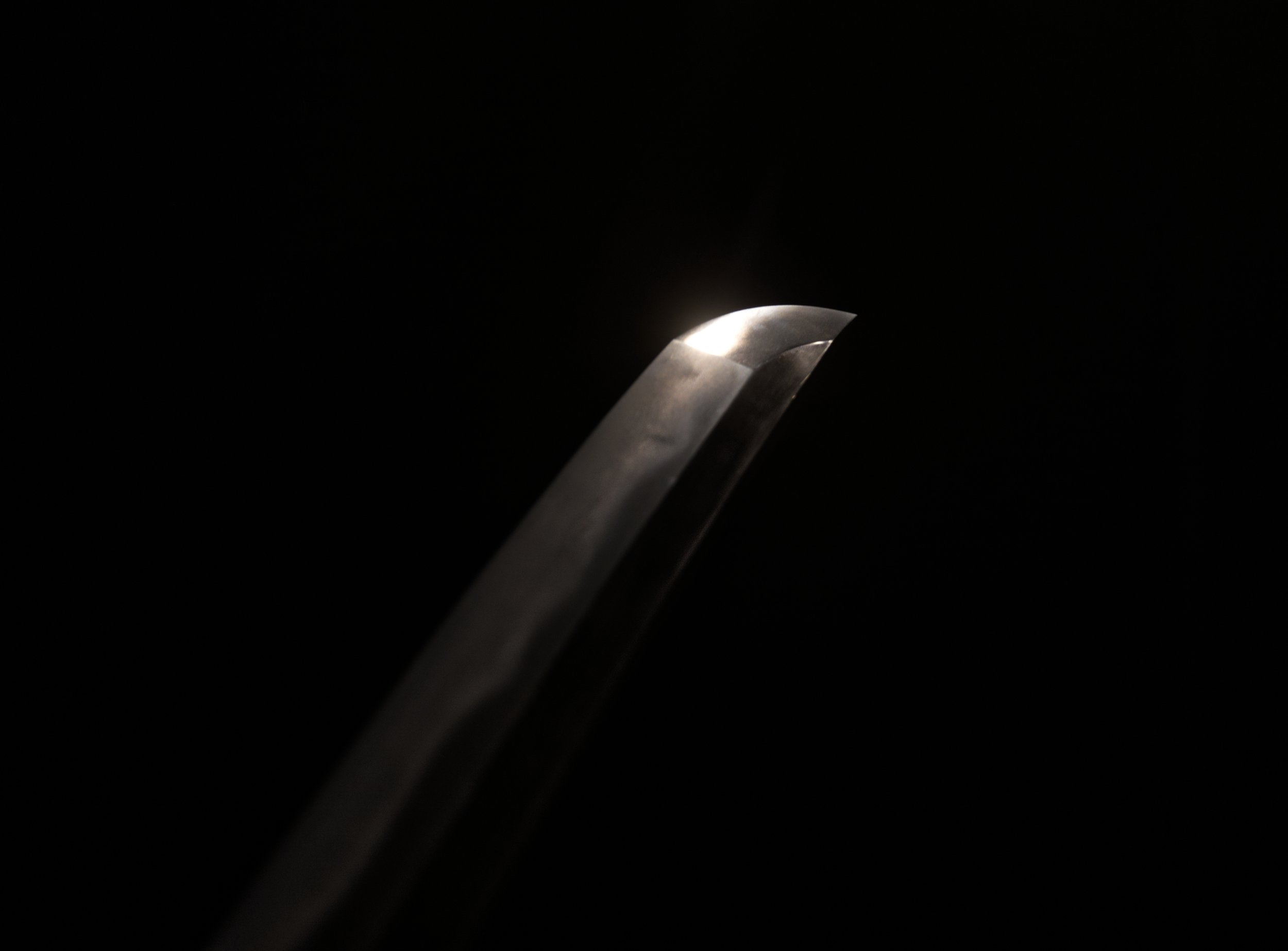
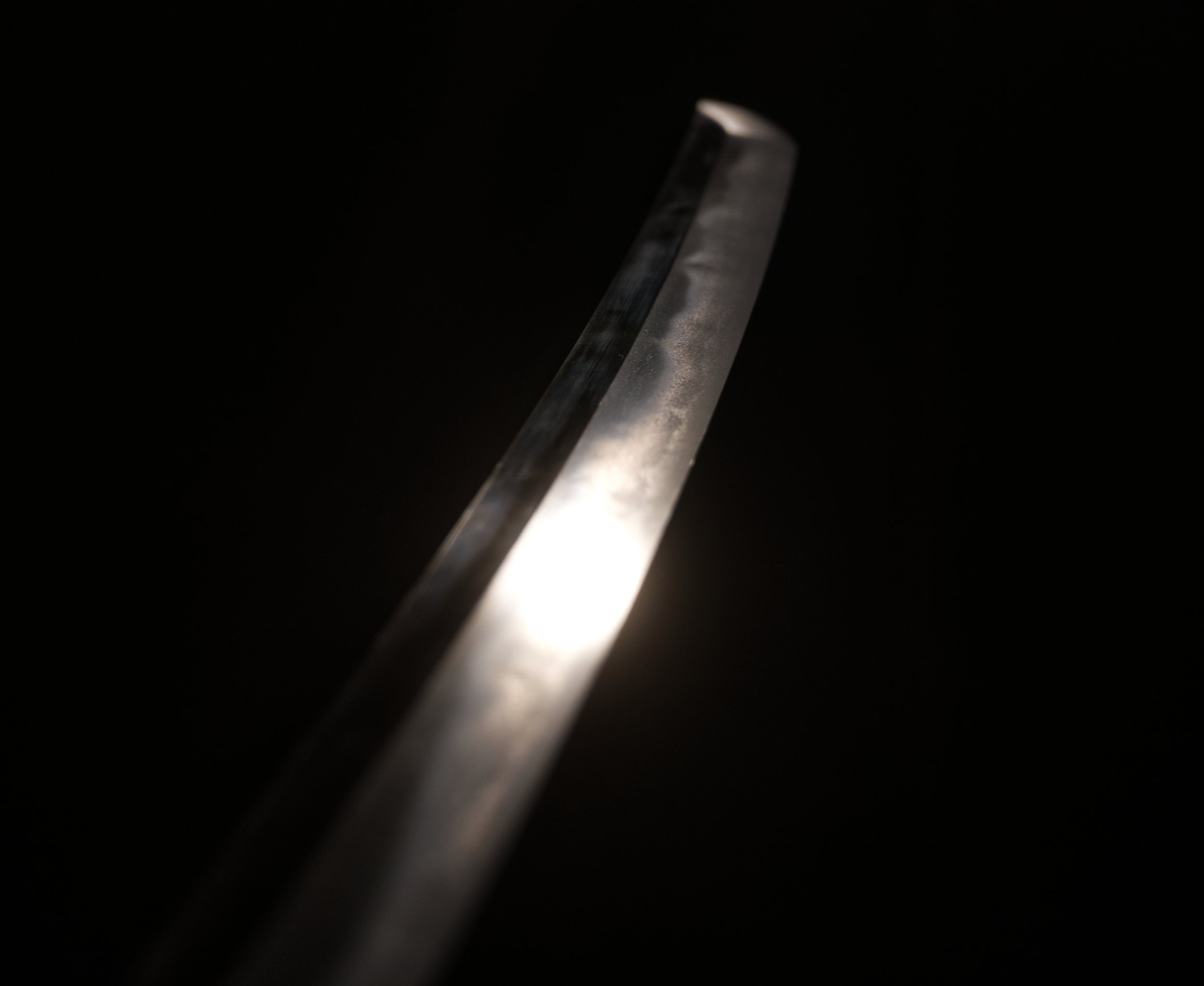
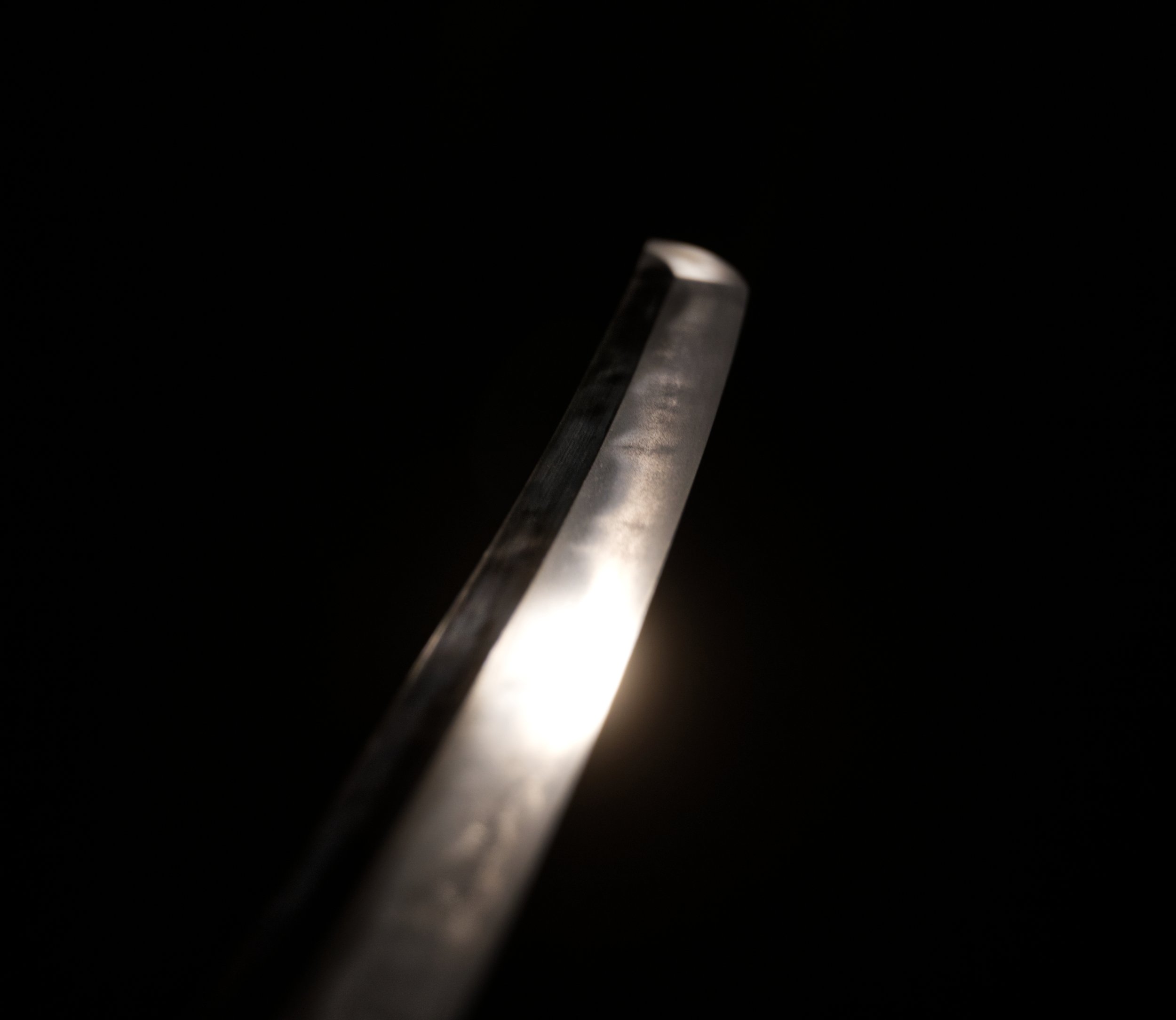
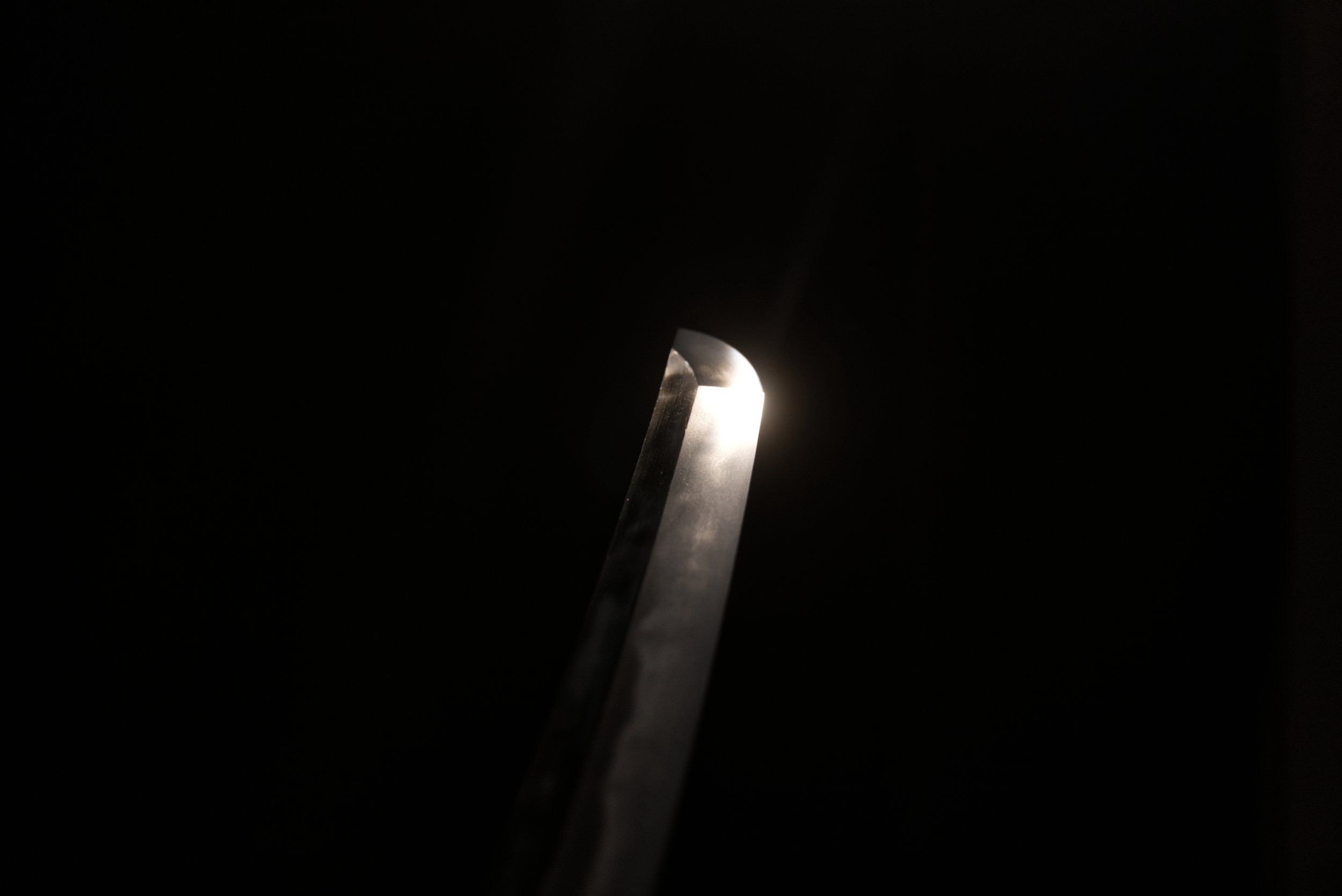
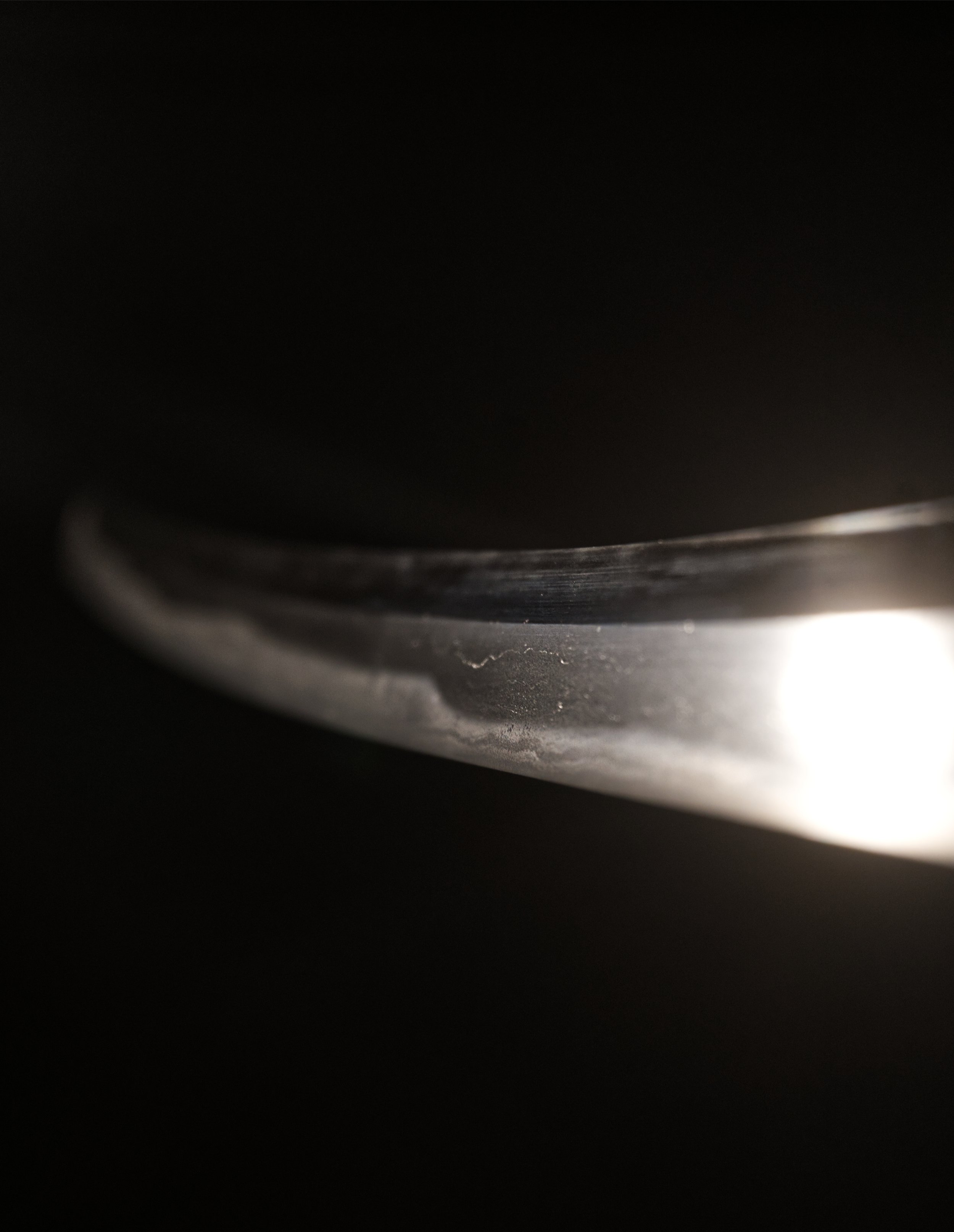
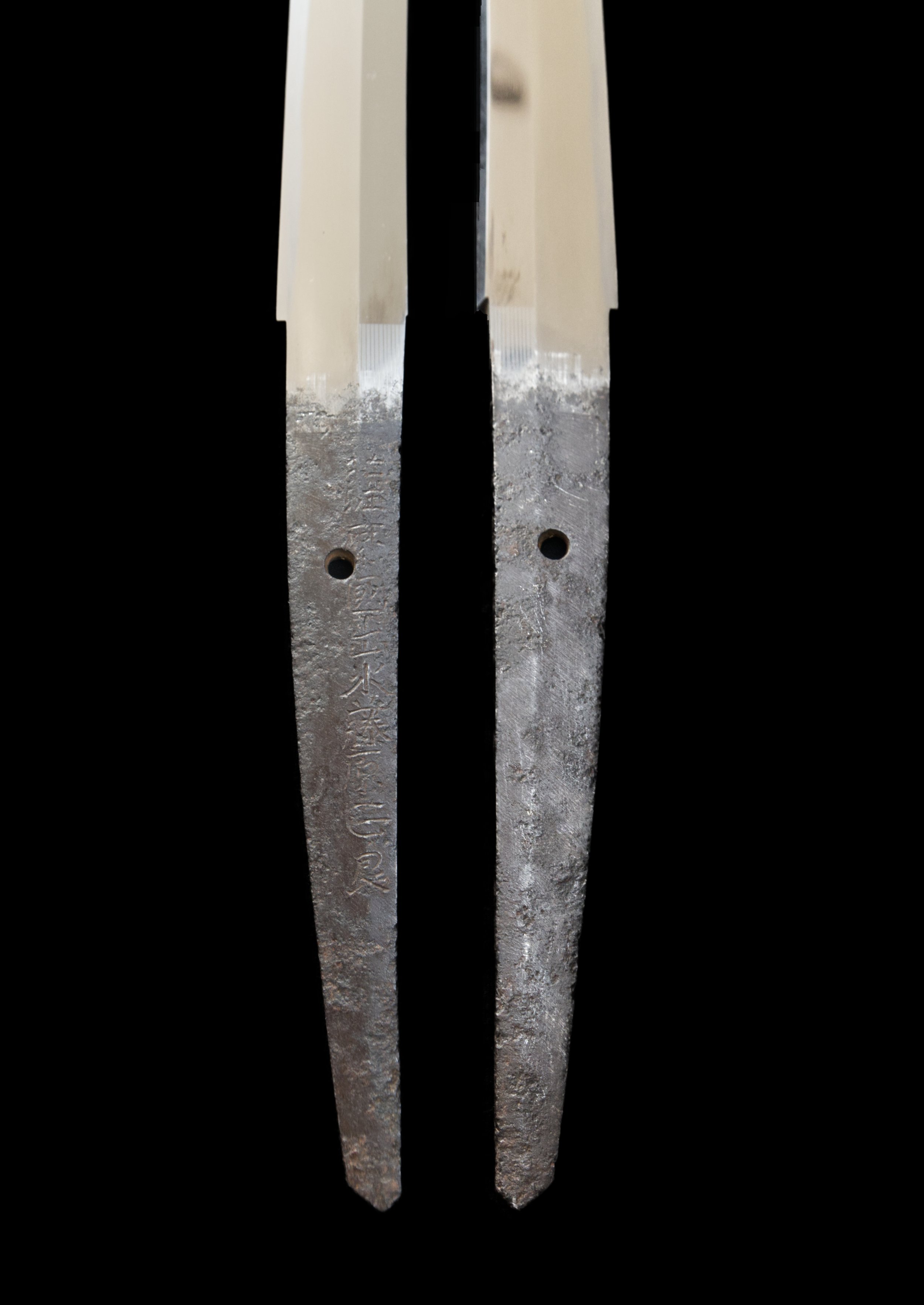
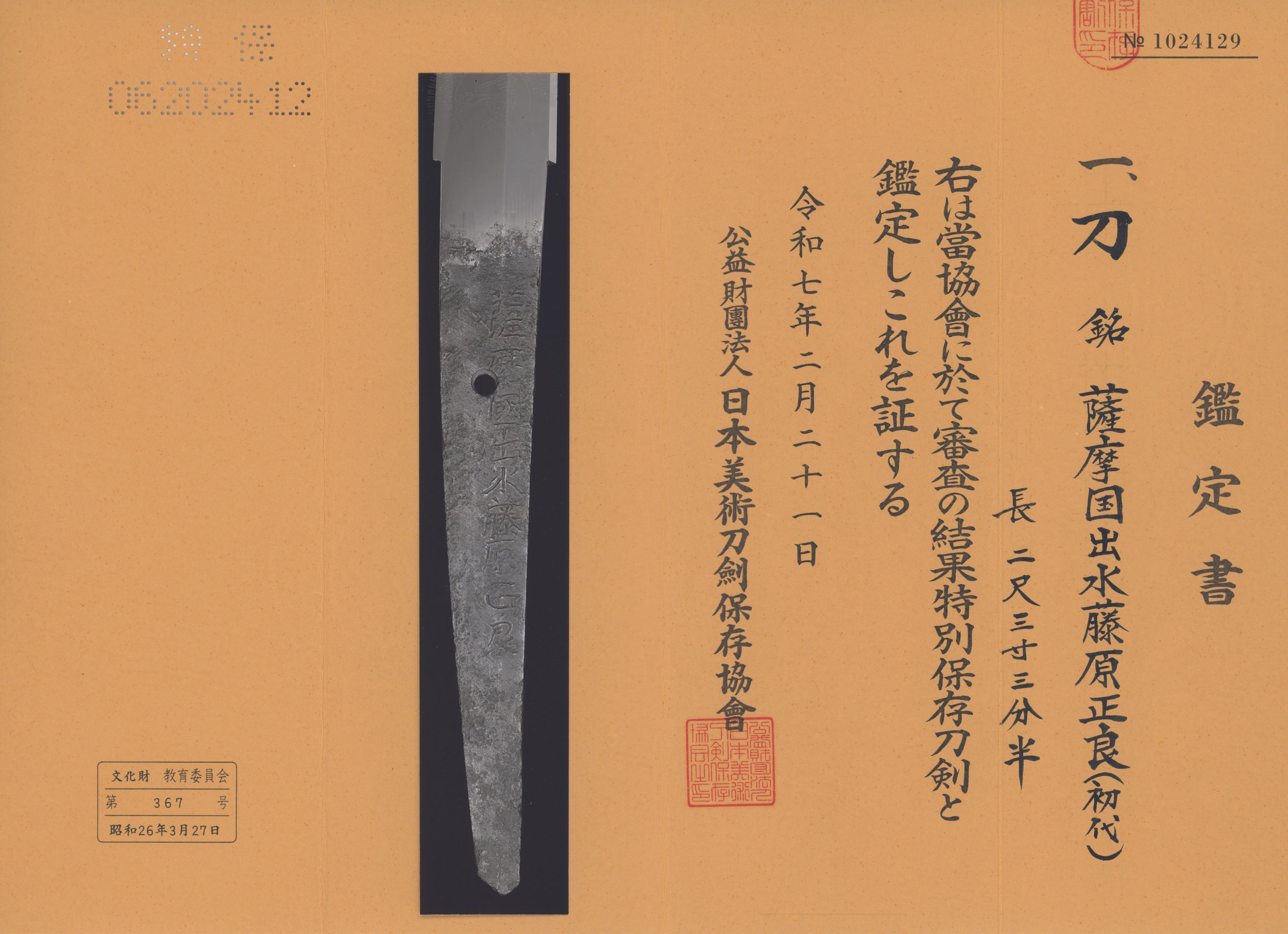
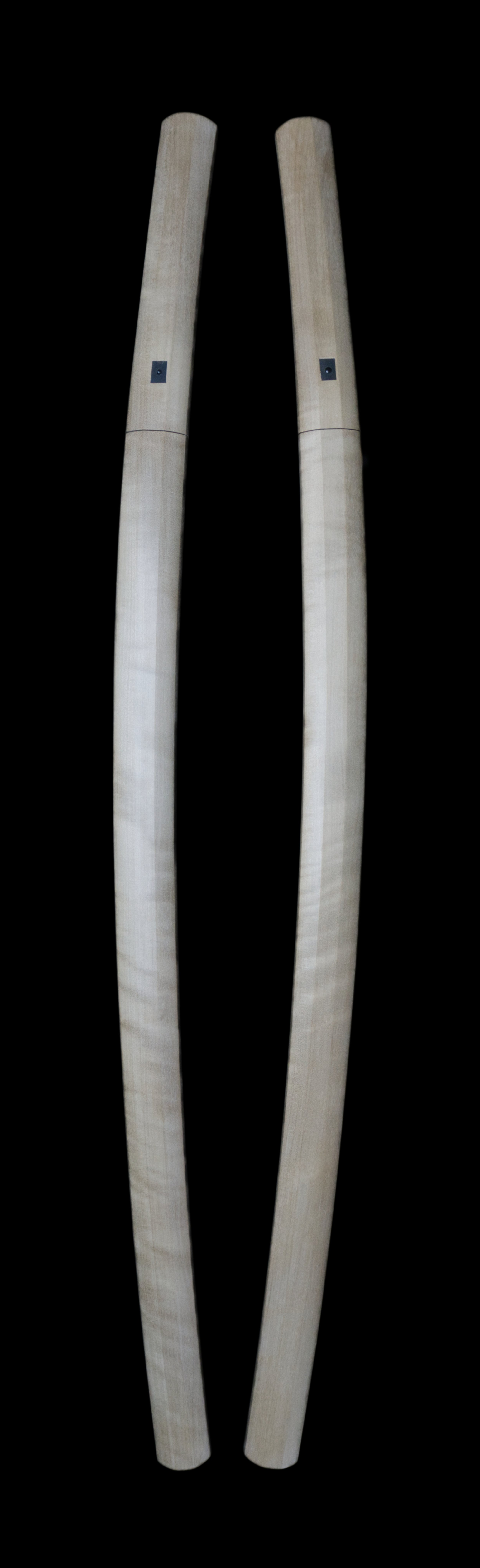
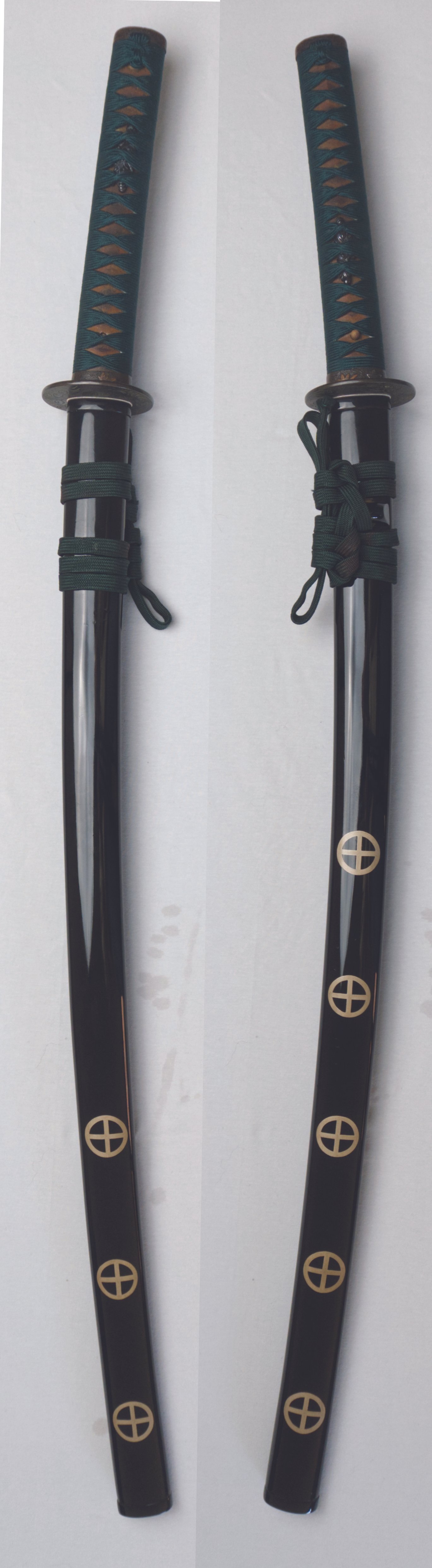
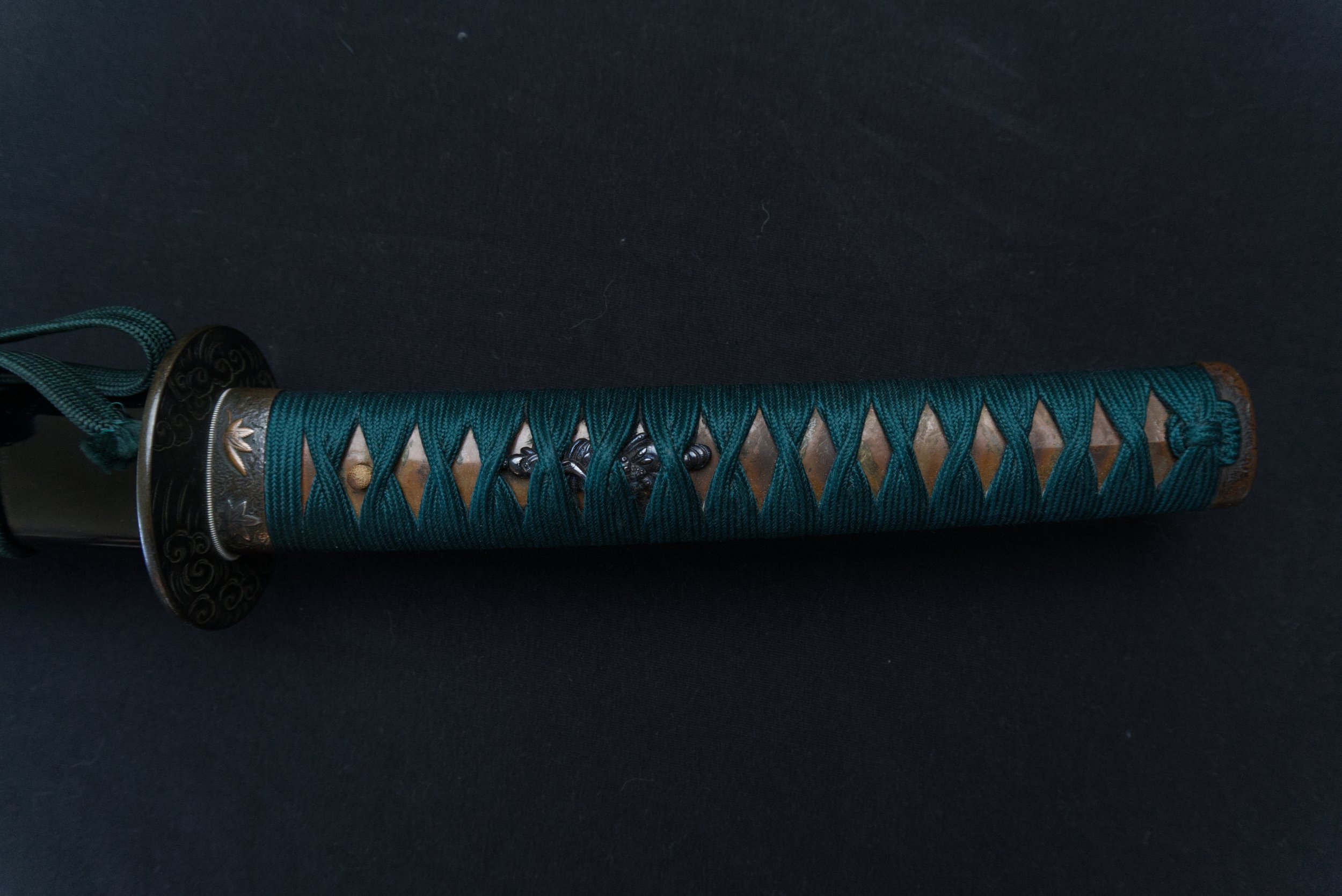
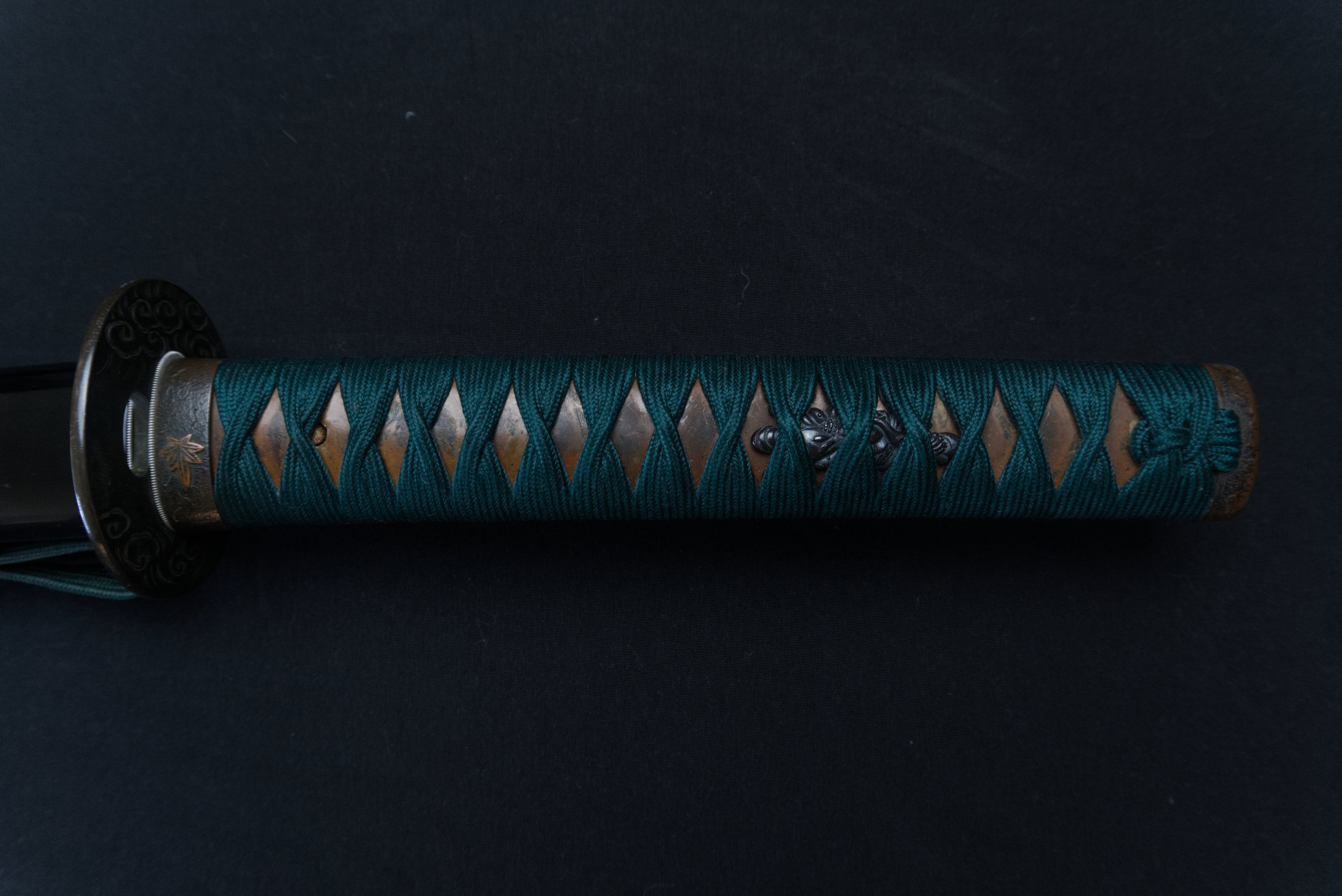
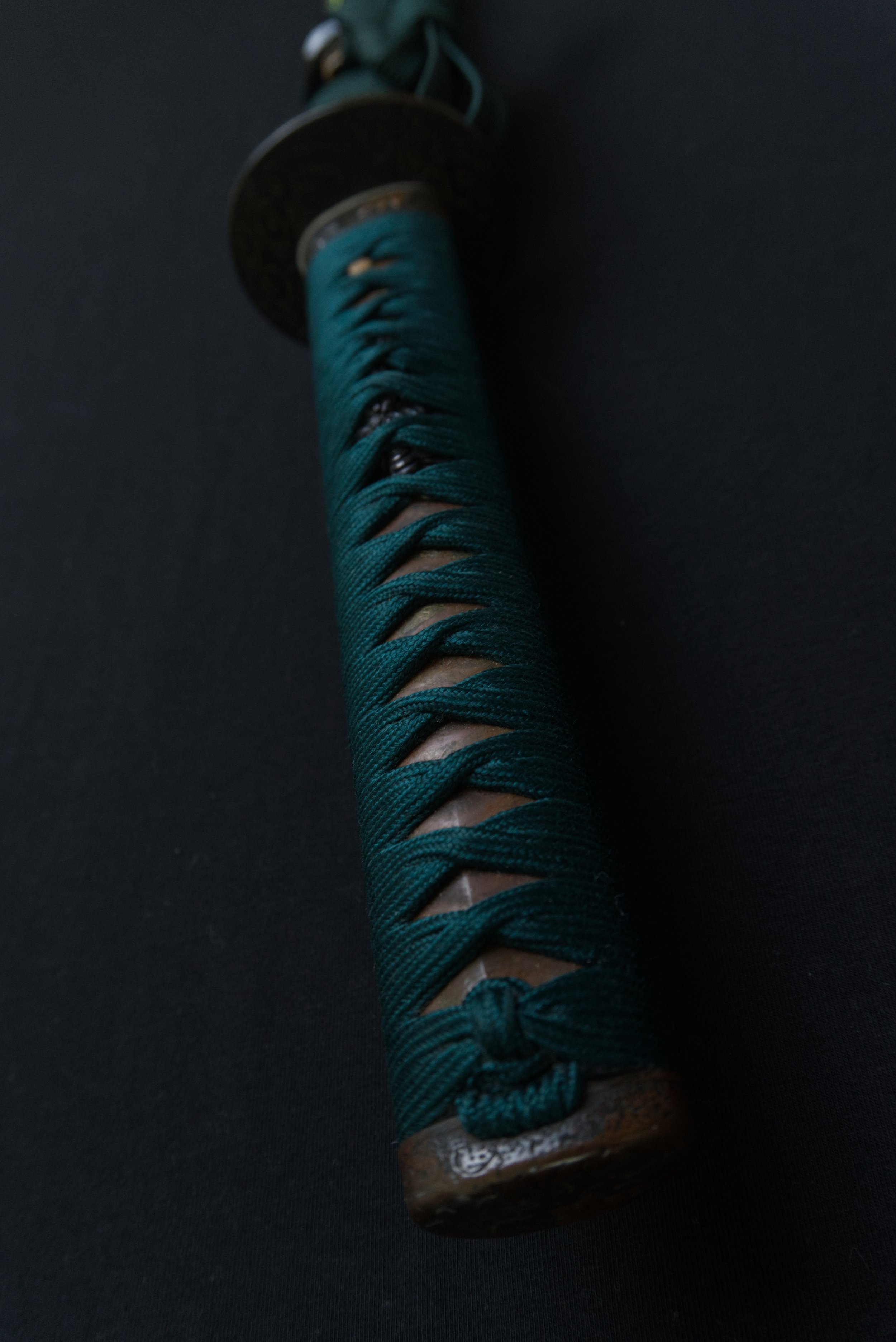
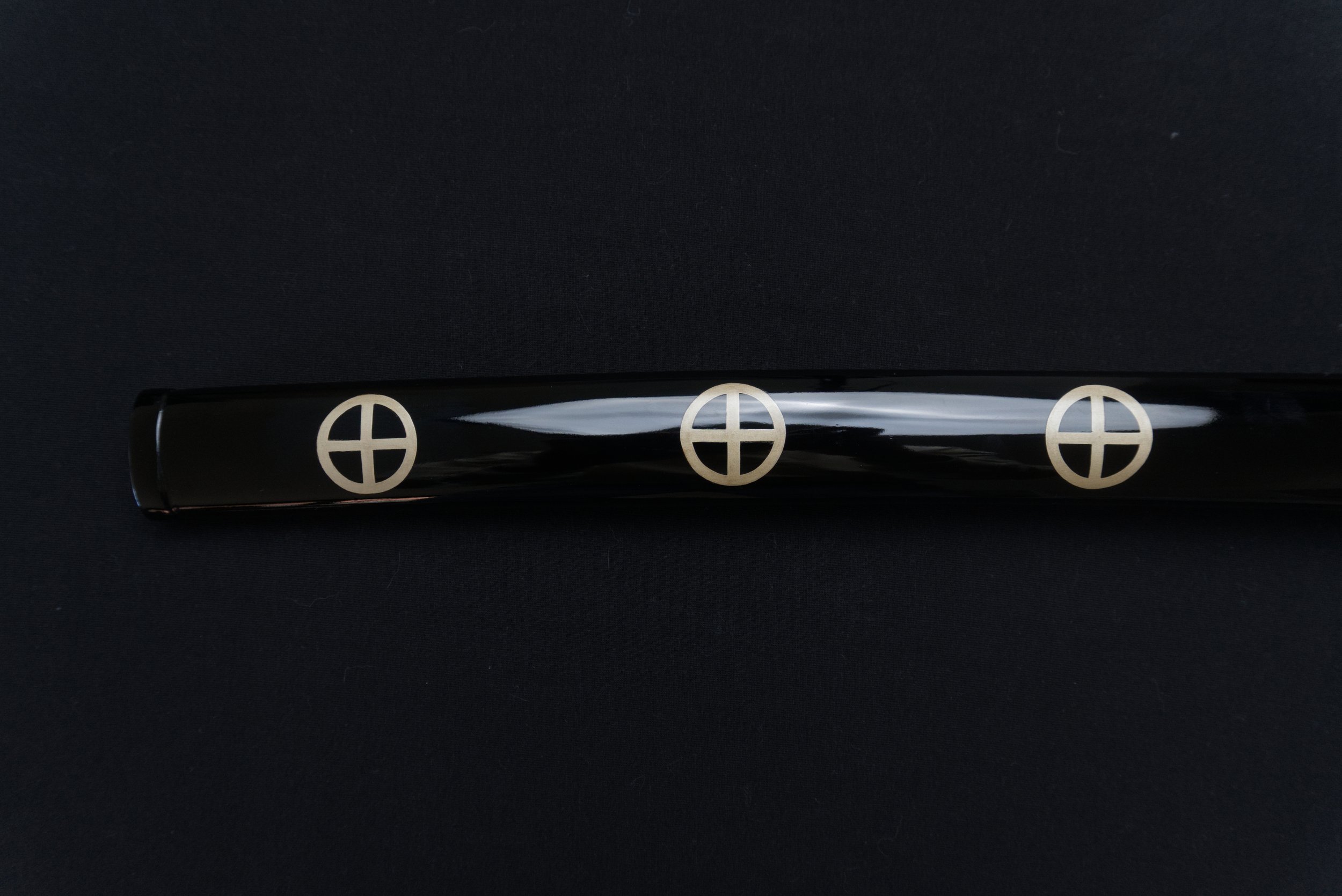
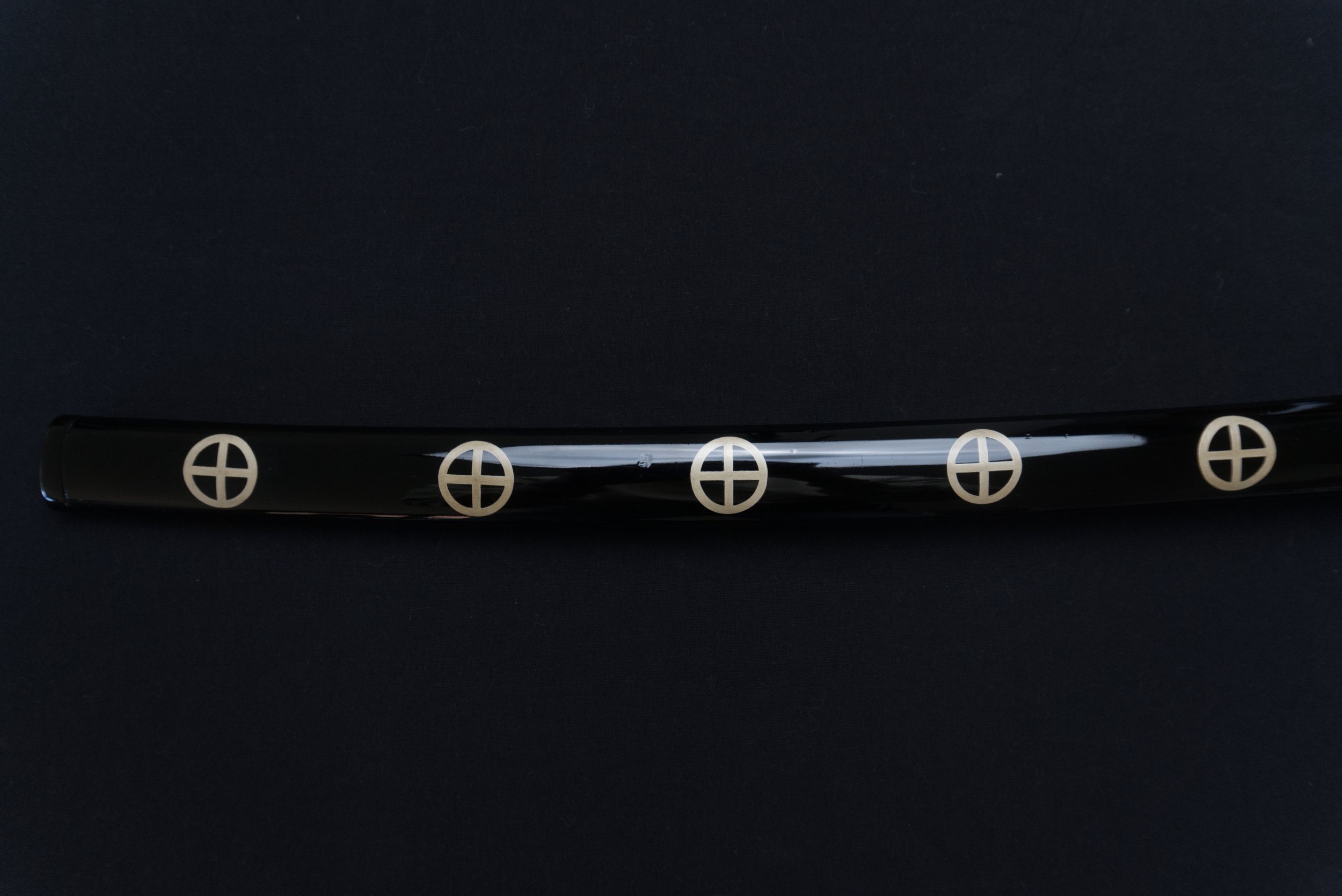
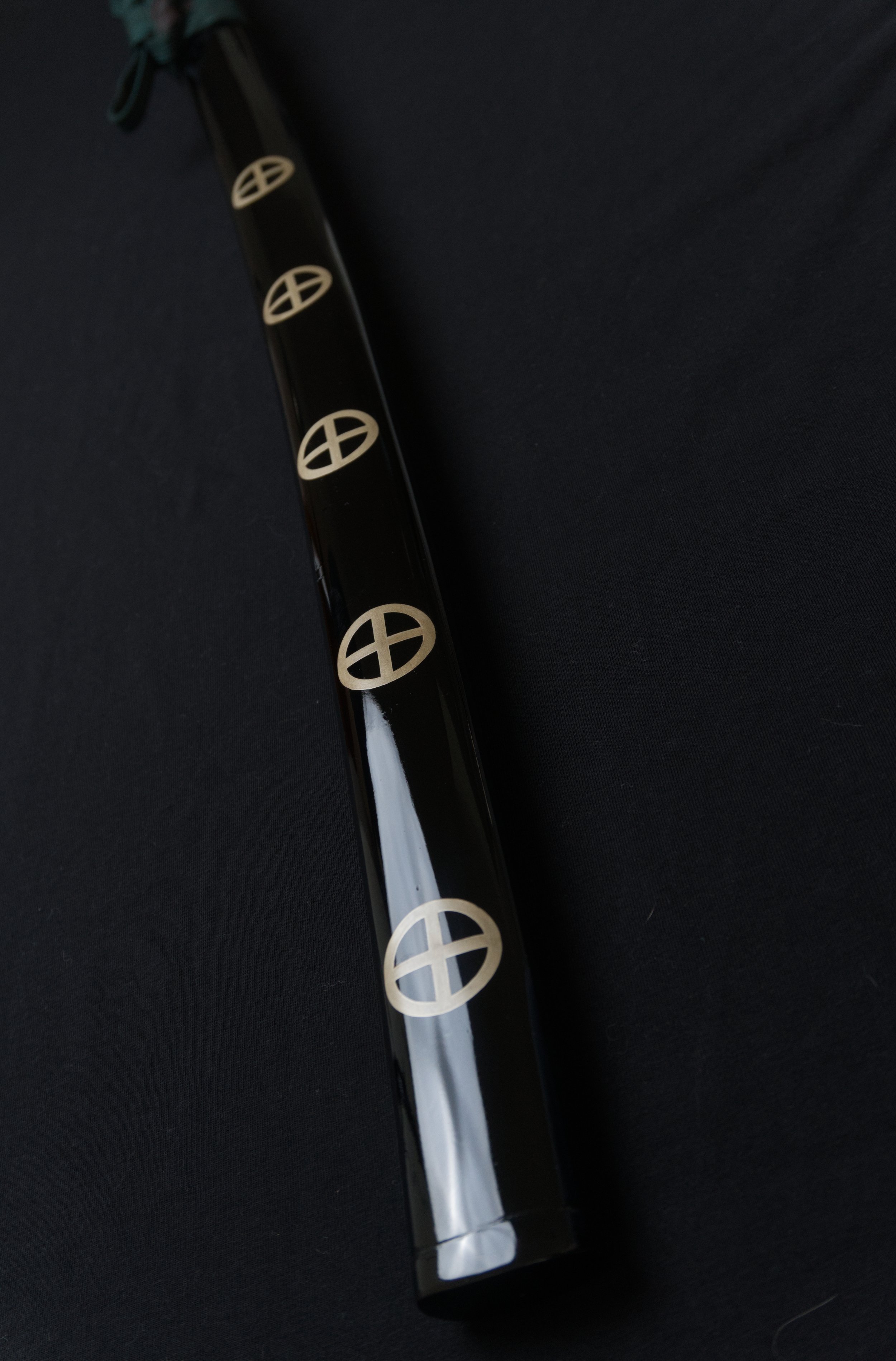
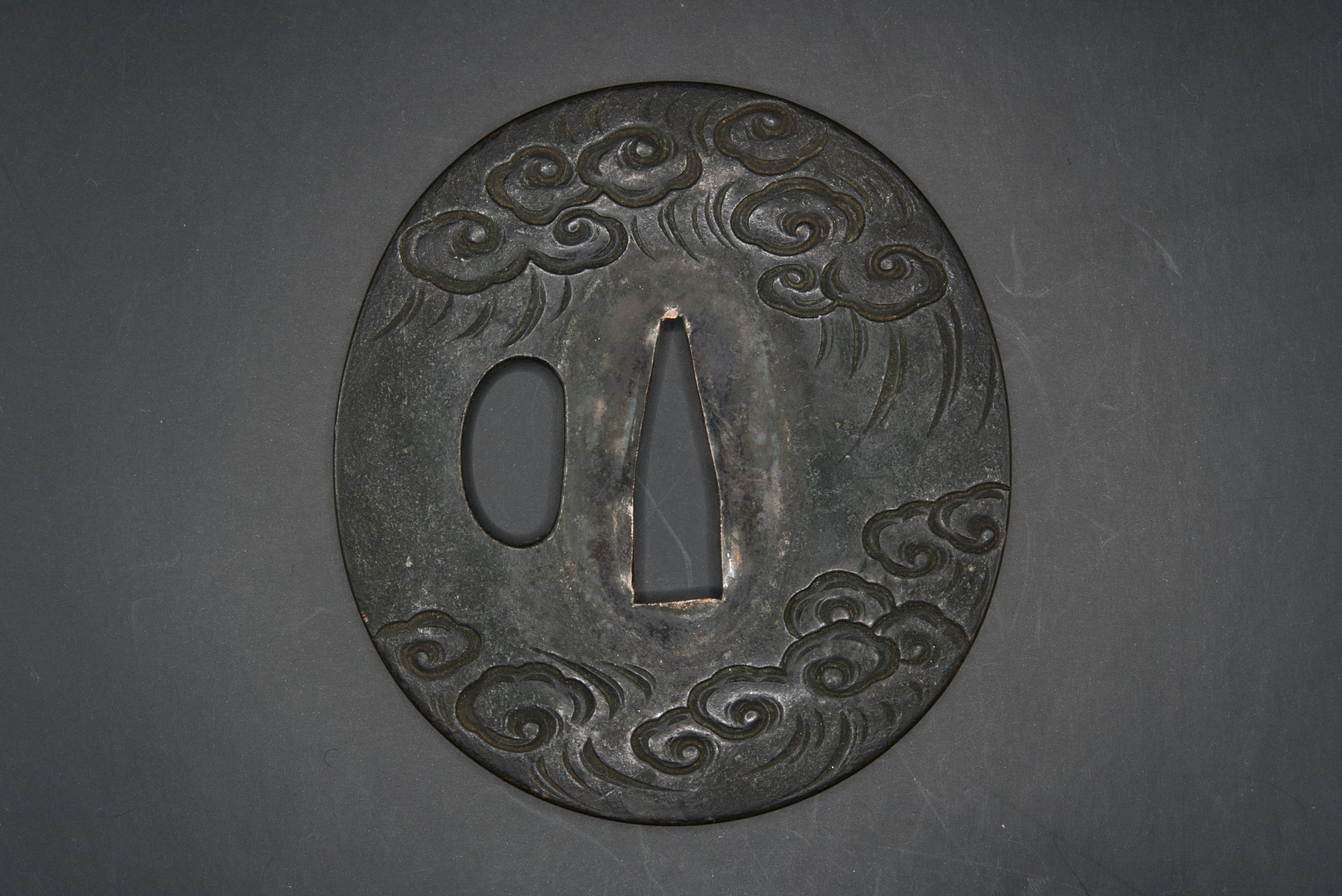
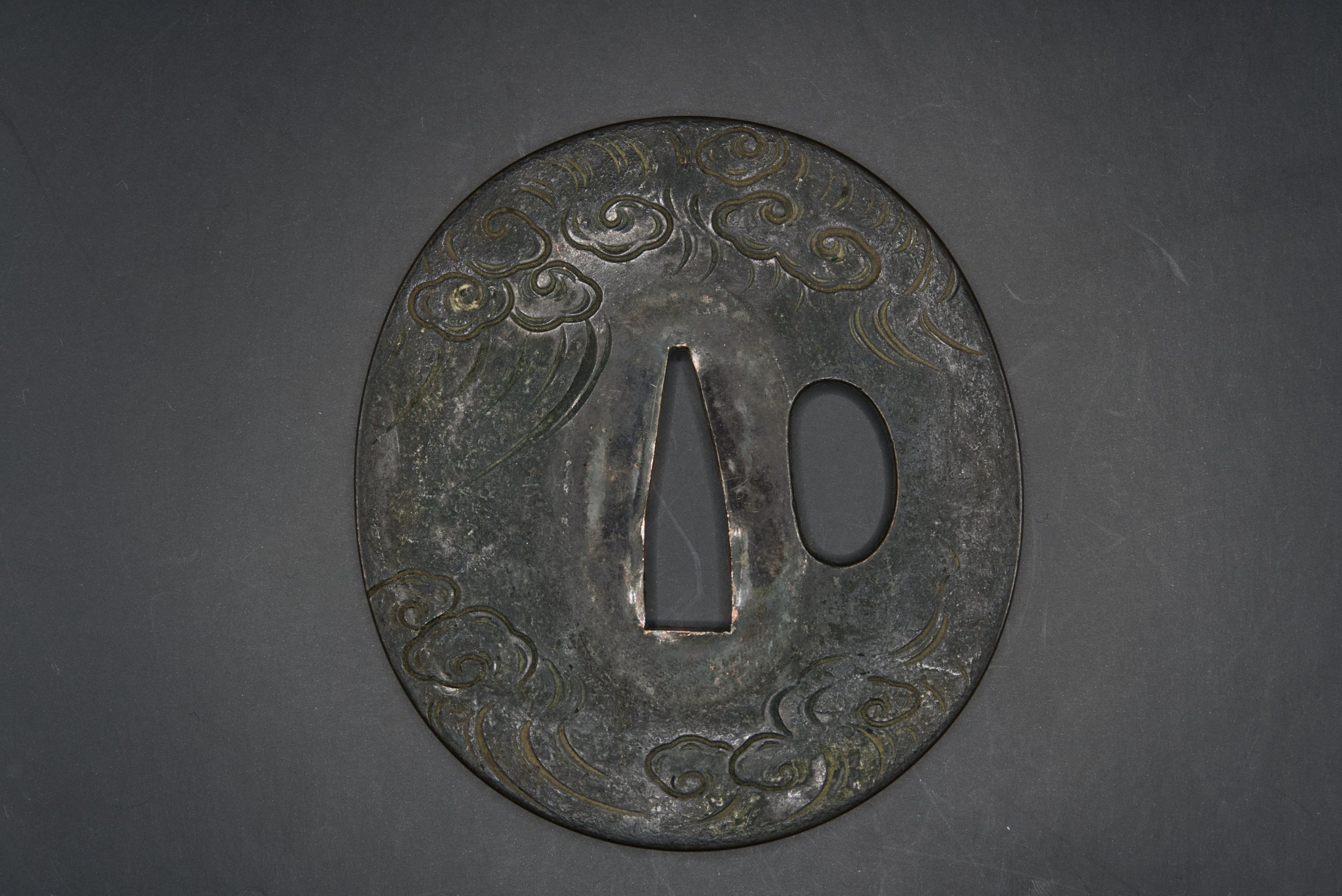
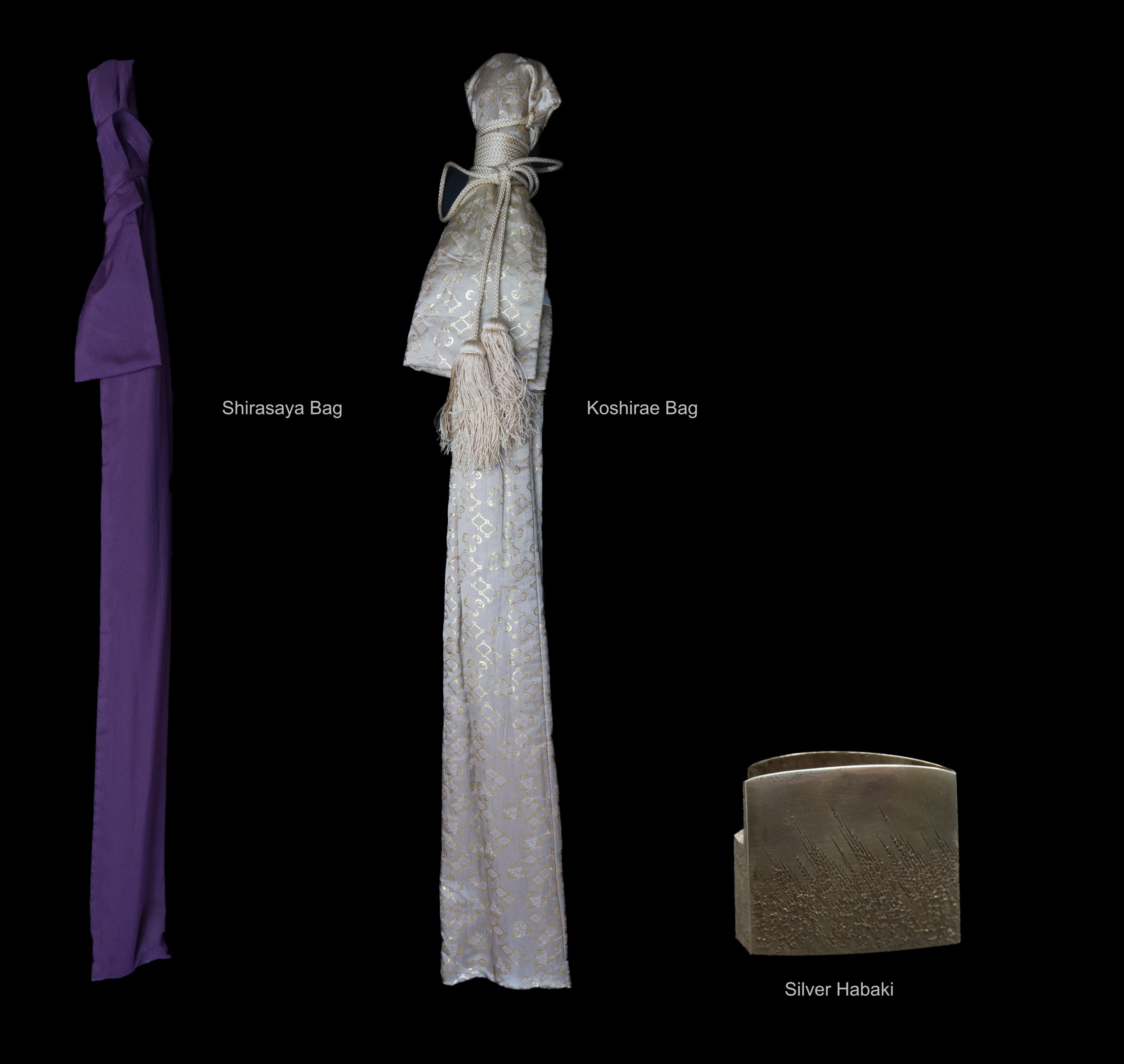
The first-generation Sasshū Masayoshi (正良) was an early-Edo period Satsuma smith whose work represents the foundational stage of what later became the well-known Satsuma sword tradition. Born Uehara Jūzaemon (上原十左衛門), he served as a samurai of Izumi in Satsuma Province. Izumi bordered Higo Province and functioned as a strategically important area where many of the domain’s strongest and most capable warriors were stationed. Masayoshi is recorded to have trained under two respected local masters - Izu no Kami Masafusa (伊豆守正房) and Naminohira Yasuchika (波平安周). These influences can be seen in the characteristics of his workmanship and in the early Satsuma style that developed around this period. Later in life, Masayoshi entered the priesthood and adopted the priest name Enren (円蓮), although some sources record it as Entatsu (円達)—a variation likely caused by the similar appearance of the character when written in cursive or semi-cursive script. He is said to have moved to the castle town of Kagoshima, the political center of the Shimazu clan, in his later years. Masayoshi passed away on the 13th day of the tenth month of Hōreki 10 (1760). His lineage continued through later generations, including the third-generation Masayoshi, later known as Masayuki, one of the most famous Shinshinto Satsuma Swordsmiths. This blade is an excellent and representative example of the workmanship of the First Generation Sasshū Masayoshi (正良). It displays a wide mihaba and a substantial kasane, giving the blade a powerful and robust presence typical of early Satsuma swords. The elongated chū-kissaki further emphasises its bold sugata. The jigane is a well-forged itame-hada. The hamon begins with a narrow sugu-yakidashi in nie-deki, exhibiting excellent control at the yakiba’s starting point. As the hamon rises along the blade, the jiba becomes heavily laden with abundant nie, which remains clearly visible throughout the temper line. This refined but active nie structure as well as the sugu-yakidashi are hallmark features of his work. Overall, this blade shows the defining characteristics associated with the first-generation Masayoshi—strong sugata, well-textured jigane, and a lively hamon rich in nie. It stands as a highly representative example of his craftsmanship and of early Satsuma swordmaking. This sword is accompanied by its original Satsuma-style koshirae. The tsuka has been rewrapped, and the saya lacquer is newly made, while retaining the traditional Satsuma aesthetic. A distinctive feature is the yamagane (copper) plate base of the tsuka, rather than samegawa. This is historically consistent, as Satsuma koshirae frequently used lacquered cowhide, iron plate, or yamagane instead of same, giving the mounts a rugged and utilitarian character. It is also typical for Satsuma mounts to omit menuki, reflecting the practical and martial approach of the Satsuma samurai class. The saya is decorated with multiple Shimazu mon (family crests), identifying the governing family of the Satsuma Domain.

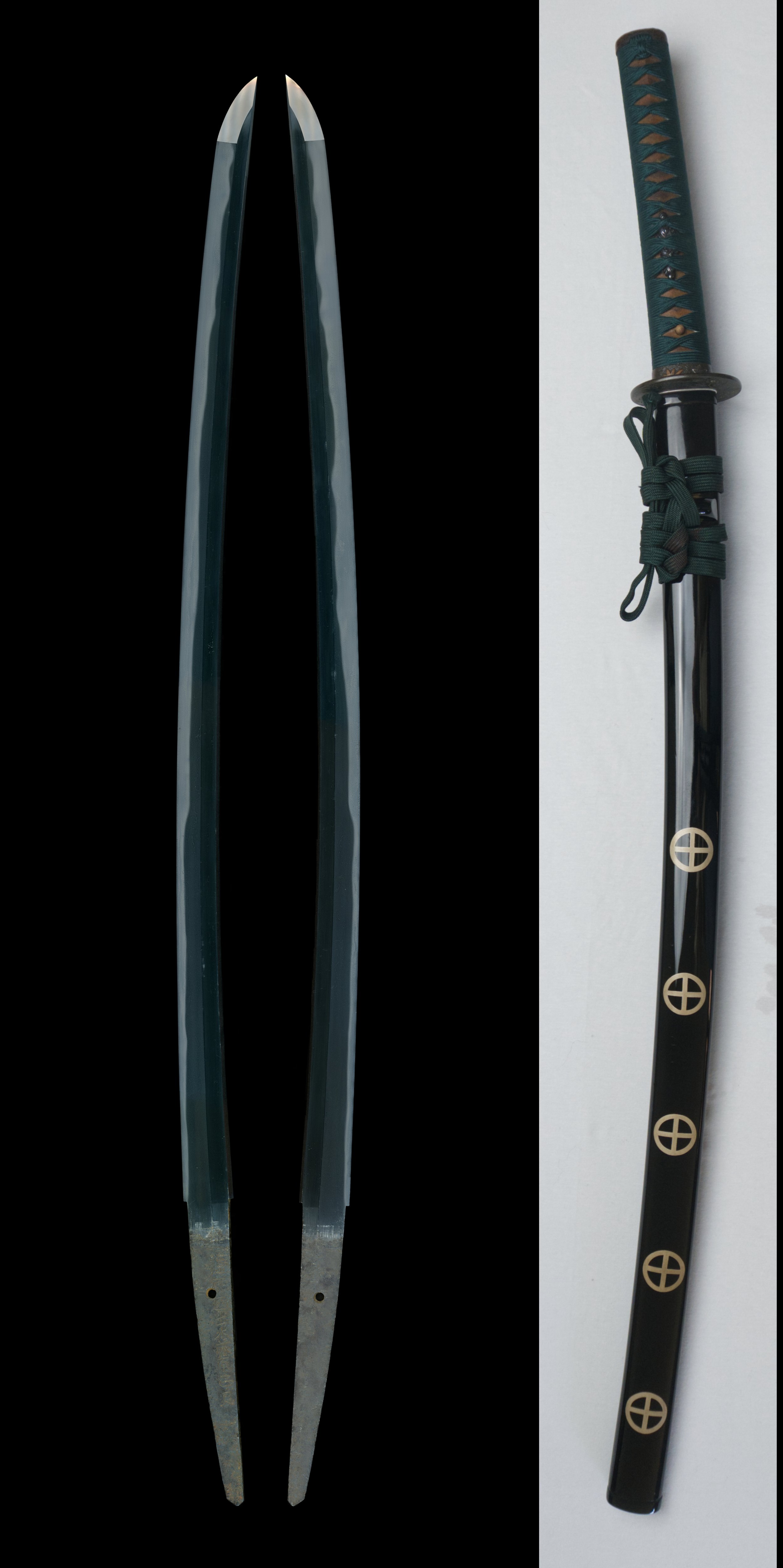
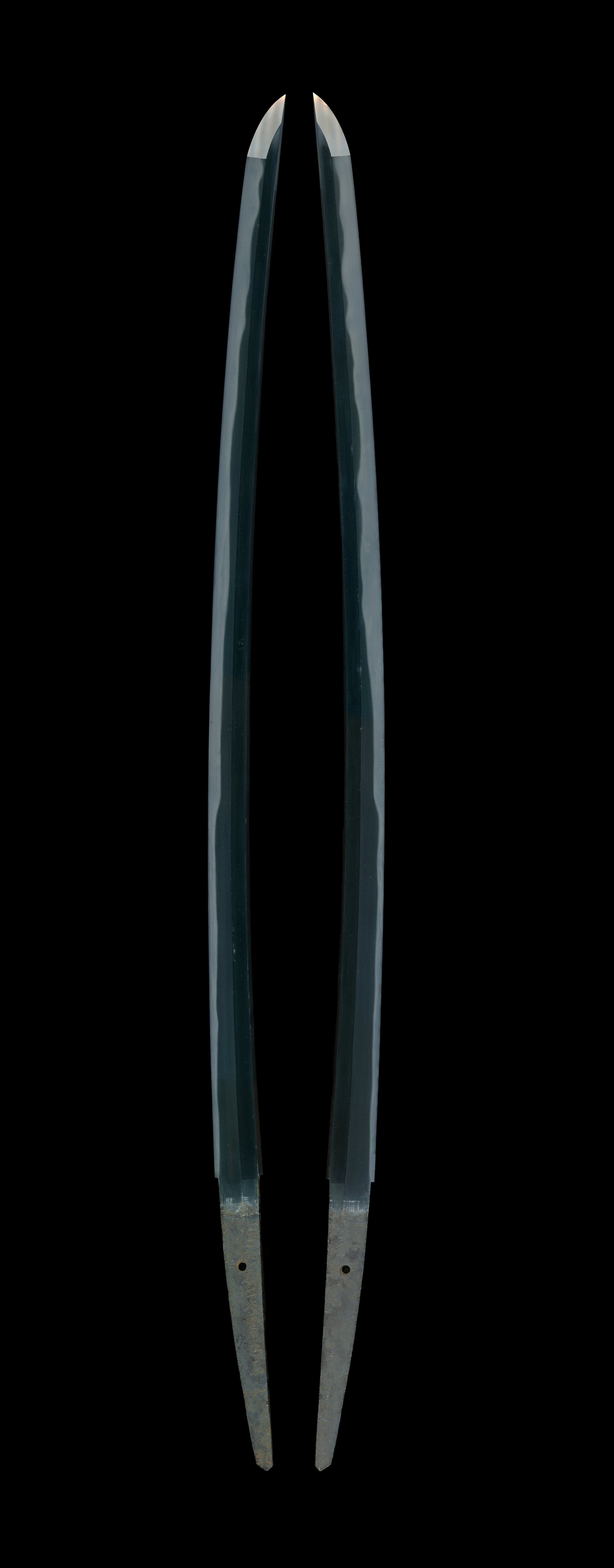
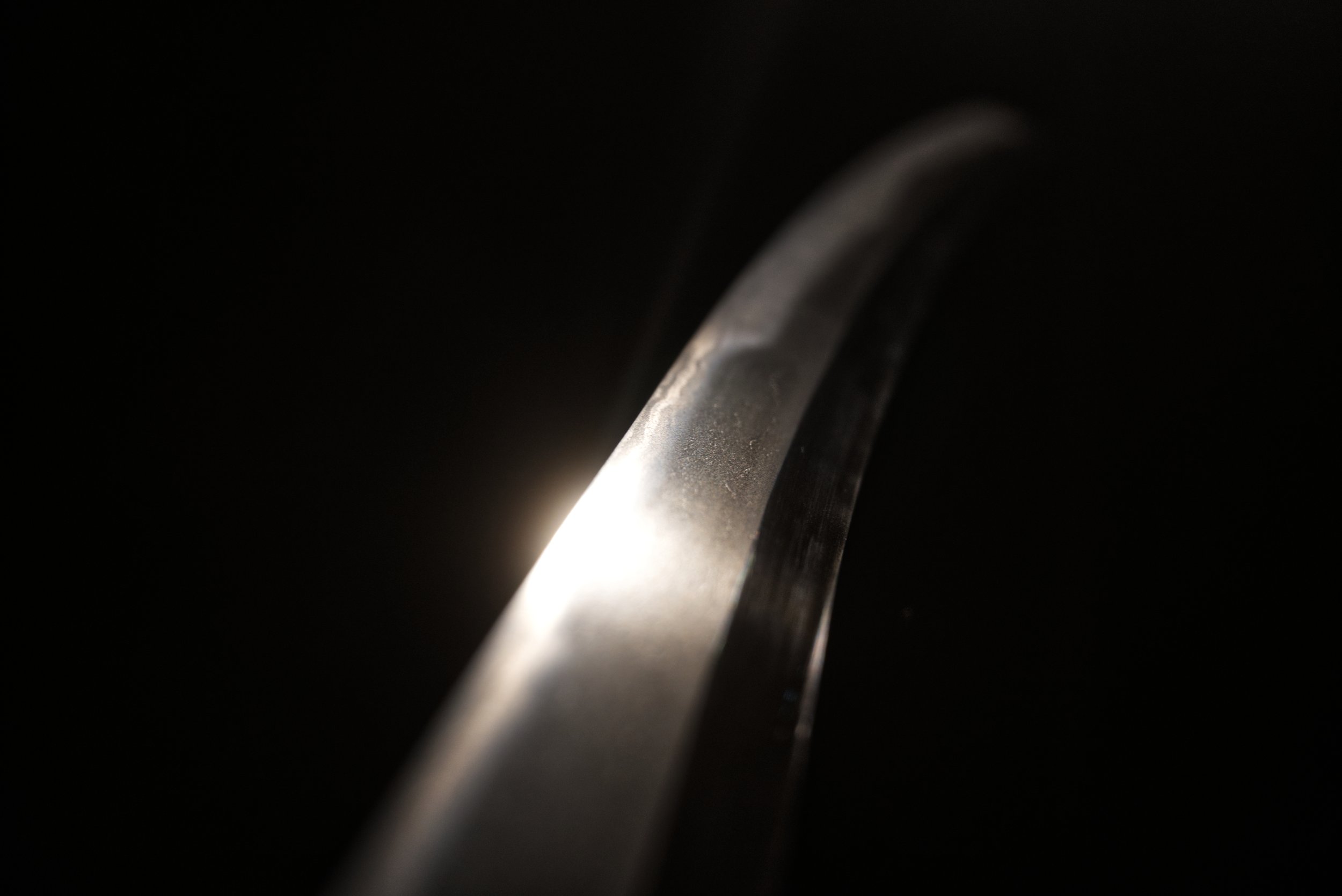
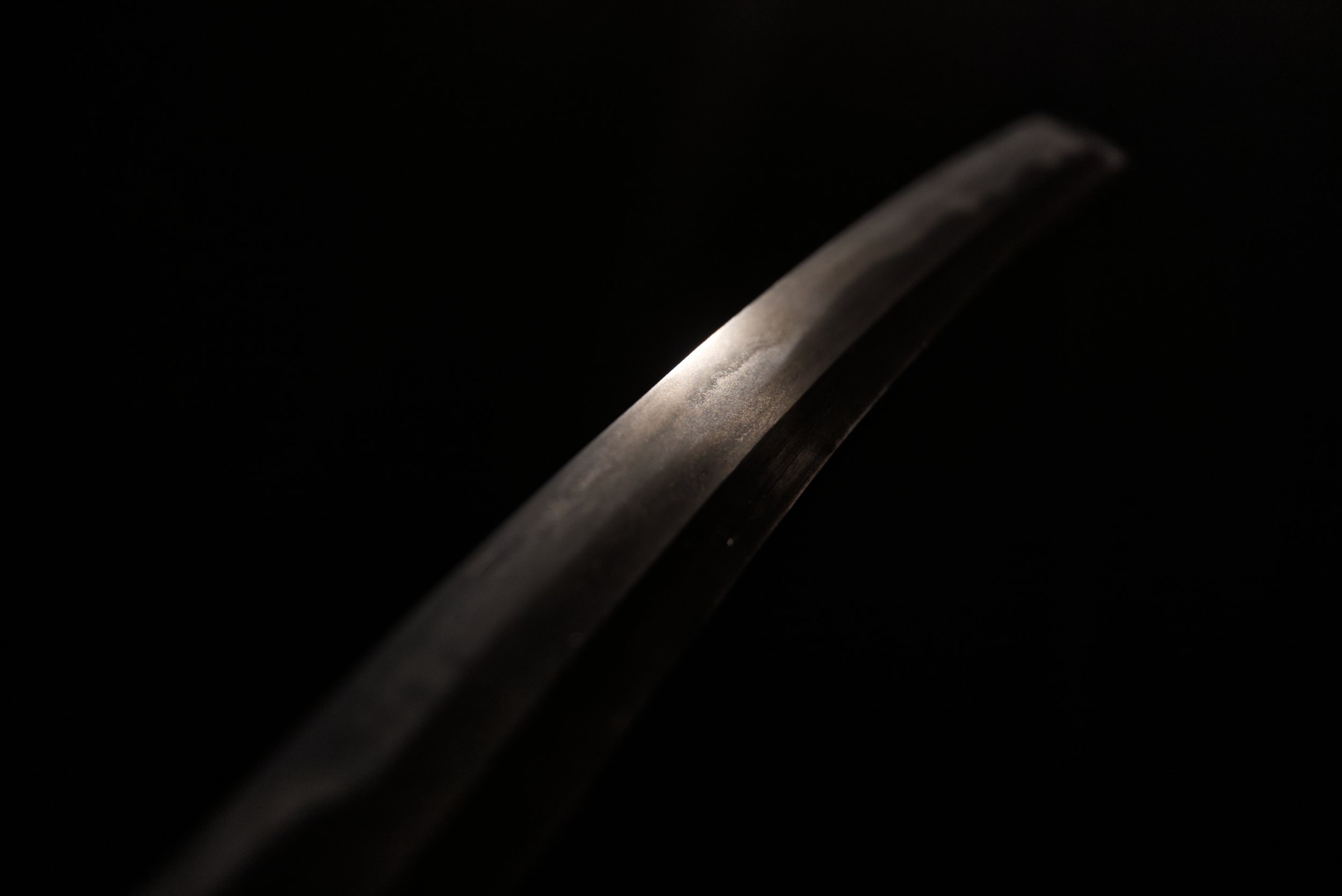
販売店の記載のまま
大和伝 · 薩摩 · 1716-1736頃
刀剣大鑑 上位49%
正良の位置づけを、日本刀全体および伝法・時代・時期ごとに示します。各区分(随一・屈指・有数・著名)は、NBTHK および文化庁による指定に加え、三作や名物帳などの歴史的栄誉を加味したものです。
各項目を選ぶと評価方法が表示されます。
大和伝 · 薩摩
現在32点販売中
薩摩国の刀工群は、南九州の地に拠り、島津家の庇護のもとに鍛刀した一団である。その源は古く、構成各工の説明書は大和に発する波平の系をその背後に置く。新刀の一平安代は、初め父一平安貞に法を習い、のちに波平本家の大和守安国の門に学んだと記され、薩摩の鉄が大和・波平の修業を地下に伏せていることを示す。記録に明らかな手としては、美濃氏房の子に出た伊豆守正房が元和・寛永の頃に薩州鹿児島に住し、薩摩鍛冶の渕源を成したとされる。これに続いて享保の頃、宮原清右衛門こと主水正正清と、玉置小市こと一平安代とが八代将軍徳川吉宗に召されて江戸で鍛え、その技を認められて茎に一葉葵紋を切ることを許された。この二工が薩摩新刀の双璧を成し、安代の養子安在が二代の一平として家を継いだ。時を下って新々刀の頃には、奥家の奥元平と伊地知家の伯耆守正幸とが同じく双璧として並び立ち、正良が伊地知家の名を襲い、正景が正幸の門から出て加治木島津家に抱えられた。皇室・徳川・島津・近衛の名がその伝来を貫き、この一国の工が藩の最上の家に直結していたことを語る。 作風は、構成各工が実際に記す共通の語法によって読まれる。背骨をなすのは志津に倣った相州伝であり、正清・元平・正幸・正良のいずれもがこれを最も得意とした手として説明書に名指される。よく練れて流れる板目に小のたれ・互の目を焼き、尖りごころの刃を交え、匂深く、沸が厚く強くつき、荒沸を顕著に交える。この静と動の二筋がこの群を貫く。安代と安在は穏やかなのたれ調の直刃、あるいは広直刃を多く焼き、正清と新々刀の双璧は尖り刃を交えた変化のある乱れを焼くが、いずれも沸を本領とする点で一つである。その刃の内を走るものこそ薩摩の名高い見どころで、説明書はこれを薩摩の芋蔓と称し、盛んな砂流しと長く太い金筋・沸筋が相絡んで連なる様を指す。地鉄はよくつんだ小板目あるいは流れごころの板目で、地沸厚く地景入り、正清・正良の地は枾がかって肌立ち、安代の地はことに黒みをおびる。帽子は乱れ込んで先尖り、あるいは直ぐに小丸・大丸へ返り、最も覇気ある作では掃きかけて火焰風となる。体配は身幅広く重ね厚く平肉豊かに中鋒延び、手持ち重く豪壮で、殆どが生ぶ茎に大振りの長銘を切る、薩摩の堂々たる構えである。 鑑定の勘所は、まずこの芋蔓の沸筋と黒める地鉄、そして頑健な造込みにあり、これらが当代の備前復古や大坂物の締まった沸と薩摩の手を分かつ。工の格は二対の双璧に集まる。新刀では正清と安代が並び、正清が古名刀に迫る志津風の乱れと焼頭に集まる湯走りの古色を見せ、安代が静かな直刃の内に長い芋蔓を走らせる。新々刀では元平と正幸が並び、ともに身幅広く堂々たる相州伝を本領とし、正幸は志津に倣う手を、元平は尖り刃を交えた華やかな互の目を得意とした。正良は師に優る出藍の誉を負い、安在は養父安代に頗る近似する手を継ぎ、正景は師正幸の志津風をよく伝え、正房は群の渕源として古来資料に貴ばれる。藤代の極めは安代を上々作、正清・元平・正良を上々作ないし上作、正幸を上作に置く。伝来は藩に固有のものが多く、正清・安代の刀は島津継豊より将軍吉宗や近衛家久に献ぜられ、家久は両工に白銀と六歌仙の歌を贈ってその文書も現存する。正幸の刀は鶴丸城の御用意刀として島津家に襲蔵され、分家樺山家には正幸自身の手になる薩摩拵を伴う一口が伝わる。これらの多くは旧家・機関に固く保たれて世に出ず、在銘の薩摩物が収集家のもとに現れるのは稀であり、現れたときには南九州の鍛刀が藩の庇護のもとに到達した頂を示す。 詳しく見る →
江戸時代
二世紀半の泰平のあいだ、刀は武器である以上に武士の身分の標章であった。江戸の実証と大坂の華やぎのように都市ごとの作風が育ち、時代の末には需要も細っていく。
保存刀剣のうち、出来が一層優れ、保存状態も良好と認められたものです。再刃や、室町・江戸期の多くの無銘作は対象外となり、保存刀剣より高い基準が課されます。
日本美術刀剣保存協会(NBTHK)は、1948年に設立され、文化庁の監督を受ける公益財団法人で、東京・刀剣博物館に本部を置きます。専門の審査員が出品作を直接審査し、美術的・歴史的価値に応じた鑑定書を発行します。NBTHKの鑑定書は、日本刀および刀装具の真正性を示す最も広く認知された基準です。
NBTHK公式サイトWe offer a three-day inspection period. To initiate a return, you must notify us within three days of the package being delivered. Once we confirm your request, you have seven days to ship the item back to us. The item must be returned in its original condition, including all accompanying documents, certificates, and packaging materials. The buyer is responsible for covering the shipping costs and insurance for the return shipment.