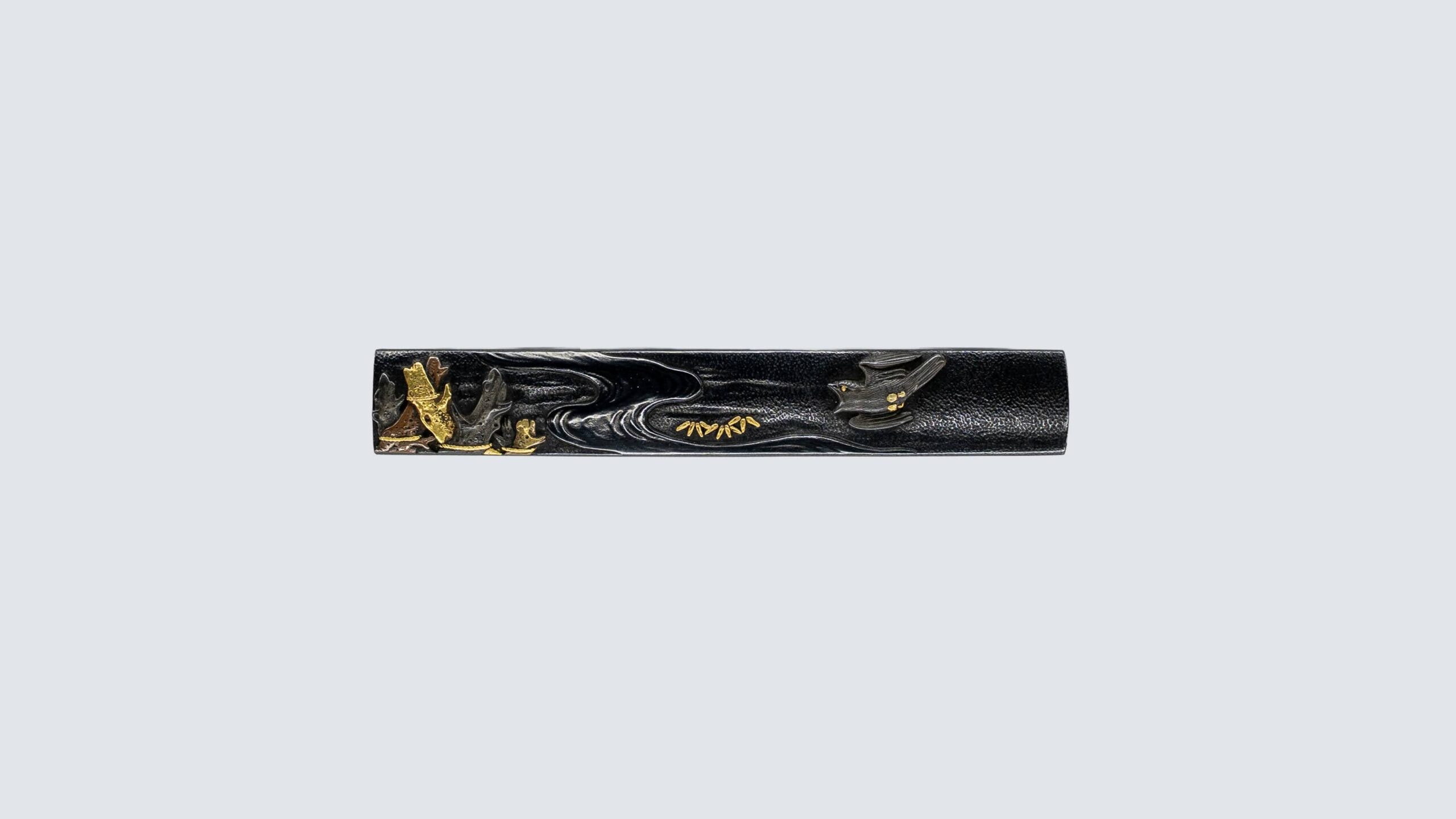
NihontoWatchNihontoWatch
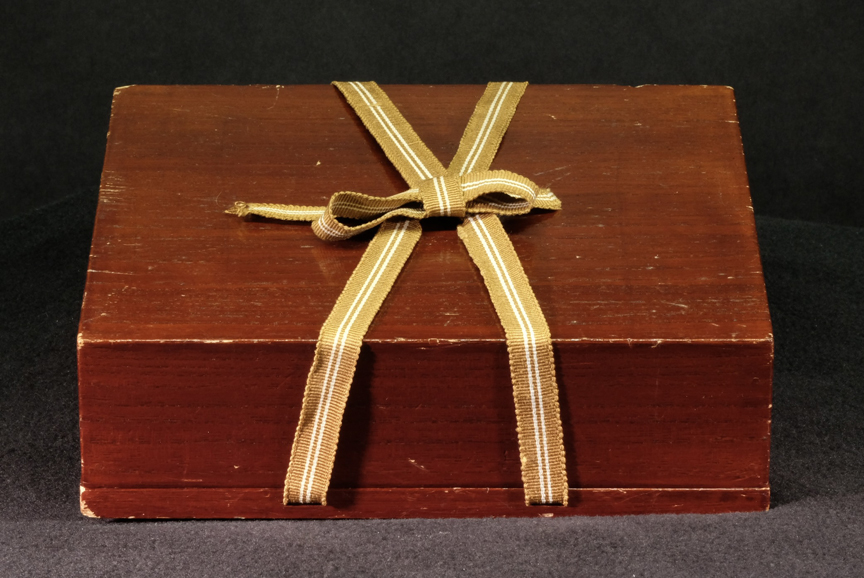
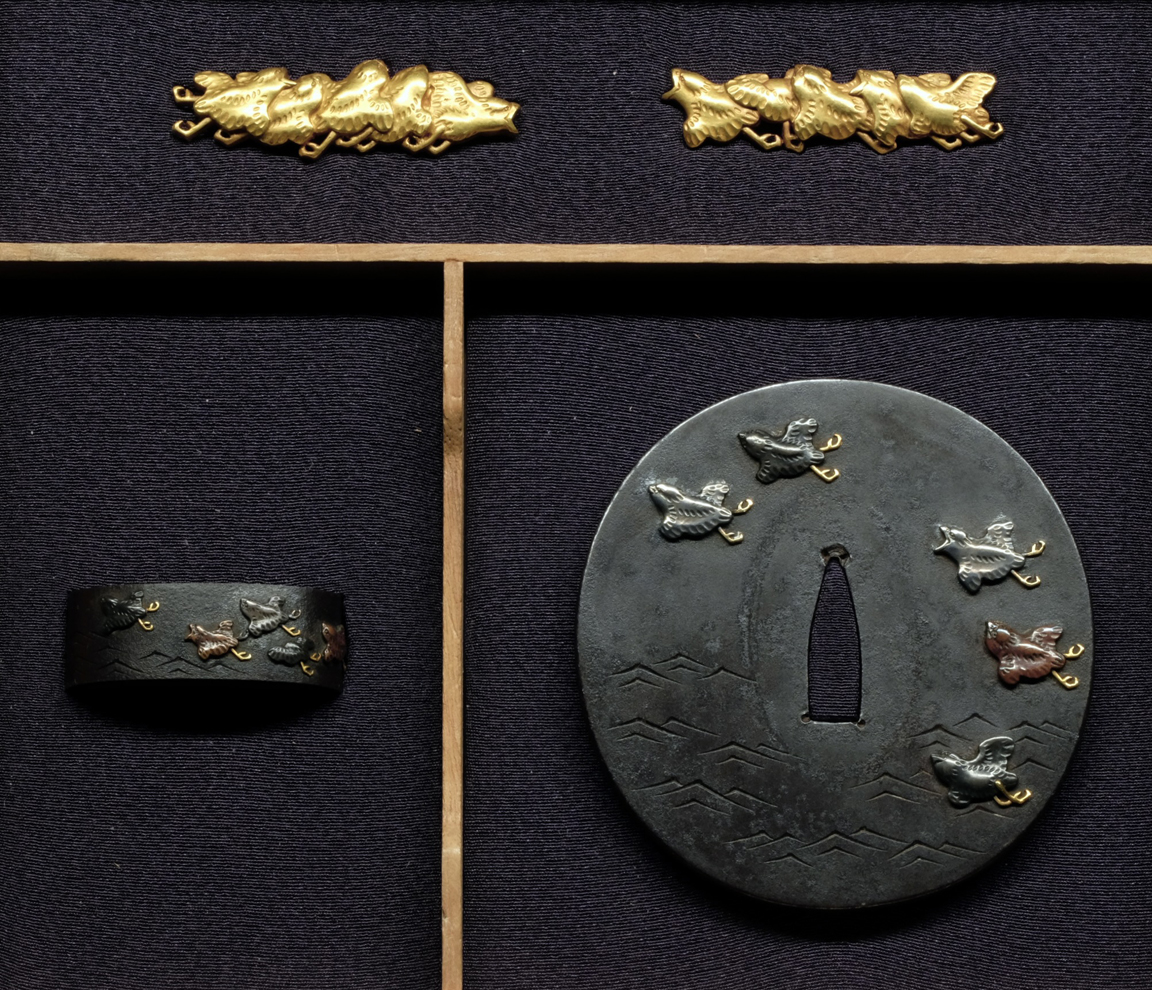
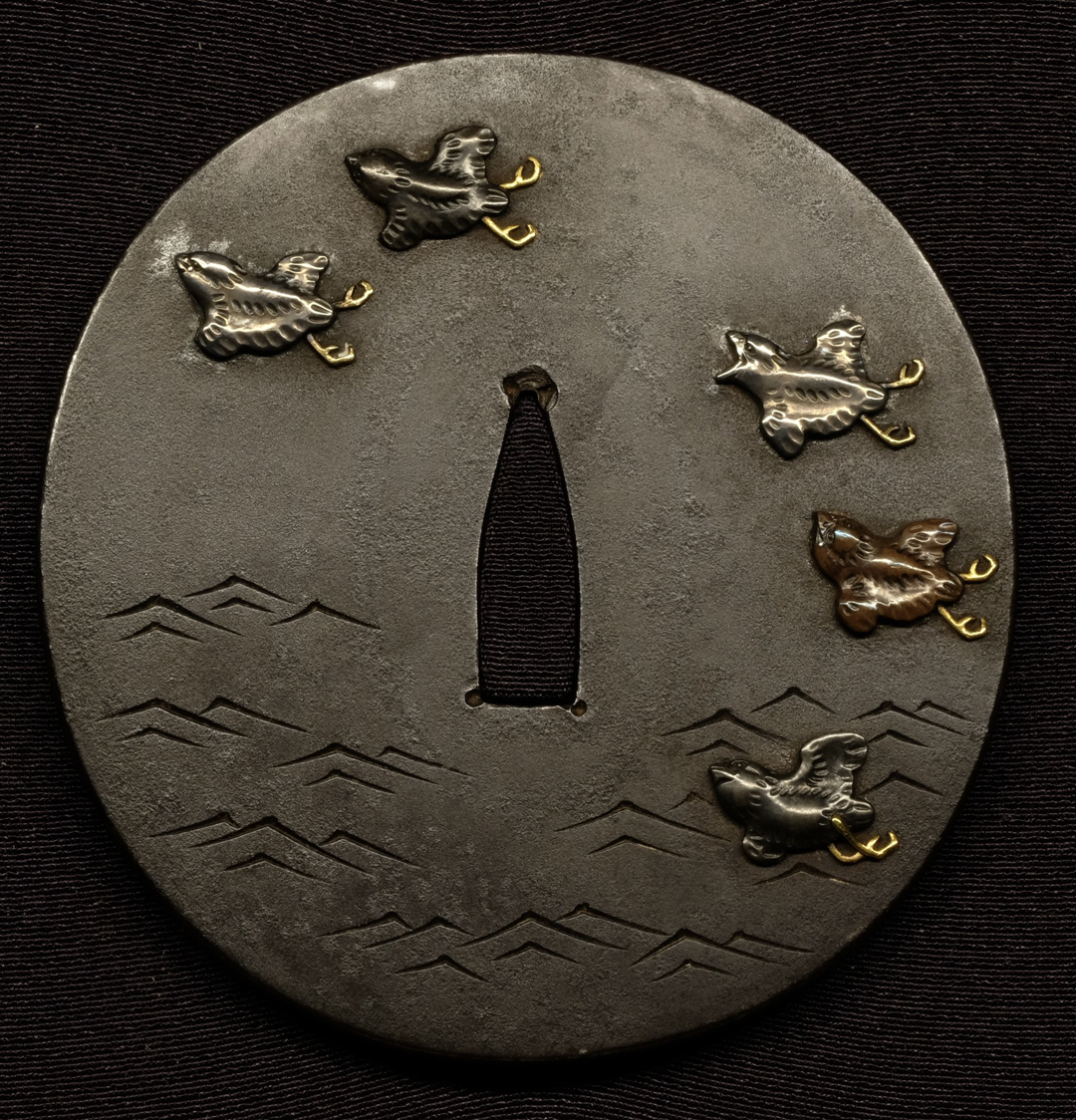
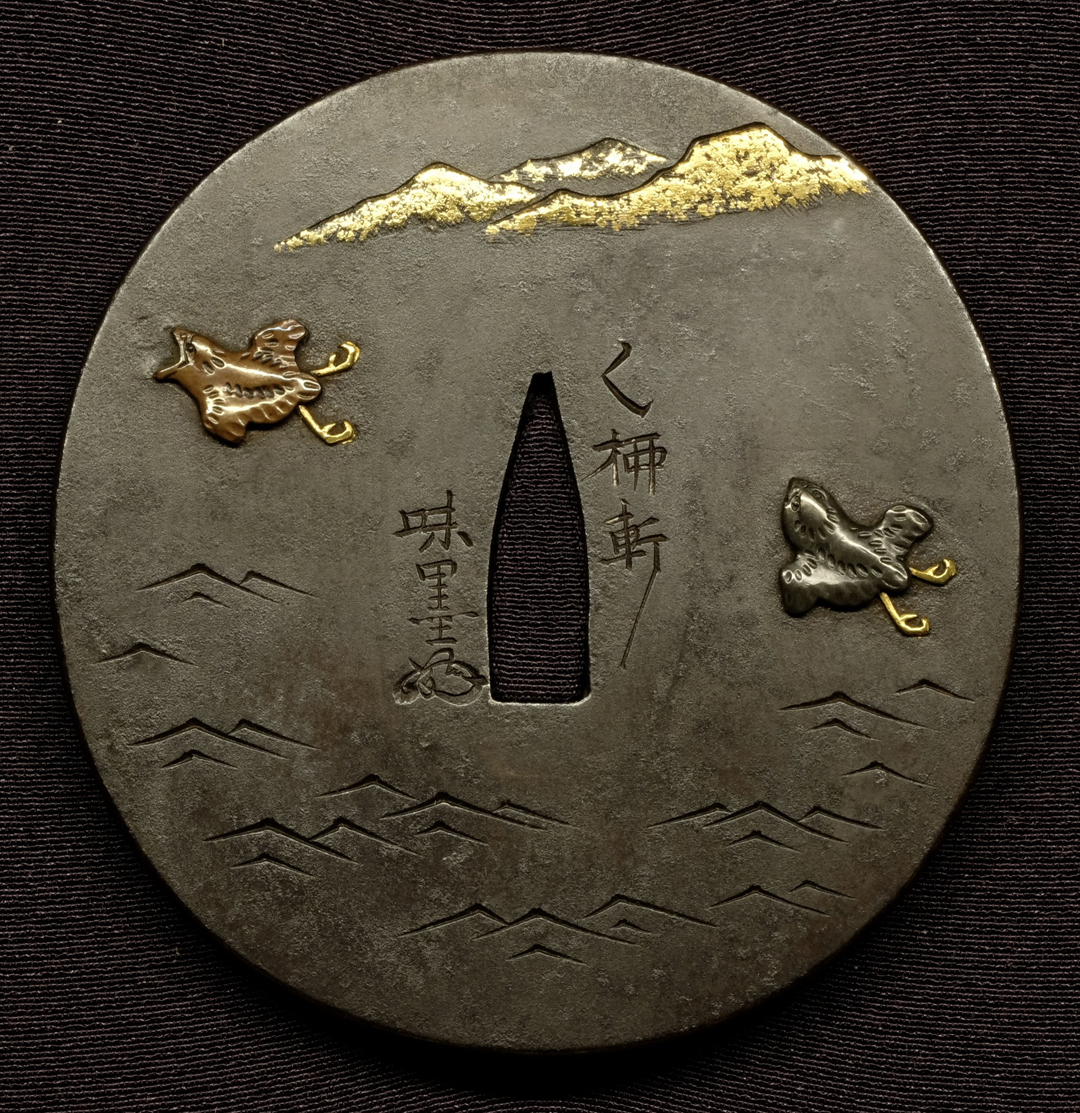
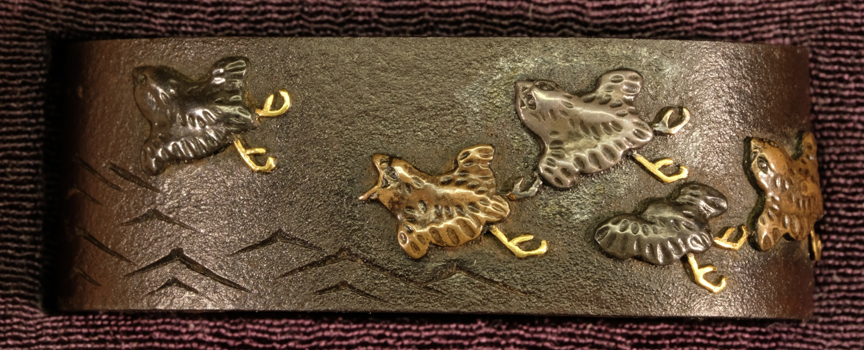
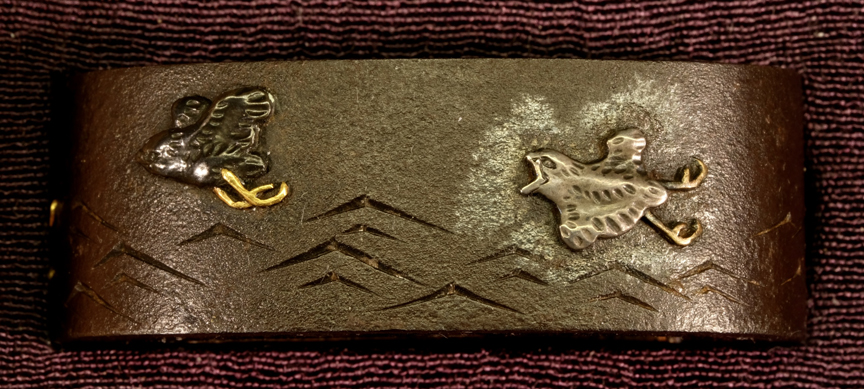
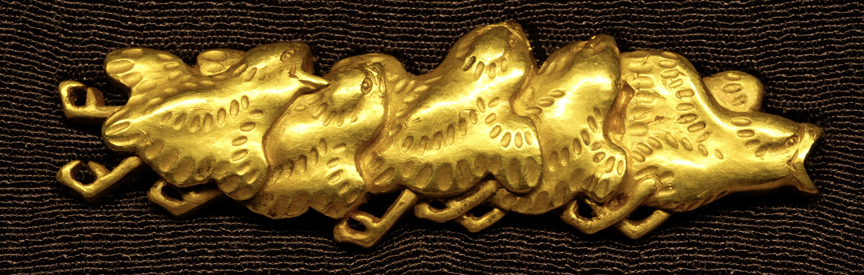
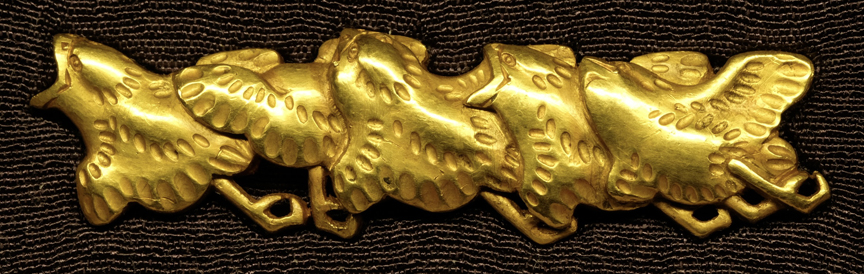
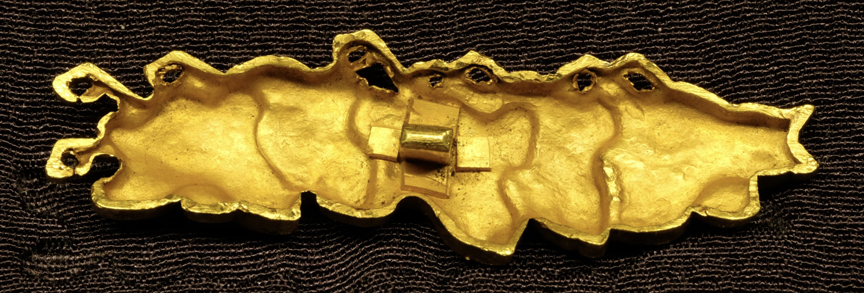
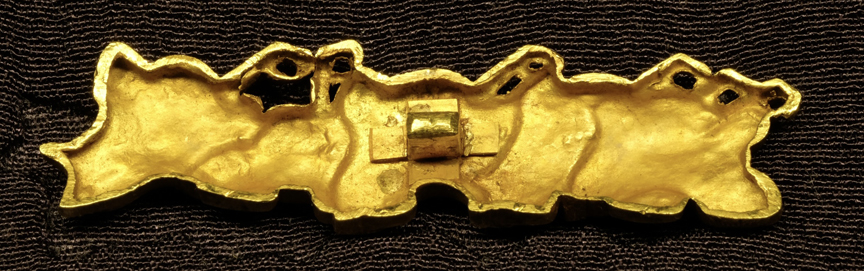
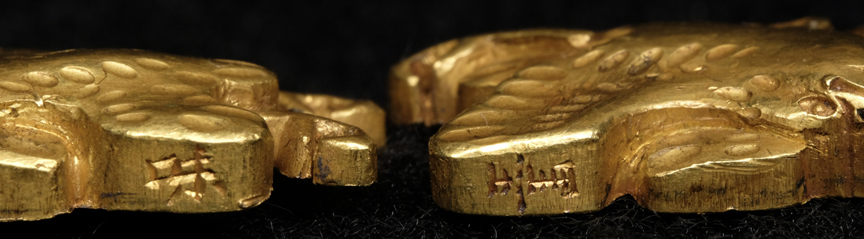
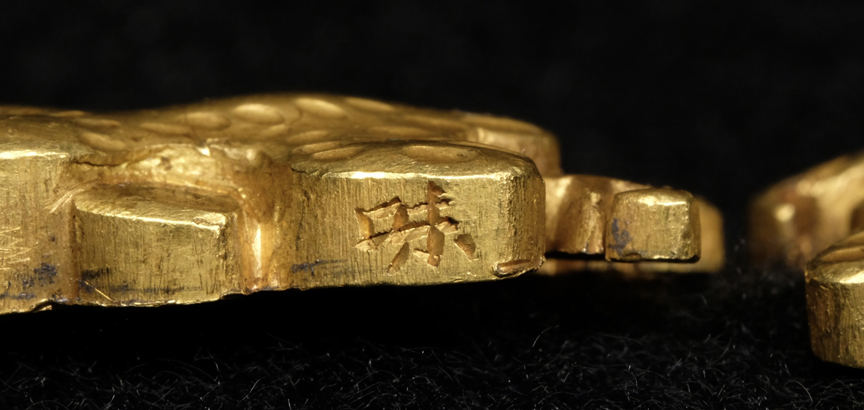
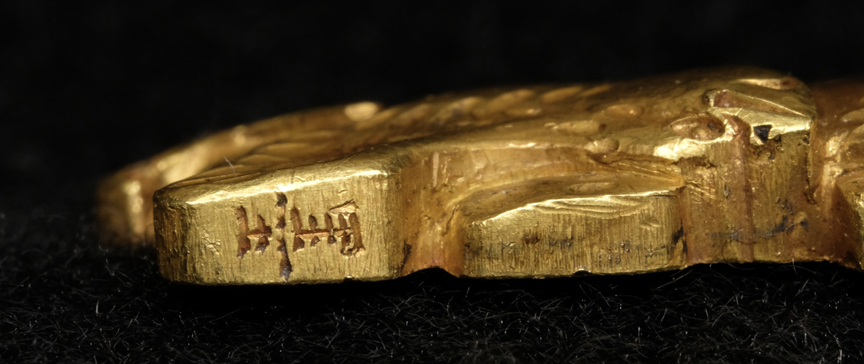
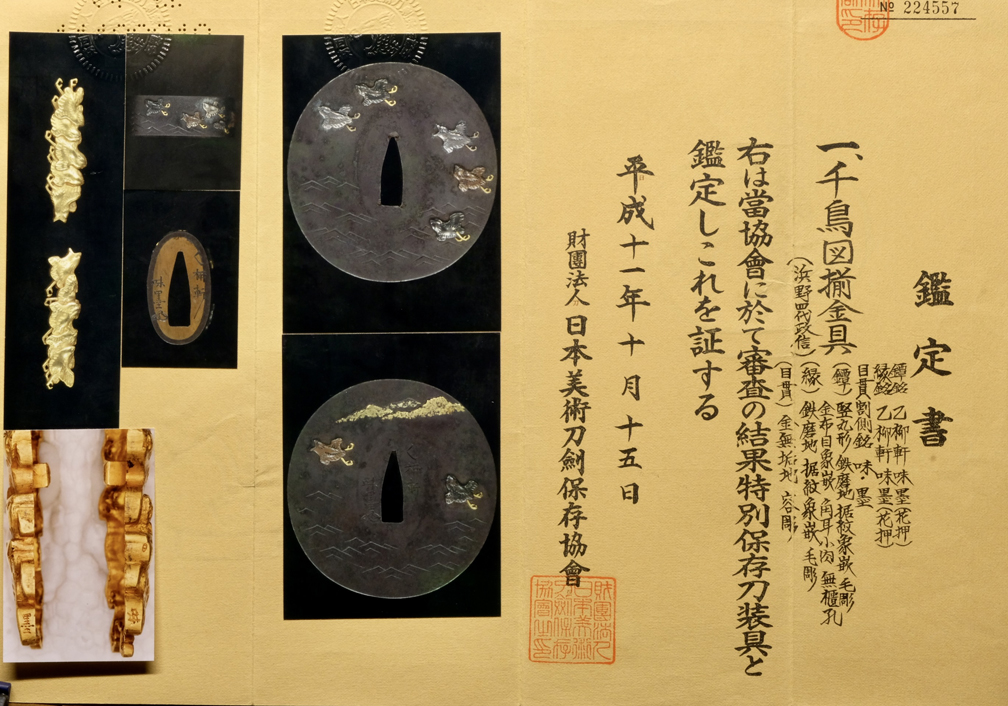
HAMANO SHOZUI (SHODAI) NBTHK TOKUBETSU HOZON FROM SESKO’S, TOSO KINKO SCHOOLS: The founder of the Hamano school was Shōzui, who was a student of Nara Toshinaga (利寿) mentioned in the genealogy on the previous page. His first name was „Tarōbei“ (太郎兵衛) and he was born in the ninth year of Genroku (1696). After finishing his apprenticeship with Toshinaga he parted with the Nara school and pursued very successful his own career. His school was very capable of keeping up with the Yokoya school in terms of number of students and influence on the machibori movement. Simply spoken, he combined the styles of the Yokoya and the Nara school with the interpretations of Sugiura Jōi, that means he worked in takabori-iroe and in zōgan but with larger-sized motifs than those use by the Nara school, enriched with usunikubori and shishiaibori. And regarding his selection of motifs, he chose various historical, epic, worldly and figurative subjects, as well as a broad variety of plants and animals. Besides the Nara-sansaku (Nara Toshinaga, Sugiura Jōi and Tsuchiya Yasuchika), Shōzui is counted as the fourth great master that the Nara school has brought forth, i.e. the so-called „Nara Shitennō“ (奈良四天王). But it has to be mentioned that Shōzui and Jōi formed a rather somewhat separated pair in this group because there were about thirty years between them and the contemporaries Toshinaga and Yasuchika. Regarding his signatures, he always used the old version (濱) for „Hama“ (浜) and zui“ (随) is also signed with the non-simplified style (隨). The „Tōsō-kodōgu-kōza“ assumes that the characters for „Shōzui“ were back then probably read by their Japanese reading „Masayuki“ and that the Sino-Japanese reading had became widely used only in recent times. By the way, the „Tōsō-kodōgu-kōza“ was published in 1972. However, the names of all subsequent generations are usually quoted in the Japanese reading. Shōzui used more than a dozen pseudonyms, for example „Otsuryūken“ (乙柳軒),*49 „Miboku“ (味墨), “Shūhōsai“ (龝峰斎), „Yūkotei“ (遊壷亭), „Keitō“ (圭竇) and „Keitōrin“ (圭竇林). The gō „Otsuryūken“ and „Miboku“ in turn were also used by later Hamano mainline artists and it is said that students were not allowed to sign with these pseudonyms. Hamano Shōzui died on the 26th day of the tenth month of Meiwa six (1769) at the age of 74. This exquisite mitokorimono depicts a motif of Chidori (plovers) in flight over waves by a famous and desirable maker, who also hails as the founder of the Hamano school, Shozui. Both the tsuba and fuchi / kashira are an iron base with the adornments of Chidori crafted from shakudo, shibuichi and copper with gold highlights. The menuki feature two groupings of Chidori fashioned from solid gold and are individually signed leaving no doubt they were made as a pair. *NOTE: As stated these large menuki are solid gold and weigh 18 grams. This set comes in a custom box which is housed inside an outer custom box (see photos). This mitokorimono comes with Tokubetsu Hozon Kanteisho by the NBTHK. NLA


政随
江戸
在銘
特別保存 (NBTHK)
販売店の記載のまま
町彫 · 武蔵
現在2点販売中
浜野政隨は、元禄九年(1696)に生まれ、奈良利寿門の逸材で、通称を太郎兵衛という。多くの子弟を育成し、浜野派という町彫の主要な門流を形成して一家をなした。嫡流は二代目兼隨、三代目鋪隨、四代目政信、五代目政芳と続き、また矩随をはじめとする有力な門人を多数養成した。乙柳軒・味墨・閑径・驪風堂・遊壺亭・穐峰斎・半圭子・一瞬庵など多くの別号を持ち、明和六年(1769)に七十四歳で没した。当時の江戸金工界にあっては横谷派と拮抗する門流として栄えた。
政隨の作風は、師である利寿の作風を継承しながらも乗意、安親の作風を取り入れて多岐にわたる。人物などを大図に描写した高肉彫を得意とし、大胆と細心を併用し、肉置きも主題の高肉彫に乗意風の肉合彫を加えるなど独得の彫法をあみだしている。作域は広く、鉄地、赤銅、四分一、素銅、朧銀など多様な素材を用い、高彫、鋤出彫、肉合彫、片切彫、石目地など、卓越した技術であらゆる彫技をこなす。晩年のものは豪快な高彫りを駆使した政隨独自というべき雄渾な作品を多く残している。鐔においては、竪丸形、撫角形、変り形など、さまざまな形状を手がけ、金、銀、赤銅、素銅、山銅などを用いた象嵌色絵を施し、その表現は写実的で、細部に至るまで鏨がよく行き届いている。小柄においては、朧銀地、素銅地、赤銅石目地などを用い、高彫色絵を施し、老松に繋がれた猛牛、流水に時鳥、老木に月など、趣のある題材を力強く表現している。目貫においては、素銅地、金地などを用い、容彫、色絵を施し、香木に銘を記してその品位を誇るなど、趣向を凝らした作品も見られる。拵においては、虫尽し金具など、意匠を凝らした総金具の作例があり、研出鮫鞘を用いて華麗に纏められている。
『江戸金工名譜』に「世に雷鳴す」とあるように、『奈良四天王』の一人として利寿・乗意・安親と並んで高名を馳せ、その技術は高く評価されている。装剣奇賞には「手強きを好みて気象を現わし、さっぱりとして勢あり」[[c:1]]と評されるように、大胆な構図と繊細な彫技を融合させた作風は、江戸趣味ともいえる情緒豊かな作風として高く評価されている。
政随の位置づけを、日本刀全体および伝法・時代・時期ごとに示します。各区分(随一・屈指・有数・著名)は、日刀保および文化庁による指定に加え、三作や名物帳などの歴史的栄誉を加味したものです。
各項目を選ぶと評価方法が表示されます。
町彫 · 江戸
現在34点販売中
浜野派は江戸時代中期に奈良利寿の門人であった浜野政隨を祖とする装剣金工の一派である。政隨は通称を太郎兵衛といい、奈良四天王の一人として高名を馳せ、江戸金工名譜に「世に雷鳴す」と評される逸材であった。乙柳軒・味墨・閑径・驪風堂・遊壺亭・穐峰斎・半圭子・一瞬庵など多くの別号を有し、多数の門人を育成して町彫の主要な門流を形成し一家をなした。四代正信は乙柳軒味墨の号を継承し、政隨の伝統を継承している。また越後村上出身の桂野赤文は、青年時代に出府して浜野家に学び、のちに遊洛斎の号を用いたことから京都での修業も推測され、庄内藩酒井家の抱え工として活躍した。 浜野派の技術は大胆な高肉彫・鋤出彫・肉合彫・片切彫等あらゆる技法に長じており、その技量は極めて高く評価される。政隨の作には金銀の芋継地に容彫で韋駄天疾駆鬼を表したものや、金無垢地に銀と赤銅の置金を施した容彫で仁王像を表したものがあり、肉取りが巧みで量感に富み、題材の力強さを見事に表現している。その彫口には後藤上代の作を範としたとみられる落ち着きある品格が備わっている。四代正信の作には虫尽総金具の大小拵があり、銀四分一の石目地に高彫と据文色絵を施した各種の虫の図が揃っており、華麗かつ入念な仕上がりを示している。 桂野赤文の作風は土屋安親を手本として研鑽を積んだことが知られ、鐔を多く制作し、鉄と赤銅の地金に高肉彫形式で色絵を施すことを得意とした。片切彫・肉合彫・象嵌等の技法も用い、銘文には郷里越後の書家亀田鵬斎流の草書体を用いている。波千鳥図鐔では安親を手本とした題材を鉄地に鋤出による高肉彫で堂々と表し、千鳥の眼と足にのみ金銀の象嵌を施して画面全体に締まりと動きを与えている。柔軟な鏨使いながらも力強さを感じさせるその彫口は赤文独特のものであり、桂野家史に「生気躍動」「巧緻」と評されるその作風を顕示している。 詳しく見る →
保存刀剣のうち、出来が一層優れ、保存状態も良好と認められたものです。再刃や、室町・江戸期の多くの無銘作は対象外となり、保存刀剣より高い基準が課されます。
日本美術刀剣保存協会(日刀保)は、1948年に設立され、文化庁の監督を受ける公益財団法人で、東京・刀剣博物館に本部を置きます。専門の審査員が出品作を直接審査し、美術的・歴史的価値に応じた鑑定書を発行します。日刀保の鑑定書は、日本刀および刀装具の真正性を示す最も広く認知された基準です。
日刀保公式サイトAll swords sold for $5000 USD or less are considered final! Swords above the $5000 range may be returned for any reason within 48 hrs. Buyer will receive a full refund minus shipping/handling, insurance and or any fees incurred in shipping or sale.