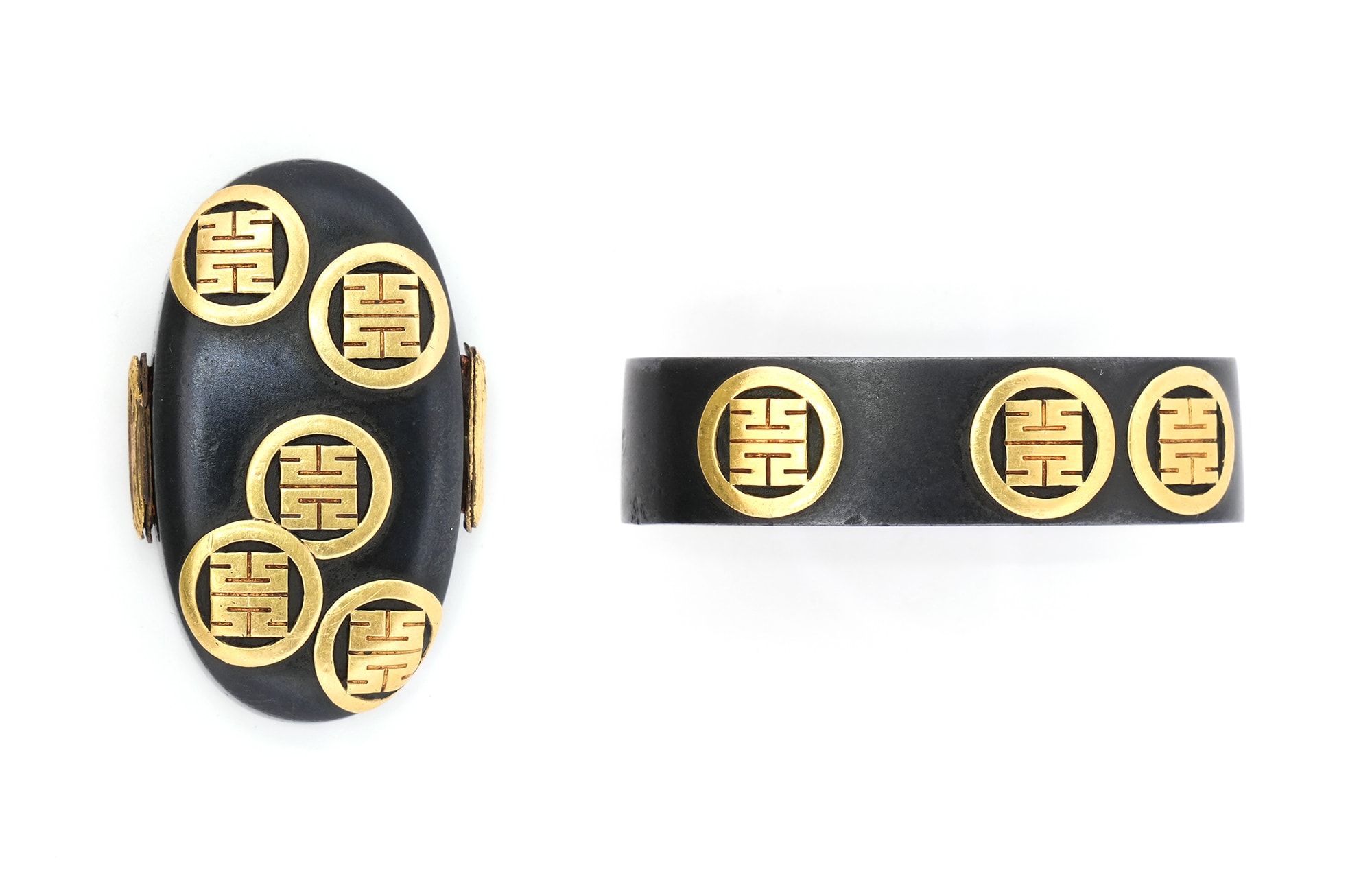
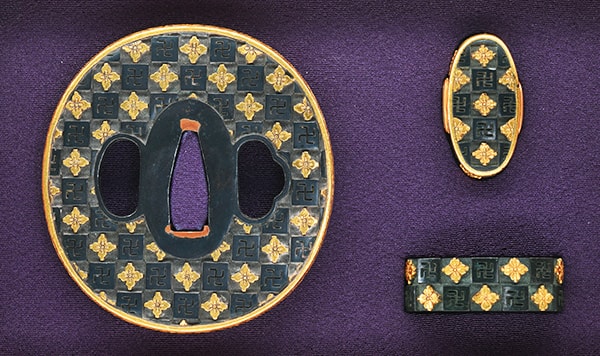
Tsu Jinpo, whose personal name was Hachizaemon, is traditionally recorded as a student of Nomura Masamichi. He lived in the vicinity of the Ginza district in and is said to have died in Horeki 12 (1762). One source places his lifespan from Kyoho 7 (1722) to Horeki 12, while another records his death at age forty-two in Horeki 11 (1761). He is also known by the signature readings Tsujinobu and Tsushinpo. Among his extant oeuvre, predominate, followed in number by and , and the consistently identifies his as the body of work most worthy of attention.
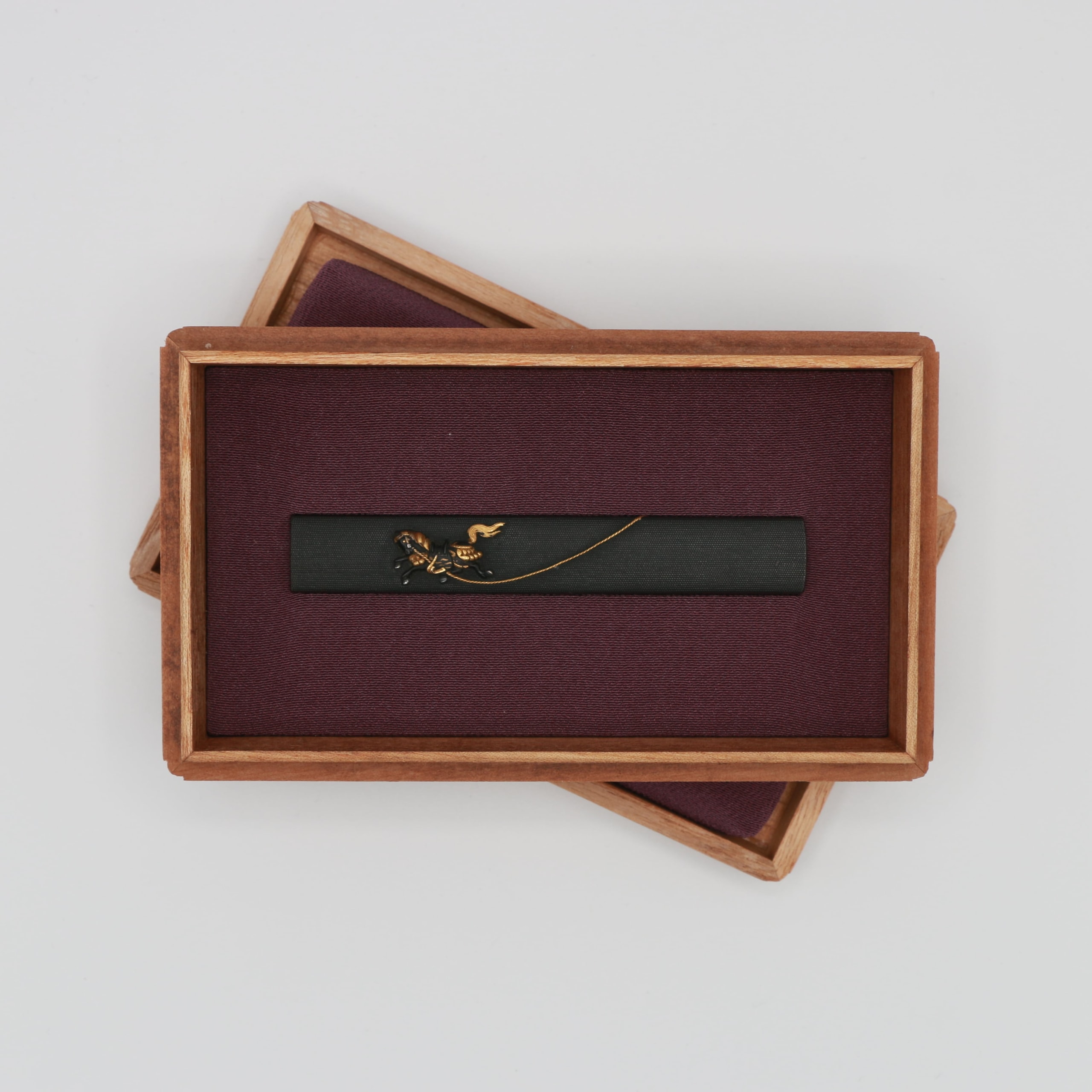
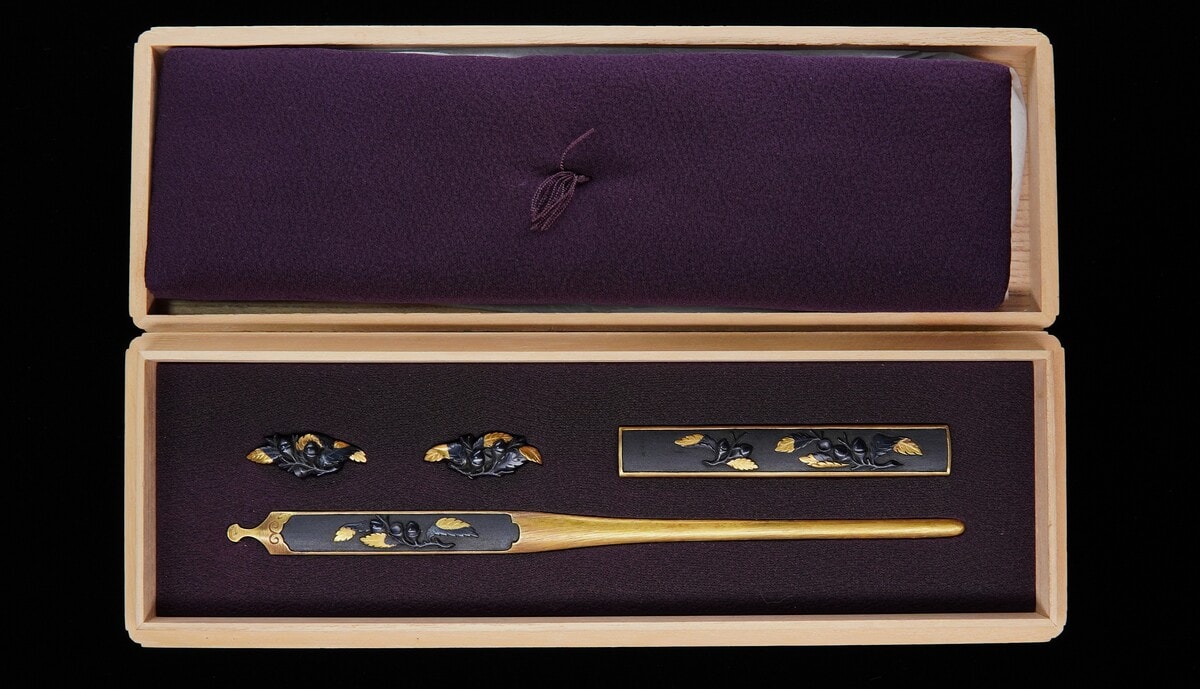
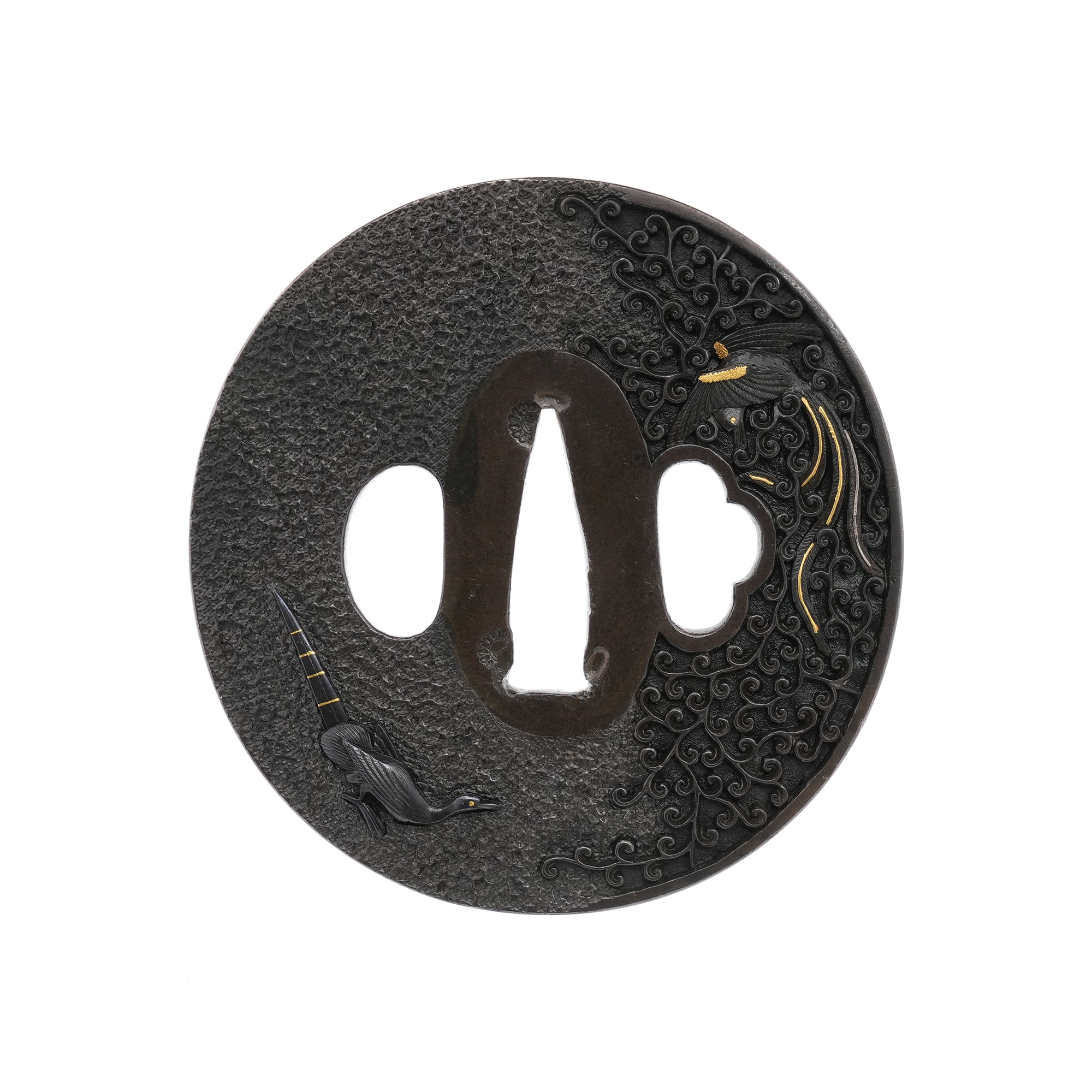
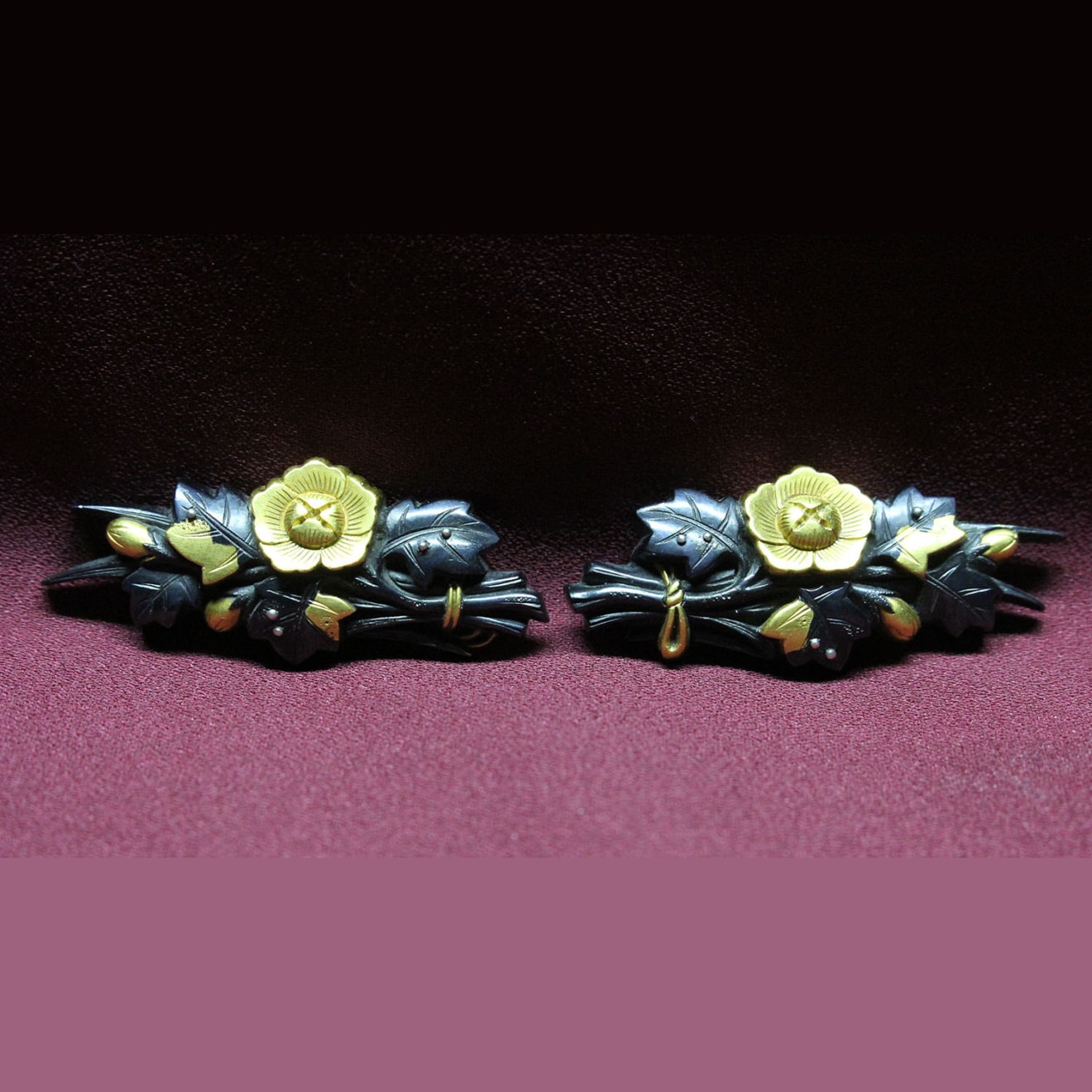
Jinpo's works are characterized above all by an unwavering commitment to strict realism. The repeatedly observes that "many of his works pursue strict realism" and that "among his carvings there are pieces that startle the viewer." His favored subjects include birds of prey perched on oak trees, lilies, and shrimp, all rendered in with and . The oak-and-raptor compositions are described as possessing "an extremely forceful impact," with the bird "seeming at any moment about to launch into flight." His lily subjects employ sue- (applied motifs) in gold and with refined polychrome metalwork. The carving manner is consistently praised as "keen and incisive," powerful yet naturalistic, imbued with a shasei (sketch-from-life) spirit. On occasion, his work recalls the dignity of early Goto masterworks, as in a rare set where, "along with a Goto-like dignity of style, one can also discern a power and freshness distinctive to Tsushinpo."
The assessment of Jinpo is anchored in two recurring themes: forceful realism and mastery of living subjects. The Kano Natsuo Chokin-dan is cited approvingly for its observation that his "crests and patterns stand out with brilliant clarity." His shrimp are rendered with such vitality that the movement of the legs is described as "superb," displaying "the artist's true strengths to the fullest." Whether depicting the coiled tension of a raptor or the delicate unfurling of a lily bud, Jinpo's work is consistently elevated by the as representing an exceptionally high technical level within the mid- metalworking tradition, combining the controlled grandeur of the Goto inheritance with a distinctive, uncompromising naturalism entirely his own.