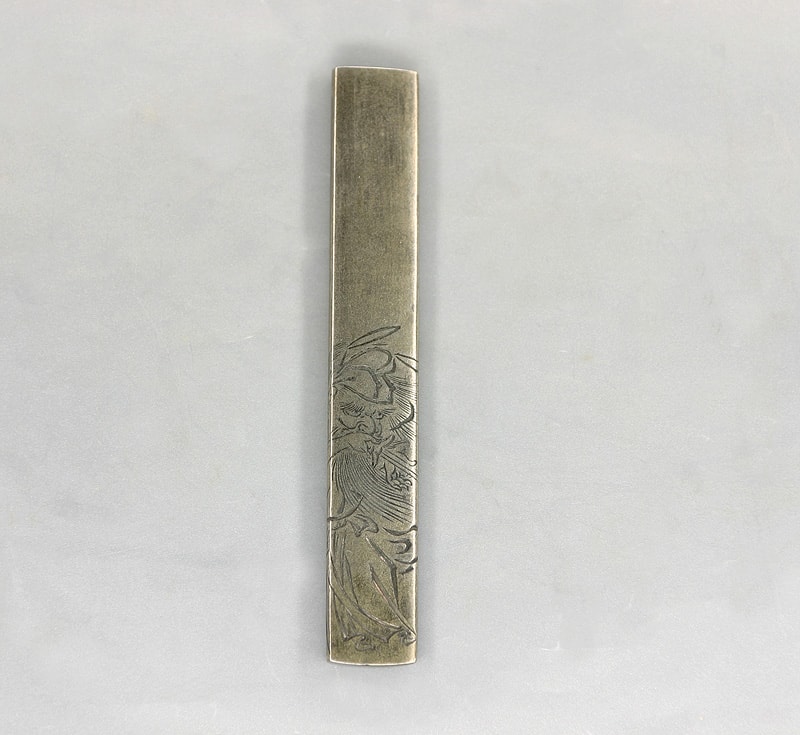
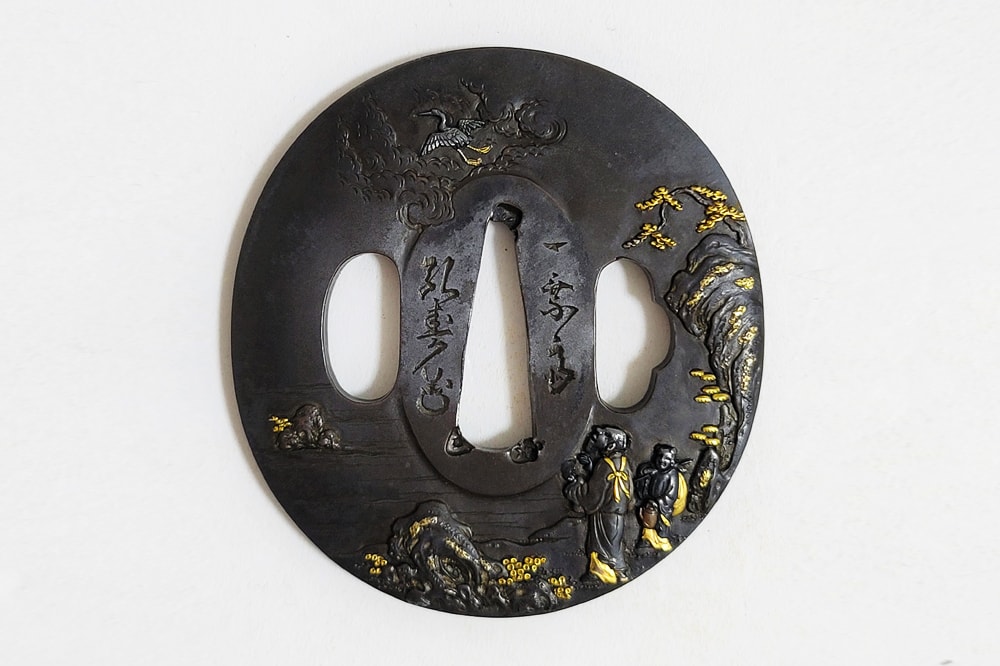
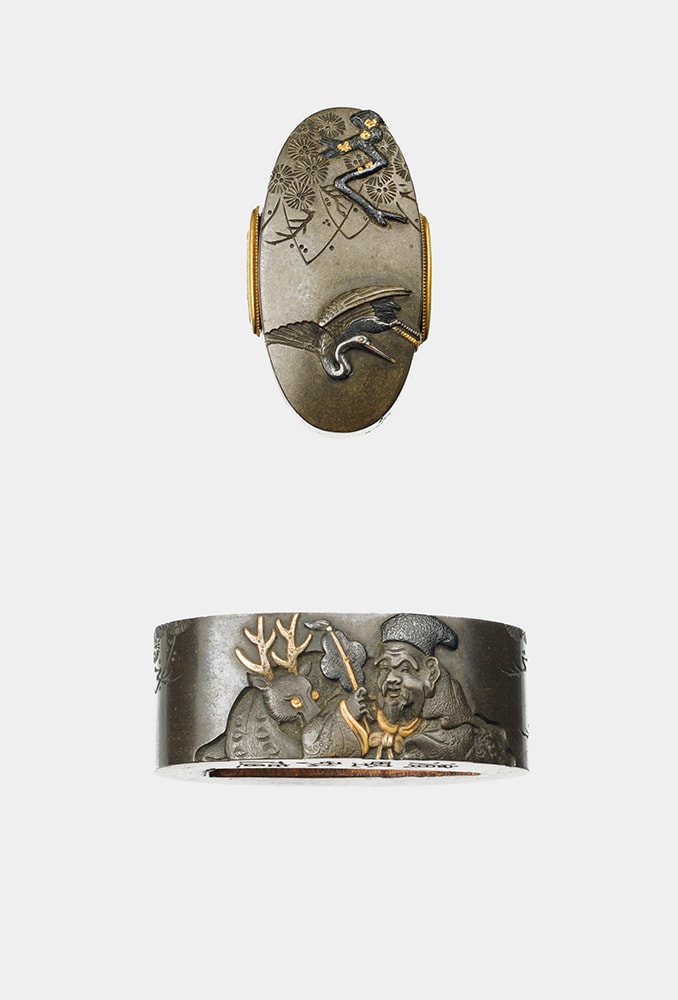
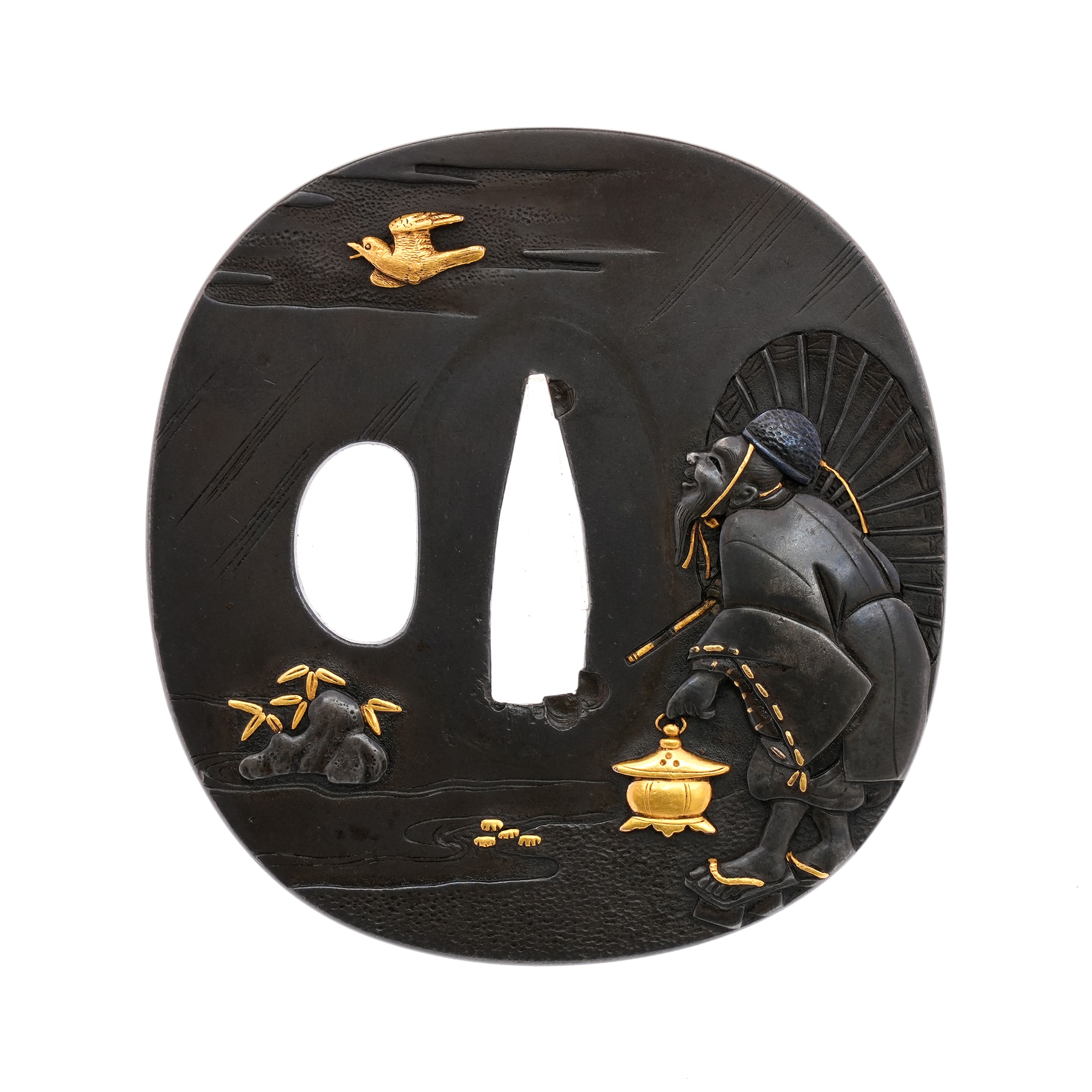
Katsura Eiju was a native of Kurume in Chikugo Province who trained within the distinguished Yokoya lineage. He studied initially under Yokoya Eisei and later became a disciple of the second-generation Soko. On the strength of his abilities he was engaged as a kakae-ko (officially retained craftsman) by the Arima family, lords of the Kurume domain. He also employed the art name Shoyoshi. Active from the Meiwa and An'ei eras through the Tenmei and Kansei periods, Eiju represents the mature transmission of Yokoya-school metalwork into the provincial ateliers of western Japan, where domain patronage sustained traditions of fine kinko craftsmanship well into the closing decades of the eighteenth century.
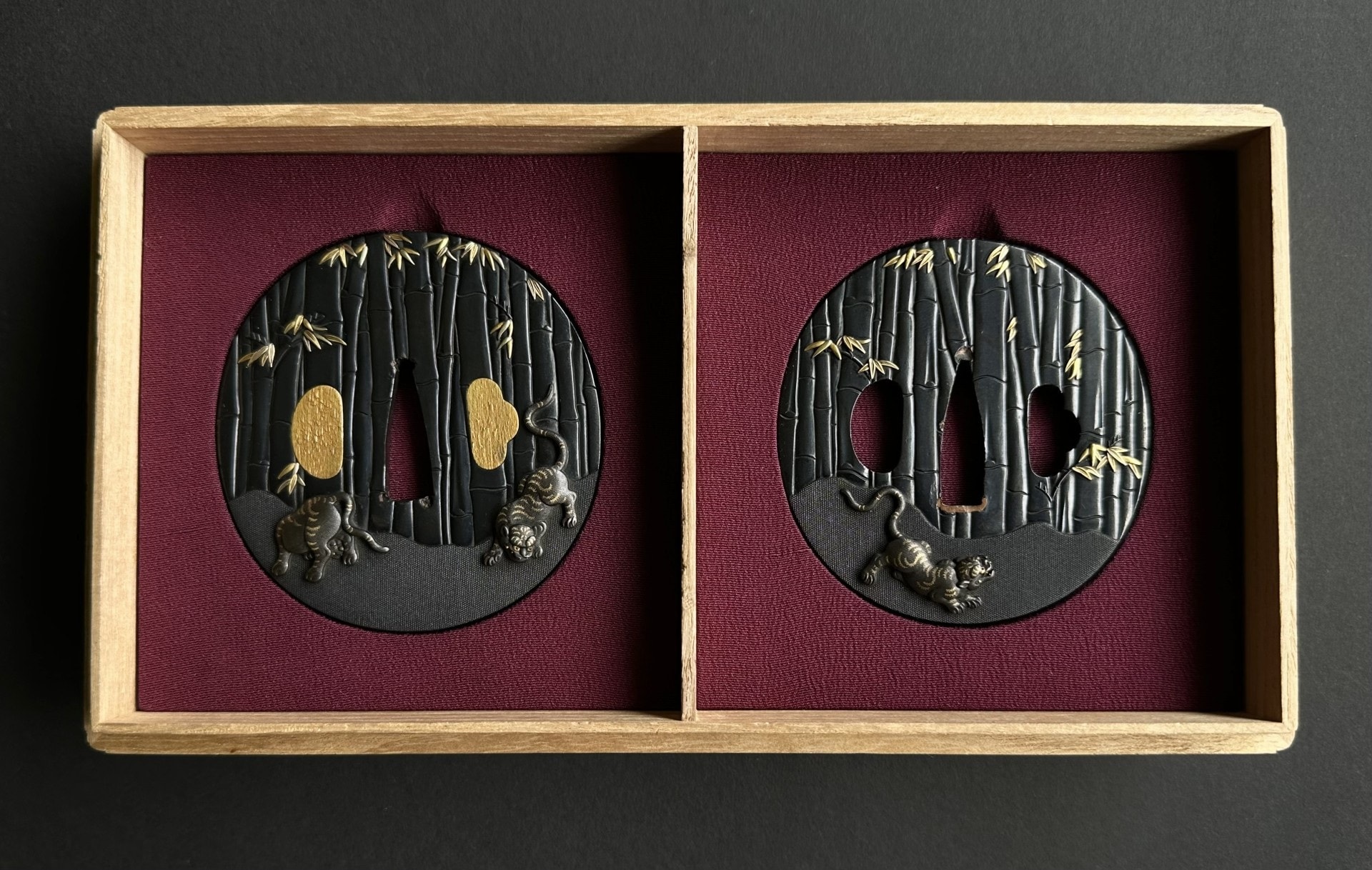
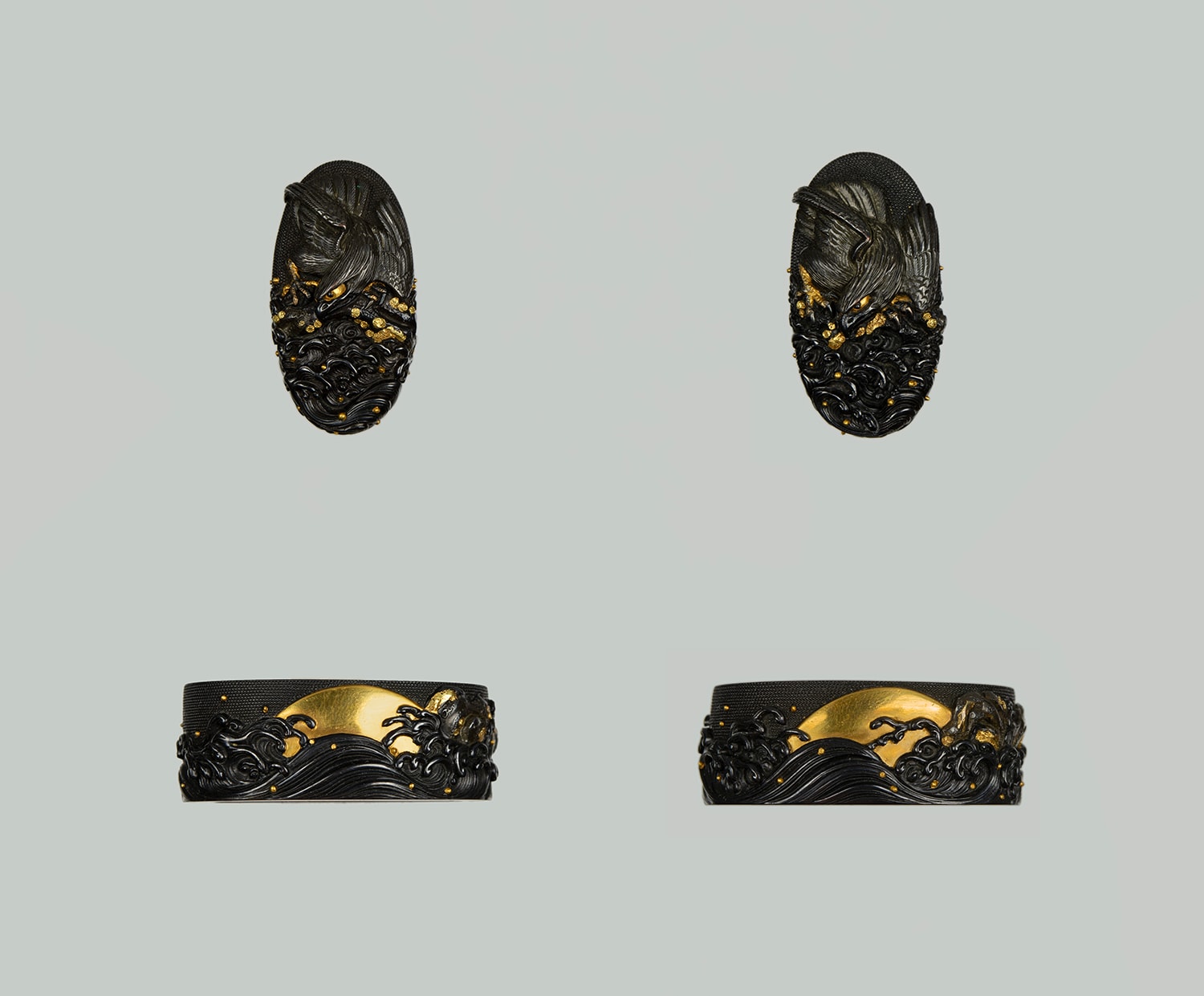
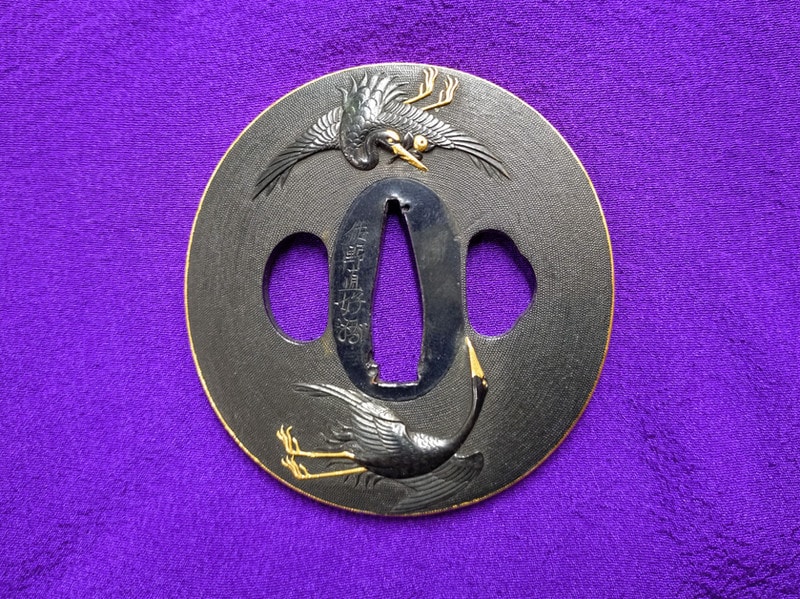
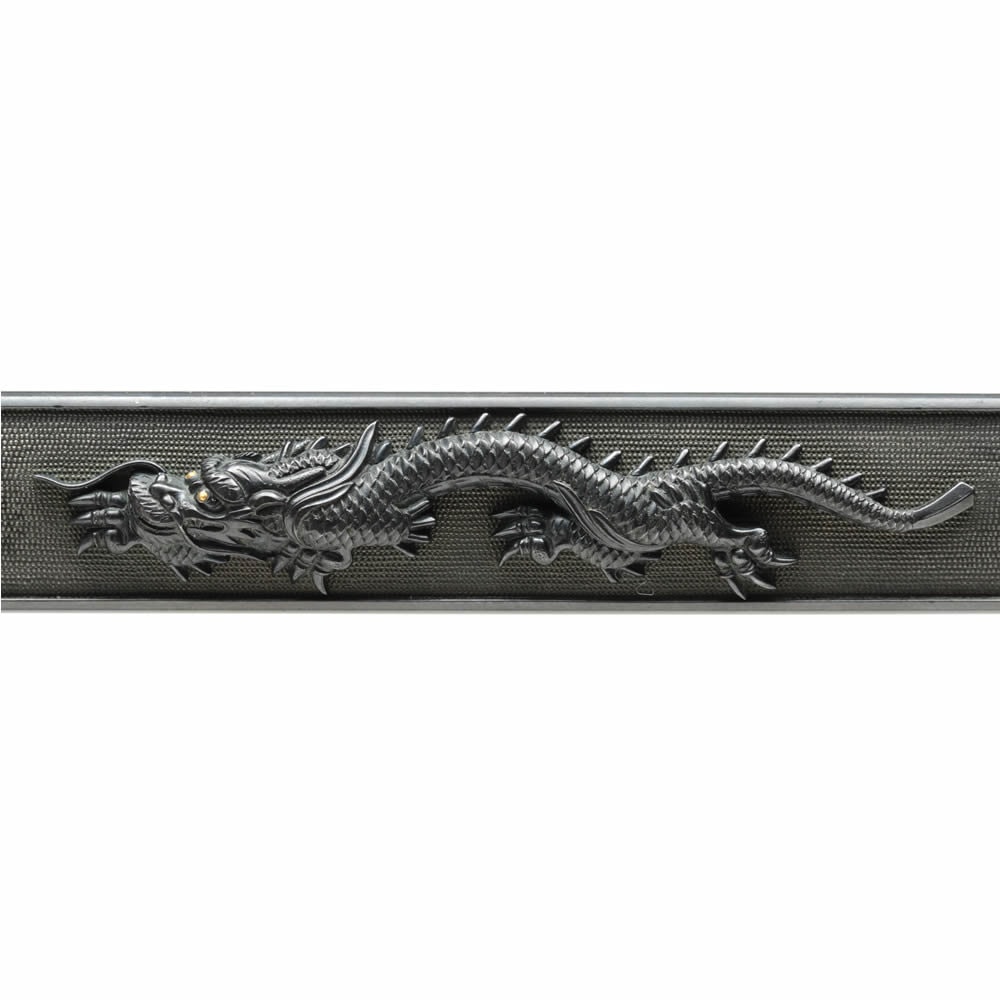
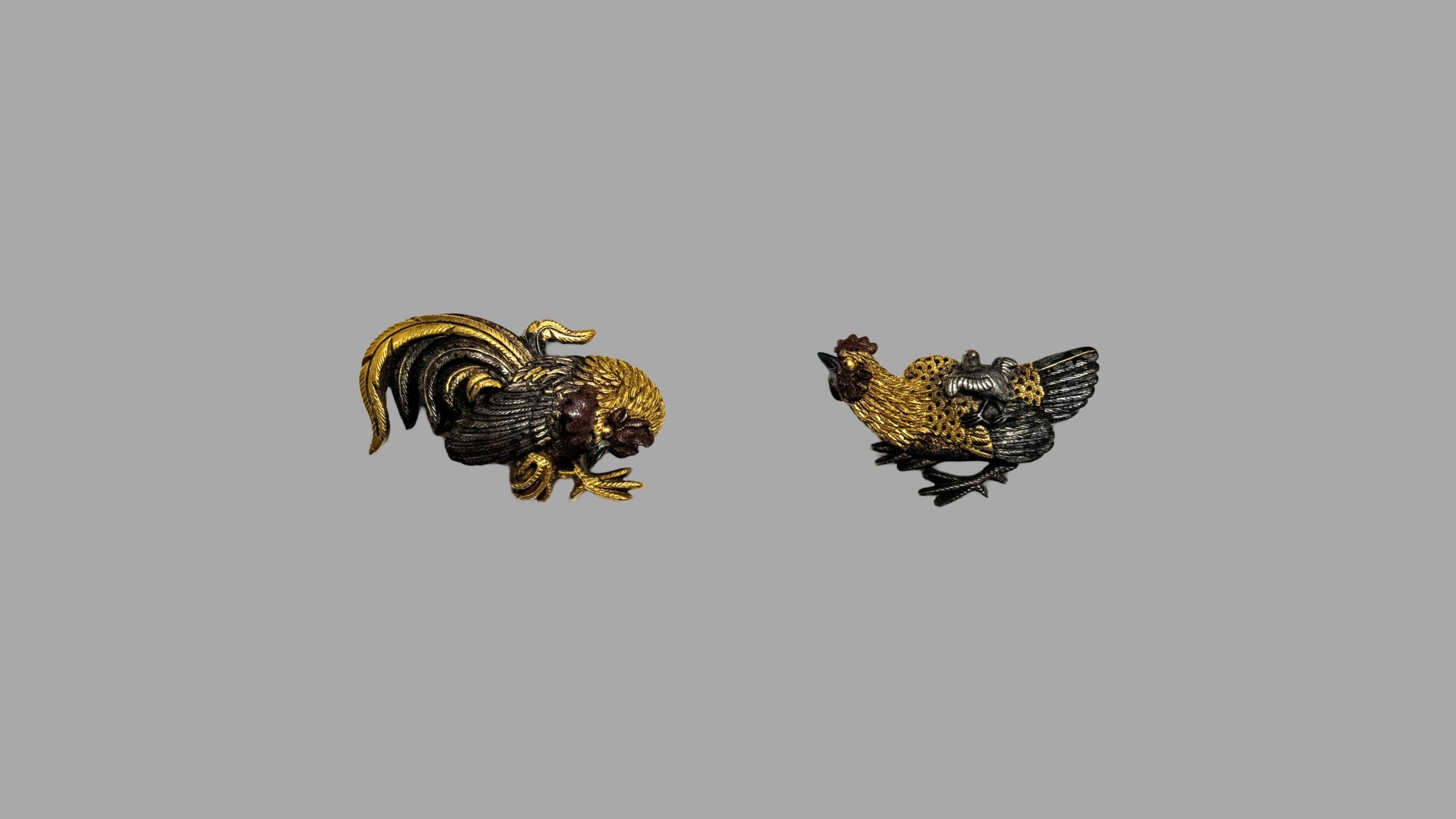
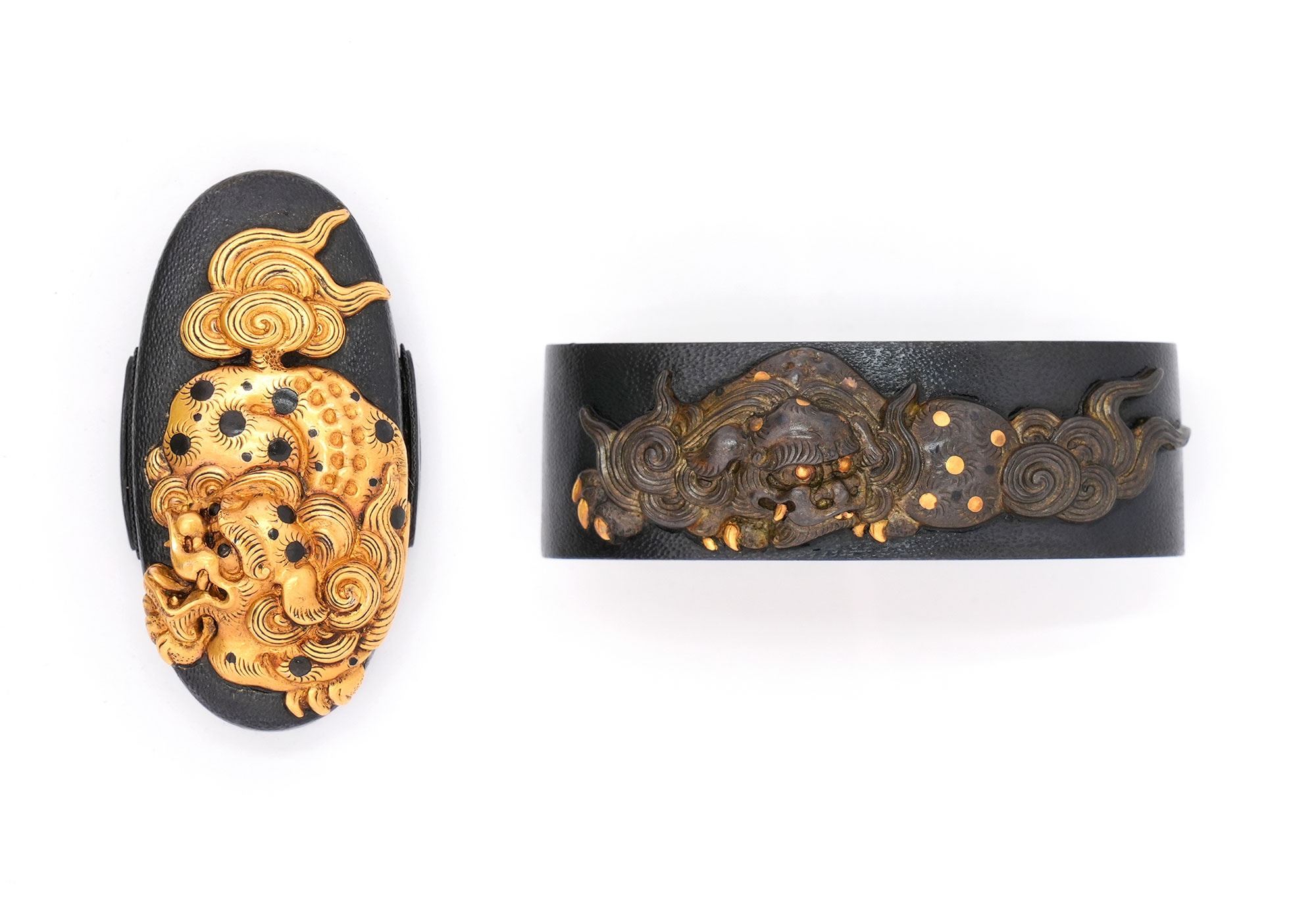
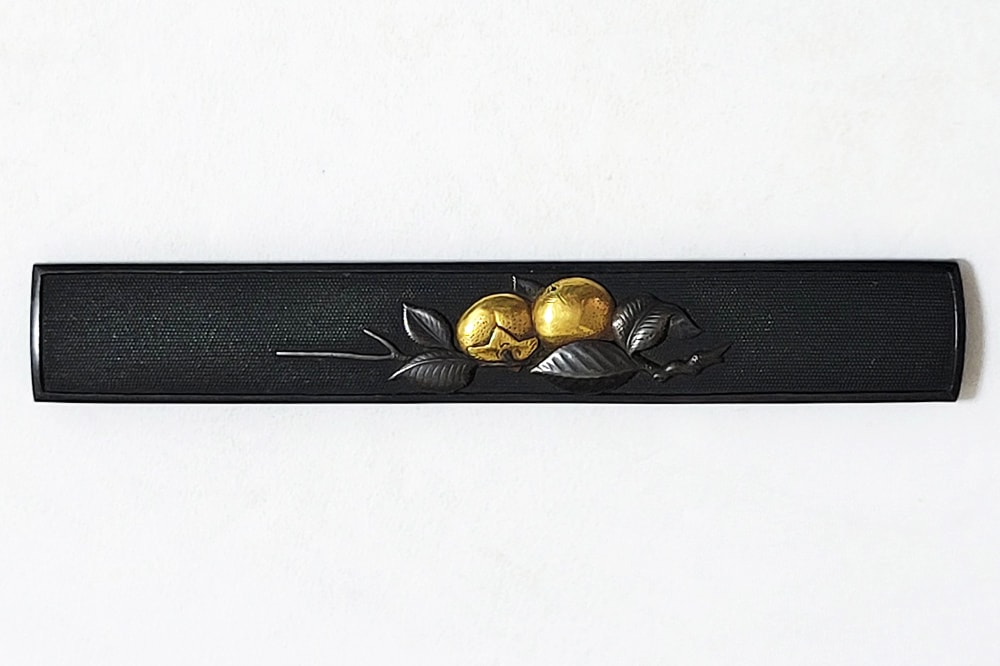
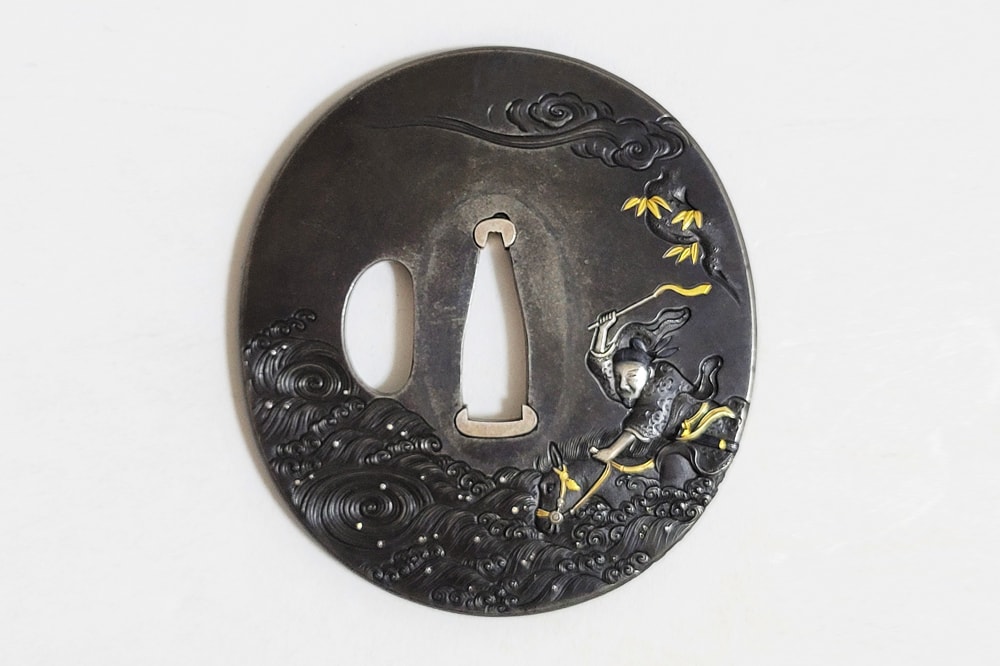
Eiju's manner of work follows the orthodox Yokoya idiom: grounds combined with and polychrome , deploying multiple colored metals to achieve richly pictorial effects. His subject range encompassed shishi as well as dragons and tigers, and he is noted for matched fittings depicting carp, produced by faithfully studying and emulating the style of Yokoya Somin. A representative carp set executed in demonstrates his ability to render the vigorous movement of fish amid waves through assured relief carving and carefully modulated coloring. In his work, as seen in a guard depicting the Eight Fine Horses, Eiju employed in four colors -- gold, silver, , and -- achieving the free and expansive carving manner characteristic of the Yokoya school. The in such pieces is executed with steady assurance, and the compositions convey a sense of breadth and vitality that reflects the high level of the artist's technical command.
Katsura Eiju occupies a significant place among the provincial practitioners who carried forward Yokoya-school traditions under domain patronage during the middle to late period. His production of faithful studies after Somin's celebrated models testifies both to the enduring authority of the Yokoya aesthetic and to Eiju's own disciplined mastery of its demanding techniques. While his work does not surpass the originals he emulated, it nonetheless represents a forceful and technically accomplished continuation of that lineage, and his service to the Arima household ensured that the refined kinko arts of the Yokoya tradition flourished in the Kurume domain during a period of sustained cultural vitality.