NihontoWatch MonNihontoWatch
Market
Encyclopedia
Kantei
NihontoWatch MonNihontoWatch
Market
Encyclopedia
Kantei

Description

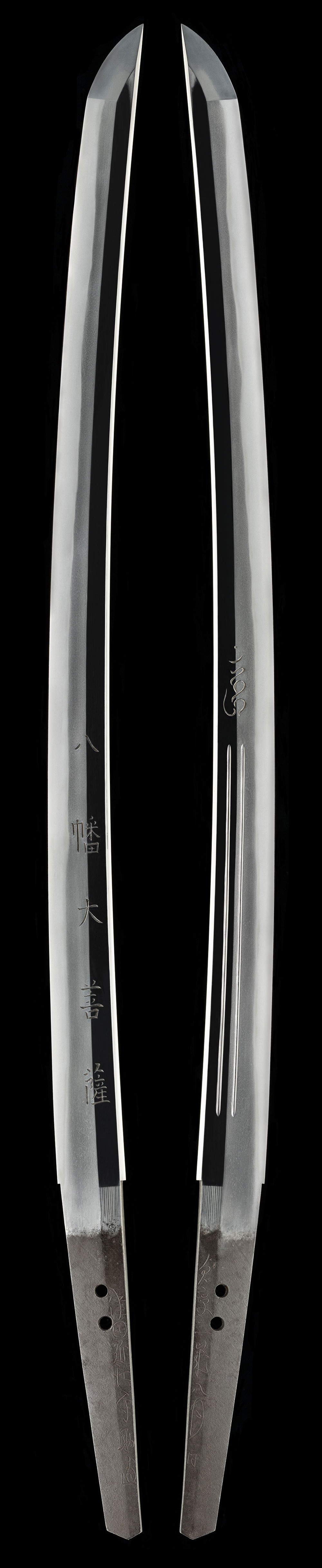
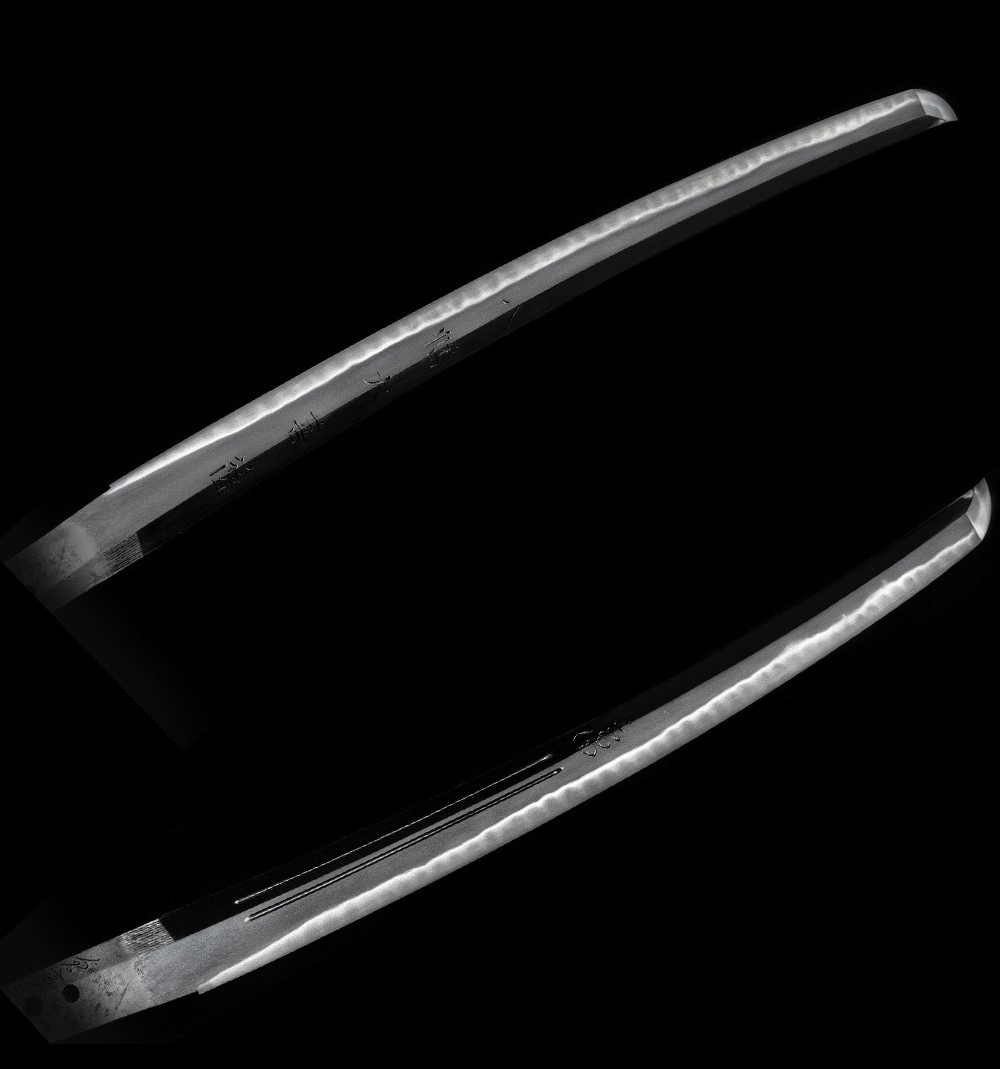
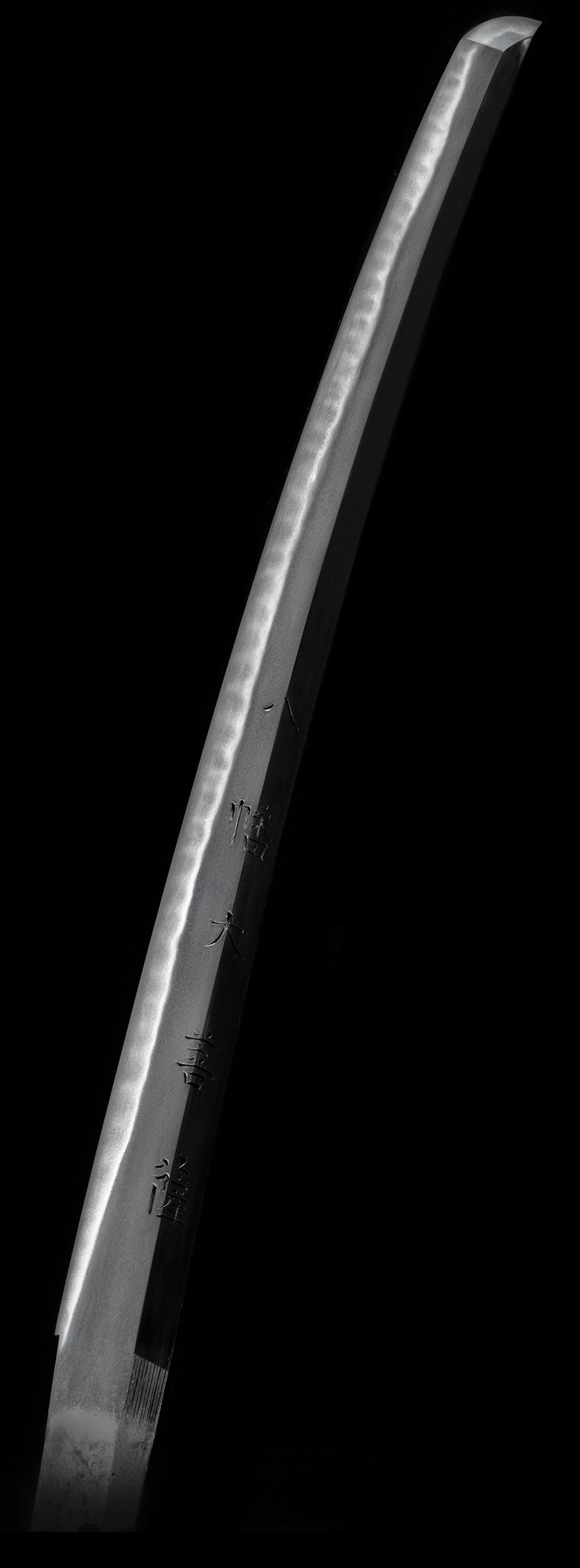
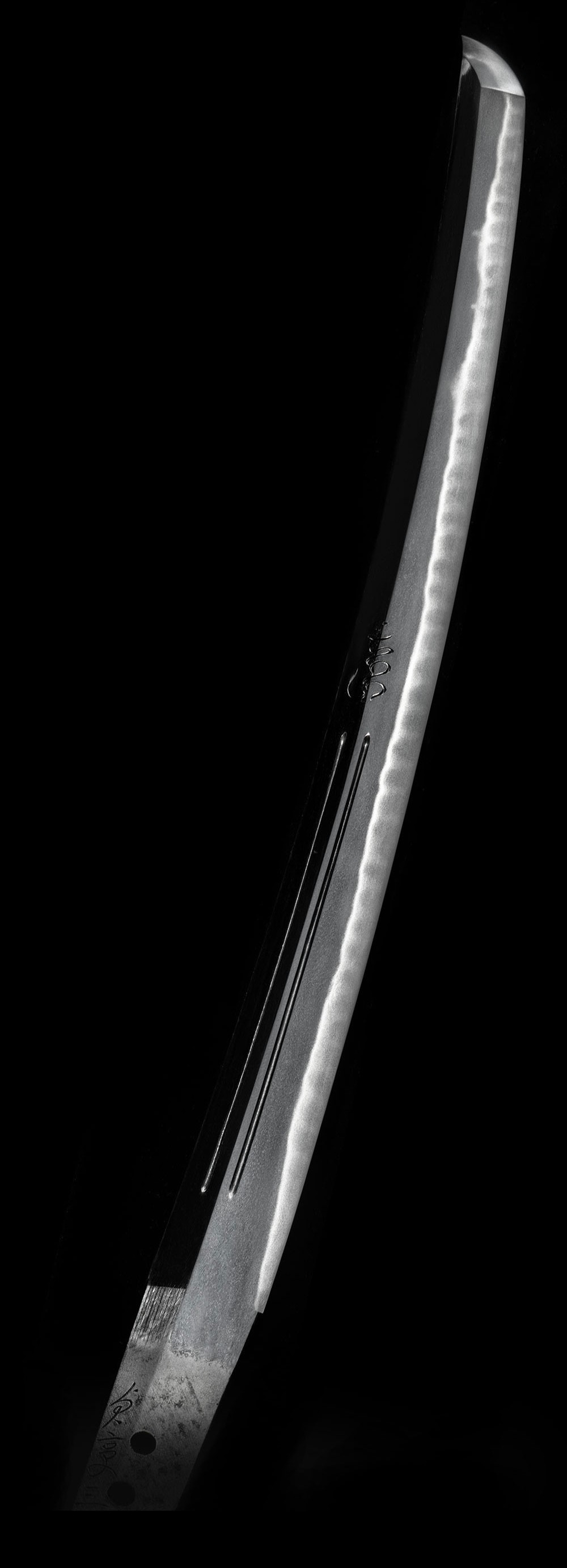
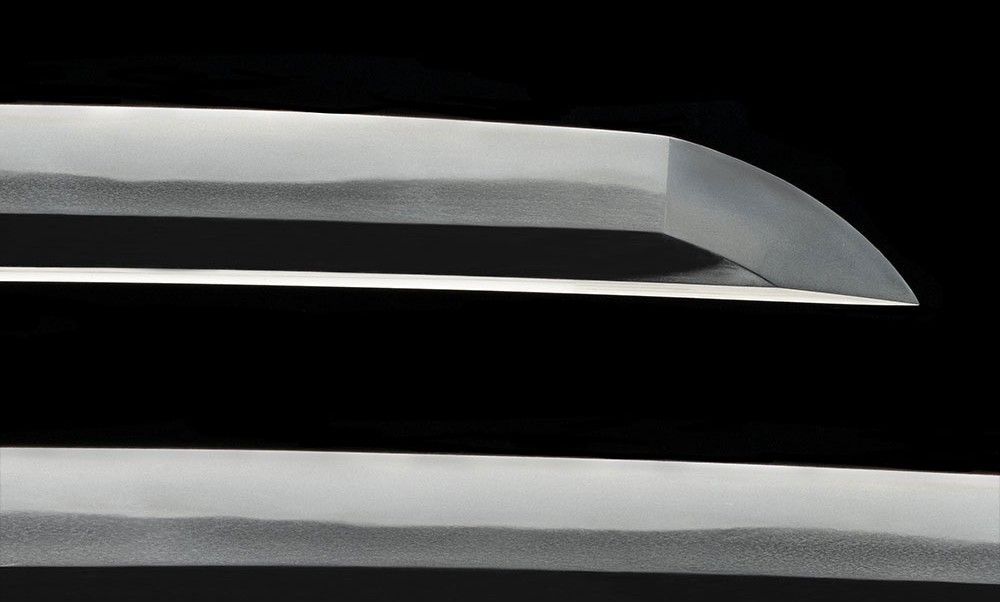
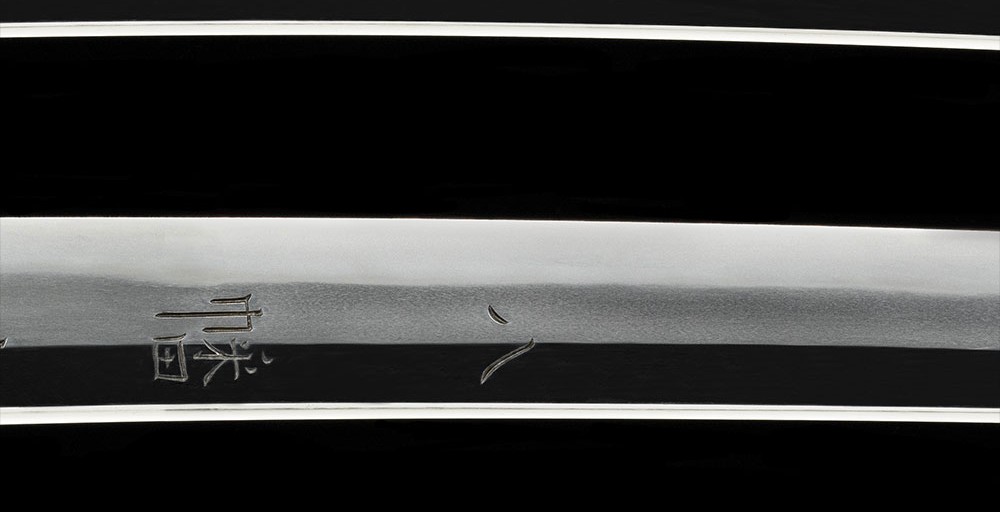
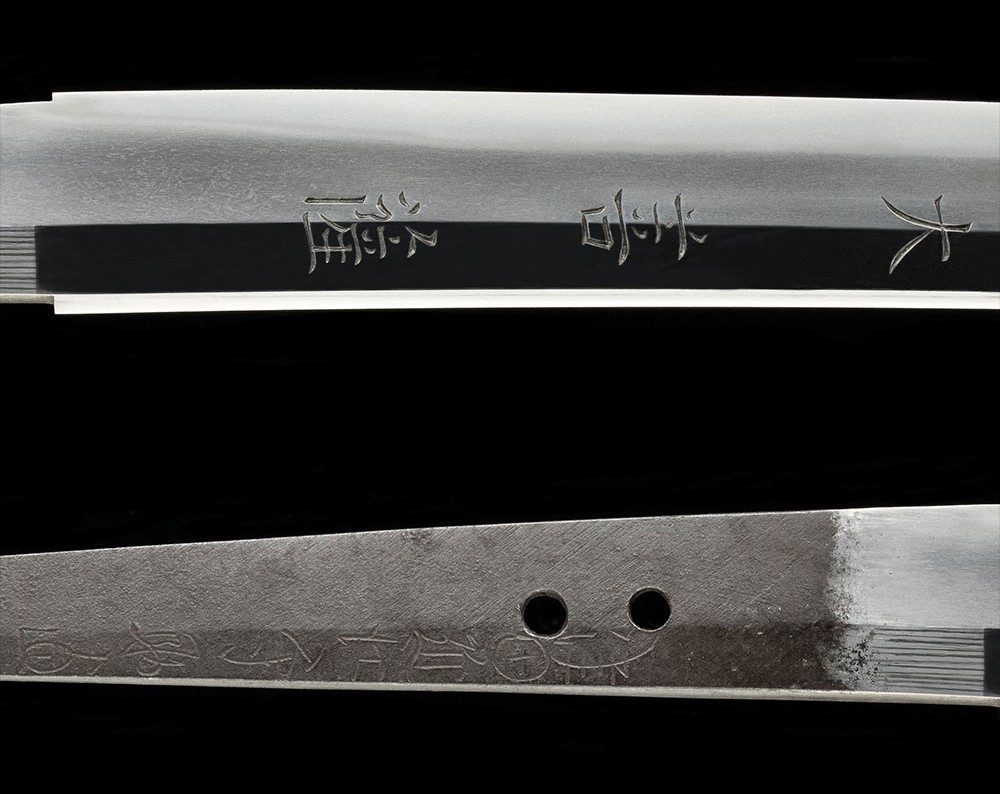
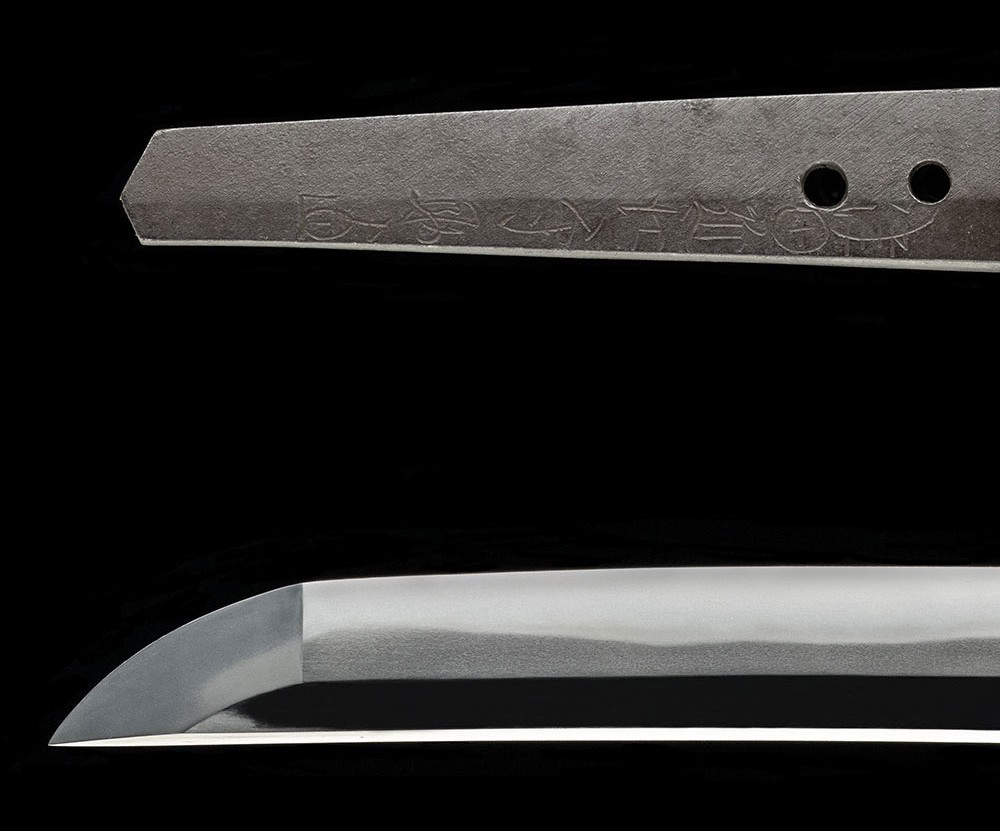
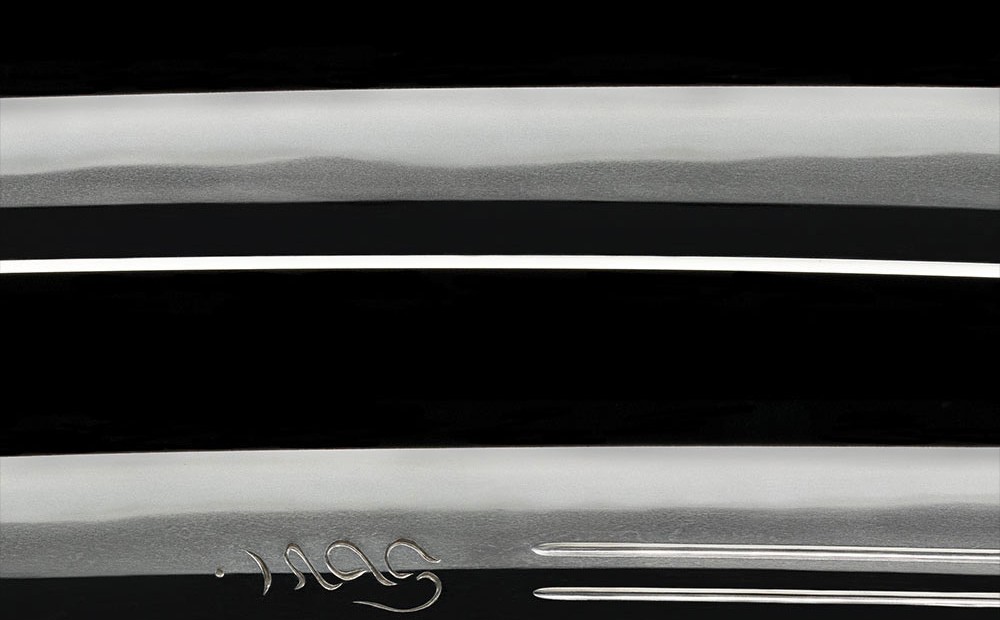
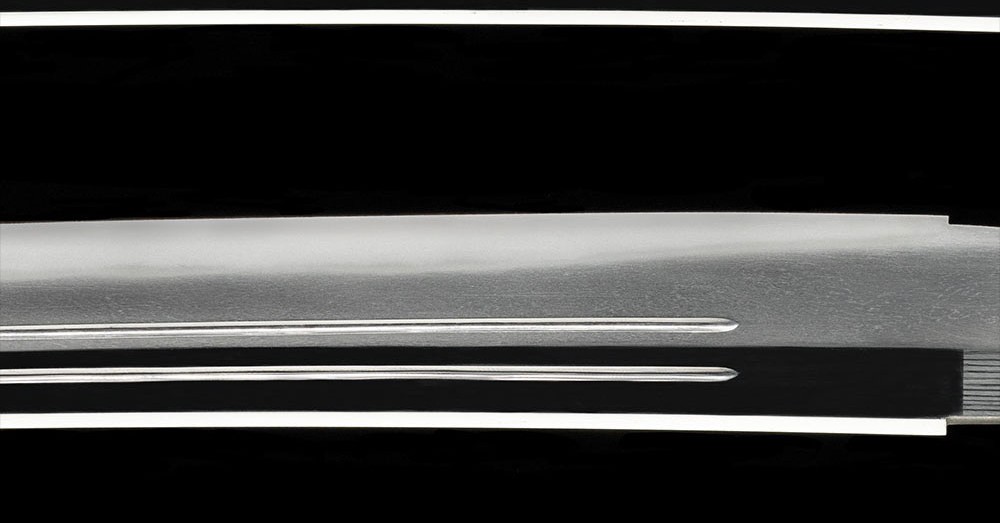
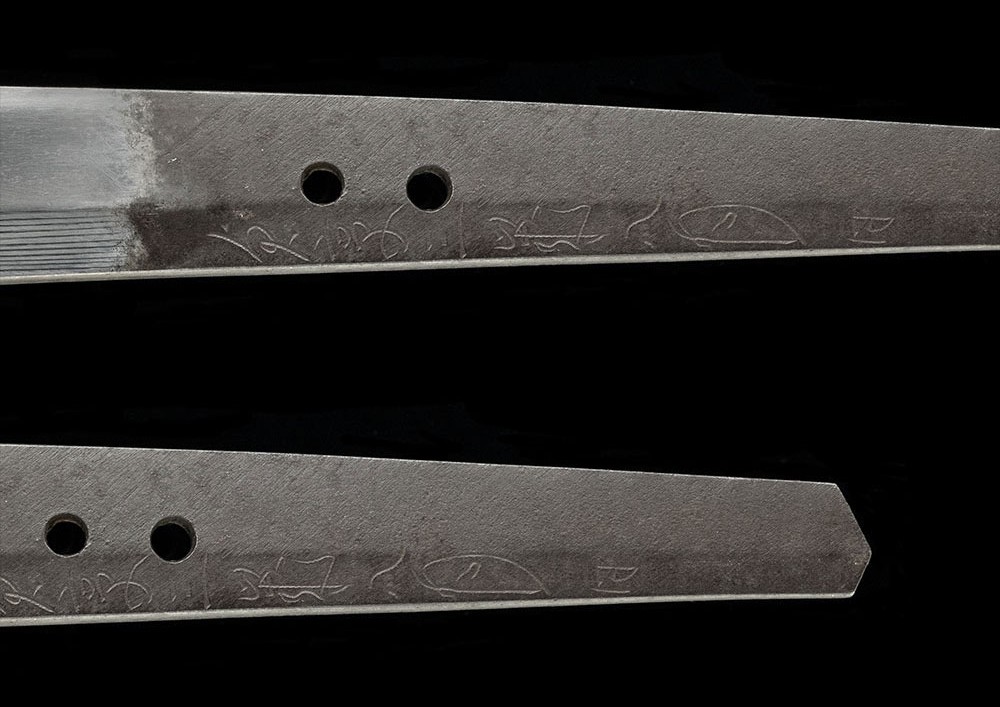
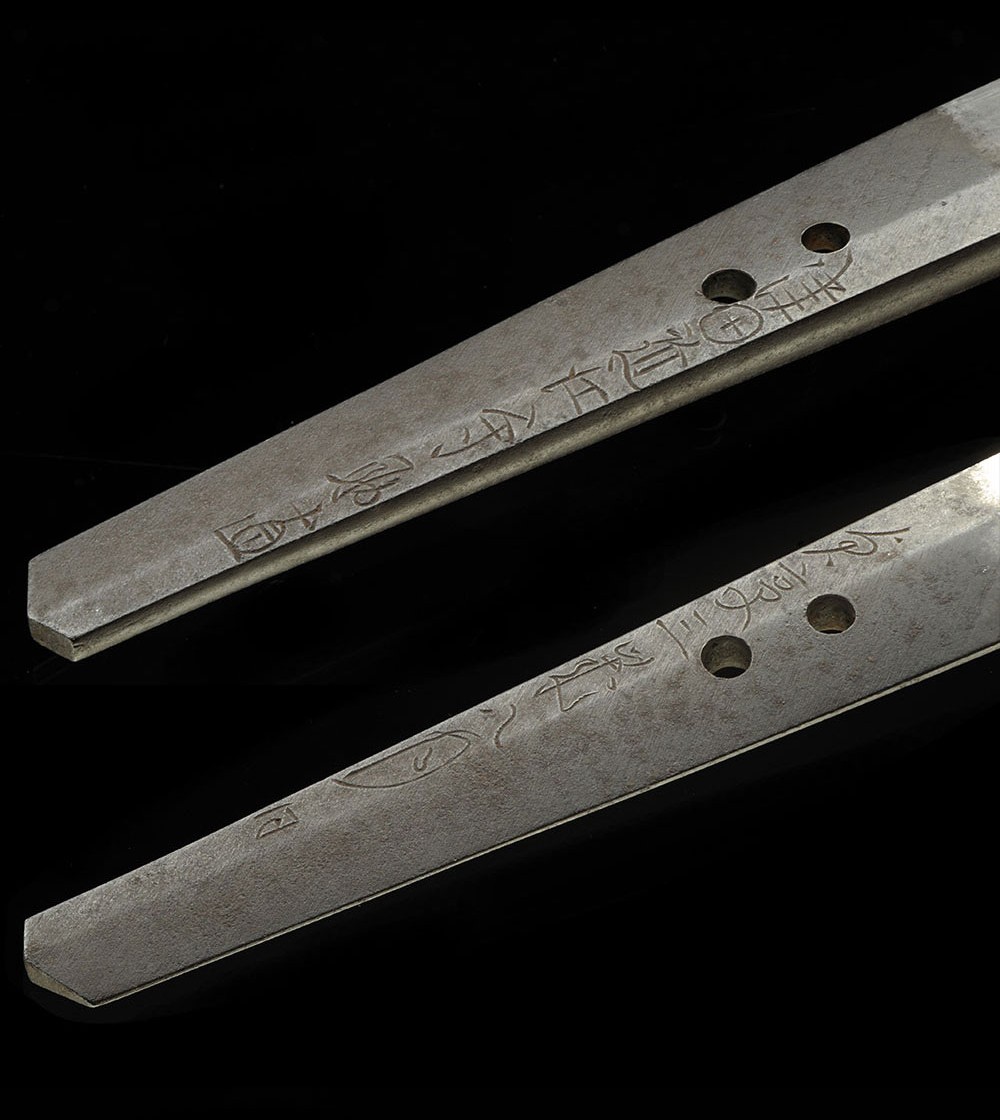
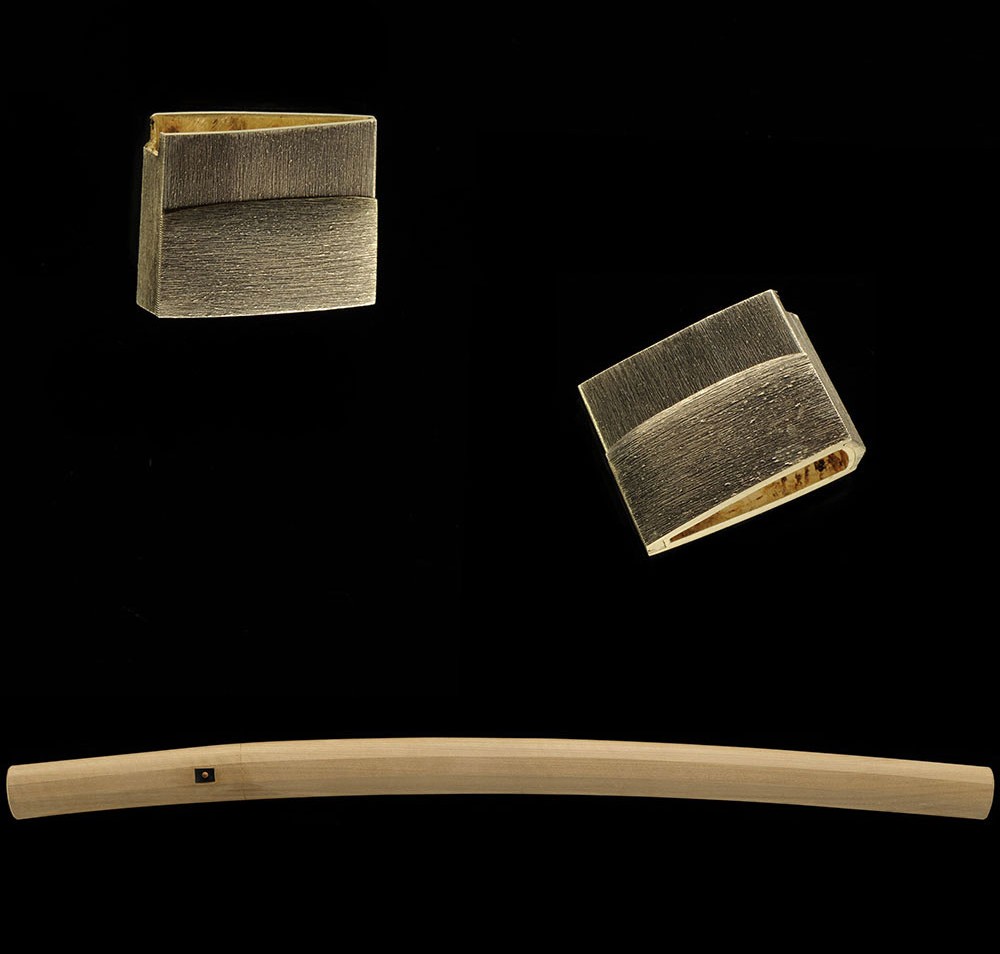
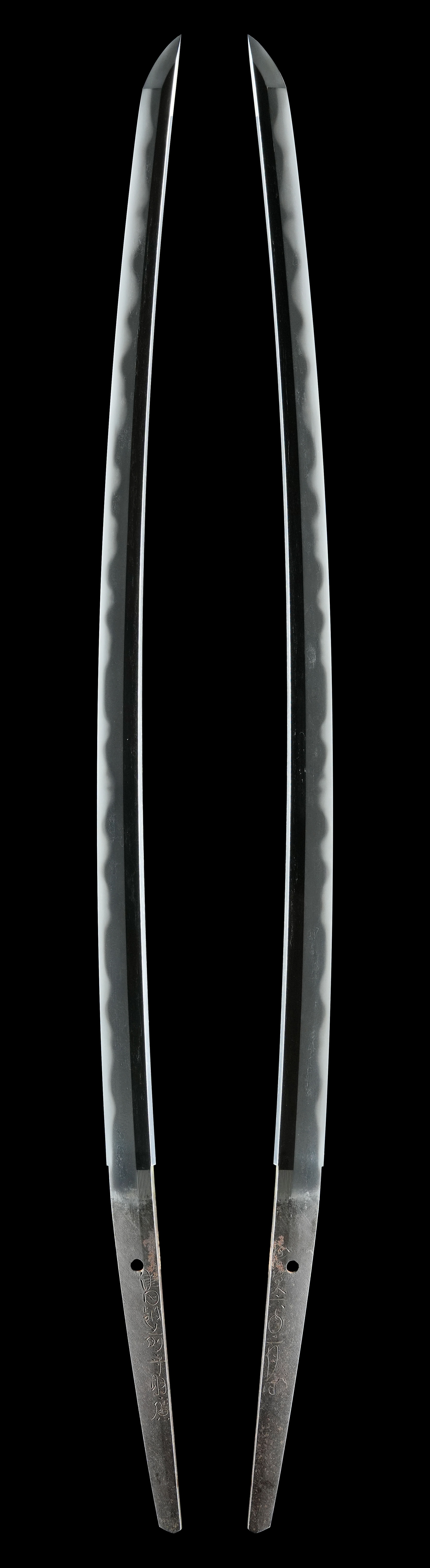
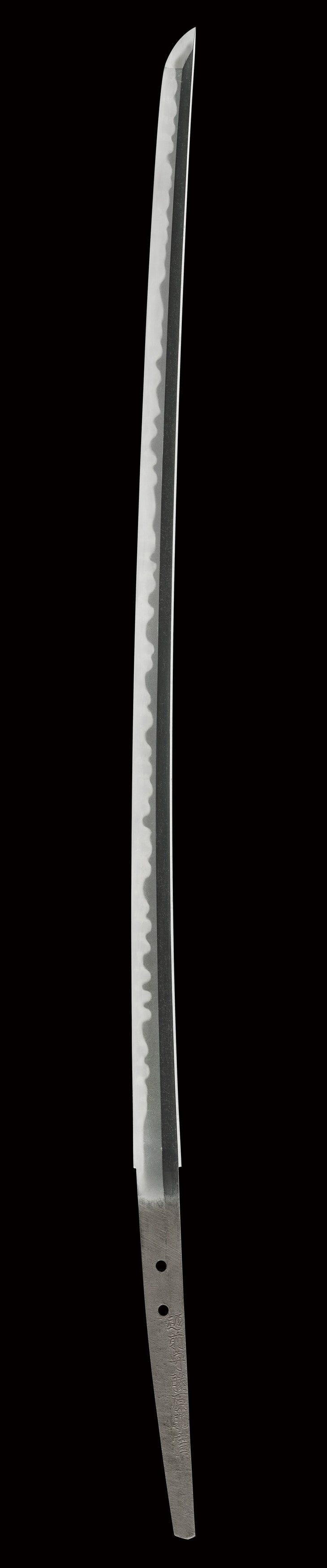
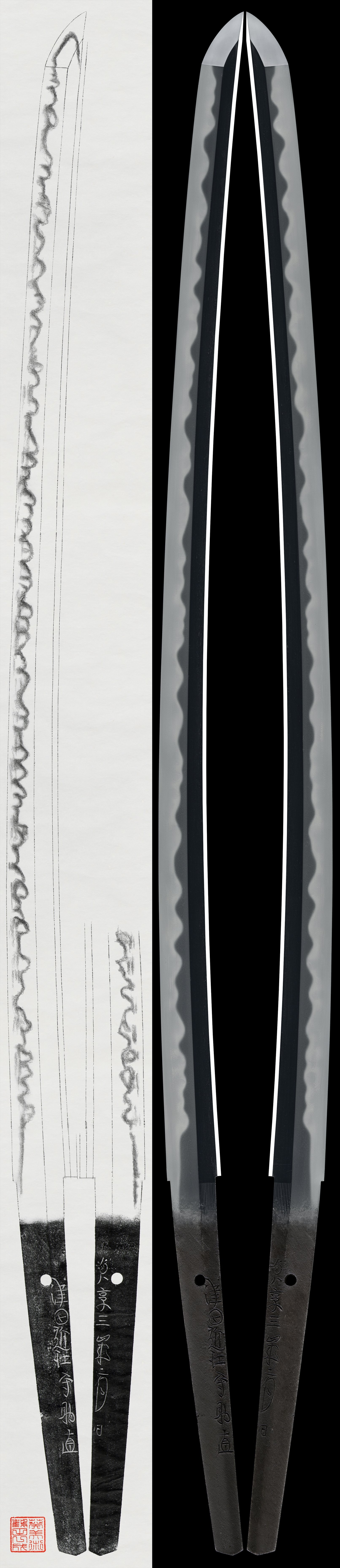
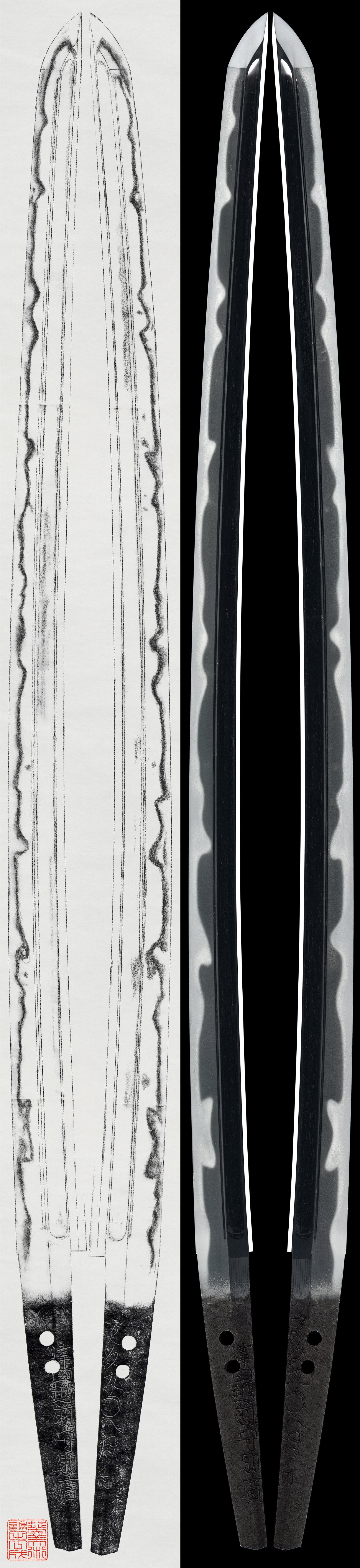
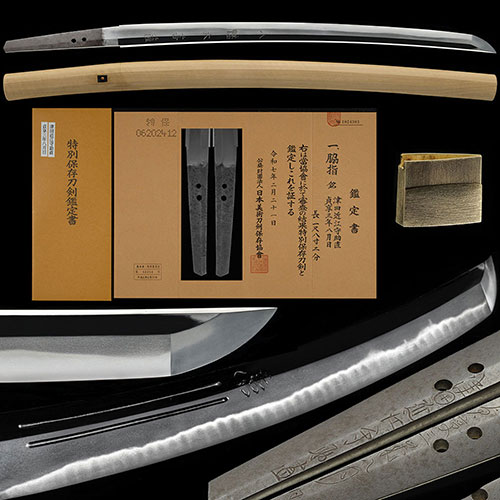
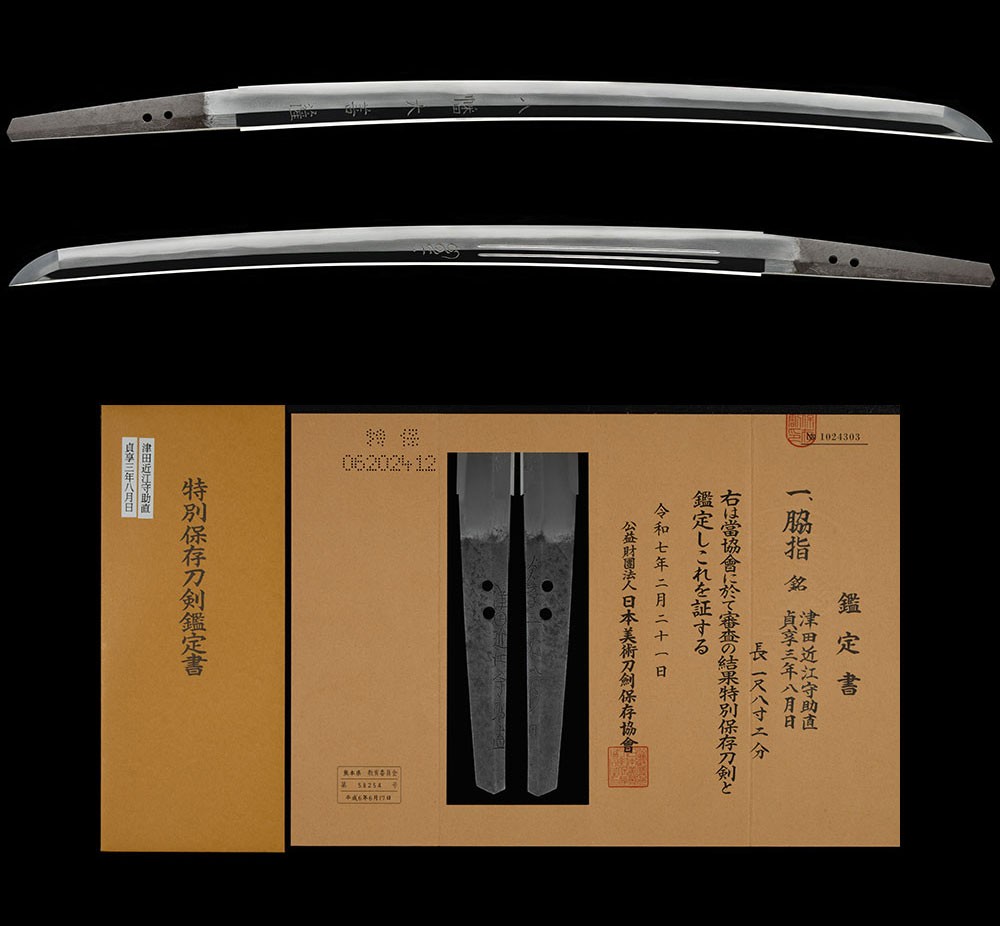
This is a masterpiece wakizashi by Tsuda Ouminokami Sukenao, made when he was 48 years old. It features a wide mihaba and sakihaba, with a slightly extended kissaki, weighing over 650g. The jigane is bright and clear with mixed mokume and small itamehada, and the hamon is a notare with mixed small gunome, deep nie, kinsuji, and sunagashi, creating a bright and clear nioikuchi. It comes with Tokubetsu Hozon certification.

NihontoWatch MonNihontoWatch
MarketEncyclopediaKantei
Swords›Sukehiro›Oumi›Wakizashi: Tsuda Ouminokami Sukenao - Tokubetsu Hozon Token
wakizashiTokubetsu Hozon
Sukehiro School

Wakizashi: Tsuda Ouminokami Sukenao - Tokubetsu Hozon Token

mei · Shinto · nagasa 55.2cm · sori 1.2cm

¥1,350,000
Visit seller website →
Wakizashi
Could you name the smith from the blade alone? Today’s kantei →
Sukehiro School — 1 of 15
Sukehiro School — 2 of 15
Sukehiro School — 3 of 15
Sukehiro School — 4 of 15
Sukehiro School — 5 of 15
Sukehiro School — 6 of 15
Sukehiro School — 7 of 15
Sukehiro School — 8 of 15
Sukehiro School — 9 of 15
Sukehiro School — 10 of 15
Sukehiro School — 11 of 15
Sukehiro School — 12 of 15
Sukehiro School — 13 of 15
Sukehiro School — 14 of 15
Sukehiro School — 15 of 15
1 / 15
1 / 15
Sukehiro School — 1 of 15Sukehiro School — 2 of 15Sukehiro School — 3 of 15Sukehiro School — 4 of 15Sukehiro School — 5 of 15Sukehiro School — 6 of 15Sukehiro School — 7 of 15Sukehiro School — 8 of 15Sukehiro School — 9 of 15Sukehiro School — 10 of 15Sukehiro School — 11 of 15Sukehiro School — 12 of 15Sukehiro School — 13 of 15Sukehiro School — 14 of 15Sukehiro School — 15 of 15
Wakizashi
Could you name the smith from the blade alone? Today’s kantei →
Measurements & details
Smith
Sukehiro School
Type
Wakizashi
School
Sukehiro
Period
Shinto(1648-1681)
Province
Oumi
Signature
Signed
Measurements
Nagasa 55.2cmSori 1.2cmMotohaba 3.3cmSakihaba 2.4cmKasane 0.82cmWeight 652g
Description

This is a masterpiece wakizashi by Tsuda Ouminokami Sukenao, made when he was 48 years old. It features a wide mihaba and sakihaba, with a slightly extended kissaki, weighing over 650g. The jigane is bright and clear with mixed mokume and small itamehada, and the hamon is a notare with mixed small gunome, deep nie, kinsuji, and sunagashi, creating a bright and clear nioikuchi. It comes with Tokubetsu Hozon certification.

About the school

Sukehiro

助広

Shinto · Settsu

26 pieces on the market now

›

The Sukehiro line worked in Osaka through the middle decades of the Edo period, its center of gravity in the Kanbun and Enpō years when the city's swordsmiths set the fashion for the age. The first generation, traditionally said to have begun as a kazūchi (mass-production) smith of Tsuda in Kokuga-shō, Harima, went to Osaka and studied under the first-generation Kawachi no Kami Kunisuke; from the added inscription sōhorō on his signed blades he is commonly called Soboro Sukehiro. Because Kunisuke came from the Ishidō lineage, the first generation's chōji-midare, with a tendency toward a tight nioiguchi and ko-nie mixing ashi and yō, reads at a glance as Ishidō work, though the brightness of his nioiguchi already surpasses that of other Ishidō smiths. The second generation, Tsuda Echizen no Kami Sukehiro, was born in Kan'ei 14 (1637) at Uchide in Settsu, common name Jinnojō; he became his master's adopted son, received the title Echizen no Kami in Meireki 3 (1657), and in Kanbun 7 (1667) entered the service of Aoyama Inaba no Kami Munetoshi, castellan of Osaka Castle. His chief pupil, Tsuda Ōmi no Kami Sukenao of Takagi in Ōmi, later married into the family and carried the manner forward. Across the line the jigane is a tightly forged Osaka ko-itame-hada in which fine, dust-like ji-nie adheres thickly and minute chikei enter, the steel reading clear and bright. The second generation's career describes a single arc through the setsumei: early chōji-midare in the Ishidō manner, then gunome-midare, and finally the tōran-midare he originated, the billowing-wave temper for which the name is known. His mature blades open with a straight yakidashi at the base and rise into a large gunome and chōji in the tōran sweep, ashi entering, the nioi deep, ko-nie adhering thickly, kinsuji and sunagashi running, the nioiguchi bright and clear.

His suguha drew equal regard, set beside that of Inoue Shinkai as the twin peak of Osaka shintō: here the nie particles fall finer and more evenly than Shinkai's, the temper carries a shallow five-fold notare and broadens from below the yokote, and the habuchi shows minute activity likened to the fine tearing of hōsho paper. Muneyaki and bead-like tobiyaki appear in places. The progress of the signature, from the angular kaku-Tsuda gyōsho to the rounded maru-Tsuda sōsho adopted from Enpō 2 (1674), itself marks the deepening conviction of his tōran. Sukenao inherited the tōran-midare faithfully and also worked in gunome-midare and notare-suguha, his best pieces approaching the master so closely that they call him to mind at a glance. A collector reads a Sukehiro blade by these points: the cleanly packed Osaka ko-itame without the least looseness, the suguha yakidashi at the base, the deep and luminous nioiguchi, and, above all, the regular cadence of the tōran wave with its evenly seated nie. The line carries documentary as well as aesthetic weight. The great Enpō 6 tachi called Murasame, forged at Aoyama Munetoshi's command and kept by the Aoyama house for rain-prayer rites, bears Buddhist bonji and horimono attributed to the carver Nagasaka Yū, Hōken; a surviving gassaku with Inoue Shinkai, praised in Kamata Gyomyō's Shintō Bengi, stands among the essential documents of Osaka shintō. Ranked in his own day beside Nagasone Kotetsu of Edo and Shinkai of Osaka, the second-generation Sukehiro gave the shintō period one of its enduring signature styles, and the line of his pupils kept the bright Osaka hand and the tōran wave in circulation after his death in Tenna 2 (1682). Learn more →

3 recorded smiths172 designated works
Leading smiths
SmithEraDesignated
Sukehiro助廣1657-1682103
Sukenao助直1668-169365
Takato高任1673-16810
Suketaka助高1661-16730
Sukehiro助廣1684-16880
Explore the Sukehiro school →

Historical context

Ōsaka: swords for the merchant capital

›

Ōsaka was the merchant capital, and its swords followed the money: luxury wakizashi for townsmen permitted no more than one, and the brilliant showpieces of Sukehiro’s tōranba and of Shinkai, called the Ōsaka Masamune. Swords made, frankly, to be looked at.

Ōsaka: swords for the merchant capital →

NBTHK Certificate
Tokubetsu Hozon Tōken特別保存刀剣
Sword Especially Worthy of Preservation
›

A Hozon-certified blade judged to show notably superior workmanship and a better state of preservation. The bar is higher: re-tempered blades and most unsigned Muromachi/Edo works are excluded.

About the NBTHK›

The NBTHK (Nihon Bijutsu Tōken Hozon Kyōkai, the Society for the Preservation of Japanese Art Swords) is a public-interest incorporated foundation founded in 1948 and supervised by Japan’s Agency for Cultural Affairs (Bunkachō); it is based at the Japanese Sword Museum in Tokyo. Its expert panels physically examine each submitted work (shinsa) and issue a certificate (kanteishō) ranking it by artistic and historical merit. NBTHK papers are the most widely recognized standard of authentication for Japanese swords and fittings.

NBTHK official site→
Seller
E
Eirakudo
🇯🇵Ships from Japan
›
✓Verified dealereirakudo.shop
Settles in JPY
✓Ships worldwide✓English supportWire transferCredit card
Return policy

Returns/exchanges/cancellations not accepted after shipment except for significant defects; if defective, return/exchange possible within 3 days of arrival (return shipping paid by customer).

View all of Eirakudo’s listings→View this item on the dealer’s site→

Previously sold — Sukehiro School

View all →
Samurai Store
Hozon
Katana - Hozon - by Sukehiro School - Sukehiro - Antique sword in ornate mountingsKatana - Hozon - by Sukehiro School - Sukehiro - Antique sword in ornate mountings
Sold

Katana

BySukehiro School
SOLD

More from the Sukehiro school

View all →
Choshuya
Tokuho
Wakizashi - Tokuho - by Sukehiro - Echizen no Kami Sukehiro (2nd Gen.)Wakizashi - Tokuho - by Sukehiro - Echizen no Kami Sukehiro (2nd Gen.)

Wakizashi

BySukehiro
Ask
Toushin
Tokuho
Katana - Tokuho - by Sukehiro - Tsuda Echizen no Kami Sukehiro - Dated March, Enpo 6 (1678)Katana - Tokuho - by Sukehiro - Tsuda Echizen no Kami Sukehiro - Dated March, Enpo 6 (1678)

Katana

BySukehiro
Ask
Token Bizenya
Jūyō
Wakizashi - Jūyō - by Sukehiro - Tsuda Echizen no Kami SukehiroWakizashi - Jūyō - by Sukehiro - Tsuda Echizen no Kami Sukehiro

Wakizashi

BySukehiro
Ask
Samurai Nippon
Tokuho
Katana - Tokuho - by Sukehiro - Echizen no Kami Fujiwara Sukehiro (2nd Gen. Sukehiro, early signature)Katana - Tokuho - by Sukehiro - Echizen no Kami Fujiwara Sukehiro (2nd Gen. Sukehiro, early signature)

Katana

BySukehiro
¥2,300,000
Bushido Antique Japanese Swords
Tokuho
Katana - Tokuho - by Sukehiro - Tsuda Echizen No Kami Sukehiro DaitoKatana - Tokuho - by Sukehiro - Tsuda Echizen No Kami Sukehiro Daito

Katana

BySukehiro
¥35,000
Aoi Art
Tokuho
Katana - Tokuho - by Sukehiro Sukenao - Tsuda Omi Kami SukenaoKatana - Tokuho - by Sukehiro Sukenao - Tsuda Omi Kami Sukenao

Katana

BySukehiro Sukenao
¥3,300,000
Kanda Toukodo
Tokuho
Katana - Tokuho - by Sukehiro Sukenao - Omi no Kami Takagi Ju SukenaoKatana - Tokuho - by Sukehiro Sukenao - Omi no Kami Takagi Ju Sukenao

Katana

BySukehiro Sukenao
¥2,800,000
Aoi Art
Tokuho
Daisho - Tokuho - by Sukehiro - Daisho: Tsuda Sukehiro and Osafune YasumitsuDaisho - Tokuho - by Sukehiro - Daisho: Tsuda Sukehiro and Osafune Yasumitsu

Daishō

BySukehiro
¥3,500,000

Swords

  • Katana
  • Wakizashi
  • Tantō
  • Tachi
  • Naginata
  • Yari
  • Japanese Swords
  • Samurai Swords

Fittings

  • Tsuba
  • Fuchi-Kashira
  • Kozuka
  • Menuki
  • Sword Guards (Tsuba)

Armor

  • Kabuto
  • Samurai Armor
  • All Samurai Armor

By Certification

  • Tokujū
  • Jūyō
  • Tokuho
  • Hozon

Resources

  • Dealer Directory
  • Artist Directory
  • The Daily Kantei
  • Glossary
  • Browse All
Nihontowatch© 2026
TermsPrivacyCookiesAbout

¥1,350,000

View on Eirakudo

Description

This is a masterpiece wakizashi by Tsuda Ouminokami Sukenao, made when he was 48 years old. It features a wide mihaba and sakihaba, with a slightly extended kissaki, weighing over 650g. The jigane is bright and clear with mixed mokume and small itamehada, and the hamon is a notare with mixed small gunome, deep nie, kinsuji, and sunagashi, creating a bright and clear nioikuchi. It comes with Tokubetsu Hozon certification.

NihontoWatch MonNihontoWatch
MarketEncyclopediaKantei
Swords›Sukehiro›Oumi›Wakizashi: Tsuda Ouminokami Sukenao - Tokubetsu Hozon Token
wakizashiTokubetsu Hozon
Sukehiro School

Wakizashi: Tsuda Ouminokami Sukenao - Tokubetsu Hozon Token

mei · Shinto · nagasa 55.2cm · sori 1.2cm

¥1,350,000
Visit seller website →
Wakizashi
Could you name the smith from the blade alone? Today’s kantei →
Sukehiro School — 1 of 15
Sukehiro School — 2 of 15
Sukehiro School — 3 of 15
Sukehiro School — 4 of 15
Sukehiro School — 5 of 15
Sukehiro School — 6 of 15
Sukehiro School — 7 of 15
Sukehiro School — 8 of 15
Sukehiro School — 9 of 15
Sukehiro School — 10 of 15
Sukehiro School — 11 of 15
Sukehiro School — 12 of 15
Sukehiro School — 13 of 15
Sukehiro School — 14 of 15
Sukehiro School — 15 of 15
1 / 15
1 / 15
Sukehiro School — 1 of 15Sukehiro School — 2 of 15Sukehiro School — 3 of 15Sukehiro School — 4 of 15Sukehiro School — 5 of 15Sukehiro School — 6 of 15Sukehiro School — 7 of 15Sukehiro School — 8 of 15Sukehiro School — 9 of 15Sukehiro School — 10 of 15Sukehiro School — 11 of 15Sukehiro School — 12 of 15Sukehiro School — 13 of 15Sukehiro School — 14 of 15Sukehiro School — 15 of 15
Wakizashi
Could you name the smith from the blade alone? Today’s kantei →
Measurements & details
Smith
Sukehiro School
Type
Wakizashi
School
Sukehiro
Period
Shinto(1648-1681)
Province
Oumi
Signature
Signed
Measurements
Nagasa 55.2cmSori 1.2cmMotohaba 3.3cmSakihaba 2.4cmKasane 0.82cmWeight 652g
Description

This is a masterpiece wakizashi by Tsuda Ouminokami Sukenao, made when he was 48 years old. It features a wide mihaba and sakihaba, with a slightly extended kissaki, weighing over 650g. The jigane is bright and clear with mixed mokume and small itamehada, and the hamon is a notare with mixed small gunome, deep nie, kinsuji, and sunagashi, creating a bright and clear nioikuchi. It comes with Tokubetsu Hozon certification.

About the school

Sukehiro

助広

Shinto · Settsu

26 pieces on the market now

›

The Sukehiro line worked in Osaka through the middle decades of the Edo period, its center of gravity in the Kanbun and Enpō years when the city's swordsmiths set the fashion for the age. The first generation, traditionally said to have begun as a kazūchi (mass-production) smith of Tsuda in Kokuga-shō, Harima, went to Osaka and studied under the first-generation Kawachi no Kami Kunisuke; from the added inscription sōhorō on his signed blades he is commonly called Soboro Sukehiro. Because Kunisuke came from the Ishidō lineage, the first generation's chōji-midare, with a tendency toward a tight nioiguchi and ko-nie mixing ashi and yō, reads at a glance as Ishidō work, though the brightness of his nioiguchi already surpasses that of other Ishidō smiths. The second generation, Tsuda Echizen no Kami Sukehiro, was born in Kan'ei 14 (1637) at Uchide in Settsu, common name Jinnojō; he became his master's adopted son, received the title Echizen no Kami in Meireki 3 (1657), and in Kanbun 7 (1667) entered the service of Aoyama Inaba no Kami Munetoshi, castellan of Osaka Castle. His chief pupil, Tsuda Ōmi no Kami Sukenao of Takagi in Ōmi, later married into the family and carried the manner forward. Across the line the jigane is a tightly forged Osaka ko-itame-hada in which fine, dust-like ji-nie adheres thickly and minute chikei enter, the steel reading clear and bright. The second generation's career describes a single arc through the setsumei: early chōji-midare in the Ishidō manner, then gunome-midare, and finally the tōran-midare he originated, the billowing-wave temper for which the name is known. His mature blades open with a straight yakidashi at the base and rise into a large gunome and chōji in the tōran sweep, ashi entering, the nioi deep, ko-nie adhering thickly, kinsuji and sunagashi running, the nioiguchi bright and clear.

His suguha drew equal regard, set beside that of Inoue Shinkai as the twin peak of Osaka shintō: here the nie particles fall finer and more evenly than Shinkai's, the temper carries a shallow five-fold notare and broadens from below the yokote, and the habuchi shows minute activity likened to the fine tearing of hōsho paper. Muneyaki and bead-like tobiyaki appear in places. The progress of the signature, from the angular kaku-Tsuda gyōsho to the rounded maru-Tsuda sōsho adopted from Enpō 2 (1674), itself marks the deepening conviction of his tōran. Sukenao inherited the tōran-midare faithfully and also worked in gunome-midare and notare-suguha, his best pieces approaching the master so closely that they call him to mind at a glance. A collector reads a Sukehiro blade by these points: the cleanly packed Osaka ko-itame without the least looseness, the suguha yakidashi at the base, the deep and luminous nioiguchi, and, above all, the regular cadence of the tōran wave with its evenly seated nie. The line carries documentary as well as aesthetic weight. The great Enpō 6 tachi called Murasame, forged at Aoyama Munetoshi's command and kept by the Aoyama house for rain-prayer rites, bears Buddhist bonji and horimono attributed to the carver Nagasaka Yū, Hōken; a surviving gassaku with Inoue Shinkai, praised in Kamata Gyomyō's Shintō Bengi, stands among the essential documents of Osaka shintō. Ranked in his own day beside Nagasone Kotetsu of Edo and Shinkai of Osaka, the second-generation Sukehiro gave the shintō period one of its enduring signature styles, and the line of his pupils kept the bright Osaka hand and the tōran wave in circulation after his death in Tenna 2 (1682). Learn more →
3 recorded smiths172 designated works
Leading smiths
SmithEraDesignated
Sukehiro助廣1657-1682103
Sukenao助直1668-169365
Takato高任1673-16810
Suketaka助高1661-16730
Sukehiro助廣1684-16880
Explore the Sukehiro school →

Historical context

Ōsaka: swords for the merchant capital

›

Ōsaka was the merchant capital, and its swords followed the money: luxury wakizashi for townsmen permitted no more than one, and the brilliant showpieces of Sukehiro’s tōranba and of Shinkai, called the Ōsaka Masamune. Swords made, frankly, to be looked at.

Ōsaka: swords for the merchant capital →

NBTHK Certificate
Tokubetsu Hozon Tōken特別保存刀剣
Sword Especially Worthy of Preservation
›

A Hozon-certified blade judged to show notably superior workmanship and a better state of preservation. The bar is higher: re-tempered blades and most unsigned Muromachi/Edo works are excluded.

About the NBTHK›

The NBTHK (Nihon Bijutsu Tōken Hozon Kyōkai, the Society for the Preservation of Japanese Art Swords) is a public-interest incorporated foundation founded in 1948 and supervised by Japan’s Agency for Cultural Affairs (Bunkachō); it is based at the Japanese Sword Museum in Tokyo. Its expert panels physically examine each submitted work (shinsa) and issue a certificate (kanteishō) ranking it by artistic and historical merit. NBTHK papers are the most widely recognized standard of authentication for Japanese swords and fittings.

NBTHK official site→
Seller
E
Eirakudo
🇯🇵Ships from Japan
›
✓Verified dealereirakudo.shop
Settles in JPY
✓Ships worldwide✓English supportWire transferCredit card
Return policy

Returns/exchanges/cancellations not accepted after shipment except for significant defects; if defective, return/exchange possible within 3 days of arrival (return shipping paid by customer).

View all of Eirakudo’s listings→View this item on the dealer’s site→

Previously sold — Sukehiro School

View all →
Samurai Store
Hozon
Katana - Hozon - by Sukehiro School - Sukehiro - Antique sword in ornate mountingsKatana - Hozon - by Sukehiro School - Sukehiro - Antique sword in ornate mountings
Sold

Katana

BySukehiro School
SOLD

More from the Sukehiro school

View all →
Choshuya
Tokuho
Wakizashi - Tokuho - by Sukehiro - Echizen no Kami Sukehiro (2nd Gen.)Wakizashi - Tokuho - by Sukehiro - Echizen no Kami Sukehiro (2nd Gen.)

Wakizashi

BySukehiro
Ask
Toushin
Tokuho
Katana - Tokuho - by Sukehiro - Tsuda Echizen no Kami Sukehiro - Dated March, Enpo 6 (1678)Katana - Tokuho - by Sukehiro - Tsuda Echizen no Kami Sukehiro - Dated March, Enpo 6 (1678)

Katana

BySukehiro
Ask
Token Bizenya
Jūyō
Wakizashi - Jūyō - by Sukehiro - Tsuda Echizen no Kami SukehiroWakizashi - Jūyō - by Sukehiro - Tsuda Echizen no Kami Sukehiro

Wakizashi

BySukehiro
Ask
Samurai Nippon
Tokuho
Katana - Tokuho - by Sukehiro - Echizen no Kami Fujiwara Sukehiro (2nd Gen. Sukehiro, early signature)Katana - Tokuho - by Sukehiro - Echizen no Kami Fujiwara Sukehiro (2nd Gen. Sukehiro, early signature)

Katana

BySukehiro
¥2,300,000
Bushido Antique Japanese Swords
Tokuho
Katana - Tokuho - by Sukehiro - Tsuda Echizen No Kami Sukehiro DaitoKatana - Tokuho - by Sukehiro - Tsuda Echizen No Kami Sukehiro Daito

Katana

BySukehiro
¥35,000
Aoi Art
Tokuho
Katana - Tokuho - by Sukehiro Sukenao - Tsuda Omi Kami SukenaoKatana - Tokuho - by Sukehiro Sukenao - Tsuda Omi Kami Sukenao

Katana

BySukehiro Sukenao
¥3,300,000
Kanda Toukodo
Tokuho
Katana - Tokuho - by Sukehiro Sukenao - Omi no Kami Takagi Ju SukenaoKatana - Tokuho - by Sukehiro Sukenao - Omi no Kami Takagi Ju Sukenao

Katana

BySukehiro Sukenao
¥2,800,000
Aoi Art
Tokuho
Daisho - Tokuho - by Sukehiro - Daisho: Tsuda Sukehiro and Osafune YasumitsuDaisho - Tokuho - by Sukehiro - Daisho: Tsuda Sukehiro and Osafune Yasumitsu

Daishō

BySukehiro
¥3,500,000

Swords

  • Katana
  • Wakizashi
  • Tantō
  • Tachi
  • Naginata
  • Yari
  • Japanese Swords
  • Samurai Swords

Fittings

  • Tsuba
  • Fuchi-Kashira
  • Kozuka
  • Menuki
  • Sword Guards (Tsuba)

Armor

  • Kabuto
  • Samurai Armor
  • All Samurai Armor

By Certification

  • Tokujū
  • Jūyō
  • Tokuho
  • Hozon

Resources

  • Dealer Directory
  • Artist Directory
  • The Daily Kantei
  • Glossary
  • Browse All
Nihontowatch© 2026
TermsPrivacyCookiesAbout

¥1,350,000

View on Eirakudo
NihontoWatch MonNihontoWatch
Market
Encyclopedia
Kantei
NihontoWatch MonNihontoWatch
Market
Encyclopedia
Kantei