Around 1800 Suishinshi Masahide argued in his writings that the craft must return to the old masters’ methods: the fukkotō revival. His greatest successor Naotane worked convincingly in Bizen and Sōshū manners that had been dead for centuries.
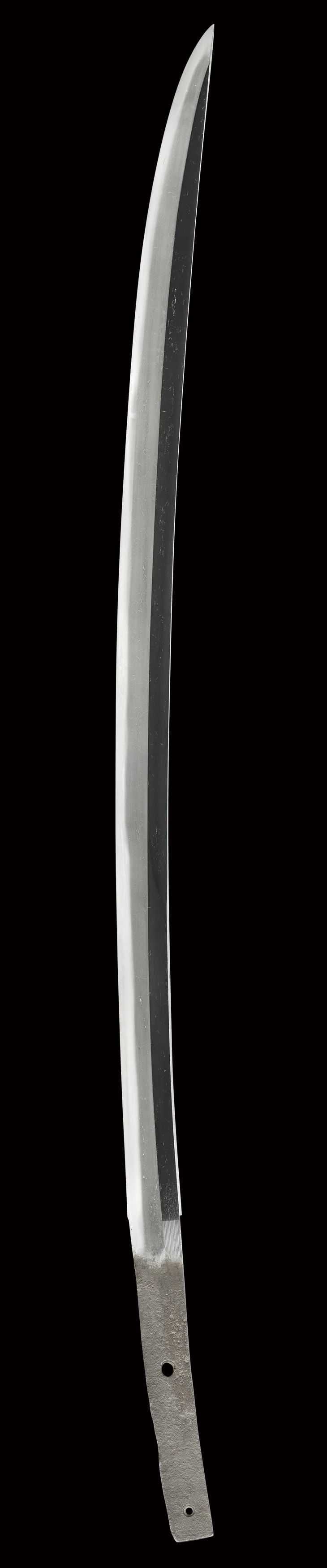
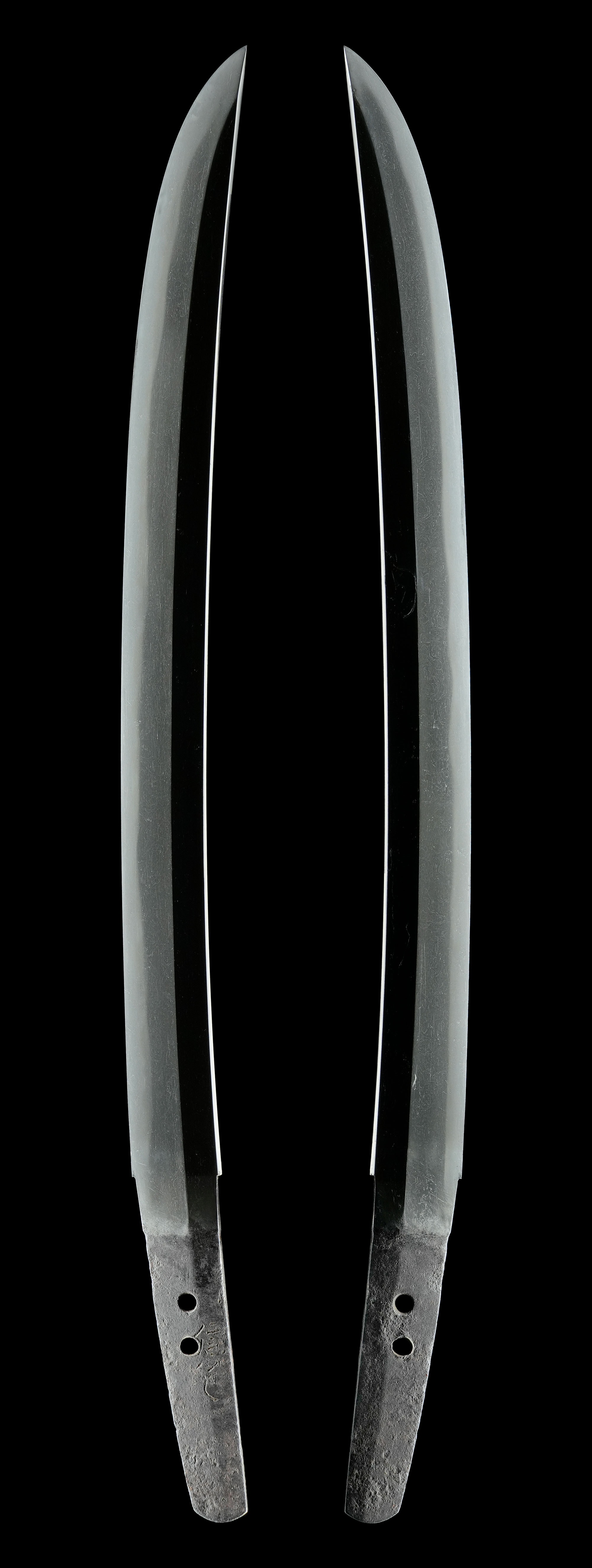
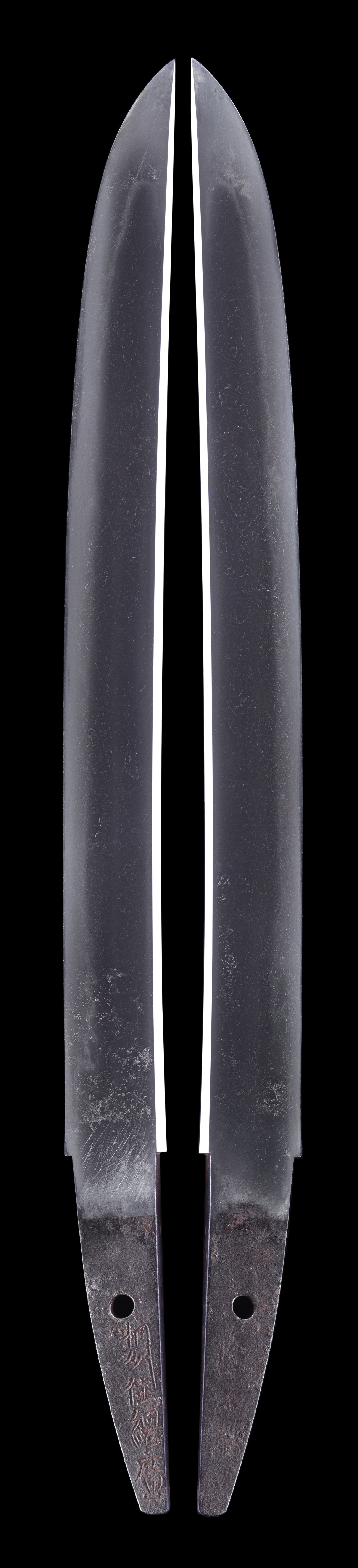
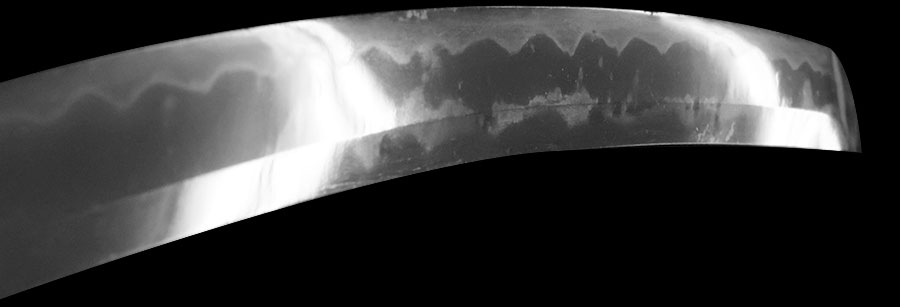
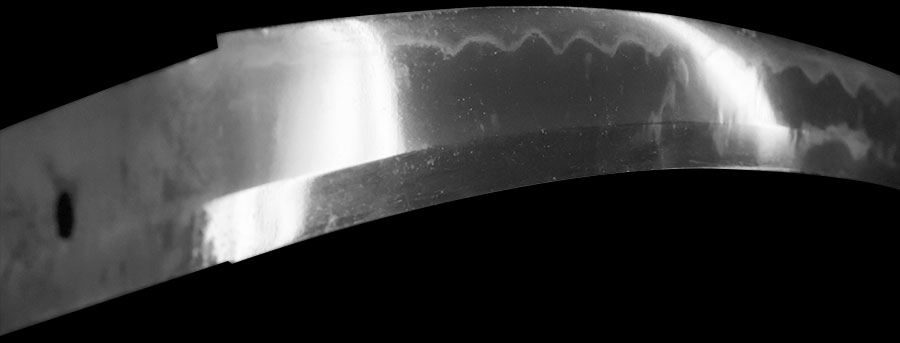
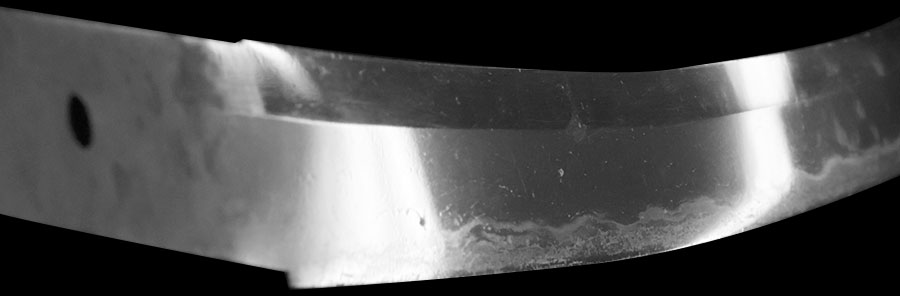
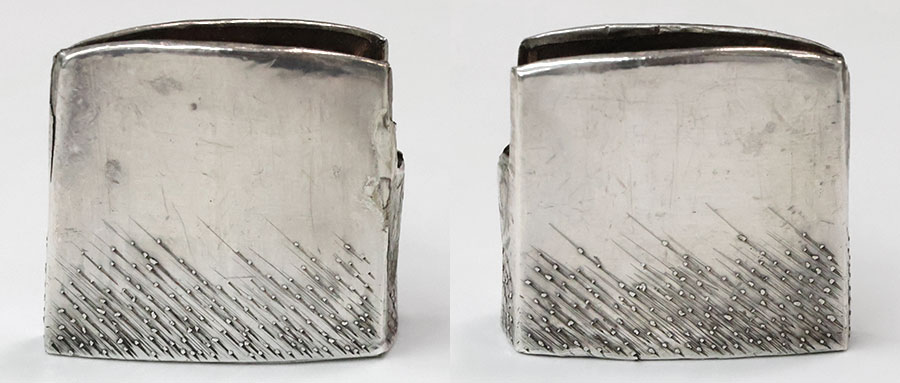
It has appeared, it has appeared! A famous but rare zaimei work by the Bakumatsu swordsmith Ikkansai Yoshihiro, which even I am seeing for the first time. This is a magnificent wakizashi in the style of a Soshu Akihiro utsushi, the kind that everyone desires, recently emerged from an old estate. It is a precious wakizashi, as extant zaimei works by Nakayama Ikkansai Yoshihiro—who was renowned for his Soshu-den forging—are almost never seen. The author of this wakizashi, Nakayama Ikkansai Yoshihiro, was a master who dedicated himself to creating works that evoke the style of high-level Soshu-den smiths; as ancient tradition says, Soshu-den was born through the study and emphasis of Yamato-den. He is a wonderfully popular smith known as a genius of the Bakumatsu period. Yoshihiro was born in the 9th year of Kansei (1797) (229 years ago) during the era of the 11th Shogun Tokugawa Ienari, around the time Ino Tadataka began creating maps of the entire country. He was born in Sayo-no-Nakayama in Suruga (Shizuoka), famous for the Sayo Ichimonji. Later, he went to Mito in Hitachi Province, where he studied the Etchu Norishige tradition of Soshu-den forging under the Mito clan smith Kawatani Noritoshi. He took the name Nakayama Kurando and the go Ikkansai. He was a highly capable smith who was also requested to assist greatly in the construction of Egawa Tarozaemon’s reverberatory furnace in Nirayama, Izu, which is now designated as a UNESCO World Heritage site. During the Tenpo era, he was employed by Lord Matsudaira Yamato-no-kami, becoming a clan smith for the 170,000-koku Maebashi Domain, where he resided permanently. He was a master who perfected a tsukuri-hada and Soshu-den style unparalleled among swordsmiths of that time. This wakizashi displays an excellent wakizashi sugata with a difference between the moto-mihaba and saki-mihaba and a graceful sori. The jigane is forged in itame-hada, exhibiting chikei and ji-nie in the ji. The hamon is a nioi-deki gunome-midare with ko-nie, featuring tobiyaki in the ji that results in a hitatsura-ba. Within the ha, many kinsuji and sunagashi appear, presenting a powerful wakizashi that brilliantly captures the Soshu Akihiro utsushi style. We received this from an old family who stated that as they have aged, they wish to pass this charming Soshu Akihiro utsushi wakizashi to someone who will treasure it, asking us to sell it at a low price. Because there is some slight thin rust due to age, we are offering it at a special, ultra-bargain price. Please enjoy this magnificent and precious meiwakizashi from the Shinshinto period, which so prominently showcases the Soshu-den style.
 NihontoWatch
signed · 相州伝 · Shin-Shinto · nagasa 51.8cm · sori 1.3cm











Sagami · around 1299-1302
1 piece on the market now
Where Yoshihiro stands among comparable artisans: across all of nihontō, and within tradition, era, and period. The tiers (Foremost · Leading · Major · Notable) weigh official designations from the NBTHK and Japan's Agency for Cultural Affairs, together with historical honors of lasting repute such as the Sansaku and Meibutsu-chō.
Select a lens to see how it's measured.
The Shinshintō revival
Around 1800 Suishinshi Masahide argued in his writings that the craft must return to the old masters’ methods: the fukkotō revival. His greatest successor Naotane worked convincingly in Bizen and Sōshū manners that had been dead for centuries.
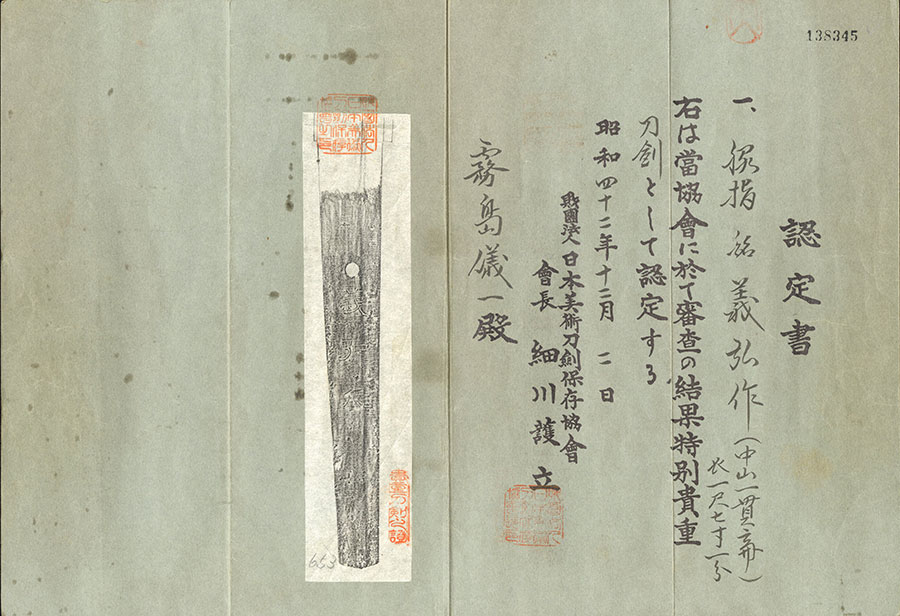
This work carries older NBTHK “Kichō”-era papers, which the NBTHK no longer issues and now regards as unreliable. To confirm the attribution, submission to an official Japanese examination body (such as the NBTHK or NTHK) for modern certification could be considered.
For returns due to customer circumstances, the cost is the customer's responsibility. For returns due to our mis-shipment or a defective item, we bear the cost.

¥280,000
It has appeared, it has appeared! A famous but rare zaimei work by the Bakumatsu swordsmith Ikkansai Yoshihiro, which even I am seeing for the first time. This is a magnificent wakizashi in the style of a Soshu Akihiro utsushi, the kind that everyone desires, recently emerged from an old estate. It is a precious wakizashi, as extant zaimei works by Nakayama Ikkansai Yoshihiro—who was renowned for his Soshu-den forging—are almost never seen. The author of this wakizashi, Nakayama Ikkansai Yoshihiro, was a master who dedicated himself to creating works that evoke the style of high-level Soshu-den smiths; as ancient tradition says, Soshu-den was born through the study and emphasis of Yamato-den. He is a wonderfully popular smith known as a genius of the Bakumatsu period. Yoshihiro was born in the 9th year of Kansei (1797) (229 years ago) during the era of the 11th Shogun Tokugawa Ienari, around the time Ino Tadataka began creating maps of the entire country. He was born in Sayo-no-Nakayama in Suruga (Shizuoka), famous for the Sayo Ichimonji. Later, he went to Mito in Hitachi Province, where he studied the Etchu Norishige tradition of Soshu-den forging under the Mito clan smith Kawatani Noritoshi. He took the name Nakayama Kurando and the go Ikkansai. He was a highly capable smith who was also requested to assist greatly in the construction of Egawa Tarozaemon’s reverberatory furnace in Nirayama, Izu, which is now designated as a UNESCO World Heritage site. During the Tenpo era, he was employed by Lord Matsudaira Yamato-no-kami, becoming a clan smith for the 170,000-koku Maebashi Domain, where he resided permanently. He was a master who perfected a tsukuri-hada and Soshu-den style unparalleled among swordsmiths of that time. This wakizashi displays an excellent wakizashi sugata with a difference between the moto-mihaba and saki-mihaba and a graceful sori. The jigane is forged in itame-hada, exhibiting chikei and ji-nie in the ji. The hamon is a nioi-deki gunome-midare with ko-nie, featuring tobiyaki in the ji that results in a hitatsura-ba. Within the ha, many kinsuji and sunagashi appear, presenting a powerful wakizashi that brilliantly captures the Soshu Akihiro utsushi style. We received this from an old family who stated that as they have aged, they wish to pass this charming Soshu Akihiro utsushi wakizashi to someone who will treasure it, asking us to sell it at a low price. Because there is some slight thin rust due to age, we are offering it at a special, ultra-bargain price. Please enjoy this magnificent and precious meiwakizashi from the Shinshinto period, which so prominently showcases the Soshu-den style.
NihontoWatchsigned · 相州伝 · Shin-Shinto · nagasa 51.8cm · sori 1.3cm
Sagami · around 1299-1302
1 piece on the market now
Where Yoshihiro stands among comparable artisans: across all of nihontō, and within tradition, era, and period. The tiers (Foremost · Leading · Major · Notable) weigh official designations from the NBTHK and Japan's Agency for Cultural Affairs, together with historical honors of lasting repute such as the Sansaku and Meibutsu-chō.
Select a lens to see how it's measured.
The Shinshintō revival
Around 1800 Suishinshi Masahide argued in his writings that the craft must return to the old masters’ methods: the fukkotō revival. His greatest successor Naotane worked convincingly in Bizen and Sōshū manners that had been dead for centuries.
This work carries older NBTHK “Kichō”-era papers, which the NBTHK no longer issues and now regards as unreliable. To confirm the attribution, submission to an official Japanese examination body (such as the NBTHK or NTHK) for modern certification could be considered.
For returns due to customer circumstances, the cost is the customer's responsibility. For returns due to our mis-shipment or a defective item, we bear the cost.
¥280,000