Edo was the sword’s age of connoisseurship: the Hon’ami appraisers, the shogunal register of famous blades of 1719, and a thriving literature turned the sword into an object of study even as it ceased to be drawn in war.
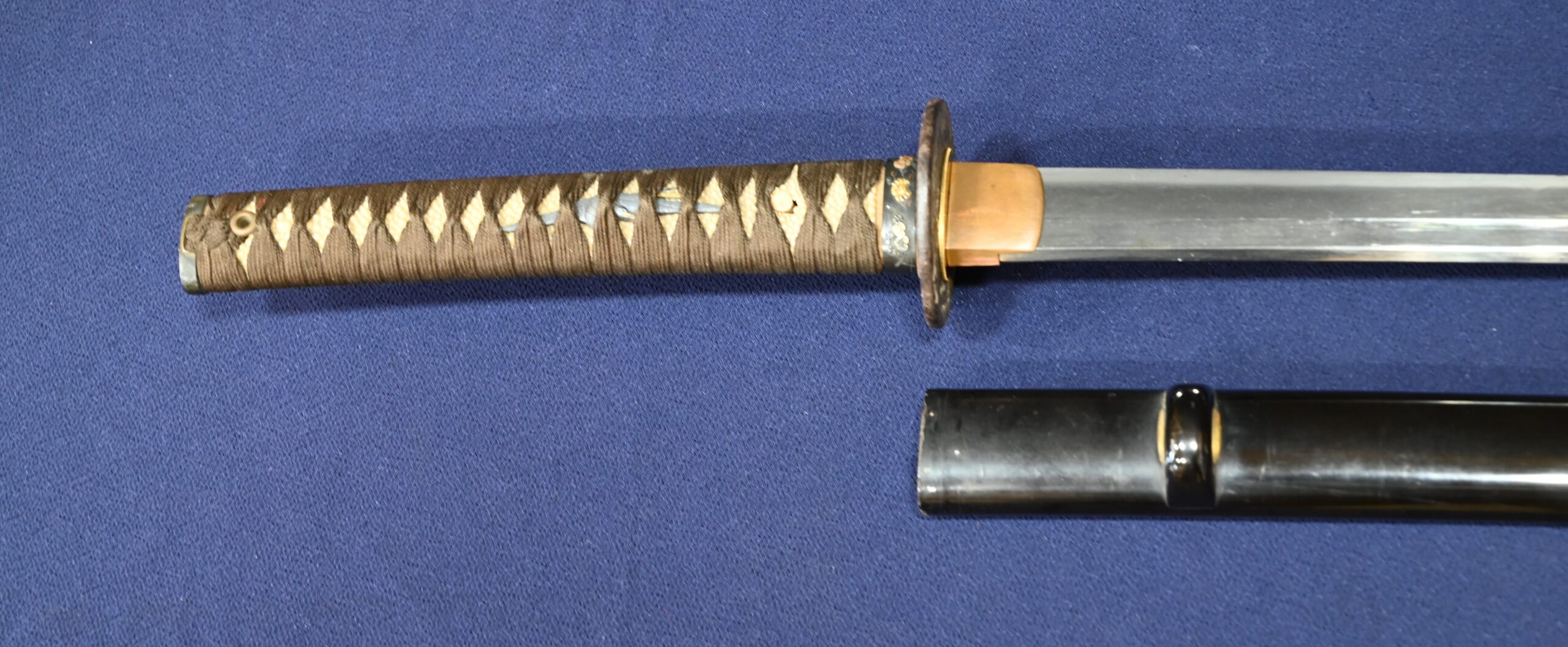
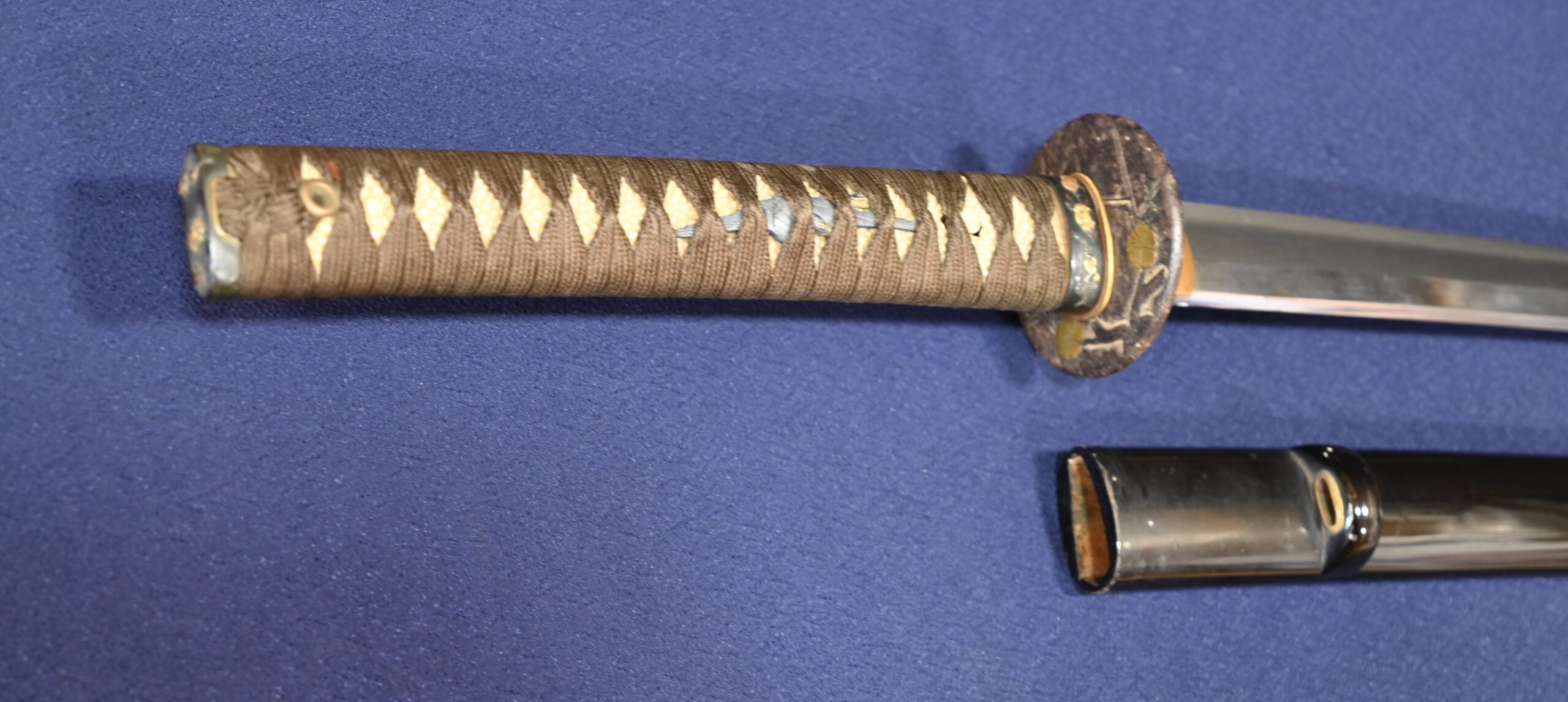
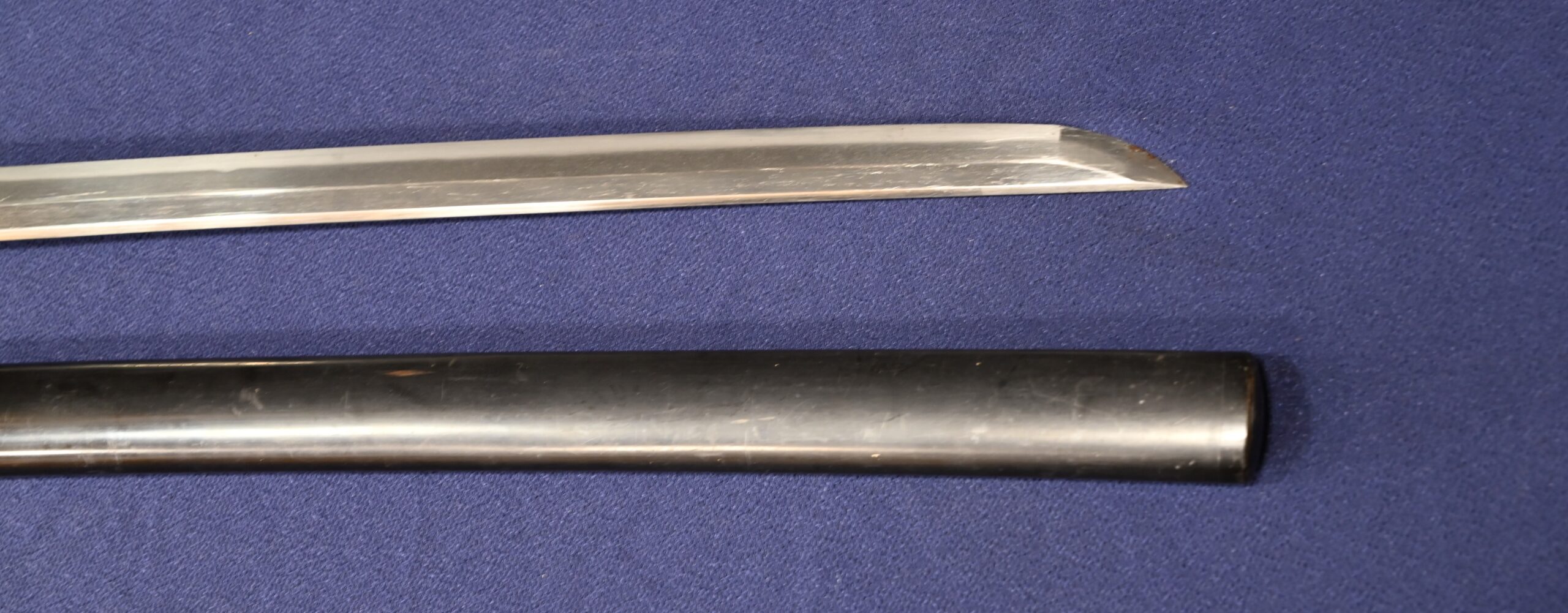
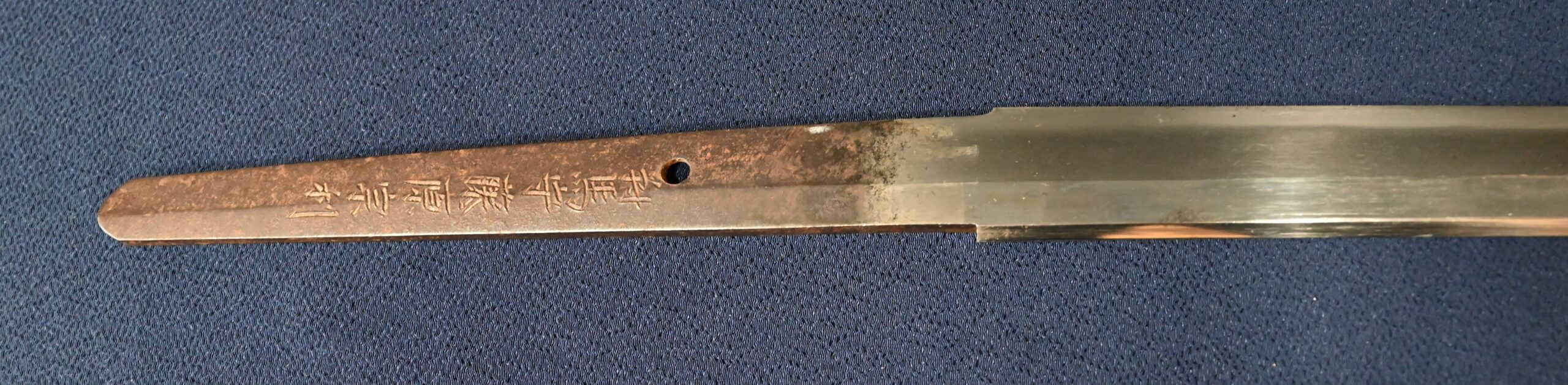
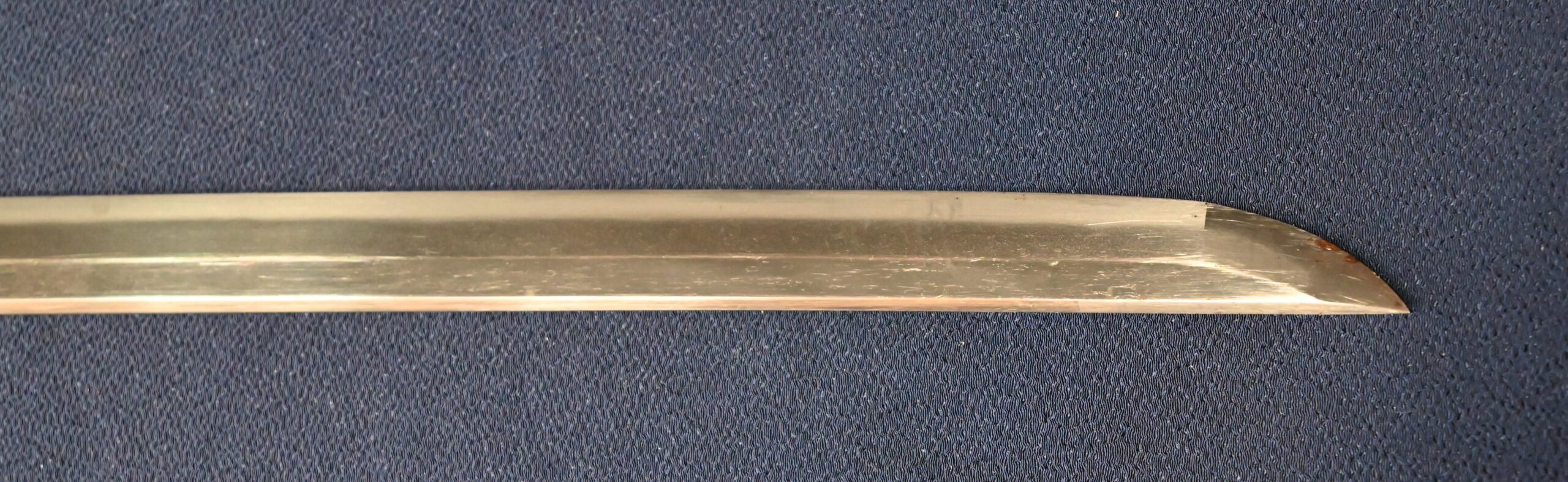
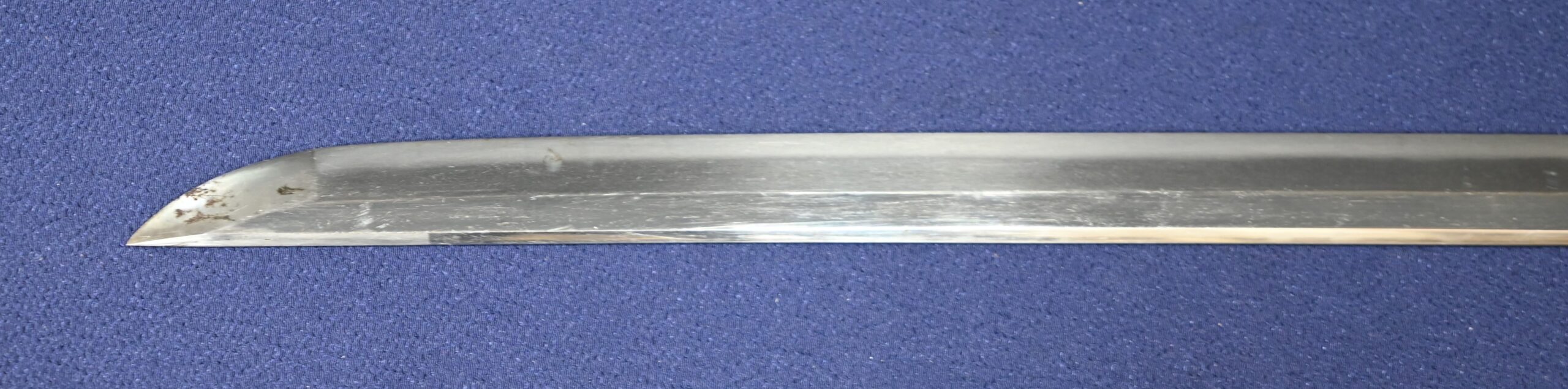
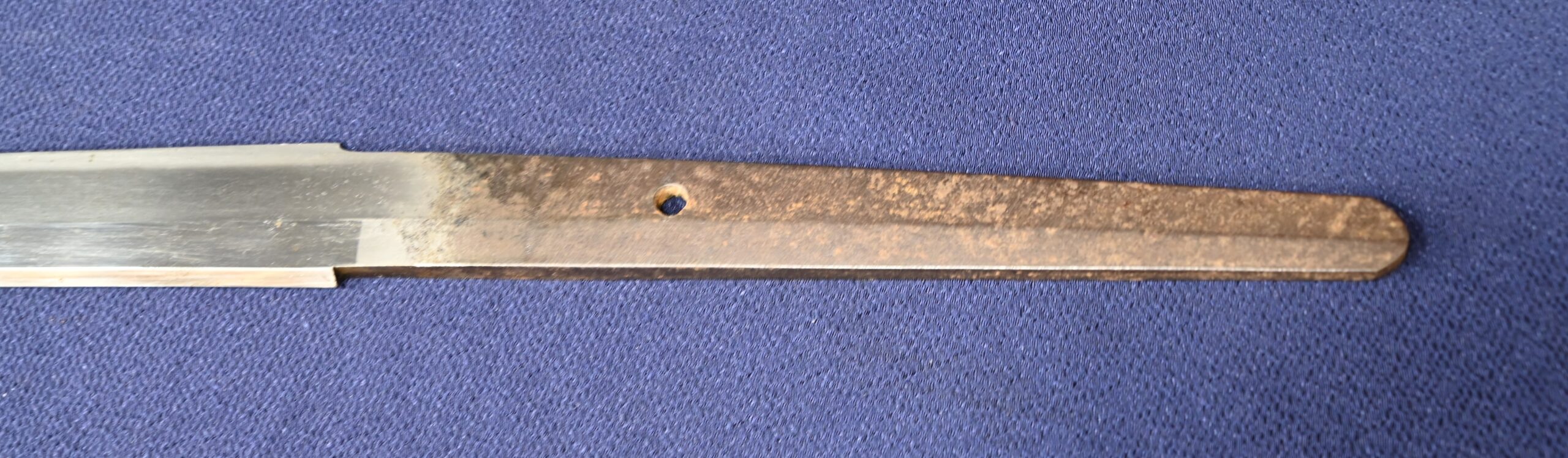
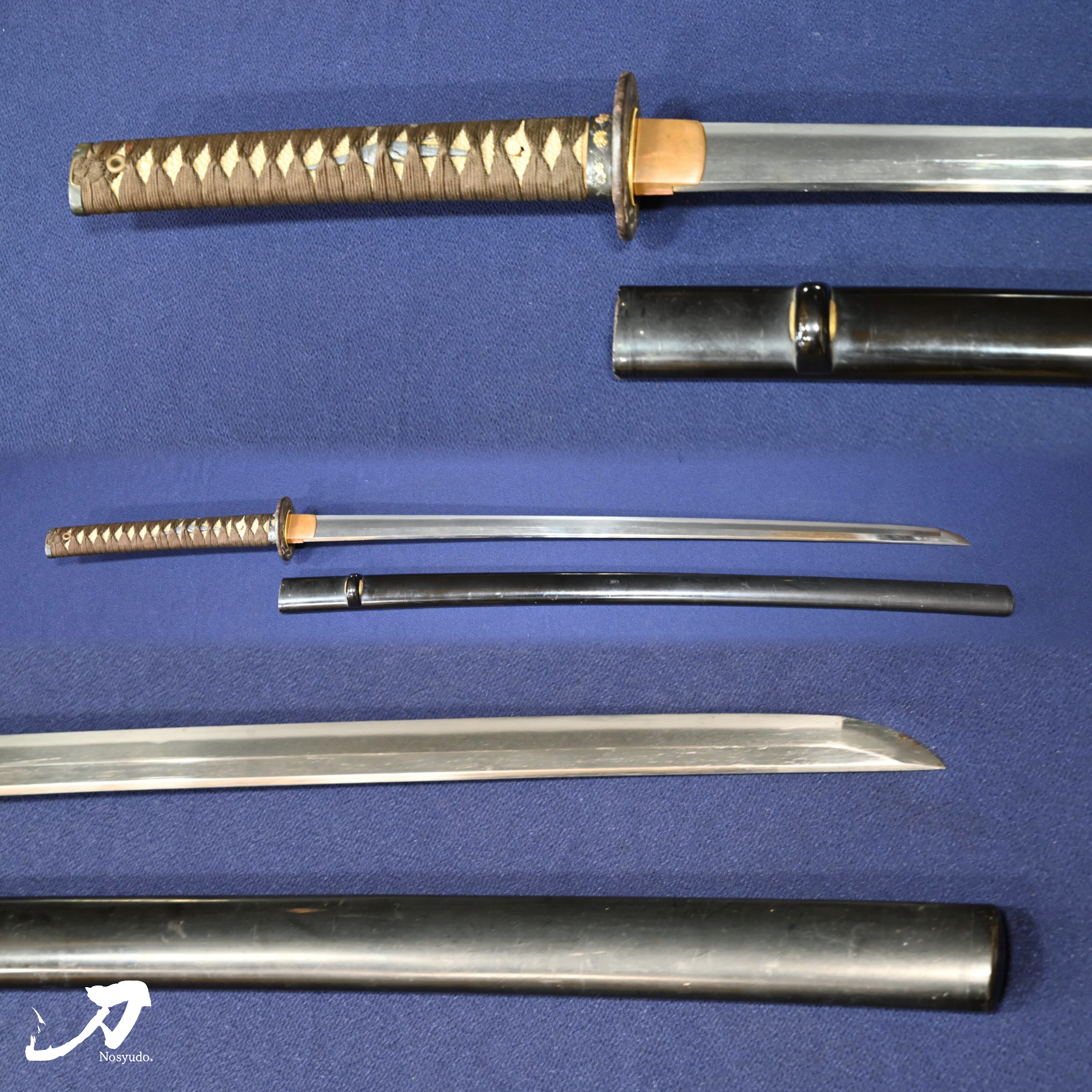
This is a katana by Tsushima no Kami Fujiwara Munetoshi, active during the early Edo period (around Genroku, 1700). It features a nagasa of 76.0cm with a sori of 0.7cm, and a small masame hada with fushi-ha hamon. The blade comes with a full koshirae featuring a brown silk tsukamaki and black roiro saya, and is accompanied by an NTHK Kanteisho certificate.
 NihontoWatch
mei · Anei (1772-1781) · nagasa 76cm · sori 0.7cm




Kōchi · around 1772-1781
2 pieces on the market now
Edo was the sword’s age of connoisseurship: the Hon’ami appraisers, the shogunal register of famous blades of 1719, and a thriving literature turned the sword into an object of study even as it ceased to be drawn in war.
The NTHK’s principal certificate, issued for a blade of considerable quality. It confirms a genuine signature, or, for an unsigned (mumei) work, records the judges’ attribution to a smith or school. The paper carries a detailed worksheet with a numerical point score.
The NTHK (Nihon Tōken Hozon Kai, the Society for the Preservation of the Japanese Sword) is the oldest of Japan’s sword-appraisal bodies, founded in 1910, decades before the NBTHK. After the death of its long-serving head it divided into two successor societies, the NTHK and the NTHK-NPO, both of which continue to hold shinsa. NTHK certificates are known for a detailed worksheet that records a numerical point score alongside the judges’ written opinion, and the society is especially respected for its attribution of unsigned (mumei) work.
This is a katana by Tsushima no Kami Fujiwara Munetoshi, active during the early Edo period (around Genroku, 1700). It features a nagasa of 76.0cm with a sori of 0.7cm, and a small masame hada with fushi-ha hamon. The blade comes with a full koshirae featuring a brown silk tsukamaki and black roiro saya, and is accompanied by an NTHK Kanteisho certificate.
NihontoWatchmei · Anei (1772-1781) · nagasa 76cm · sori 0.7cm
Kōchi · around 1772-1781
2 pieces on the market now
Edo was the sword’s age of connoisseurship: the Hon’ami appraisers, the shogunal register of famous blades of 1719, and a thriving literature turned the sword into an object of study even as it ceased to be drawn in war.
The NTHK’s principal certificate, issued for a blade of considerable quality. It confirms a genuine signature, or, for an unsigned (mumei) work, records the judges’ attribution to a smith or school. The paper carries a detailed worksheet with a numerical point score.
The NTHK (Nihon Tōken Hozon Kai, the Society for the Preservation of the Japanese Sword) is the oldest of Japan’s sword-appraisal bodies, founded in 1910, decades before the NBTHK. After the death of its long-serving head it divided into two successor societies, the NTHK and the NTHK-NPO, both of which continue to hold shinsa. NTHK certificates are known for a detailed worksheet that records a numerical point score alongside the judges’ written opinion, and the society is especially respected for its attribution of unsigned (mumei) work.

